Vanilla is the most recognizable flavor in the world, baked into everything from birthday cakes to lip balms to the concept of baseline normalcy. And yet the vast majority of what we taste when we think we're tasting vanilla has never been near an actual vanilla orchid. Roughly 85% of vanilla flavoring used globally is synthetic, using a lab-made compound called vanillin.
What nobody discusses is how thoroughly the synthetic version has come to outperform the real thing, not just on price, but on reliability, consistency, and rational usability. Tracing why requires understanding one of the more quietly precarious supply chains in the global food system.
How One Island Became a Single Point of Failure
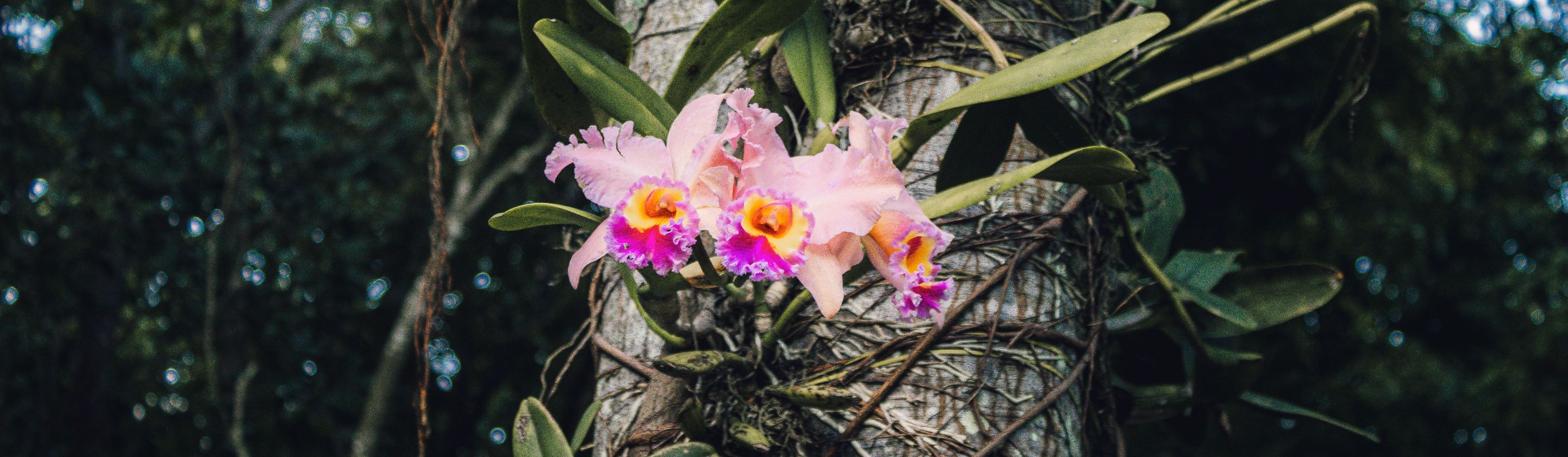
Real vanilla comes from a climbing orchid, Vanilla planifolia, originally cultivated by the Totonac people of eastern Mexico. When Spanish colonizers brought it to Europe in the 16th century, every attempt to grow it outside Mexico failed because the orchid's natural pollinators, bee species native to Mexico, didn't exist anywhere else. That changed in 1841, when Edmond Albius, a 12-year-old enslaved boy on the island of Réunion, developed the hand-pollination technique still used today, unlocking vanilla cultivation for the rest of the world.
Madagascar absorbed most of that cultivation and now produces somewhere between 75% and 80% of the global vanilla supply. That concentration would be manageable if Madagascar were a climatically stable, well-resourced agricultural region. It is not. The island sits squarely in the cyclone belt of the Indian Ocean, and a single storm can erase entire growing seasons. In March 2017, Cyclone Enawo made landfall in northeastern Madagascar, the heart of vanilla country, destroying crops and sending prices above $600 per kilogram, up from roughly $20 per kilogram just a few years prior.
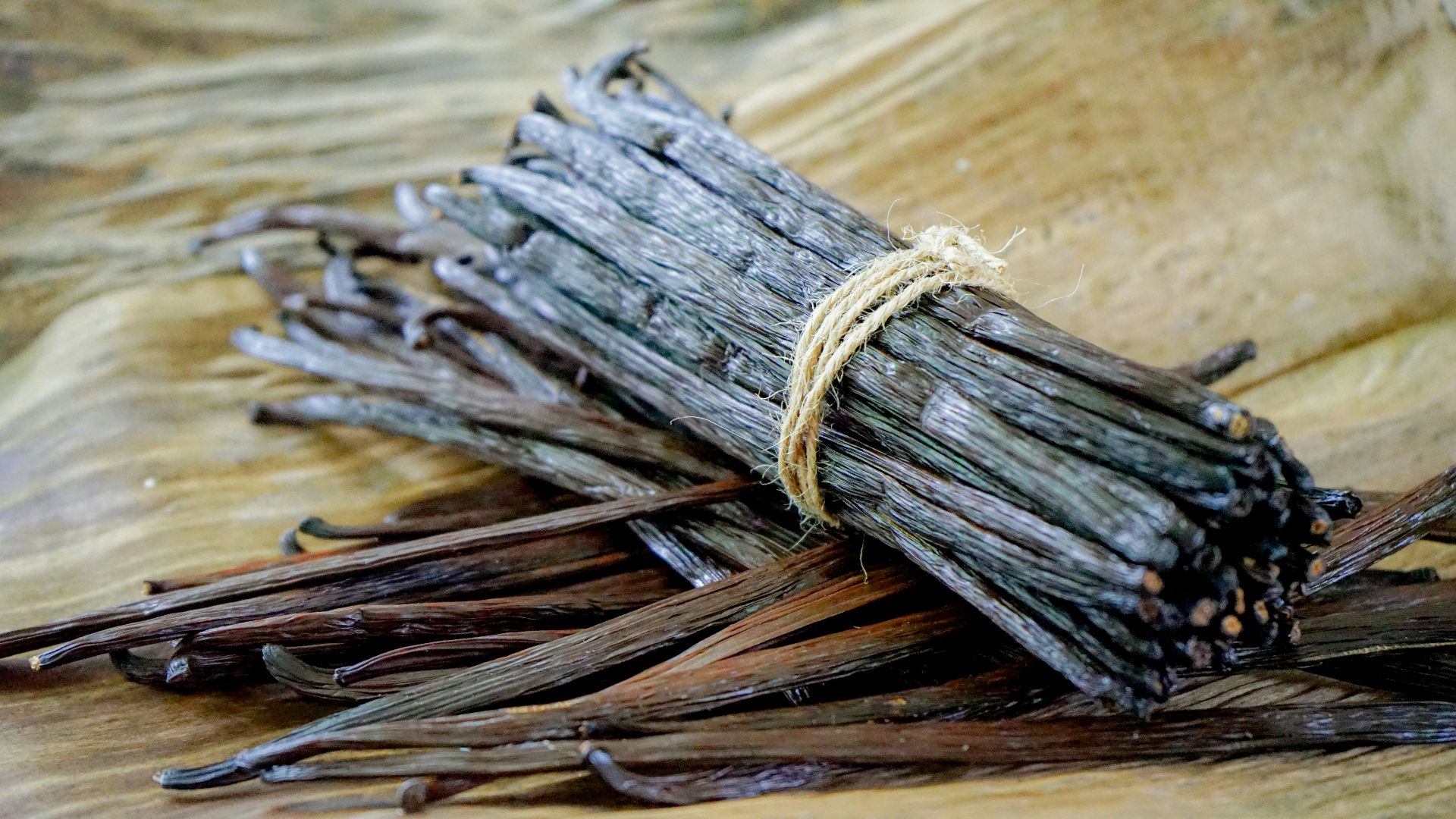
The hand-pollination requirement compounds every other vulnerability in the chain. Each vanilla flower blooms for a single day and must be pollinated within hours of opening. The vine takes three years to mature before it flowers at all, and harvested beans require months of curing. Every step is labor-intensive, time-sensitive, and impossible to automate in any meaningful way. When you stack climate exposure on top of that structure, you get a supply chain that behaves less like a commodity and more like a gamble.
The Chemistry That Simplified Everything
Vanillin, the primary aromatic compound responsible for vanilla's flavor, was first synthesized in 1874 by German chemists Ferdinand Tiemann and Wilhelm Haarmann, who produced it from coniferin, a compound derived from pine bark. It was the first time a major flavor compound had been made entirely without the plant it came from, and while the discovery didn't immediately transform the food industry, it established the template for everything that followed.
Modern synthetic vanillin comes mainly from two sources: guaiacol, a petrochemical derivative, and lignin, a byproduct of the paper pulping process. The lignin route is something of an industrial elegance story, converting a manufacturing waste stream into one of the most widely used flavor compounds on the planet. At wholesale, synthetic vanillin costs roughly $15 per kilogram, and it is chemically identical in its vanillin content to what you'd isolate from a cured vanilla bean.
The genuine limitation is that natural vanilla contains over 200 flavor compounds beyond vanillin. The full aromatic profile of a high-quality Madagascan or Tahitian bean is genuinely complex in ways synthetic vanillin doesn't replicate. Trained tasters can reliably tell the difference. Whether most consumers can, inside a finished baked product, is a question the food industry has largely resolved through its purchasing behavior.
Why the Food Industry Chose Predictability Over Purity
When vanilla prices spiked after Cyclone Enawo, companies using real vanilla faced a stark set of options: absorb catastrophic cost increases, reformulate with synthetic vanillin, or pass the pain to consumers. Many reformulated. Ice cream manufacturers, cookie brands, and flavoring houses that had marketed real vanilla as a selling point quietly reviewed their ingredient lists. At $600 per kilogram, the decision wasn't difficult for anyone operating at volume.
This is the core of the reliability argument. Synthetic vanillin doesn't have good years and bad years. Its price doesn't quadruple because of a cyclone or a political transition in a single producing country. It doesn't require a three-year cultivation lead time before you can harvest anything. For a company producing millions of units that need to taste identical across every batch, that stability is worth more than botanical authenticity.
Real vanilla hasn't disappeared, and it won't. It remains the choice for high-end applications where the full complexity of the genuine bean justifies the cost, and the market for real vanilla is still active and meaningful. The shift is subtler than a simple replacement story: synthetic vanillin no longer competes with real vanilla on flavor alone. It competes on the ability to promise the same thing every time, and in an industry built on consistency, that turned out to be the more valuable promise.