Naughty or Nice?
Sure, your nutritionist or dietitian might tell you that you should never label foods as "good" or "bad," since doing so (or severely restricting certain foods) will only cause you to form an unhealthy relationship with food. Yet, while the occasional indulgence is fine, certain products contain so much added sugar, sodium, saturated fat, or heavily refined ingredients that they’re best left off your plate entirely. If you're used to having bacon and a venti sugar-bomb Starbucks drink every morning, well... it might be time to swap that routine for something else. Here are 10 foods you should avoid at all costs, and 10 that aren't actually as bad as you've been led to believe.
1. Sugar-Sweetened Beverages
Sorry, boba lovers, but sugar-sweetened beverages like soda, sweet tea, fruit drinks, energy drinks, and yes, your favorite boba drink deliver large amounts of added sugar without providing much nutritional value, which can instantly spike your blood sugar levels. Because liquid calories aren’t always as satisfying as solid food, it’s also easy to consume a considerable amount before you even feel full. Regularly replacing these drinks with water, unsweetened tea, or sparkling water can substantially reduce your sugar intake.

2. Processed Meats
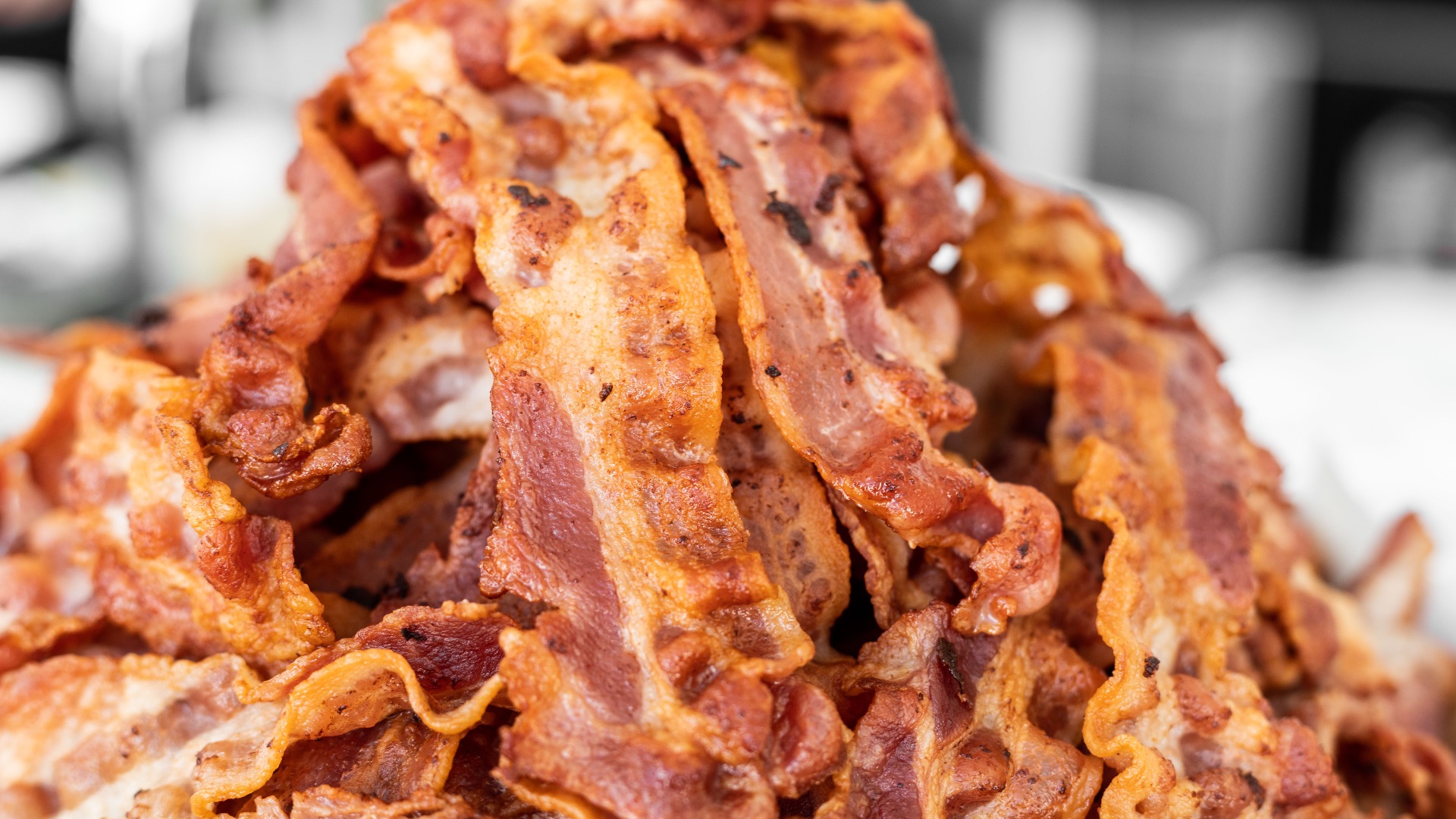
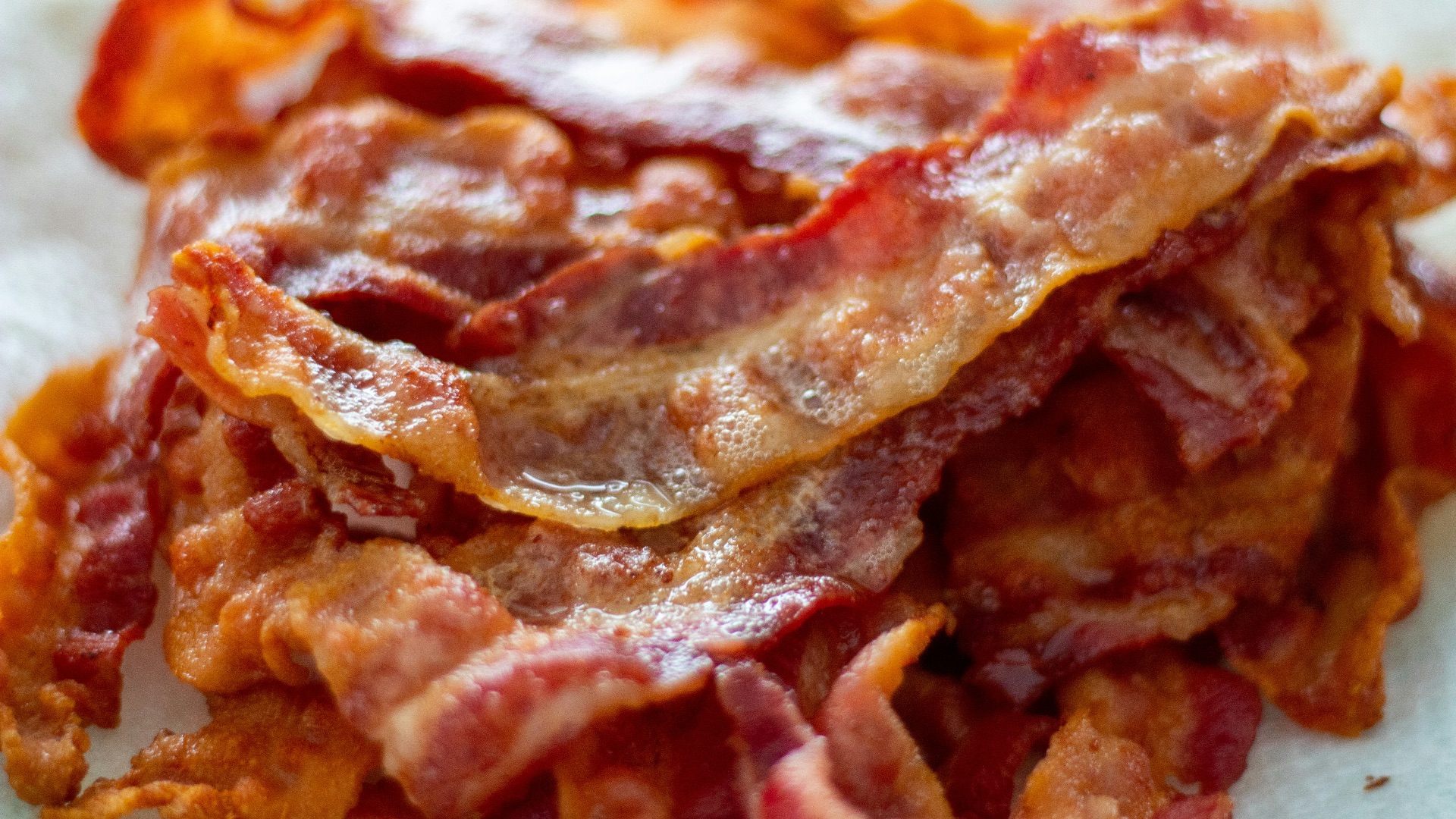
Bacon, hot dogs, salami, and many packaged deli meats are often high in sodium and saturated fat, so you really shouldn't be eating them regularly whether for breakfast, lunch, or dinner.
These products may be convenient, but eating them frequently can push an otherwise balanced diet in a less nutritious direction. Choose fresh poultry, fish, beans, eggs, or minimally processed meats more often, and save processed varieties for occasional meals.
3. Packaged Sweets
Individually wrapped cakes, frosted pastries, and cream-filled treats commonly combine refined flour, added sugar, and inexpensive fats. They’re designed to stay soft and appealing for long periods, yet they usually offer little fiber, protein, or lasting satisfaction. A homemade dessert can still be rich, but you generally have more control over its ingredients and portion size.

4. Oversized Sweetened Coffee Drinks
Coffee itself isn’t the issue when the cup is loaded with flavored syrups, whipped cream, sweetened sauces, and sugary toppings (yes, we mean your go-to Starbucks drink). Some specialty drinks function more like desserts, particularly when ordered in the largest available size. Checking the added sugar and choosing fewer pumps of syrup can keep your morning drink from becoming a major source of daily sugar.

5. Ultra-Processed Frozen Dinners
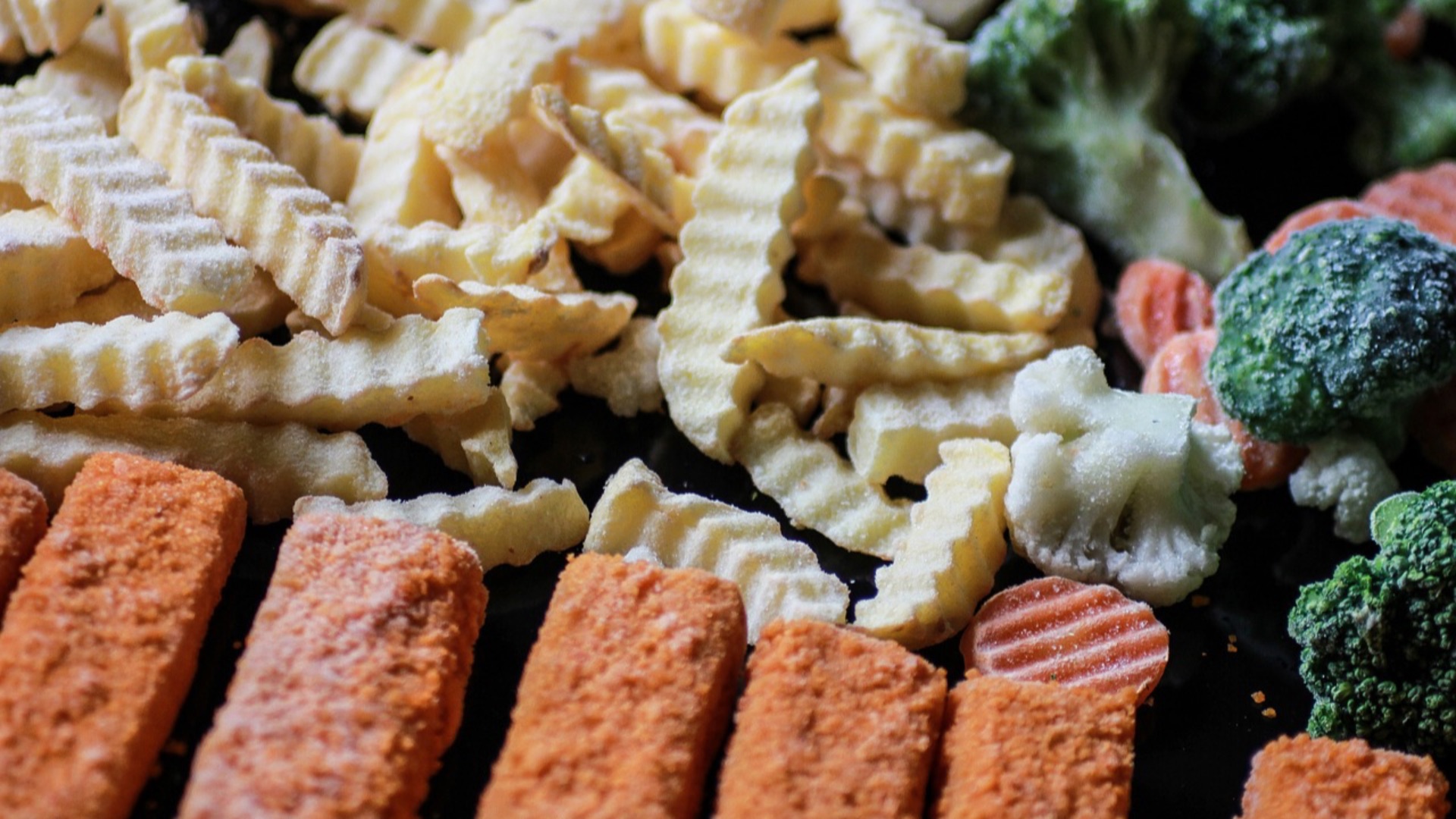
Frozen food isn’t automatically unhealthy, but many complete frozen dinners contain excessive sodium, refined starches, and relatively small servings of vegetables. Their modest appearance can also disguise how much salt is packed into a single tray. Look for meals with vegetables, whole grains, and a meaningful amount of protein, or freeze portions of dishes you cook at home.
6. Candy
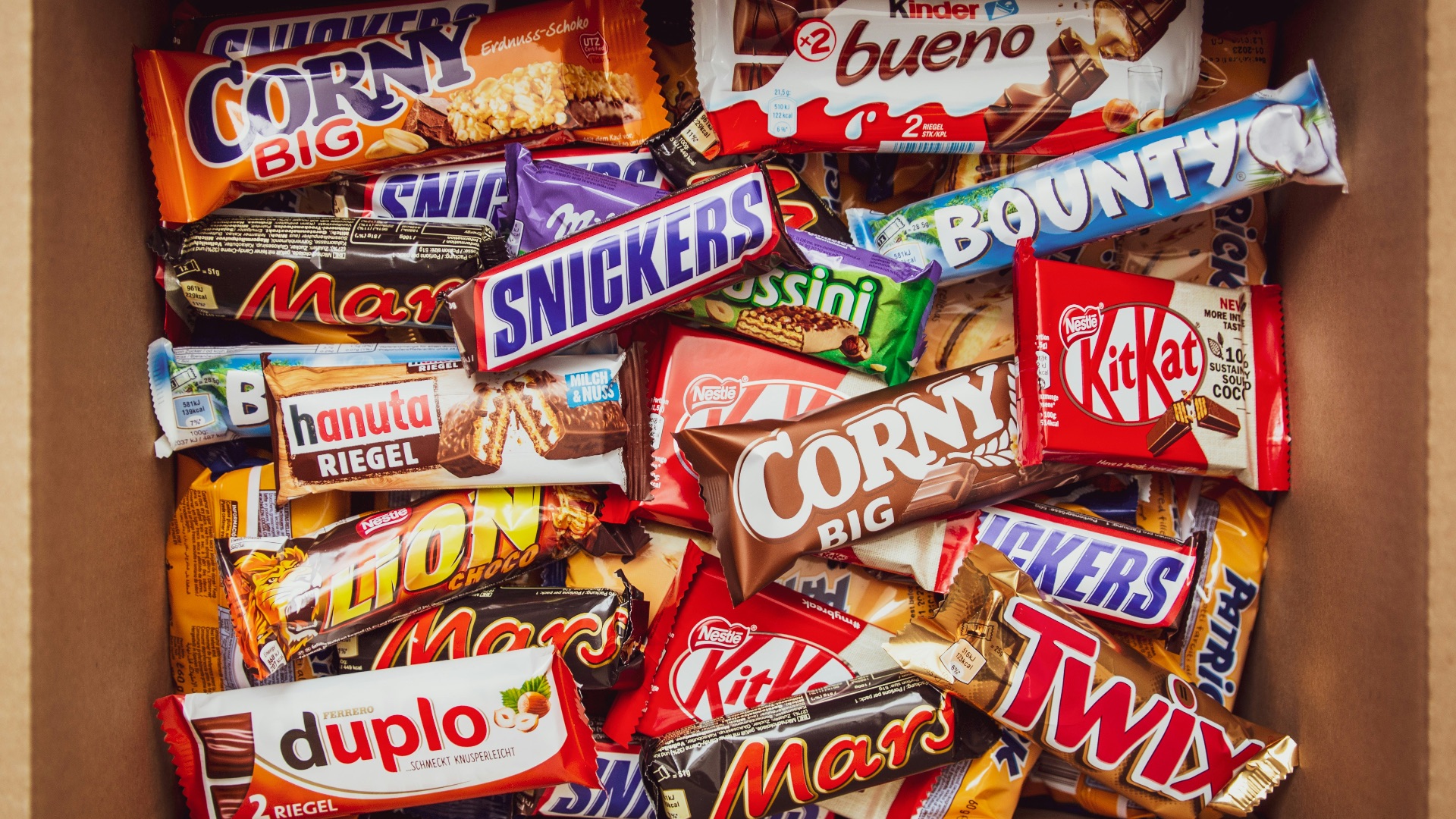
A few pieces of candy can fit into a balanced diet, but large resealable bags make portions difficult to judge. Candy is usually concentrated in added sugar and provides little protein or fiber to slow down how quickly you eat it. Pouring a portion into a bowl is better than repeatedly reaching into a package, although buying it less often removes the temptation altogether.
7. Deep-Fried Fast-Food
A fried entrée becomes considerably less balanced when it’s paired with large fries, sugary soda, and multiple sauces. The full meal can contain substantial amounts of sodium, refined carbohydrates, saturated fat, and calories while offering limited produce. Ordering a smaller portion and replacing one side can improve matters, but it shouldn’t become your standard lunch or dinner.
 Parmanand Jagnandan on Unsplash
8. Chips
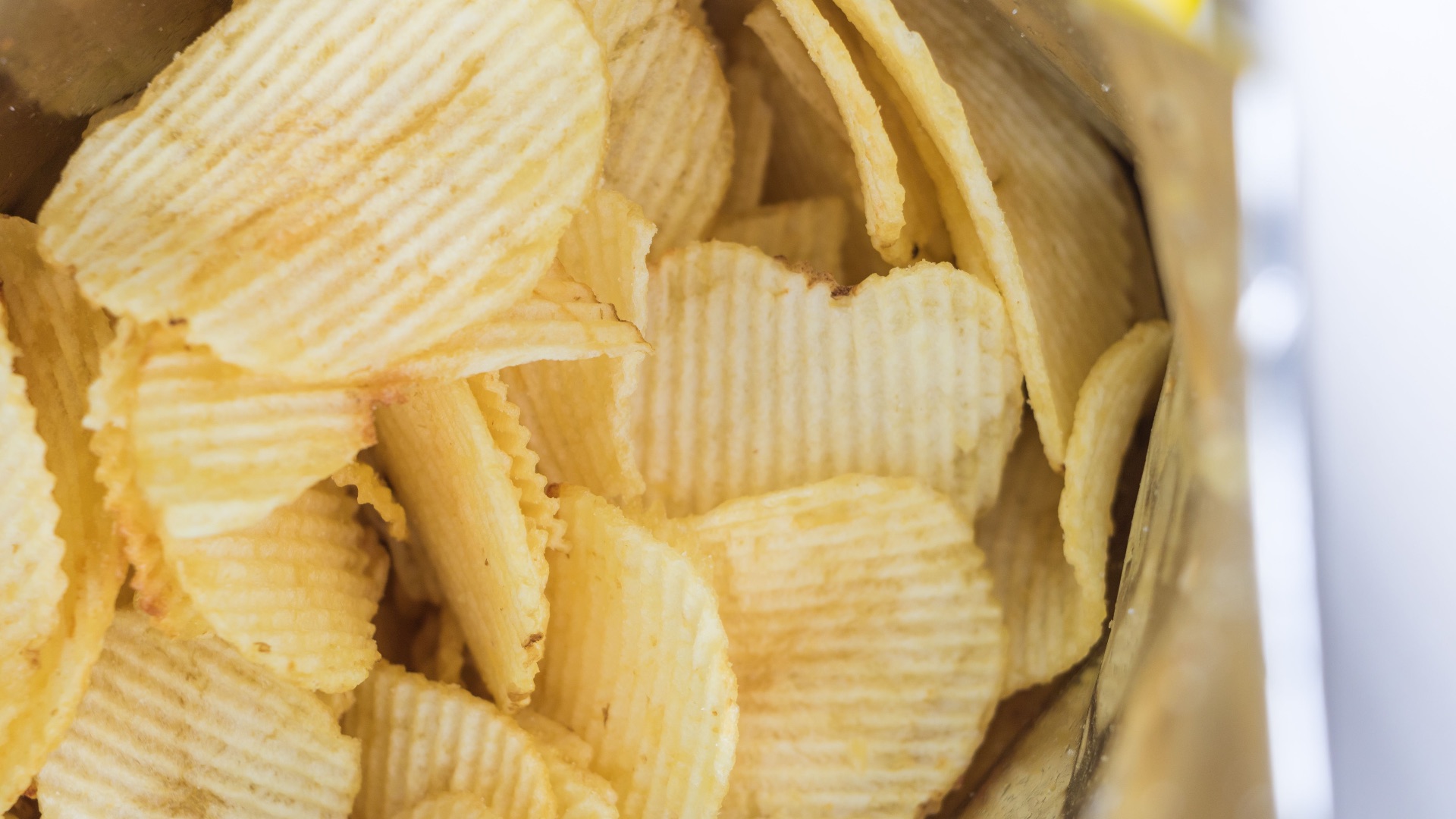
Potato and corn chips are easy to eat past a reasonable serving because they’re light, crisp, and intensely seasoned. Although potatoes and corn can both be nutritious, turning them into chips usually adds plenty of sodium and oil while removing much of their ability to satisfy you. Nuts, popcorn with modest seasoning, or vegetables with dip tend to provide more nutritional substance.
9. Sugary Breakfast Cereals
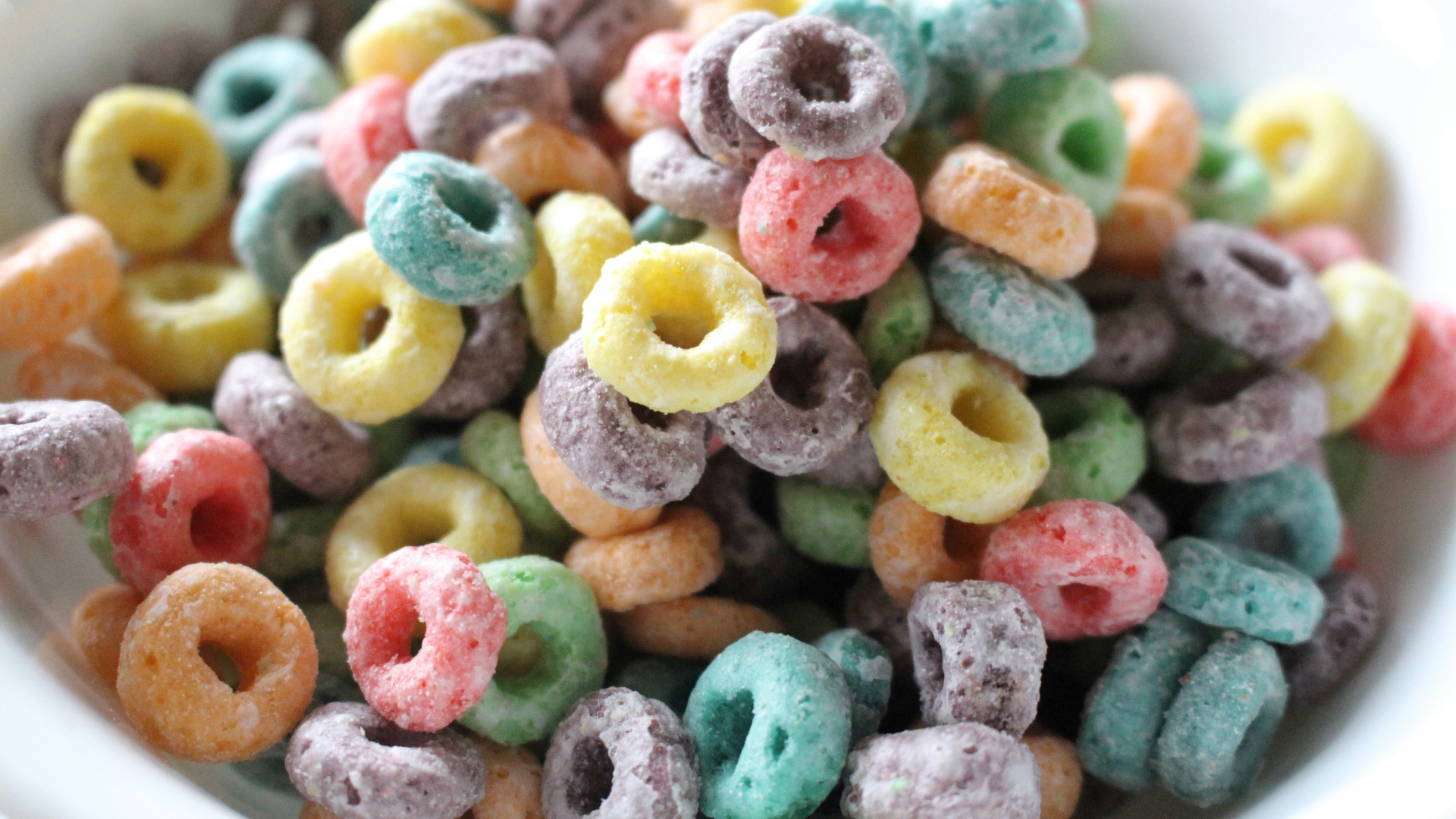
Boxes covered in health-related claims can still contain a surprising amount of added sugar. Some cereals are made largely from refined grains, so they don’t provide the fiber or staying power you’d expect from a complete breakfast. Compare labels and choose one with whole grains, more fiber, and little added sugar, then add fruit for sweetness.
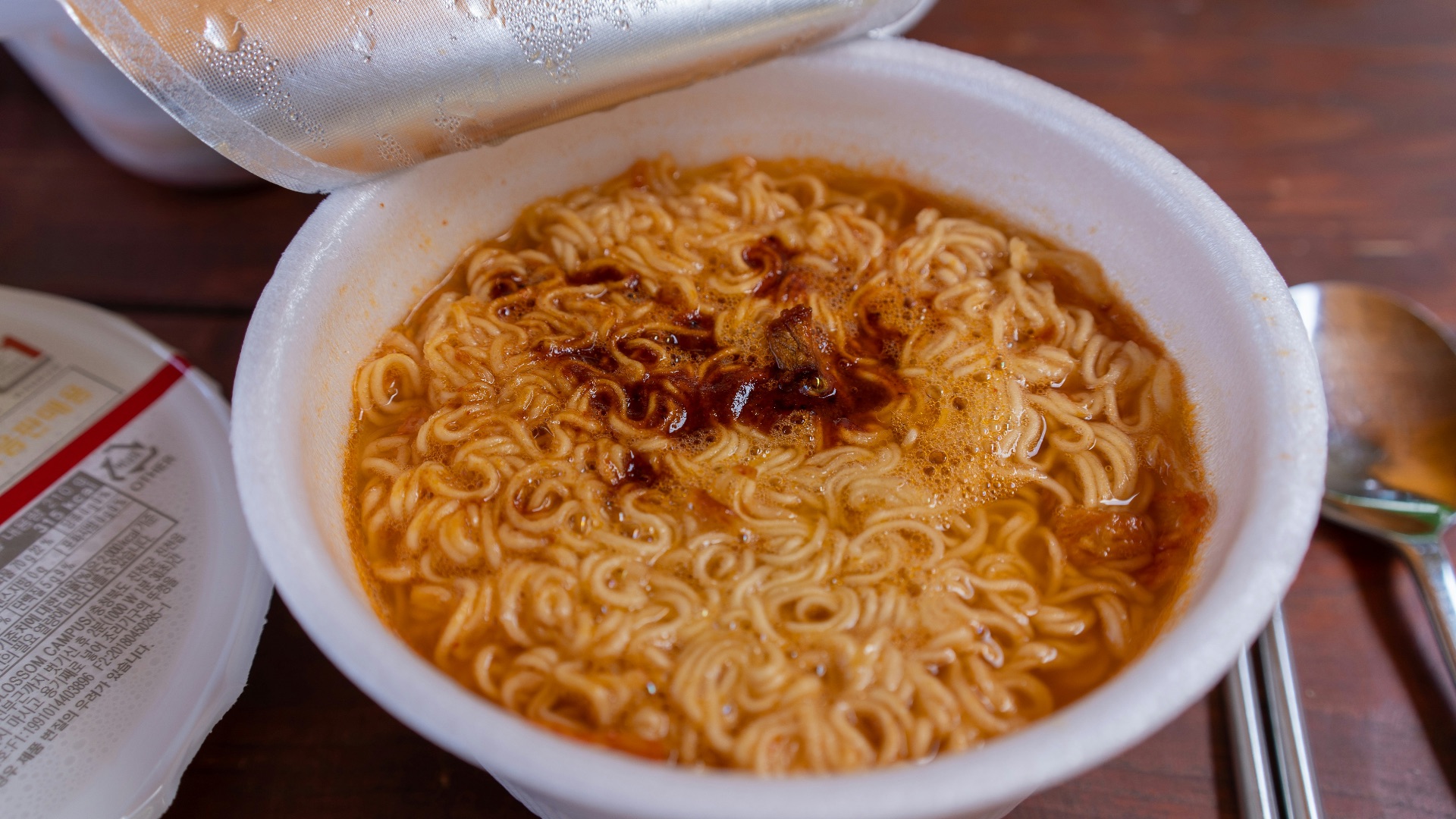
10. Instant Noodle Cups
Instant noodles are inexpensive and convenient, but the seasoning packets can contain a large share of your recommended daily sodium. The noodles themselves are generally low in fiber and may not keep you satisfied without additional ingredients. When convenience matters, use less of the seasoning and add vegetables, tofu, an egg, or leftover chicken to make the meal more complete.
Now that you know what foods you should limit, the next group has nearly the opposite problem: nutritious foods that are often dismissed because we've been led to believe they're "bad" for us.
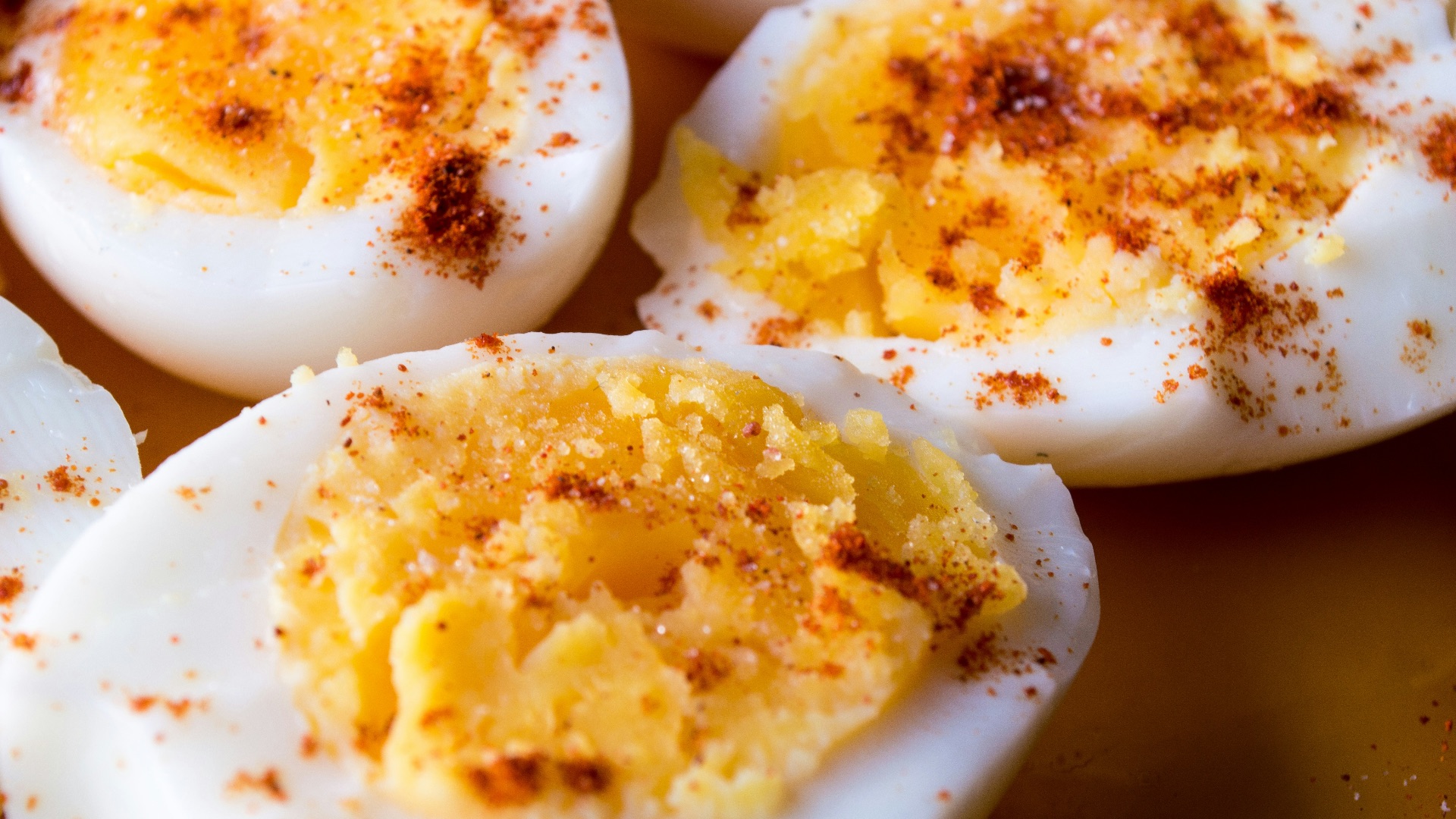
1. Eggs
Eggs spent years being treated as something everyone should strictly limit because they contain dietary cholesterol. For most people, however, an egg can be a useful source of protein along with several vitamins and minerals. How you serve it matters, since a boiled egg with whole-grain toast is very different from a large breakfast built around processed meat and fried potatoes.
2. Potatoes
Potatoes are often blamed for the nutritional problems created by French fries, loaded skins, poutine, and oversized servings of mashed potatoes. A plain potato with its skin provides potassium, vitamin C, vitamin B6, and some fiber. Baking or roasting one with a moderate amount of oil allows you to benefit from the vegetable without turning it into a fast-food side.

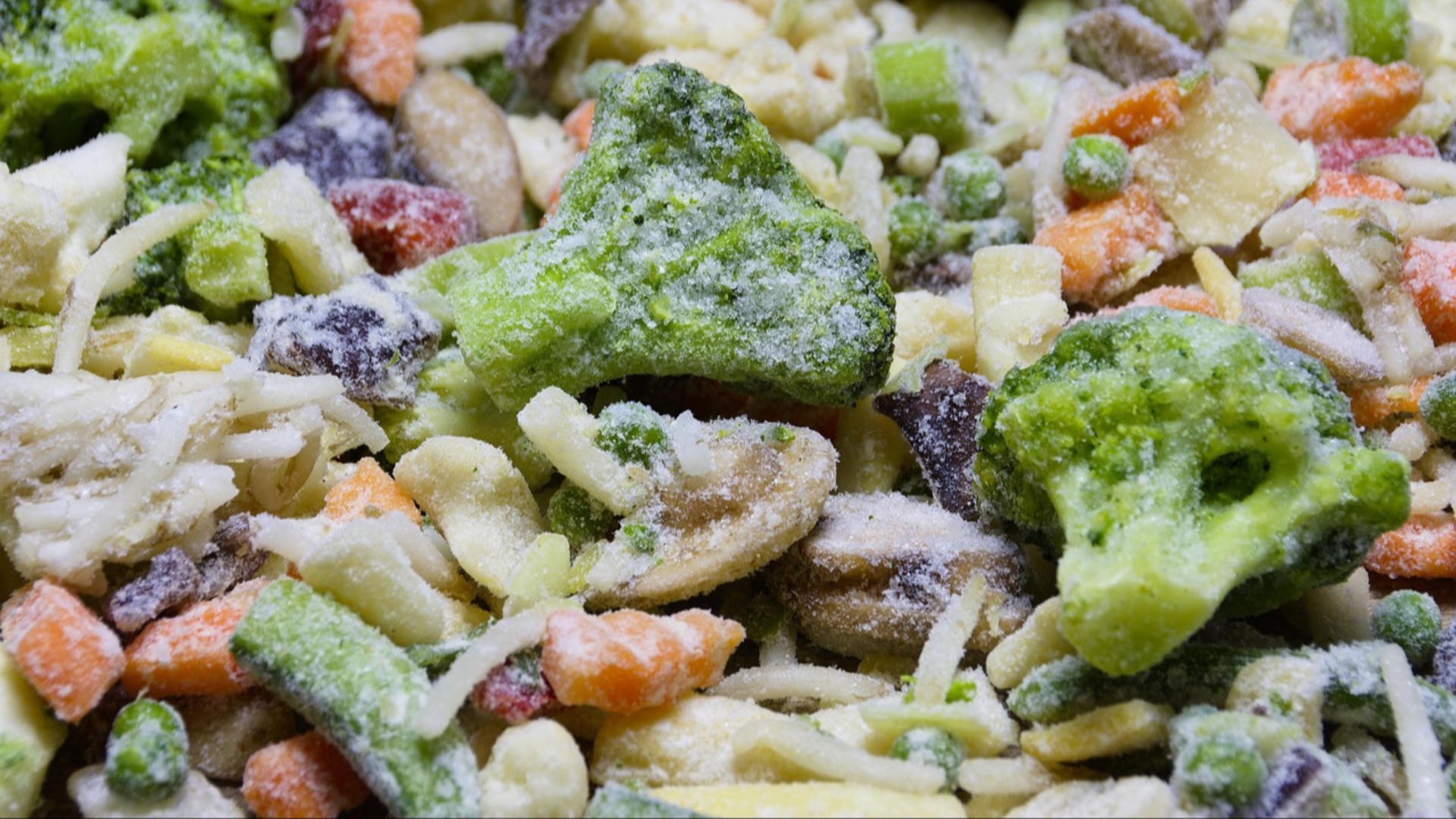
3. Frozen Vegetables
Sure, fresh is always better, but some shoppers automatically assume that frozen vegetables are nutritionally inferior simply because they aren’t displayed in the produce section. In reality, plain frozen vegetables can be practical and affordable, and help you reduce food waste at home. The products that deserve greater scrutiny are those packaged with rich sauces or large amounts of added salt, not the vegetables themselves.
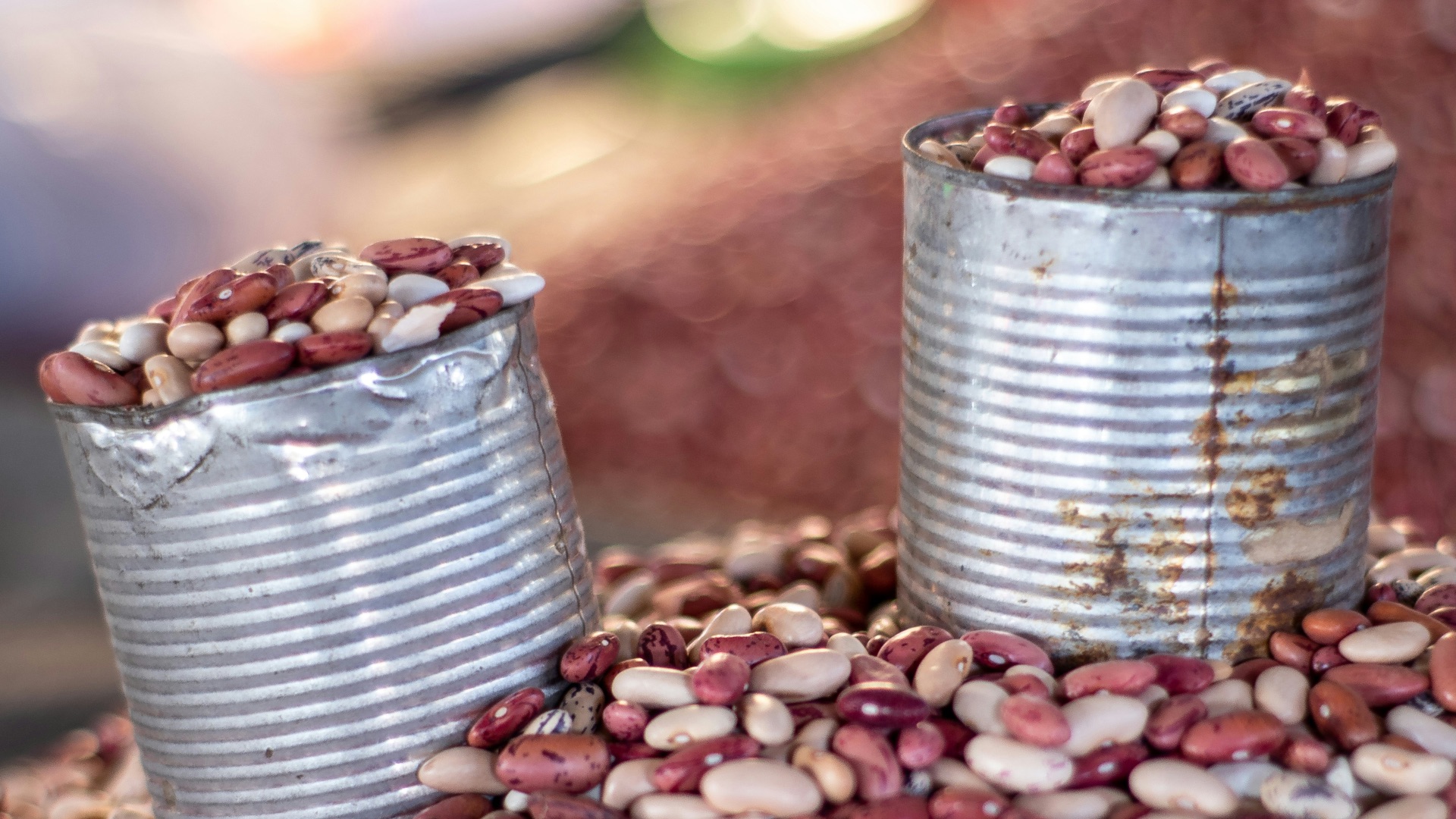
4. Canned Beans
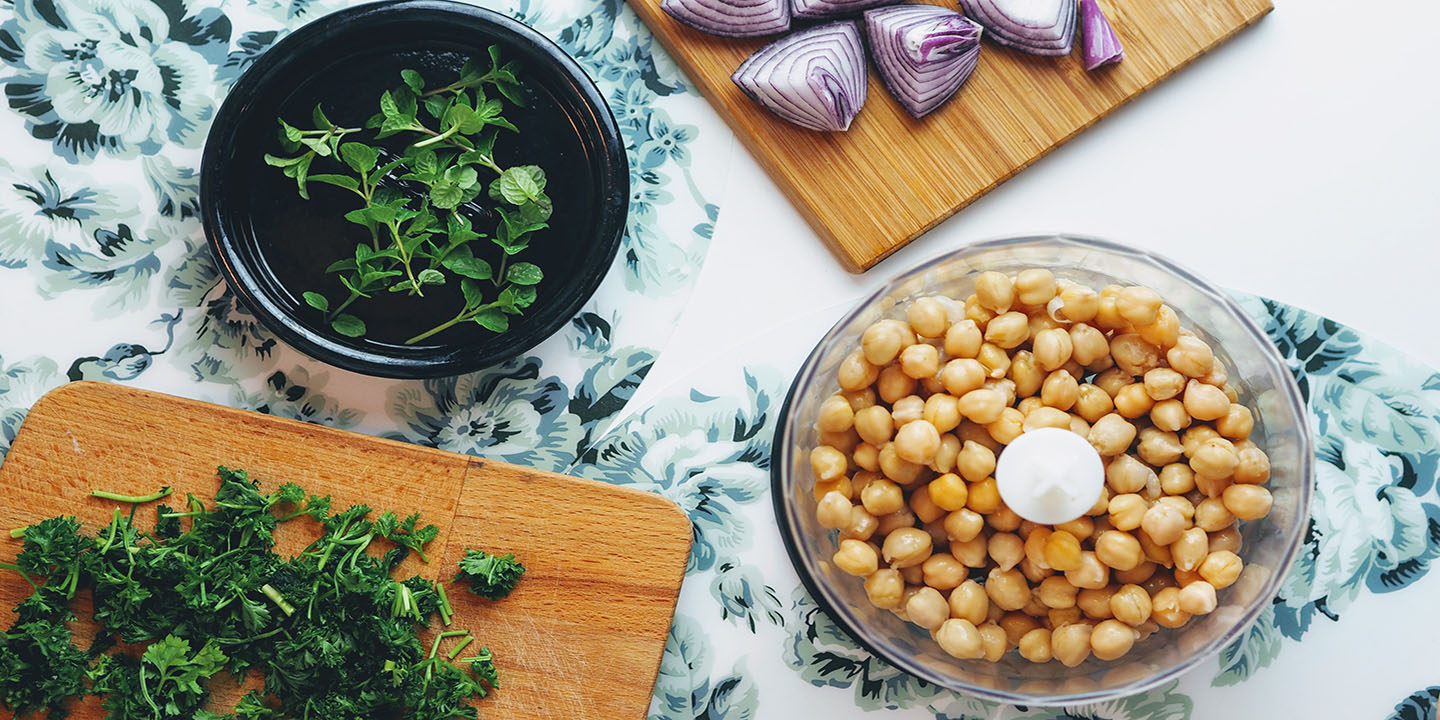
Canned foods are frequently dismissed as overly processed, yet canned beans retain protein, fiber, and important minerals. Their main drawback is often sodium, which you can reduce by choosing a lower-sodium product and rinsing the beans before eating them. They’re also far easier to add to salads, soups, and weeknight meals than beans that require hours of soaking and cooking.
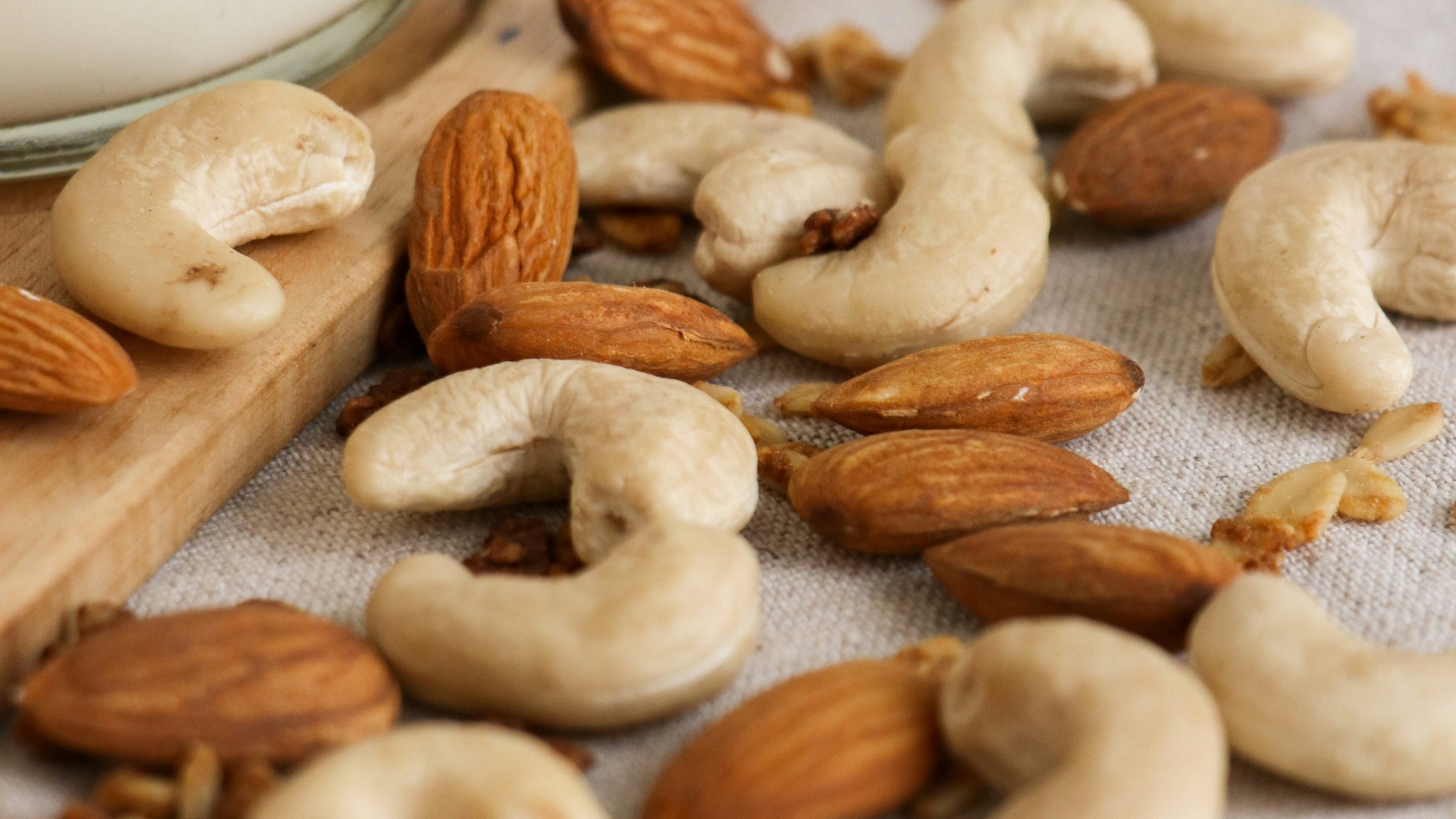
5. Nuts
Nuts are calorie-dense, which has, believe it or not, led some people to assume they automatically cause weight gain. Their fat is largely unsaturated, and they also provide protein, fiber, vitamins, and minerals. A small handful makes a far more substantial snack than heavily refined crackers or candy, provided you don’t continuously eat them straight from a large container.
6. Peanut Butter
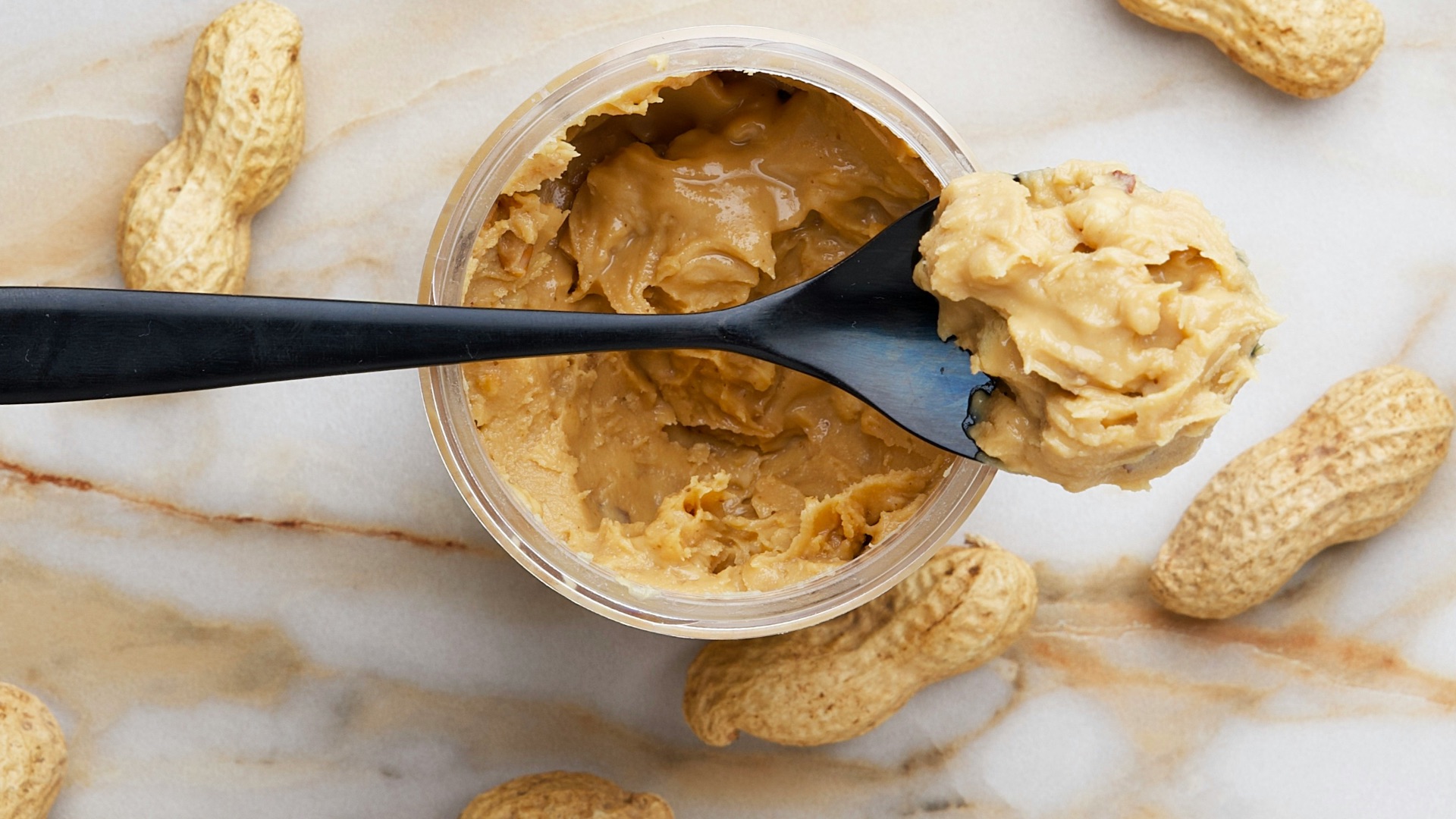
Peanut butter sometimes gets grouped with sugary dessert spreads, even though varieties made primarily from peanuts can be quite nutritious.
It supplies plant-based protein and unsaturated fat, making it useful on whole-grain toast or alongside fruit. Check the ingredient list, since products with lots of added sugar or unnecessary oils aren’t nutritionally identical to simpler versions.
 Corleto Peanut butter on Unsplash
7. Full-Fat Yogurt
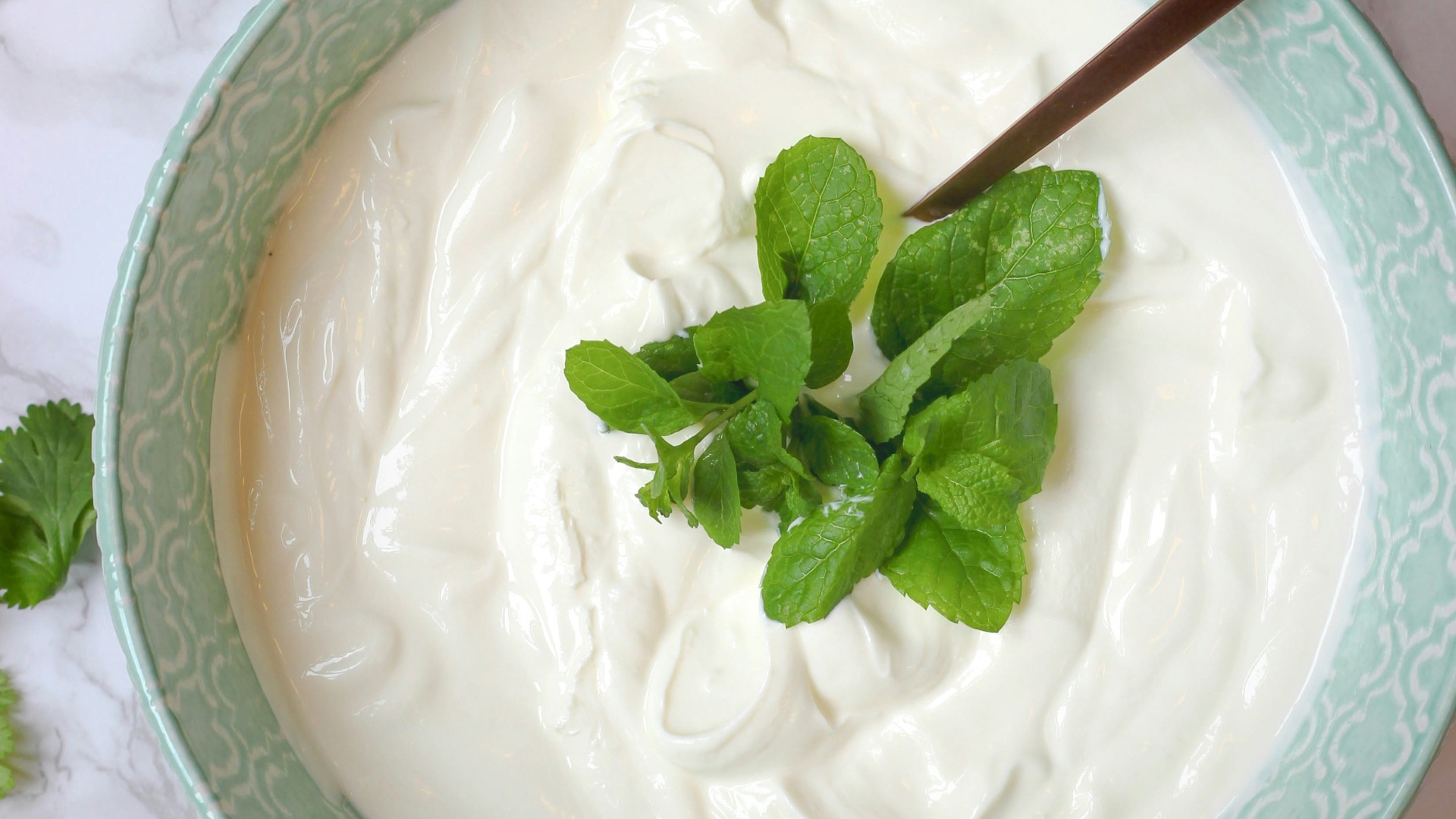
Low-fat messaging caused many people to regard full-fat dairy as inherently unhealthy, but the nutritional picture is more complicated. Plain yogurt provides protein and calcium, while fermented dairy products may also be easier for some people to digest. The bigger concern is often the large quantity of added sugar in flavored yogurt rather than the presence of milk fat alone.
 micheile henderson on Unsplash
8. Pasta
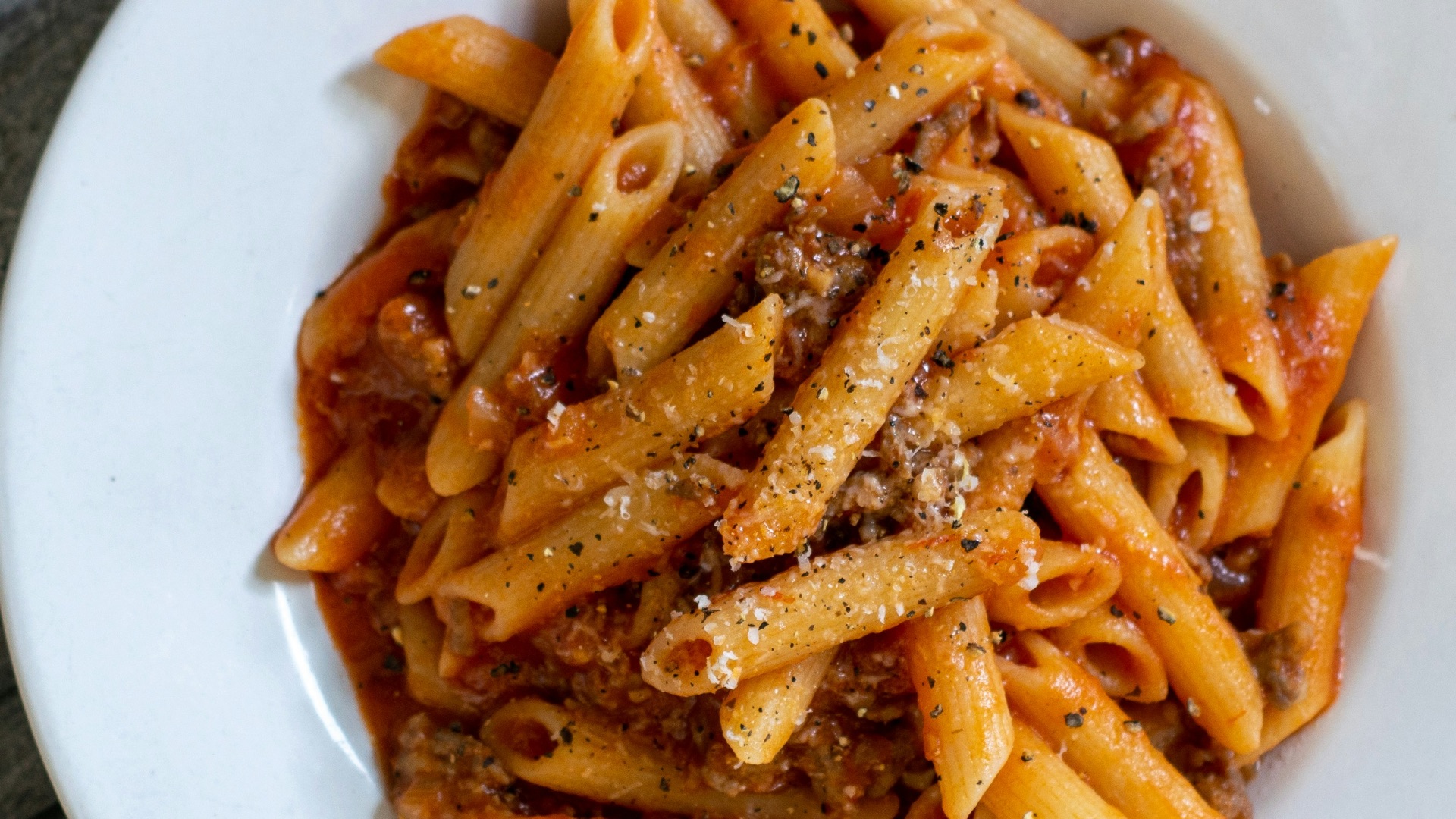
Pasta has acquired a poor reputation because it contains carbohydrates and is often served in enormous restaurant portions. A moderate serving can still be part of a balanced meal, especially when it’s paired with vegetables, beans, seafood, or another source of protein. Whole-grain varieties provide additional fiber, but regular pasta doesn’t become junk food simply because it’s made from refined flour.
9. Fruit
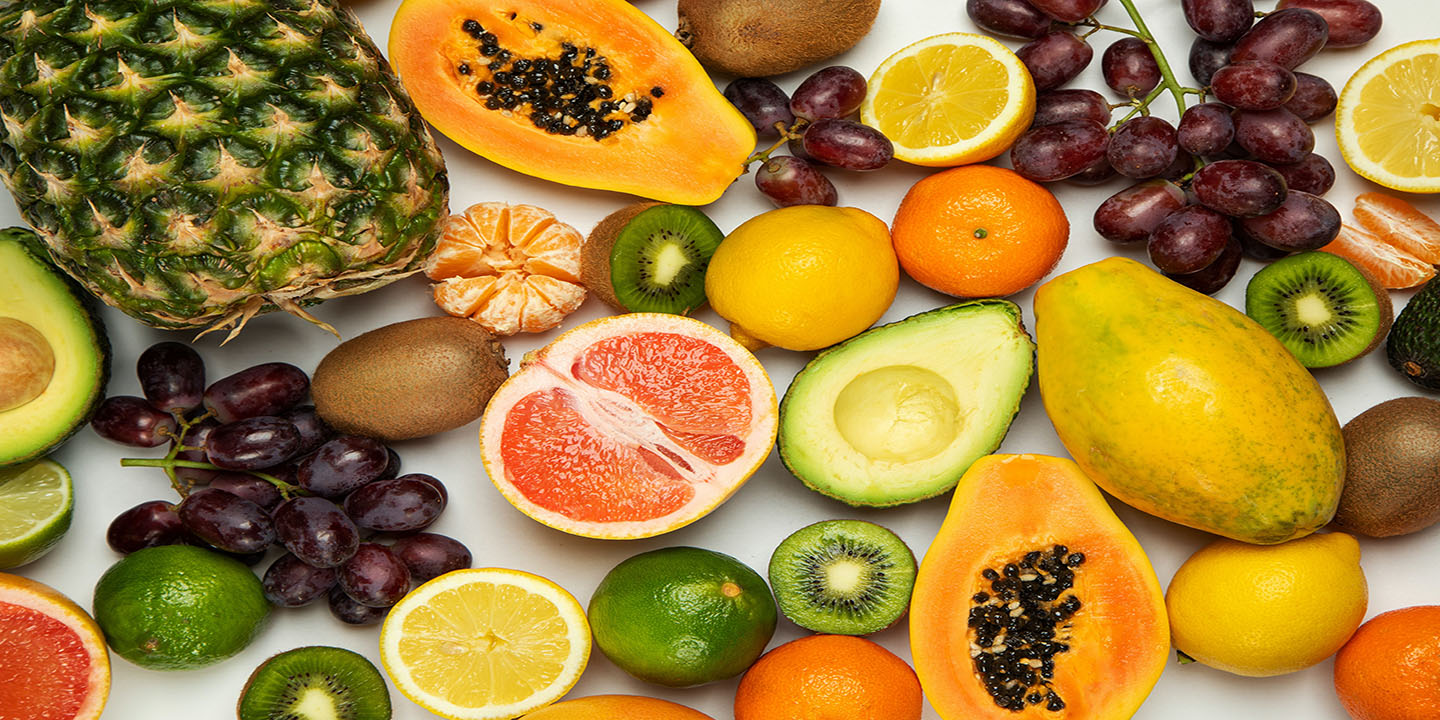
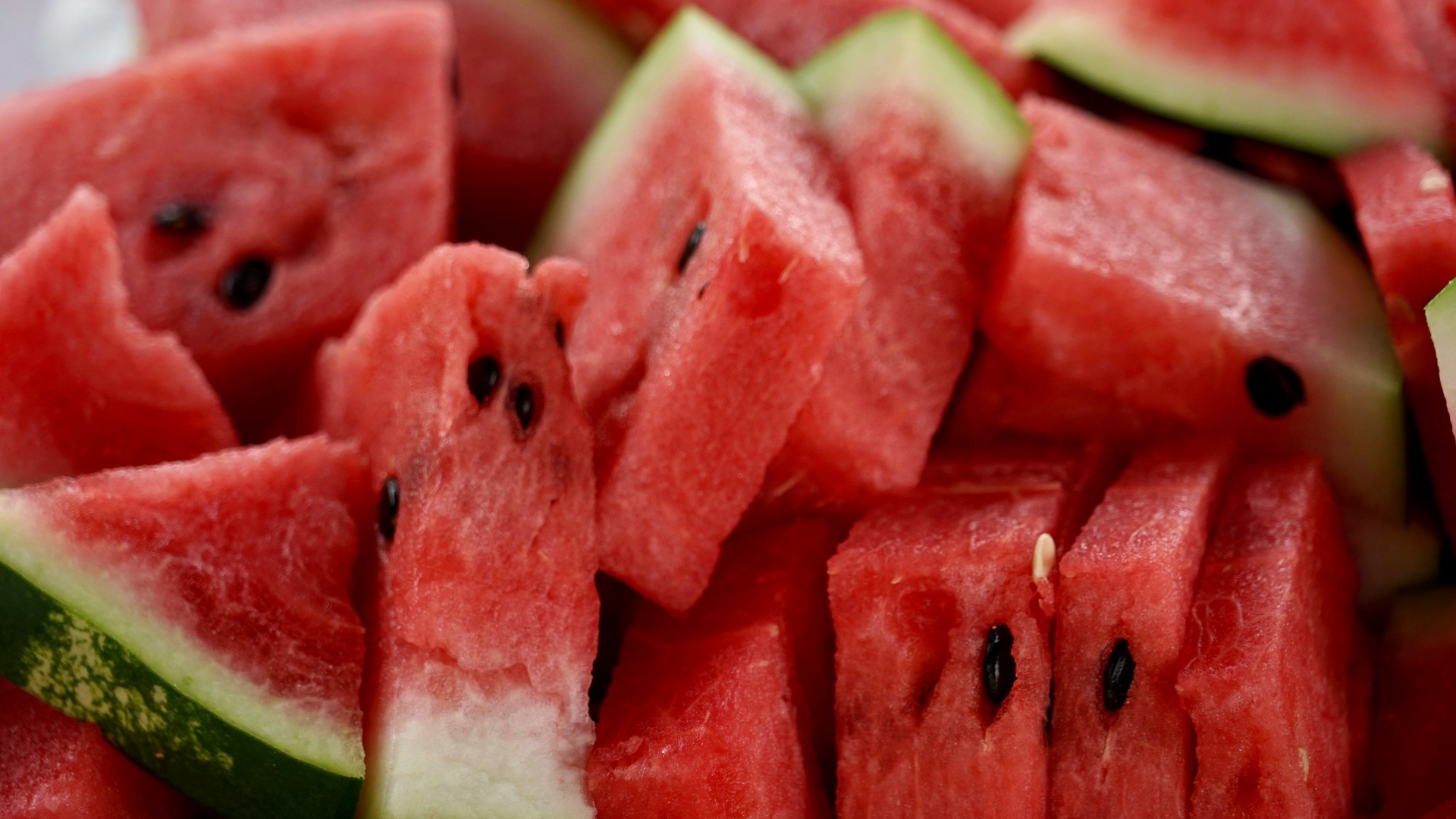
The natural sugar in fruit has convinced some people to avoid bananas, grapes, mangoes, and other sweeter options. Whole fruit also contains water, fiber, vitamins, minerals, and beneficial plant compounds, separating it nutritionally from candy or soda. Fruit juice is easier to overconsume because much of the fiber is missing, but that isn’t a reason to fear the intact fruit.
10. Soy Foods
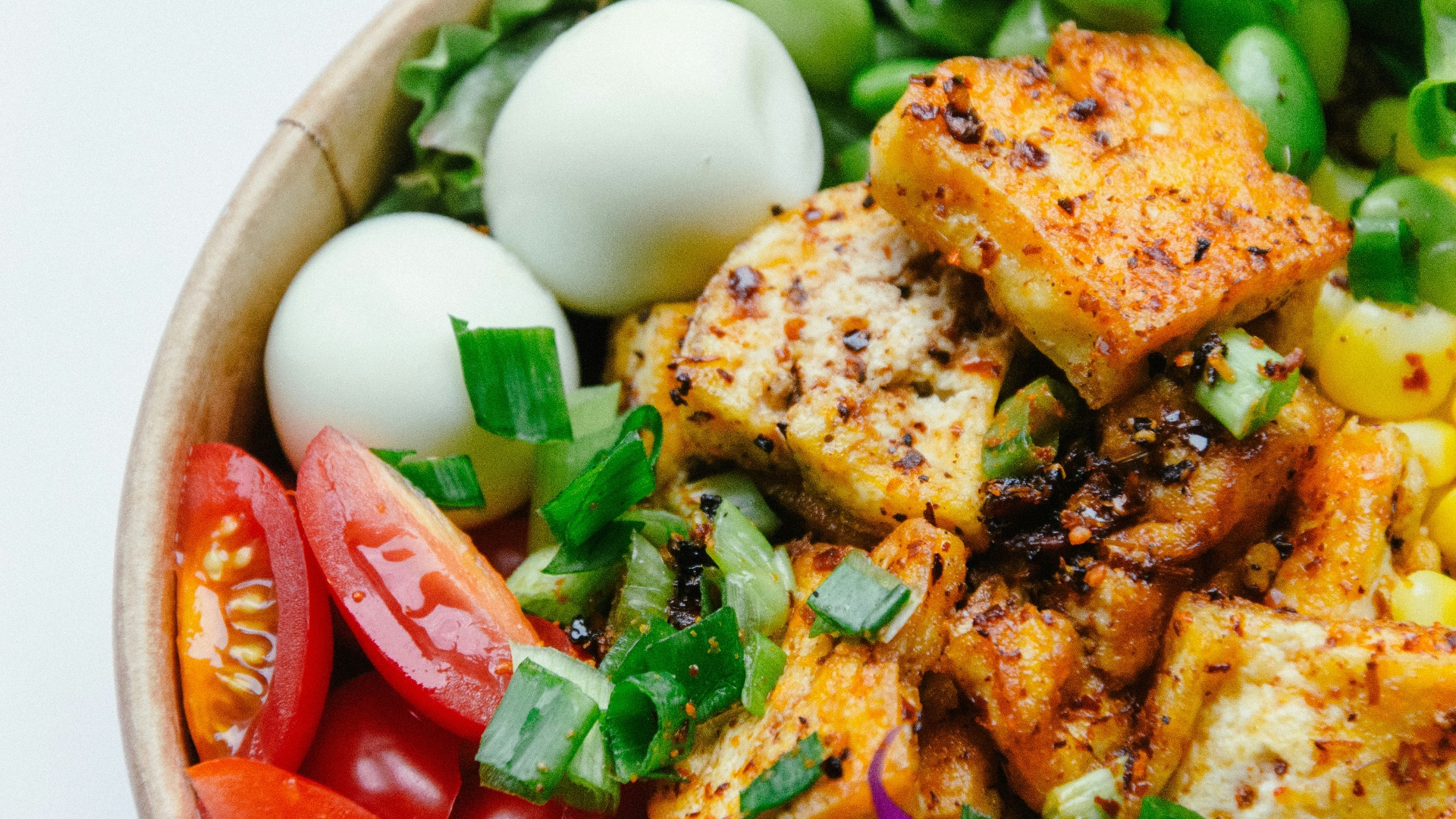
Soy has been surrounded by persistent claims that it disrupts hormones or should be avoided by certain groups.
Minimally processed options such as tofu, tempeh, edamame, and unsweetened soy milk can provide protein and other valuable nutrients. The word “soy” on an ultra-processed snack doesn’t make that product healthy, but it also doesn’t make traditional soy foods harmful.
KEEP ON READING

The Most Popular Signature Dishes Around the World