
Spice or No Spice?
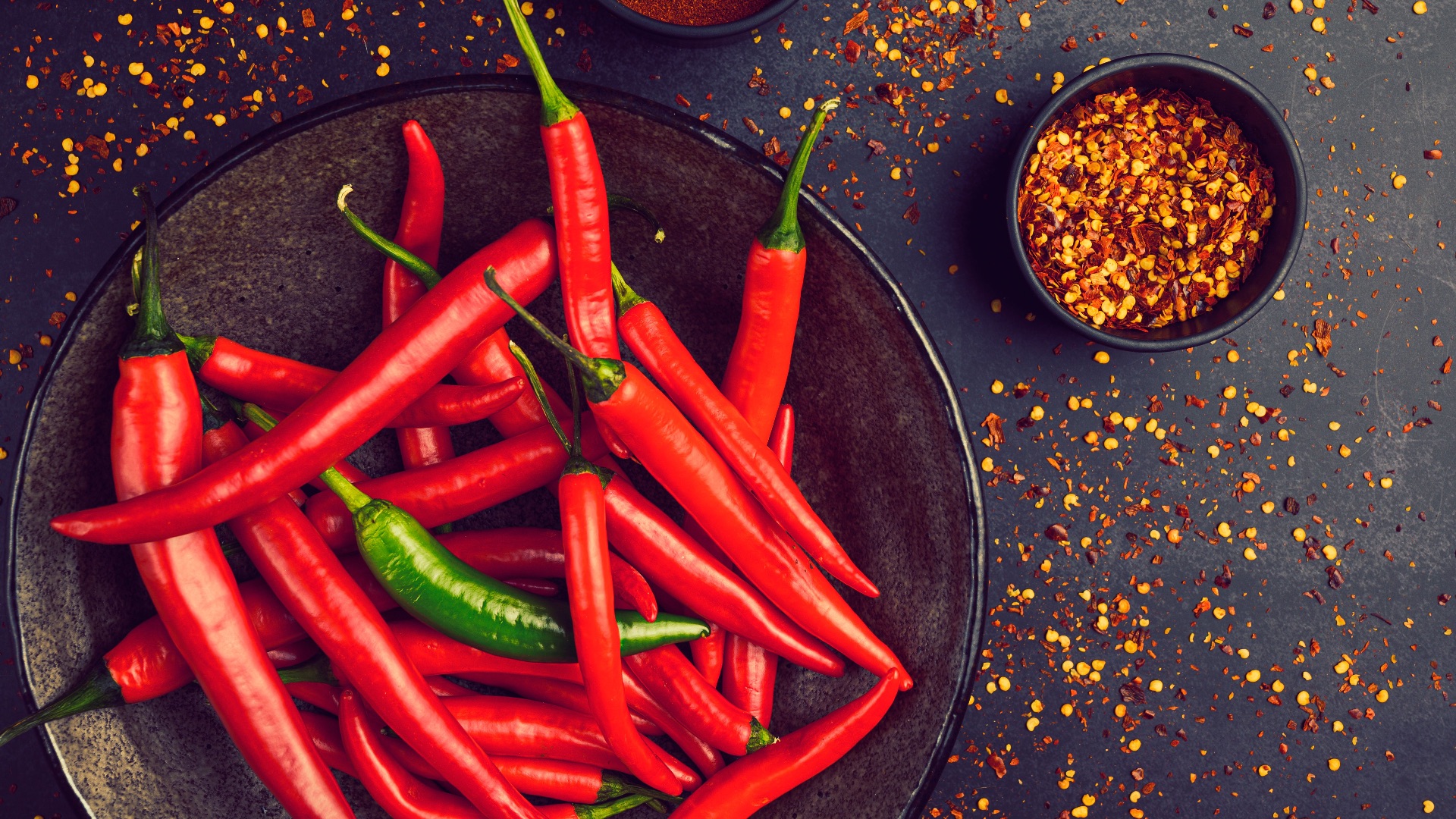
How good is your spice tolerance? Chances are, if you're a spice junkie, you're piling on all the chili peppers and jalapeños you can in every bite; anything for that good old kick. Yet, while spice can certainly make an otherwise ordinary meal far more interesting, the effects of that heat extend far beyond your taste buds. Capsaicin, the natural compound responsible for the burning sensation in chili peppers, interacts with pain and heat receptors throughout your body, which produces reactions that range from the bad—heartburn and indigestion—to the good—possible cardiovascular benefits and even a longer lifespan. So, before you order that level-five spicy dish, be prepared for all the possible effects it might have on you.
1. It Can Cause an Intense Burning Sensation
Capsaicin activates receptors in your mouth that normally respond to potentially harmful heat, even though the food’s actual temperature may be perfectly safe. This can leave your lips, tongue, gums, and throat feeling painfully hot for several minutes. Extremely concentrated peppers or sauces may also cause swelling, coughing, gagging, or difficulty speaking comfortably until the irritation subsides.

2. It May Trigger Heartburn and Acid Reflux
Spicy dishes are a common symptom trigger for some people who experience acid reflux or gastroesophageal reflux disease. After eating them, you may notice burning behind the breastbone, a sour taste in your mouth, or stomach contents moving back toward your throat. The reaction varies considerably, so avoiding every spicy ingredient isn’t necessary unless you’ve noticed a consistent connection.

3. It Can Worsen Indigestion
A spicy meal may leave you with uncomfortable fullness, upper abdominal burning, belching, or nausea, particularly when it’s also large or high in fat. People with functional dyspepsia can be especially sensitive because capsaicin may intensify the way digestive discomfort is perceived. Reducing the heat level and portion size may make the same meal easier to tolerate.

4. It May Cause Stomach Pain and Cramping
Although spicy food doesn’t cause most ulcers or forms of gastritis, it can aggravate abdominal discomfort in people with sensitive digestive systems. Capsaicin stimulates nerves along the gastrointestinal tract, which may produce aching, cramping, or a pronounced burning feeling. The discomfort is often temporary, but severe or persistent pain shouldn’t automatically be blamed on your dinner.

5. It Can Lead to Nausea or Vomiting
Eating an unusually large amount of capsaicin can overwhelm your digestive system and make you feel nauseated. Your body may respond to extreme irritation by trying to expel the food, which can result in vomiting. This reaction is more likely during hot-pepper challenges or when someone eats a much stronger pepper than they’re accustomed to handling.

6. It May Bring on Diarrhea
Capsaicin can speed digestive activity or irritate sensitive receptors as it travels through the intestines. As a result, you might develop loose stools, urgency, or repeated trips to the bathroom after a particularly fiery meal. People who rarely eat spicy food may react more strongly than those whose digestive systems have gradually adapted to it.

7. It Can Make Bowel Movements Painful
Capsaicin isn’t always fully broken down during digestion, so some of it can remain active when waste leaves the body. The same receptors that produced burning in your mouth are also present around the anus, which explains why a bowel movement can sting after a hot meal. Frequent diarrhea may make the area even more irritated and uncomfortable.

8. It May Aggravate Irritable Bowel Symptoms
People with irritable bowel syndrome often have heightened sensitivity in the digestive tract, making spicy meals harder to tolerate. Chili-heavy foods can contribute to abdominal pain, cramping, diarrhea, or urgency in susceptible individuals. Since IBS triggers differ from one person to another, keeping track of your symptoms can reveal whether capsaicin is a problem for you.

9. It Can Cause Sweating, Flushing, and a Runny Nose
Capsaicin can convince your nervous system that your body needs to cool itself, leading to perspiration around the face, scalp, and neck. You may also develop watery eyes, facial redness, or a dripping nose while you eat. These reactions usually aren’t dangerous, but they can be embarrassing or unpleasant when the heat level is stronger than expected.

10. It May Interfere with Your Sleep
Having a fiery meal close to bedtime can be troublesome when spicy food triggers reflux, indigestion, or abdominal discomfort. Lying down soon after eating makes it easier for stomach contents to move toward the esophagus, potentially causing nighttime heartburn or coughing. The sweating and temporary rise in body temperature that accompany very hot food may also make it harder for some people to settle comfortably.
Spicy food clearly isn’t suitable for every stomach or every situation, especially when large quantities are involved. Still, moderate amounts of chili peppers and other flavorful spices can contribute useful nutrients and may support several areas of health when they’re part of an otherwise balanced diet.

1. It Can Help You Use Less Salt
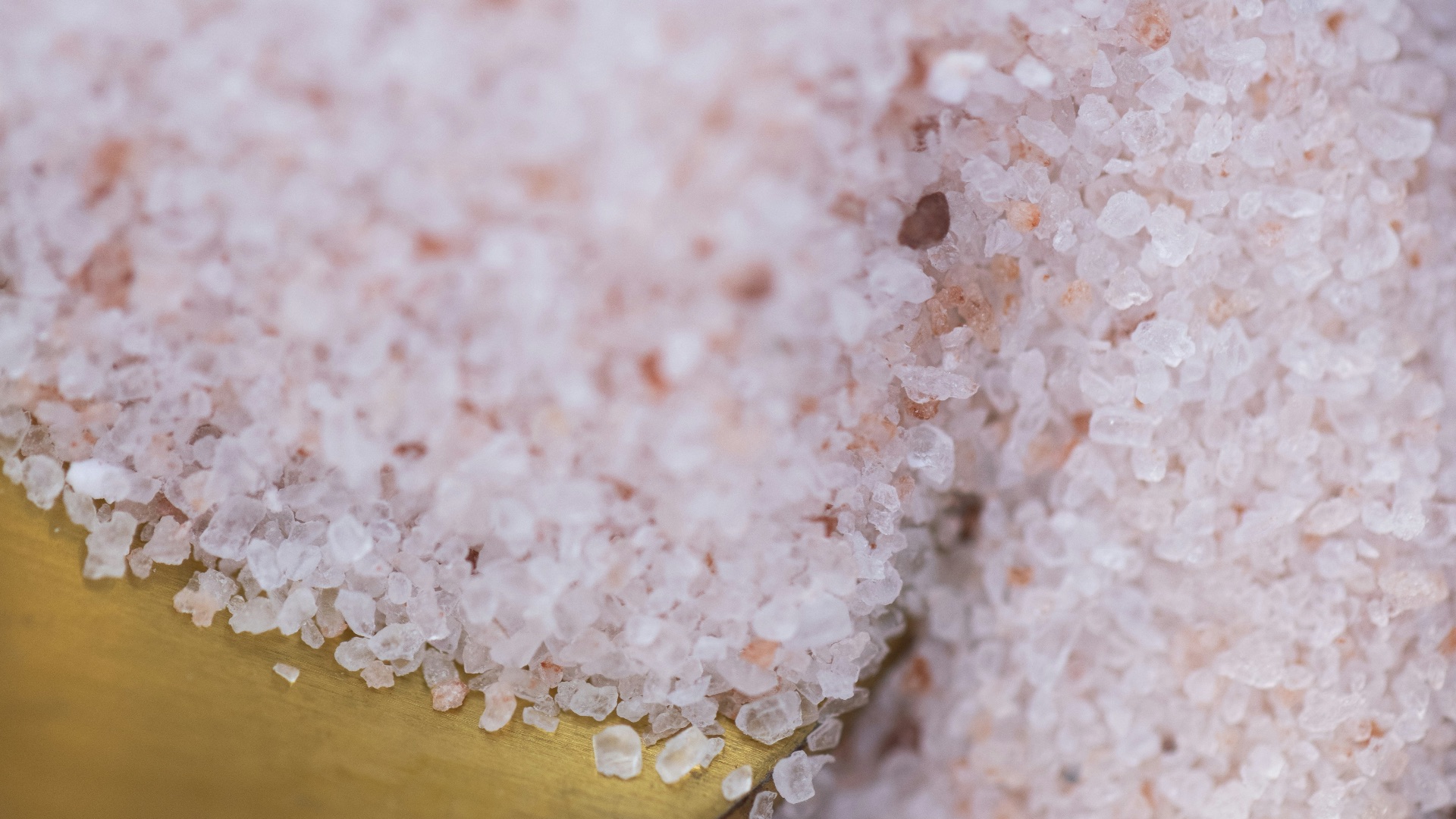
Adding chili peppers, cayenne, or hot spices gives food a stronger and more complex flavor without requiring extra sodium. This can be useful when you’re trying to cut back on salt but don’t want your meals to taste bland. The benefit depends on the overall recipe, since bottled hot sauces and packaged spicy foods can still contain considerable amounts of sodium.
2. It Provides Protective Plant Compounds
Chili peppers contain carotenoids, flavonoids, and other compounds with antioxidant activity. These substances help the body manage oxidative stress, which occurs when unstable molecules outnumber its available defenses. Spicy food isn’t a substitute for a varied diet, but peppers can add another source of beneficial plant chemicals to your meals.

3. It Can Supply Important Vitamins
Fresh chili peppers can provide vitamin C, vitamin A precursors, vitamin B6, and smaller amounts of several other nutrients. Vitamin C supports immune function and collagen production, while carotenoids help maintain healthy vision, skin, and tissues. The exact nutritional value changes according to the pepper variety, serving size, ripeness, and cooking method.

4. It May Temporarily Increase Energy Expenditure
Capsaicin can produce a small thermogenic effect, meaning your body briefly uses more energy and generates additional heat after you eat it. This response may slightly raise calorie expenditure, but the increase is generally too modest to drive major weight loss by itself. Spicy food works best as a flavorful addition to healthy habits rather than a method for canceling out excess calories.

5. It May Help You Feel Satisfied
Some research suggests that capsaicin may modestly reduce appetite or increase feelings of fullness in certain people. A strongly flavored meal may also encourage slower, more deliberate eating, giving your body time to recognize that it has had enough. However, this effect isn’t universal, and calorie-dense spicy foods can still contribute to weight gain when portions are consistently large.

6. It May Support Healthy Blood Vessels
Capsaicin activates TRPV1 receptors, which are involved in several processes affecting circulation and blood-vessel function. Research has explored whether regular dietary capsaicin could encourage blood-vessel relaxation and support healthier blood pressure. The evidence remains developing, so spicy food shouldn’t replace prescribed medication or established cardiovascular care.

7. It Could Benefit Blood Sugar Control
Studies have also examined whether capsaicin can influence insulin sensitivity, glucose metabolism, and other factors involved in blood sugar regulation. While some findings are promising, it's important to note that results differ depending on the dose and form of capsaicin used. Anyone with diabetes should continue following an individualized treatment plan rather than relying on chili peppers to manage glucose levels.

8. It May Contribute to Healthier Cholesterol Levels
Capsaicin has been investigated for possible effects on fat metabolism, cholesterol, and triglycerides. Recent reviews suggest that chili-derived compounds may offer modest cardiometabolic advantages, but researchers haven’t established an ideal dose or guaranteed response. The fats, sodium, and refined carbohydrates in the complete dish will usually matter more than its level of heat.

9. It May Have Anti-Inflammatory Effects
Laboratory and clinical research indicates that capsaicin can interact with pathways involved in pain and inflammation. Repeated activation of certain sensory receptors can reduce their responsiveness, which is one reason capsaicin is also used in topical pain treatments. Eating spicy food may contribute anti-inflammatory compounds to your diet, although its effects aren’t equivalent to using a medically formulated capsaicin product.

10. It Has Been Associated with Greater Longevity
Interestingly, large observational studies have found associations between regular chili-pepper consumption and lower rates of death from certain causes. Of course, these findings don’t prove that spicy food directly lengthens life, since people who eat peppers may differ in many other dietary and lifestyle habits. Even so, using chili peppers in vegetable-rich, minimally processed meals can be one enjoyable part of a health-conscious eating pattern.

KEEP ON READING