How Ancient Humans Learned to Cook
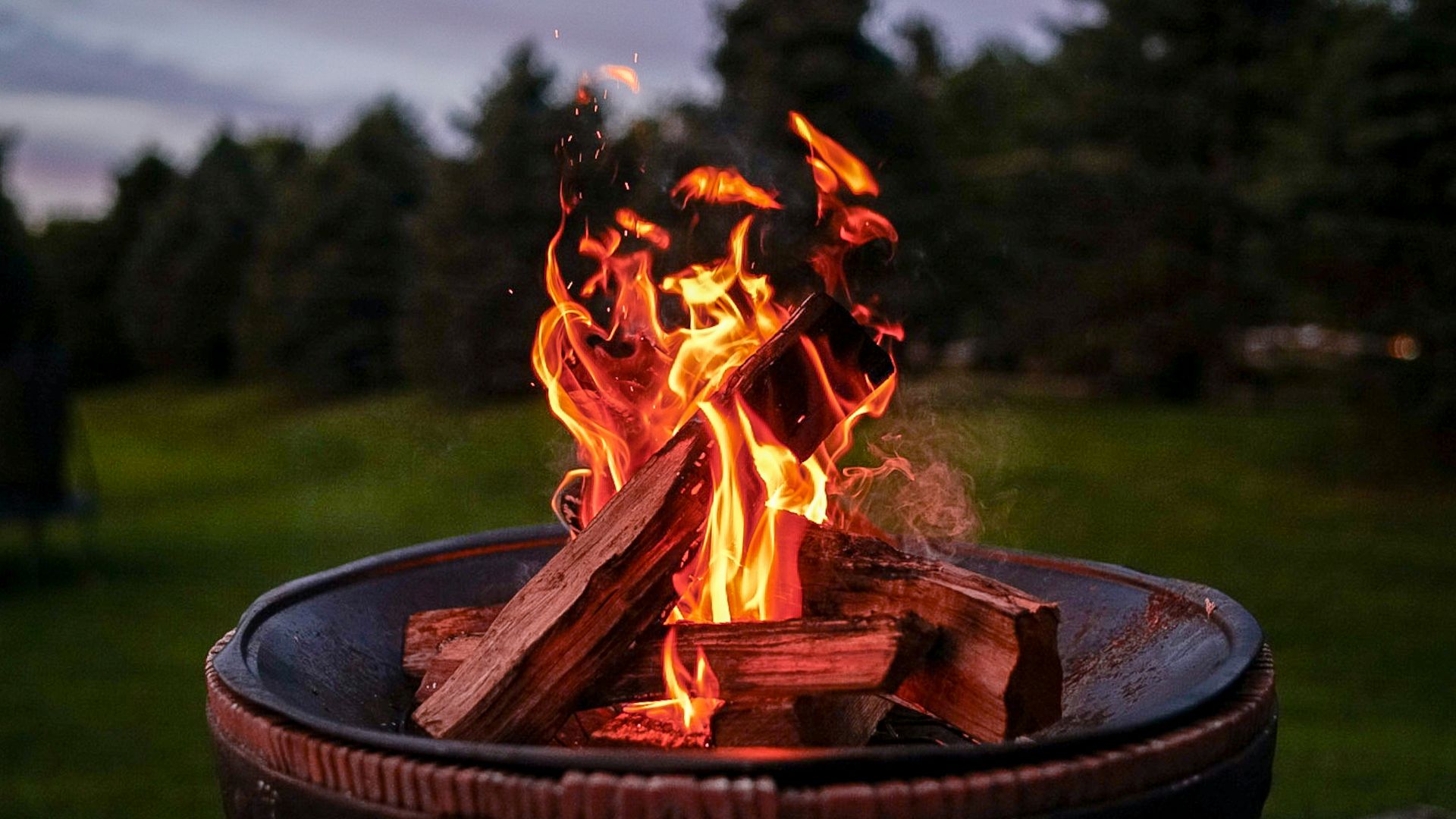
No cupboards. No ovens. No ceramic spice jars lined up in a row. Just stone, wood, bone, dirt, hunger, weather, and the slow discovery that heat could change everything. Long before anyone wrote down a recipe, our ancestors were already experimenting with food in ways that would eventually shape human history.
Like anything else in human history, cooking wasn’t invented overnight. It was slower and messier than that. Archaeologists have to piece the story together from burned bones, ash, charred plants, stone tools, fish teeth, hearth patterns, and the stubborn little scraps that survived thousands, or even hundreds of thousands, of years underground.
The First Kitchen Was Fire

The earliest cooking evidence doesn’t look like a cozy campfire scene. It looks like microscopic ash, burned bone, and soil changed by heat.
At Wonderwerk Cave in South Africa, researchers found burned bone and ashed plant remains in deposits dating to about one million years ago. The PNAS study described this as strong evidence that burning took place inside the cave during early Acheulean occupation. That doesn’t prove someone was roasting dinner on purpose, since fire can be complicated in the archaeological record, but the setting matters. These materials weren’t just lying in an open landscape where a wildfire could easily explain everything. They were found in a cave, in a context that points to early human use of fire.
A wildfire can burn bone. Wind and water can move ash. Later activity can disturb old layers. So researchers look for patterns: where the burned material sits, whether it appears repeatedly, what temperature it may have reached, and whether the clues line up with human activity.
Fire Turned Into a Tool
One of the strongest early signs of controlled fire comes from Gesher Benot Ya’aqov. There, researchers found burned seeds, wood, and flint concentrated in specific areas dating to nearly 790,000 years ago. The pattern suggests that fire was being used in particular spots, possibly hearth locations, rather than appearing randomly across the site.
Once fire could be gathered, managed, and returned to, it could start changing daily life. Food could be warmed. Tougher ingredients could be softened. People could linger near heat after dark.
This is where cooking starts to feel more like a social habit. Around a fire, food takes time. Someone has to collect fuel. Someone has to watch the heat. Someone has to know when food is done enough to eat and not so done that it loses flavor. It travels by watching, repeating, and remembering.
The First Slow Cooker
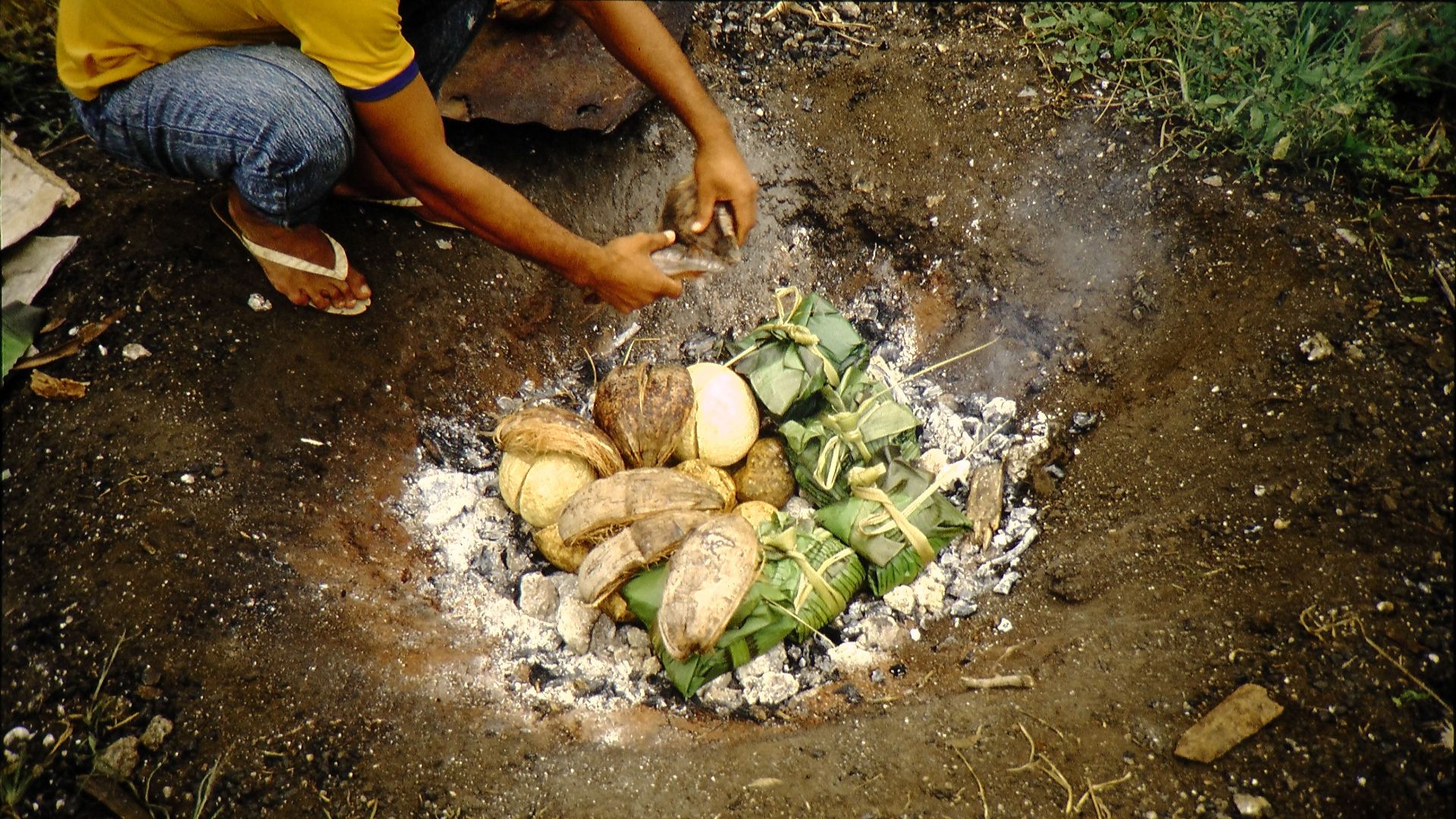
As humans got better at managing heat, they found ways to make it last. Earth ovens, also called pit ovens, were one solution. The basic idea is beautifully practical: heat stones, bury food with the hot material, cover it, and let stored heat do the work. A Cambridge Core article on hunter-gatherer earth ovens notes that remains of these ovens, often with rock heating elements, are common at hunter-gatherer sites around the world. Plants often dominate the foods associated with them.
That makes sense. Slow heat is useful for foods like roots, bulbs, and tough plant parts, which can become more edible with time, moisture, and steady warmth. It’s the same broad logic behind braising a stubborn cut of meat or roasting a squash until it finally relaxes.
Earth ovens also hint at planning. You don’t build one for a quick snack. You gather fuel, stones, and food. You prepare the pit. You wait. Maybe you feed a group. Maybe you cook more than you can eat in one sitting. This is cooking as scheduling, labor, and shared expectation.
Pottery

At Xianrendong Cave in China, pottery fragments have been dated to about 20,000 to 19,000 years before present. The Science study on the site described these as some of the earliest known pottery fragments, and related summaries note that scorch marks suggest the vessels may have been used for cooking.
That matters because pots make different kinds of food possible. A pot can hold water. It can soften ingredients without burning them directly. It can stretch food into broth, stew, porridge, or something close to soup. It can pull flavor and nutrients from bones, plants, and scraps that might otherwise be hard to use.
Pottery also complicates the old assumption that farming came first and better cooking tools came later. Some of the earliest pots were made by hunter-gatherers, not settled farmers. People were inventing better ways to cook before agriculture fully reorganized daily life.
Bread
 Unknown authorUnknown author on Wikimedia
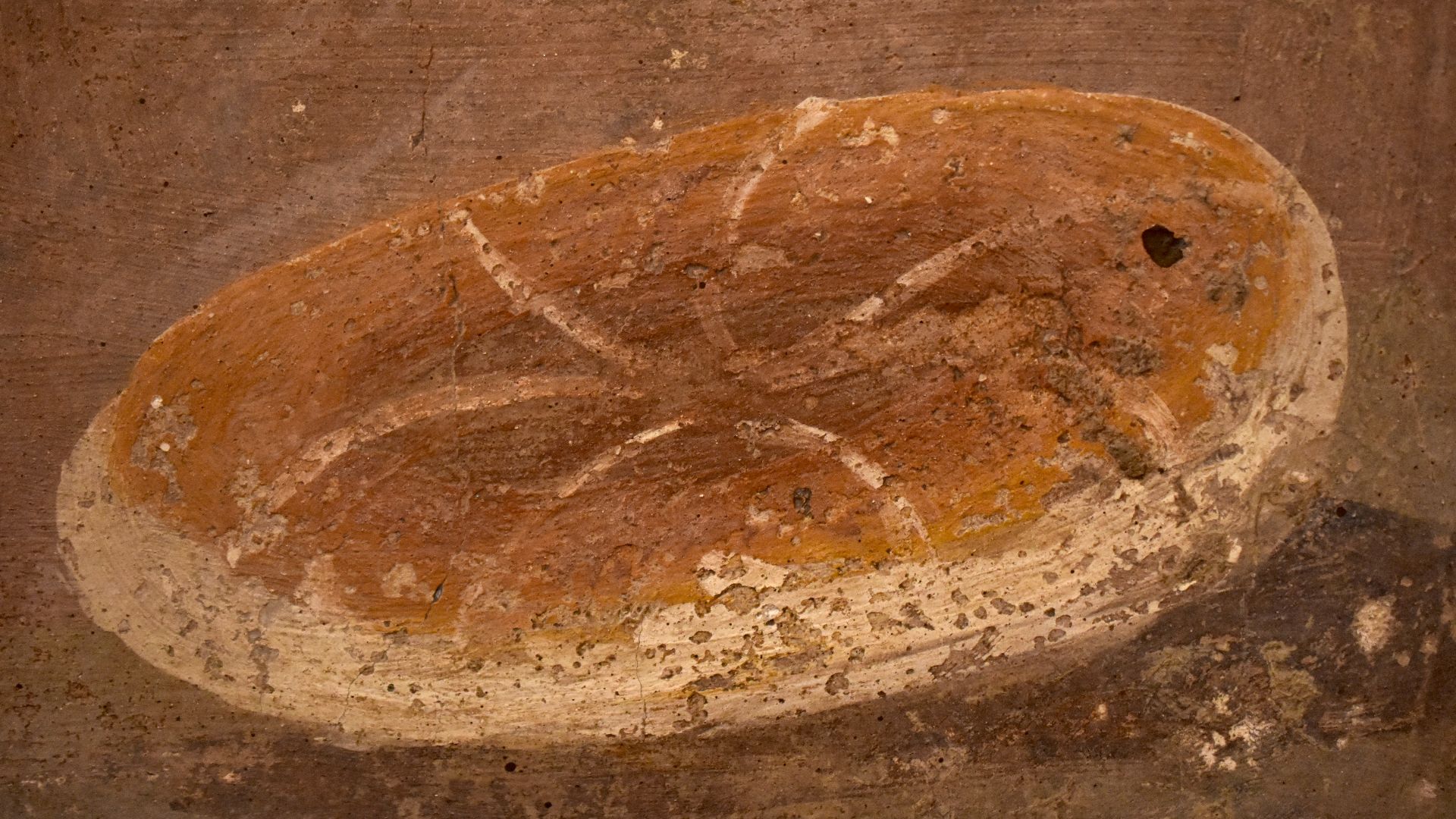
One of the best twists in the history of cooking is that bread, or something very much like it, appears before full agriculture in parts of Southwest Asia. At Shubayqa 1 in northeastern Jordan, researchers found charred remains of flatbread-like products dating to around 14,400 years ago. The PNAS study concluded that these bread-like foods predated agriculture in the region by at least 4,000 years.
That is a remarkable amount of work for a pre-farming meal. Wild cereals and other plant ingredients had to be gathered, processed, likely ground or pounded, mixed, shaped, and cooked. This wasn’t a person casually tossing seeds into a fire and hoping for the best. It was a food with steps.
The bread probably wasn’t fluffy, sliced, or ready for a swipe of butter. It was likely closer to a flatbread or crisp, made from wild plants and cooked near fire. Still, the basic idea is easy to recognize: take grain, transform it, add heat, and make something new.
Technology, Culture, and Daily Life
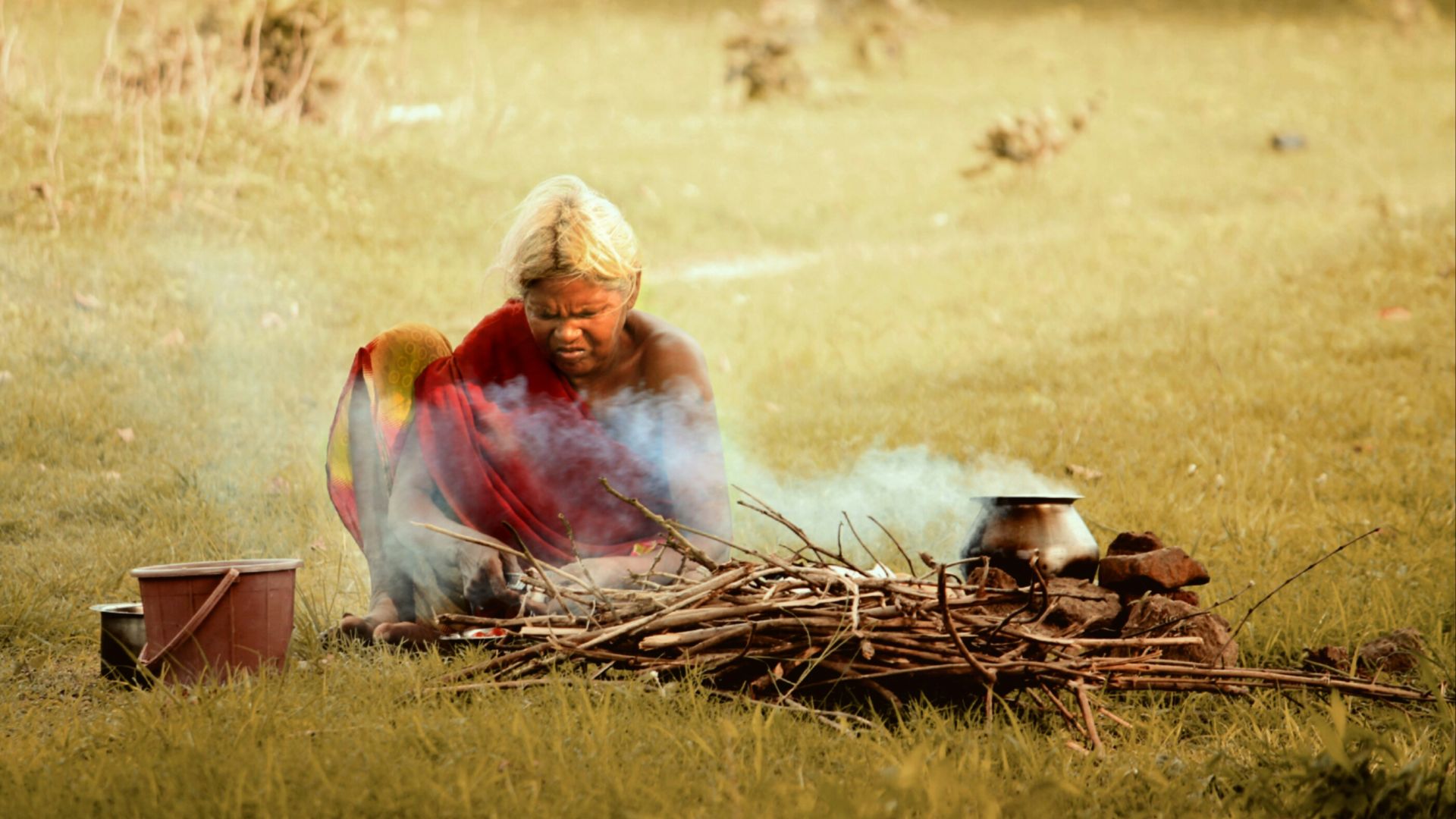
So, how did our ancient ancestors cook?
First with fire. Then with embers, hot stones, hearths, earth ovens, and eventually pottery. They roasted fish, softened roots, cooked starchy plants, heated meat, and made bread-like foods long before anyone had a kitchen in the modern sense.
The tools were simple, but the thinking wasn’t. Ancient cooking required observation: this burns too fast, that tastes better after roasting, this root needs longer, those stones hold heat, and fish shouldn’t sit directly in the flame. Over time, those observations became know-how. Know-how became a habit. Habit became culture.
That’s what makes the history of cooking feel so close, even across impossible distances of time. The first cooks didn’t have countertops, timers, or recipe cards. They still had the same basic problem we have every evening: here’s the food, here’s the heat, now how do we make this work?