Fire Up the Stove
Sure, cooking isn’t a talent that everyone's just naturally born with, but some chefs do handle the kitchen better than others. If you're questioning your skills, it may be worth asking yourself how you prep, taste, and recover when a recipe goes sideways; your answers (and methods) might just prove which side you land on. So, are you an amateur cook? Or are you a pro chef?
1. You Don’t Read the Recipe All the Way Through
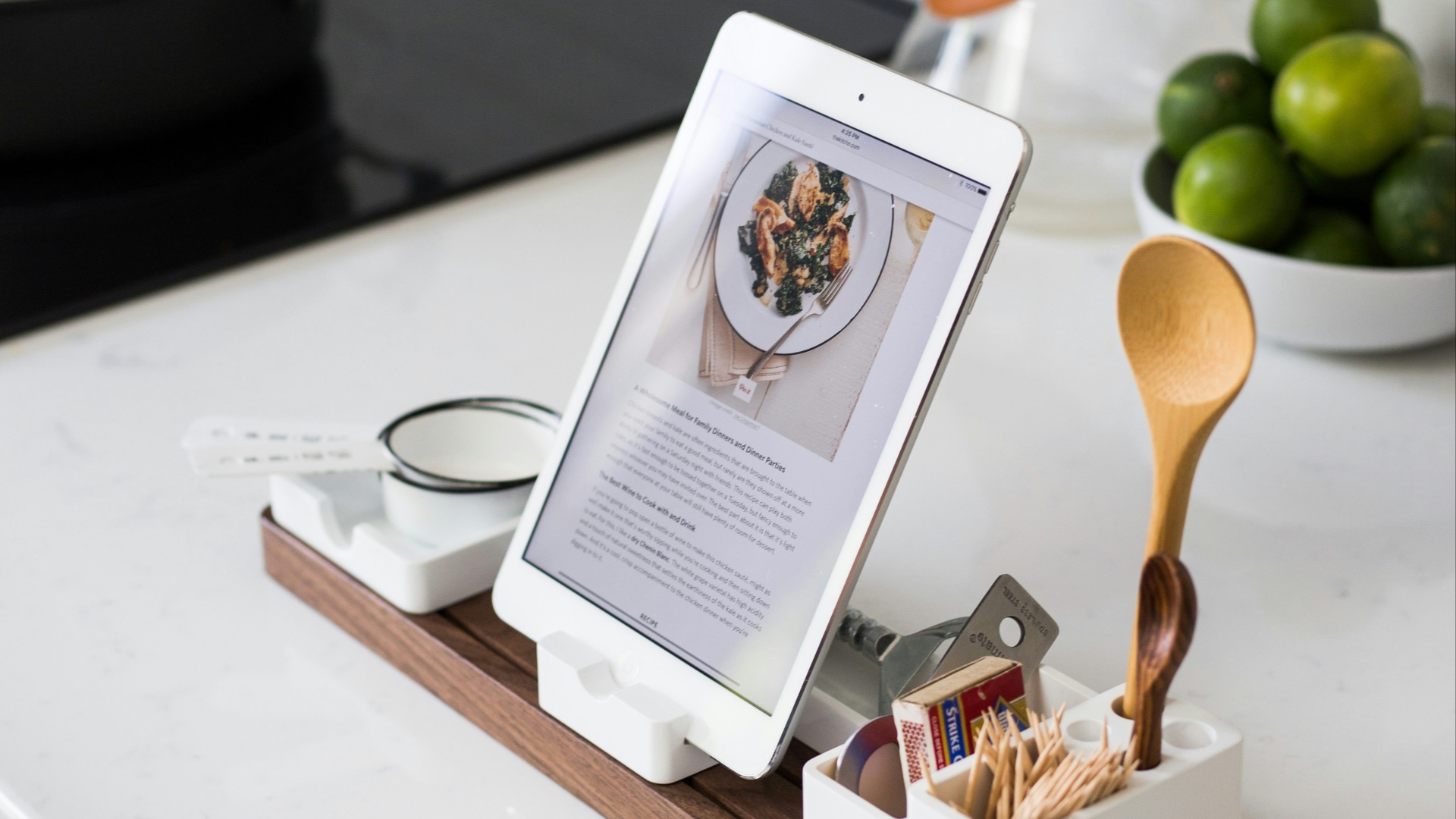
You jump into step one before you understand the whole flow, then get surprised by a “chill for two hours” line halfway down. That usually leads to rushed substitutions and uneven results. Reading first saves time, stress, and ingredients.
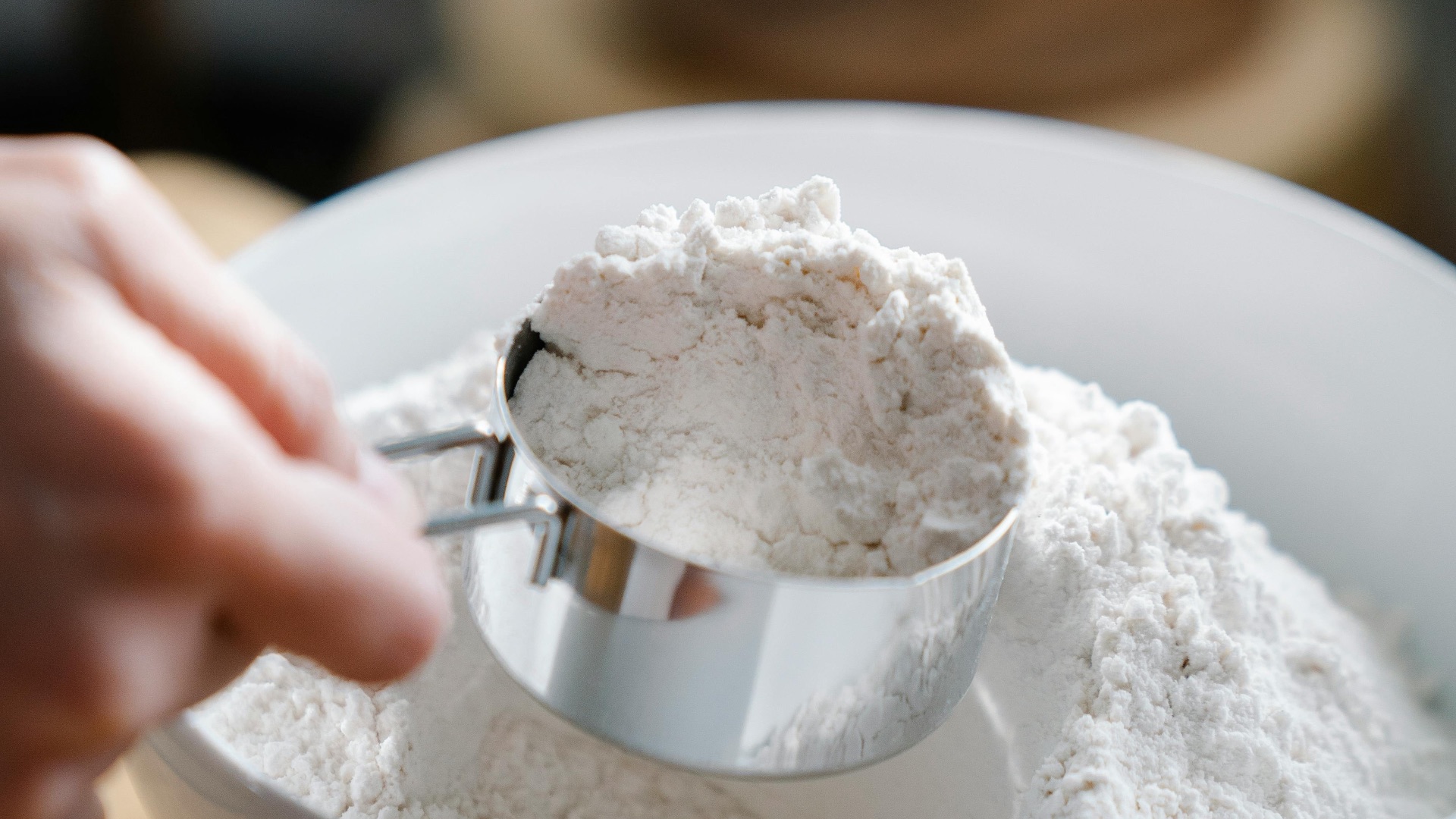
2. You Skip Measuring Because You're Lazy
Eyeballing everything might make you feel confident, but it often leads to inconsistent outcomes you can’t troubleshoot until it's too late. Baking especially punishes vague quantities, and even savory dishes can swing too salty or too bland.
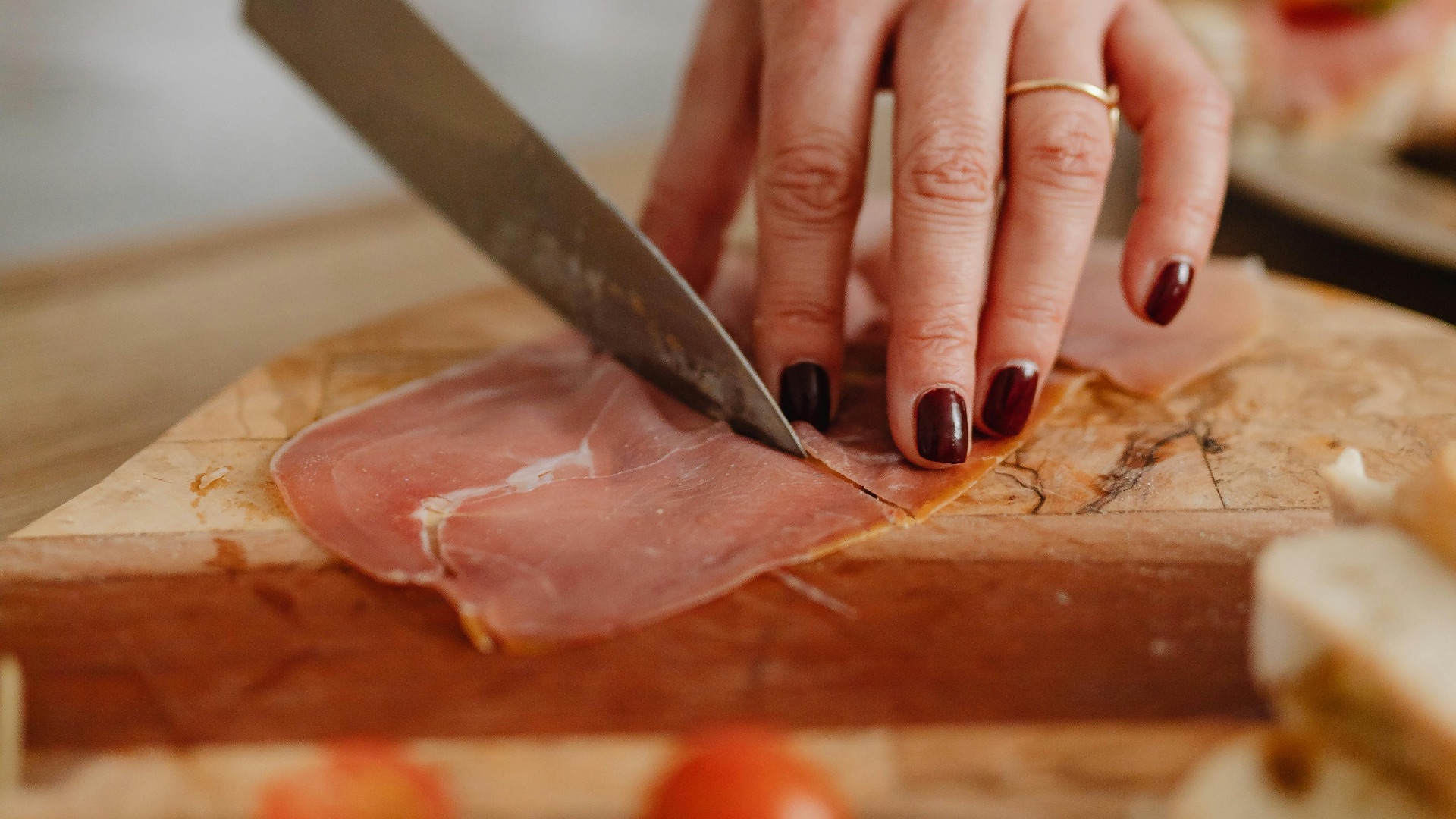
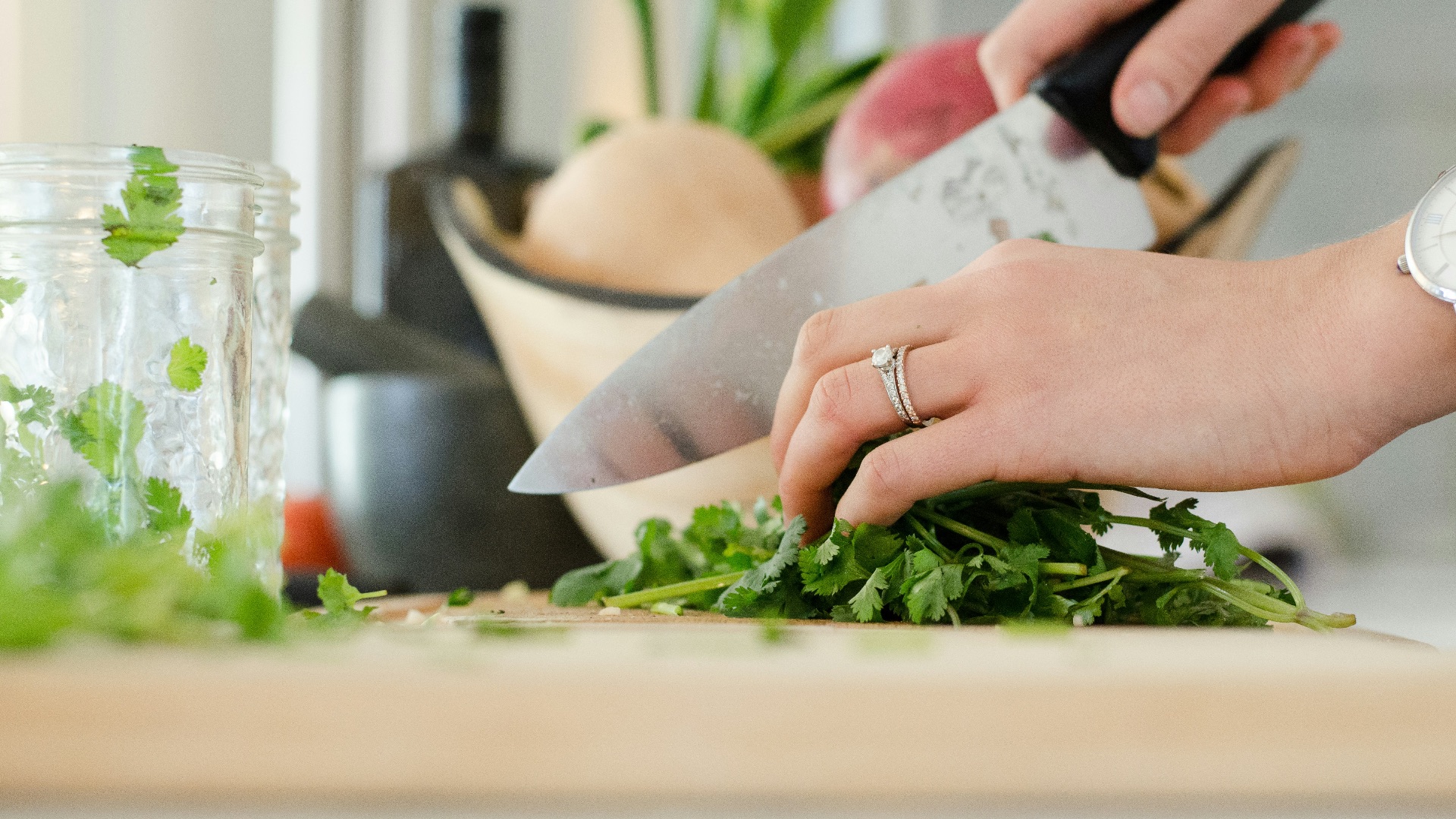
3. Your Knife Work Is Slow and Uncontrolled
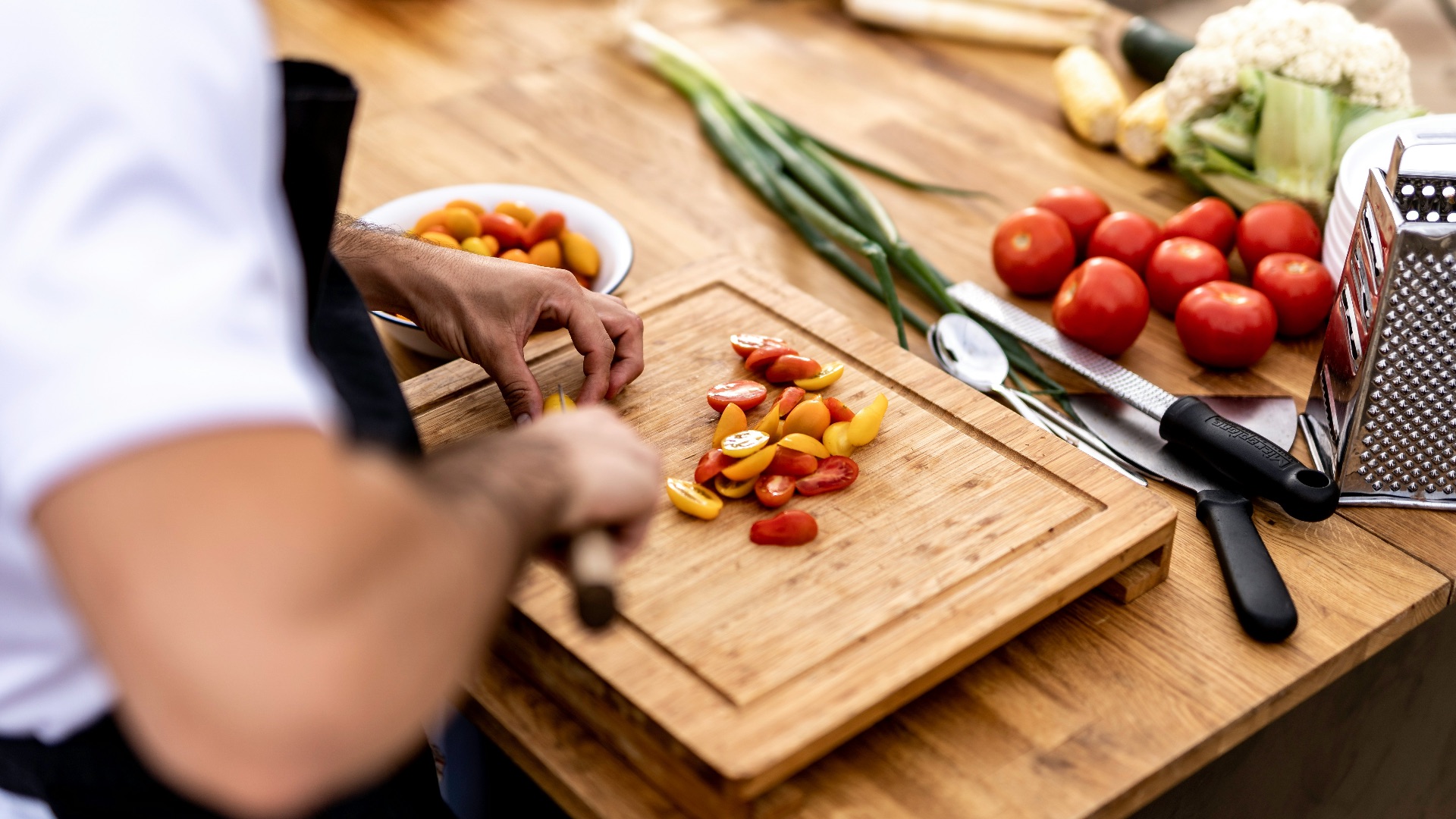
Amateur cooks aren't great with knives, so if your cuts vary wildly, foods cook at different rates, meaning you probably end up with mixed textures in the same dish. A dull knife or awkward grip also makes chopping feel like a chore instead of a tool.
 Karolina Grabowska www.kaboompics.com on Pexels
4. You Don’t Taste Until It Hits the Plate
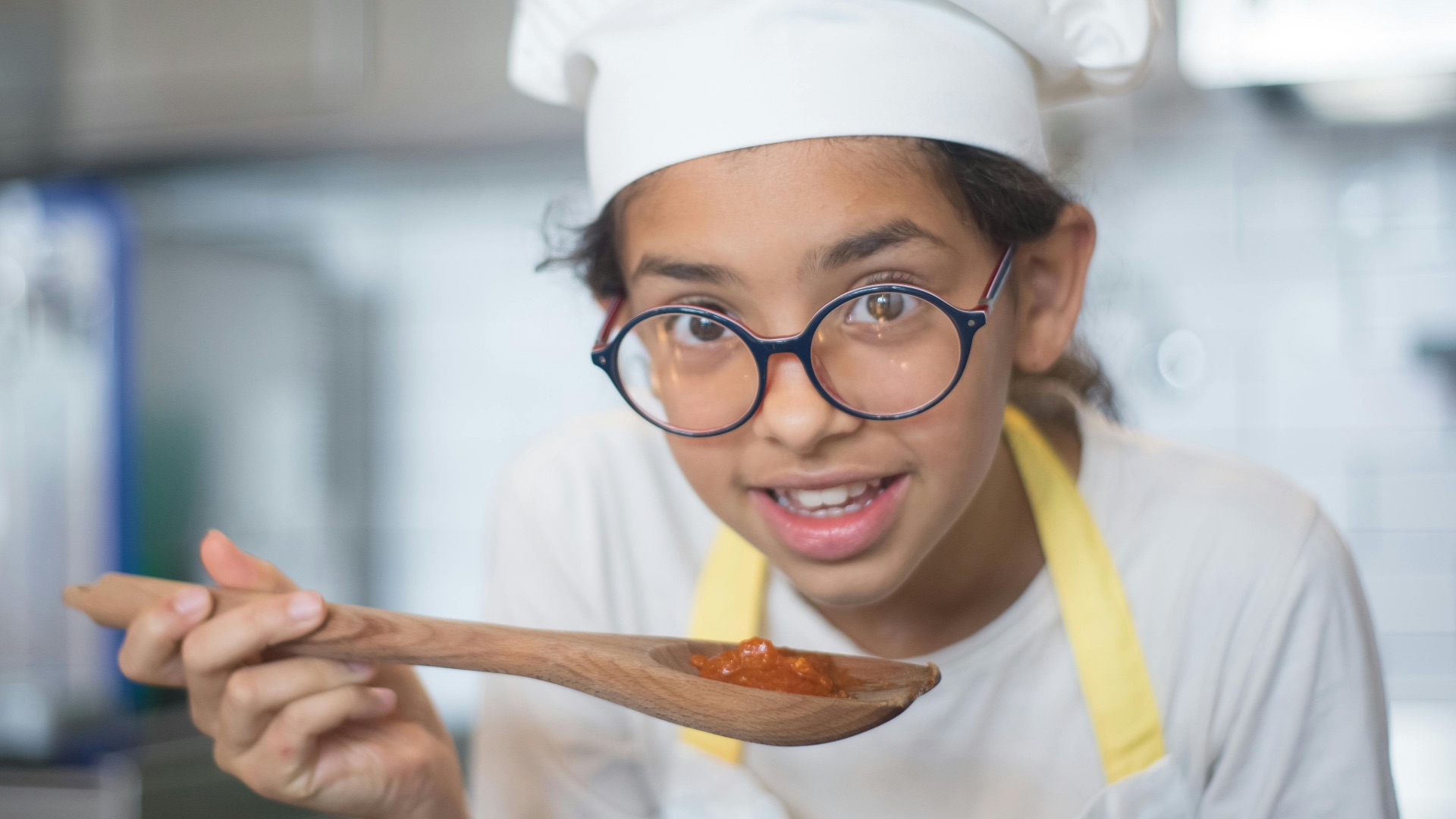
Waiting until the end to taste your creation means you miss chances to correct seasoning, balance acidity, or fix bitterness. A dish can look delicious and like it belongs on a restaurant menu, but still be flat, salty, or one-note if you don't taste test it in between cooking.
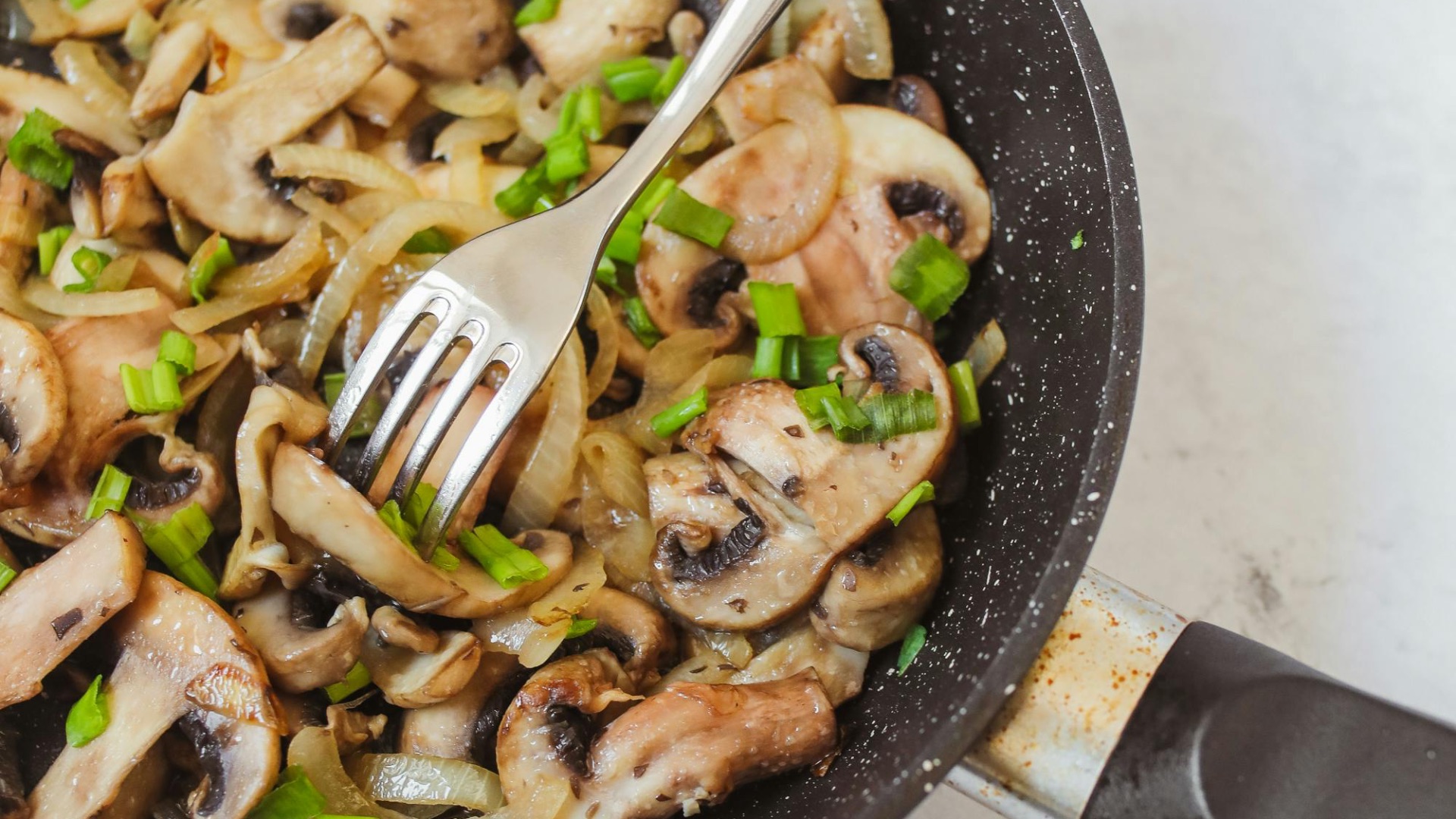
5. You Overcrowd the Pan
Stuffing ingredients into a pan traps moisture and prevents proper browning, so you get pale food and a lot of excess liquid. That, in turn, affects flavor, texture, and timing all at once. We get not wanting to cook in batches because it feels slower, but trust us: it usually finishes faster and tastes better.
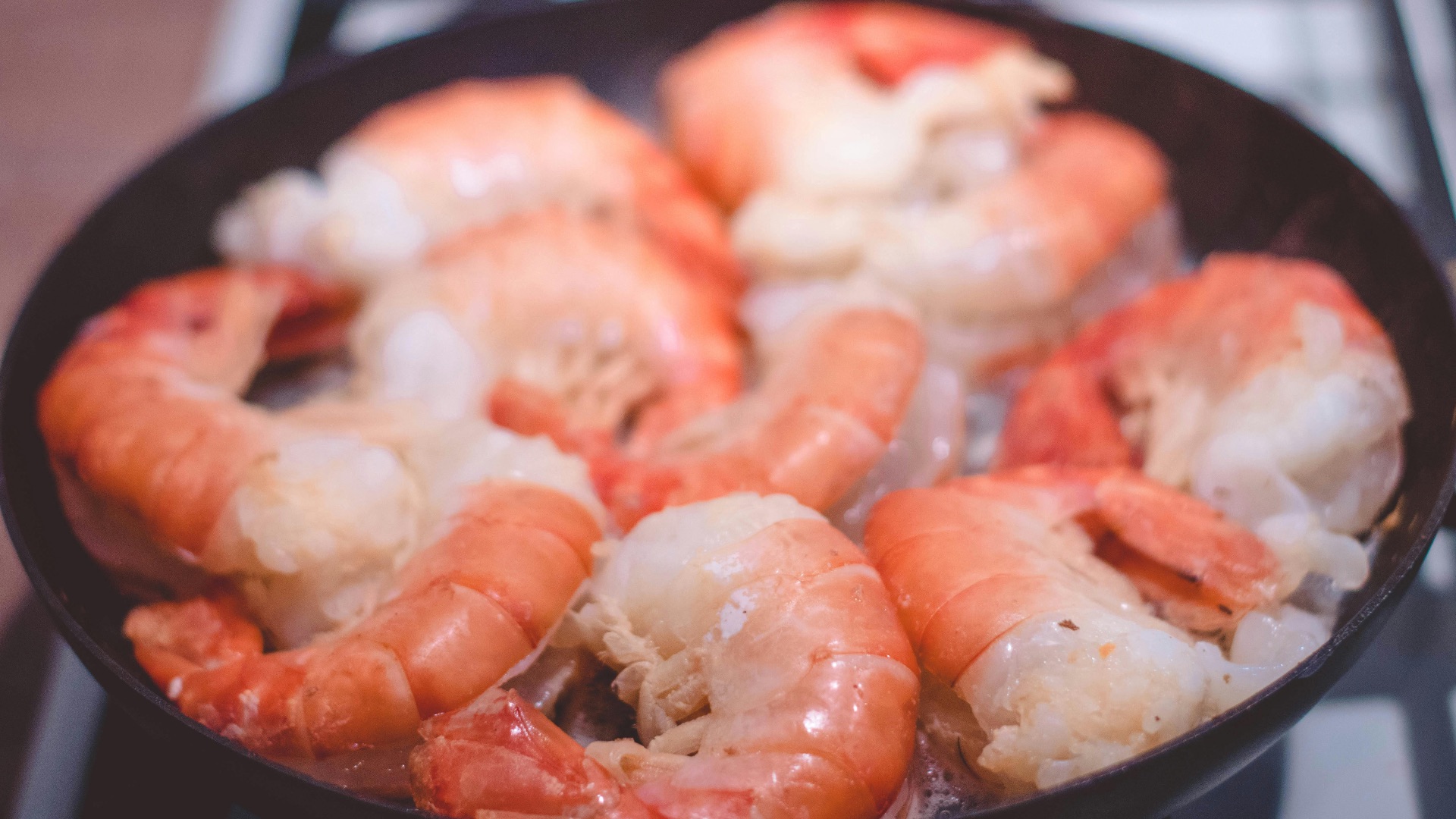
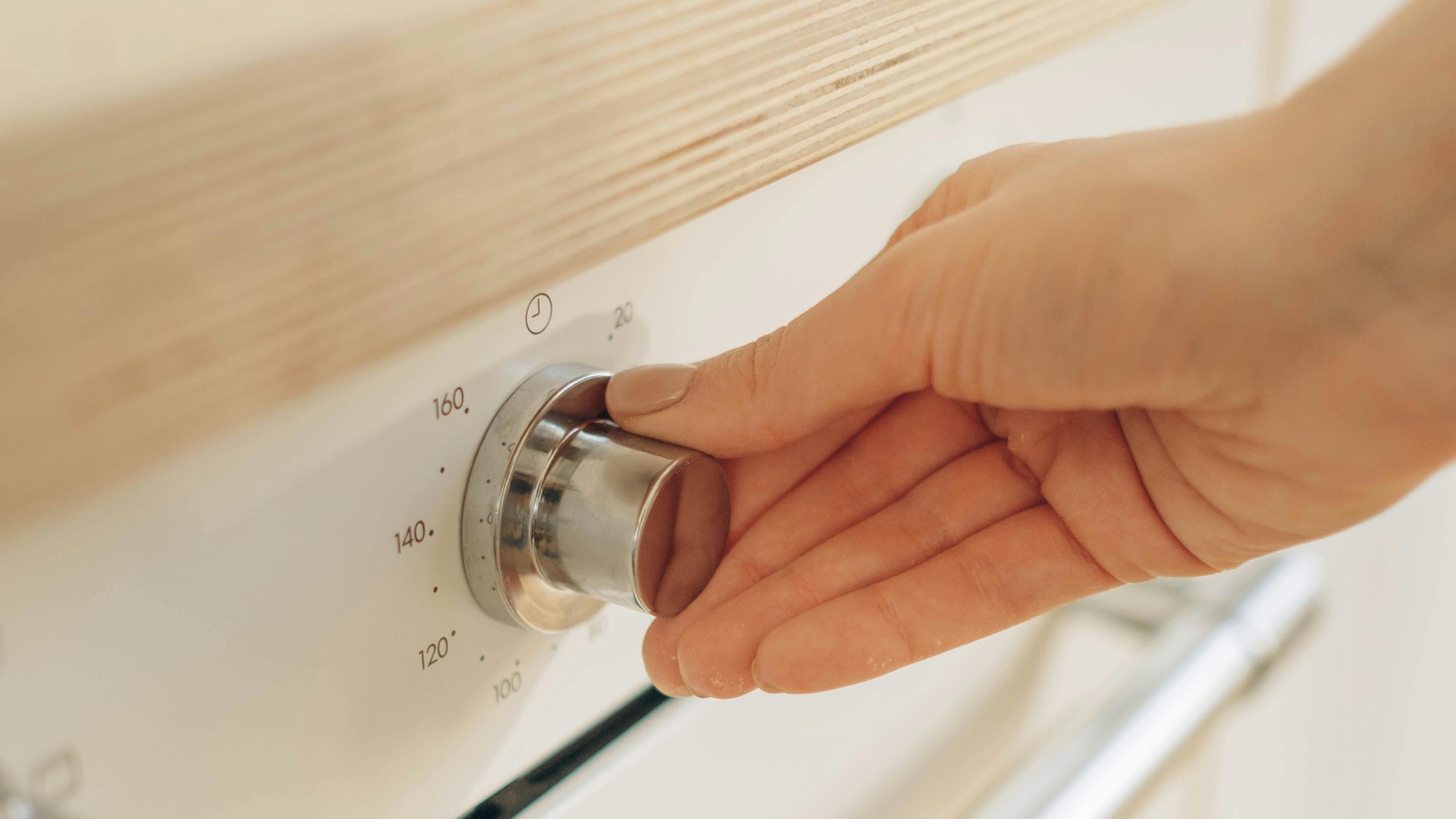
6. You Fear Heat, So Everything Goes on Medium
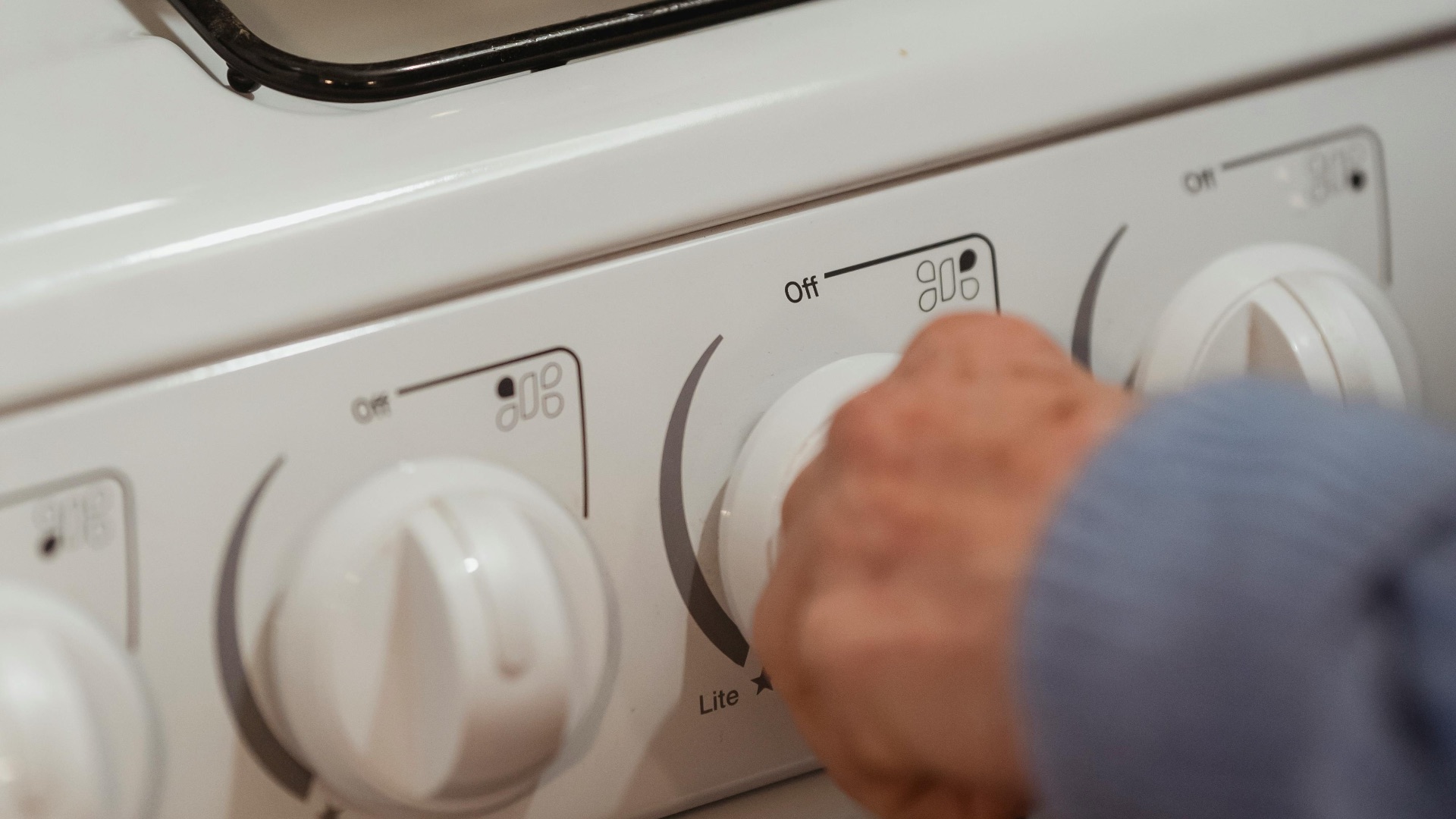
Keeping the dial stuck in the middle makes searing weak, simmering sluggish, and sauces harder to control; different stages need different heat, and the stove isn’t a one-setting device. Of course, you don't care about that, because what if you mess the whole dish up by cranking the heat too high?
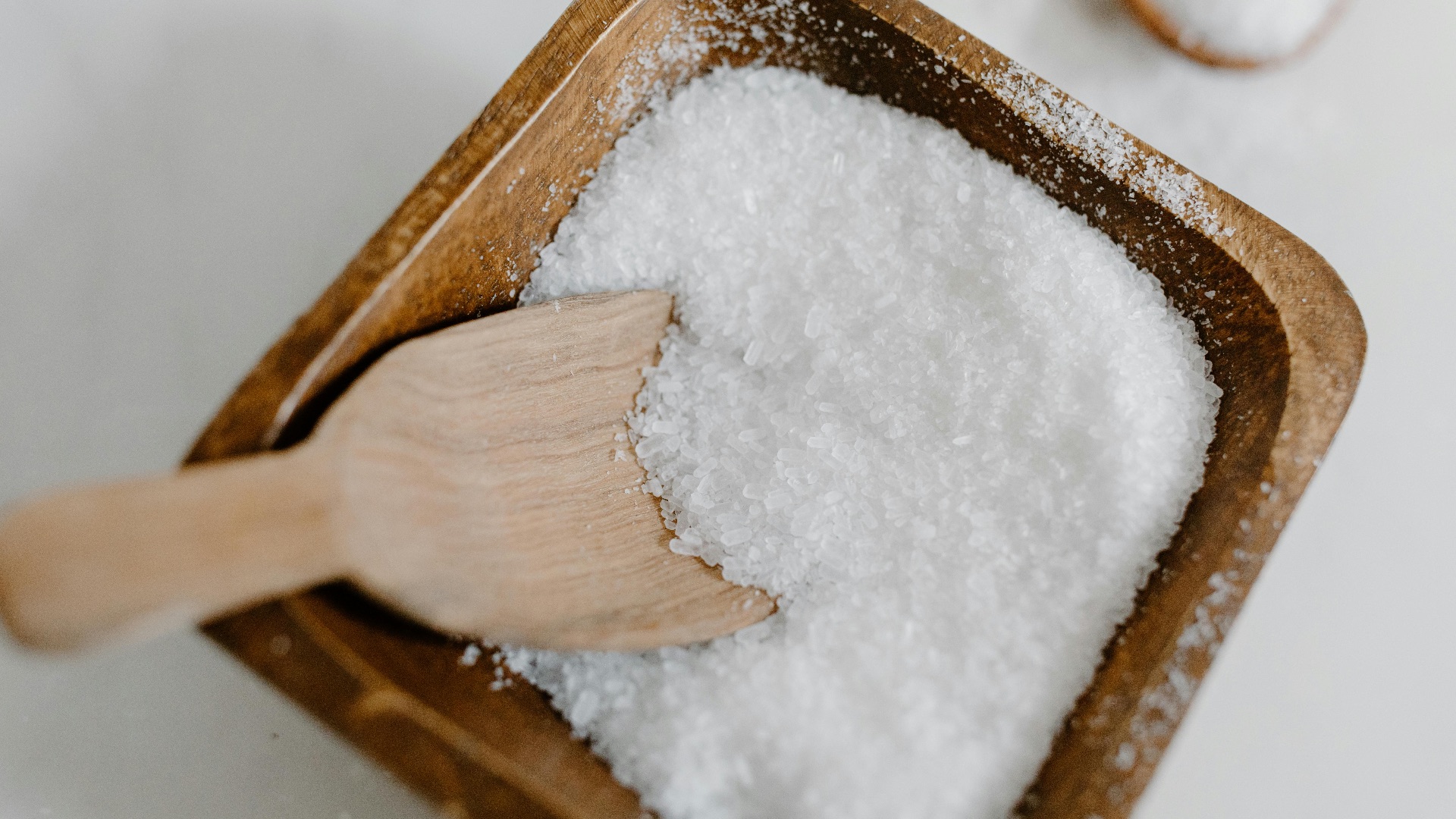
7. You Treat Salt Like a Friend or an Enemy
You have two defaults: either you overdo the seasoning and add way too much salt, or you're too restrictive and you only sprinkle a little bit at the end. Either way, your dinner guests are never happy about how much (or how little) salt you add, even if they're nice about it.
8. You Don’t Prep Your Ingredients Before You Start
You just go with the flow. Instead of having everything chopped and prepped beforehand, you're hunting for garlic while the onions burn in the pan. Missing tools, unopened cans, and unmeasured items also drag your timing off course.
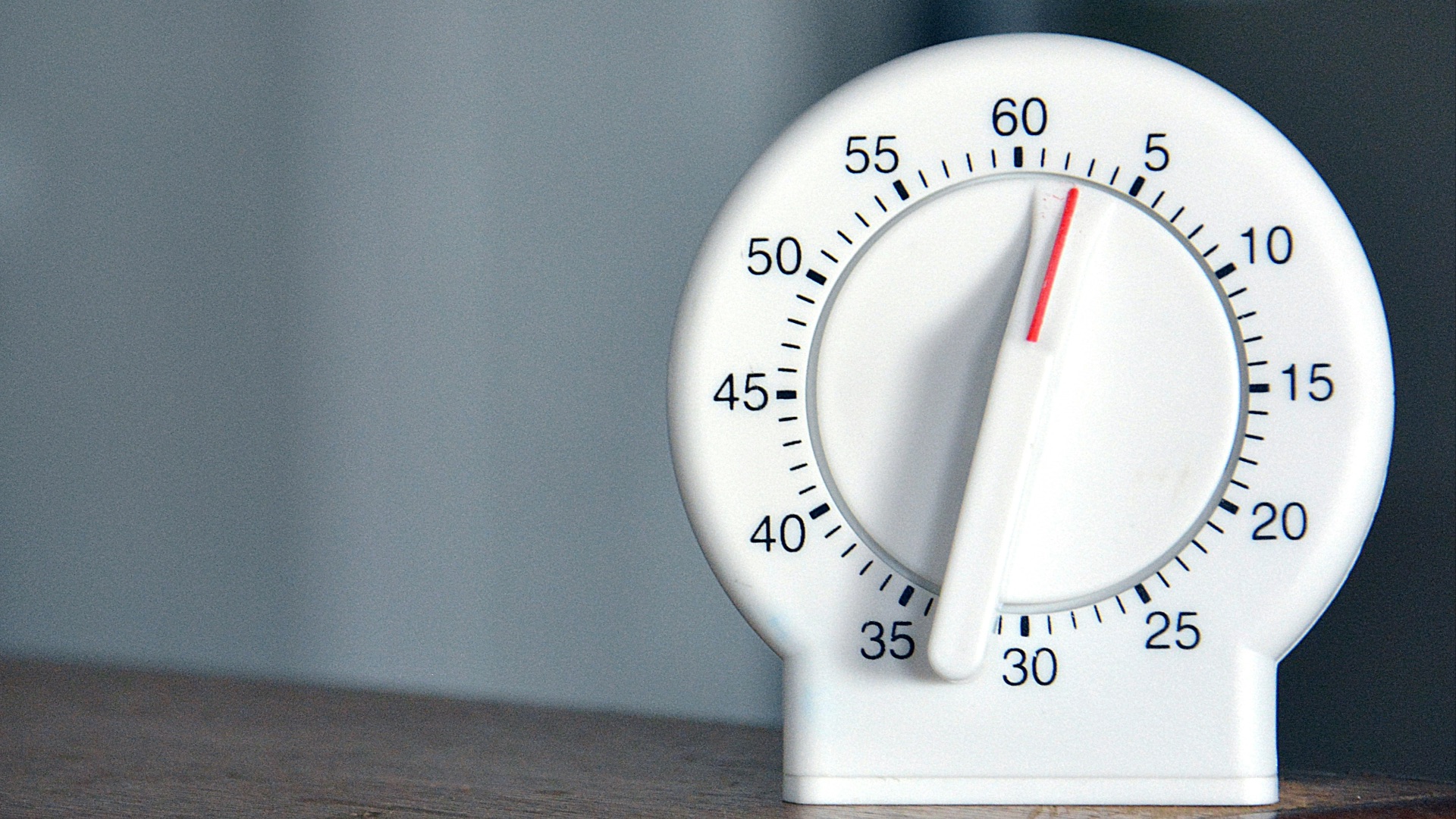
9. You Guess Doneness by Time Alone
Timing helps, and it's tempting to just follow what the recipe and instructions say, but it isn’t a guarantee because ingredient size, pan material, and heat levels vary. Relying only on the clock leads to overcooked chicken or undercooked vegetables that never quite soften, which you're probably more than familiar with.
10. You Leave a Mess in the Kitchen
You're not one to clean up right after you cook. In fact, you usually leave the sink full of sticky bowls and greasy pans until scrubbing them becomes a punishment. It also makes it harder to cook again because your workspace is always cluttered.
If the above signs sound like you in the kitchen, then we're sorry, but you're probably an amateur. Disagree with that conclusion? Keep reading to see if you have any of these 10 habits that might prove you're actually a pro chef.
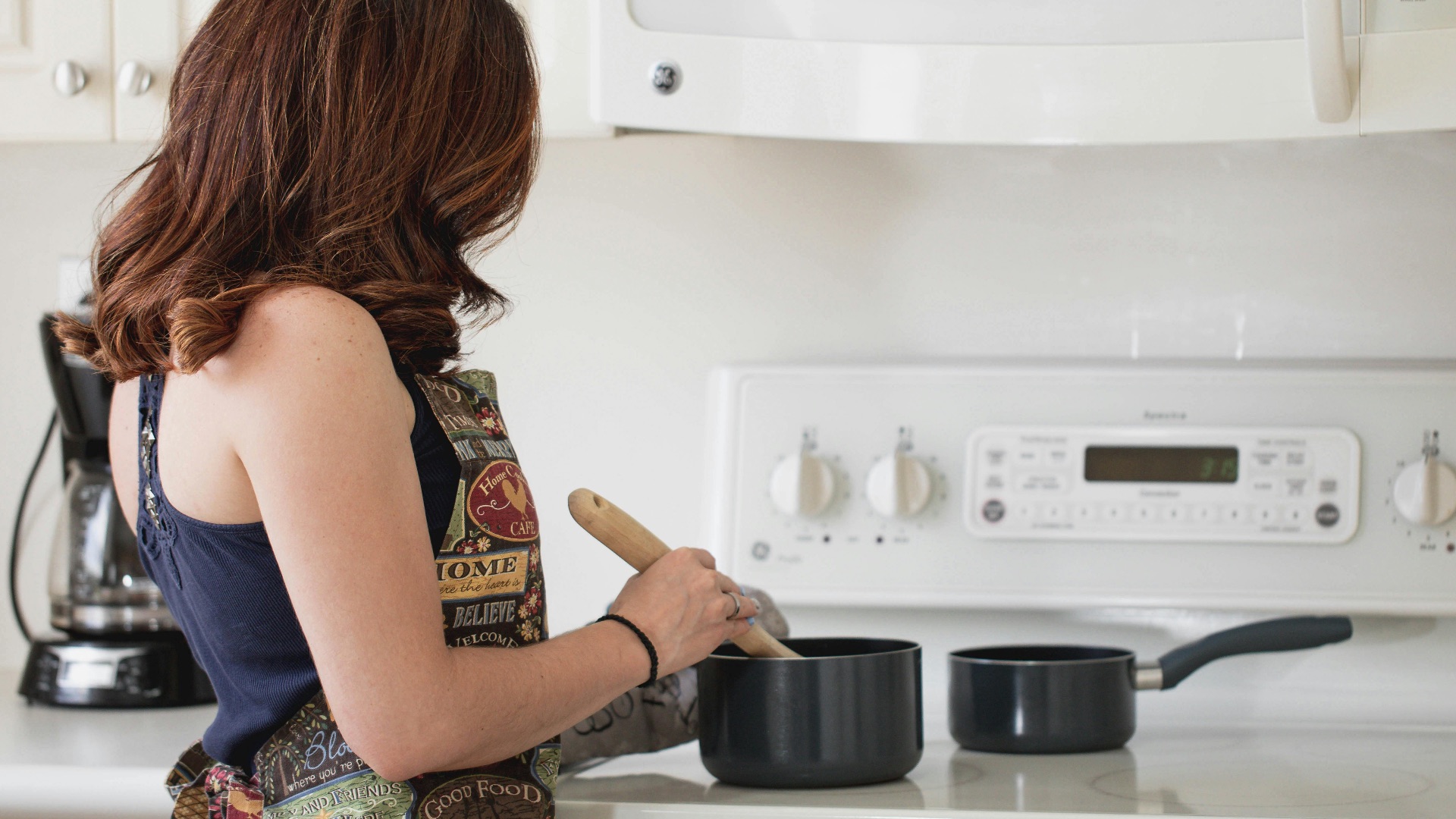
1. You Build a Plan Before Starting
Instead of improvising your dinner, you line up tasks so the dish moves smoothly from prep to finish. That includes knowing what can be chopped early, what must be cooked last, and what needs resting time. The result is less panic and more control.
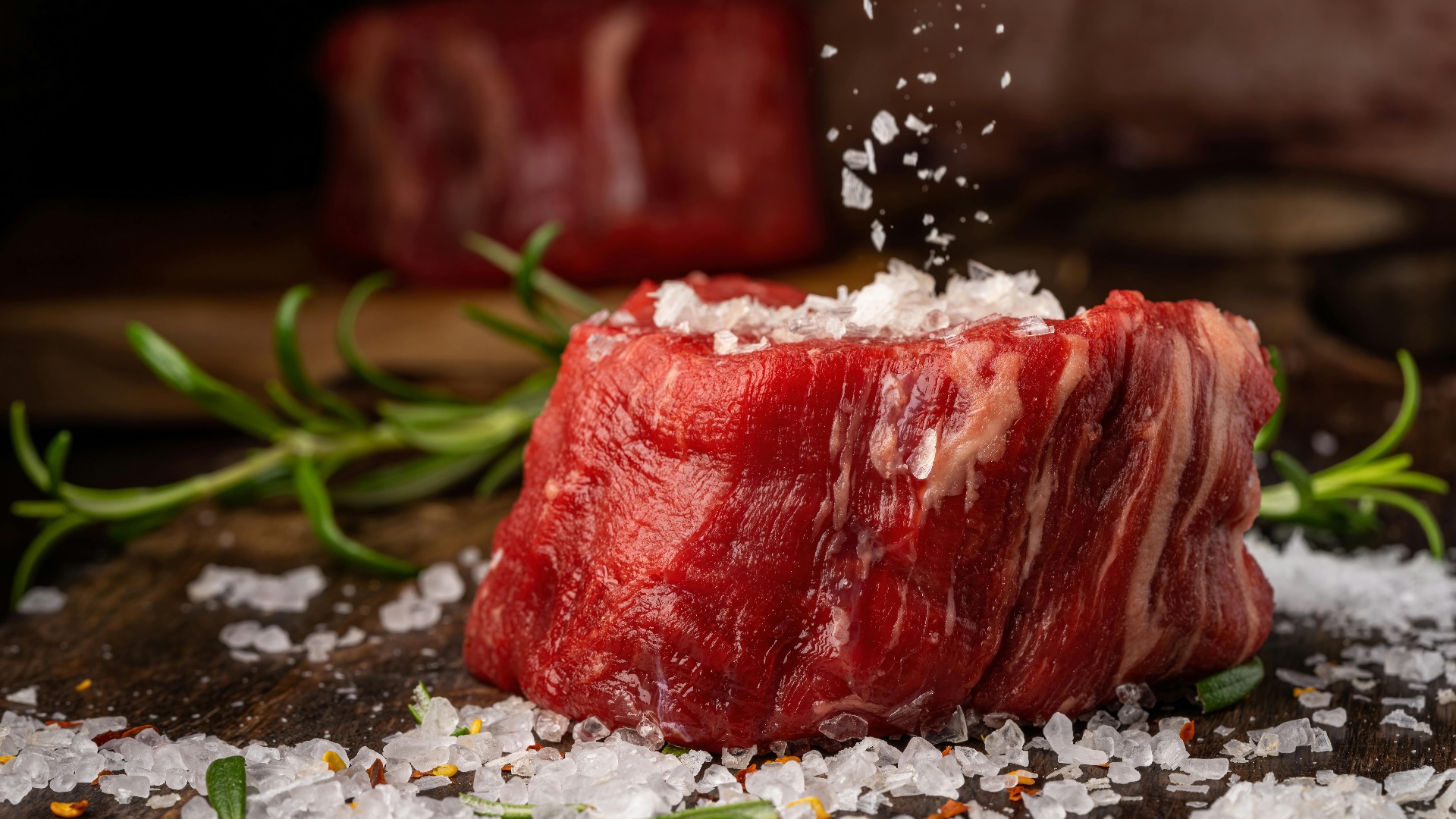
2. You Season with Purpose
Rather than adding salt randomly, you adjust seasoning when it matters: during sautéing, during simmering, and at the end. You’re also aware of how salty ingredients like cheese, cured meats, and broths change the baseline. That approach creates balance without requiring heavy-handed fixes.
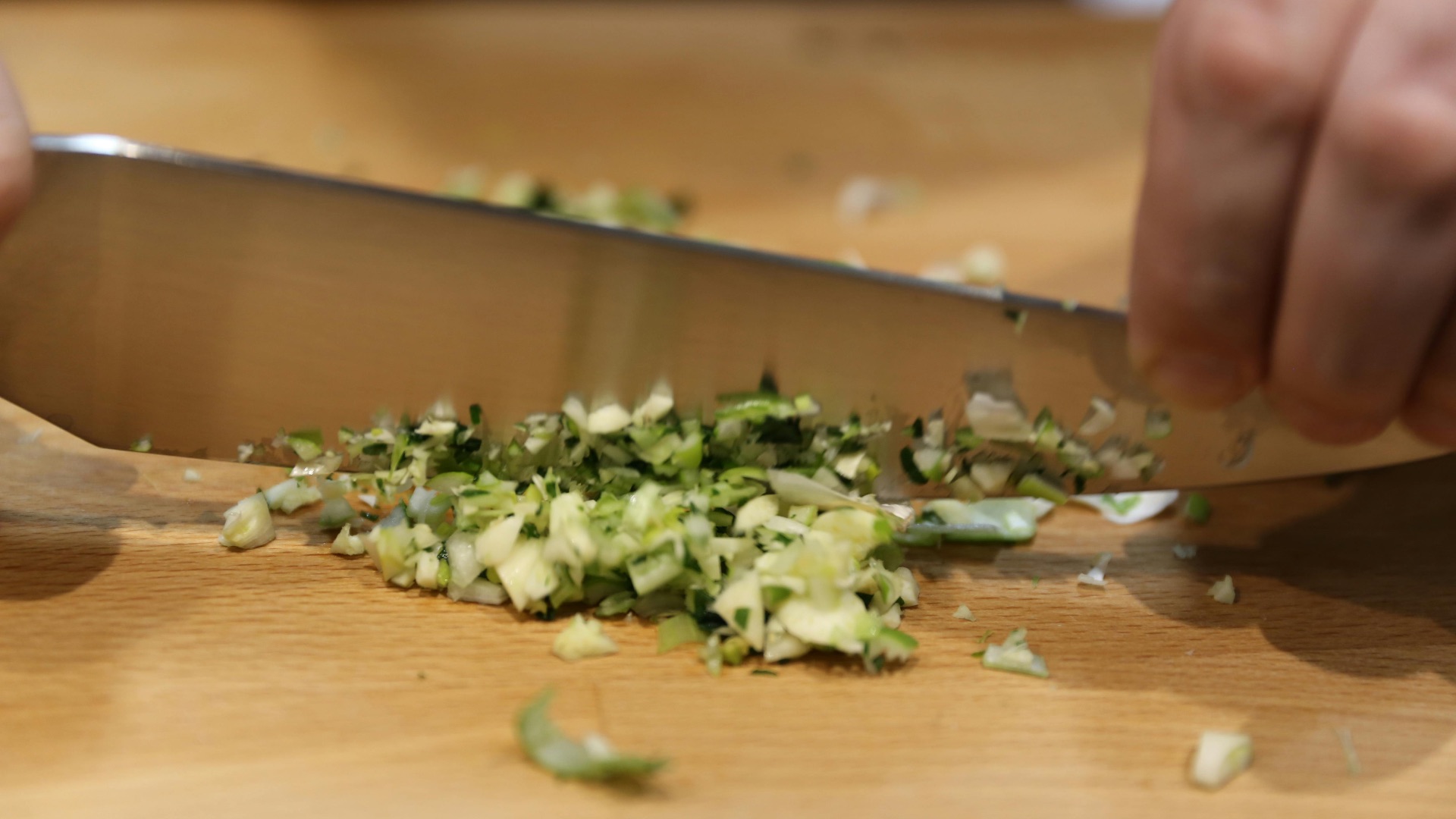
3. Your Knife Skills Are On-Point
You use a sharp knife, maintain a steady grip, and keep your cuts reasonably uniform. That improves cooking consistency because pieces hit doneness around the same time. It also reduces accidents, which is a practical marker of professionalism.
 Sternsteiger Stahlwaren on Pexels
4. You Understand How to Adjust Heat
You know when a pan should be ripping hot for browning and when it needs a gentle simmer for tenderness. Adjusting the flame doesn’t feel like guesswork because you watch what the food is doing. That responsiveness helps you recover quickly when conditions change.
5. You Taste Constantly & Adjust Accordingly
Sampling isn’t just checking for “more salt,” it’s evaluating balance, texture, and finish. You correct problems with the right lever, like acid for heaviness or a little water for a too-reduced sauce. Over time, that habit creates consistency that others notice.
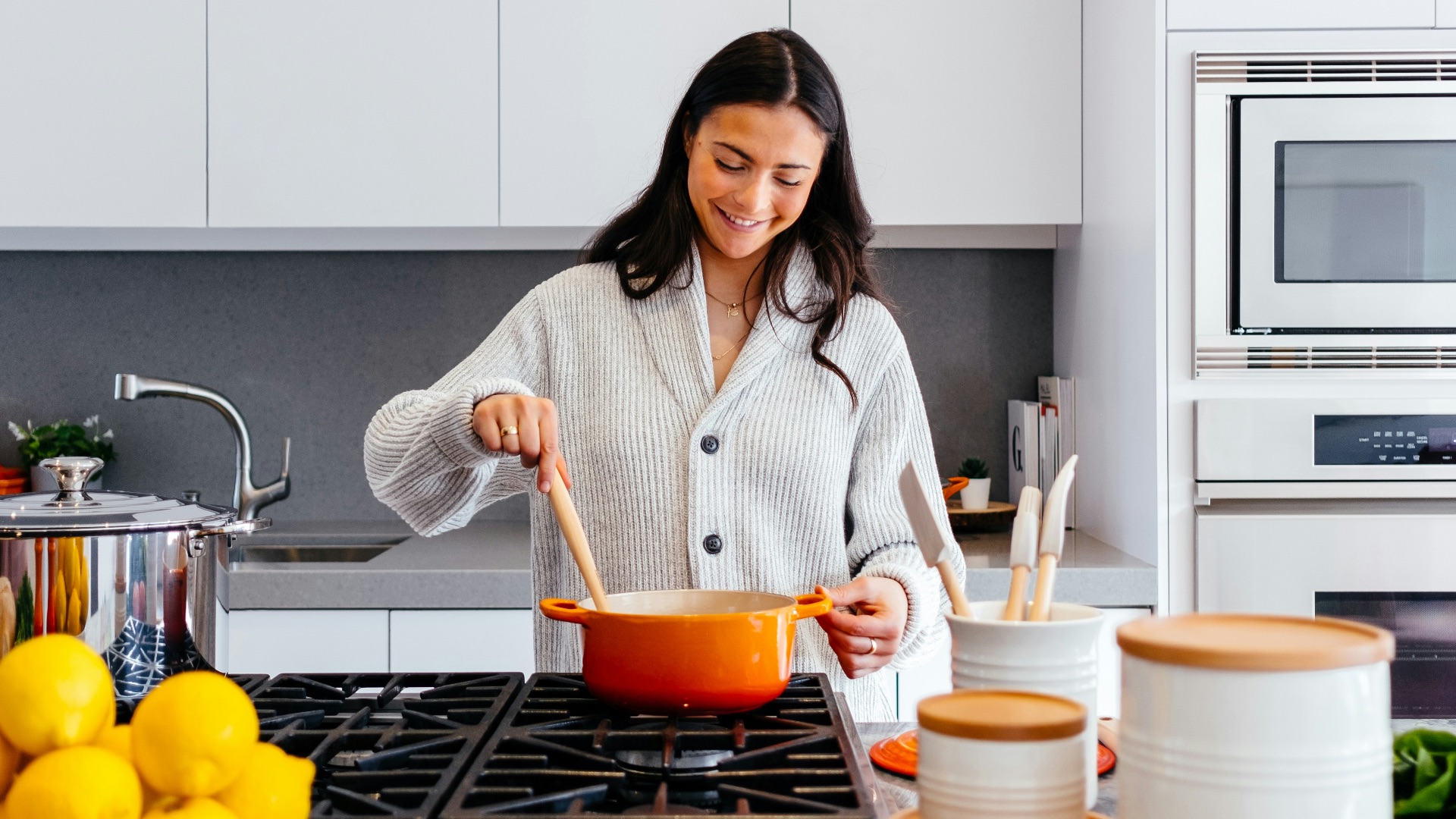
6. You Can Explain the “Why,” Not Just the “How”
When something works, you understand what caused it, such as browning, moisture control, or temperature management. That knowledge lets you adapt recipes without messing with them too much. It also makes troubleshooting quicker because you can diagnose the root issue.
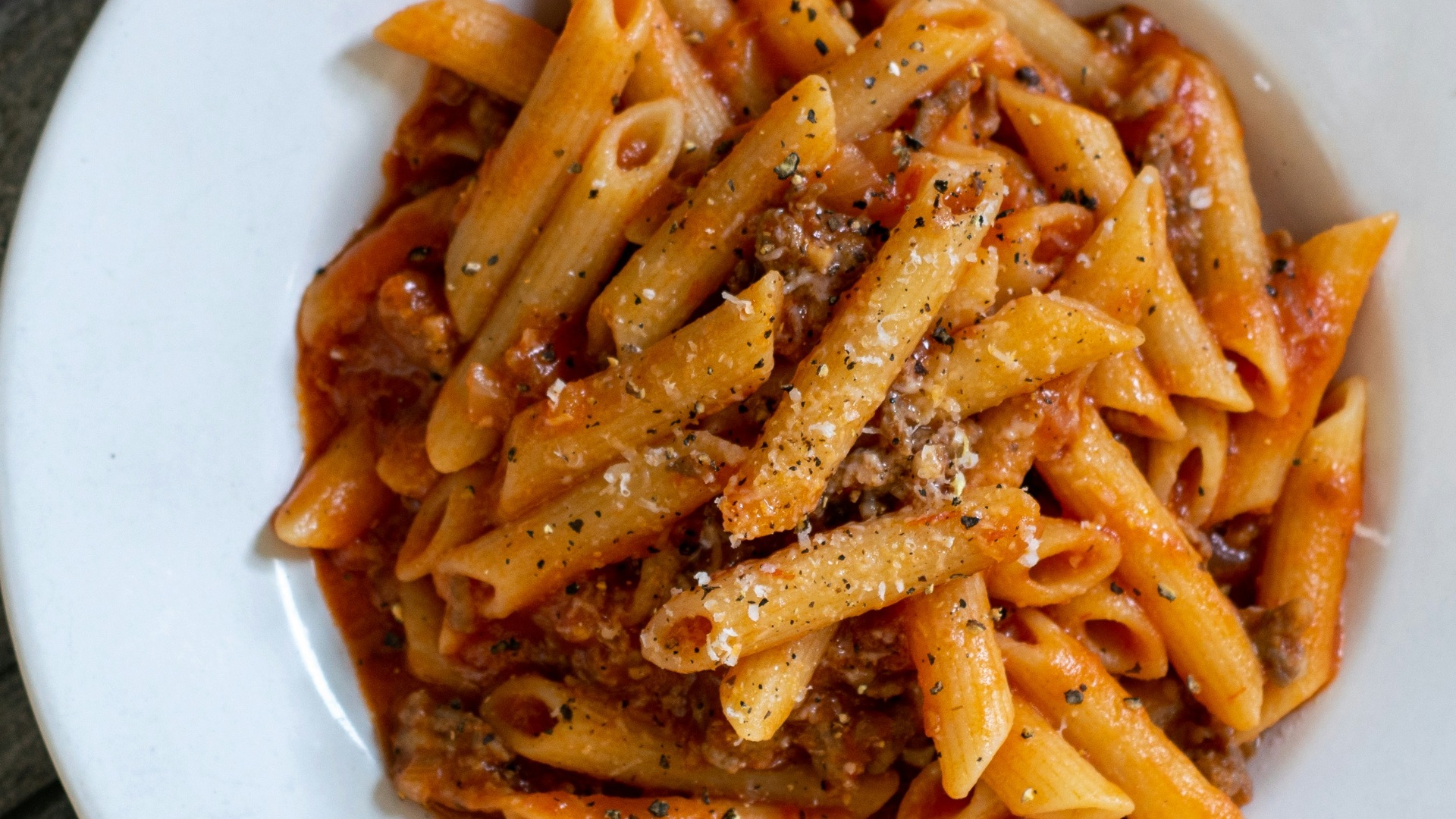
7. You Keep Texture in Mind from Start to Finish
You’re thinking about crispness, tenderness, and bite, not just whether it’s cooked through. That means you don’t over-stir things that should brown, and you don’t drown crunchy elements too early. Paying attention to texture is one of the fastest ways to elevate a dish.
8. You Use Tools Strategically
A thermometer, a sturdy pan, and a sharp knife get more use than a drawer of novelty gadgets. You pick tools that solve specific problems and keep them in good condition. That practicality shows up in the food and in your workflow.
9. You Know How to Manage Timing
You coordinate resting periods, finishing steps, and side dishes so the plate comes together cleanly. That often includes warming serving plates, holding items properly, or finishing a sauce at the last moment. The meal feels professional and intentional because nothing arrives late or lukewarm.

10. You're Calm When Something Goes Wrong
Instead of freezing or starting over when something goes awry, you assess what happened and choose the best fix available. You know which errors are recoverable and which require a pivot, and you don’t let frustration dictate your next step. That steadiness is one of the clearest signs you’re cooking at a professional level.