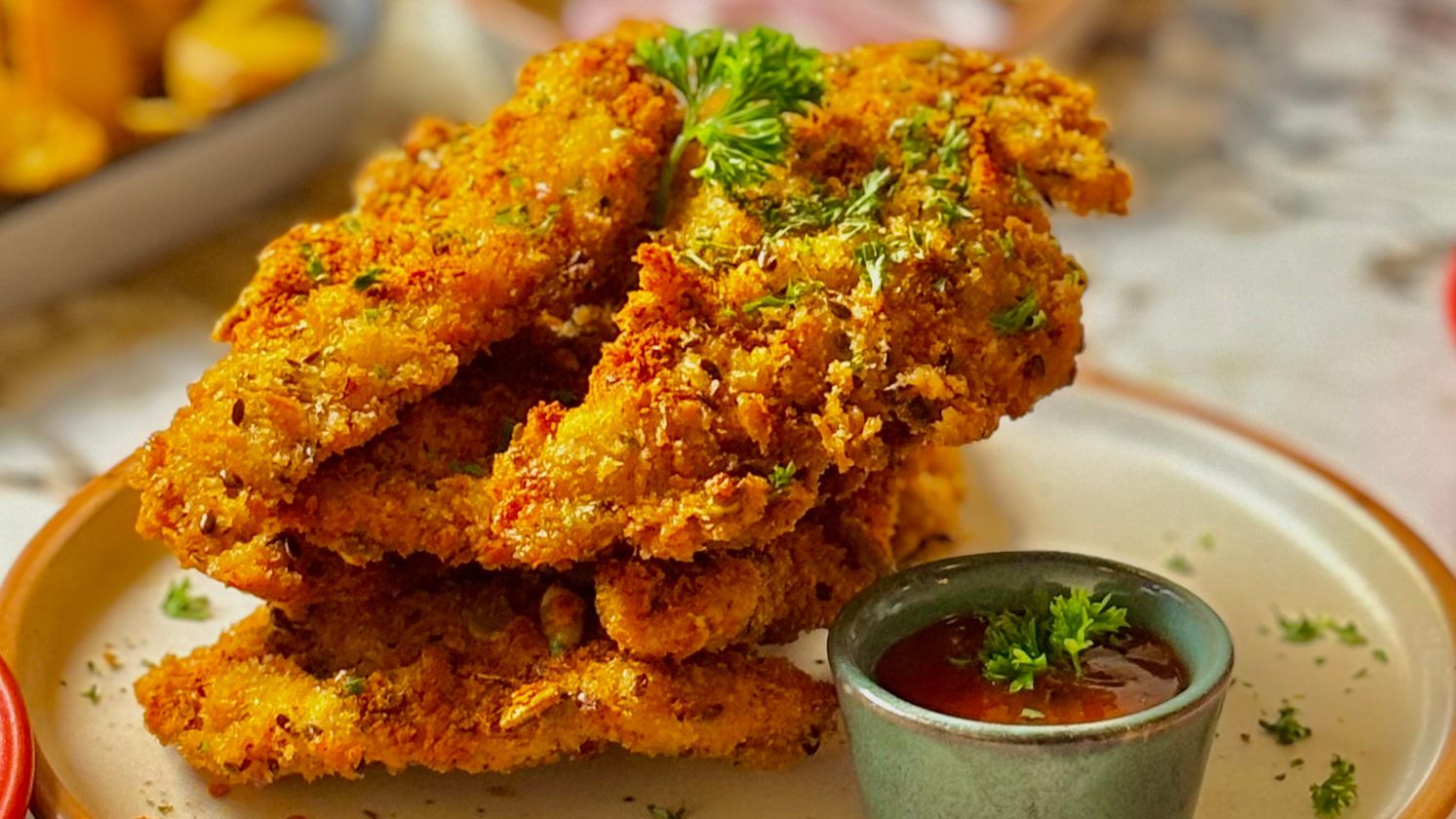
Why Appetite Can Shift So Fast
Your appetite is notoriously finicky. One minute you might be starving, but the second you smell something odd, hear about something gross, or, worse, find a hair in your food? Ooh, boy. It likely comes as no surprise that the way a dish looks and smells, coupled with the environment it's served in, can do a lot to influence whether a meal seems appealing to you or something you’d rather push aside. We might eat with our eyes first, but the plate has to satisfy our other senses, too. Here are 10 things that instantly ruin your appetite, along with 10 that are guaranteed to boost it.
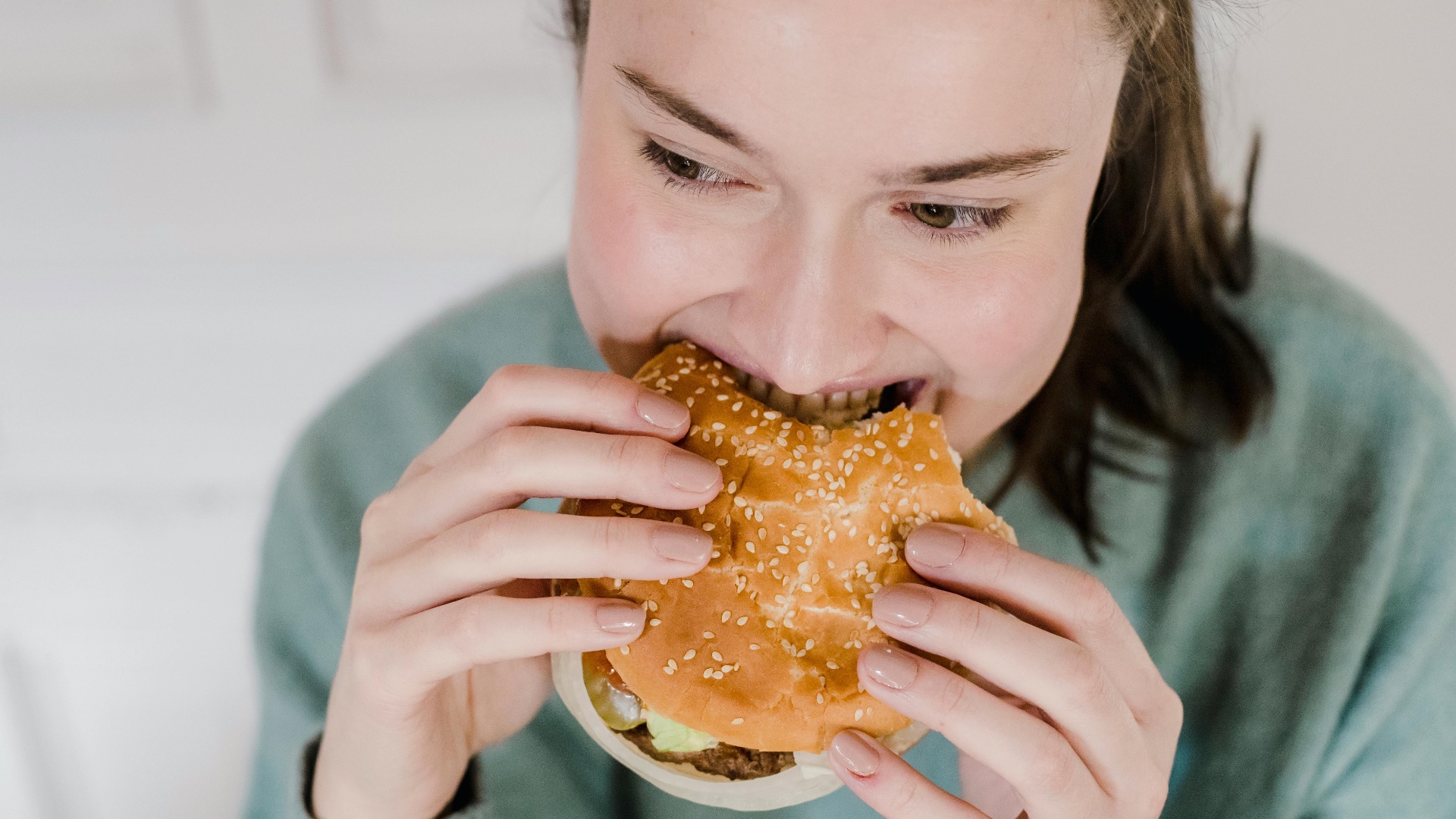
1. Strong, Unpleasant Smells
A harsh odor can turn your stomach before the food even reaches the table. Trash, stale grease, spoiled ingredients, or an overpowering cleaning product can make it difficult to focus on eating. Your appetite often reacts faster to smell than to logic, so even a meal you usually love can lose its appeal. Once that reaction hits, it can take a while before food sounds good again.
2. Seeing Dirty Dishes or Surfaces
A cluttered eating area can make a meal feel less appealing, especially when plates, crumbs, or sticky counters are in sight. You may not consciously think about germs, but the visual mess can still make eating feel unpleasant. Clean surroundings help food feel more cared for and safer to enjoy. When the setting looks neglected, your appetite can disappear before the first bite.
 Portuguese Gravity on Unsplash
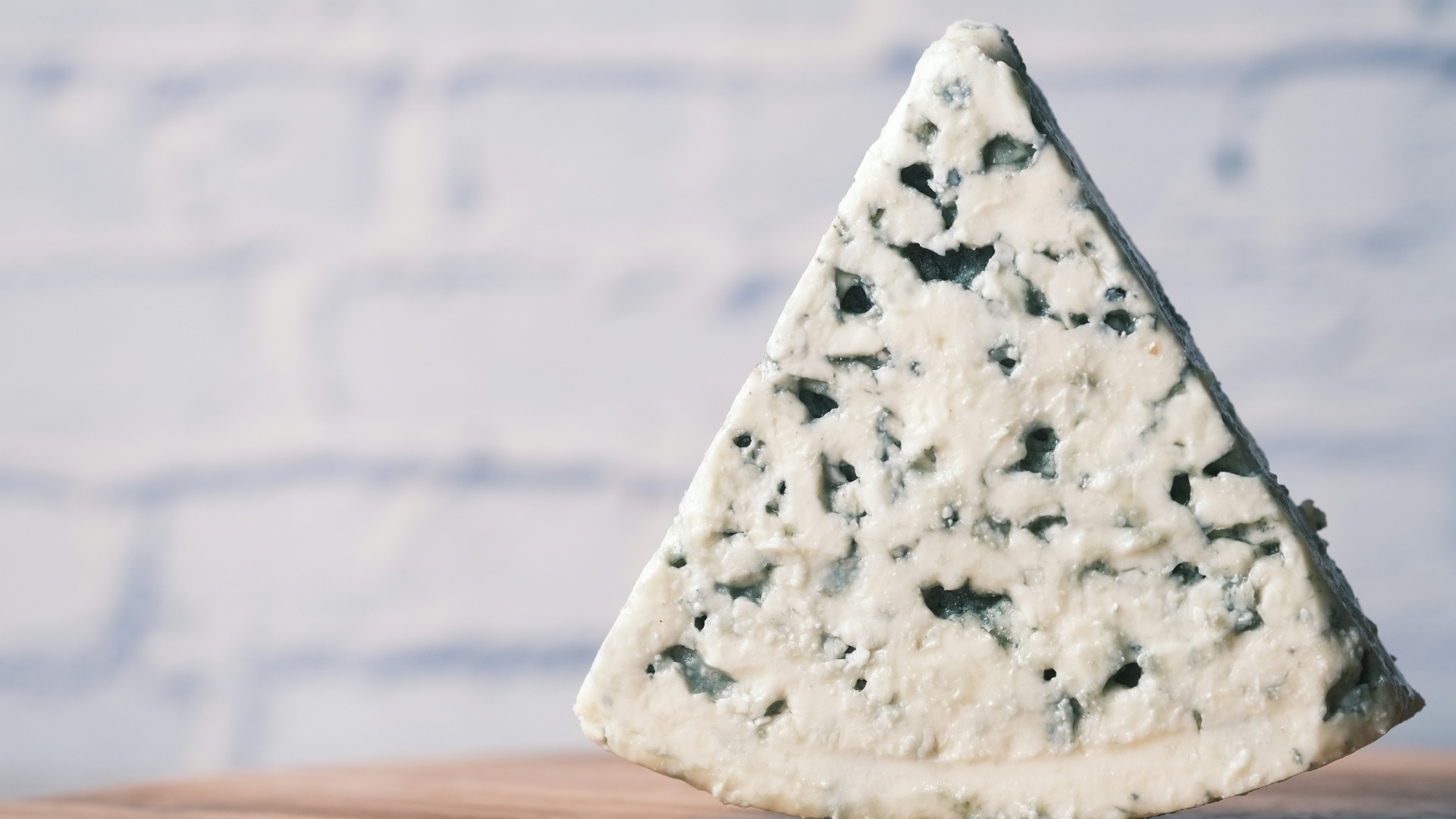
3. Food That Looks Slimy or Soggy
Texture and appearance matter long before you taste anything. If something looks wet or overly mushy when it shouldn’t, or if it looks like it's clearly moldy, that can make your appetite disappear in an instant. Even properly cooked (fresh) food can seem unappetizing if it appears collapsed or poorly handled; a bad visual texture can be enough to make you lose interest immediately.
4. Hearing Someone Talk About Gross Topics
Some conversations simply don’t belong at the table. Graphic talk about illness, bodily functions, spoiled food, or unpleasant accidents can make eating feel uncomfortable. Even if you try to ignore it, the mental image can stick around and interfere with your appetite. Once your attention shifts from the meal to something unpleasant, it’s hard to enjoy what’s in front of you.

5. Food That Arrives Cold or Lukewarm
Temperature can strongly affect whether a dish feels satisfying or disappointing. A meal that should be hot but arrives barely warm can seem stale, forgotten, or poorly prepared. Cold fries, tepid soup, and room-temperature coffee often lose the qualities that made them appealing in the first place. When the temperature is wrong, the whole dish can feel off.
6. Too Much Grease on the Plate
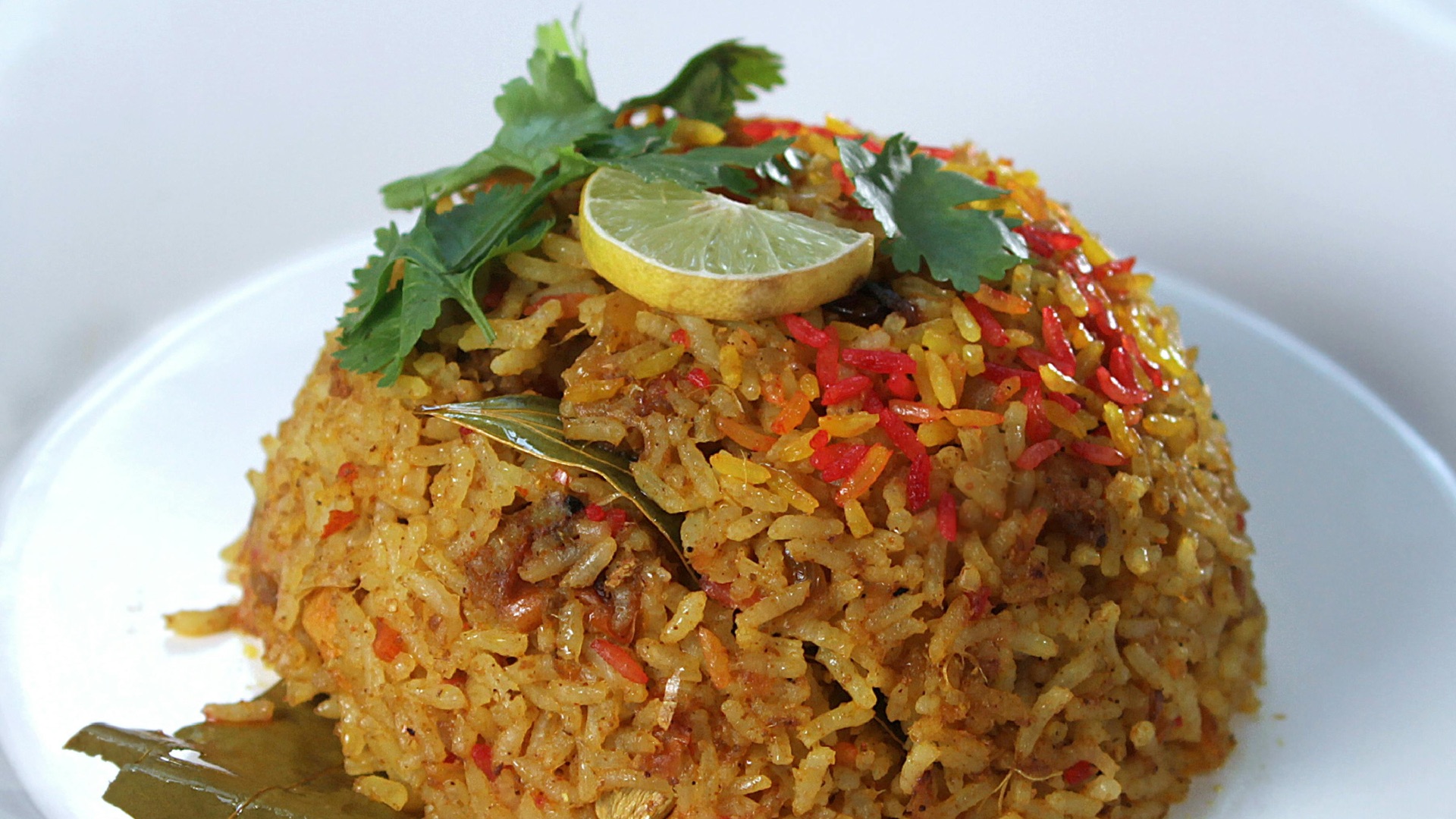
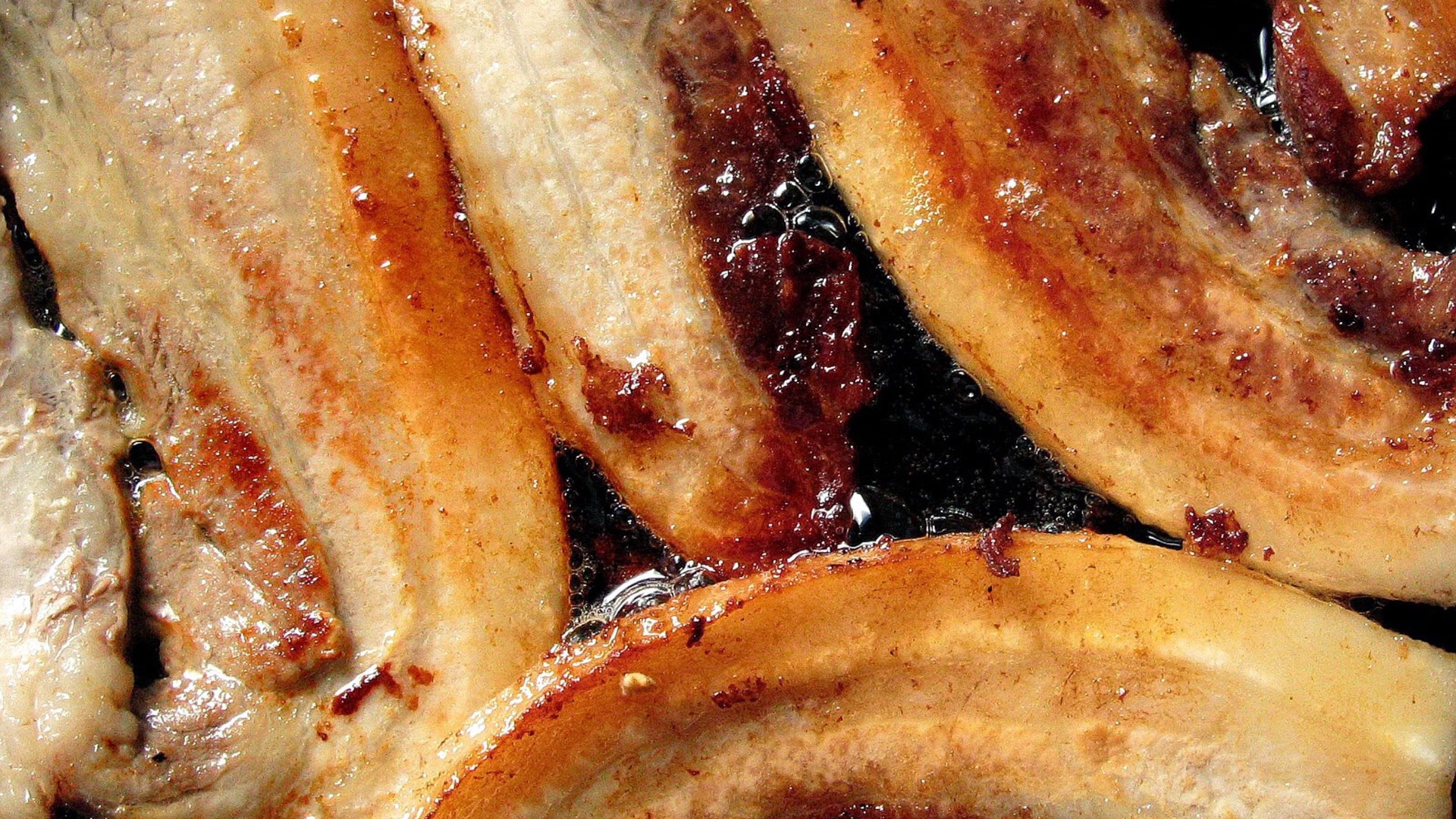
A little richness can make food taste good, but visible pools of grease can quickly go too far. When oil coats the plate or drips from the food, it can make the meal feel heavy before you even begin. That visual excess may signal discomfort, especially if you already feel only mildly hungry. Instead of inviting another bite, it can make you want to stop.
7. Finding a Hair in Your Food
Seeing a hair in your food can ruin your appetite almost instantly. Even if the rest of the dish looks perfectly fine, that one detail can make the whole meal feel unclean. It’s hard to keep eating when your mind starts wondering how it got there or what else might have been missed.

8. Watching or Hearing Someone Chew Loudly
Eating sounds can be distracting when they’re especially loud or messy. Smacking, slurping, or open-mouth chewing can pull your attention away from your own meal and make the table feel uncomfortable. Even if the food tastes fine, the experience around it can become unpleasant. Appetite often depends on atmosphere as much as flavor.

9. Seeing a Bug in Your Food
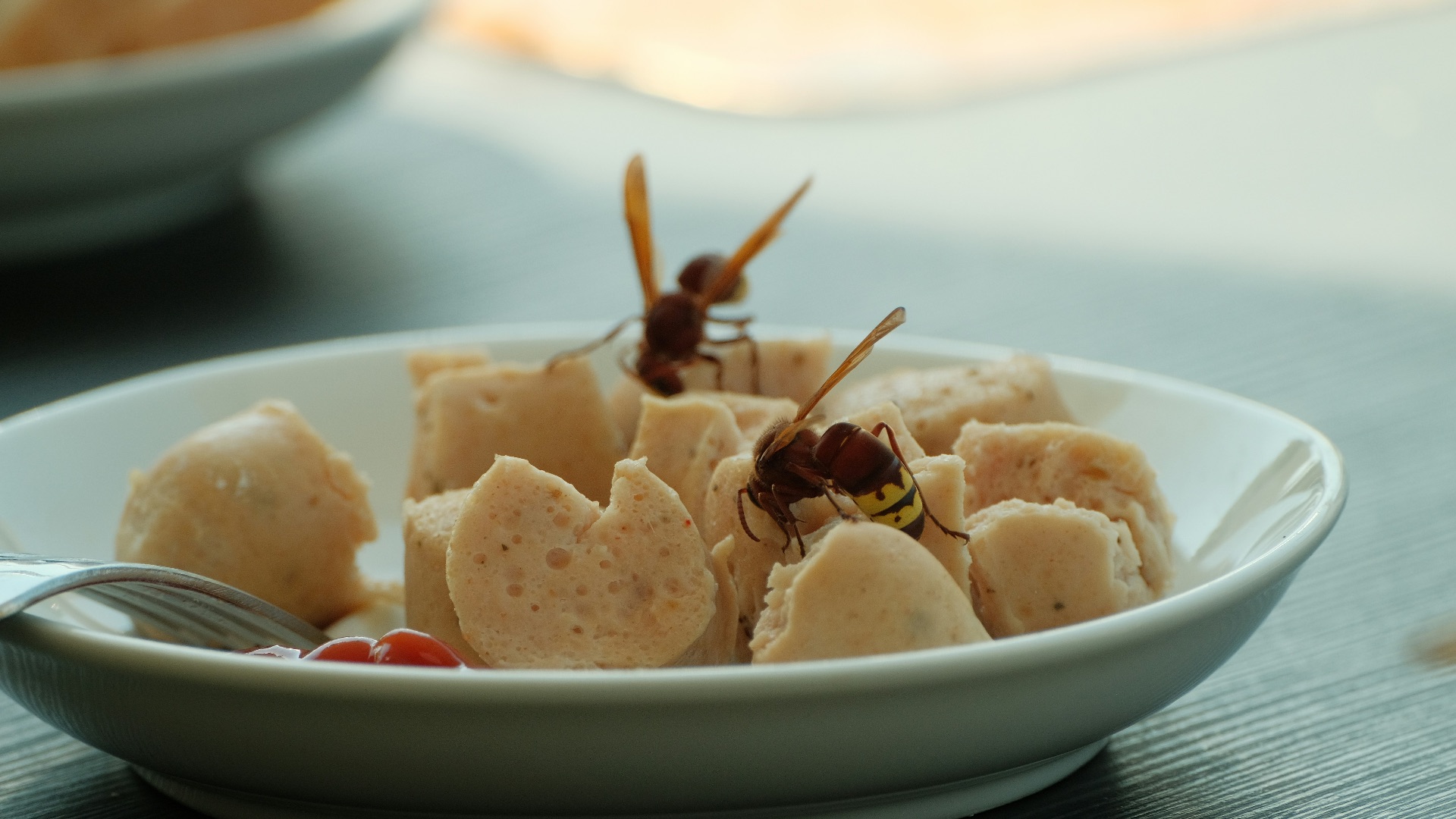
Finding a hair in your food is bad enough, but a bug? That's even worse. Not only are bugs just unpleasant to look at, it can also raise real concerns about cleanliness, storage, and how the food was prepared. Once you’ve seen it, there’s usually no talking yourself back into the dish. Even if you were hungry a moment earlier, your appetite can disappear on the spot.
10. Feeling Rushed or Stressed
Stress can make hunger fade quickly, even when your body needs food. If you’re answering messages, watching the clock, or feeling pressured to eat fast, your meal may feel more like a task than something enjoyable. Appetite tends to work better when you have enough calm to notice the food. Without that, even a favorite dish can feel hard to finish.
Now that we've seen what can shut down your appetite, it’s worth looking at the other side of the experience. Just as quickly as a bad smell or stressful setting can make food unappealing, the right cues can make a meal feel inviting again.

1. The Smell of Freshly Cooked Food
A warm, savory aroma can make you hungry before you even see the plate. Freshly baked bread, simmering sauce, grilled vegetables, or roasted chicken can signal that something satisfying is coming. Smell creates anticipation, which helps your appetite wake up naturally. When the scent is appealing, the meal already feels more rewarding.
2. A Pleasant Ambiance
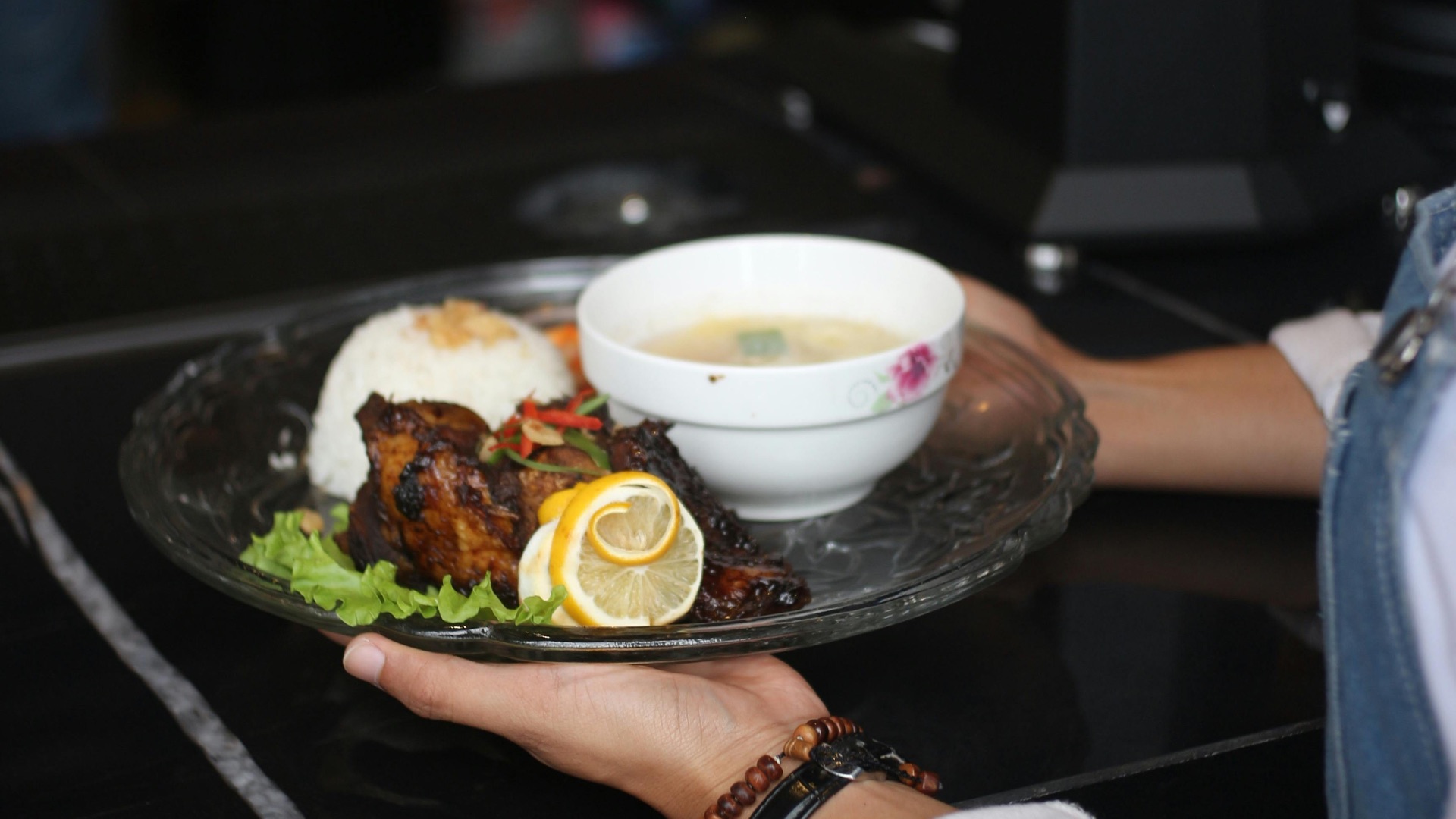
The atmosphere around a meal can make food feel much more inviting; soft lighting, comfortable seating, a clean table, and a space that doesn’t feel too chaotic can help you settle in and enjoy what you’re eating. After all, when the surroundings feel calm and welcoming, the meal starts to feel like something to savor. Even simple food can seem more appealing when the setting makes you want to stay a while.
3. Bright, Fresh-Looking Ingredients
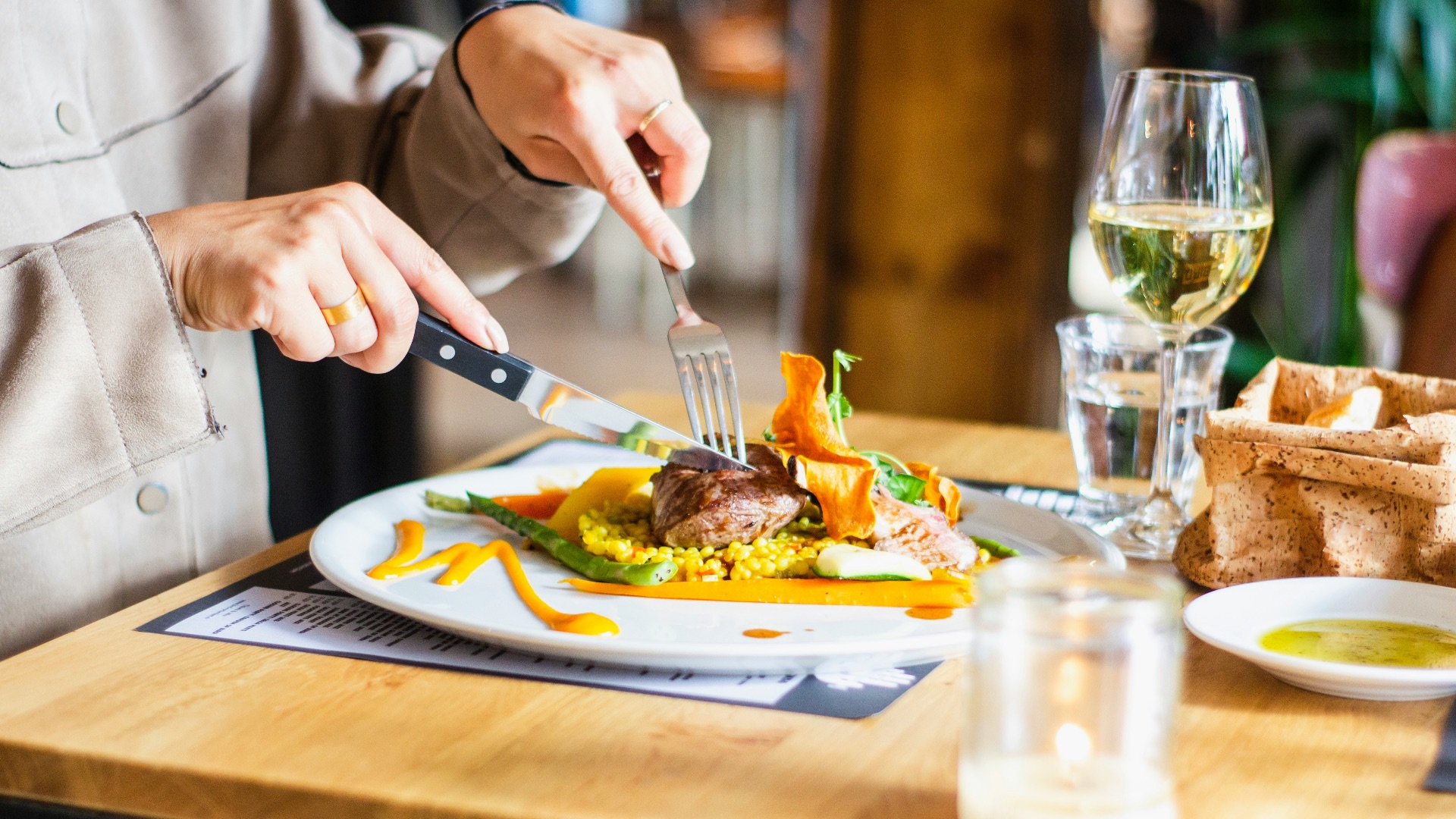
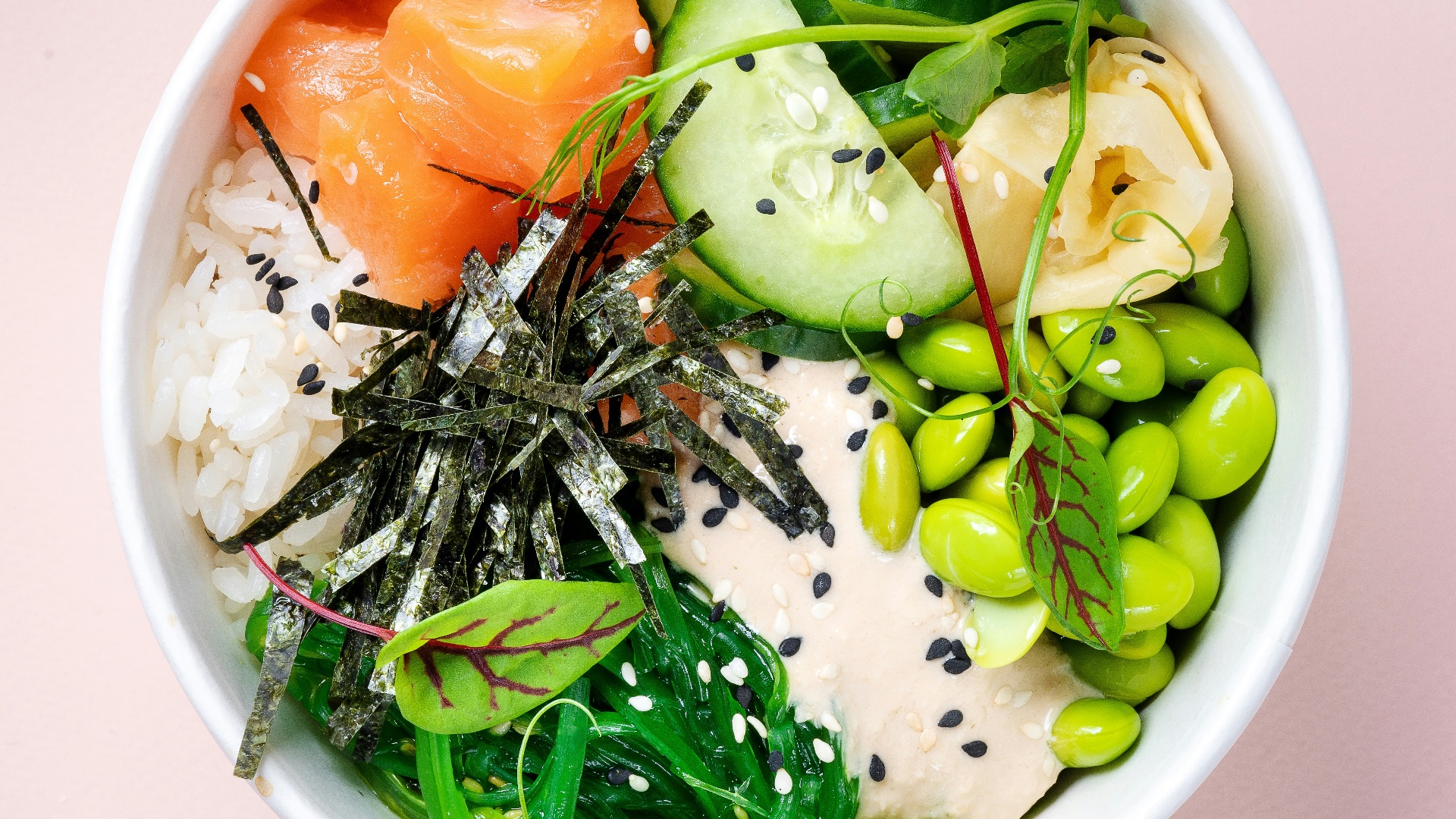
You know the saying: we eat with our eyes first. Colorful food can therefore immediately make a plate more inviting. Crisp greens, ripe fruit, golden toast, and vibrant vegetables suggest freshness and variety. Your eyes often make the first judgment, so food that looks lively can increase your interest before you taste it. A fresh appearance gives the meal a stronger sense of appeal.
 David Foodphototasty on Unsplash
4. Hearing Food Sizzle or Bubble
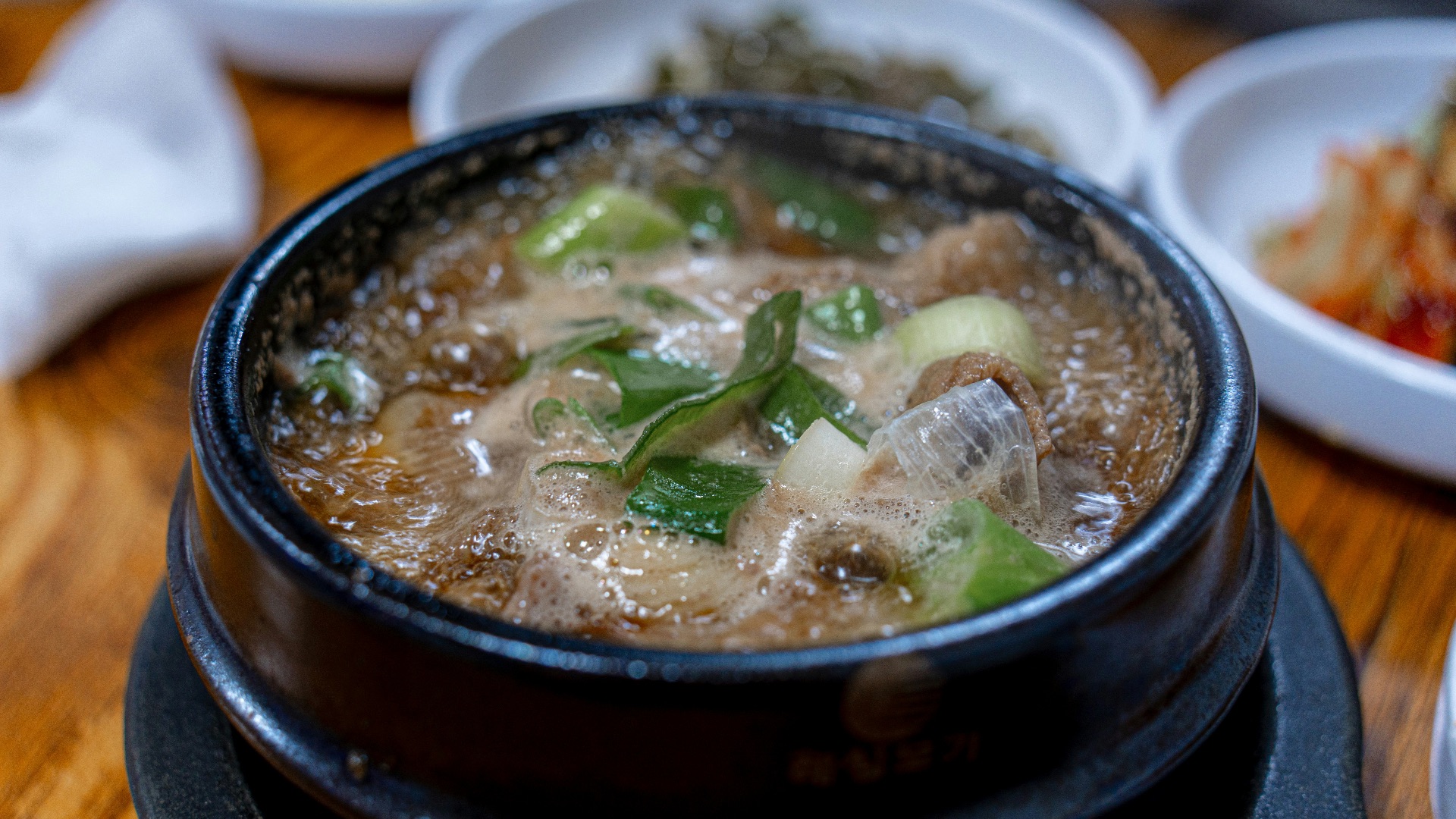
Certain cooking sounds can make a meal feel more exciting. The sizzle of onions in a pan, the bubbling of soup, or the crackle of something crisping can build anticipation. These sounds tell you the food is active, hot, and close to ready. They can make your appetite respond even before the dish is served.
5. Balanced Seasoning
Food that smells and tastes well-seasoned can encourage you to keep eating. Salt, acidity, herbs, spices, and a little sweetness can all help a dish feel complete when they’re used with care. When flavors feel balanced, each bite gives you a reason to take another. A bland meal may satisfy hunger, but a flavorful one invites attention.

6. Eating with Someone You Enjoy
Good company can make a meal feel easier and more appealing. When conversation feels relaxed and pleasant, eating becomes part of a comfortable experience rather than just a routine. You may linger longer, try more, or enjoy the food more fully because the setting feels positive. Appetite often improves when the meal feels social in a good way.

7. Food Served at the Right Temperature
A hot dish served hot or a chilled dish served cold can make the whole meal more satisfying. Temperature affects texture, aroma, and flavor, so getting it right helps the food taste the way it should. A crisp salad, warm pasta, or cold fruit can feel especially appealing when served properly. The right temperature makes food feel fresh and ready to eat.
8. A Little Physical Activity Before Eating
Light movement can help your body recognize hunger more clearly. A short walk, some stretching, or time spent doing errands may make food sound better afterward. This doesn’t have to mean intense exercise, since even gentle activity can increase interest in a meal. When your body has been moving, eating can feel more natural and welcome.

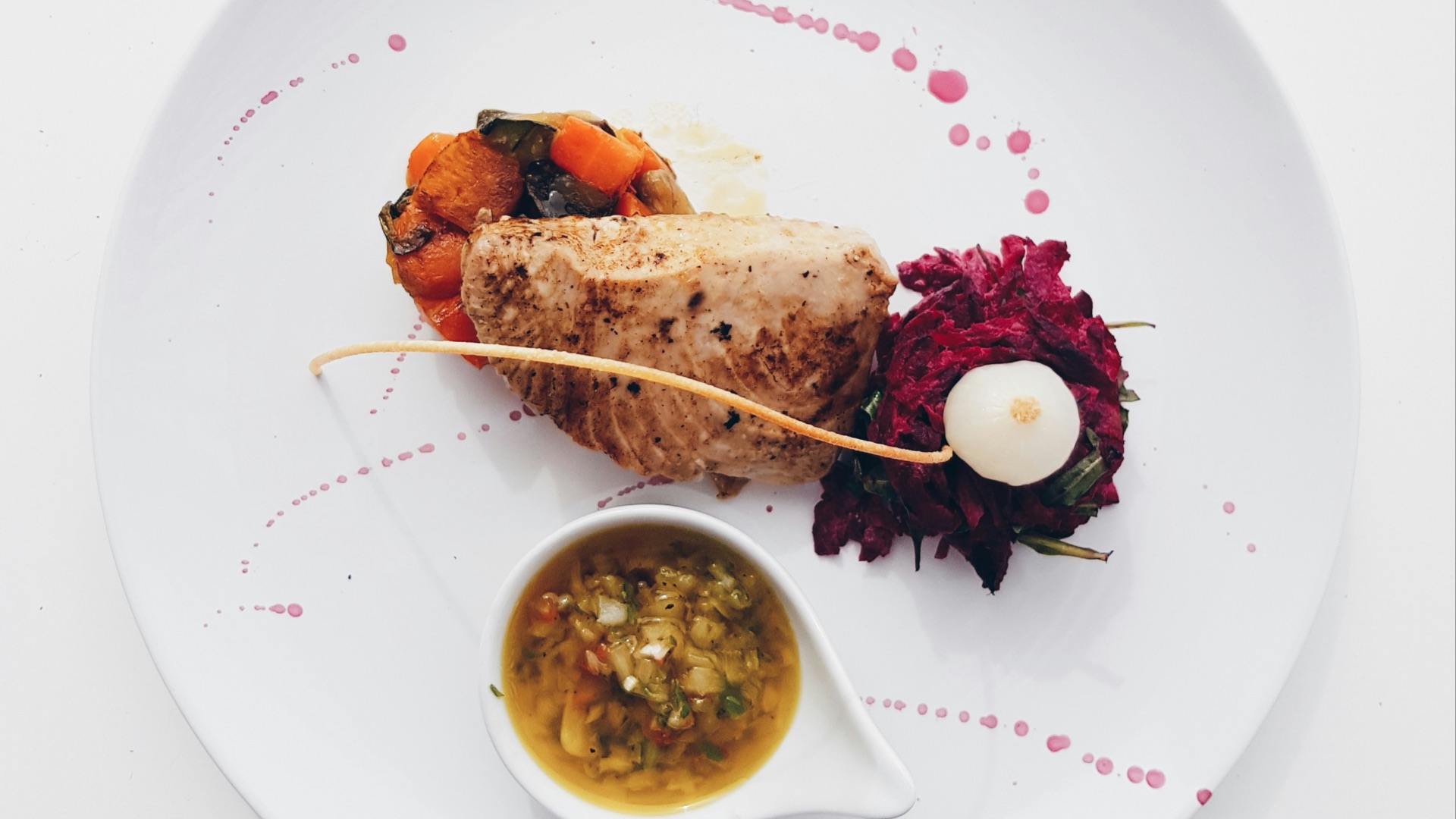
9. Attractive Plating
A well-arranged plate can make ordinary food feel more appetizing. Neat portions, visible colors, and a bit of space between ingredients can help the meal look thoughtful. You’re more likely to want to eat something that appears fresh and cared for. Presentation can’t fix bad food, but it can make good food much more appealing.
10. A Relaxed Pace
Having enough time to eat can make your appetite stronger and steadier. When you’re not rushing, you can notice the smell, texture, and flavor of the food more fully. This helps the meal feel enjoyable instead of pressured. A calmer pace gives your appetite room to build instead of shutting it down.

KEEP ON READING


20 Dishes That Define Modern American Cuisine