20 American Food Habits That Europeans Actually Find Offensive
Avoid Getting Side-Eyed Abroad
If you’ve ever eaten the way you normally do in the US and noticed a European friend quietly blinking like they just witnessed a minor crime, you’re not imagining things. A lot of everyday American food habits can read as loud, confusing, or just plain wrong in places where meals move more slowly and portions look more like “a plate” than “a challenge.” Here are 20 American food habits that Europeans may find upsetting.

1. Super-Sized Portions
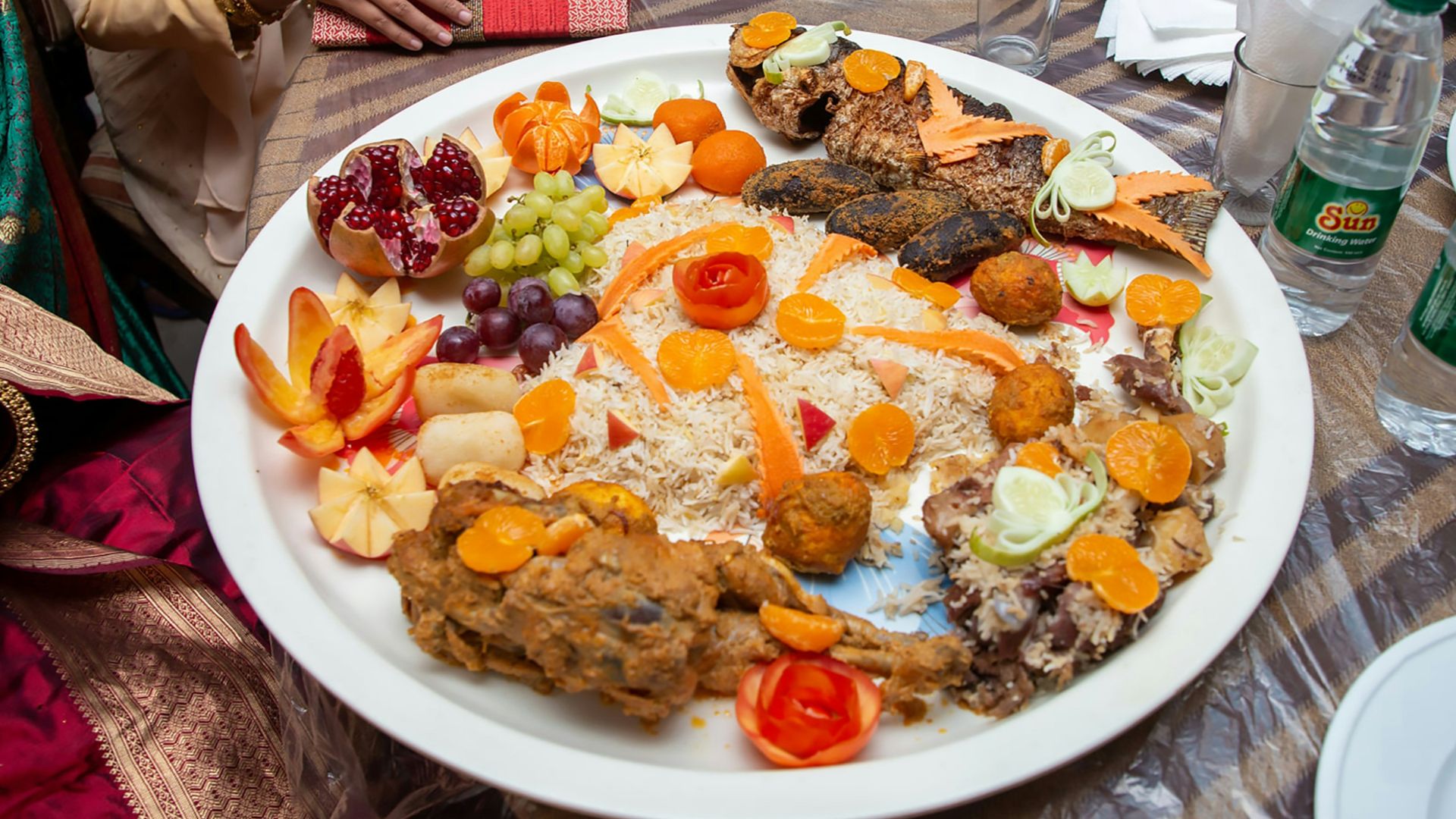
Oftentimes, when Americans go to Europe, they're shocked at how small portions seem in comparison to American-sized ones. In a lot of Europe, a serving is meant to satisfy, not intimidate. When your plate shows up looking like it could feed a family of four, it can feel wasteful, showy, and a heap of food looks less appealing than a thoughtfully arranged plate.
2. Refills Like It’s a Sport
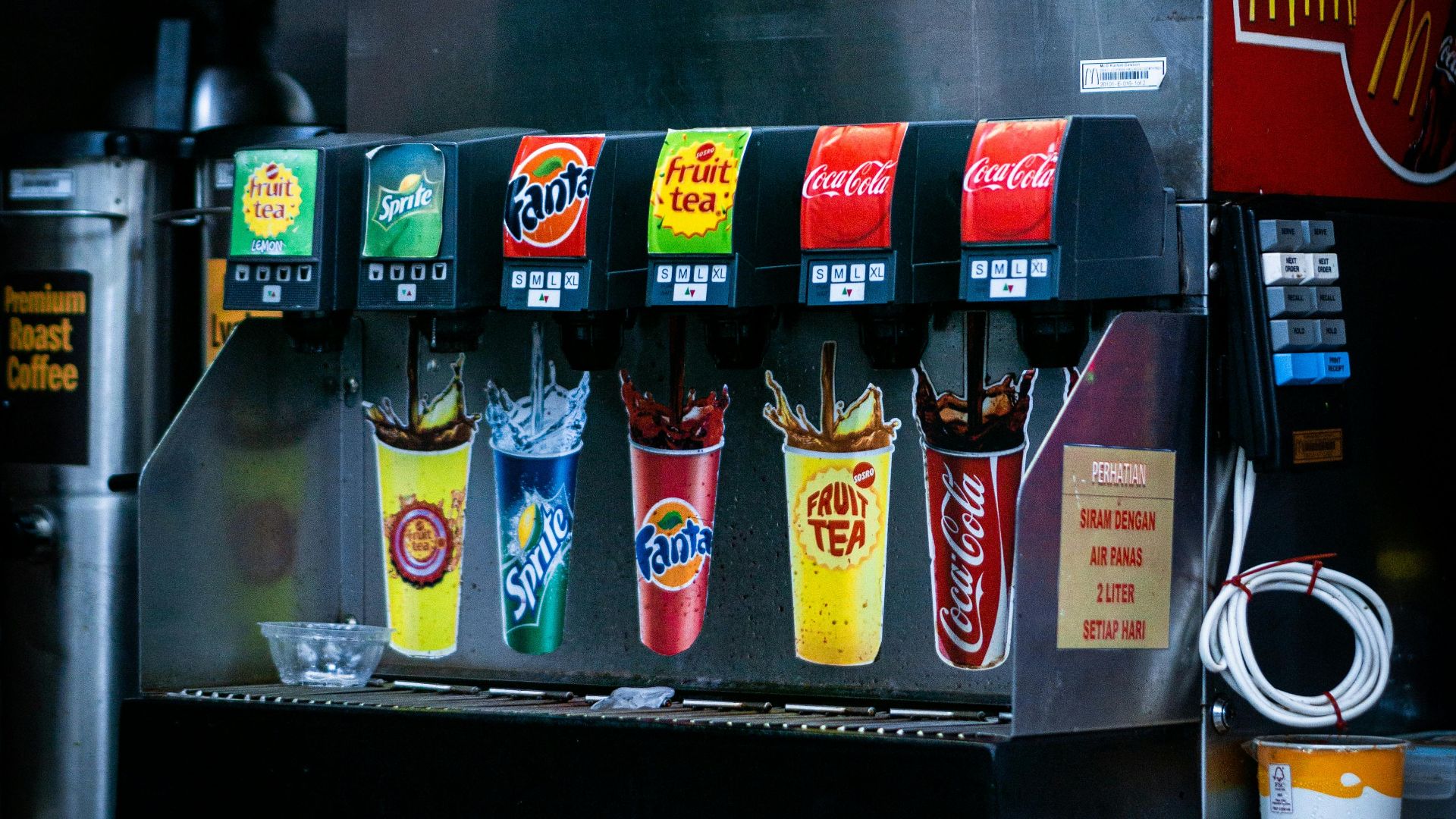
Free refills can seem generous, but they can also look like you’re treating the table as an all-you-can-drink station. In many places, ordering another drink is a deliberate choice, not an automatic loop. Watching someone top off endlessly can come off as excessive.
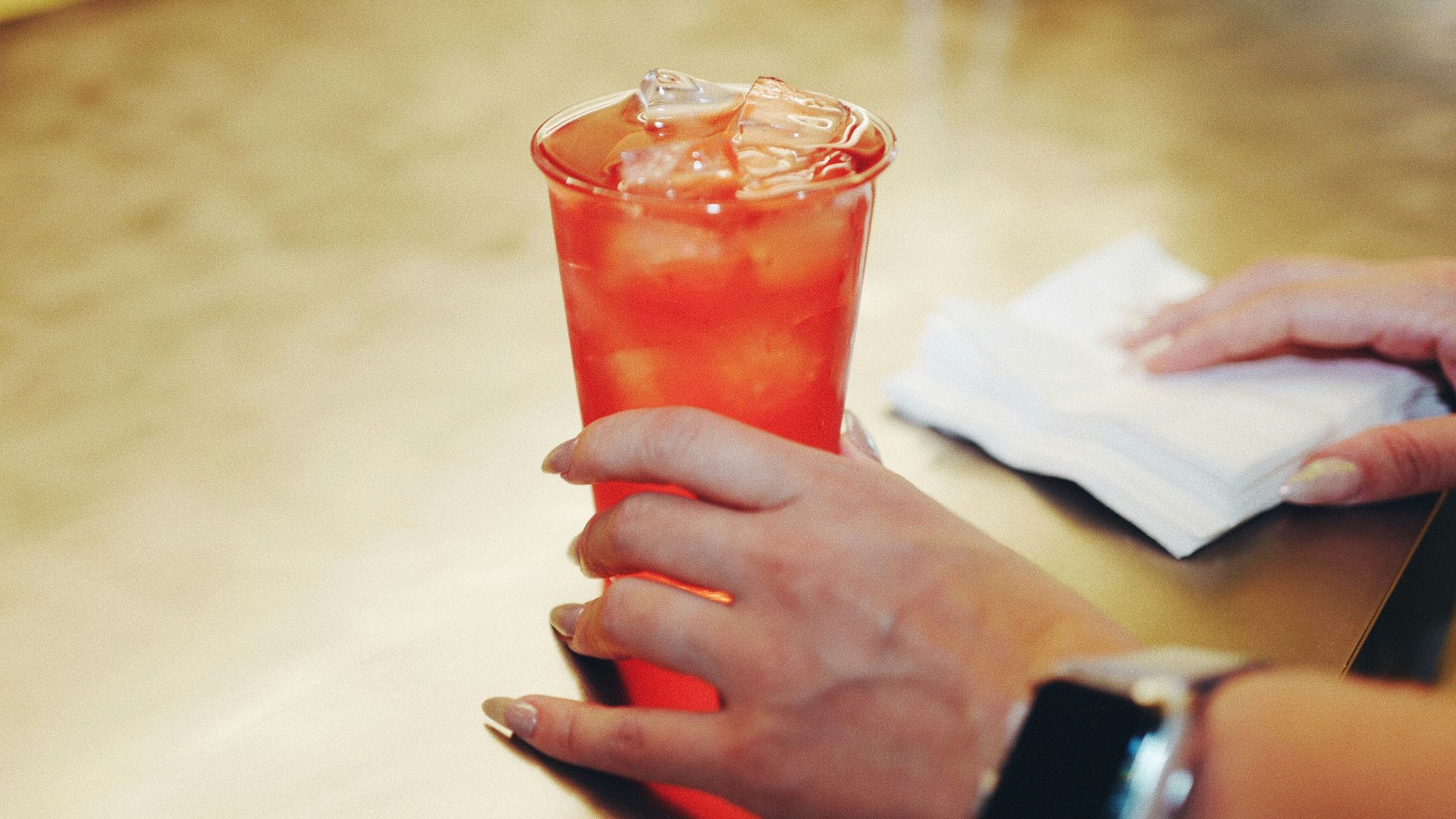
3. Iced Down Drinks
While there's plenty to say about the European habit of only putting one small cube when someone asks for ice as if there's a shortage, the American way is drinking ice with a little bit of whatever drink you ordered. Plenty of Europeans don’t want their drink diluted and freezing, and they definitely don’t want a glass that’s 70 percent ice.
4. Eating While Walking Around
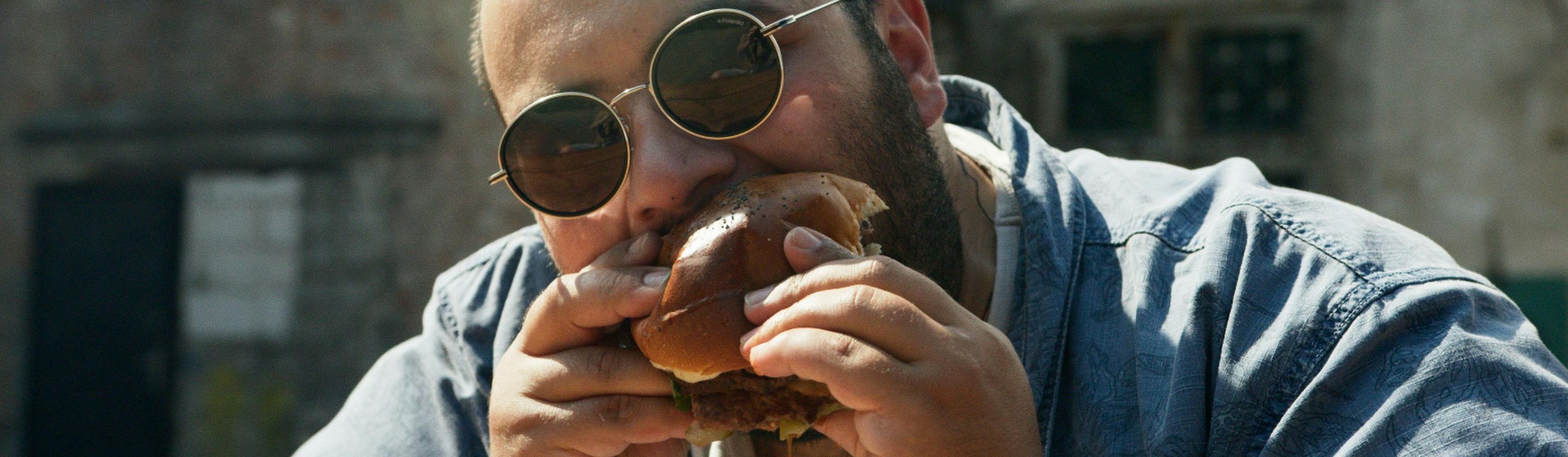
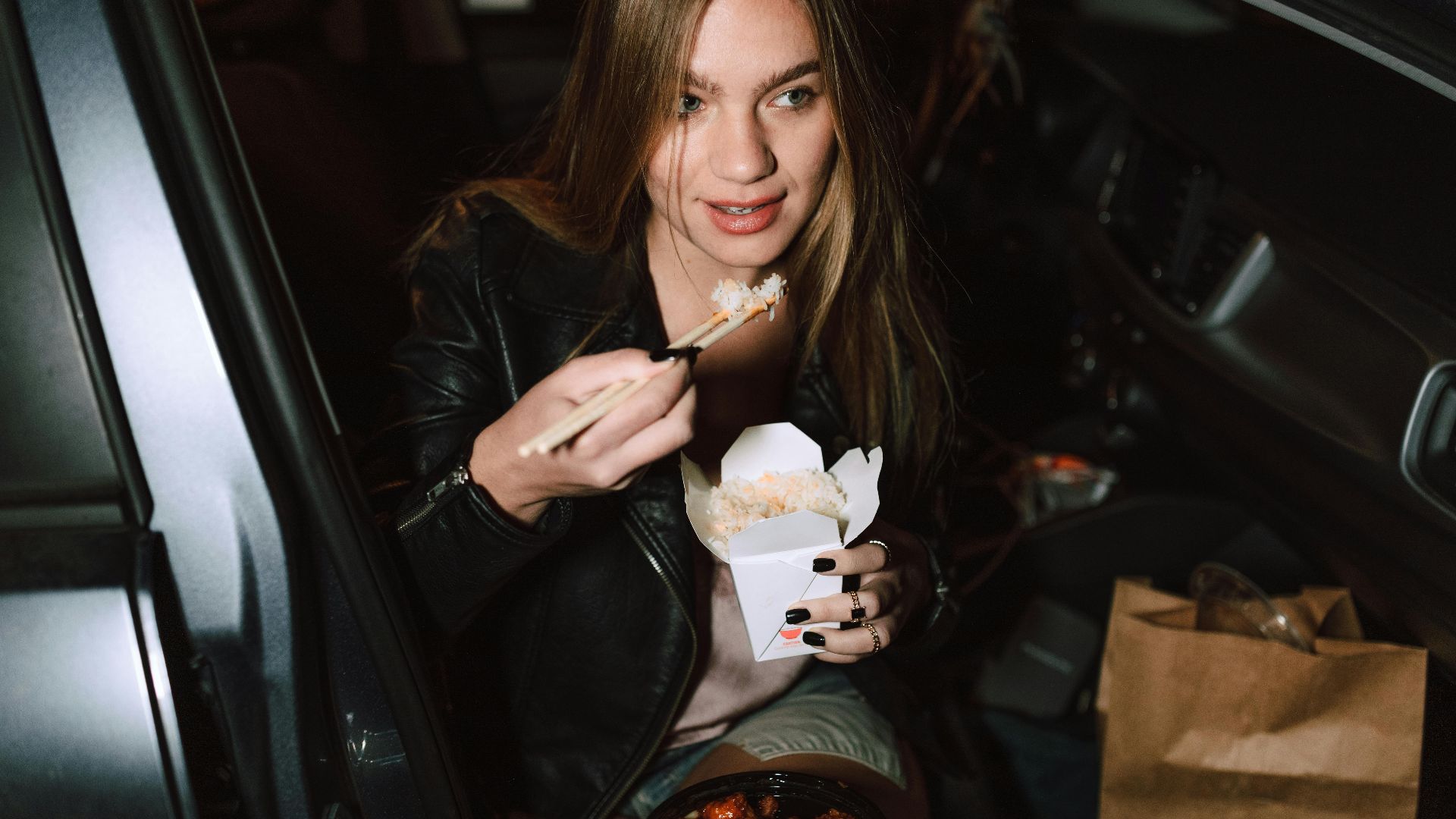
Grabbing a slice and wandering can be normal at home, but in some countries, it reads as sloppy or rushed. In Europe, meals are often treated as a pause in the day, not something you multitask through. If you’re strolling and chewing, people might think you can’t be bothered to sit down like everyone else.
5. Snacking Through Every Moment
Constant nibbling can feel chaotic in cultures that lean on set meal times. If you pull out a snack between meals like it’s an emergency, it can seem like you have no structure. Some folks interpret it as a lack of self-control, even if you’re just hungry.
 gold touch nutrition on Unsplash
6. Putting Sugar in Absolutely Everything
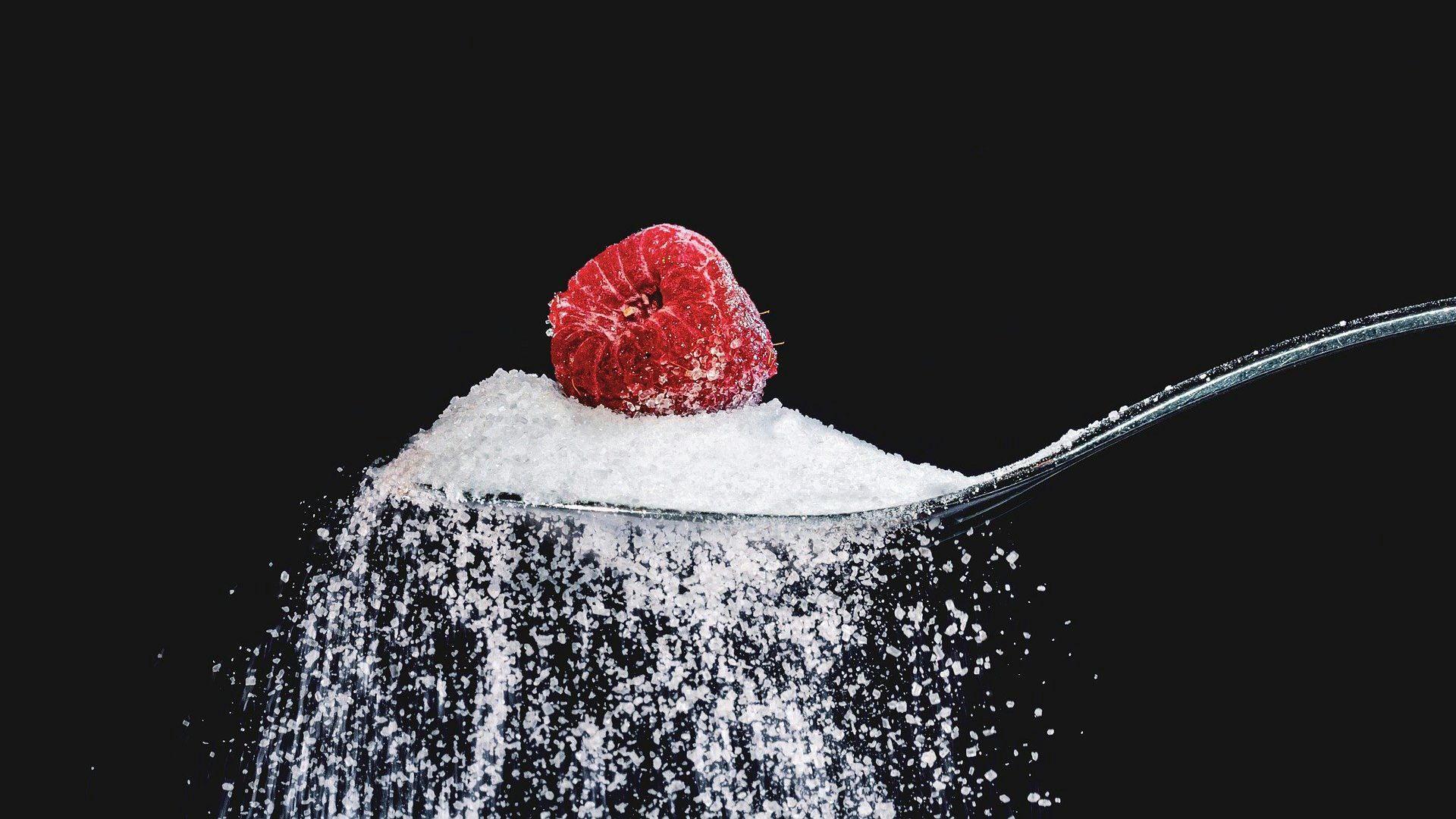
In the US, high-fructose corn syrup is dirt cheap and makes everything more palatable; therefore, it's in every packaged food, even things that aren't supposed to be sweet. Desserts are another story. While it's no secret Europe loves pastries, Americans are the ones who take a croissant, deep fry it, fill it with cookie dough, and roll it in sugar.
7. Ordering Food That’s “Not Really Food”
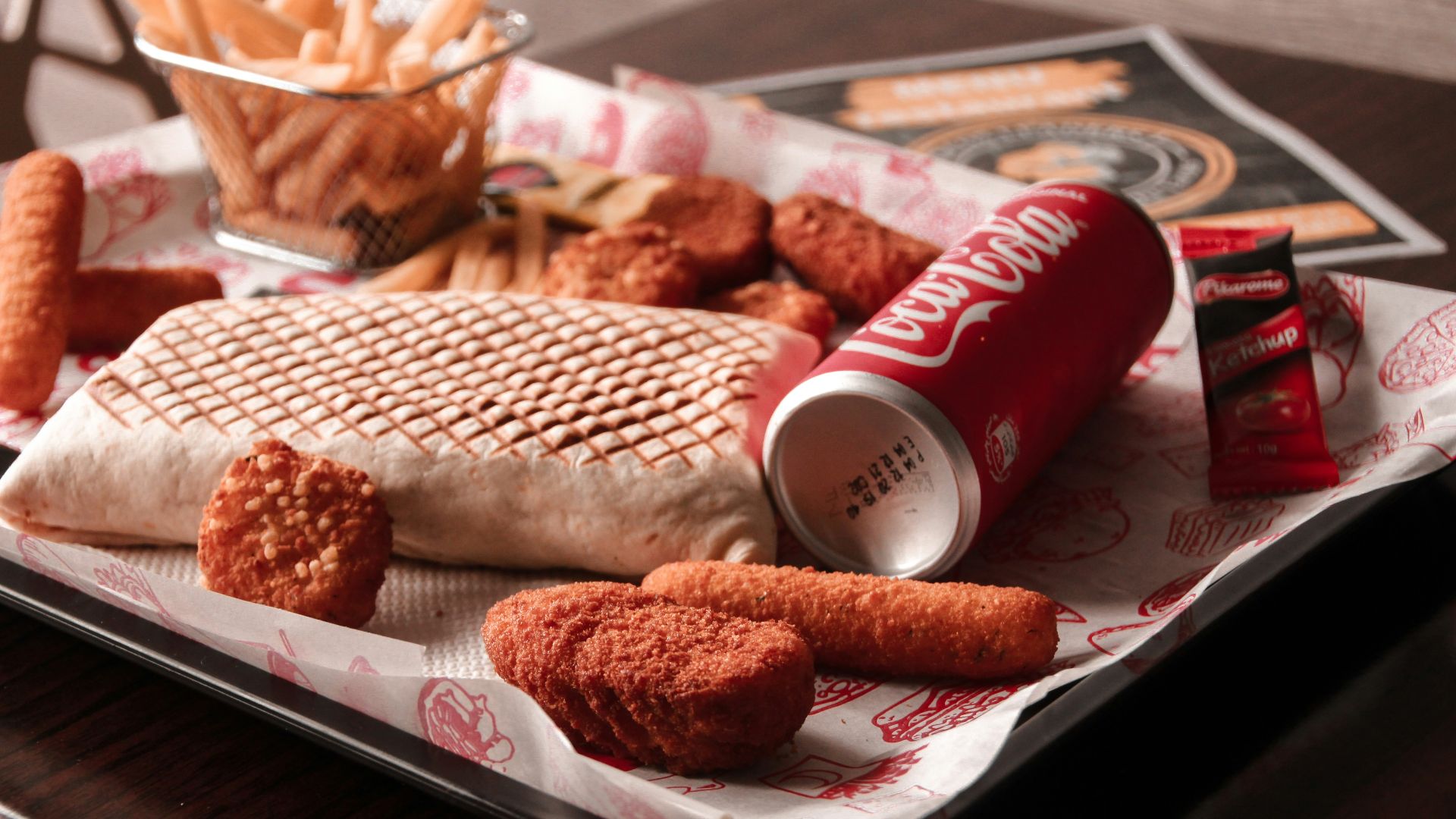
When a meal is mostly powders, syrups, and engineered crunch, it can strike people as bizarre. Some Europeans see ultra-processed items as something you’d eat in a pinch, not by preference. If you proudly describe it as your favorite, they may look genuinely worried.
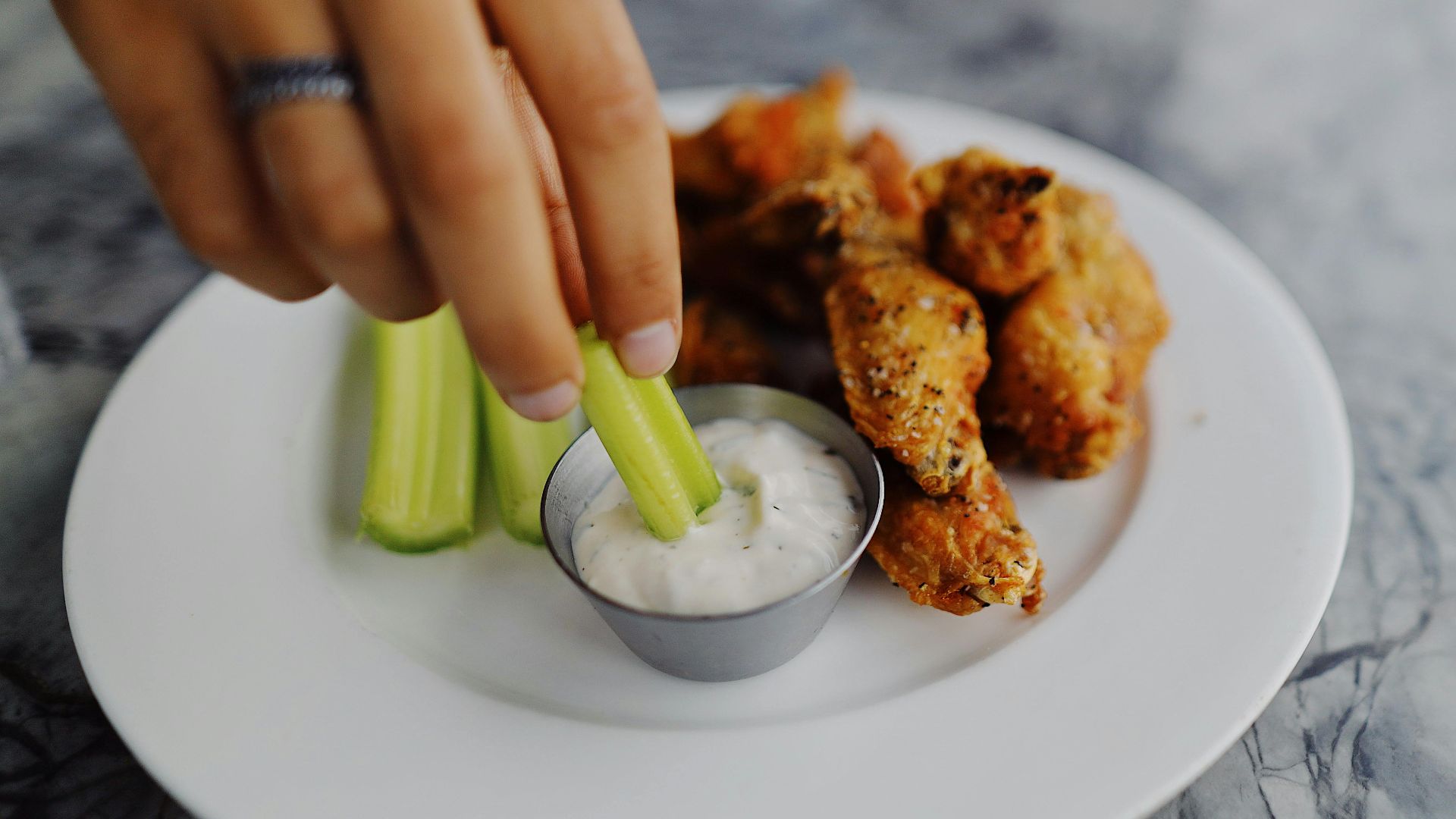
8. Drowning Meals in Ranch
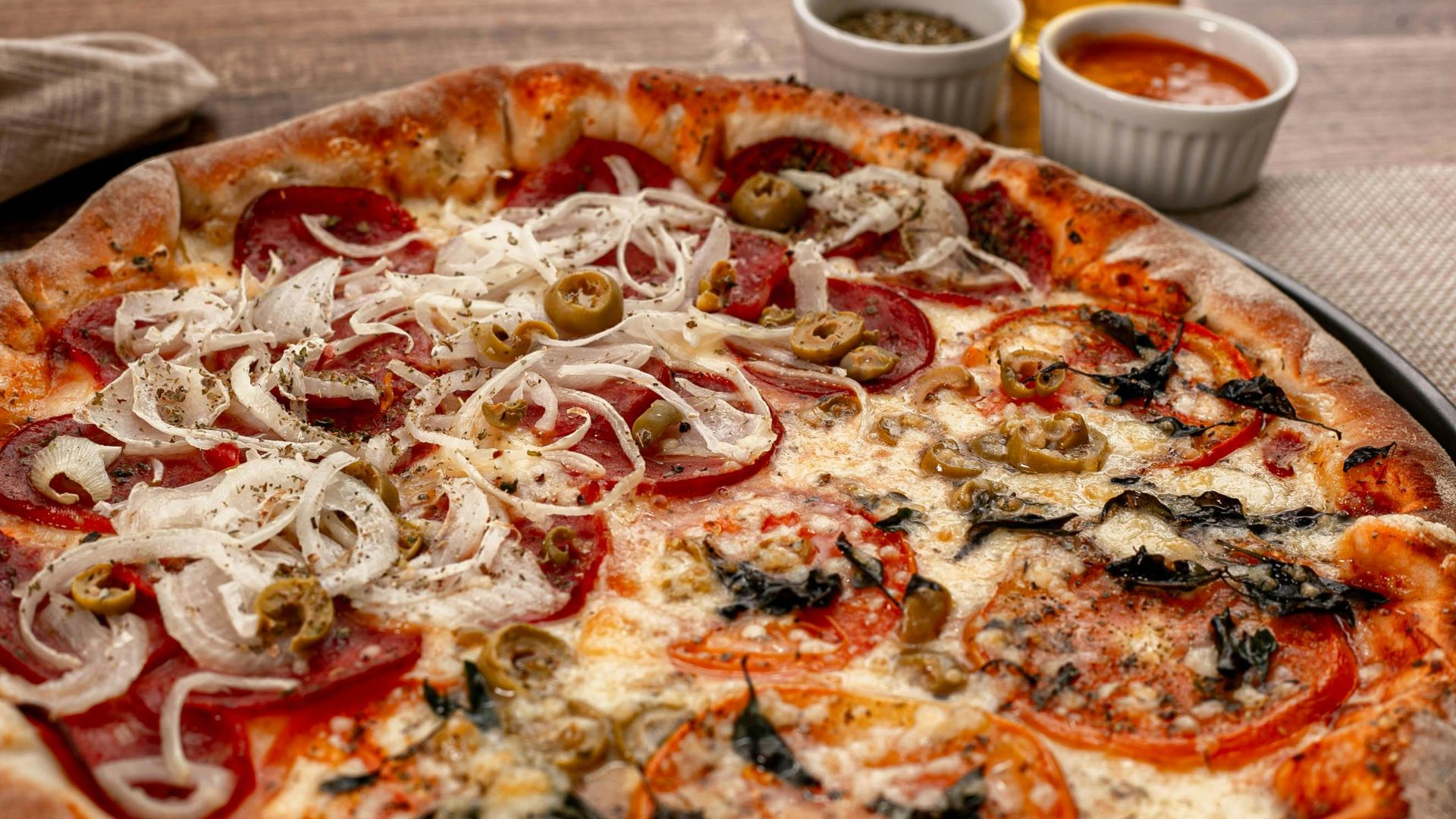
Ranch is iconic, but to outsiders, it can look like you’re masking flavor instead of enjoying it. In places where sauces are used with restraint, pouring a thick dressing over everything feels intense. If you request ranch for foods that aren't salad, like pizza or fries, you're likely to get some disgusted looks.
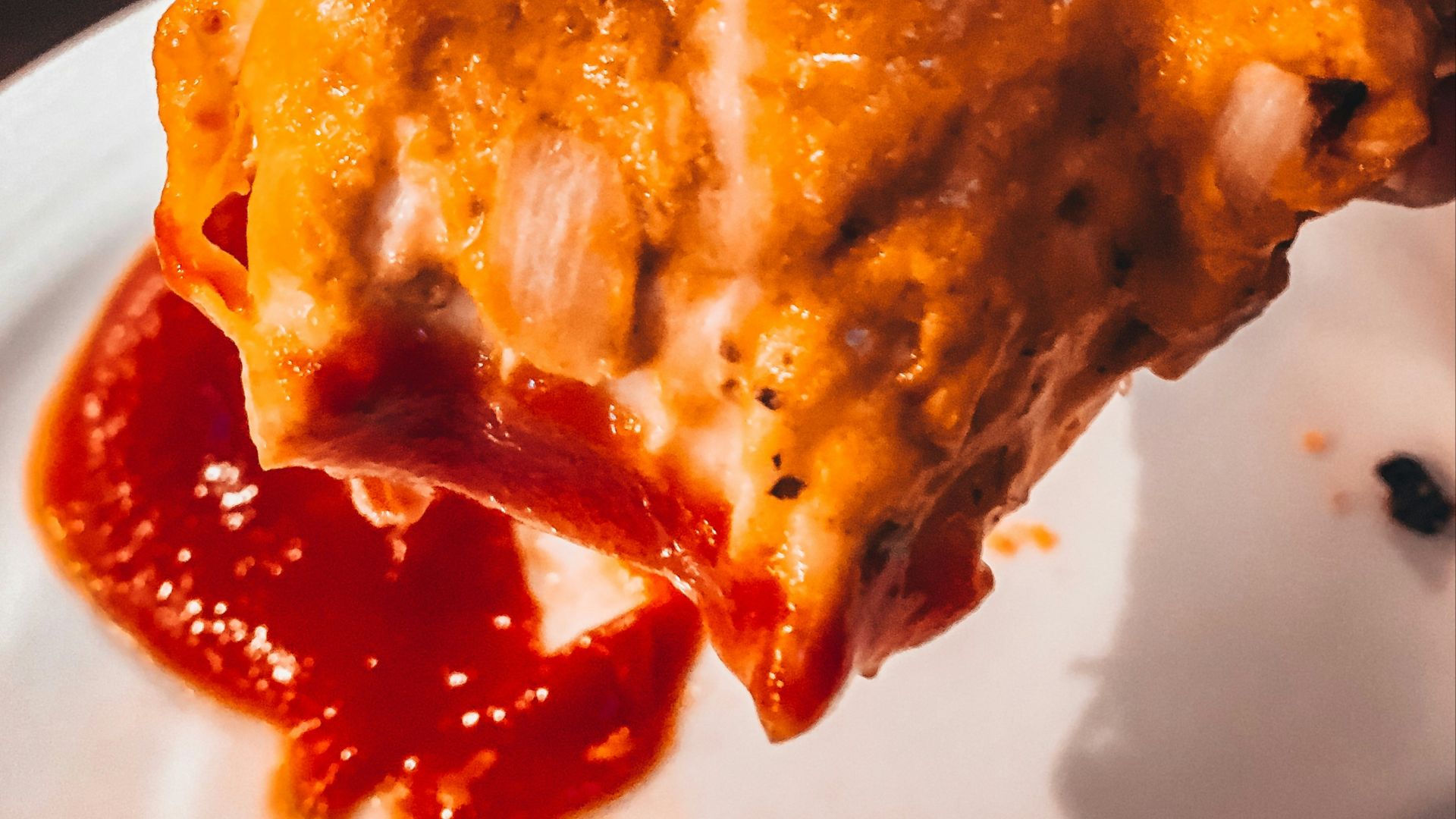
9. Putting Ketchup Where It Doesn't Belong
Ketchup on eggs, steak, or pasta can trigger real offense depending on where you are. People can read it as ignoring the cook’s work, especially in food-proud regions. It’s not about the condiment, it’s the message it sends.
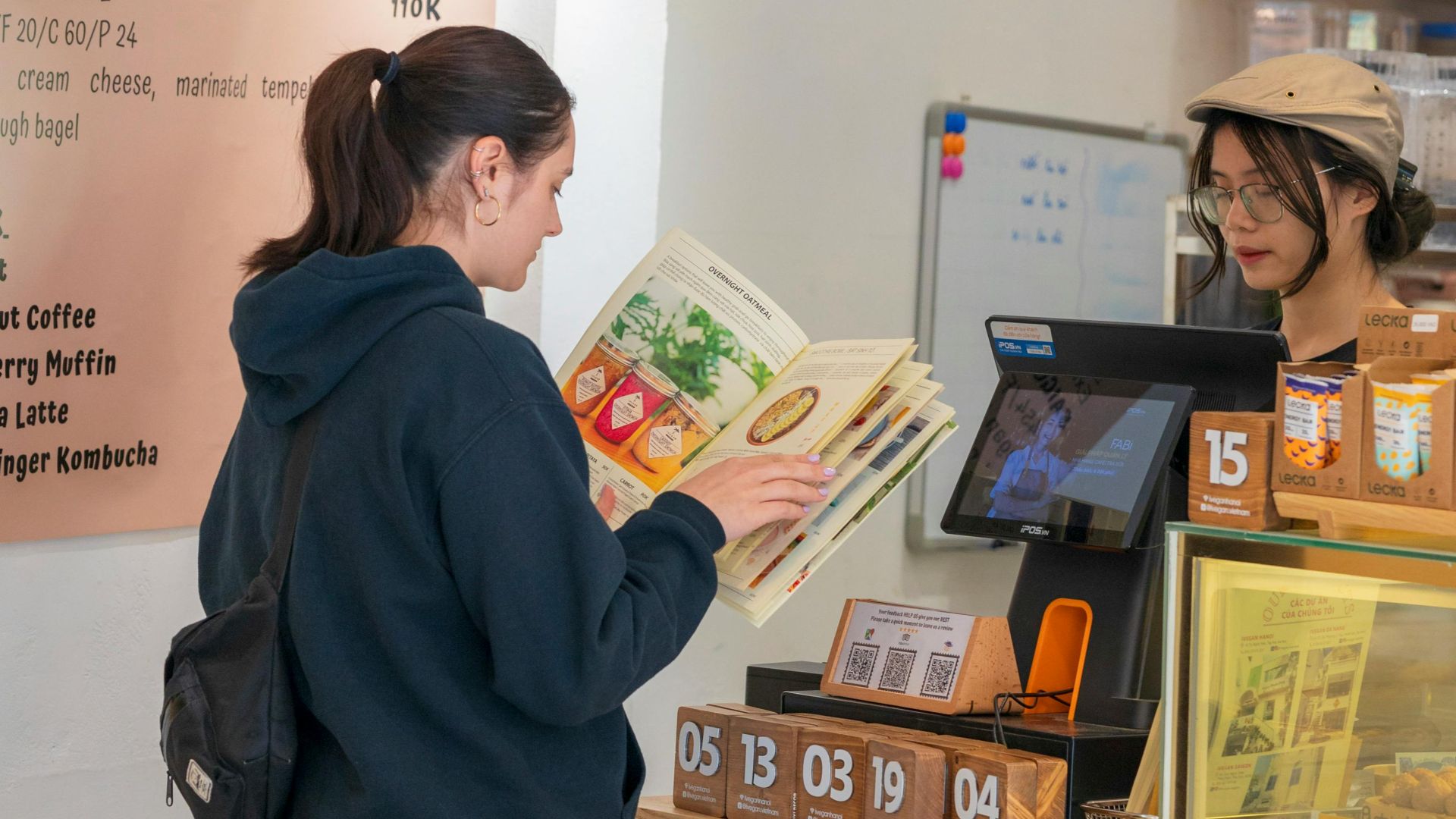
10. Customizing Menus
Swapping half the ingredients, asking for special sauces, and rewriting the menu can feel entitled in many European restaurants. They often see dishes as composed intentionally. If you act like it’s normal to rebuild every plate, it can come off as disrespectful.
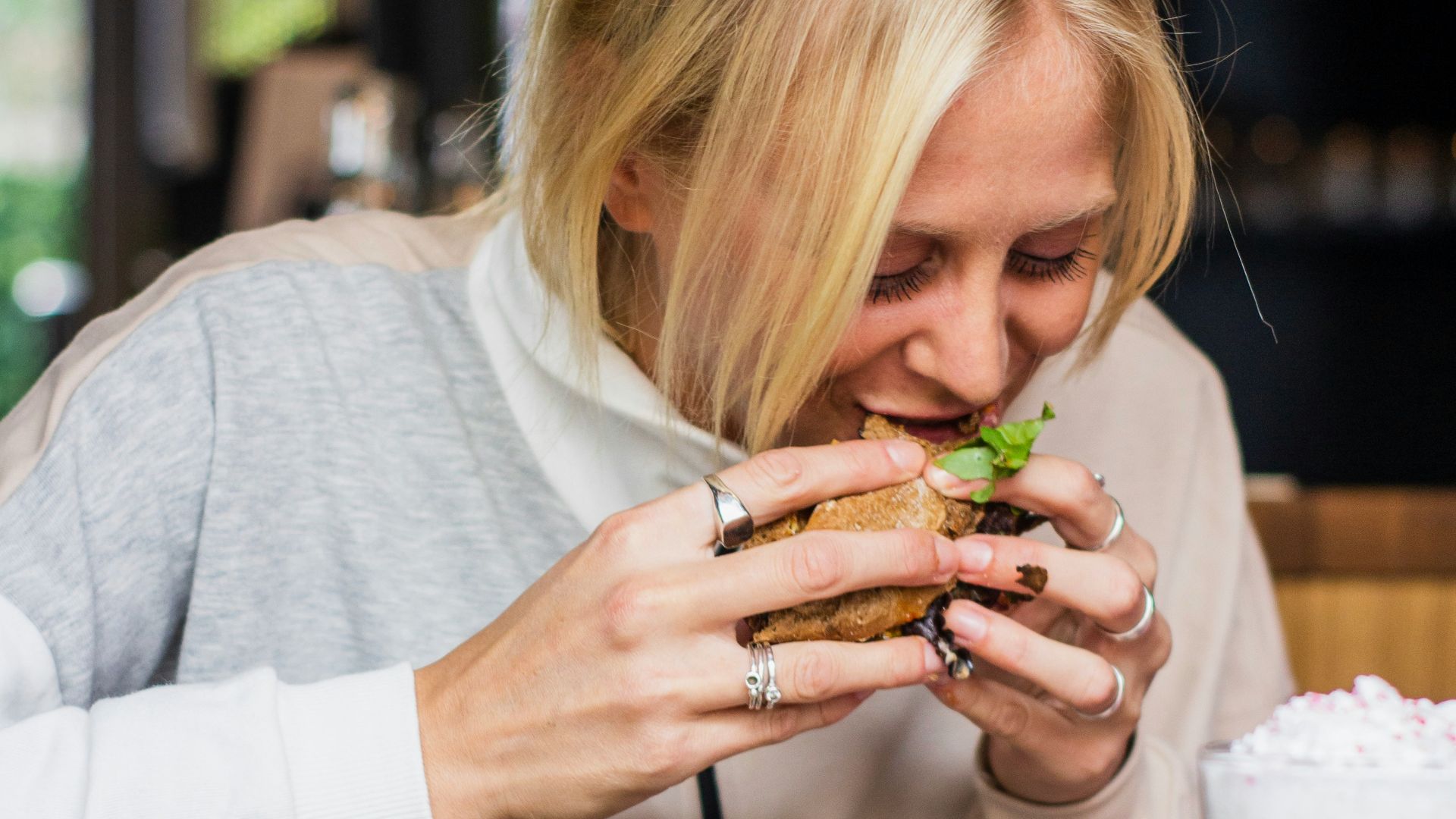
11. Eating Like You’re Racing the Clock
Finishing your meal in 10 minutes and asking for the check can seem abrupt. In lots of places, the table is yours for the evening, and lingering is part of the experience. When you speed-run dinner, it can feel like you’re treating the restaurant like a pit stop.
12. Talking With Your Mouth Full
Some people will tolerate it, but many Europeans find it genuinely gross. If you’re animated and mid-story while still chewing, it can be hard for them to watch. You might not mean anything by it, but they’ll wish you’d pause for five seconds.

13. Misusing Cutlery
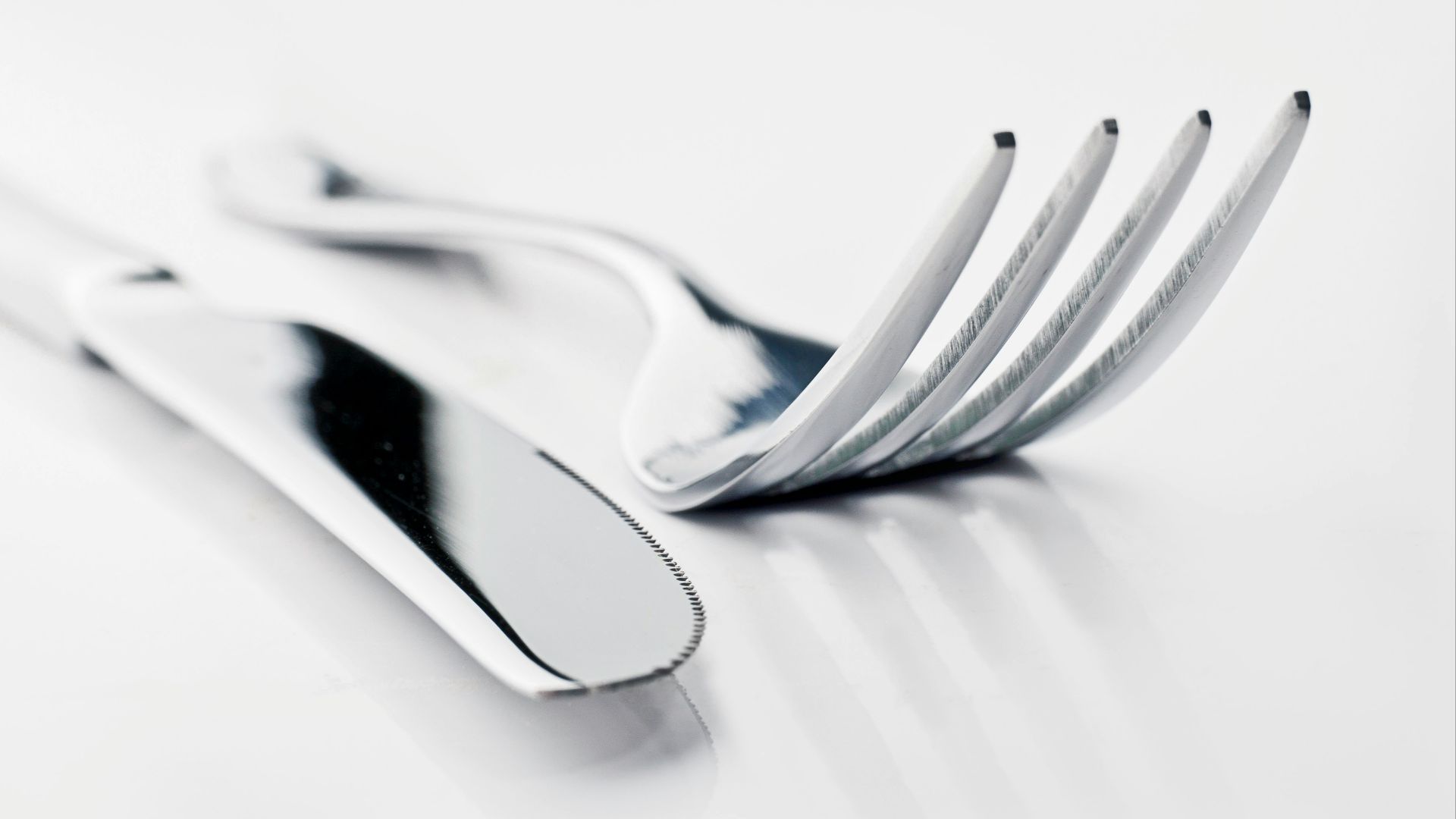
Cutting everything with the side of a fork, switching hands in odd ways, or barely using a knife can stand out. Table manners vary, but some countries are strict about utensil use. If you look casual about it, they may read it as poor upbringing.
14. Calling Everything “Authentic”
If you describe a dish as “authentic” while adding substitutions that change it completely, Europeans can bristle. Many see their cuisine as tied to place, tradition, and specifics that matter. Tossing around the word can make you sound clueless.
15. Microwaving What’s Meant to Be Cooked
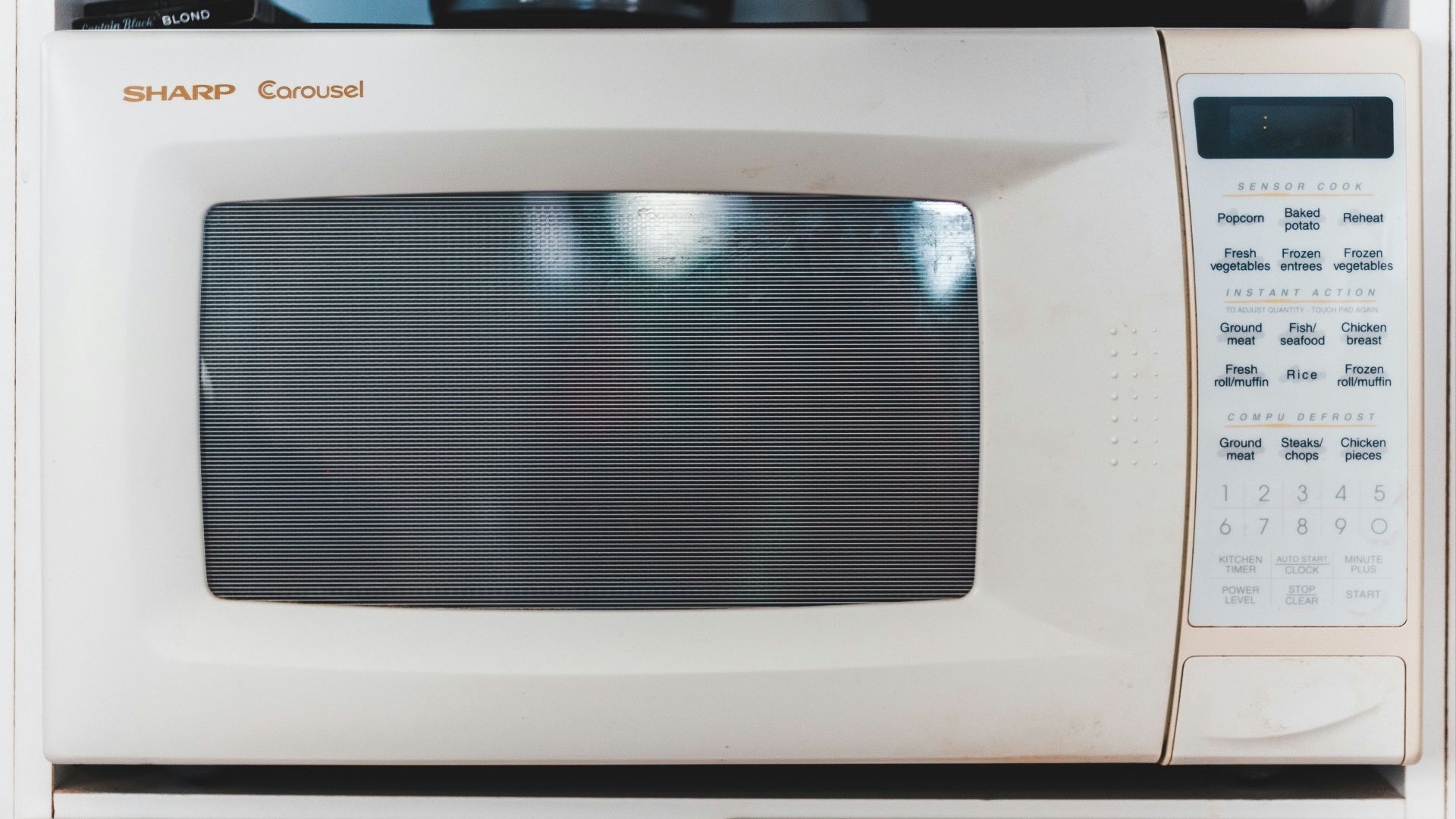
Reheating is fine for some things, but relying on the microwave for meals can seem depressing to people used to simple, fresh cooking. They may view it as choosing convenience over quality. If you say, “It tastes the same,” you’ll probably get a pained smile.
16. Treating Coffee Like Dessert
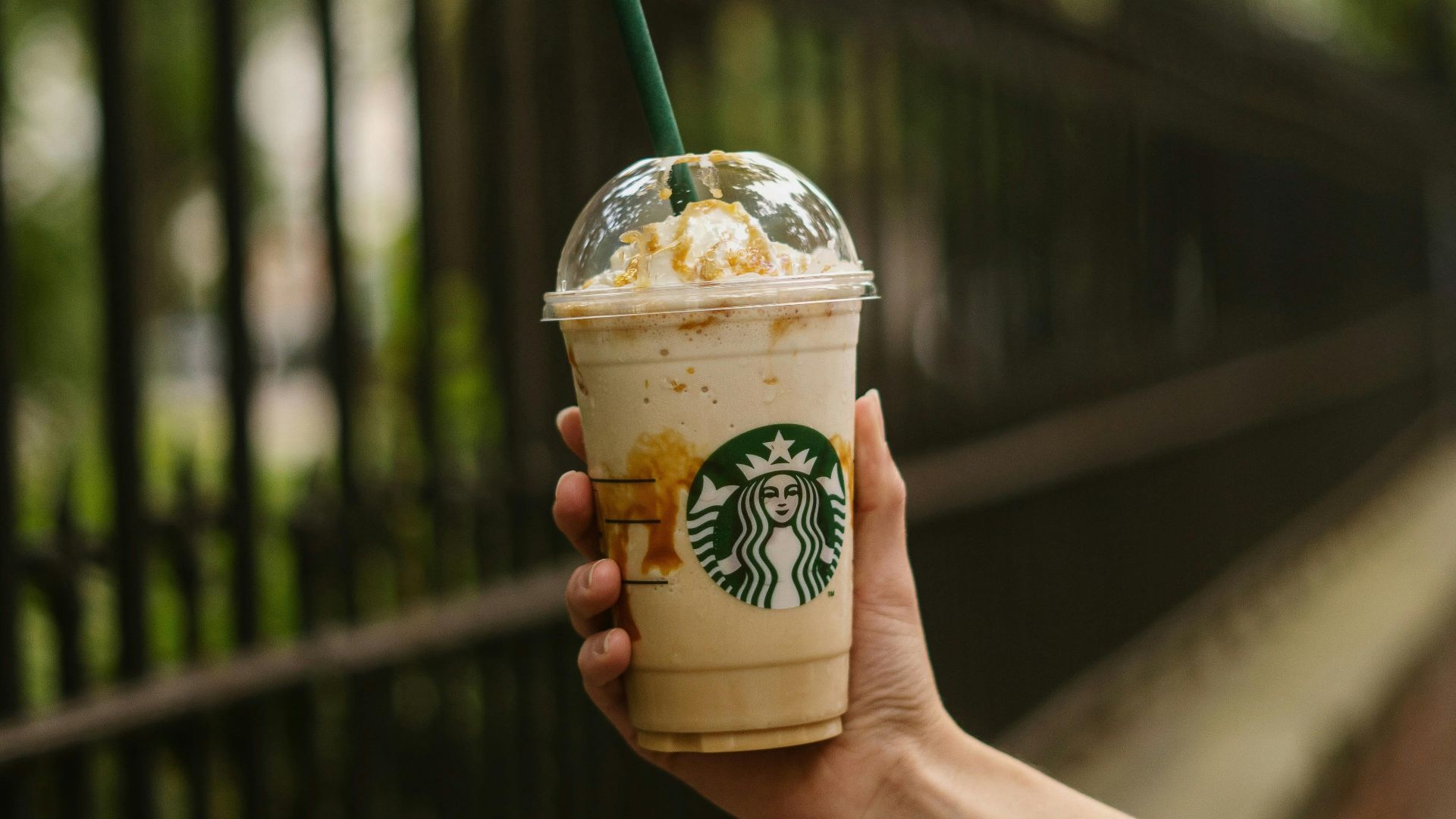
A 24-ounce caramel-whipped creation can be fun, but it’s not “coffee” in the way many Europeans mean it. They’re often used to small, strong drinks with minimal extras. When you sip something that’s basically a milkshake at 8 a.m., they might wonder how you function.
17. Drinking Soda With Breakfast
Soda in the morning can feel shocking in places where breakfast drinks are usually coffee, tea, or juice. It reads less like a choice and more like you’ve given up on the day. If you do it casually, people may stare before they can stop themselves.
18. Eating Sweet Breakfasts as the Default
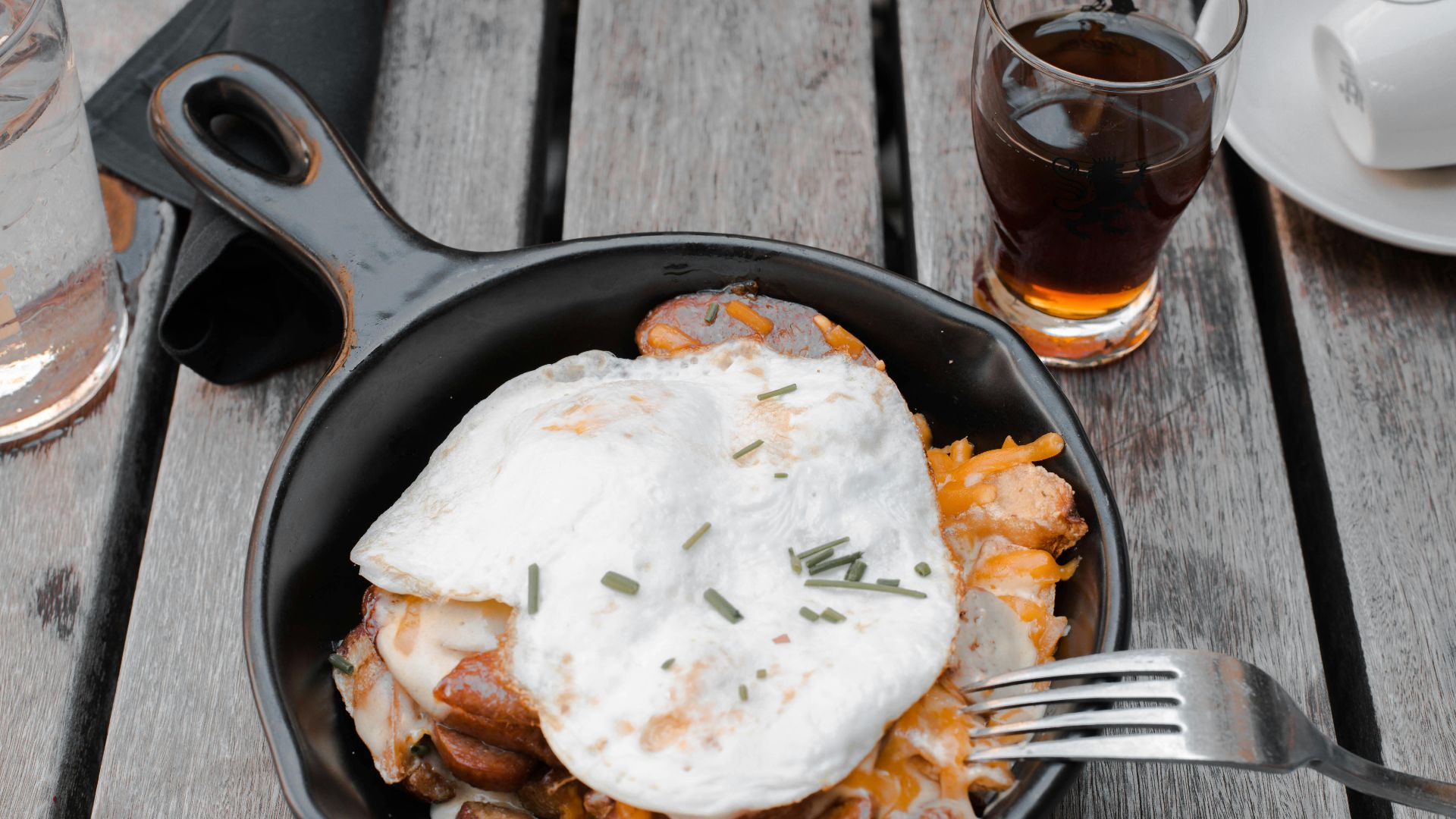
Pancakes, syrup, pastries, and cereal can make Europeans think you’re starting the day with dessert. Some countries do have sweet breakfasts, but not always at the same intensity. If every morning is sugar-forward, they’ll assume you’ve never met a savory option.
19. Food as Entertainment, Not a Meal
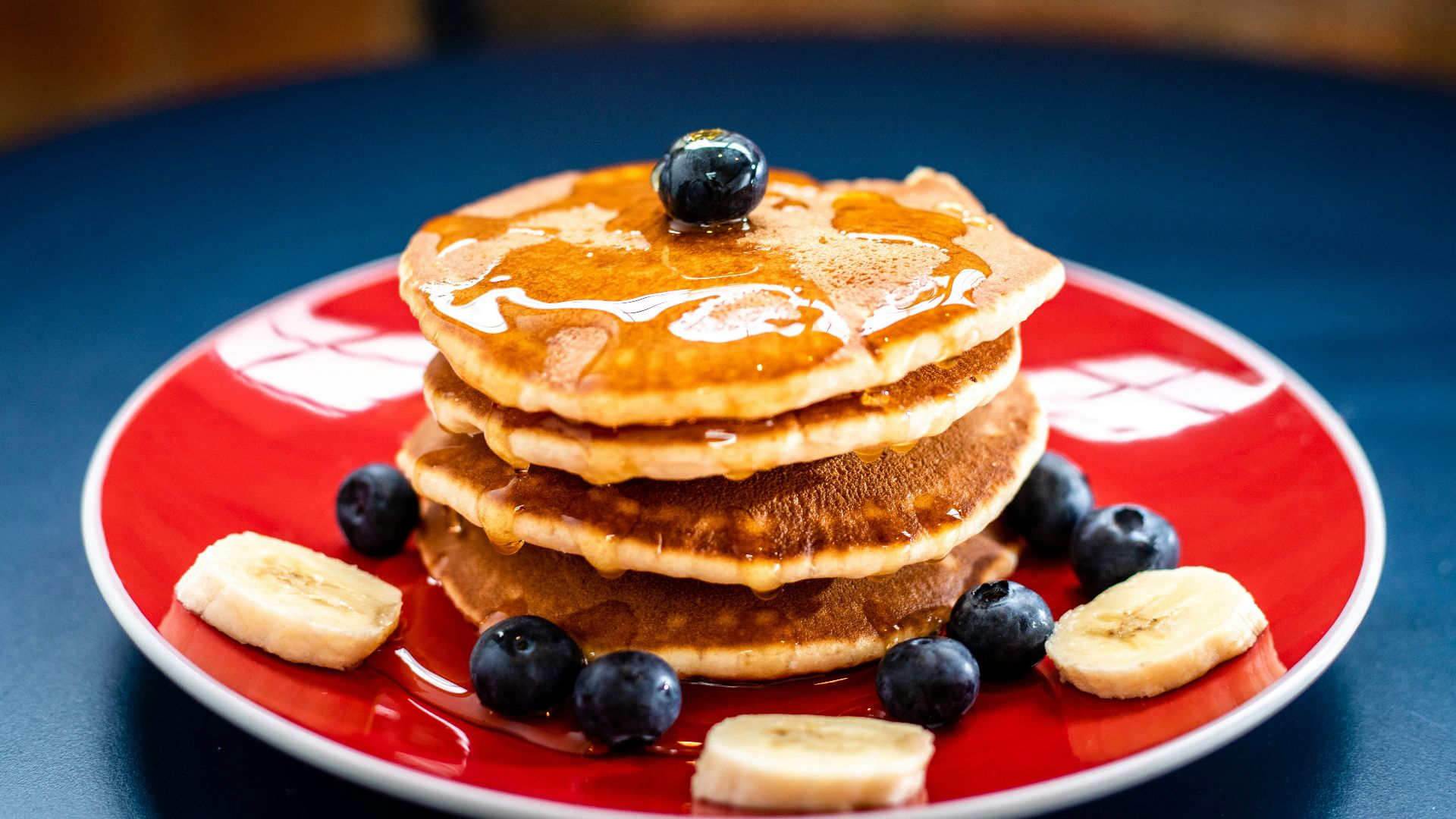
Eating giant novelty items, filming every bite, or turning dinner into a performance can be off-putting. In many places, the point is the conversation and the food itself, not the spectacle. If you treat it like content first and dinner second, it can feel tacky.
20. Waste Without Thinking Twice
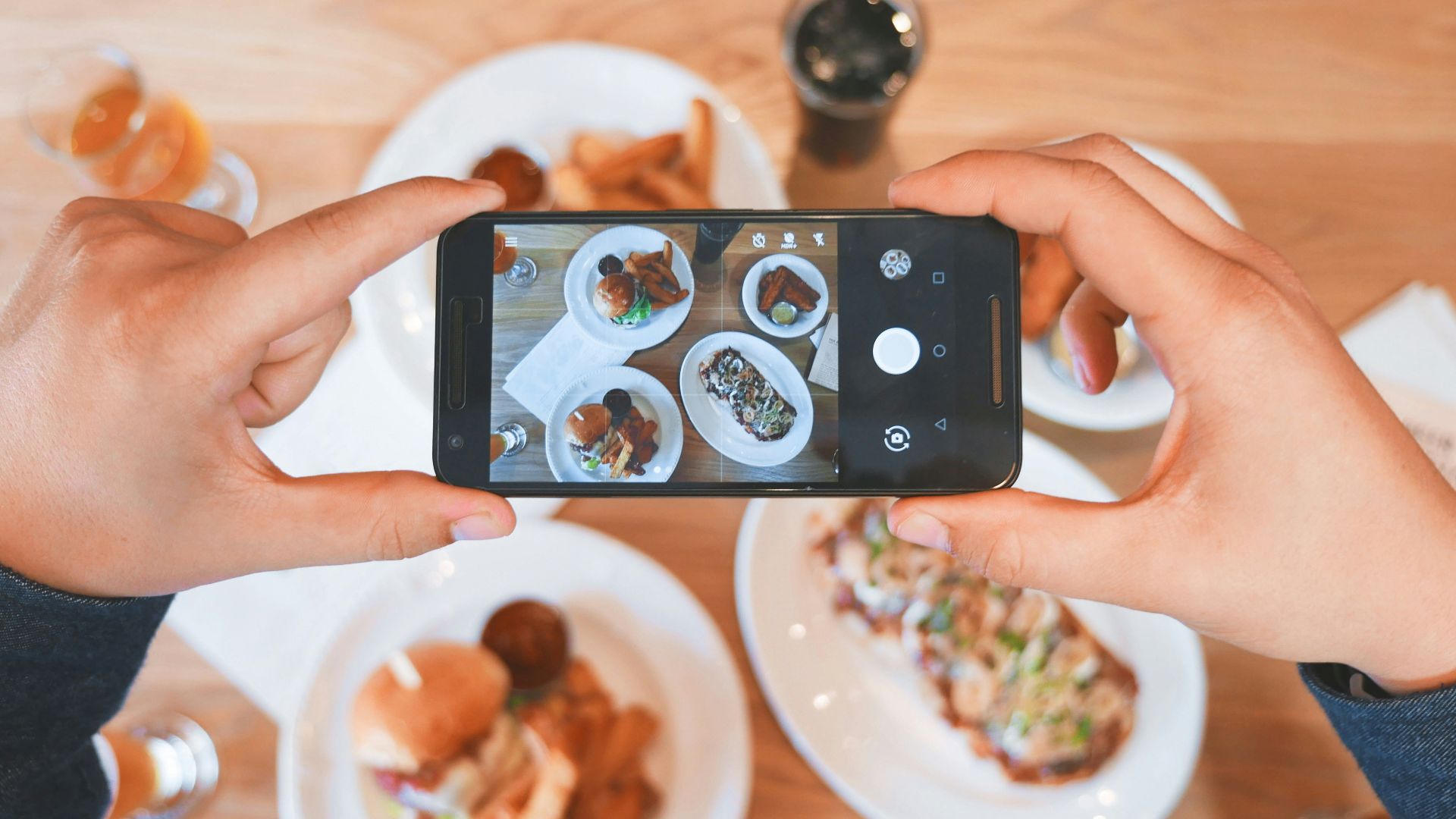
Leaving heaps of food, grabbing handfuls of napkins, and tossing unopened items can read as careless. Europeans in many regions are more accustomed to smaller portions and a stronger “finish what you take” mindset. When you shrug off waste, it can come across as disrespectful and entitled.
KEEP ON READING
You’re Storing Tomatoes Wrong in This Heat
You’re Storing Potatoes Wrong in This Heat
You’re Storing Peppers Wrong in This Heat
You’re Storing Carrots Wrong in This Heat