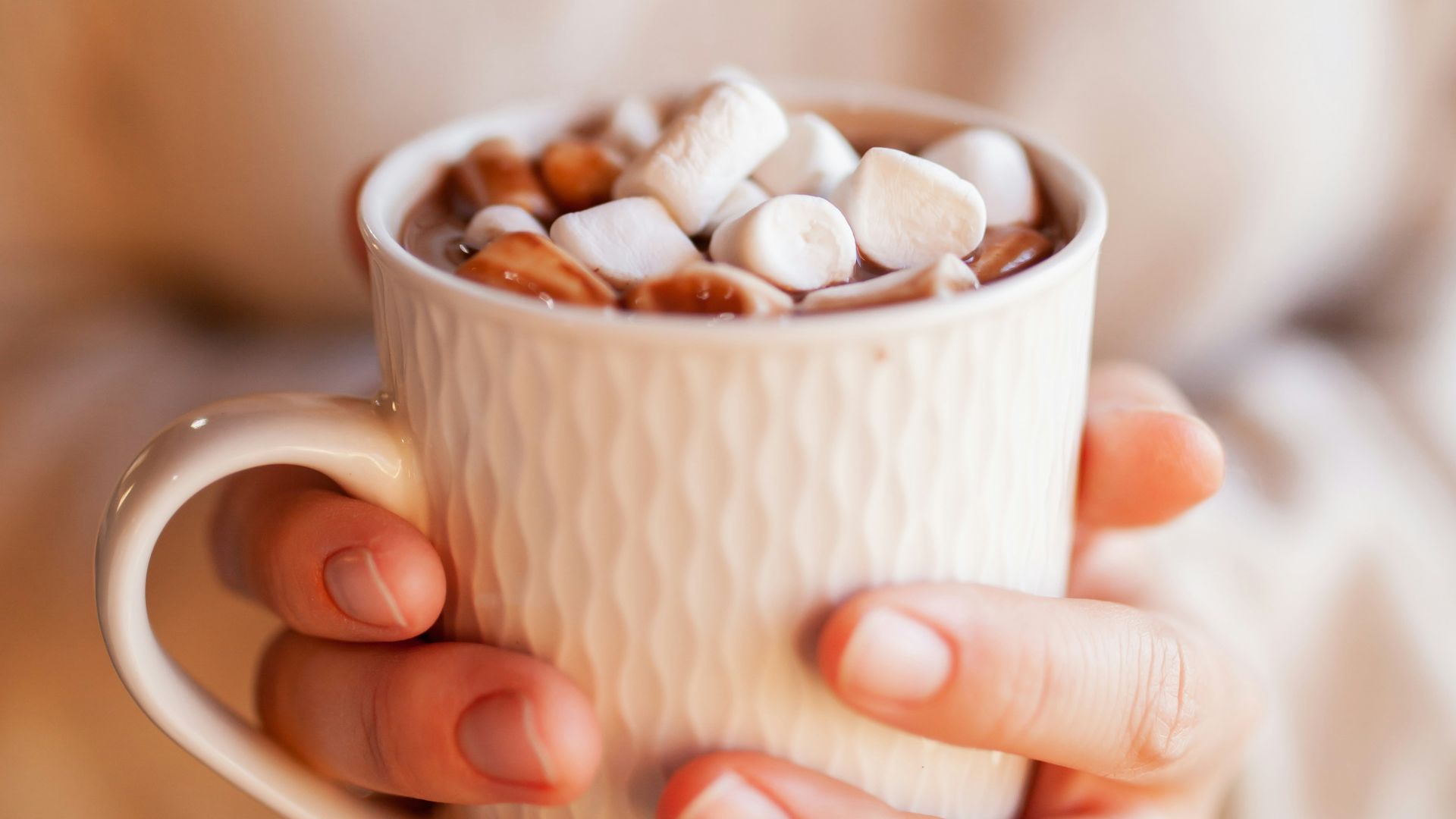
Hot chocolate is one of those drinks that brings a touch of sweetness and comfort to any day. The problem is that it’s also one of the easiest drinks to make bland, gritty, or way too sweet. With a few small upgrades, your mug can taste as if it came from a cozy café instead of a rushed packet.
The “ultimate” version isn’t about piling on sugar and whipped cream until it gives up. It’s about choosing better ingredients, building a smooth texture, and serving it at a temperature that’s actually pleasant to drink. Once you get the basics down, customizing your cup becomes the fun part.
Pick Your Base: Cocoa Powder, Chocolate, and Milk Choices

Cocoa powder sets the tone, so it’s worth knowing what you’re buying. Natural cocoa tastes brighter and a little sharper, while Dutch-processed cocoa is treated to reduce acidity, which tends to make the flavor smoother and the color darker. If you want that classic, deep hot-chocolate vibe, Dutch-processed cocoa is usually the easiest route, and the label will often say “alkalized” or “Dutch process.”
If you prefer to go down the actual chocolate route, chopped chocolate brings instant richness, and it’s the simplest way to get a “melted truffle” feel. Cocoa butter, the fat in chocolate, melts right around 34 °C, which is why chocolate turns silky with gentle heat instead of needing a rolling boil. Using a bar you’d actually snack on gives you better flavor and texture than baking chips that are designed to hold their shape.
Milk matters more than most people want to admit, mostly because water can’t fake creaminess. Whole milk is a solid default, while a splash of heavy cream or half-and-half can lean the drink into dessert territory without making it greasy.
Build a Silky Texture: Heat, Mixing, and a Little Food Science
Gentle heat is your best friend, even if it’s a little time-consuming. Warming milk too aggressively can scorch the bottom, leave a cooked flavor, and create that film on the top of the liquid. For reference, many dairy-based recipes heat milk to about 180 °F to change its proteins and structure, which is useful in yogurt making. Here, though, you don’t need to go too high with the temperature.
Cocoa powder likes to clump because it’s fine, dry, and kind of stubborn, so give it a head start. Stir the cocoa with a small amount of warm water, milk, or cream to make a smooth paste before adding the rest of your liquid, and the gritty bits mostly disappear. This “blooming” step also helps cocoa taste more chocolatey, because the particles hydrate evenly instead of just floating around.
Once the liquid is in, whisk as you mean it, and don’t be shy about using tools. A handheld frother, a blender, or even a tightly sealed jar for shaking can create a foam layer that makes the drink feel richer without adding extra fat. If you prefer a thicker, European-style cup, a tiny pinch of cornstarch dissolved in cold milk can add body, and it won’t taste gross when done properly.
Finish Like a Pro: Flavor Boosts, Sweetness, and Safe Serving
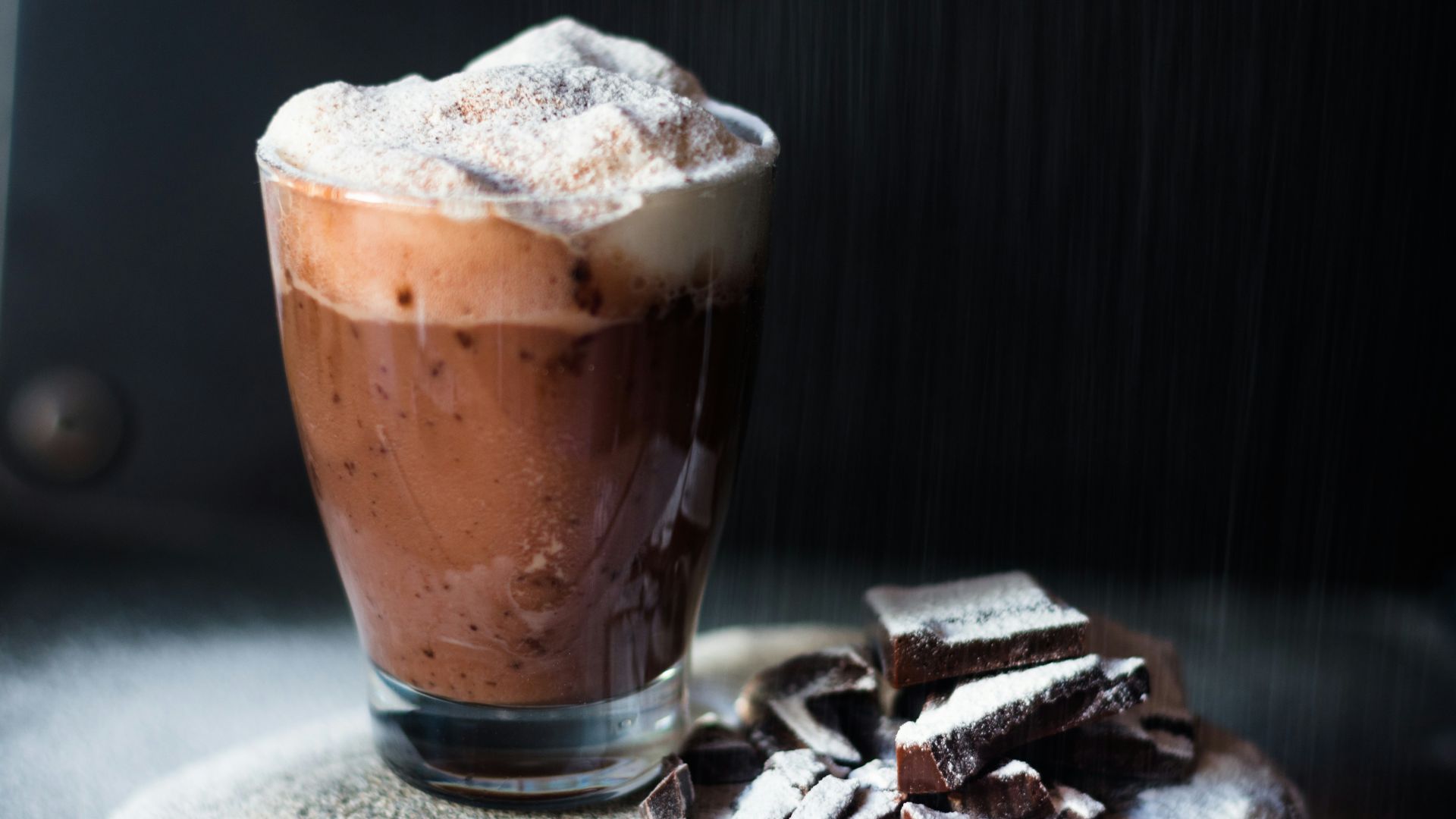
Salt is the quiet hero of chocolate, and a small pinch can make cocoa taste more intense instead of salty. Vanilla extract, cinnamon, and a little espresso powder can deepen flavor. For a more grown-up edge, orange zest, chili, or a drop of peppermint extract can work beautifully, as long as the additions stay measured.
Sweetness is where a lot of hot chocolate goes off the rails, so treat it like seasoning, not a requirement. Granulated sugar dissolves cleanly, maple syrup adds warmth, and honey can be lovely if it’s used lightly so it doesn’t dominate the cocoa. Cocoa naturally contains some caffeine, too, so if you’re making it for a late-night crowd, it helps to know that unsweetened cocoa powder contains about 12.4 mg of caffeine per tablespoon (5.4 g), according to USDA FoodData Central.
Temperature is the final thing to consider, and it’s also a safety issue, even if that feels dramatic for a mug of chocolate. A Journal of Food Science review focused on preference and scald risk recommends a service range of 130 to 160 °F. The International Agency for Research on Cancer has also classified drinking beverages above 65 °C (149 °F) as “probably carcinogenic to humans” (Group 2A), based on evidence linking very hot drinks to tissue damage and higher esophageal cancer risk. Let the mug sit for a few minutes before sipping, and aim closer to that comfortable 140-ish zone if you’re using a thermometer.
KEEP ON READING

The Most Popular Signature Dishes Around the World