Is This Really What It Means To Be Influential?
Yes, food influencers can be genuinely helpful, especially when it comes to discovering new spots to check out or neat recipes to try. However, you've likely noticed a familiar set of habits that can get on your nerves. Because influencers are considered "entertainment," there are several things that tend to be overdone and exaggerated. This list isn’t meant to be mean-spirited, but it is meant to be honest, specific, and a little cathartic. If you’ve ever found yourself thinking, “Why do they always do that”? you’re not alone. Here are just 20 of those bad habits.
1. Talking Through a Mouthful
If it's not polite to do it in person, no one wants to see it on their screens either. When an influencer insists on narrating every little sensation while actively eating, the entire moment stops feeling appetizing. It makes it harder to trust what they say because the words come out rushed and unclear. If they want to review, a quick pause to swallow would do everyone a favor.
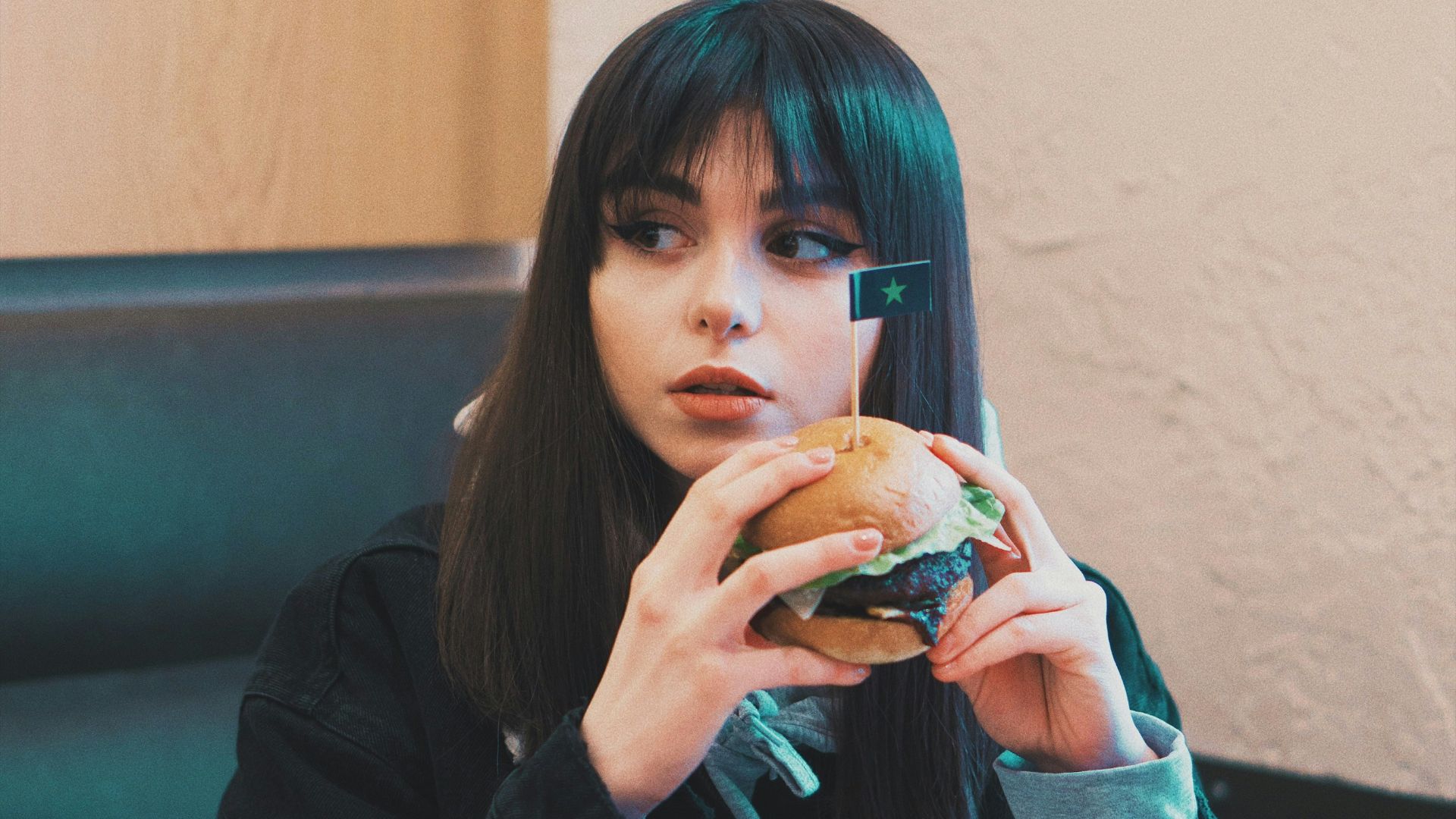
2. Dragging Out the “First Bite” Ritual
Sure, some first bites might be amazing, but influencers treat can treat it like some sort of ceremonial event that takes longer than the meal itself. By the time they finally taste it, your interest has already dropped.
It’s fine to build anticipation, but not at the cost of basic pacing.
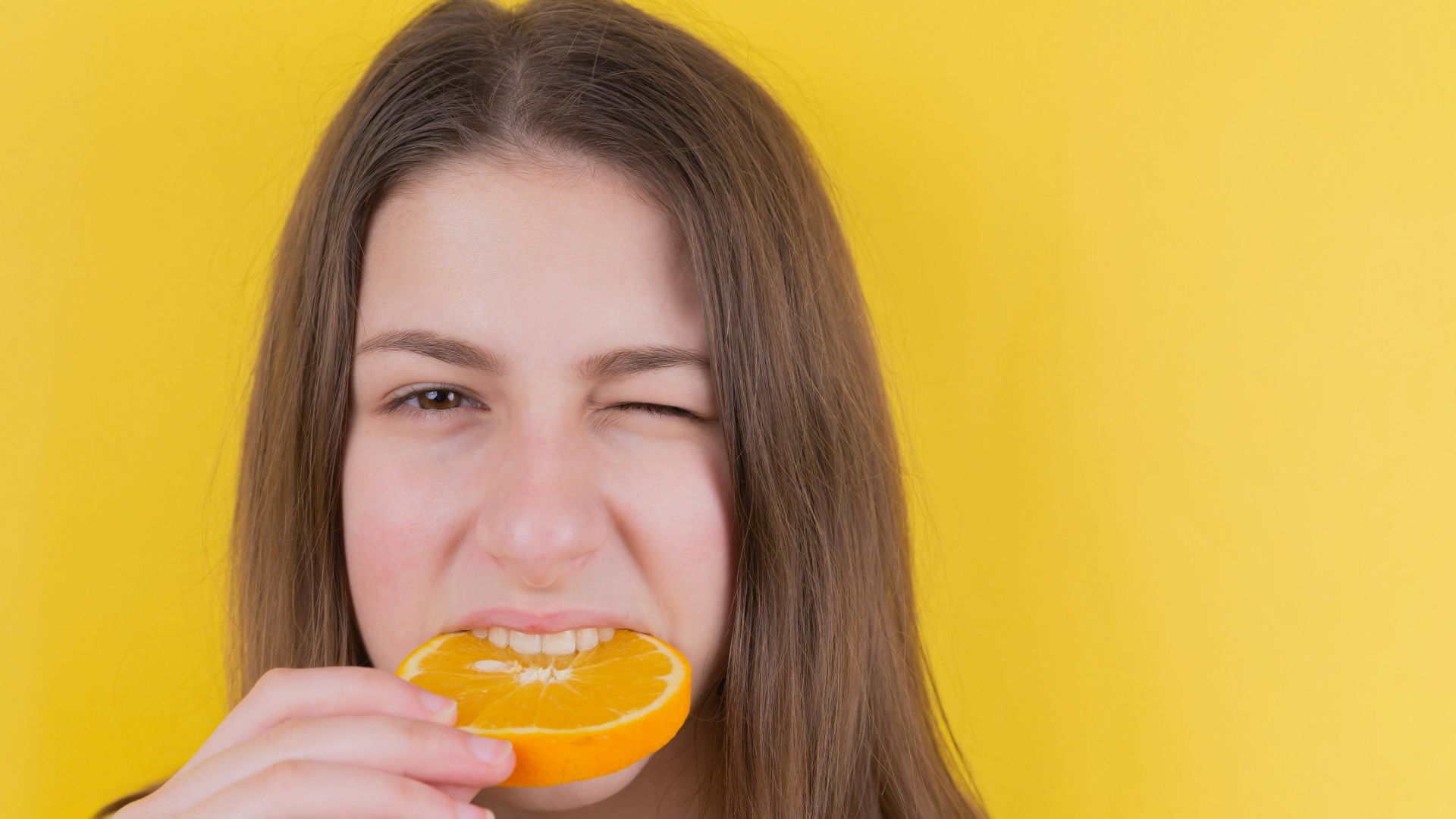
3. Overusing “Game-Changer” for Ordinary Food
If everything is a “game-changer,” then doesn't that just mean nothing is? With many influencers, you'll hear it being said for a solid sandwich, a decent pasta, and a normal iced latte. This kind of language makes it harder to know what’s truly special and what’s just content filler.
4. Treating Basic Seasoning Like a Secret Technique
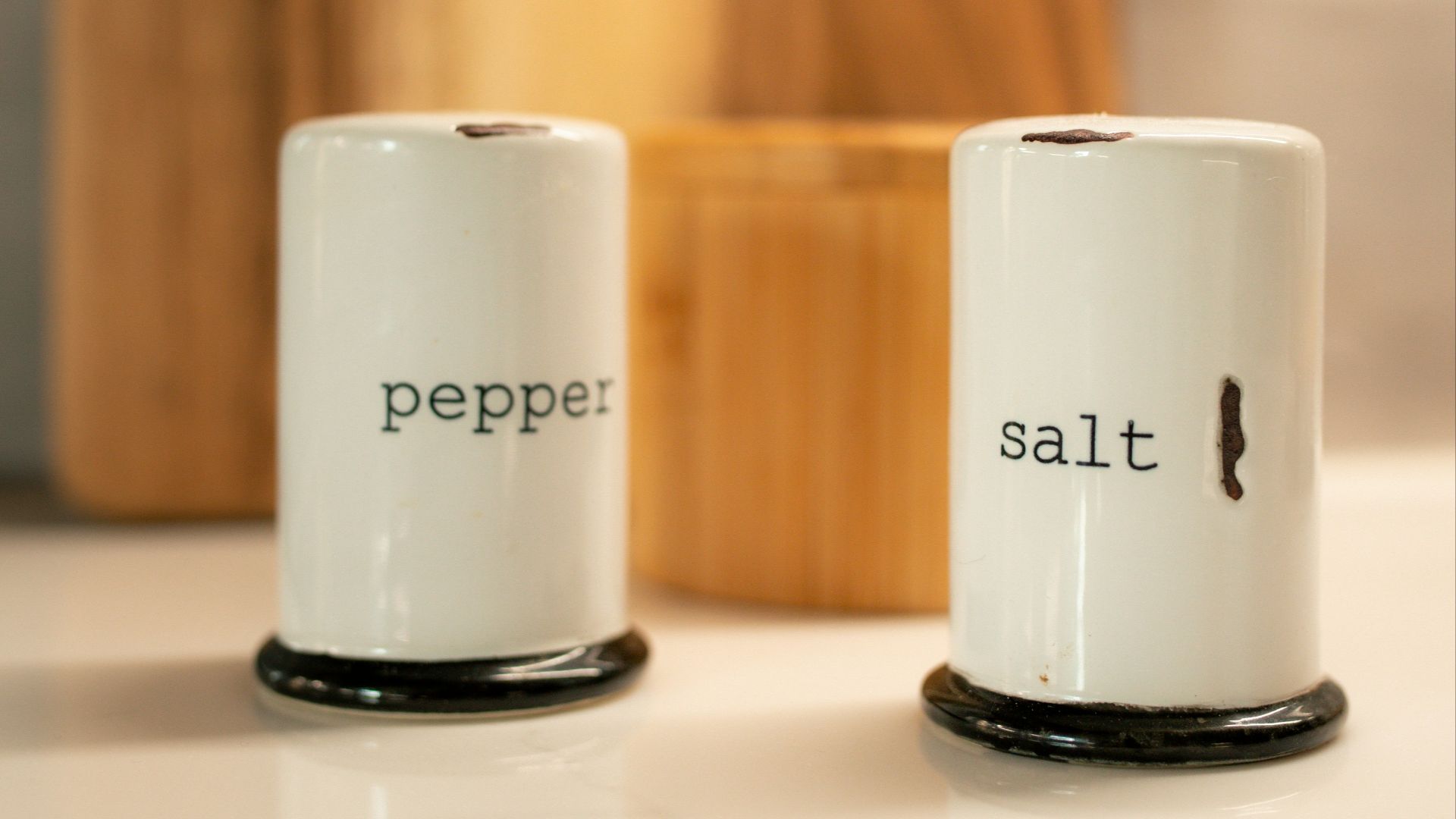
In some short videos, you’ll see influencers tease a “chef-level trick,” then reveal something most people learned at age twelve. Using salt, pepper, and garlic powder is not new information. It’s not wrong to keep things simple, but the forced mystery feels unnecessary. If it’s a beginner tip, say so and move on.
5. Turning Every Video Into a Personal Brand Speech
You’re there for the food, not motivational monologue about hustle, glow-ups, or “showing up for yourself”. And when they're combined with a simple recipe or review video, it makes the message feel even more lost. When the brand talk takes over, the food becomes a prop rather than the point. It leaves you feeling like you watched an ad with extra steps.
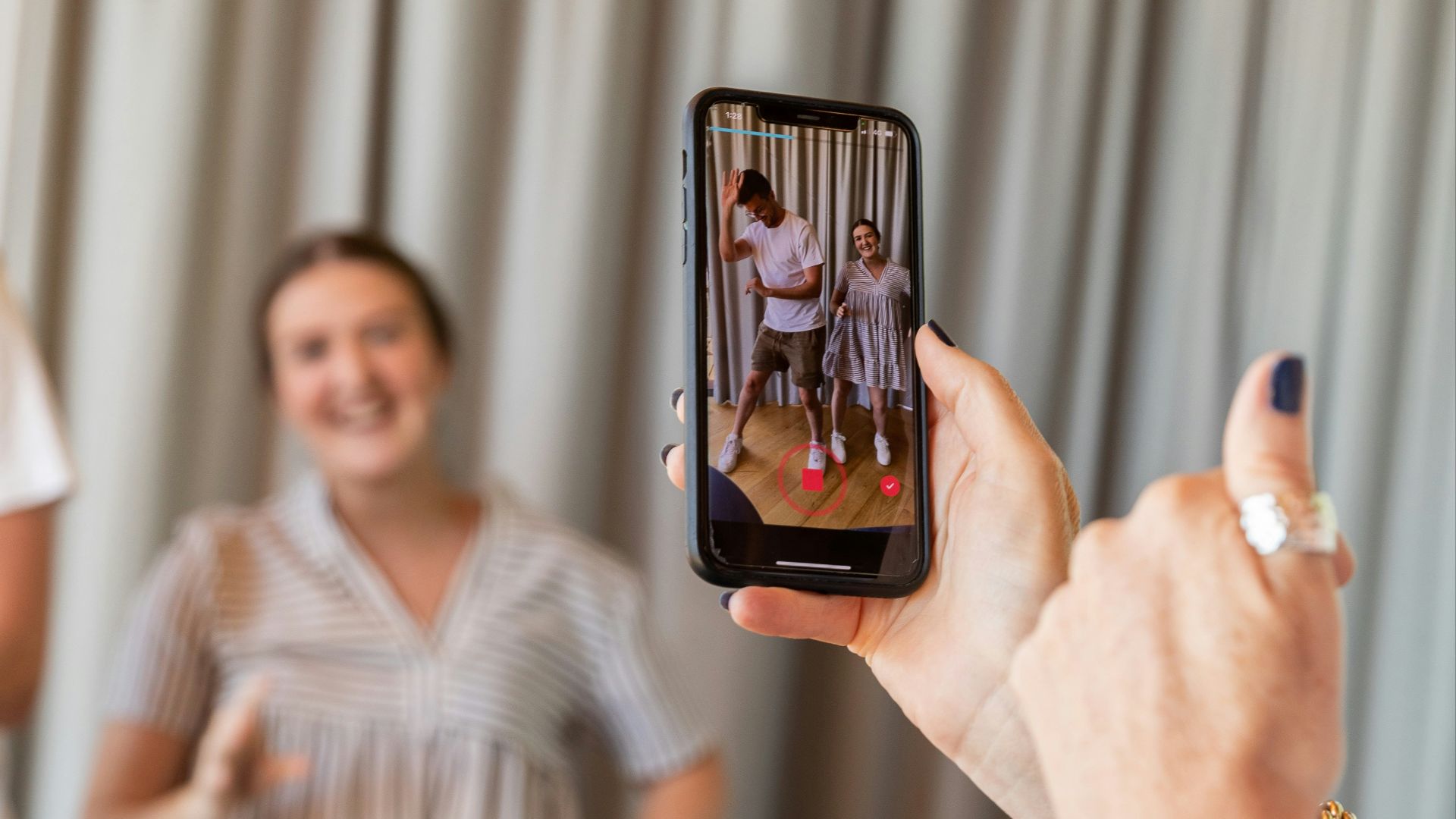 S O C I A L . C U T on Unsplash
6. Pretending They “Just Found” a Place Everyone Knows
It’s hard not to roll your eyes when someone acts like they discovered a famous spot that’s been popular for a decade. What's more annoying, they’ll frame it as a hidden gem when the line is already wrapping around the block. A simple “this place is well-known for a reason” would feel more honest.
7. Filming Staff Without Clear Respect or Context
Restaurant content is tricky, and sometimes, creators forget they’re filming real people doing their jobs. You’ll see servers, cooks, or cashiers caught in the background with no consideration for privacy. Even when it’s legal, it can still feel inconsiderate.
8. Using Loud Crunch Sounds Like a Selling Point
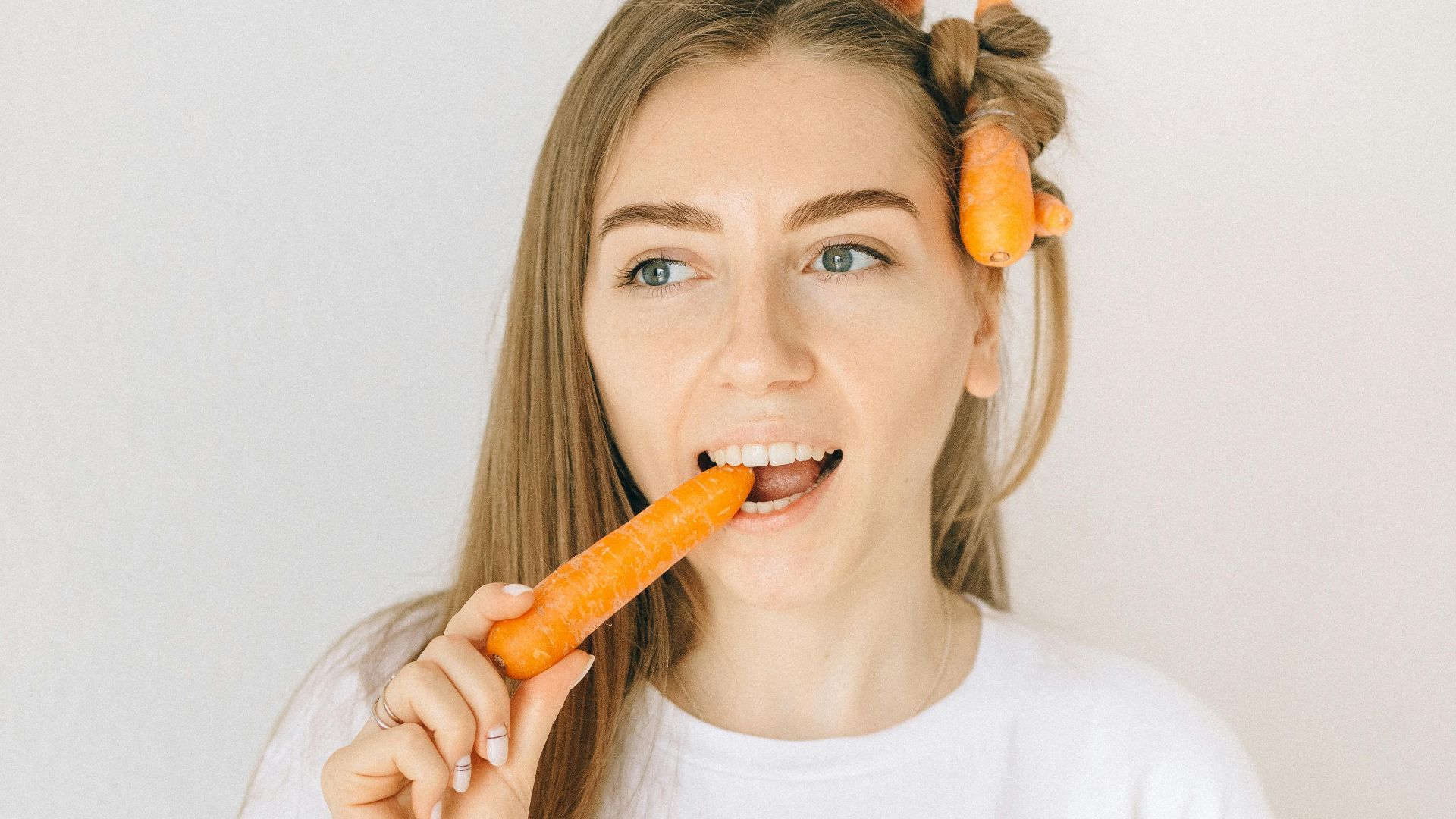
Some people like ASMR, but honestly, it's overdone at this point.
The crunching, slurping, or sticky chewing noise is not appealing to most audiences. You didn’t sign up for a sound test, and you shouldn’t have to lower your volume to tolerate it.
9. Reviewing Everything as “So Addictive”
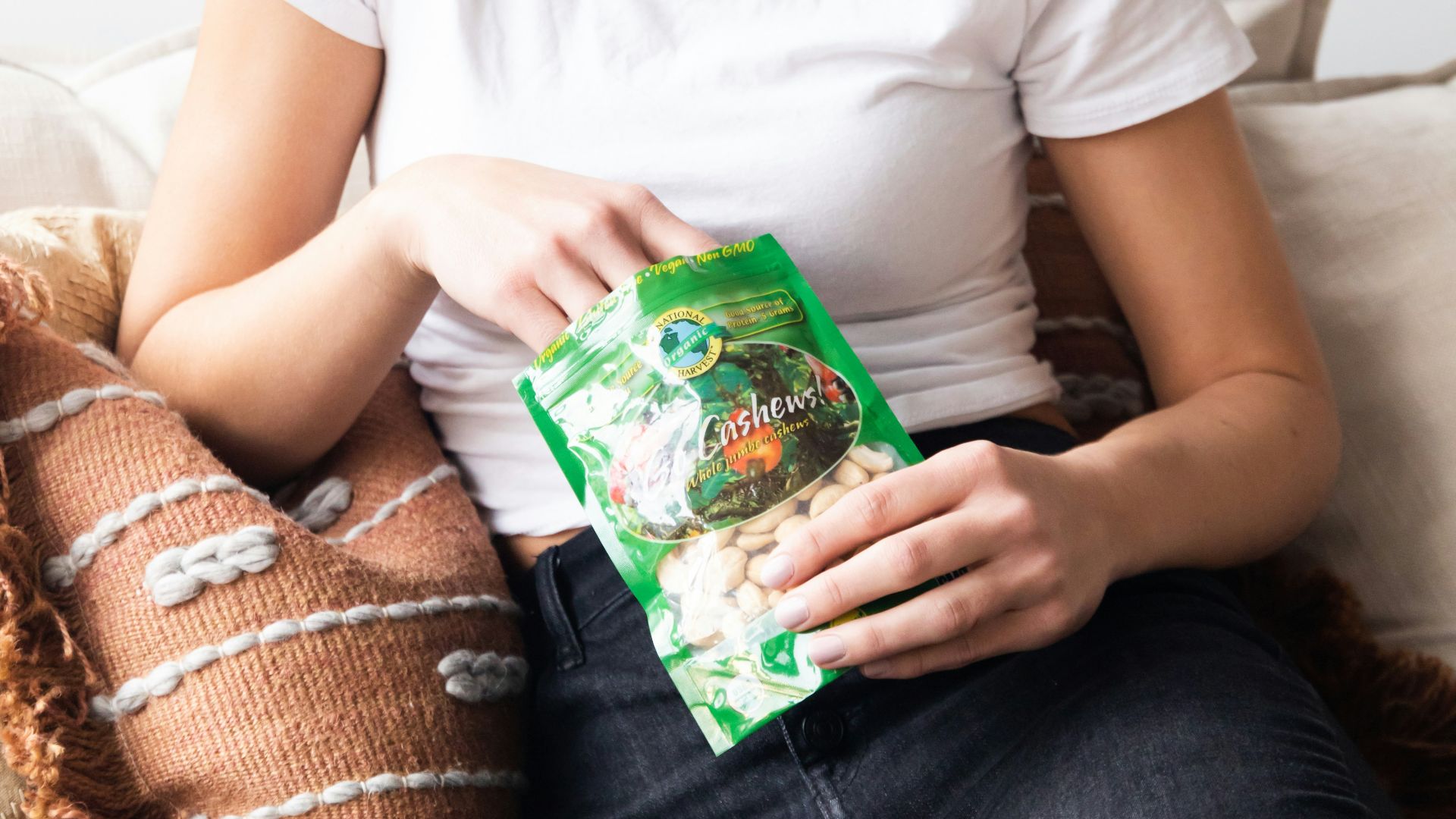
Calling every snack “addictive” is a lazy shortcut that doesn’t give you any information. Most viewers want actual details: is it salty, balanced, rich, too sweet, or overly oily? When they default to that label, the description becomes meaningless. If they described texture and seasoning instead, you’d learn something useful.
10. Stretching a Simple Recipe Into Ten Minutes
A three-step recipe shouldn’t be a super long video filled with extended stirring and unnecessary commentary. Some influencers add time just to hit platform preferences for monetization, and you can feel that manipulation immediately. It’s frustrating when you’re just trying to make dinner and the instructions are buried.
11. Refusing to Share Measurements Until the End
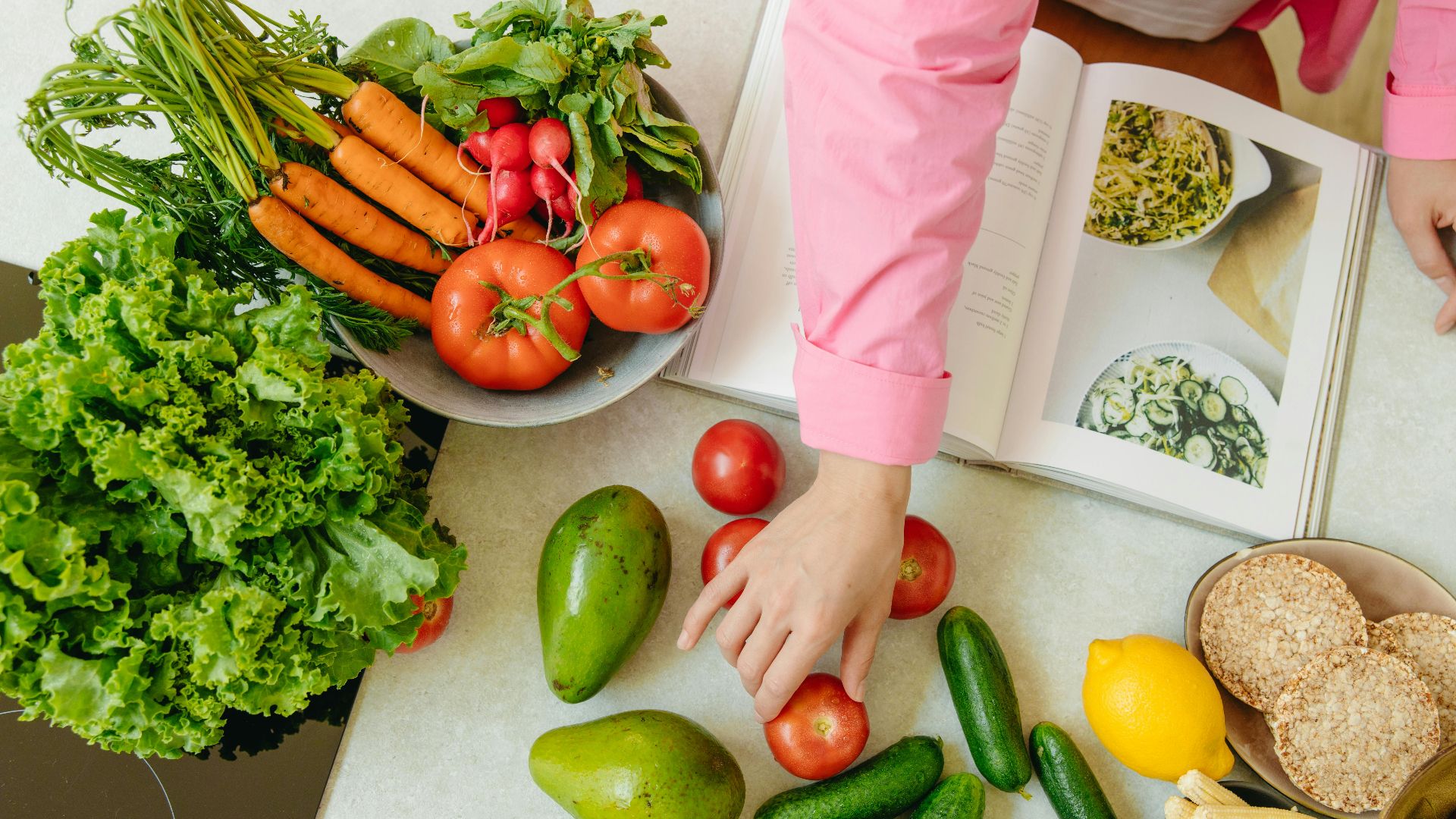
We know you've dealt with this frustration many times when watching cooking reels. You’ll watch the entire process and still have no idea how much of anything went in! The influencer only posts measurements in tiny text or directs you to a separate link.
12. Acting Like Cost Doesn’t Matter
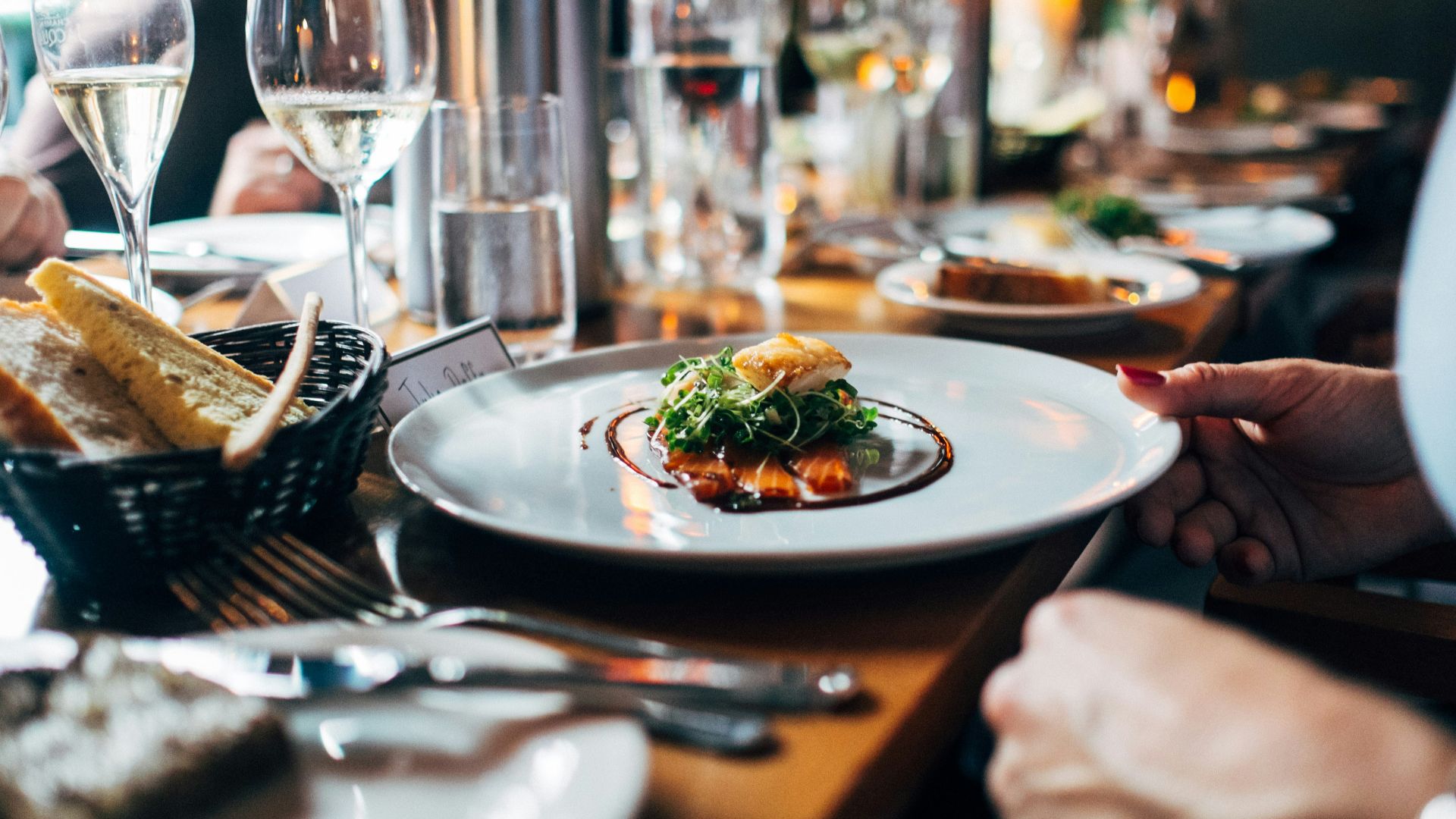
Not everyone wants a $28 salad or a weekly haul of premium ingredients. When influencers ignore price entirely, it can feel like they’re speaking to a narrow audience without realizing it. It just shows they're not imaging what it's like being in the everyday person's shoes.

13. Calling Every Restaurant “The Best in the City”
That kind of claim is massive, and should only ever be used sparingly. Unfortunately, you probably hear it so often that it starts to sound automatic. Influencers use it way too casually just to build hype.
14. Making Everything About Their “Perfect” Lifestyle
Sometimes, influencers film their reels and videos in a way that comes off as performative rather than practical. You’ll see immaculate kitchens, constant dining out, and endless time for prep, all framed as effortless. If they acknowledged shortcuts or real constraints, their content would feel more relatable.
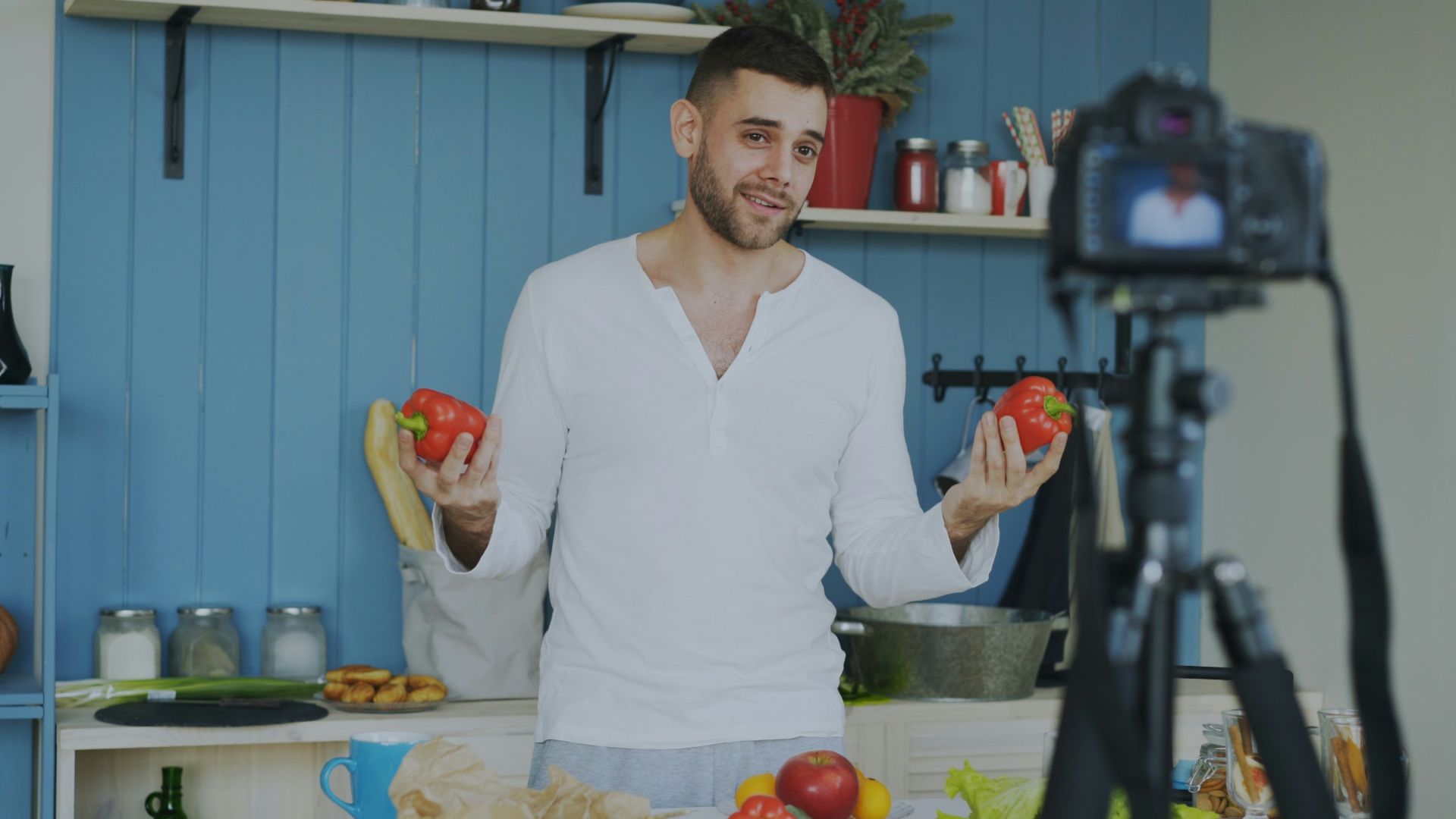
15. Showing “Easy” Meals That Require Specialty Tools
A recipe isn’t exactly accessible when it depends on a $300 appliance, multiple niche ingredients, or a tool most people don’t own. But despite that, influencers will still label it simple, which can feel misleading. Convenience is relative, and they'll sometimes forget that.
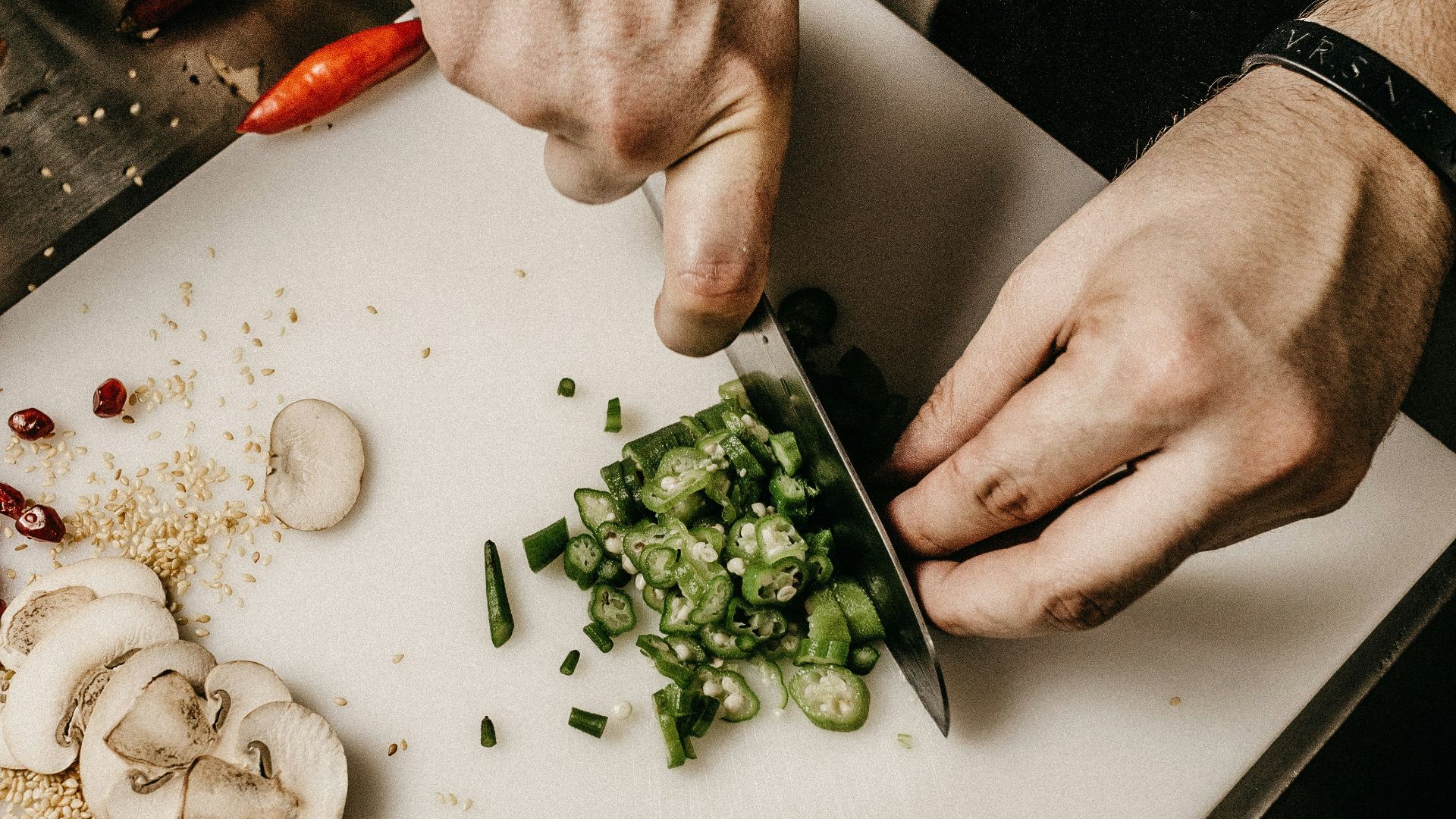
16. Using Filters That Make Food Look Unreal
It doesn't matter if you're in the fashion lane or the cooking lane, over-smoothed video and boosted saturation can make products look unrealistic. All filters do is leave viewers disappointed when the actual meal doesn’t match the edited version.
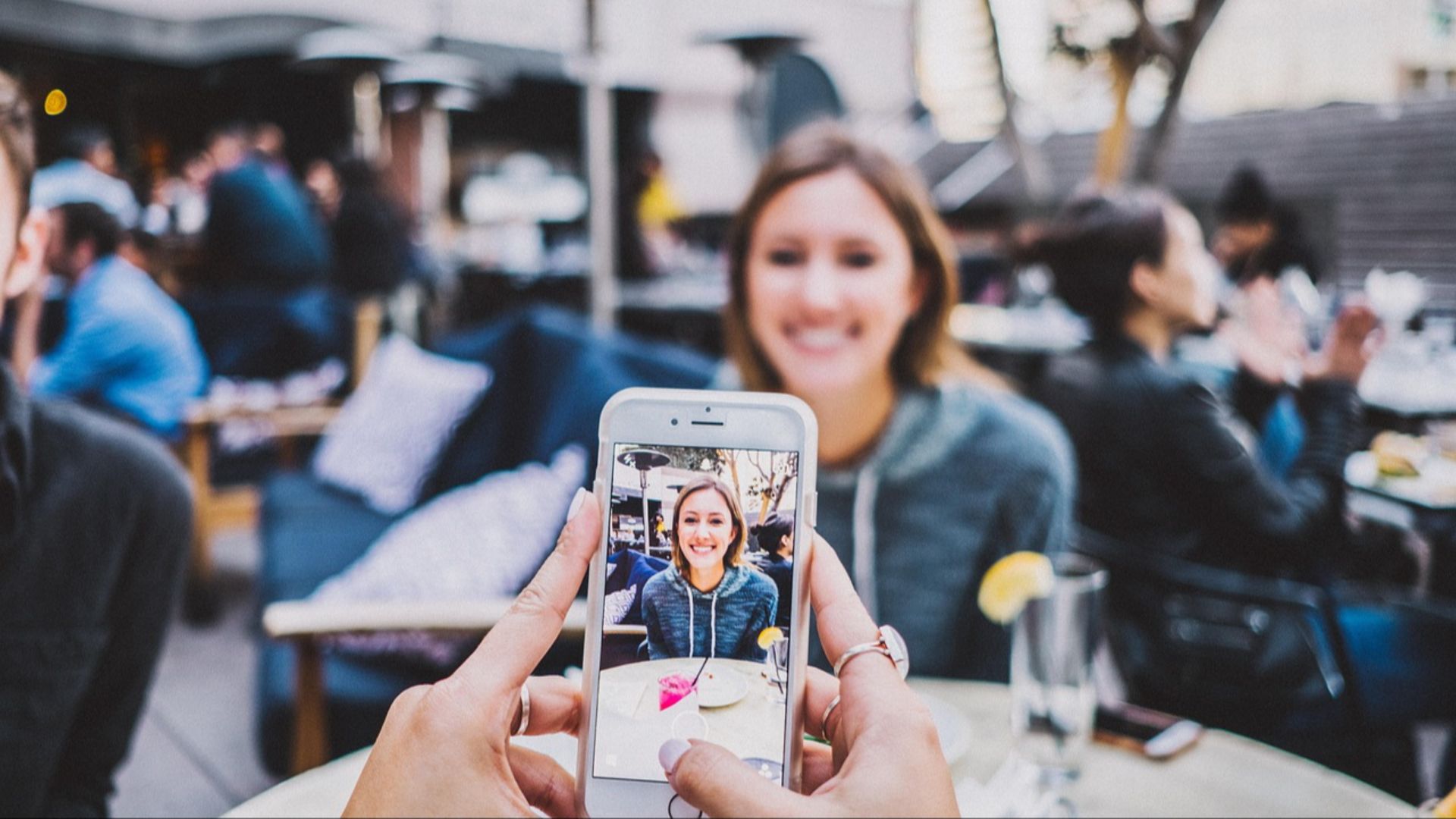
17. Turning Every Opinion Into a Hot Take
Contrary to popular belief, most people don't like drama! But influencers love to use "hot takes" in an attempt to draw in viewers. You’ll hear bold claims like “this is overrated” with very little explanation. It can often feel less like a review and more like bait.
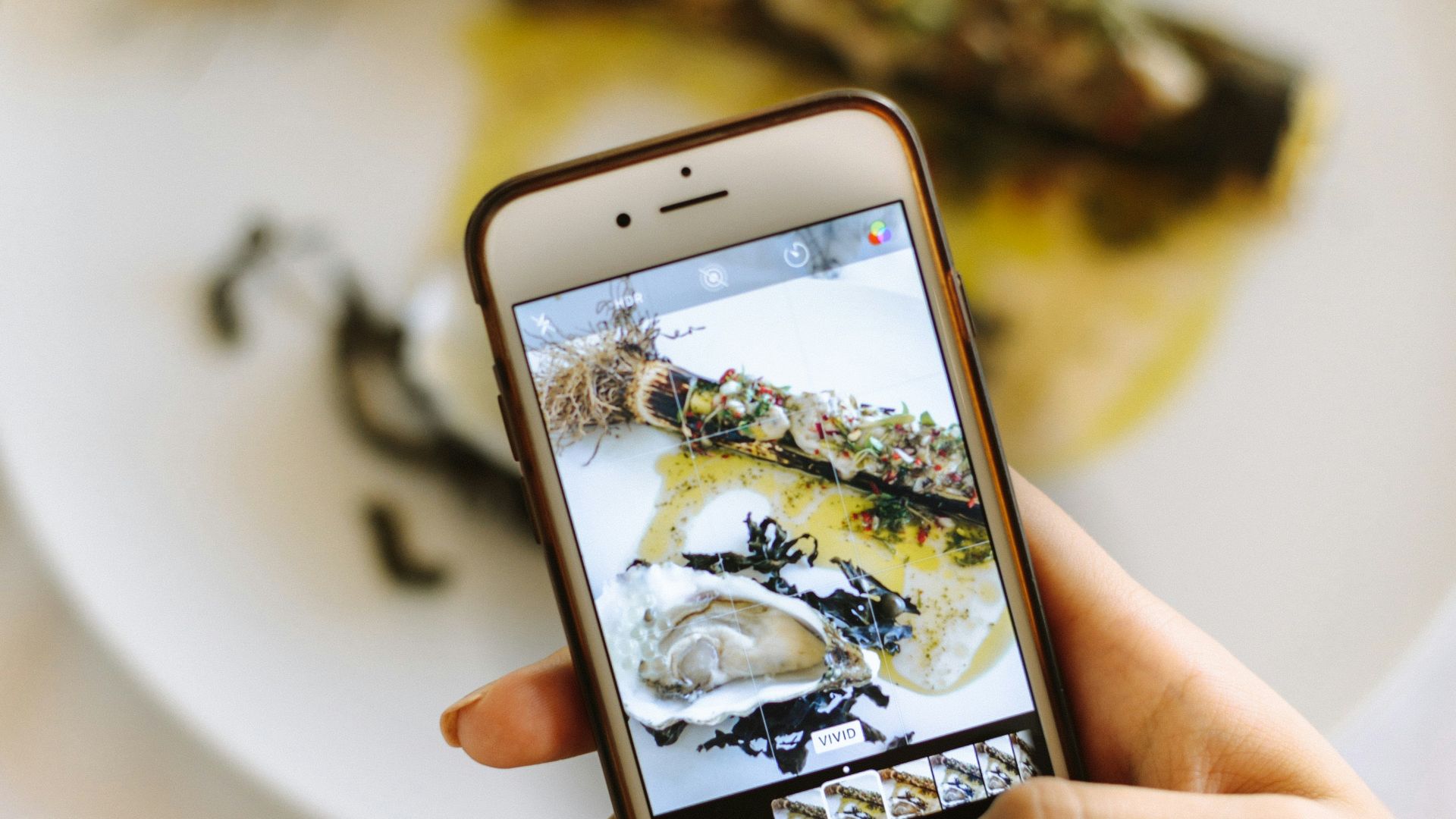
18. Interrupting the Recipe to Push a Sponsorship
Sponsored content is fine, but do it tactfully. It can be jarring when viewers are paying attention to timing, heat, and technique, then suddenly you're watching a sales pitch. It breaks flow and makes the instructions harder to follow.
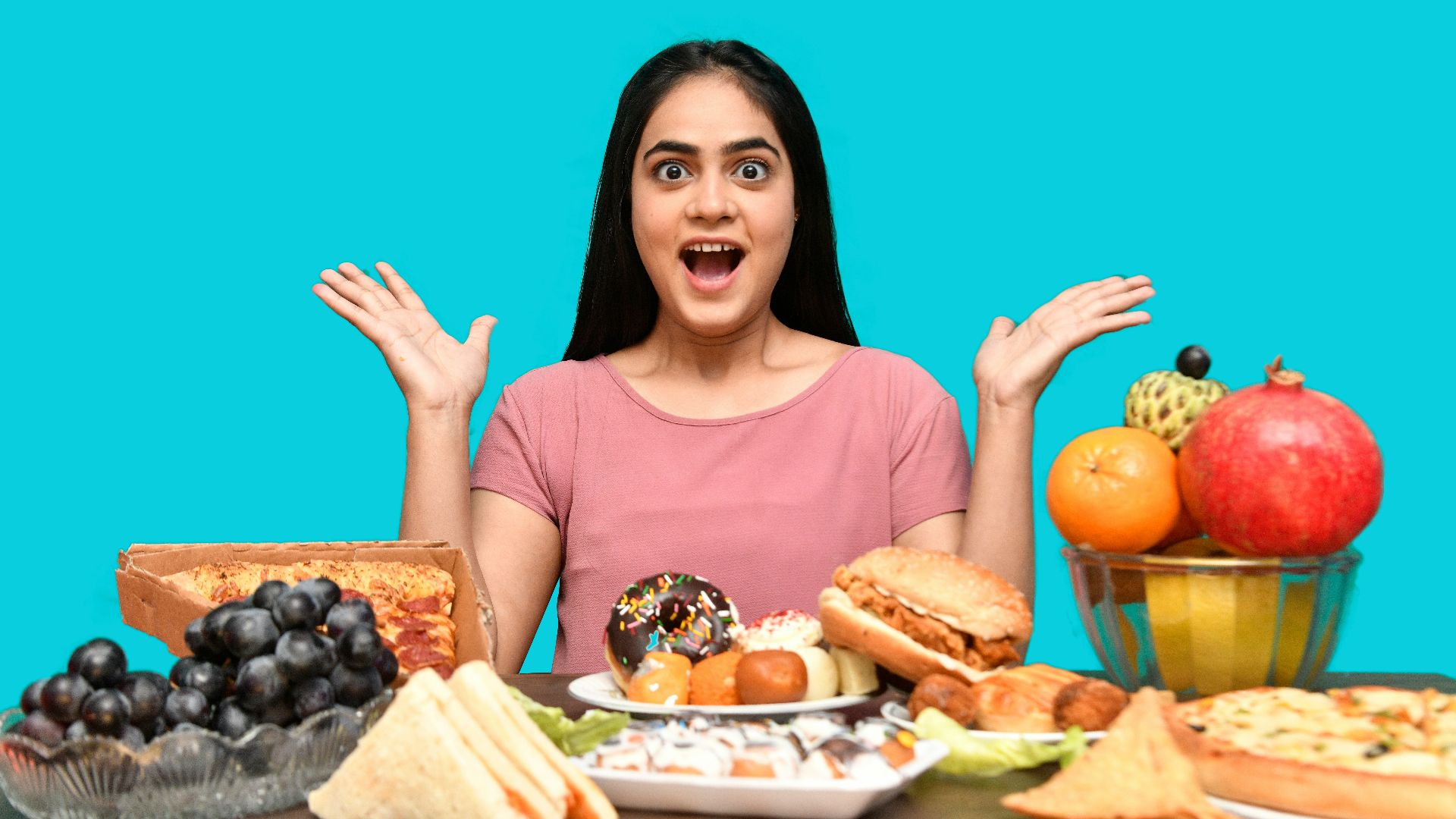
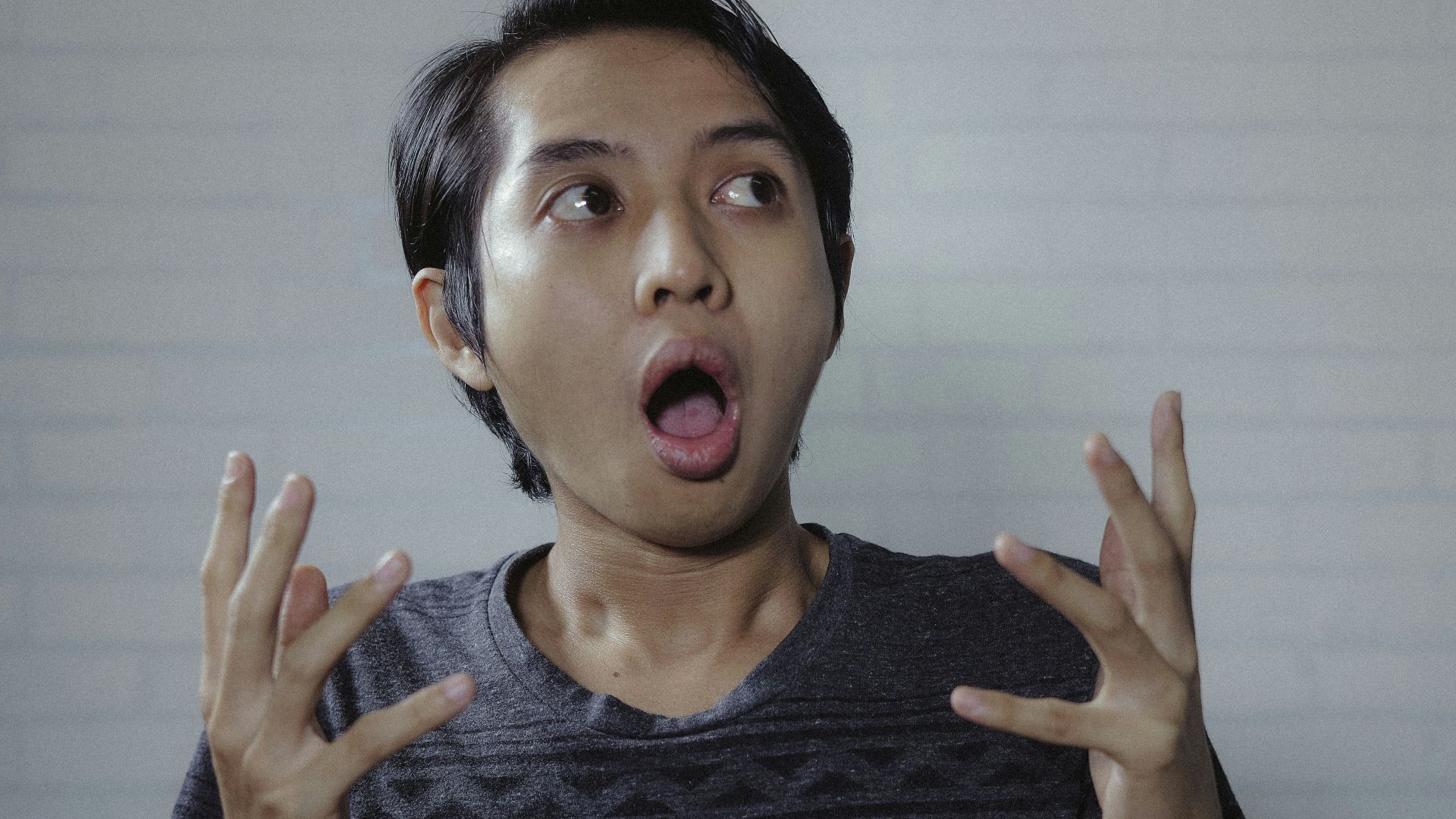
19. Acting Shocked That Food Tastes Like Food
Exaggerated reactions can be entertaining here and there, but repeated astonishment gets old. When someone looks stunned that a well-made dish is, in fact, tasty, it starts to feel staged. Over time, it makes you doubt their sincerity. A grounded reaction with real descriptors would be more convincing.

20. Leaving Out the Unflattering Details
A lot of content on social media shows the highlight reel and skips what you actually need to know. They won’t mention a long wait, inconsistent service, an overly salty dish, or the fact that the portion is tiny because it ruins the "image" they've created.
KEEP ON READING
20 Food-Related Art Projects