20 Classic American Foods That Were Born Out of The Great Depression
When Hard Times Shaped the Menu
The Great Depression didn’t just change bank accounts and job prospects; it changed what ended up on American dinner tables. With budgets tight and ingredients scarce, home cooks got clever, stretching pantry basics into filling meals that could feed a family without draining the last dime. A lot of those make-do dishes didn’t disappear when things improved, because they were actually pretty tasty. Here are 20 American foods that originated out of the country's worst financial collapse.
 Infrogmation of New Orleans on Wikimedia
1. Creamed Chipped Beef on Toast (S.O.S.)
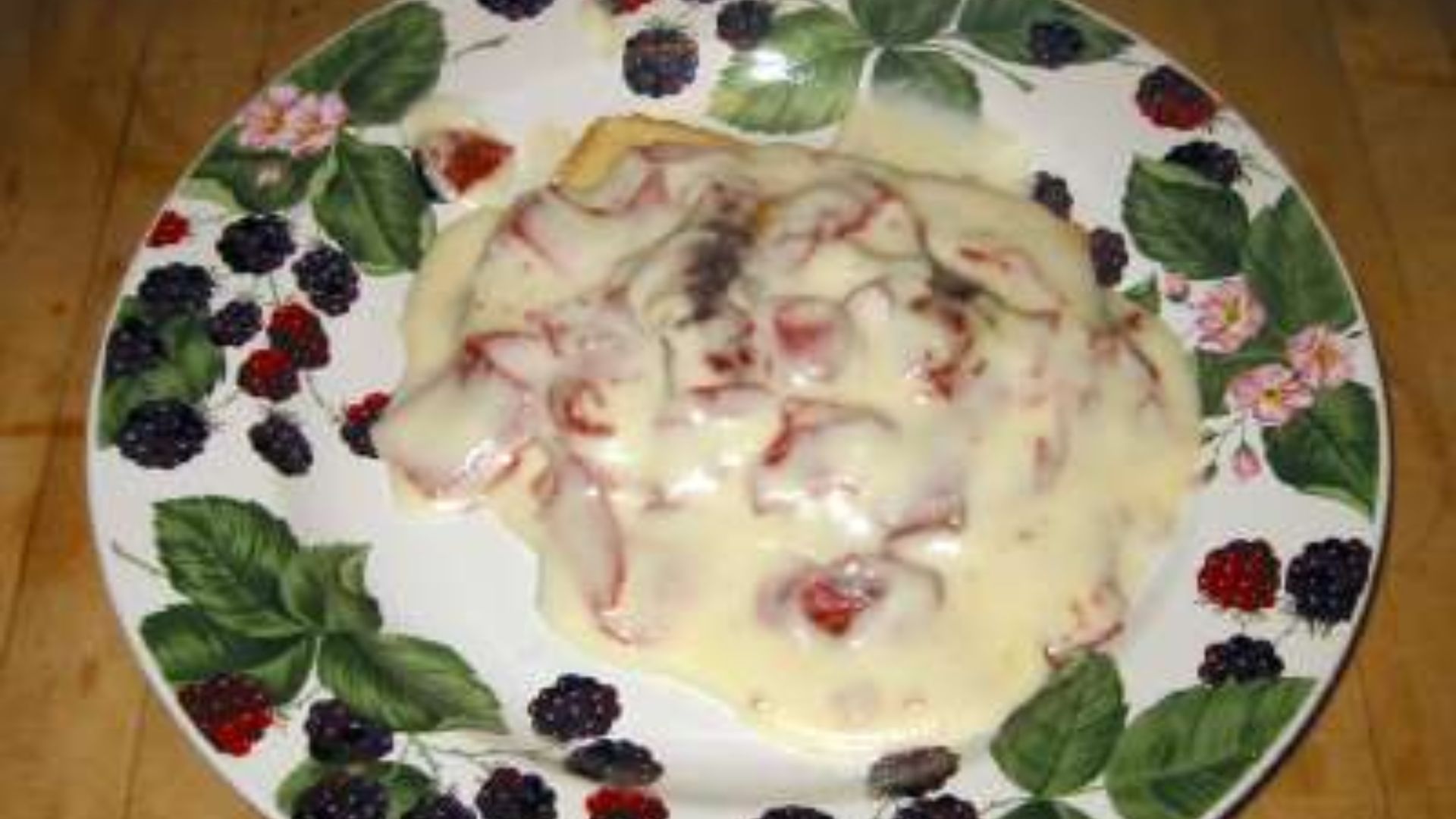
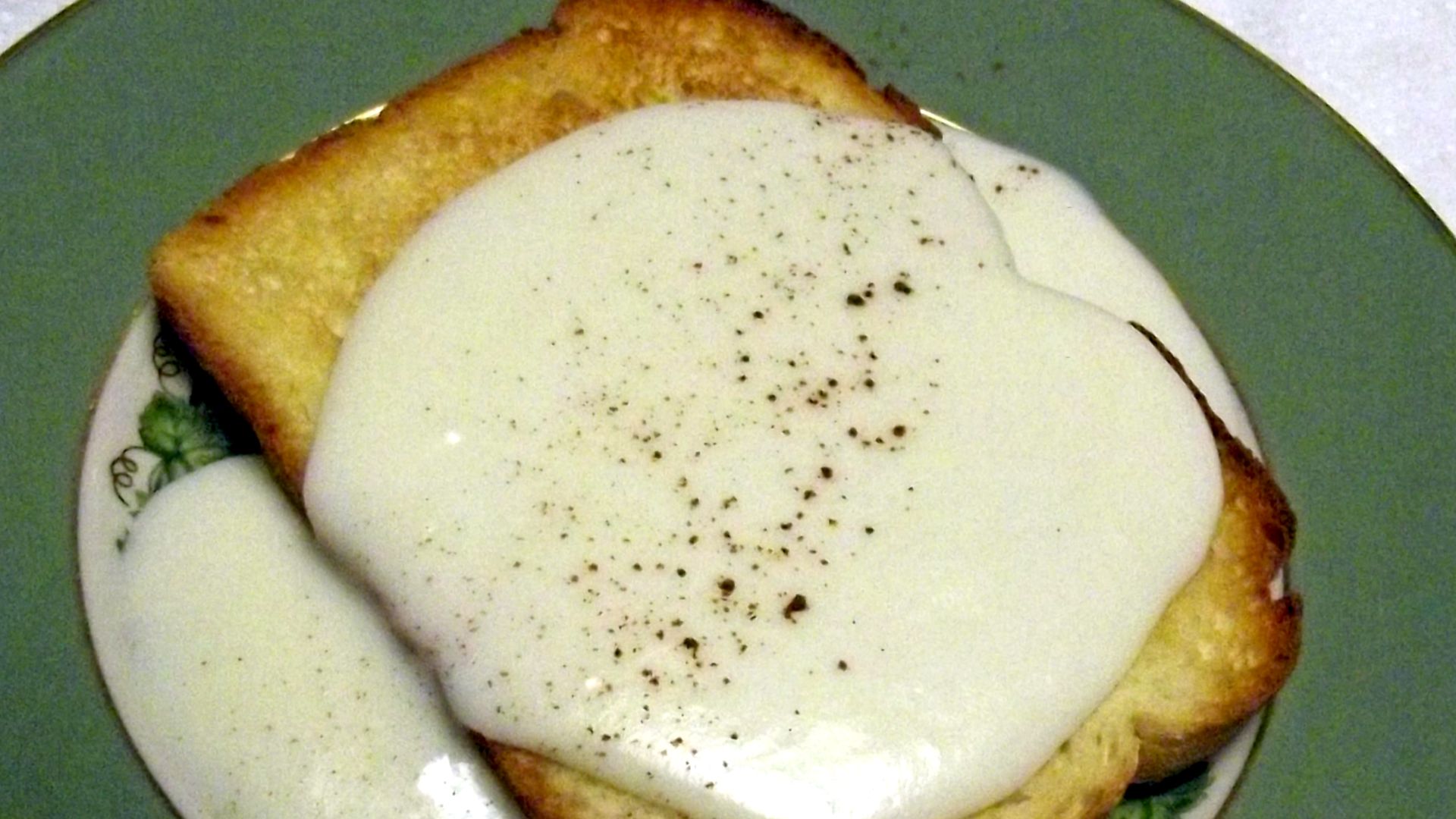
This dish technically originated in army rations, but the Great Depression was the first time it showed up on civilian plates. When money was tight, dried beef and a simple white sauce could feel like a small miracle. Families poured the creamy mixture over toast to make a hearty meal out of just a few ingredients.
2. Hoover Stew
This one leaned hard into whatever was cheap and available, usually hot dogs, canned vegetables, and macaroni in a tomato-based broth. It was the kind of pot-of-everything dinner that didn’t ask a lot from your pantry. You’d simmer it until it came together and hope nobody asked what was in it.
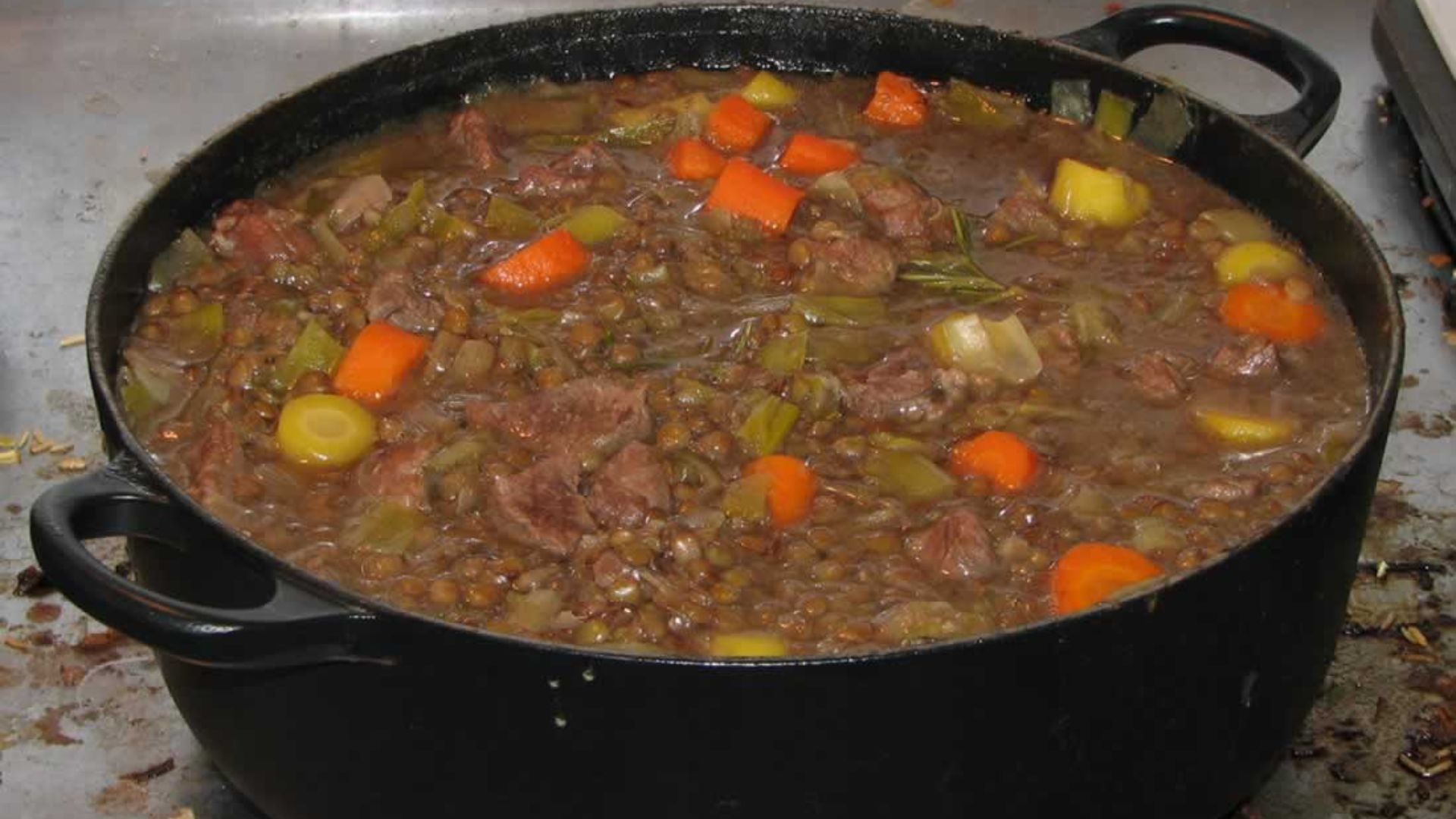
3. Peanut Butter Bread
Peanut butter wasn’t just for sandwiches when budgets got squeezed. People baked it into a pound cake like quick bread because it required no butter, eggs, or yeast, making it affordable. It worked well as a snack, breakfast, or, on a really bad day, dinner. If you like a slightly sweet, nutty slice, you’d probably get why it stuck around.
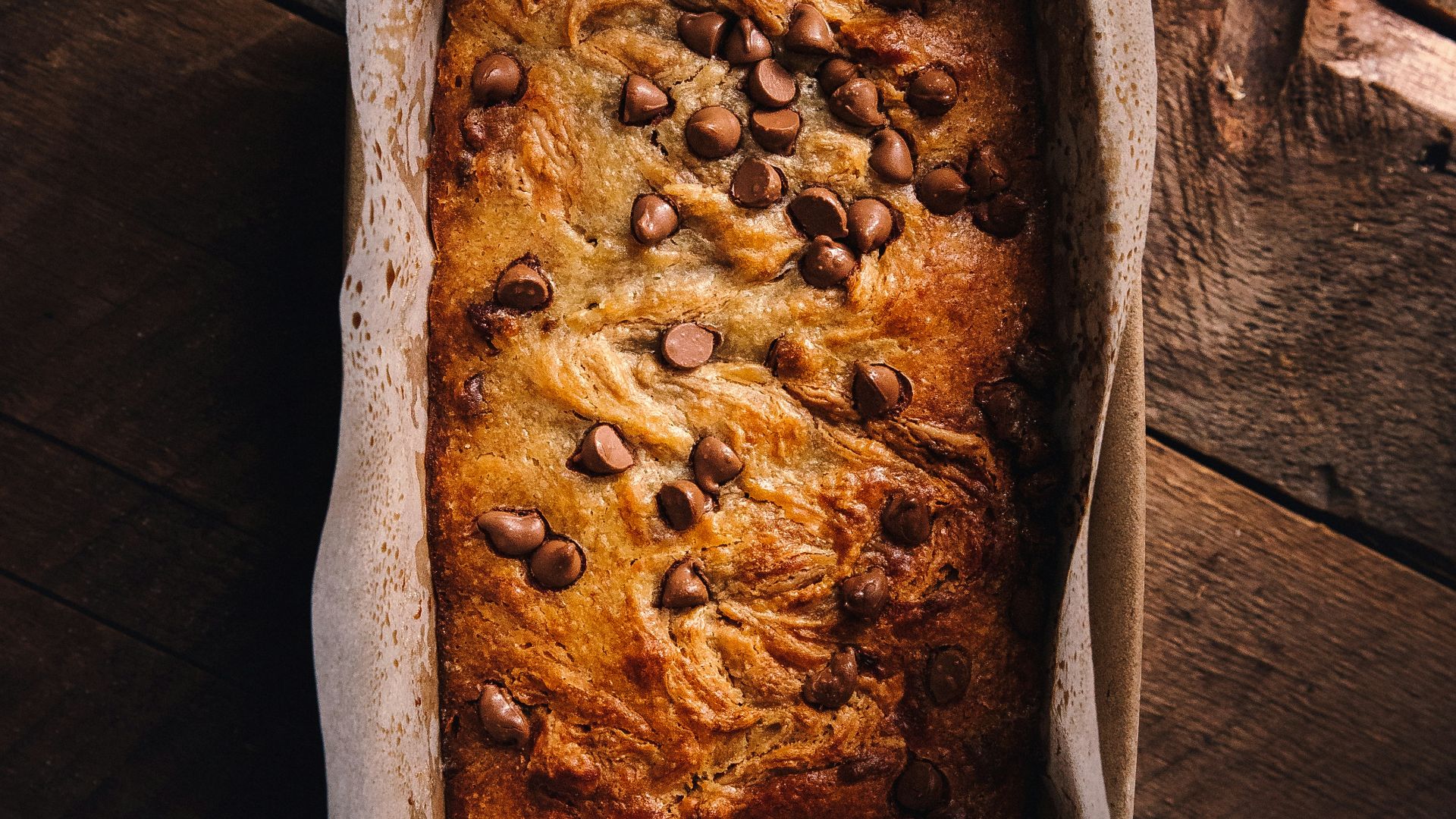
4. Vinegar Pie
When fresh fruit was expensive or out of season, some bakers turned to vinegar to mimic a bright, tangy filling. Mixed with sugar, butter, and eggs, it baked into something that tasted more like pie than you’d expect. It wasn’t about being weird; it was about being resourceful. You could serve it proudly and still have enough money left for tomorrow.
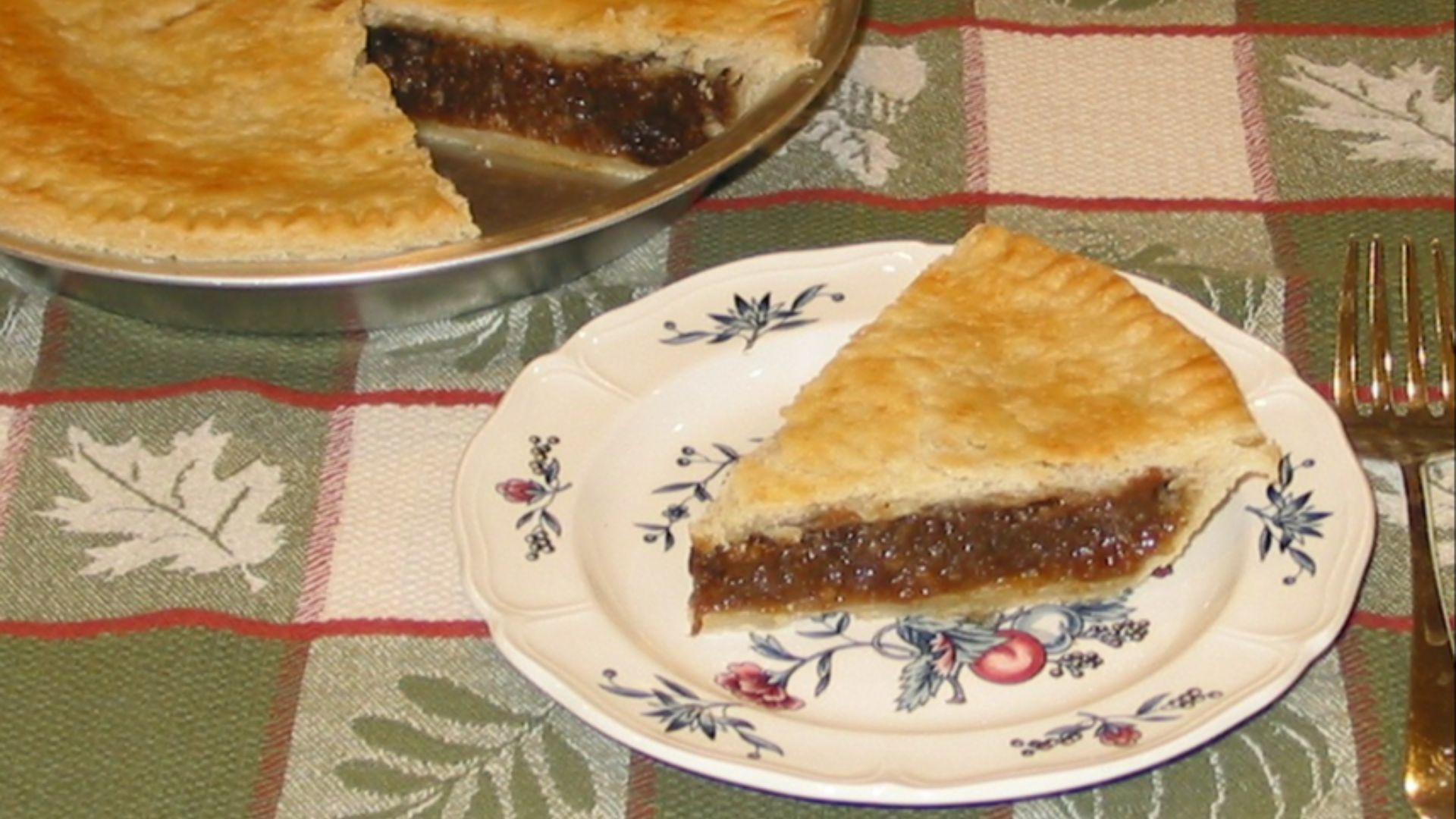
5. Tomato Soup Cake
Dessert during the Depression often depended on creativity more than cocoa. Adding canned tomato soup helped make a moist spice cake when ingredients like eggs or butter were hard to come by. The cake didn't taste like tomato; the soup added moisture, a subtle tang, and a rich, red color.
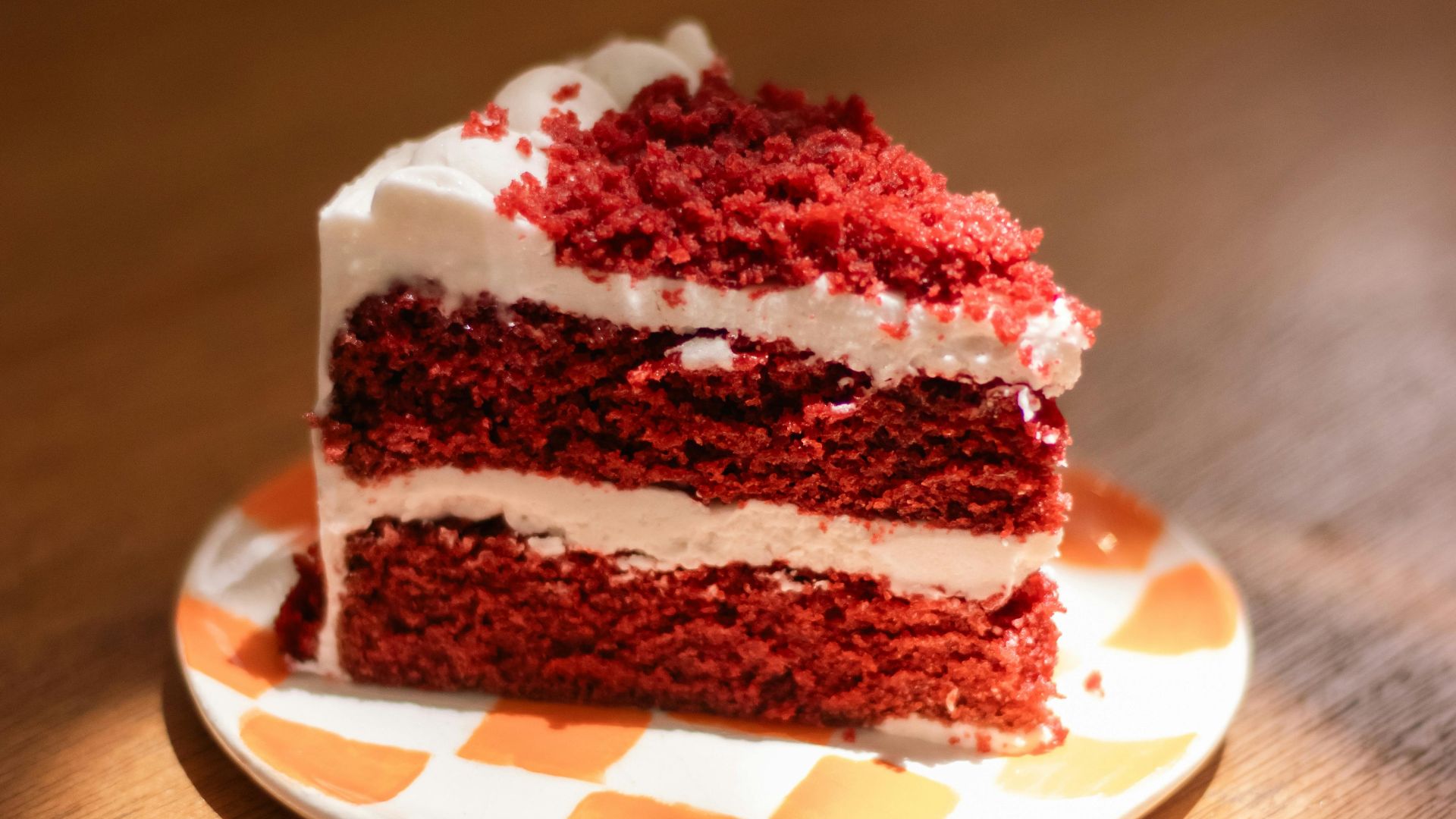
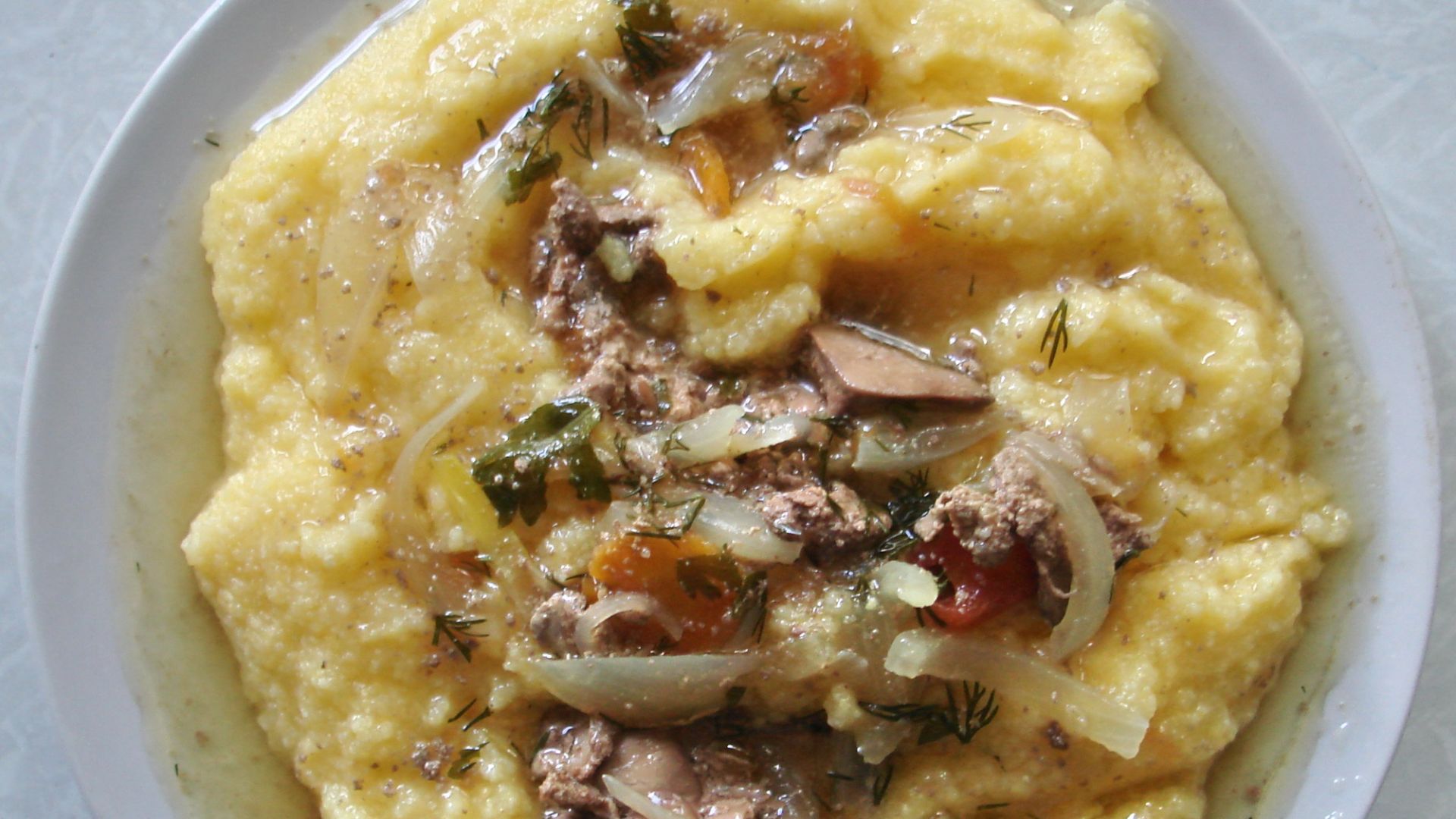
6. Cornmeal Mush
Cornmeal was affordable, shelf-stable, and willing to play a lot of roles. Cooked into a thick mush, it could be eaten warm like porridge or chilled and sliced to fry later. That flexibility mattered when you were planning meals day by day. It’s simple food, but it can still feel like a treat with a little butter or syrup.
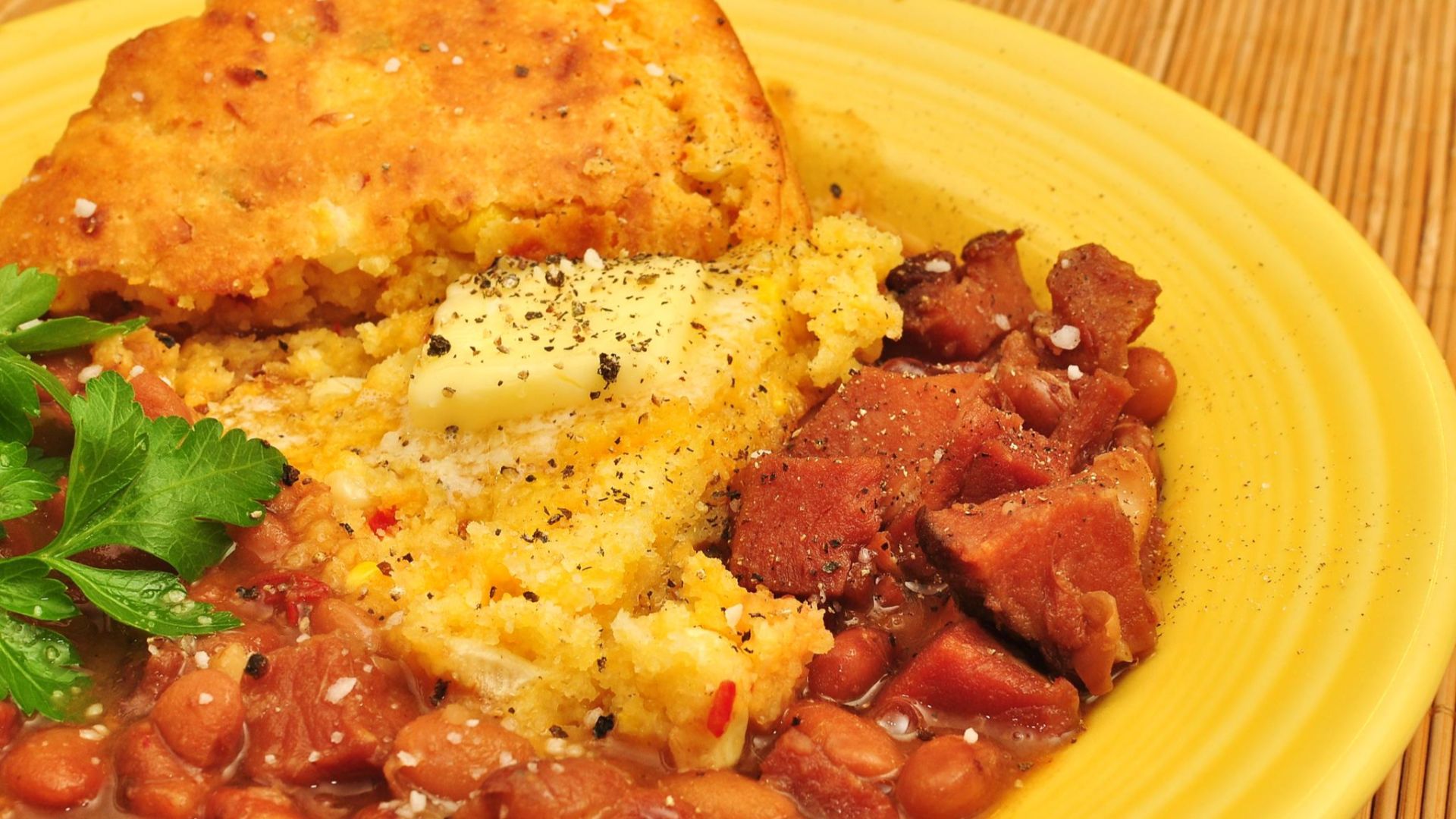
7. Beans & Cornbread
Beans were a Depression-era powerhouse: a cheap, filling source of protein that was easy to store. Pairing them with cornbread turned a humble pot into a full meal that could feed a crowd. To this day, this is a combo that slaps.
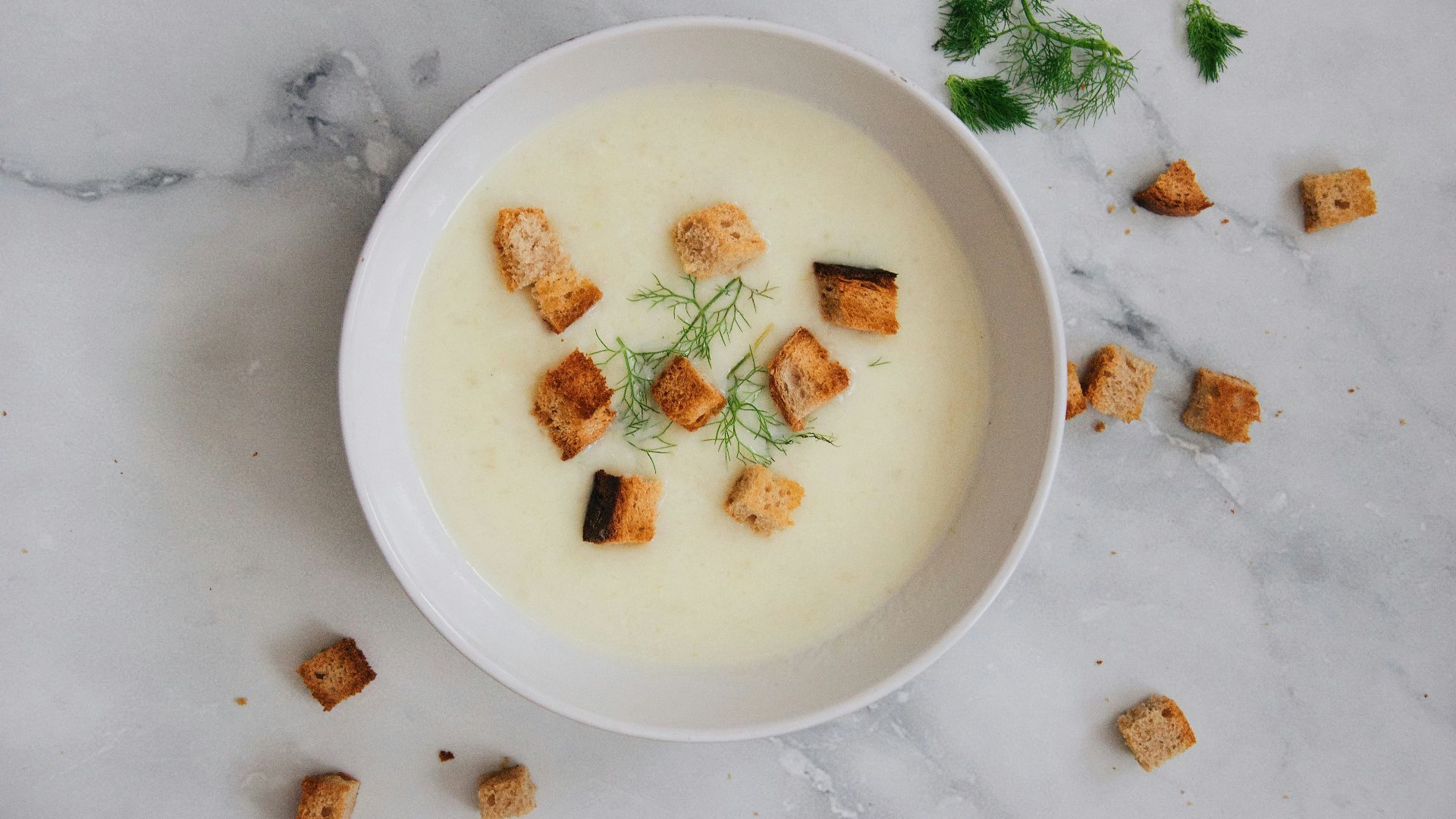
8. Potato Soup
Potatoes could stretch a meal further than almost anything else in the kitchen. A basic potato soup with onions, milk, and a bit of seasoning was both comforting and budget-friendly. People could thicken it with flour or mash some of the potatoes right in the pot. It’s the kind of bowl that makes you slow down and enjoy being warm.
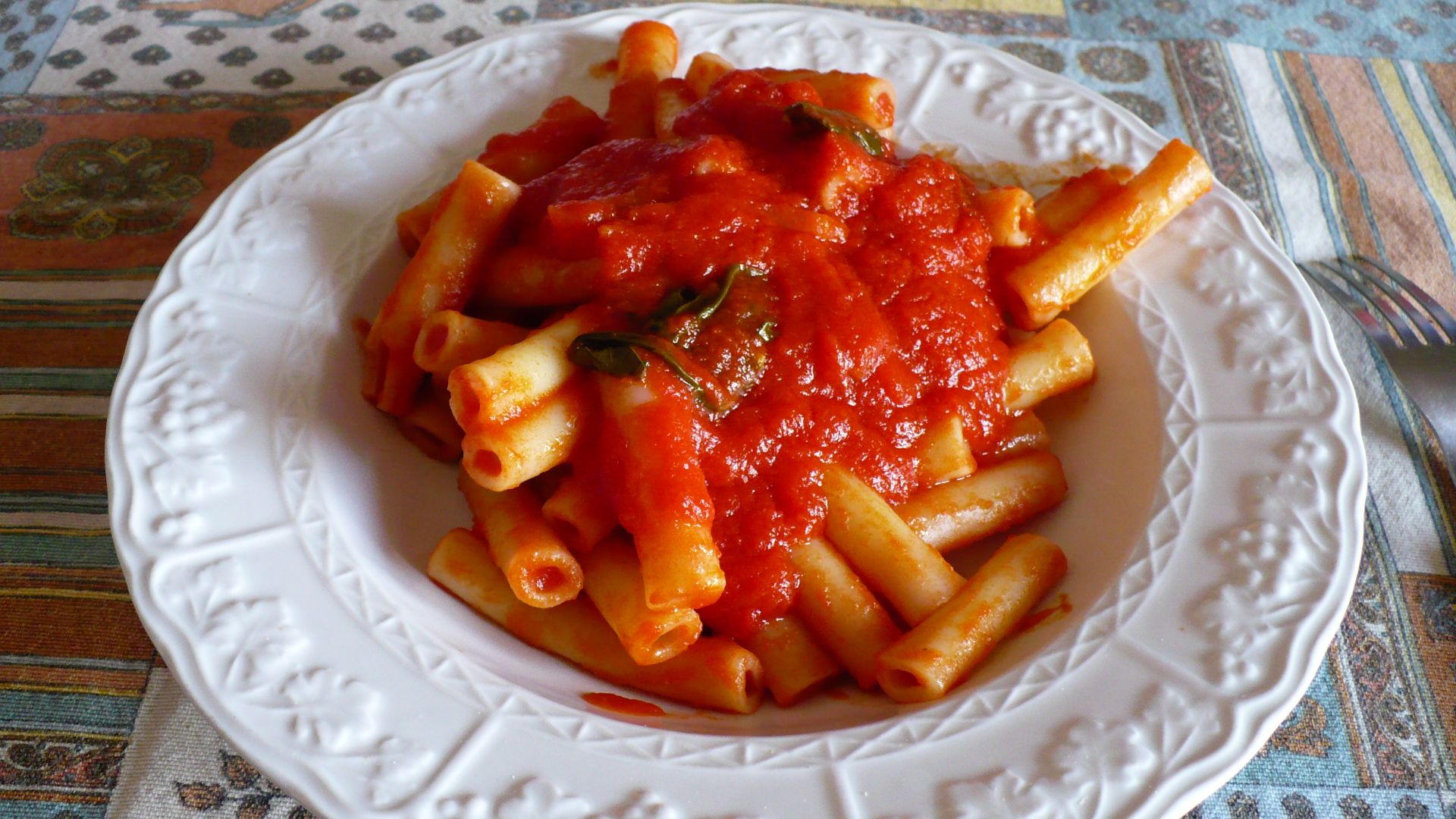
9. Macaroni & Tomatoes
This dish was a pantry classic: pasta plus canned tomatoes, sometimes with a little onion or butter if you had it. This meal was cheap, fast, and easy to make in big batches. It was like spaghetti al Pomodoro, but a little bit worse.
 Roberto De Martino on Wikimedia
10. Tuna Noodle Casserole
Canned tuna and egg noodles became a reliable way to make something substantial without buying fresh meat. A simple sauce, often made with milk and thickener, brought it all together. It was the kind of dinner that could be scooped out for seconds without anyone feeling guilty about the cost.
11. Sloppy Joes
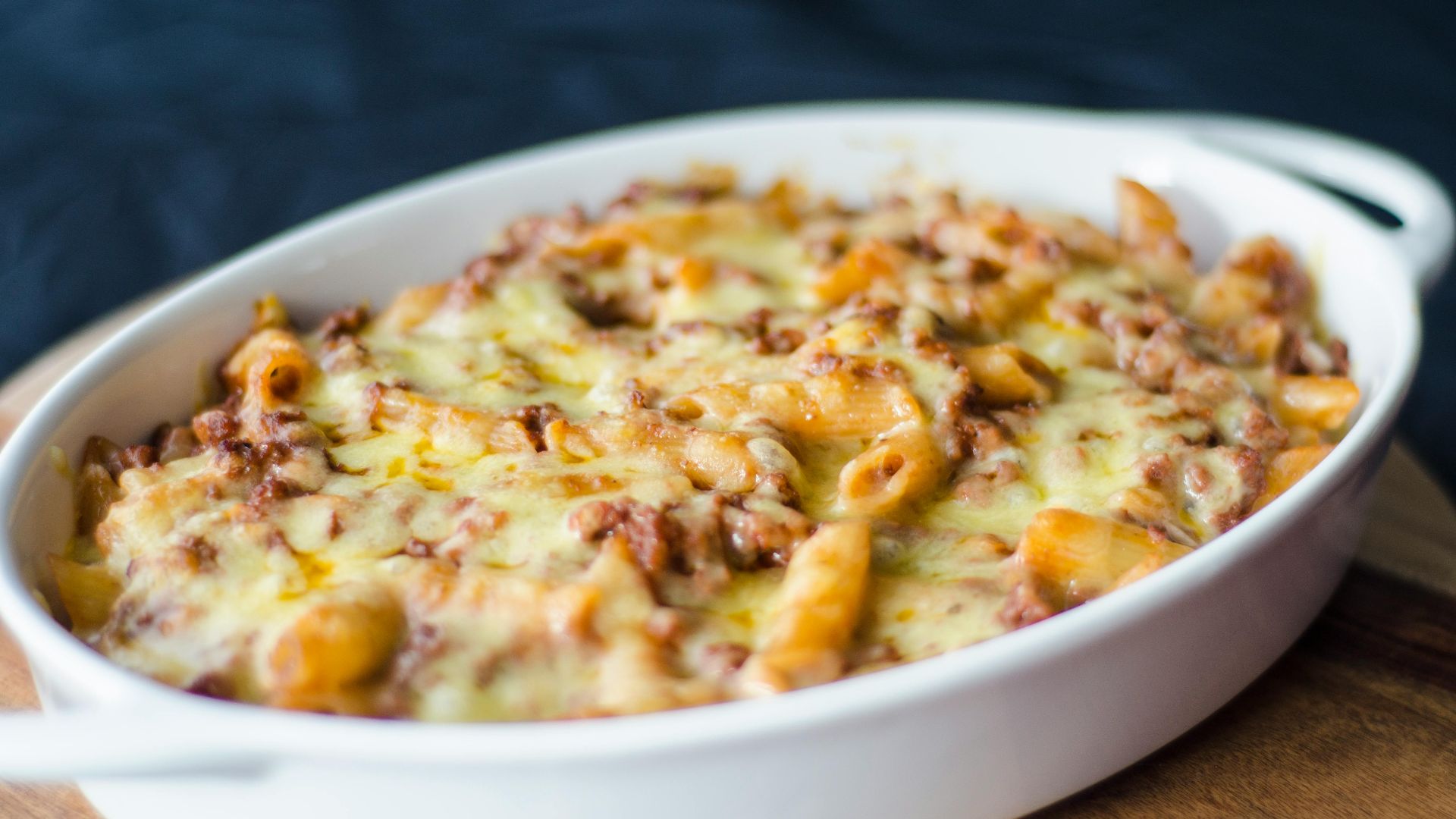
Ground meat was often stretched with onions, sauce, and sometimes breadcrumbs to make it go further. Piled onto buns, it turned a small amount of meat into a crowd-friendly meal. It wasn’t fancy, but it felt fun, especially for kids. Plus, it’s hard to be in a bad mood while eating something that messy.
12. Fried Bologna Sandwich
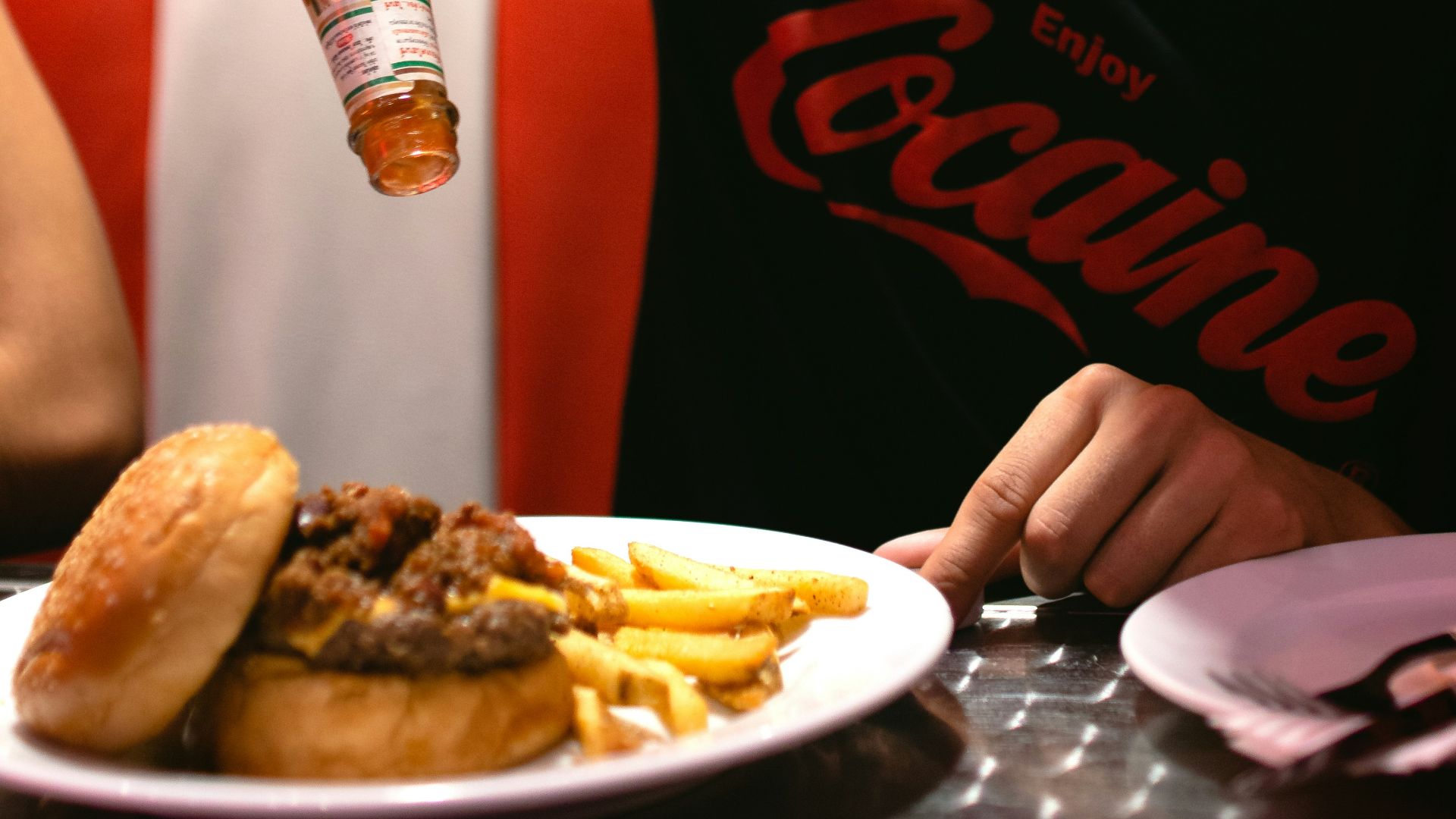
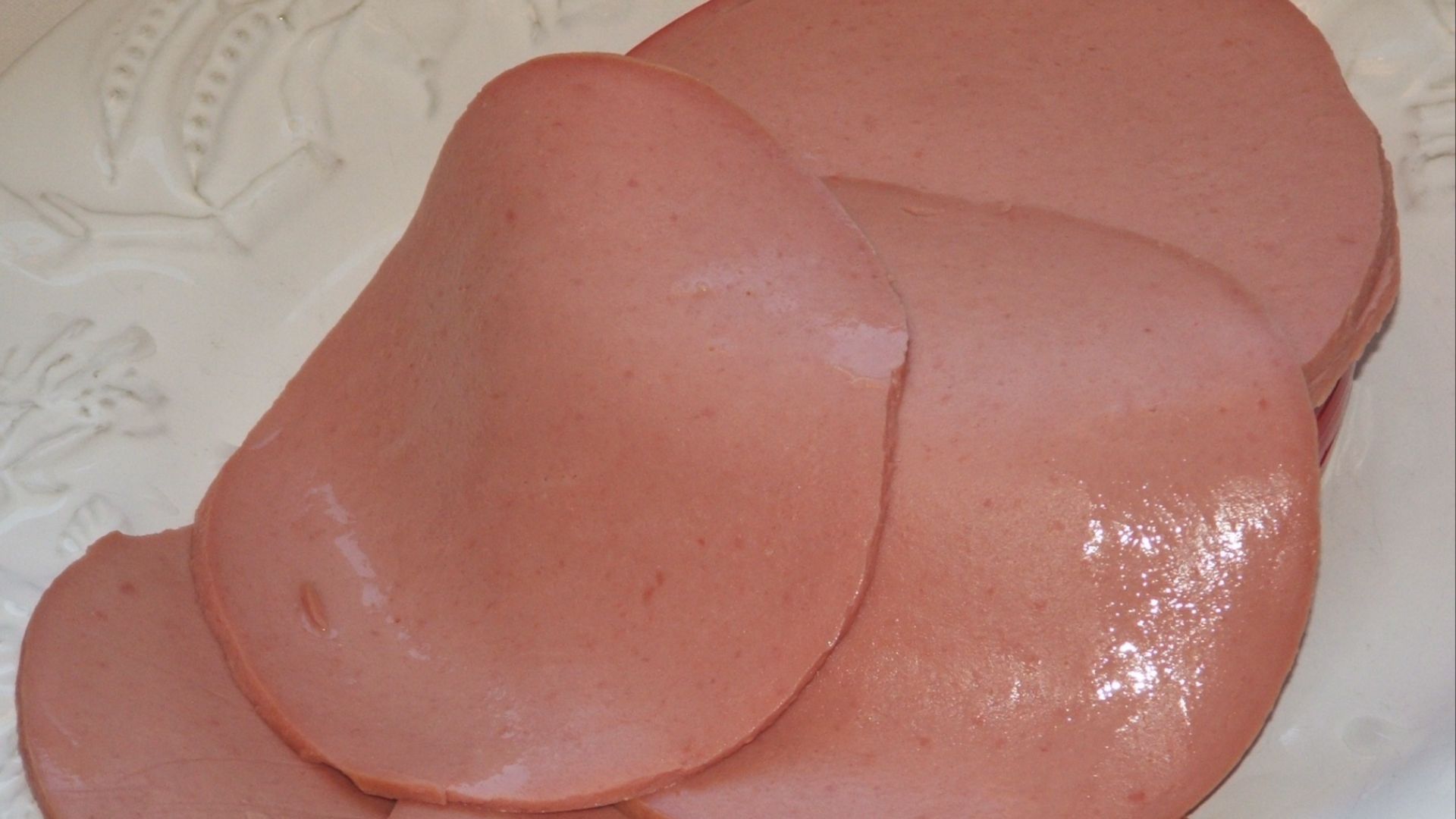
Bologna was inexpensive and widely available, so it became a frequent stand-in for pricier deli meats. Frying it added flavor and made it feel more like a “real” hot meal than a cold sandwich. A slice on bread with mustard could carry you through a long day.
13. Milk Toast
When groceries were sparse, warm milk poured over buttered toast created a gentle, filling dish. People sweetened it for breakfast or kept it plain when sugar wasn’t an option. It was easy on the stomach and easy on the wallet. If you’ve ever wanted comfort food with almost zero effort, this is it.
14. Egg Drop Soup
Eggs were one of the most accessible sources of protein for many families. Dropping beaten eggs into hot broth made a quick soup that felt more substantial than it looked. A little seasoning and you turn "not much" into "enough" on a cold day.
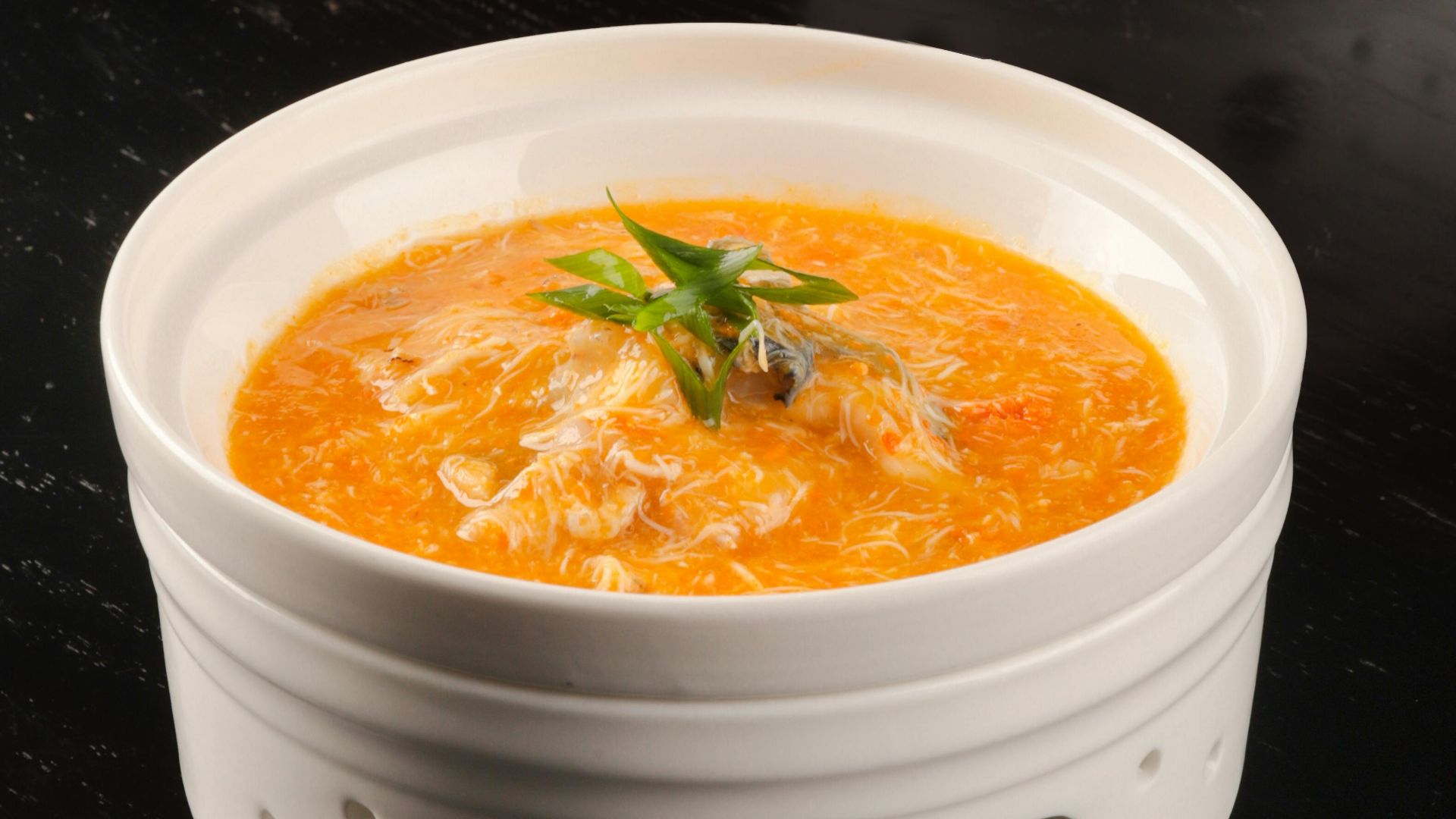
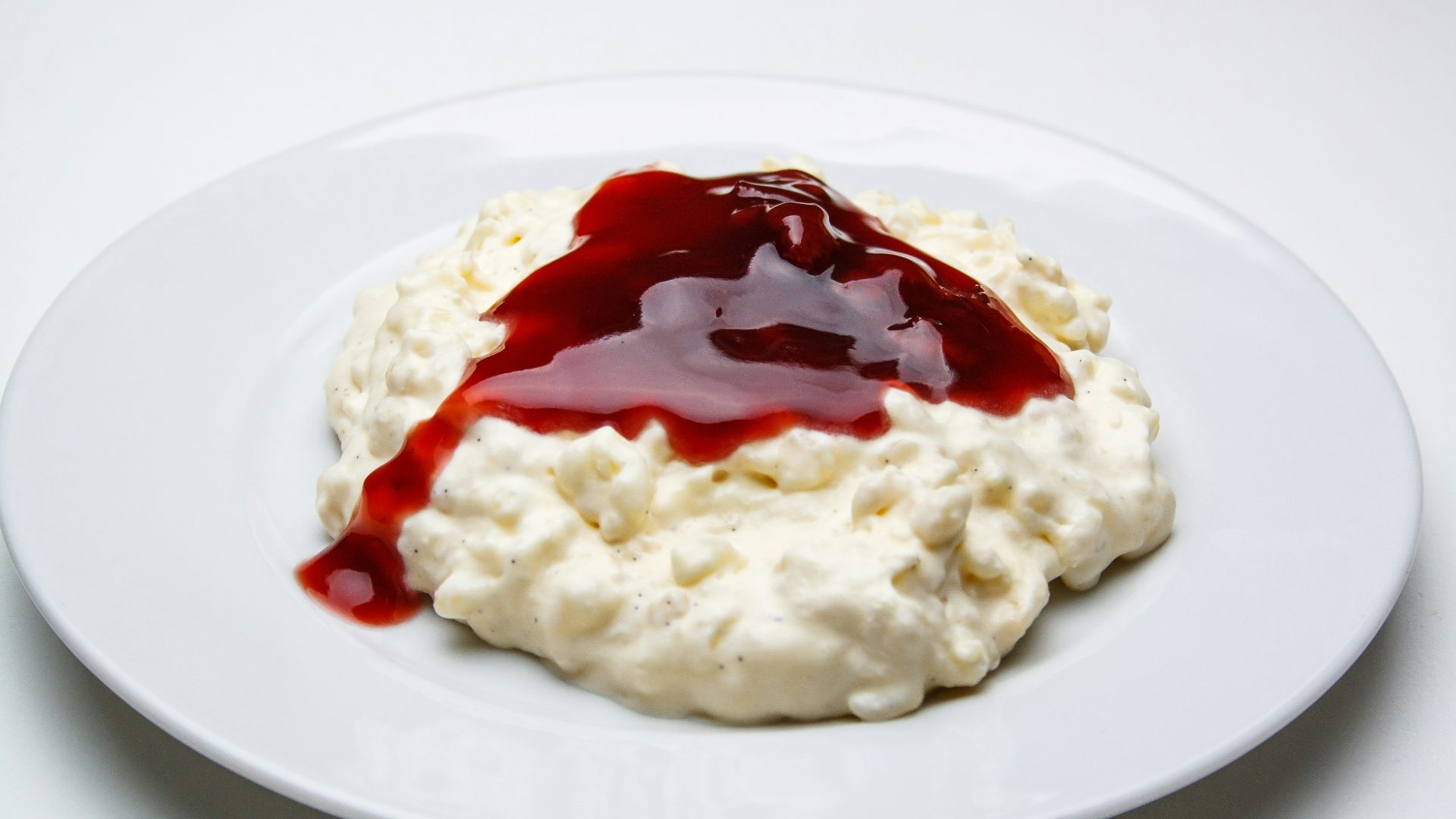
15. Rice Pudding
Rice could be bought in bulk and stored forever, which made it a Depression-era favorite. Simmered with milk and sweetened lightly, it became a comforting dessert or a filling breakfast. Cooks added cinnamon or raisins when they were available, but it worked even without extras. It’s proof that a simple bowl can still feel special.
 Rasmus Gundorff Sæderup on Unsplash
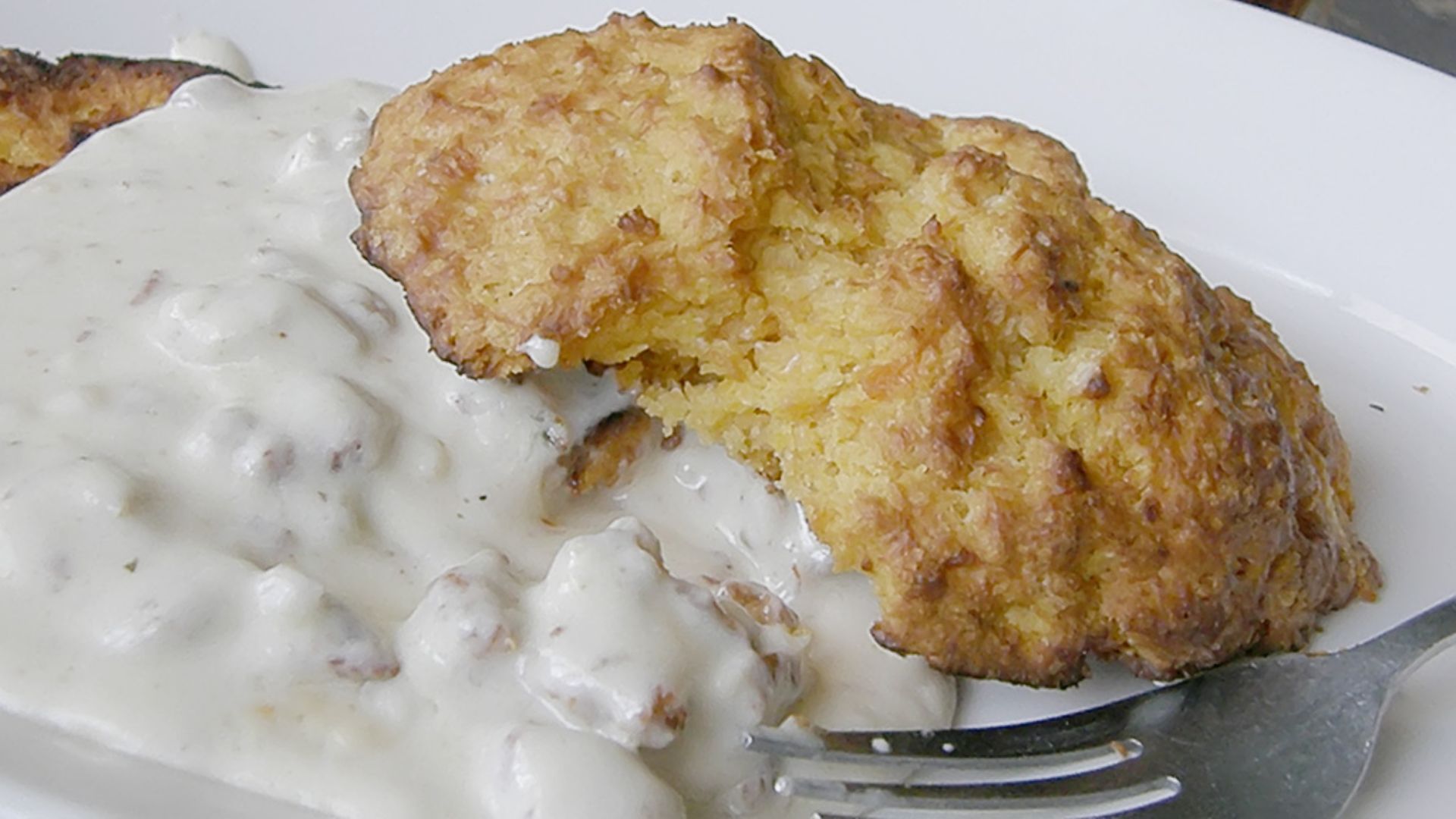
16. Biscuits & Gravy
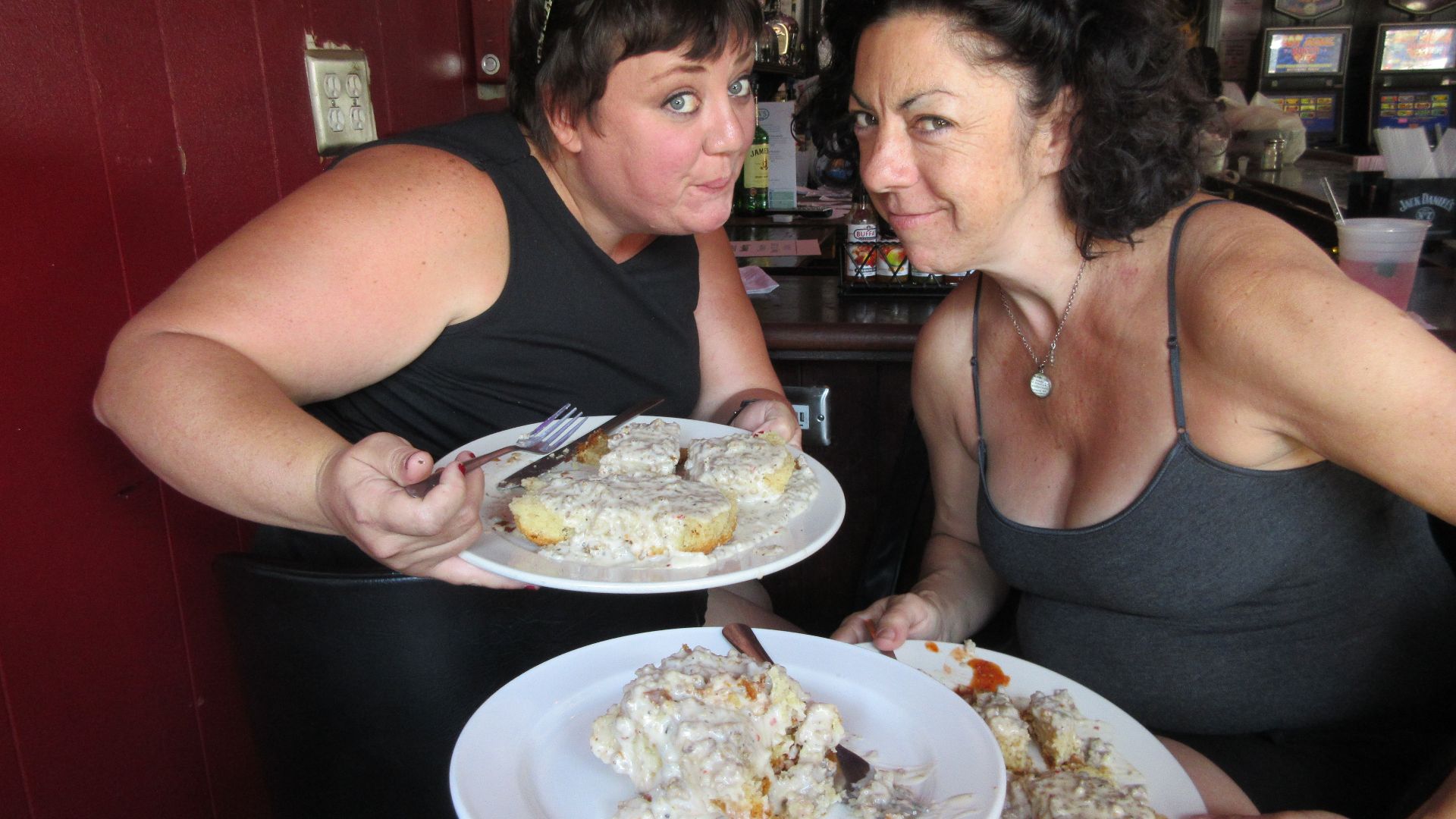
Biscuits were cheap to make, and gravy could be built from drippings, milk, and flour. Together, they created a hearty meal that didn’t need much meat to satisfy you. It’s rich, filling, and unapologetically comforting.
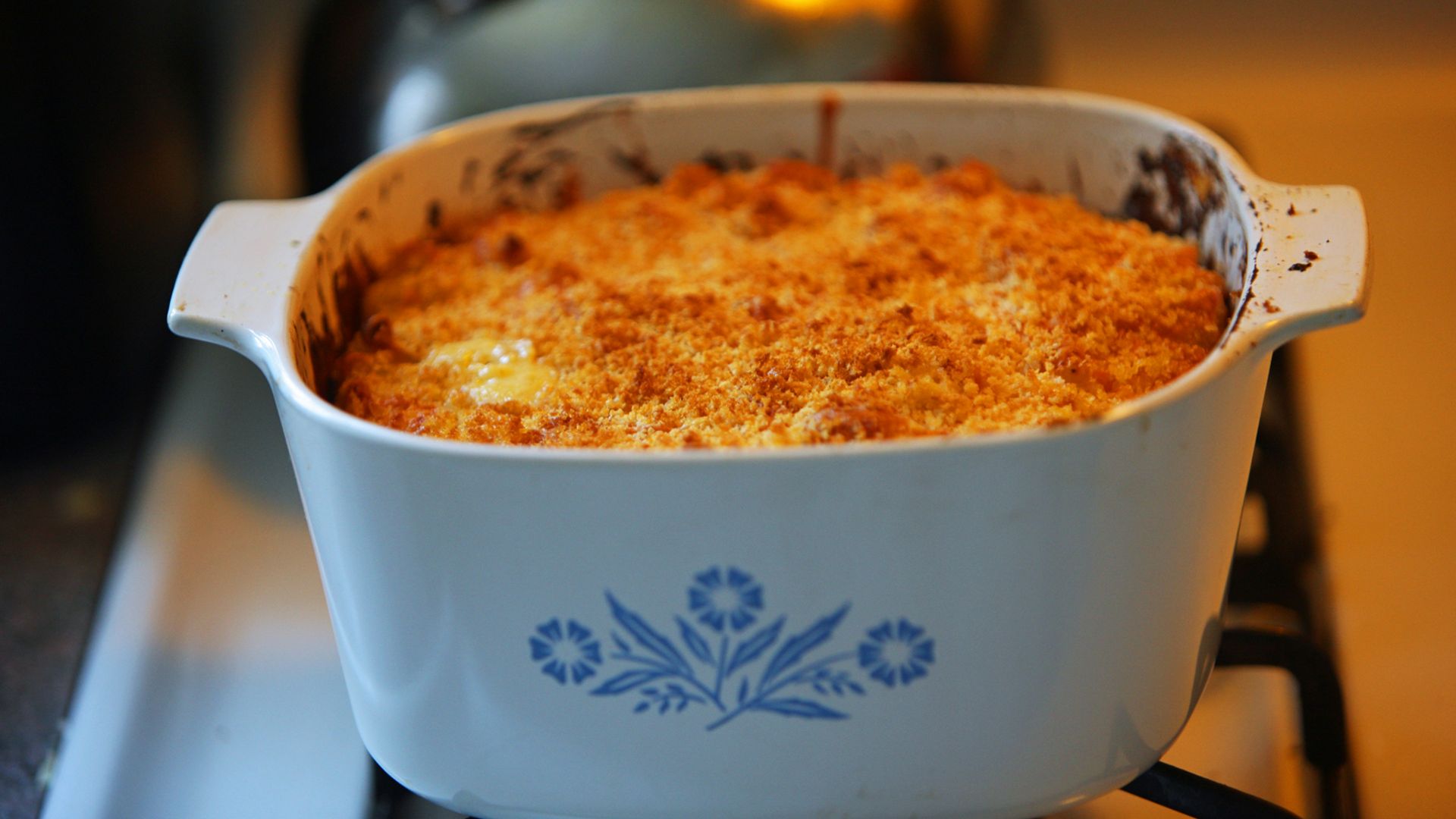
17. Hotdish-Style Casseroles
Across many regions, casseroles became a practical way to feed families with whatever was on hand. Starches, canned goods, and small amounts of meat could be combined into something that felt like a complete dinner. You could adjust it based on what was left in the cupboard.
18. Dandelion Greens & “Backyard” Salads
When grocery money disappeared, some people turned to edible greens they could gather themselves. Dandelion greens, in particular, became a thrifty salad option when gardens and yards offered free ingredients. A little vinegar or simple dressing helped cut the bitterness. It was a practical way to keep some vegetables on the table.
 Internet Archive Book Images on Wikimedia
19. Mock Apple Pie
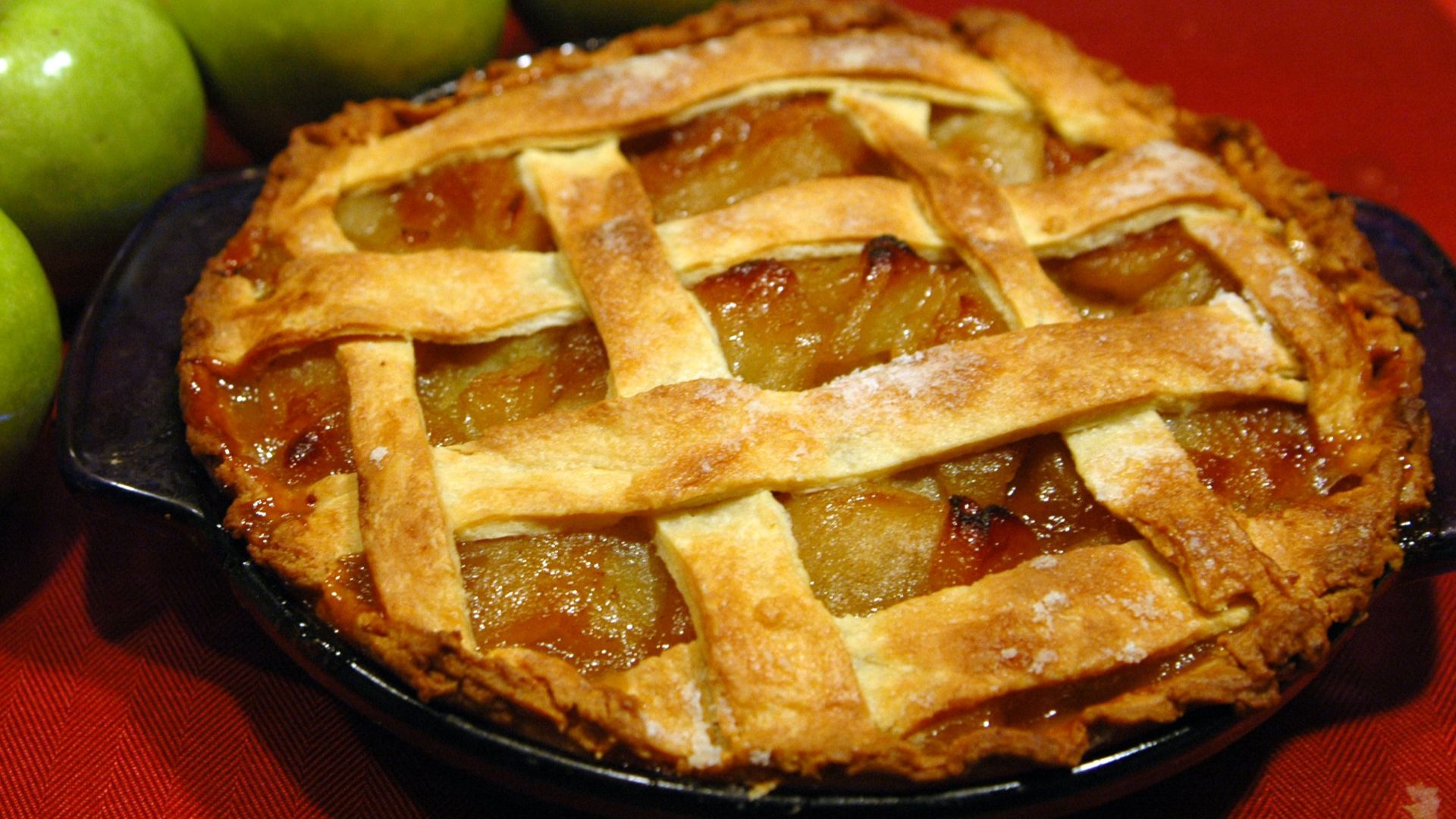
Apples weren’t always affordable, so clever bakers used crackers with sugar, spices, and lemon to imitate the texture and flavor of apple filling. The crust and cinnamon did a lot of heavy lifting, and nobody complained. If you like old-school kitchen tricks, this one’s a classic.
20. Depression-Era Meatloaf
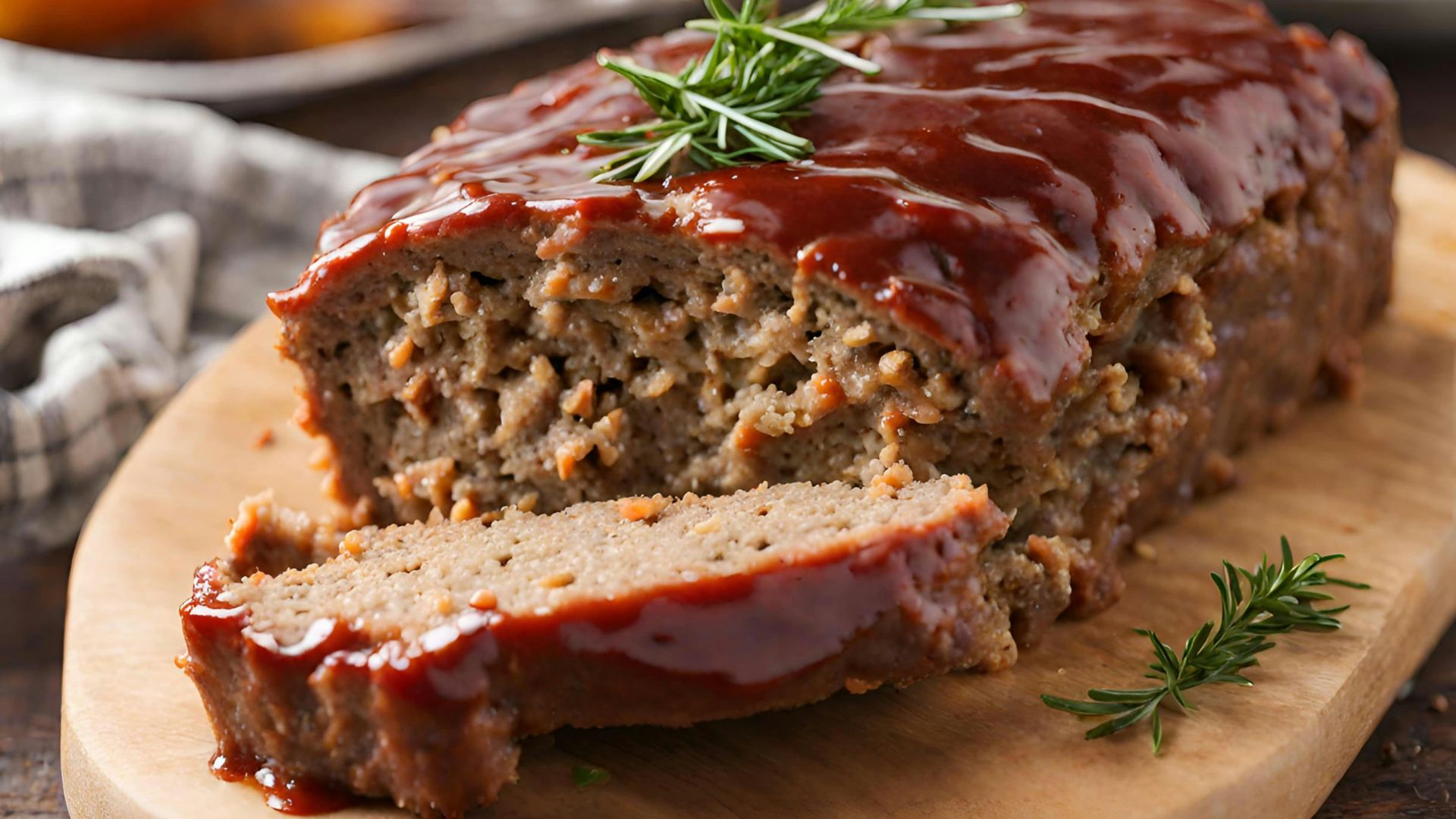
Meatloaf became a practical way to make a small amount of ground meat feed more people. Breadcrumbs, oats, or even crushed crackers helped bulk it up while keeping it tender. Seasonings and sauce covered a lot of ground, so it still tasted like a proper dinner. Even today, plenty of families stick with it because it’s affordable, reliable, and downright comforting.
KEEP ON READING
20 Apple Desserts Americans Should Serve This Fall
Why Americans Fell In Love With Frozen Meals