20 Dining Rules Americans Unknowingly Break In Other Countries
When Good Manners Don't Translate
You might have excellent table manners back home, but that doesn't necessarily mean they'll impress anyone when you're traveling abroad. Dining etiquette varies widely around the world, and some behaviors Americans consider perfectly polite can actually be frowned upon elsewhere, from how you use your utensils to when you're expected to start eating. Of course, customs differ by household, region, and restaurant, but understanding a few local expectations can help you avoid awkward situations. Here are 20 dining rules Americans might unknowingly break while enjoying a meal in another country.
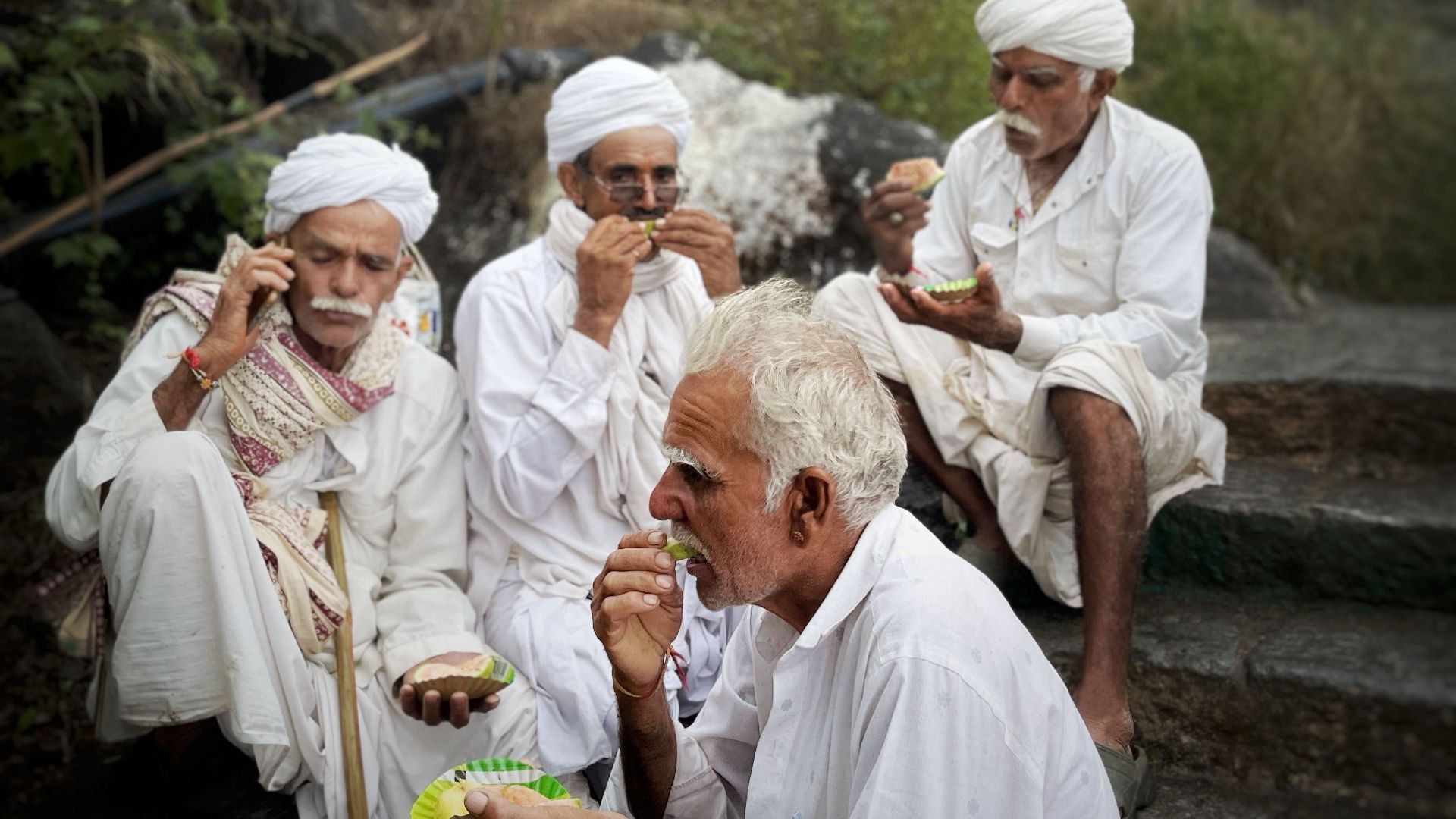
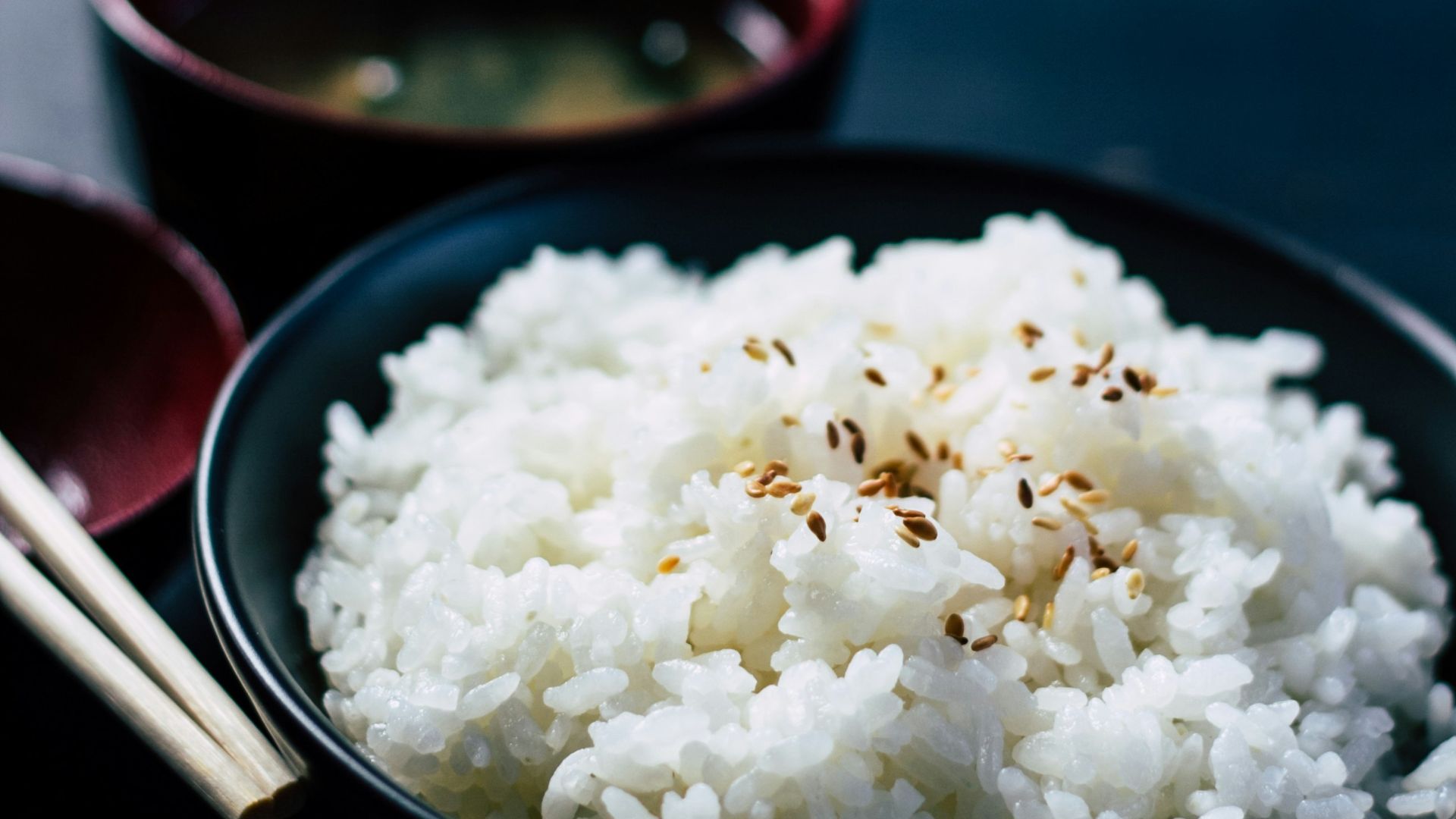
1. Sticking Chopsticks Upright in Rice in Japan
Leaving your chopsticks standing upright in a bowl of rice might seem like a convenient way to put them down, but it's considered highly inappropriate in Japan. That's because the arrangement resembles rice offerings made during Buddhist funeral ceremonies, giving the gesture an unfortunate association with death. Instead, diners are expected to place their chopsticks horizontally beside their dishes. It's a seemingly harmless habit that carries much more meaning than most visitors would expect.
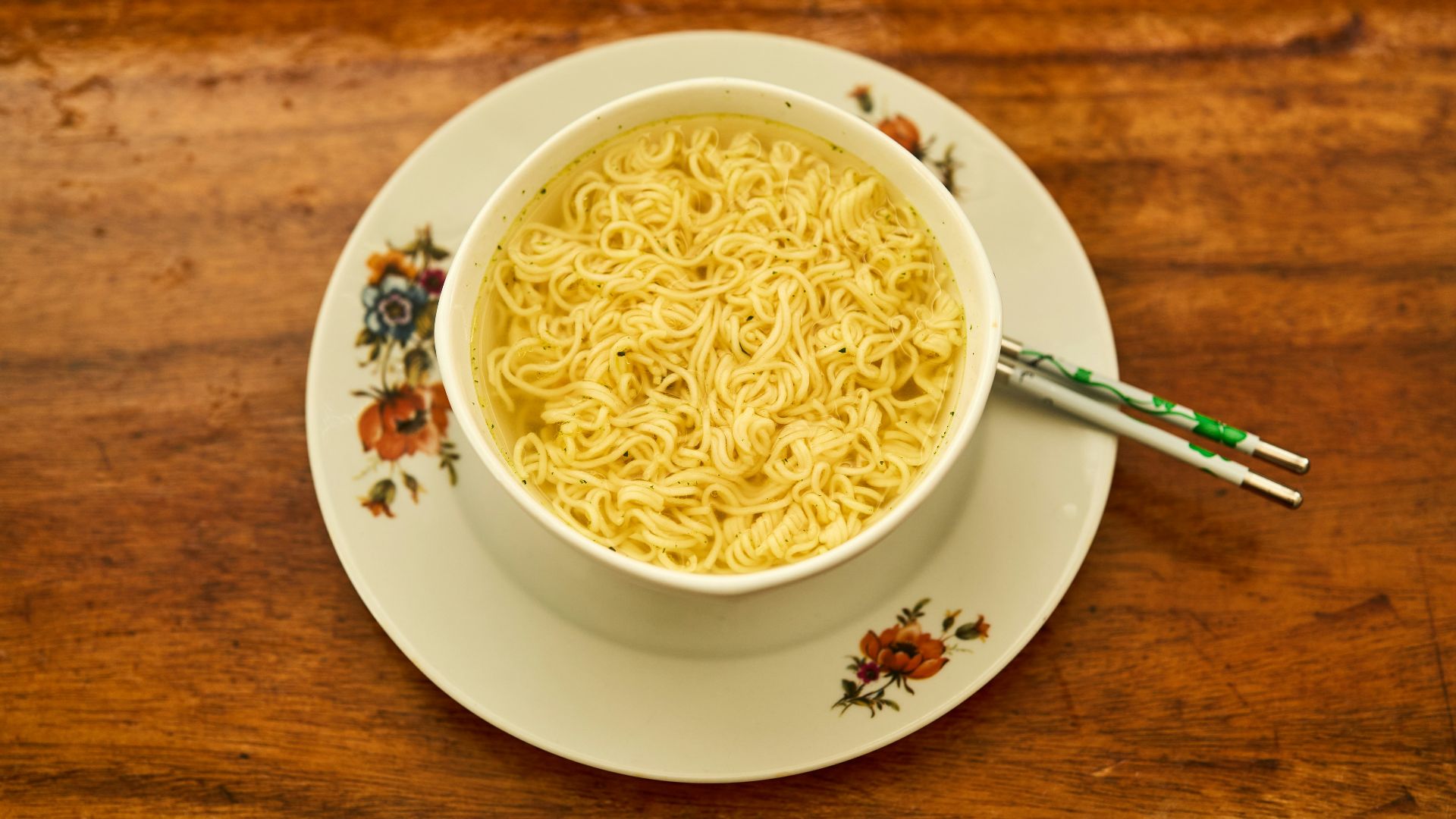
2. Ordering a Cappuccino After Dinner in Italy
Americans are used to ordering whatever coffee they're craving, regardless of the time of day. In Italy, however, cappuccinos are traditionally associated with breakfast rather than the end of a big meal. Italians generally prefer a simple espresso after lunch or dinner, so ordering a large, milky coffee might immediately give you away as a tourist. Nobody's going to stop you from enjoying one, but it's definitely not the local custom.
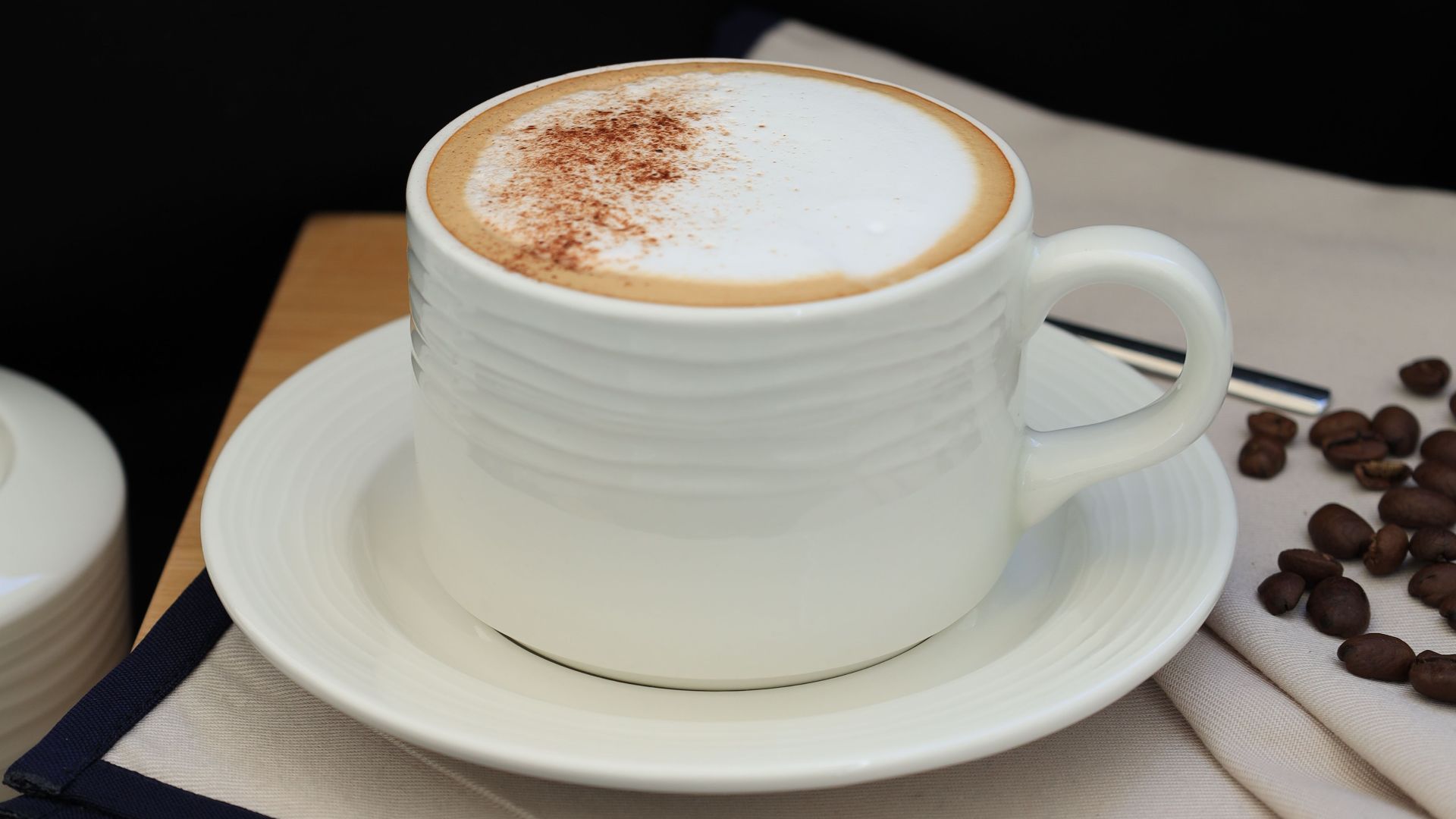
3. Starting to Eat Before the Eldest Person in South Korea
When you're hungry, and your food finally arrives, it's only natural to want to dig in immediately. At traditional Korean meals, however, respect for elders often determines when everyone can begin eating. Younger diners generally wait for the oldest person at the table to start before picking up their own utensils. Forgetting this custom can come across as inconsiderate, especially during family gatherings or more formal occasions.
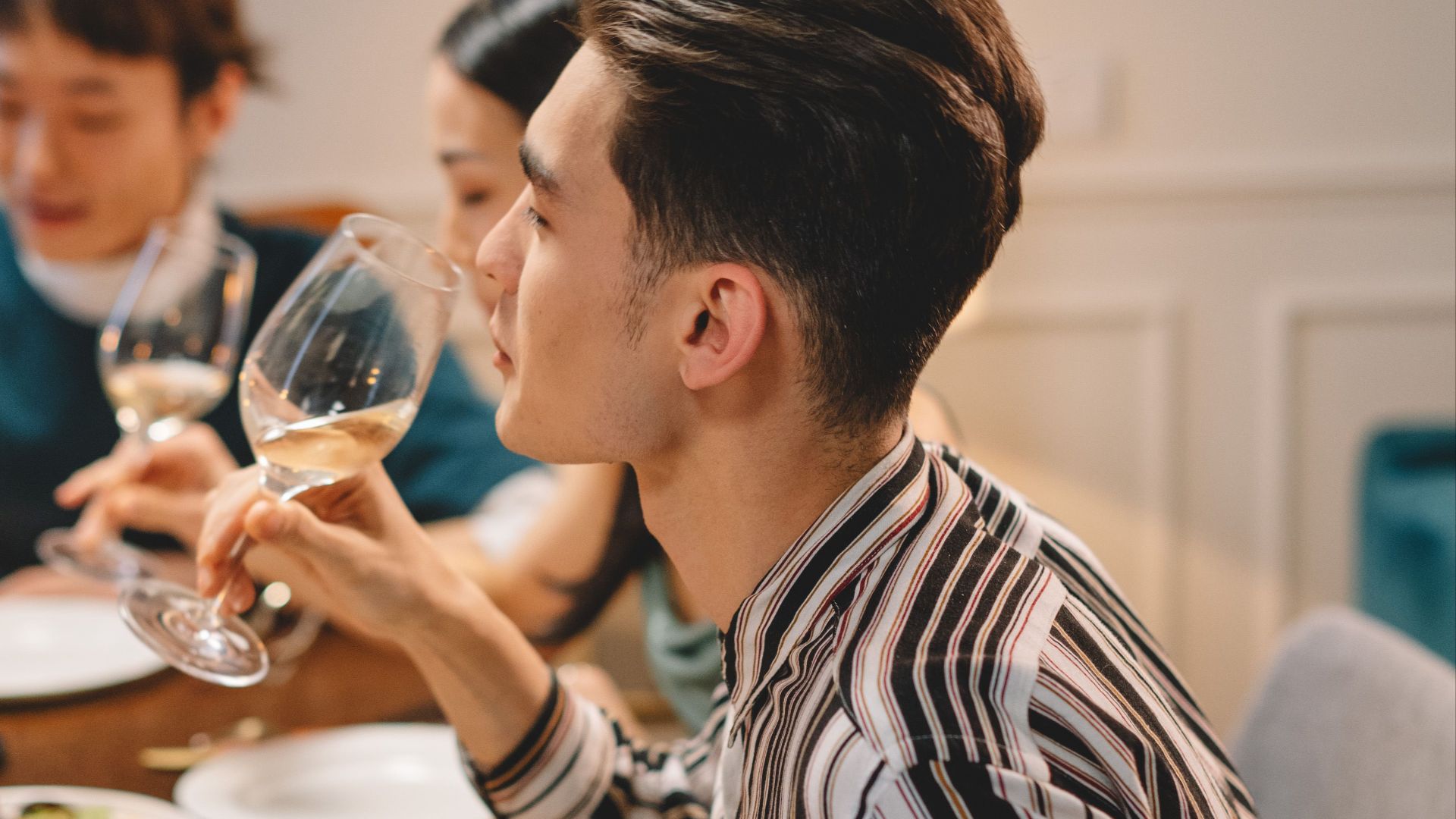
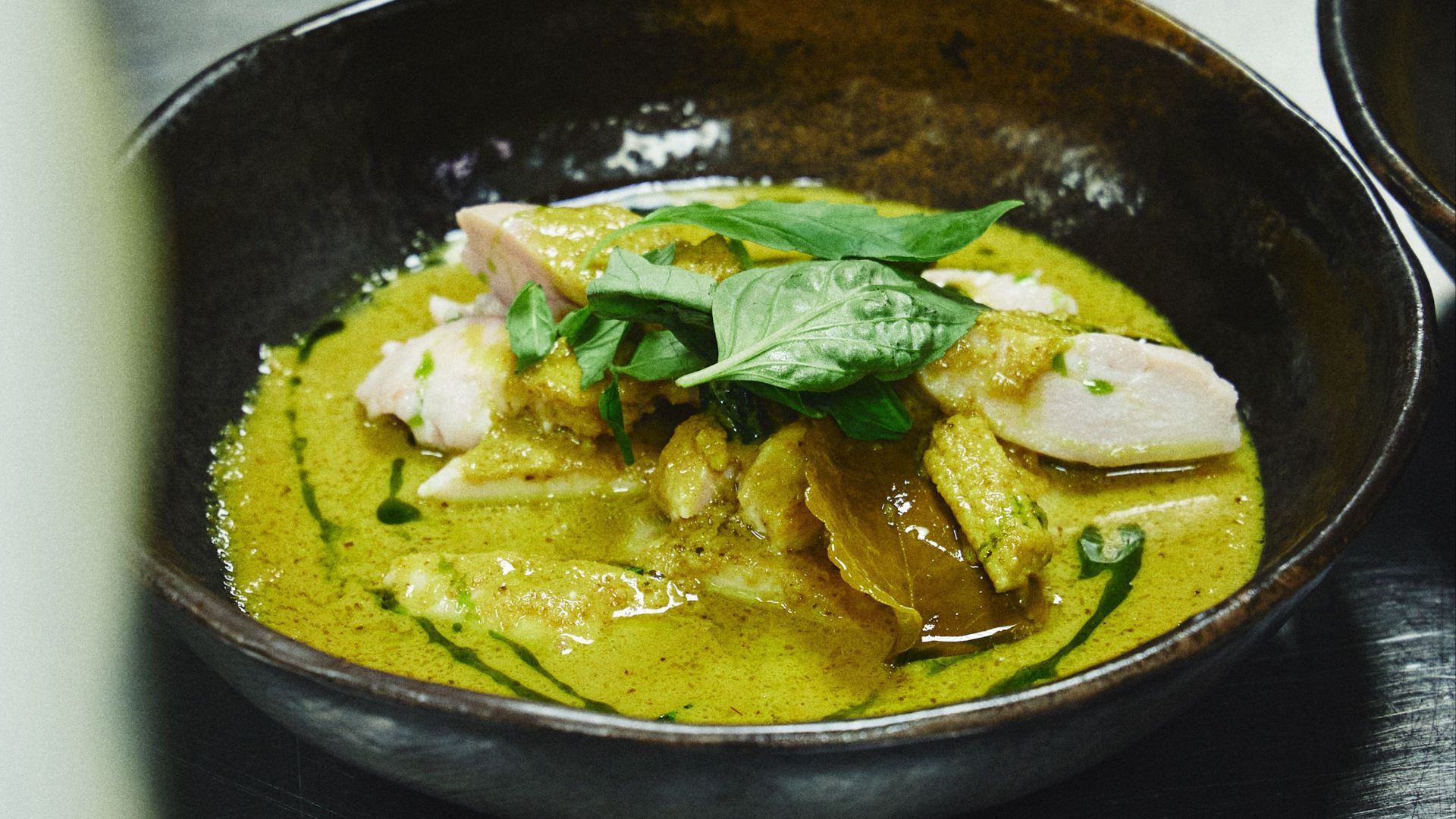
4. Eating With Your Fork Instead of Your Spoon in Thailand
In Thailand, many rice-based meals like curries are traditionally eaten with a spoon in the right hand and a fork in the left. Rather than bringing food directly to your mouth, the fork is mainly used to push everything onto the spoon. Americans who are accustomed to eating most things with a fork might find this arrangement a little strange at first.
5. Using Your Left Hand to Eat in India
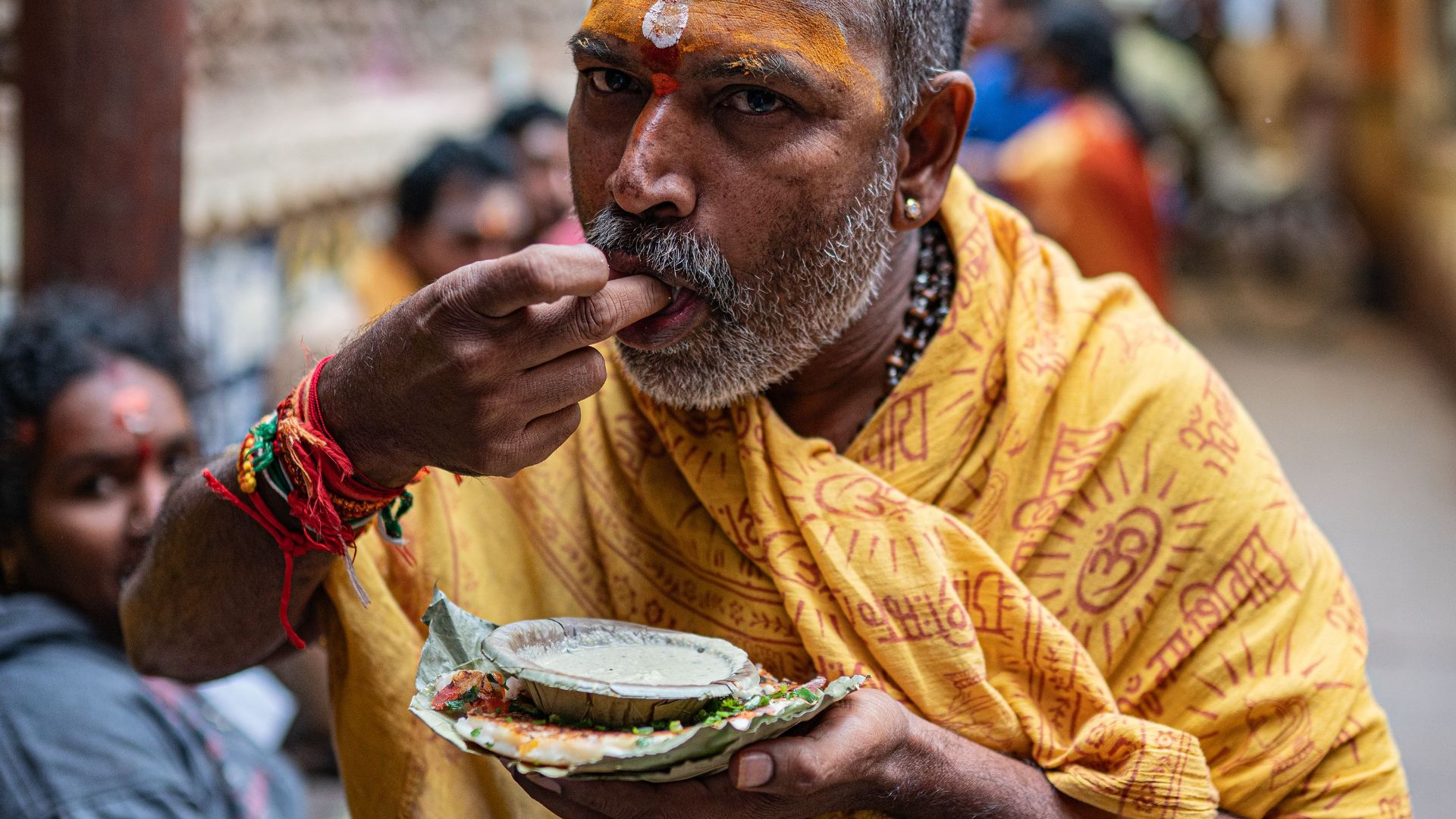
If you're enjoying a traditional Indian meal with your hands, you might be surprised to learn that which hand you use actually matters. In many communities, the right hand is preferred for eating and handling shared food because the left hand has traditionally been associated with personal hygiene. This distinction is especially important during religious occasions or meals in more traditional households. Visitors aren't necessarily expected to give up utensils, but following the custom when eating with your fingers is a respectful gesture.
6. Expecting Dinner at 6 PM in Spain
Most Americans wouldn't think twice about sitting down for dinner at 6 PM, but that's considered super early in Spain. Traditional dinner service often begins around 8 PM, with plenty of locals heading out to eat much later. Showing up at a restaurant in the early evening might mean finding an empty dining room or realizing the kitchen hasn't even started serving dinner. Although tourist-friendly establishments tend to offer more flexibility, adjusting your schedule can give you a more authentic experience.

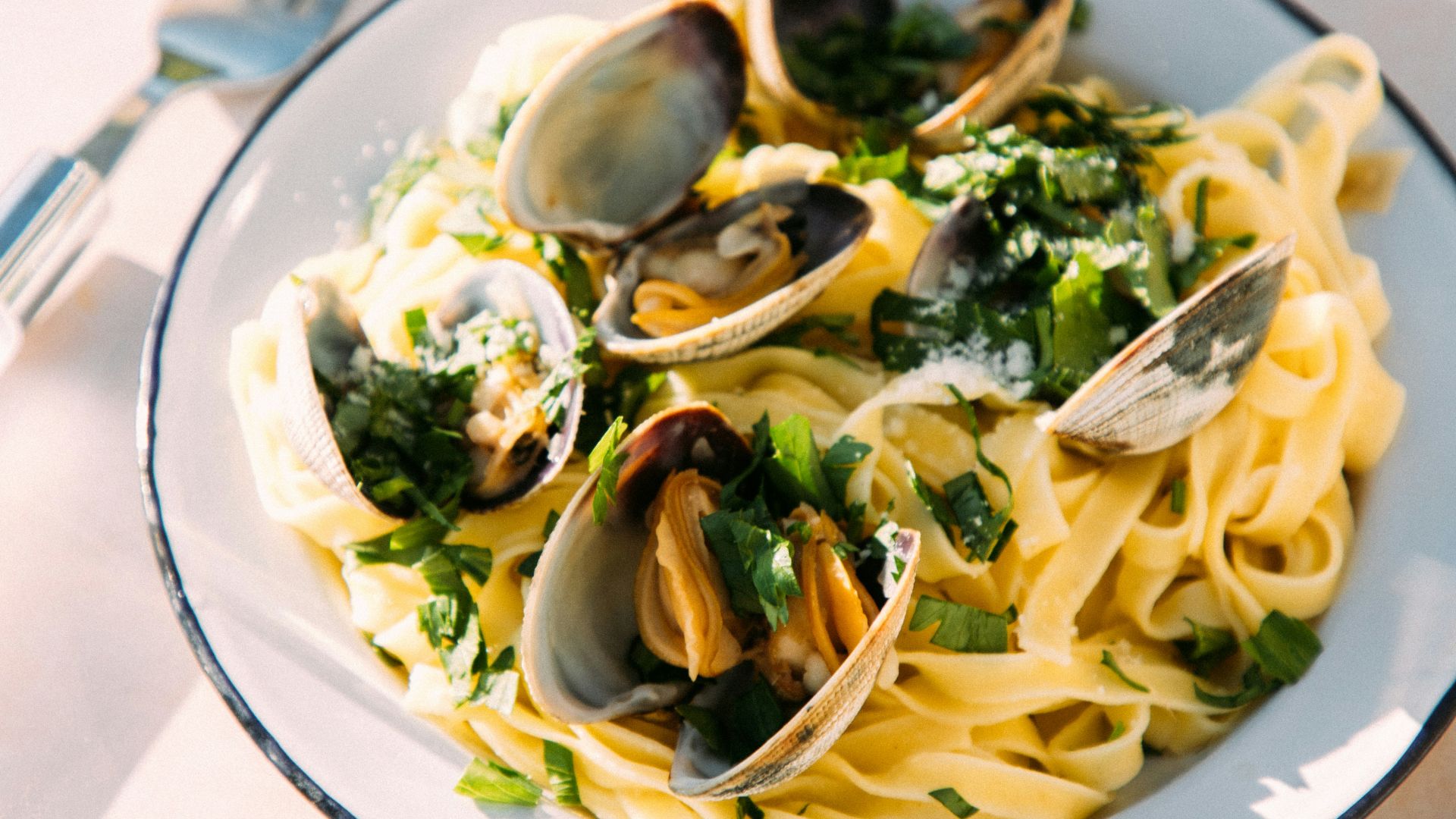
7. Asking for Parmesan on Seafood Pasta in Italy
There's nothing unusual about Americans wanting extra Parmesan on their pasta, but Italians tend to be particular about which dishes should come with cheese. Traditionally, grated cheese isn't added to seafood pasta because it can overpower the delicate flavors of the fish or shellfish. Asking for Parmesan on spaghetti alle vongole, for example, might earn you a confused look at a traditional trattoria. It's more of a longstanding culinary convention than a strict rule, although some chefs take it pretty seriously.
8. Picking Up Your Rice Bowl in South Korea
In Japan, bringing a small rice bowl closer to your mouth is perfectly acceptable, but South Korea has a different approach. Korean diners traditionally leave their rice bowls on the table and use a spoon to eat the rice instead. Picking up the entire bowl, even if you're just trying to finish the last few bites, can seem impolite during a formal meal. It's something worth remembering if you've recently visited Japan and assumed the same dining rules apply throughout East Asia.
9. Pouring Your Own Drink in Japan
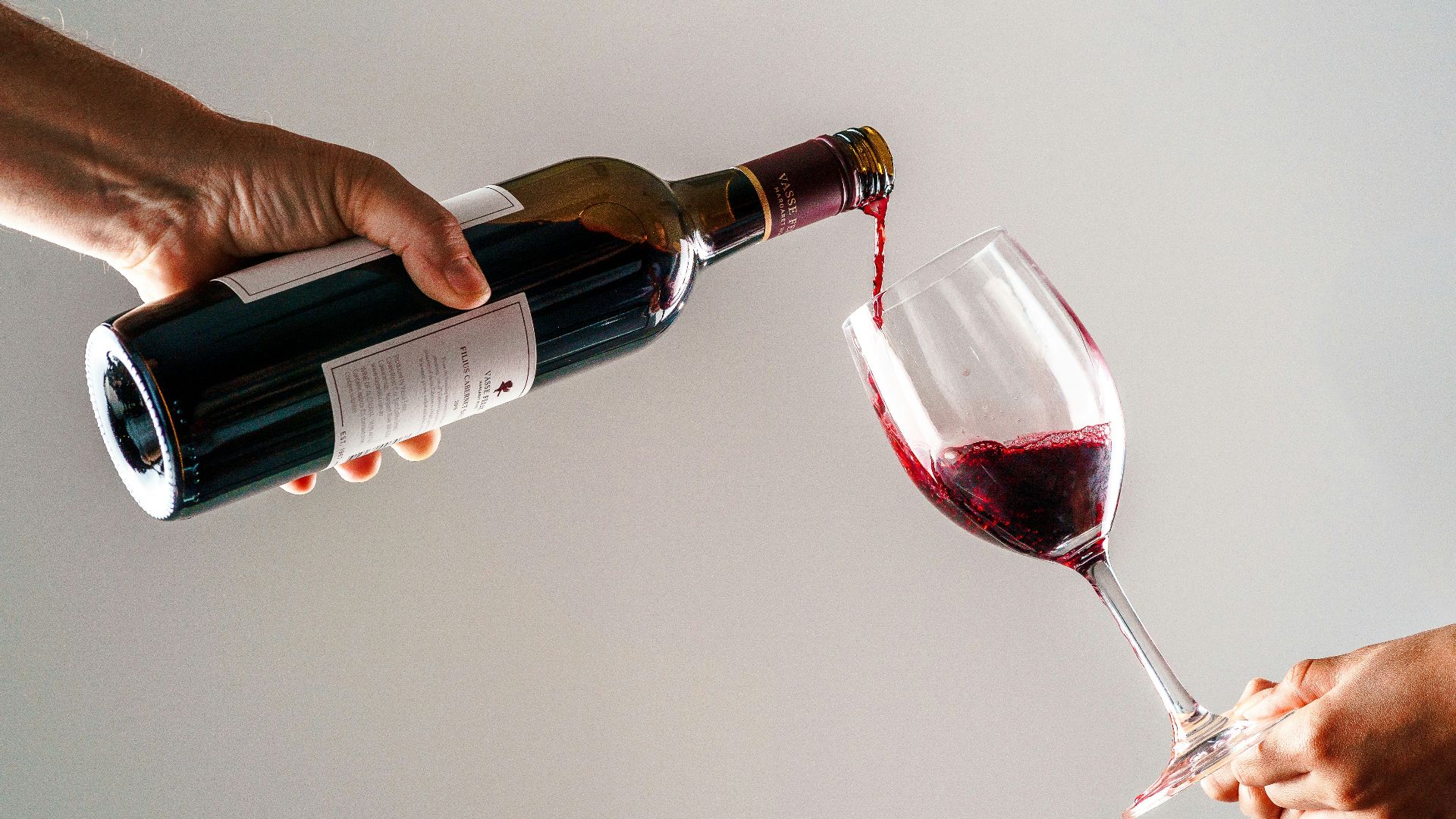
Refilling your own glass might seem completely normal, especially when you're sharing a bottle with friends. At traditional Japanese group dinners, however, it's often customary to pour drinks for others and let them return the favor. The practice is all about showing attentiveness to the people around you rather than having everyone serve themselves. You'll notice it most at formal gatherings and work-related social events, although casual restaurants are usually much more relaxed.
10. Flipping Over a Whole Fish in China
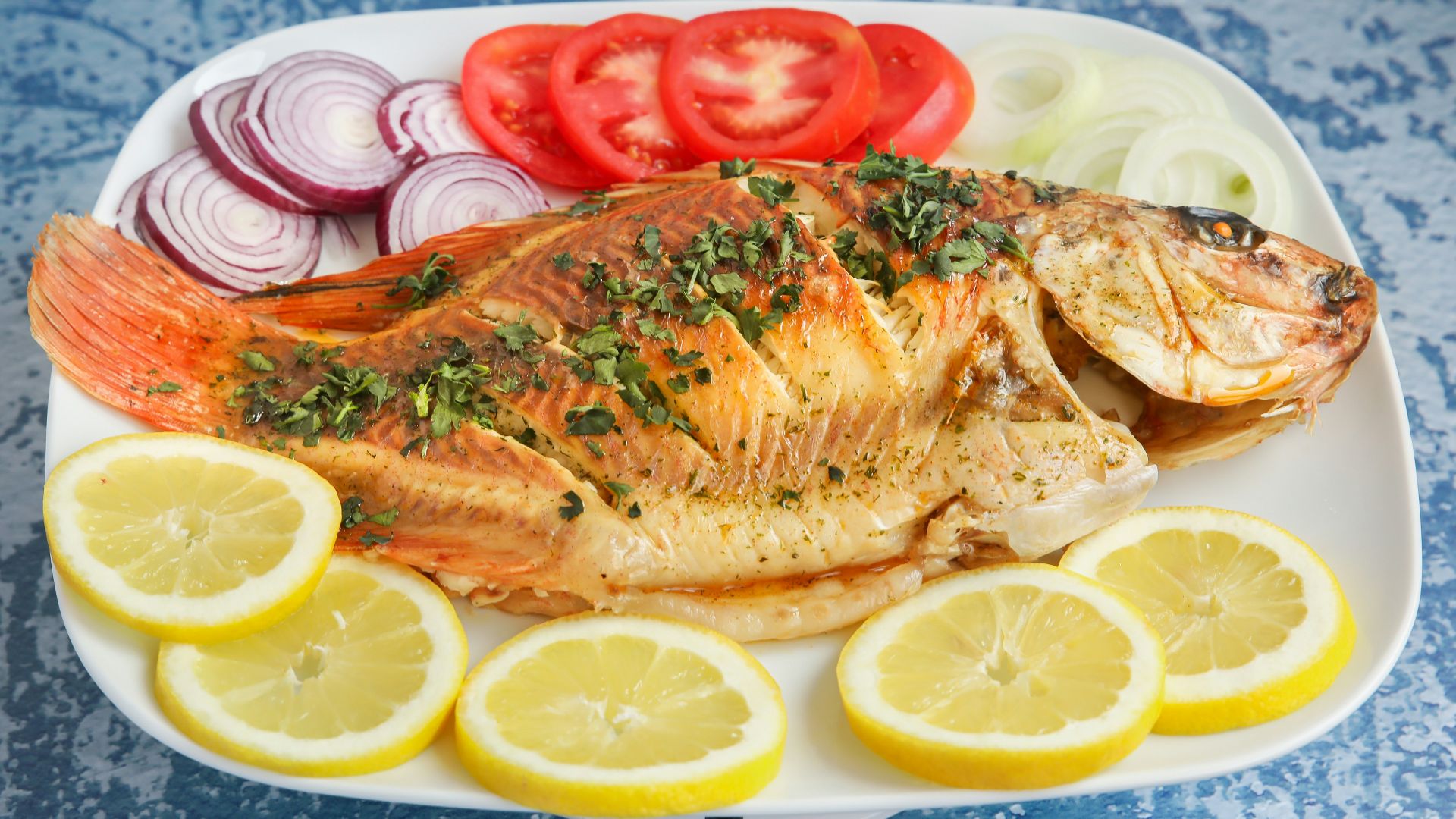
Once you've finished eating one side of a whole fish, turning it over probably seems like the easiest way to reach the rest. However, in some southern Chinese coastal communities, flipping a fish is considered bad luck because it symbolizes a boat capsizing. It's a superstition particularly associated with fishing traditions. People who follow the custom carefully remove the backbone to reach the remaining meat without turning the fish over.
11. Eating Straight From a Shared Platter in Japan
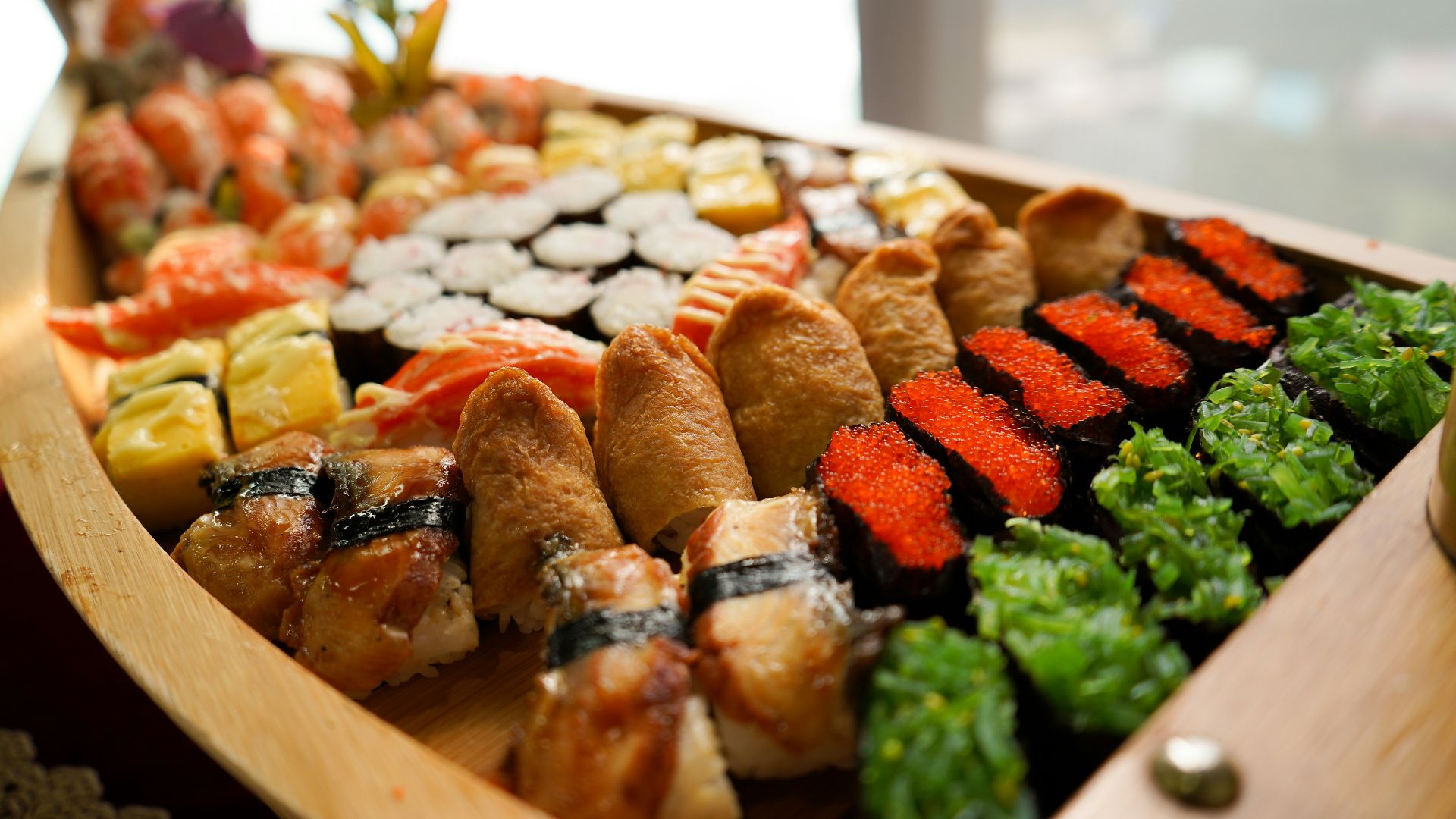
Sharing appetizers is pretty common in American restaurants, and people often reach into communal dishes throughout a meal. In Japan, however, it's generally more polite to move a portion from the shared platter onto your own smaller plate before eating. Using designated serving utensils also prevents you from touching communal food with chopsticks you've already put in your mouth. This is especially important when you're eating with a group that includes people you don't know very well.
12. Ignoring the Toastmaster in Georgia
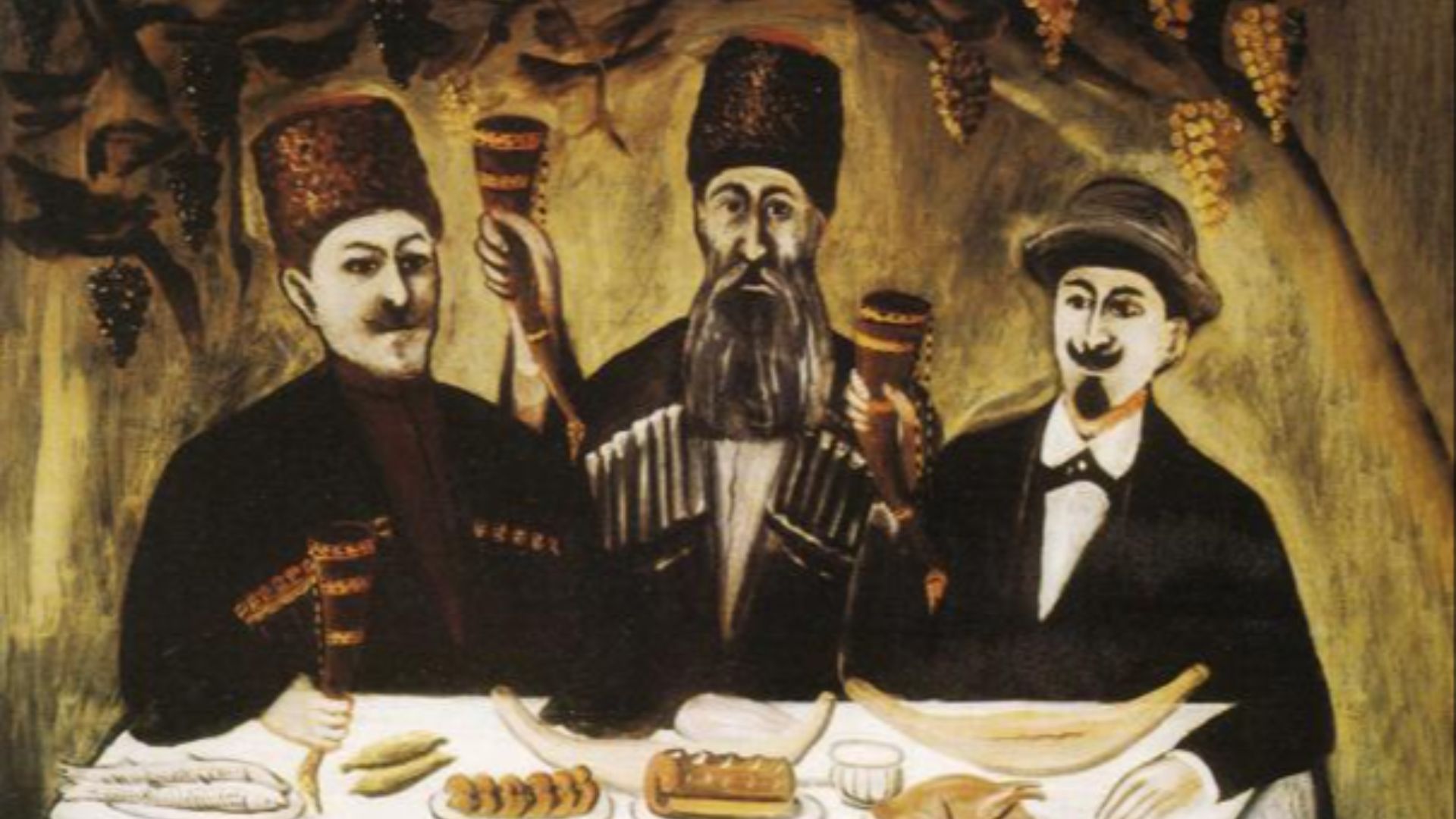
At a traditional Georgian feast called a supra, raising your glass whenever you feel like it isn't always the best idea. These gatherings are typically led by a designated toastmaster, known as the tamada, who guides guests through a series of meaningful toasts. Talking over a toast or proposing your own without following the host's lead can come across as disrespectful.
13. Leaving a Large Tip in Japan
Americans are used to leaving generous tips for good service, but that gesture doesn't always translate well abroad. In Japan, tipping generally isn't expected because attentive service is already considered a standard part of the dining experience. Leaving extra cash on the table can actually cause confusion, with staff sometimes thinking you've accidentally forgotten your change. A sincere thank-you is usually a better way to show your appreciation.

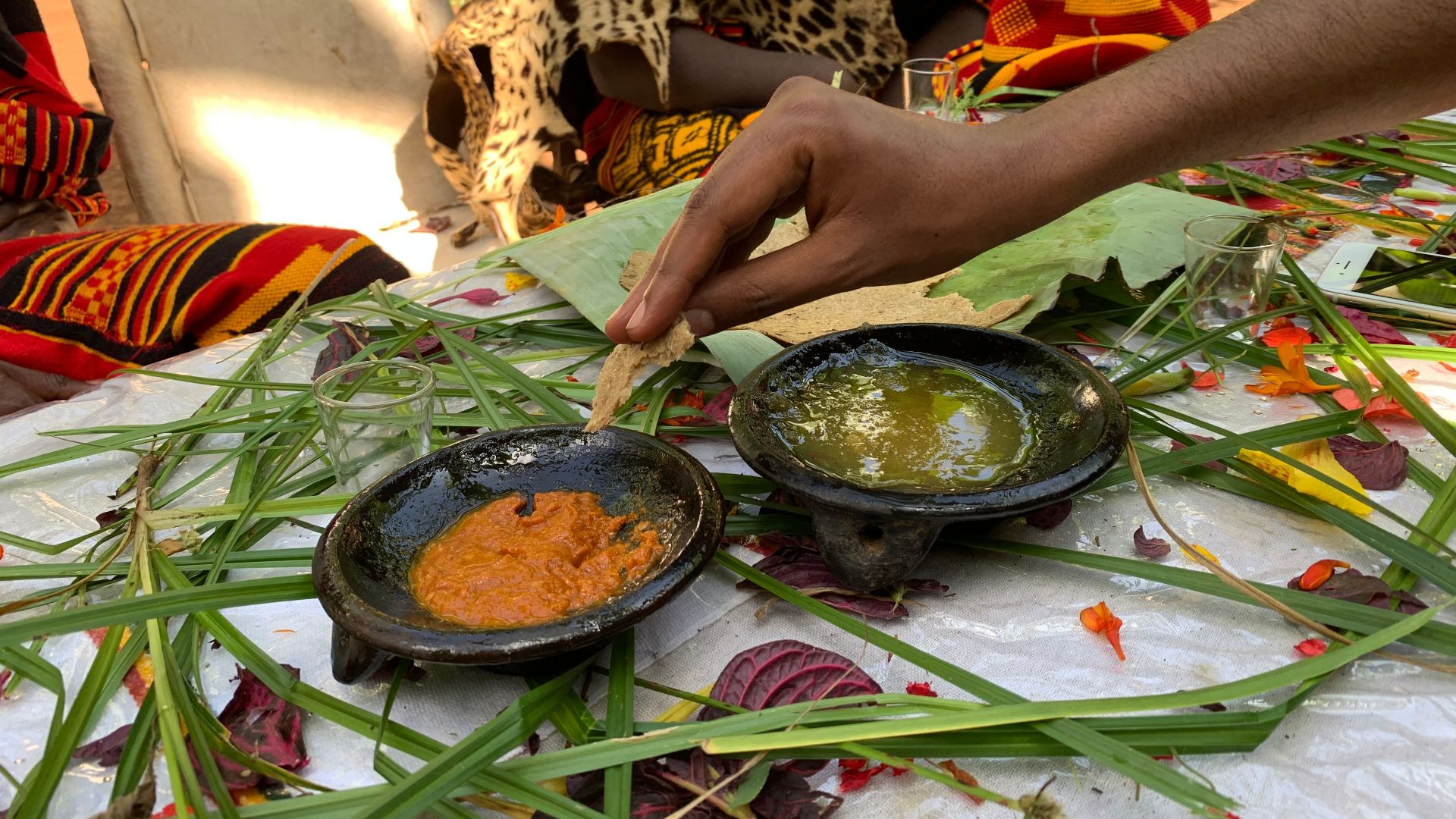
14. Asking for a Fork at a Traditional Ethiopian Meal
If you're trying Ethiopian food for the first time, you might instinctively start looking around for a fork, but traditional meals are often enjoyed without utensils. Instead, diners tear off pieces of spongy injera flatbread and use them to scoop up vegetables, meats, and stews. The bread serves as both the eating utensil and part of the meal itself, making it an essential part of the experience. Although asking for cutlery isn't necessarily rude, trying the traditional method is a great way to enjoy Ethiopian cuisine as intended.
15. Keeping Your Hands Hidden Under the Table in France
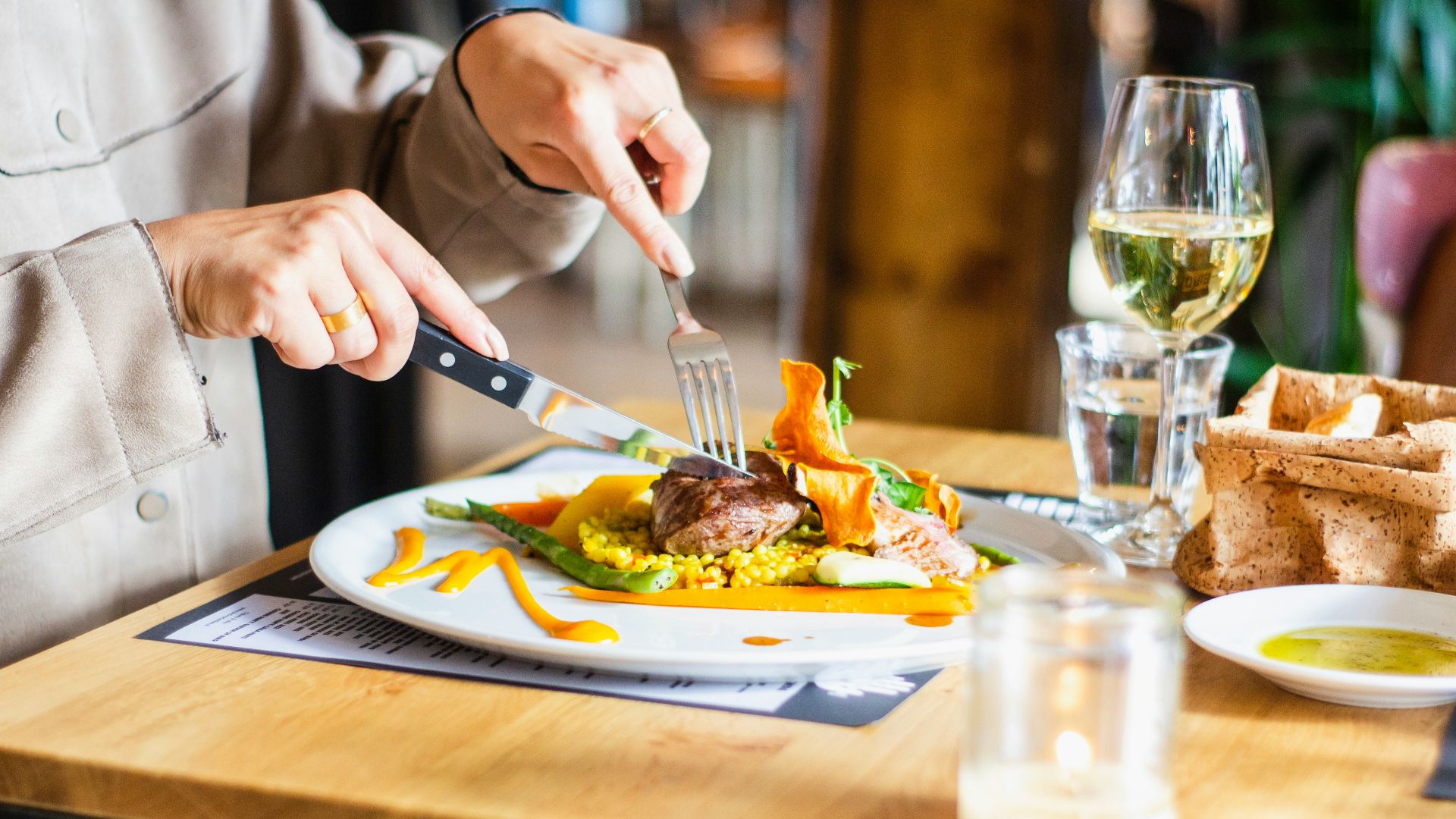
American diners are often reminded to keep their elbows off the table, but French etiquette also pays attention to where your hands are positioned. During traditional or formal meals, it's customary to keep your hands visible, usually resting your wrists near the edge of the table when you're not using utensils. Keeping both hands hidden in your lap might therefore seem a little unusual to someone familiar with more traditional French manners.
16. Accepting a Drink With One Hand in South Korea
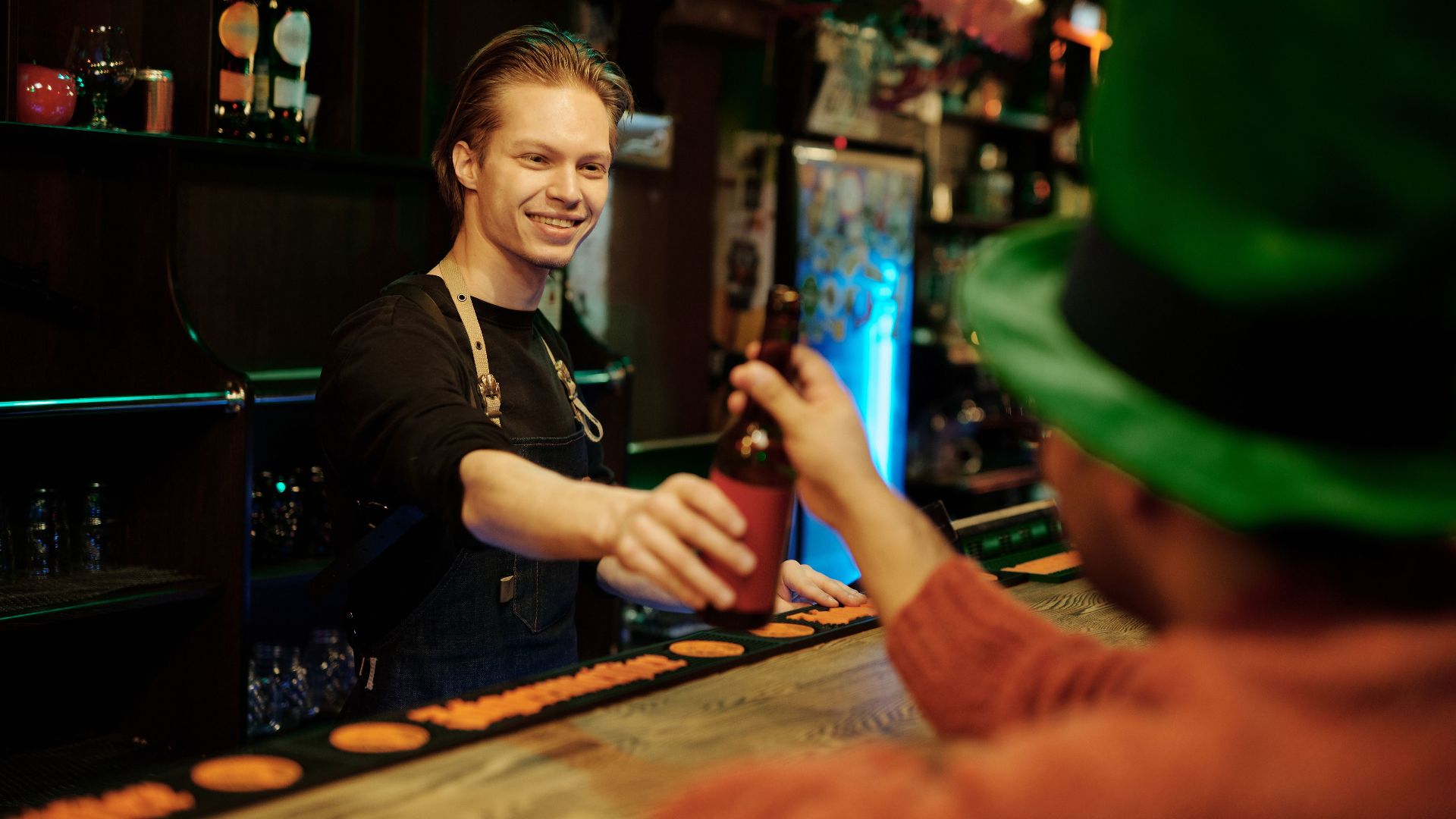
Receiving a drink from someone might seem like a simple interaction, but South Korean etiquette traditionally involves a little more consideration. When an older person or someone senior to you pours a beverage, it's polite to hold your glass with both hands or support one arm with the other. The same principle applies when you're the one pouring a drink for someone deserving of particular respect. Close friends might skip these formalities, but they're worth keeping in mind at family celebrations and business dinners.
17. Insisting on Using Utensils for Mansaf in Jordan
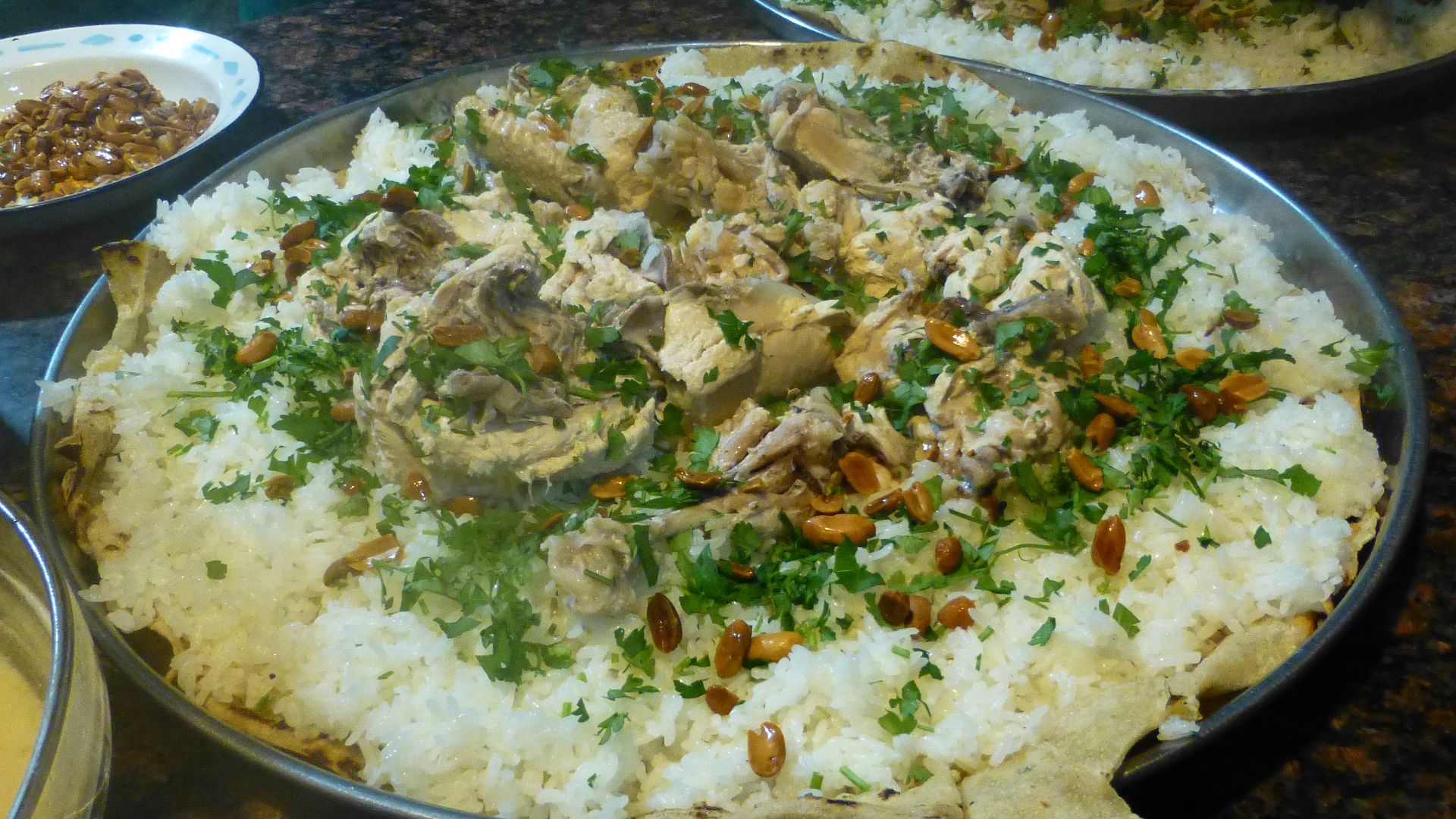
Americans are generally taught that eating with utensils is a sign of good manners, but that isn't always the traditional way to enjoy a meal. In Jordan, mansaf, a popular dish featuring lamb, rice, and a fermented yogurt sauce, is traditionally eaten with the right hand when served communally. Diners gather around a large platter and form small portions of rice and meat using their fingers, sometimes with the help of bread. You'll certainly find mansaf served with utensils, but trying the traditional method can be a memorable part of the experience.
18. Using Your Personal Chopsticks to Serve Everyone in China
When you're sharing several dishes at a Chinese meal, reaching into a communal plate with your own chopsticks might seem perfectly convenient. However, many restaurants and households provide separate serving chopsticks specifically for transferring food onto individual plates. Using your personal chopsticks instead can be considered unhygienic, especially when everyone is sharing the same dishes. If you're not sure which ones to use, check whether an extra pair has been placed beside the serving plate.
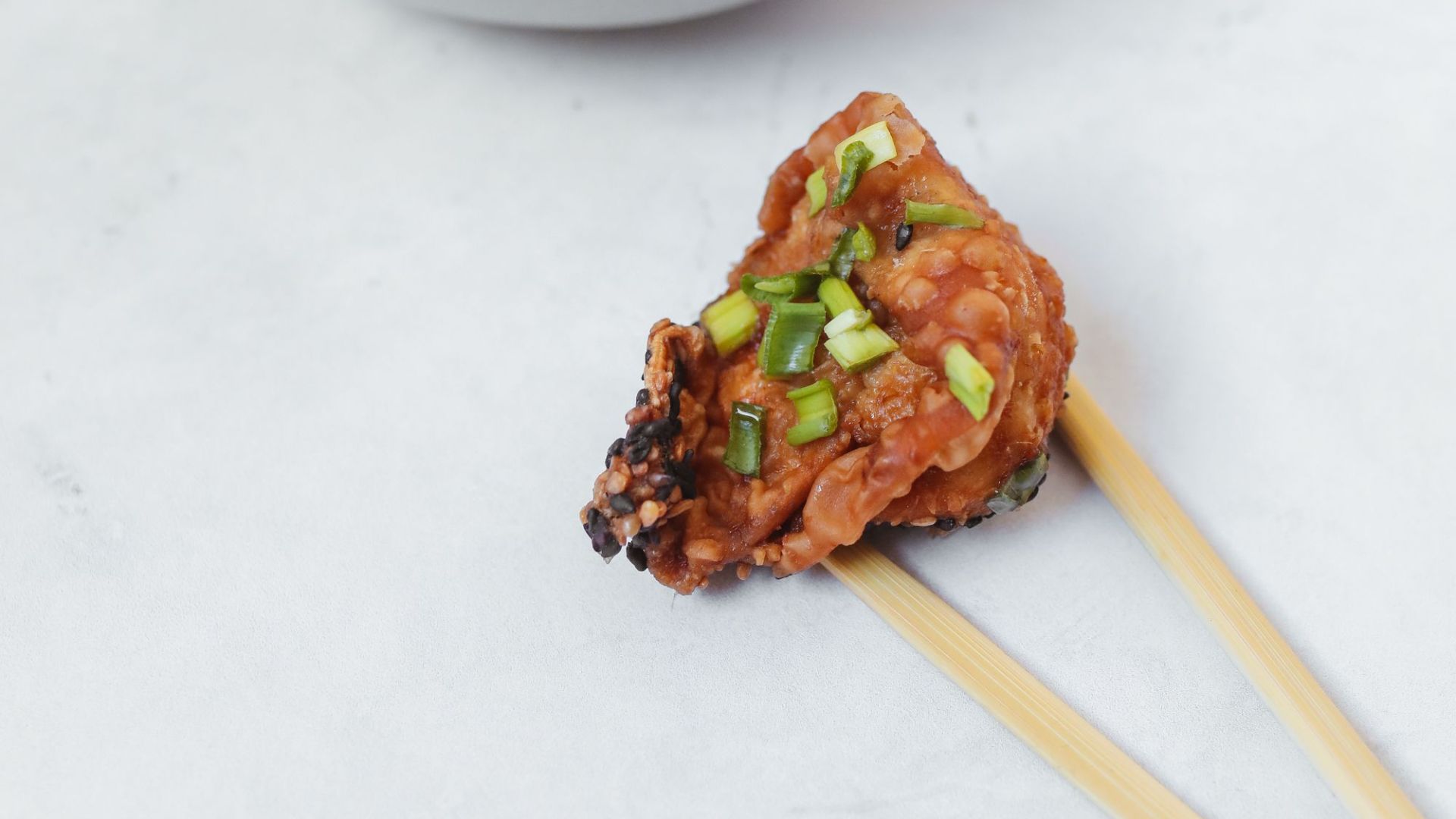
19. Automatically Asking for a Takeout Box in Japan
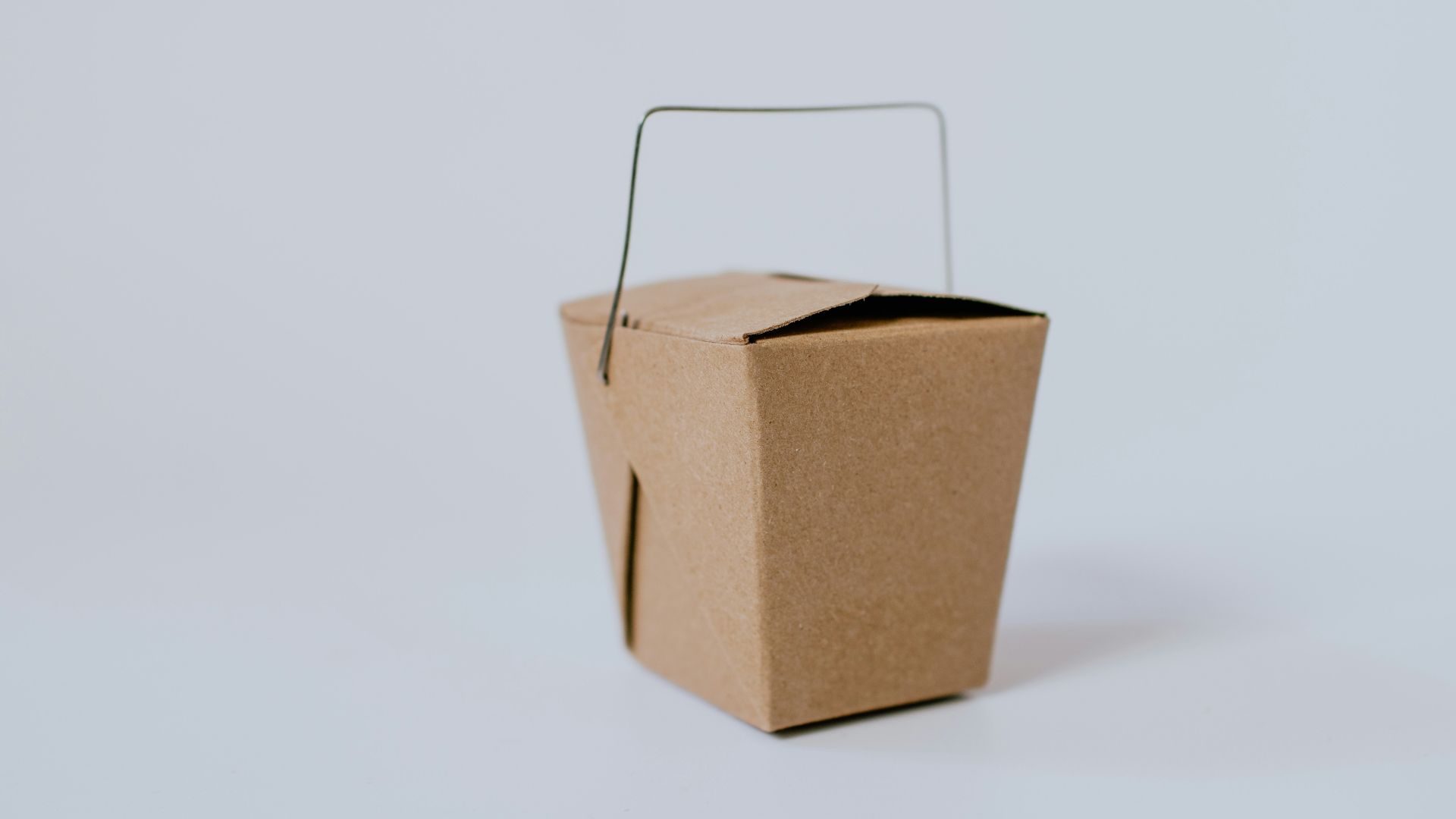
Taking leftovers home is completely normal in the U.S., especially when restaurant portions turn out to be larger than expected. In Japan, however, requesting a container for unfinished food has traditionally been much less common, and some restaurants may refuse because of food safety concerns. Certain establishments have become more accommodating as efforts to reduce food waste have gained attention, but you shouldn't assume it's always an option. Ordering only what you expect to finish is generally the better approach, particularly at traditional restaurants.
20. Forgetting to Acknowledge Someone Pouring Your Tea in China
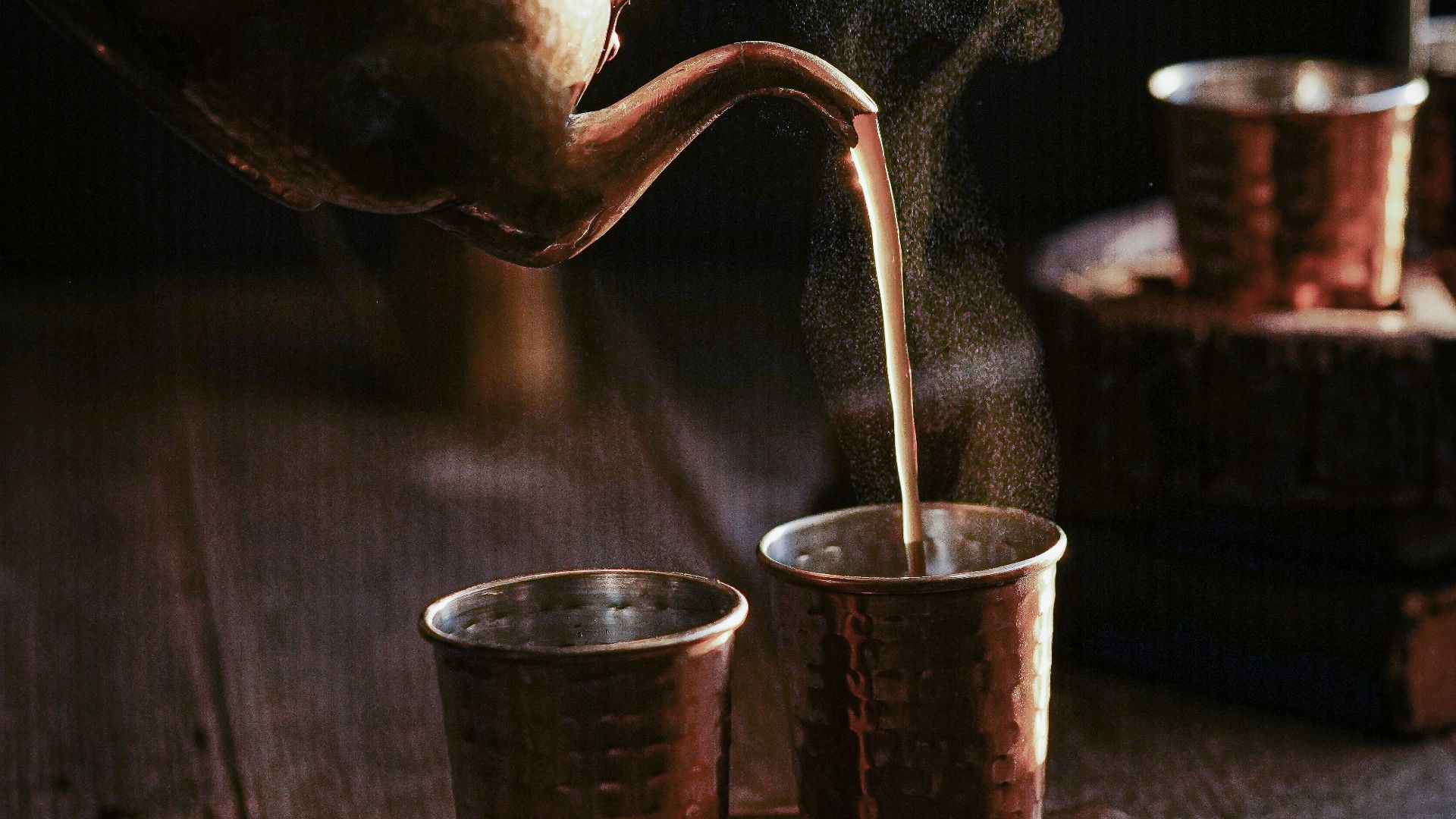
Americans generally thank someone verbally when their glass is refilled, but Chinese tea culture has a small gesture that many visitors aren't familiar with. In some regions, particularly southern China, diners lightly tap the table with two fingers to acknowledge someone pouring tea. It's a quiet way of expressing gratitude without interrupting the conversation happening around the table. Although it's not a universal requirement throughout China, recognizing the gesture can help you feel more comfortable during a traditional tea service.
KEEP ON READING


The Most Popular Chocolate Bars in the USA
The Most Popular Candies in the USA