20 Foods Americans Think Are Foreign But Were Basically Invented Here
You Might Just Be Surprised
Just like everything else in the world, food doesn’t stay the same when people move from one country to another. Immigrant cooks bring their favorite recipes and cooking methods with them and then adjust those dishes to fit the cultural differences they encounter in a new home. That’s how many foods Americans now label Chinese, Italian, Irish, or Mexican developed largely in the United States. These 20 familiar foods are much more American than their names might have you believe.
1. Fortune Cookies
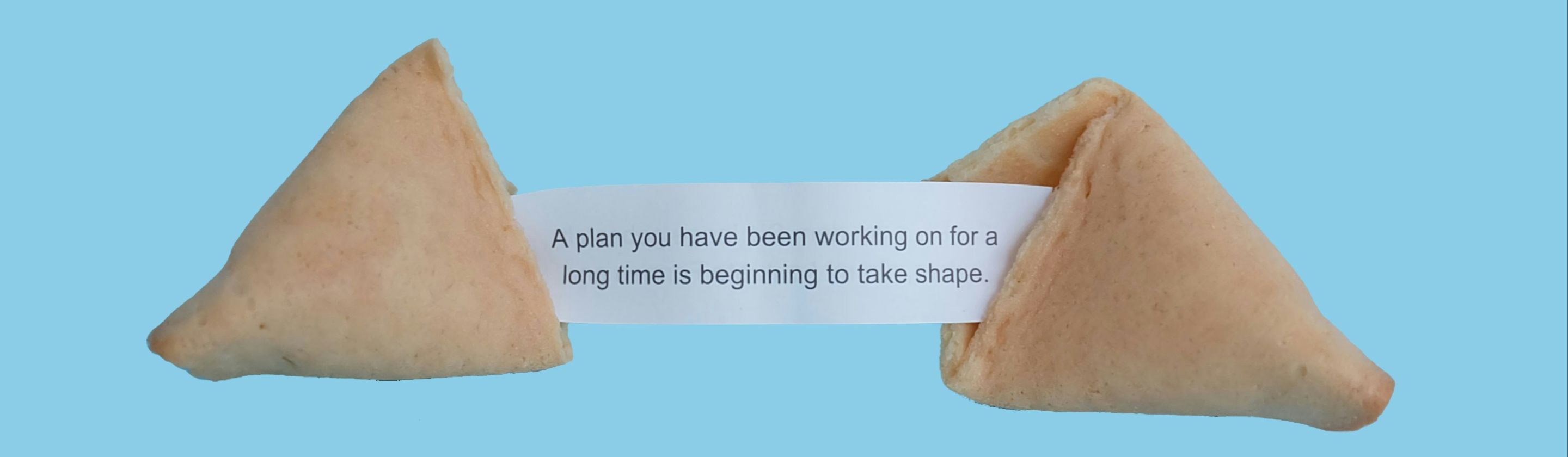
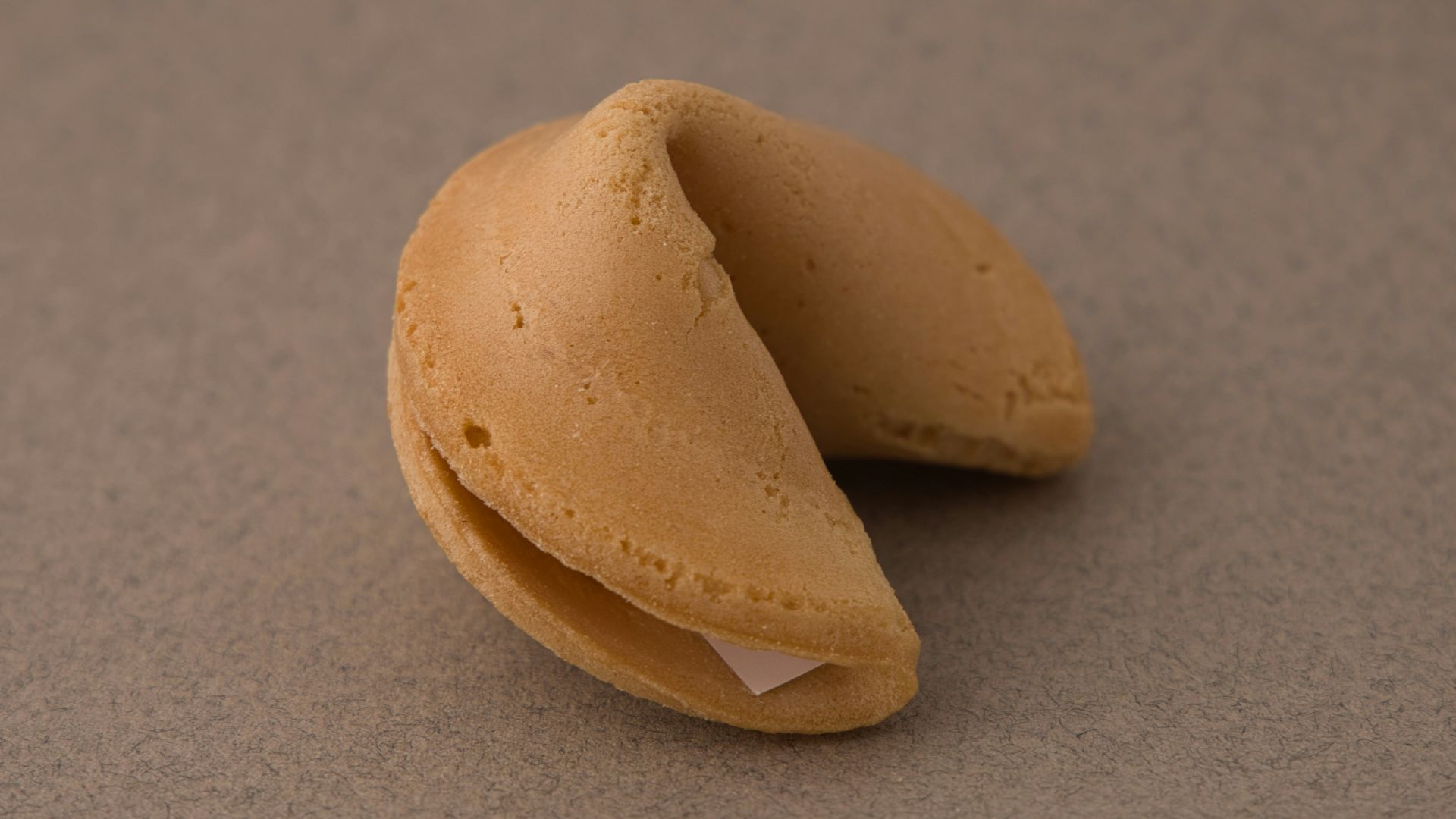
Fortune cookies have become the classic ending to a meal at a Chinese American restaurant, though they aren’t a traditional Chinese dessert. Their closest known relatives are Japanese crackers containing small paper fortunes. Japanese immigrants made versions of them on the West Coast before Chinese American businesses turned the crisp, folded cookie into a takeout tradition.
2. Chop Suey
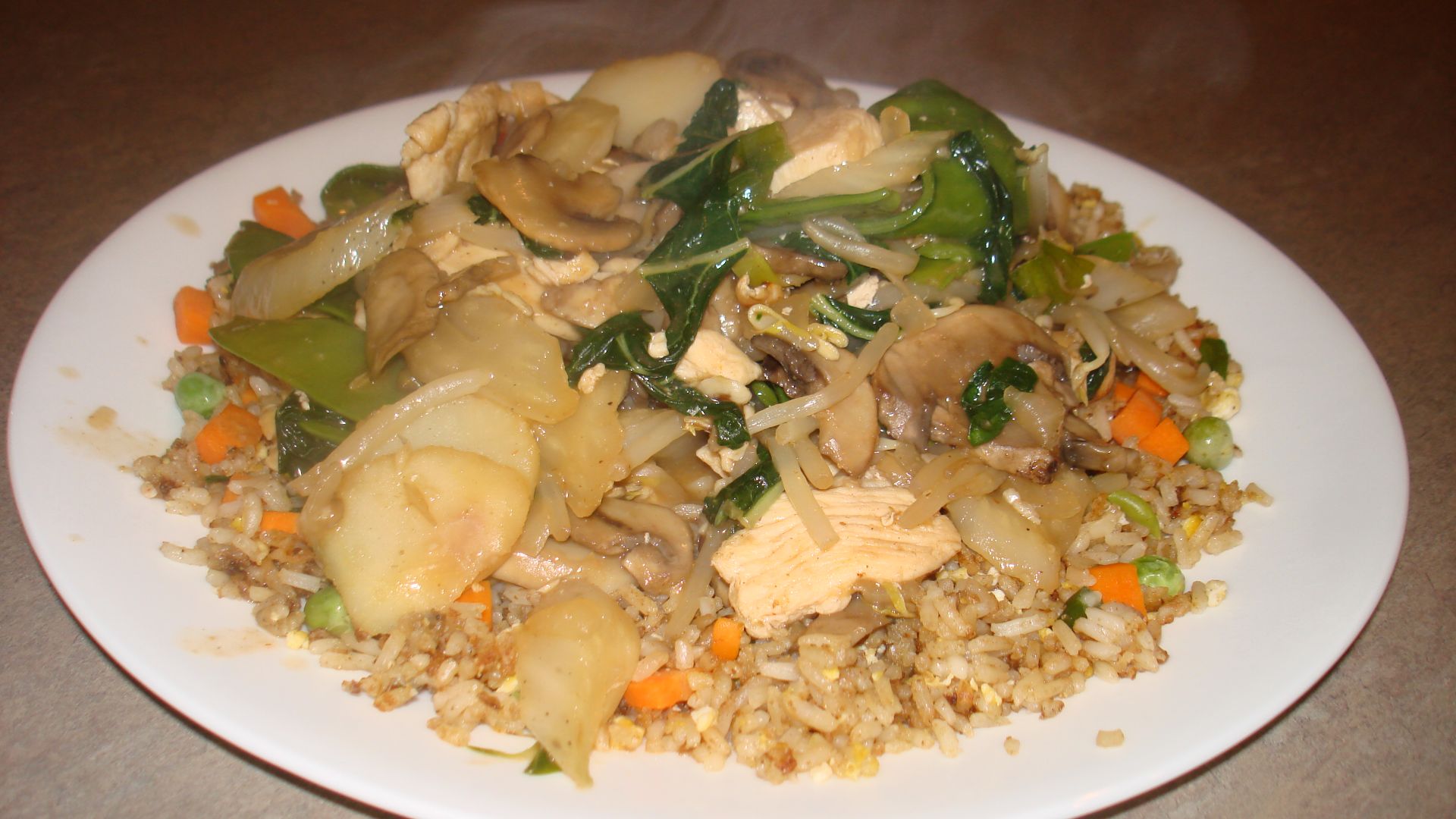
Chop suey became popular in Chinese American restaurants during the late 19th century. The dish drew on Chinese ways of mixing chopped ingredients, while cooks in the United States shaped it around locally available meat, vegetables, and American tastes. The saucy combination became one of the first Chinese American dishes to find a wide audience.
 Eli Hodapp from Naperville, United States on Wikimedia
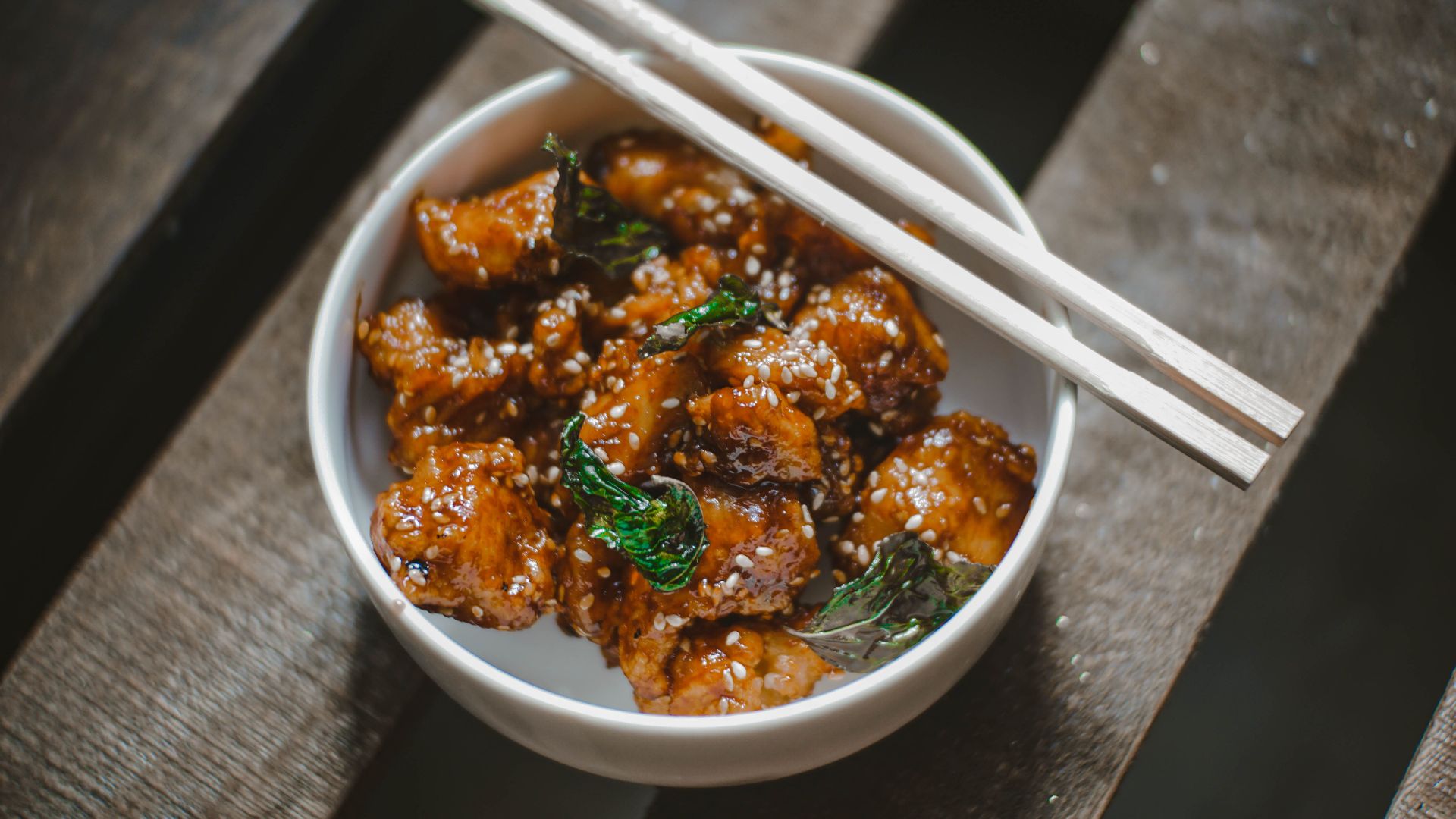
3. General Tso’s Chicken
Chef Peng Chang-kuei created an earlier version of General Tso’s chicken in Taiwan, though it wasn’t the sweet, sticky takeout dish Americans know today. Restaurants in New York added a crispier coating and a sweeter sauce, turning the recipe into a Chinese American favorite.
4. Crab Rangoon
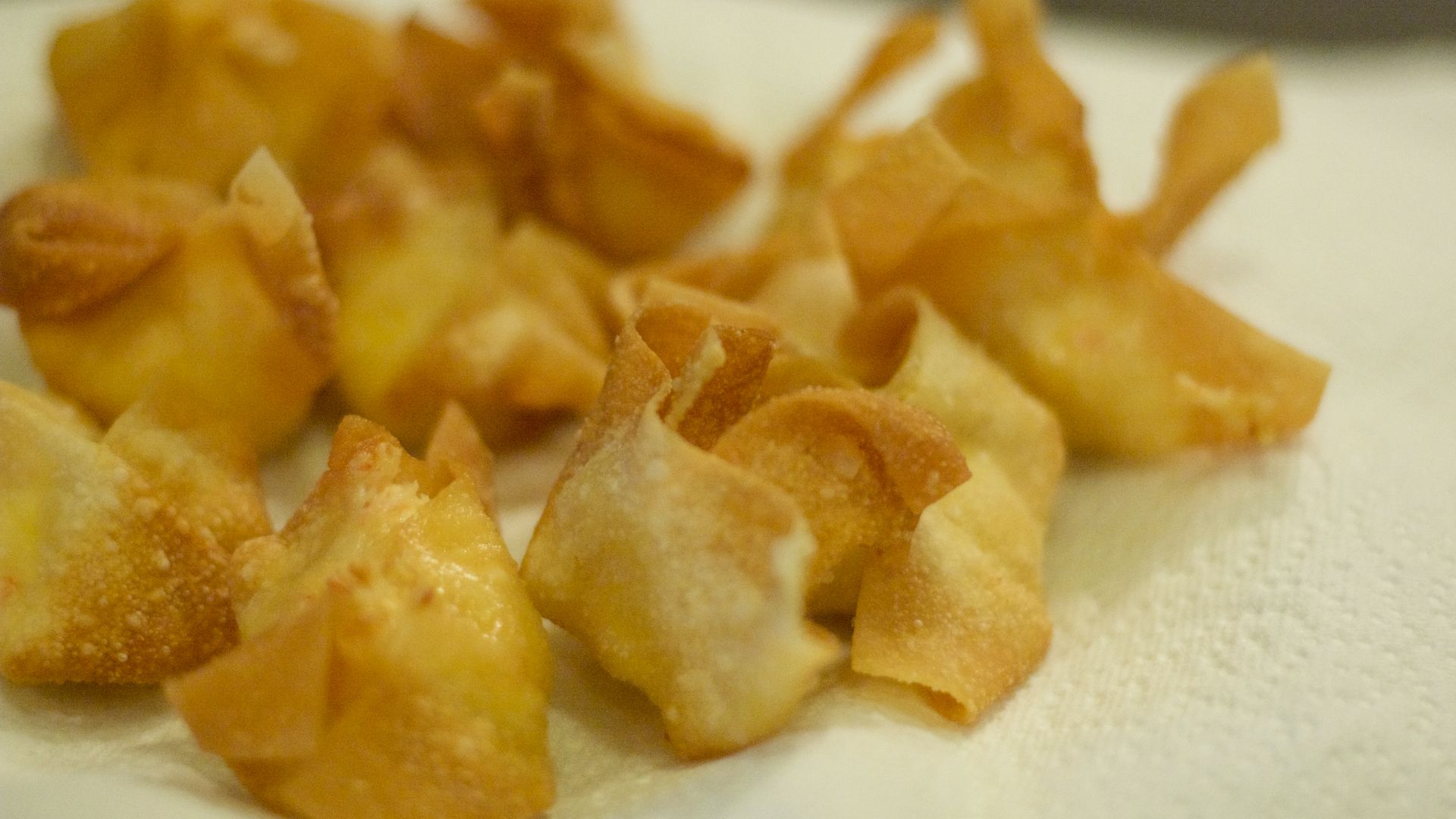
Despite the reference to Yangon’s former name, crab Rangoon isn’t a traditional Burmese dish. The fried wontons appeared in America’s midcentury tiki-restaurant scene, where cooks combined crab and cream cheese inside crisp wrappers. It was a rich, loosely pan-Asian appetizer made for American cocktail crowds.
5. Beef And Broccoli
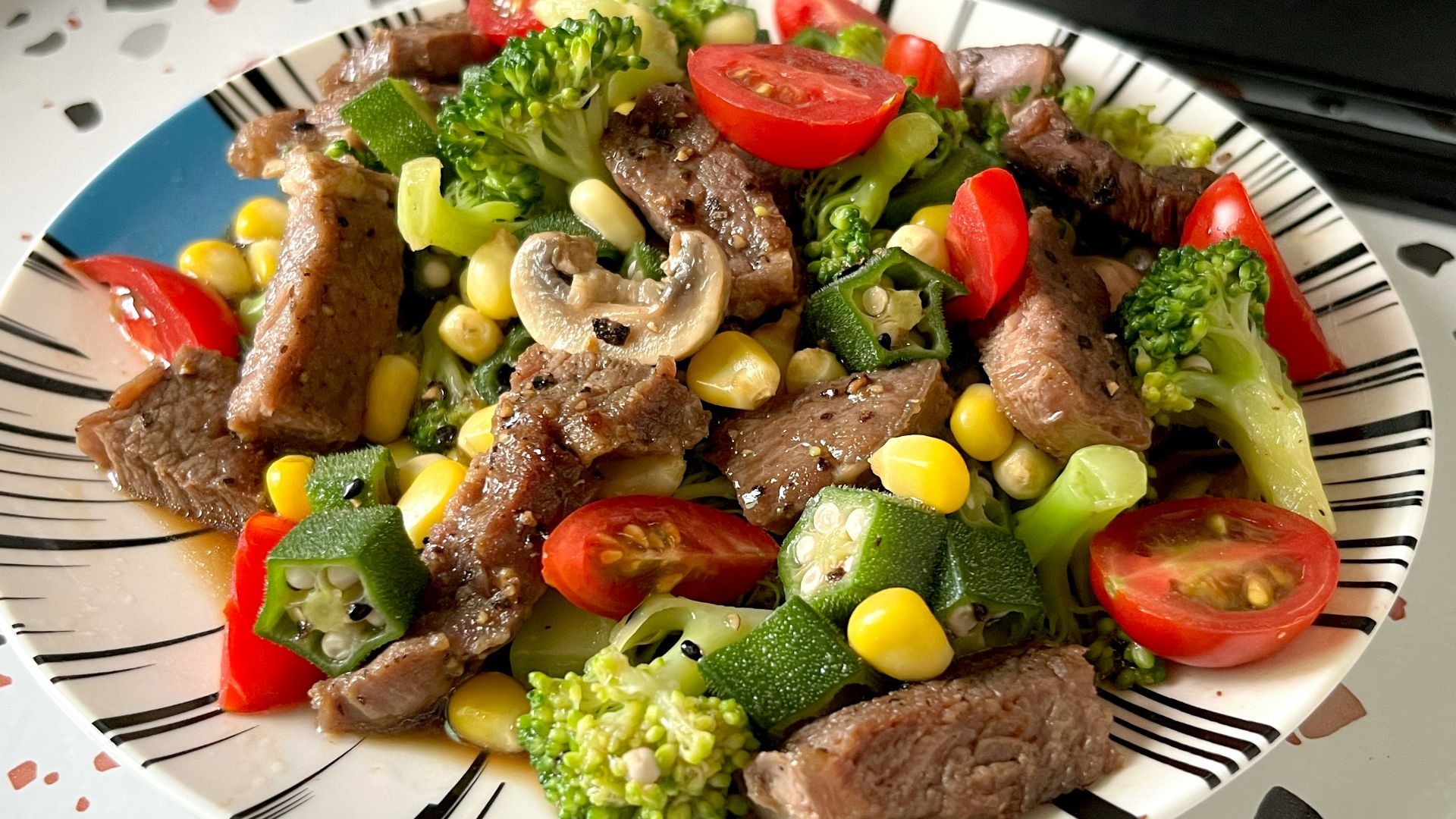
Chinese cuisine has long paired thin slices of beef with leafy green vegetables, especially Chinese broccoli. Chinese American restaurants replaced that vegetable with the Western broccoli that was easy to find in the United States, then added a glossy brown sauce.
6. Egg Foo Young
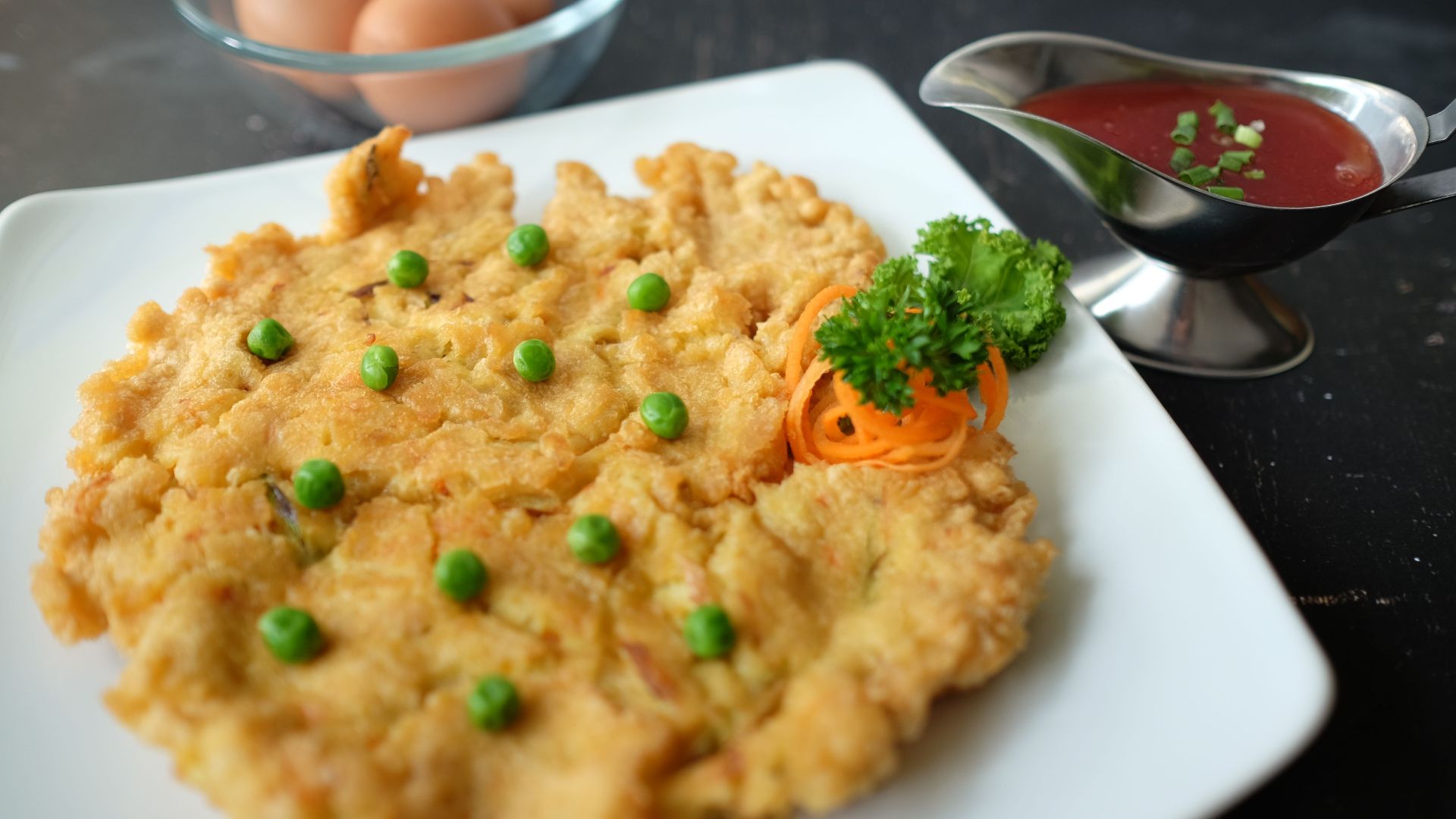
Egg foo young has its roots in Cantonese omelet dishes, but the version served in many Chinese American restaurants became thicker, more browned, and covered in savory gravy.
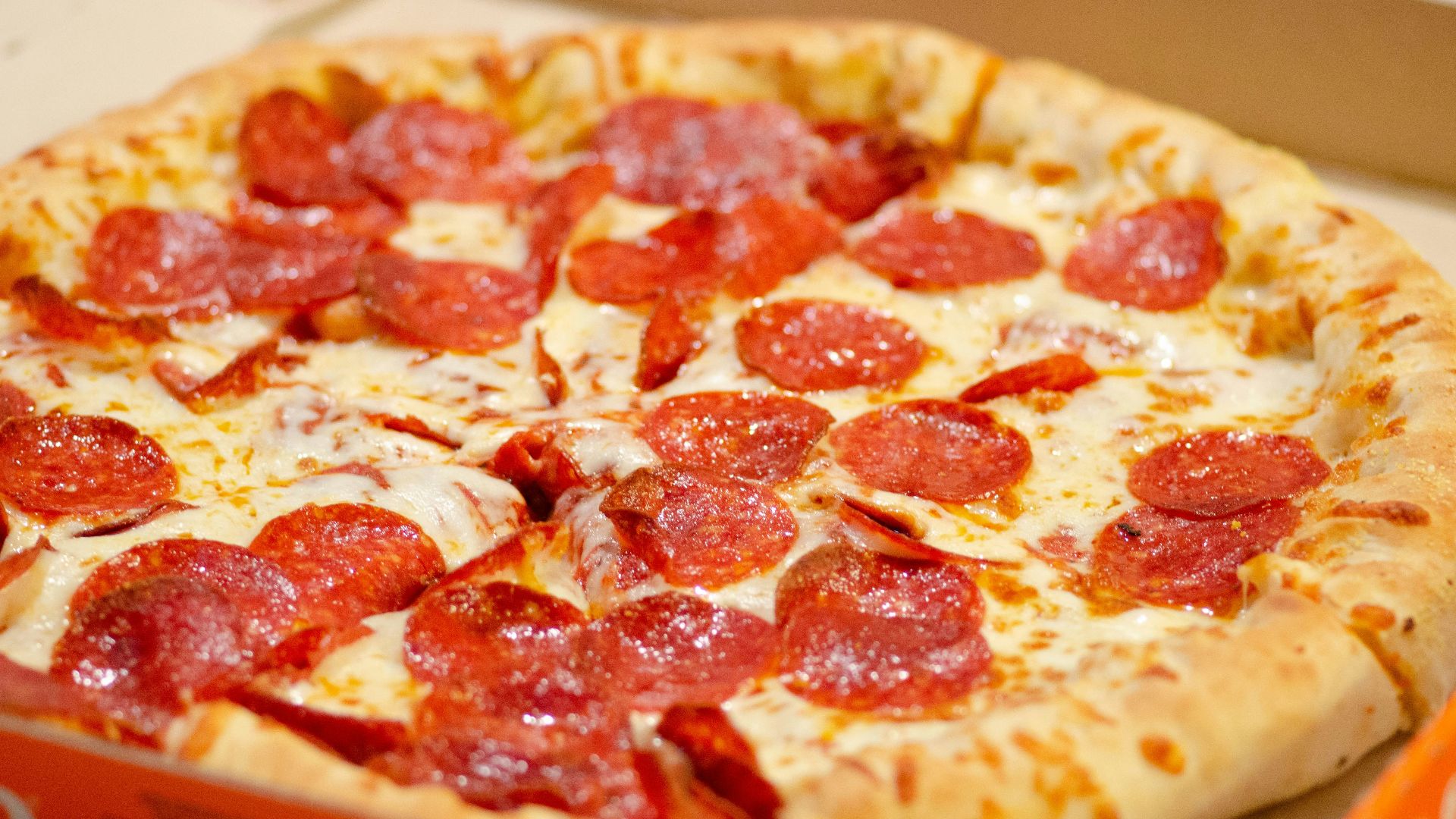
7. Pepperoni
Pepperoni sounds thoroughly Italian, though no traditional Italian sausage matches the American pizza topping exactly. Italian American sausage makers developed the mildly spicy, smoky cured meat in the early 20th century. Its thin slices crisp around the edges and release flavorful oil as they cook, which makes it especially suited to pizza.
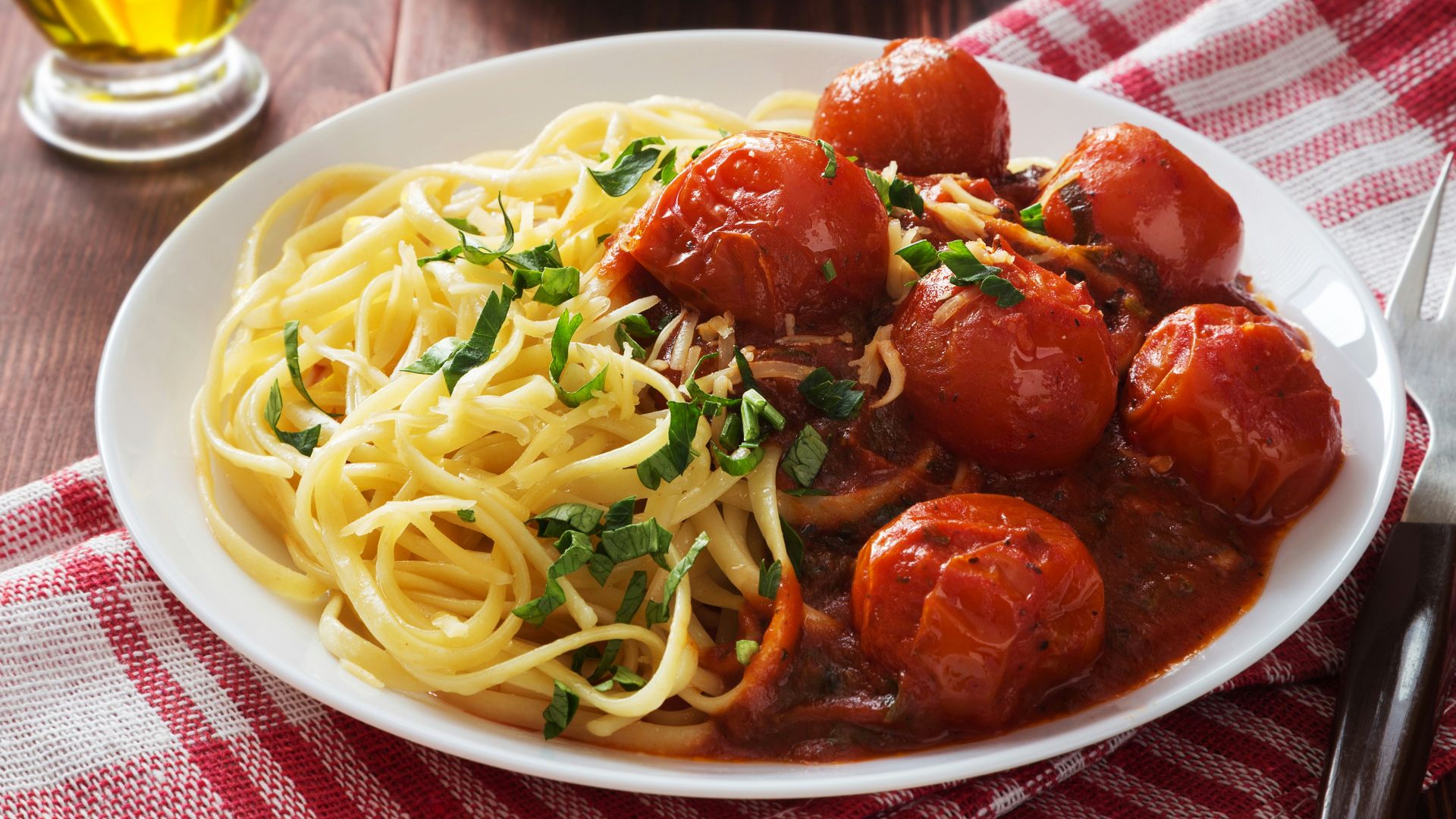
8. Spaghetti And Meatballs
Italy has pasta, tomato sauce, and plenty of meatball recipes, though the oversized restaurant plate that combines all three developed in Italian American communities. As meat became more affordable in the United States, immigrant families used familiar ingredients to make a richer and more filling main course. Over time, spaghetti and meatballs became one of America’s best-known ideas of Italian food.
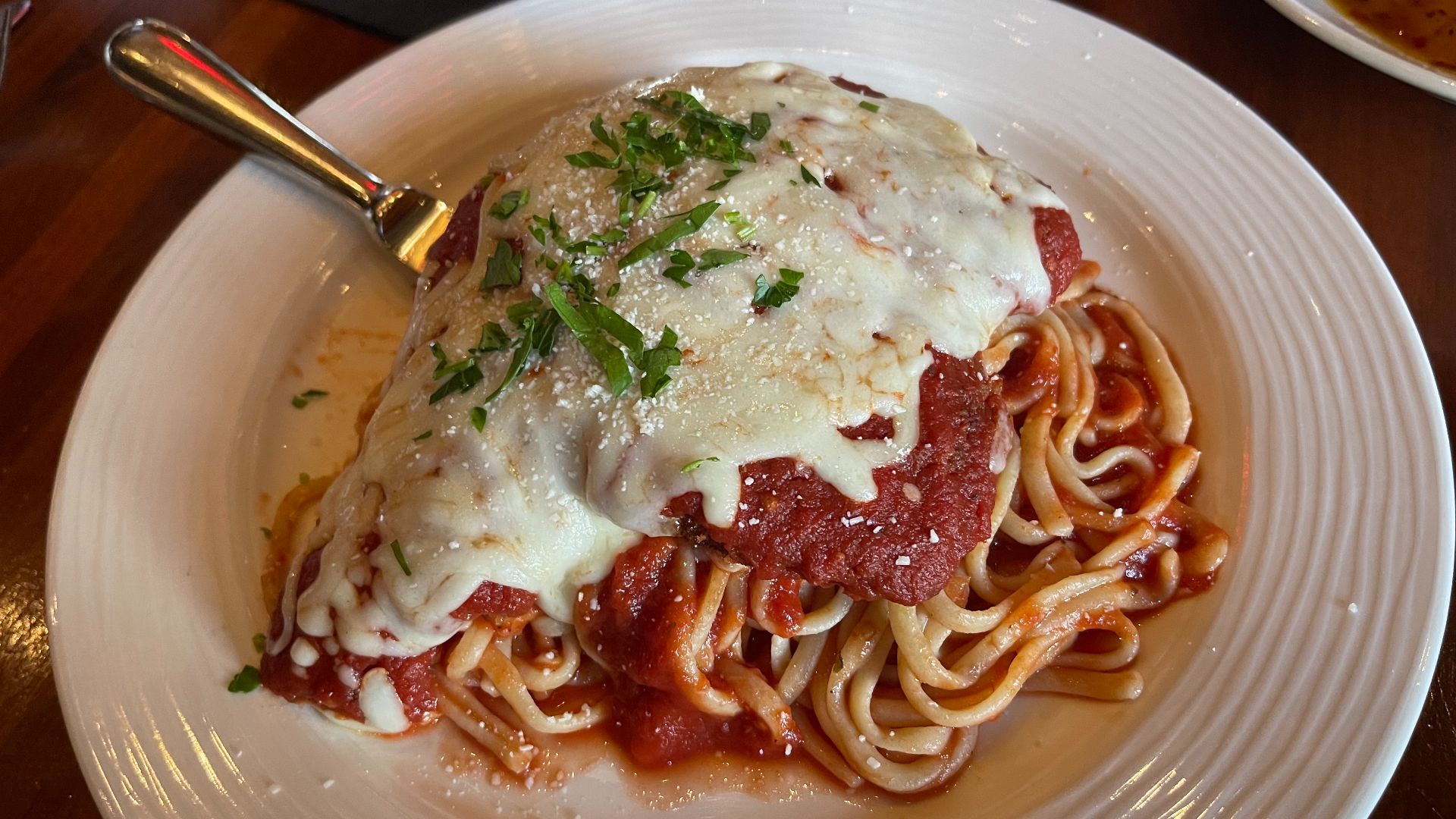
9. Chicken Parmesan
Chicken Parmesan grew from Italian dishes such as eggplant parmigiana and breaded meat cutlets. Italian American cooks topped fried chicken with tomato sauce and melted cheese, creating the hearty entrée now commonly served with pasta.
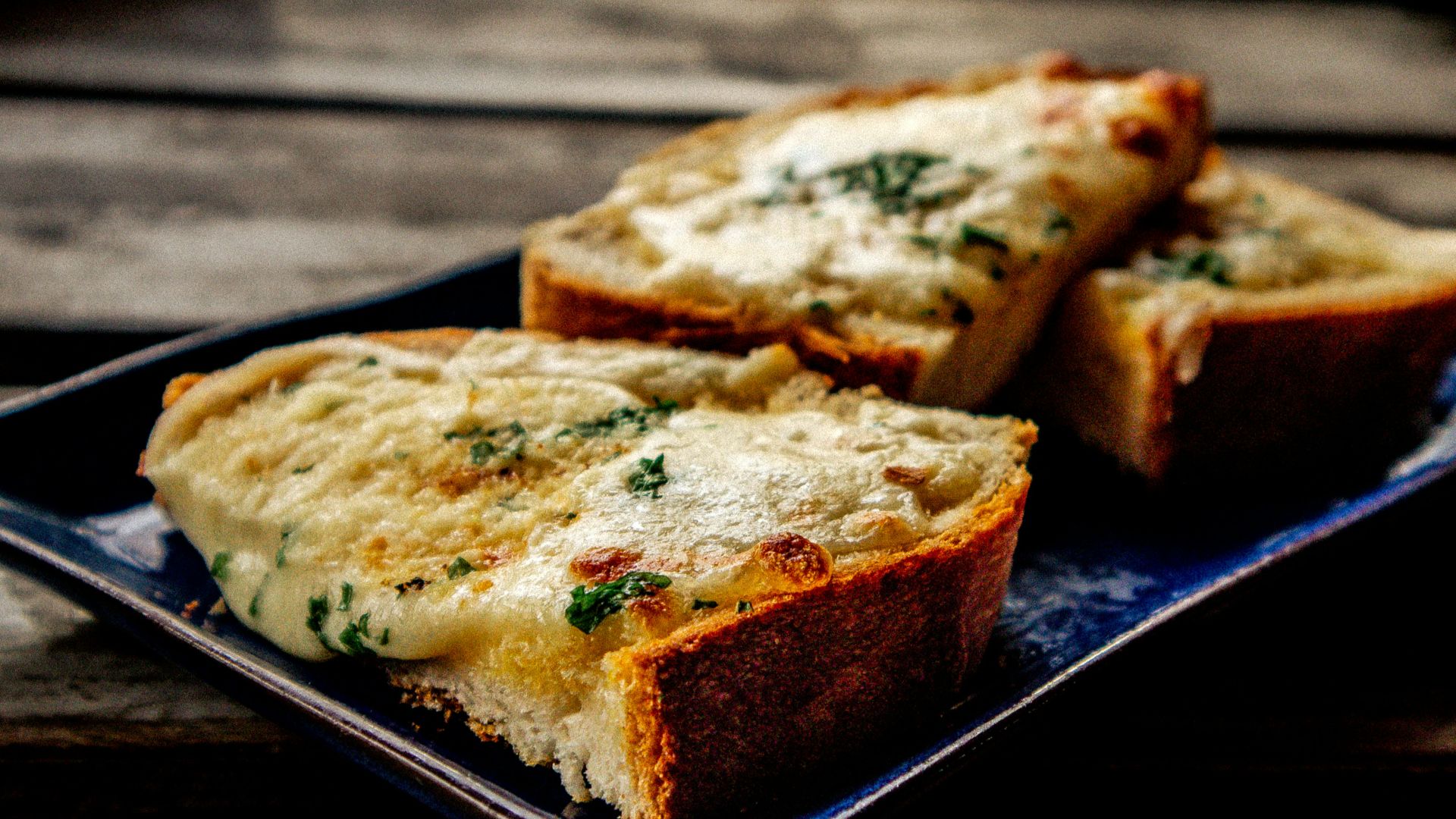
10. Garlic Bread
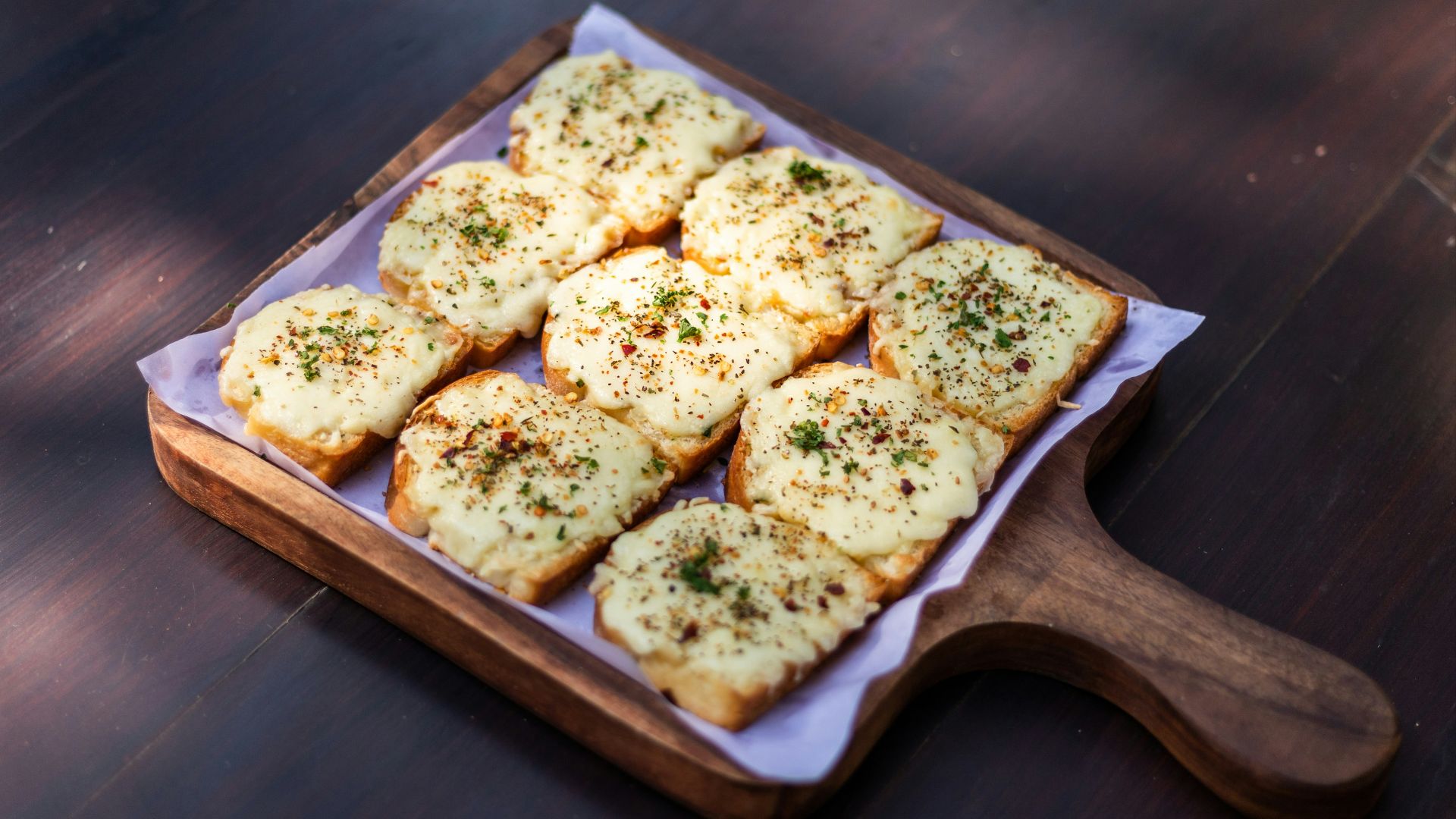
Italy has bruschetta and other toasted breads rubbed with fresh garlic and finished with olive oil. The soft, buttery loaf served in American pizzerias and red-sauce restaurants developed in the United States. It’s a little richer and softer than its Italian relatives.
11. Italian Dressing
The bottled mixture called Italian dressing was created by American restaurants and food companies, combining oil, vinegar, garlic, herbs, and other seasonings into a convenient, ready-made product. It brought familiar Italian-inspired flavors to supermarket shelves, salad bars, and home kitchens.
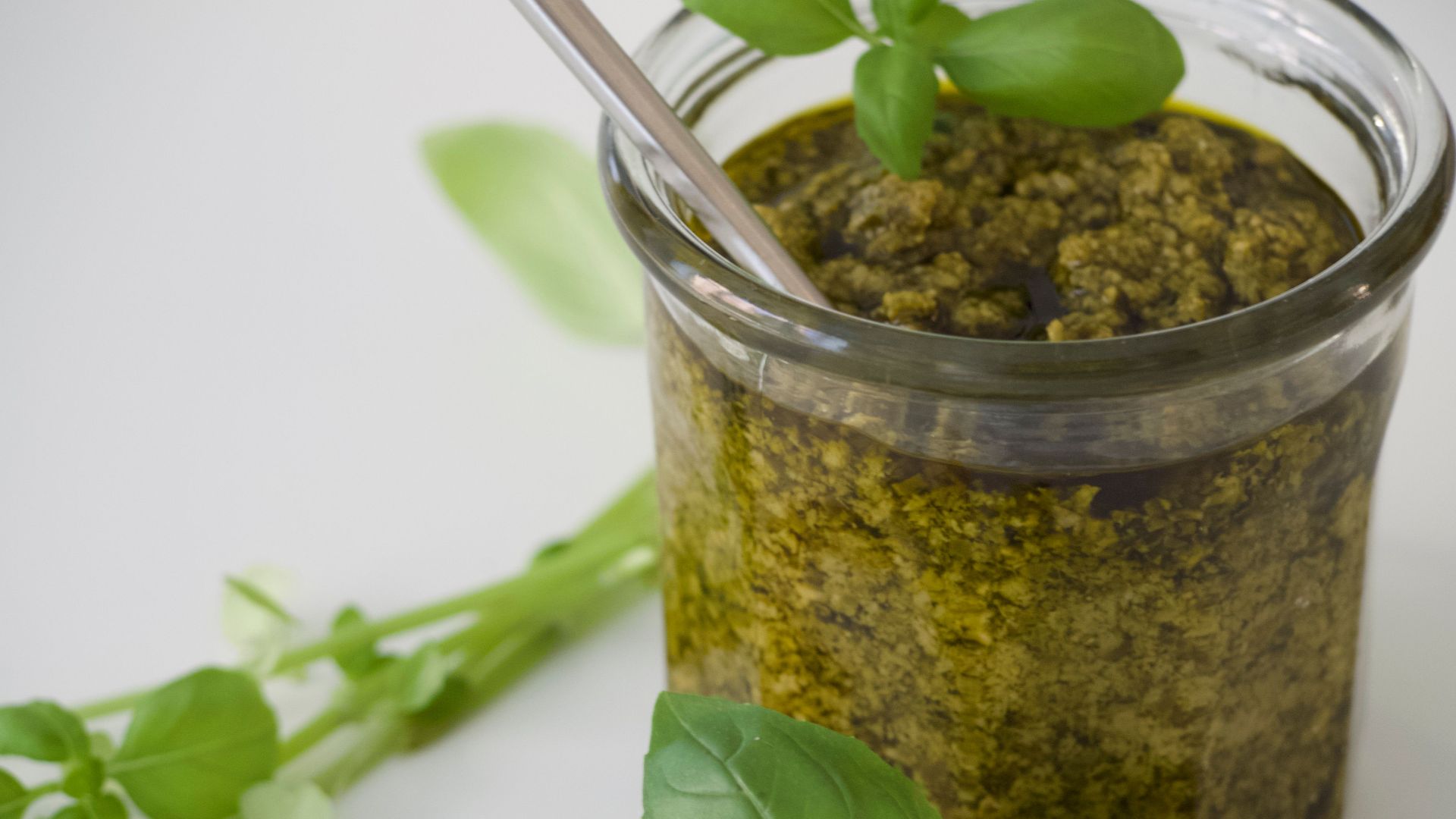
12. Pasta Primavera
With its Italian name and colorful vegetables, pasta primavera sounds like an old European classic. The dish became famous through a New York restaurant in the 1970s before appearing on menus around the country.
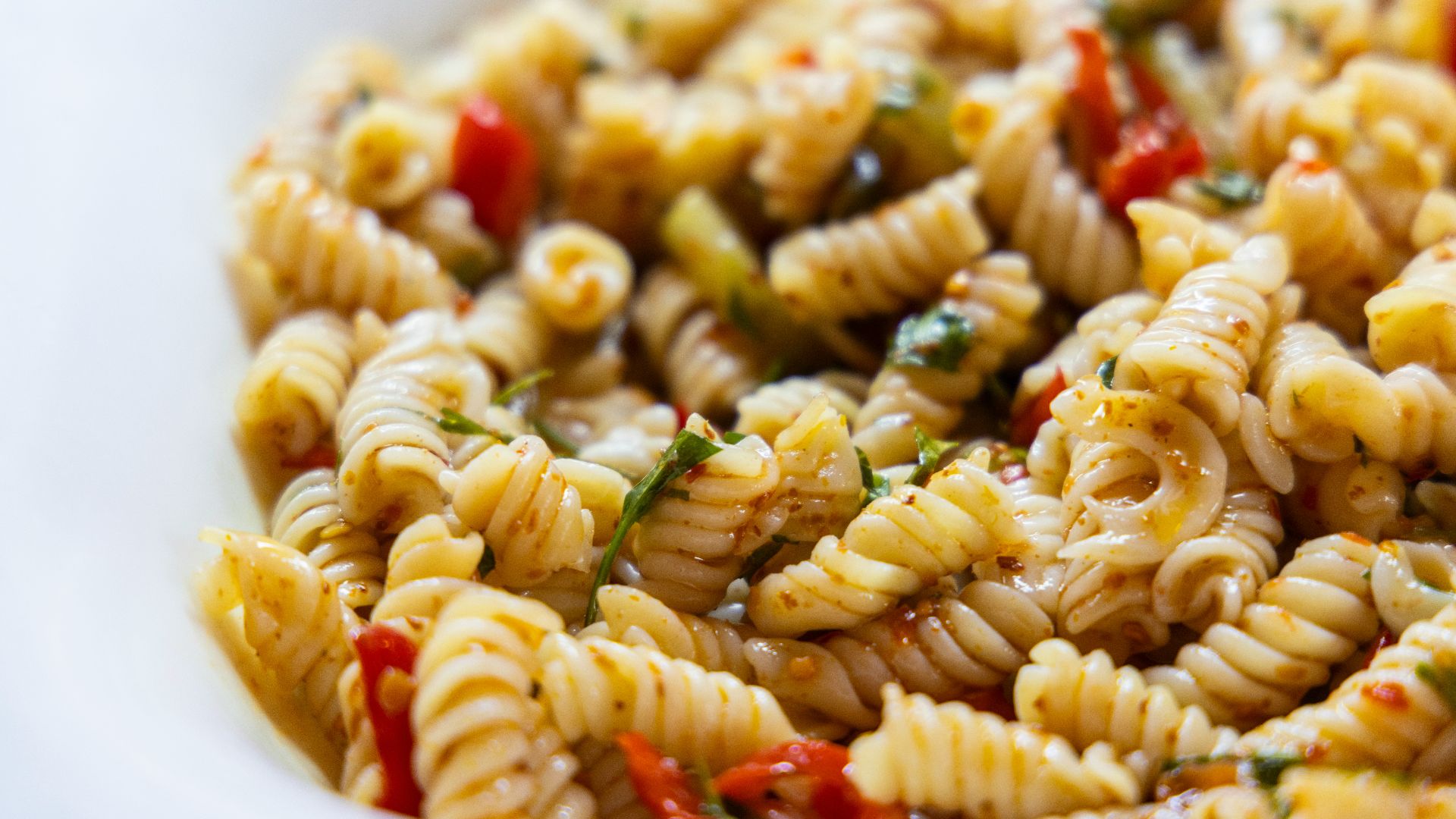
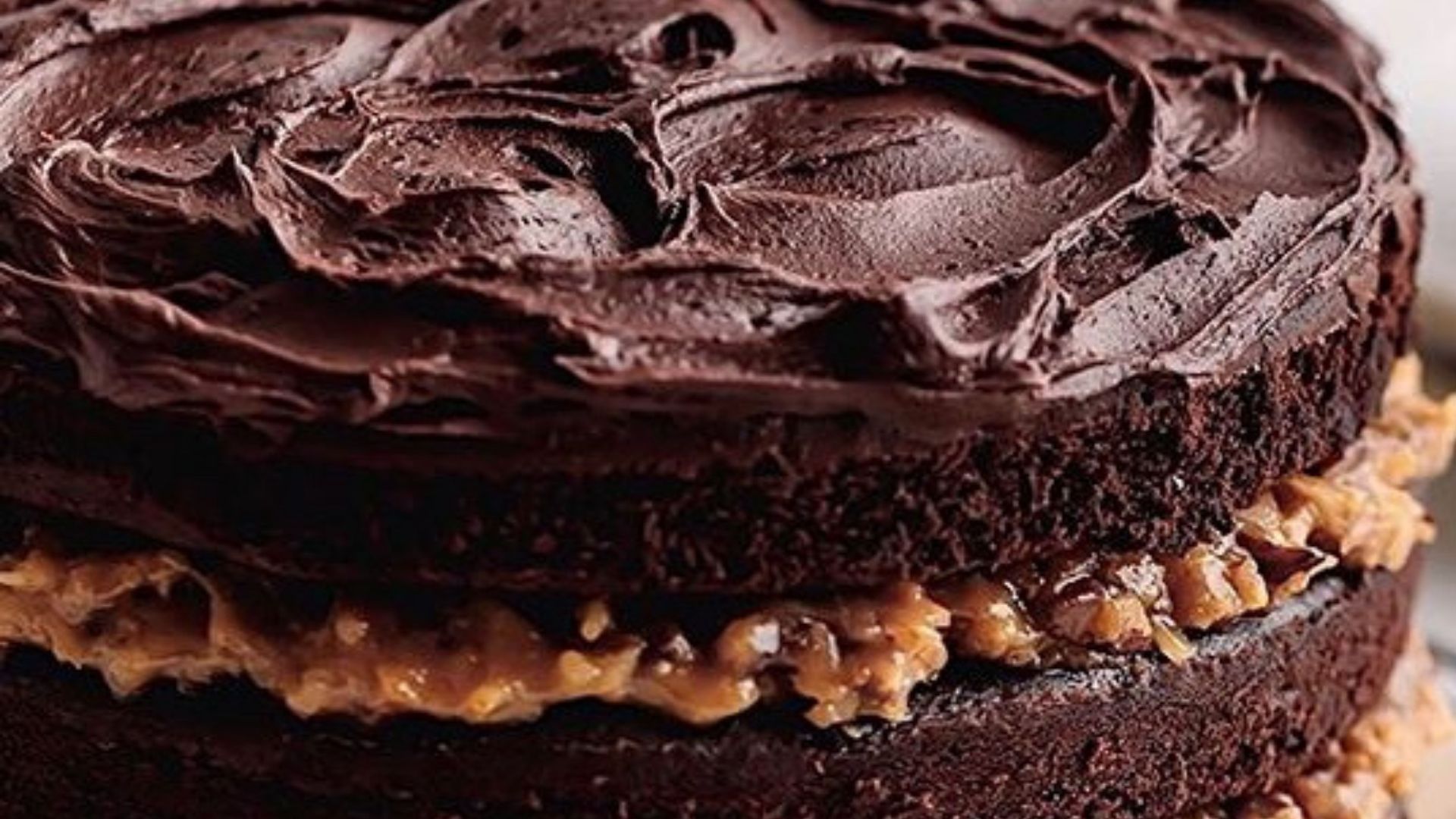
13. German Chocolate Cake
German chocolate cake has no geographical connection to Germany. It was named after Samuel German, who developed a sweet baking chocolate in the United States. The coconut-and-pecan layer cake became nationally popular after a Texas recipe used the product during the 1950s.
 Caramelle Gastronomia on Pexels
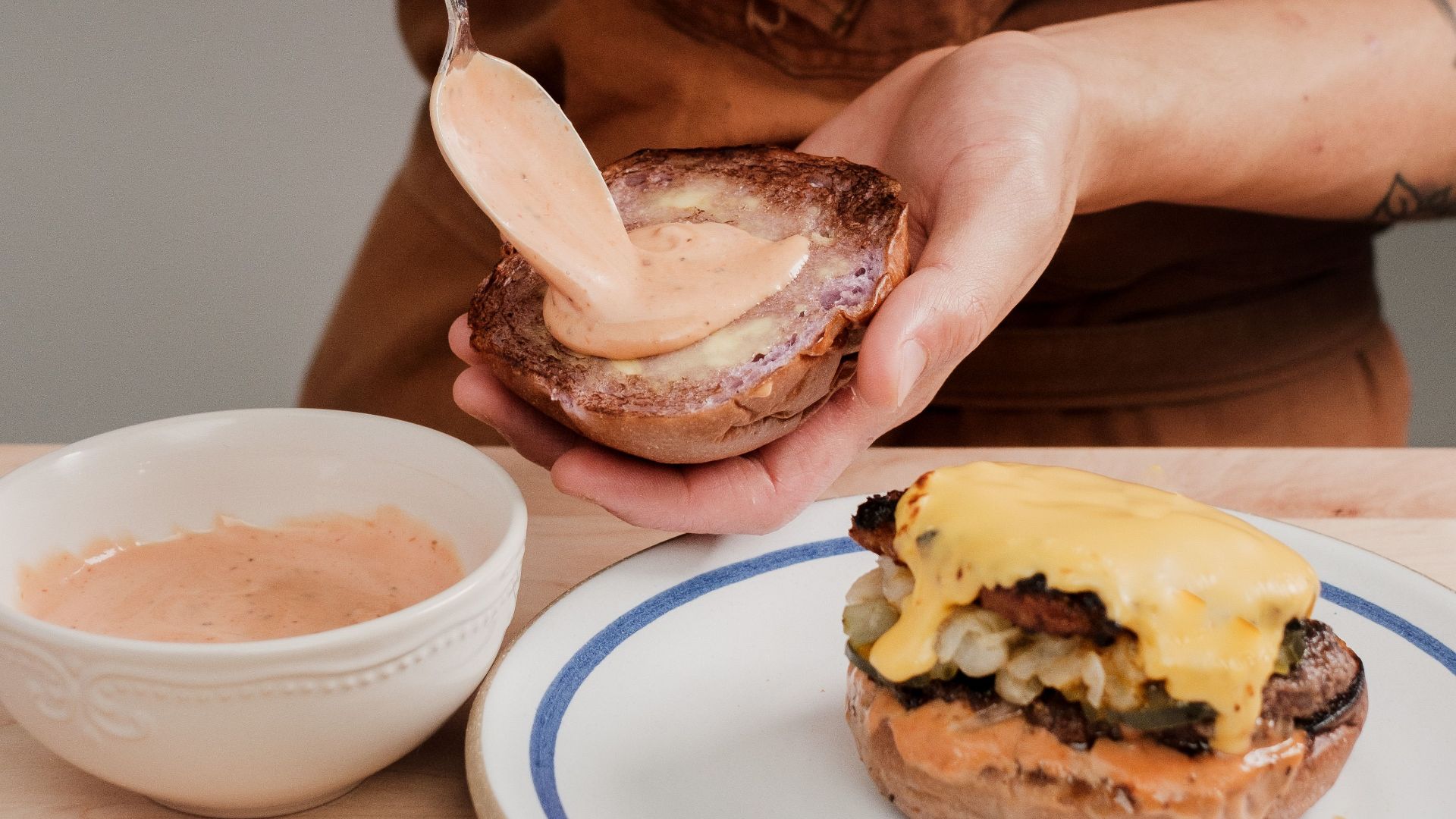
14. Russian Dressing
Russian dressing is an American condiment, and its name hasn’t been convincingly linked to a Russian cooking tradition. Early versions made in the United States developed into a tangy mix of mayonnaise, tomato-based sauce, and seasonings. The creamy dressing worked especially well on salads, burgers, and Reuben sandwiches.
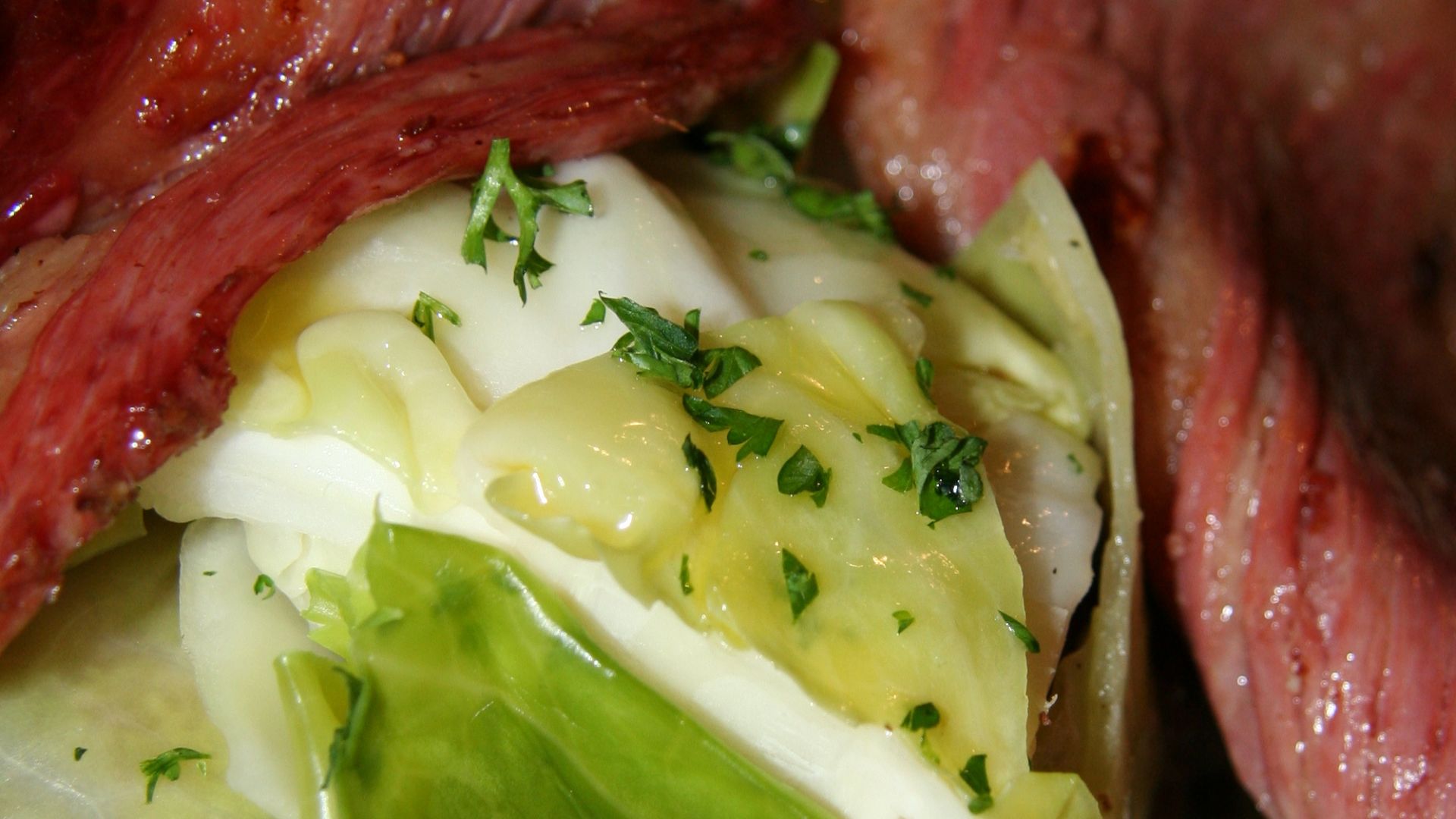
15. Corned Beef And Cabbage
Corned beef and cabbage became an Irish American tradition after Irish immigrants found salted beef fairly easy to buy in the United States. The simple, filling meal later became closely linked to St. Patrick’s Day celebrations across the country.
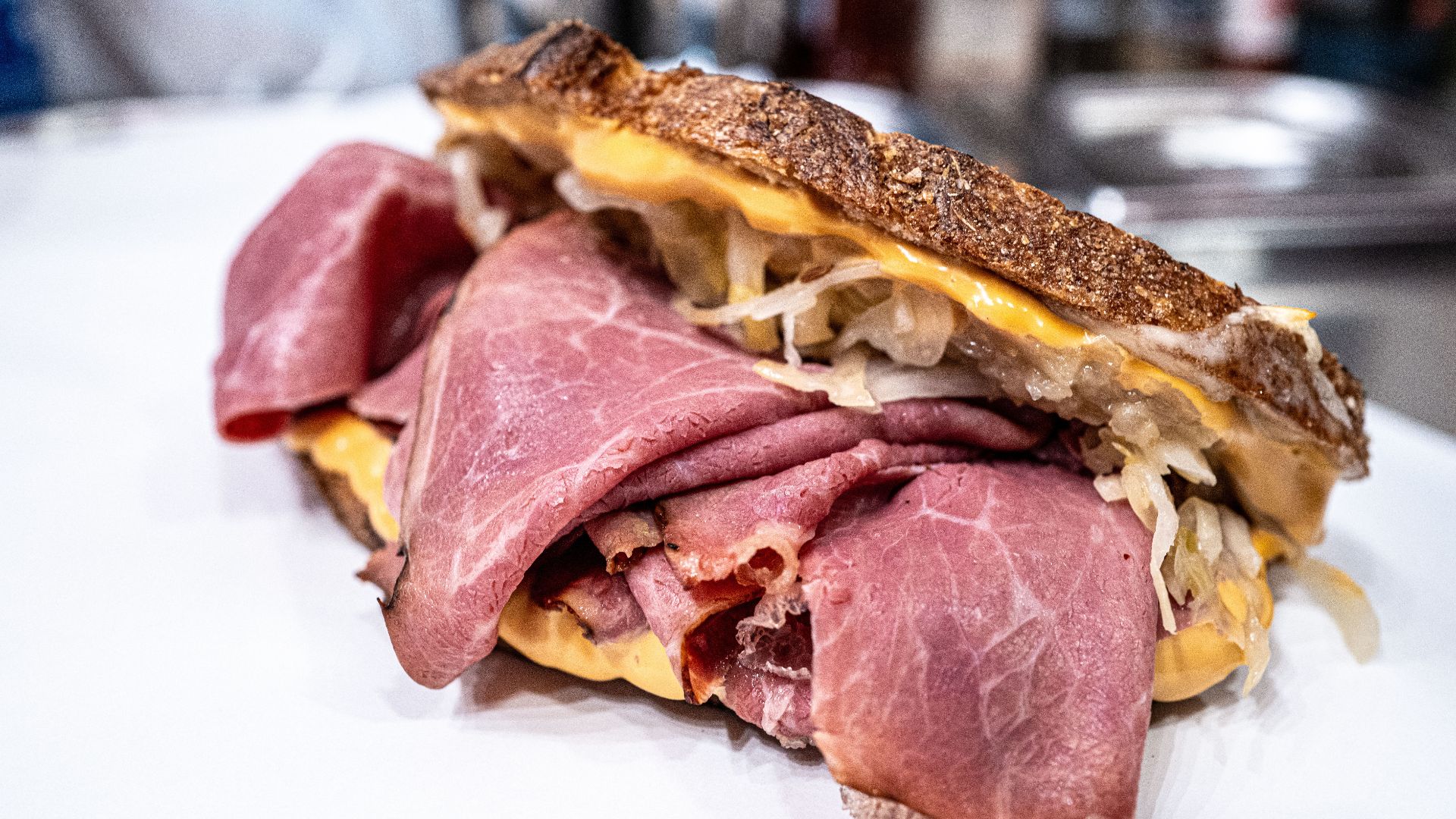
16. The Reuben Sandwich
The exact inventor of the Reuben is still disputed, though both major origin stories are American. Omaha and New York each claim the combination of corned beef, Swiss cheese, sauerkraut, dressing, and rye bread. Wherever it first appeared, the stacked sandwich grew from immigrant ingredients and the hearty cooking traditions of American delis. Its flavors may point toward Central and Eastern Europe, but the finished sandwich was put together in the West.
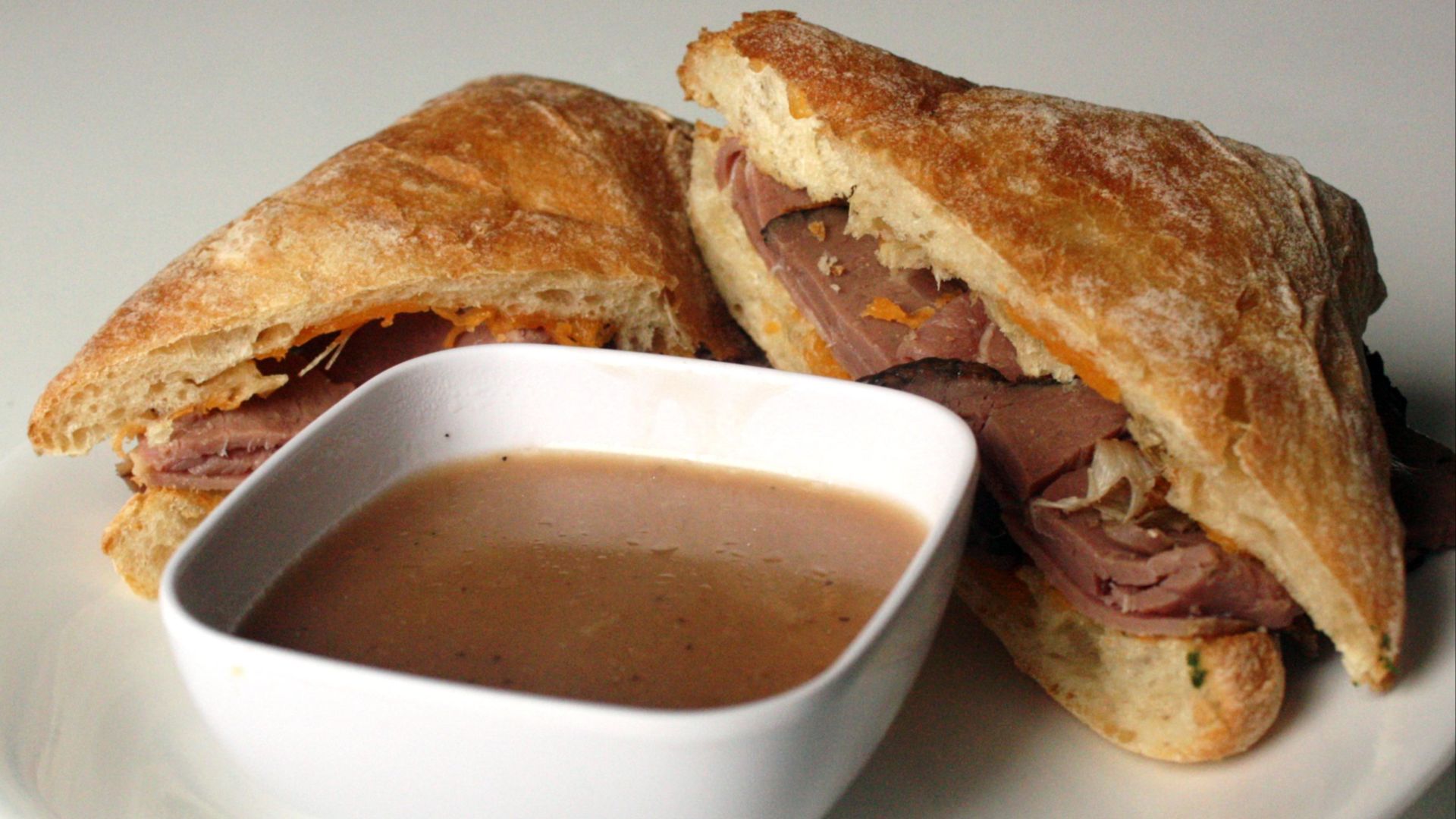
17. The French Dip Sandwich
The French dip wasn’t invented in France, and its name most likely refers to the bread rather than the country. Two downtown Los Angeles restaurants have long competed for credit for creating it. Both stories place the roast beef sandwich and its savory dipping juices firmly in California.
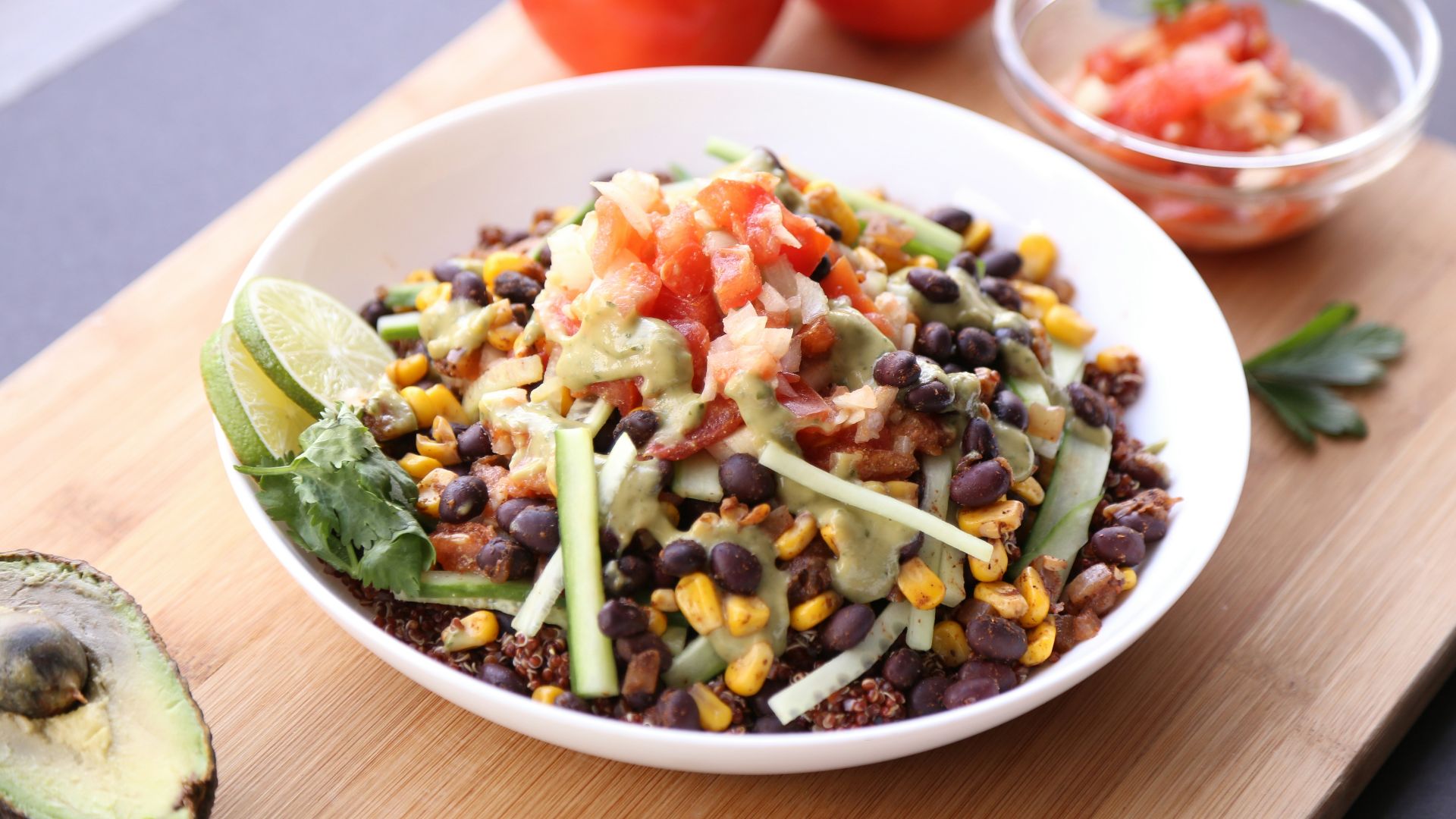
18. Taco Salad
Taco salad comes from American Tex-Mex cooking rather than traditional Mexican cuisine. Its familiar mix of seasoned meat, shredded lettuce, tomatoes, Cheddar, sour cream, and crunchy tortilla pieces became popular in the mid-20th century. The dish turned common taco fillings into a convenient meal that diners could easily change to suit their tastes.
19. Fajitas
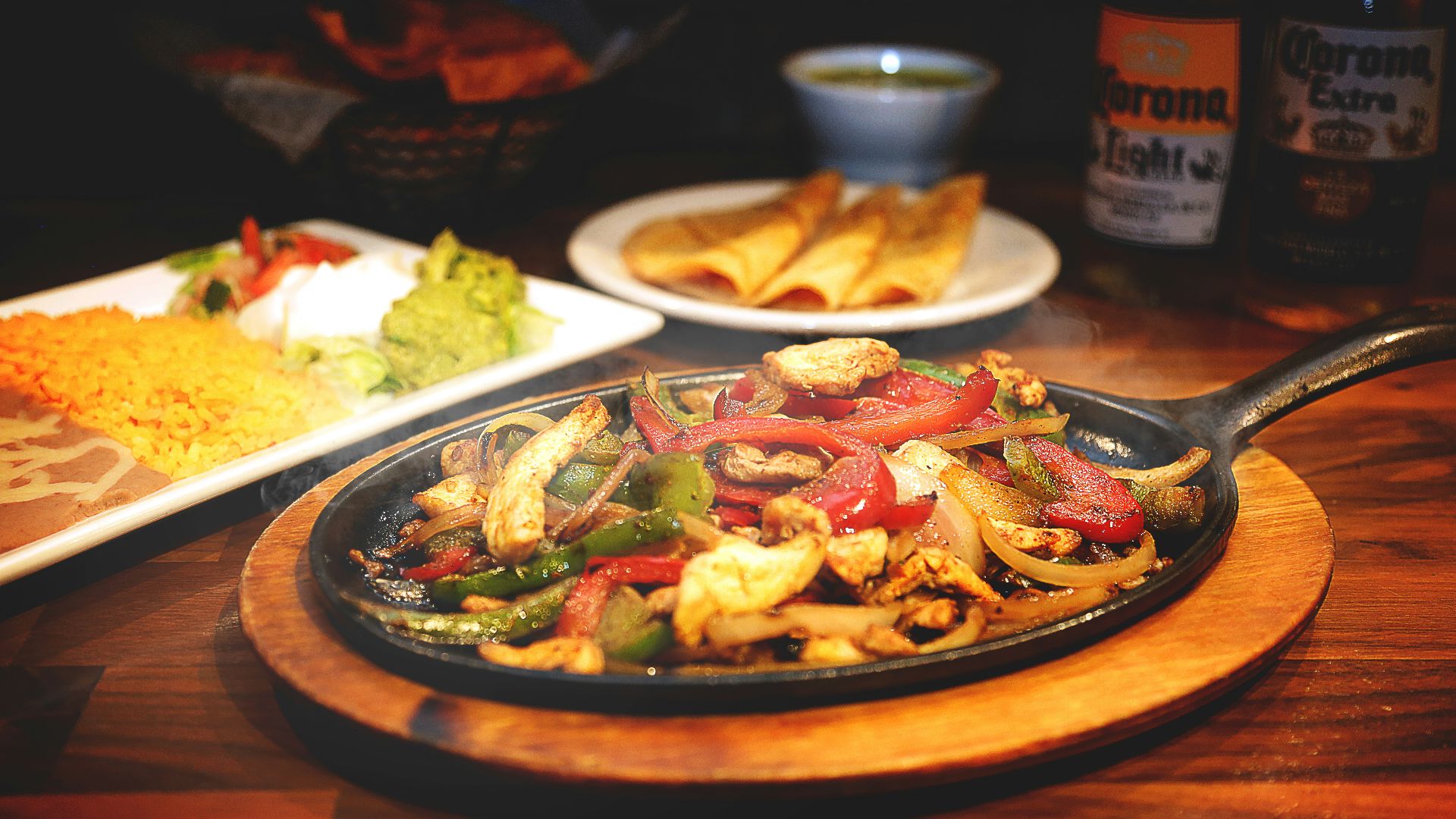
Fajitas began on ranches in South and West Texas, where Mexican and Mexican American workers grilled skirt steak over open fires. Restaurants later added sizzling skillets, peppers, and onions. Those extras turned a practical borderland meal into a restaurant favorite that spread across the United States.
20. Chimichangas
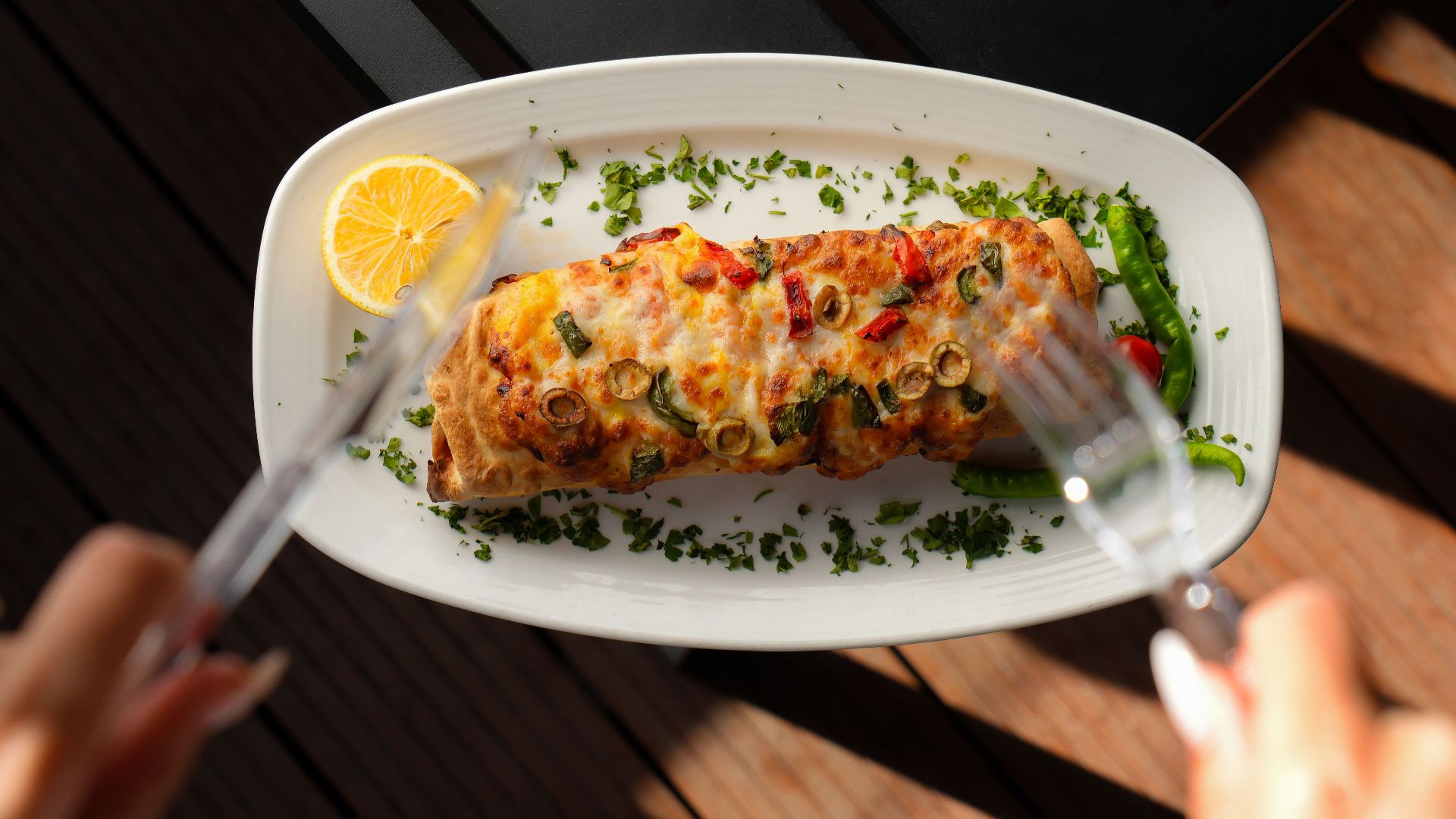
The chimichanga is most closely connected to Mexican American restaurants in Arizona, though several businesses claim to have invented it. Whether it began by accident or through deliberate experimentation, frying a filled burrito created a crisp and satisfying specialty. It went on to become a signature dish of Southwestern border cooking.
KEEP ON READING
The 5 Most Consumed Foods in the Entire World