More Flavor Without More Complication
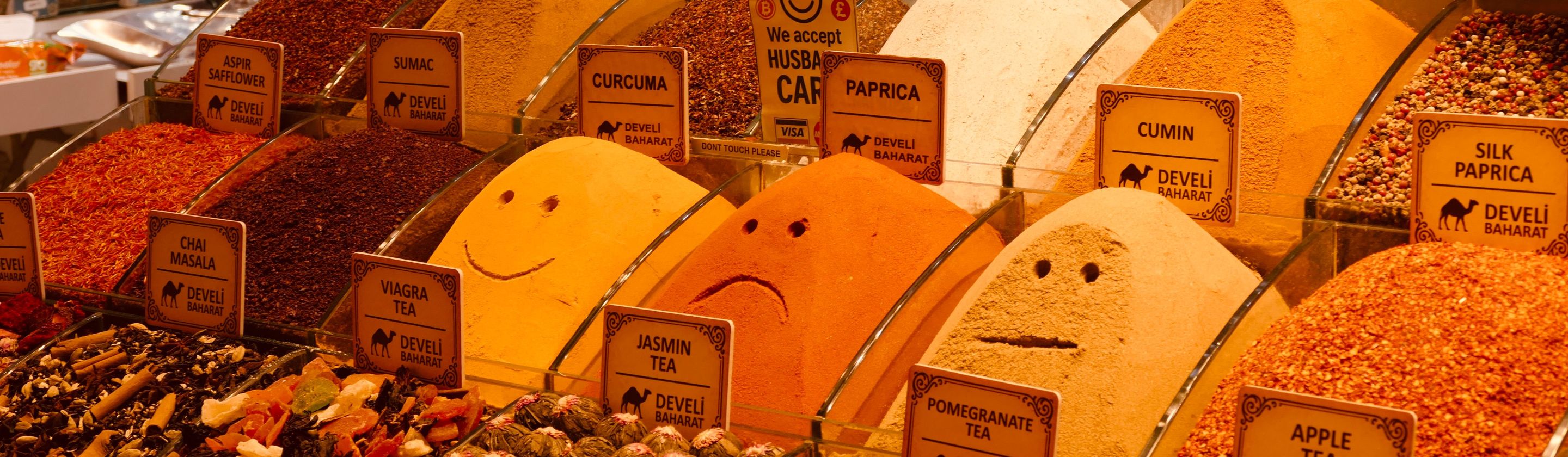
Single spices are useful, but thoughtfully balanced blends can make everyday meals taste fuller without adding extra preparation. Many mixtures have deep regional histories, yet they remain overlooked by home cooks who rely on the same familiar seasonings each week. From roasted vegetables and grilled meat to eggs, soups, and snacks, these 20 underrated spice blends that transform everyday cooking can introduce variety while keeping weeknight meals practical.
1. Berbere
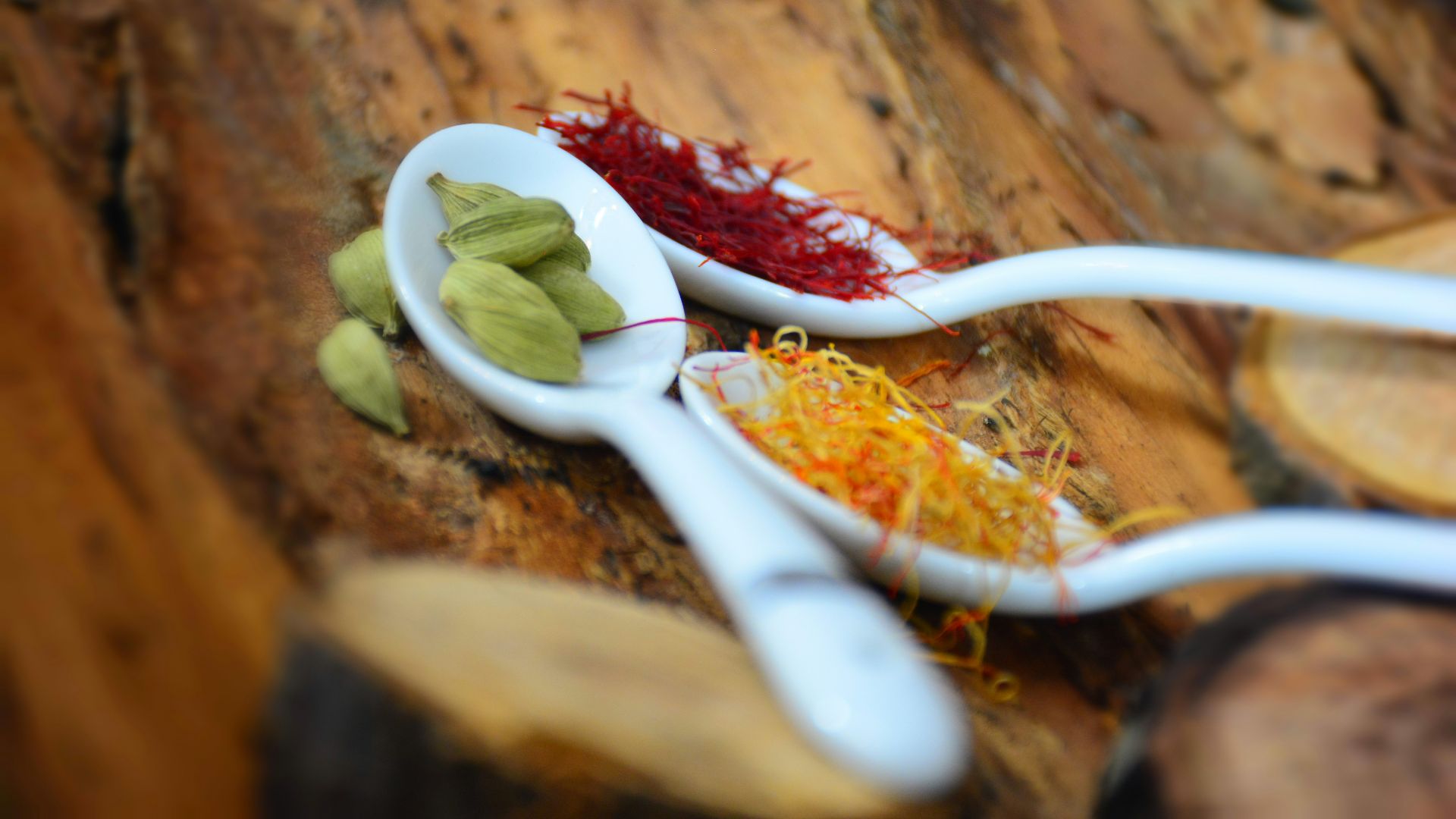
Berbere is an Ethiopian blend commonly made with dried chiles, paprika, ginger, coriander, cardamom, fenugreek, and several warming spices. Its exact composition varies by household and producer, so some versions are much hotter than others. Sprinkle a modest amount into lentil soup, ground meat, roasted carrots, or tomato-based stews to add warmth and savory depth.
2. Za’atar
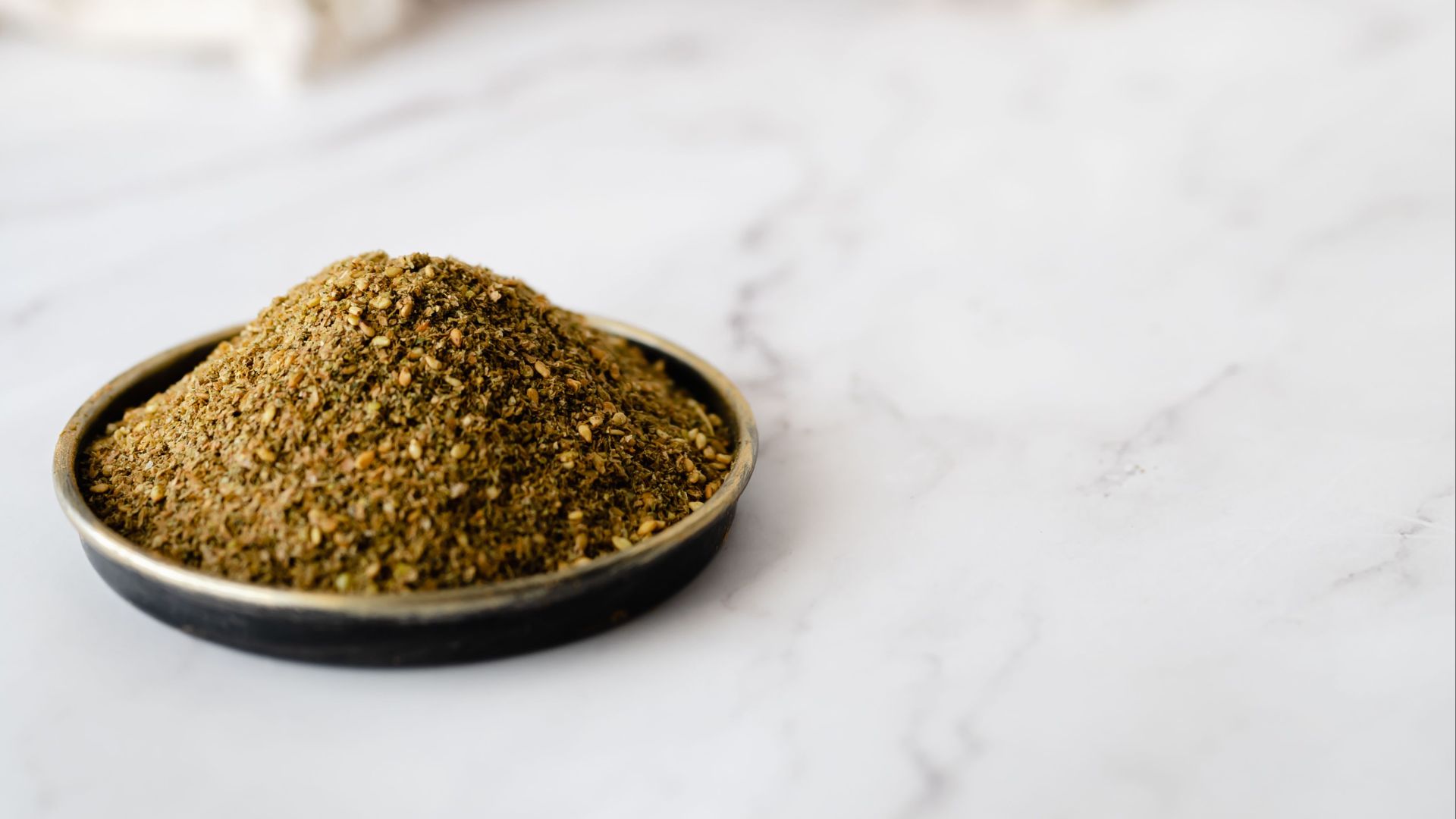
Za’atar usually combines dried herbs with sumac, sesame seeds, and salt, although regional recipes can differ considerably. The sumac contributes a tart flavor, while the sesame seeds provide nuttiness and texture. Mix it with olive oil for flatbread, scatter it over roasted potatoes, or use it to brighten eggs, yogurt, and grilled chicken.
3. Shichimi Togarashi
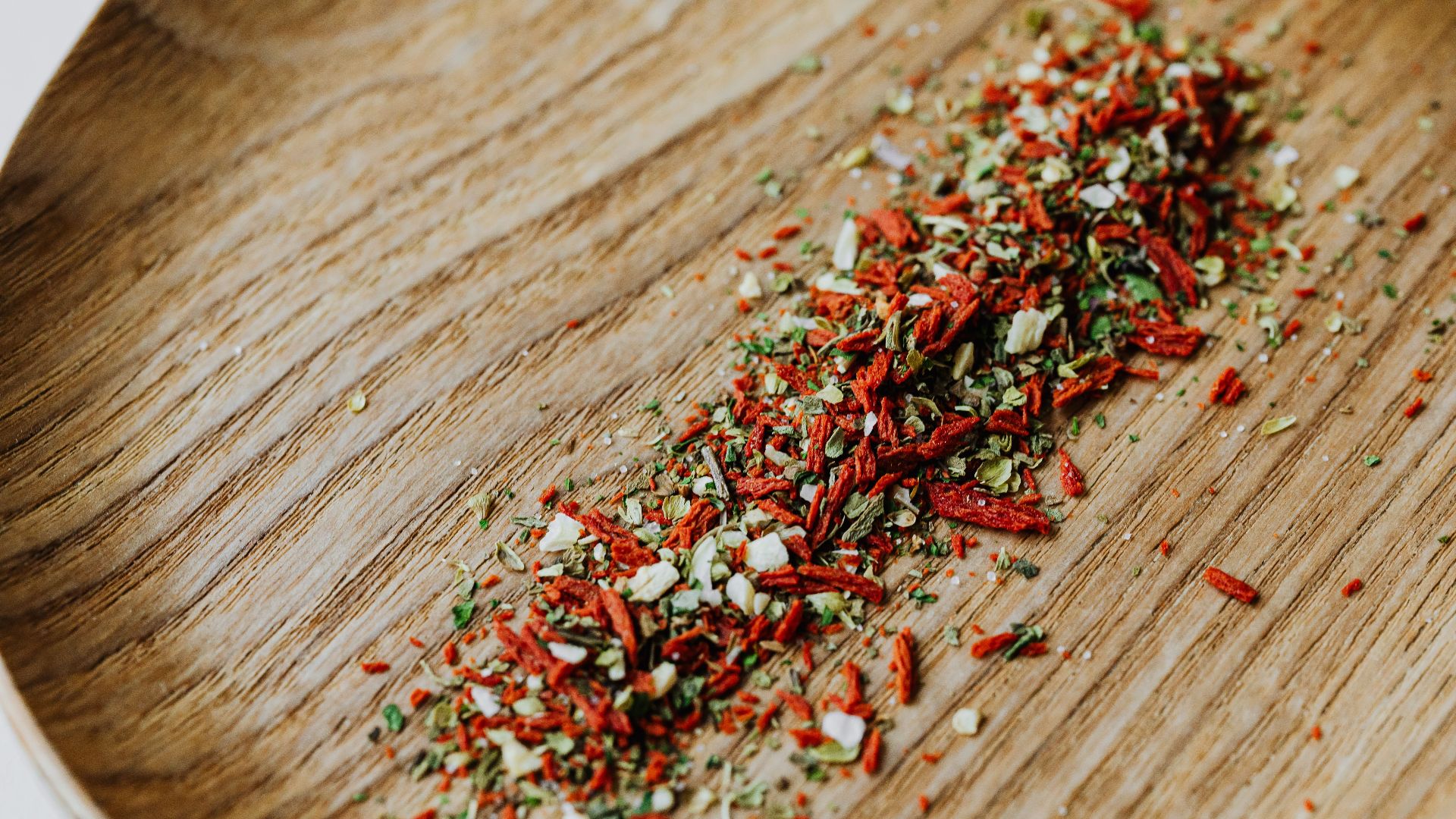
This Japanese seven-spice blend often includes red chile, citrus peel, sesame seeds, seaweed, ginger, and Japanese pepper. It delivers heat alongside citrusy, nutty, and lightly savory notes rather than tasting purely spicy. Shake it over noodles, rice bowls, grilled fish, roasted squash, or even buttered popcorn for a more complex finish.
4. Dukkah
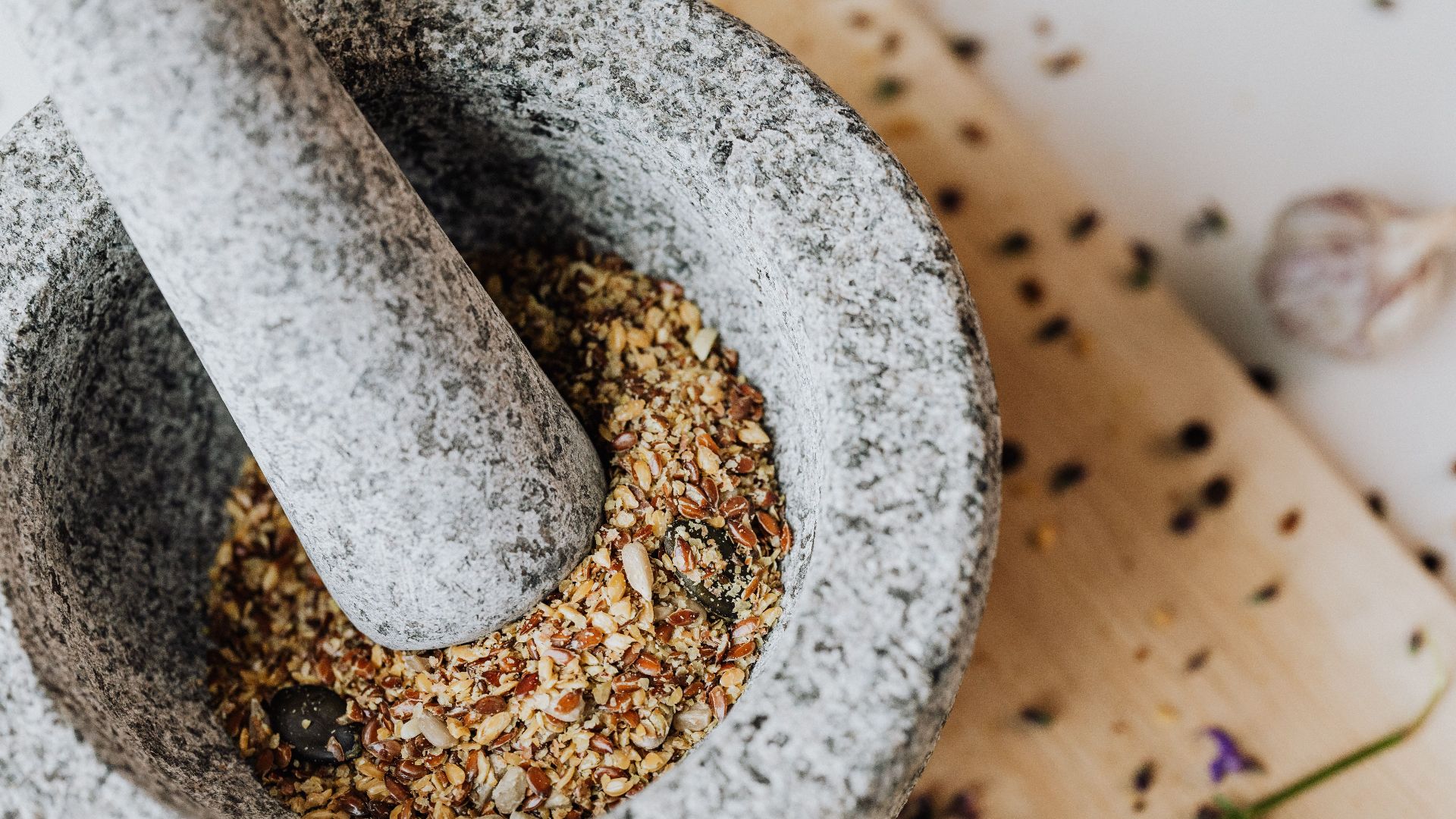
Dukkah is an Egyptian mixture traditionally built from toasted nuts, seeds, and spices such as coriander and cumin. Because recipes differ, you may encounter versions made with hazelnuts, almonds, peanuts, or other available ingredients. Use it as a crunchy coating for fish, add it to salads, or serve it with bread and olive oil.
5. Baharat
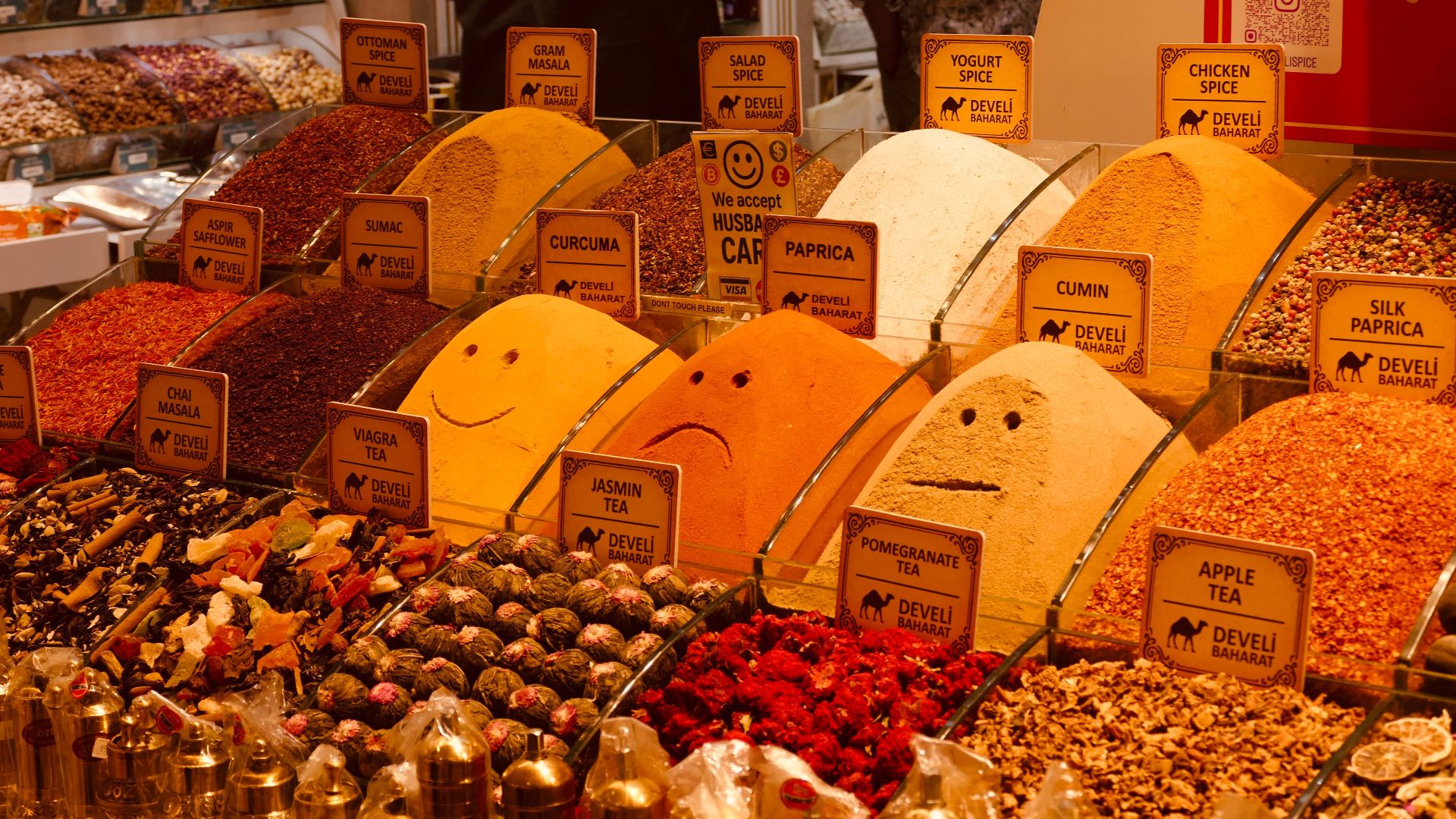
Baharat means “spices” in Arabic and generally refers to a fragrant blend used throughout Middle Eastern cooking. Common ingredients include black pepper, cumin, coriander, cinnamon, cloves, cardamom, and paprika, though the balance changes by region. It works particularly well in ground beef, lamb, rice dishes, bean soups, and roasted root vegetables.
6. Panch Phoron
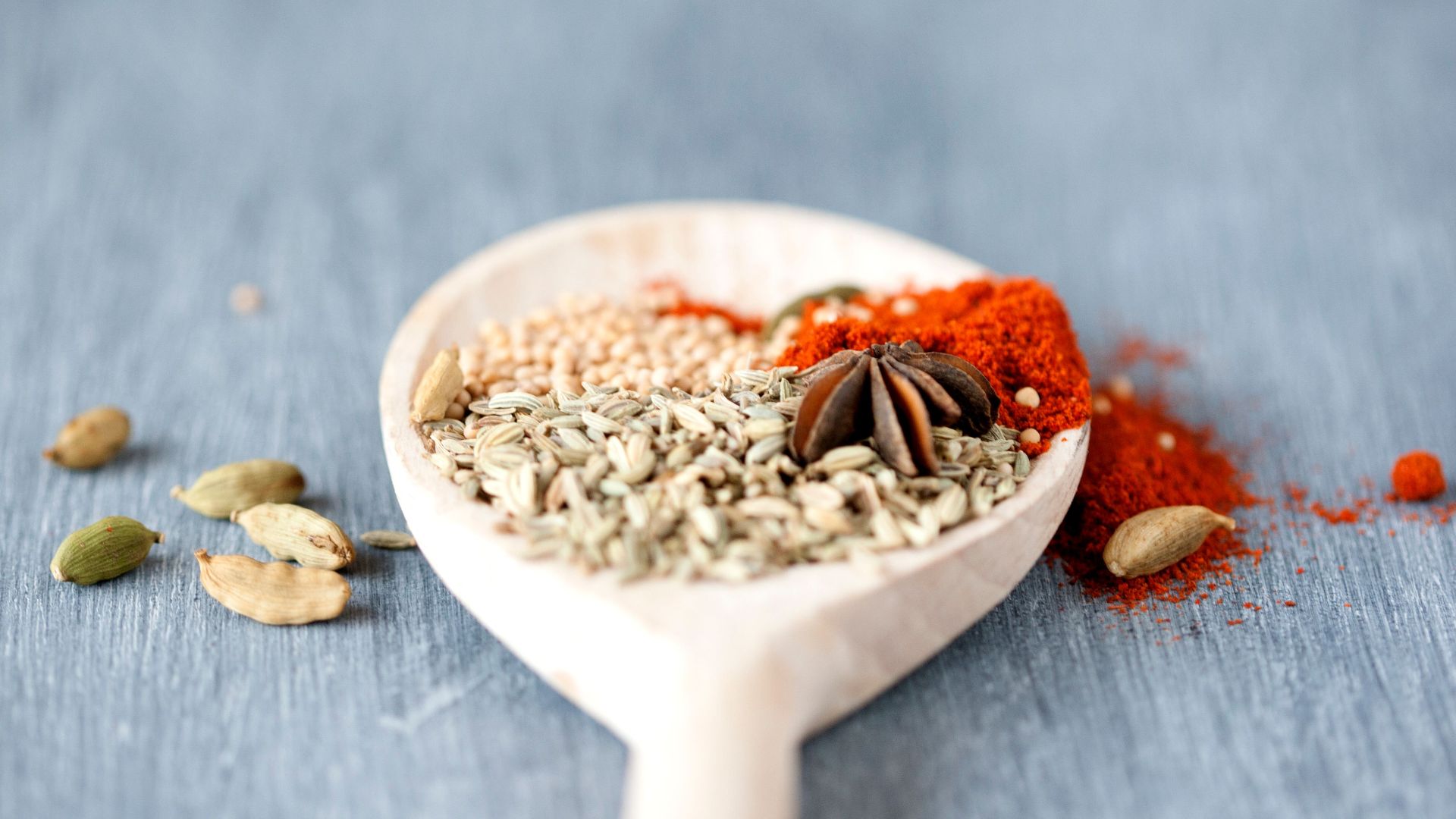
Panch phoron is a whole-spice blend associated with eastern India and Bangladesh, typically containing cumin, fennel, fenugreek, nigella, and mustard seeds. The seeds are commonly fried briefly in oil to release their aromas before other ingredients are added. Try it at the start of lentil dishes, sautéed greens, potato recipes, or simple vegetable curries.
7. Ras El Hanout
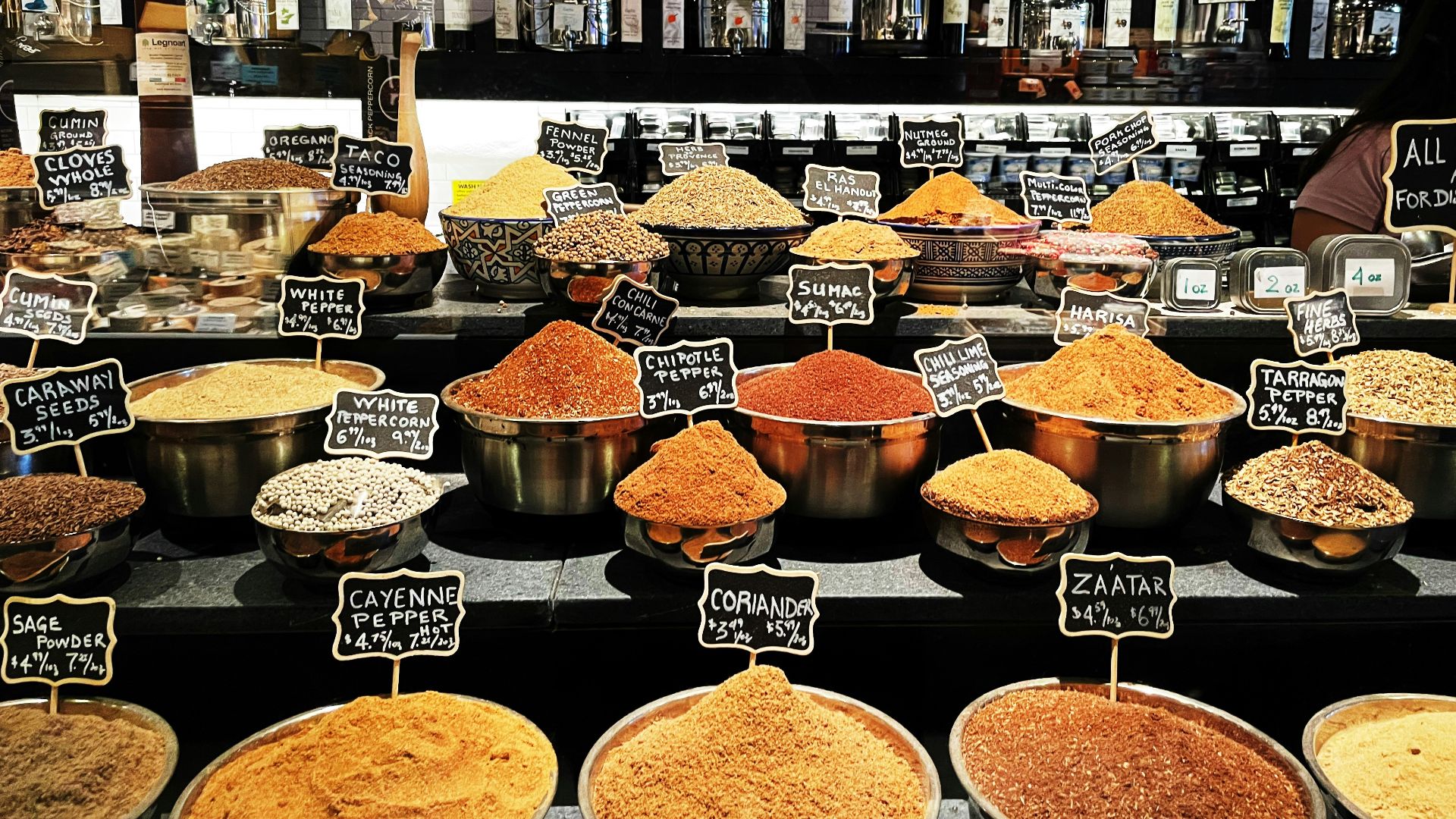
Ras el hanout is a North African blend whose name generally refers to a shop’s finest or signature spice mixture. It may contain cumin, coriander, ginger, turmeric, cinnamon, pepper, and several other seasonings, depending on the maker.
8. Herbes De Provence
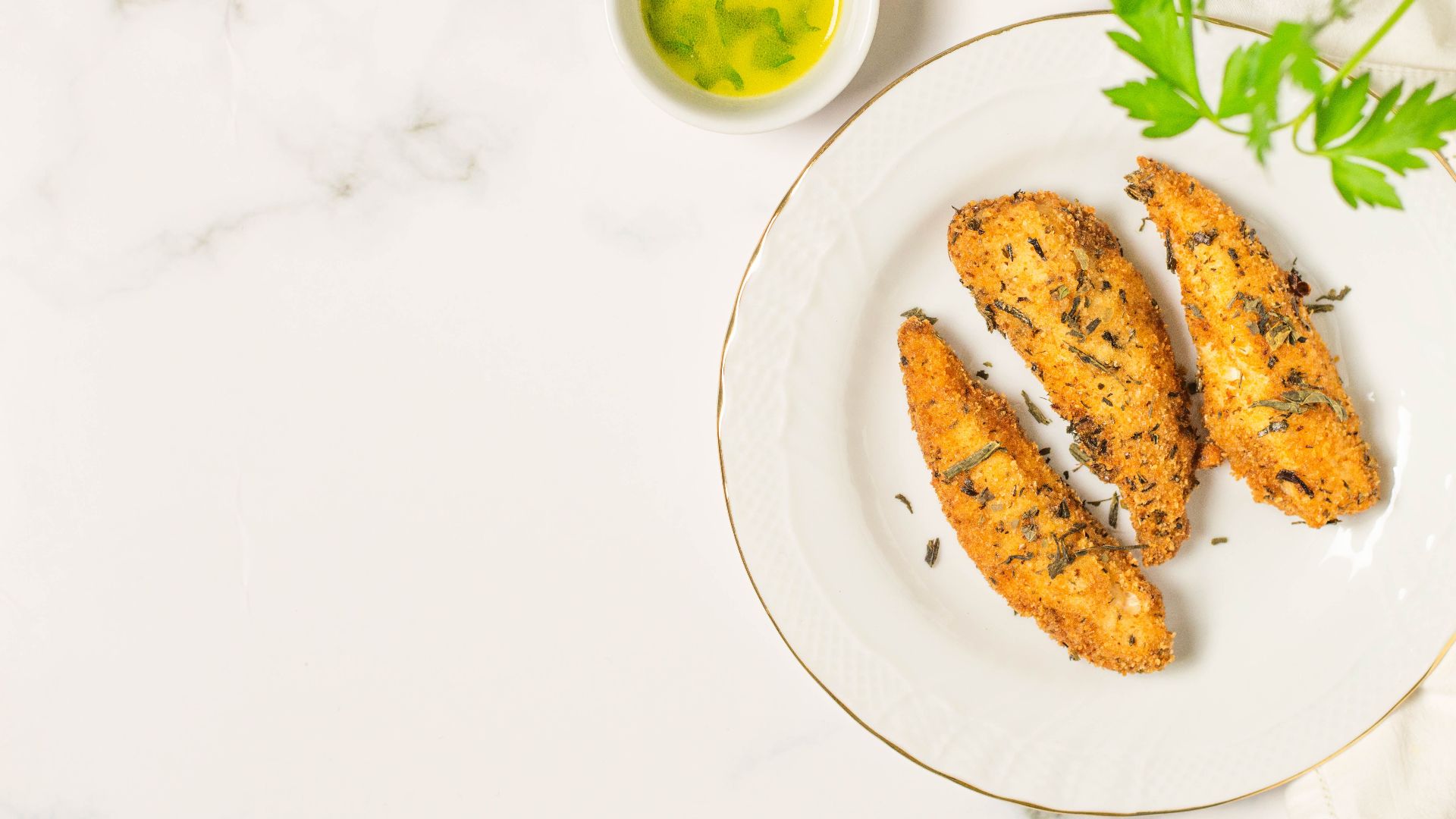
Herbes de Provence combines dried herbs associated with southern French cooking, often including thyme, rosemary, savory, marjoram, and oregano. Some commercial versions contain lavender, although it isn’t essential and can become overpowering when used heavily.
9. Khmeli Suneli
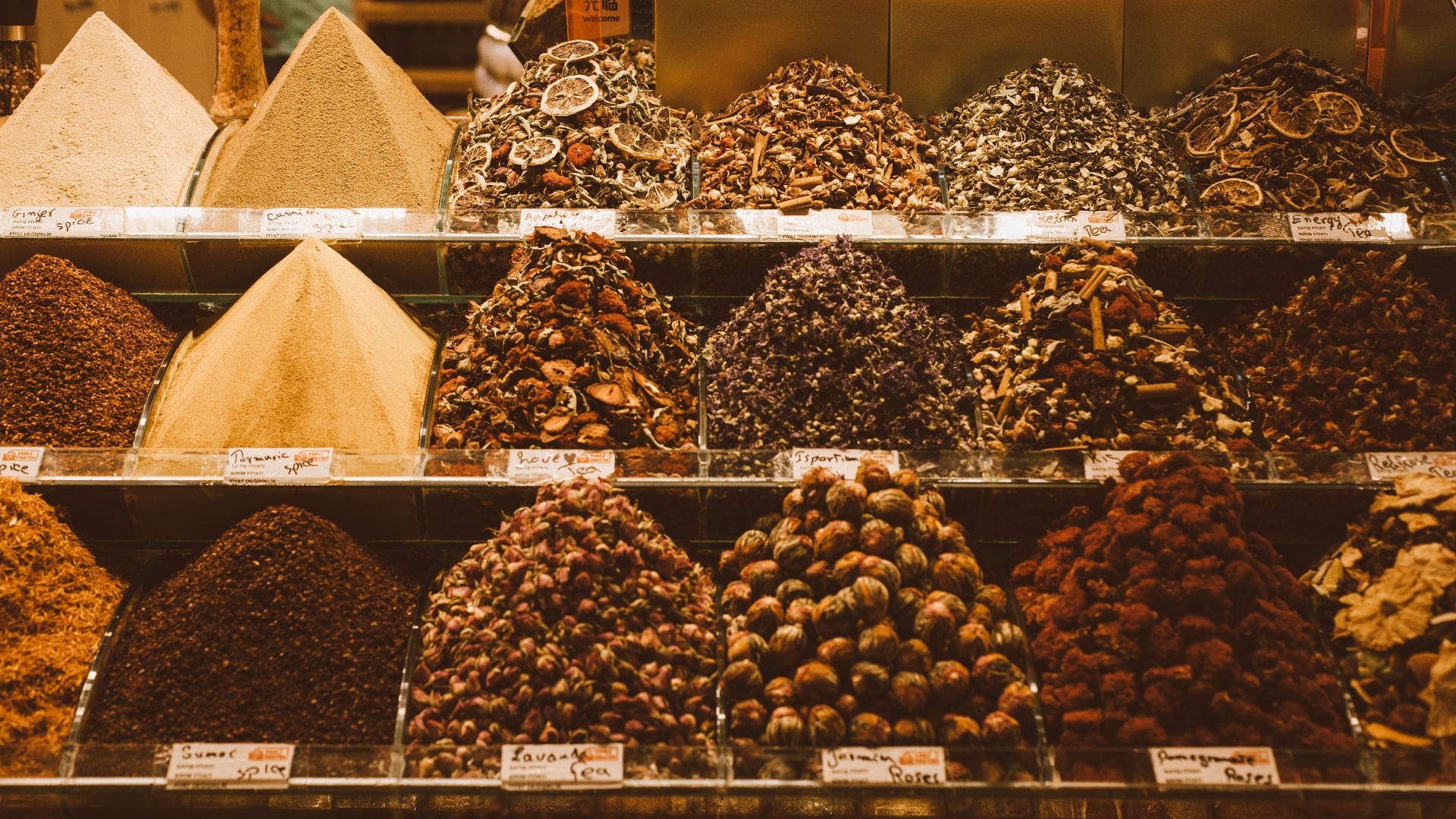
Khmeli suneli is a Georgian spice blend that commonly includes coriander, fenugreek, savory, marjoram, dill, and other aromatic ingredients. Some versions also contain saffron-like Georgian marigold petals, which contribute color and a distinctive earthy character.
10. Advieh
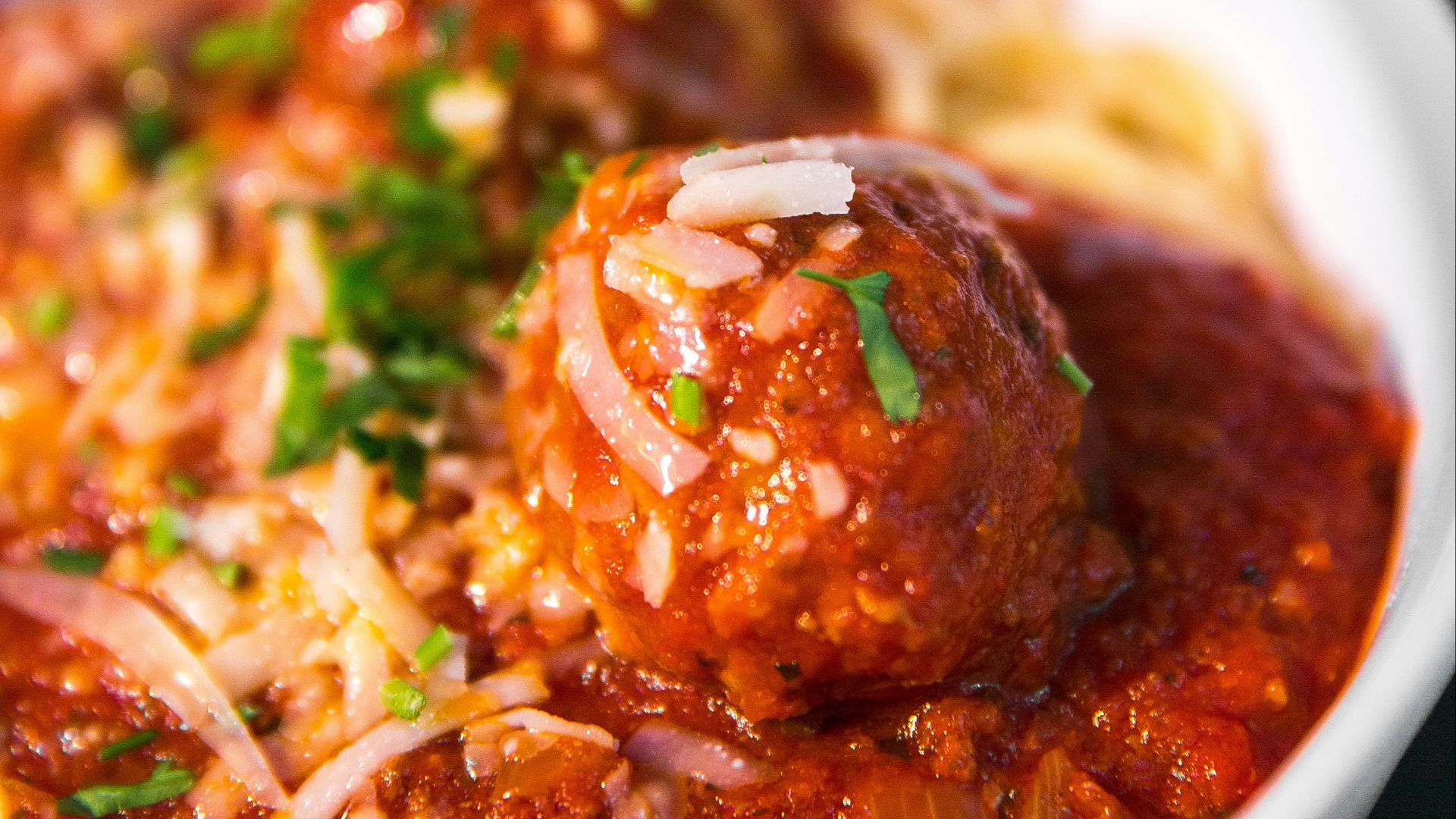
Advieh refers to a family of Persian spice blends rather than one strictly standardized recipe. Depending on its intended use, it can contain cinnamon, cardamom, cumin, rose petals, coriander, or dried lime. A small spoonful can enhance rice, meatballs, braised chicken, lentils, and roasted vegetables without making the dish noticeably hot.
11. Gomasio
Gomasio is a Japanese seasoning made primarily from toasted sesame seeds and salt, sometimes with seaweed added. Since sesame makes up most of the blend, it can provide plenty of flavor while using less salt than a direct heavy sprinkling. Add it to steamed vegetables, rice, avocado toast, salads, or softly cooked eggs.
12. Chaat Masala
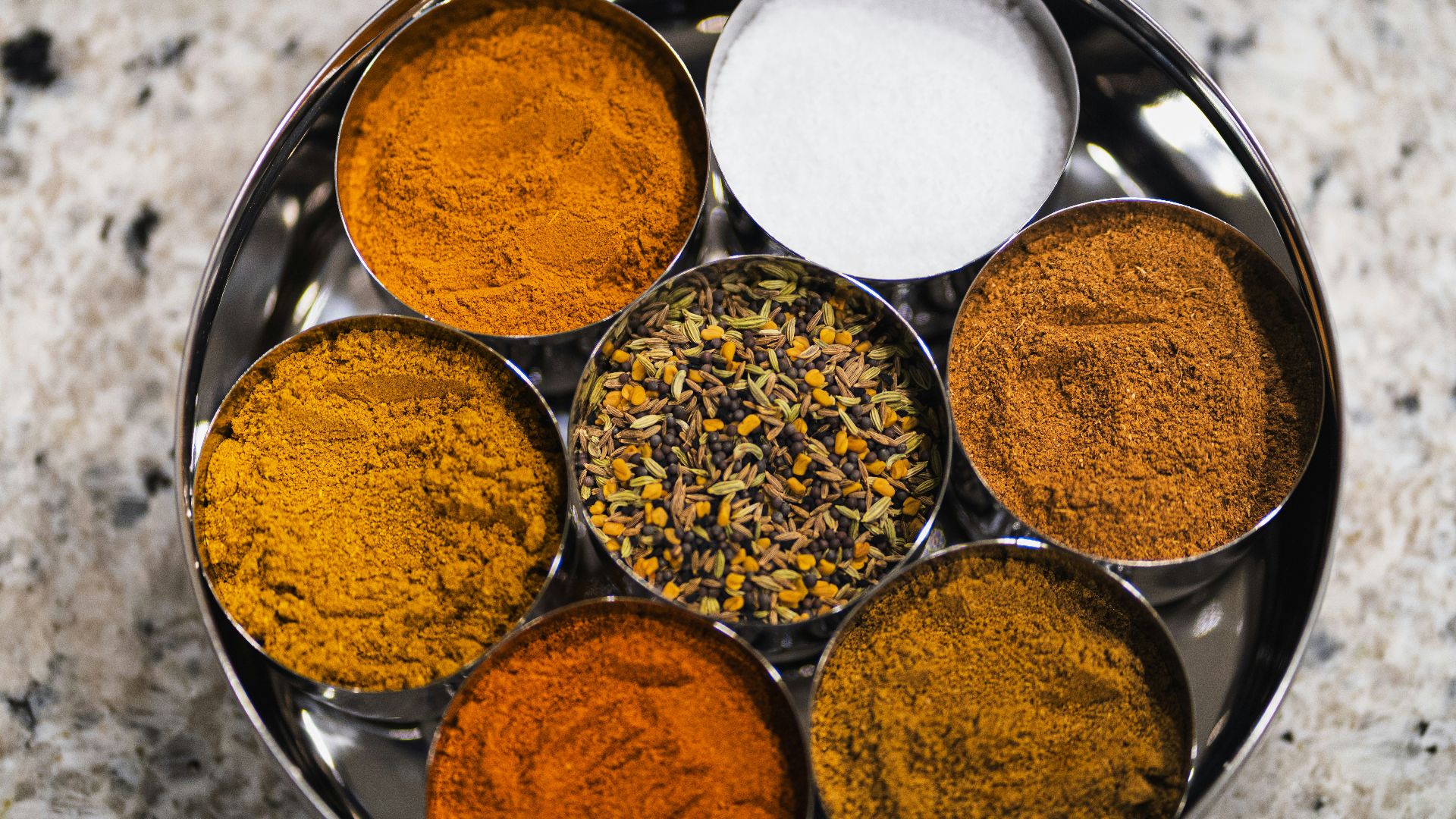
Chaat masala is a tangy South Asian blend known for ingredients such as cumin, coriander, dried mango powder, black salt, and chile. Black salt can contribute a distinctive sulfurous aroma, so a small amount is usually sufficient.
13. Suya Spice
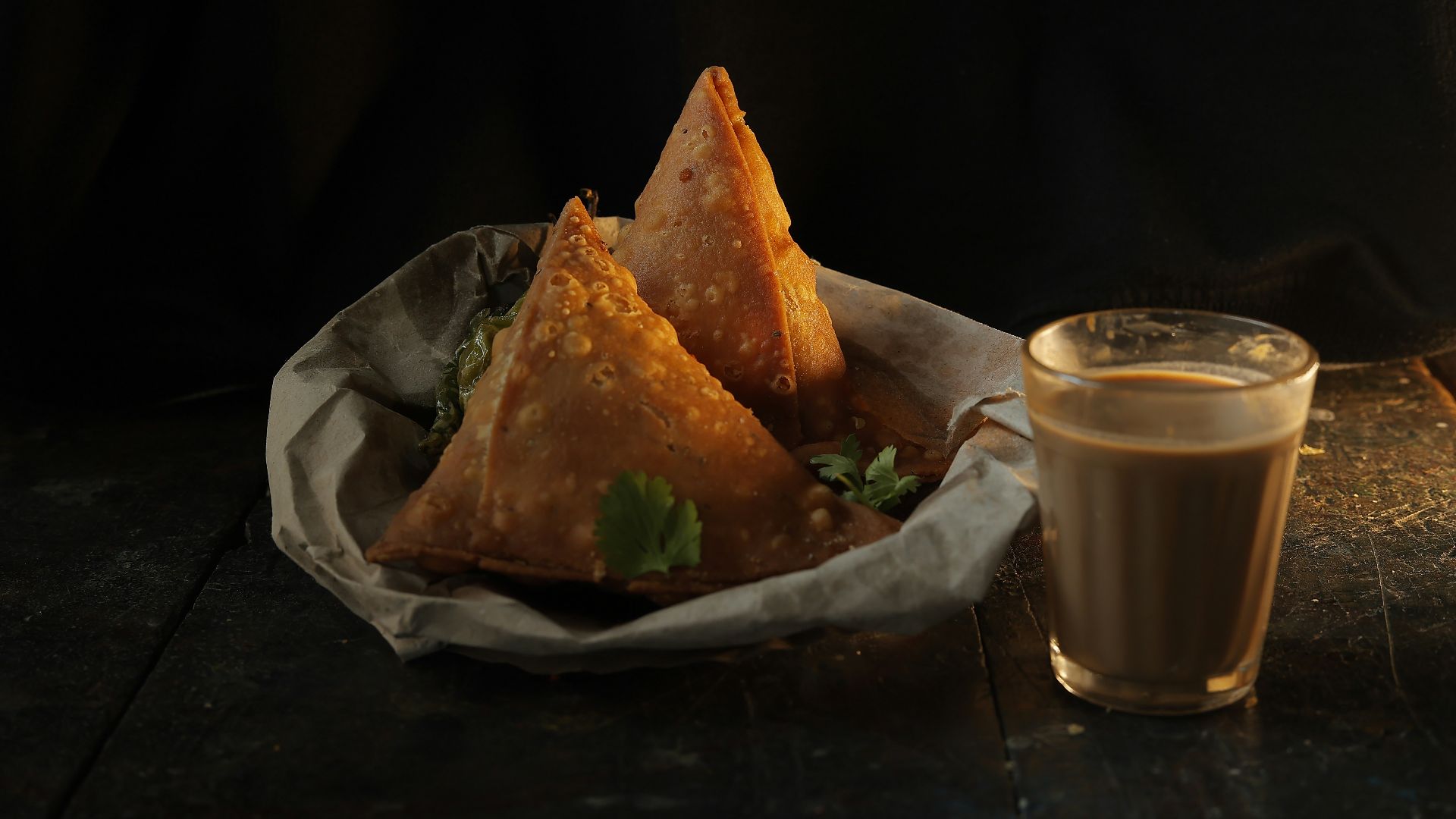
Suya spice, also called yaji, is associated with the popular grilled meat skewers of Nigeria and other parts of West Africa. It commonly includes ground peanuts, ginger, chile, and additional savory seasonings, although recipes vary among vendors and families.
14. Quatre Épices
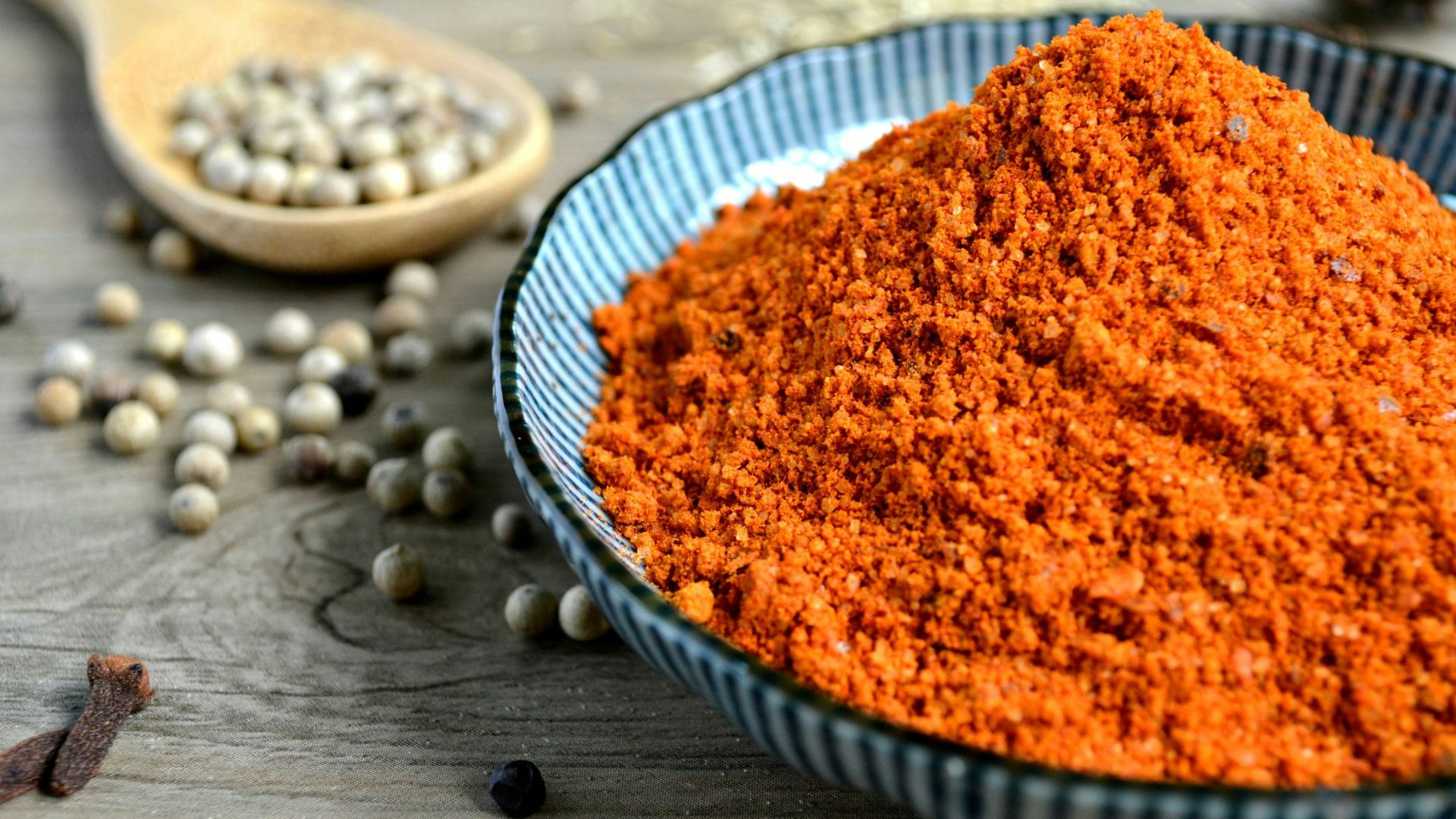
Quatre épices is a French blend whose name translates to “four spices,” though exact recipes aren’t always identical. Black or white pepper is usually prominent, accompanied by warming ingredients such as nutmeg, cloves, ginger, or cinnamon.
15. Chinese Five-Spice
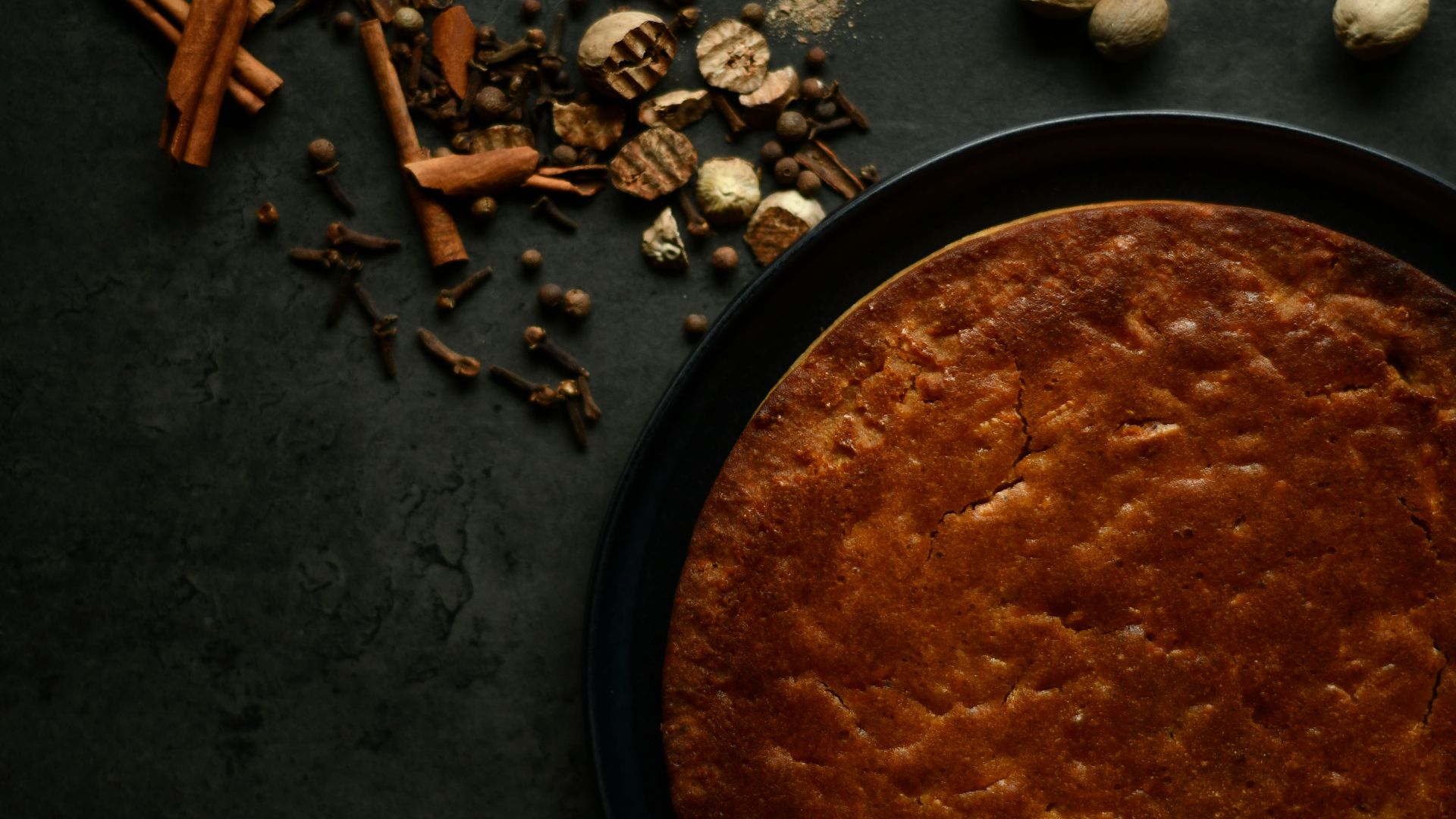
Chinese five-spice is familiar by name, yet many cooks reserve it for only a narrow range of recipes. Typical versions combine star anise, cloves, cinnamon, fennel, and Sichuan pepper, creating sweet, warm, and lightly numbing notes.
16. Vadouvan
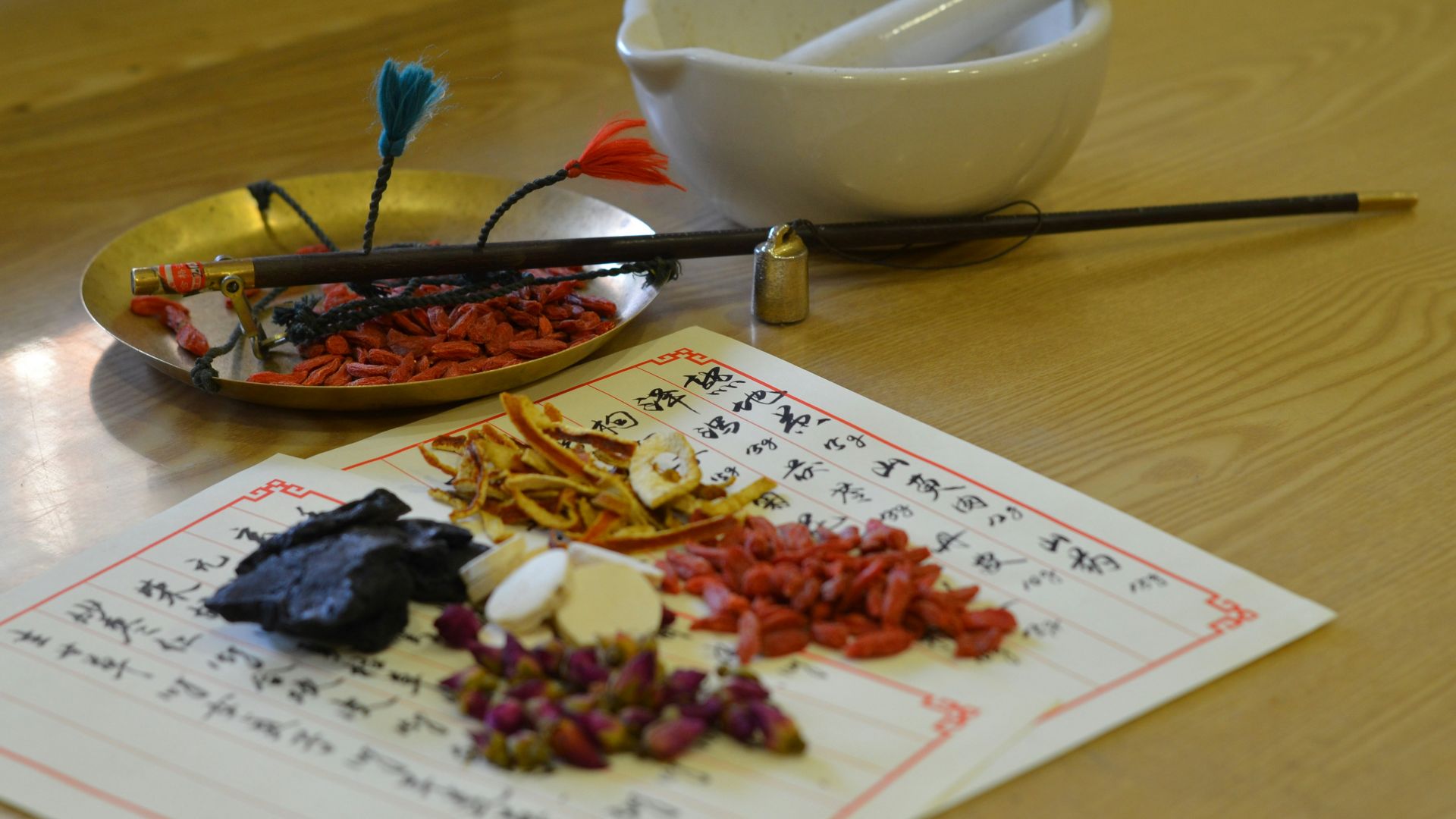
Vadouvan is a French-influenced interpretation of Indian-style curry seasoning, often featuring onion, garlic, fenugreek, cumin, and turmeric. It generally tastes milder and more rounded than many chile-forward curry powders.
17. Mitmita
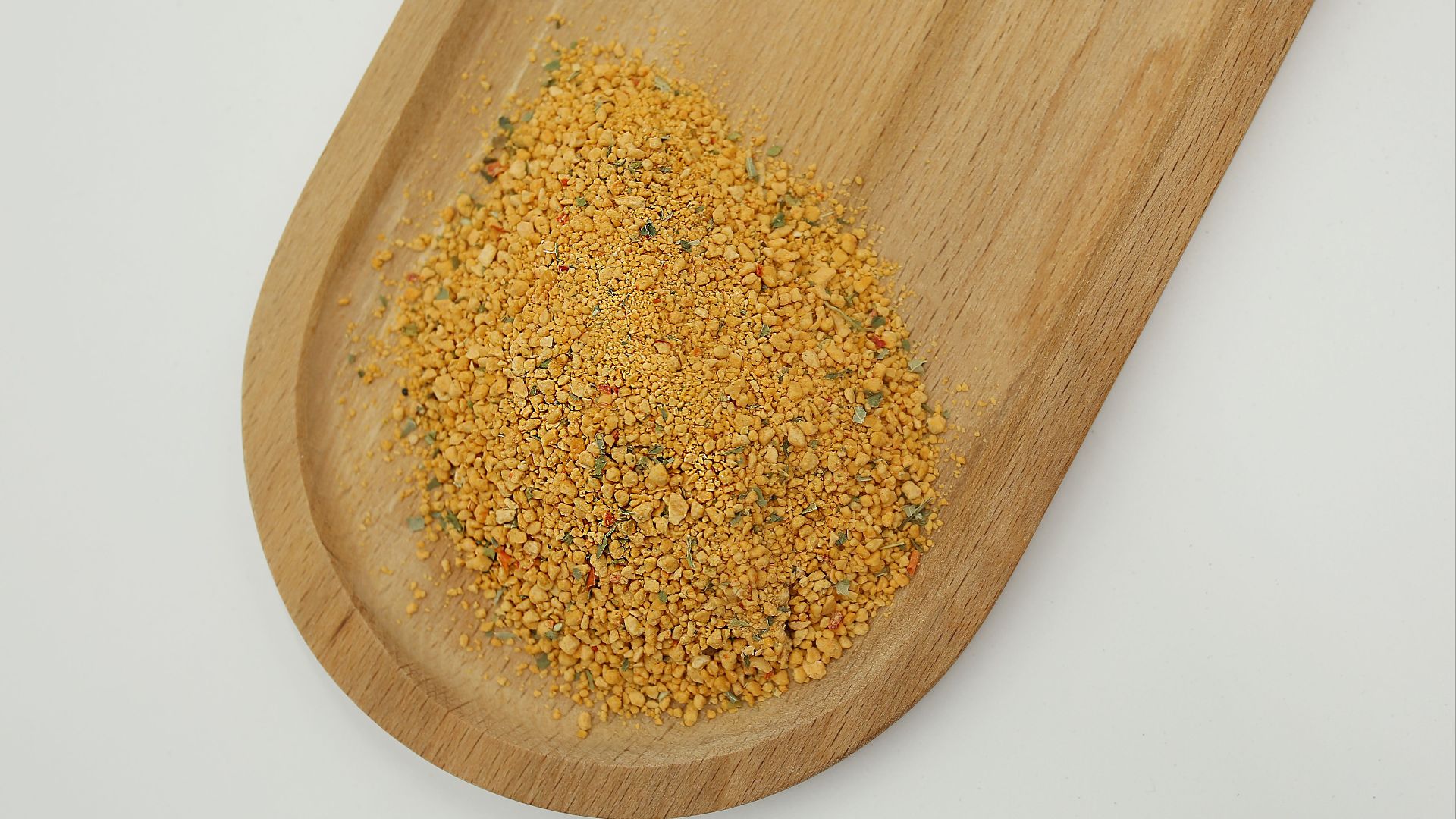
Mitmita is an Ethiopian seasoning that’s generally hotter than berbere and often contains chile, cardamom, cloves, and salt. Because its intensity can vary widely, begin with a light sprinkle and adjust only after tasting.
18. Tabil
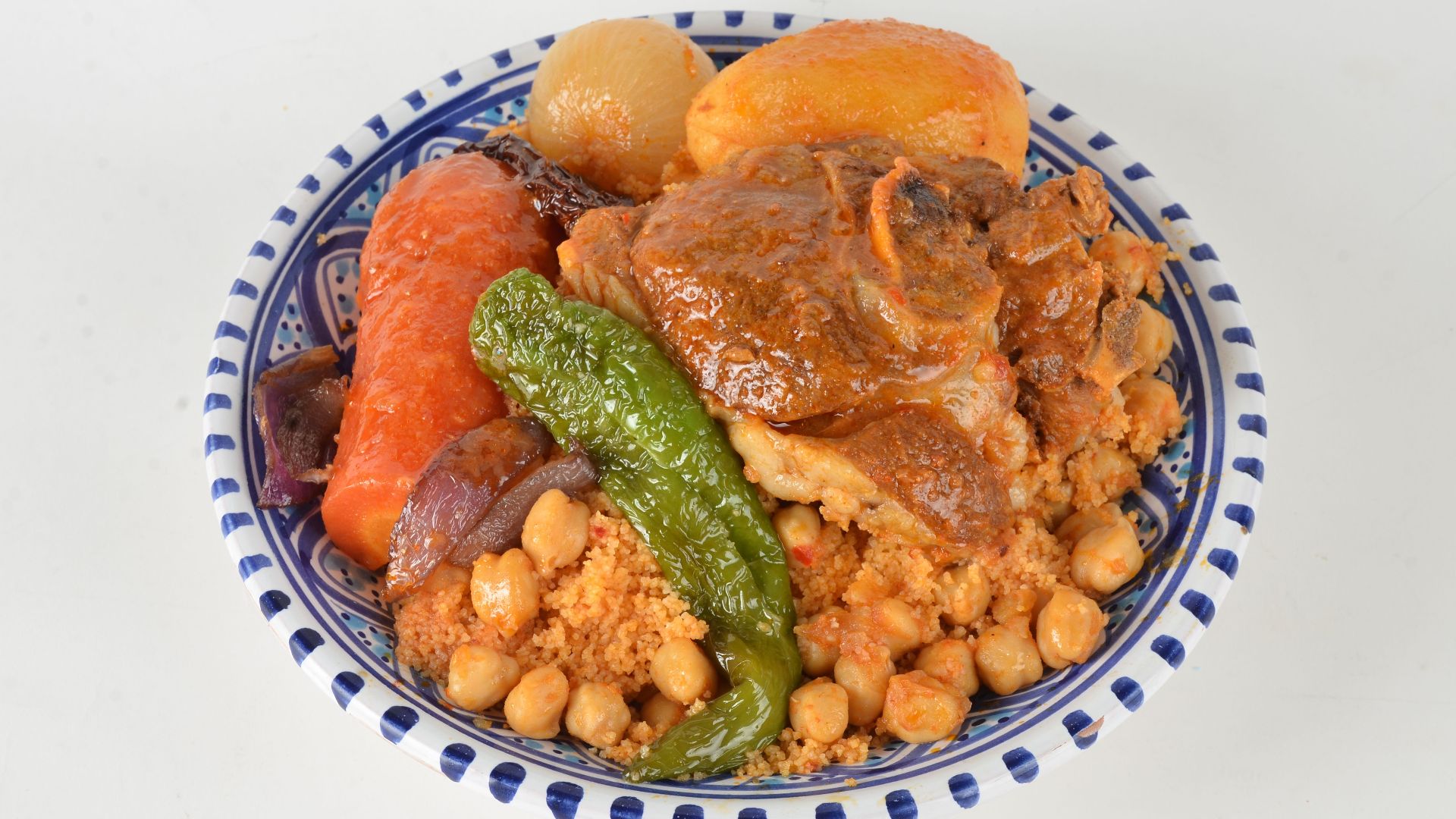
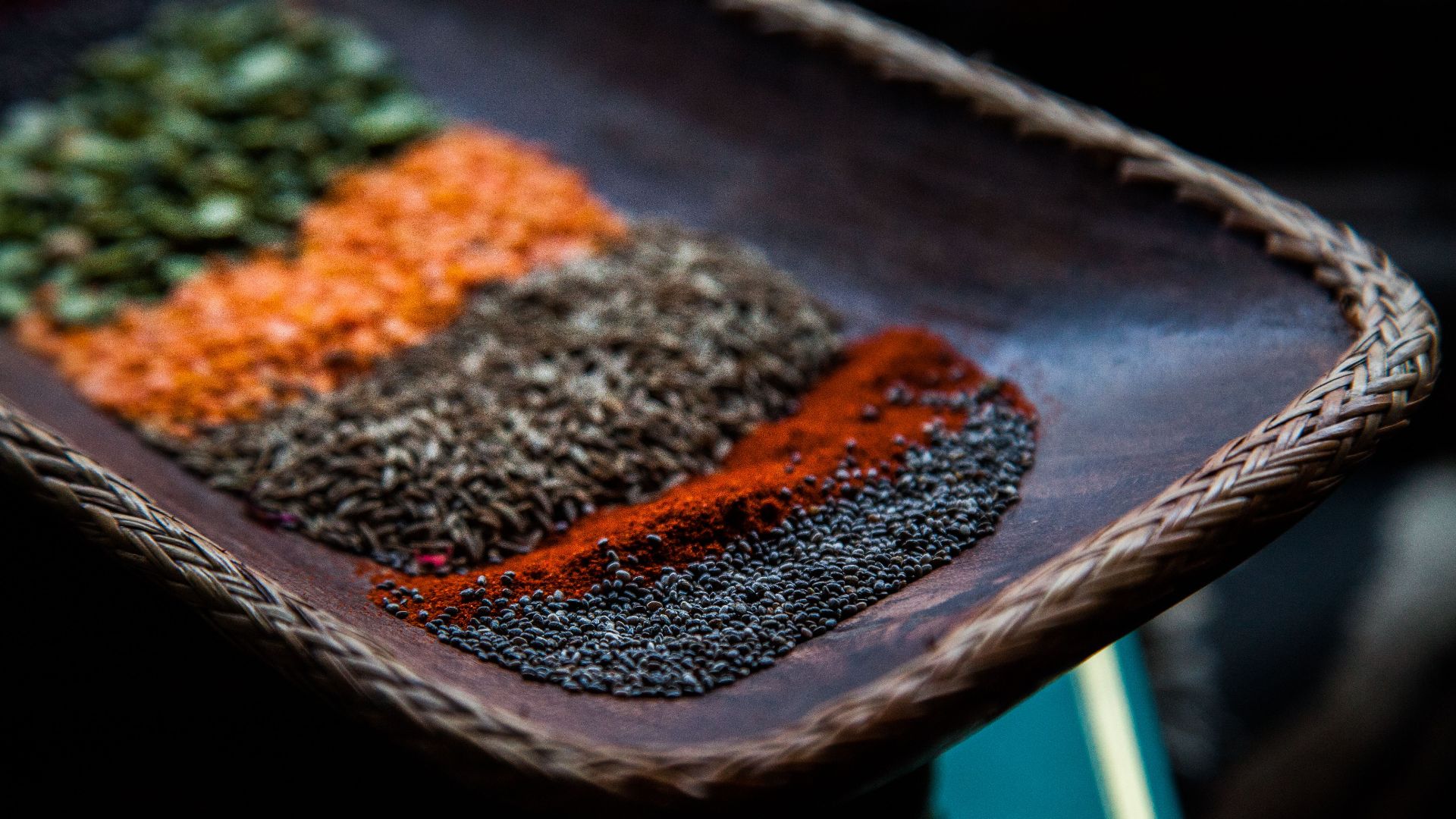
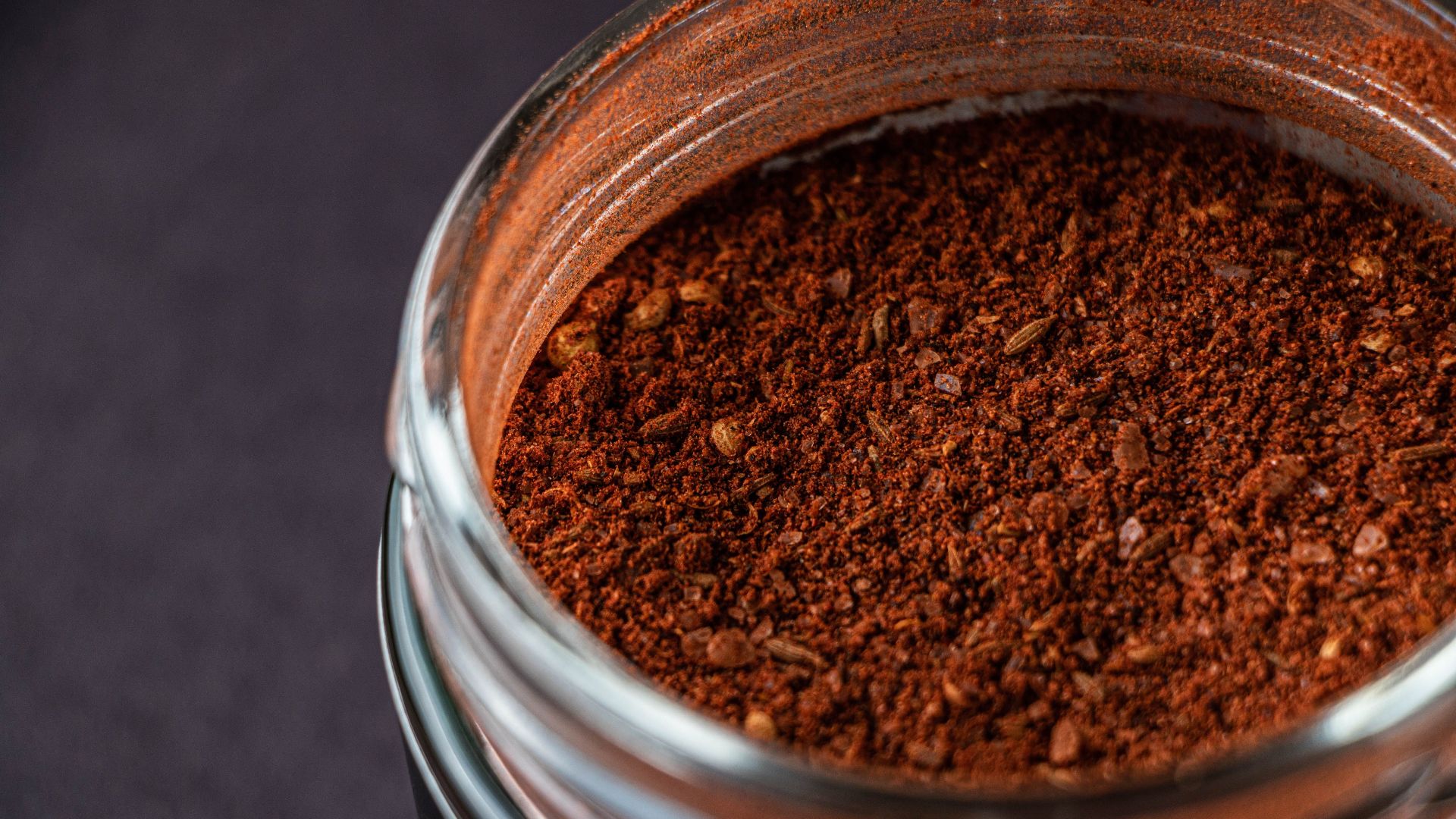
Tabil is a Tunisian blend traditionally centered on coriander, caraway, garlic, and chile. Its herbal, earthy character suits foods that need more dimension without the sweetness found in some warming spice mixtures.
 Norma Gabriela Galván on Pexels
19. Recado Rojo
Recado rojo, also known as achiote paste or red seasoning paste, is associated with cooking in Mexico’s Yucatán Peninsula. Annatto provides its recognizable red color, while ingredients such as oregano, cumin, garlic, and citrus contribute flavor.
20. Poultry Seasoning
Poultry seasoning is often overlooked because its name makes it seem useful only for chicken or holiday stuffing. Most versions combine sage, thyme, marjoram, rosemary, and related herbs that complement many savory foods.
KEEP ON READING


20 Worst Foods for Your Liver