20 Dishes That Prove Japanese Food Is The Healthiest Asian Cuisine
Food Built Around Balance And Variety
No single national cuisine can be objectively declared the healthiest, especially since ingredients, portion sizes, and preparation methods vary widely across Asia. Still, traditional Japanese meals often emphasize fish, soy foods, seaweed, vegetables, rice, fermented ingredients, and relatively modest servings rather than relying heavily on rich sauces or large quantities of meat. These 20 dishes that prove Japanese food is the healthiest Asian cuisine show why its reputation for balance remains so strong, even though sodium levels and deep-fried choices still deserve consideration.
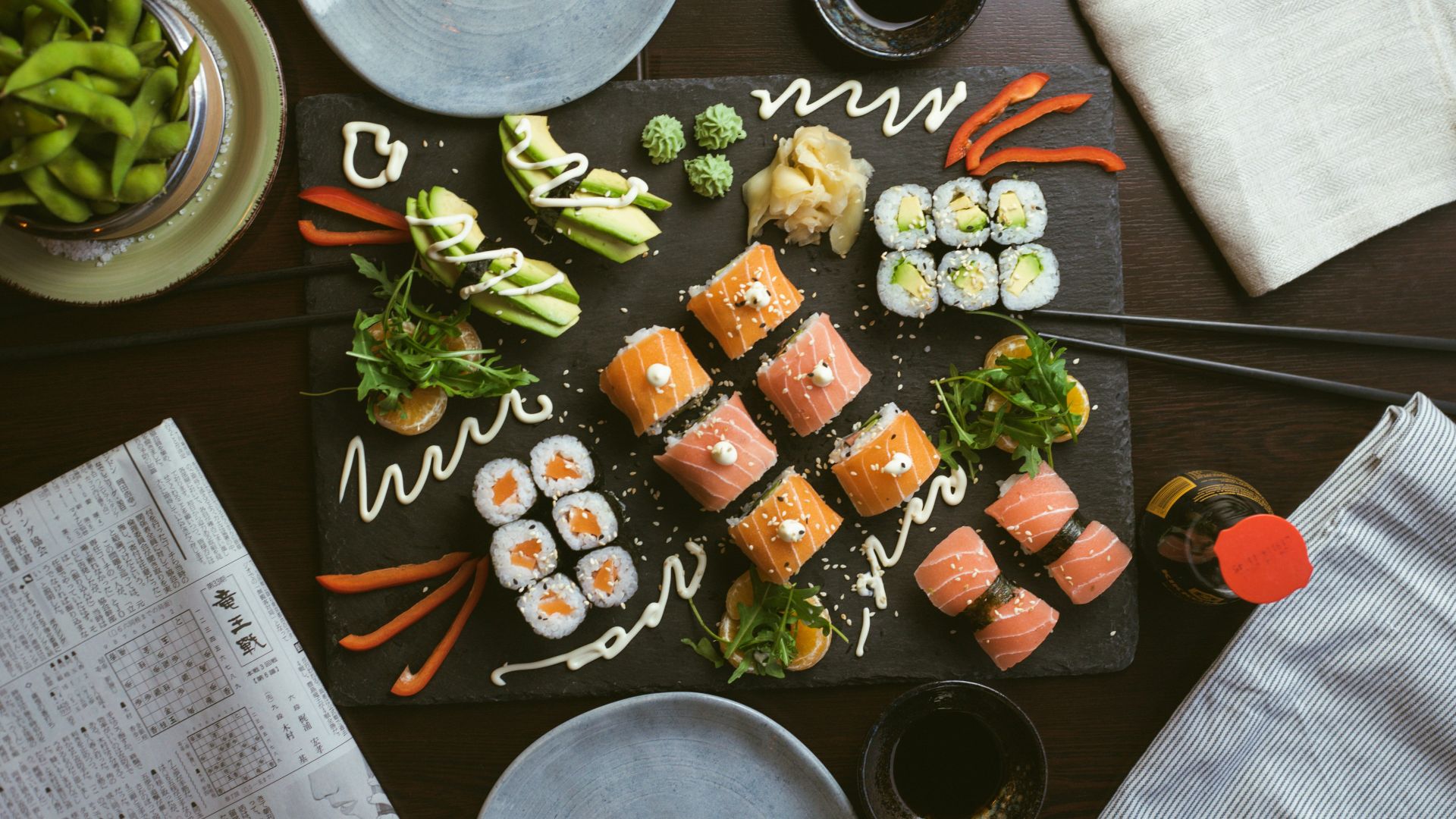
1. Sashimi
Sashimi consists of thinly sliced raw fish served without the rice used in sushi rolls or nigiri. Fish such as salmon, tuna, and mackerel can provide protein, while oily varieties also contain omega-3 fatty acids.
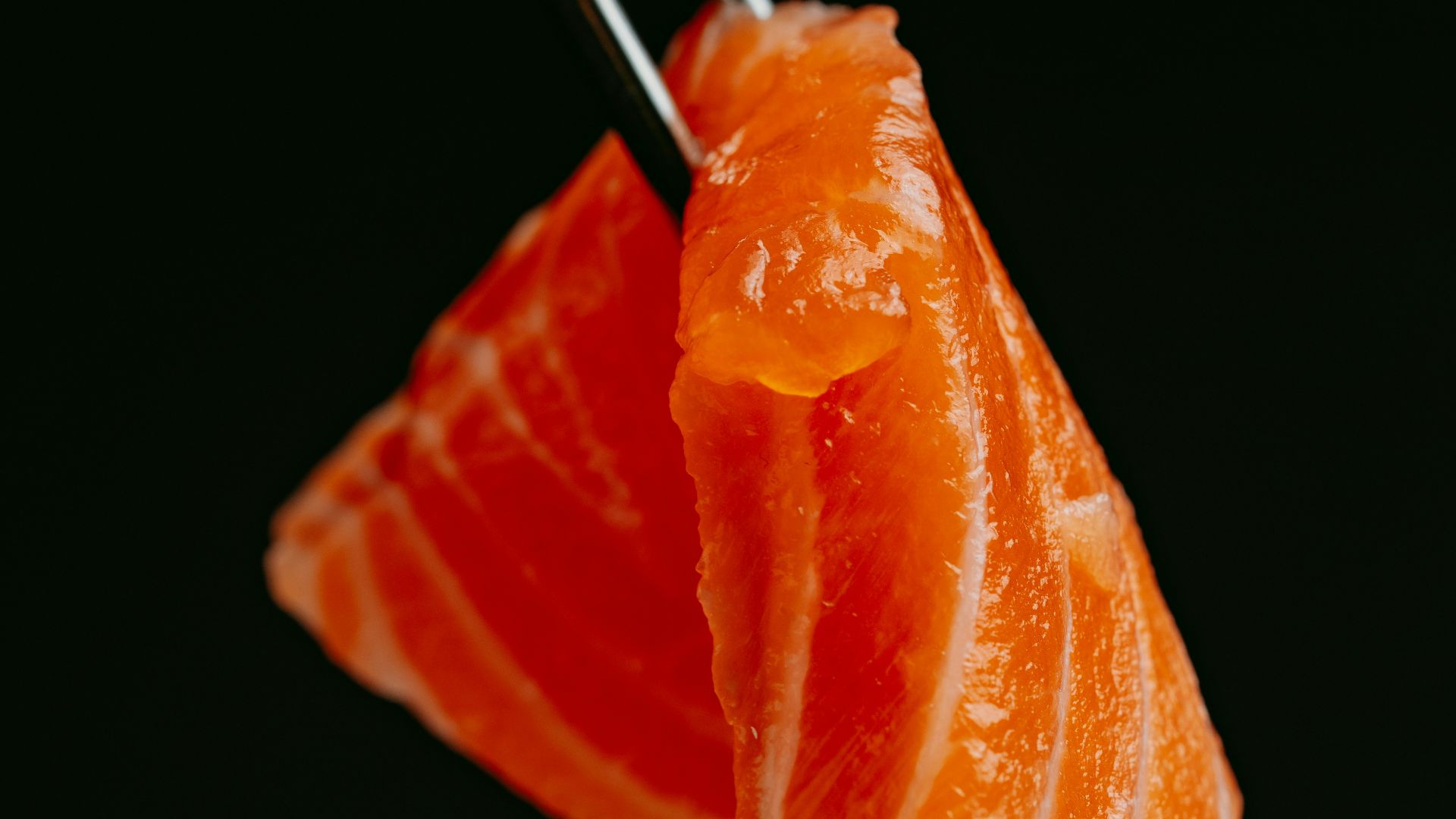
2. Miso Soup
A traditional bowl of miso soup combines fermented soybean paste with dashi and ingredients such as tofu, seaweed, or green onions. It can contribute protein and minerals while adding warmth and flavor without requiring a heavy cream base.
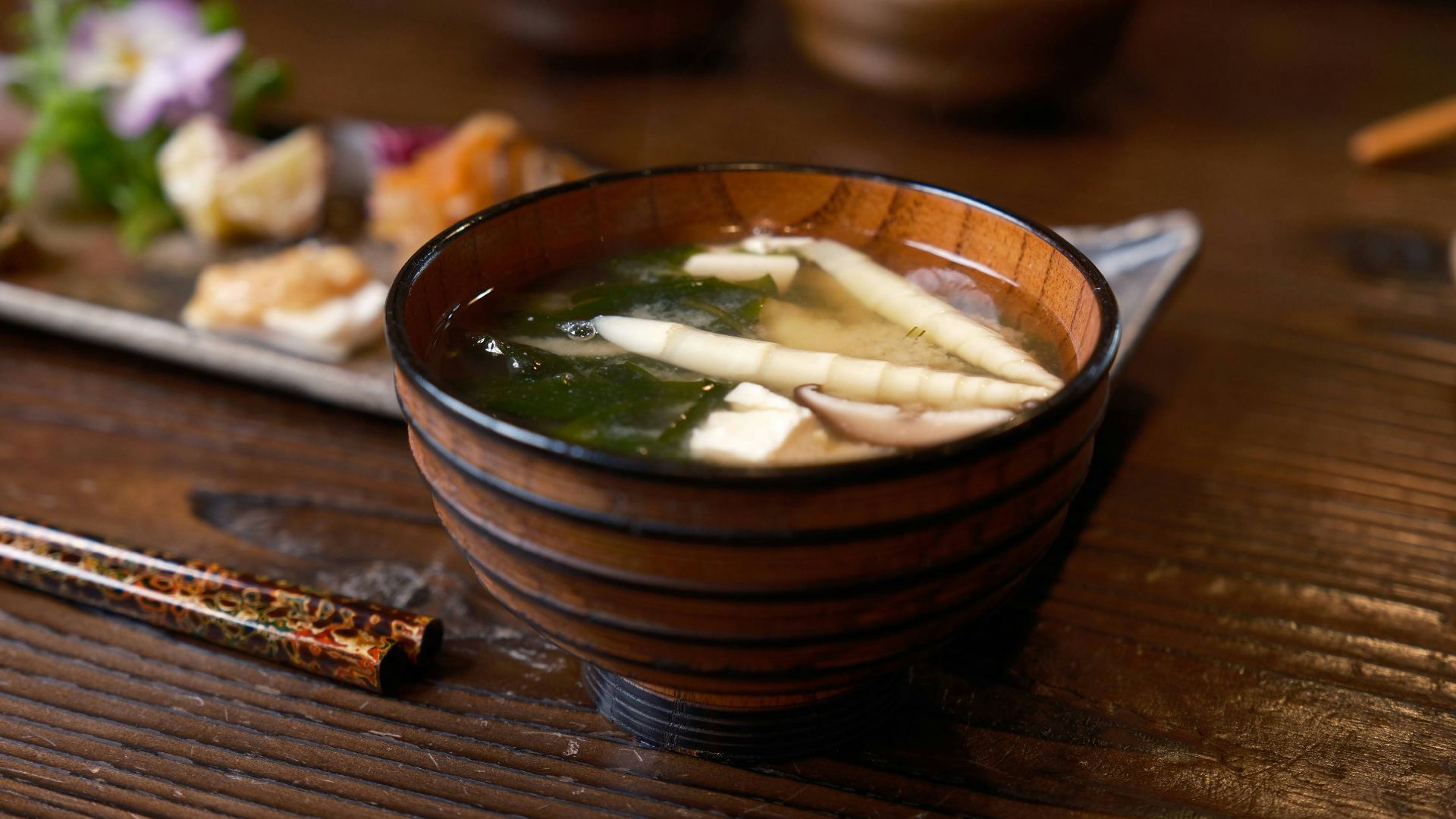
3. Hiyayakko
Hiyayakko is chilled tofu served with simple toppings such as grated ginger, green onions, bonito flakes, or a little soy sauce. Tofu provides plant-based protein and is generally low in saturated fat, making the dish both light and filling. Using soy sauce sparingly preserves the clean flavors while preventing sodium from overwhelming an otherwise balanced appetizer.
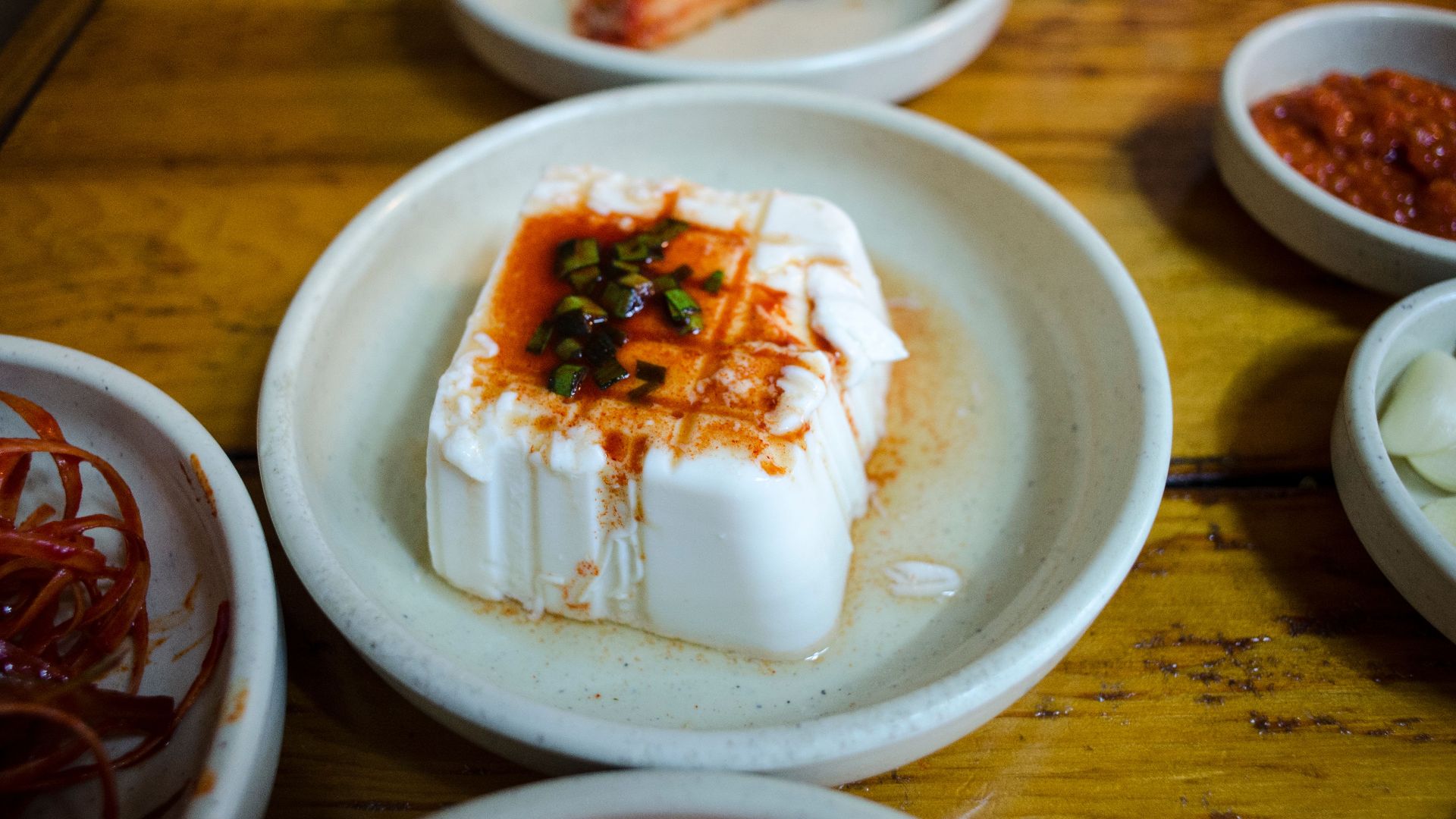
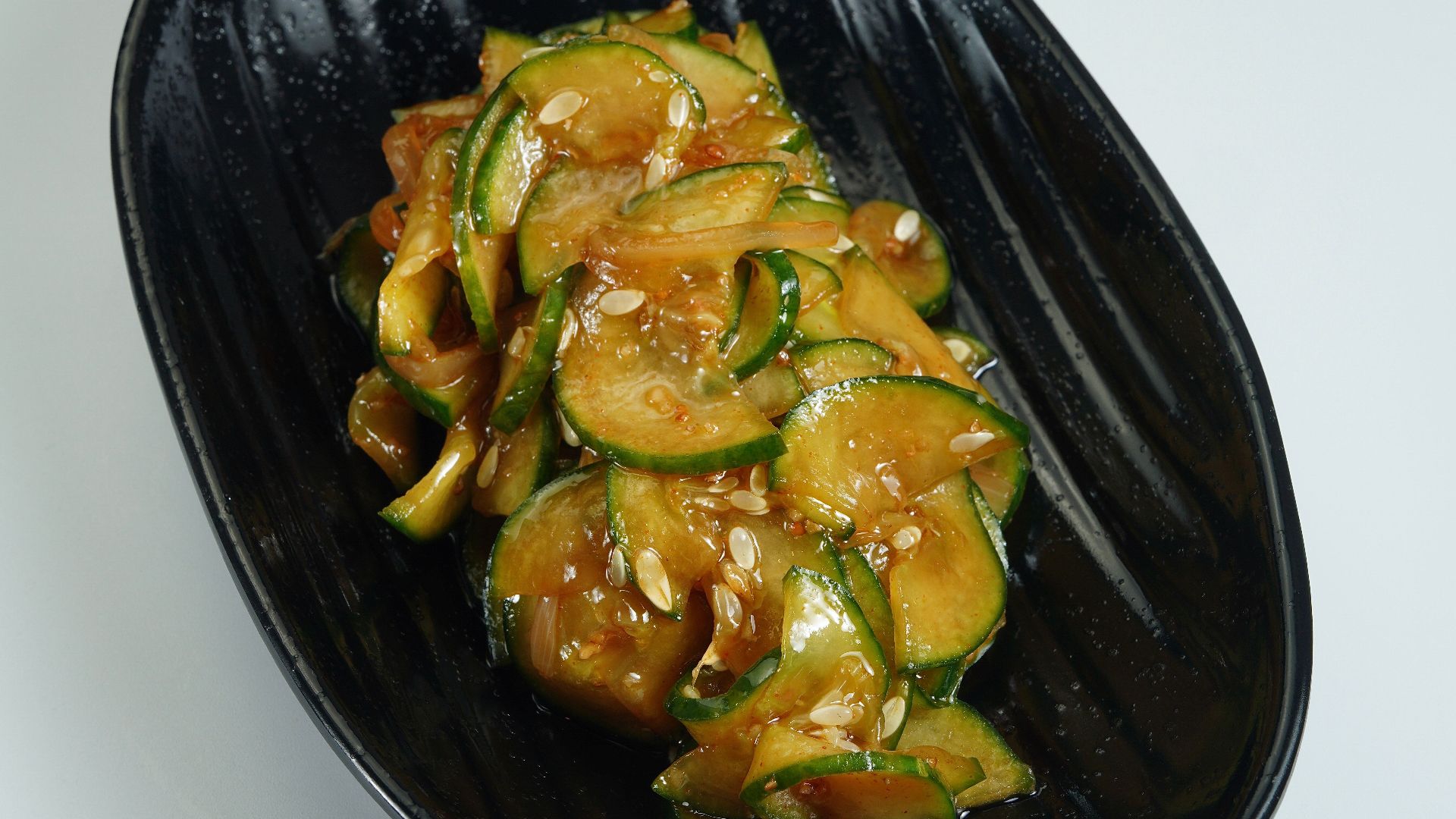
4. Sunomono
Sunomono is a vinegared salad commonly prepared with thinly sliced cucumber and sometimes seaweed, seafood, or sesame seeds. Its refreshing acidity creates plenty of flavor without mayonnaise, butter, or a large amount of cooking oil.
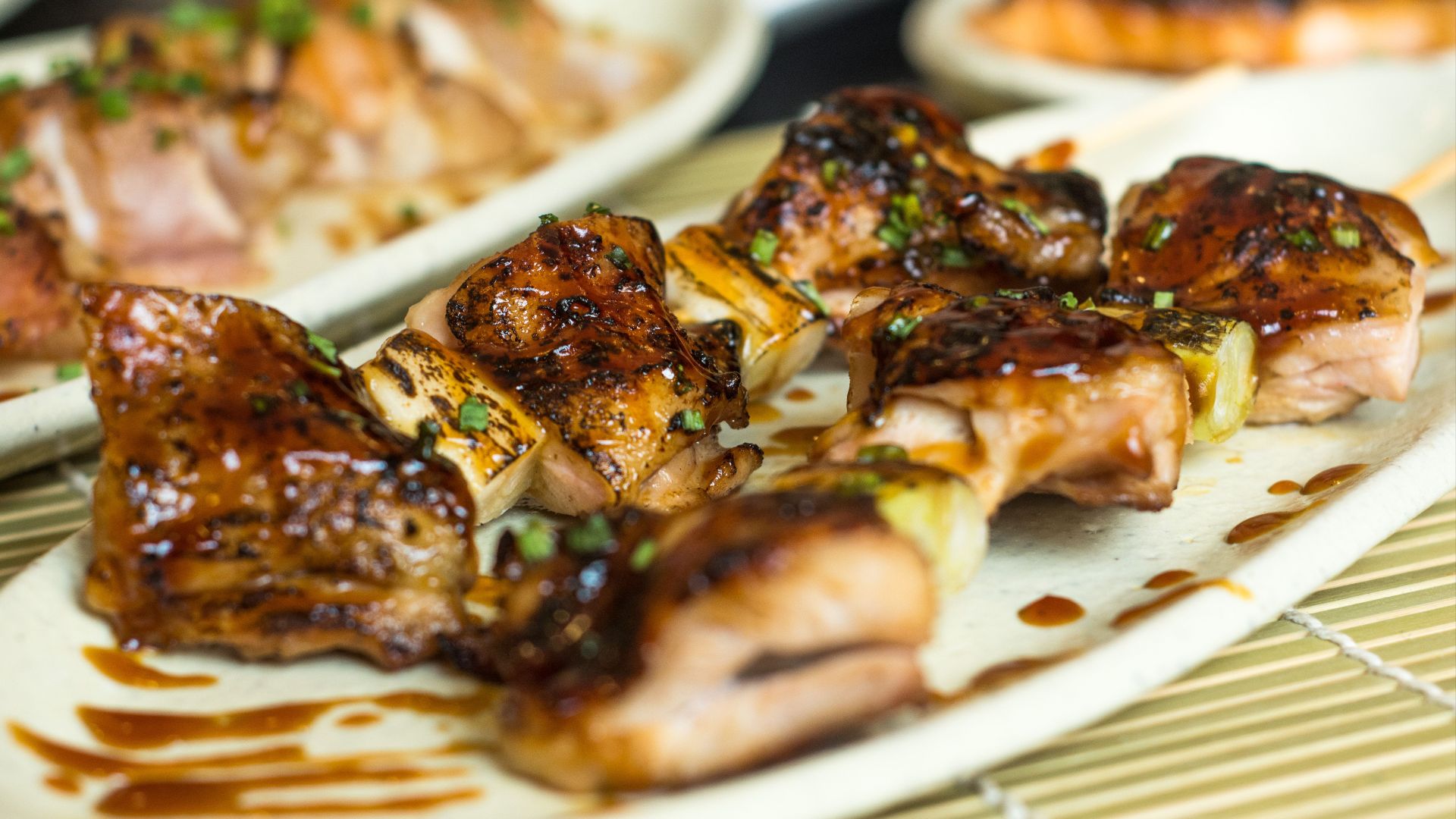
5. Yakizakana
Yakizakana refers to grilled fish, a straightforward preparation that highlights the natural flavor of the seafood. A meal becomes more balanced when the fish is paired with rice, vegetables, and soup rather than served with rich toppings.
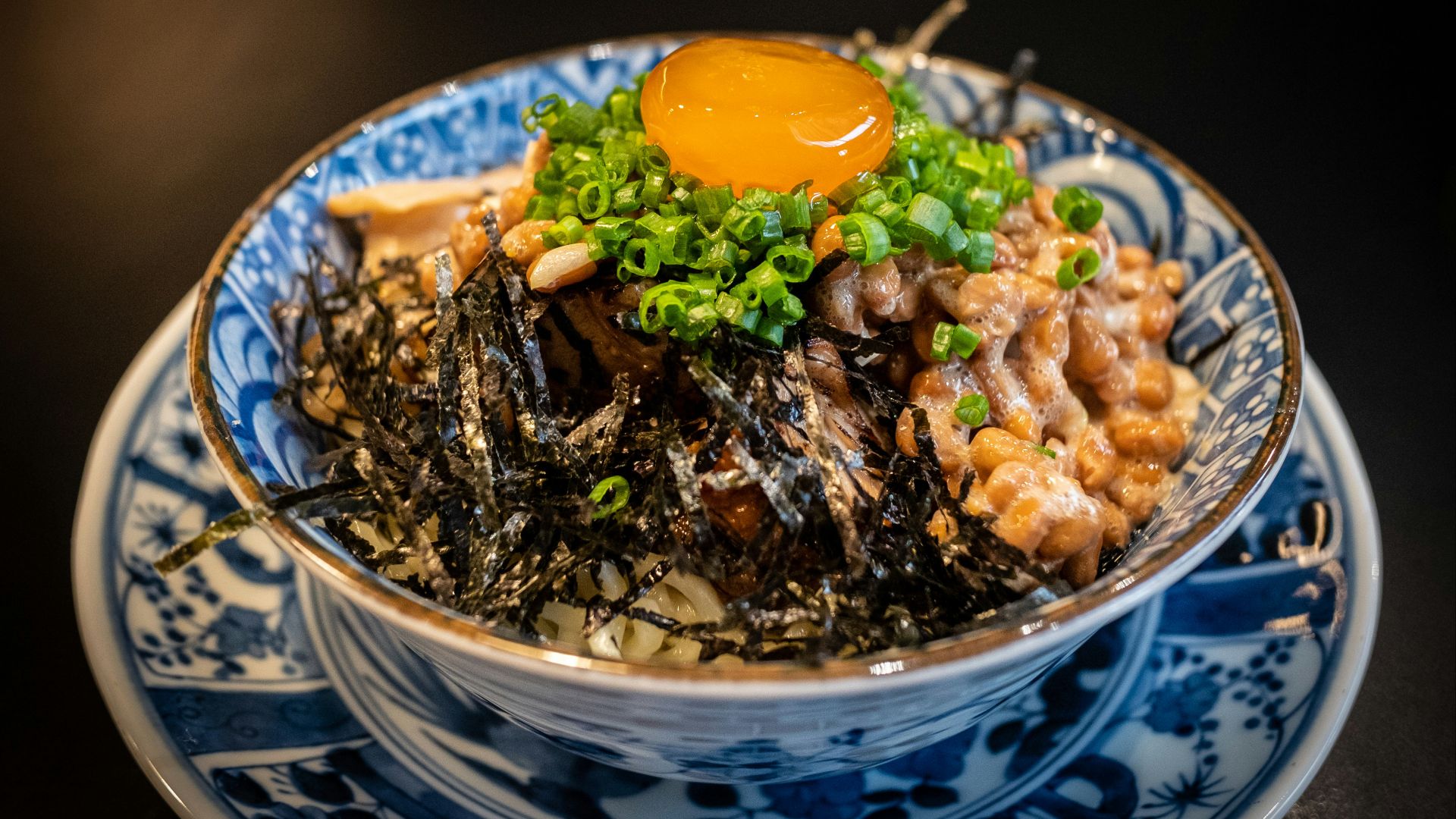
6. Natto Over Rice
Natto is made from fermented soybeans and has a strong aroma, sticky texture, and devoted following. It supplies protein, fiber, and vitamin K, although people taking certain blood-thinning medications may need medical guidance before eating large amounts regularly. Served over a moderate portion of rice with green onions or mustard, it makes a simple and satisfying breakfast.
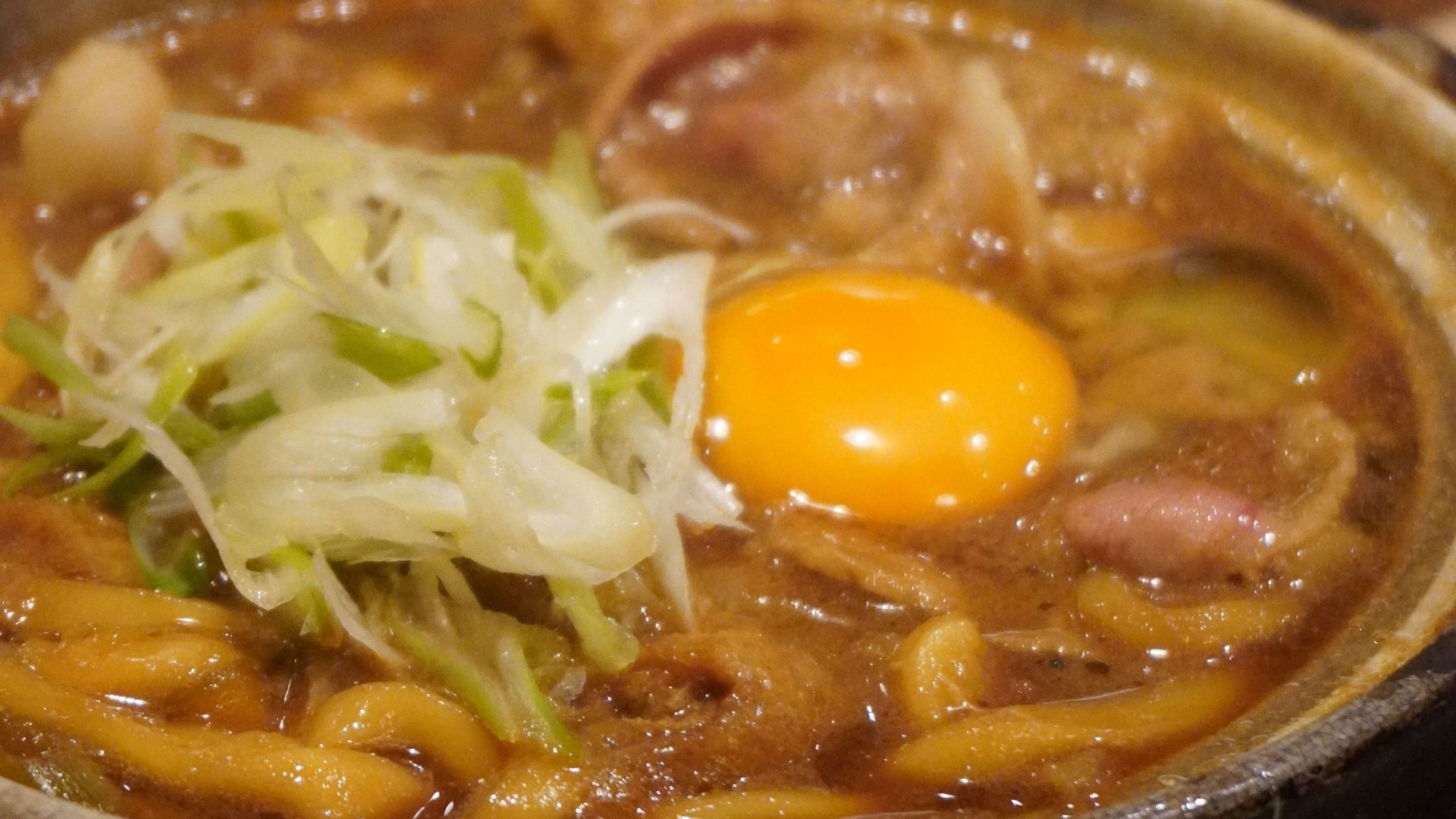
7. Vegetable Nabe
Nabe is a shared hot pot that can be filled with napa cabbage, mushrooms, tofu, green onions, seafood, or thin slices of meat. Choosing a lighter broth and limiting salty dipping sauces keeps the dish from becoming unexpectedly high in sodium.
8. Chawanmushi
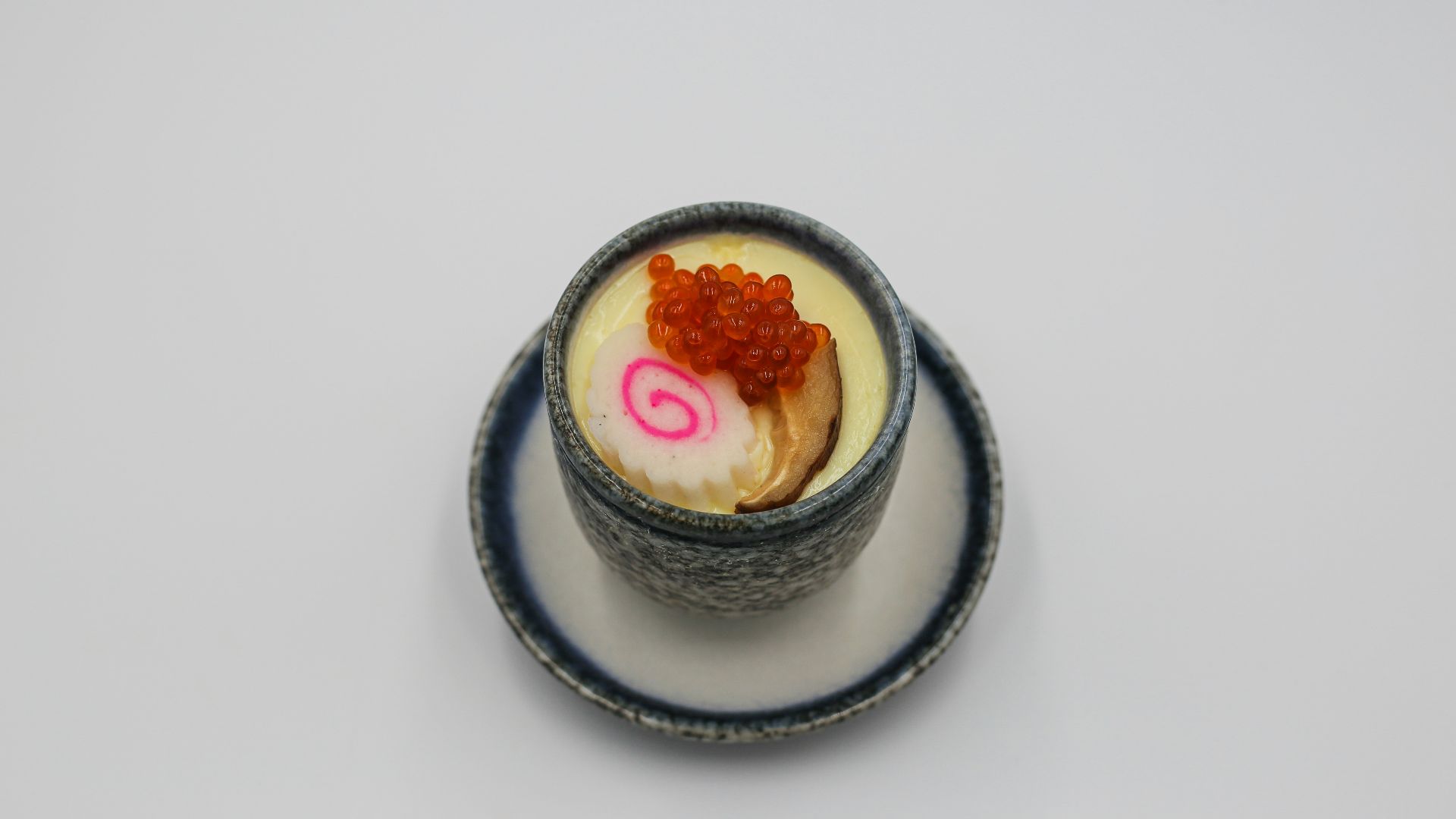
Chawanmushi is a savory steamed egg custard often prepared with mushrooms, shrimp, chicken, or ginkgo nuts. Steaming produces a smooth texture without requiring the amount of oil used in many fried egg dishes. The serving is usually modest, allowing it to contribute protein and flavor without dominating the rest of the meal.
9. Edamame
Edamame consists of young soybeans that are typically boiled or steamed in their pods. The beans provide plant protein, fiber, and several vitamins and minerals, making them more substantial than many common snack foods.

10. Ochazuke
Ochazuke is a modest dish made by pouring green tea, dashi, or hot water over cooked rice. Its nutritional value depends on those additions, and salty toppings should be used thoughtfully rather than piled on.
11. Seaweed Salad
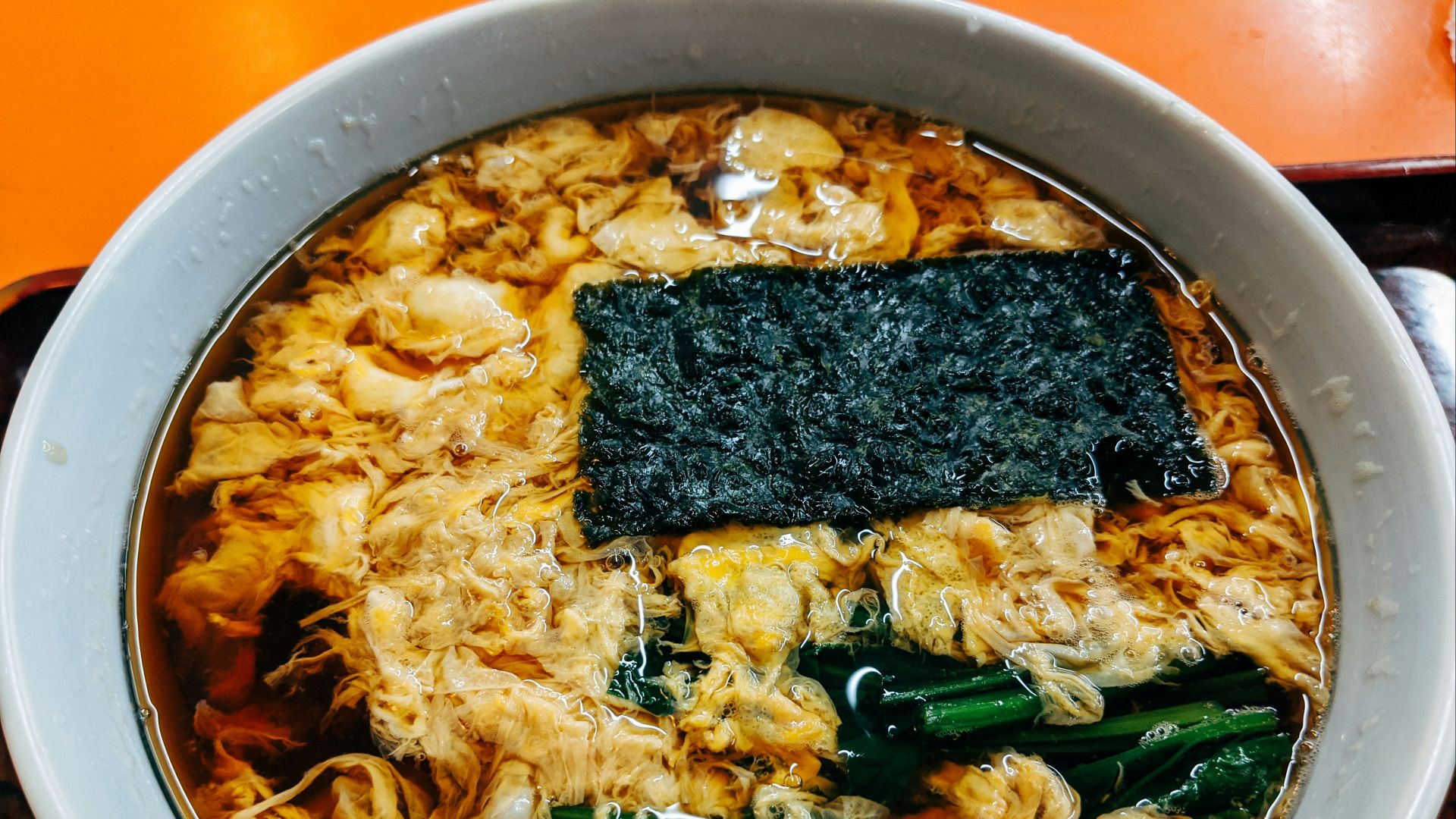
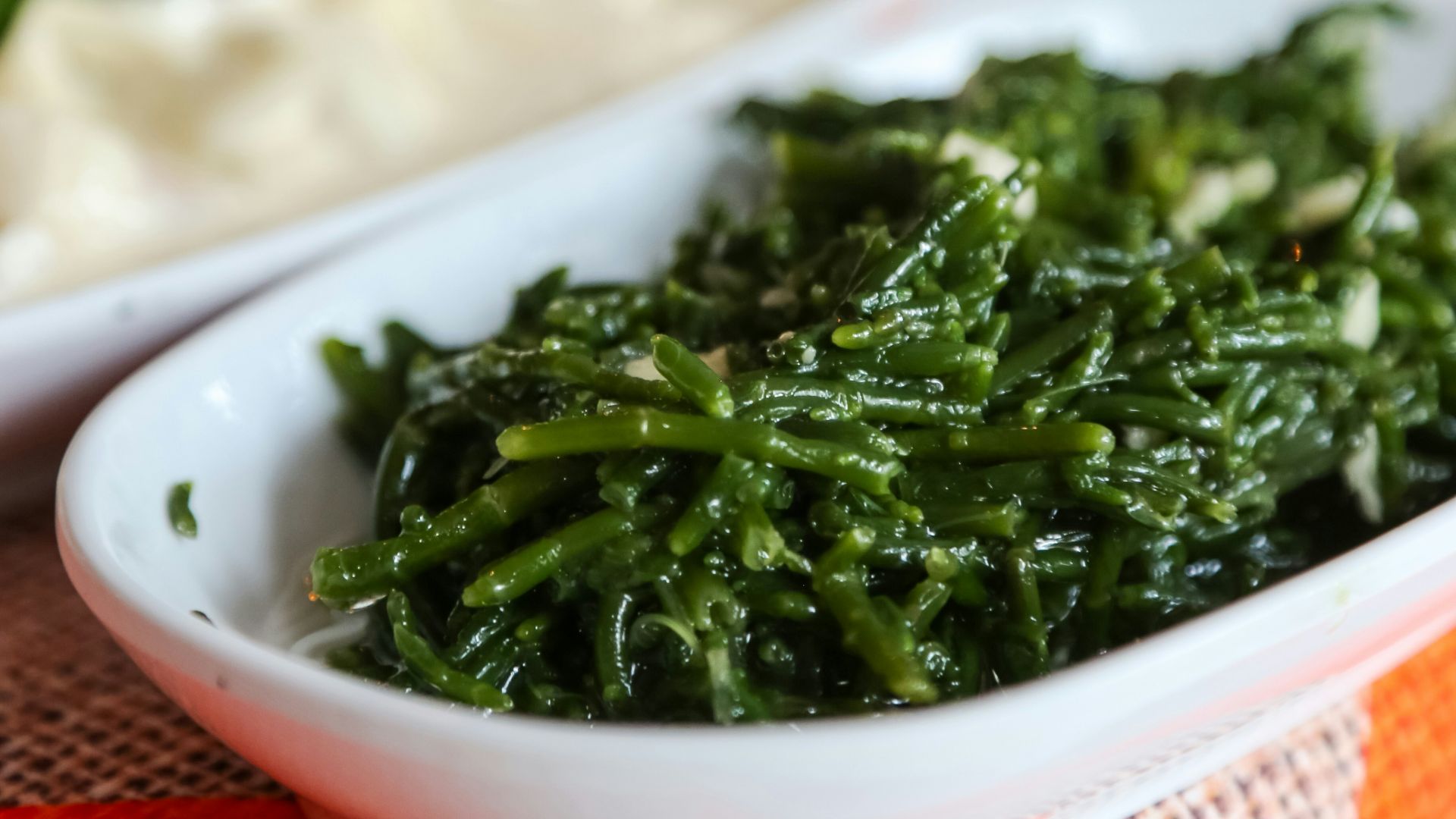
Japanese seaweed dishes can feature wakame, hijiki, kombu, or other varieties prepared with vinegar, sesame, and light seasonings. Sea vegetables contain fiber and several minerals, though their iodine levels differ significantly by species.
12. Soba Noodles
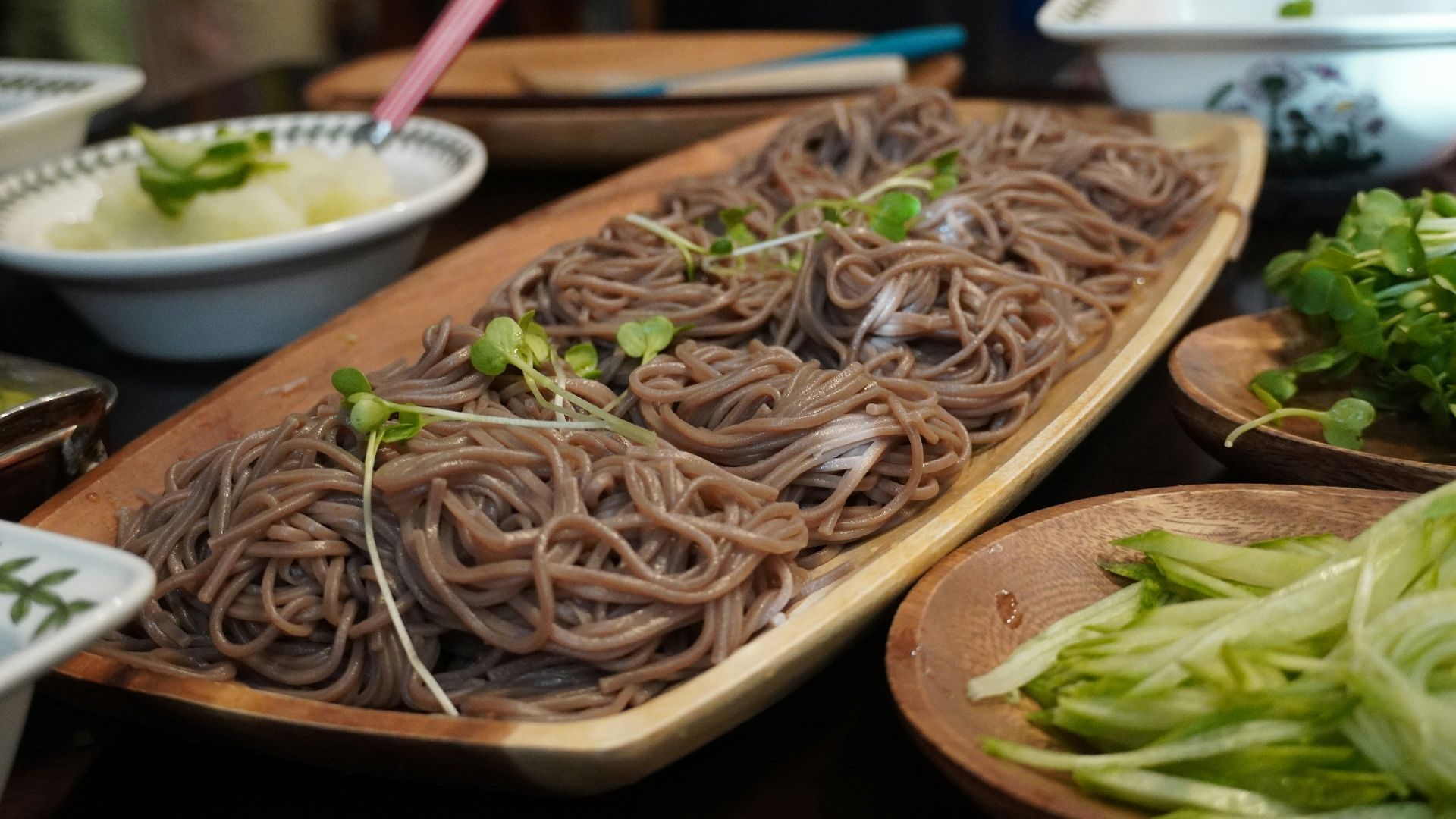
Traditional soba noodles are made partly or entirely from buckwheat, although many commercial versions also contain wheat flour. Buckwheat provides fiber and plant compounds, while chilled soba can be paired with vegetables, tofu, or grated daikon.
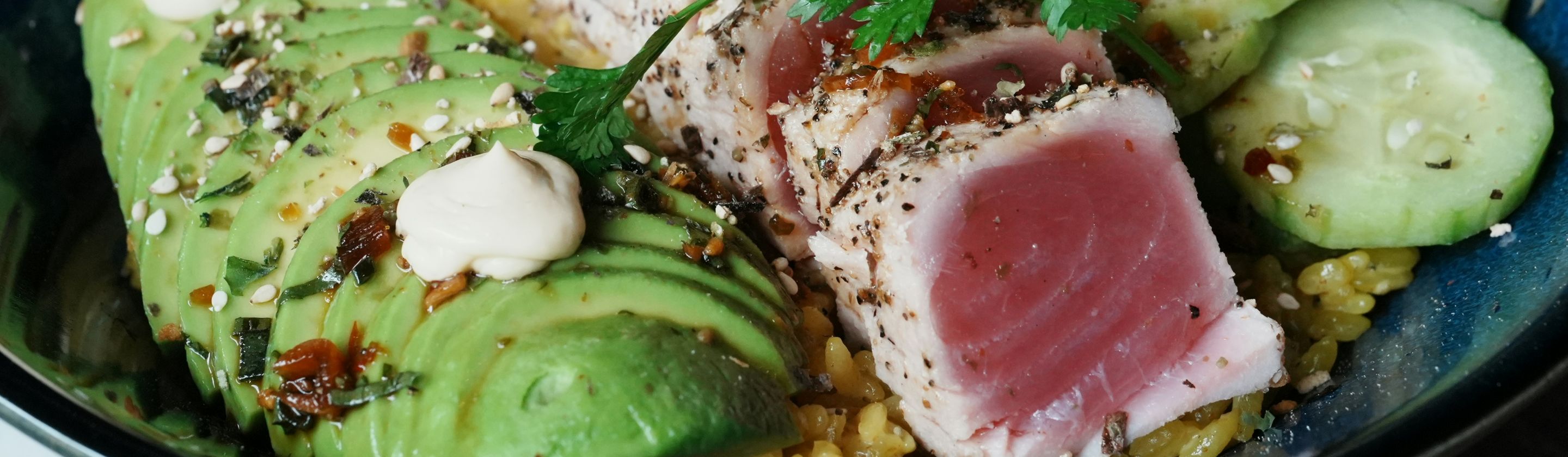
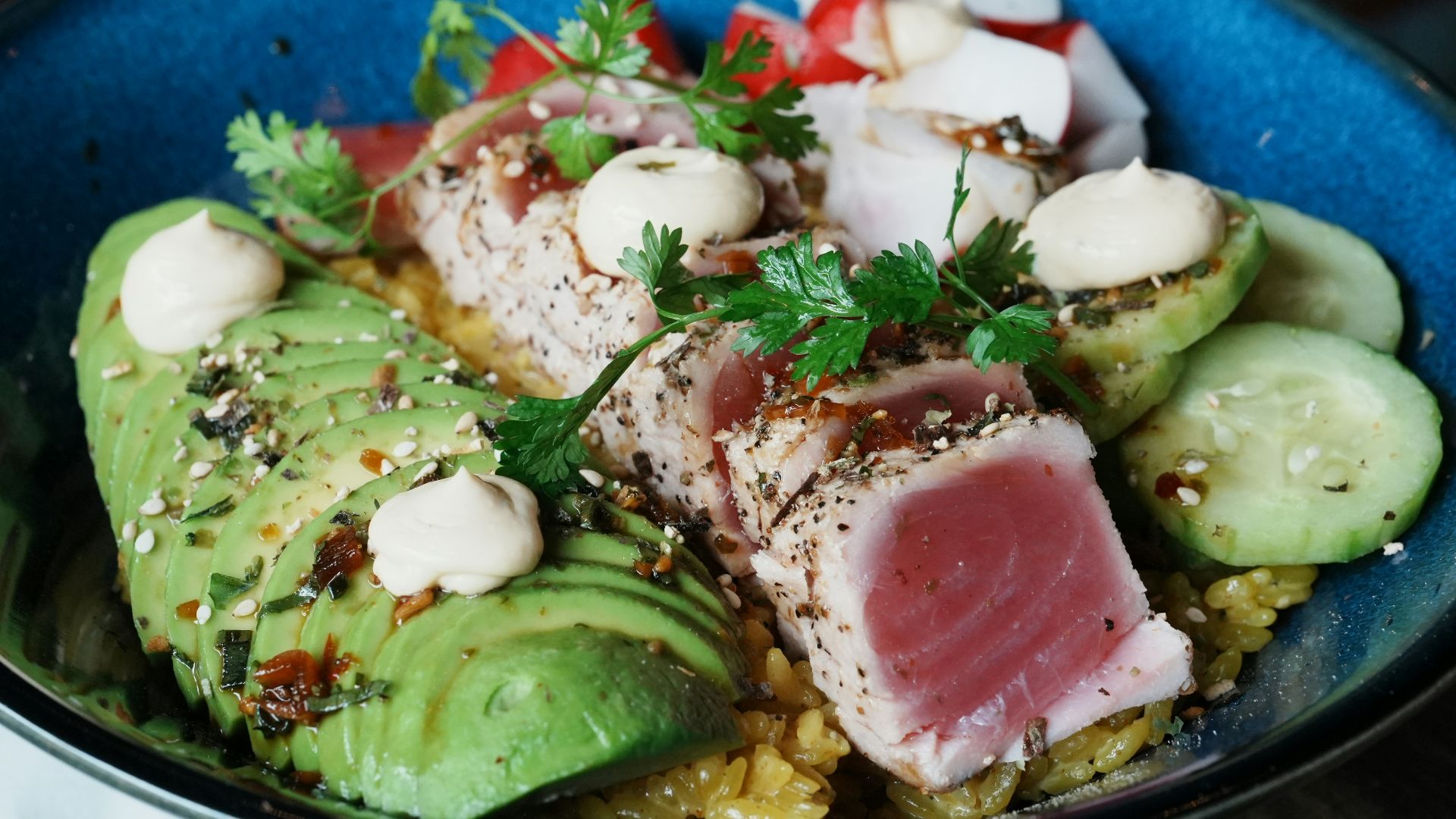
13. Tuna And Avocado Donburi
A tuna and avocado rice bowl combines seafood, unsaturated fats, and carbohydrates in one convenient meal. Adding cucumber, radish, seaweed, or leafy greens improves the vegetable content and creates more volume. A moderate rice base and a restrained amount of mayonnaise or soy-based sauce keep the bowl from becoming unnecessarily heavy.
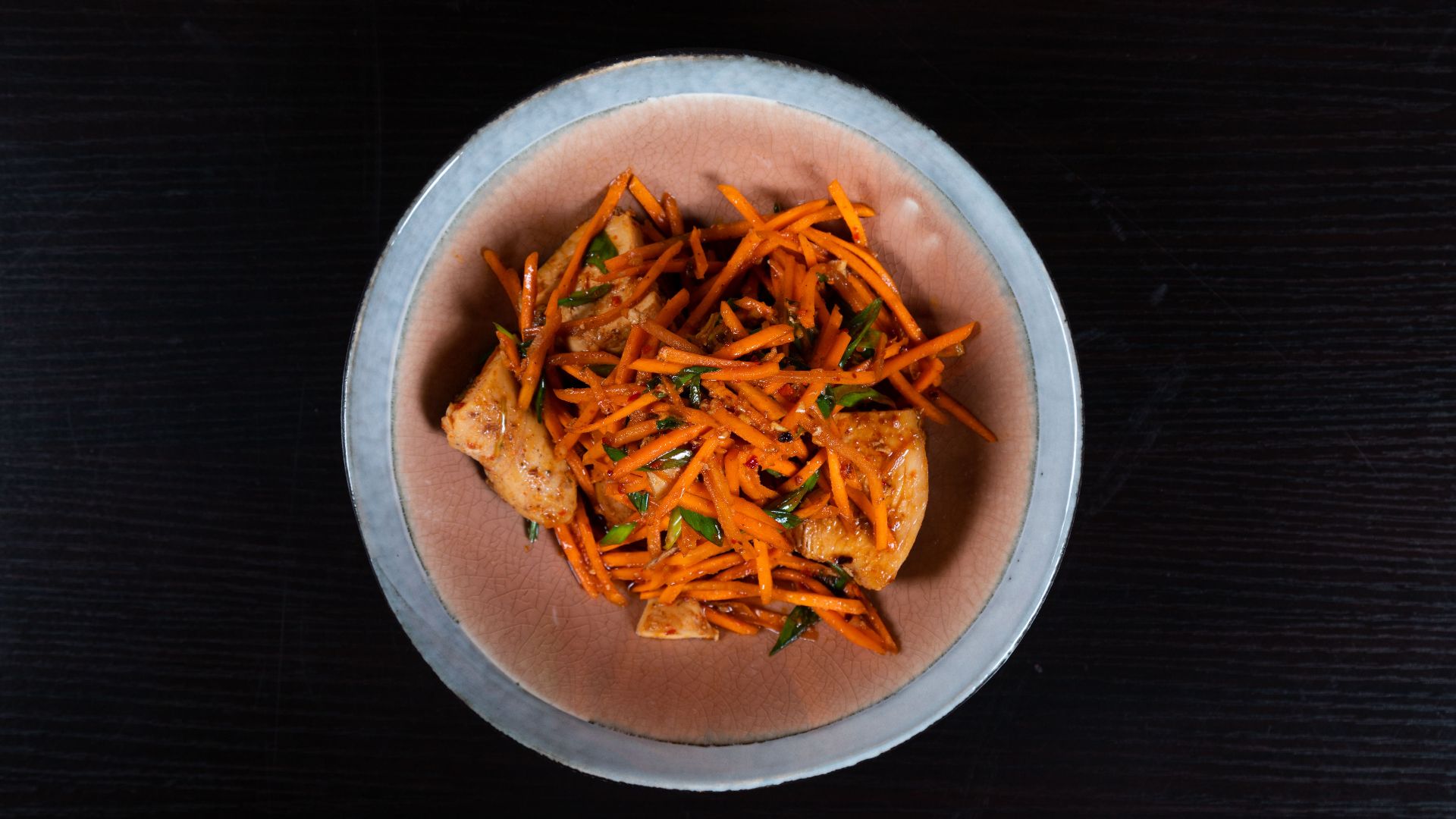
14. Kinpira Gobo
Kinpira gobo is made with thin strips of burdock root and carrot that are quickly sautéed and seasoned. Since recipes frequently include soy sauce and sugar, lightly seasoned versions are better suited to regular meals than heavily glazed ones.
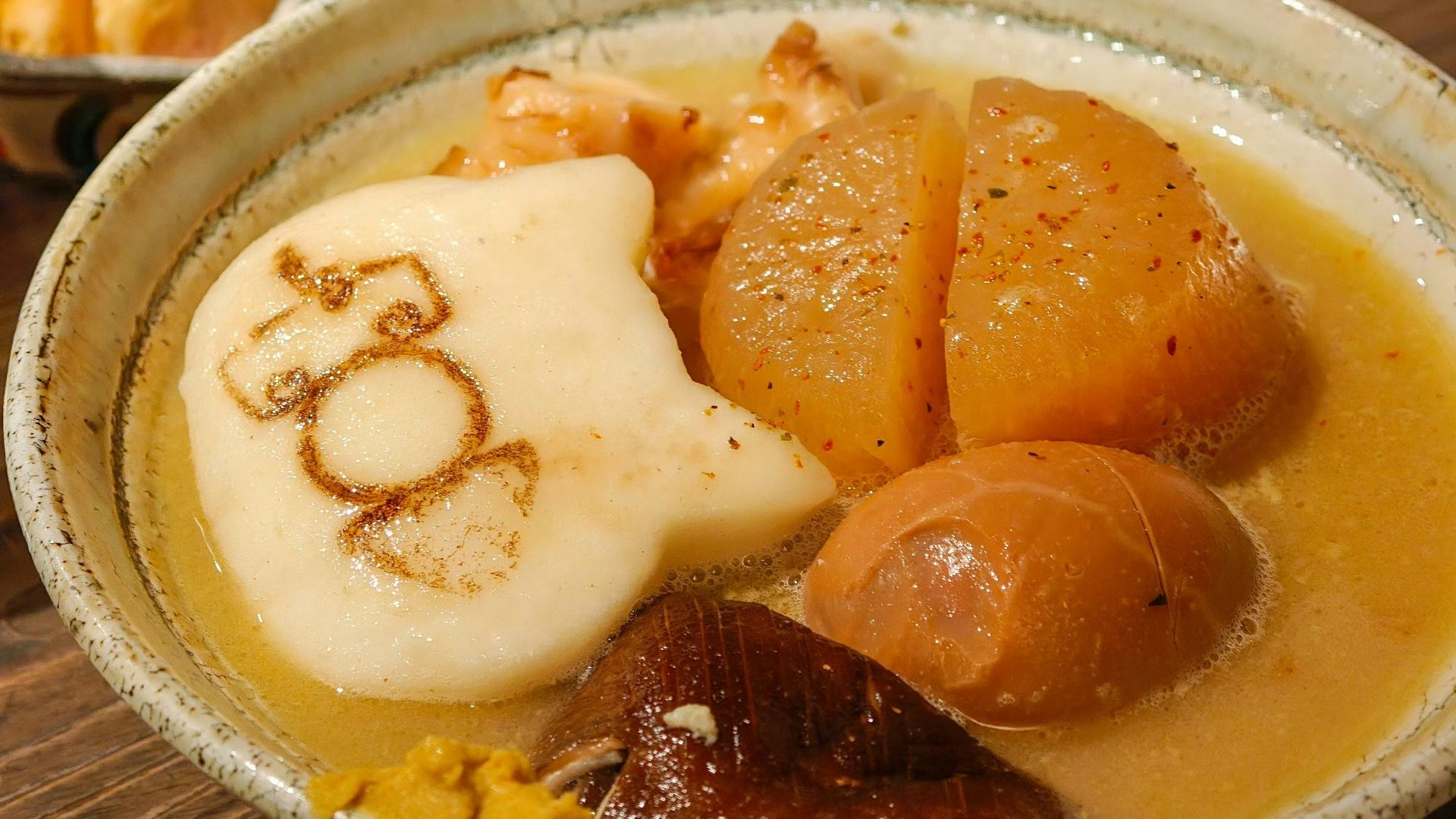
15. Oden
Oden is a simmered dish containing ingredients such as daikon, boiled eggs, konjac, tofu, and fish cakes. Processed fish cakes and the broth may be salty, so choosing more vegetables and drinking less broth can improve the overall balance.
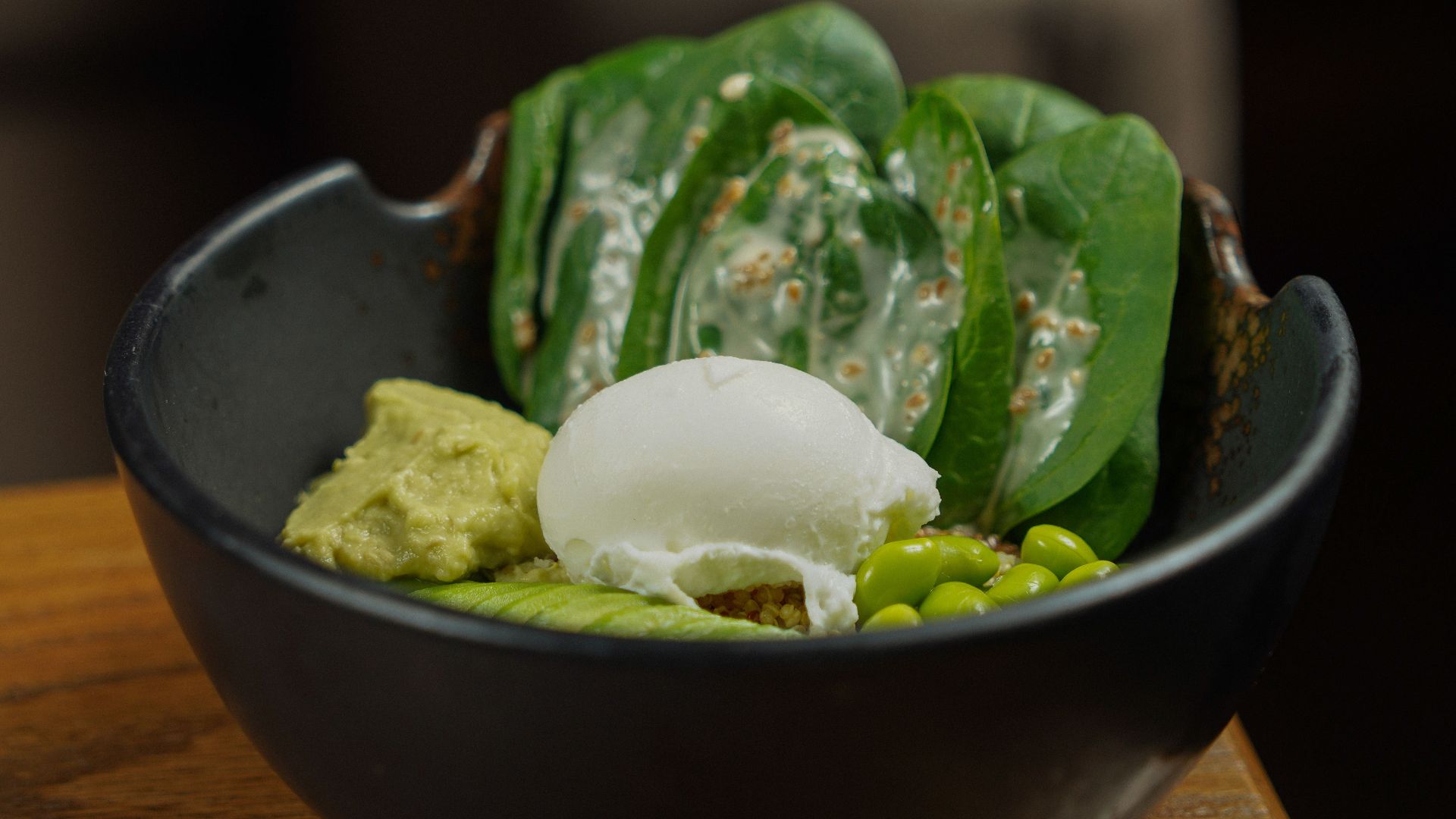
16. Spinach Ohitashi
Spinach ohitashi is prepared by briefly cooking spinach and serving it in a light dashi-based seasoning. The method preserves the vegetable’s central role rather than hiding it beneath cheese, cream, or a thick dressing.
17. Chirashi Sushi
Chirashi sushi places sliced fish, vegetables, egg, and other colorful toppings over seasoned rice. Compared with many heavily sauced specialty rolls, it can offer greater ingredient variety without relying on deep-fried fillings or large amounts of mayonnaise.
18. Shojin Ryori
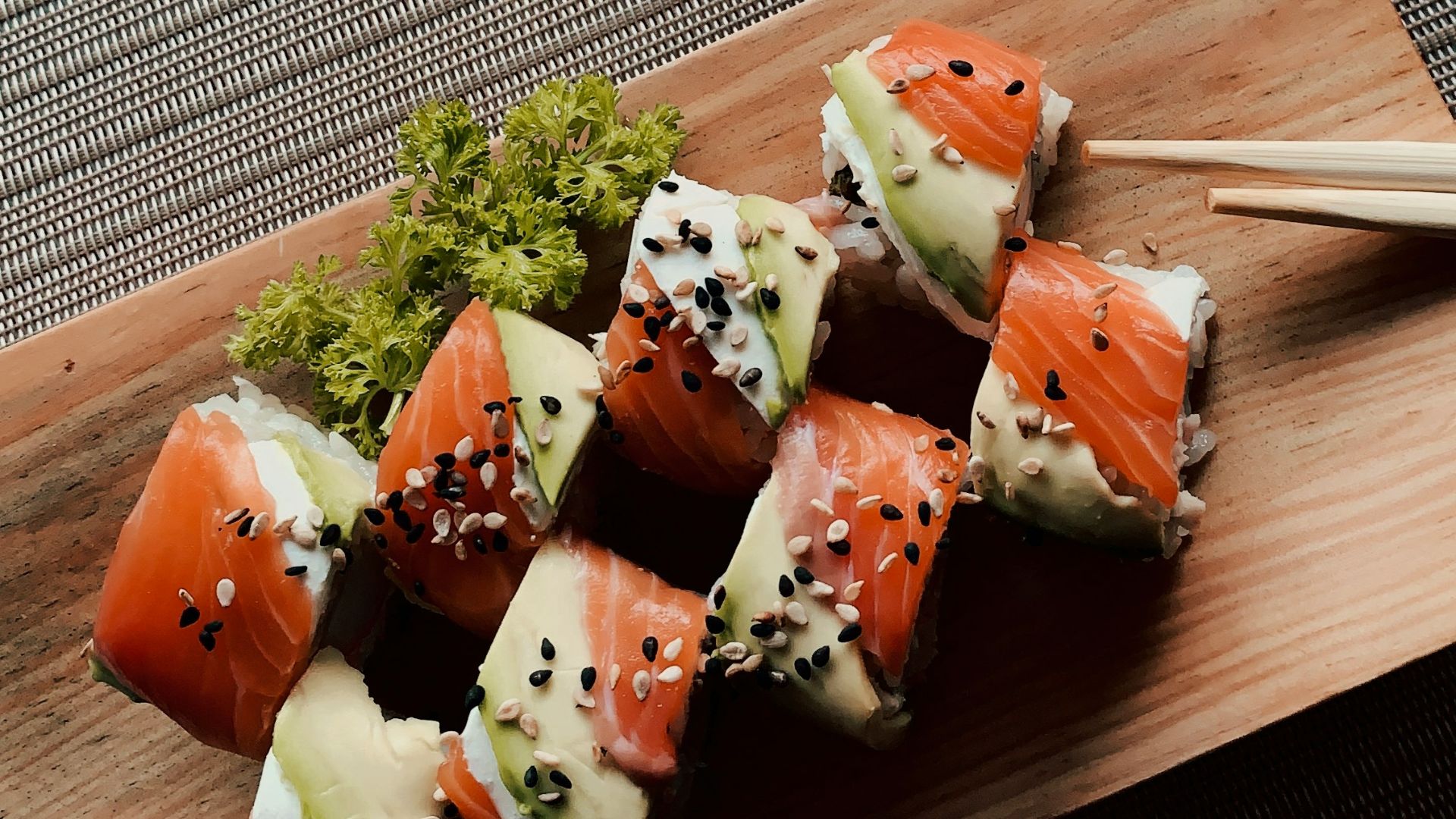
Shojin ryori is a style of Buddhist temple cuisine centered on plant foods such as tofu, vegetables, mushrooms, grains, and seaweed. Traditional meals value seasonal variety and careful preparation rather than treating meat as the centerpiece.
19. Shabu-Shabu
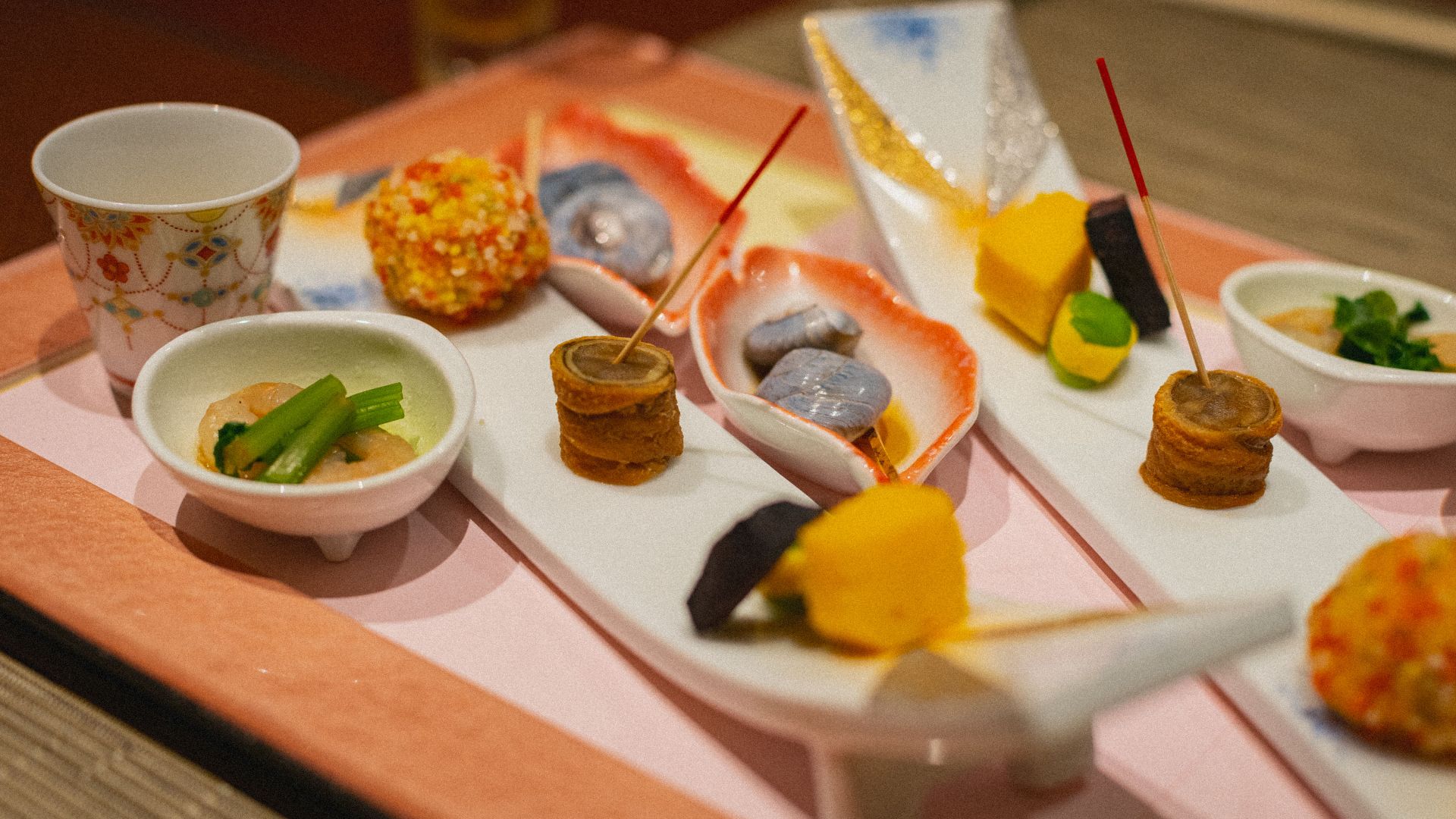
Shabu-shabu involves briefly cooking thin slices of meat, tofu, mushrooms, and vegetables in simmering broth. Diners can control their own portions and choose a larger share of cabbage, greens, and mushrooms while treating meat as one component of the meal.
20. Teishoku
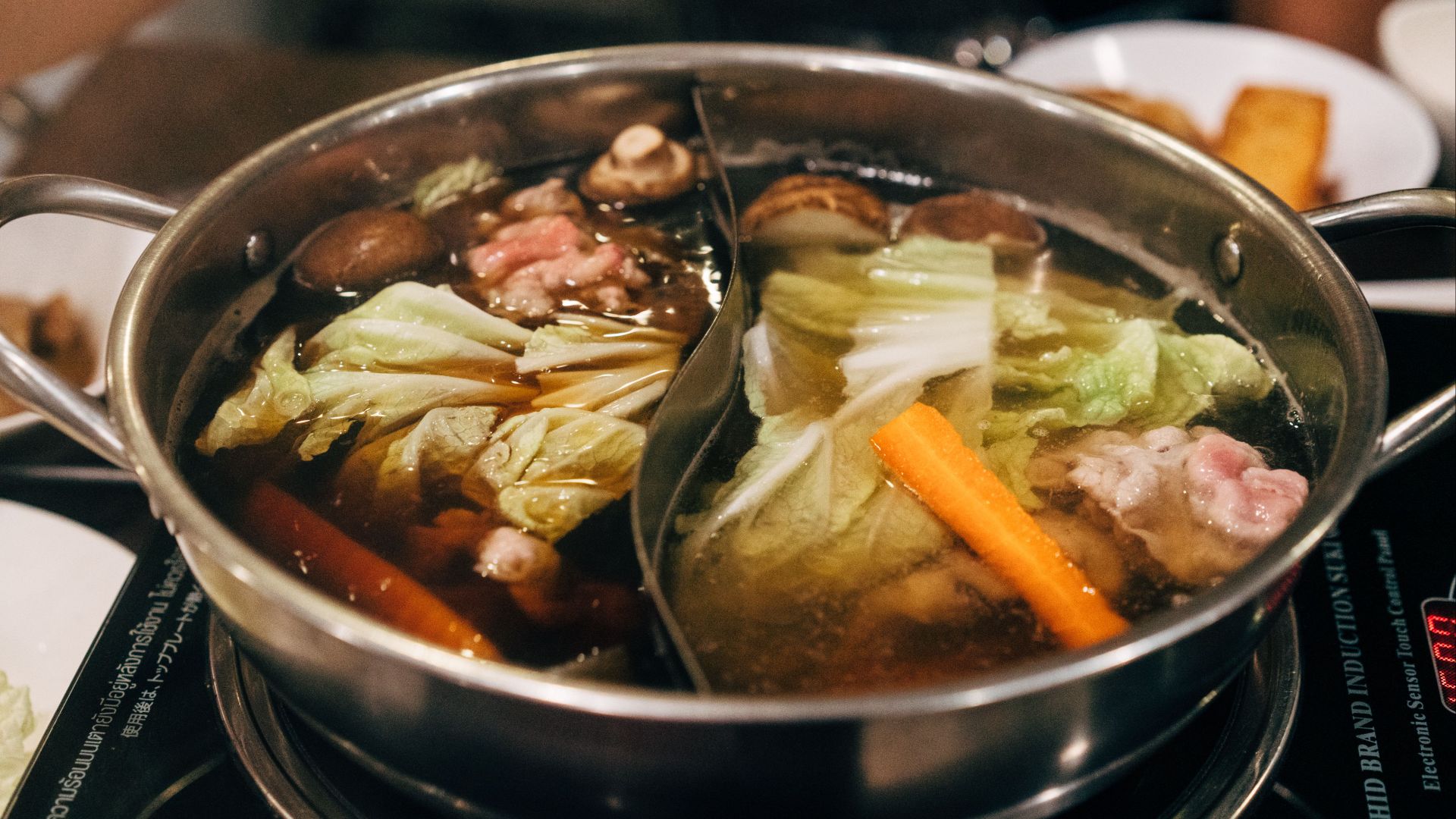
Teishoku is a set-meal format that commonly includes rice, soup, a main dish, pickles, and one or more vegetable sides. Choosing grilled fish, tofu, or vegetables over fried mains demonstrates how the format can support a balanced everyday diet.
KEEP ON READING

The Most Popular Signature Dishes Around the World