A Bite of Culinary Outlaw History
Food laws have often reflected more than taste and tradition, shaping what people could grow, sell, or serve based on the concerns of the time. Across different places and eras, certain foods have been banned for reasons ranging from public health scares to politics, class drama, and straight-up moral panic. Here are 20 foods that, at one time or another, you could’ve gotten in trouble for eating, selling, or bringing across a border.

1. Absinthe
Absinthe was banned in several countries after it was blamed for all sorts of social problems, from bad behavior to supposed hallucinations. A lot of that reputation was exaggerated, but it still led to real crackdowns on production and sale. It later returned in more regulated forms, but is nowhere near as popular as it once was.
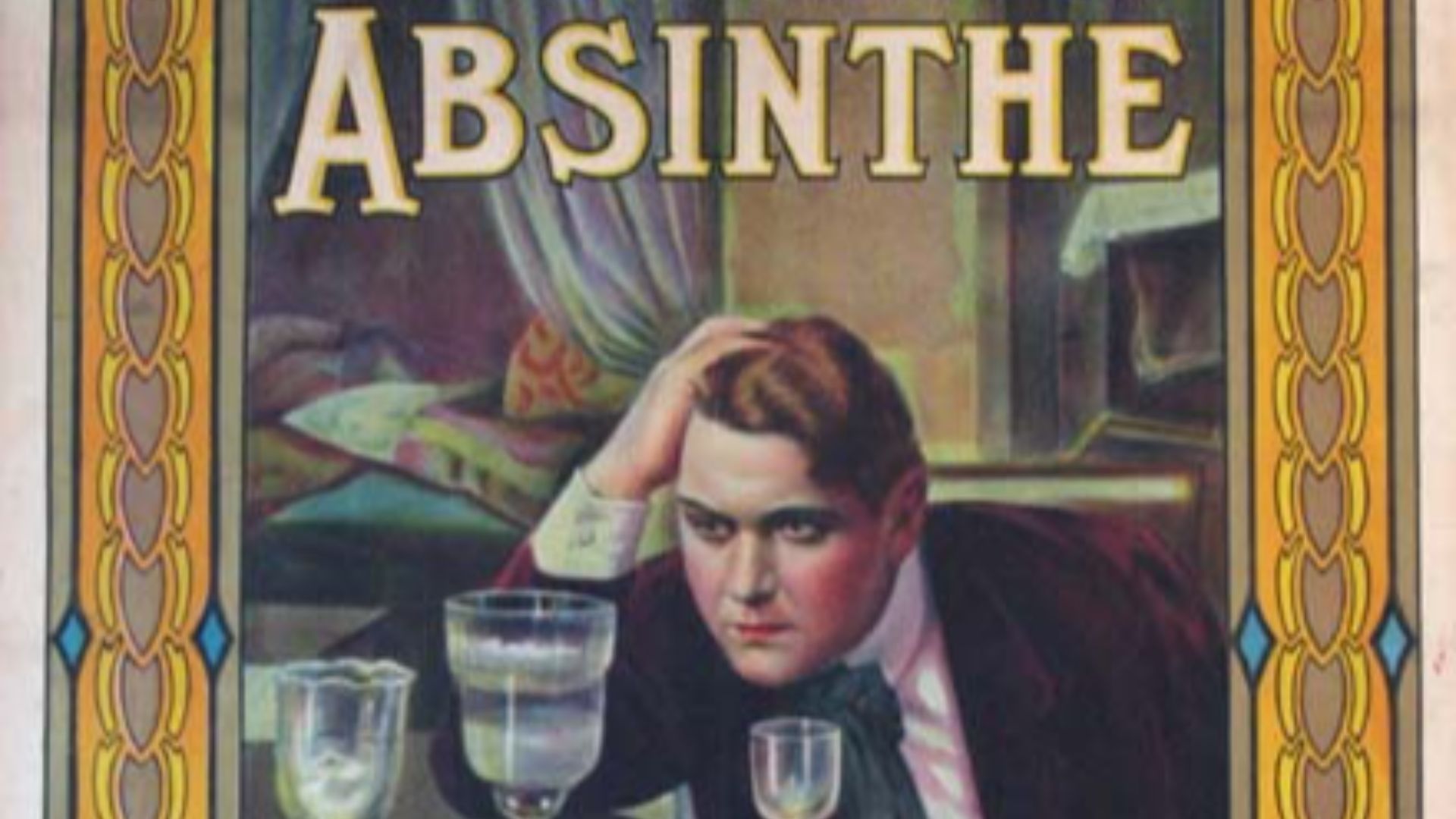 Gem Motion Picture Company on Wikimedia
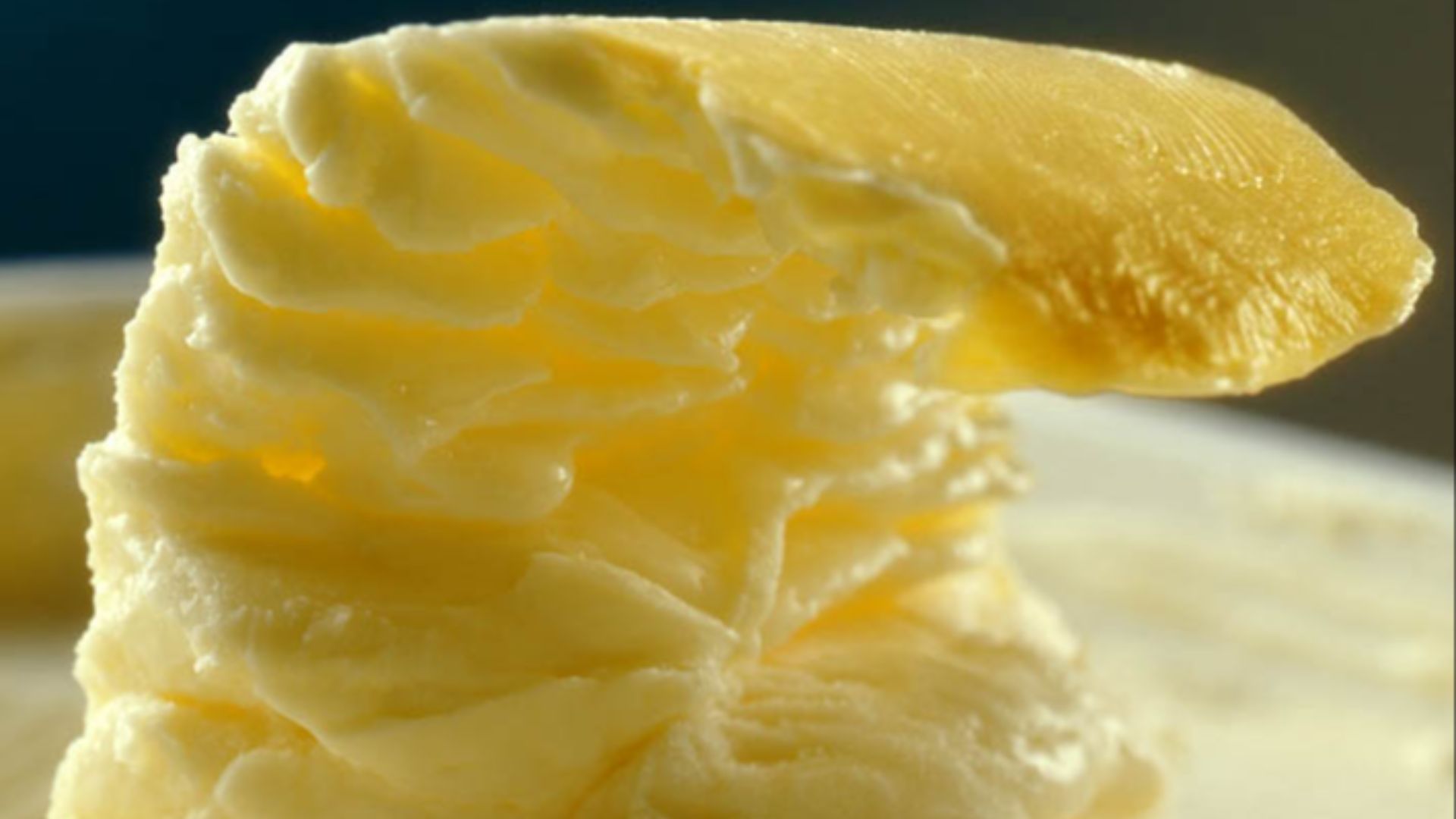
2. Margarine
Margarine was so controversial in parts of the U.S. and Canada that it was banned or heavily restricted for stretches of time. Dairy interests pushed hard against it, and lawmakers even targeted how it looked, because yellow margarine was considered butter impersonation. Some states required margarine to be dyed pink to make it less appealing.
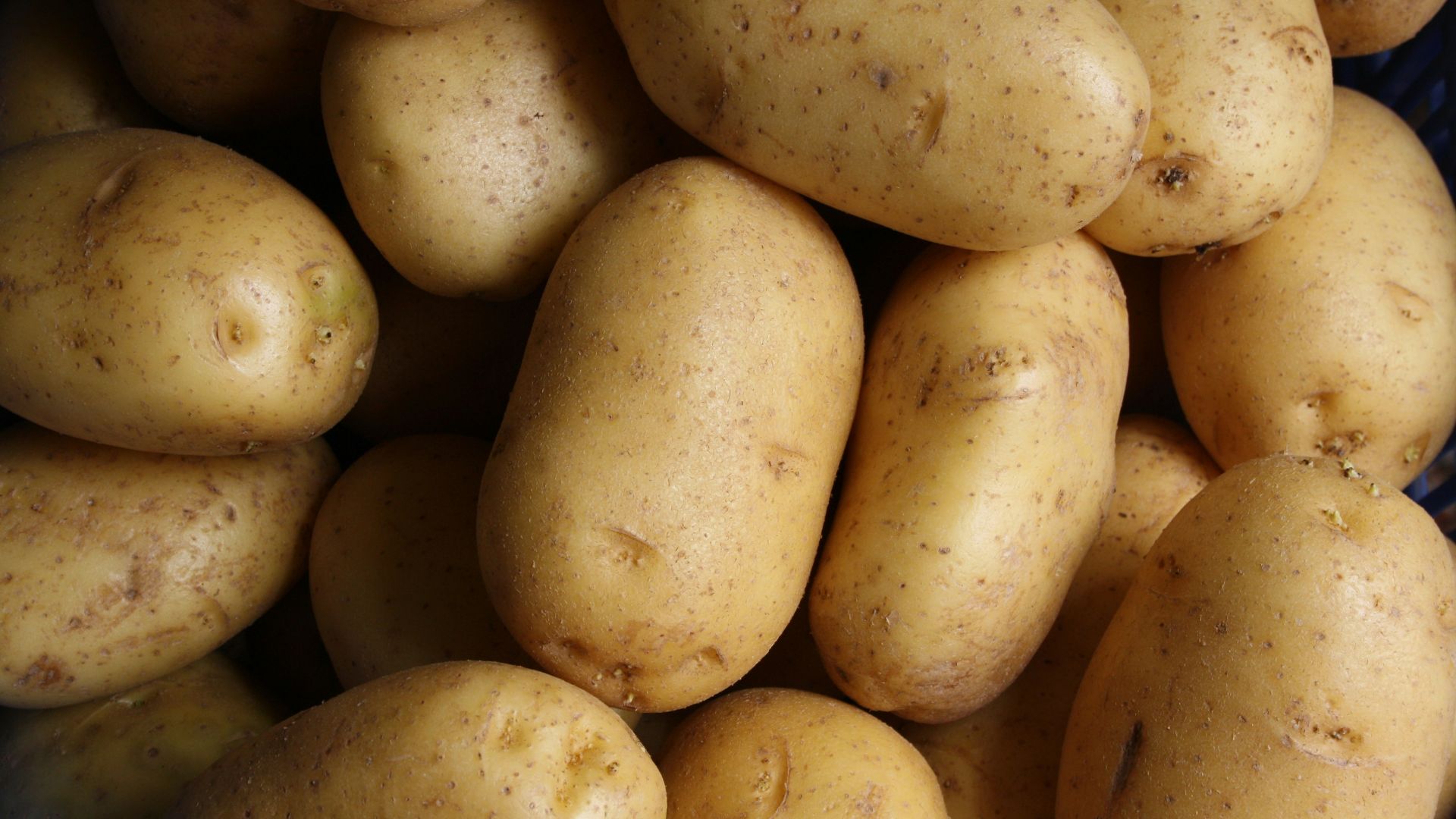
3. Potatoes
France prohibited potato cultivation for over two decades in the 18th century because people feared it caused disease, encouraged bad farming habits, and were even linked to witchcraft. The potato’s underground lifestyle didn’t help its reputation, since anything that grows in dirt seemed untrustworthy. Potatoes were seen as undesirable in many parts of Europe during that time, but France was the only place that outright banned them.
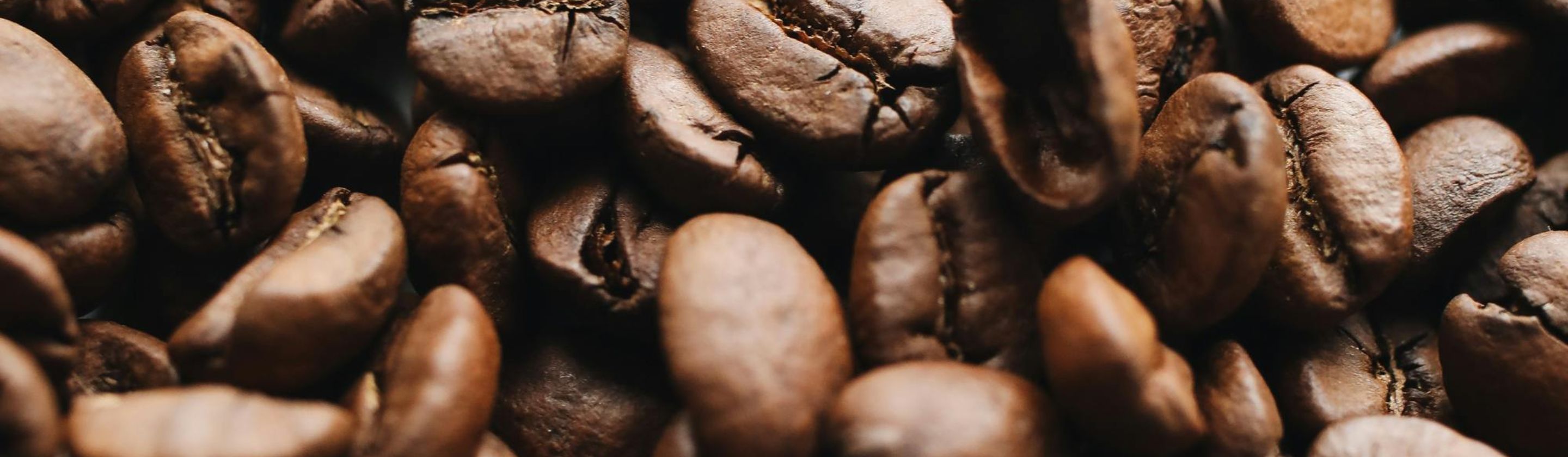
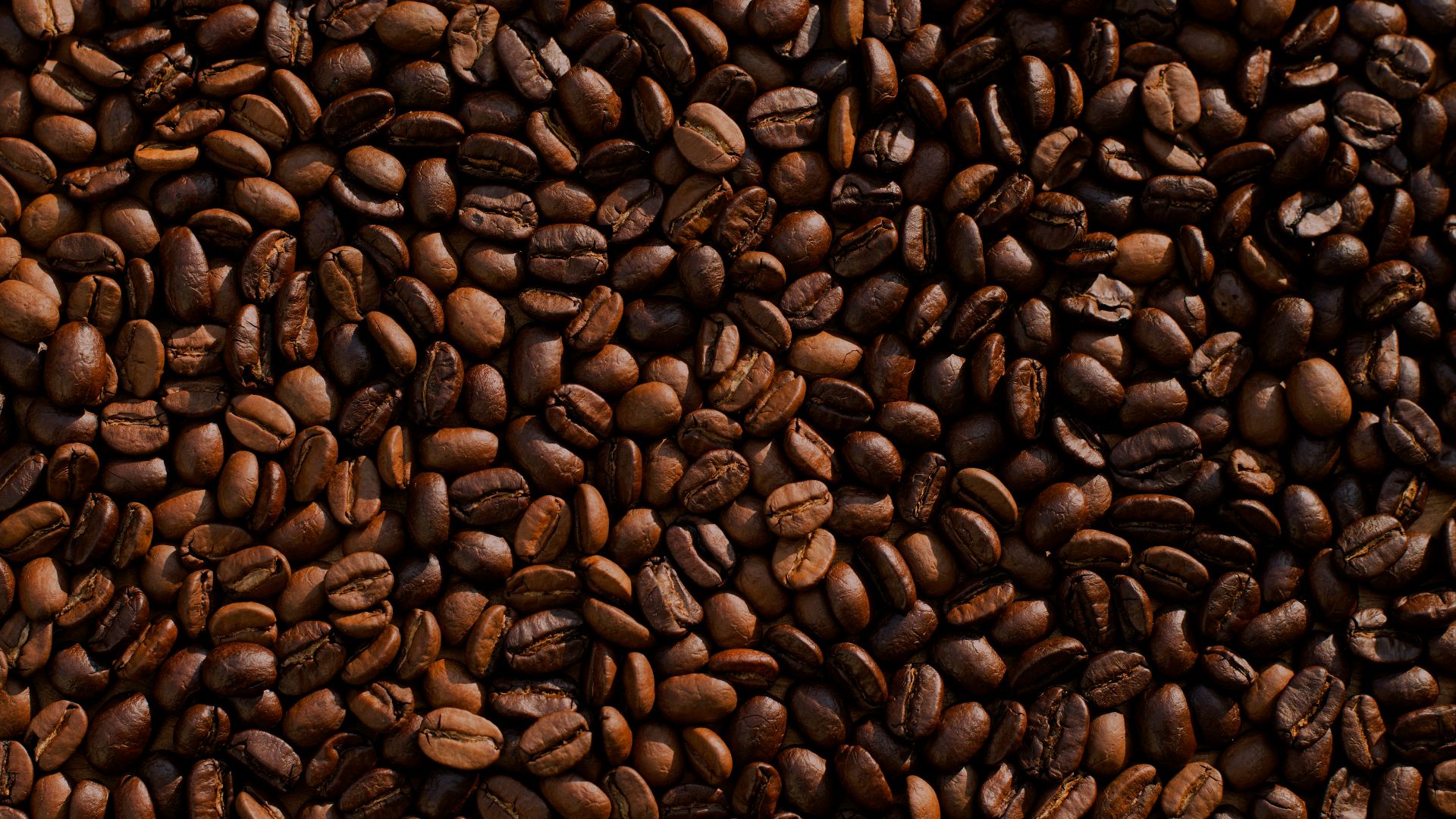
4. Coffee
Coffee was banned several times throughout history, feared for its stimulating effects. Some governments tried to ban coffeehouses because they worried caffeine-fueled crowds would turn into political trouble. Luckily for your morning routine, coffee survived its rebellious reputation.
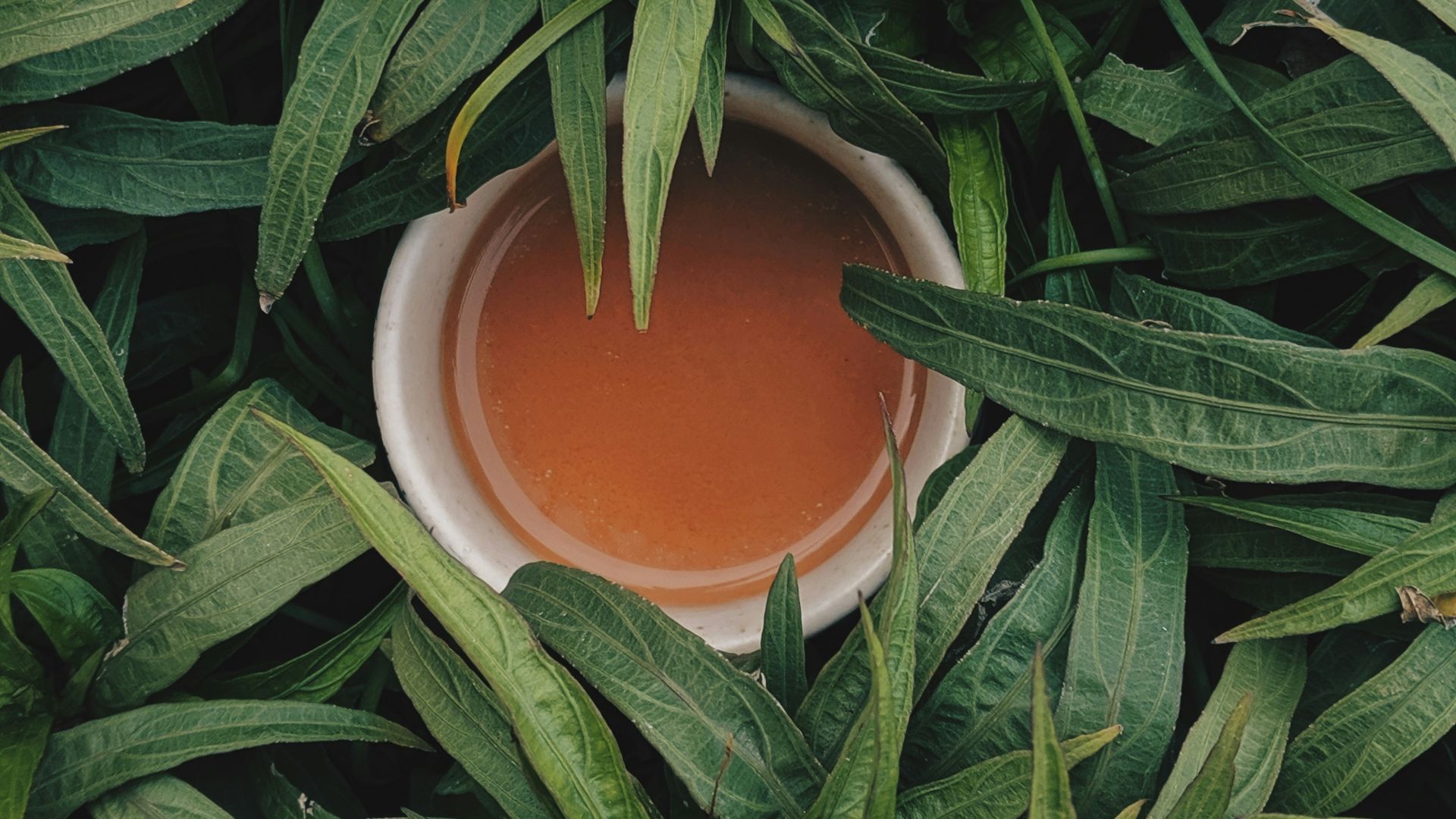
5. Tea
In a few historical moments, tea was targeted by bans and crackdowns tied to taxation, trade control, or political unrest. That made a simple cup feel like an act of defiance, which is honestly kind of dramatic for something so soothing.
 Aniketh Kanukurthi on Unsplash
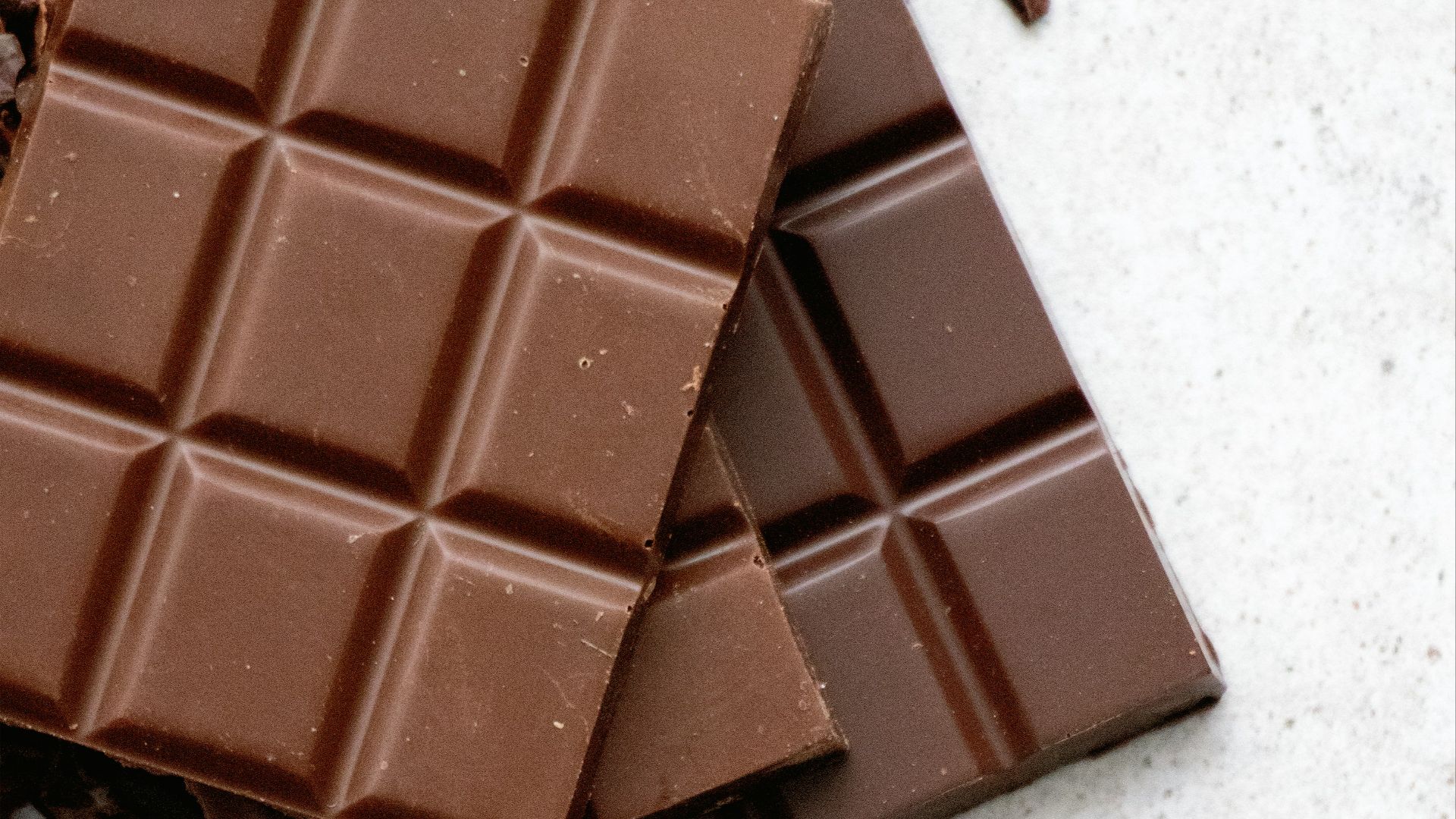
6. Chocolate
Chocolate has faced bans and restrictions in different places when leaders decided it was a moral threat, a luxury, or a social distraction. The Aztecs restricted its consumption to the upper classes and in 17th century England chocolate houses were banned because King Charles II viewed them as "hotbeds of sedition."
7. Foie Gras
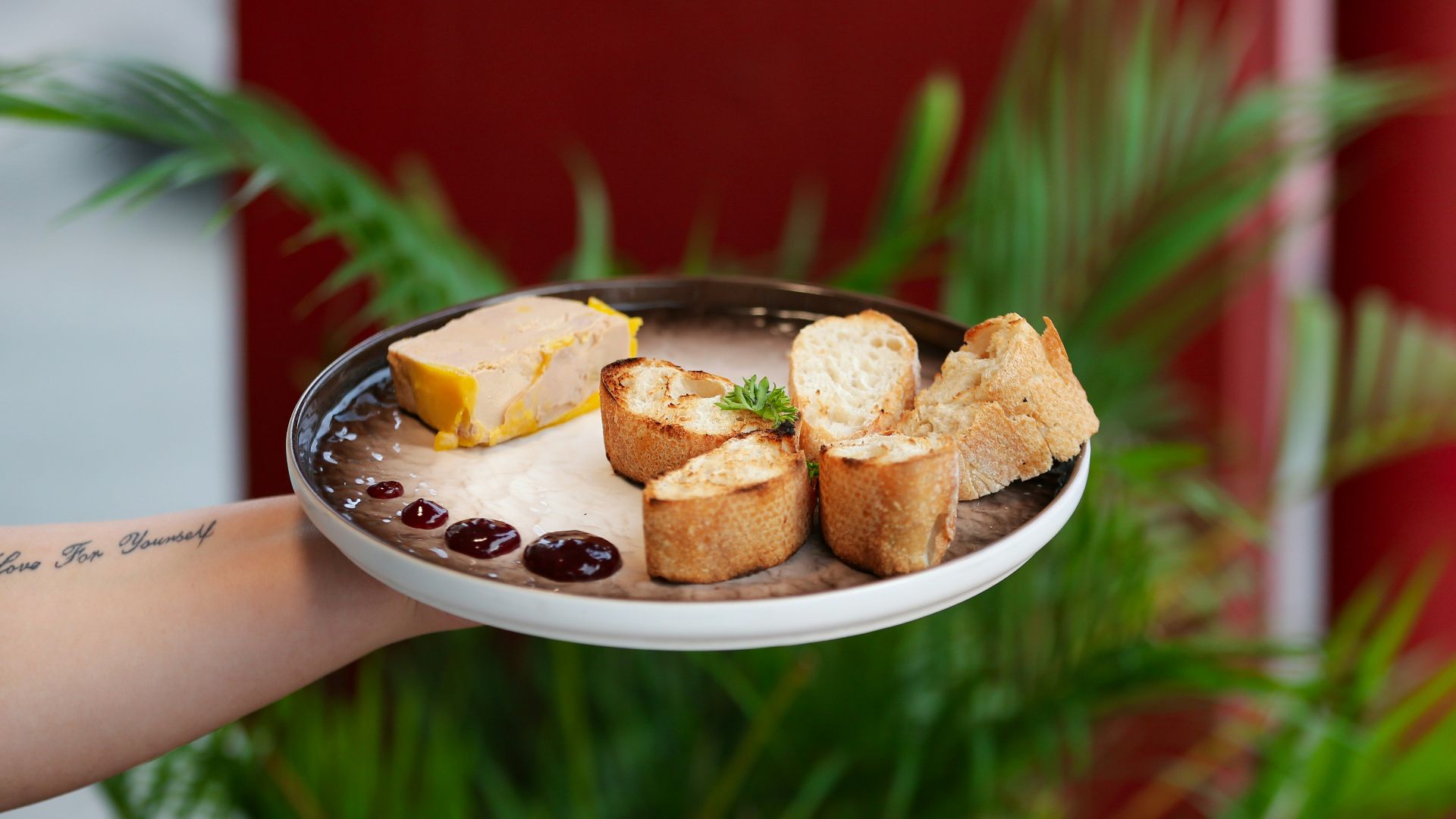
Foie gras has been banned in certain regions due to animal welfare concerns about how it’s produced. Depending on where you are, it can go from menu item to illegal contraband surprisingly fast. If you’re traveling, it’s one of those foods that rewards a quick rule check.
8. Shark Fin
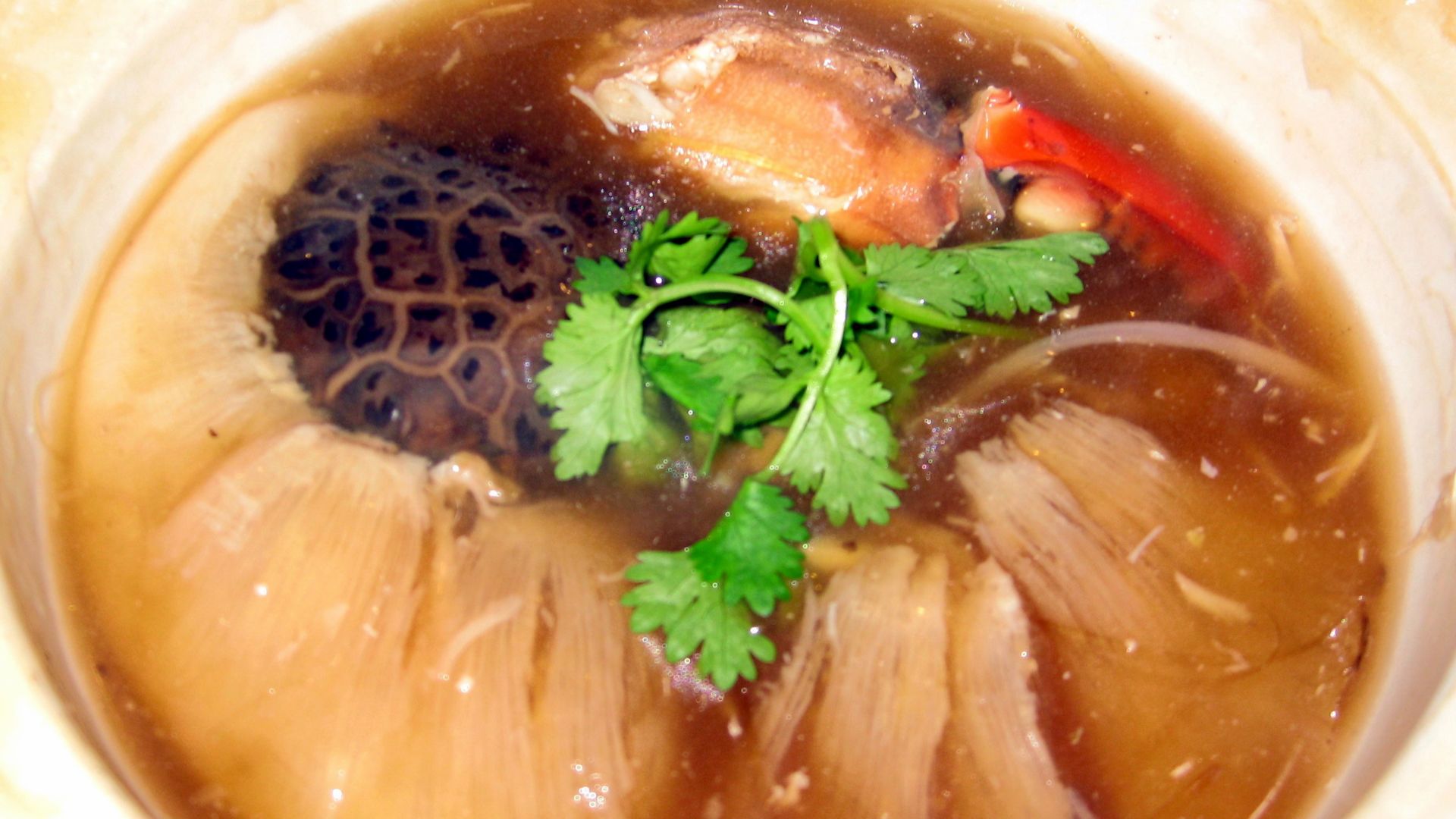
Shark fin has been outlawed in many places as governments tried to reduce shark hunting and protect marine ecosystems. The bans often target the sale and possession of fins, which makes the traditional dish harder to serve. It’s a classic example of a food tradition colliding with modern conservation priorities.
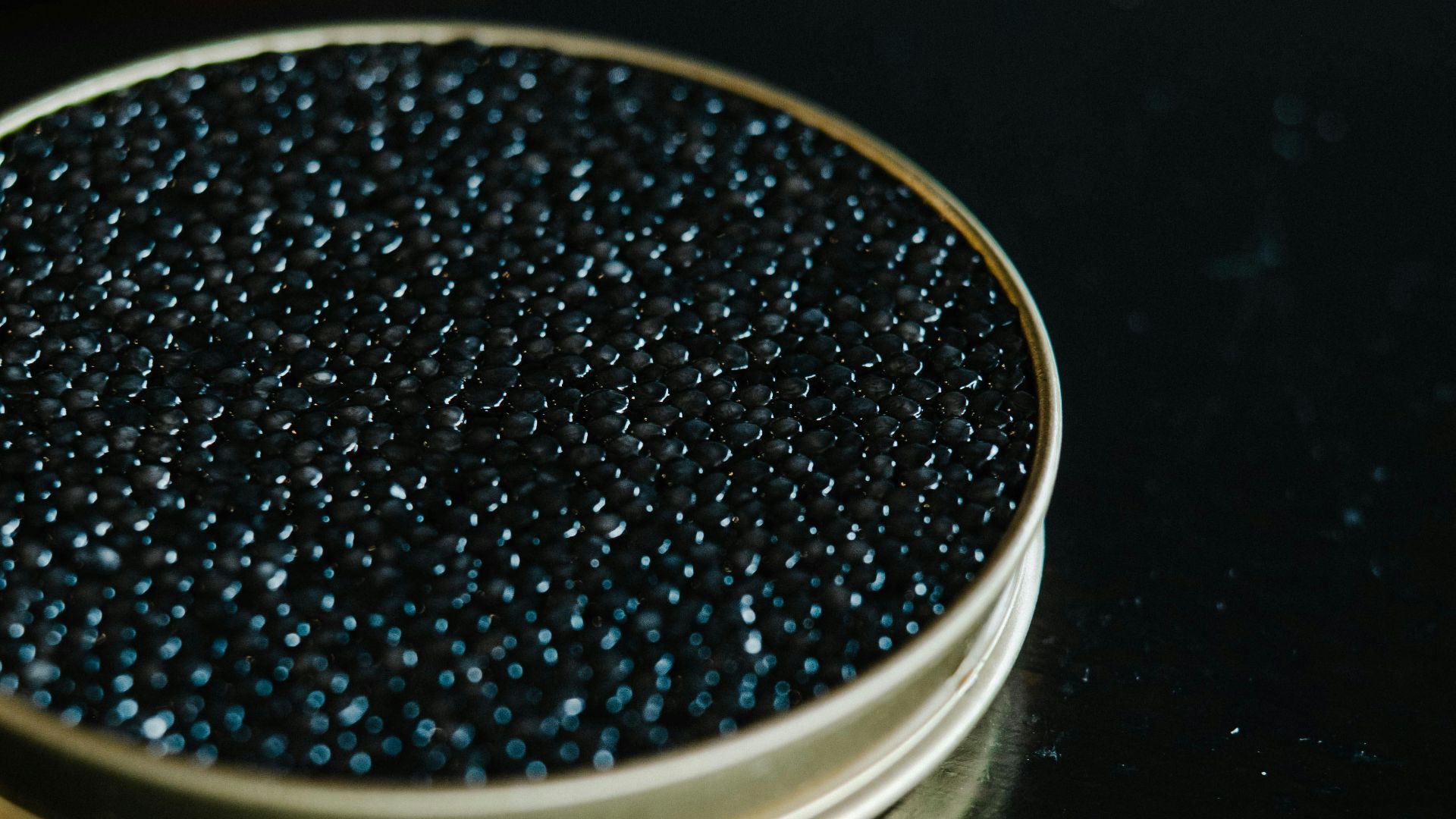
9. Beluga Caviar
Beluga caviar has faced import bans in various countries because beluga sturgeon populations were in serious trouble. When a species is threatened, luxury foods made from it suddenly become legal landmines. If you’ve ever seen it marketed as rare, that rarity comes with a lot of paperwork and restrictions.
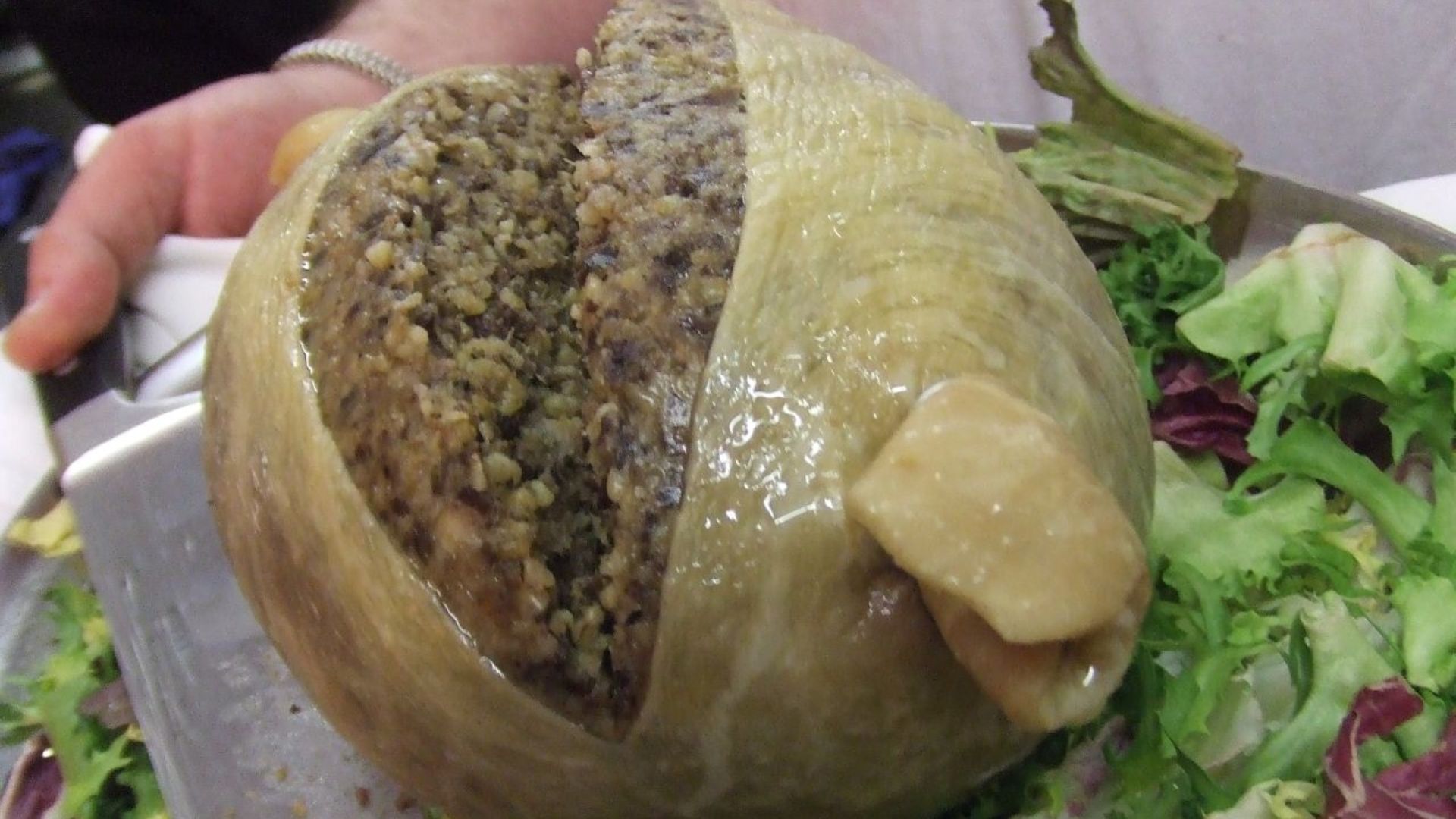
10. Haggis
Traditional haggis has been illegal to import into the United States because of rules around certain sheep organs used in the recipe. It’s not that anyone was afraid of the flavor; it was about food safety regulations and what parts of an animal are allowed. If you want it, you often have to settle for modified versions made to meet local rules.
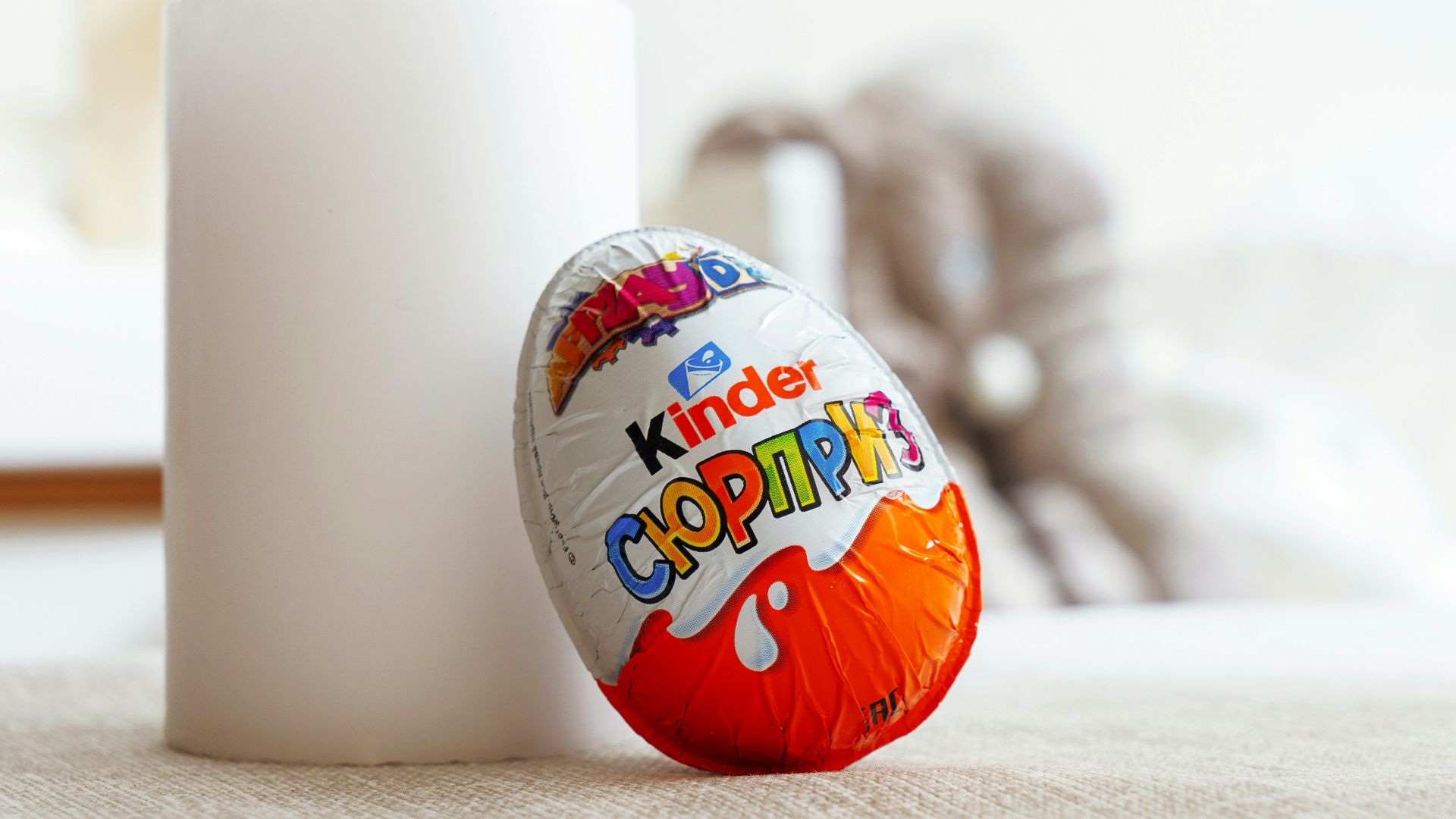
11. Kinder Surprise
In the U.S., Kinder Surprise has been illegal to sell because it contains a non-food toy inside a confection. The concern is choking risk, which makes the cute little prize a legal problem. You can still find similar products designed to comply, but the original has a notorious “banned candy” reputation.
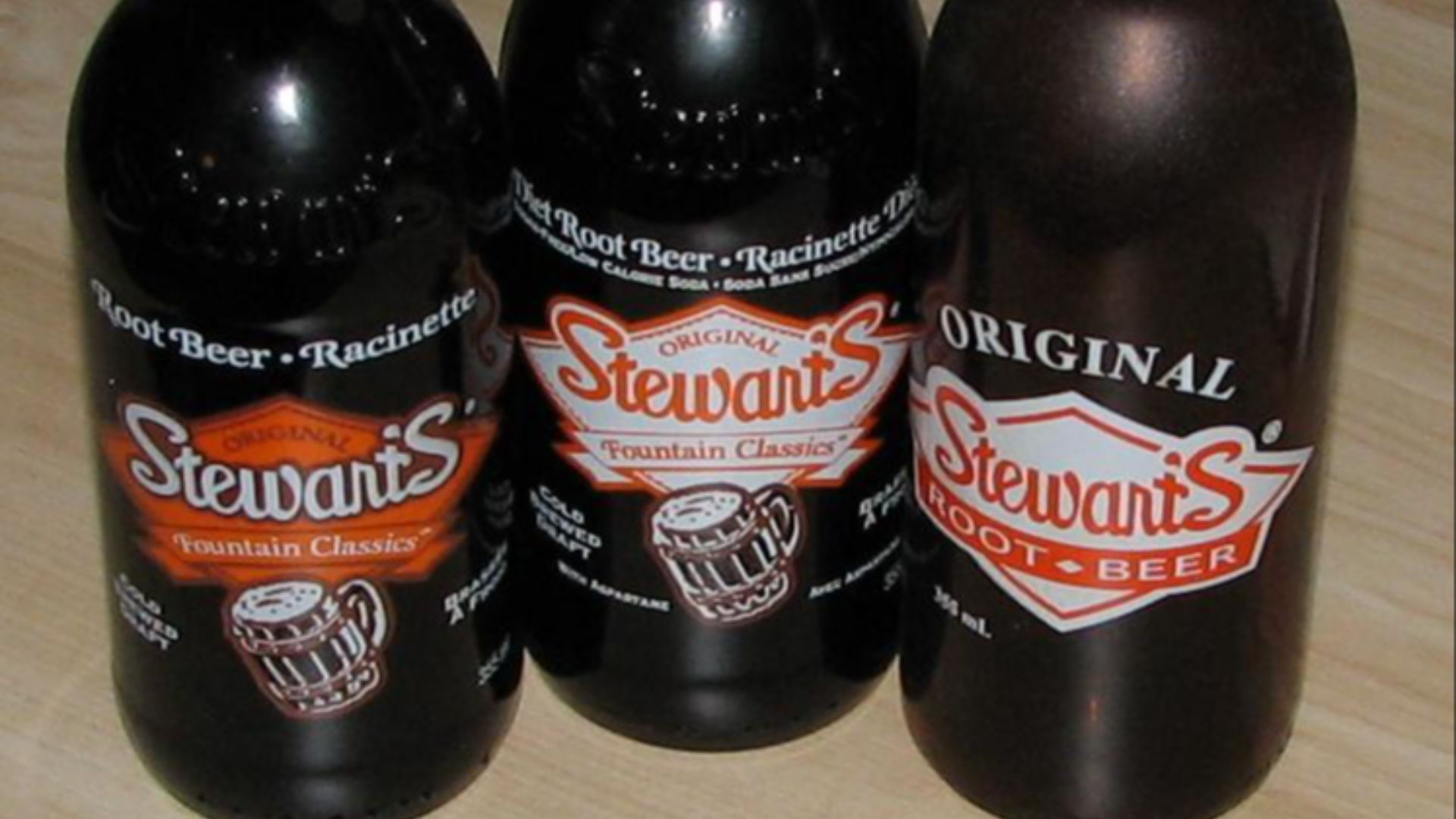
12. Sassafras
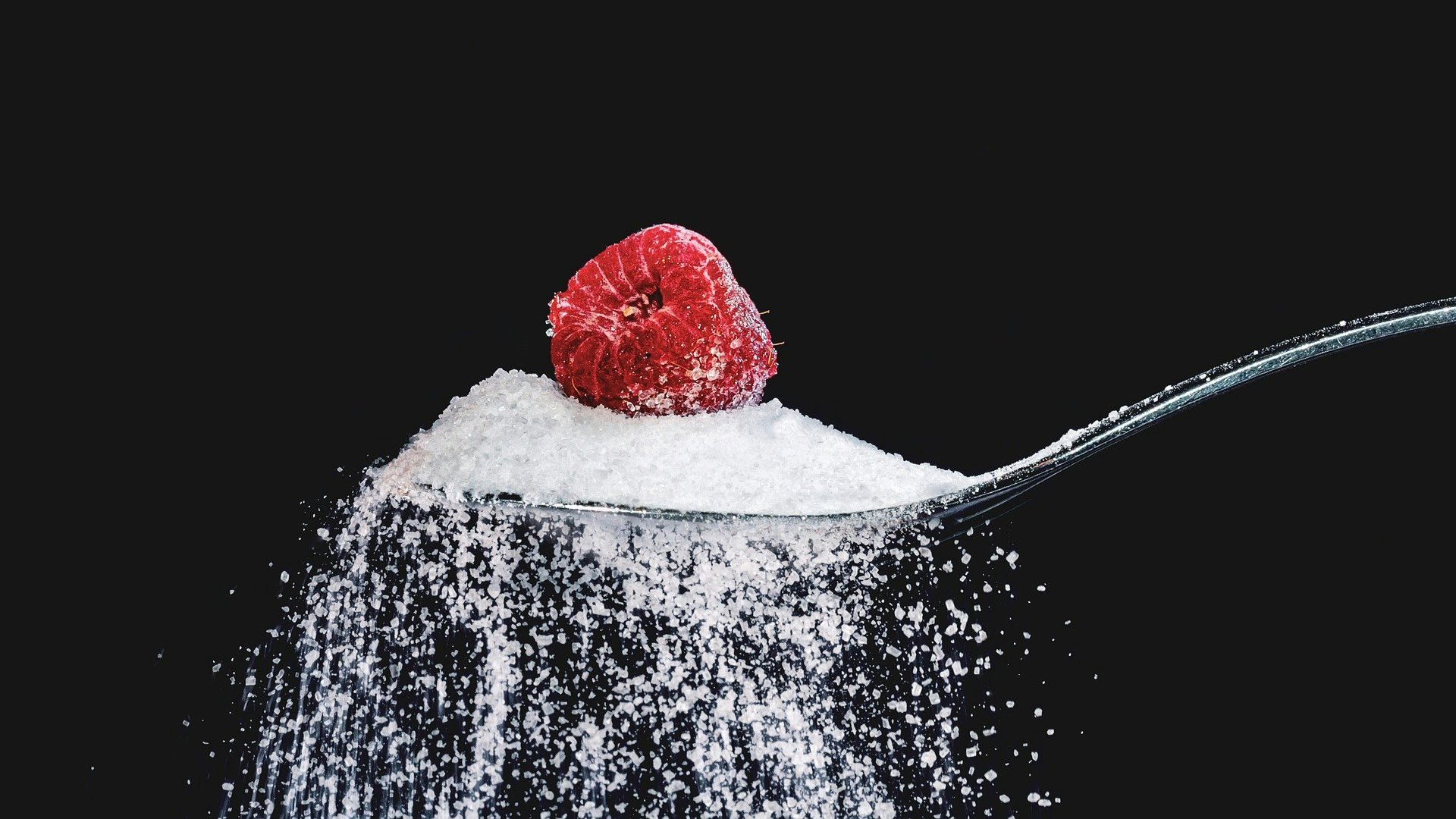
Sassafras oil was once a key flavor in traditional root beer, but it ran into legal trouble when regulators targeted safrole, a compound found in sassafras, over health concerns. That meant the classic old-school formulation became a no-go for commercial food use. Modern root beer gets its taste from alternative flavorings, so you can sip safely and nostalgically.
13. Cyclamate
Cyclamate, a popular low-calorie sweetener, was banned in the U.S. after safety concerns were raised. It went from diet darling to dietary villain almost overnight. However, the studies that were done on it which deemed it unsafe have since been heavily criticized, and it's still legal in Europe and Canada.
14. Ackee
Ackee has been restricted or banned from import in the past because unripe ackee contains toxins that can make you seriously ill. Proper processing matters a lot, so regulators treated it as a high-risk food until safety controls improved. When it’s handled correctly, it’s beloved in Caribbean cooking and tastes nothing like its scary reputation.
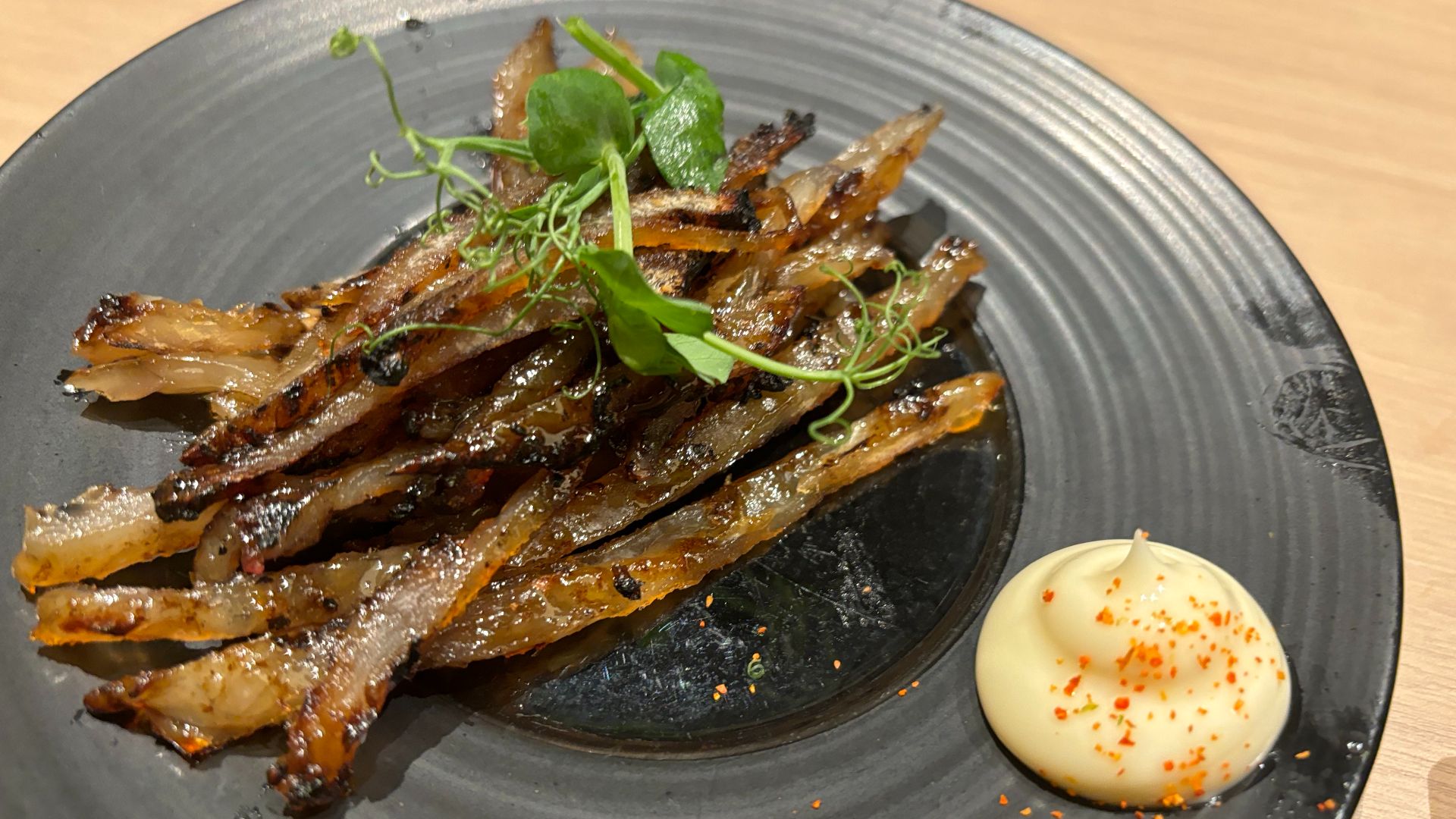
15. Fugu
Fugu, or pufferfish, has been illegal or tightly controlled in many places because it can contain lethal toxin if prepared incorrectly. This isn’t a “wash your hands” situation; it’s a “hope your chef is certified” situation. Where it’s allowed, it usually comes with strict licensing rules for the people who serve it.
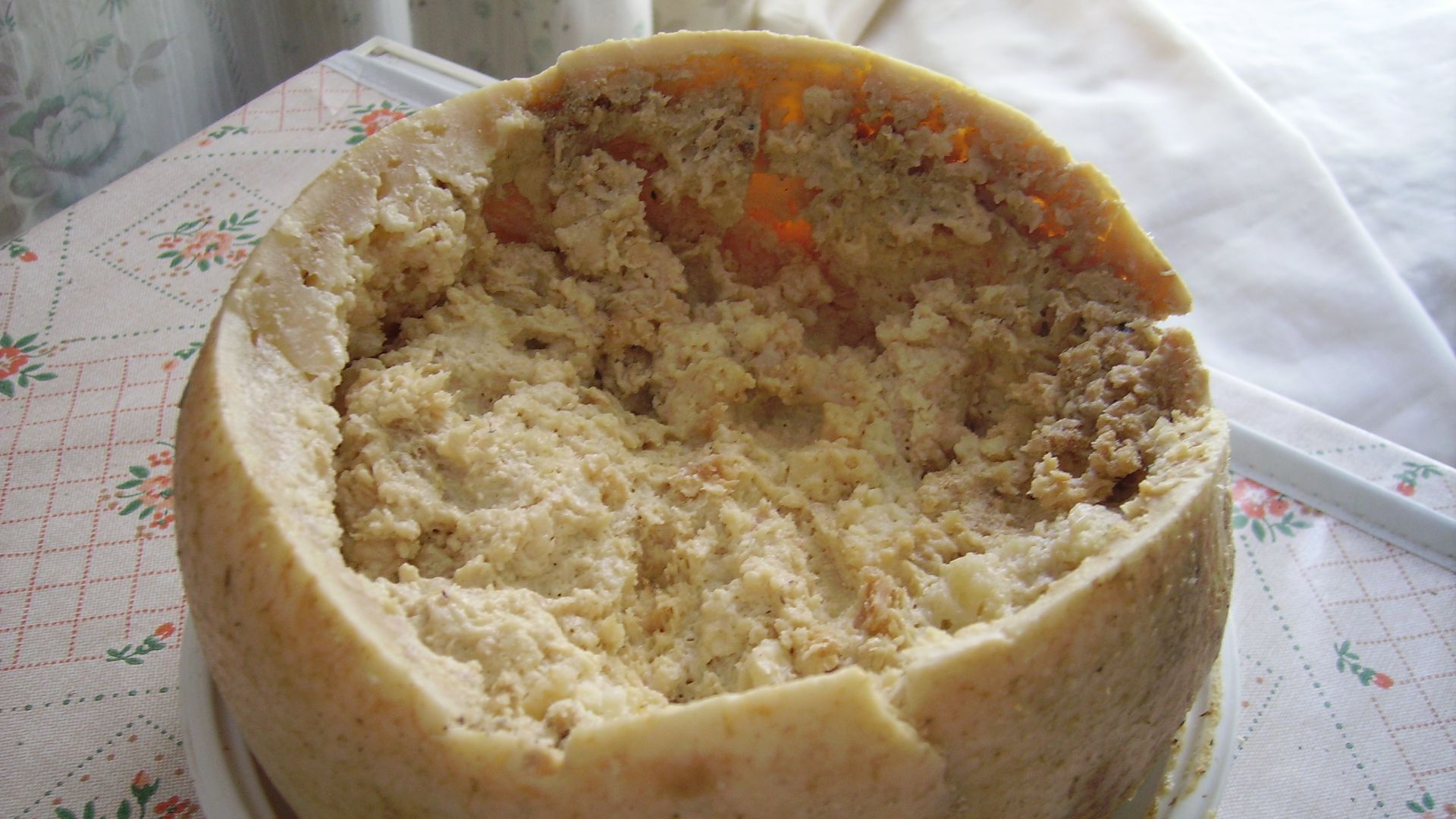
16. Casu Marzu
Casu marzu, the Sardinian cheese famously made with live larvae, has been banned or restricted under food safety laws. Regulators tend to get nervous when “alive” is part of the serving description. It still exists in certain local contexts, but it’s not exactly something you’ll casually toss into your grocery cart.
17. Bitter Almonds
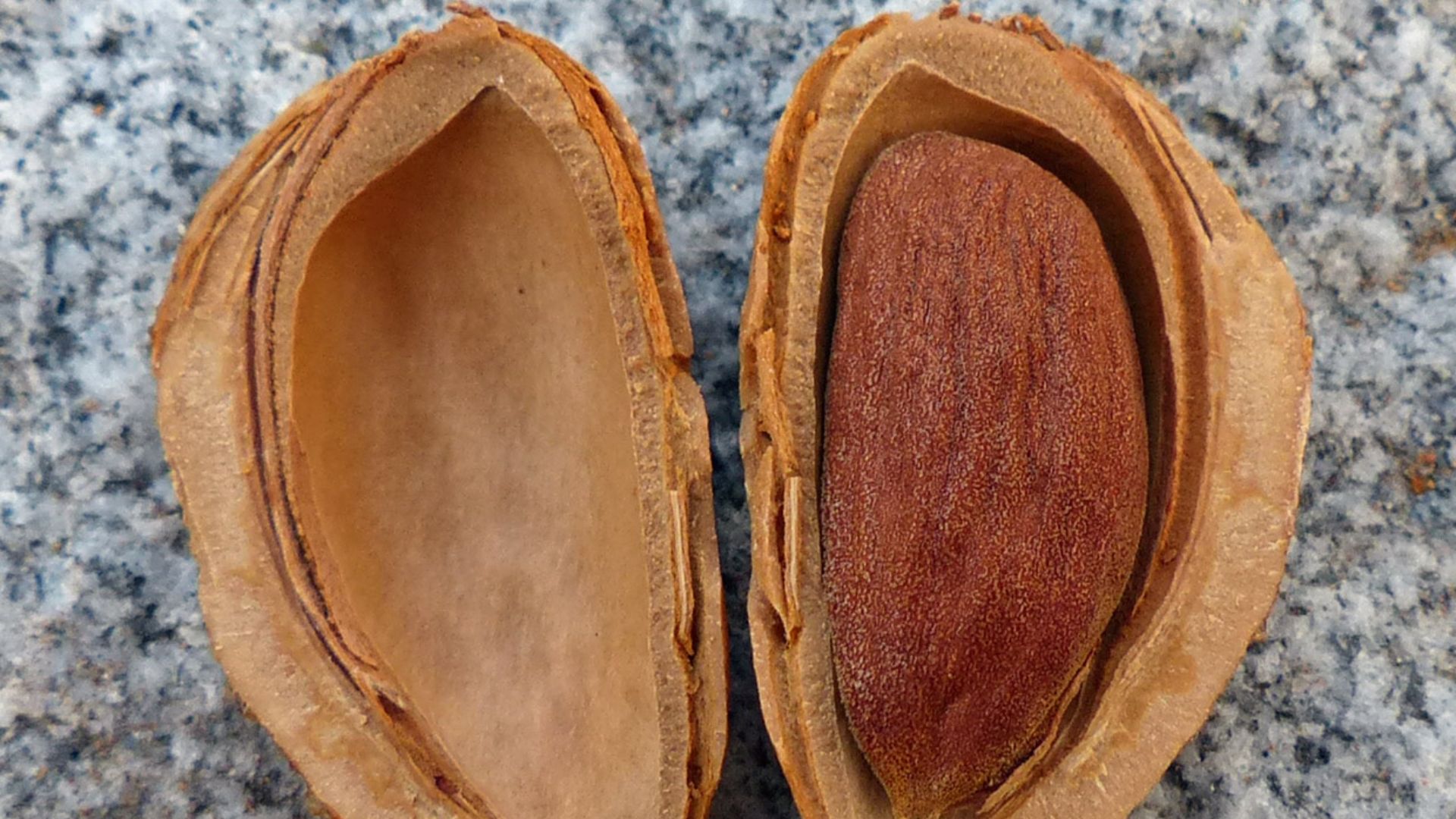
Raw bitter almonds contain compounds that can release cyanide, so they’ve been restricted or effectively illegal for sale in some places. While it's common to see sweet almonds everywhere, bitter almonds are a different story.
18. Horse Meat
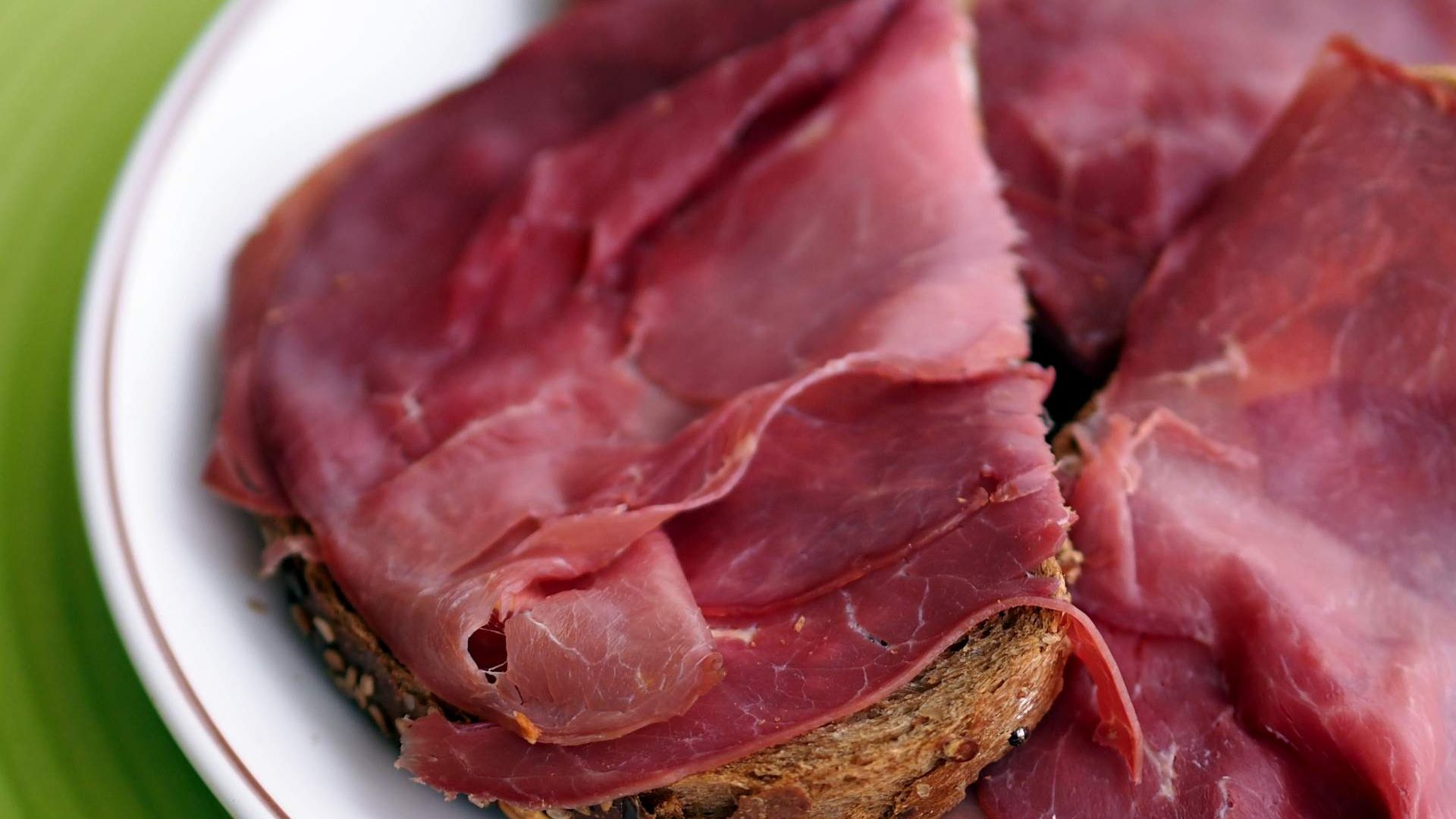
Horse meat has been prohibited in certain jurisdictions due to cultural taboos, animal welfare debates, and regulatory choices. In the U.S., it’s also been affected by shifting rules around inspection and processing that made legal sale difficult or impossible at times. Elsewhere, like in parts of Europe and China, it's totally normal to see it on menus.
19. Raw Milk
Selling raw, unpasteurized milk has been illegal in many places because pasteurization is a major tool for preventing foodborne illness. That doesn’t stop some people from seeking it out, which keeps the legal debates lively. If you’re tempted, you’ll want to know your local rules, because they can change from state to state.

20. Oysters
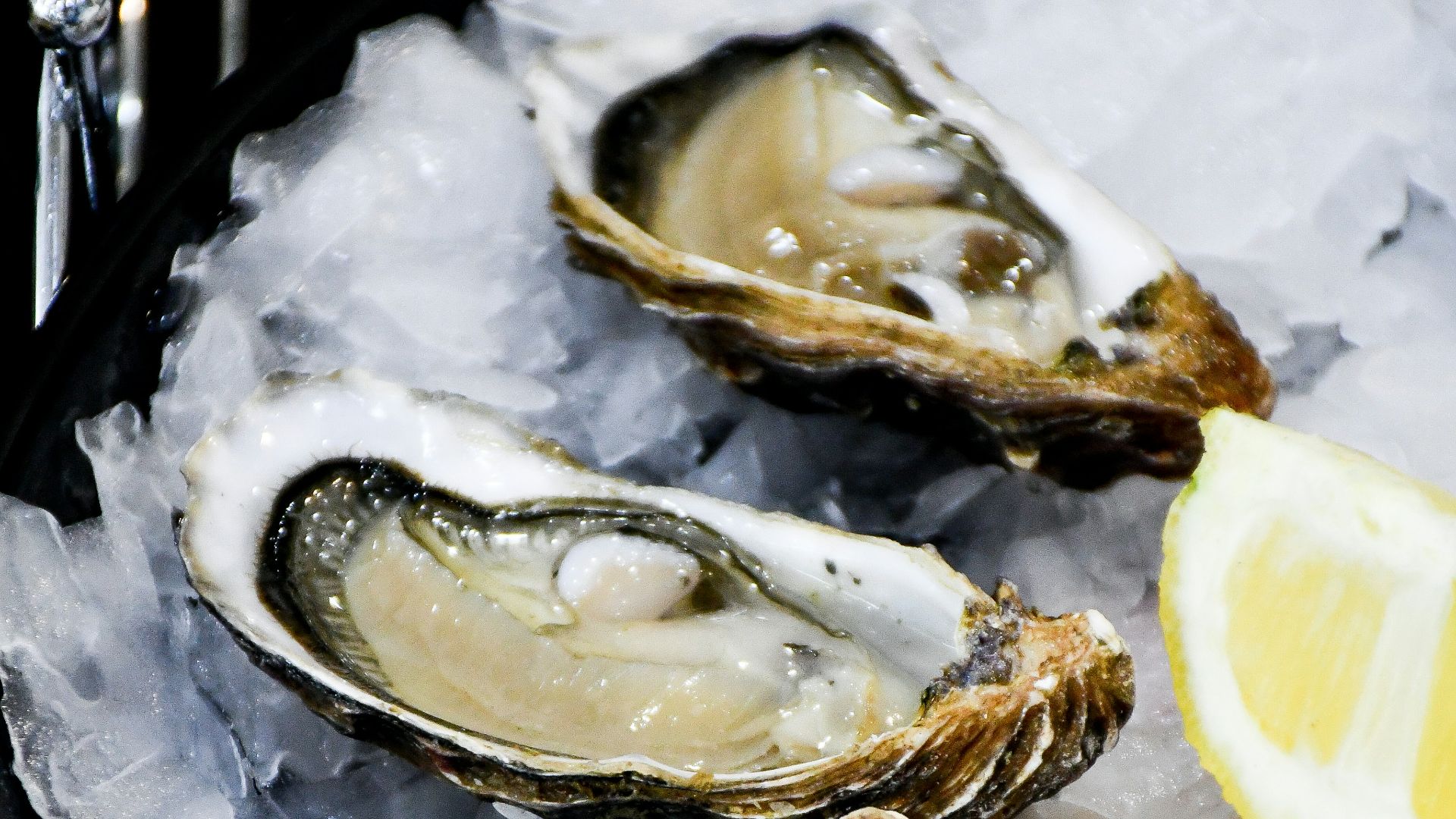
Oysters have faced bans and seasonal prohibitions in different cities and eras, often after disease outbreaks or sanitation scares. Since they’re filter feeders, they can reflect the water they live in, and they're eaten raw so it can pose health risks. Modern harvesting rules are stricter, but oyster laws still get serious fast when water quality dips.
KEEP ON READING