20 Foods That Built New York’s Reputation as a Food City
A City You Can Taste
New York became one of the world's great food cities not because of one famous dish. Generations of immigrants, street vendors, neighborhood bakeries, diners, delis, and restaurants all brought something to the table, creating foods that eventually became part of the city's identity. Some were invented in New York, while others arrived from elsewhere and took on distinctly local traditions. From a folded slice eaten on the sidewalk to dishes once served in the city's grandest dining rooms, these 20 foods helped turn New York into a destination for anyone who loves to eat.

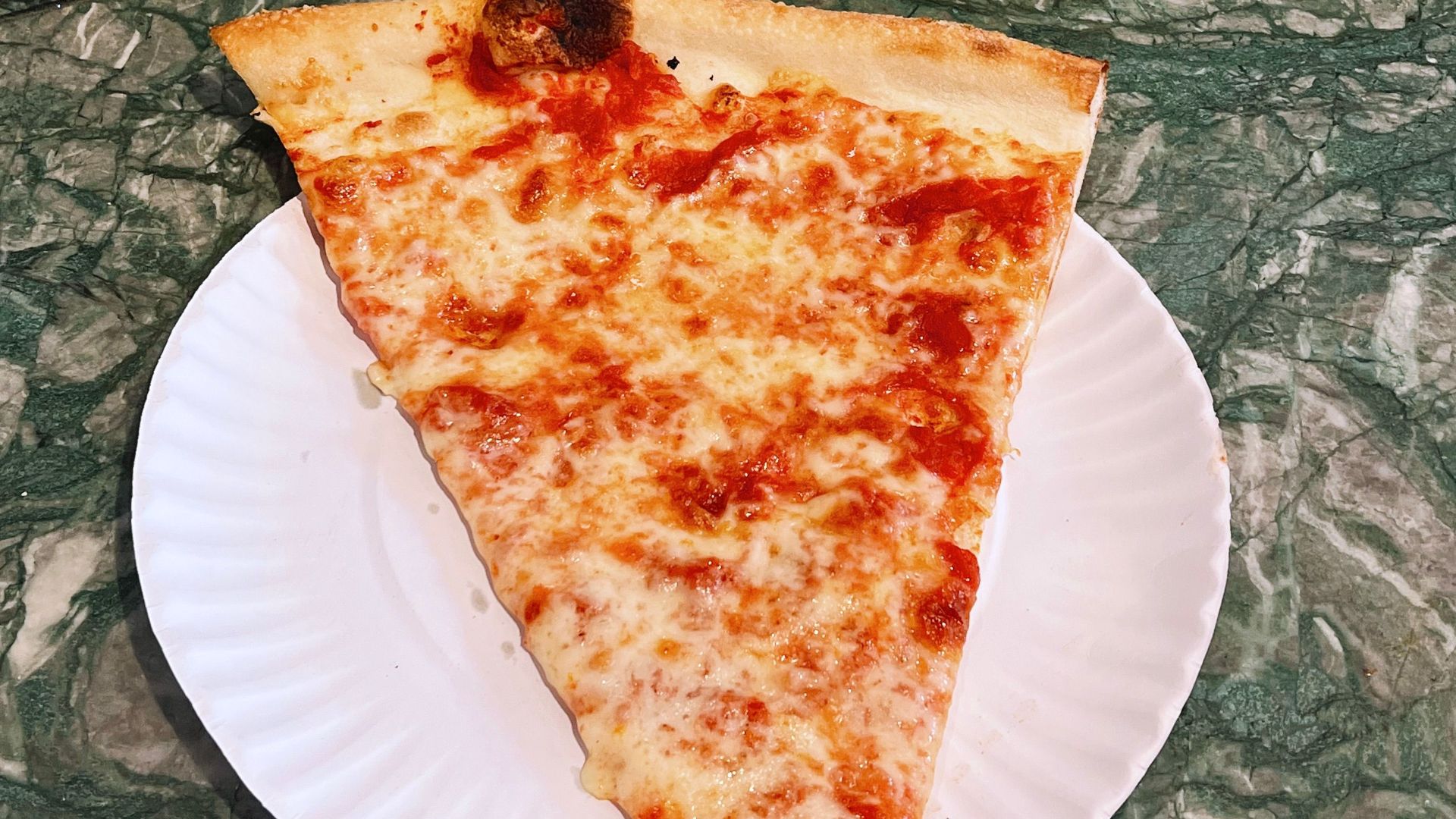
1. New York-Style Pizza
Few foods are tied to New York as closely as the classic thin-crust slice. Italian immigrants brought their pizza traditions with them, and early pizzerias such as Lombardi's helped introduce the dish to generations of New Yorkers. Over time, the large, foldable slice became an affordable meal you could grab almost anywhere in the city.
2. Bagels
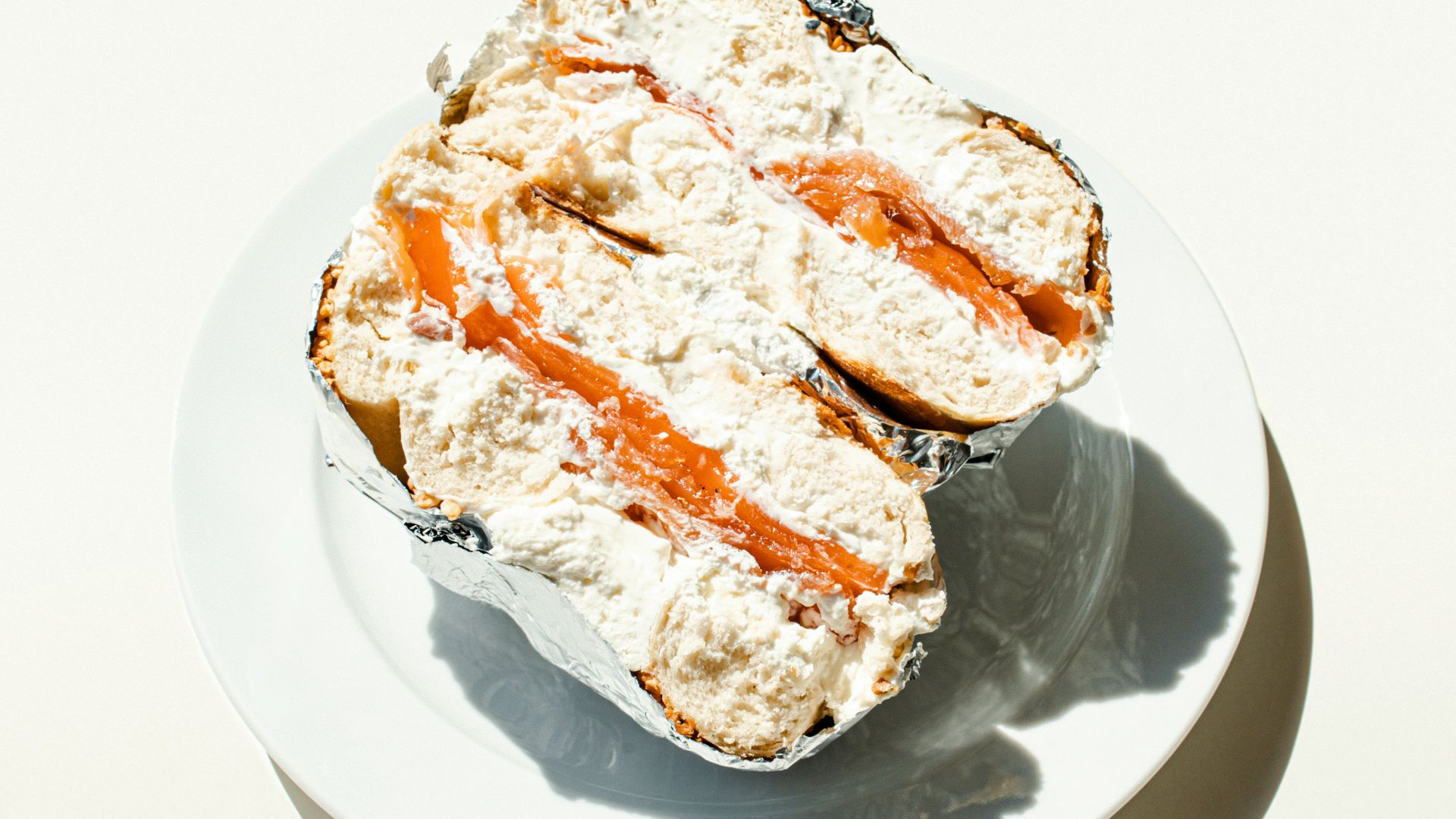
New York's bagel tradition grew largely out of the city's Eastern European Jewish communities. The dense, chewy rings became everyday staples at bakeries and appetizing shops before eventually spreading far beyond the neighborhoods where they first flourished. A bagel with cream cheese became one of the city's most recognizable breakfasts, although adding smoked fish can certainly make it a little more ambitious.
3. Pastrami on Rye
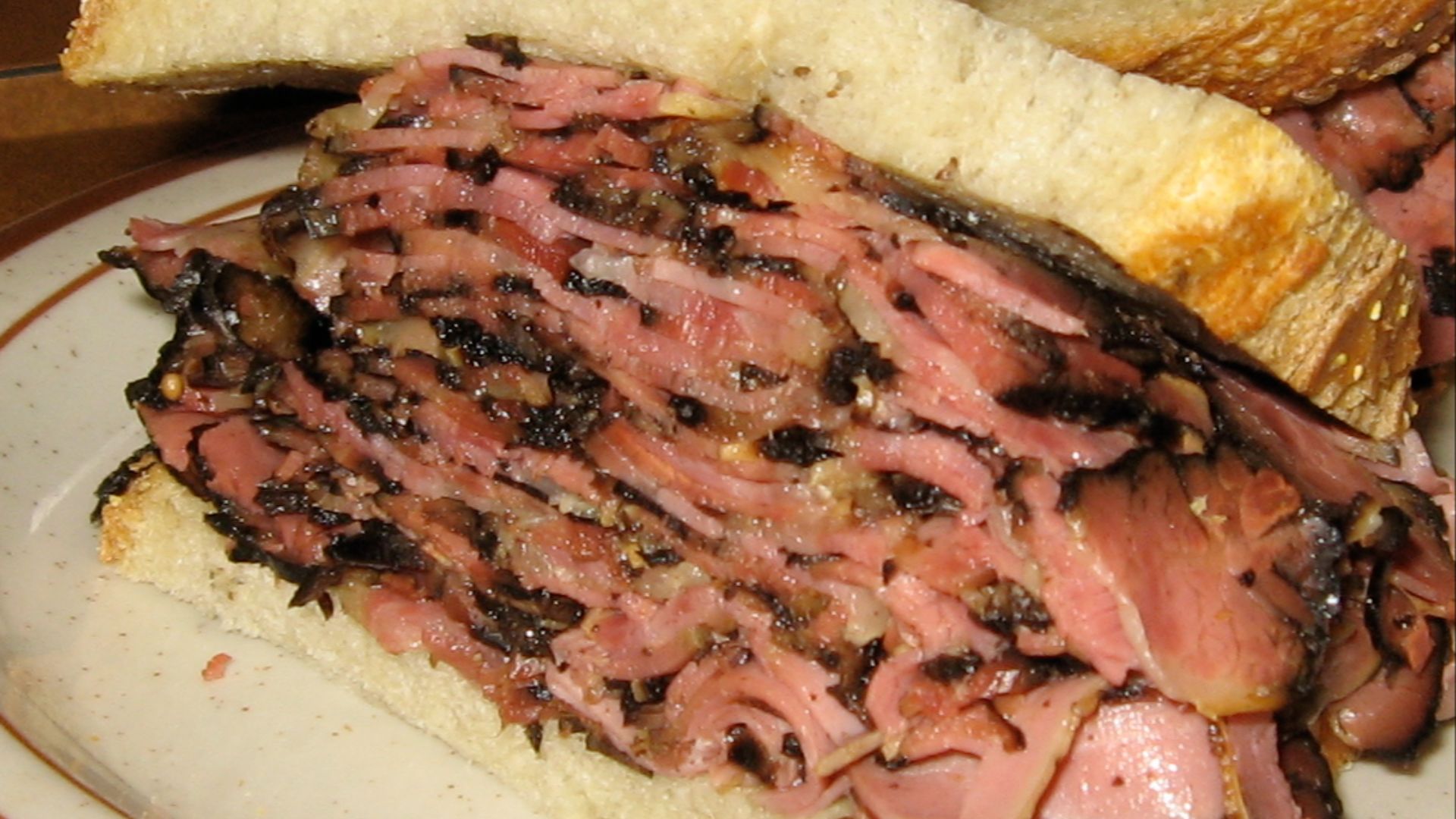
Walk into an old-school Jewish deli, and you're likely to find pastrami piled almost comically high between slices of rye bread. New York delis turned cured and smoked meats into an institution, with places such as Katz's Delicatessen becoming destinations in their own right. Mustard is usually all the sandwich needs, keeping the focus firmly on the peppery meat.
4. New York Cheesecake
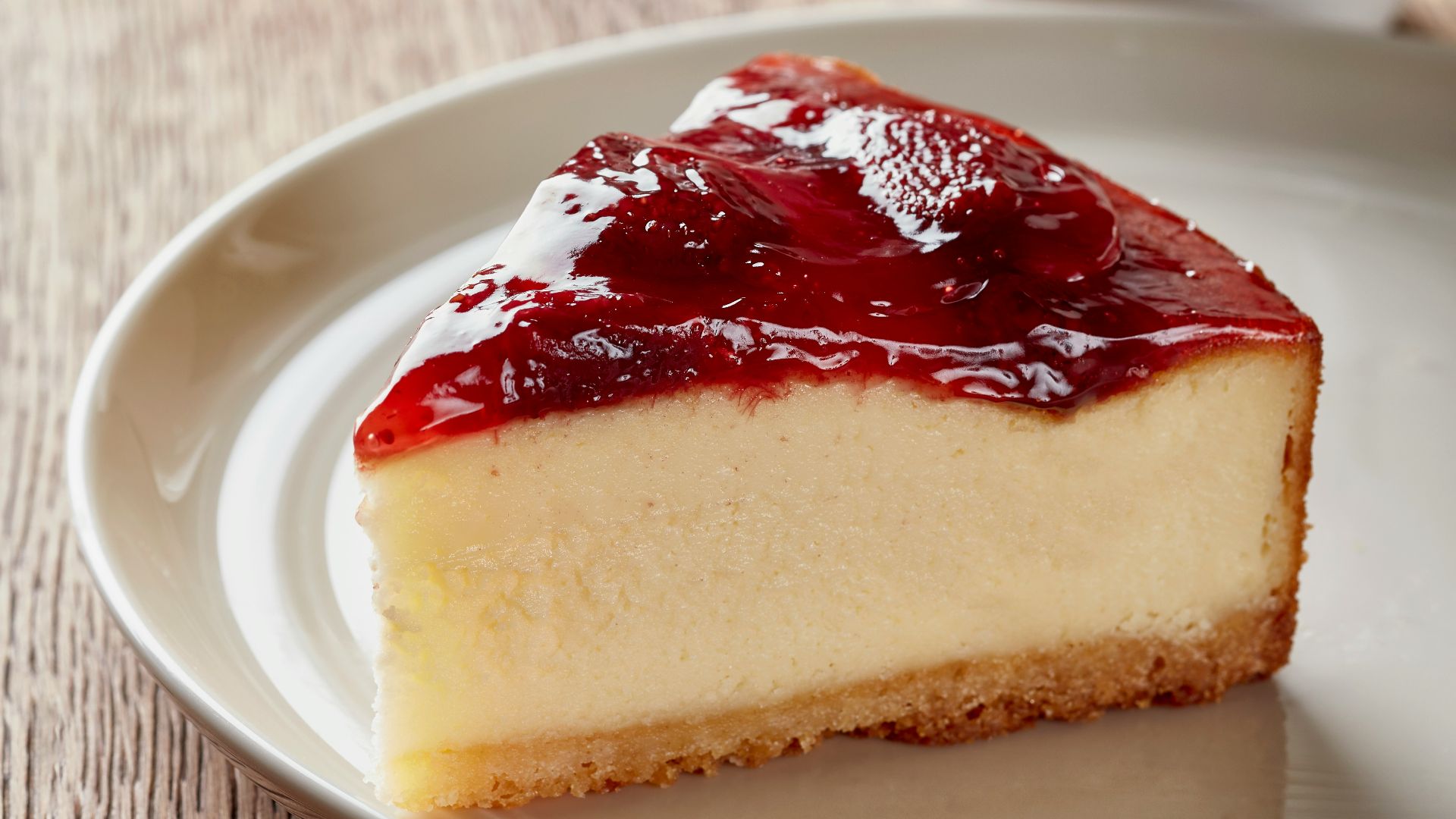
New Yorkers didn't invent cheesecake, but they certainly created a version with an identity all its own. The local style became famous for being especially rich, dense, and heavy on cream cheese rather than relying on elaborate toppings. Restaurants and bakeries throughout the city helped turn it into a classic dessert during the 20th century. When a regional variation becomes recognizable across the country simply by adding "New York" to its name, you know it's made an impact.
5. Hot Dogs
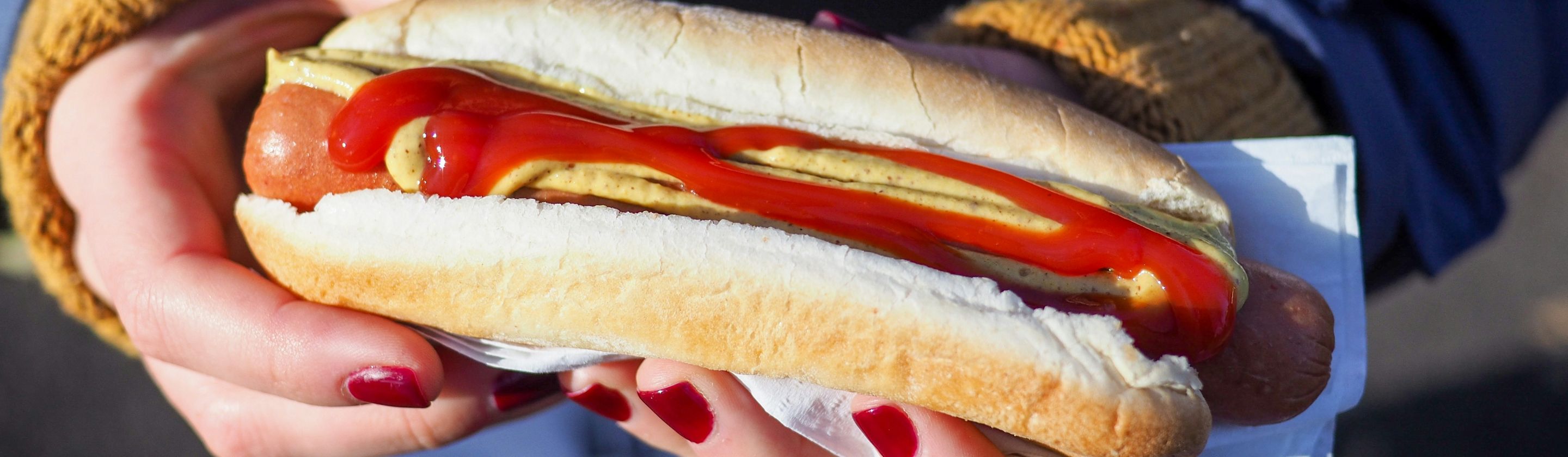
The New York hot dog owes much of its fame to the vendors who made it one of the city's easiest street meals. German immigrants helped popularize sausages in the 19th century, while Coney Island became especially important to the food's local story. Nathan's Famous, founded there in 1916, eventually became known around the world, and even now, grabbing a hot dog from a sidewalk cart feels distinctly New Yorker, no matter where you are.
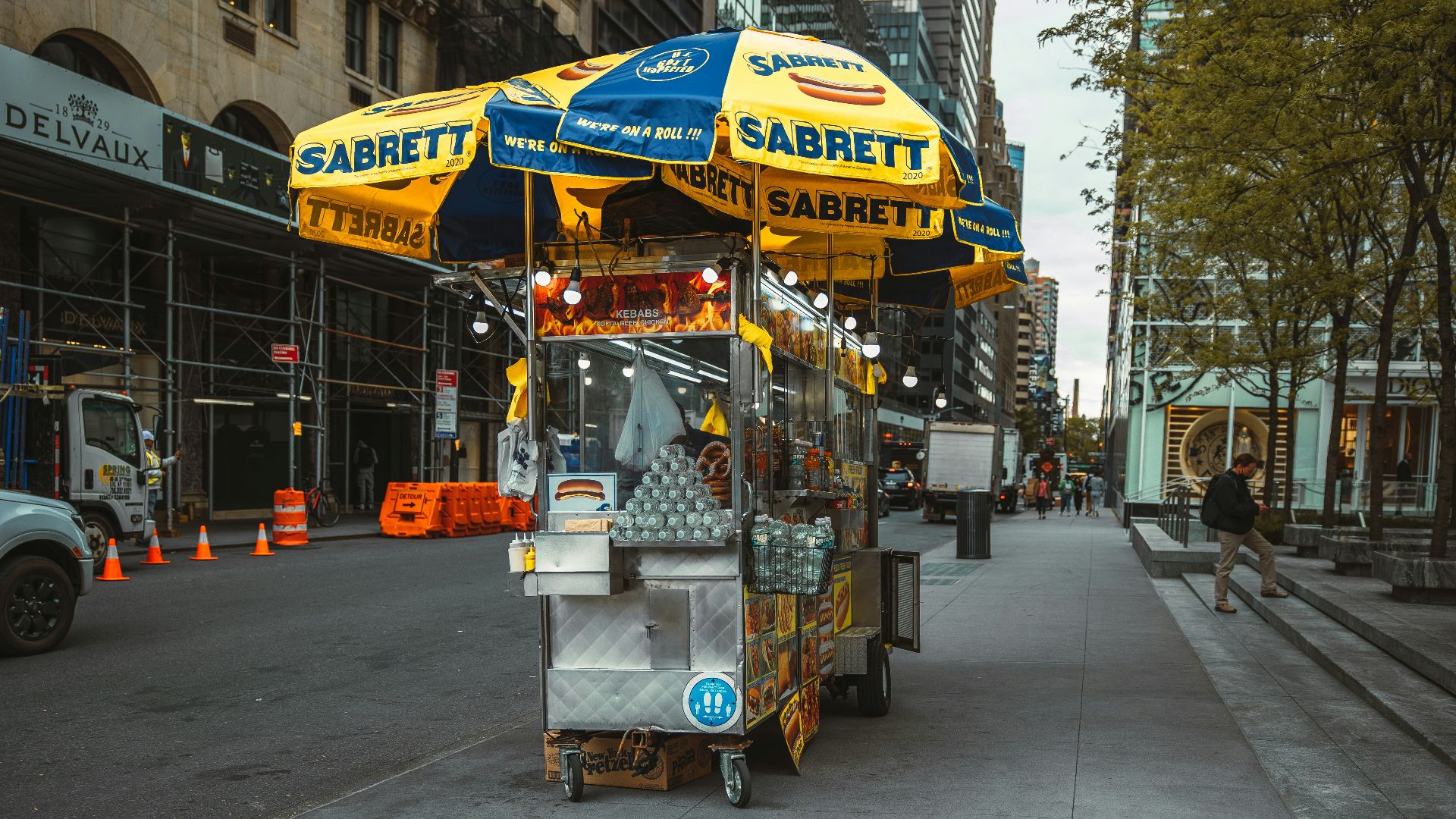 Diane Picchiottino on Unsplash
6. Chopped Cheese
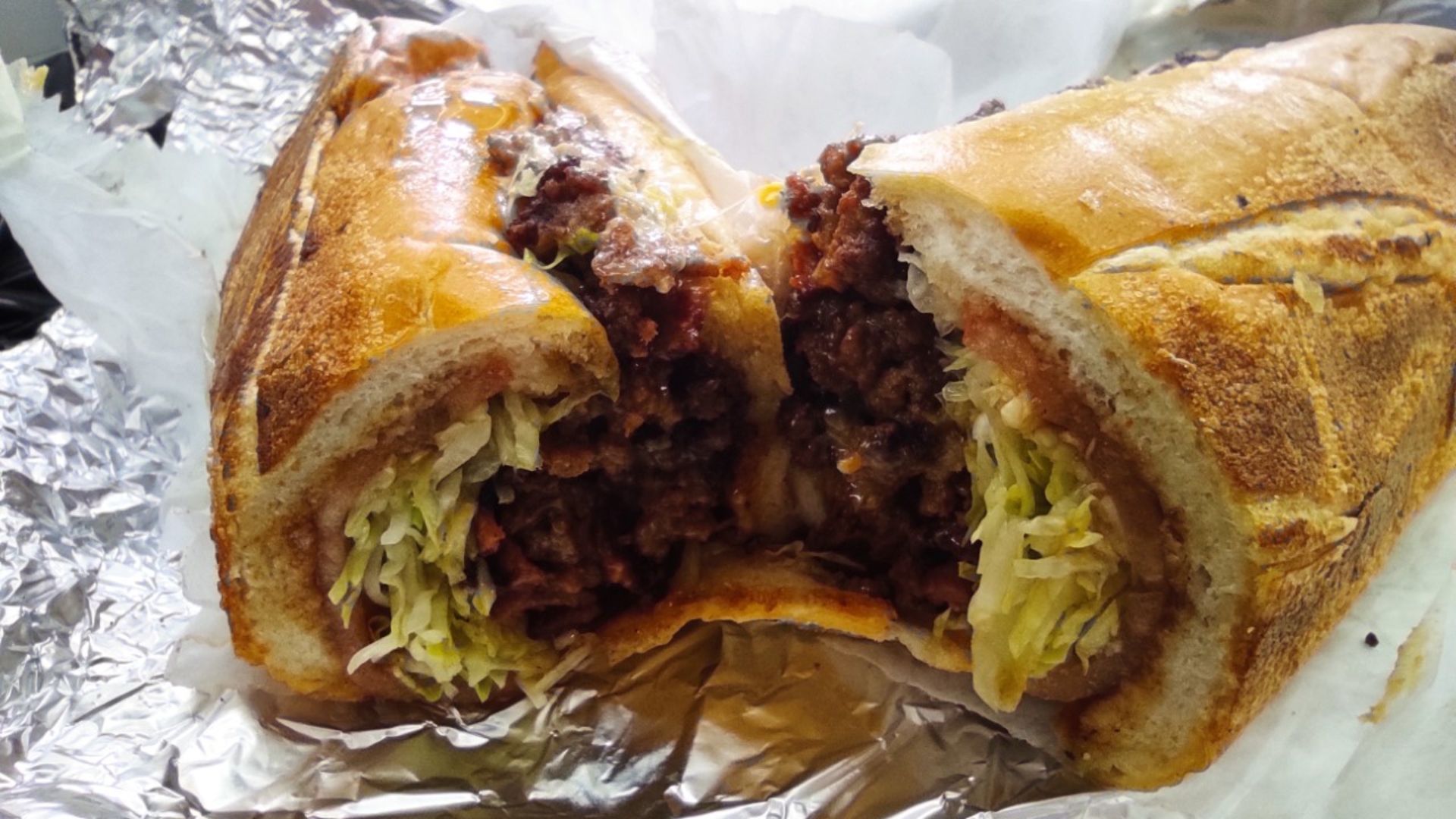
Compared with many foods on this list, the chopped cheese is a relatively recent New York icon. Closely associated with bodegas in Harlem and the Bronx, it typically combines chopped ground beef, melted cheese, onions, and condiments on a hero roll. Its reputation eventually spread far beyond the neighborhoods where locals had been ordering it for years. The sandwich proved that New York's food identity didn't stop evolving sometime in the early 20th century.
7. Black & White Cookies
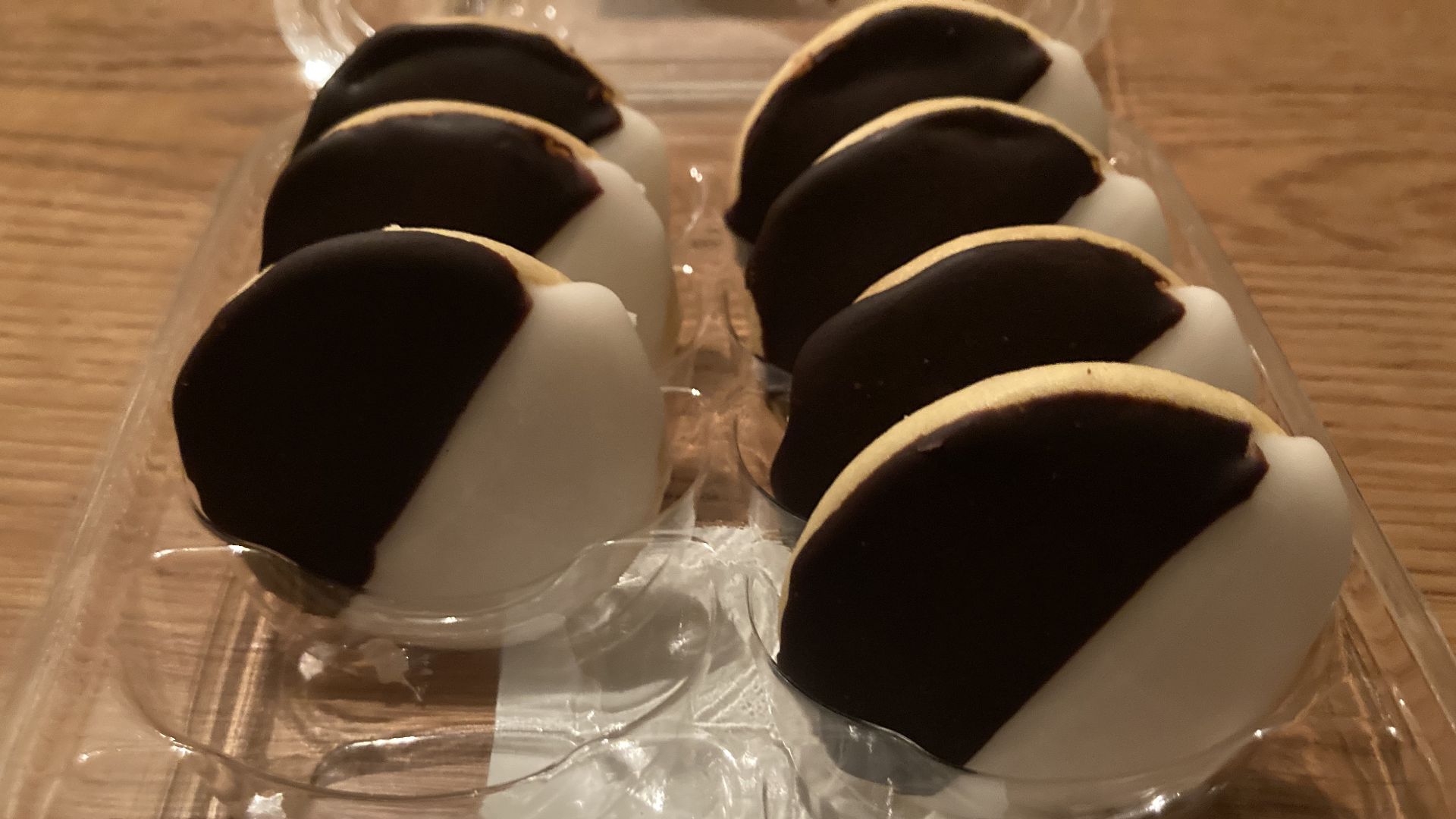
Part cake and part cookie, the black and white has been a fixture in New York bakery cases for generations. Its soft base is topped with vanilla icing on one side and chocolate on the other, giving it a look that's hard to mistake. Bakeries across the city kept the treat popular even as plenty of other old-fashioned sweets faded from view. You'll still find them everywhere from traditional bakeries to neighborhood delis.
8. Eggs Benedict
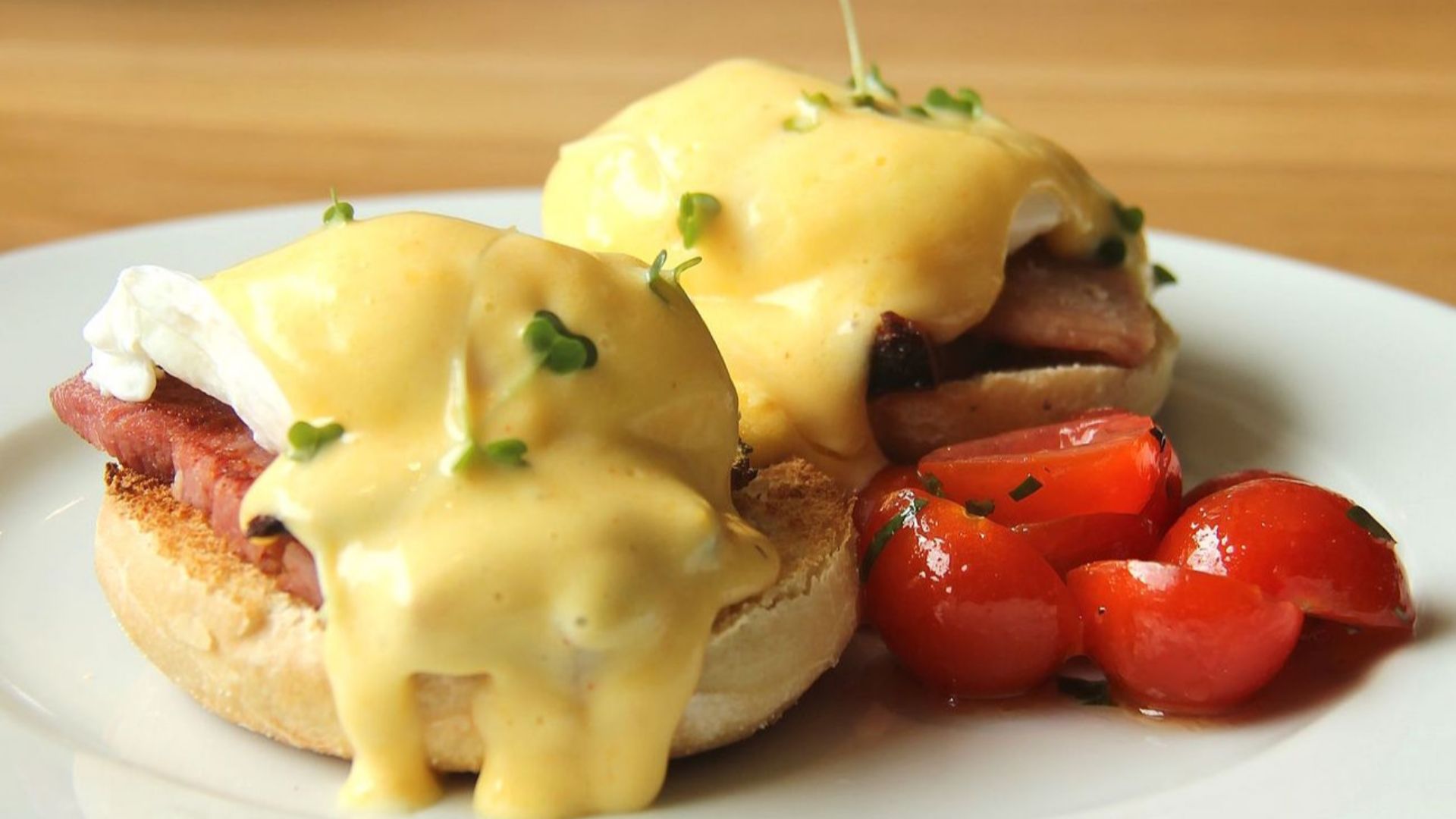
The exact origin of Eggs Benedict is disputed, but some of its most famous creation stories lead straight to New York. One version credits Delmonico's, while another involves a hungover Wall Street broker placing a special order at the Waldorf Hotel in the 1890s. Either way, poached eggs, English muffins, Canadian bacon or ham, and hollandaise went on to become a brunch standard. New York's long restaurant culture helped turn dishes like this into fixtures far beyond the city.
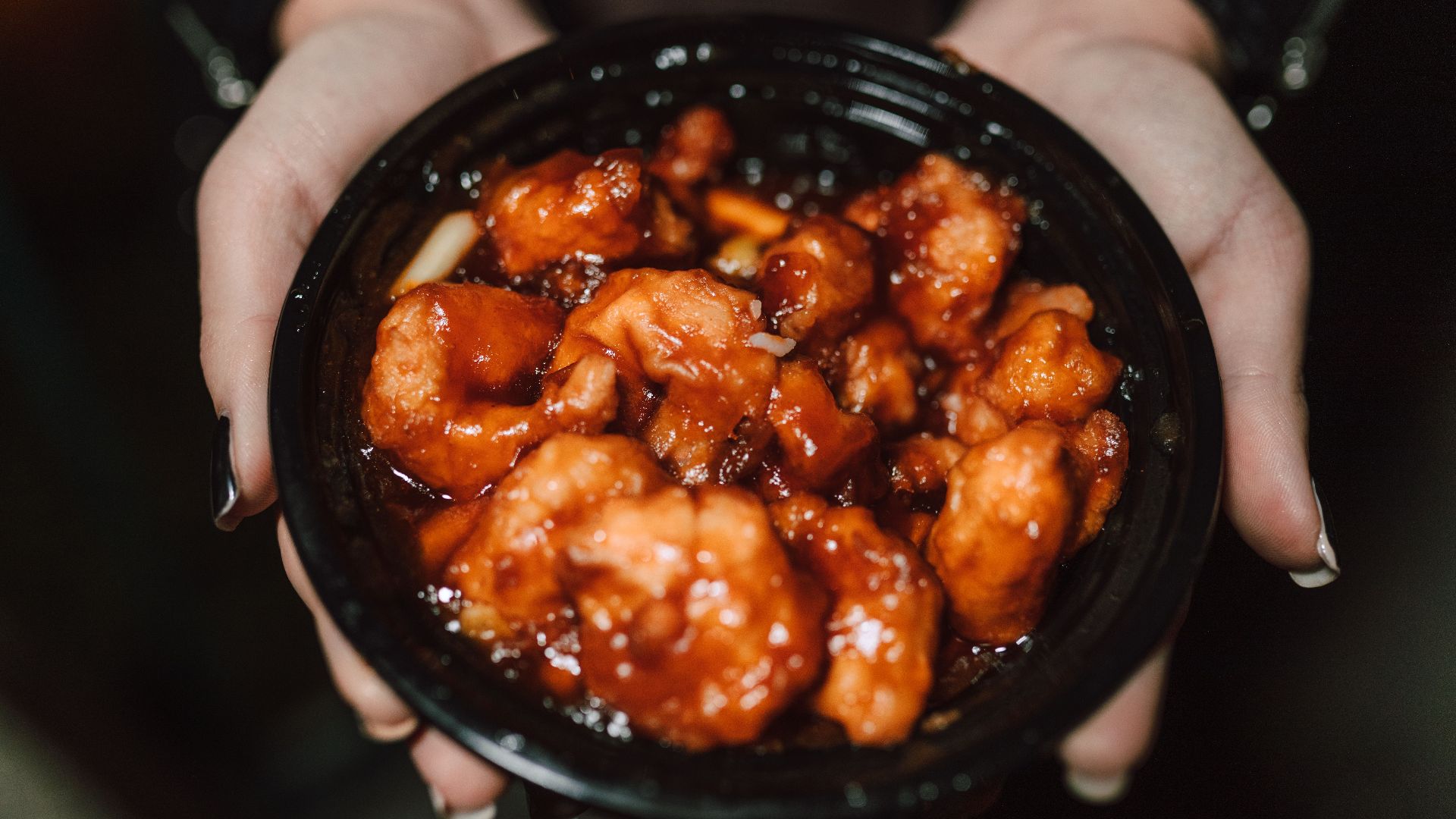
9. General Tso's Chicken
General Tso's chicken has complicated origins, but the sweet, fried version familiar to many Americans became strongly connected with New York's Chinese restaurant scene. Chef T.T. Wang of Manhattan's Shun Lee Palace is often credited with creating an influential local interpretation in the 1970s. The dish showed how Chinese American cooking continued adapting to local tastes while developing an identity of its own. Before long, it had become a takeout staple across the country.
10. Knishes
Knishes came to New York with Eastern European Jewish immigrants and quickly became popular with working-class residents looking for filling, inexpensive food. Traditional versions feature dough wrapped around fillings such as potato, buckwheat, or meat. Once sold widely from pushcarts and small bakeries, they're still closely associated with the Lower East Side and places such as Yonah Schimmel's. You may not see them on every corner anymore, but they remain an important part of the city's food story.

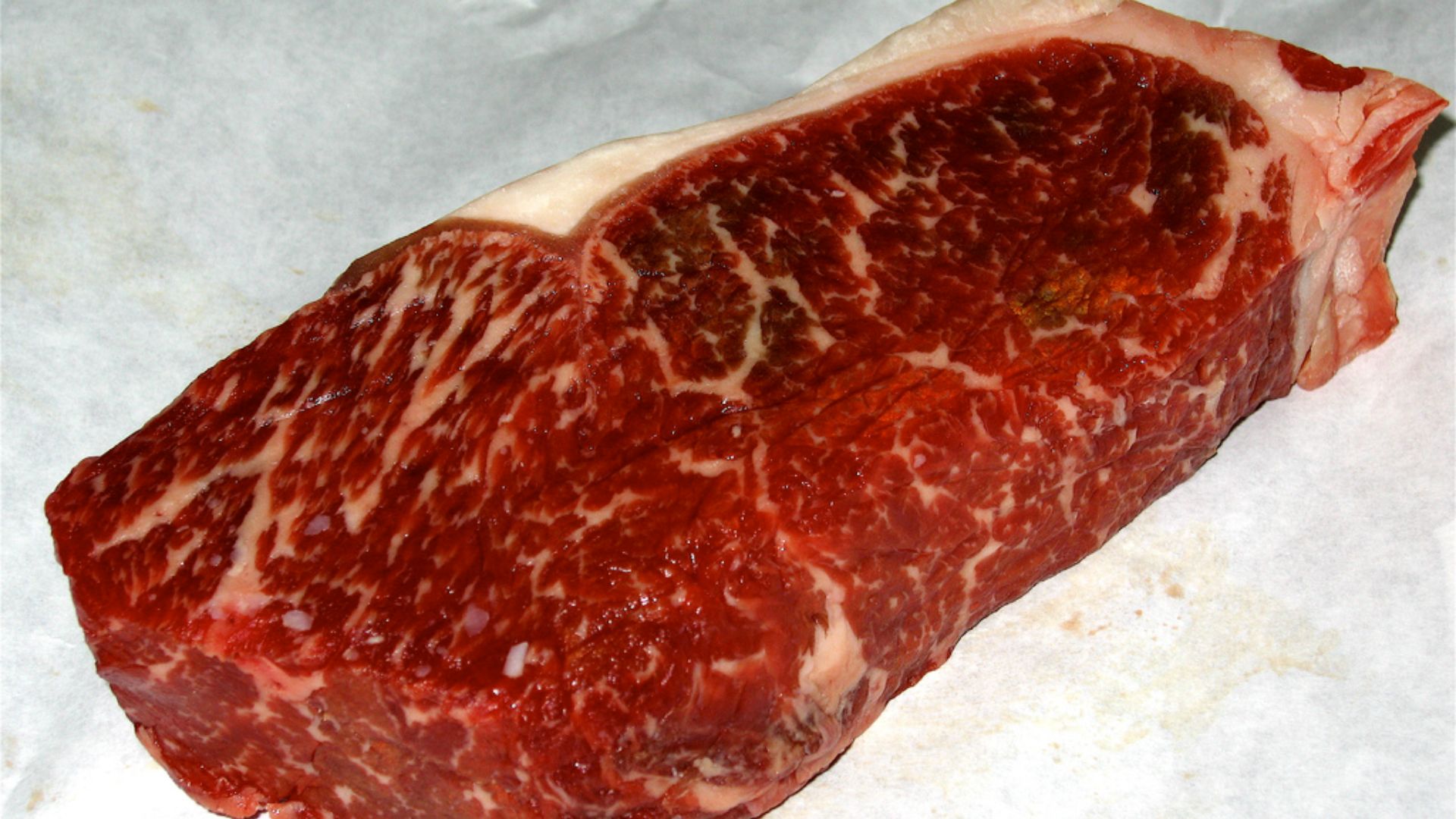
11. Steak at Delmonico's
New York was shaping American fine dining long before tasting menus and celebrity chefs entered the picture. Delmonico's, which rose to prominence in the 19th century, became known for luxurious meals featuring steaks and other dishes that stood out in an era when restaurants were far less common. The Delmonico steak itself became a familiar term, even though there's still debate over the exact cut it originally described. More importantly, the restaurant helped establish New York as a city where dining out could be an event.
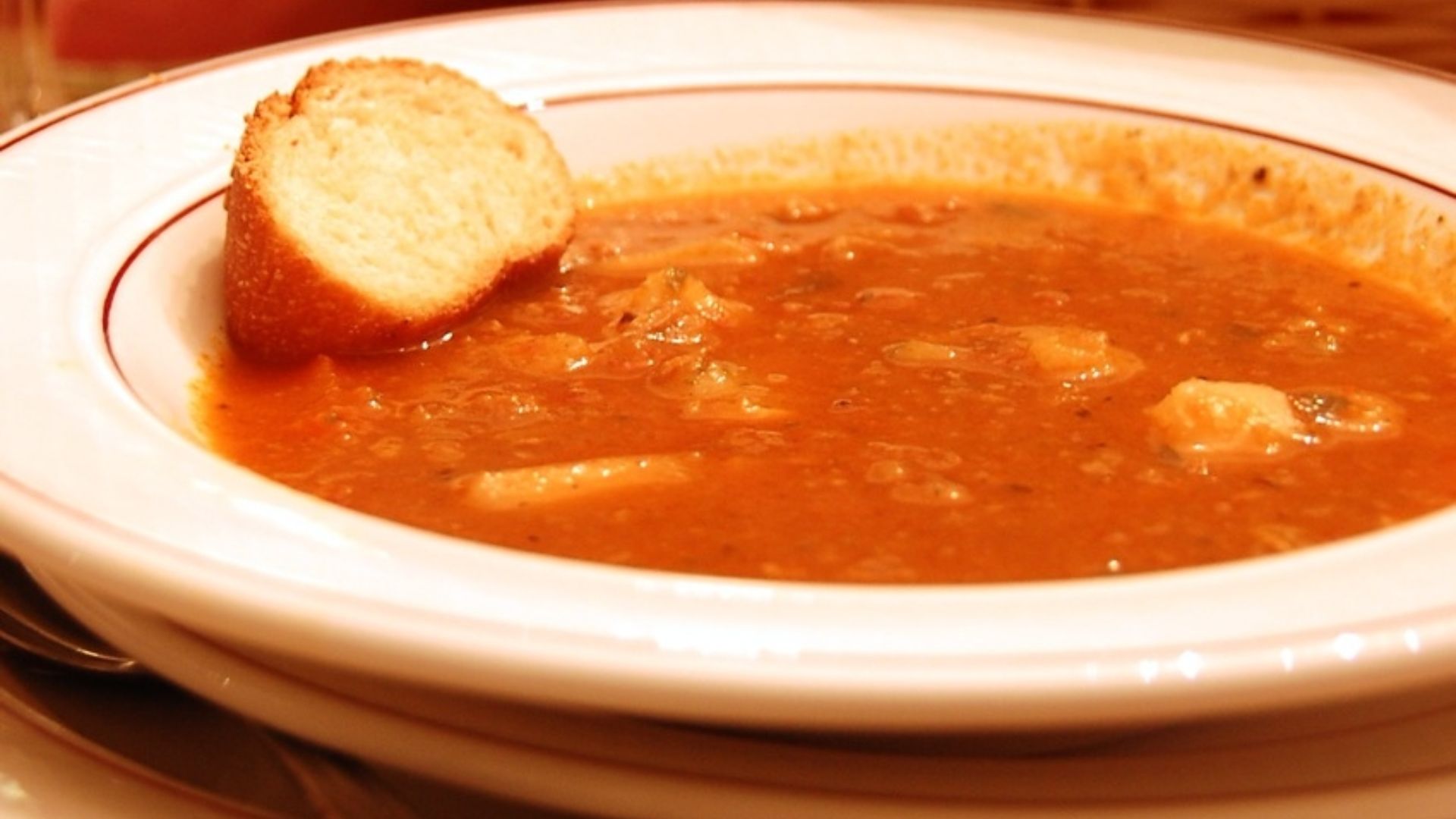
12. Manhattan Clam Chowder
New England may have the creamy chowder, but New York became associated with a tomato-based version of its own. Manhattan clam chowder combines clams with tomatoes, vegetables, and broth, giving it a very different character from its northern relative. The name became common during the 20th century, although tomato-based clam soups had existed before that. It may not be the city's most famous dish today, but at least New York gets top billing right there in the name.
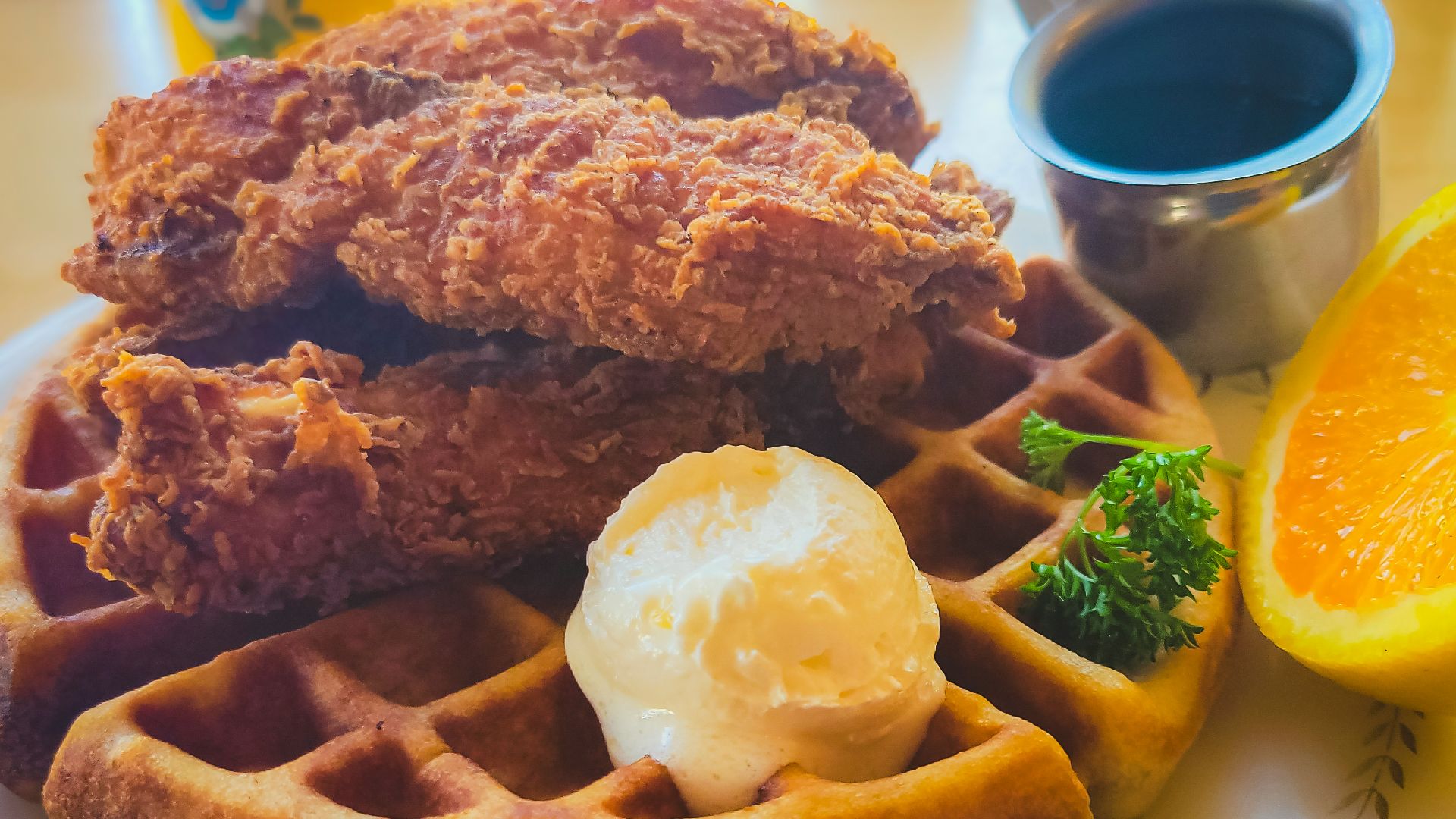
13. Chicken & Waffles
Chicken and waffles existed in different forms before becoming associated with New York, but Harlem played a major role in shaping the version many Americans recognize today. During the Harlem Renaissance, restaurants such as Wells Supper Club served fried chicken with waffles to musicians and late-night diners. The combination later became closely associated with soul food restaurants around the country. New York's nightlife helped give the unusual pairing lasting national appeal.
14. Cronuts
Every generation of New Yorkers seems to find at least one food worth standing in a very long line for. In 2013, pastry chef Dominique Ansel introduced the Cronut, a croissant-doughnut hybrid that quickly drew enormous crowds outside his SoHo bakery. Copies appeared almost immediately around the world, and the pastry became one of the defining food crazes of the decade. It was a reminder that New York could still launch a culinary trend almost overnight.

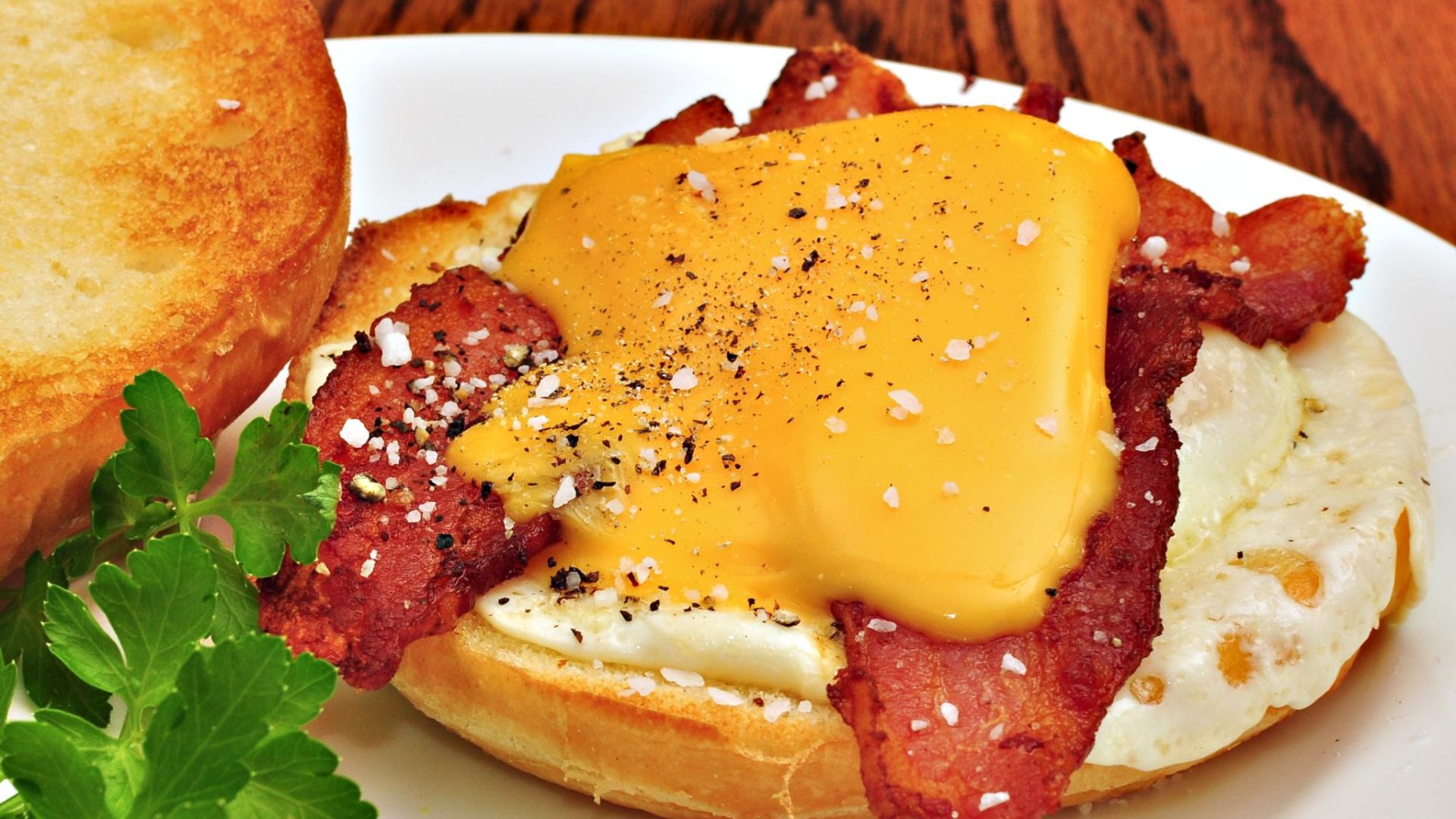
15. Bacon, Egg, & Cheese Sandwiches
The bacon, egg, and cheese sandwich may not have the historical prestige of Delmonico's, but it represents everyday New York eating just as well. Served at bodegas, delis, coffee carts, and corner stores, it's a practical breakfast made for eating while you're on your way somewhere else. Ordering one on a roll has become such a familiar part of city life that the sandwich carries plenty of local personality. New York's reputation as a food city starts pretty early in the morning.
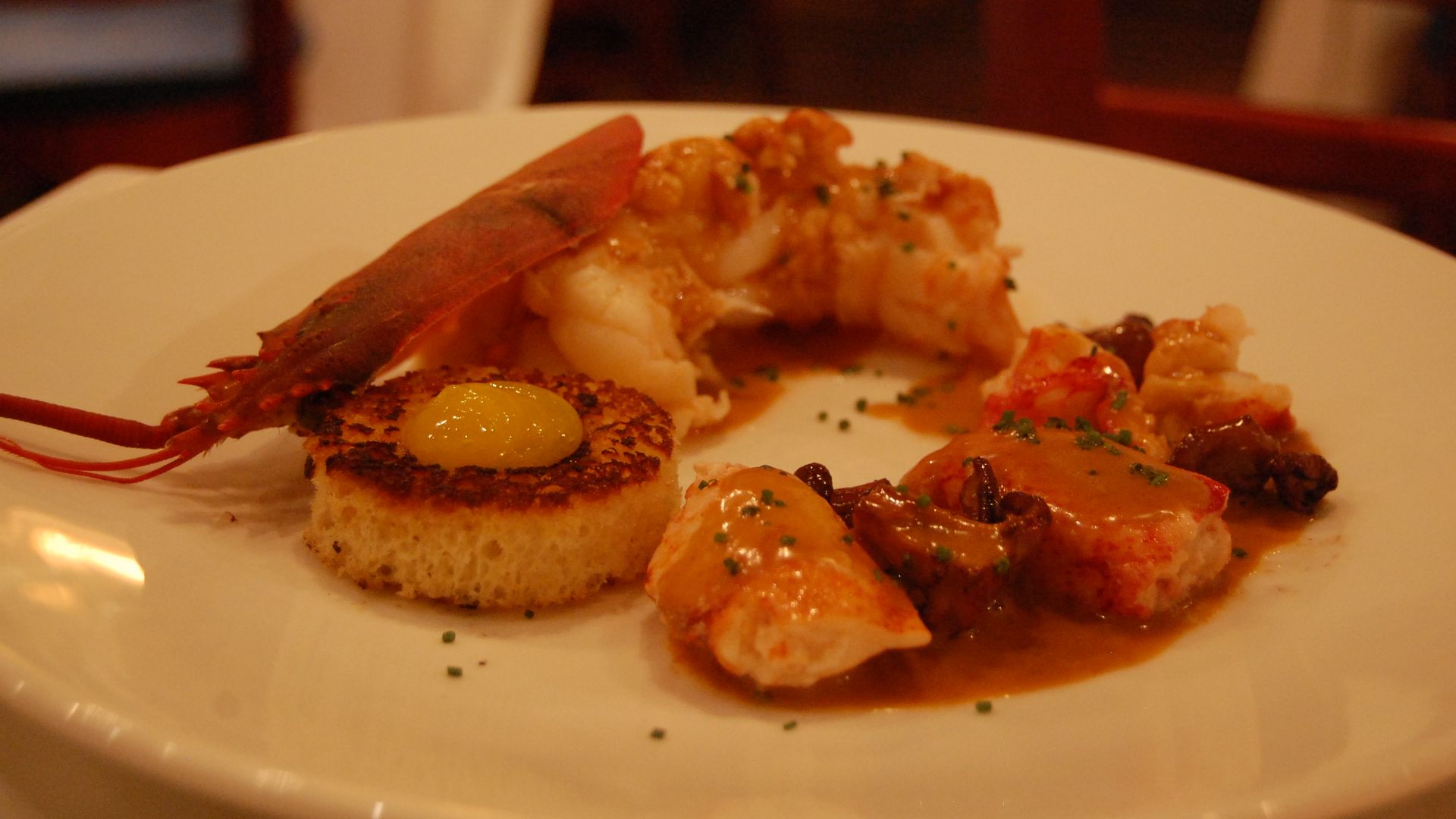
16. Lobster Newberg
Lobster Newberg is another dish connected with the glamorous early days of New York restaurants. It became famous at Delmonico's in the late 19th century, where lobster was served in a rich sauce made with cream, butter, eggs, and sherry or another fortified wine. The dish was luxurious enough for the restaurant's wealthy clientele and eventually began appearing on menus elsewhere. New York wasn't just feeding crowds cheaply; it was also helping shape what Americans considered fine dining.
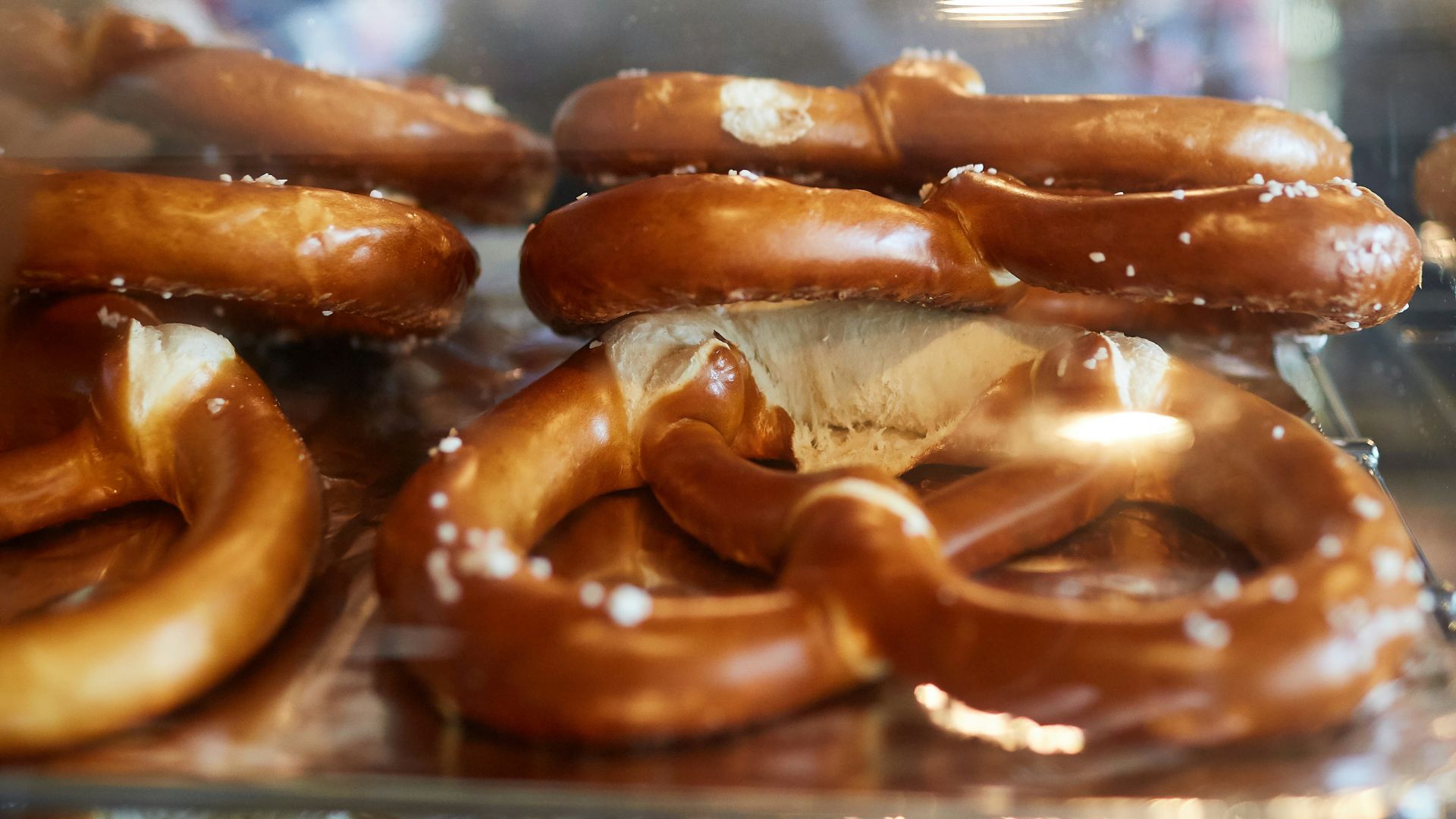
17. Pretzels
Soft pretzels have German roots, but New York's street vendors helped make them an enduring part of the city's sidewalk food culture. Large salted pretzels became especially familiar around parks, tourist areas, and busy intersections. They aren't uniquely New York, but there's something distinctly local about buying one from a cart while you're on the move. Along with hot dogs, pretzels helped build the idea that some of the city's most memorable food doesn't require a table.
 David Todd McCarty on Unsplash
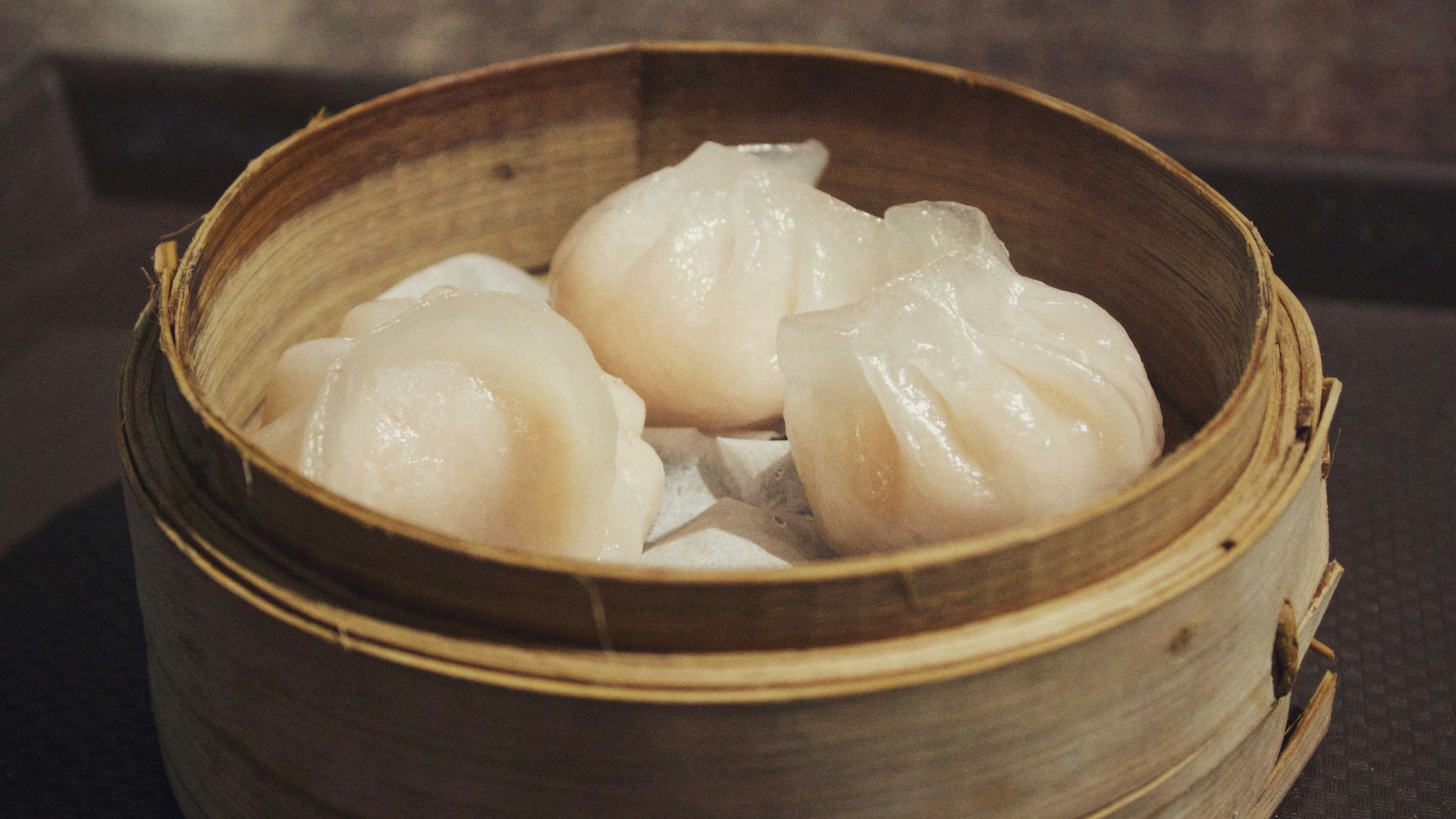
18. Dim Sum
New York's Chinese communities helped make the city one of America's essential destinations for Chinese food, and dim sum played a major role in building that reputation. Manhattan's Chinatown became known for busy dining rooms where groups could share dumplings, buns, rice rolls, and other small dishes. Later, major Chinese food communities in Queens and Brooklyn expanded the city's options even further. Eating your way through New York increasingly meant exploring cuisines well beyond its traditional European immigrant neighborhoods.
19. Italian-American Sunday Sauce
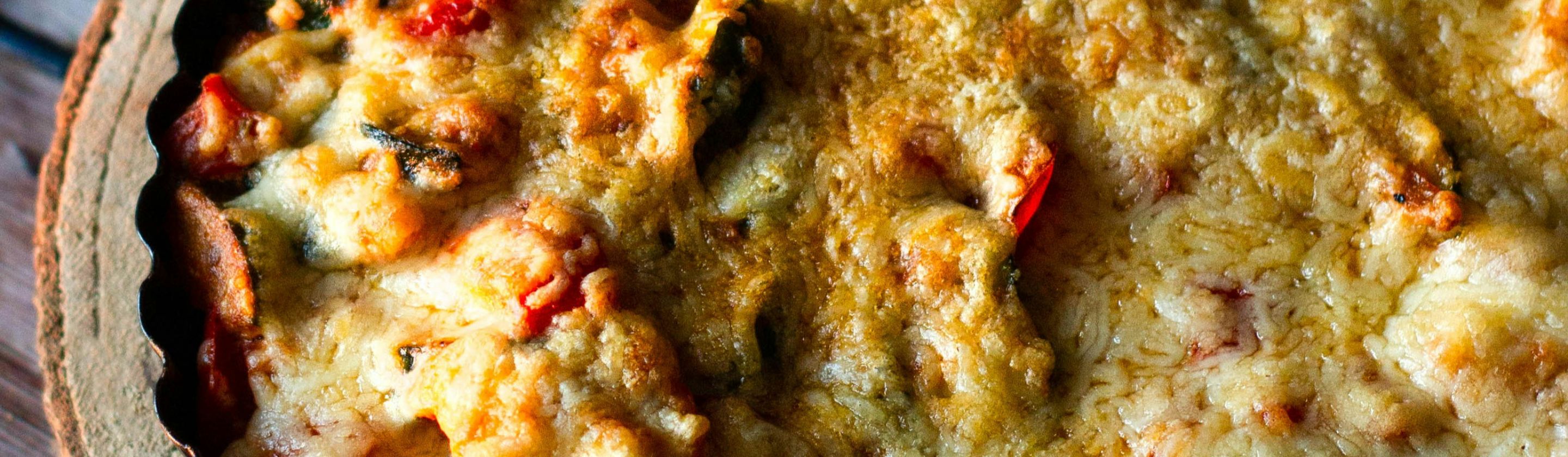
Red-sauce Italian-American cooking became a major part of New York's restaurant culture during the 20th century. Neighborhoods filled with restaurants serving meatballs, baked pasta, chicken parmigiana, and long-simmered tomato sauces helped shape how generations of Americans understood Italian food. Many of those dishes changed a lot from their Italian roots as immigrant families adapted recipes to ingredients and tastes in the U.S. New York became one of the main places where this distinct Italian-American cuisine took shape.
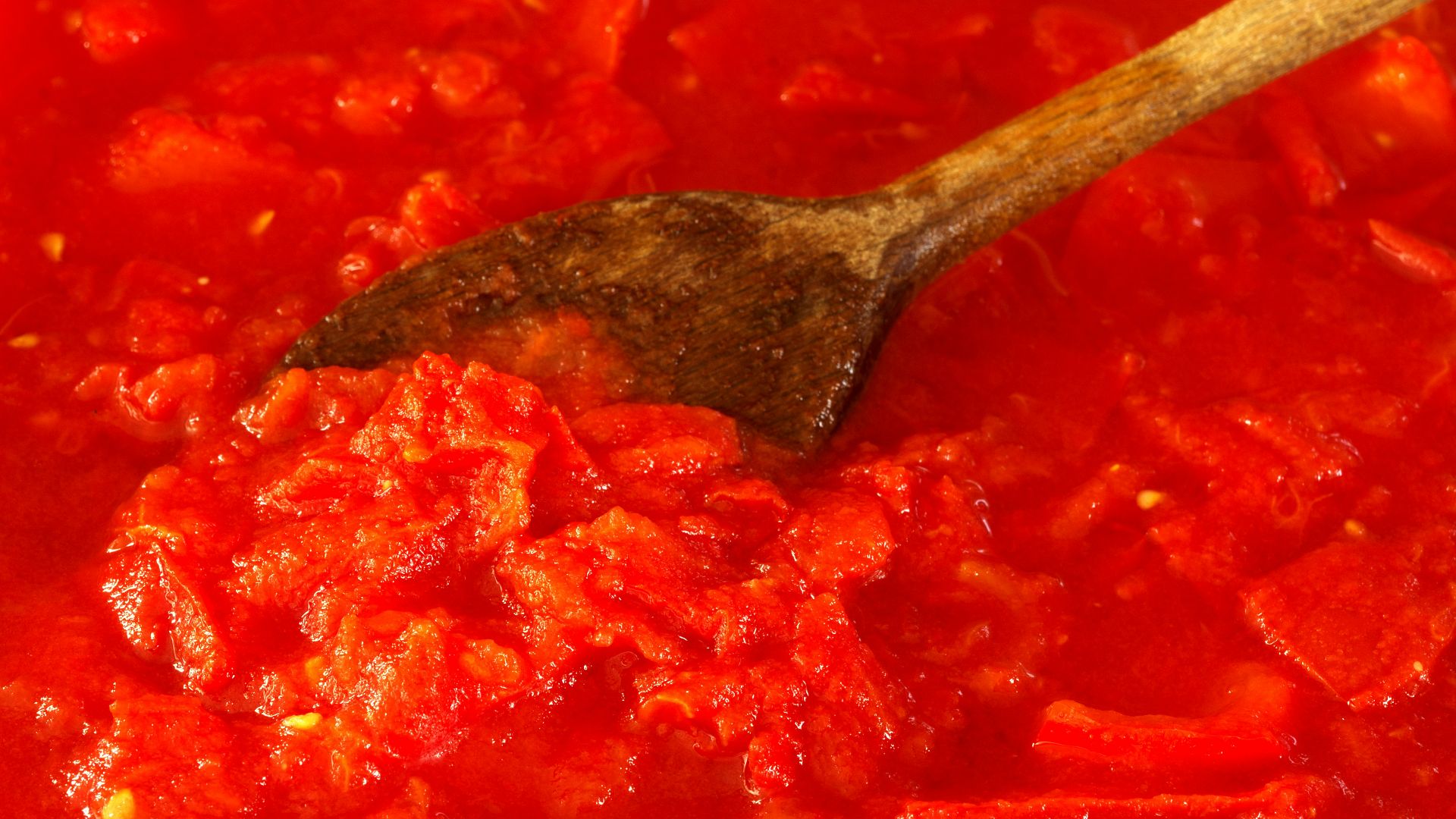 stephan de MARANTHI on Unsplash
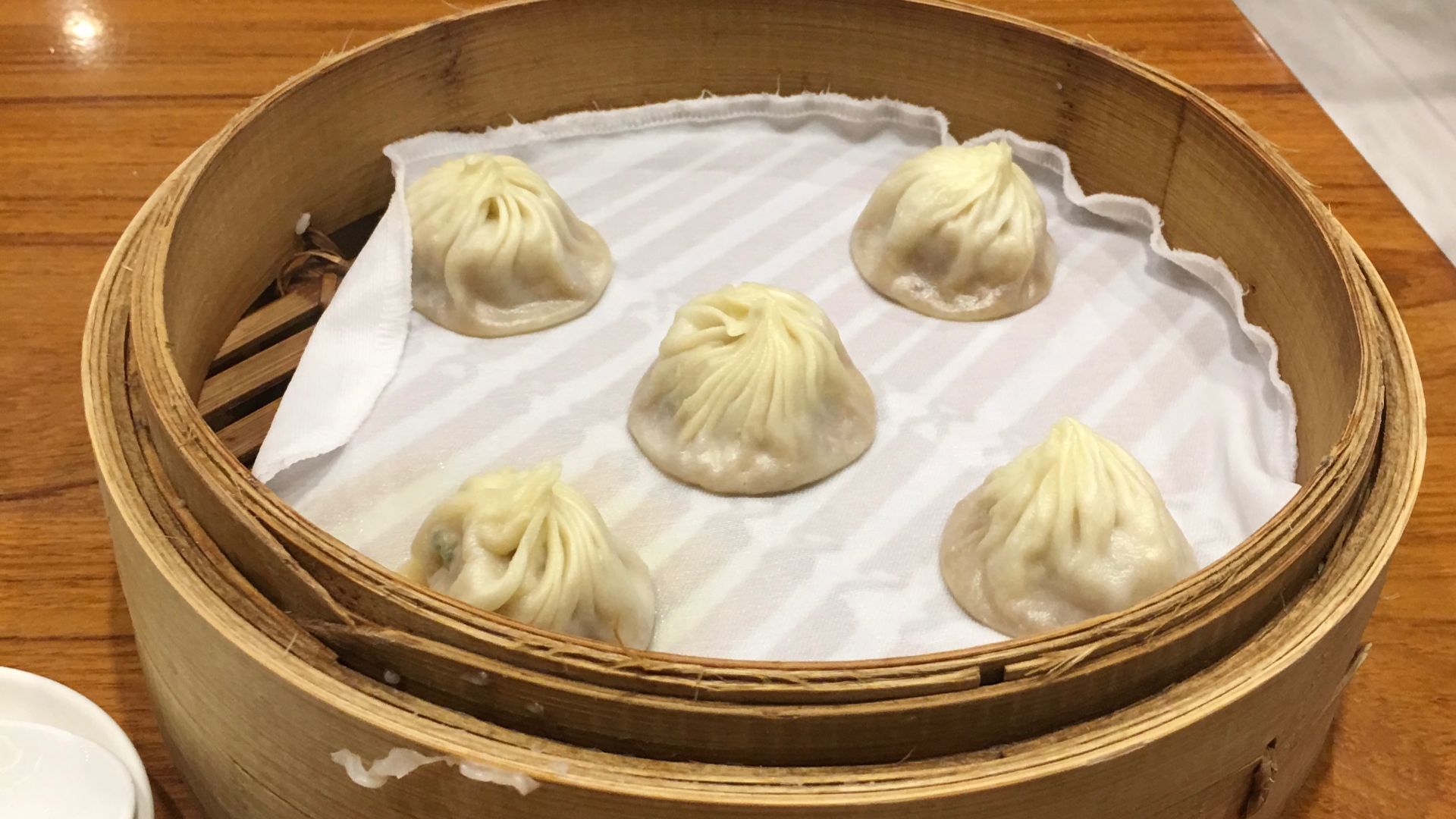
20. Soup Dumplings
New York's reputation as a food city wasn't built entirely on dishes with a century of local history. Soup dumplings became a major draw in the city's Chinese restaurants during the late 20th century, particularly as places in Chinatown began attracting diners specifically for xiaolongbao. Their growing popularity reflected a broader shift toward exploring regional Chinese cuisines instead of treating Chinese food as one broad category.