When an Ordinary Meal Doesn’t Sit Right
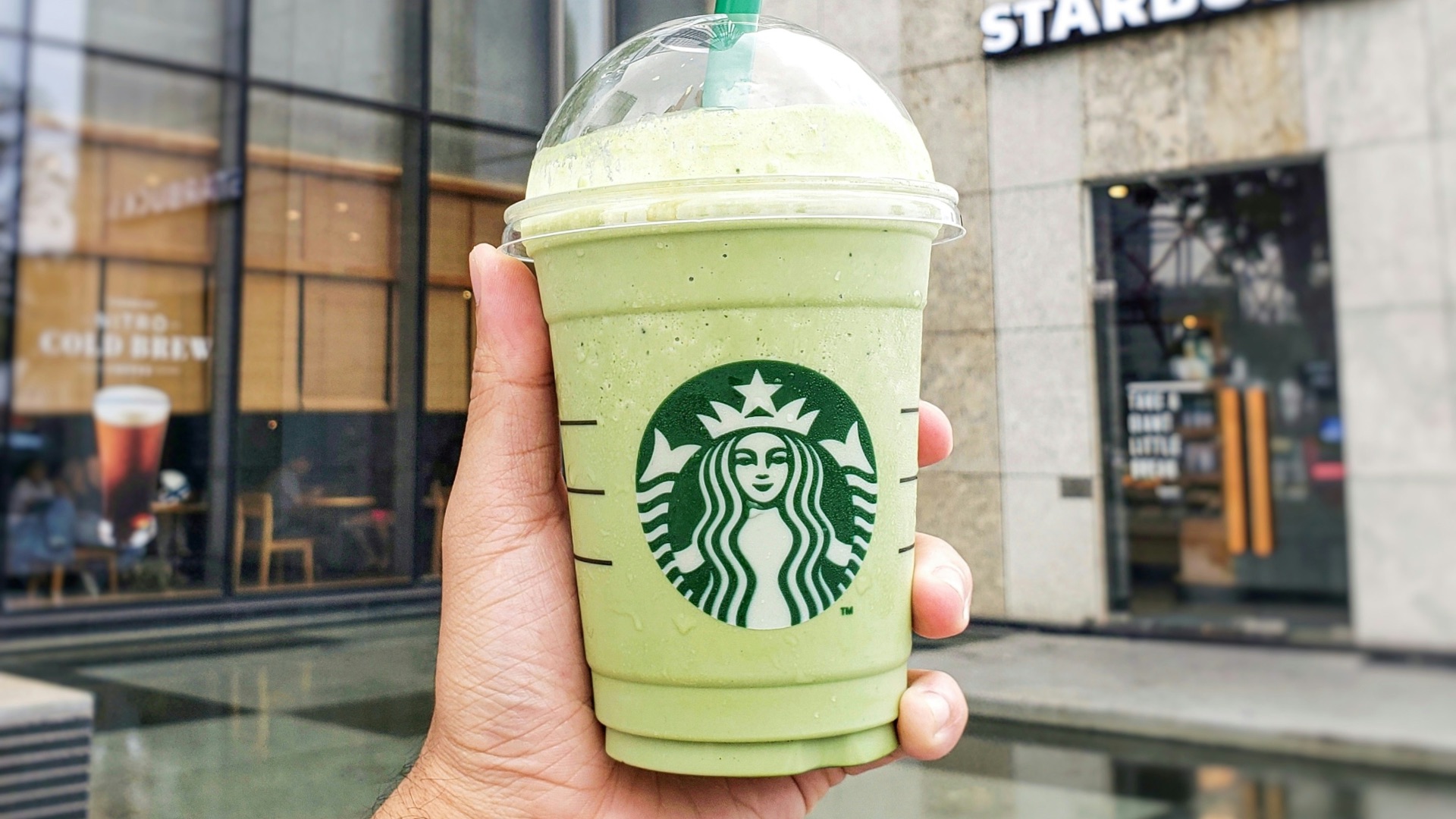
Ever eaten a gooey cheeseburger, polished an entire bag of chips, or drunk a venti Starbucks frappuccino and immediately felt gross afterward? Maybe your stomach felt bloated and crampy, or maybe you instantly made a trip to the bathroom. As it turns out, you don’t have to eat questionable things for your stomach to turn against you; even your favorite foods can make your digestive system upset. Of course, what triggers a reaction in you may not do the same for someone else, but still, the 20 foods on this list might just make you think twice before you dig in.
1. Milk
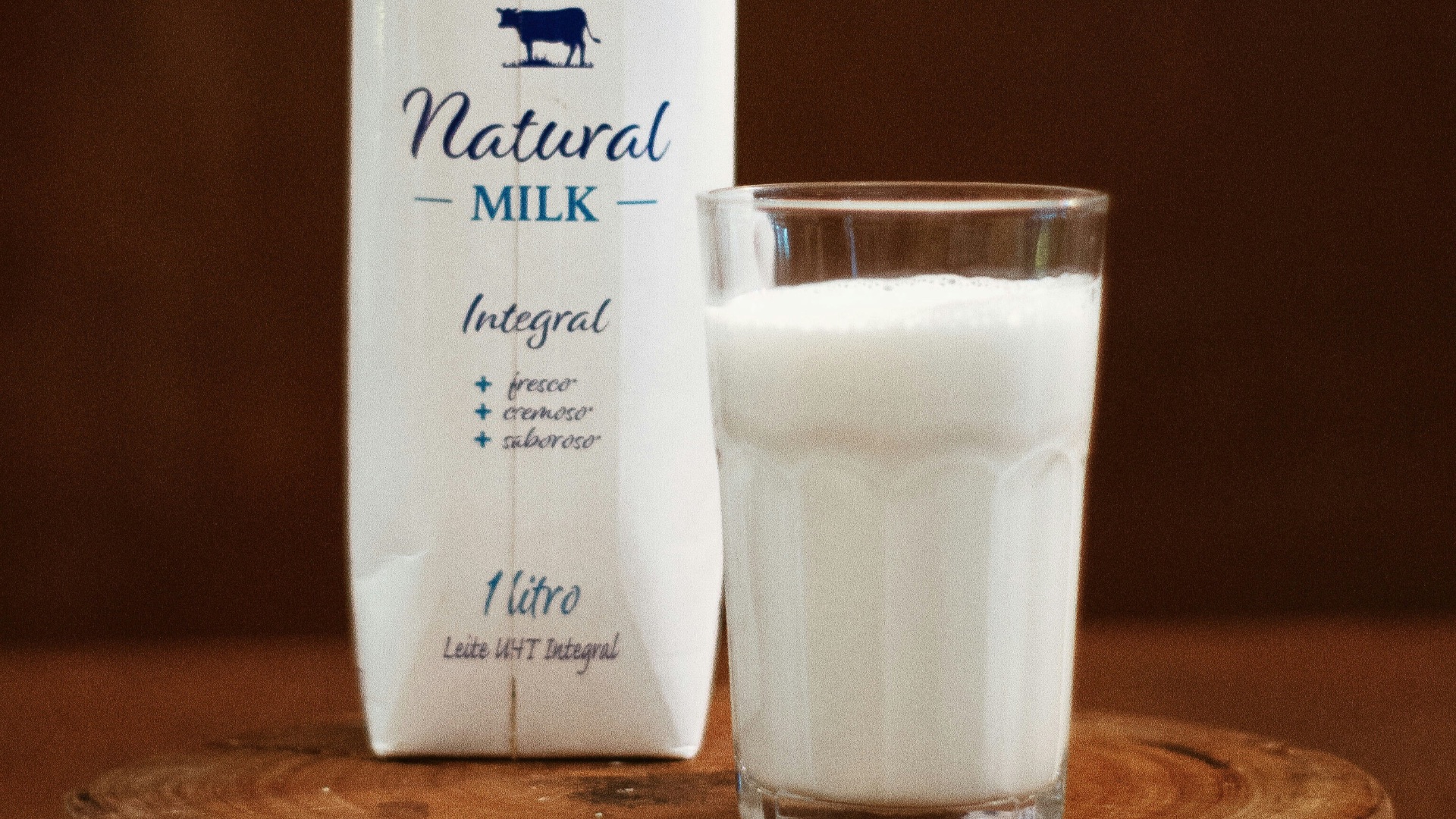
Milk can cause bloating, gas, nausea, abdominal pain, and diarrhea in people who don’t digest lactose effectively. Symptoms may begin within a few hours, although their timing and severity depend on how much lactose you consumed and how well your body tolerates it. Even someone who normally handles a splash of milk may feel sick after drinking a large glass or ordering an extra-milky beverage.
2. Ice Cream
Ice cream combines lactose, fat, and a substantial amount of sugar, all of which can be difficult for a sensitive stomach. And again, if you’re lactose intolerant, a generous serving may leave you feeling crampy and desperate for a bathroom. Its high fat content can also make diarrhea or indigestion worse in some people, especially when it’s eaten after a heavy meal.

3. Coffee
Coffee has a reputation for getting the digestive system moving, and that effect can arrive sooner than expected. Caffeine may worsen loose stools in susceptible people, while coffee’s acidity can aggravate heartburn or an already unsettled stomach. Adding milk, cream, artificial sweeteners, or sugary syrups introduces even more possible triggers to the cup.

4. Sugar-Free Candy
A package labeled “sugar-free” isn’t necessarily gentle on your digestion. Candies containing sugar alcohols such as sorbitol, mannitol, xylitol, or maltitol can cause gas, cramps, and diarrhea, particularly when several pieces are eaten at once. These sweeteners aren’t completely absorbed by everyone, which is why some packages include a warning about possible laxative effects.

5. Fried Chicken
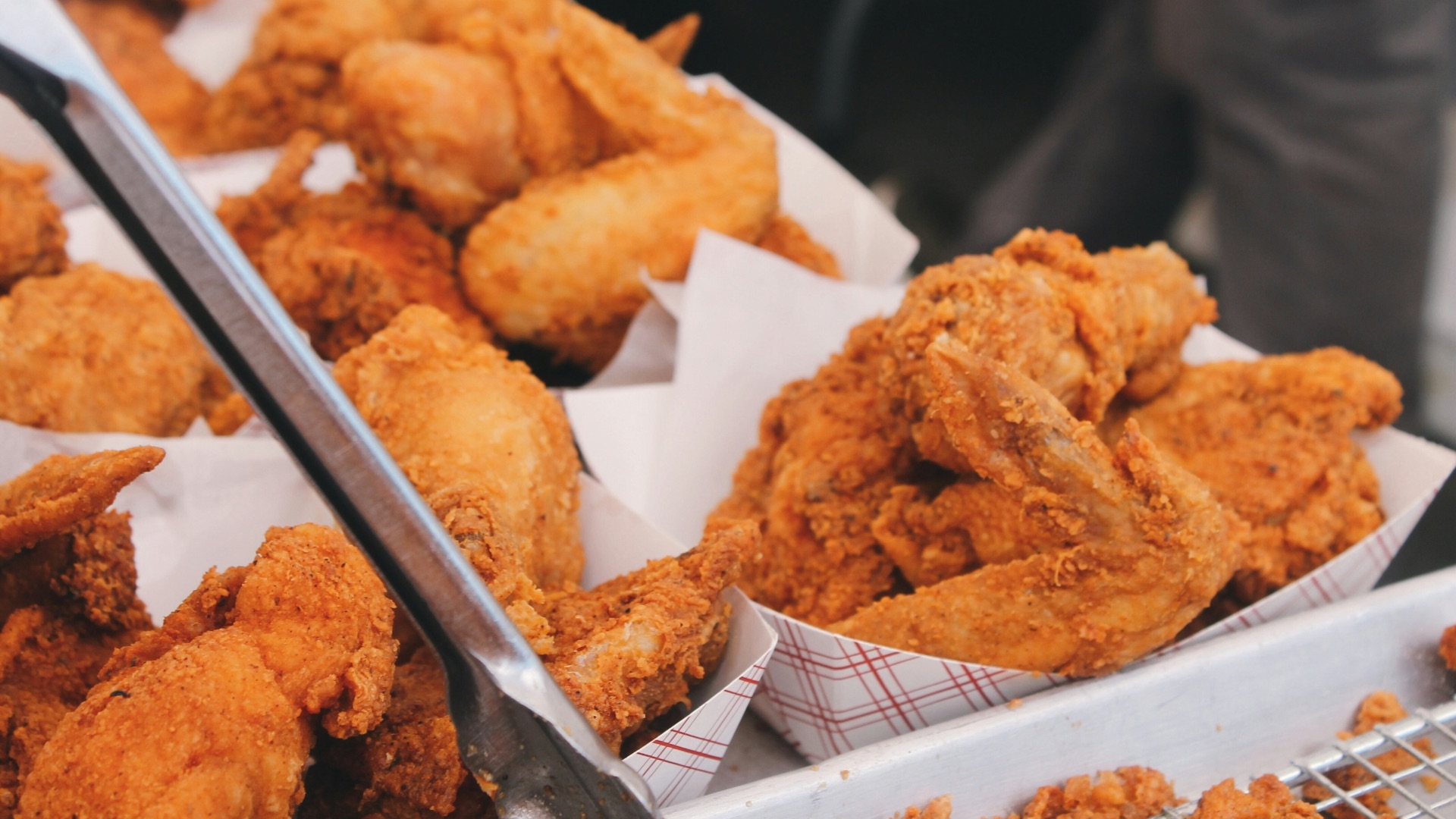
Fried chicken can upset your stomach even when the meat has been cooked safely. The grease, heavy breading, and high-fat content may cause nausea, indigestion, or diarrhea in people who are sensitive to rich foods. There’s also a separate safety concern if the chicken remains undercooked, since poultry must reach an internal temperature of 165°F to reduce the risk of foodborne illness.
6. Extra-Spicy Foods
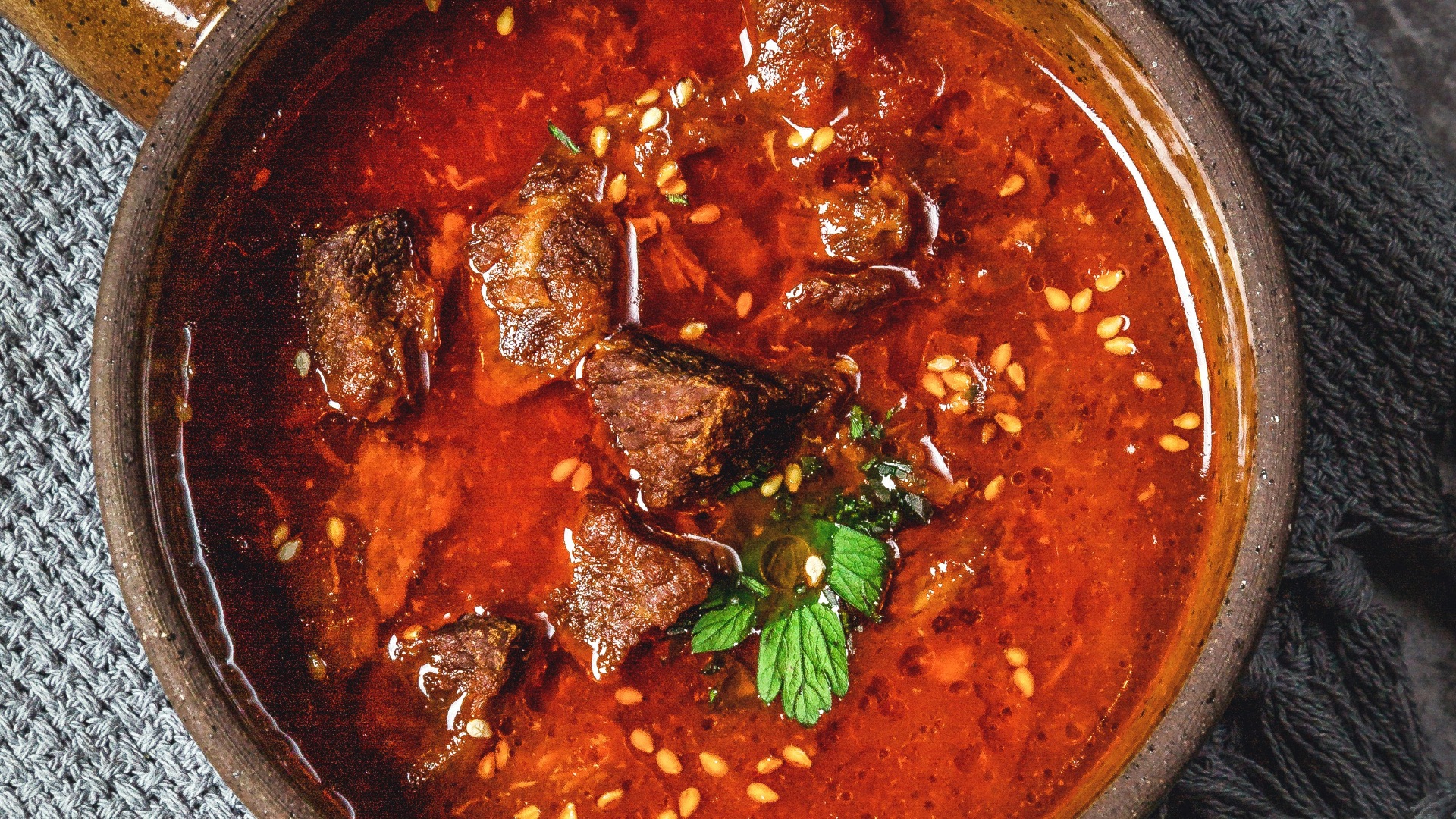
Hot wings, chili, and heavily spiced curries can cause burning discomfort, cramping, or diarrhea in some diners. A meal that tastes pleasantly hot to one person may overwhelm another person’s digestive system, especially if they already have heartburn or loose stools. The discomfort often becomes more noticeable when the spicy food is also fatty, greasy, or eaten in a very large portion.
7. Beans
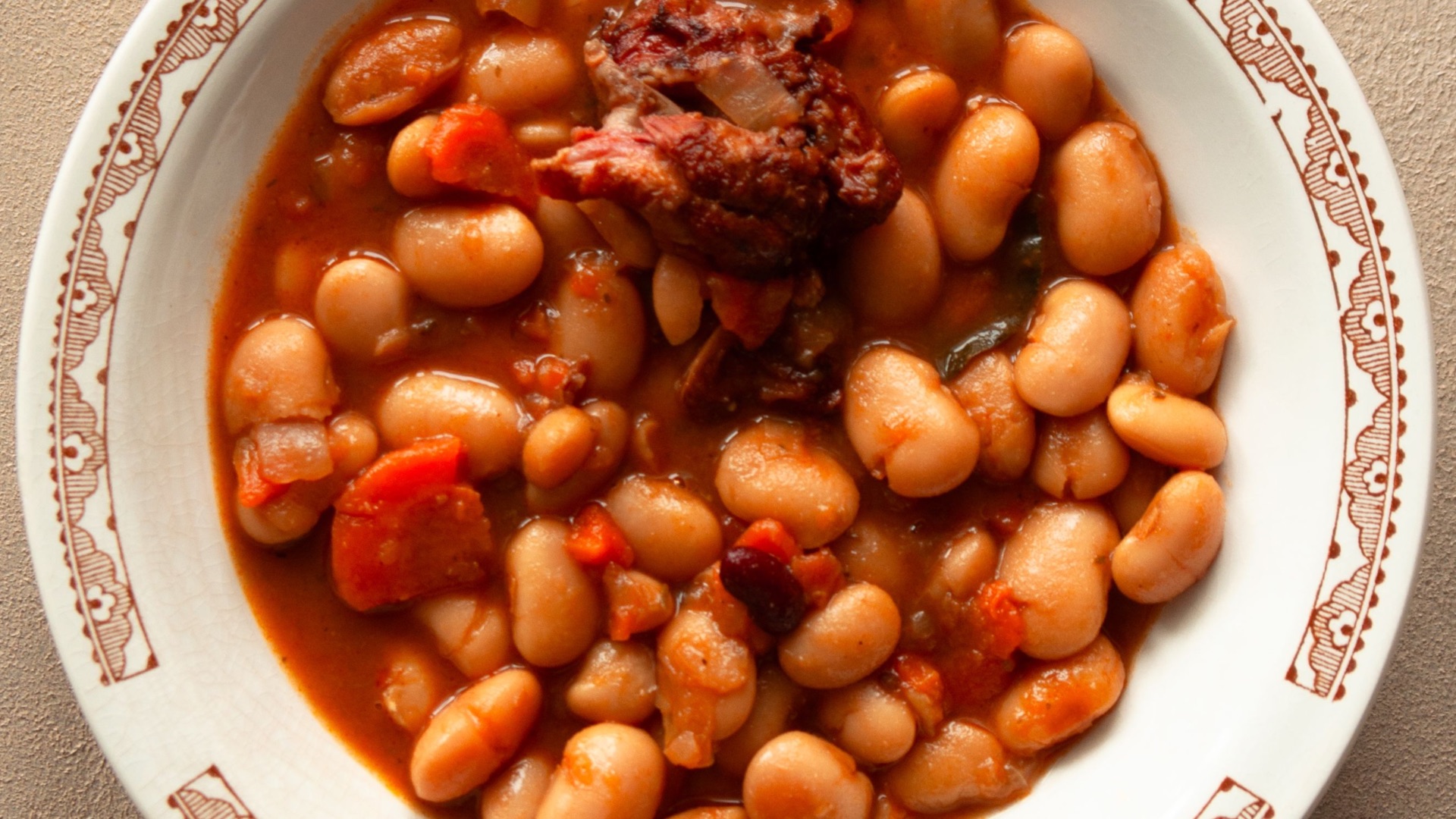
Beans are nutritious, but their carbohydrates and fiber can produce plenty of gas during digestion. Eating a large bowl when you’re not accustomed to high-fiber meals may lead to bloating, pressure, and abdominal discomfort. Gradually increasing your intake instead of suddenly eating a huge portion can make the adjustment easier for some people.
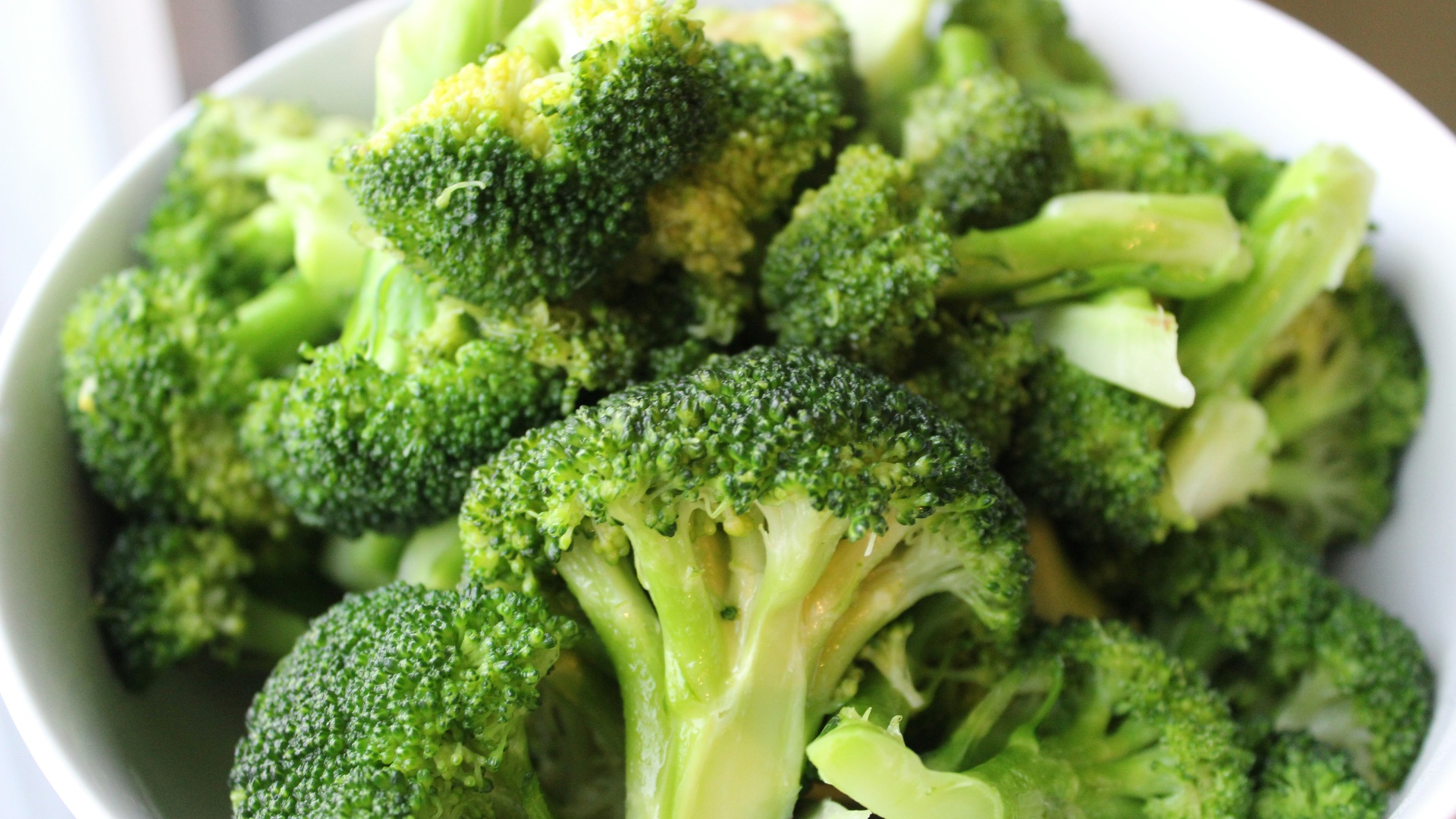
8. Broccoli
Broccoli can leave certain people feeling surprisingly uncomfortable, despite being a perfectly healthy vegetable. Its fiber and fermentable carbohydrates may contribute to gas and bloating as intestinal bacteria break them down. Raw broccoli often causes more trouble than a modest serving that has been thoroughly cooked.
 Tyrrell Fitness And Nutrition on Unsplash
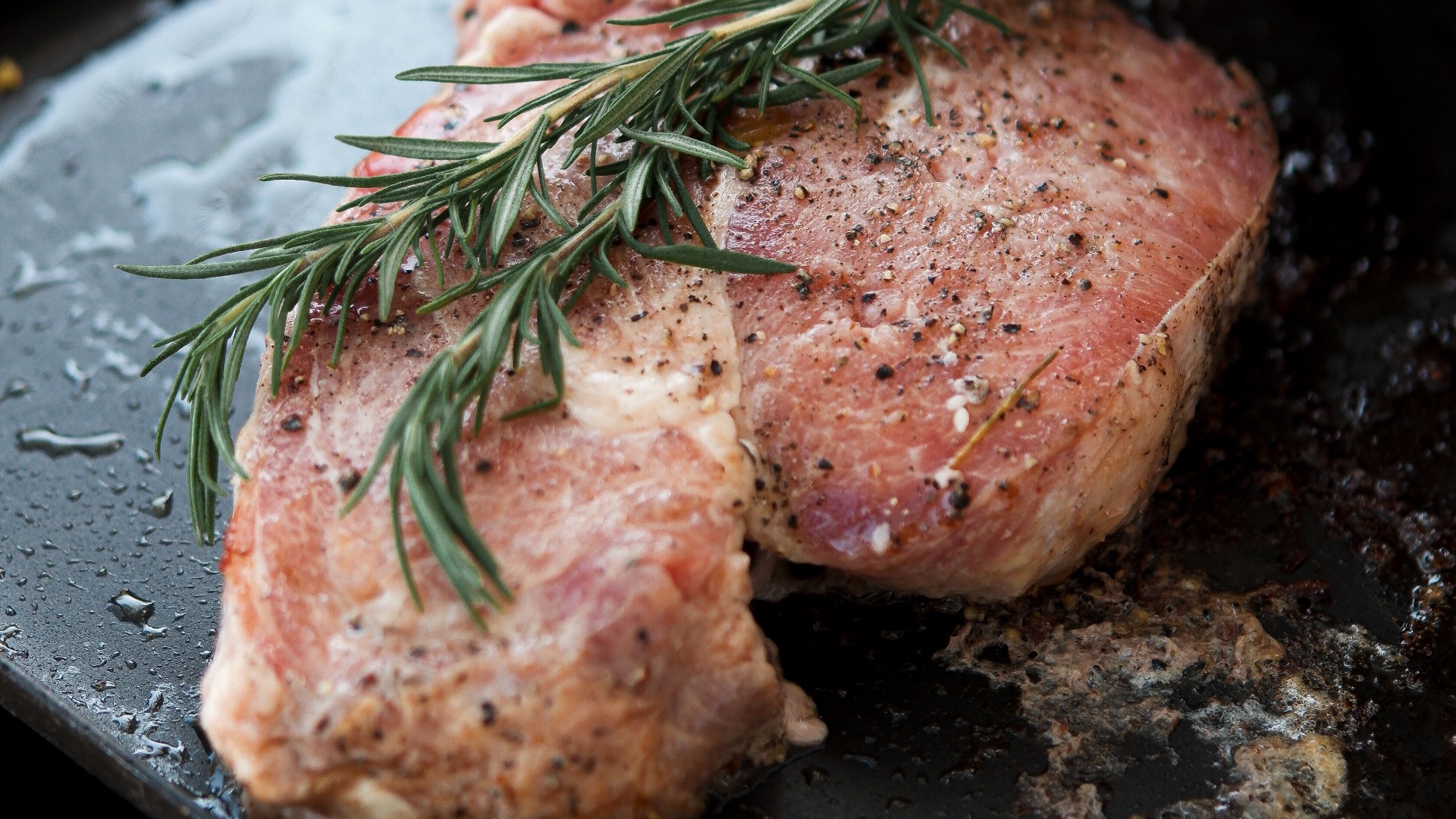
9. Undercooked Pork
Pork that hasn’t reached a safe internal temperature can expose you to harmful bacteria or parasites, including the parasite that causes trichinellosis. Don’t rely on the meat’s color or whether the juices look clear, since appearance alone can’t confirm that it’s safe. Whole pork chops, steaks, and roasts should reach at least 145°F and rest for three minutes, while ground pork needs to reach 160°F. Using a food thermometer is the most reliable way to make sure it’s properly cooked without unnecessarily drying it out.
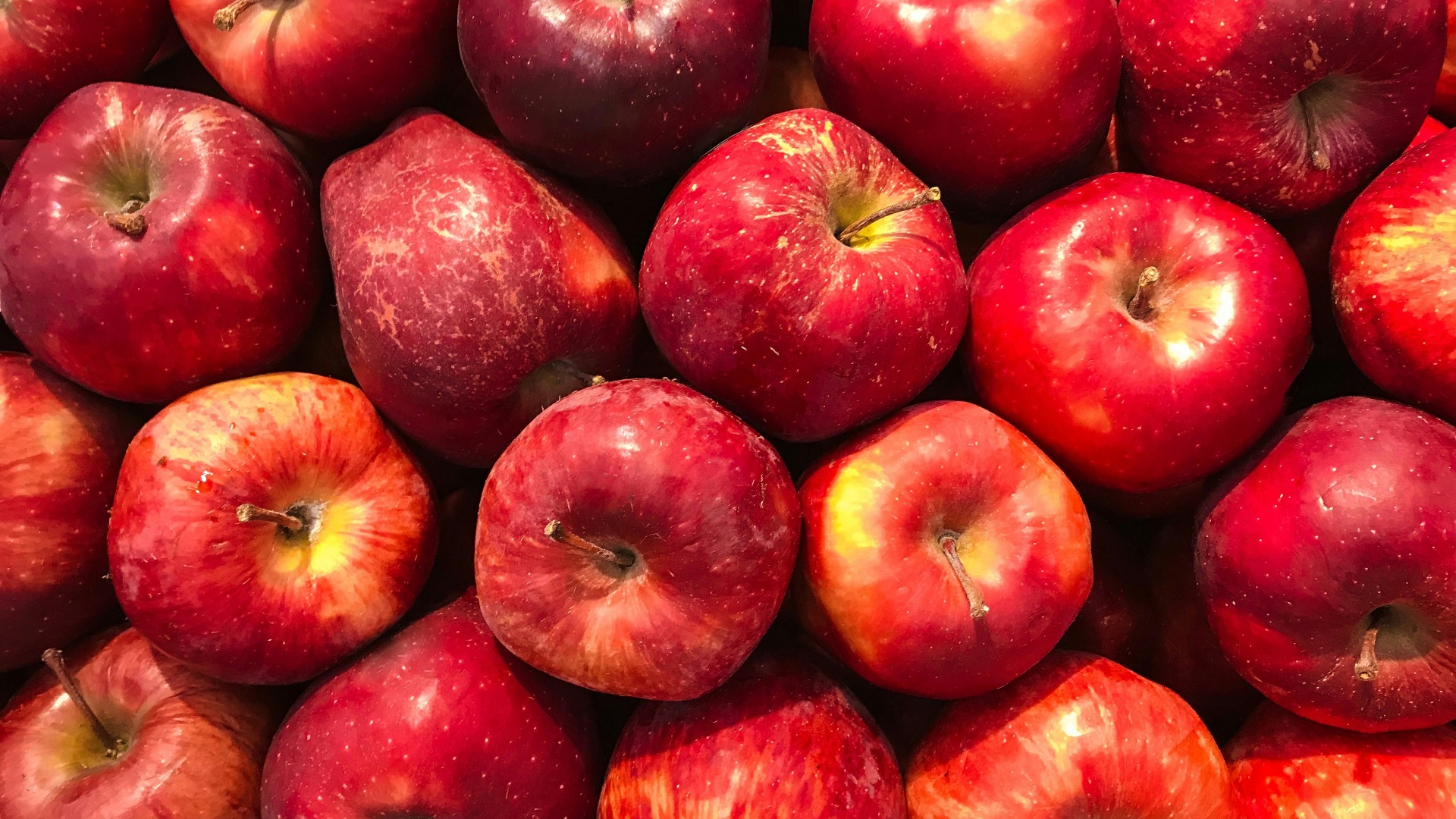
10. Apples
An apple may seem like one of the safest snacks available, but its fructose and fiber don’t agree with every digestive system. People who absorb fructose poorly can develop bloating, gas, abdominal pain, or diarrhea after eating certain fruits. Apples may become even harder to tolerate when several are eaten, paired with apple juice, or consumed during an existing stomach illness.
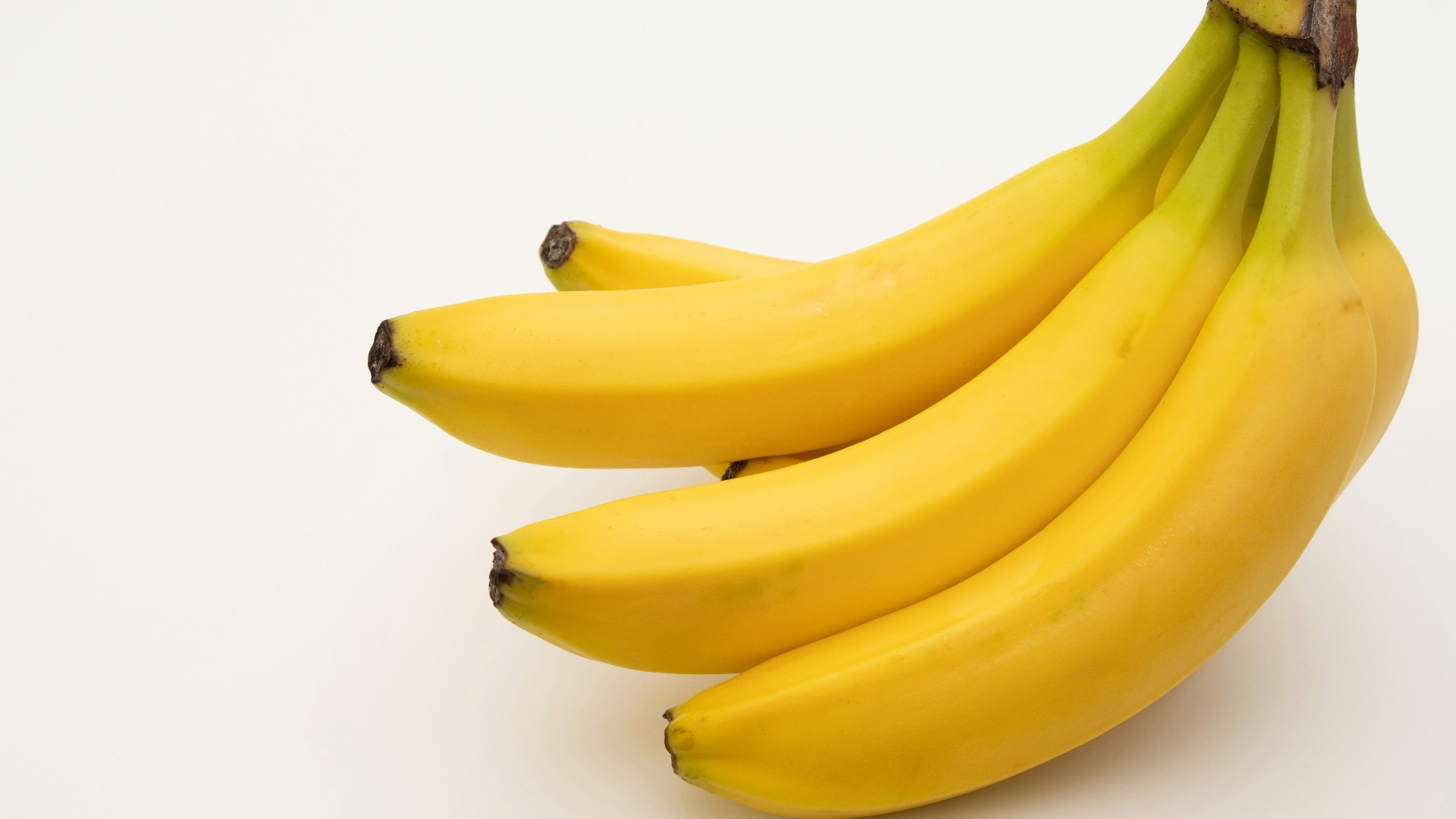
11. Bananas
Bananas are usually easy on the stomach, but eating several at once may leave some people feeling bloated, gassy, or constipated. Less-ripe bananas contain more resistant starch, which can be harder for sensitive digestive systems to process. Ironically, bananas can also be a helpful snack when you already have an upset stomach because they’re bland and provide potassium, an electrolyte that can be lost through frequent bowel movements. They won’t replace proper hydration on their own, of course, but they can be part of a tolerable meal while your stomach recovers.
12. A Whole Bag of Chips
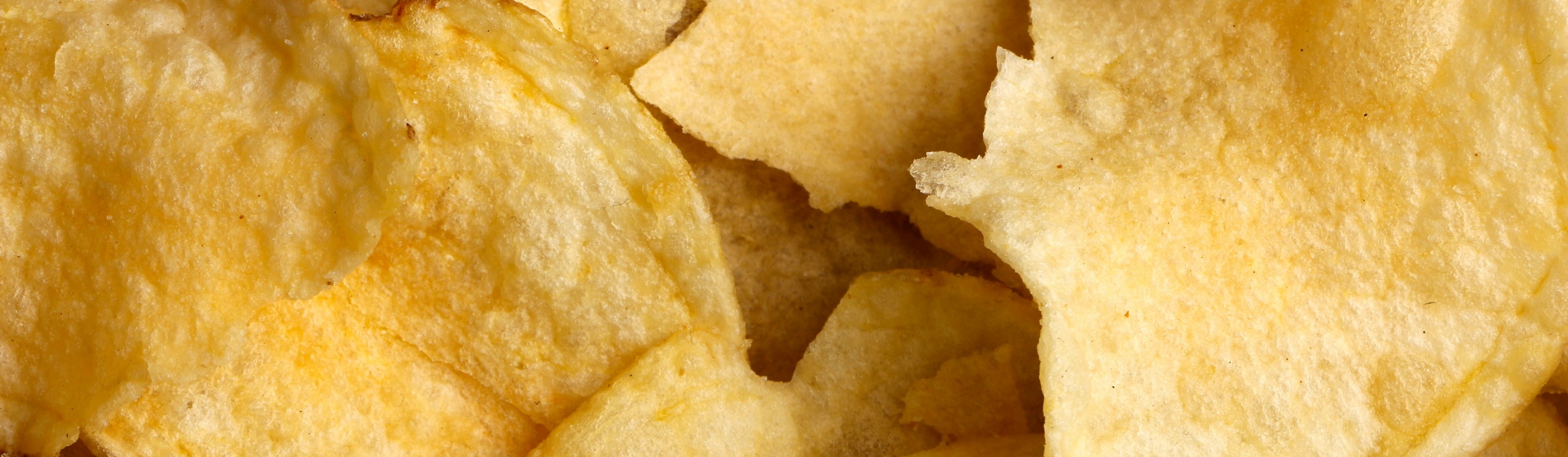
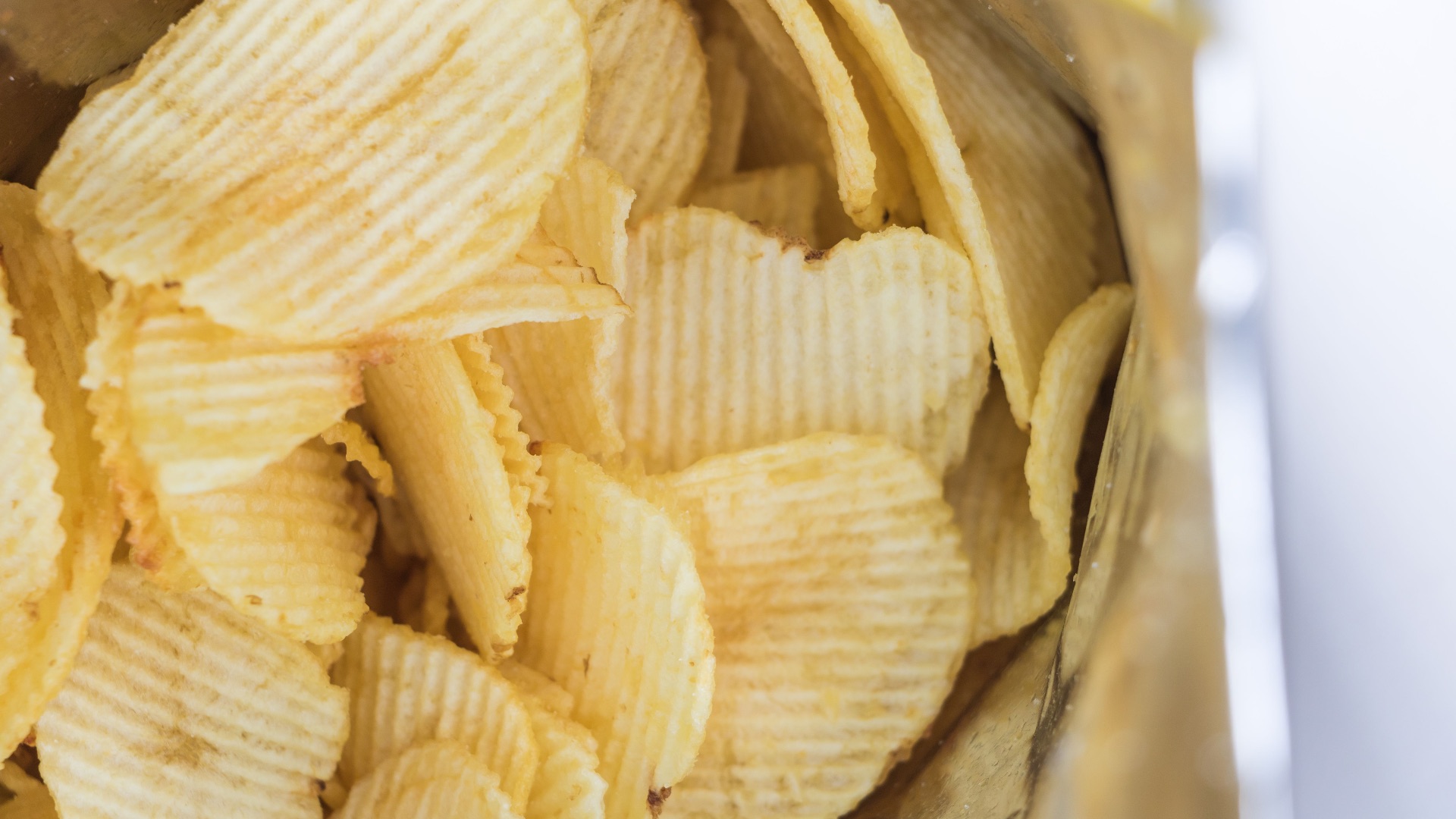
As much as you might want to polish off the whole bag as soon as you open it, eating an entire thing of chips can leave you feeling nauseated, bloated, thirsty, or uncomfortably full within a short time. The combination of grease, salt, and heavy seasoning may also trigger heartburn or diarrhea, particularly if your stomach is already sensitive. By the time your body catches up, you may already be dealing with cramps, indigestion, or an, ahem, urgent need for the bathroom.
13. Cheeseburgers
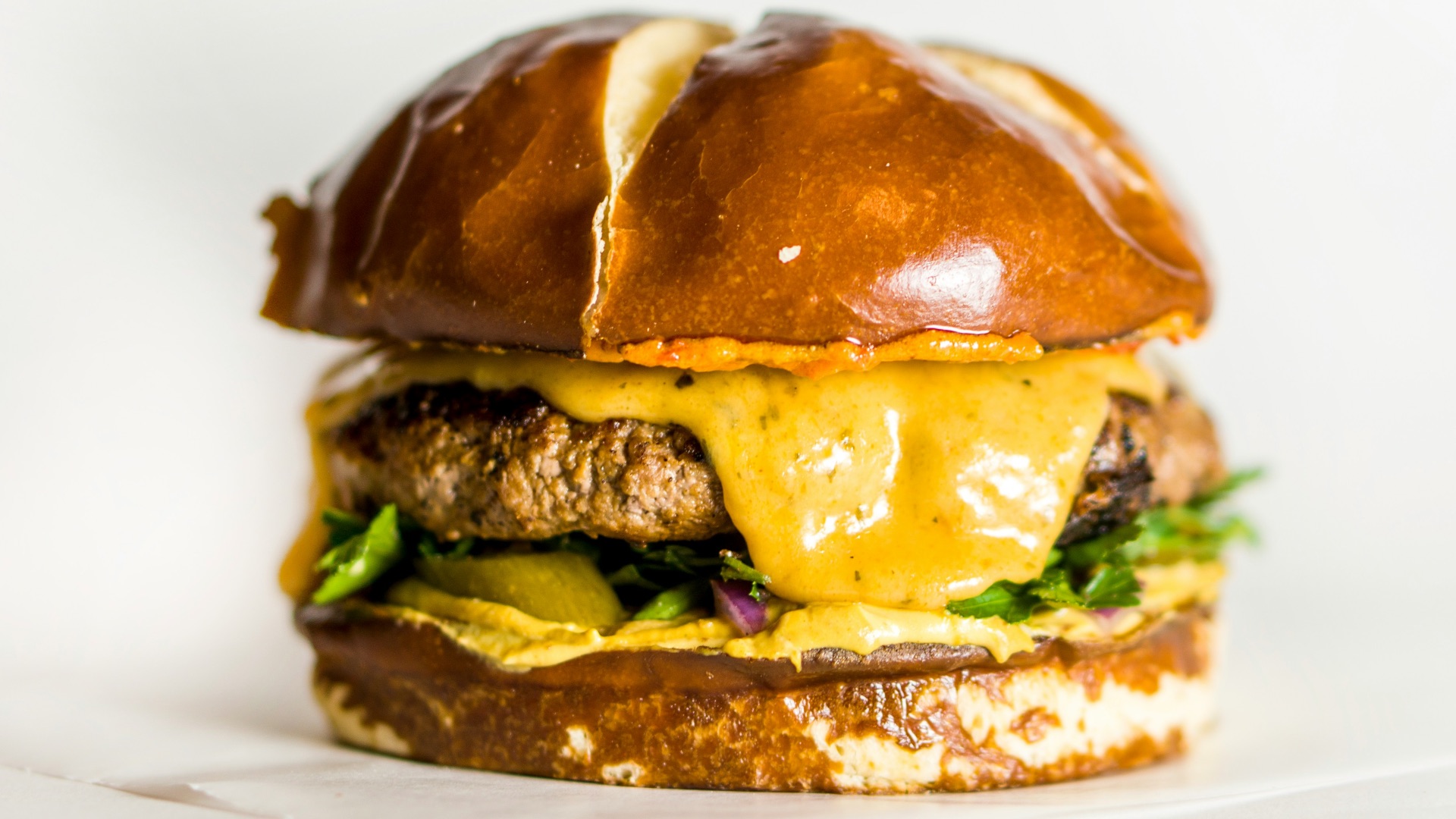
A cheeseburger brings several potential stomach irritants together in one meal. Fatty beef can feel heavy, cheese may cause symptoms in someone with lactose intolerance, and sauces can add spice, sugar, or more fat. If the ground beef is undercooked, the concern shifts from temporary indigestion to possible foodborne illness, so proper cooking matters as much as portion size.
 amirali mirhashemian on Unsplash
14. Raw Cookie Dough
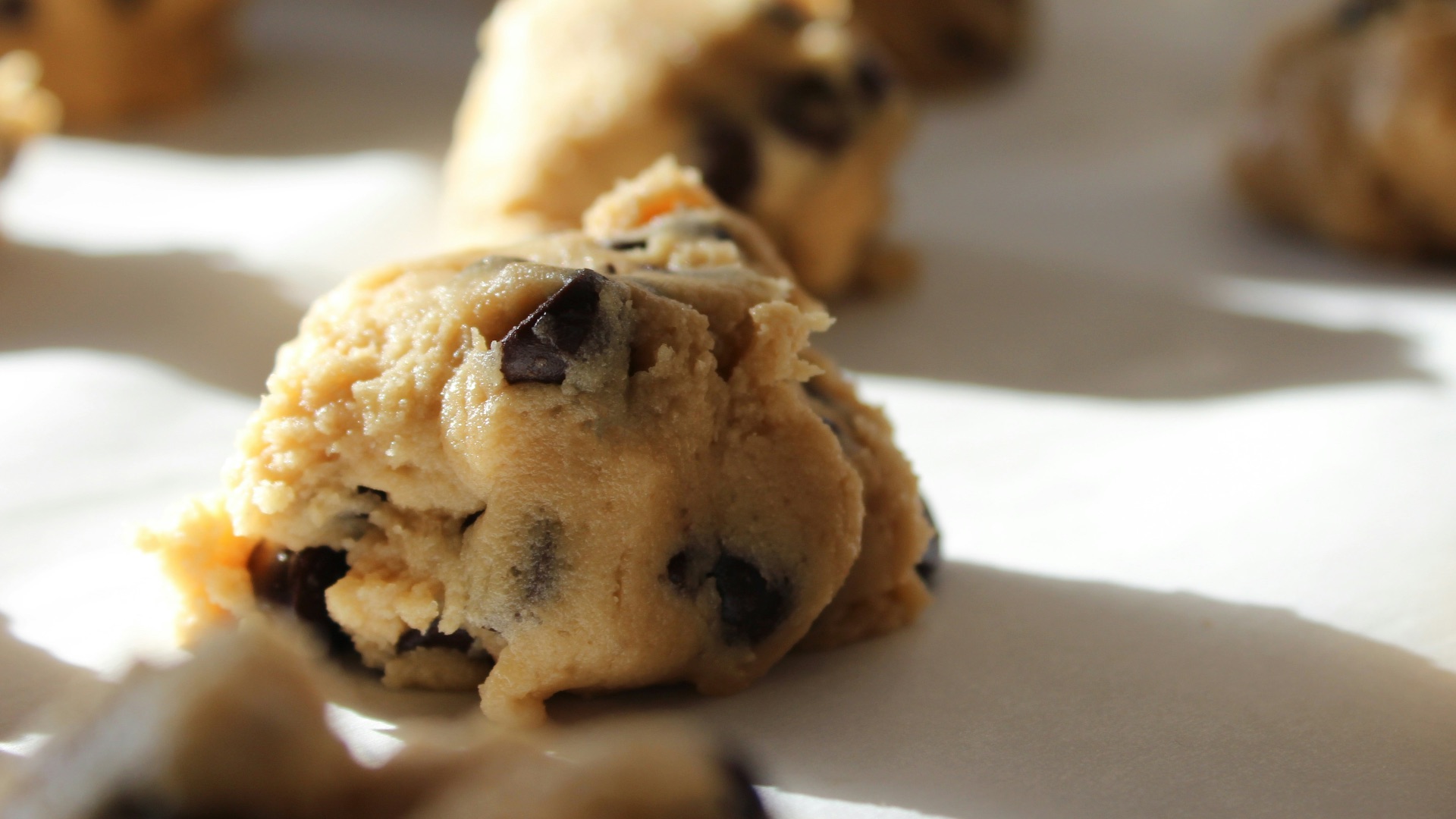
Yep, even though everyone loves cookie dough, sneaking a spoonful of it carries risks beyond the uncooked yolks. Uncooked flour, for one, can contain germs, and raw eggs may also be contaminated, which means tasting dough before baking can cause serious food poisoning. The safest option is an edible dough made with heat-treated flour and no uncooked ingredients.
15. Soft or Runny Eggs
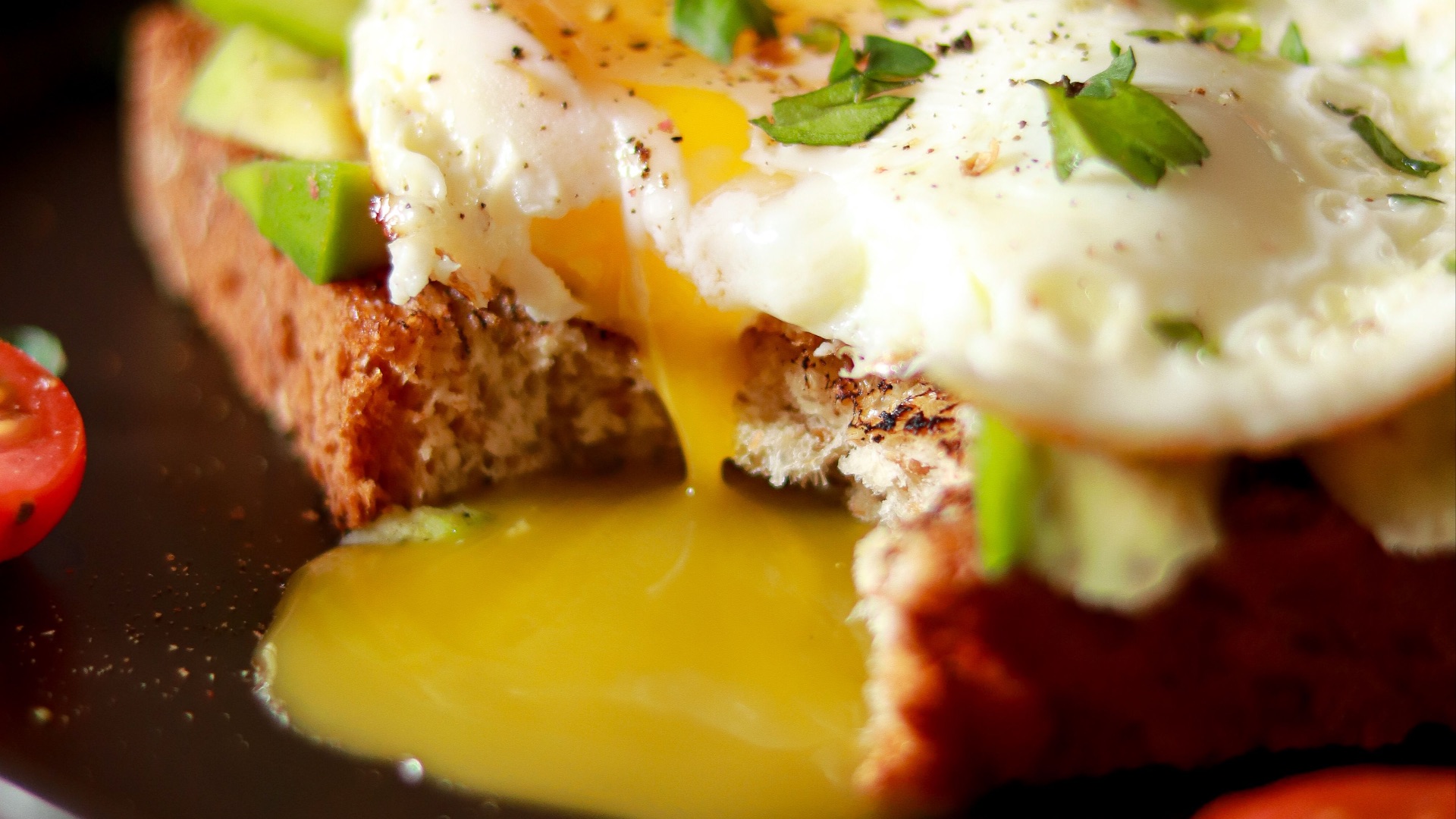
Many people enjoy runny yolks, but eggs that haven’t been fully cooked can carry a greater food-safety risk than firm eggs. Contamination doesn’t necessarily change an egg’s smell, appearance, or flavor, so you can’t judge safety by looking at the plate. Pregnant people, young children, older adults, and anyone with a weakened immune system need to be particularly cautious with undercooked eggs.
16. Leftovers
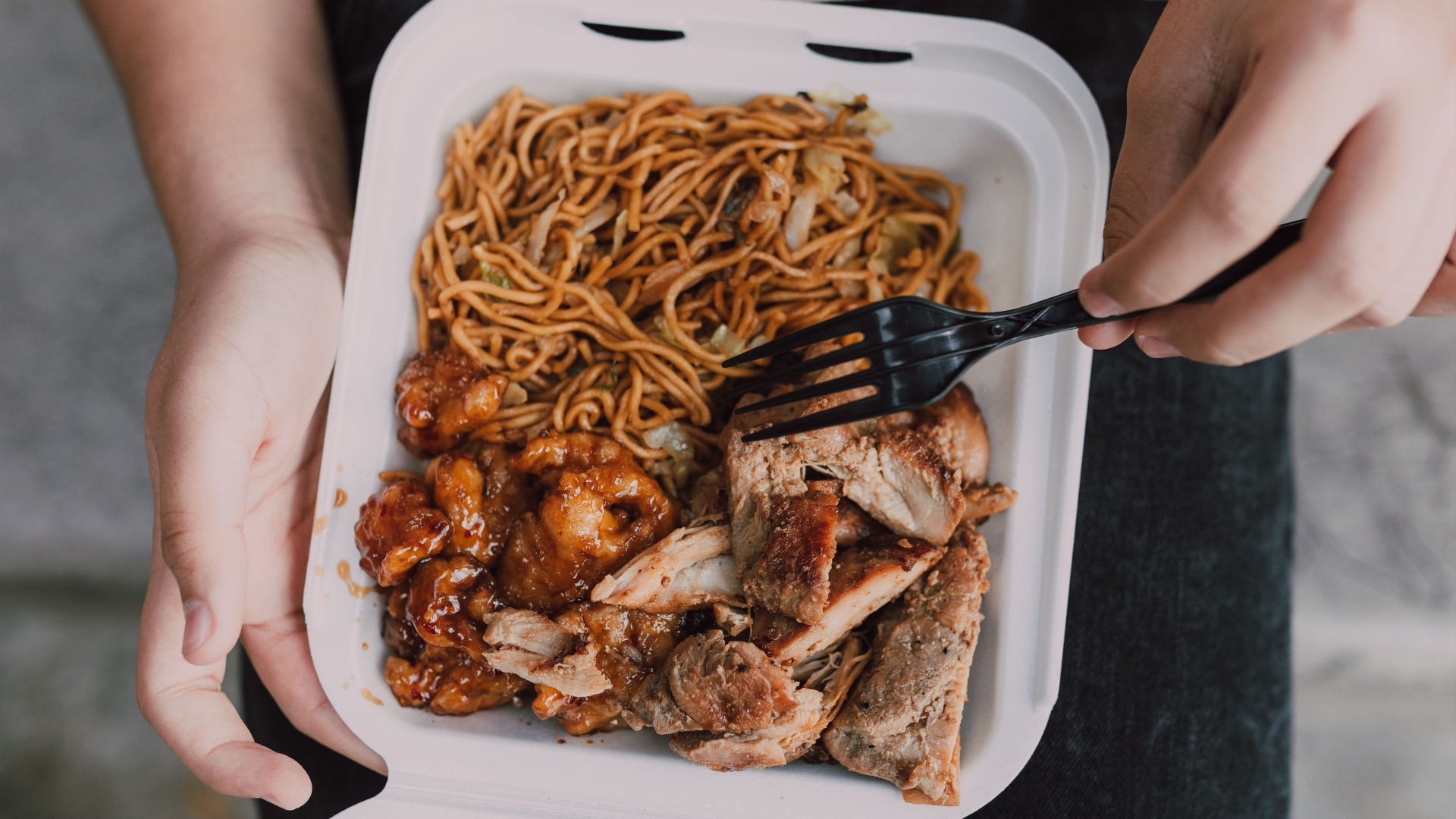
That takeout container in the back of your refrigerator may no longer be safe to eat, even if it still smells normal. Most cooked leftovers should be eaten or frozen within three to four days, while perishable food needs to be refrigerated within two hours of being served or purchased. Additionally, food left in a warm car can become unsafe after only one hour, especially on blistering hot days above 90°F. When you’ve lost track of how long a meal has been sitting out or stored, it's probably best to toss it out than taste it to check.
17. Bagged Salad
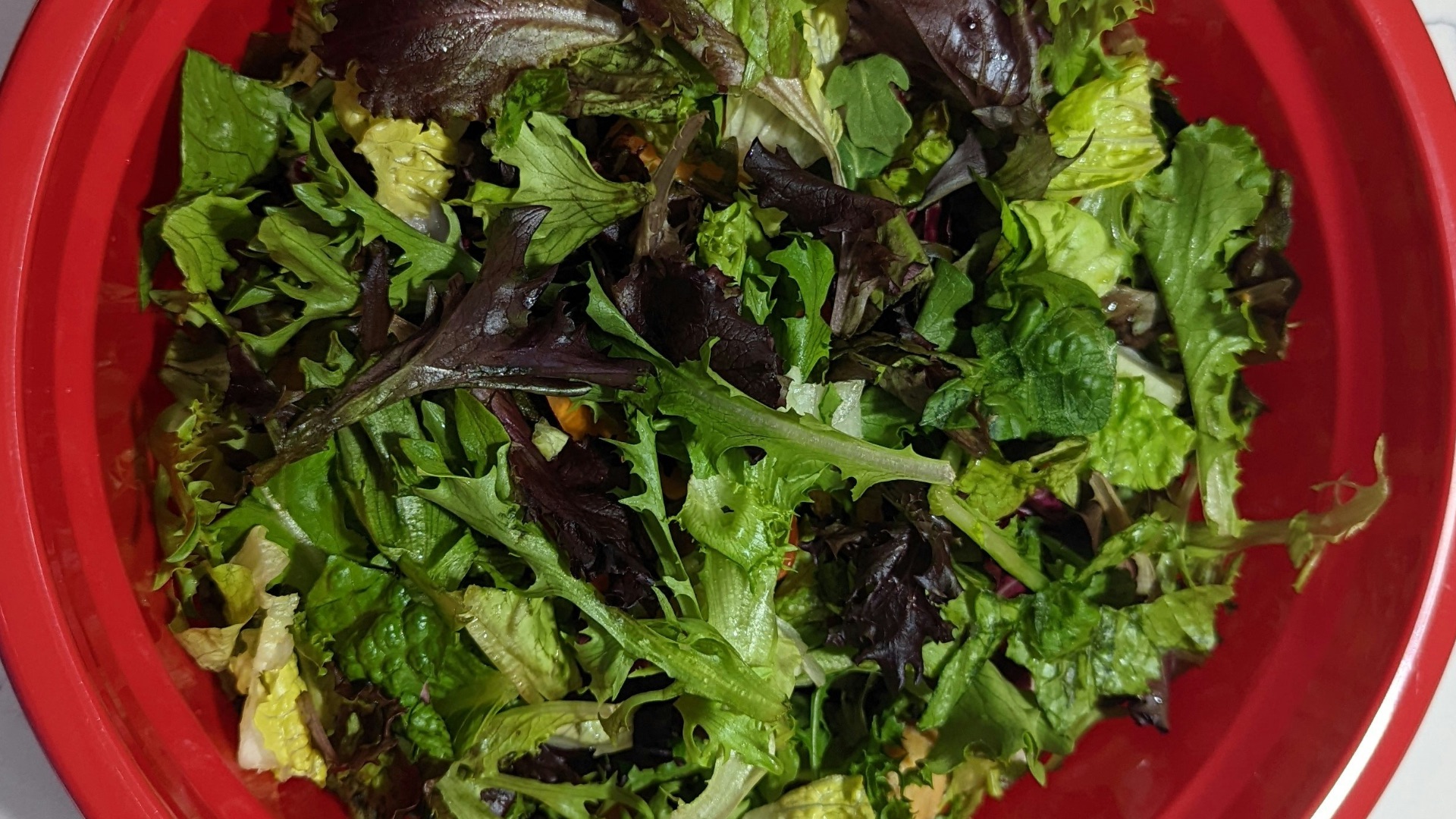
Bagged salad is convenient, but leafy greens are generally eaten without a cooking step that would kill harmful germs. Contamination can occur during growing, processing, transportation, or preparation, and a “prewashed” label doesn’t make produce completely risk-free. Keep packaged greens refrigerated, follow expiration guidance, and discard leaves that appear slimy or spoiled.
18. Deli Meat
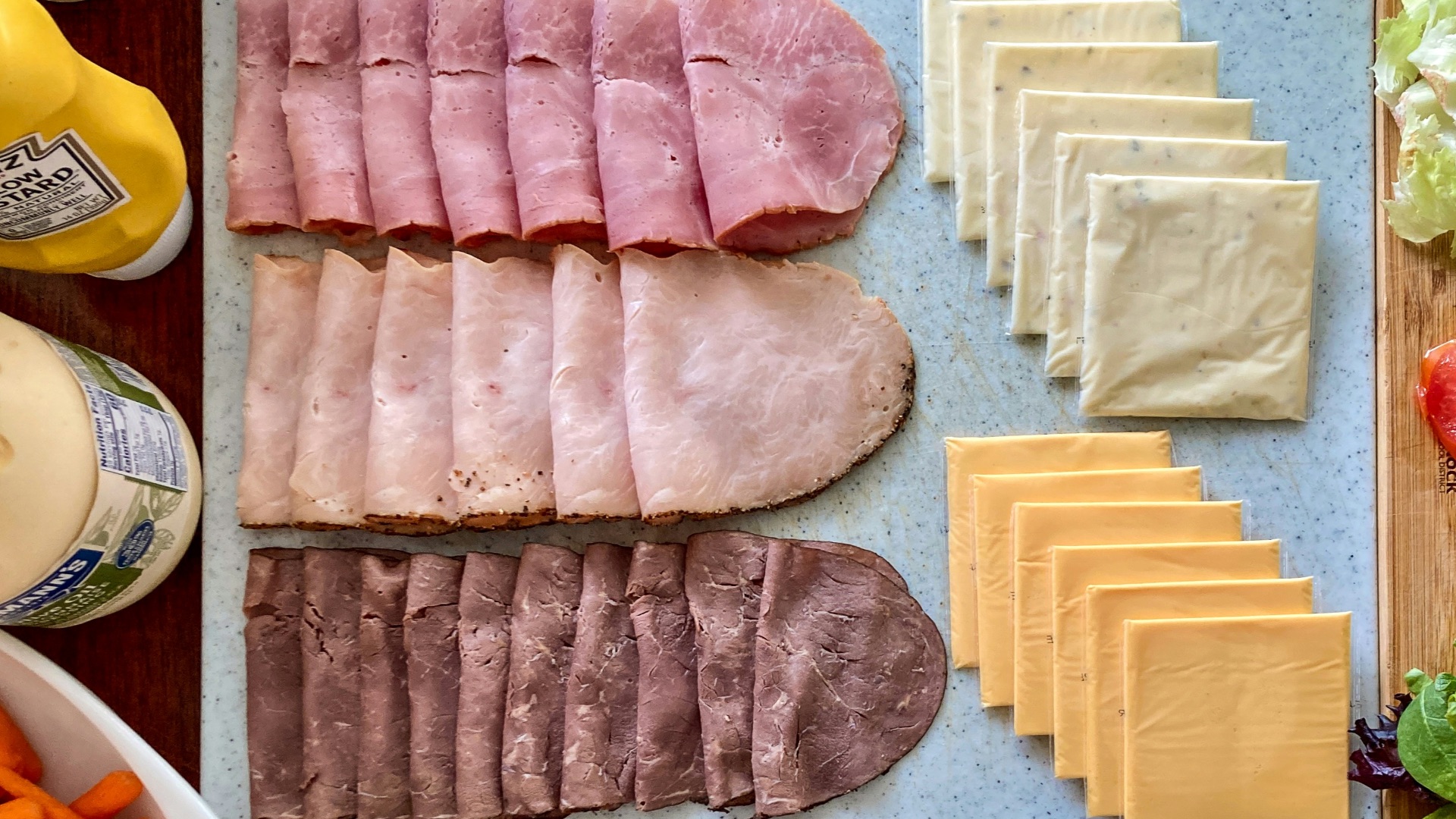
Cold cuts can occasionally carry Listeria, a bacterium of particular concern for pregnant people, older adults, and those with weakened immune systems. Refrigeration slows bacterial growth but doesn’t necessarily eliminate the organism. People at higher risk are often advised to reheat deli meats until steaming hot rather than eating them straight from the package.
19. Raw Oysters
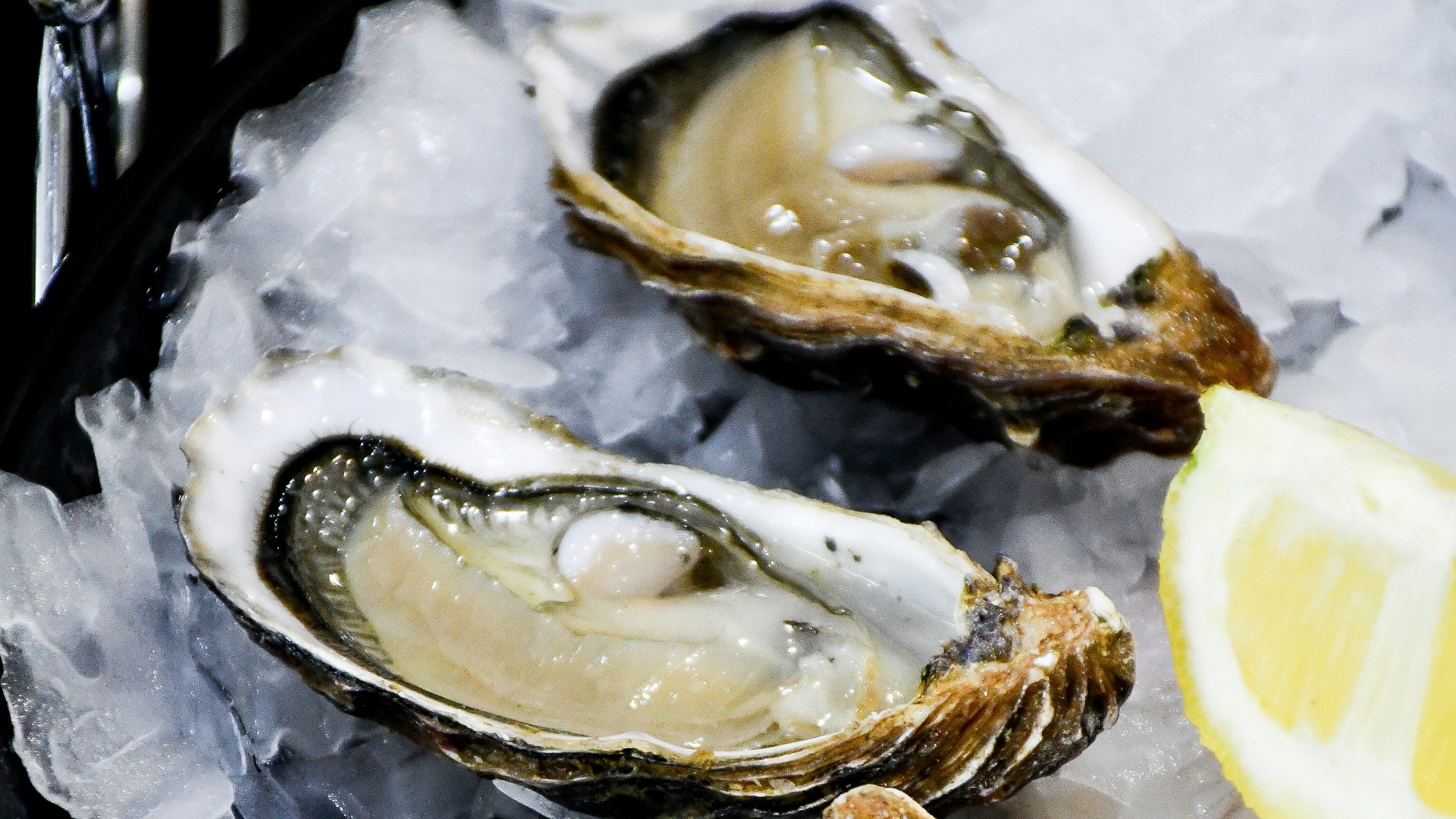
Oysters may be familiar restaurant food, but eating them raw removes the protection provided by thorough cooking. They can carry harmful bacteria and viruses without looking, tasting, or smelling spoiled. Anyone with liver disease, a weakened immune system, or another condition that raises the risk of severe infection should be especially careful with raw shellfish.
20. Loaded Sugary Drinks
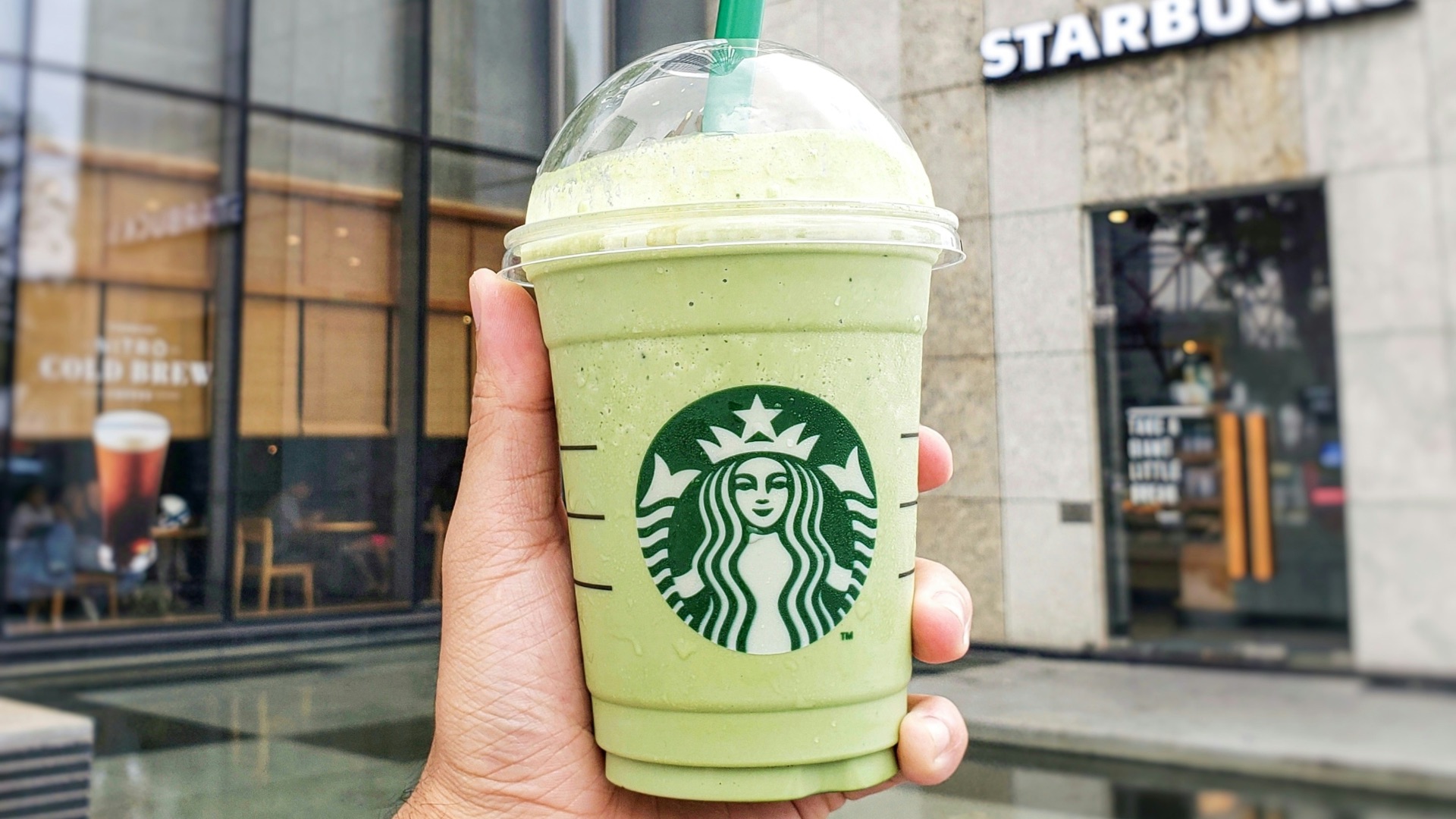
A heavily sweetened coffee, blended drink, or even your favorite boba can upset your stomach faster than you might expect. Along with a large amount of sugar, drinks topped with syrups, sweetened cream, whipped cream, and crunchy toppings may contain enough dairy and fat to trigger bloating, nausea, heartburn, or diarrhea in sensitive people. You're better off limiting yourself to one a week, if not two weeks.
KEEP ON READING
The 10 Best Fried Chicken Sandwiches & The 10 Worst