
The Everyday Powerhouse
Vitamin B12 isn’t one of the ones you think about often, is it? It doesn’t usually get much attention until a blood test comes back low or you’ve been feeling worn out for longer than usual. Even then, it can be hard to know what B12 actually does or why your body may not be getting enough of it. This vitamin helps make red blood cells, supports your nervous system, and even plays a part in creating DNA. Like anything else- food, digestion, supplements, age, and certain medications can all affect how much B12 your body absorbs. These 20 facts make the topic easier to follow and a little less intimidating.
 Supliful - Supplements On Demand on Unsplash
1. Also Called Cobalamin
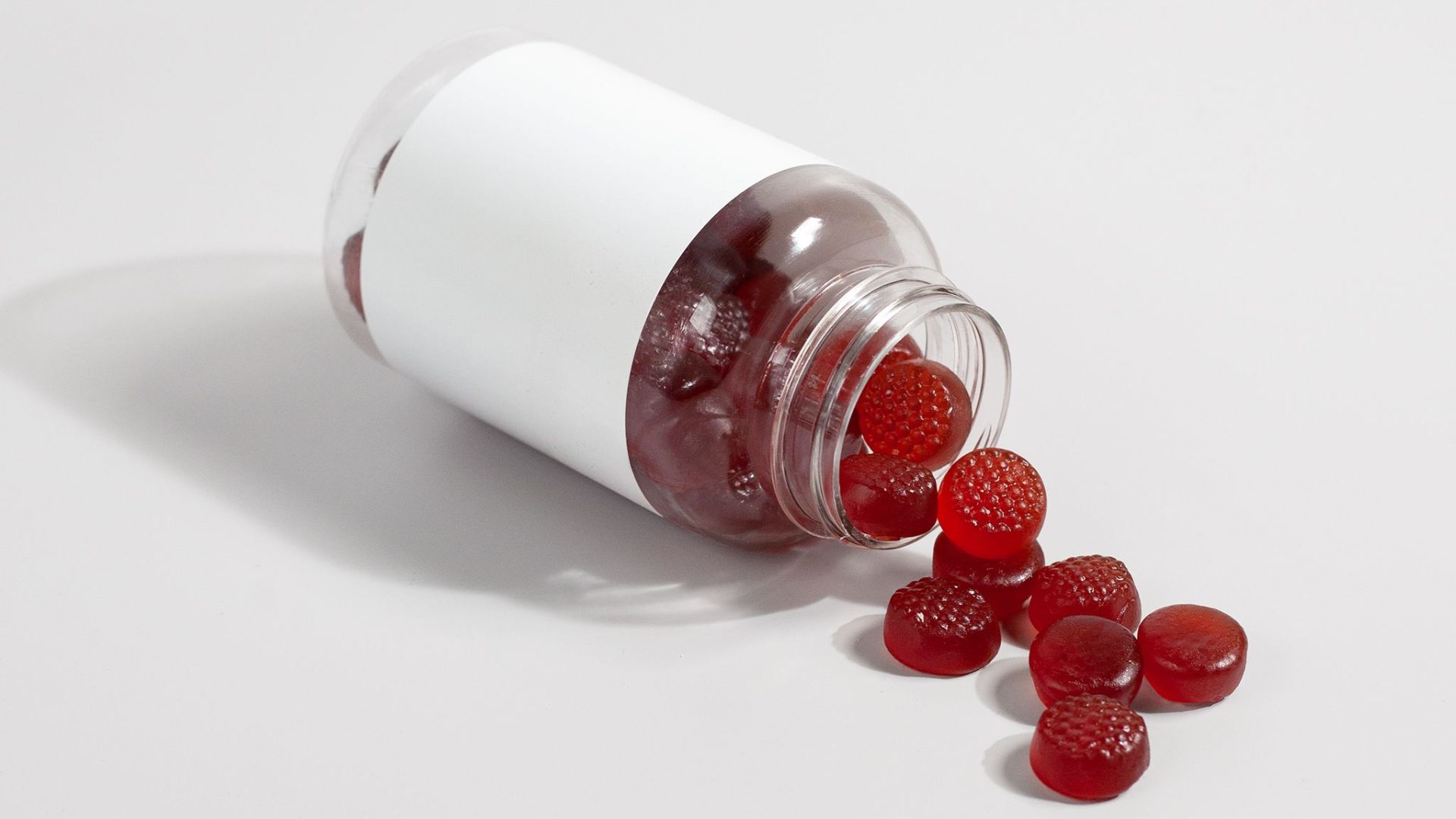
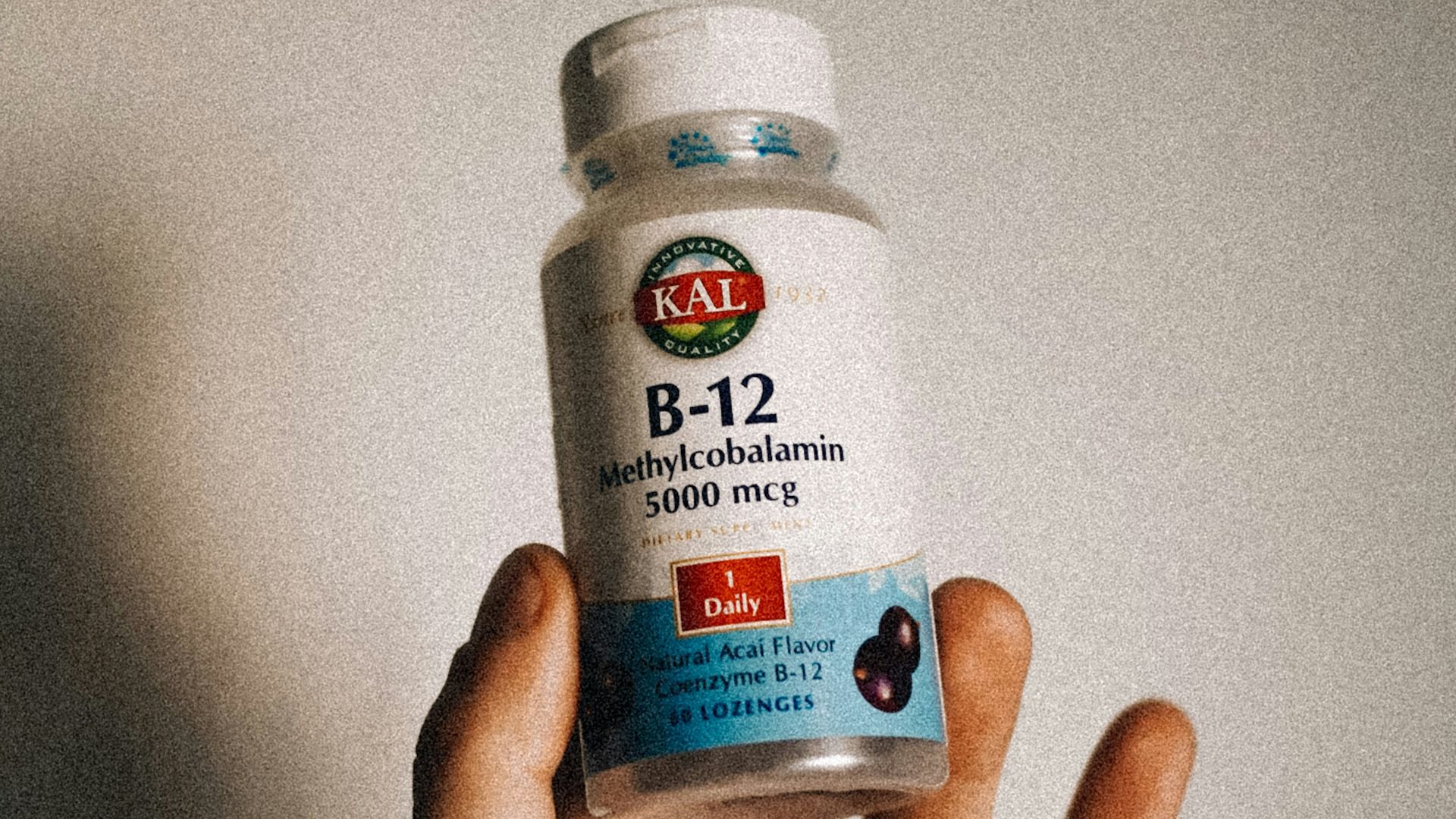
You may see vitamin B12 called cobalamin on supplement labels or in health information. The name comes from cobalt, a mineral found in its makeup. You don’t need to know the scientific name to get enough B12, though it’s helpful to recognize it when you’re reading labels.
 Supplements On Demand on Pexels
2. Making DNA
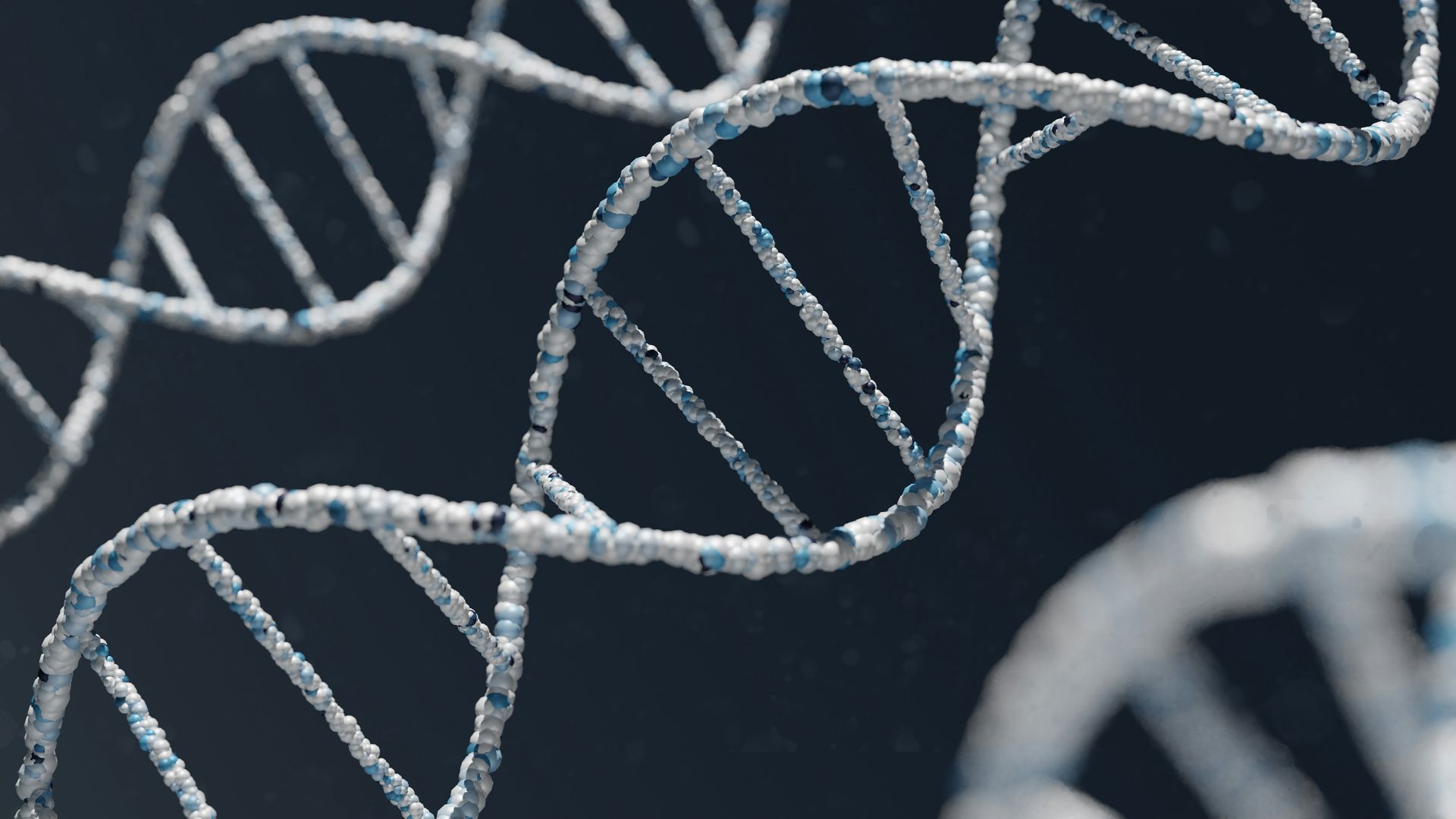
B12 helps your body make DNA, the material that carries genetic instructions inside your cells. Your body is always making new cells, so it needs B12 to keep that process moving along. That’s one reason this vitamin matters well beyond the occasional supplement.
3. Red Blood Cells Need B12
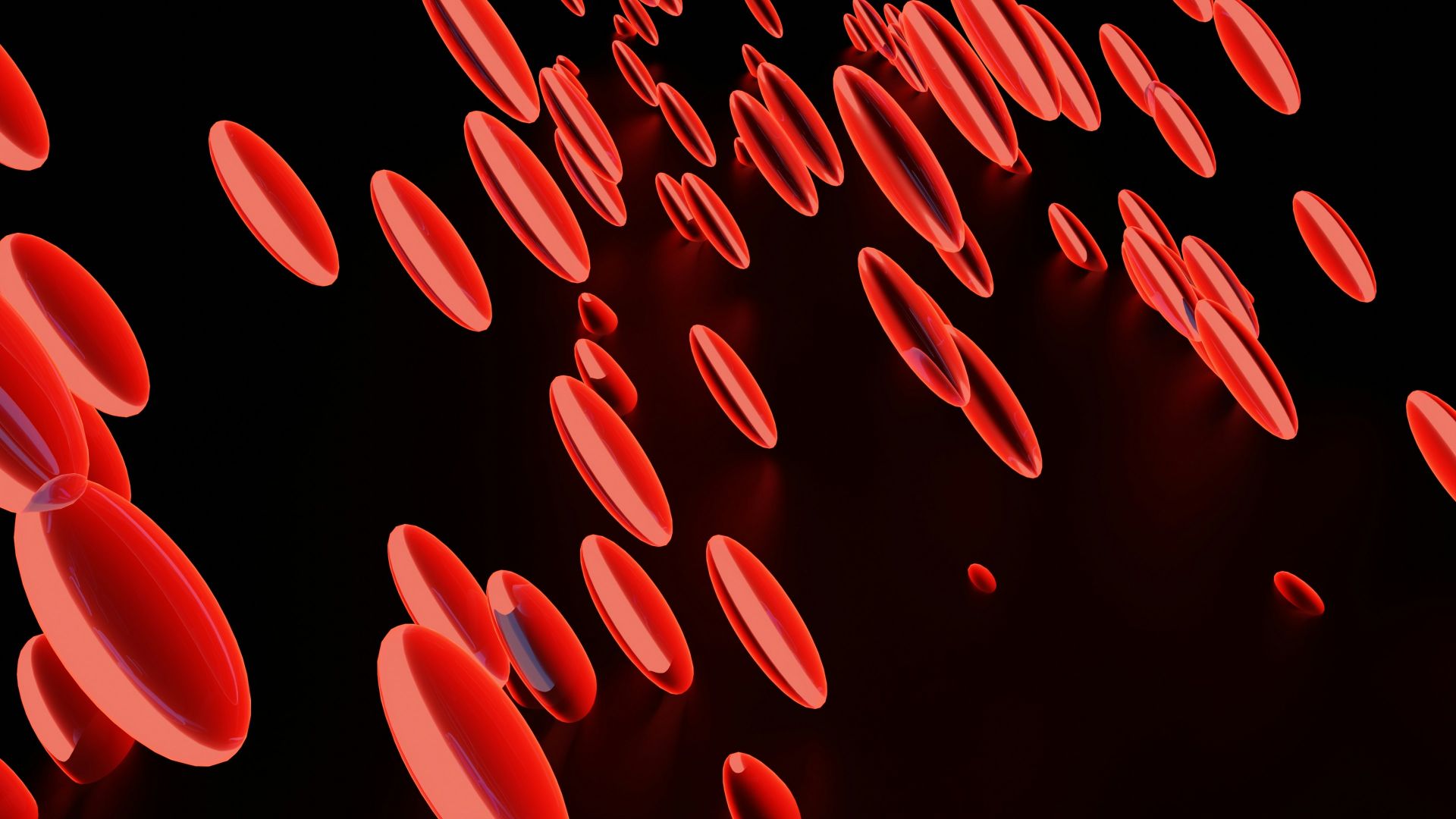
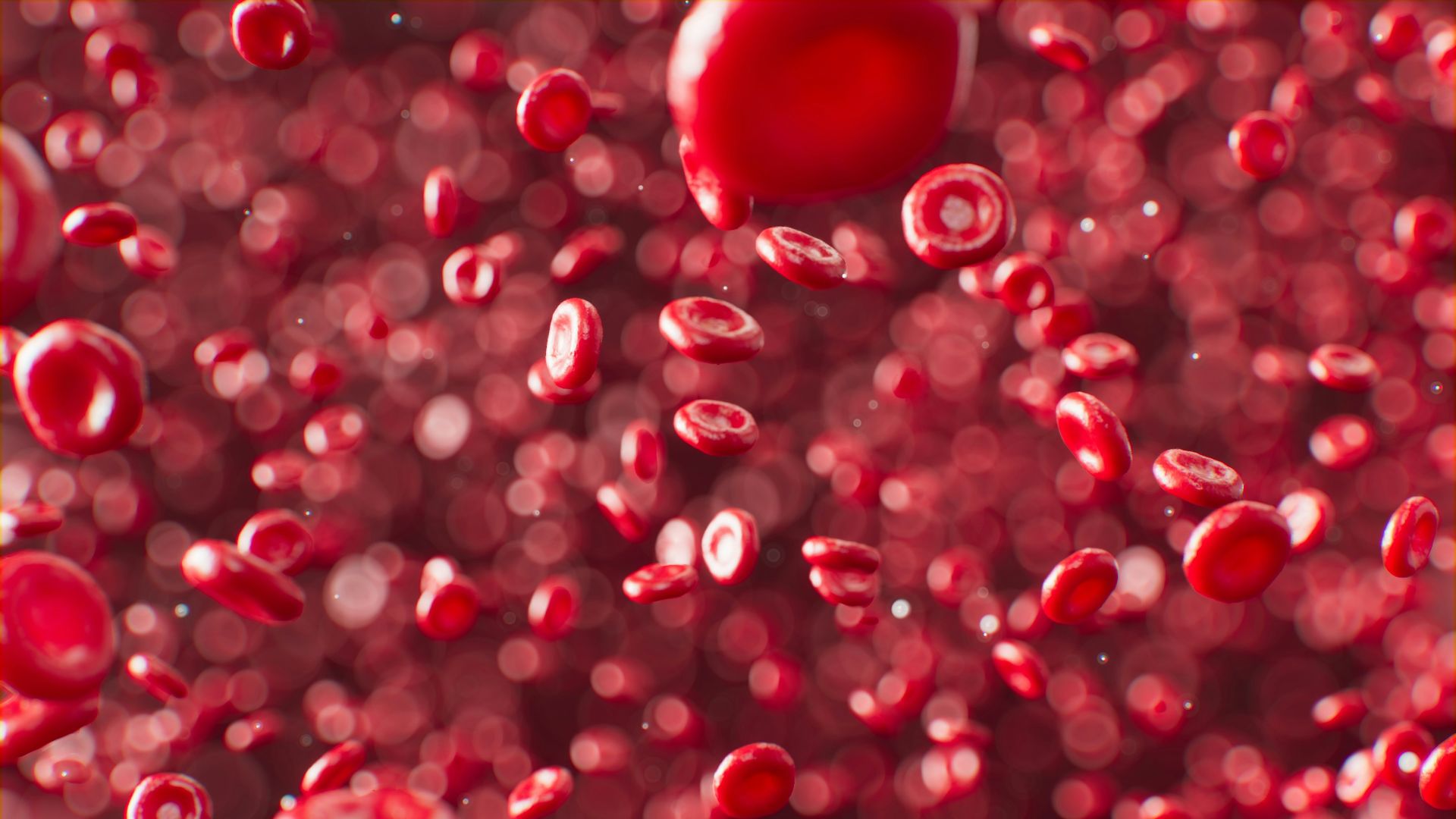
Your red blood cells carry oxygen around your body, and B12 helps them grow and develop properly. When B12 is low, those cells can become unusually large and may not mature the way they should. That can lead to anemia, which is often tied to symptoms such as tiredness and weakness.
4. It Helps Support Your Nerves
B12 supports the development and normal function of your central nervous system. It also helps maintain myelin, the protective covering around nerve fibers.

5. 2.4 Micrograms
Most adults need 2.4 micrograms of B12 each day, only rising to 2.6 and 2.8 micrograms when you’re pregnant or breastfeeding, respectively. The numbers may look tiny, though your body still needs a steady supply to keep up with its everyday work.

6. Your Body Can Save B12
B12 is water-soluble, yet your body can store a good supply of it in the liver. Those stores can last for years, which is useful when your intake changes for a short time. It also means a deficiency doesn’t always show up right away, even if your B12 intake has been low for a while.
7. Animal Foods
Fish, shellfish, meat, poultry, eggs, milk, yogurt, and cheese naturally contain B12. If you eat these foods, including a few of them in your usual meals can help you meet your needs. You don’t have to make every meal about B12, though it’s worth knowing where it naturally shows up.

8. More B12 Than Others
Clams, oysters, and beef liver are especially high in B12, while salmon, tuna, beef, milk, yogurt, and eggs offer smaller amounts. A three-ounce serving of salmon can provide a typical adult’s daily B12 requirement.

9. Plant Foods
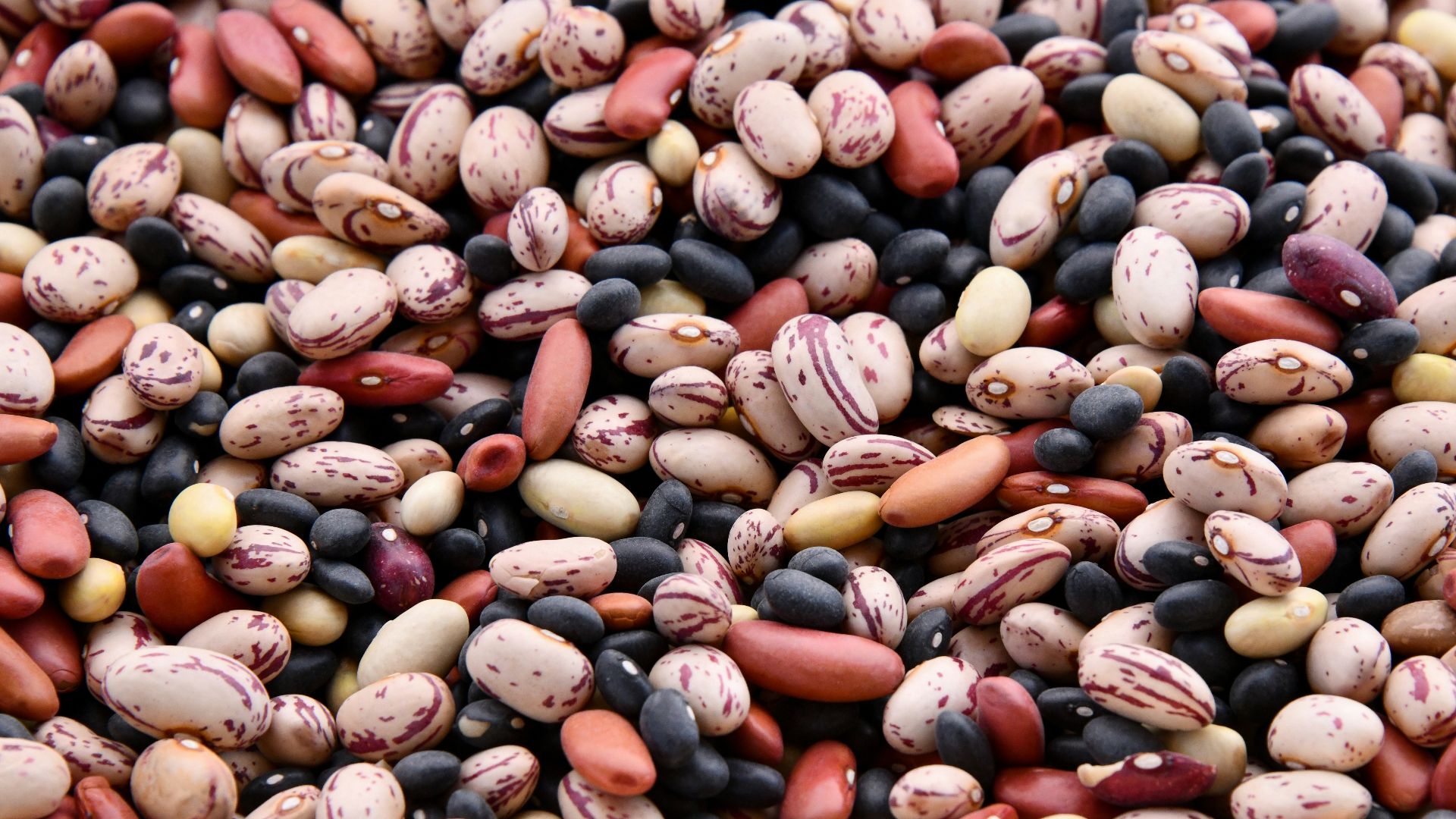
Beans, fruits, vegetables, grains, and other plant foods generally don’t contain meaningful amounts of B12 on their own. People who eat plant-based diets can still get enough, though they’ll need to plan for it. That may mean choosing fortified foods, taking a supplement, or using both as part of their usual routine.
10. Fortified Foods Can Be Helpful
Some breakfast cereals and nutritional yeasts have B12 added during production. Those foods can be useful, especially for people who eat little or no animal food. That said, nutritional yeast only provides a reliable amount when it has been fortified.
11. Freeing B12 From Food
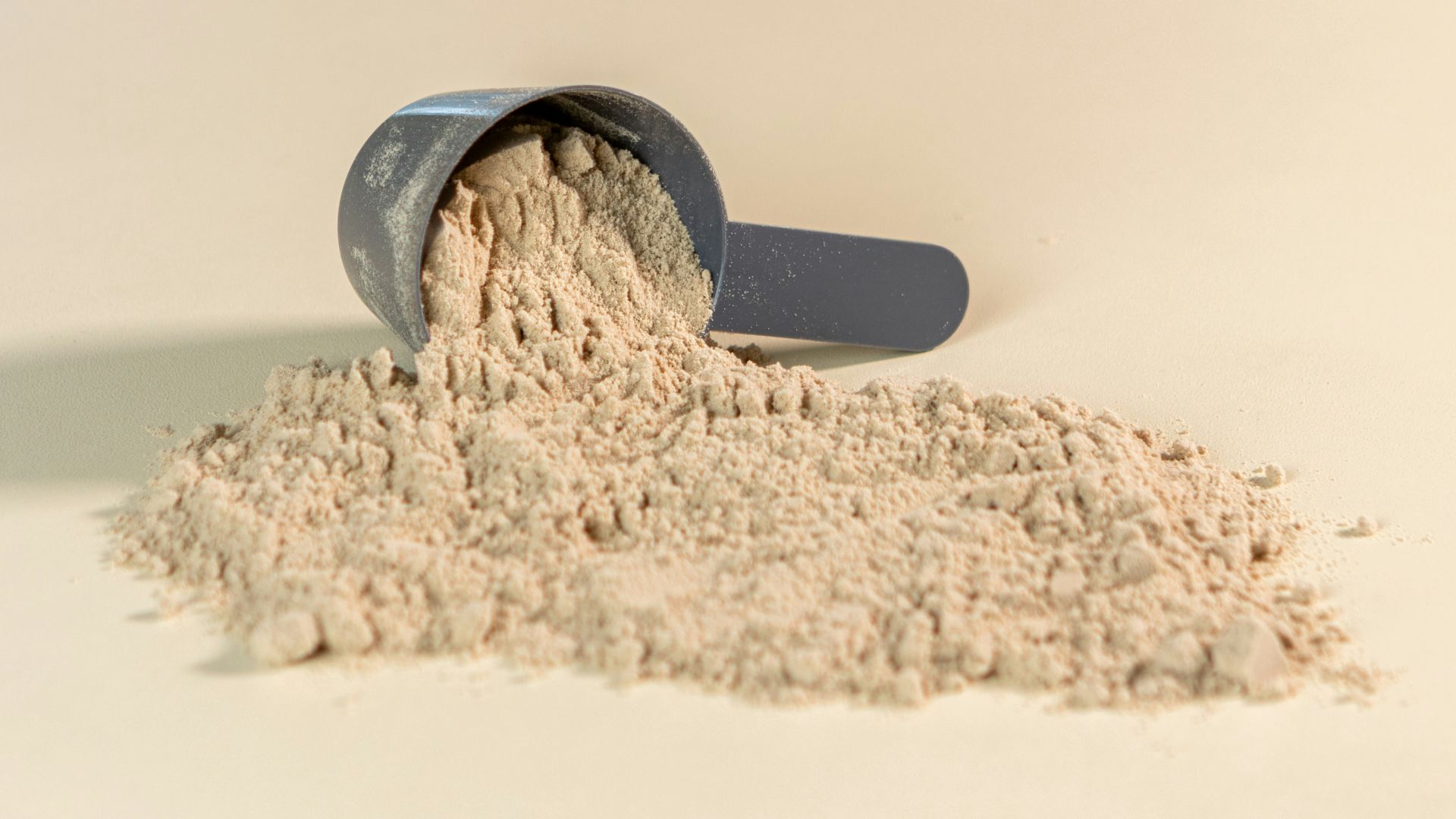
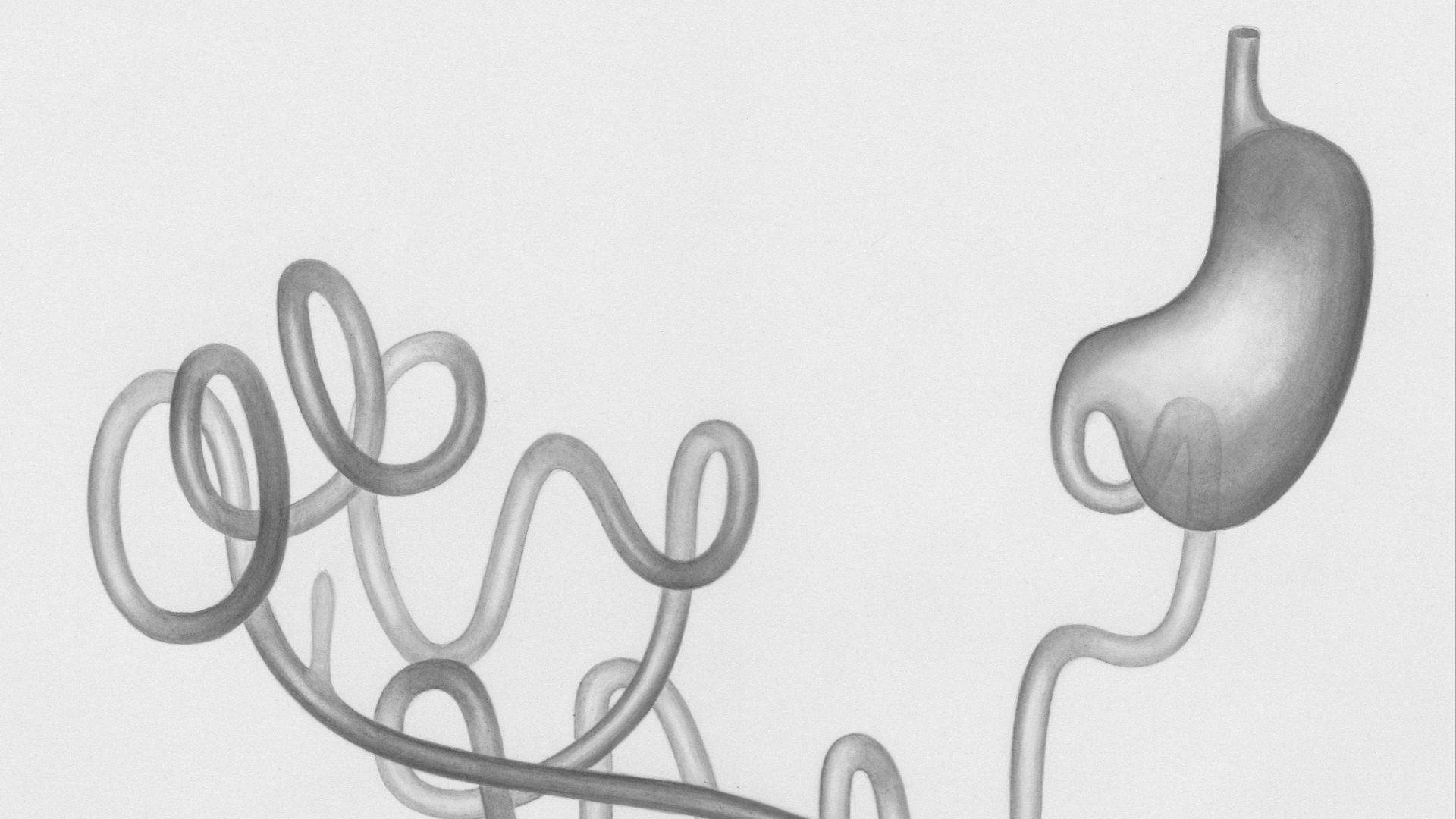
B12 in food is bound to protein, and your body has to separate it before it can be absorbed. Stomach acid and digestive enzymes help with that step. This is why B12 isn’t only about what’s on your plate, because your digestion also has to do its part.

12. Intrinsic Factor
After B12 is released from food, it attaches to a stomach-made protein called intrinsic factor. That protein helps carry B12 to the lower part of your small intestine, where your body absorbs it. If there’s a problem with intrinsic factor, eating B12-rich foods may not be enough on its own.
13. Supplements Skip A Step
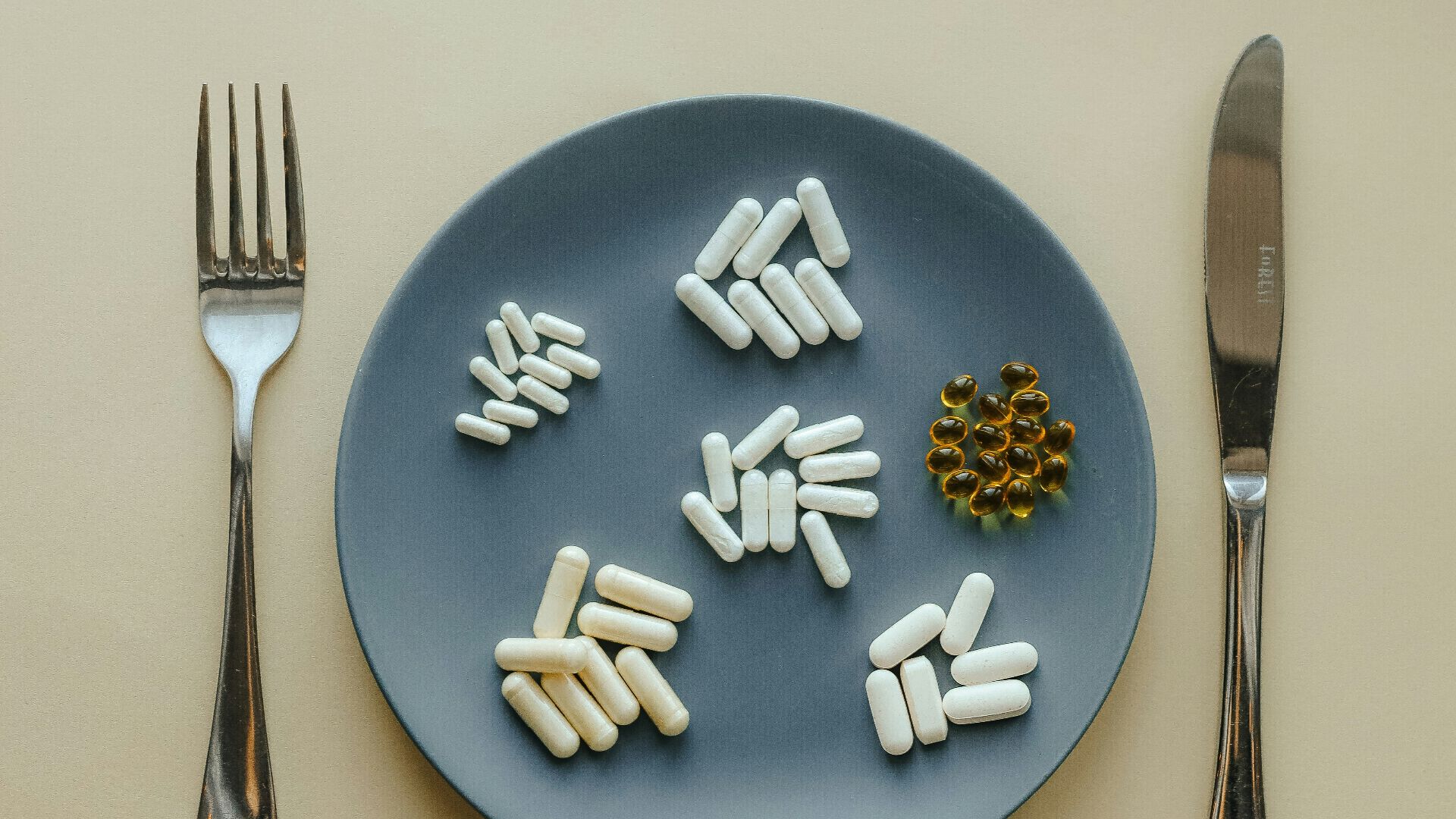
B12 in fortified foods and supplements is already in a free form, so your body doesn’t have to separate it from food protein first. That can help people who have trouble absorbing B12 from regular meals. It’s one reason supplements and fortified foods can be helpful for some people.
14. A High Dose
Intrinsic factor can only carry a limited amount of B12 at one time. As the dose gets larger, the percentage your body absorbs gets smaller. That’s why supplements can contain hundreds or thousands of micrograms, even though the daily amount most adults need is much lower.
15. Low B12
Feeling tired or weak can happen with low B12, though those aren’t the only possible signs. Pale skin, heart palpitations, a sore tongue, unplanned weight loss, and changes in blood cell counts can also occur.

16. Nerve Symptoms
Low B12 can cause numbness or tingling in your hands and feet, even if you don’t have anemia. Those nerve-related effects can become hard to reverse when a deficiency goes untreated.

17. Diet Isn’t Always The Reason
You can eat enough B12 and still have low levels if your body can’t absorb it properly. Digestive disorders, gastrointestinal surgery, and trouble making intrinsic factor can all interfere with absorption. That’s why someone can have a B12 deficiency even when they have a healthy diet.

18. Pernicious Anemia
Pernicious anemia is an autoimmune condition that affects the stomach cells needed to make intrinsic factor. Without treatment, it can lead to B12 deficiency even when someone regularly eats foods containing the vitamin.
19. Some Medications Can Affect B12 Levels
Certain acid-reducing medications can make it harder for your body to absorb B12 from food because stomach acid helps release it. Metformin may also reduce B12 absorption. If you take either type of medication regularly, it’s reasonable to ask a healthcare professional whether monitoring your B12 status is important.
20. B12 Won’t Give Everyone More Energy
B12 plays a part in energy metabolism, which is why it’s common in energy drinks and supplements. Treating a real deficiency can help someone feel better when low B12 is part of the problem. Extra B12 doesn’t improve athletic performance or endurance when a person already has enough.

KEEP ON READING




20 Dishes That Define Modern American Cuisine