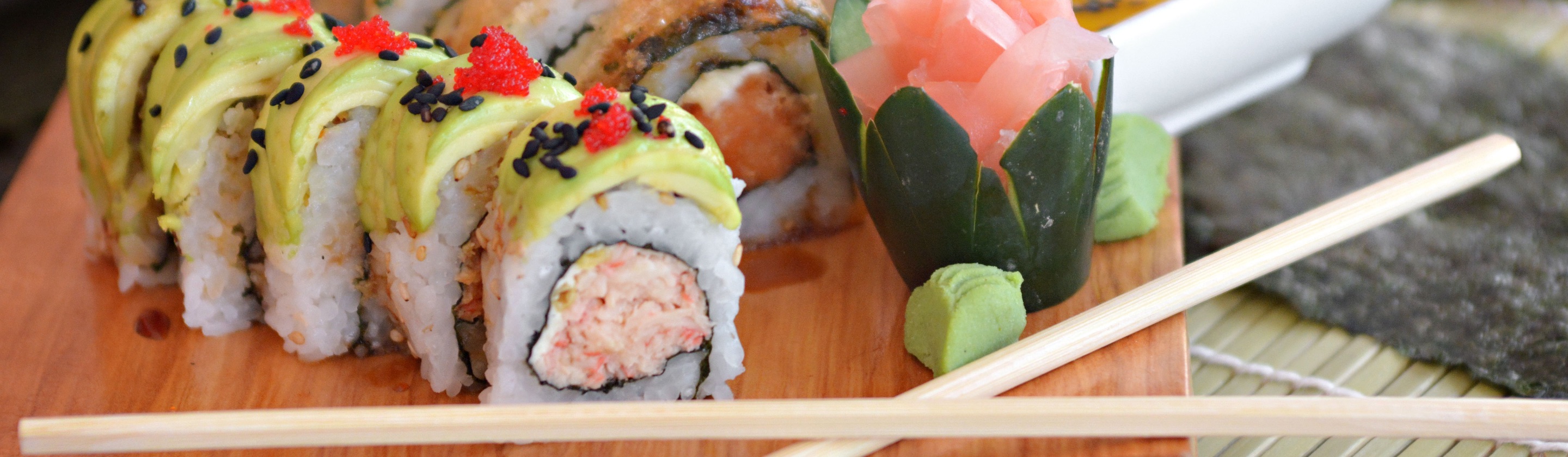
What's the "Right" Way to Eat Sushi?
Unless you're turning your sushi plate into something diabolical (say, prying the fish and rice apart and smearing your mud-resembling wasabi-soy paste onto each), you'll usually not be judged for how you enjoy Japanese cuisine, especially in casual spots outside the dish's home country. Still, there is a right and wrong way to eat your sushi rolls and nigiri, and you might not know that the habits and methods you've adopted could actually be offensive. For starters, you should probably stop drowning your pieces in soy sauce (or pouring the whole bottle into your rice bowl). Here are 10 sushi rules you're likely breaking, and 10 ways to correctly enjoy the cuisine.
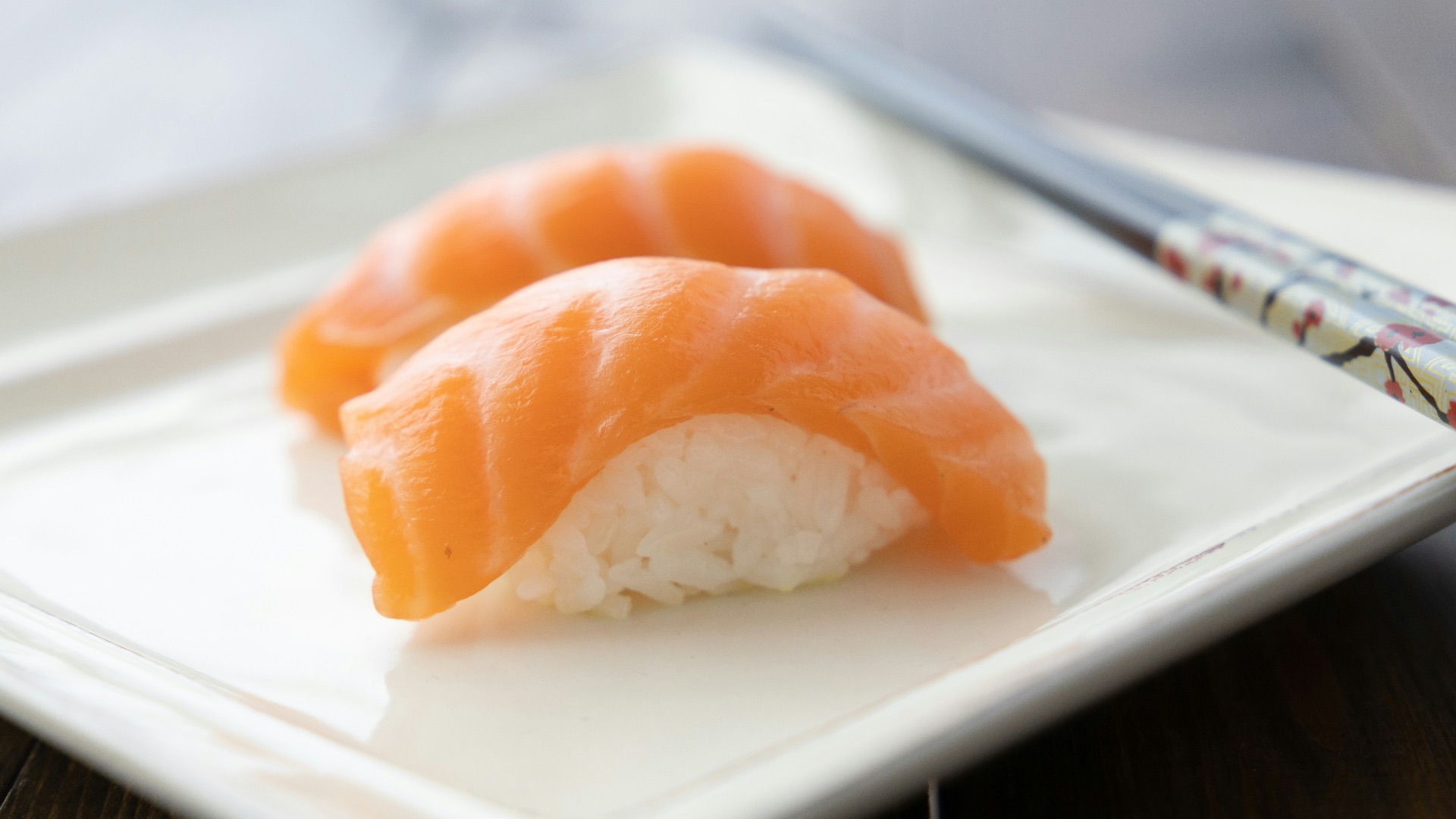
1. Mixing Wasabi Into a Pool of Soy Sauce
A large wad of wasabi stirred into soy sauce has become a familiar dipping mixture, but it can overpower nearly every piece with the same salty heat. Nigiri often already contains a small amount of wasabi between the topping and rice, particularly at traditional sushi counters. When extra is needed, the customary approach is to place a tiny dab directly on the fish and then lightly touch the topping to the soy sauce.
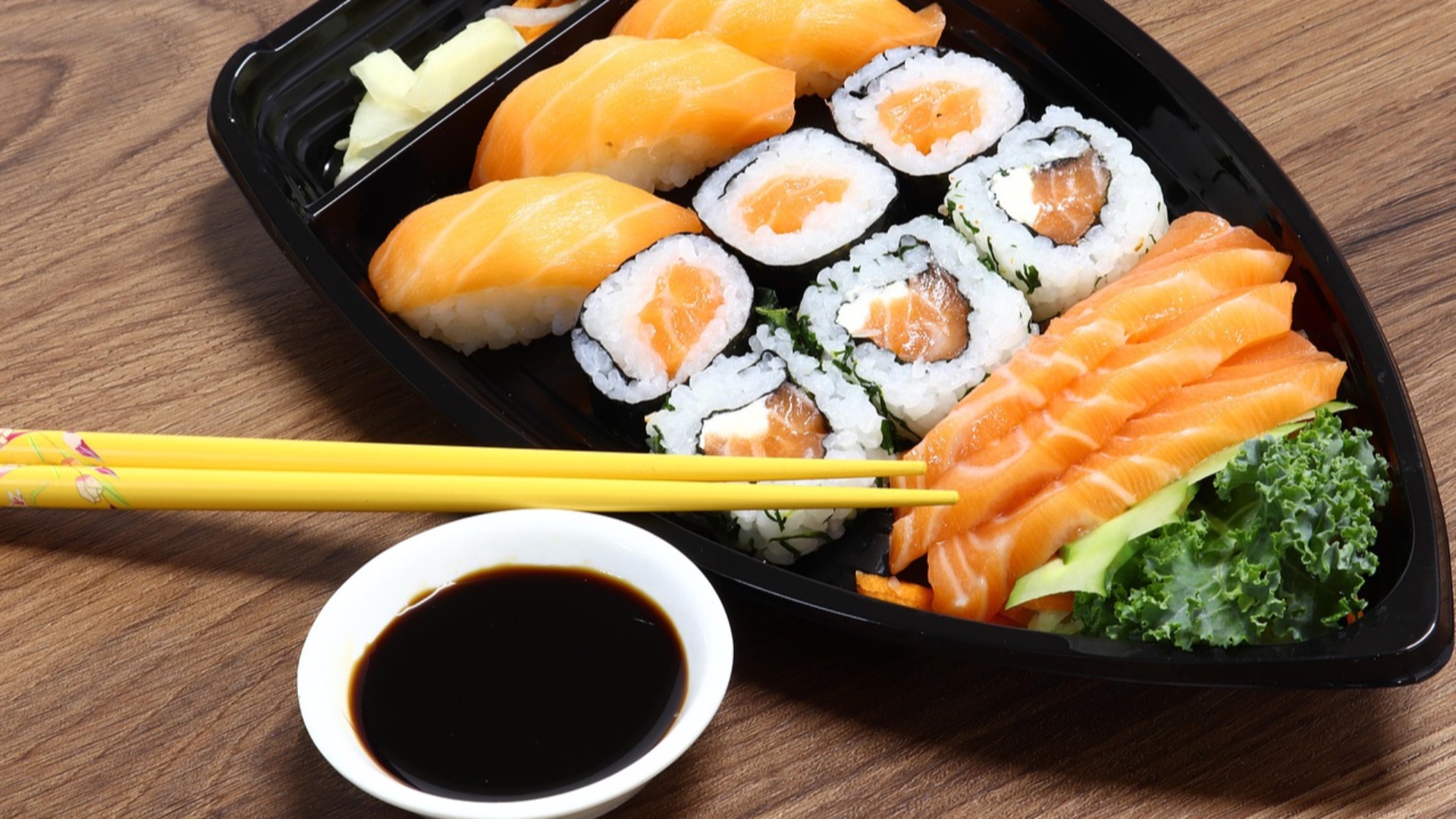
2. Dunking the Rice Into Soy Sauce
Turning the nigiri rice side down means the grains absorb far more soy sauce than necessary. The rice can become salty, lose its intended flavor balance, and begin falling apart before it reaches your mouth. Traditionally, the piece is tilted so that only the fish or other topping makes brief contact with the sauce. Never use too much.
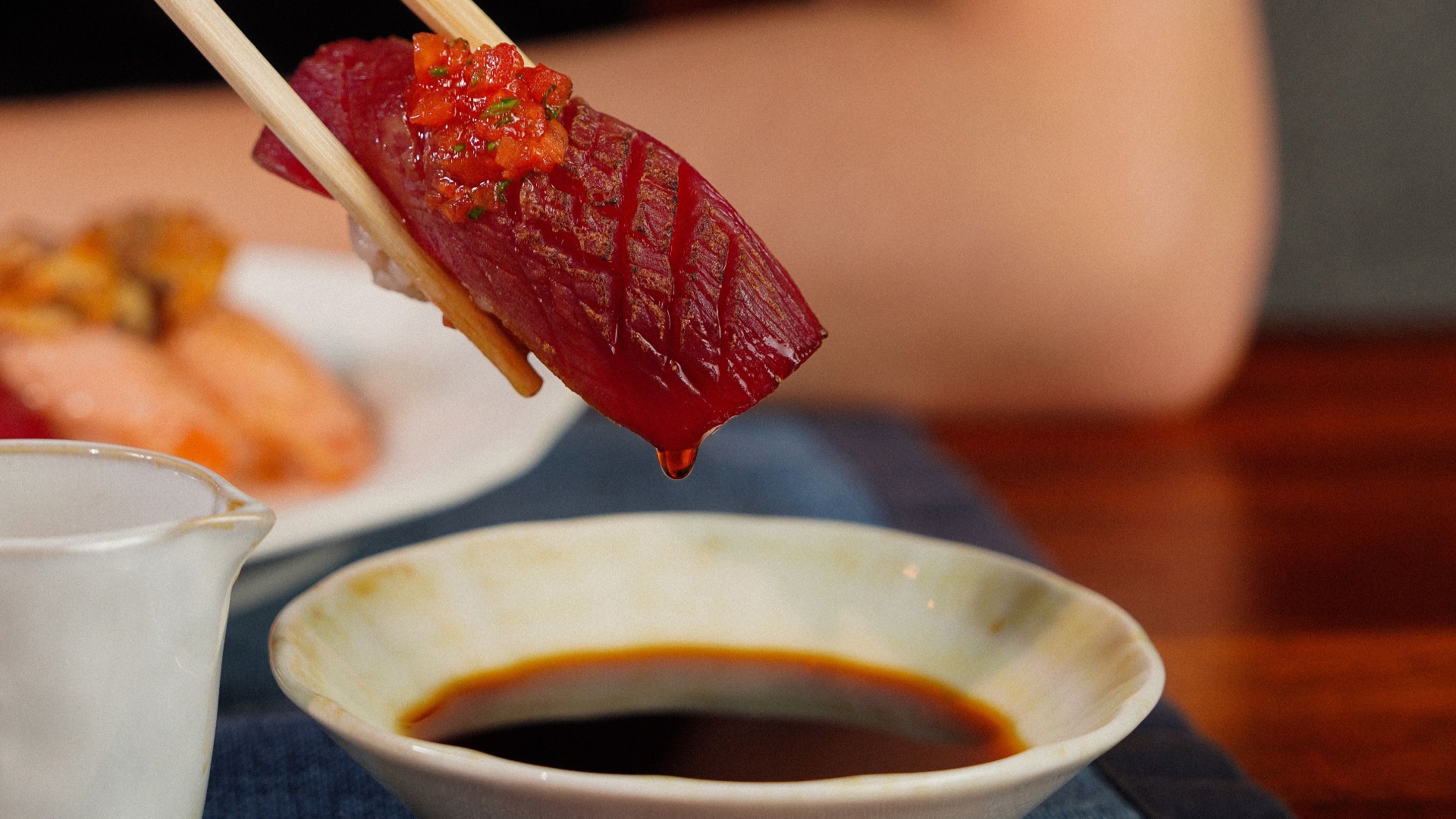
3. Pouring More Soy Sauce Than You Need
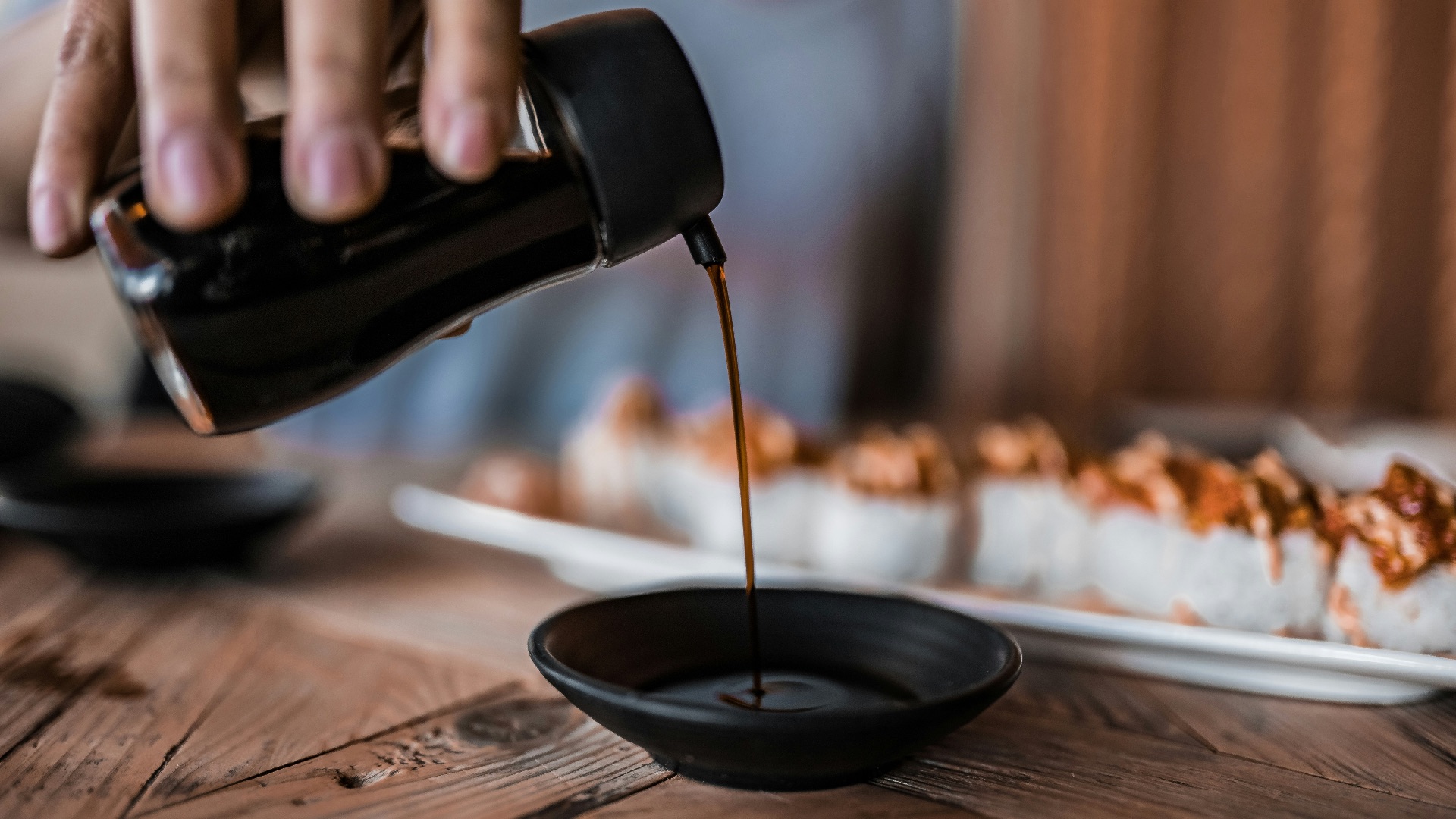
Filling the dipping dish to the rim might seem convenient, but sushi generally calls for a restrained amount of seasoning. Excess sauce makes it tempting to submerge each piece, and anything left behind is simply wasted. Start with a shallow pour, then add more later only if the meal requires it.
4. Adding Soy Sauce Before Tasting the Piece
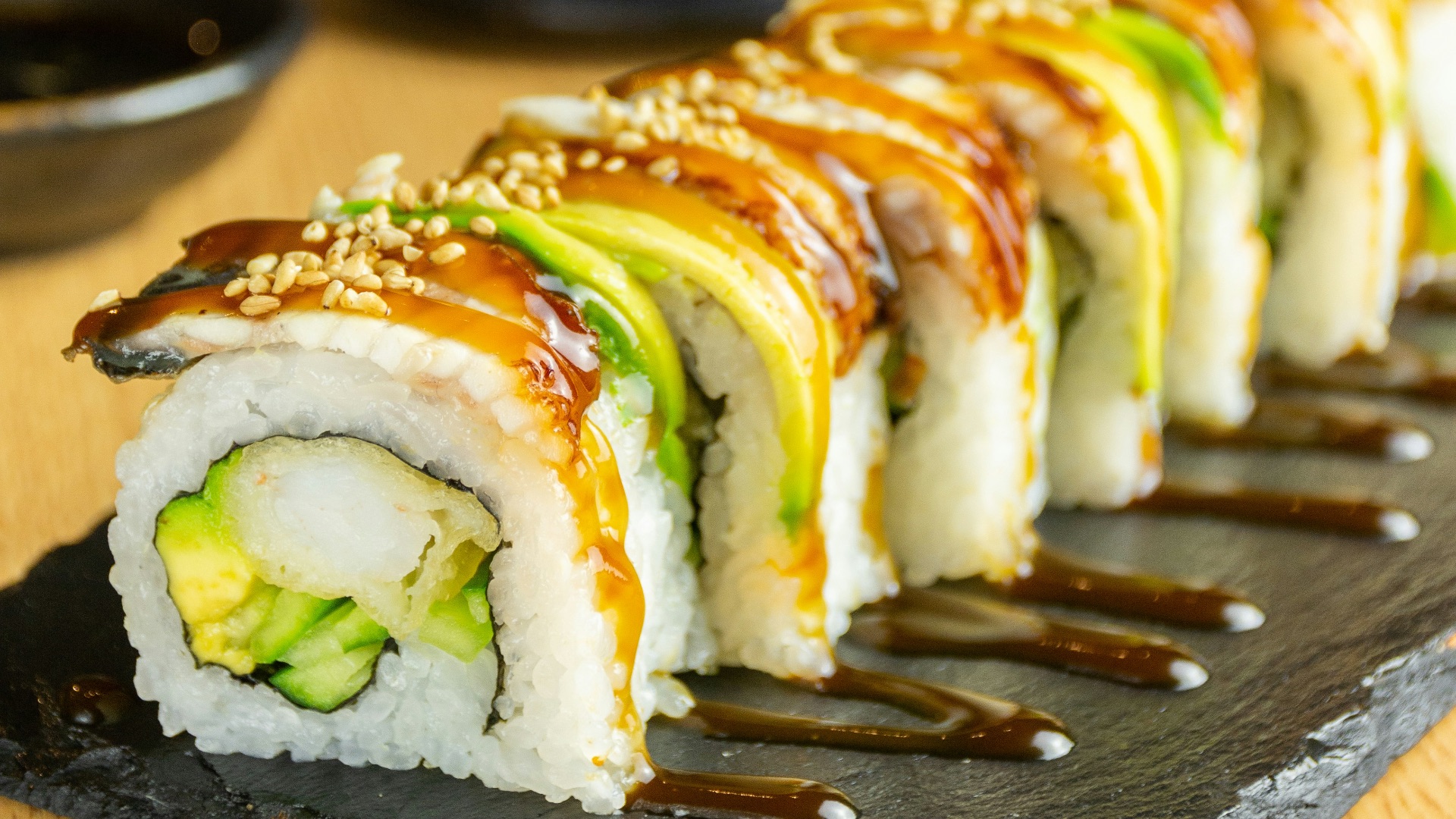
Automatically seasoning every piece assumes it needs something before you've discovered how it was prepared. Some chefs brush nigiri with nikiri, add salt, apply citrus, or serve toppings that already contain a sweet or savory glaze. Take a look at the piece and taste it as presented when the chef indicates that it's ready to eat.
5. Treating Pickled Ginger as a Sushi Topping
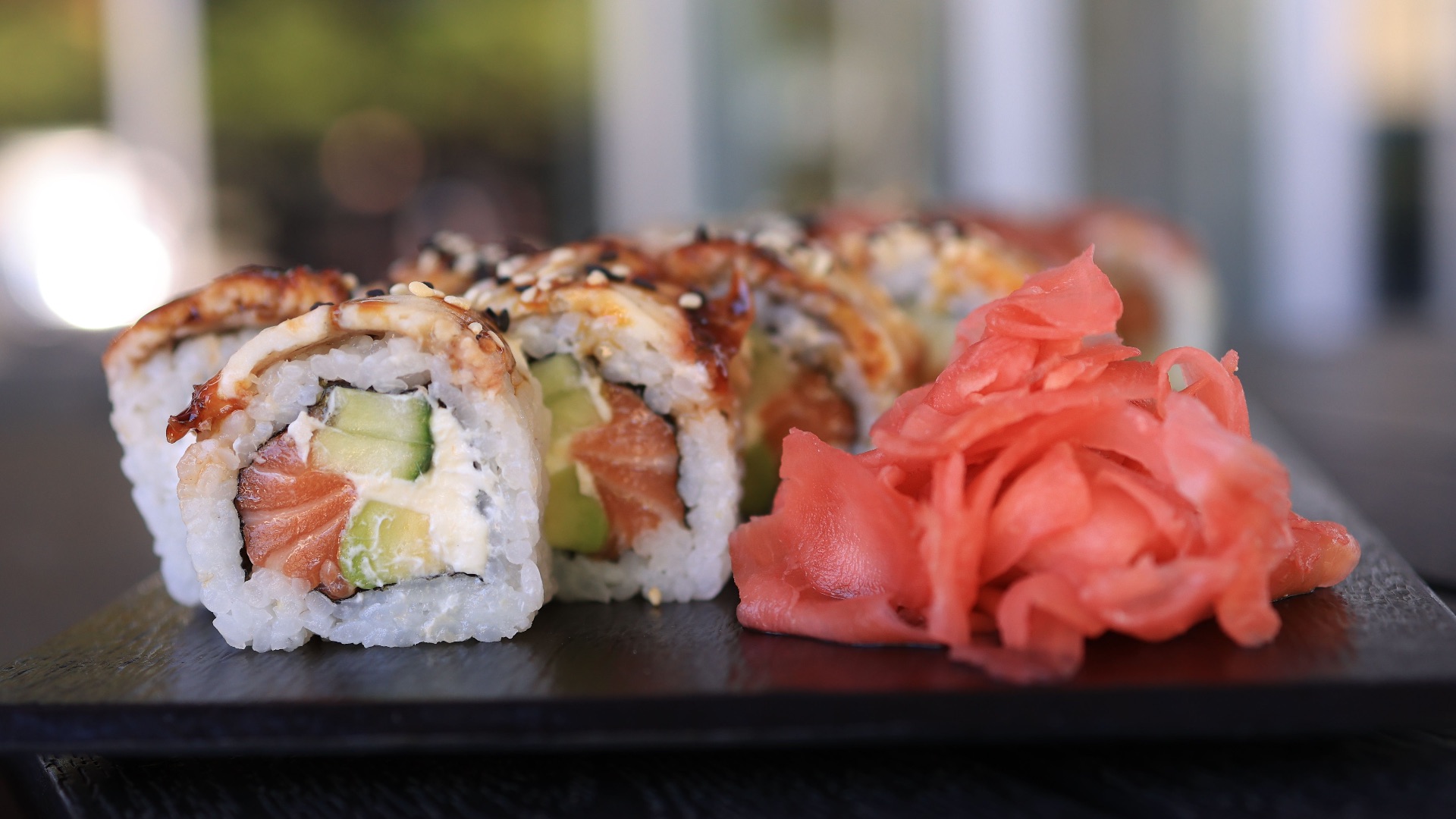
Piling ginger onto nigiri may add a sharp, refreshing flavor, but it can cover the flavor of the fish underneath. Gari, the pickled ginger served beside sushi, is traditionally eaten between different pieces to cleanse your palate. Think of it as a separate bite rather than an extra ingredient for every roll.
6. Using a Fork for Sushi
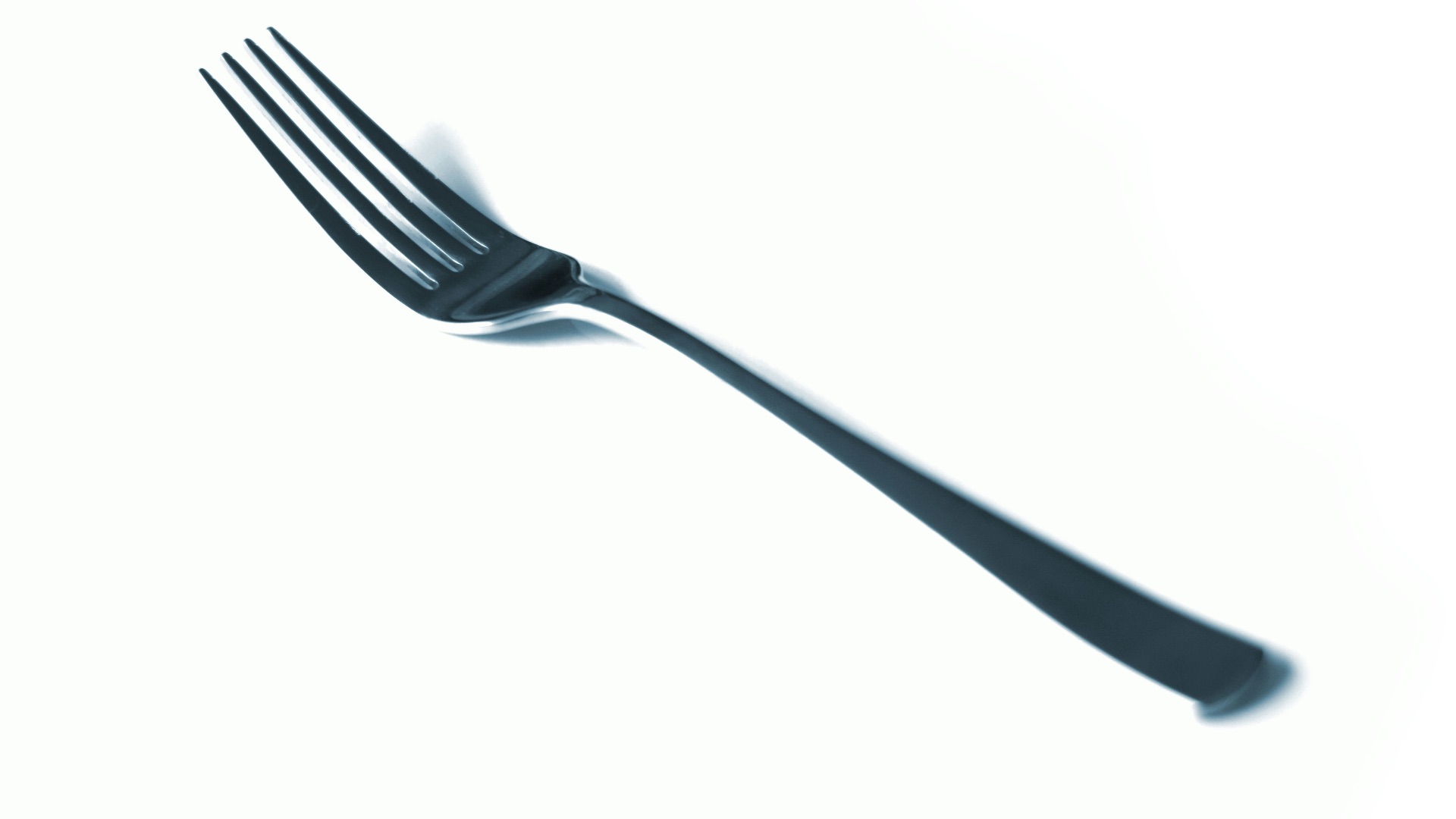
Many diners reach for a fork when chopsticks feel unfamiliar, but this can make it harder to handle delicate pieces without breaking them apart. Sushi is traditionally eaten with chopsticks or clean hands, both of which allow for better control and preserve the structure of the rice and toppings. While a fork may seem convenient, it often disrupts the balance and presentation of the piece.
7. Biting Sushi or Nigiri in Half
You might think this is inevitable, considering the size of some of the rolls you get. But good quality sushi and nigiri are made so that they can be finished in one bite; breaking a piece in half can cause the fish or filling to tumble off and out, and the loosely pressed rice to crumble. Whenever you can, put the whole sucker into your mouth.
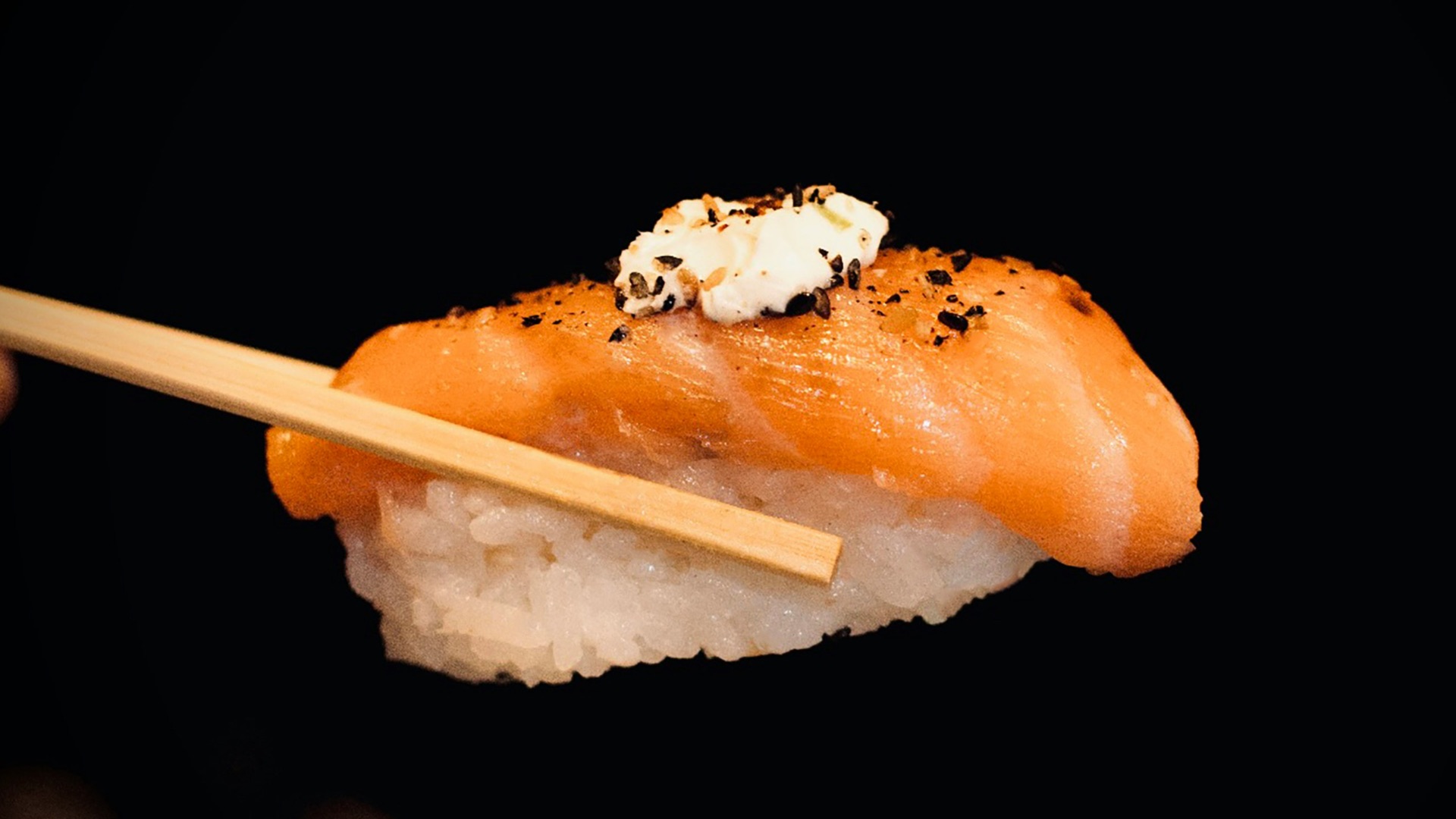
8. Rubbing Disposable Chopsticks Together
People often rub wooden chopsticks together to remove splinters, yet the gesture can imply that the restaurant provided cheap or poorly finished utensils. If a chopstick actually has a rough edge, discreetly remove the loose fiber or ask for another pair. There's no need to perform the familiar sawing motion automatically.
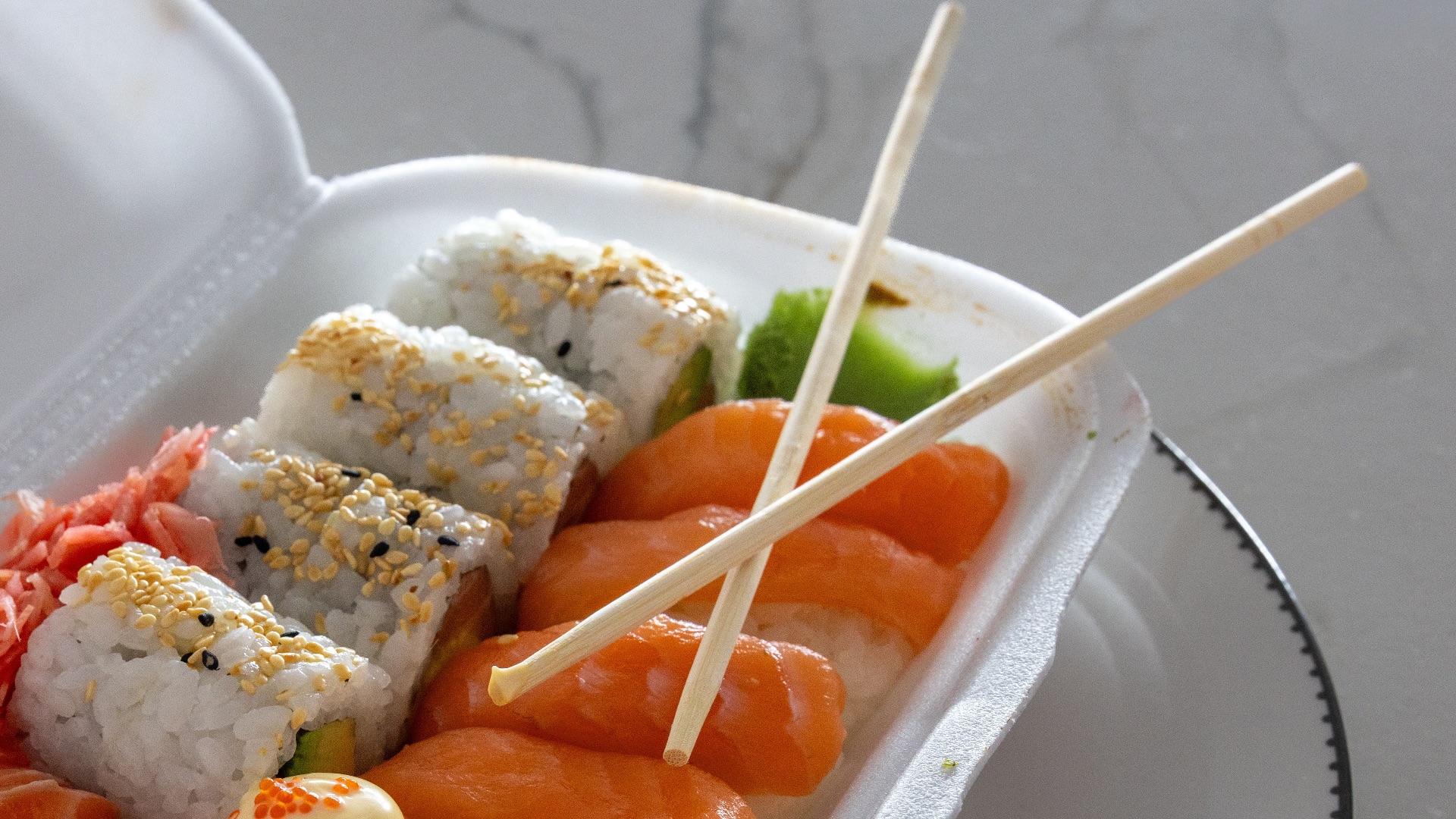
9. Spearing Sushi with Your Chopsticks
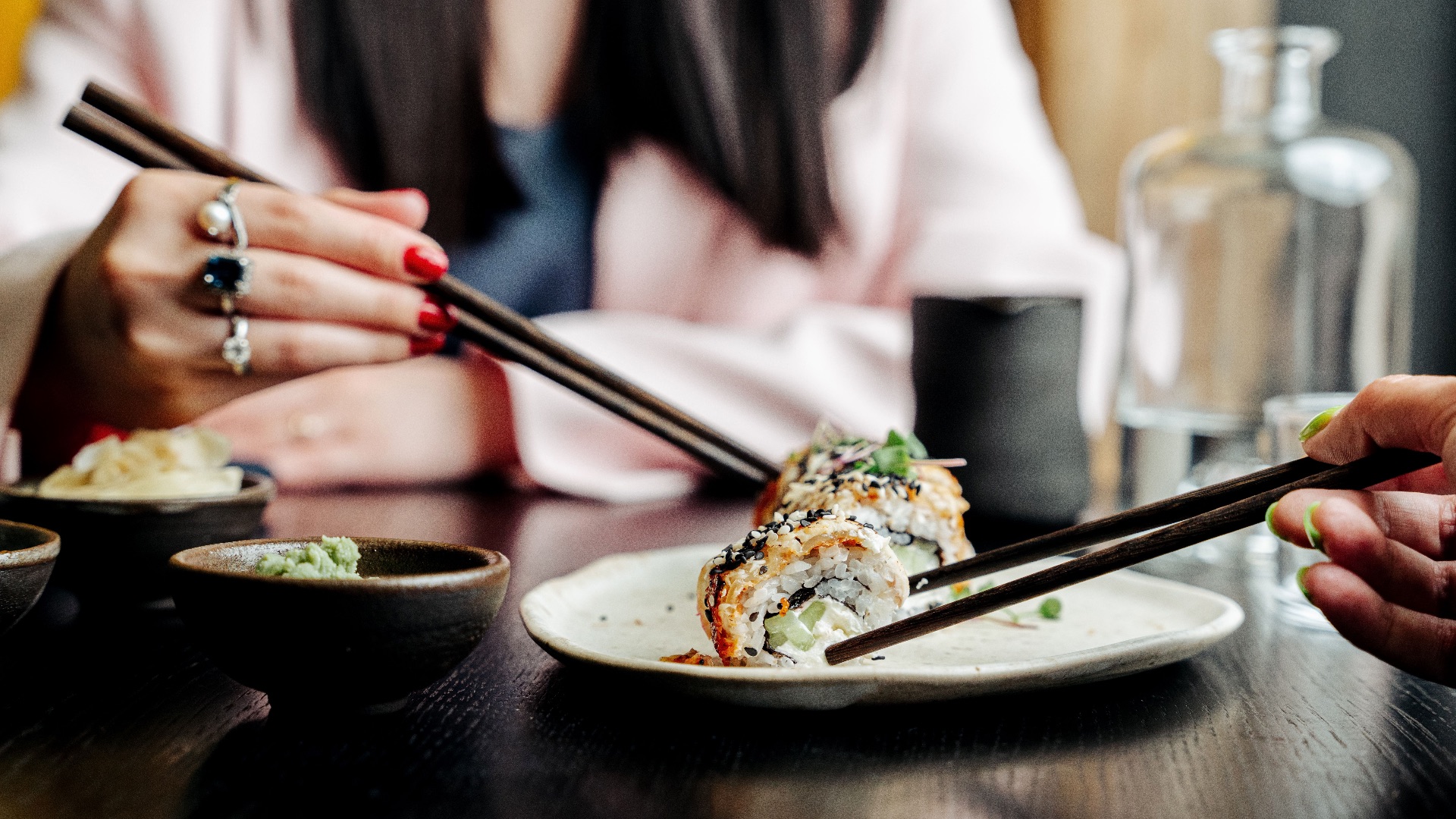
Stabbing a slippery roll might feel easier than lifting it, but it can break the piece apart and isn't considered polished chopstick use. Hold the sushi gently from the sides without squeezing the rice or forcing the filling out. Choosing your hands for nigiri and certain rolls is a better option when chopsticks become awkward.
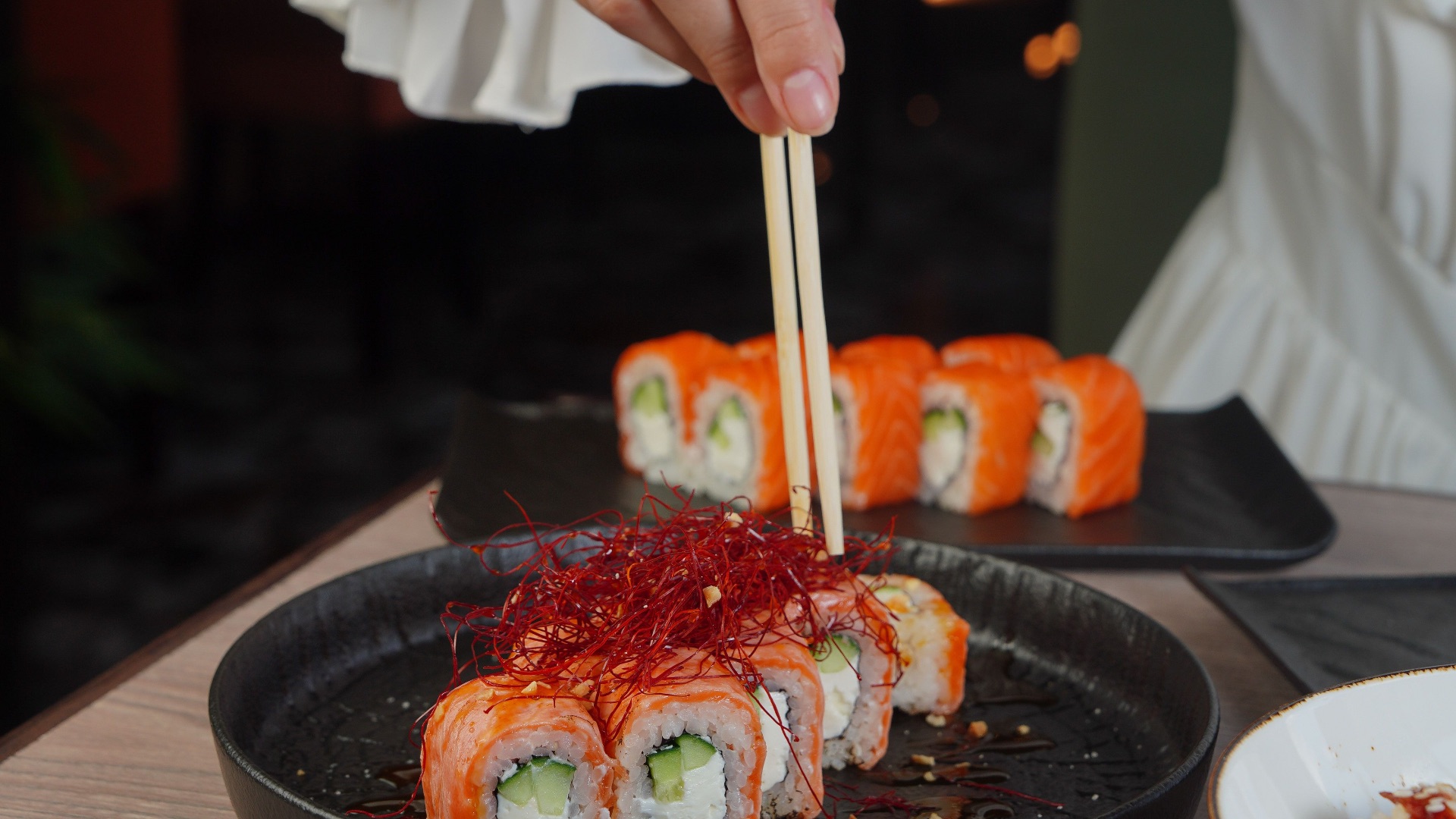
10. Wearing a Strong Fragrance to the Sushi Counter
Perfume, cologne, and heavily scented body products can interfere with the subtle aromas of seafood, rice, citrus, and freshly grated wasabi. At a small sushi counter, the scent may also affect the experience of everyone seated nearby. Keeping fragrance subtle is particularly considerate when you're visiting an intimate or high-end restaurant.
Now that the most common missteps are out of the way, let's take a look at how you're supposed to enjoy sushi the right way.

1. Use Your Hands for Nigiri When It's Easier
Pick up nigiri gently with your thumb, index finger, and middle finger, taking care not to compress the rice. Turn it just enough to touch the topping to the soy sauce, then bring it to your mouth with the fish facing your tongue. This approach keeps the piece together while allowing you to taste the topping immediately.
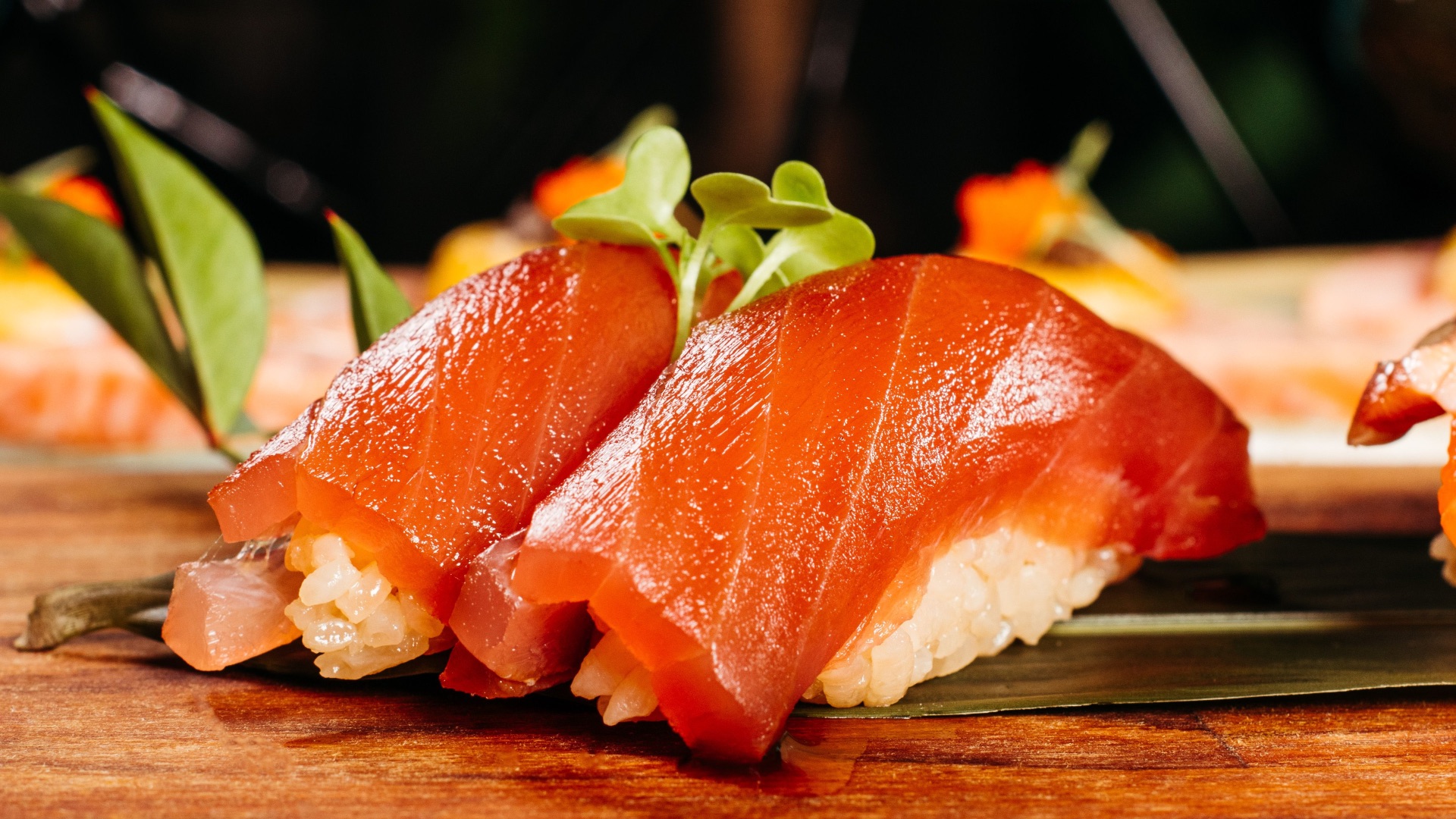
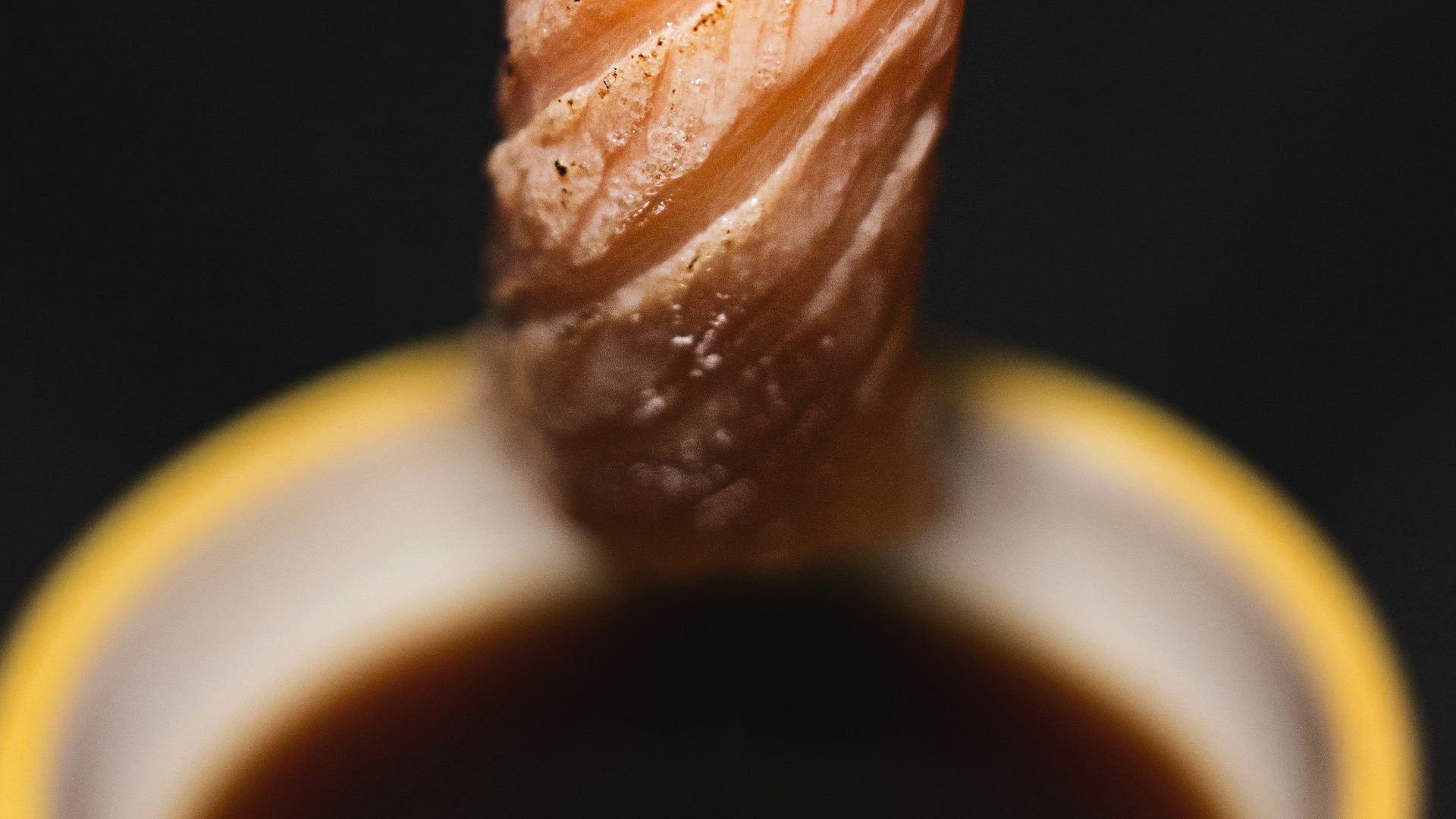
2. Let the Fish Barely Touch the Soy Sauce
Soy sauce should add a small savory accent rather than become the main flavor in the bite. Tilt the nigiri sideways or upside down and give the topping a quick, controlled dip. Pieces served with their own sauce, salt, or glaze usually don't need any additional seasoning.
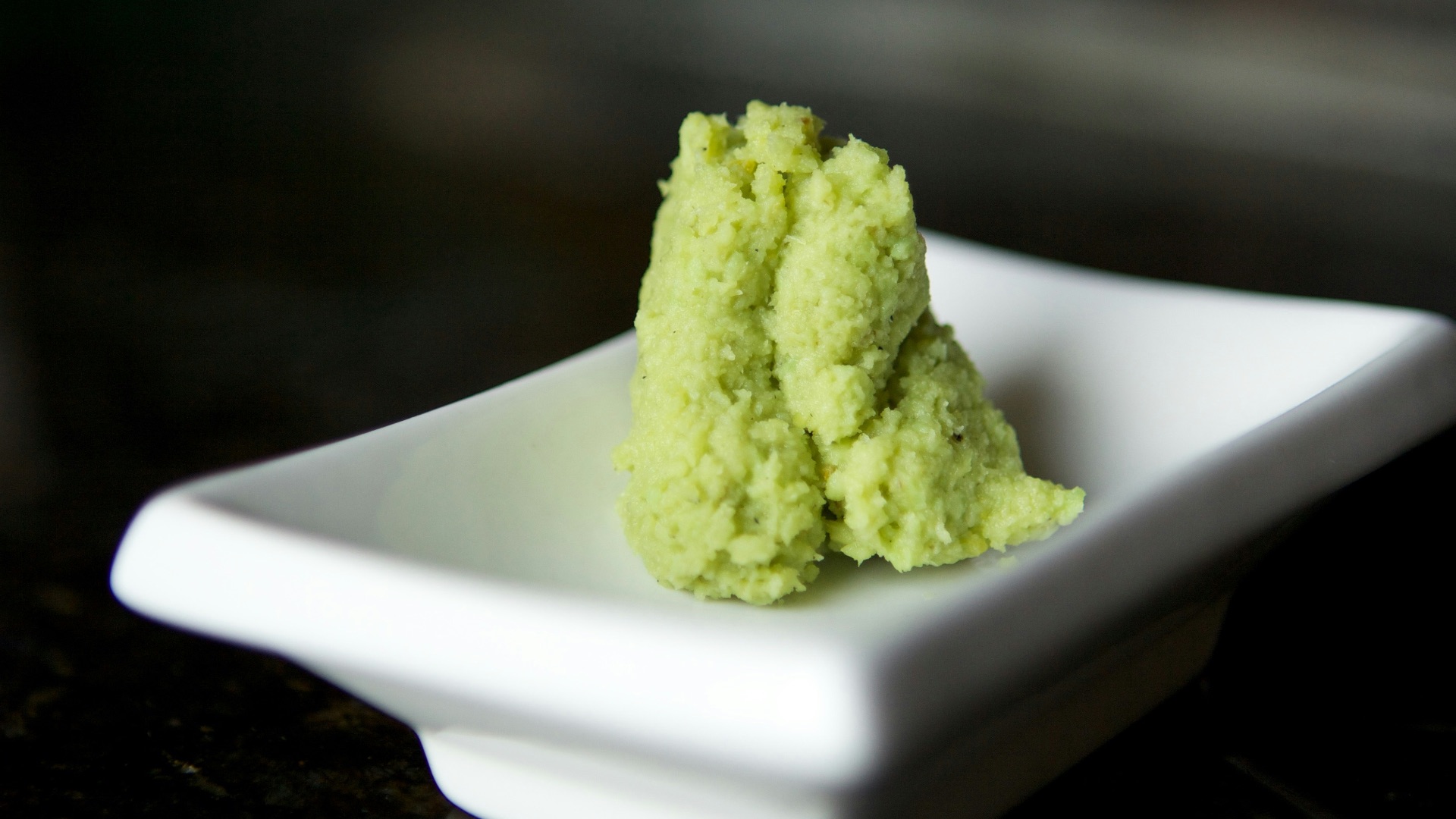
3. Add Wasabi Directly and Sparingly
When you'd like more heat, place a small dab of wasabi onto the fish rather than stirring a large amount into your dipping dish. This lets you adjust individual pieces based on their flavor and richness. At a chef-led counter, try the nigiri first because the appropriate amount may already be hidden beneath the topping.
 David Todd McCarty on Unsplash
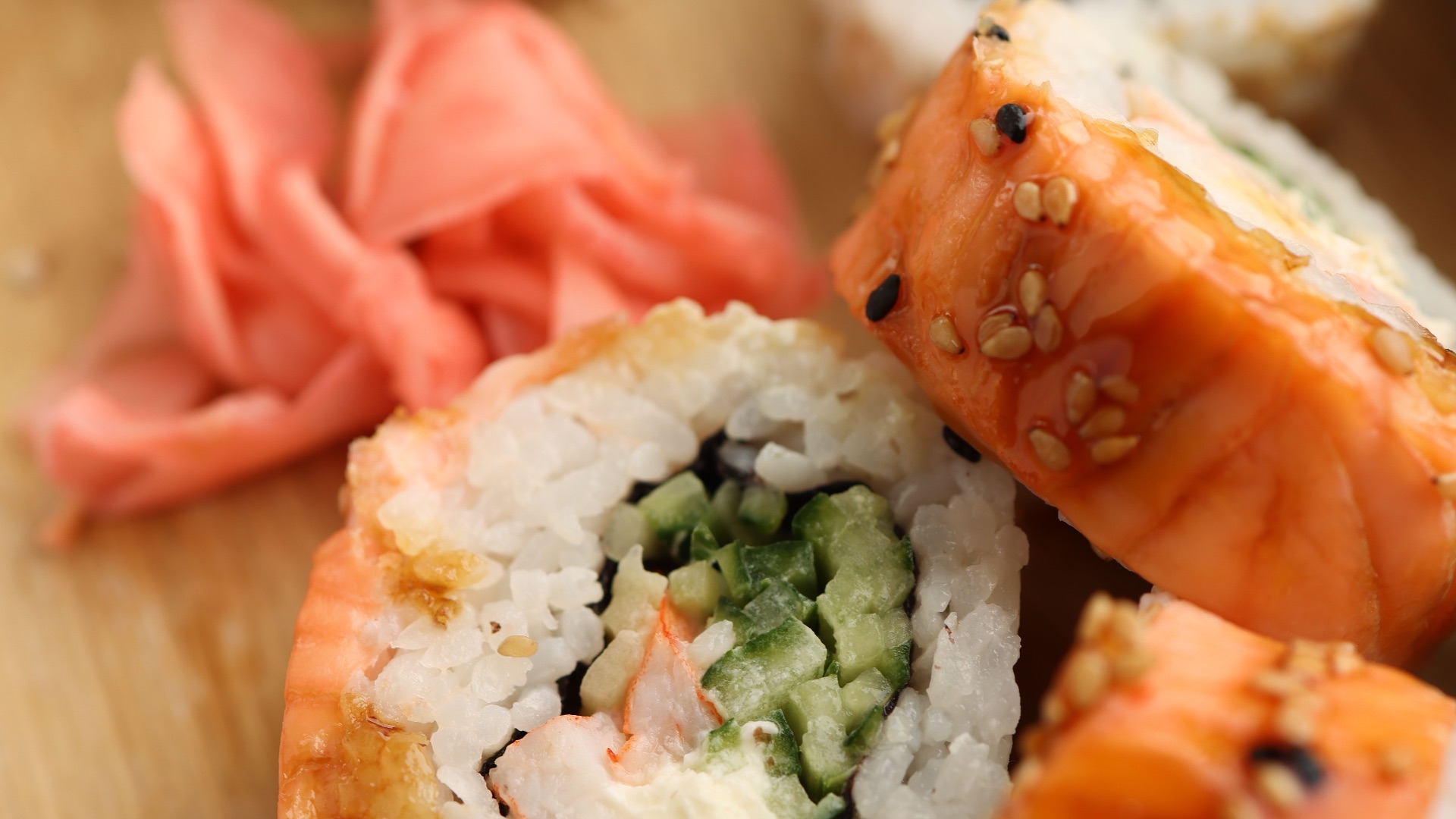
4. Eat Pickled Ginger Between Different Fish
Take a slice of ginger after finishing one type of sushi and before moving to something noticeably different. Its acidity and sweetness can clear lingering oils or seasonings from your mouth. Eating it separately also prevents its strong flavor from competing with the piece the chef prepared.
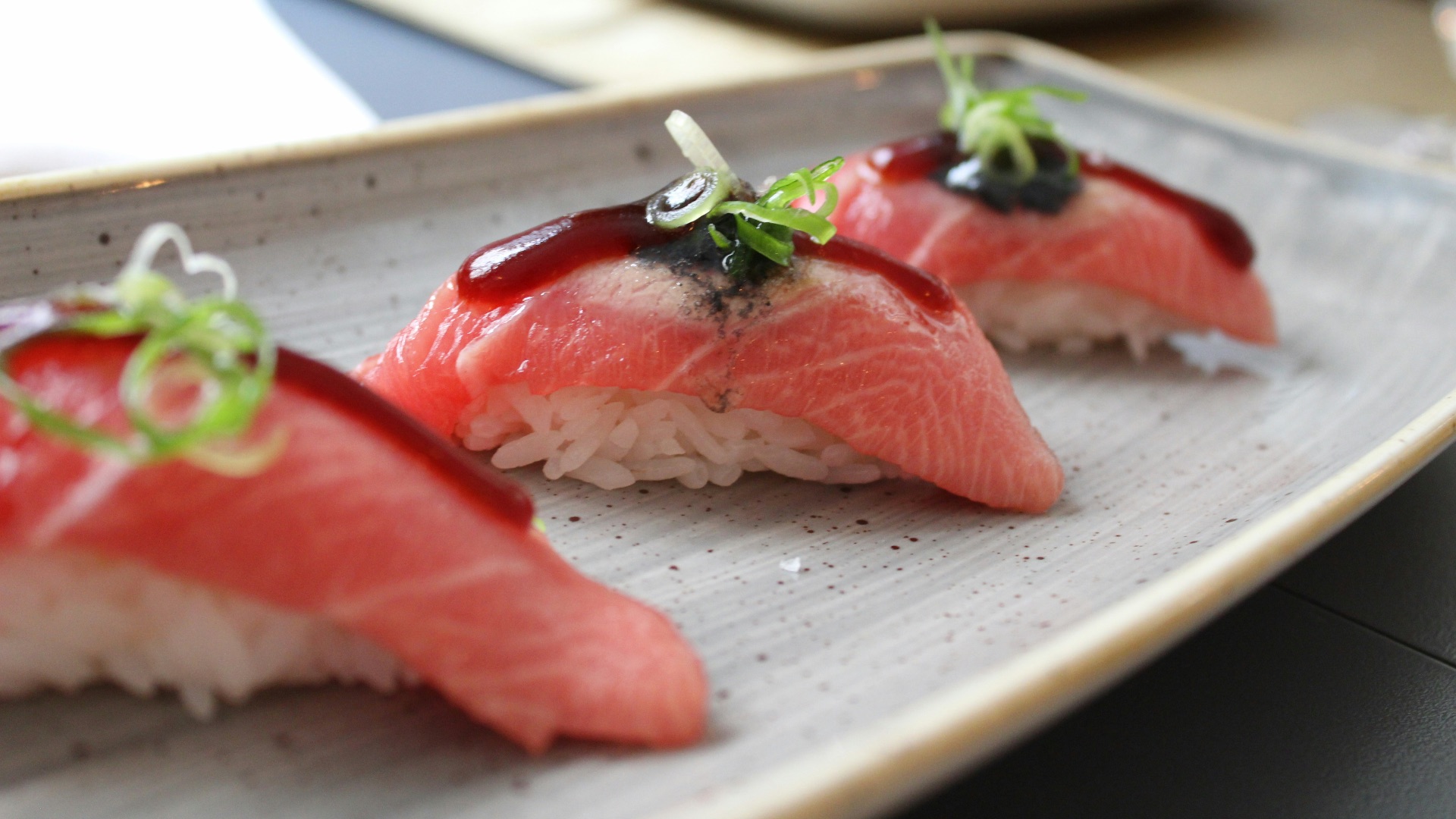
5. Begin with Lighter Flavors
When you have control over the order, start with mild white fish and gradually move toward richer, fattier, or more strongly seasoned choices. Beginning with something intense can make delicate pieces seem less distinctive afterward. There's no single mandatory sequence at every restaurant, but progressing from subtle flavors to bolder ones is a useful tasting strategy.
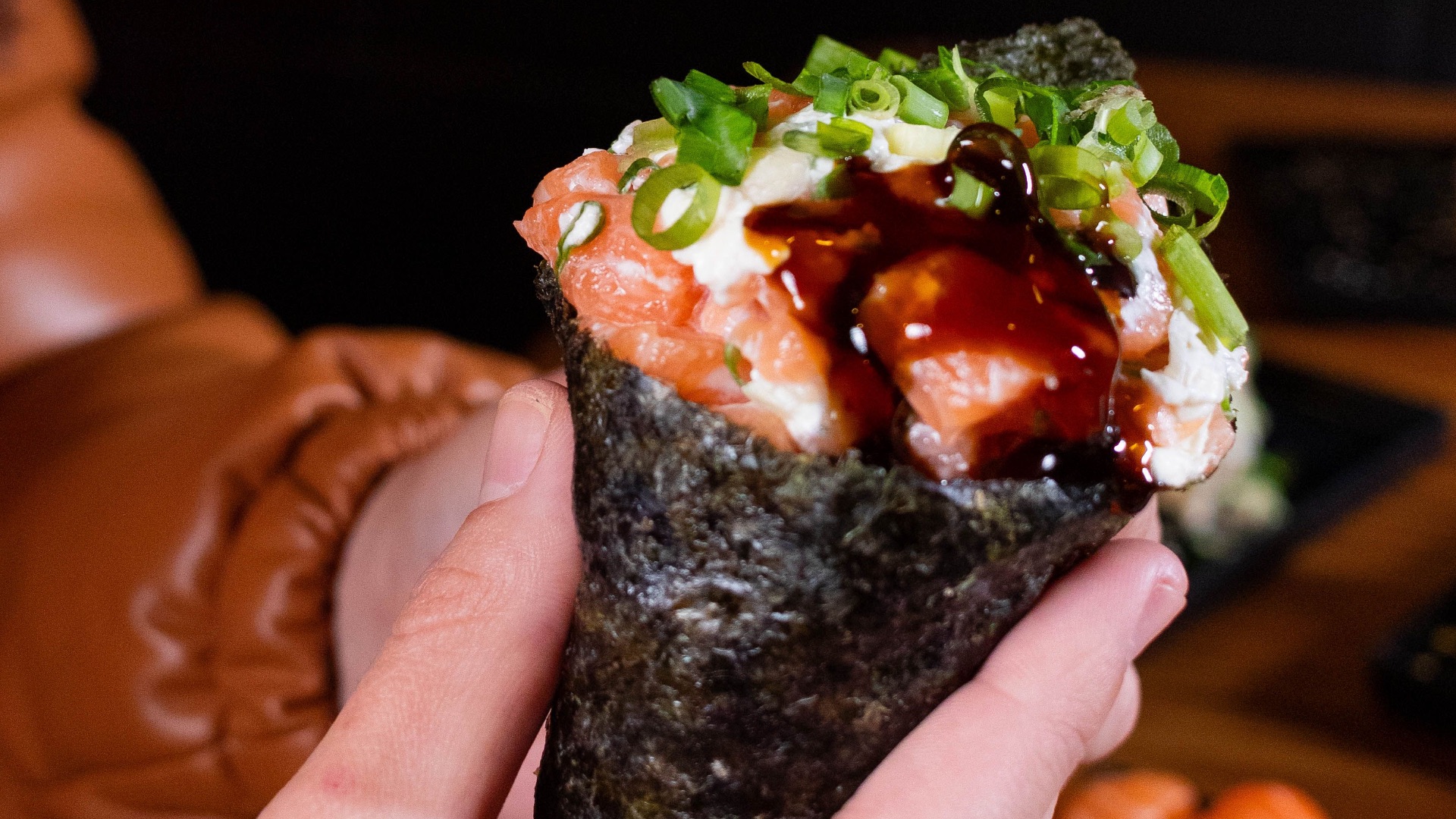
6. Eat Hand Rolls as Soon as They're Served
Temaki is meant to be picked up with your hands and eaten promptly while the nori remains crisp. Leaving it on the plate allows moisture from the rice and filling to soften the seaweed. Start at the open end and keep the cone tilted slightly upward so the ingredients stay inside.
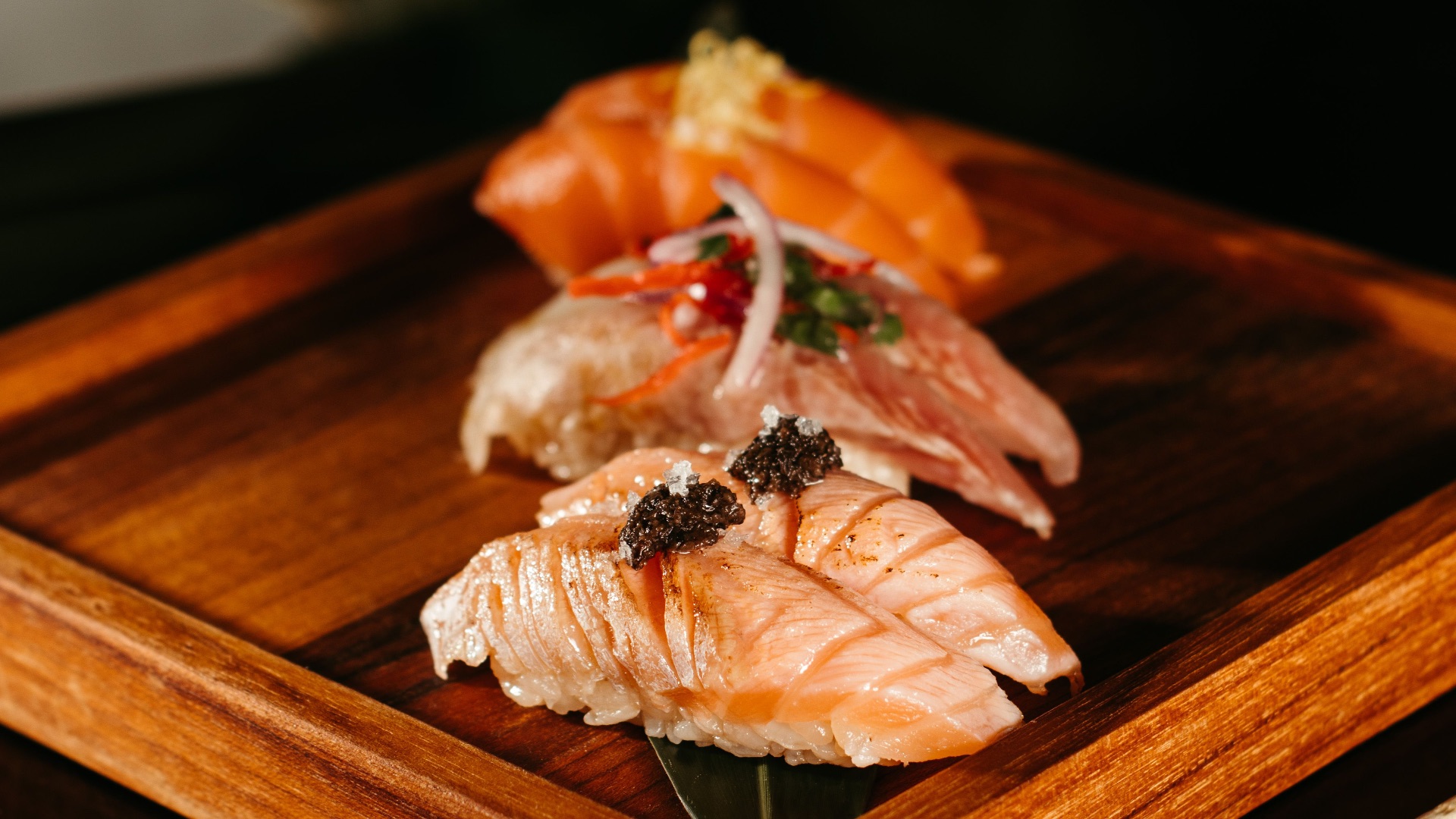
7. Trust Pre-Seasoned Nigiri
A skilled sushi chef may brush one piece with sauce, finish another with salt, or add a small amount of citrus based on the topping. These choices are intended to create a specific balance, so extra soy sauce can conceal the details. When the chef serves a piece directly or gives instructions, eating it immediately and as presented is generally the best approach.
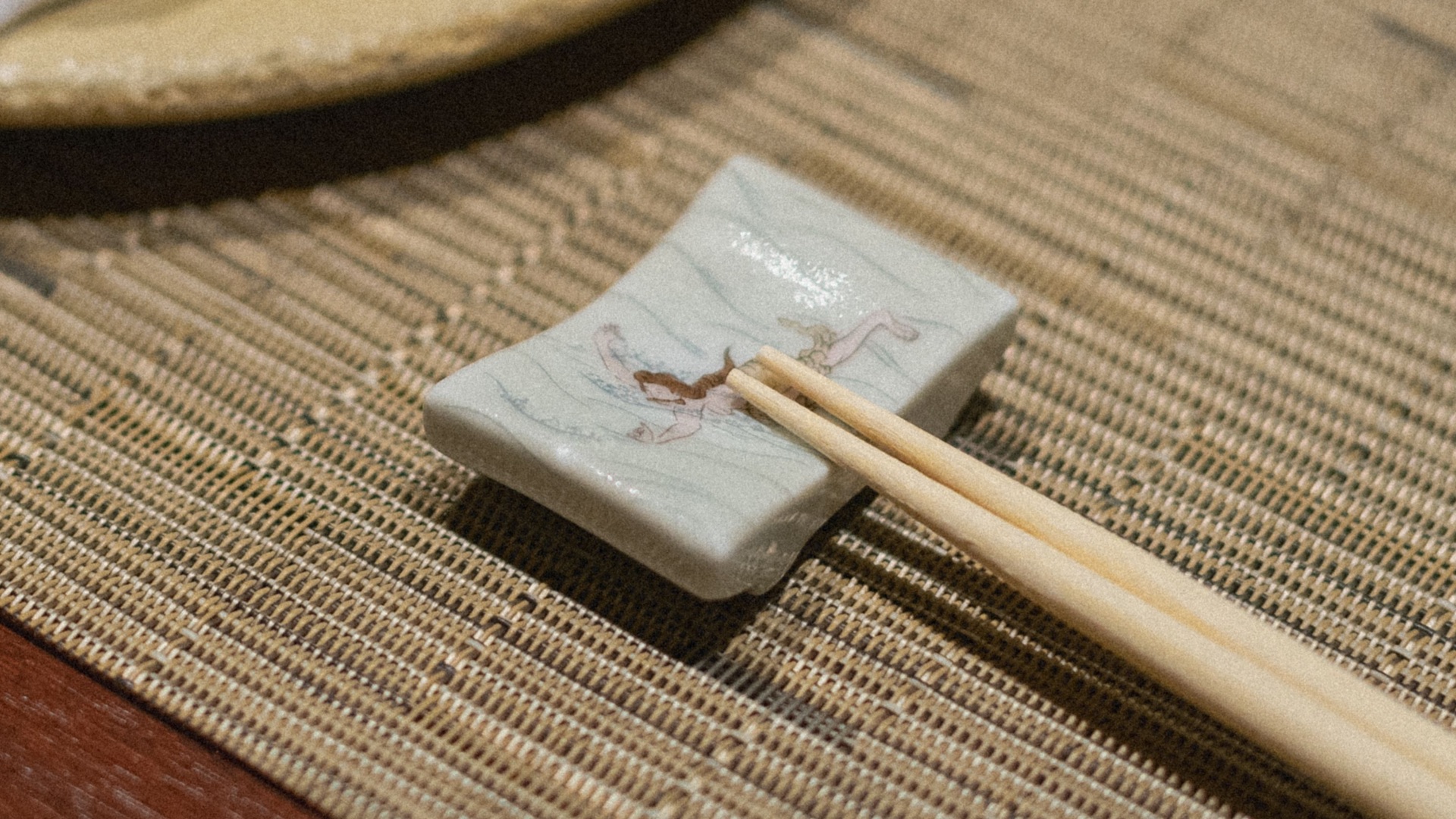
8. Use Chopsticks Properly Between Bites
Place your chopsticks on the provided rest instead of leaving them standing in rice or pointing them toward another person. Avoid using them to gesture, drum on the table, or pass food directly from one pair of chopsticks to another. These habits are part of broader Japanese dining etiquette and help keep the table orderly.
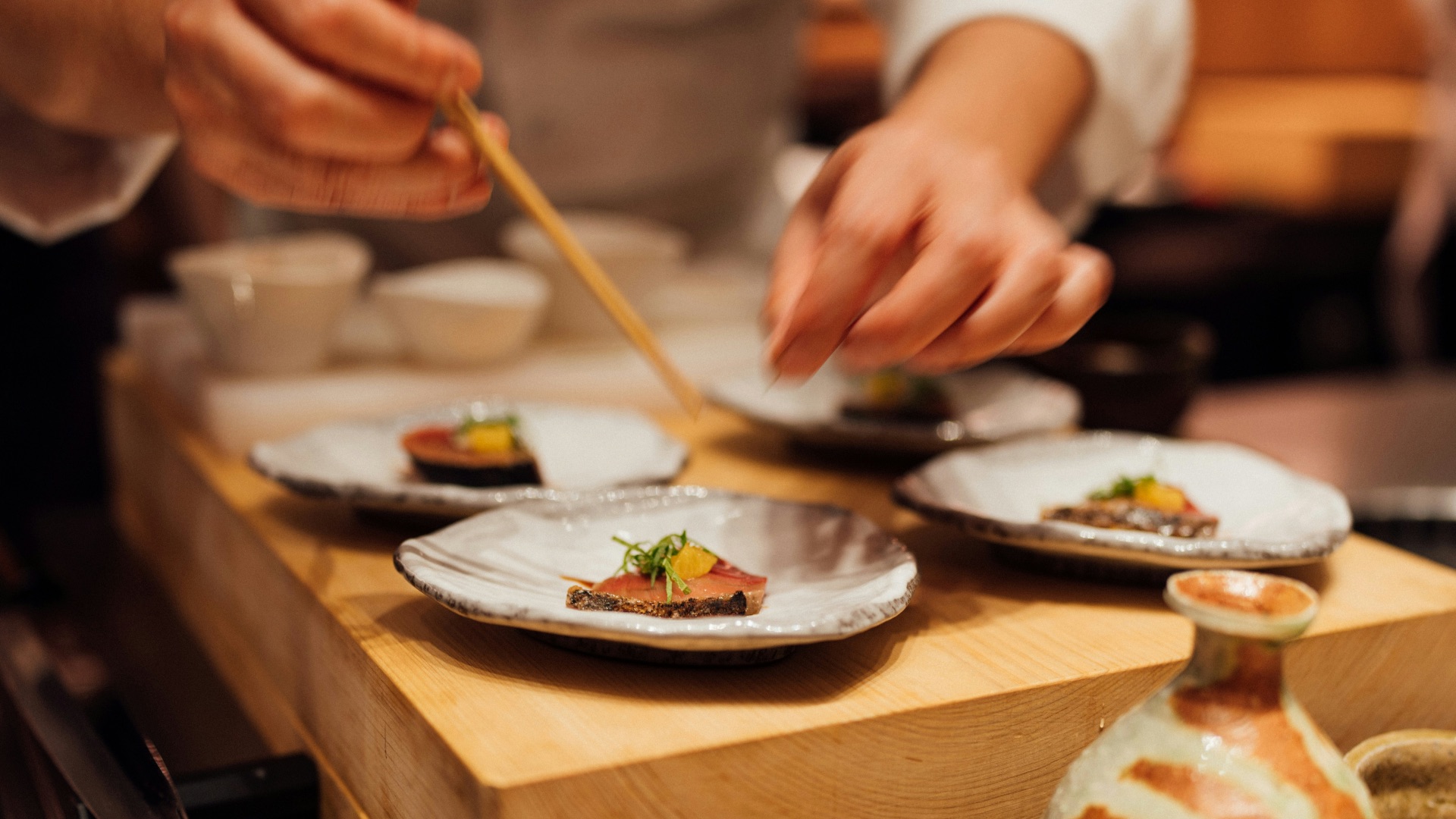
9. Ask Before Making Major Changes
At a casual restaurant, requesting modifications usually isn't a serious concern, especially when allergies or dietary restrictions are involved. At an omakase counter, however, the chef has planned the seasoning, temperature, and sequence of each course more carefully. Mention essential restrictions beforehand, then allow the chef to guide the meal instead of altering every piece after it arrives.
10. Enjoy at a Restaurant for the Best Experience
While sushi can be found in supermarkets and takeout spots, enjoying it at a dedicated restaurant often provides a noticeably better experience. Freshness, proper rice temperature, and careful preparation all play a major role in how sushi tastes, and these elements are harder to maintain outside a restaurant setting. Dining in also allows you to receive pieces as they’re meant to be eaten, sometimes directly from the chef, which can enhance both flavor and presentation.
KEEP ON READING