
Foods That Taste Like Nothing
Sure, you're probably used to eating foods with plenty of flavor. Fruits, for example, are naturally sweet. Some vegetables, like carrots, also have a hint of sweetness to them. But without proper seasoning, much of the stuff you eat in a day would likely taste like absolutely nothing. Case in point: would you ever eat oatmeal for breakfast again if you couldn't add any toppings to it? From watery produce to unseasoned grains and starches, these 20 foods are about as close to flavorless as your plate can get.
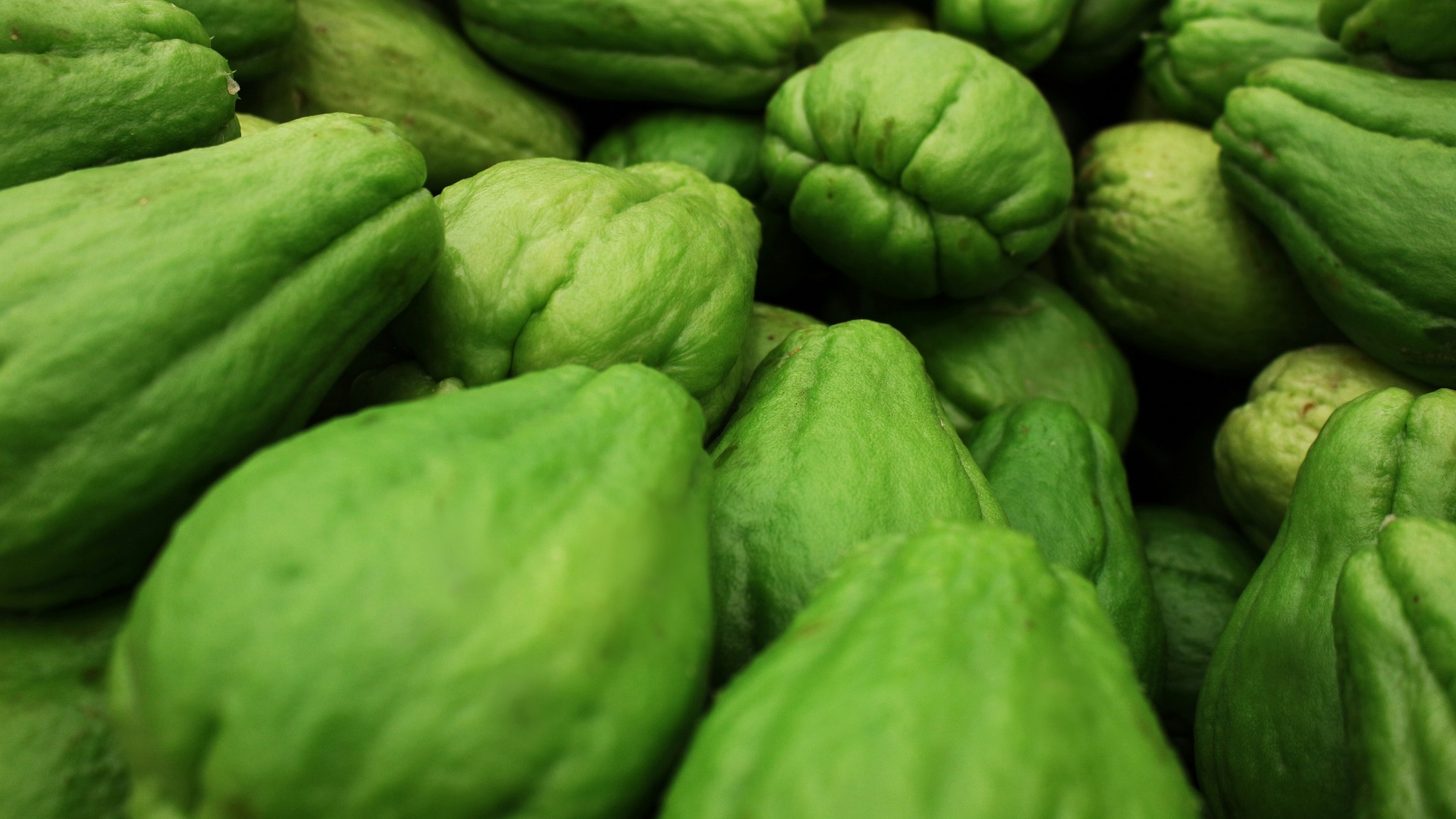
1. Chayote
Offering pretty much nothing other than an extremely mild taste, chayote can sometimes be difficult to identify when it's eaten on its own. Its pale flesh is crisp when raw and tender after cooking, but neither version delivers much intensity. That's why you'll often find it paired with lime, garlic, herbs, or other ingredients that give it more of that oomph.
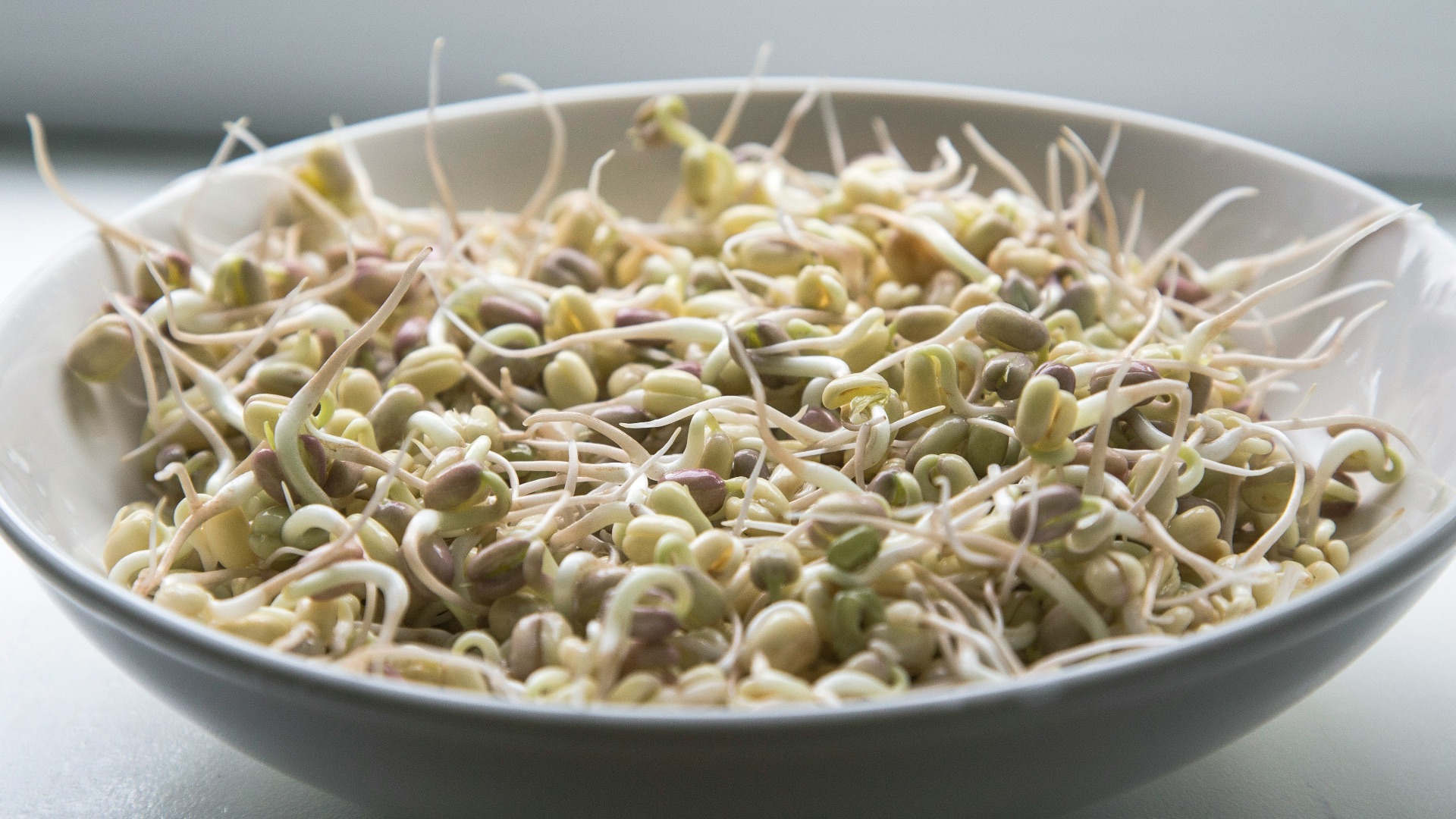
2. Mung Bean Sprouts
Raw mung bean sprouts offer plenty of crunch, but you're not going to get much flavor from them. Other than a faint vegetal taste, you probably won't reach for them unless they're seasoned with some salt and spices. Their real appeal comes from the fresh texture they add to stir-fries, noodle dishes, and salads.
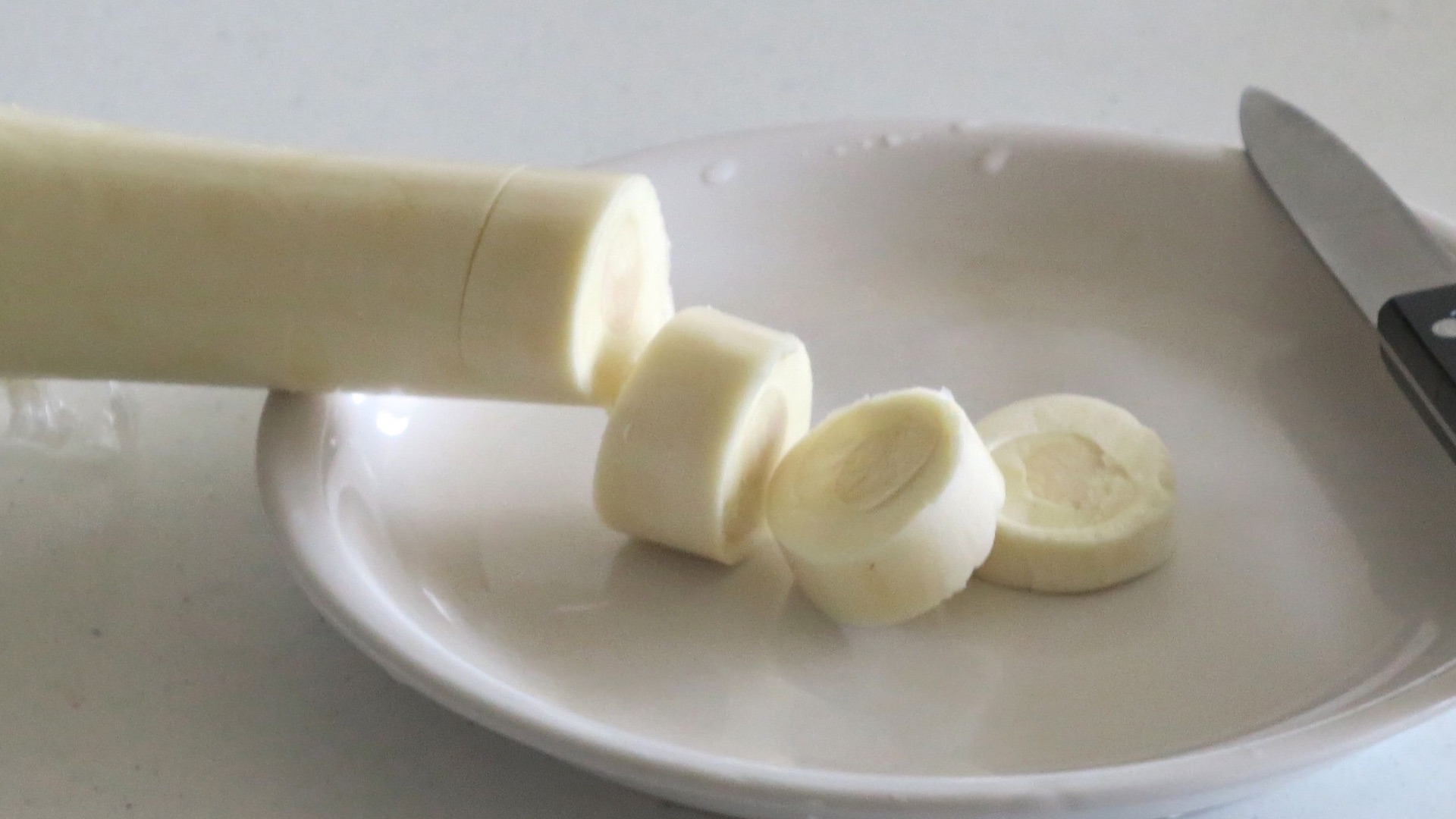
3. Hearts of Palm
Hearts of palm have a delicate taste that can seem rather bland despite their distinctive appearance. There's sometimes a slight vegetal or nutty note, but you'll probably notice their tender yet firm texture before anything else. Additional herbs and seasonings, therefore, ultimately determine how they end up tasting.
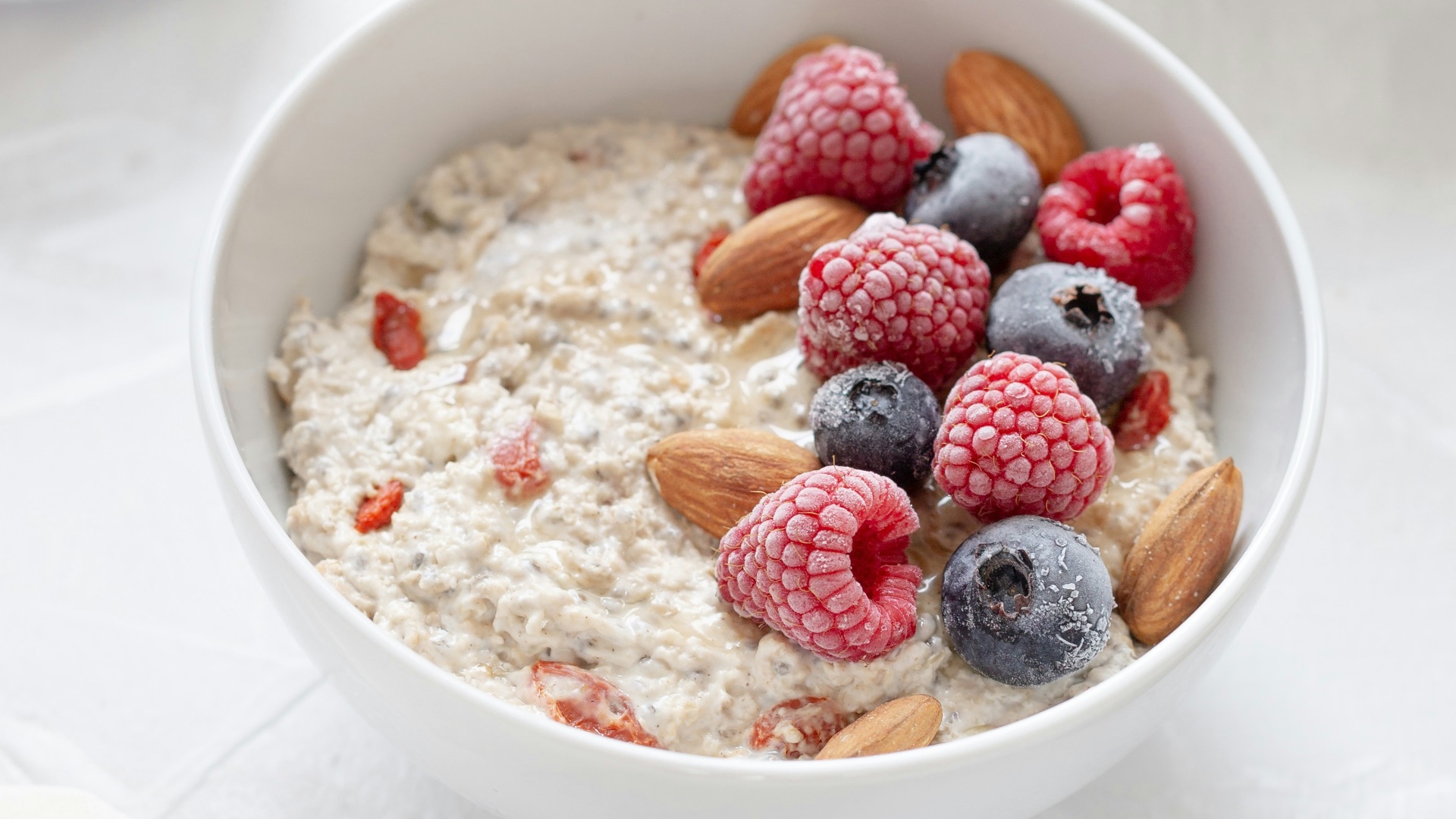
4. Oatmeal
Take out cinnamon, honey, granola, and other toppings, and oatmeal becomes a pretty bland breakfast. Cooked oats have a faint grain flavor, but if you're just cooking it in plain water, you're going to end up with basically a tasteless dish. There's a reason most oatmeal bowls end up loaded with something more interesting.
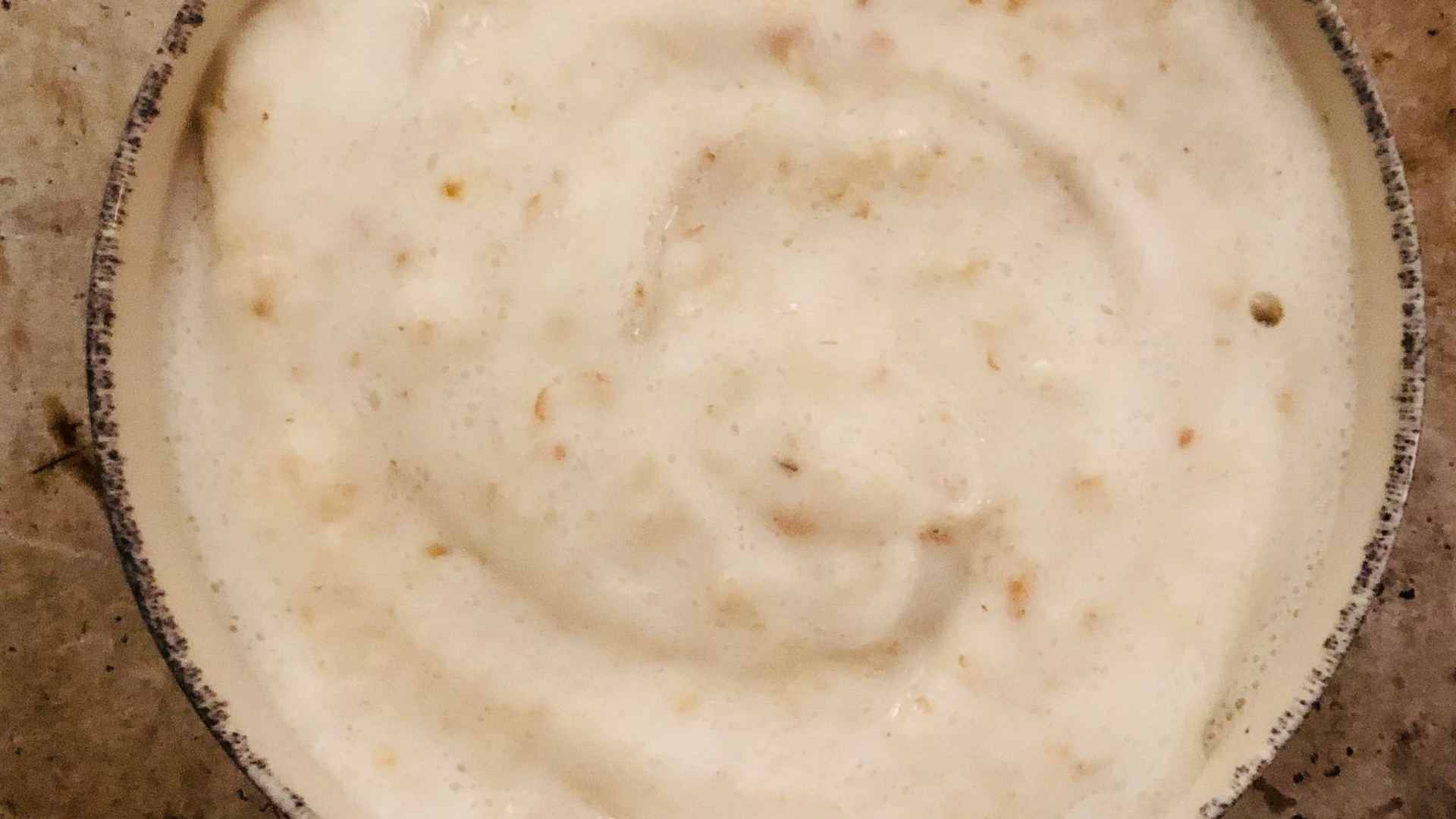
5. Cream of Wheat
Like oatmeal, cream of wheat is another breakfast staple that doesn't offer much in terms of flavor. When prepared plainly with water, its wheat flavor is extremely subtle, and its smooth consistency basically becomes the dominant characteristic. To make it taste like something you'll actually want to finish, always stir in some butter, brown sugar, or spices!
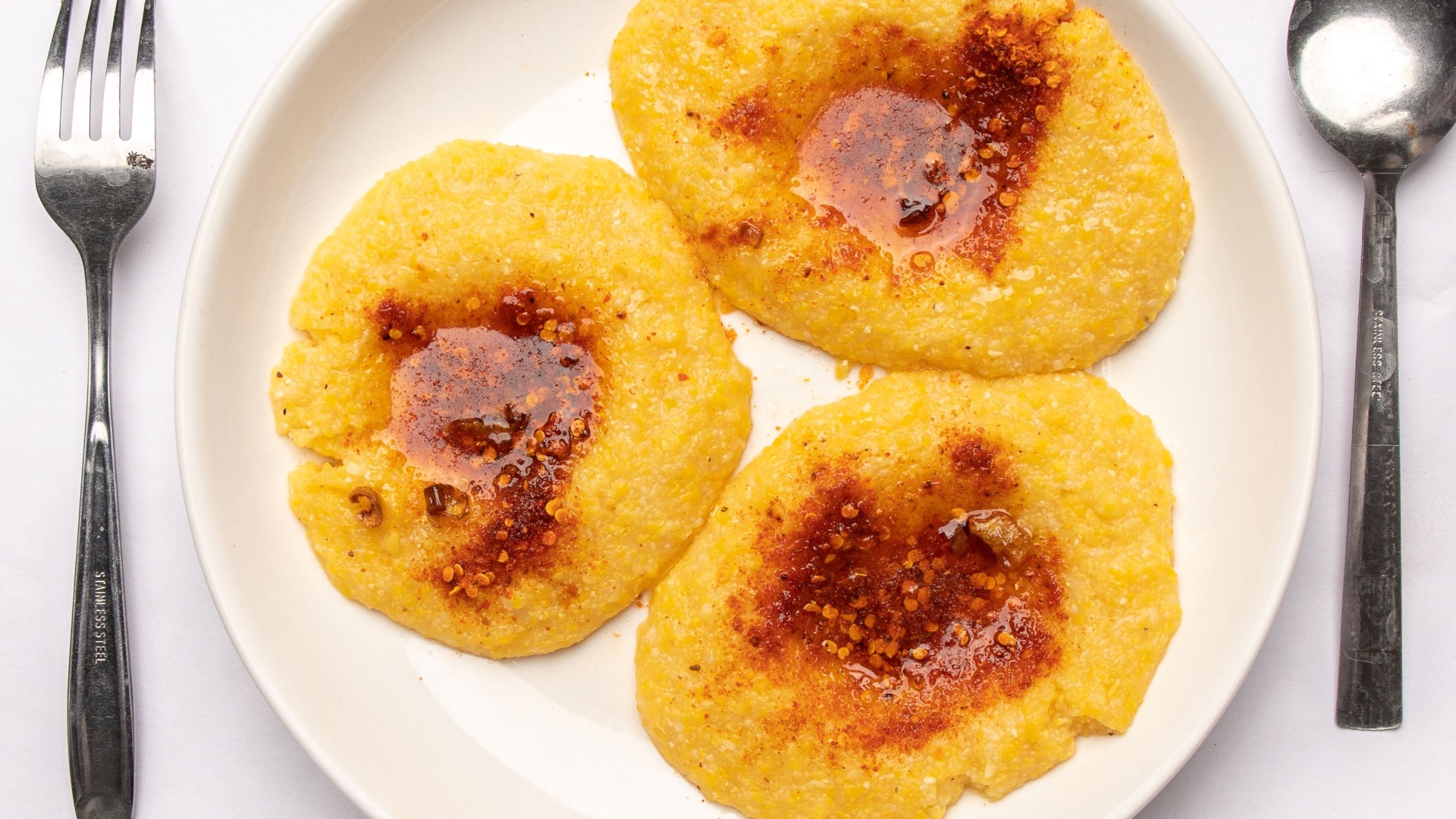
6. Grits
While grits can be delicious, most of the flavor people associate with them comes from what gets stirred in with them. Alas, that means without butter, cheese, gravy, or other additions, plain grits won't taste all that interesting. You'll get that warm, creamy consistency, sure, but if you want your bowl tasty, you'll have to spice it up.
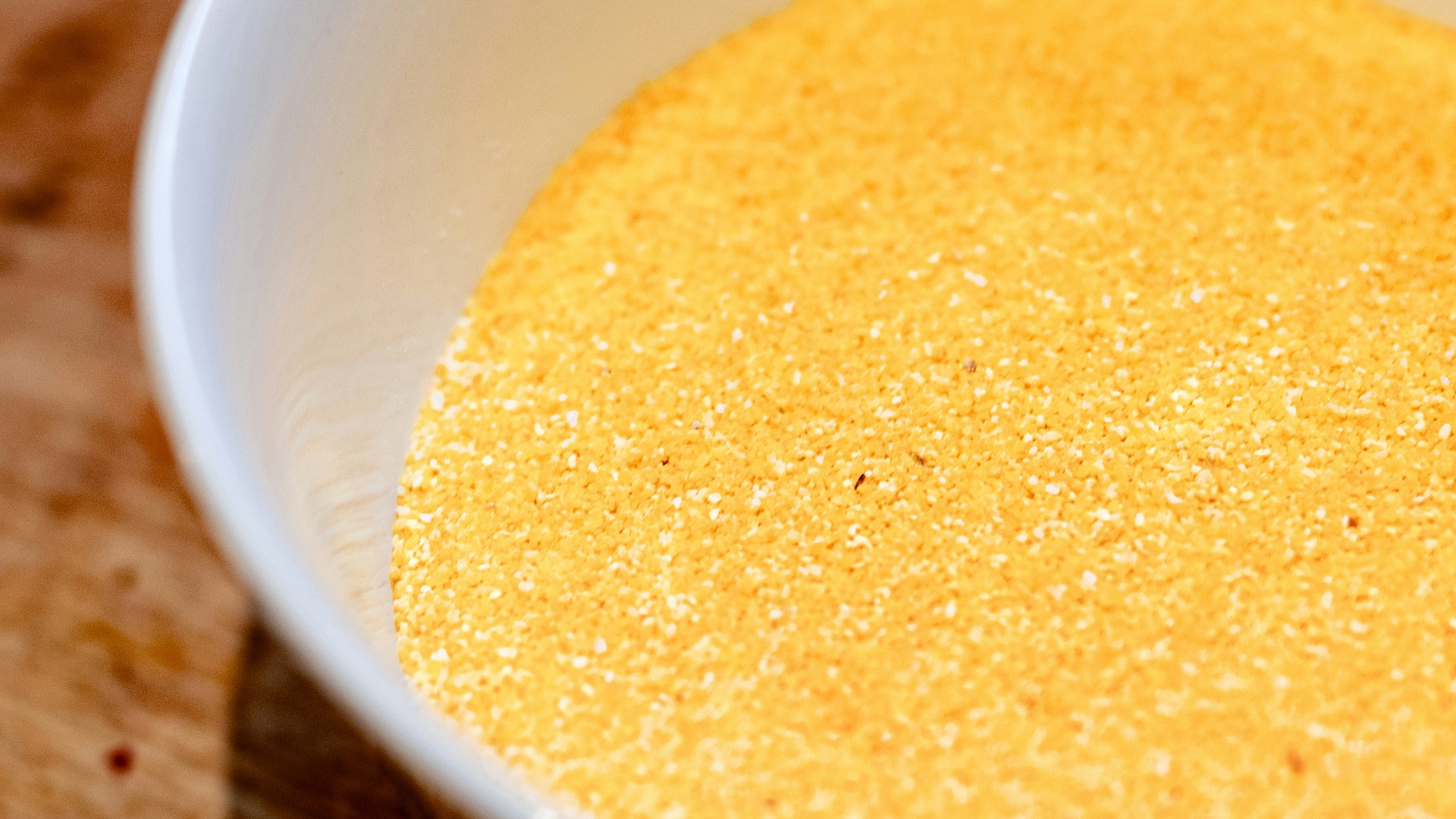
7. Polenta
Polenta may be made from cornmeal, but don't expect a bold corn flavor when you prepare it without seasoning. On its own, it tends to taste mildly starchy with only a hint of corn underneath. If you need that punch from it, make sure to add Parmesan, herbs, butter, or braised meat, so that there's more stuff happening.
8. Couscous
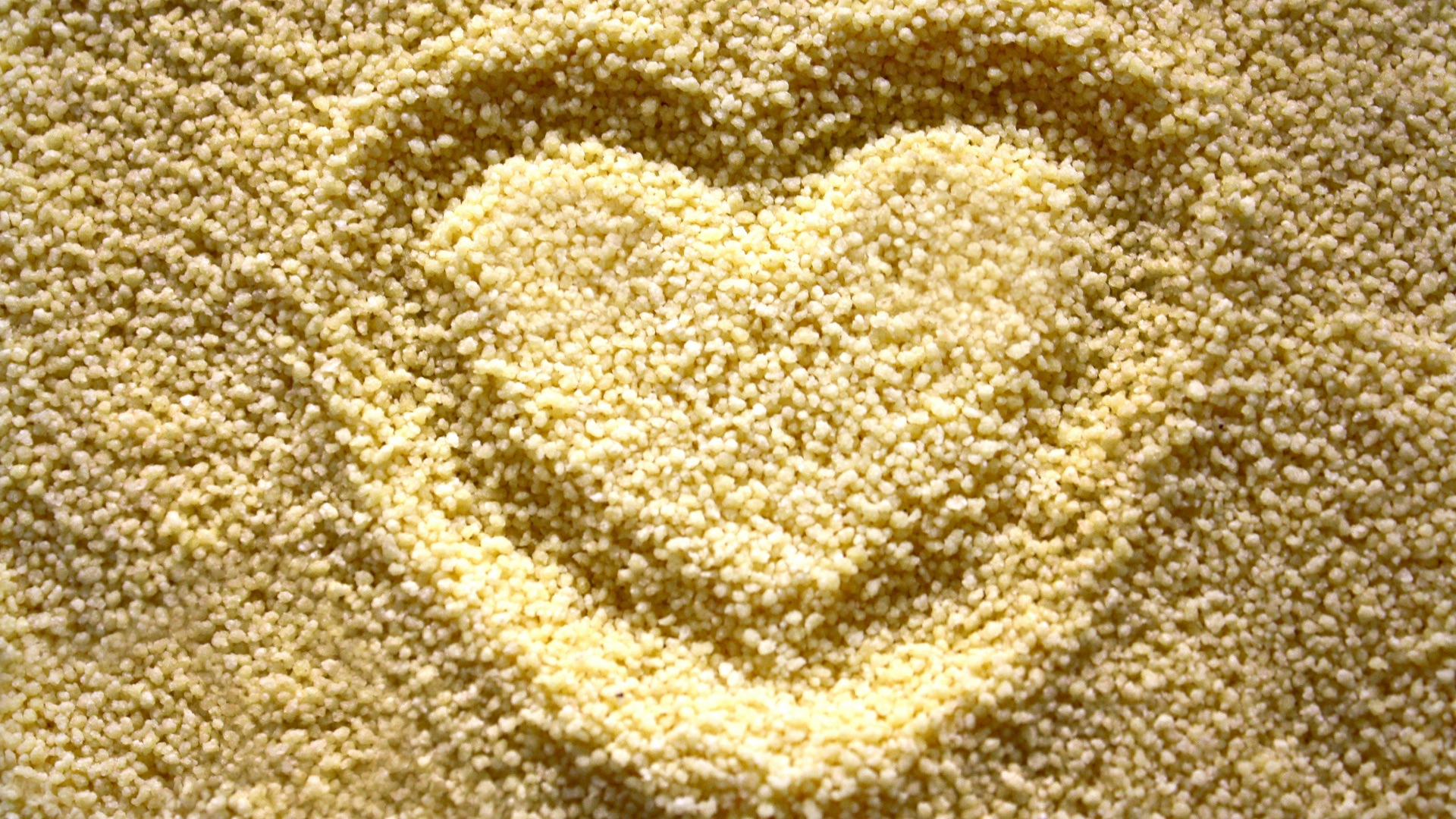
Couscous is great when paired with more heavily seasoned food precisely because it doesn't have much taste itself. When cooked in plain water without salt or broth, the tiny grains have little beyond a faint wheat taste. Its one plus, though, comes from its ability to soak up sauces, spices, and other flavors around it.
9. Ricotta Cheese
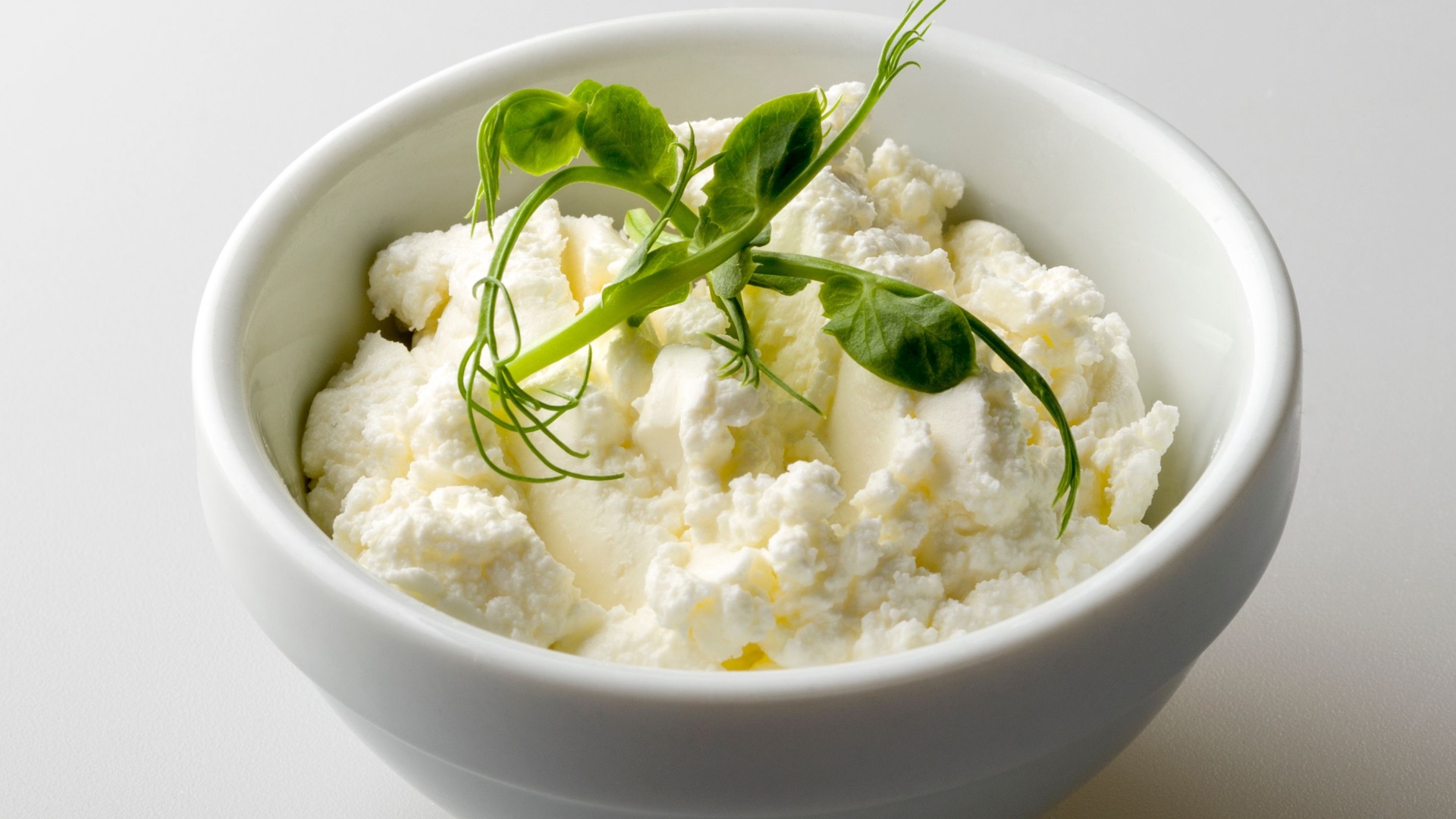
Ricotta is much milder than many cheeses, particularly when it's fresh and unsalted, so don't expect a lot from it. Its taste is slightly milky and faintly sweet, but that's about it. That neutrality, however, allows it to work just as easily in savory pasta dishes as it does in desserts.
10. Fresh Mozzarella
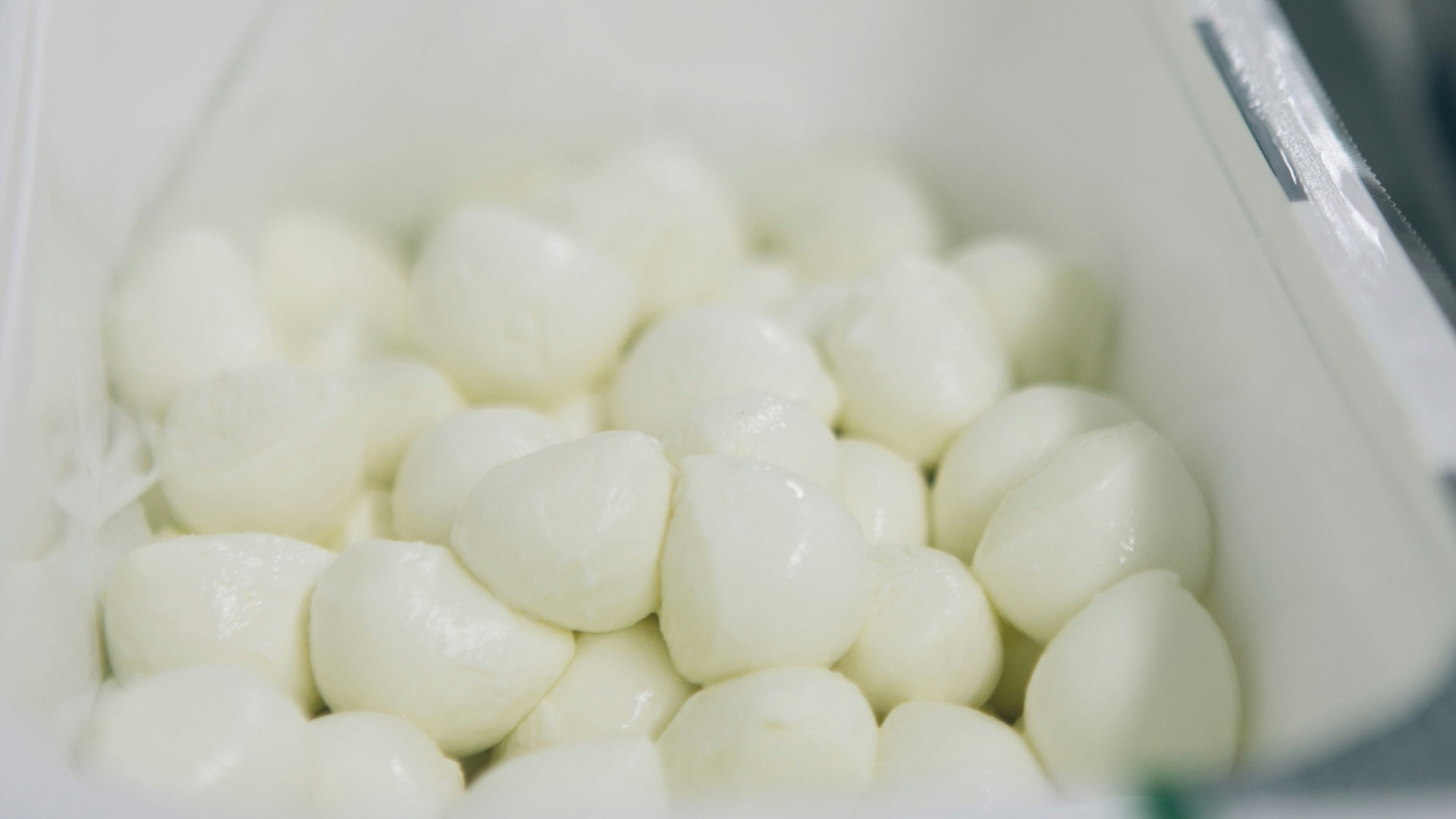
A good piece of fresh mozzarella might be prized for its soft, moist texture, but if you're expecting it to taste like mozzarella sticks or pizza on its own, you're in for a (bad) surprise. Compared with aged cheeses, it offers little more than gentle milky notes and a very subtle tang. That might be flavorful enough for you, but it's probably still better paired with other foods or seasonings.
11. Plain Cottage Cheese
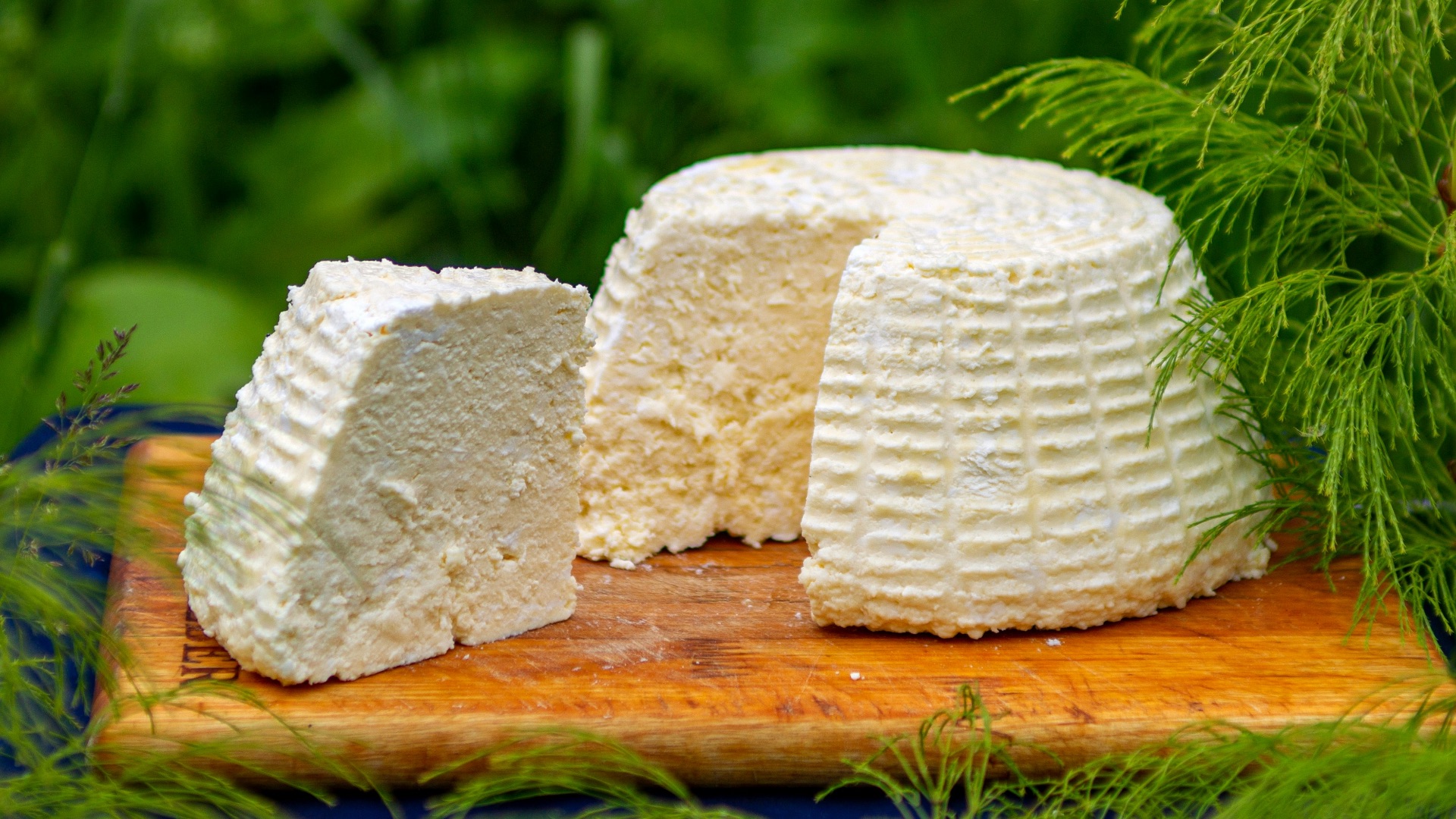
Cottage cheese certainly has a recognizable texture, but the flavor itself can be pretty unremarkable. Unsalted or lower-sodium varieties in particular may taste like little more than mildly tangy dairy. If that doesn't sound appealing to you, make sure to level it up with some spices and herbs.
 Aleksey Melkomukov on Unsplash
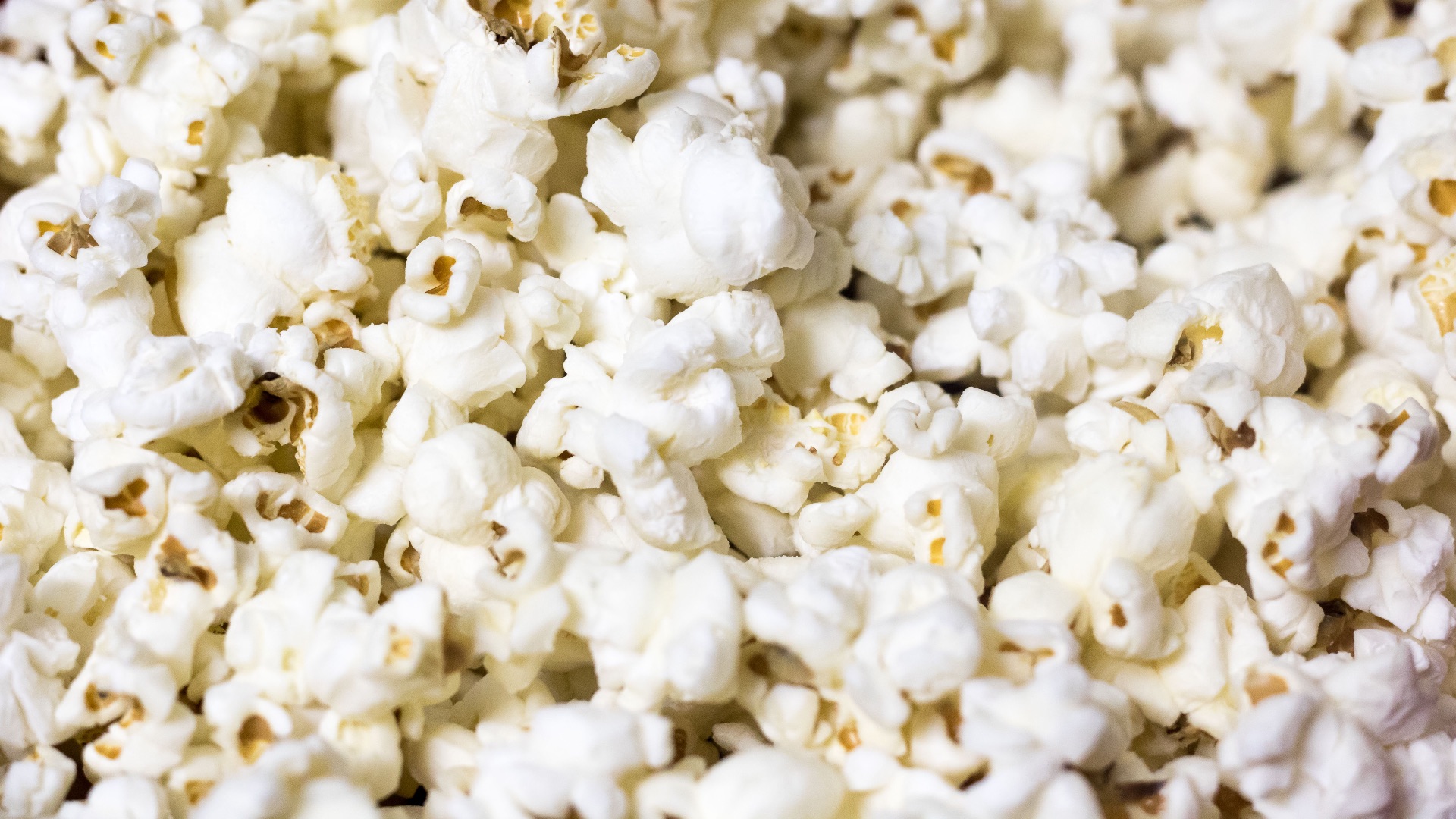
12. Unsalted Popcorn
Try snacking on popcorn without butter, salt, or seasoning, and you might just swear off it forever. The popped kernels have a faint toasted corn taste, sure, but it can seem almost nonexistent compared to their dry, airy crunch. Keeping it plain would make it a pretty terrible movie snack!

13. Tapioca Pearls
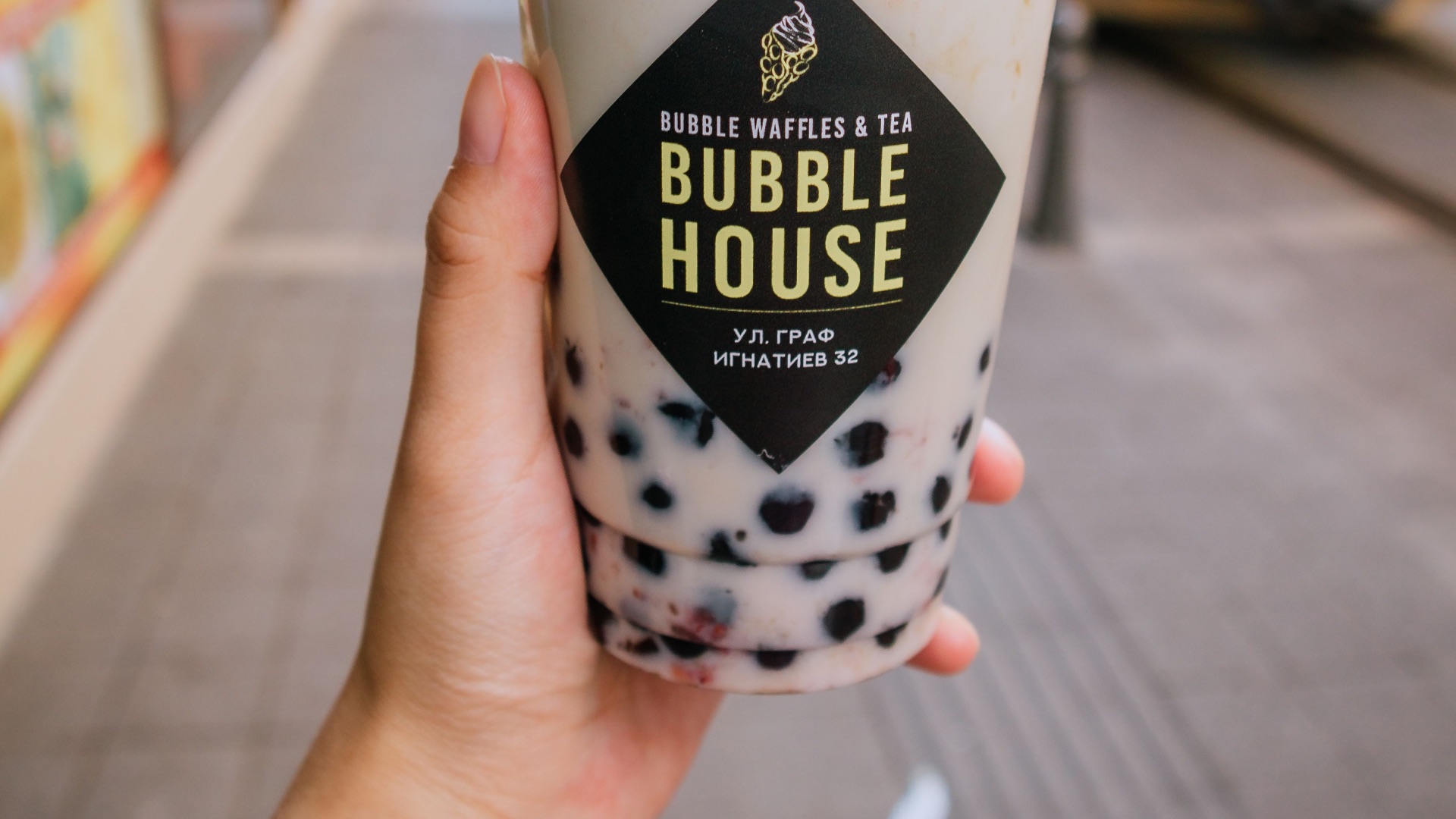
Those chewy tapioca pearls you get in your favorite boba drink don't actually taste naturally sweet like that. In fact, before they're soaked in syrup or cooked with sugar, tapioca has very little flavor of its own. Make sure to keep that in mind if you ever want to make boba at home.
14. Steamed Eggplant
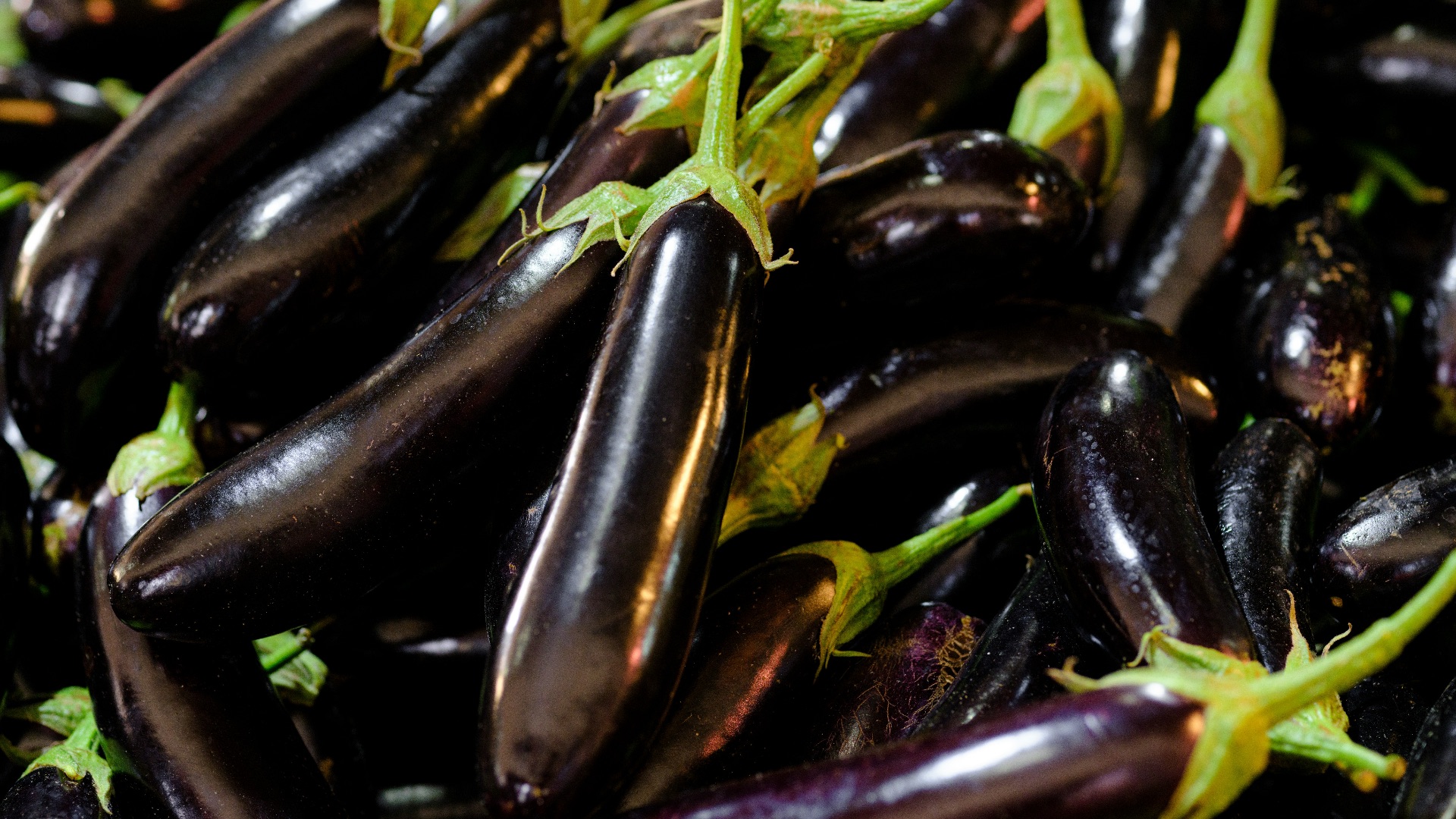
While eggplant can taste wonderful after roasting, frying, grilling, or simmering it with flavorful ingredients, steaming will only reveal just how mild the vegetable actually is. Plus, once cooked, the flesh becomes like mush while contributing only a subtle vegetal taste and occasional trace of bitterness. If that doesn't float your boat, make sure to season it up.
15. Chicken Breast
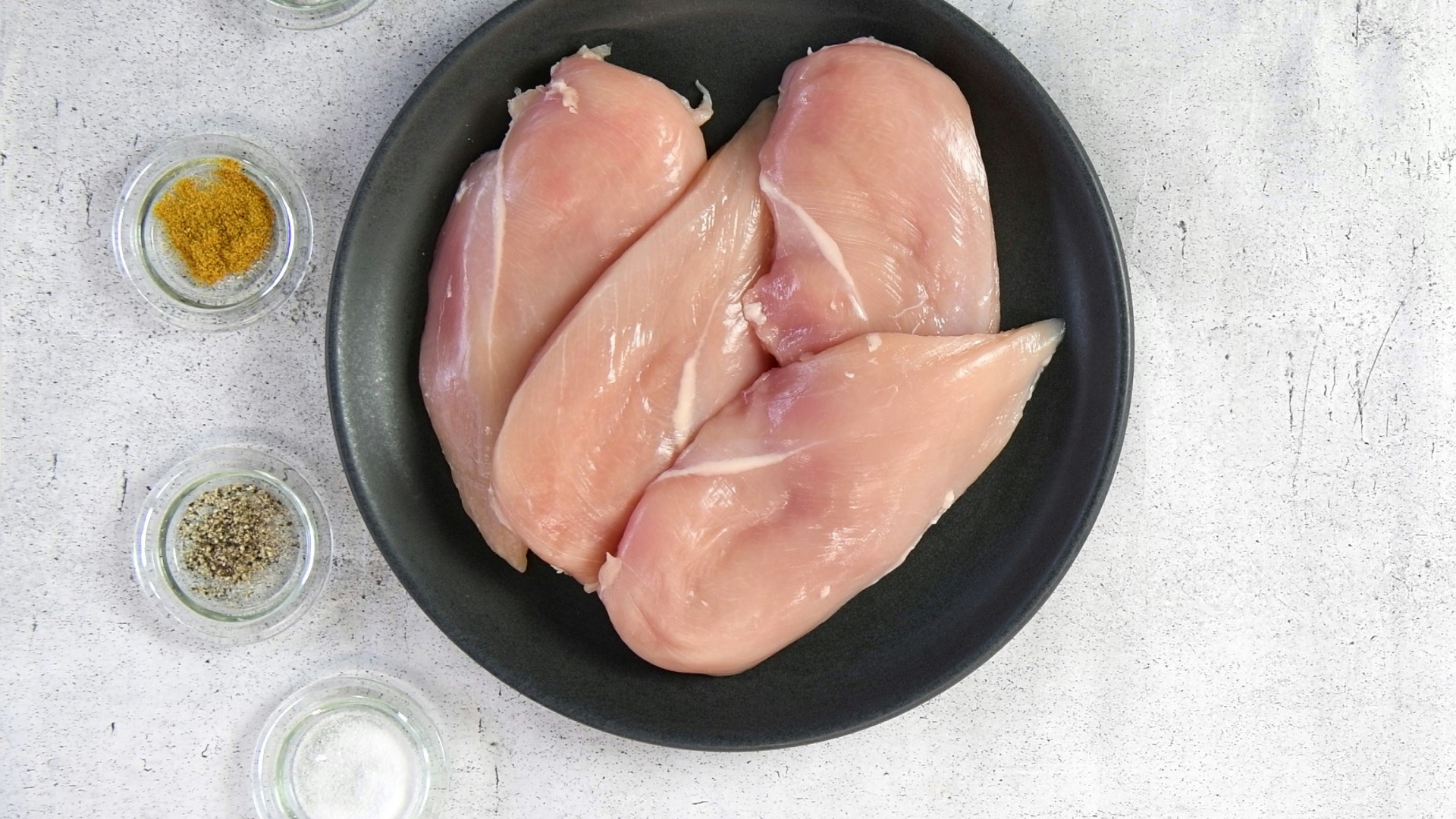
Chicken breast is healthy, sure, and it certainly isn't literally flavorless, but if all you're doing is boiling a skinless piece in plain water, you're going to end up with something real bland. Without browning, fat, salt, herbs, or seasoning, the meat has only a mild savory quality to it, which probably isn't enough to satisfy anyone.
16. Quinoa
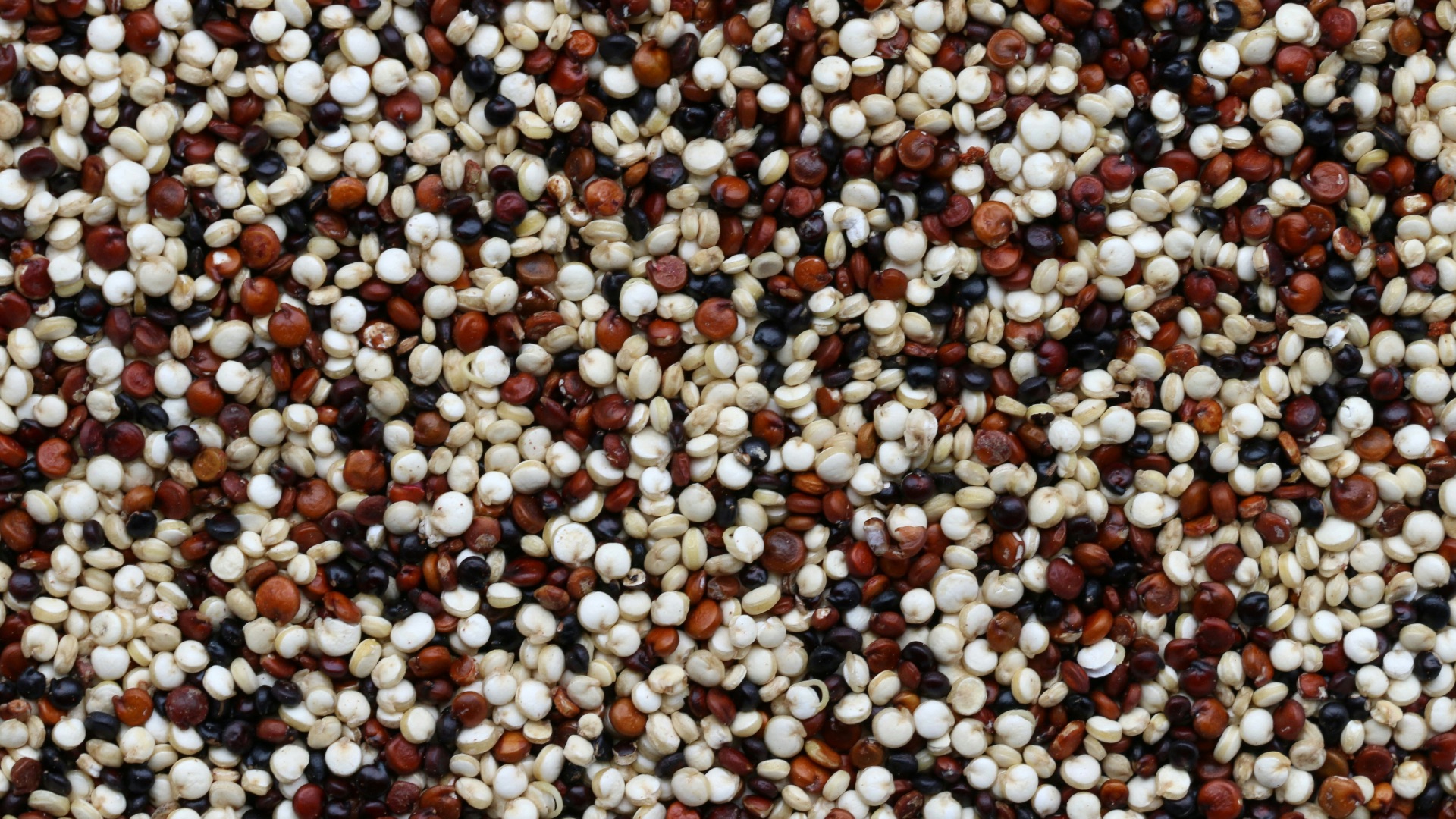
Quinoa does have a faint earthy, nutty quality, but it can still taste pretty subdued when cooked in nothing but water. If you're not eating it with other side dishes (like vegetables and meat), or seasoning it to give it more of a punch, don't expect it to offer you any interesting flavors.
17. Hominy
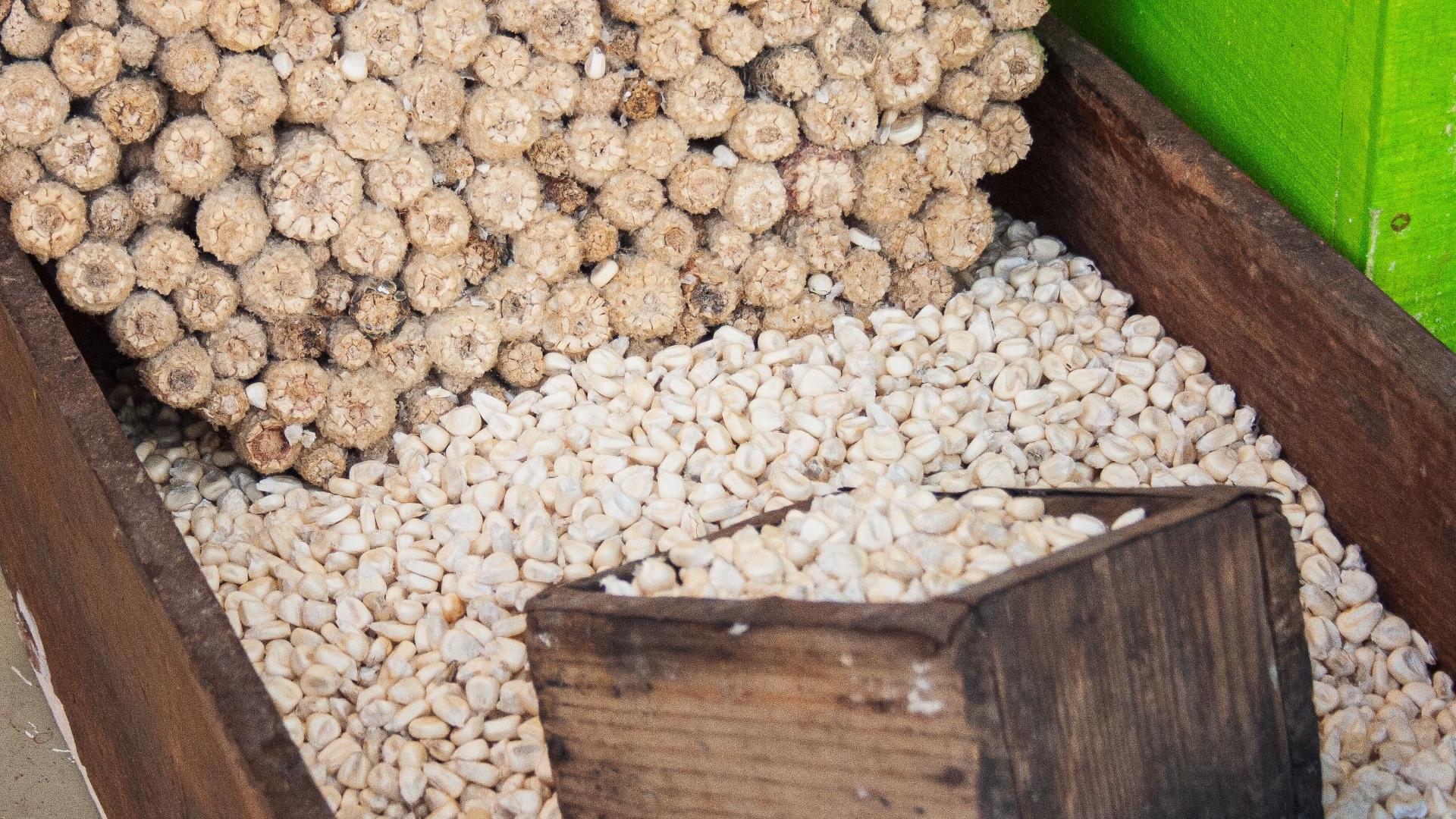
Hominy is made from specially treated corn, but its flavor is much softer than you might expect from its texture. If you leave it plain, hominy might have a mild corn taste, but with relatively little sweetness or intensity. In dishes such as soups and stews, it tends to take on the surrounding broth and seasonings instead of dominating them.
18. Cassava
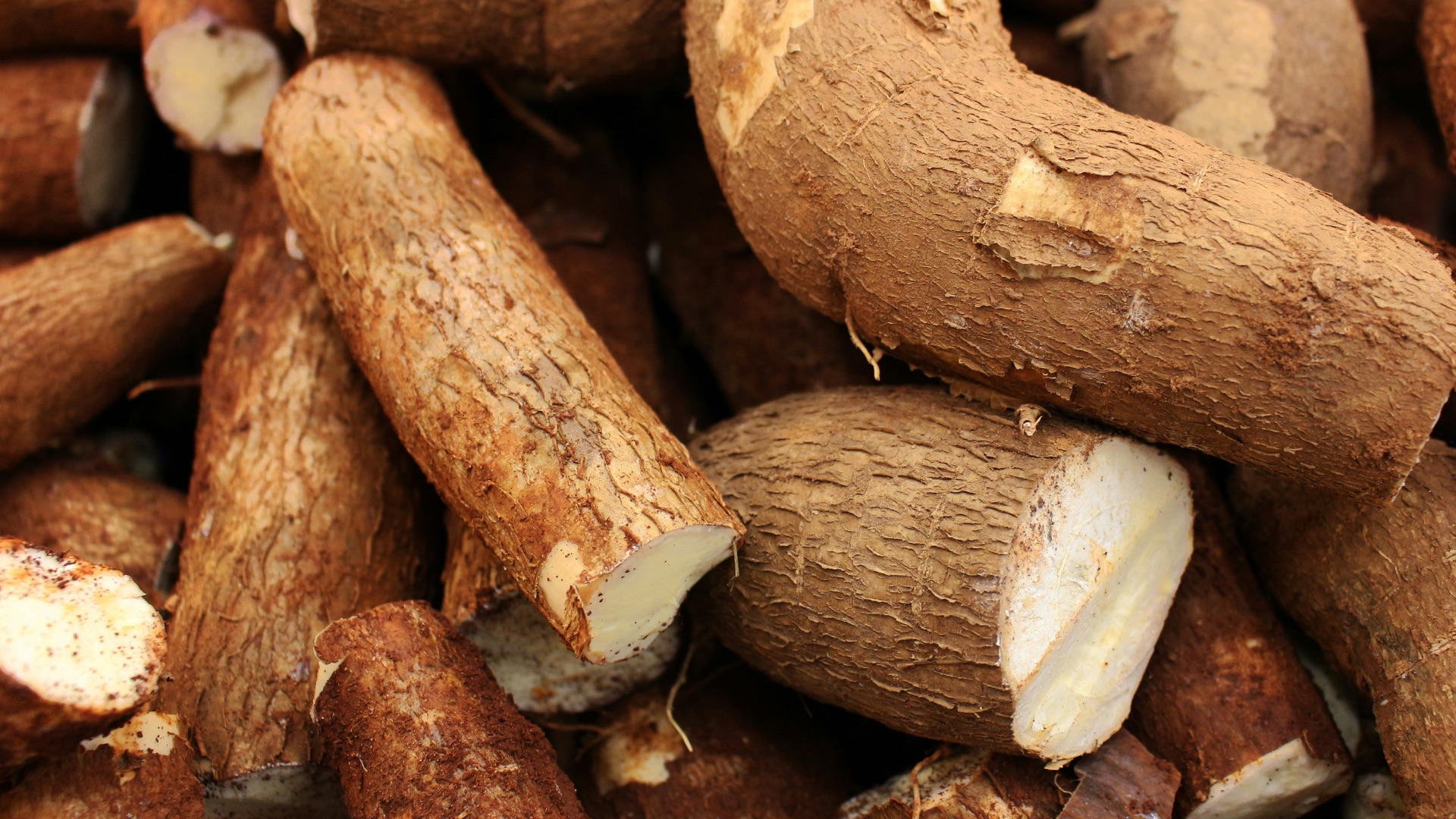
Also called yuca, cassava is a starchy root that tastes pretty neutral once properly prepared and cooked. Boiled cassava has a dense, potato-like consistency and only a subtle earthy taste. It only gets considerably more flavorful when paired with some spices or seasonings.
19. Napa Cabbage
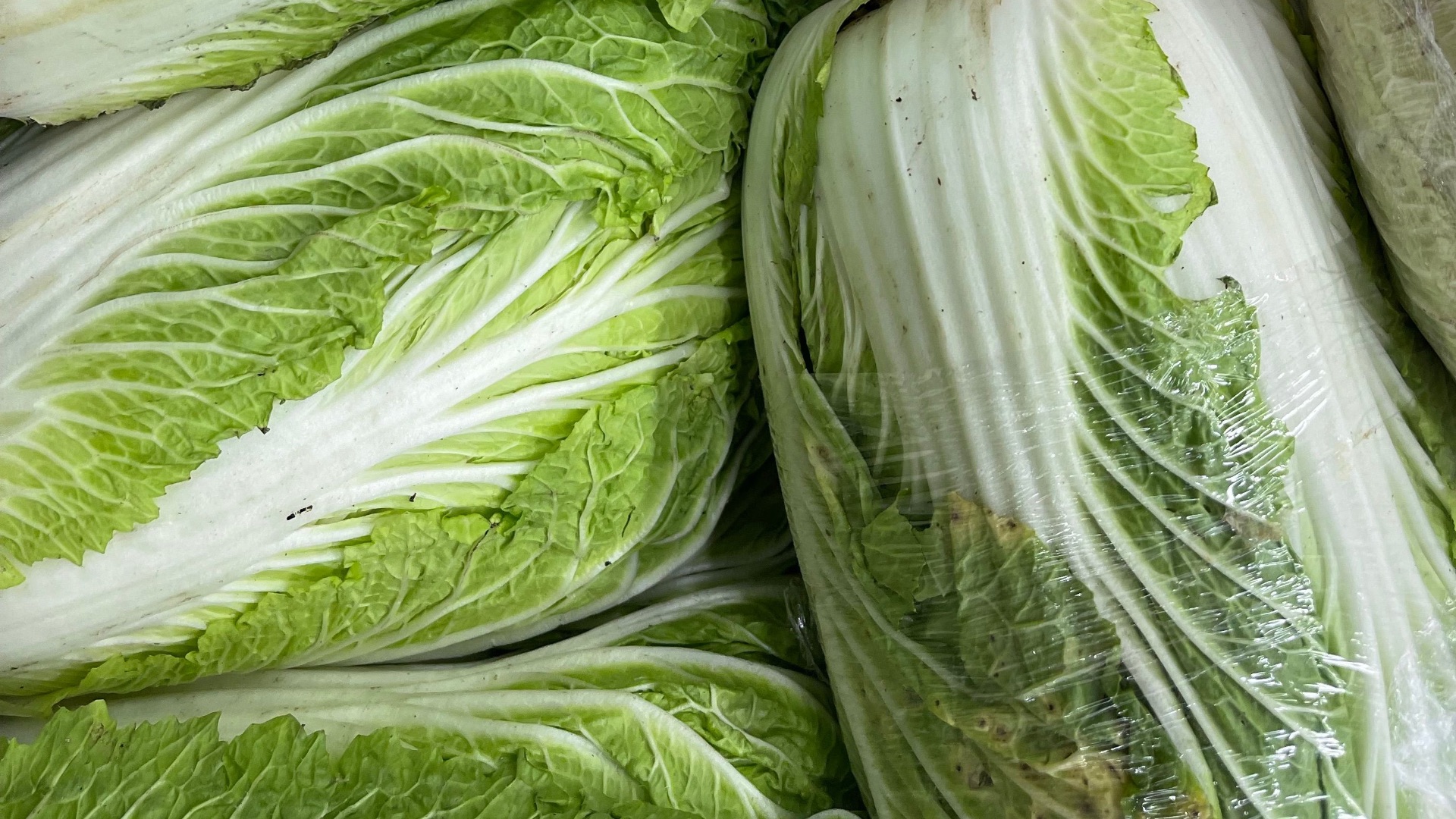
Like most vegetables before they're seasoned, napa cabbage doesn't have all that much to offer in terms of flavor. Cooking methods can definitely change this, though, but if you're steaming your cabbage, don't expect it to taste like heaven. One thing you will get? Its tender leaves might give off a little sweetness and light vegetal taste.
20. Water
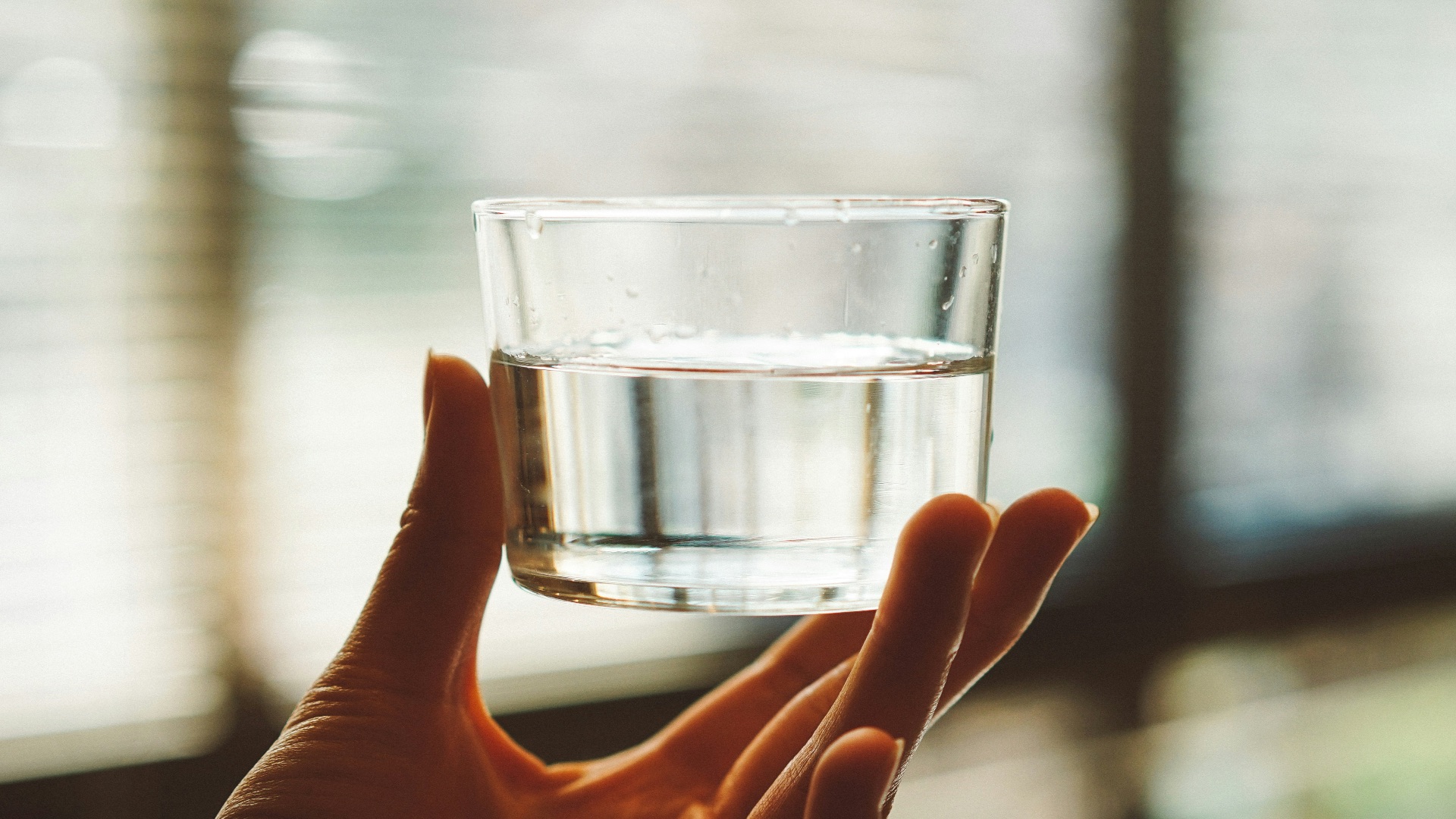
Sure, water technically isn't a food, but it's as close to truly flavorless as anything else we eat on a daily basis. Unless you're adding flavor packets or citrus juice to it, pure water has no inherent taste, although minerals, temperature, and even the container you're drinking from can create little differences. If you've ever wondered why bottled brands and tap water can seem so different, now you know.
KEEP ON READING
The Best Gifts to Give To Any Baking Lover



10 Iconic Australian Foods You Need to Try