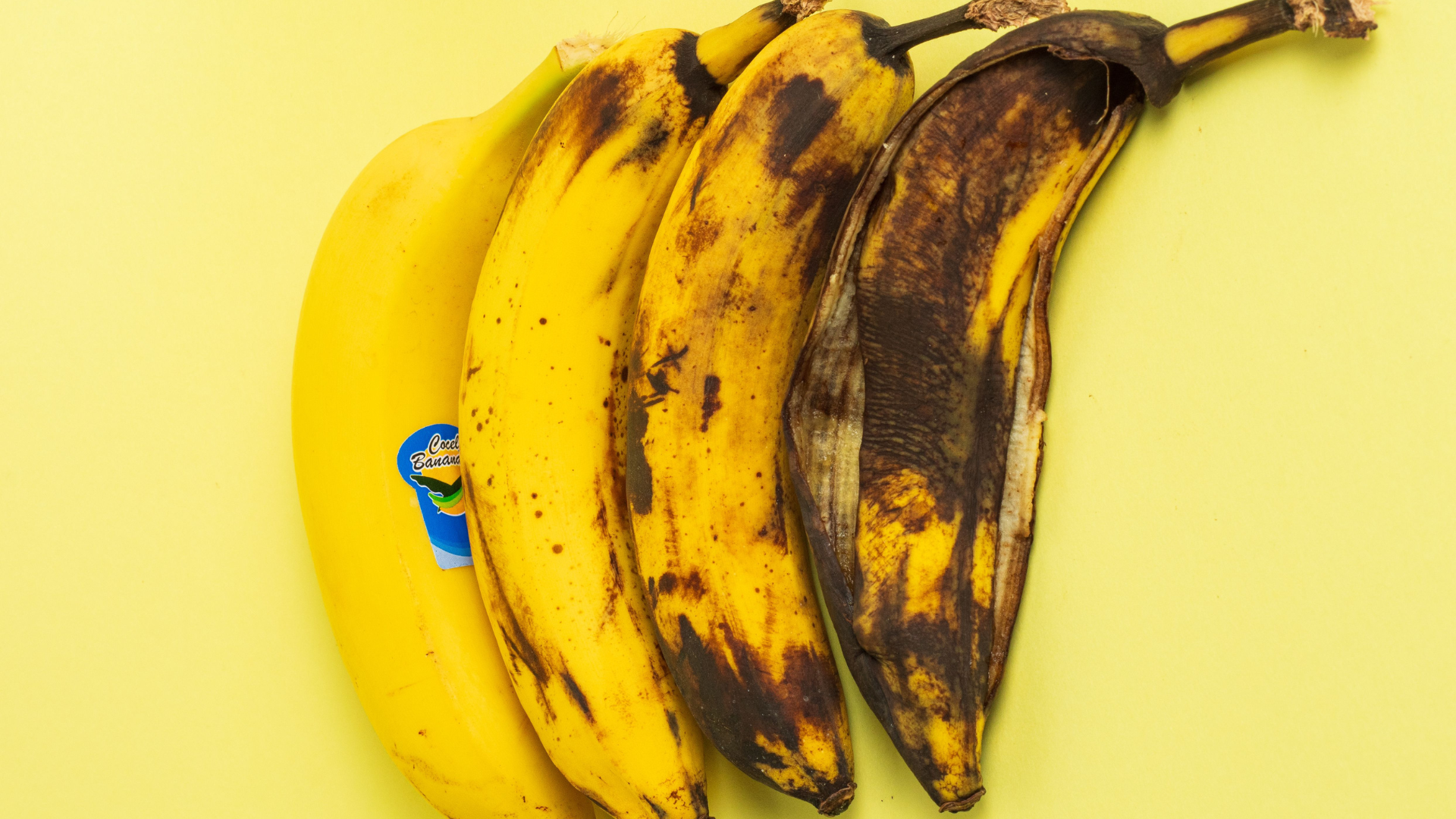
Some Foods Refuse to Be Rushed
Some foods are perfectly fine when made quickly, but for others, time is the main ingredient. It turns a tough piece of beef into the most succulent, or ordinary cabbage into a tangy, spicy, and complex dish all its own. These foods don’t reward impatience, which is inconvenient when you’re hungry and standing near the kitchen, as if supervision will help. However, once you taste the final result, you understand why certain dishes insist on taking their sweet, savory, or wonderfully complicated time. Here are 20 dishes that reward patience.
1. Sourdough Bread
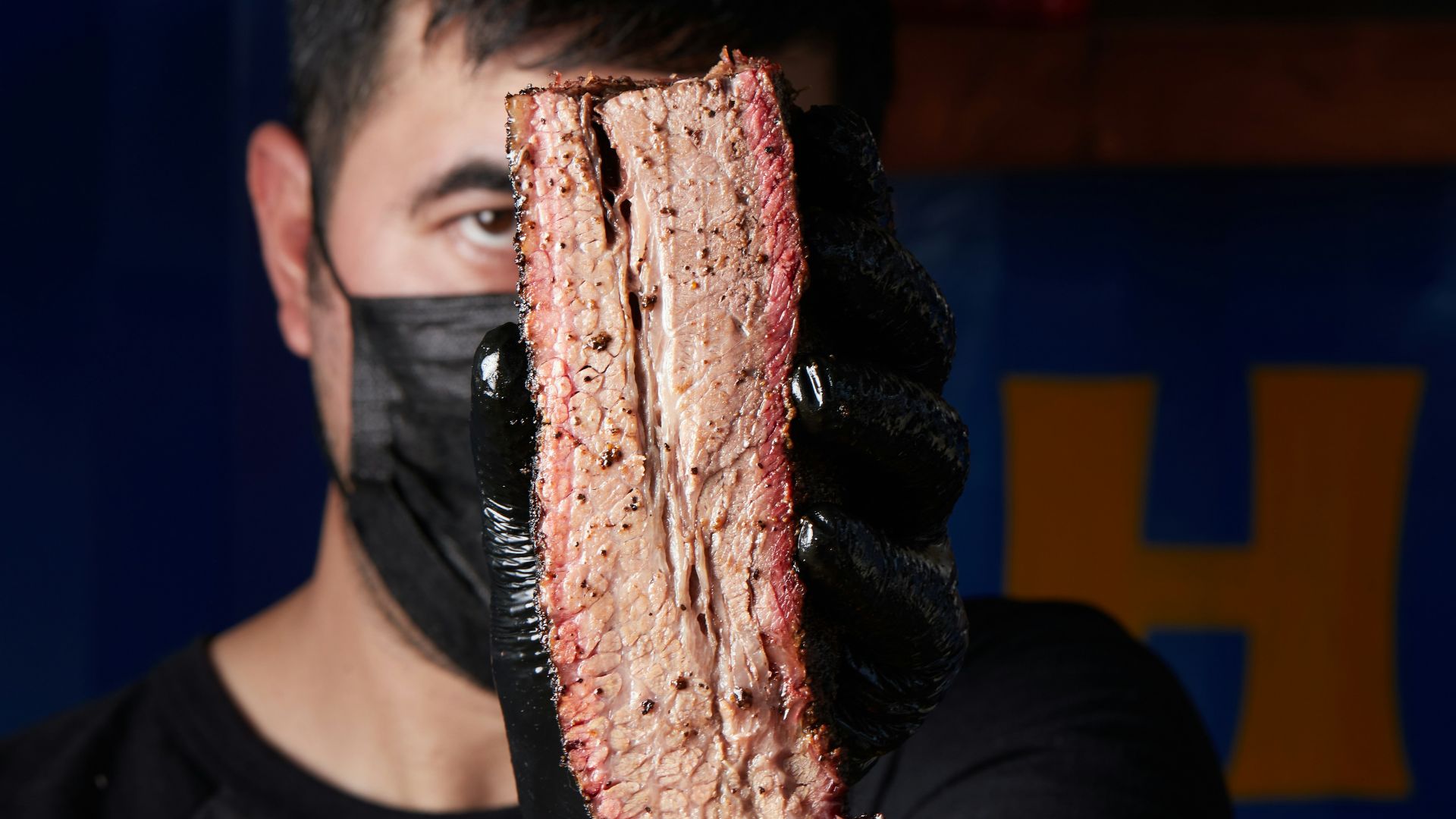
Sourdough bread needs time because its flavor develops through fermentation, not just through flour and water. The starter slowly develops tang, structure, and personality before the dough even gets near the oven. A rushed loaf may still bake, but it won’t have that deep flavor or chewy texture people love.
2. Beef Brisket
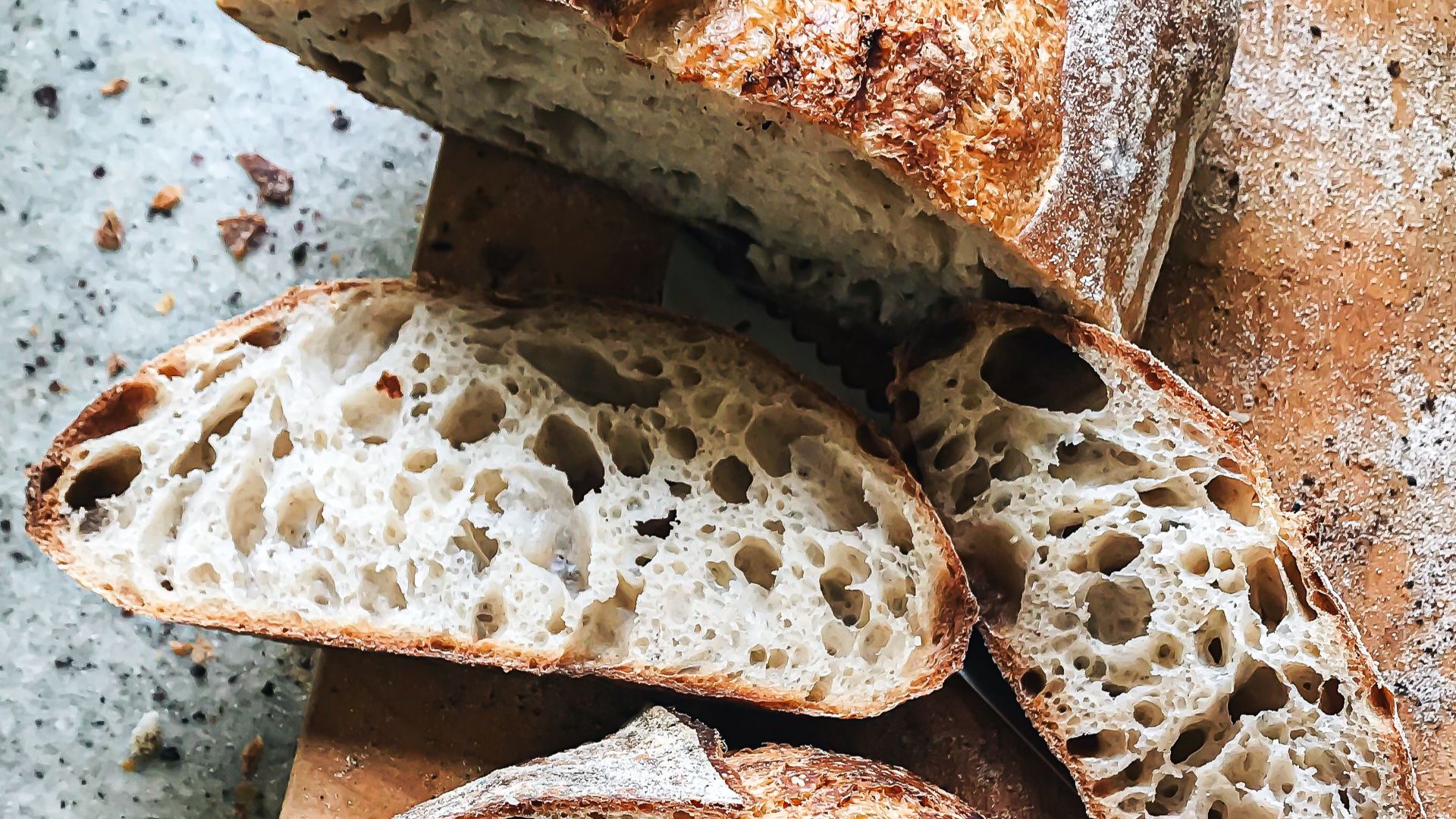
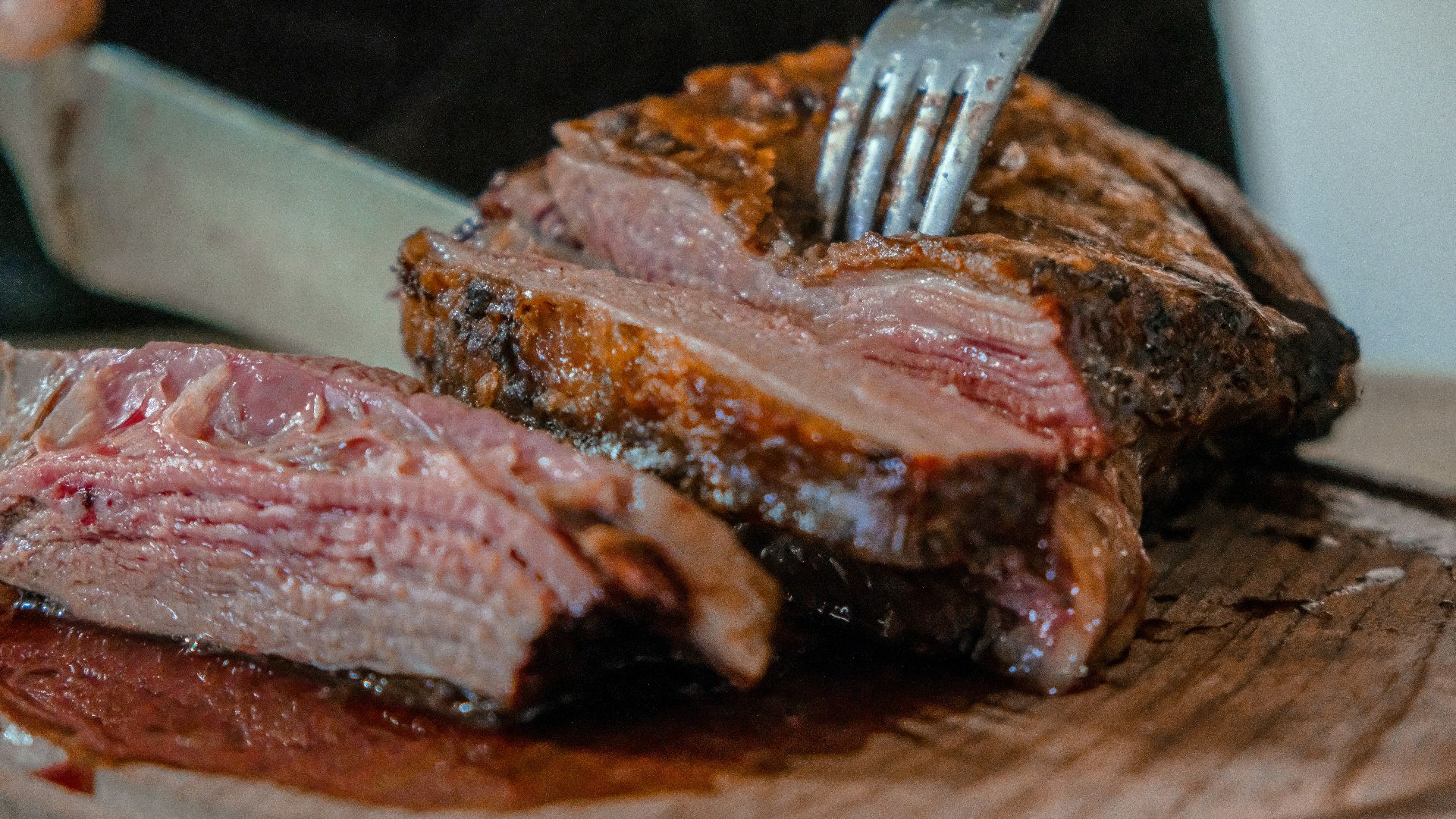
Brisket is a tough cut of meat that only becomes tender after hours of low, slow cooking. The connective tissue needs time to break down into something juicy instead of chewy. Whether it’s smoked, braised, or roasted, brisket does not respond well to being hurried.
 José Ignacio Pompé on Unsplash
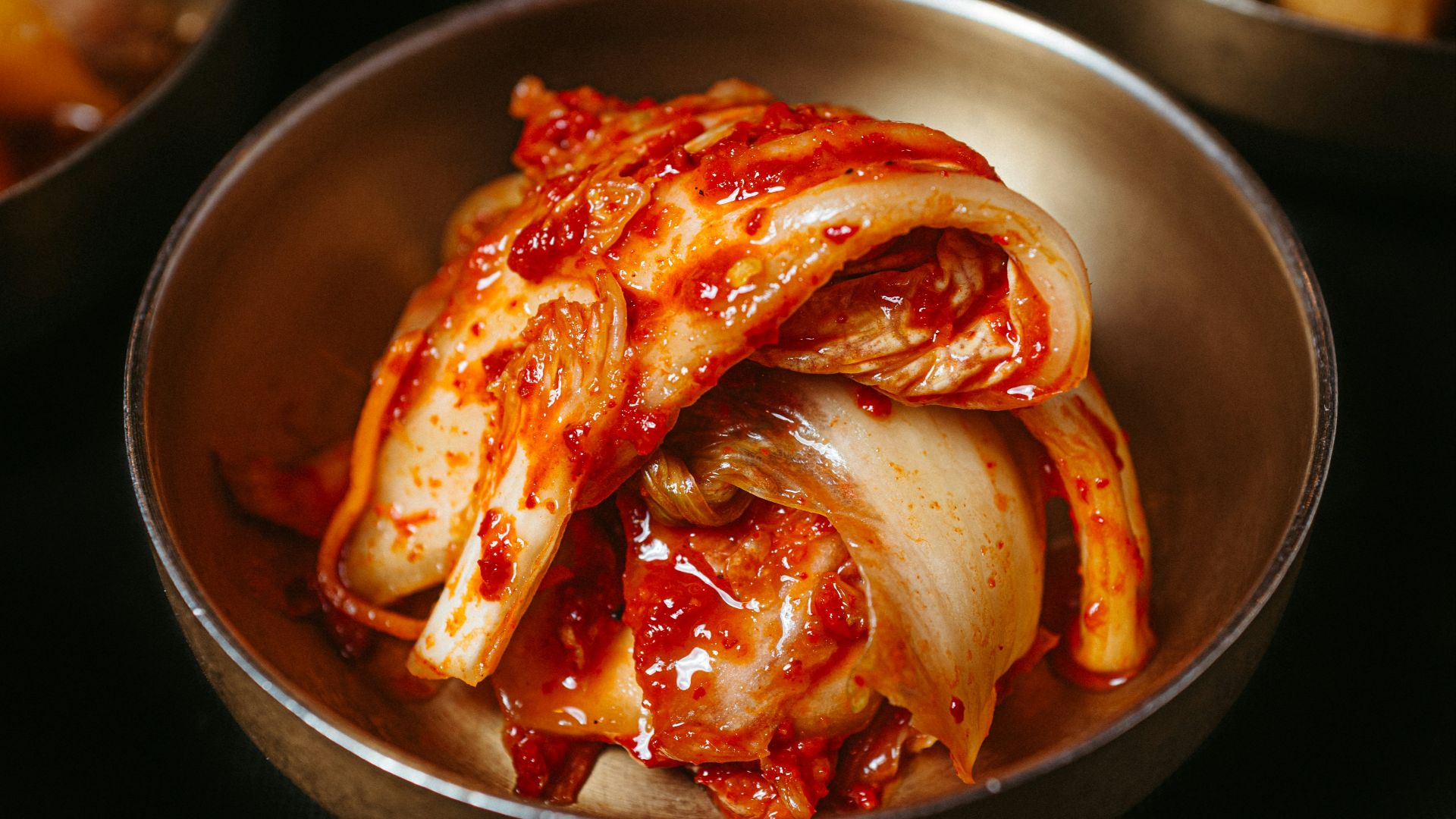
3. Kimchi
Kimchi begins as seasoned vegetables, but fermentation is what gives it its bold, tangy flavor. As it sits, the cabbage, radish, garlic, chili, and other ingredients become sharper and more complex. Fresh kimchi can be delicious, but aged kimchi brings a completely different depth.
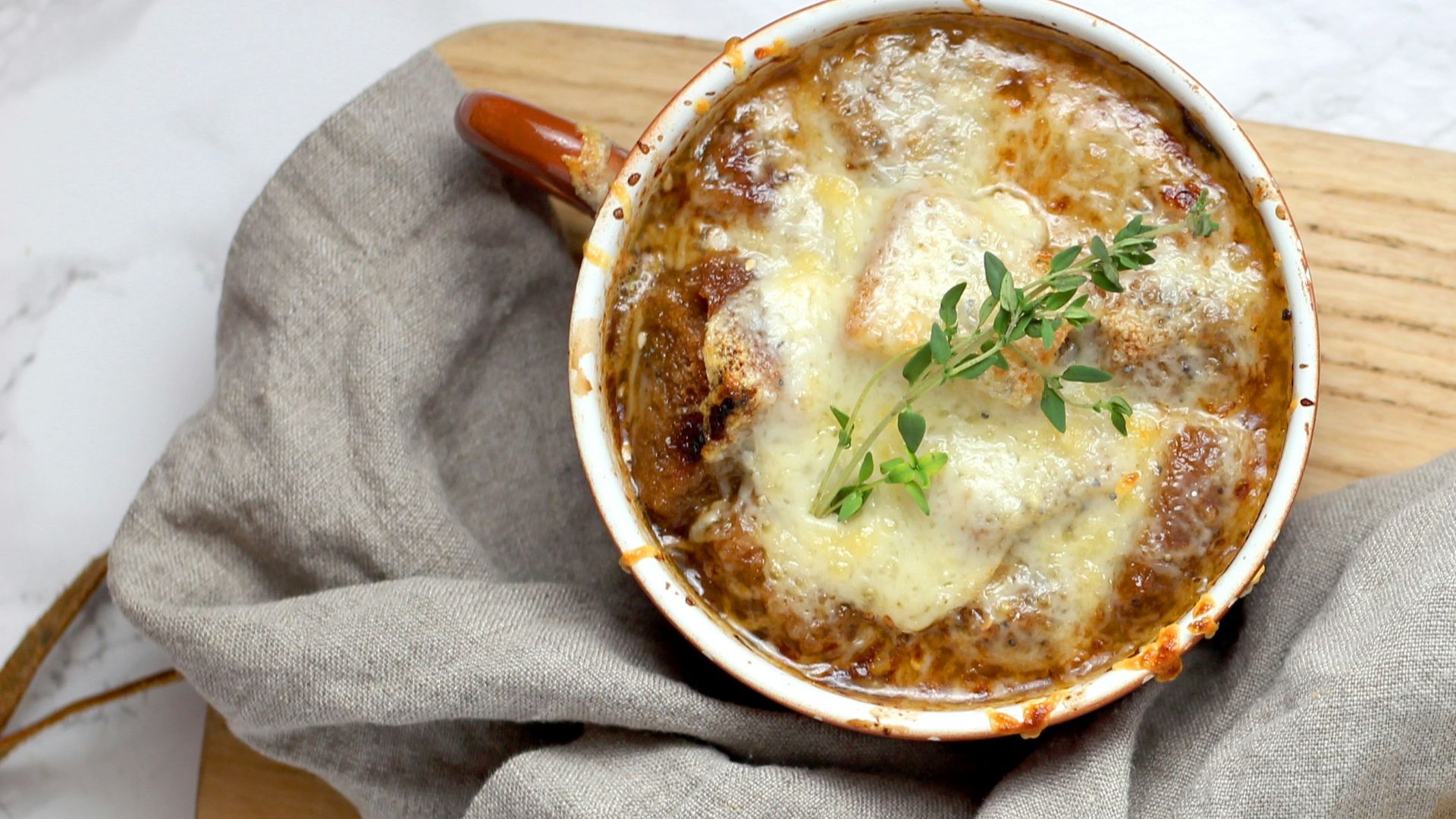
4. French Onion Soup
French onion soup depends on onions that have been cooked slowly until they turn sweet, brown, and deeply flavorful. If you rush the onions, the soup tastes flat. The broth, bread, and melted cheese are important, but the caramelized onions do most of the heavy lifting.
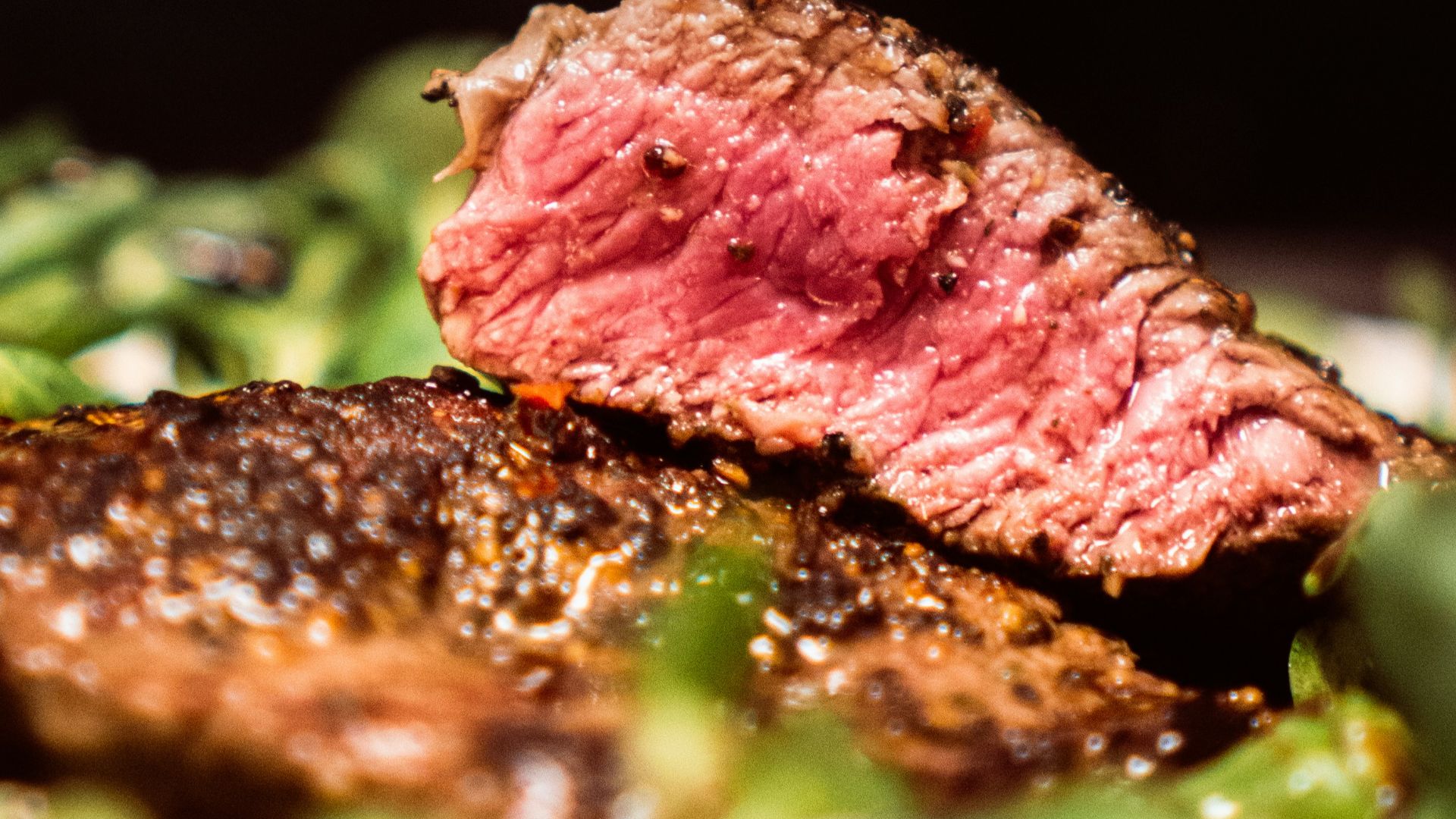
5. Dry-Aged Steak
Dry-aged steak becomes special because it loses moisture and develops concentrated flavor over time. During aging, natural enzymes help tenderize the meat and create a richer taste. Done properly, it tastes more intense than an ordinary cut and feels very serious about itself.
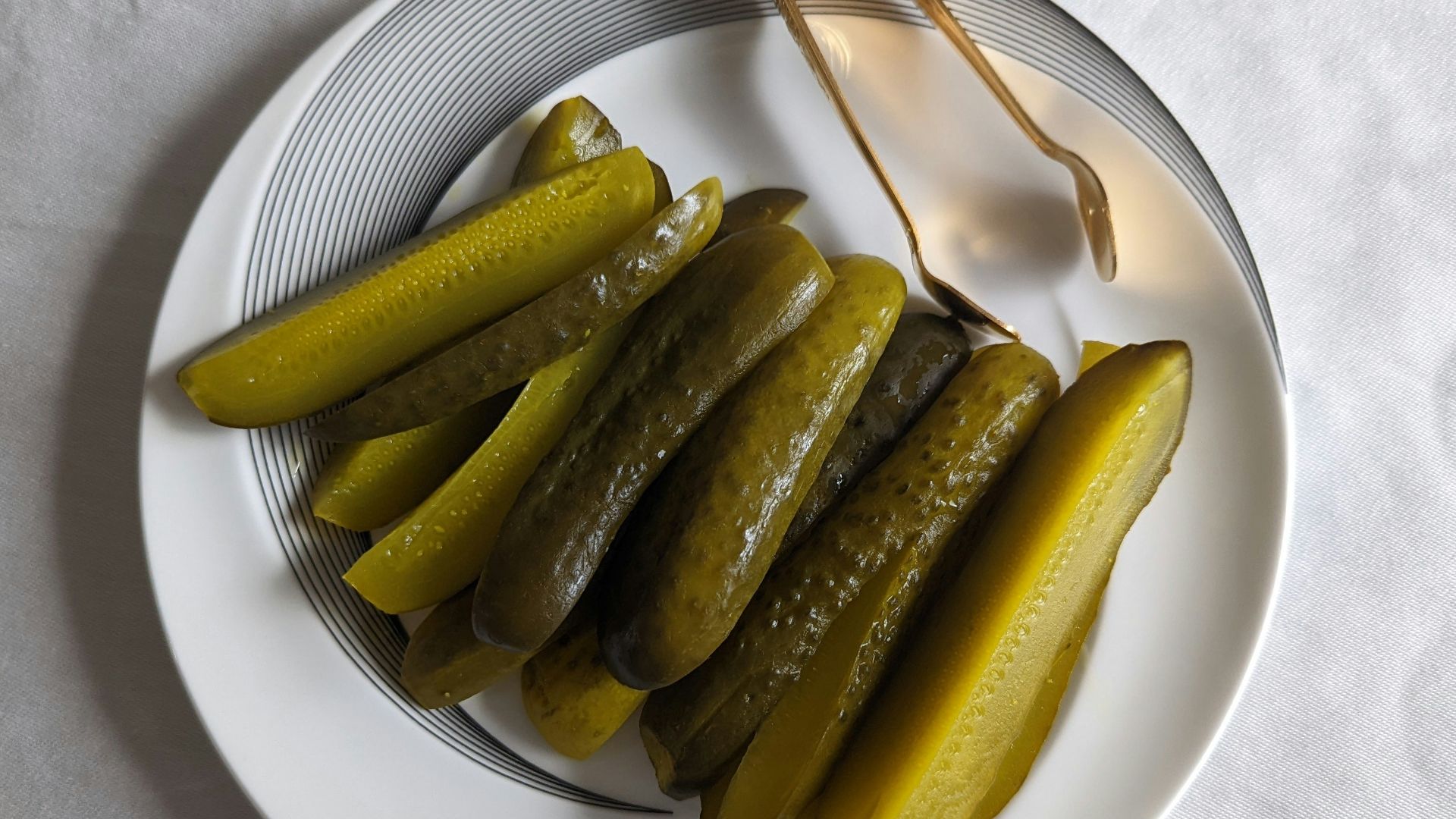
6. Pickles
Pickles need time to absorb brine, spices, garlic, dill, or whatever else gives them their punch. Quick pickles can be tasty, but longer pickling creates a stronger flavor and better texture. Cucumbers slowly trade their plain personality for something bright, salty, and crunchy.
7. Prosciutto
Prosciutto needs time to become the delicate, salty, silky meat people love. Traditional versions are salted and aged for months, which slowly draws out moisture and concentrates the flavor. The texture becomes tender and thinly sliceable, while the taste turns savory without needing smoke or heavy seasoning.
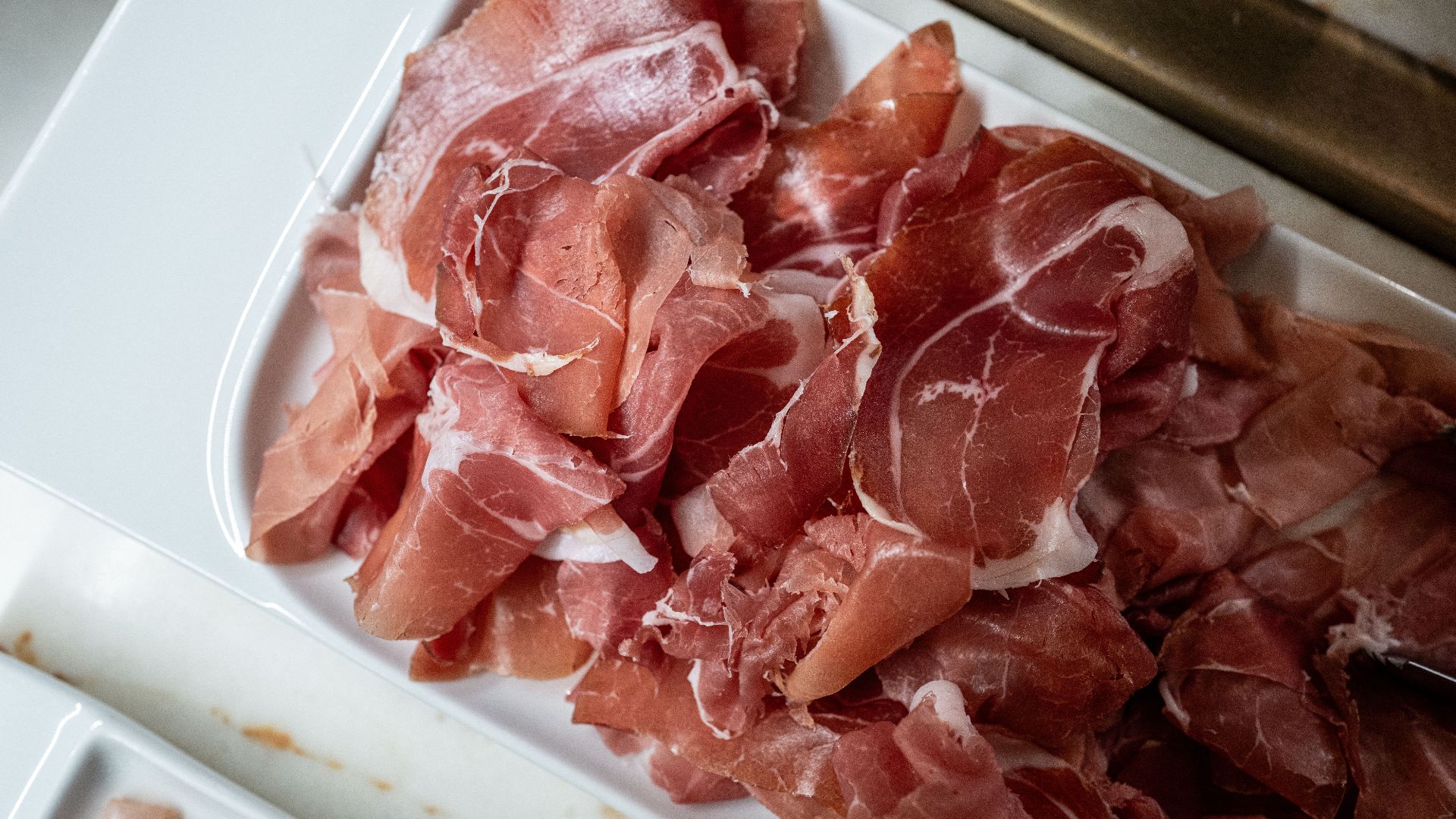
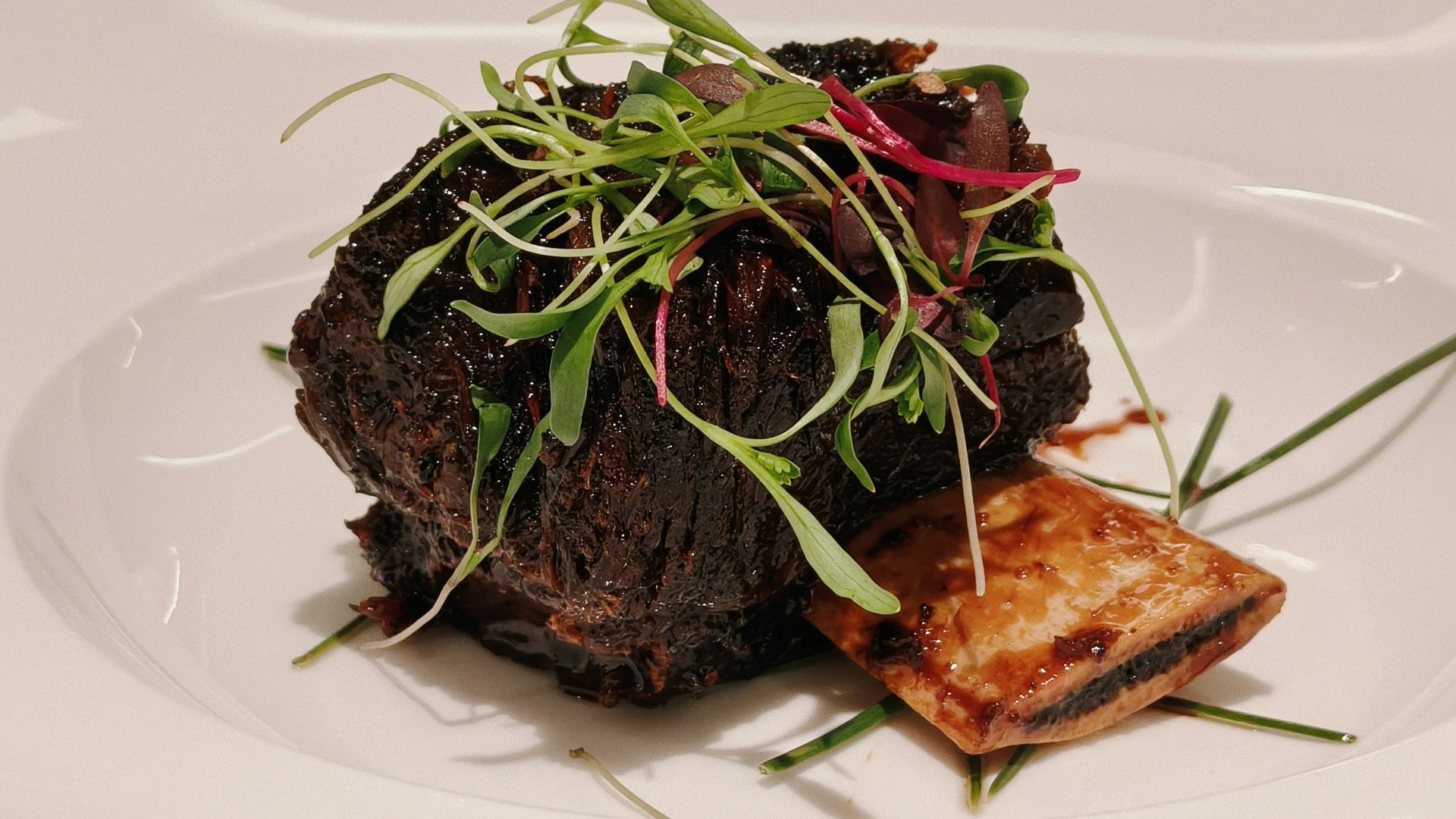
8. Braised Short Ribs
Short ribs need long, gentle cooking before they become tender enough to fall apart. The meat slowly absorbs wine, broth, herbs, and aromatics while its tougher parts soften. This is not the kind of dish you start when everyone is already hungry and staring at you.
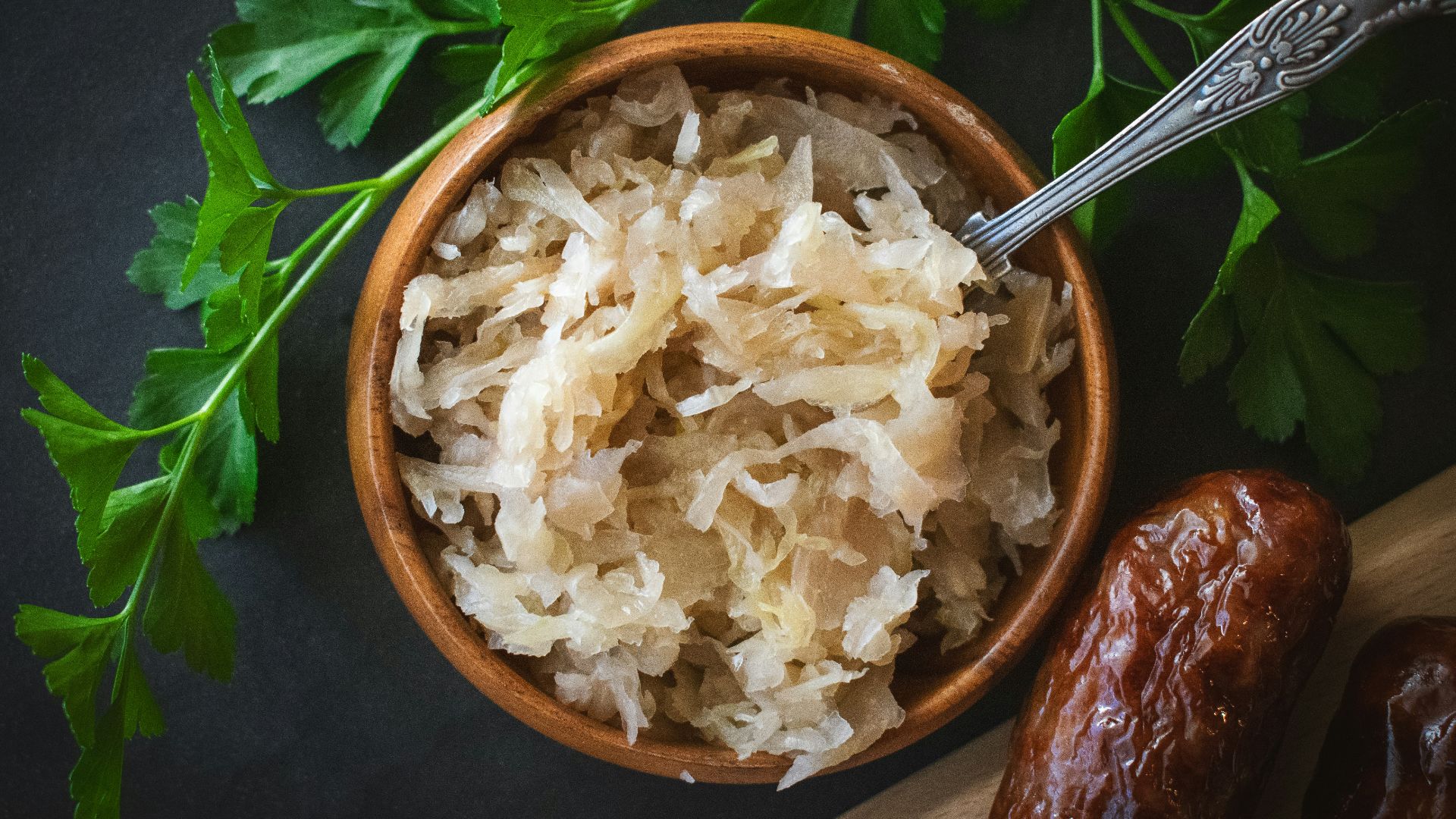
9. Sauerkraut
Sauerkraut is made by allowing cabbage to ferment until it becomes tangy and pleasantly sour. Salt draws out moisture, and beneficial bacteria help transform the flavor over days or weeks. Plain cabbage is fine, but fermented cabbage has much more attitude.
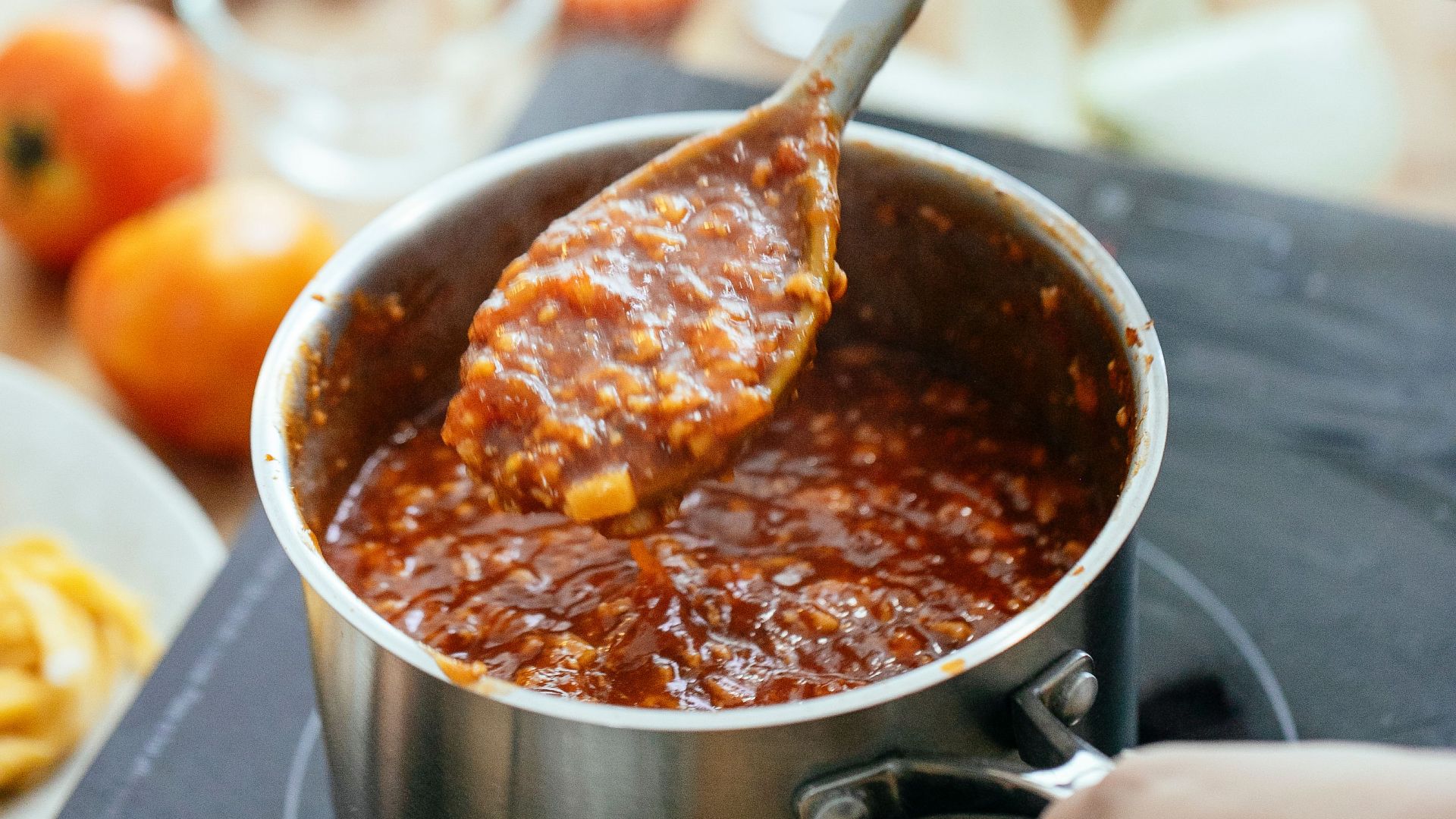
10. Pasta Sauce
Pasta sauce can be made quickly, but the best versions usually benefit from a slow simmer. Tomatoes, garlic, onions, herbs, meat, and olive oil need time to soften into one deeper flavor instead of tasting like separate ingredients. A rushed sauce may do the job, but a slow one makes the whole pasta bowl feel more loved.
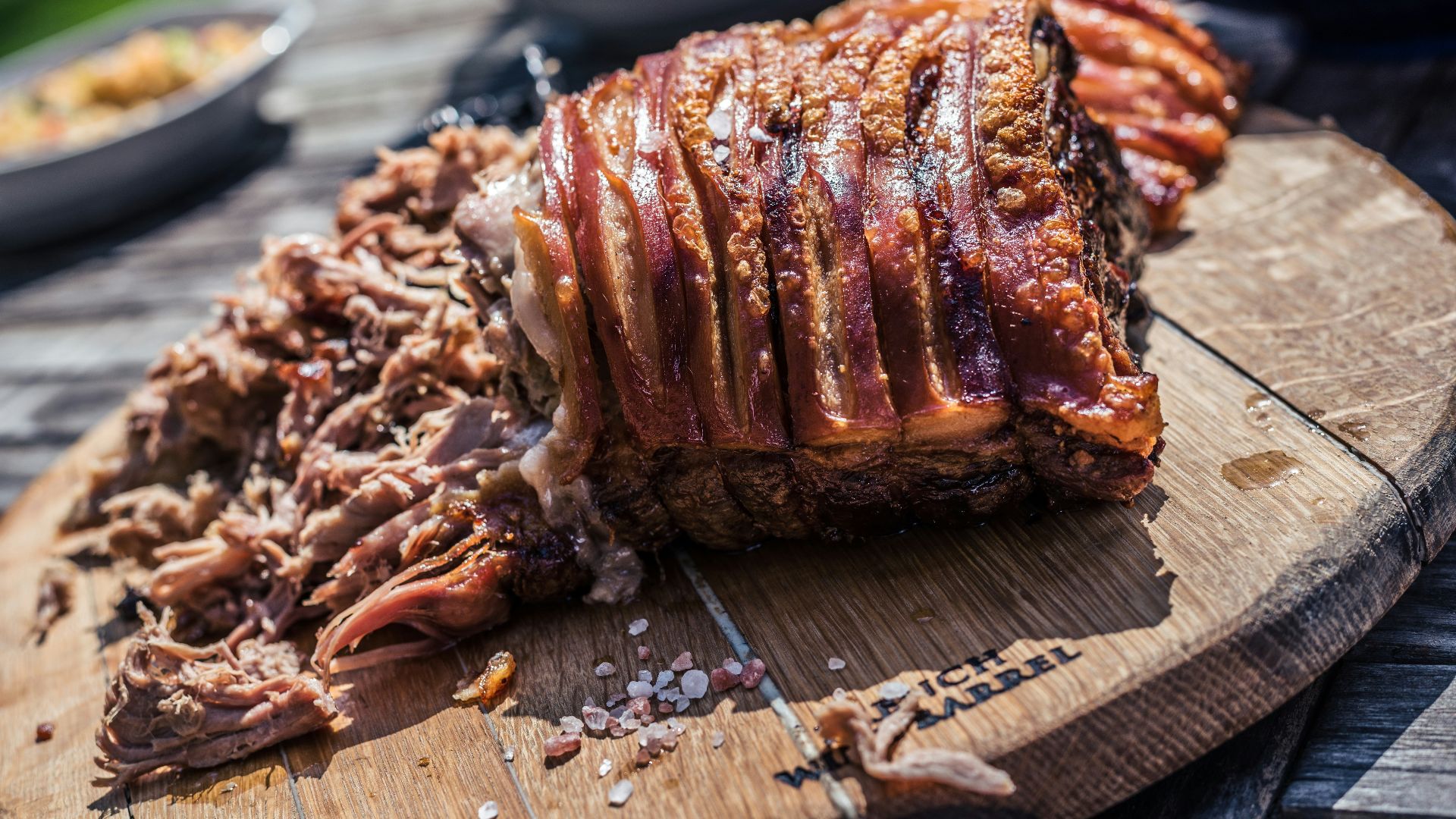
11. Pulled Pork
Pulled pork starts with a cut that needs hours of heat before it becomes tender enough to shred. Slow cooking lets the fat render and the meat soak up smoke, spice, or sauce. If you try to speed things along, you’ll miss the soft texture that makes it so satisfying.
12. Yogurt
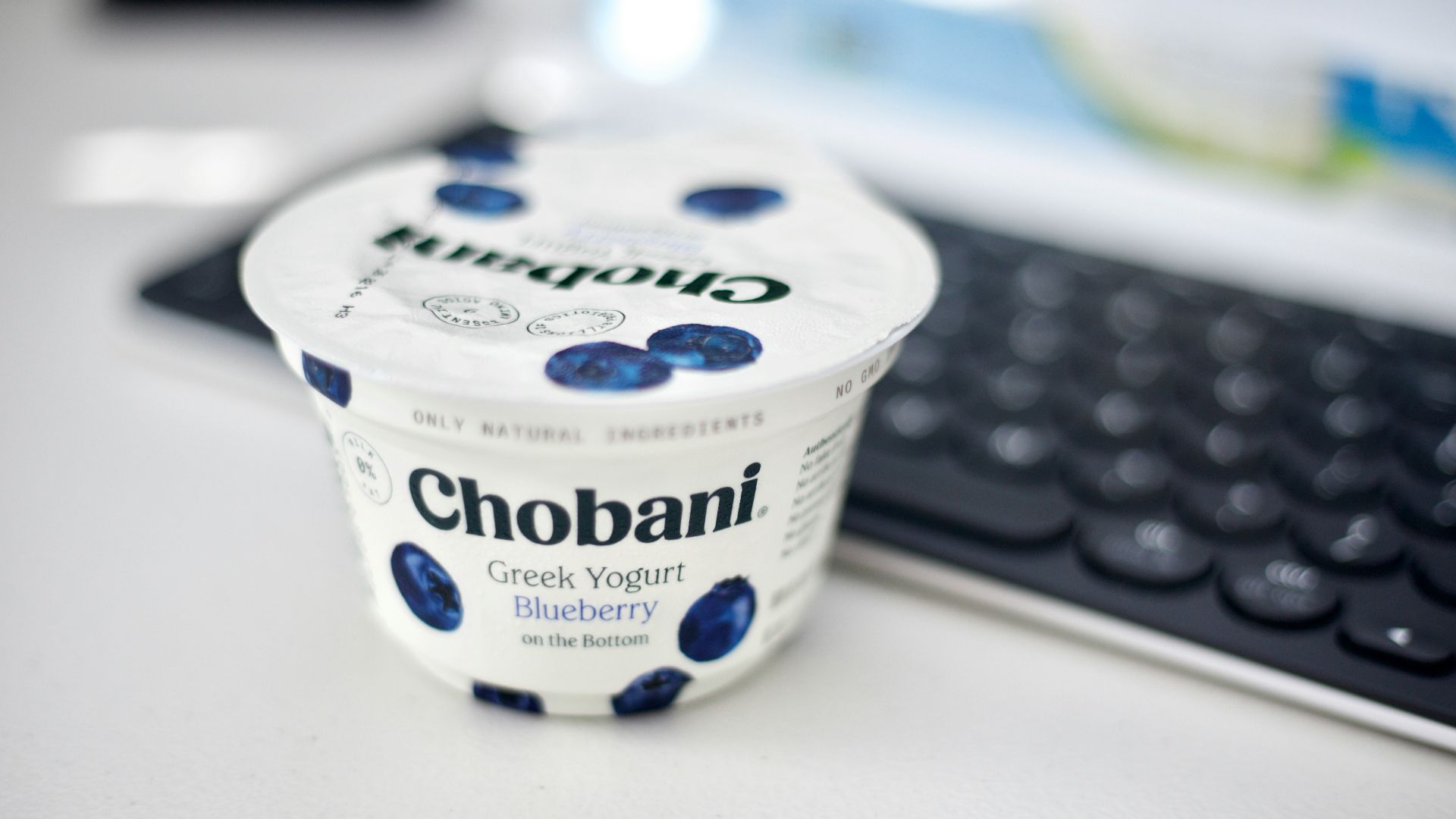
Yogurt becomes yogurt because milk is given time to culture. Beneficial bacteria convert lactose into lactic acid, which thickens the milk and gives it that familiar tang. Without time, you’d just have warm milk.
13. Beer
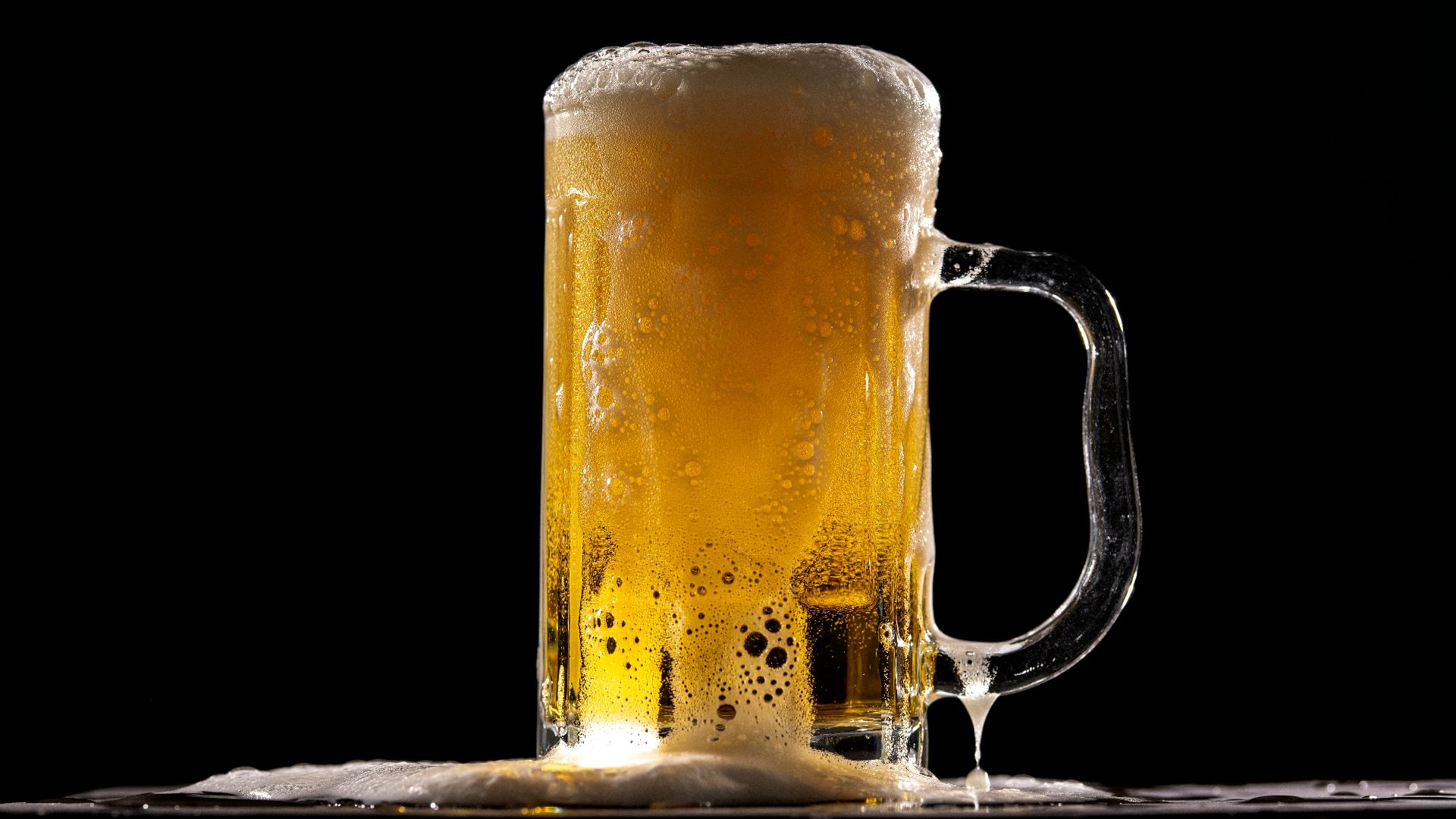
Beer needs fermentation before it becomes the drink people actually recognize. Yeast slowly converts sugars from the grain into alcohol and carbonation, while hops, malt, and other ingredients develop their flavor together. A rushed beer can taste unfinished, flat, or rough around the edges, which is why timing matters so much.
14. Cheese
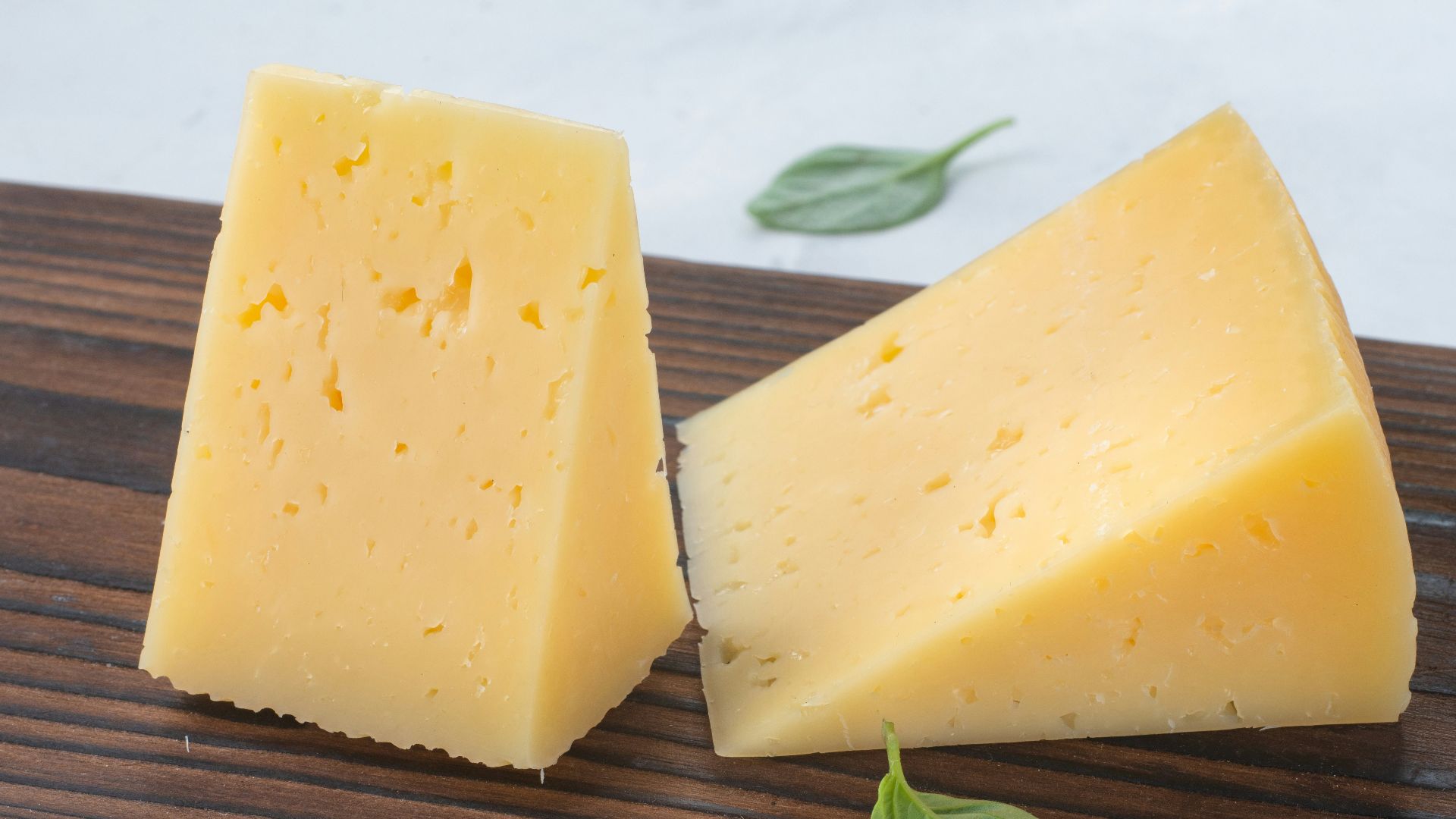
Cheese can be fresh and delicious, but many varieties become more interesting as they age. Time changes the texture, sharpens the flavor, and creates the character people expect from cheddar, gouda, parmesan, and blue cheese. Aging can turn milk into something crumbly, creamy, nutty, funky, or intense.
 David Foodphototasty on Unsplash
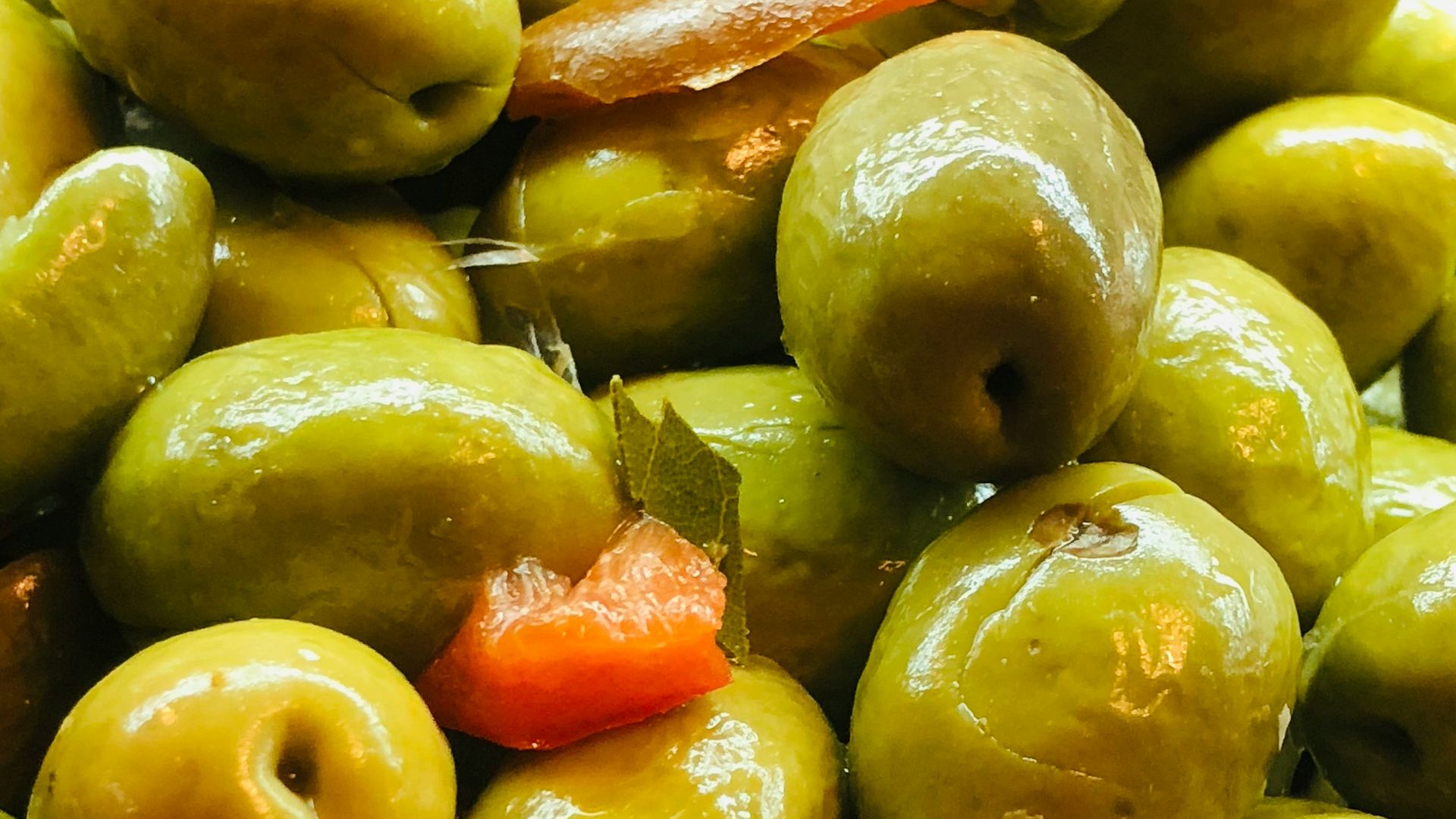
15. Marinated Olives
Olives become much more flavorful when they sit with herbs, citrus, garlic, oil, or spices. The marinade slowly works its way into the olives, giving them a brighter and more layered taste. They may look like a small snack, but they can hold a lot of flavor.
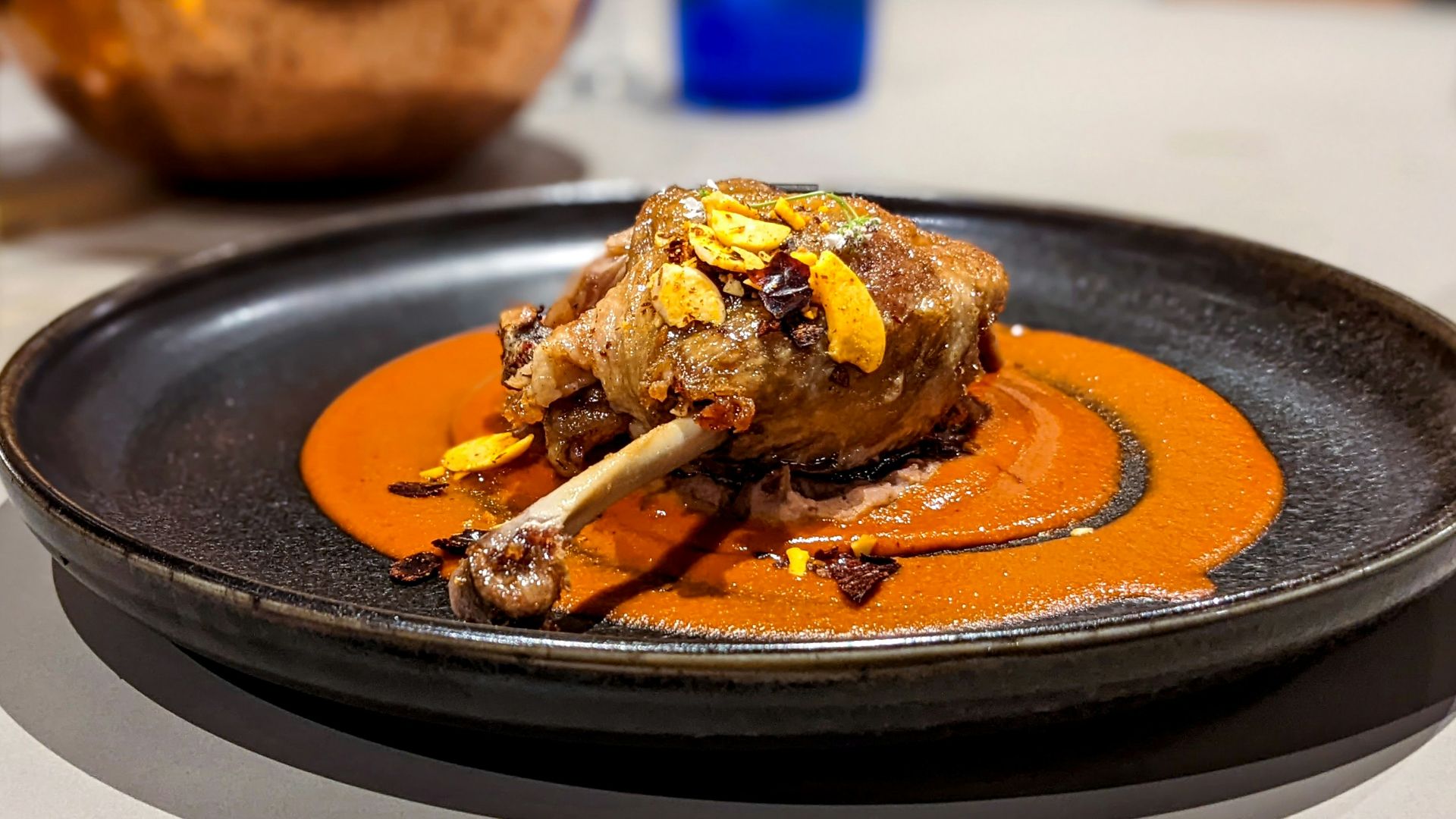
16. Duck Confit
Duck confit needs time because the meat cooks slowly in its own fat until it becomes tender, rich, and deeply flavorful. The process was originally a preservation method, but today it's prized for its incredible texture and depth of flavor. The duck turns soft enough to pull apart, while the skin can be crisped later for contrast.
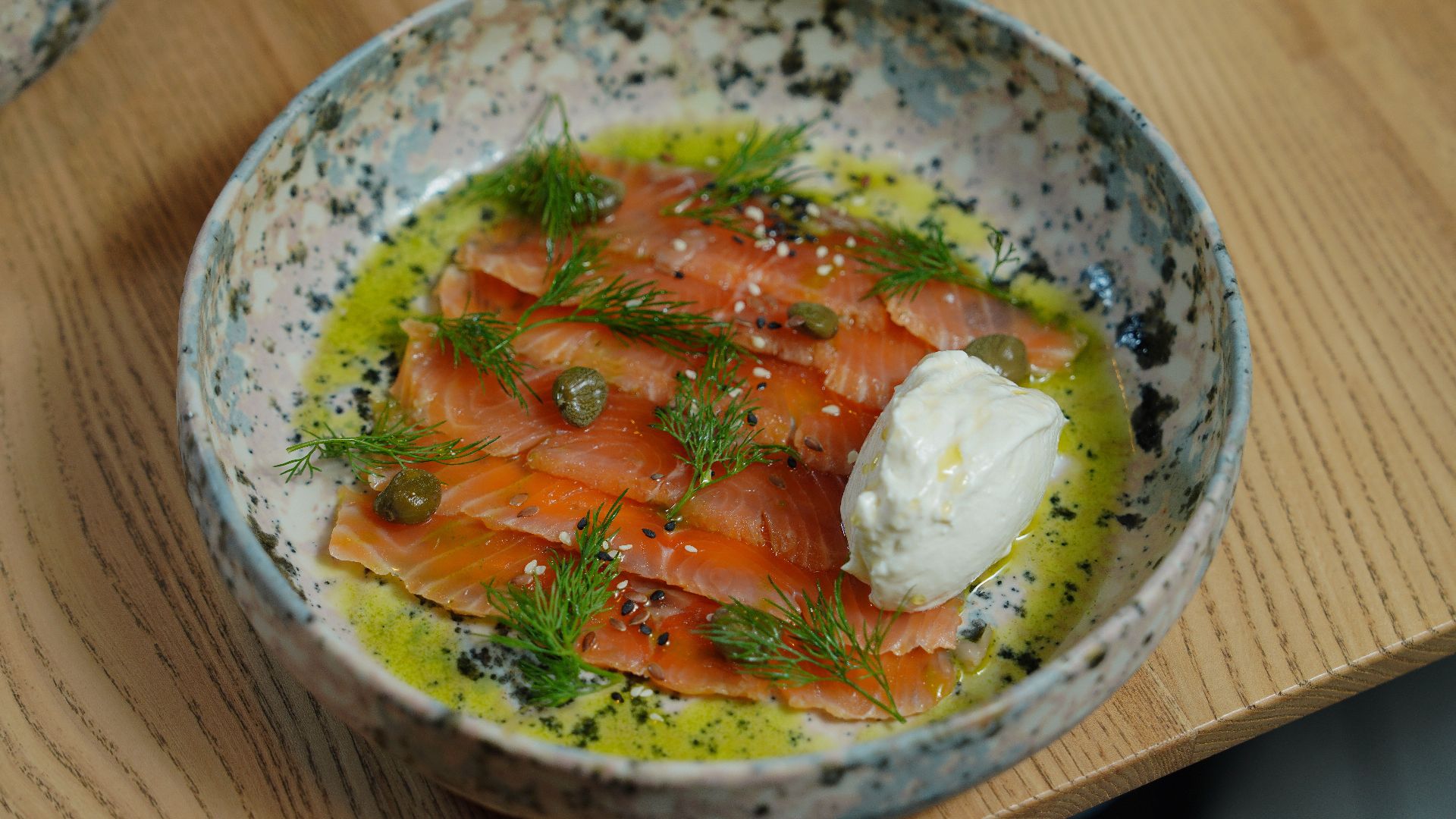
17. Gravlax
Gravlax is salmon cured with salt, sugar, dill, and sometimes other seasonings. The curing process firms the fish and flavors it gently over time. It doesn’t require cooking, but it does require patience and careful handling.
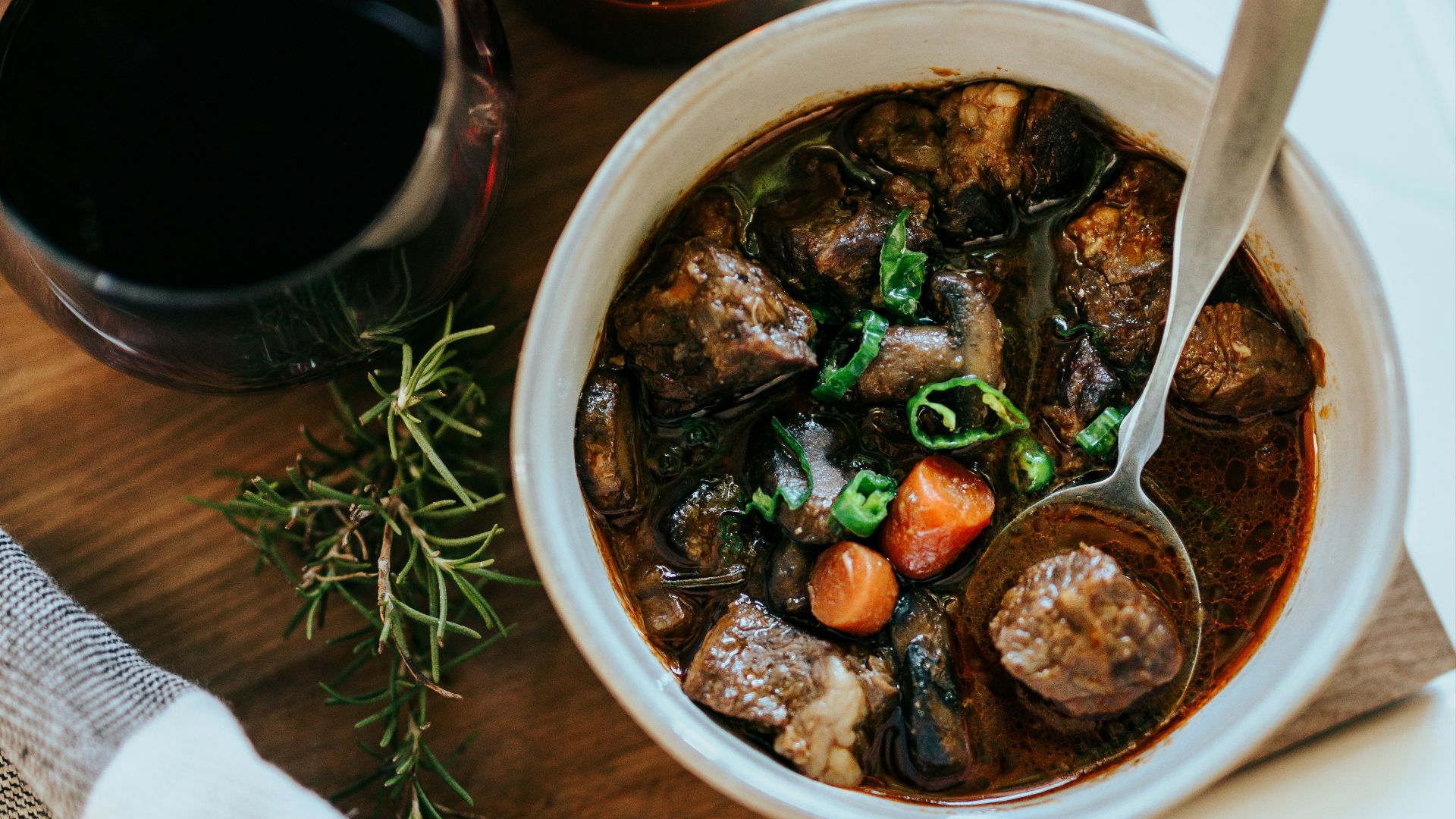
18. Stew
Stew is built for slow cooking because tougher ingredients need time to soften. Meat becomes tender, vegetables release flavor, and the broth thickens into something more comforting. A fast stew can taste like separate parts sharing a pot without much commitment, whereas a slow one tastes like everyone finally decided to get along.
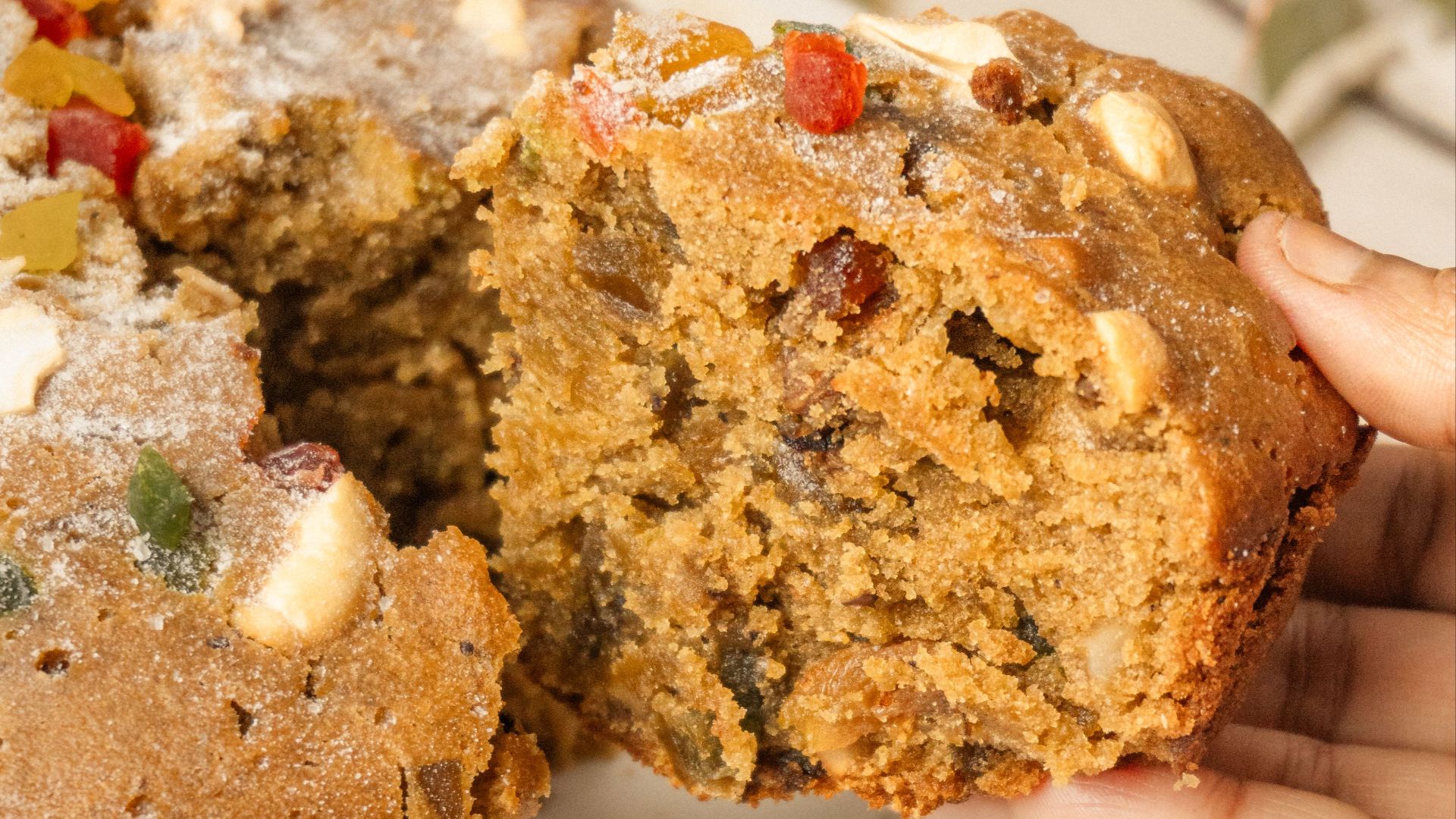
19. Fruitcake
Fruitcake has a reputation problem, but traditional versions often rely on aging to become better. Dried fruit, nuts, spices, and sometimes spirits need time to mellow and blend. A freshly made fruitcake can taste harsh or heavy, while a properly aged one becomes richer and more balanced.
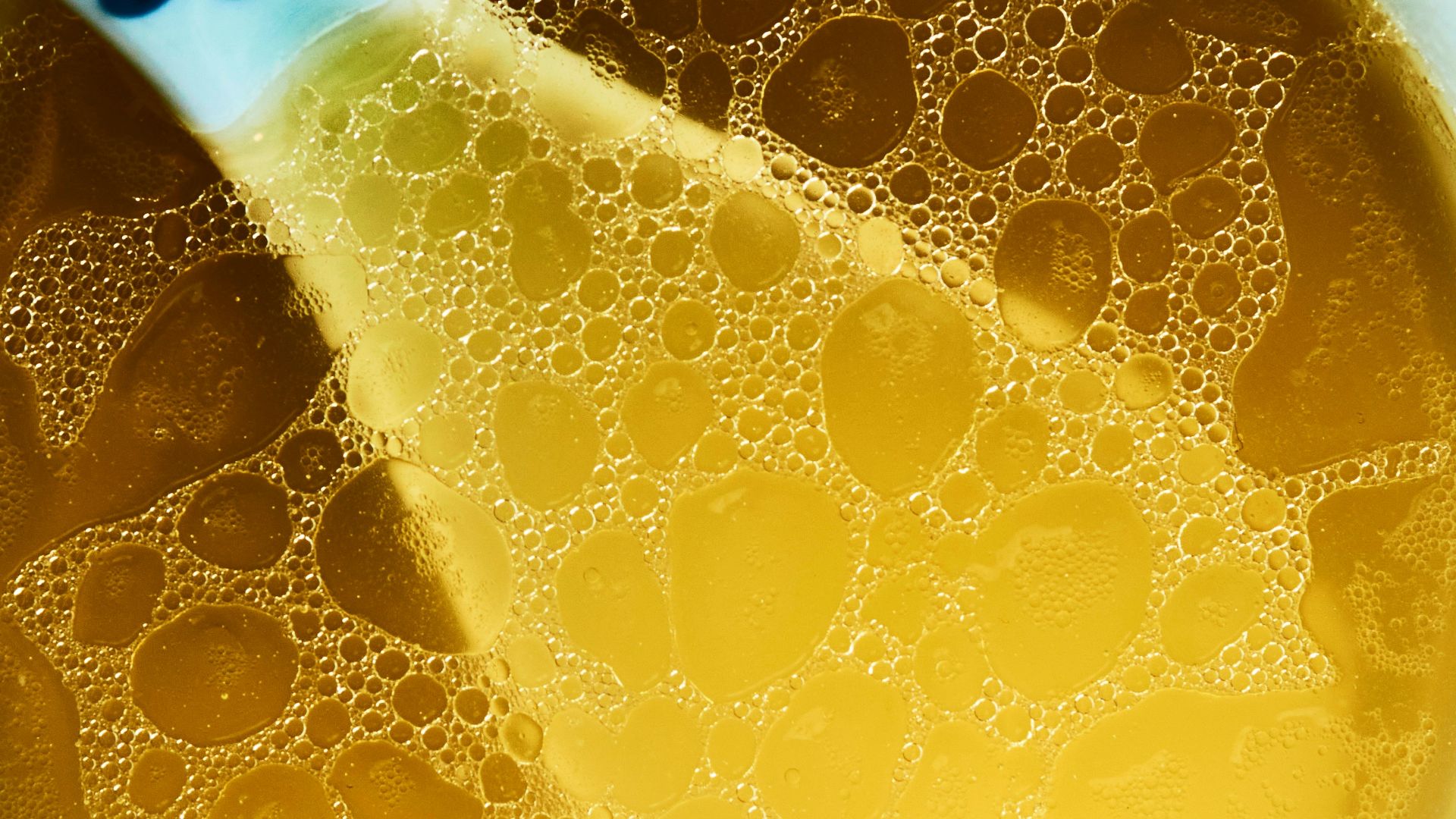
20. Bone Broth
Bone broth needs long, slow simmering to pull flavor, collagen, and minerals from bones and connective tissue. The process gives the broth a richer body and deeper taste than you’d get from a quick stock. Vegetables, herbs, and aromatics can help, but time is what makes it feel full and soothing.
KEEP ON READING
You’re Storing Tomatoes Wrong in This Heat
You’re Storing Potatoes Wrong in This Heat
You’re Storing Peppers Wrong in This Heat
You’re Storing Carrots Wrong in This Heat