The Future Tasted Questionable
Food has always attracted big promises. A new product shows up, promising to be smarter, cheaper, or better for you. Sometimes the pitch comes from a lab, sometimes from a boardroom, and sometimes from a trend cycle that we’re really hoping doesn’t come back. The catch is that people still have to eat this stuff, buy it twice, and not feel miserable afterward. These 20 foods were once pitched, promoted, or imagined as the next step in eating, but fell short of our expectations.
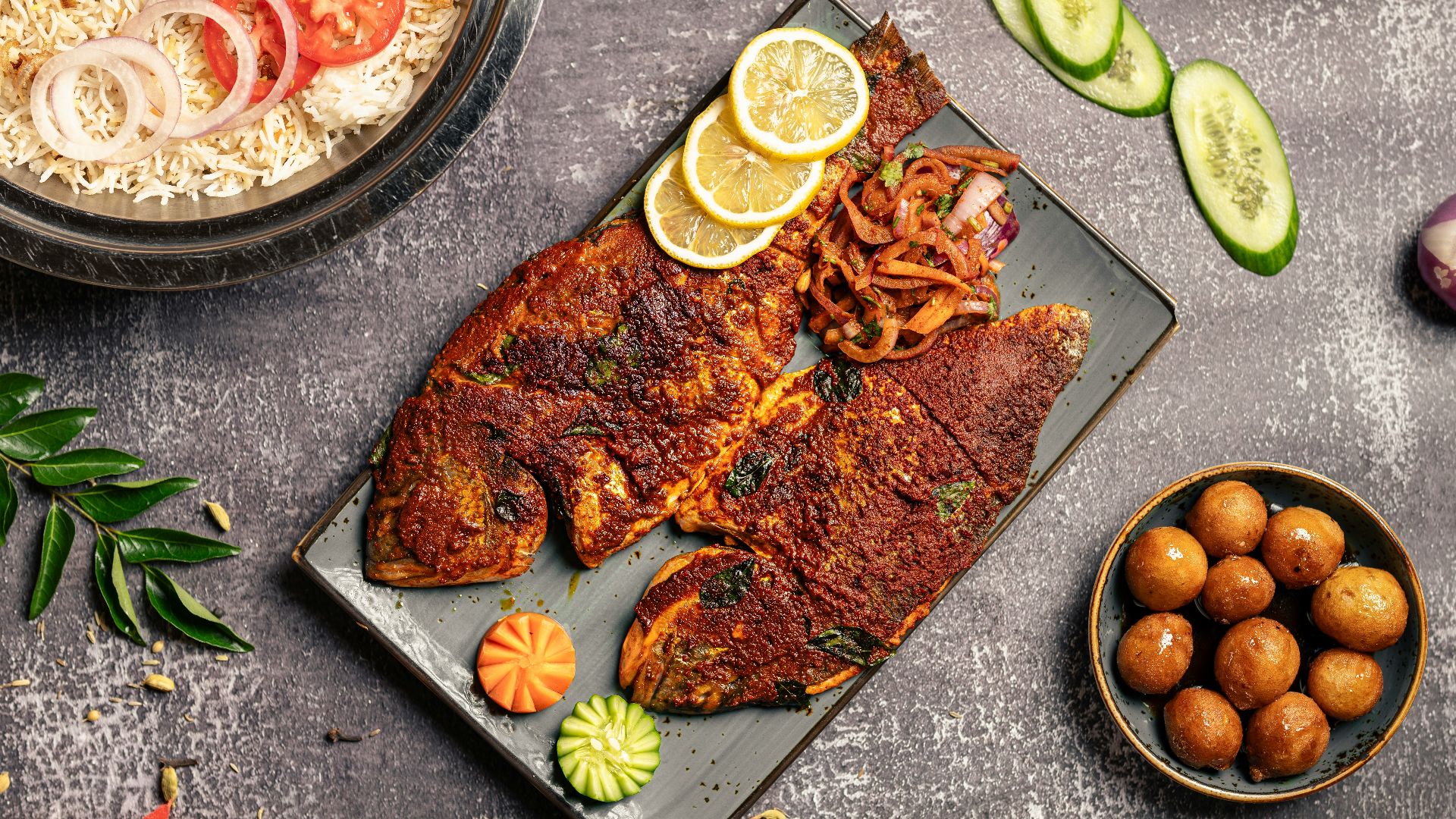
1. Meal-In-A-Pill
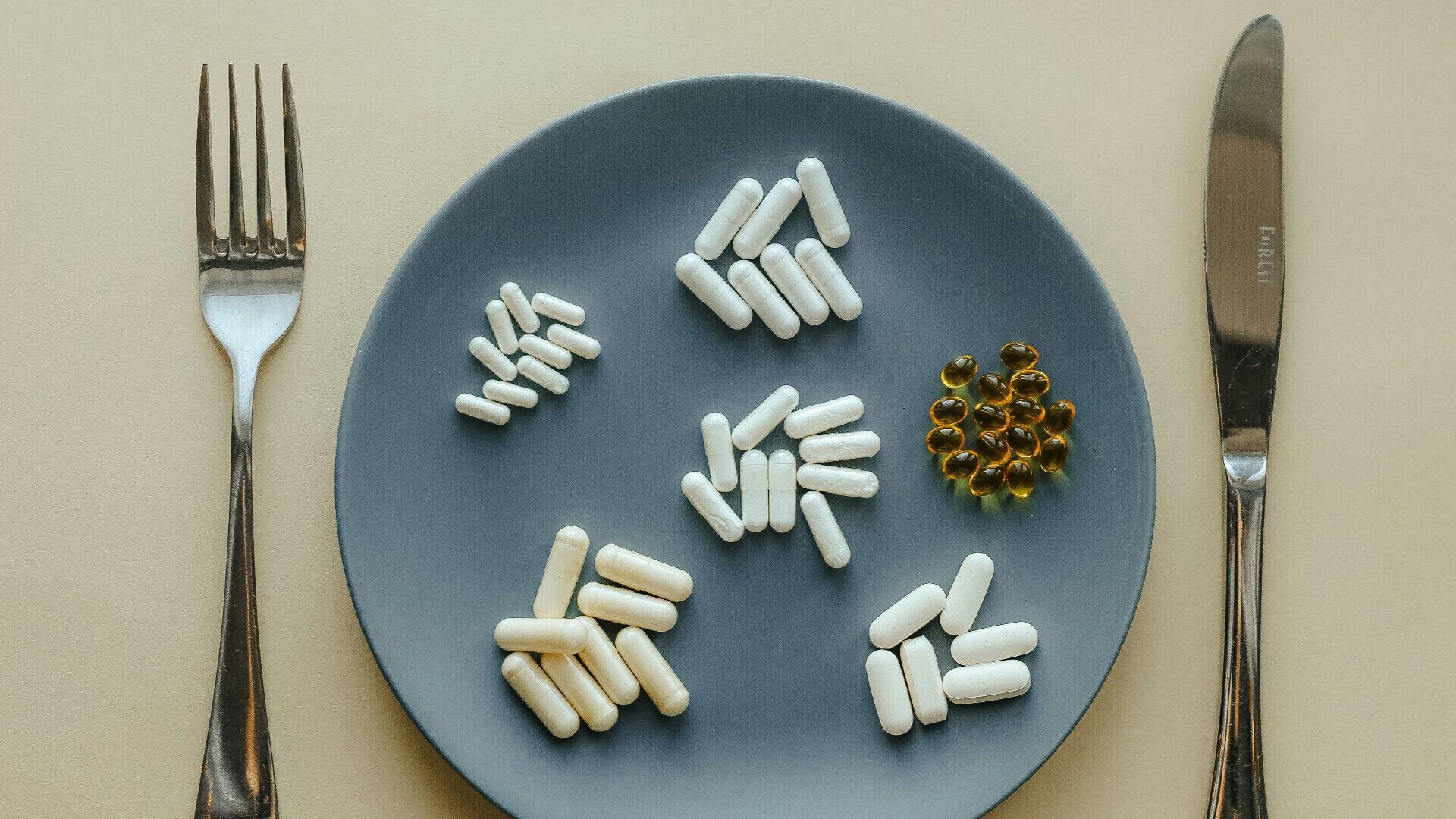
The meal-in-a-pill idea goes back to late-19th-century futurist writing, when people were already imagining a cleaner, faster life with less cooking. H.G. Wells and other writers played with the idea of concentrated food, and later space-age thinking made compact nutrition sound even more plausible. The problem never really changed: a pill can carry nutrients, but it takes the joy out of eating.
2. Edible Insects
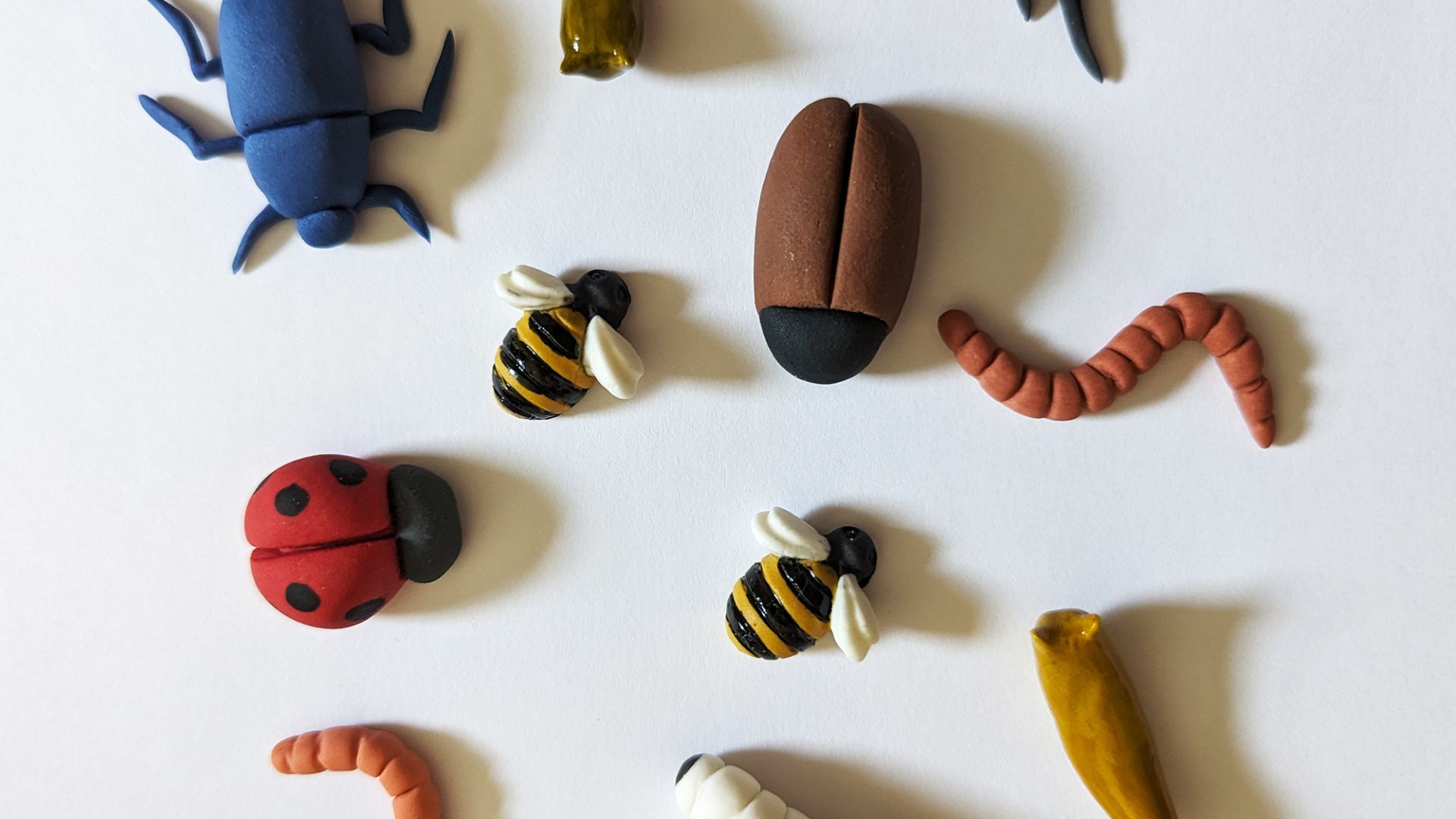
Insects have been eaten in many parts of the world for centuries, but they were repackaged for Western shoppers in the 2010s as a climate-conscious protein source. Cricket flour, mealworm snacks, and bug burgers were promoted as practical answers to meat’s land, water, and feed demands. The idea made sense on paper, but a lot of consumers couldn’t get past the thought of eating bugs.
3. Complete Nutrition Powders
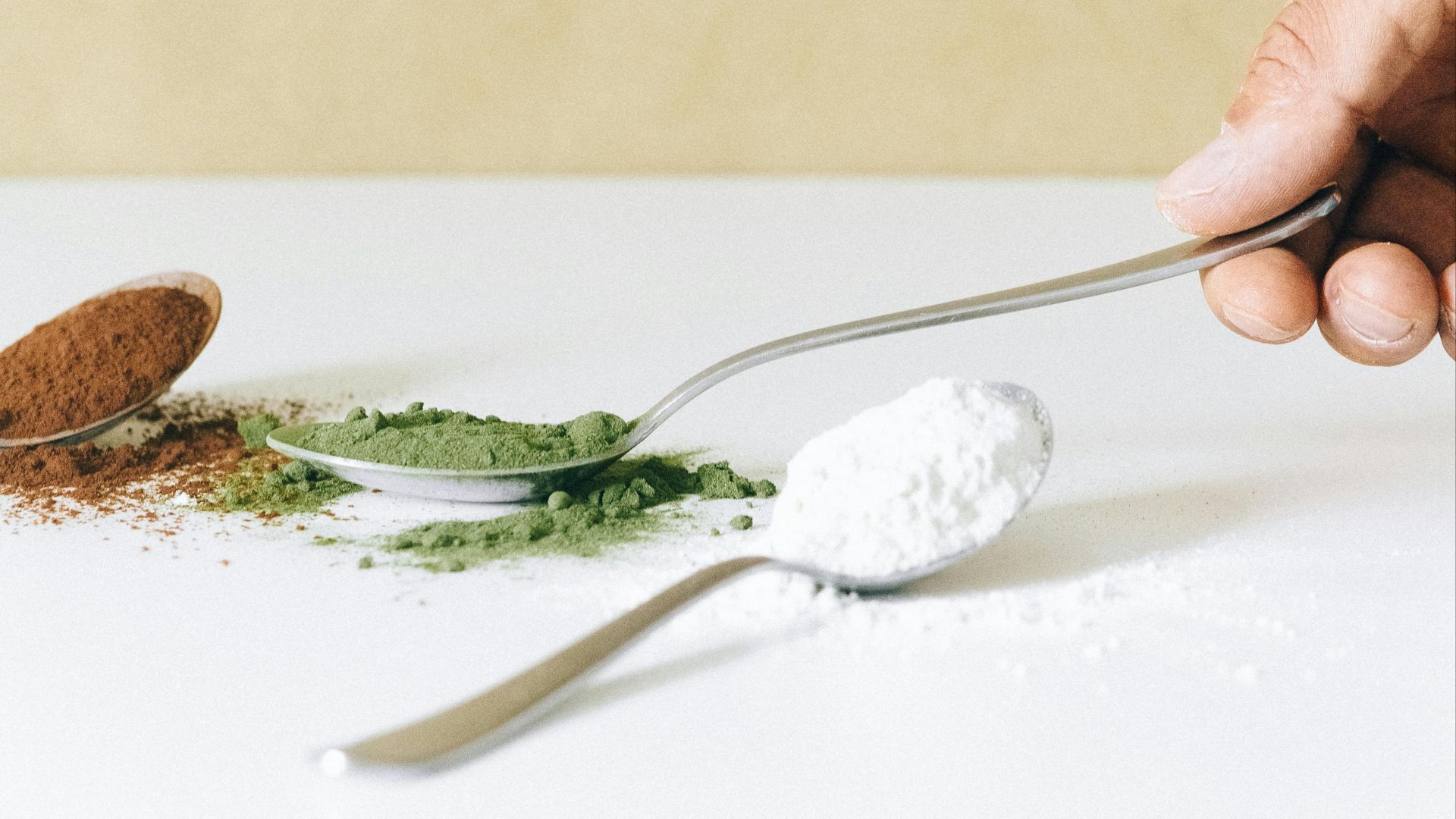
Meal-replacement powders have a long history in diet culture. They resurfaced in the 2010s, when nutrition shakes promised busy people a way to skip cooking without skipping vitamins, protein, or calories. They’ve kept a loyal niche, but they haven’t replaced regular meals.
4. Jell-O Salads
Gelatin dishes once carried a little status, especially when refrigeration and packaged convenience foods still felt modern. By the 1950s, American home cooks were making molded salads with just about anything. The recipes stayed around for years, especially at potlucks and holiday tables, but fresher tastes eventually made those glossy molds feel more dated than futuristic.
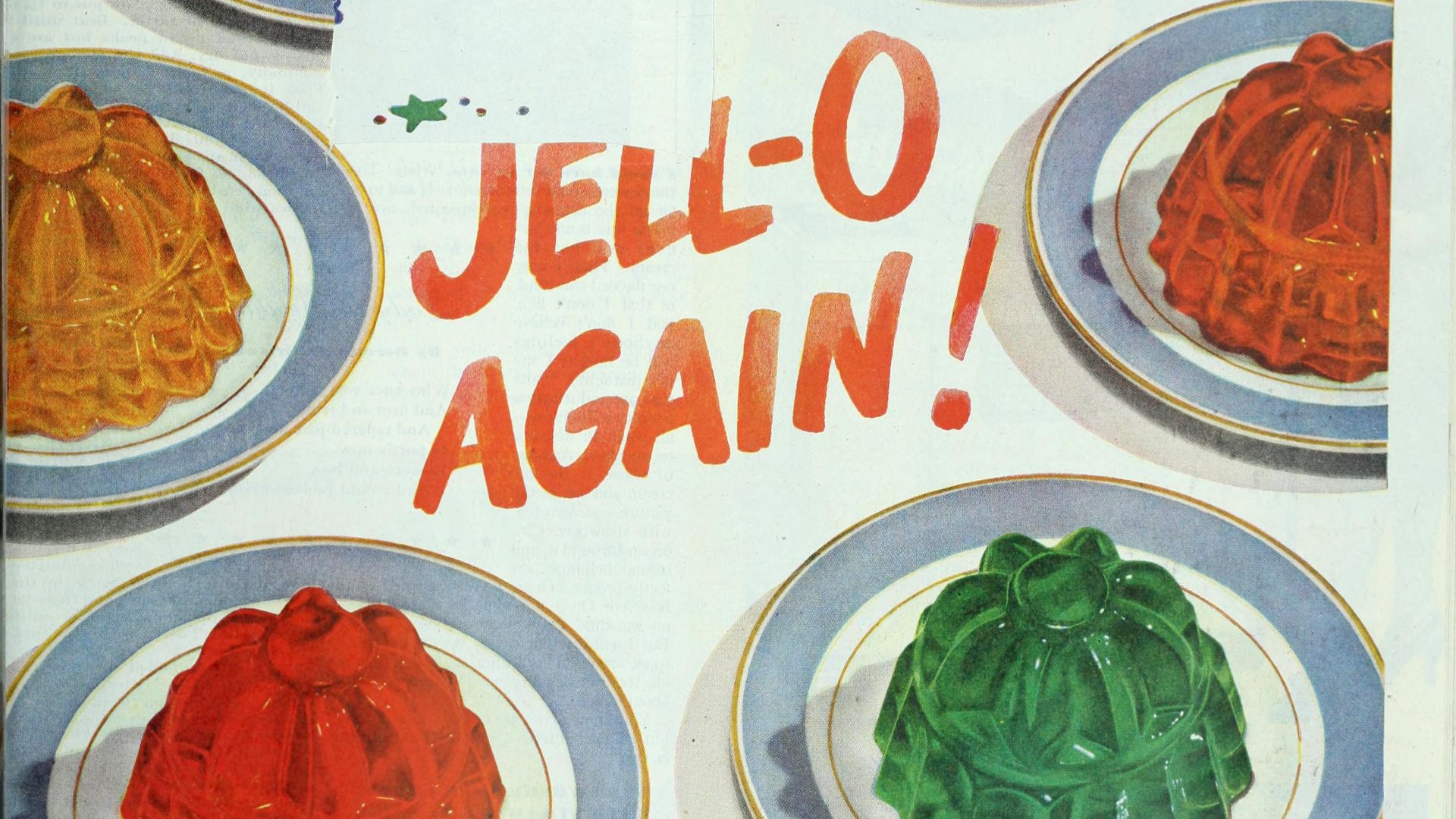 Internet Archive Book Images on Wikimedia
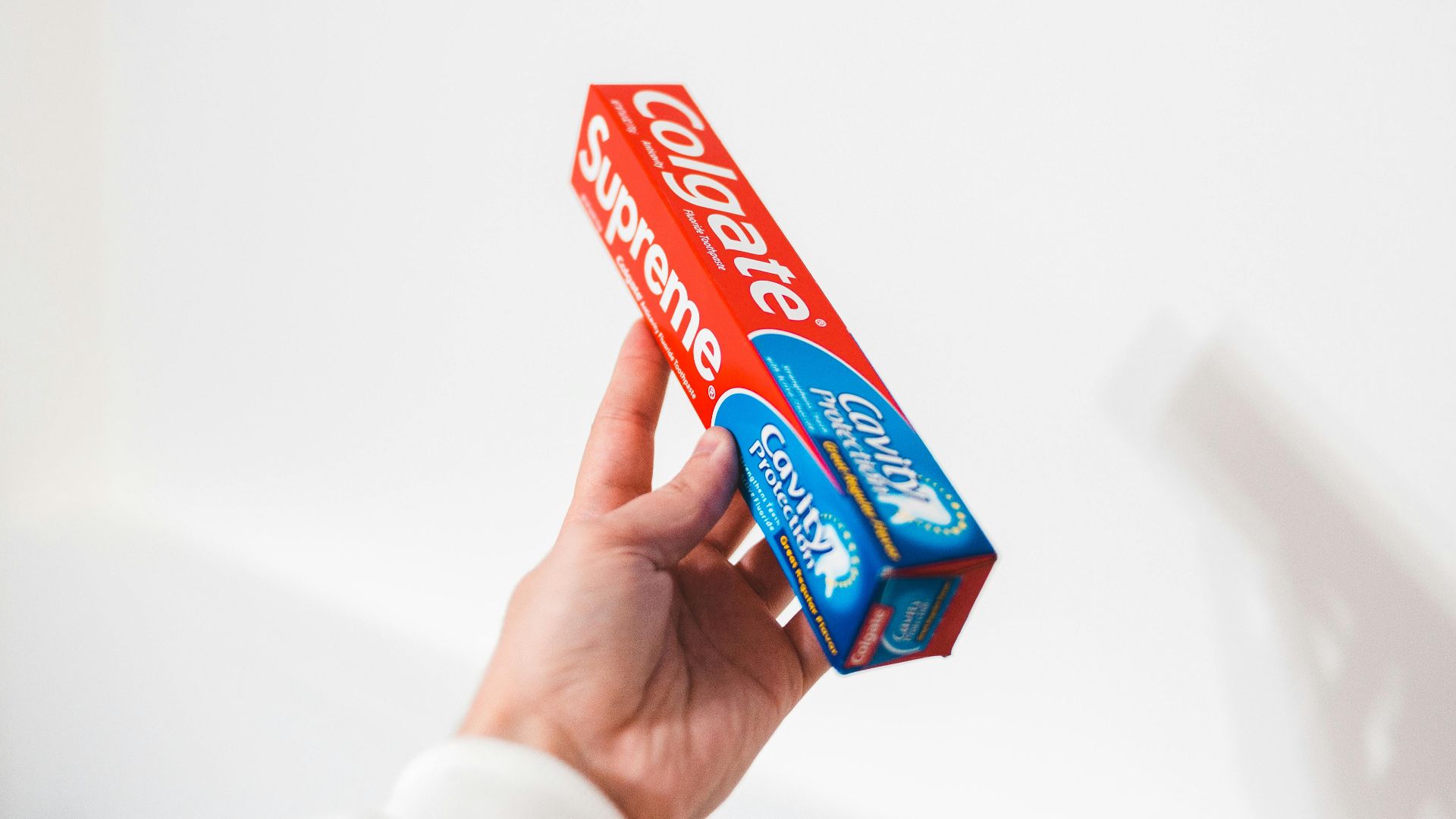
5. Colgate Kitchen Entrees
Colgate’s frozen meals are one of the stranger stories in brand extension. The ready-meal market boomed in the 1960s, and plenty of companies were trying to keep up. Colgate had one huge problem, though: people knew the name from toothpaste, and that association made frozen lasagna or beef dishes didn’t quite sit right.
6. Fat-Free Chips With Olestra
Fat-free chips made with olestra arrived during the 1990s low-fat boom. The promise was simple and very tempting: eat chips with less guilt attached. Shortly after, a few unlucky humans discovered that this fat substitute was nonabsorbable, leading to major gastrointestinal issues.

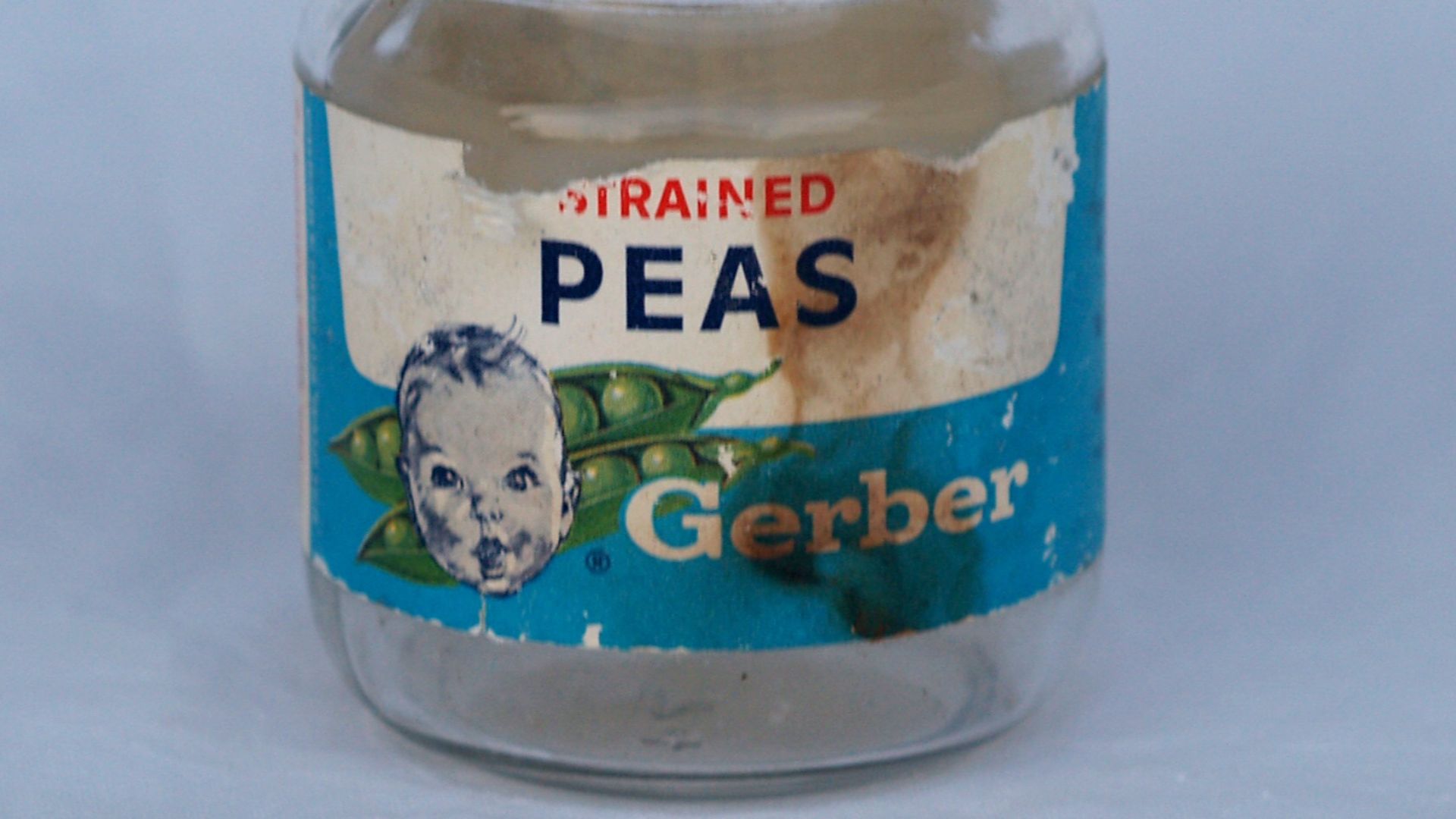
7. Gerber Singles
Gerber Singles launched in 1974 as small jars of ready-to-eat meals for adults. The idea did respond to a real shift, since more people were eating solo and wanted smaller portions. The packaging worked against it from the start, because adults didn’t want something that looked too close to baby food.
8. Space Food Sticks
Space Food Sticks came out in the late 1960s after the public’s fascination with space blossomed. Pillsbury developed the snack after its work on space-friendly foods, and the bars were marketed as convenient, portable, and nutritionally useful. They eventually disappeared from regular shelves as the space-age novelty wore off.
9. Textured Vegetable Protein
Textured vegetable protein was developed in the 1960s as a soy-based meat extender and substitute. While considered cheap, shelf-stable, and high in protein, it never became the sweeping meat replacement some planners imagined. Folks found it too processed, too unfamiliar, or just not appealing enough.
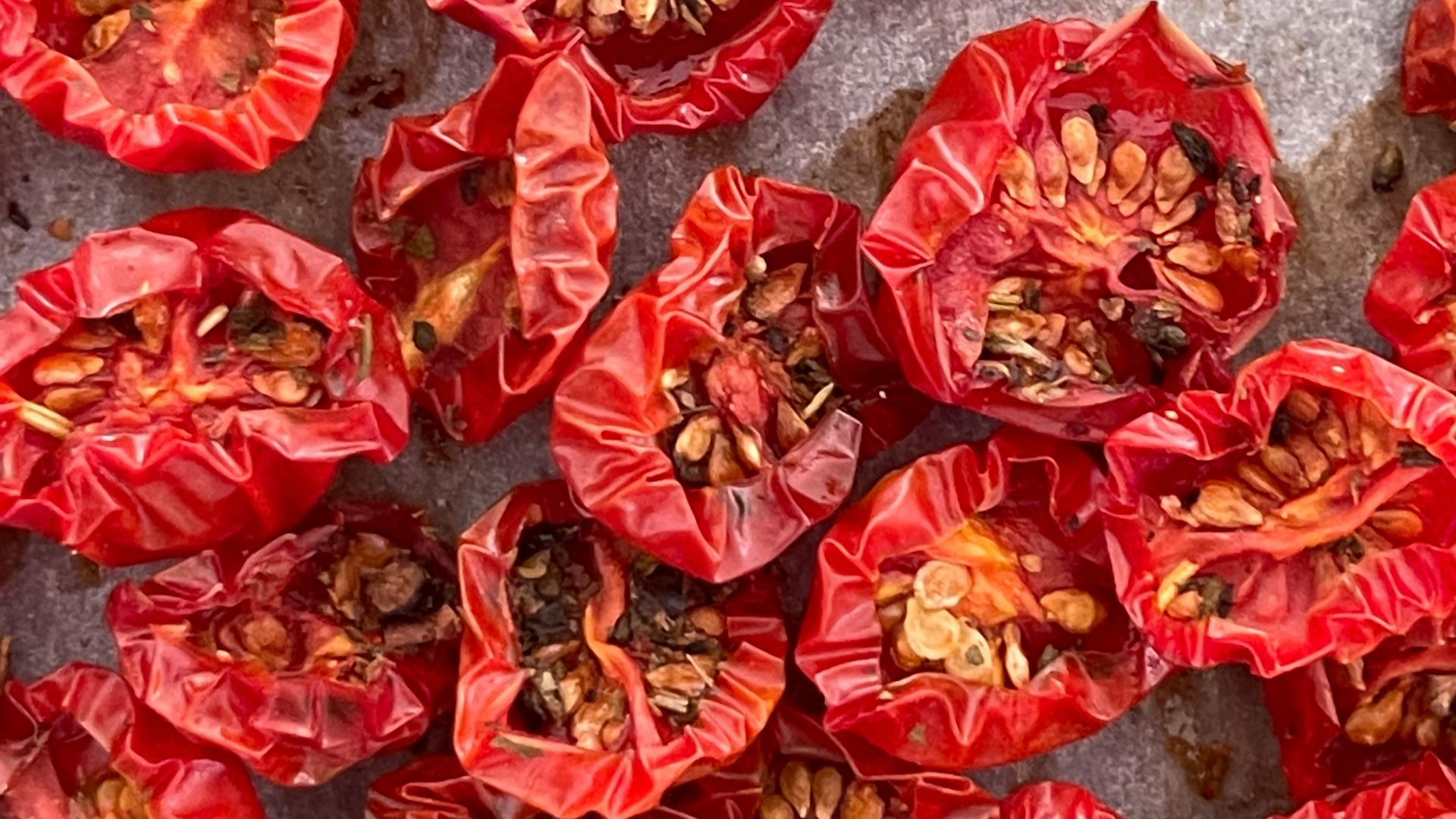
10. Sun-Dried Tomatoes
Sun-dried tomatoes began as a practical preservation method, especially in places where ripe tomatoes were salted and dried for use beyond the harvest season. In the late 1980s and 1990s, they became a restaurant shorthand for Mediterranean-style sophistication. While still used today, they’re not quite as popular as restaurateurs expected them to be.
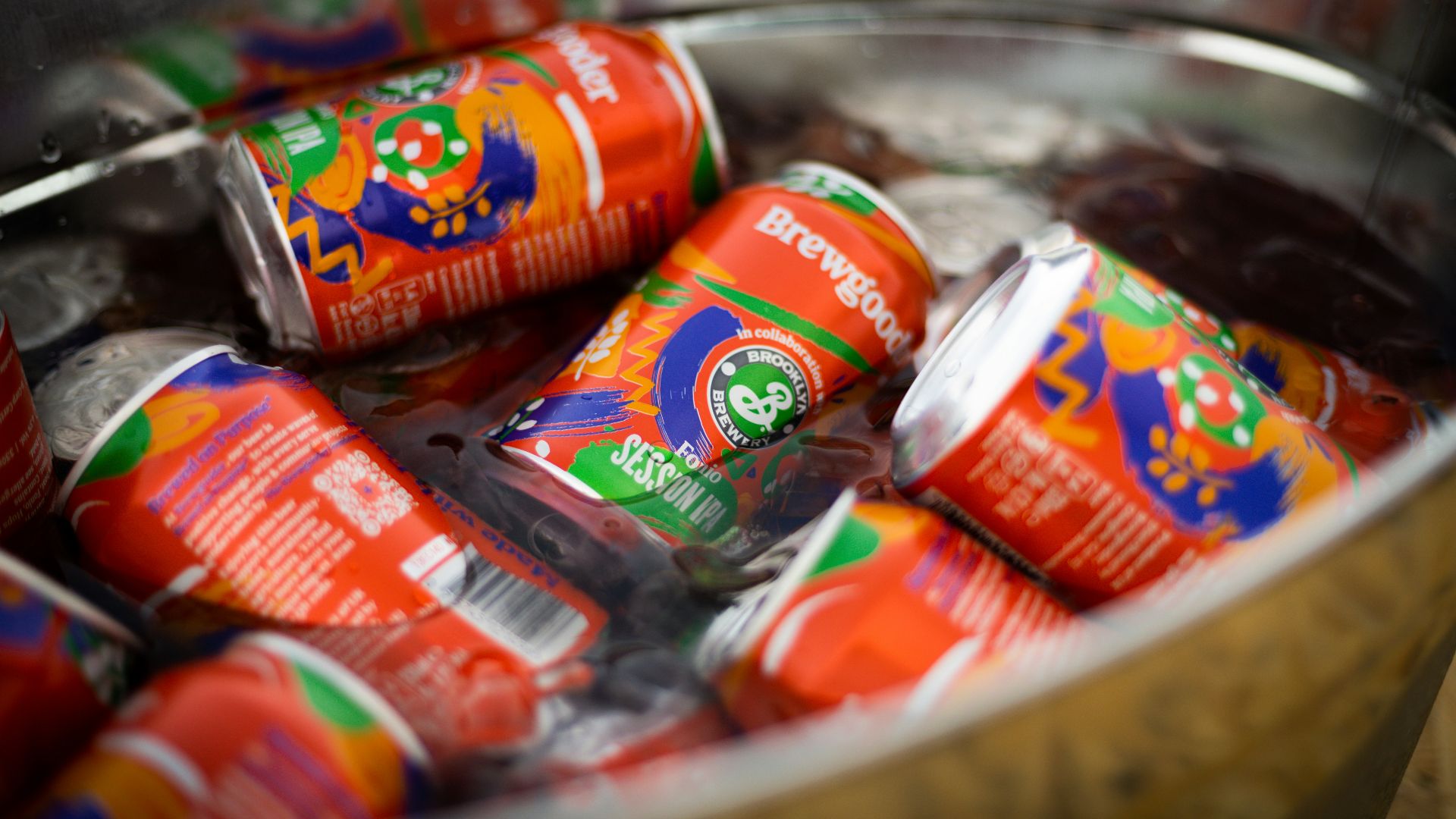
11. Wine Coolers
Wine coolers took off in the 1980s as an easy, sweet alternative to beer, wine, and cocktails. While newer, more exciting canned rinks pushed them aside, the basic idea of a fruity, ready-to-drink beverage clearly never went away.
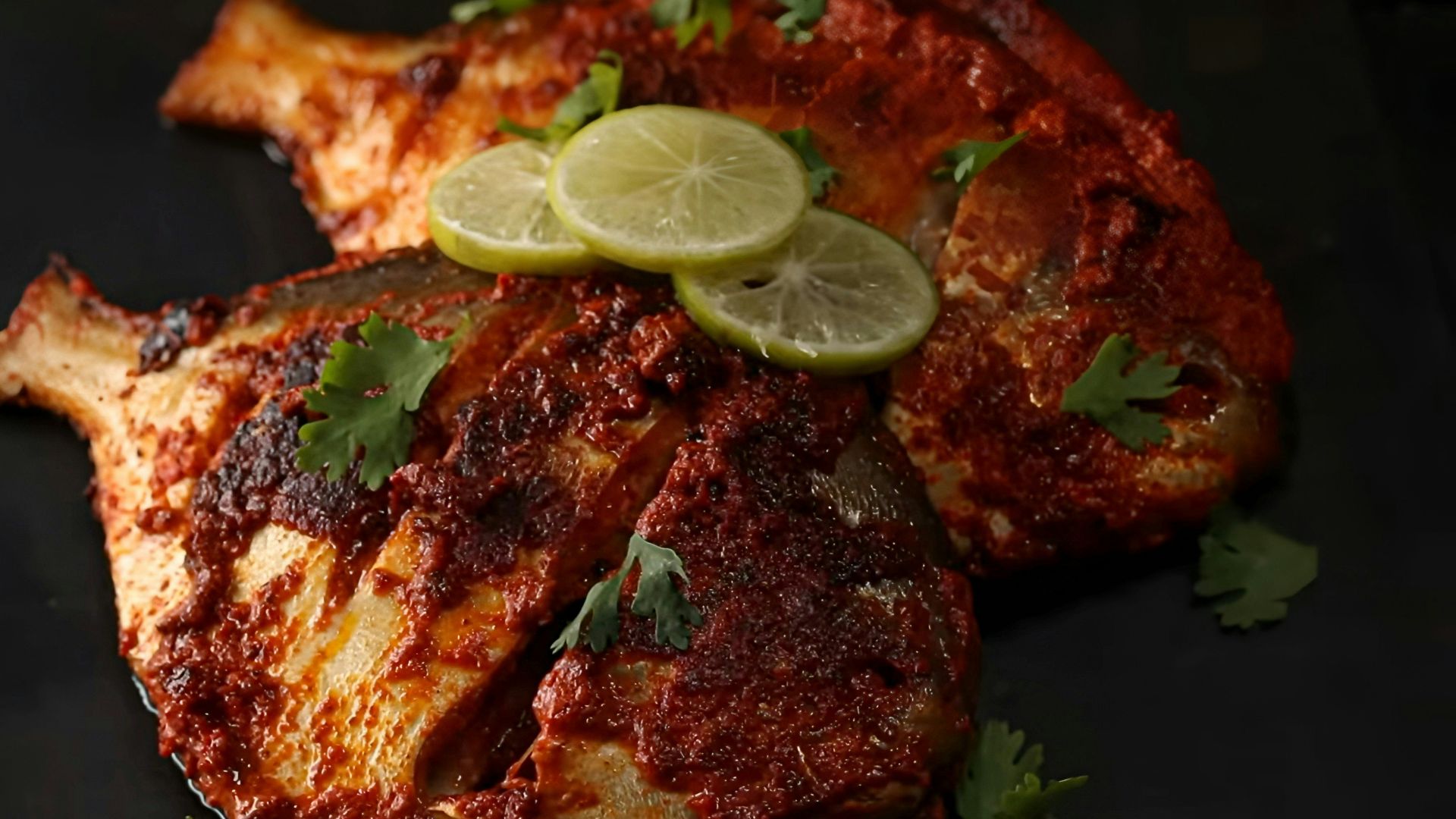
12. Blackened Fish
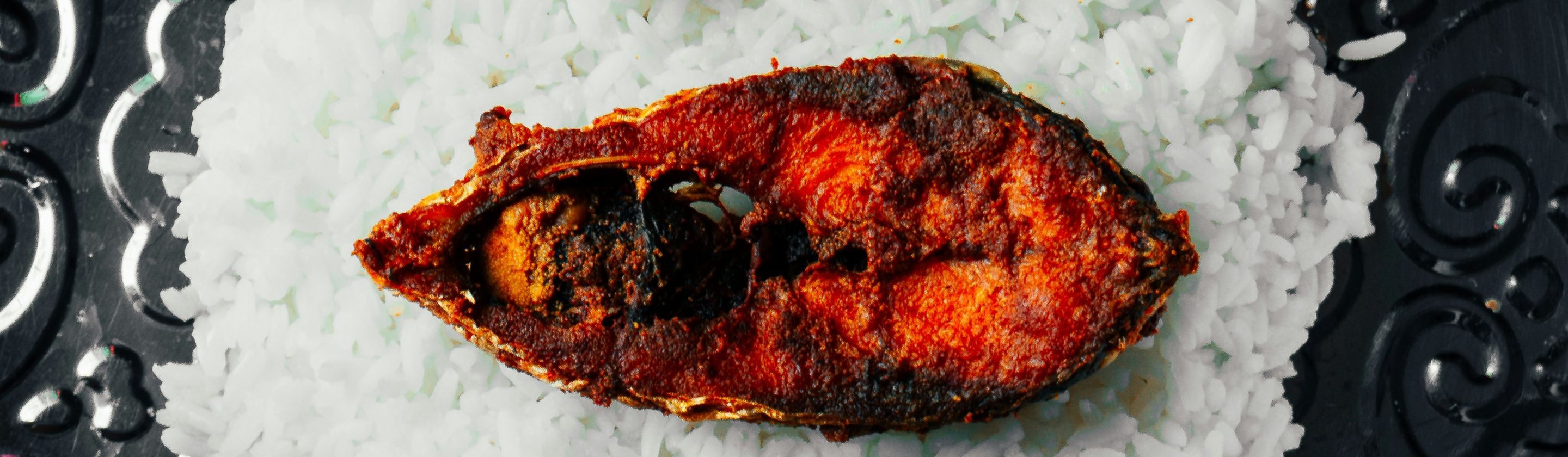
Blackened fish became a national craze after Paul Prudhomme helped bring Cajun cooking to a wider audience in the 1980s. The dish used heavy seasoning, butter, and high heat, and restaurants across the country rushed to put their own versions on menus. Some versions were good, but the dish never really broke out of its niche.
13. Surf And Turf
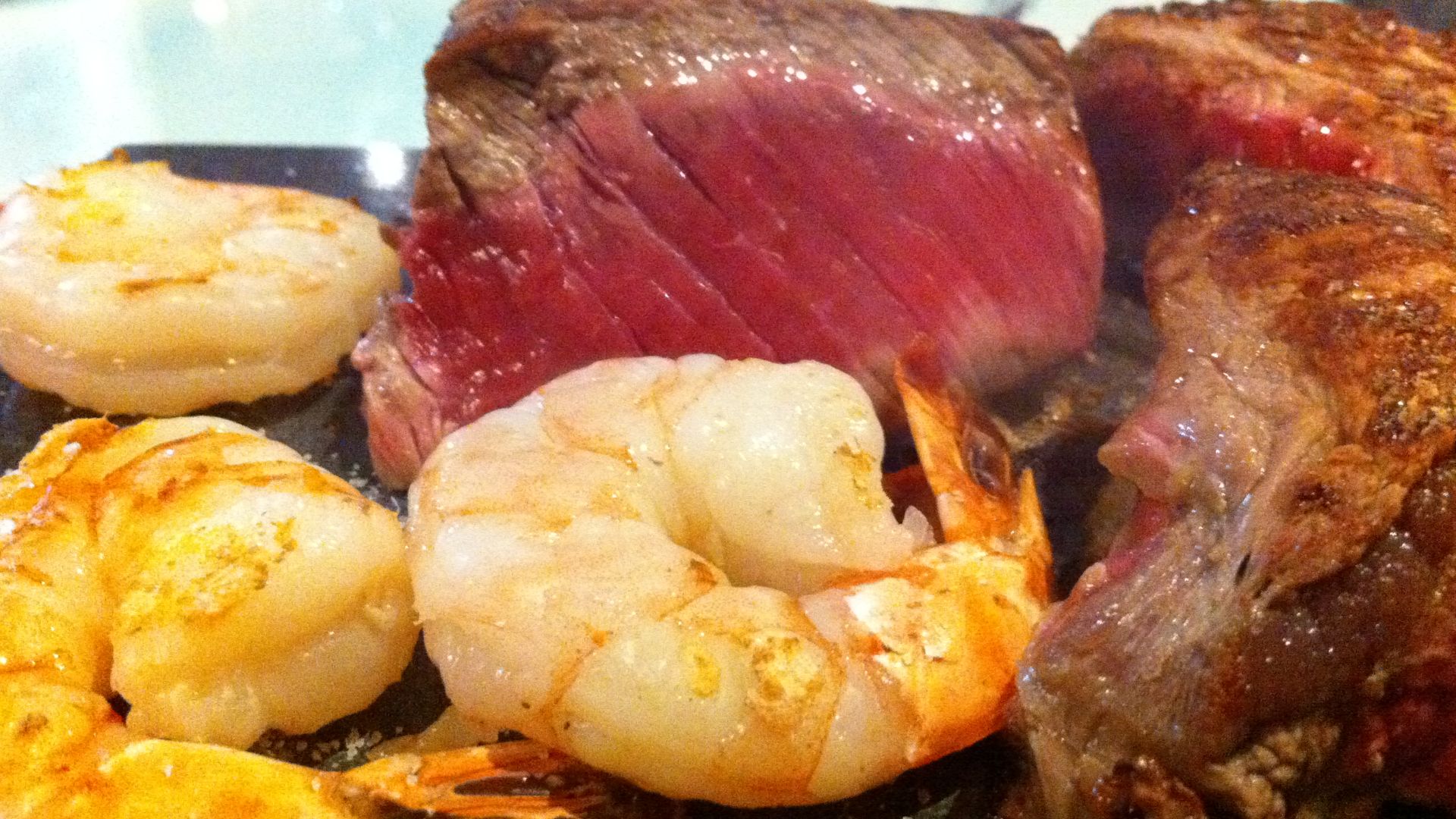
Surf and turf also developed from restaurant culture. The pairing of steak and lobster was especially associated with midcentury and late-20th-century dining rooms. As tastes shifted toward lighter cooking, seasonal menus, and less obvious displays of expense, surf and turf started to feel a little too old school.
14. Cultured Meat
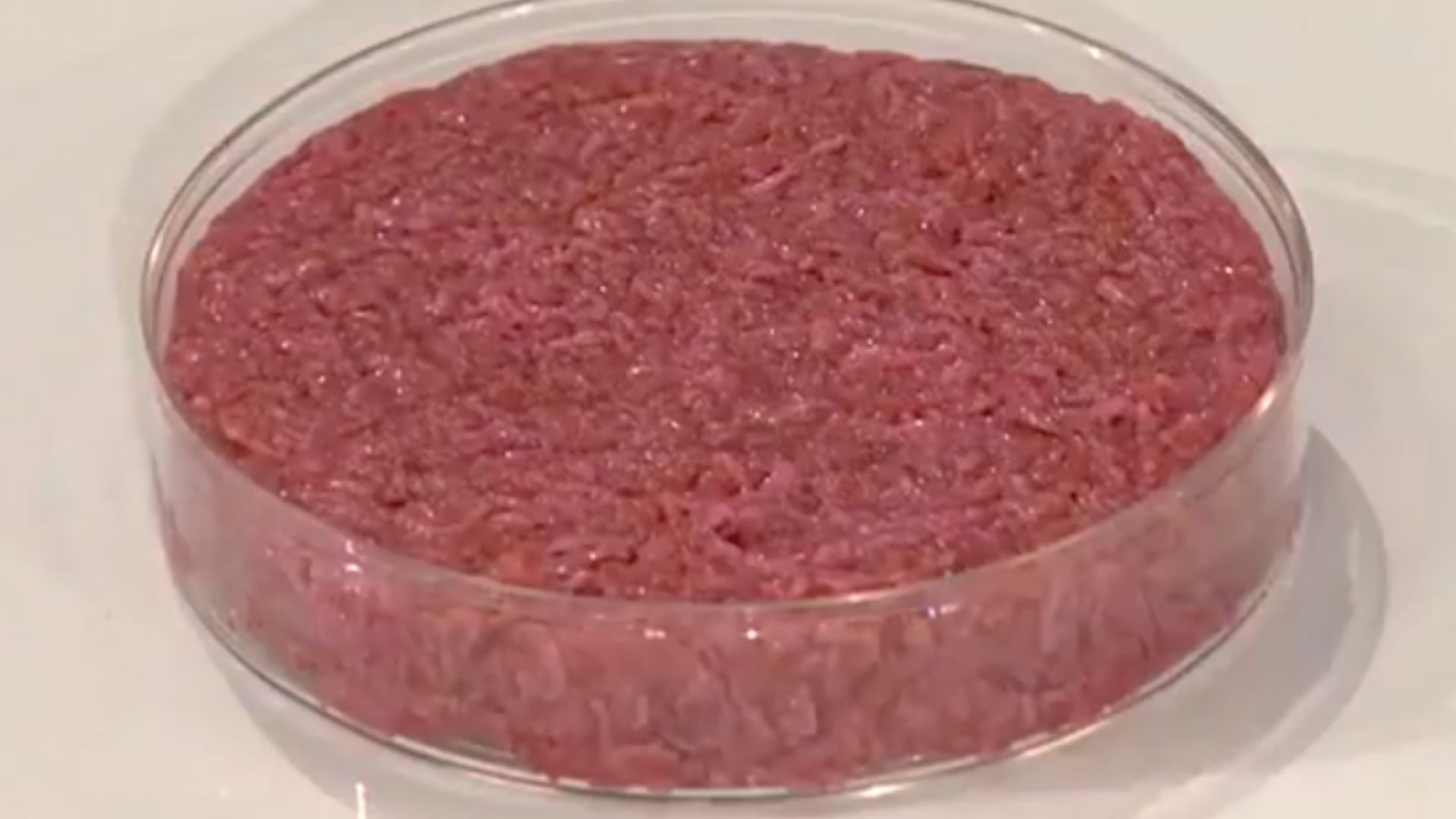
The idea of growing meat, sans animal, has been around for nearly a century. Winston Churchill famously imagined growing chicken parts separately in a 1931 essay, and the modern cultured-meat industry has spent years trying to make that kind of idea real. Science has moved forward, but price, production scale, regulation, and consumer hesitation have kept cultured meat from becoming an everyday grocery-store choice.
 World Economic Forum on Wikimedia
15. Mycoprotein Meat
Mycoprotein was developed through fermentation research that looked at fungi as a useful protein source. It’s had more success than many future-food ideas, but it still hasn’t replaced conventional meat for most shoppers.
 Daniel Neville from Melbourne, Australia on Wikimedia
16. Single-Cell Protein
In the 1960s and 1970s, researchers and companies explored ways to turn yeast, algae, bacteria, and other microorganisms into high-protein food or feed. Sadly, energy costs, production economics, and consumer acceptance kept it from becoming the simple food-supply fix some people hoped for.

17. Atomic Garden Produce
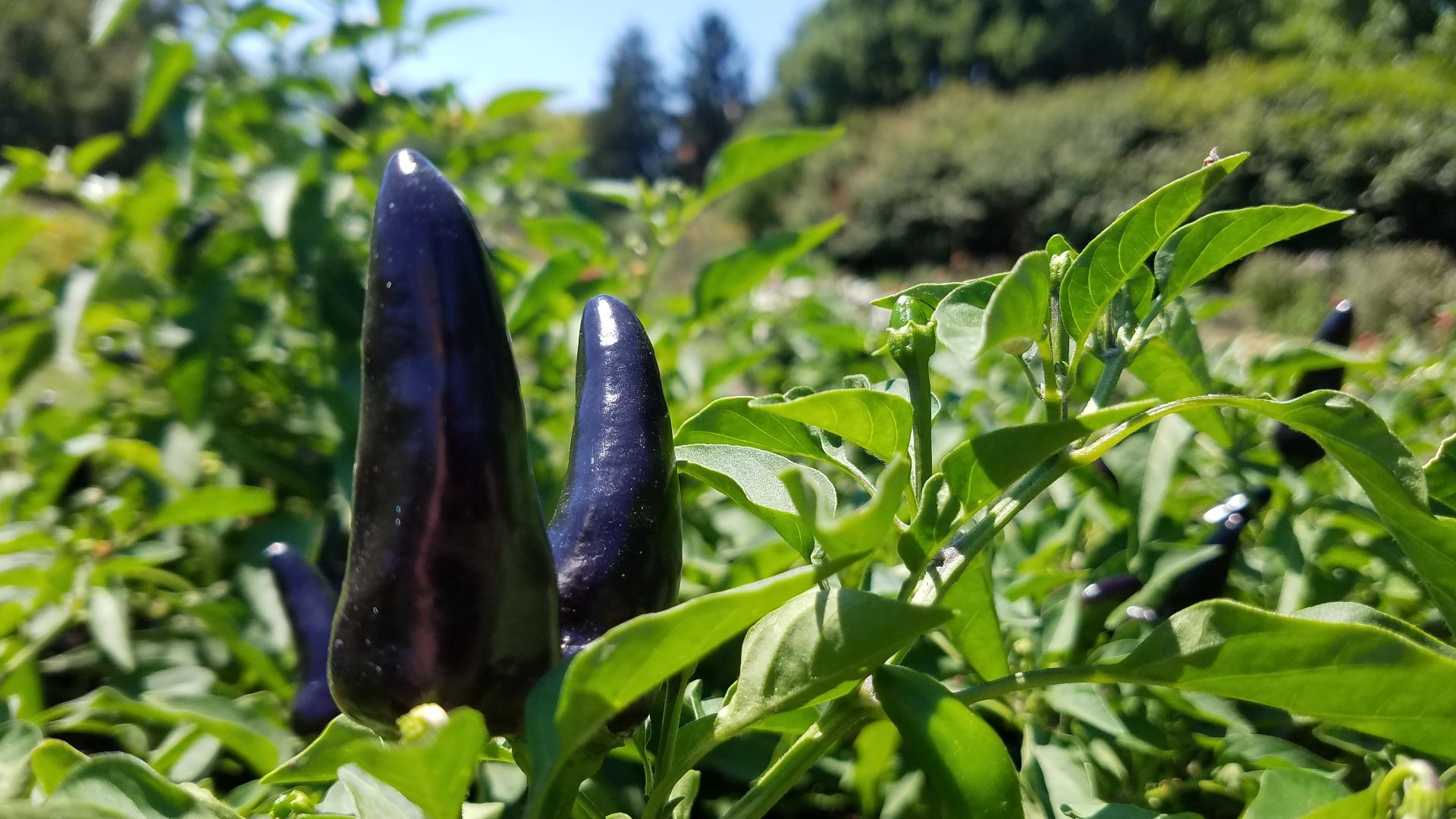
Atomic gardening came out of the postwar push to find peaceful uses for nuclear technology, exposing a variety of plants to radiation. Some mutation-breeding work did lead to real agricultural varieties, but the public excitement around atomic food faded as nuclear anxiety became harder to ignore.
 Dan Keck from Ohio on Wikimedia
18. Freeze-Dried Space Food
Freeze-dried and dehydrated foods became far more interesting once astronauts were eating them. Early space programs needed food that was light, compact, shelf-stable, and easy to prepare in a spacecraft. The technology stuck around for camping, emergency kits, and novelty treats, but most people still prefer their food with a little moisture.
19. Gros Michel Bananas
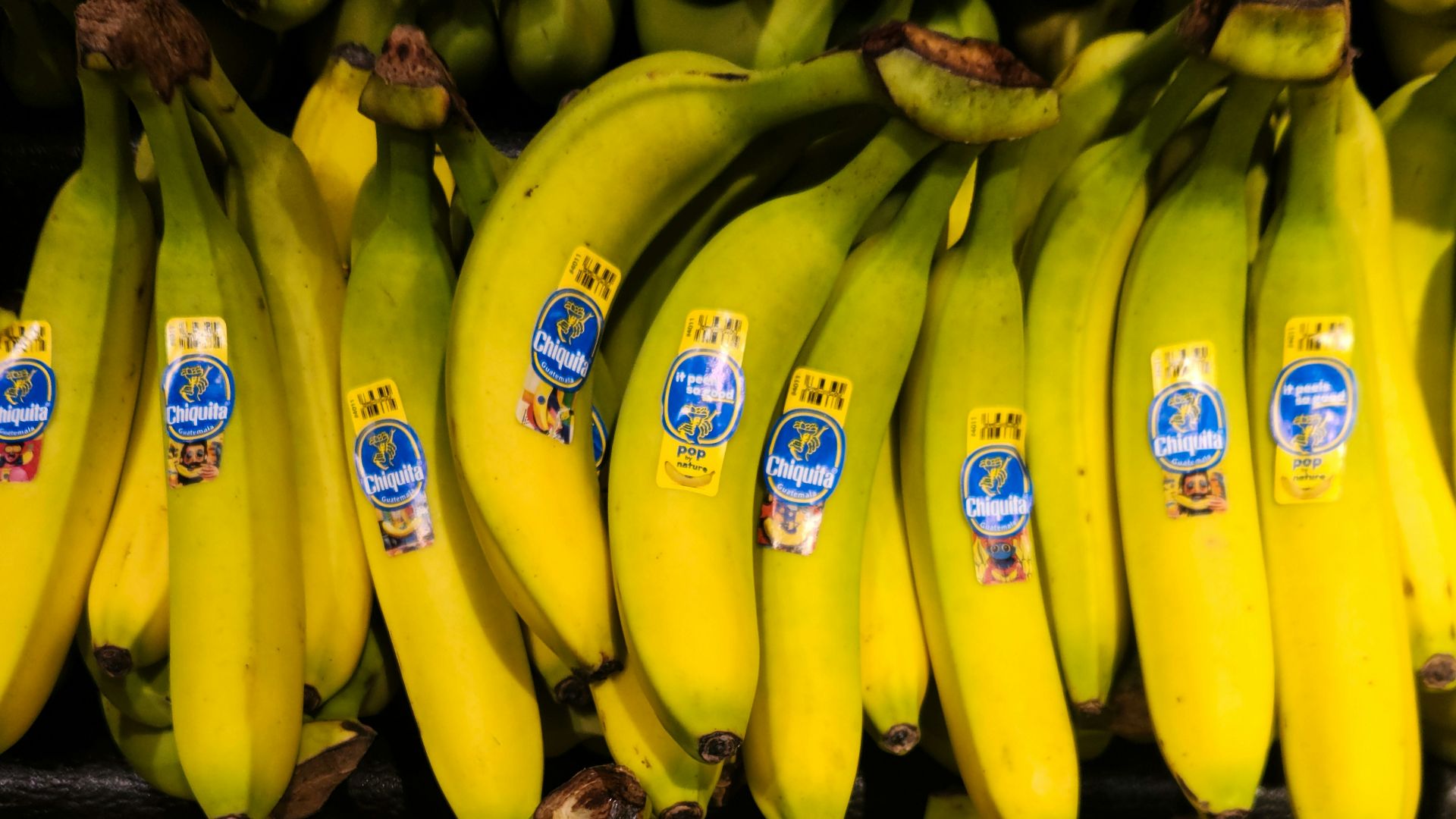
The Gros Michel banana was once the dominant export banana, prized for being sweet, sturdy, and easy to ship. Unfortunately, Panama disease devastated commercial production in the mid-20th century, letting the Cavendish take its place.
20. Raw Water
Raw water became a wellness trend in the late 2010s, when untreated spring water was sold as a cleaner alternative to ordinary tap water. The pitch appealed to people who were suspicious of processing, additives, and municipal water systems. Treated water exists for a reason, though, and untreated water can carry bacteria, parasites, or other contaminants that are far worse for your body.

KEEP ON READING