Why Australian Menus Can Feel Like a Vocabulary Test
Both Americans and Australians speak English, but when it comes to food, there are a lot of differences in the way they refer to things. What you're used to in the United States when ordering meals, buying candy, and more, might not be the same as if you were living in the Down Under. To prove this to you, here are 20 Australian food words we know will leave you baffled.

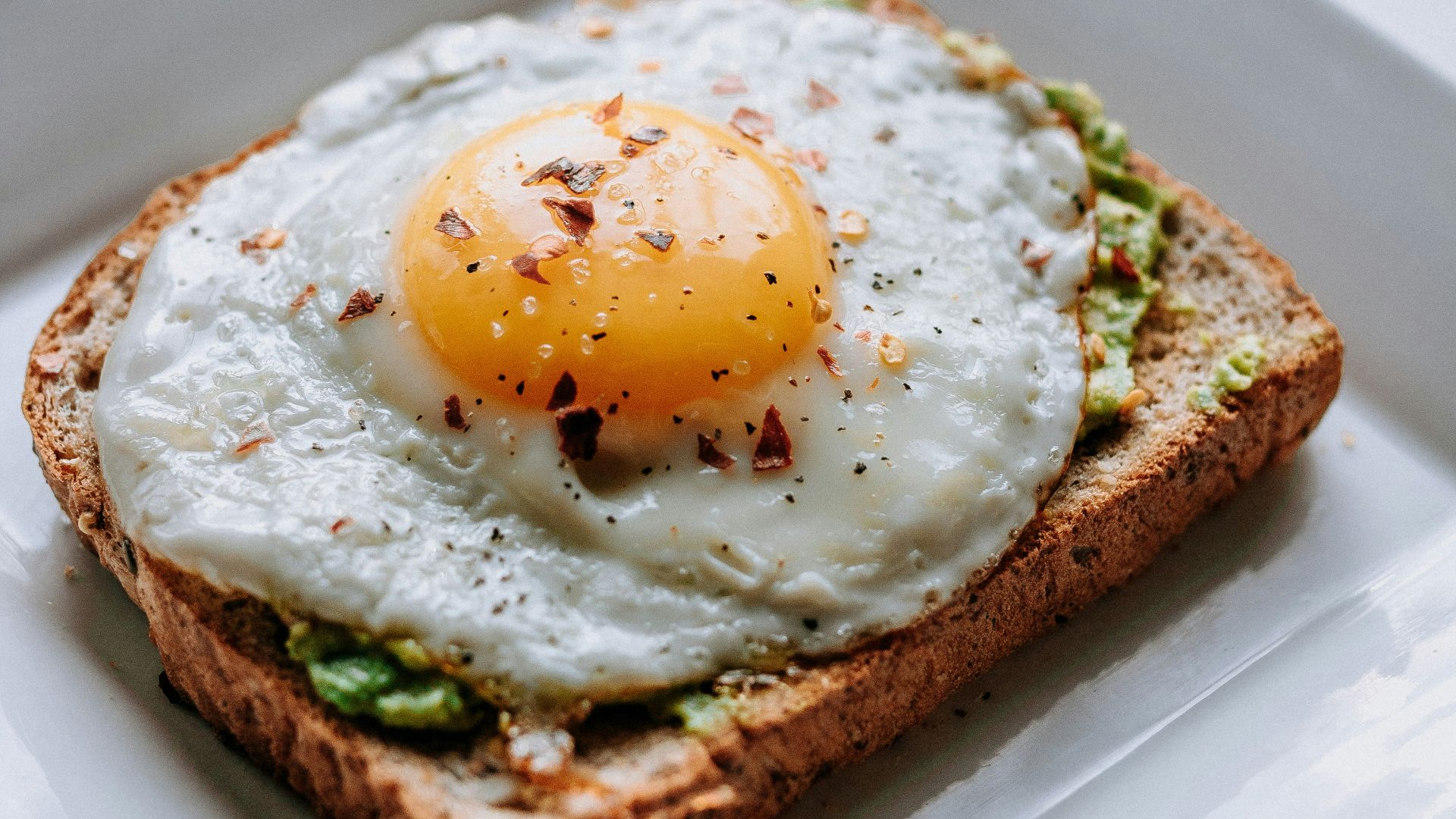
1. Brekkie
Once you hear that "brekkie" is the Australian way of saying "breakfast," it makes a lot more sense, but without the context, it would've been confusing. In the country, you'll see it on cafe menus everywhere you go, so you'd eventually put two and two together.
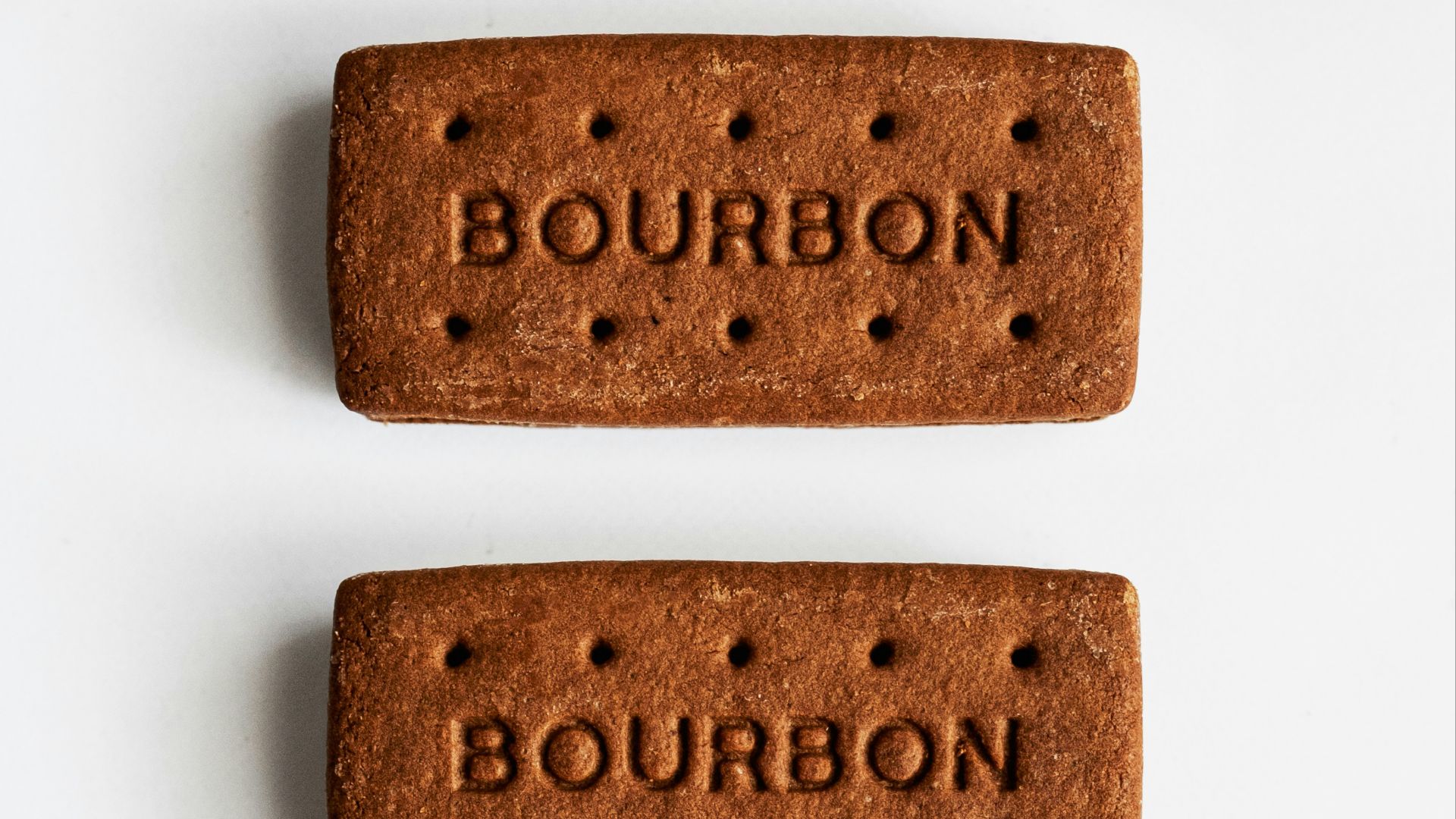
2. Bikkie
Sounding awfully similar to brekkie, don't assume you're going to be served eggs, sausage, and toast when you hear this word in Australia. A “bikkie” is a biscuit, but not the fluffy American kind served with gravy. It usually means a cookie or cracker, depending on the context.
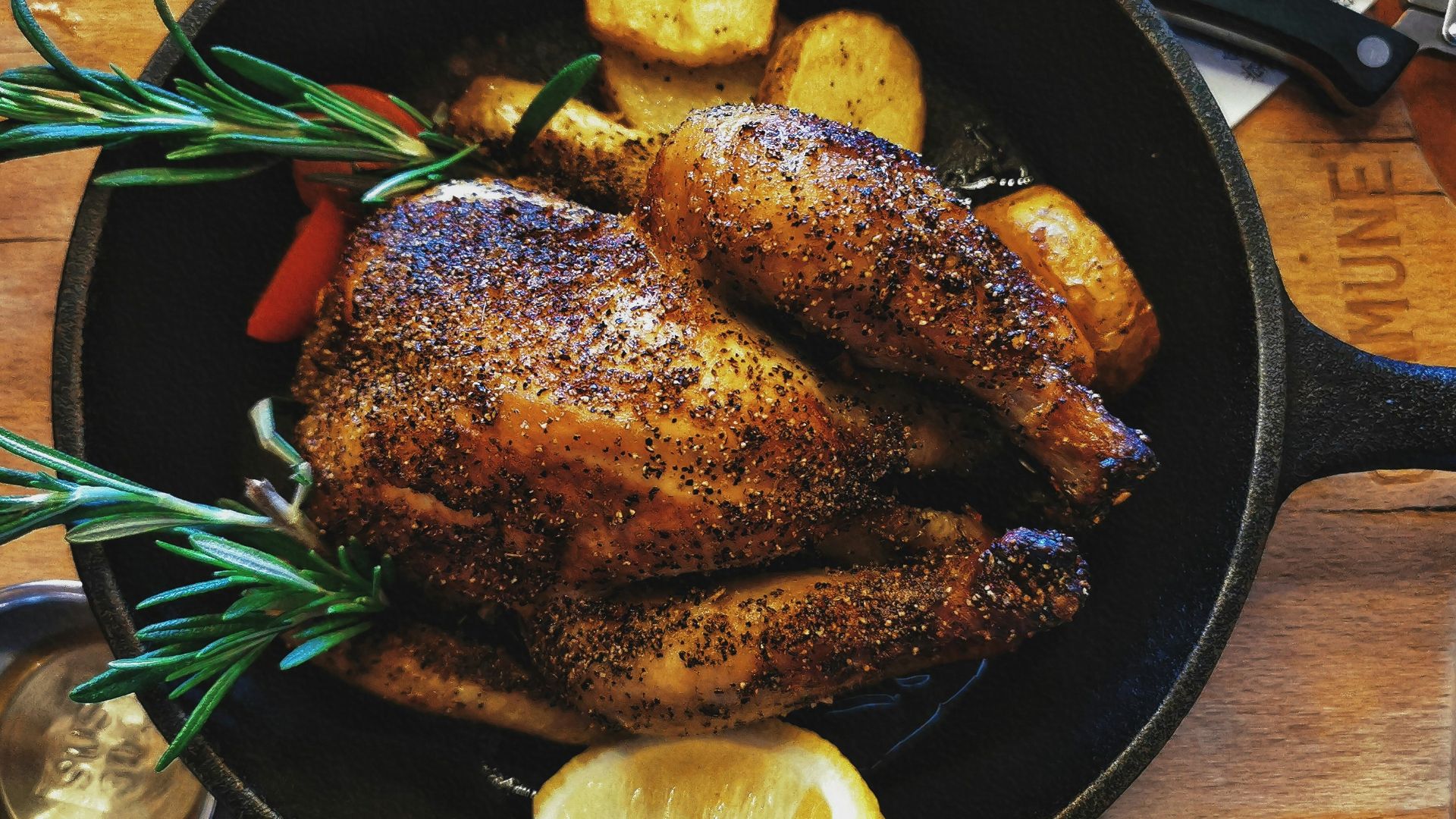
3. Chook
The last thing you're probably thinking of is chicken, but that's exactly what "chook" means in Australia. We're just wondering where the double os came from! So if you see “roast chook” on a menu, you’re looking at roast chicken.
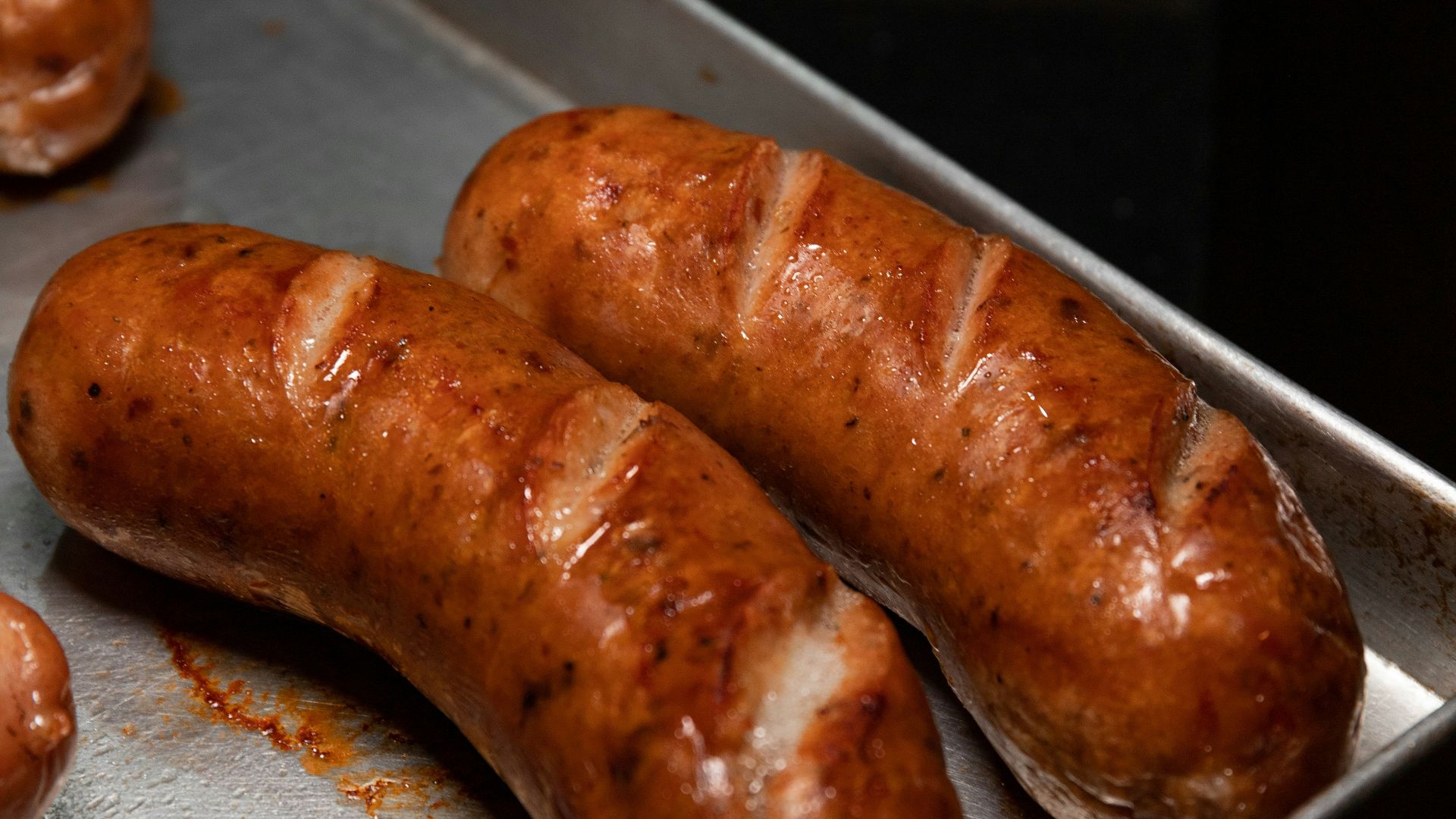
4. Snag
With only two letters that cross over, it's incredibly hard to know that "snag" means "sausage" if you've never been to the Down Under before. It's especially common at barbecues and community fundraisers, so if you're looking to travel to the country in summer, make sure to add it to your vocabulary.
5. Maccas
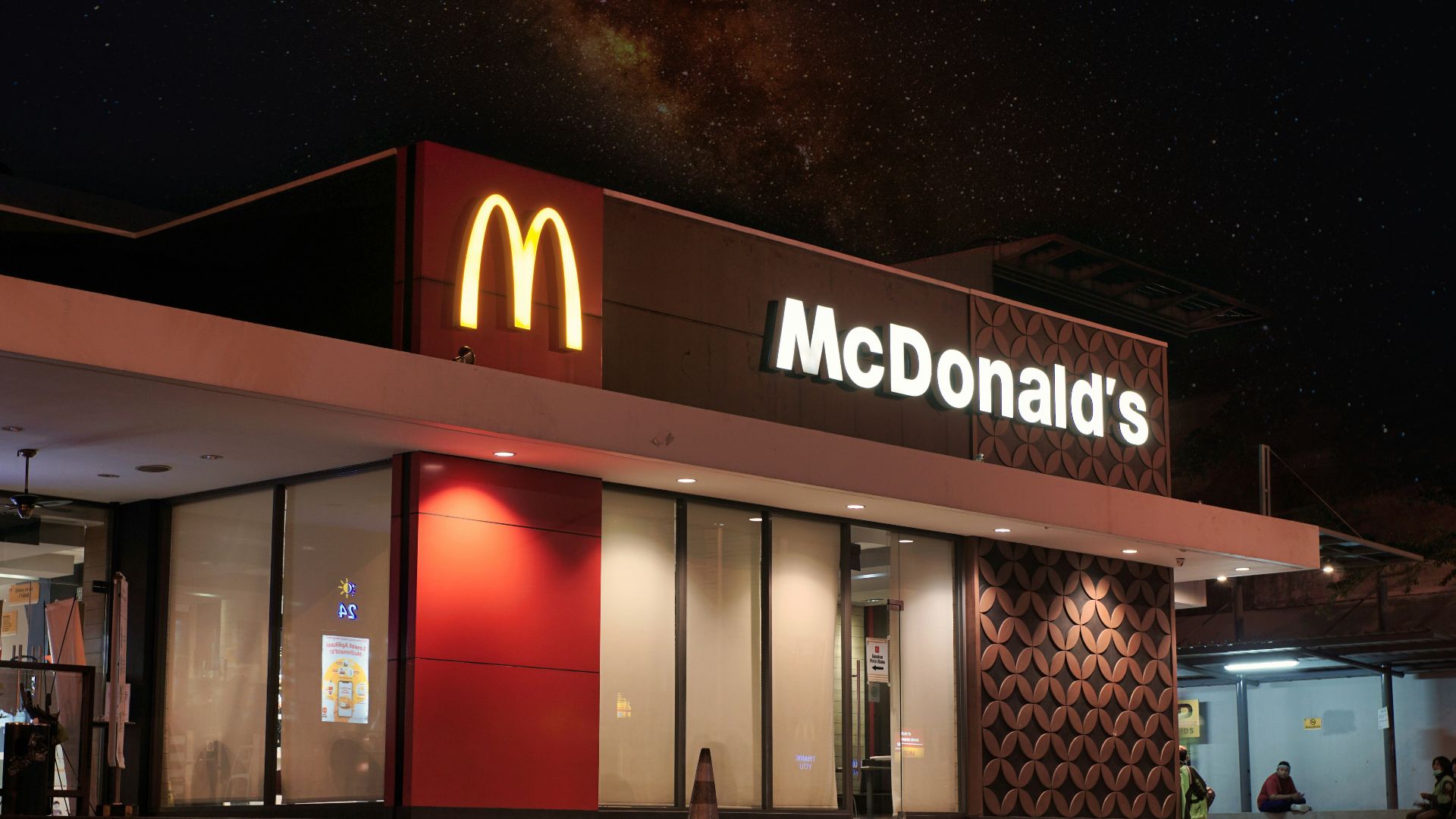
There are a number of ways McDonald's is called in America, from Mickey Ds to Micky's and more, so it only makes sense Australia has its own nickname, too. Over there, they like to call the beloved fast food chain, "Maccas."
6. Lollies
In Australia, “lollies” usually means candy in a general sense, not just lollipops. This tends to confuse Americans because the word sounds much more specific in the United States. But a bag of lollies might include gummies, hard candies, chocolates, or other sweet treats.

7. Fairy Bread
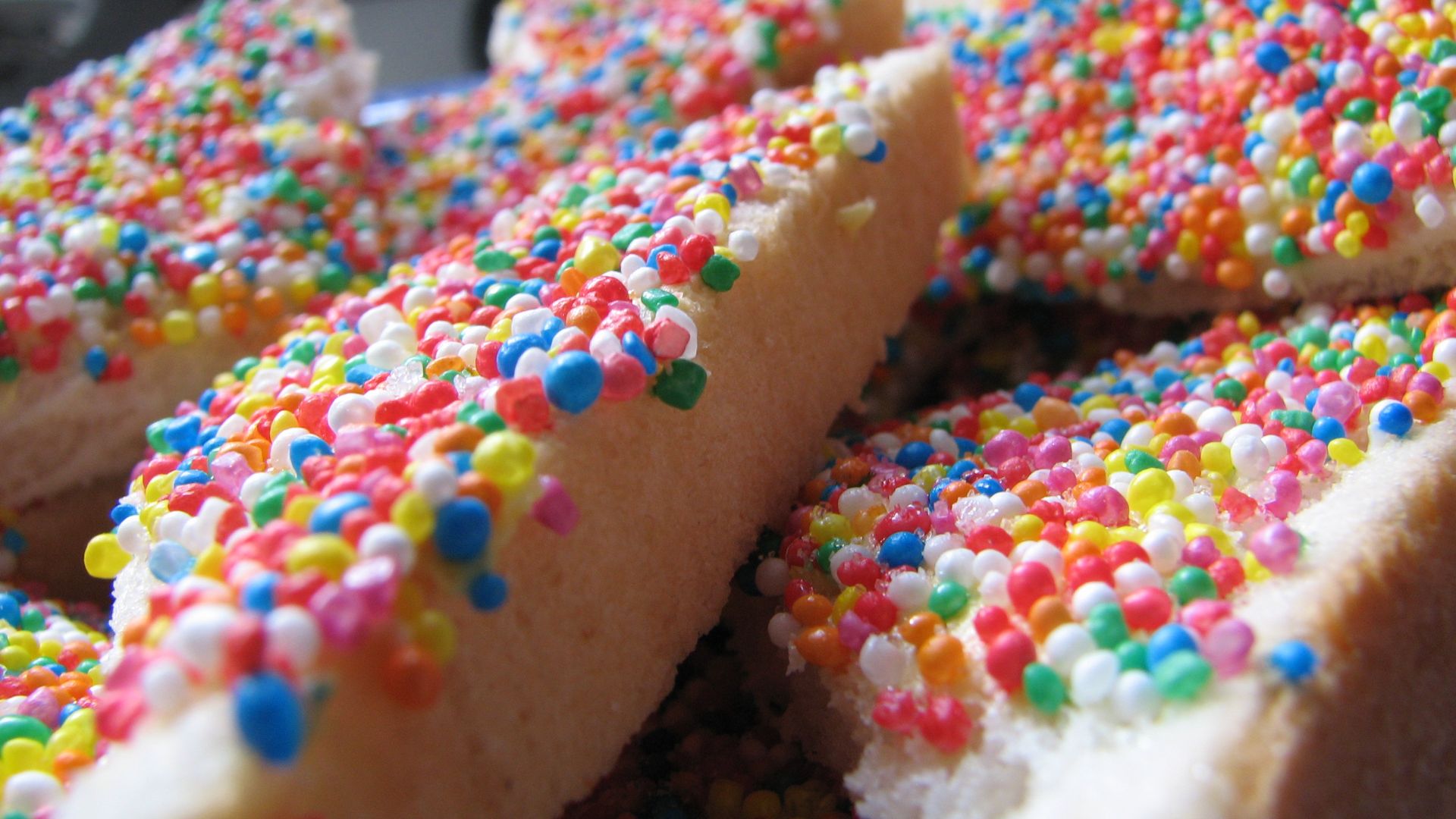
Fairy bread definitely sounds a lot more magical than what it actually is. Americans might think this dish is something complicated or complex, but in reality, it's simply white bread covered in butter with colorful sprinkles topped all over. It's a classic children's party food in Australia!
8. Hundreds and Thousands
Speaking of sprinkles, compared to what Americans call it, Australians have a more literal approach. They call this delightful topping "hundreds and thousands," clearly commenting on the sheer quantity of how many show up on cupcakes, cakes, and more sweet treats.

9. Devon
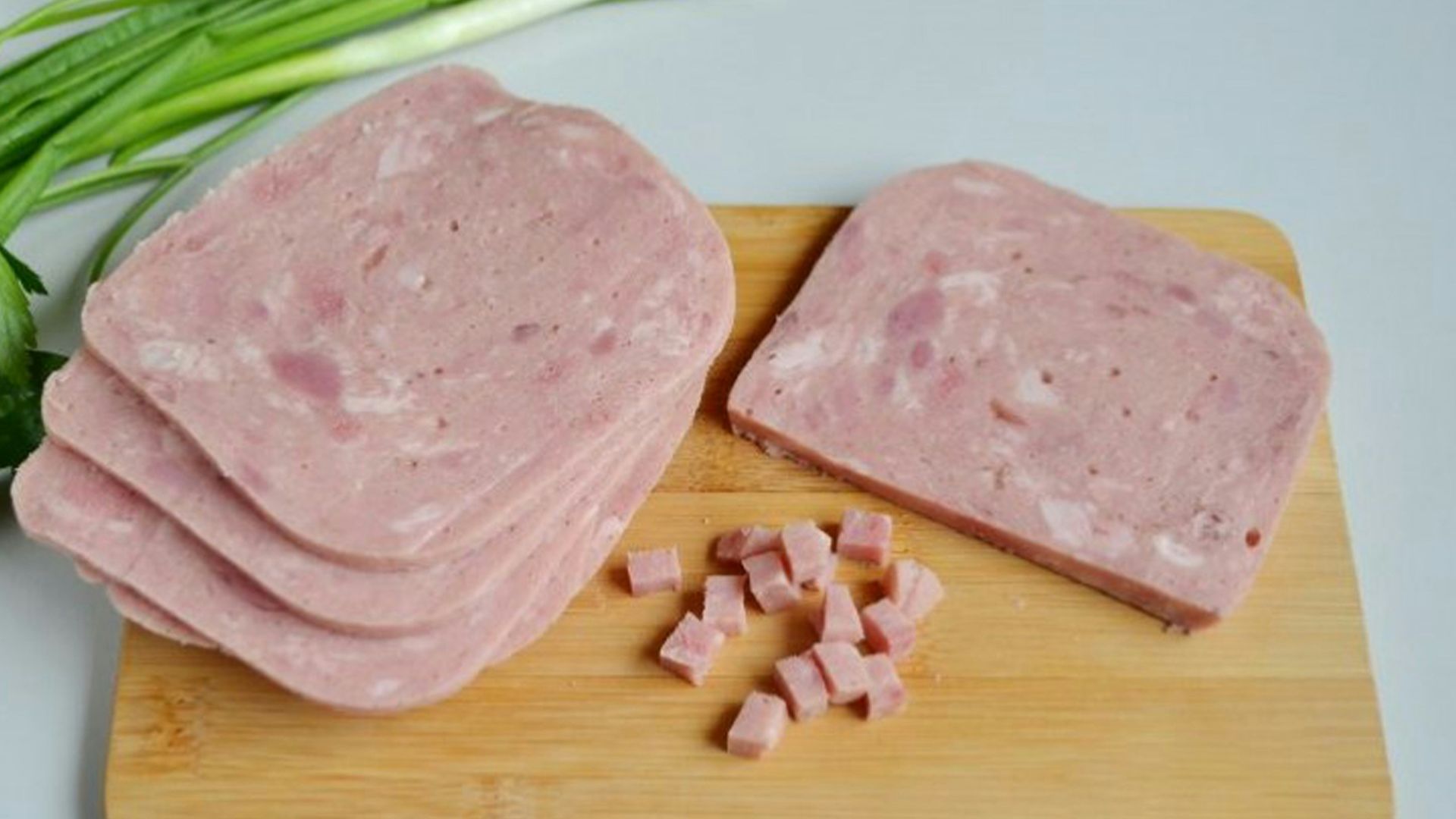
Sounding more like the name of a man than a food, devon in Australia is the equivalent of bologna in America. It's a type of processed lunch meat you'll commonly find in sandwiches.
10. Sanga
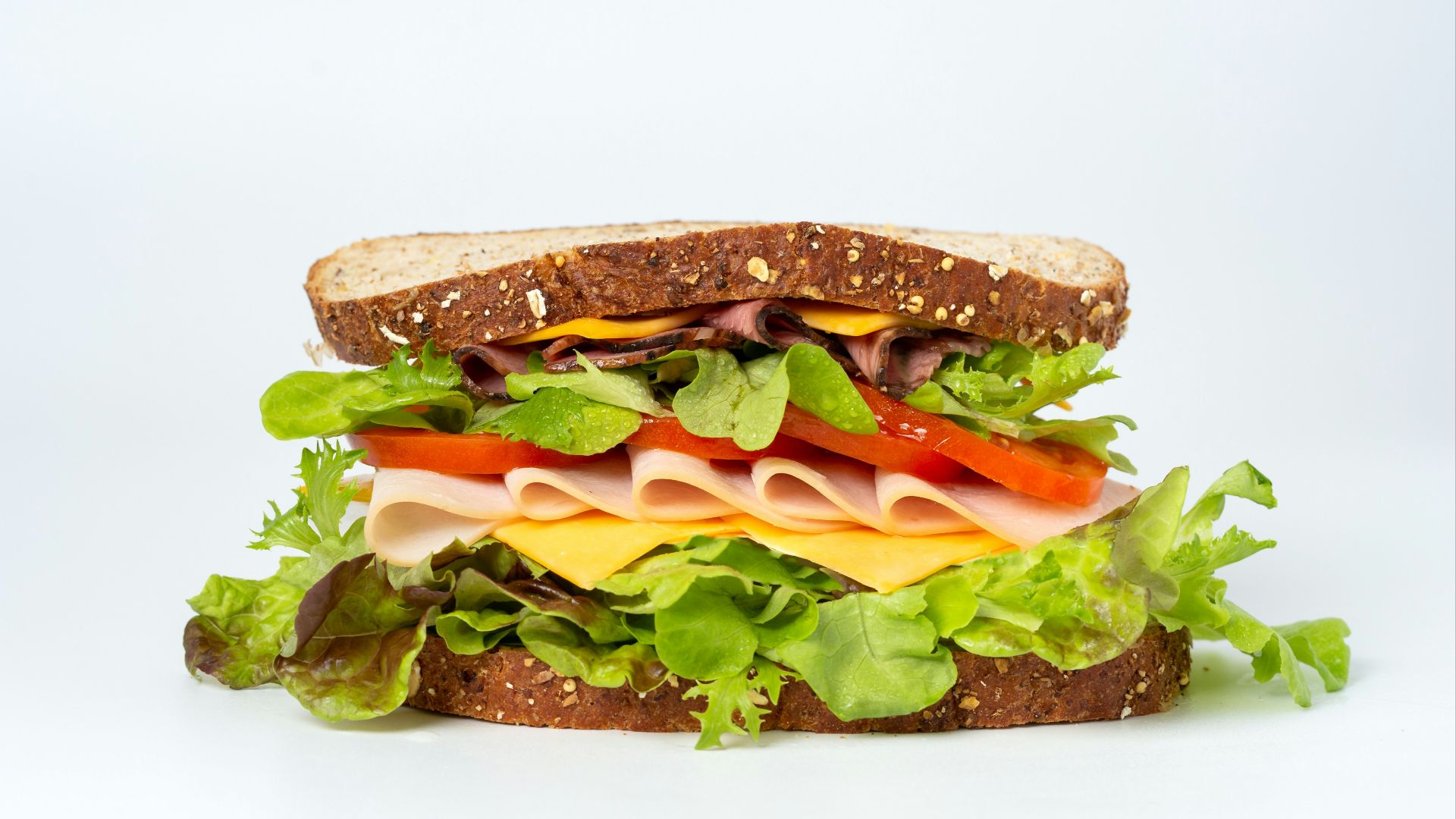
A “sanga” is a sandwich, and it’s one of those relaxed Australian shortenings that easily turns up in everyday conversation. You might hear about a ham sanga, a salad sanga, or a steak sanga, and all it simply is is some casual Aussie slang for this popular lunch food.
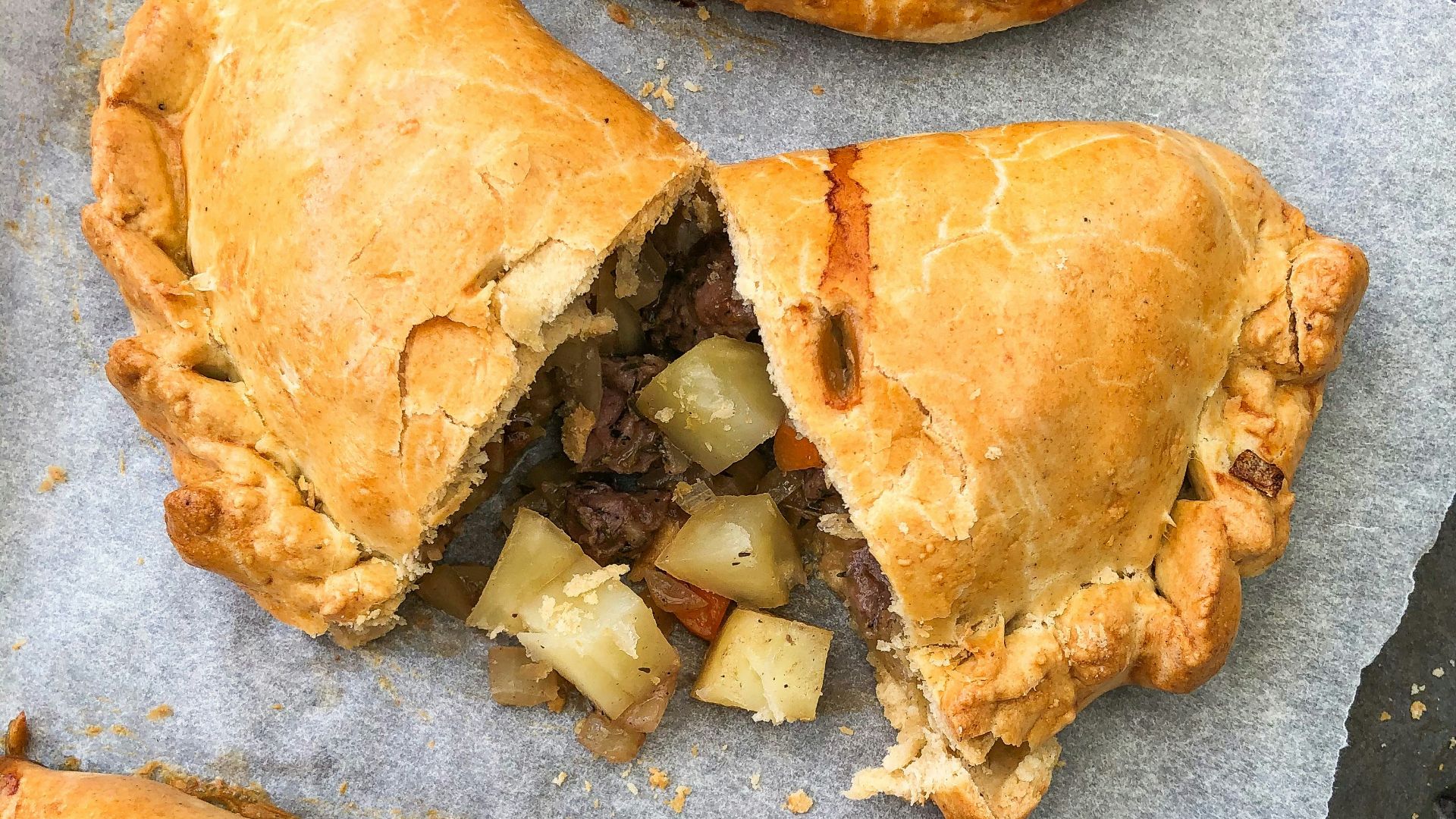
11. Servo Pie
The pie part is self-explanatory, but what about the servo? Turns out, a “servo” is a service station, aka a gas station, and a “servo pie” is a meat pie bought from one of those places, often as a quick snack on the road. Just think of it as a hot meat pie.
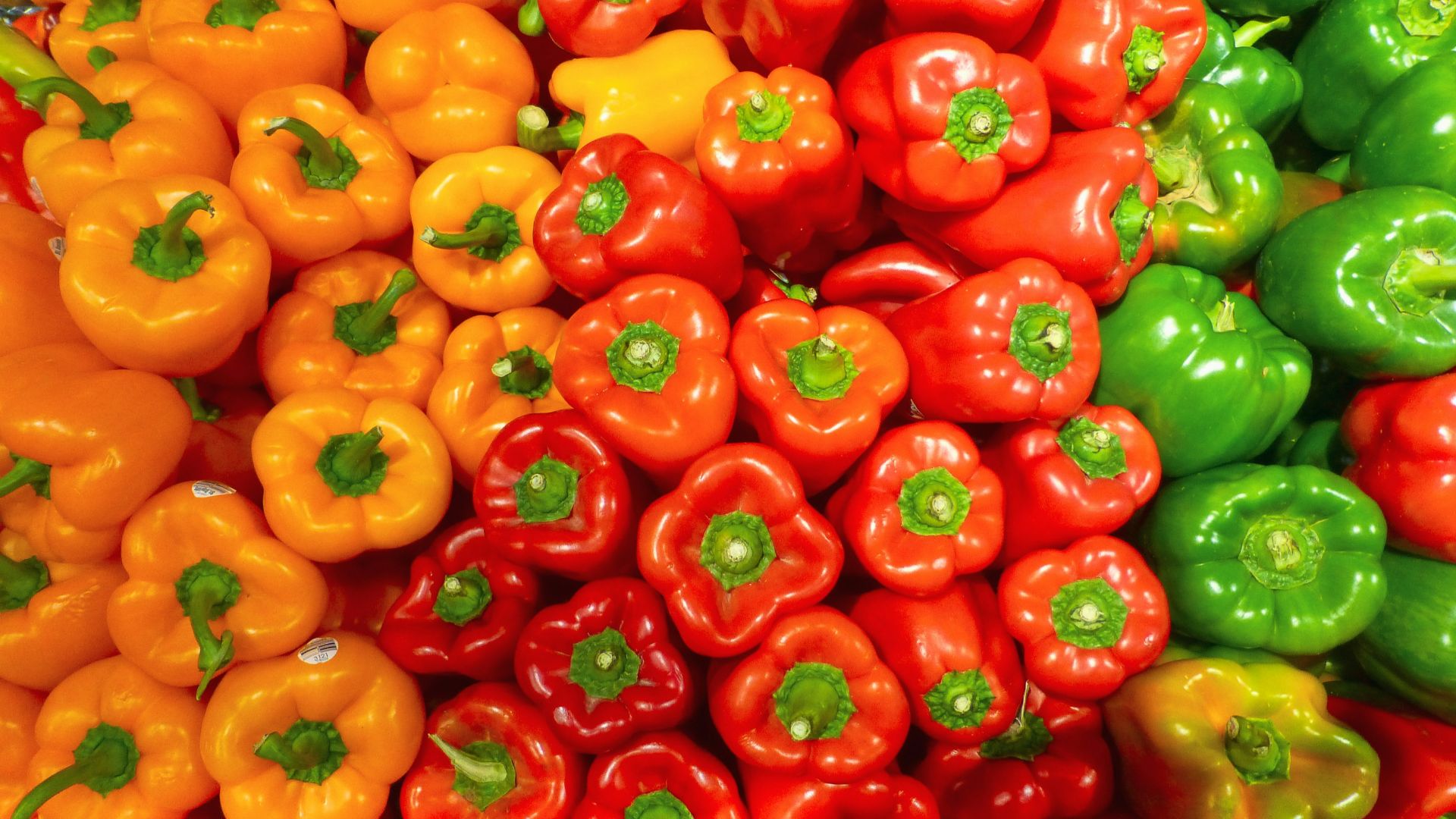
12. Capsicum
Nope, this food term has nothing to do with spice, though that might be what your brain is thinking right off the bat. “Capsicum” is the Australian word for bell pepper, so if an Australian recipe asks for red capsicum, it’s asking for a red bell pepper.
13. Ice Block
Compared to the usual popsicle word we're used to as Americans, ice block once again feels much more literal, and a lot less cute. The name can confuse Americans because it sounds like a plain chunk of ice rather than something flavored and sweet.

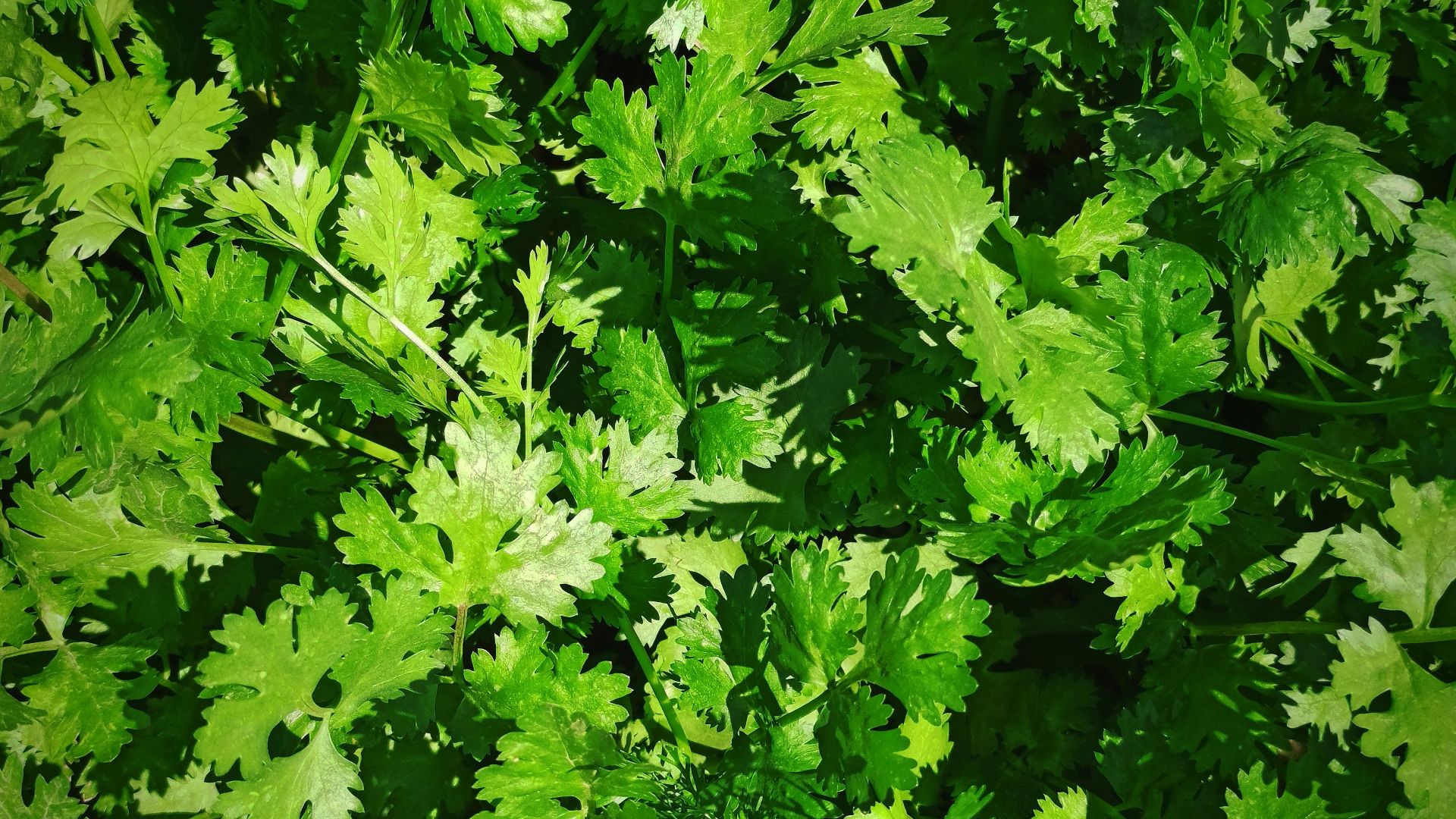
14. Coriander
In Australia, “coriander” can refer to the fresh herb that Americans usually call cilantro. This creates immediate confusion too because many Americans do use the word “coriander,” but mainly for the dried seeds.
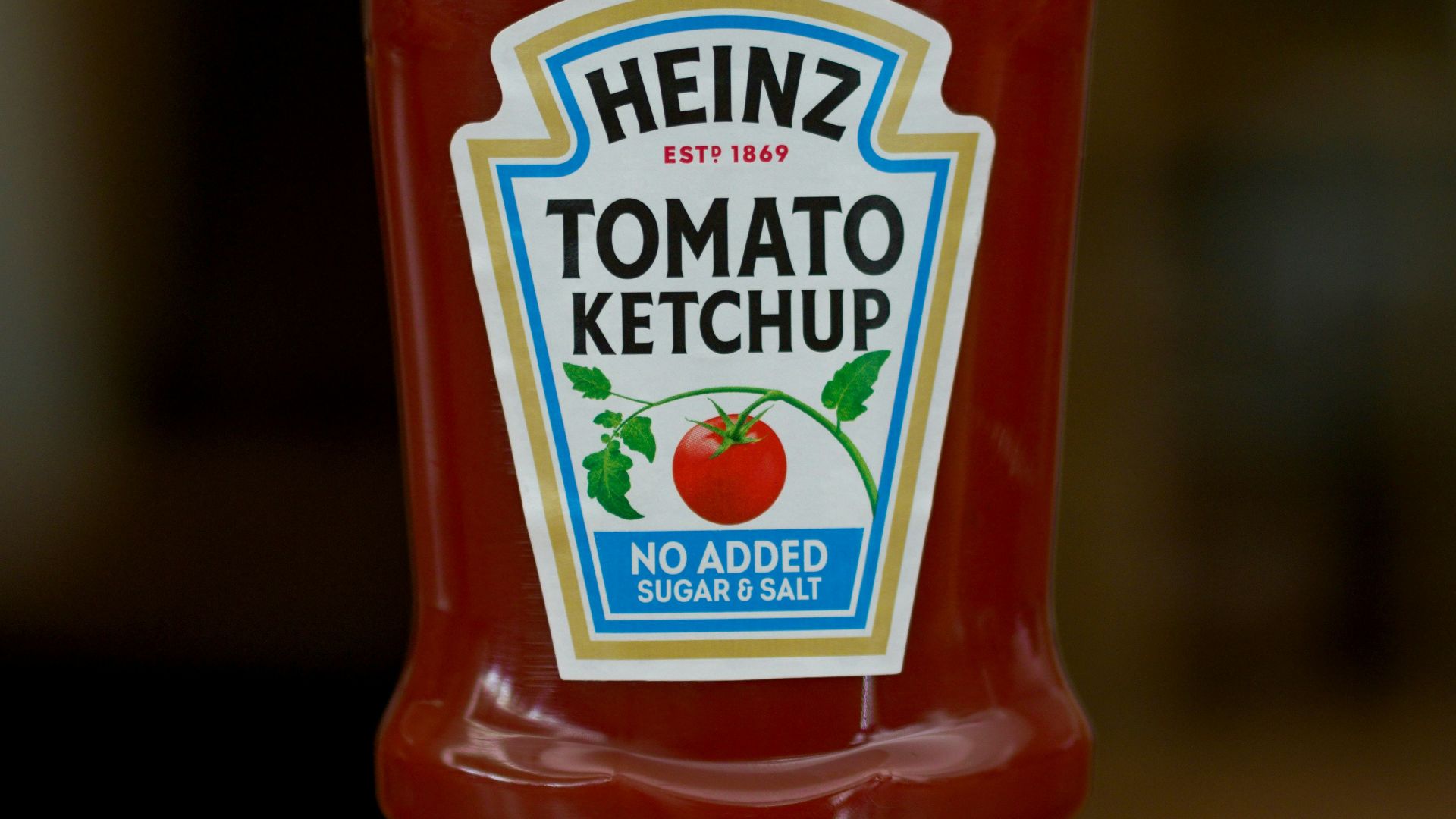
15. Tomato Sauce
Now this one's really confusing. We're not talking about pasta sauce or marinara sauce, we're talking about ketchup. And while tomato sauce might technically be an apt description of the condiment, it's definitely not what Americans would first think of.
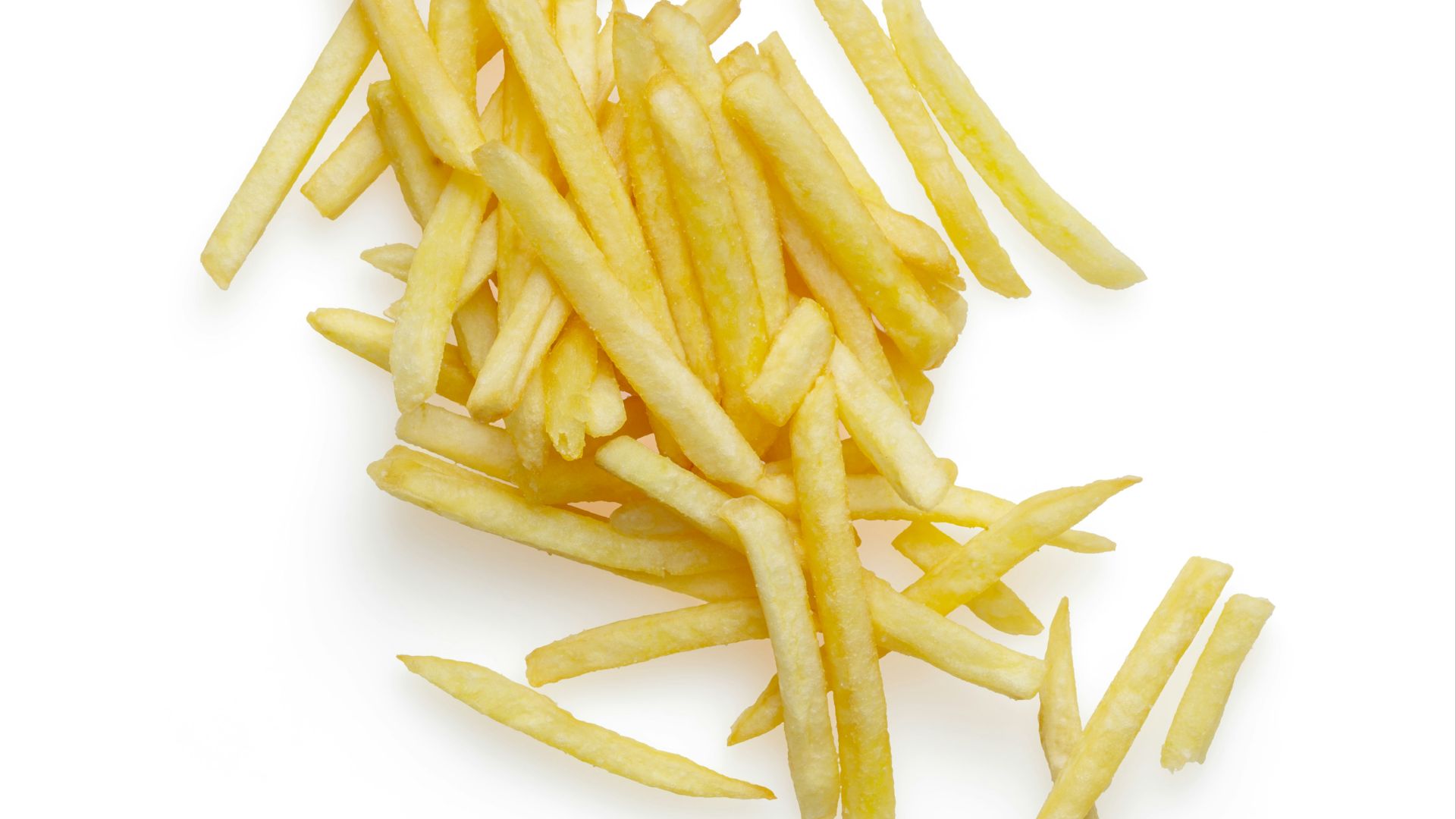
16. Chips
Just like in the UK, chips in Australia doesn't mean the bagged snack, it means hot fries. Americans tend to separate "fries" and "chips" much more clearly, so hearing it in a different country can definitely lead to tons of headaches.
17. Crisps
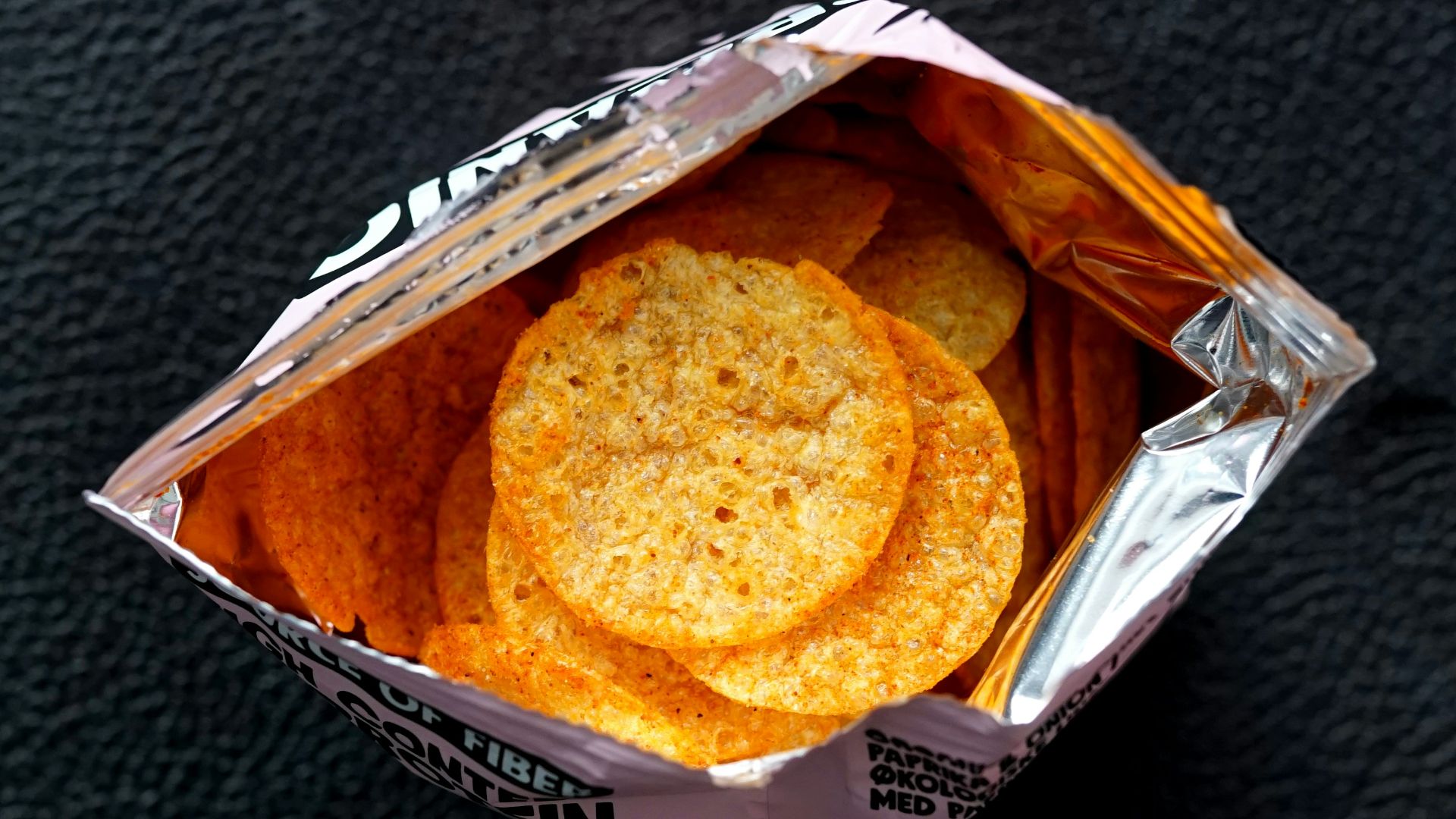
On the flip side, there is an Australian word for packaged potato chips: "crisps." It’s more common in British English, but Americans may still run into it in Australia. The word sounds formal to many U.S. ears, even though it’s describing a very ordinary snack.
 THE ORGANIC CRAVE Ⓡ on Unsplash
18. Rissoles
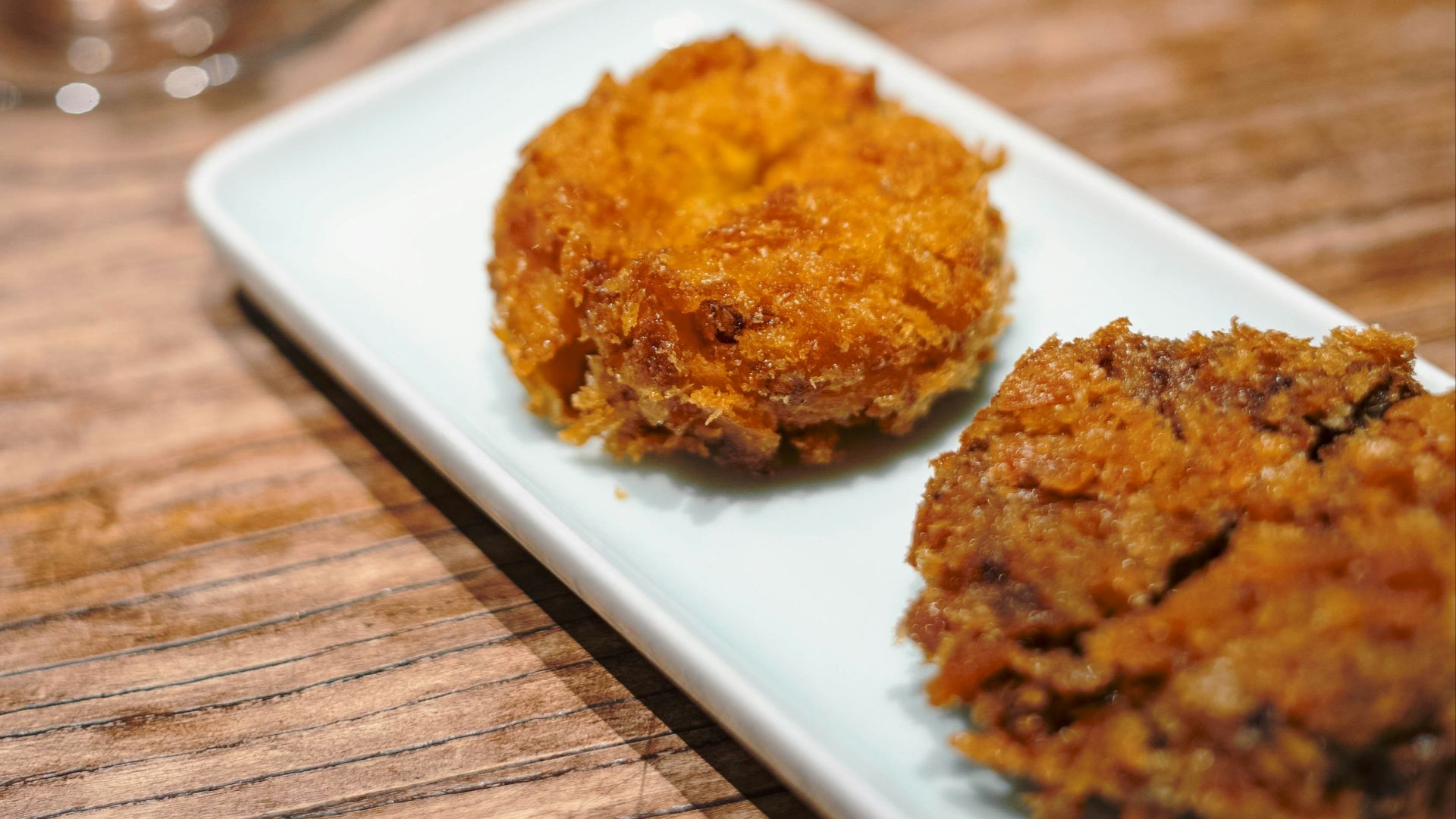
The name definitely sounds a lot fancier to Americans than what it is! “Rissoles” are seasoned patties made with minced meat and other ingredients, often cooked in a pan or on a barbecue. They can look a bit like flattened meatballs or small burger patties, but Australians treat them as their own thing.
19. Dagwood Dog
A “Dagwood dog” is the Australian version of a corn dog, usually served at fairs, shows, and sporting events. Americans can easily recognize the snack in person right away, but if they hear it first, they definitely wouldn't picture a classic corn dog with a name like that.

20. Spag Bol
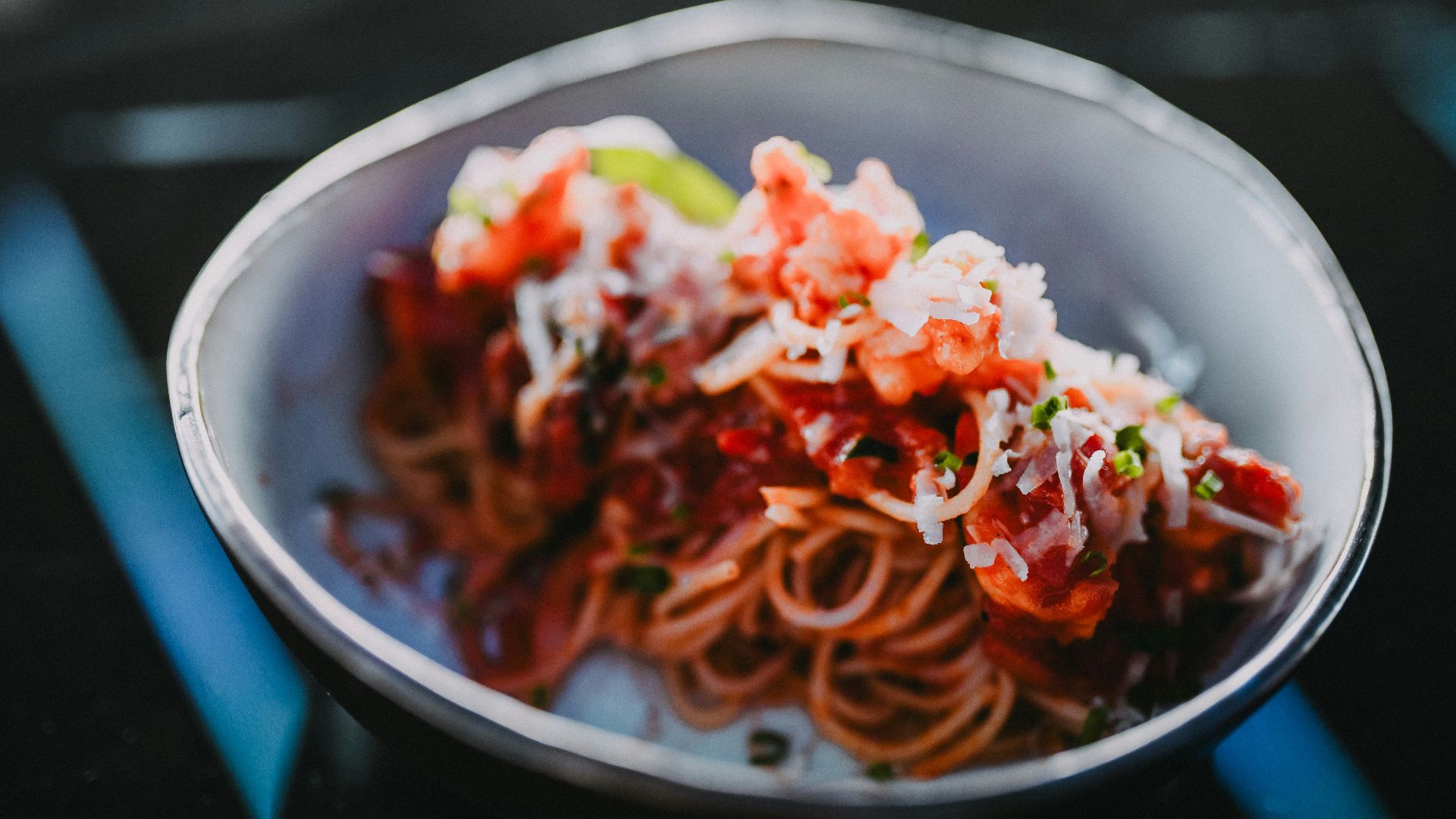
Once hear that "spag bol" is simply the Australian shorthand for spaghetti bolognese, it makes a lot more sense. But for Americans, the nickname might sound simply absurd or confusing, especially when they don't sound similar on first listen.
 Natalia Marcelewicz on Unsplash
KEEP ON READING

The 5 Most Consumed Foods in the Entire World