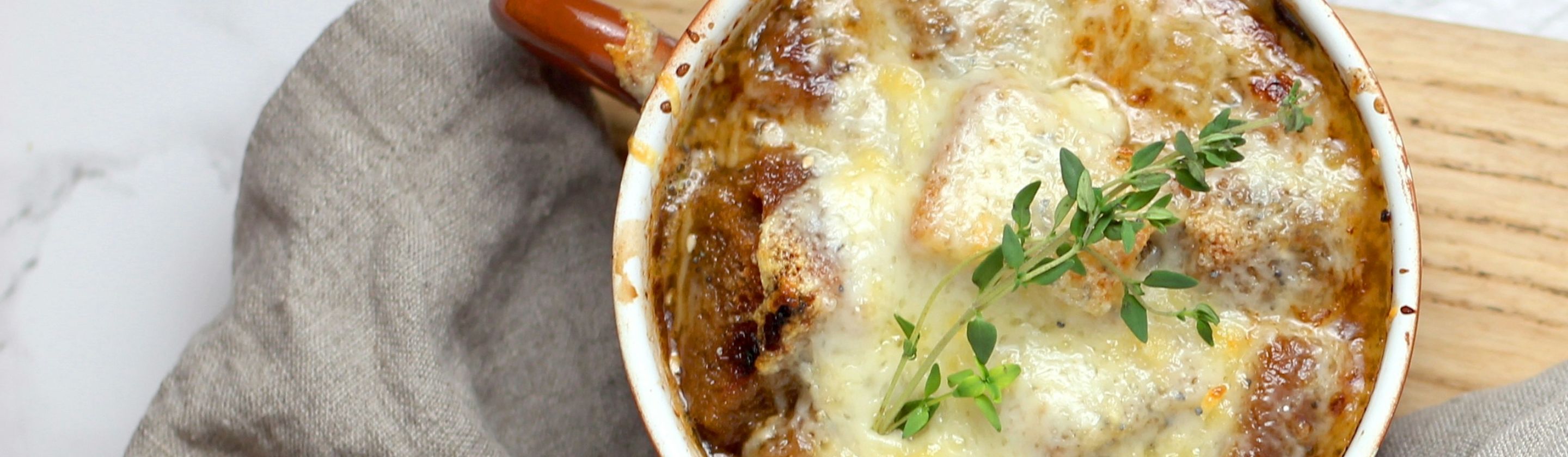
Some Soups and Stews Improve With Time
Certain soups and stews develop deeper, more balanced flavors after sitting for several hours or overnight, largely because ingredients continue to absorb liquid and seasonings as they rest. This process allows spices to mellow, proteins to tenderize further, and starches to thicken the broth naturally, creating a more cohesive dish the next day. Many traditional recipes were designed with this in mind, especially those meant to feed families over multiple meals. If you’ve ever noticed soup or stew leftovers tasting better, these 20 dishes explain exactly why that happens.
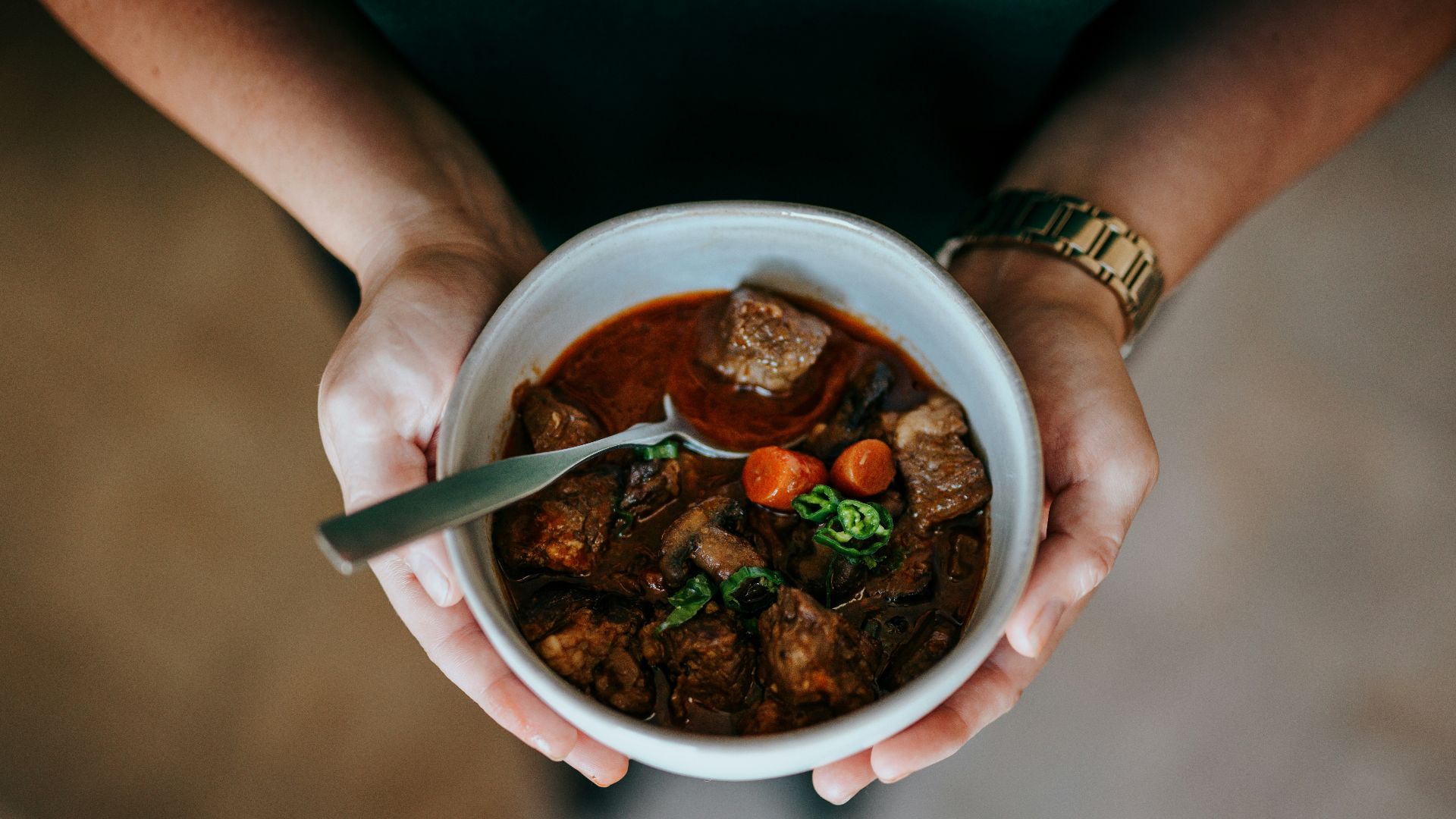
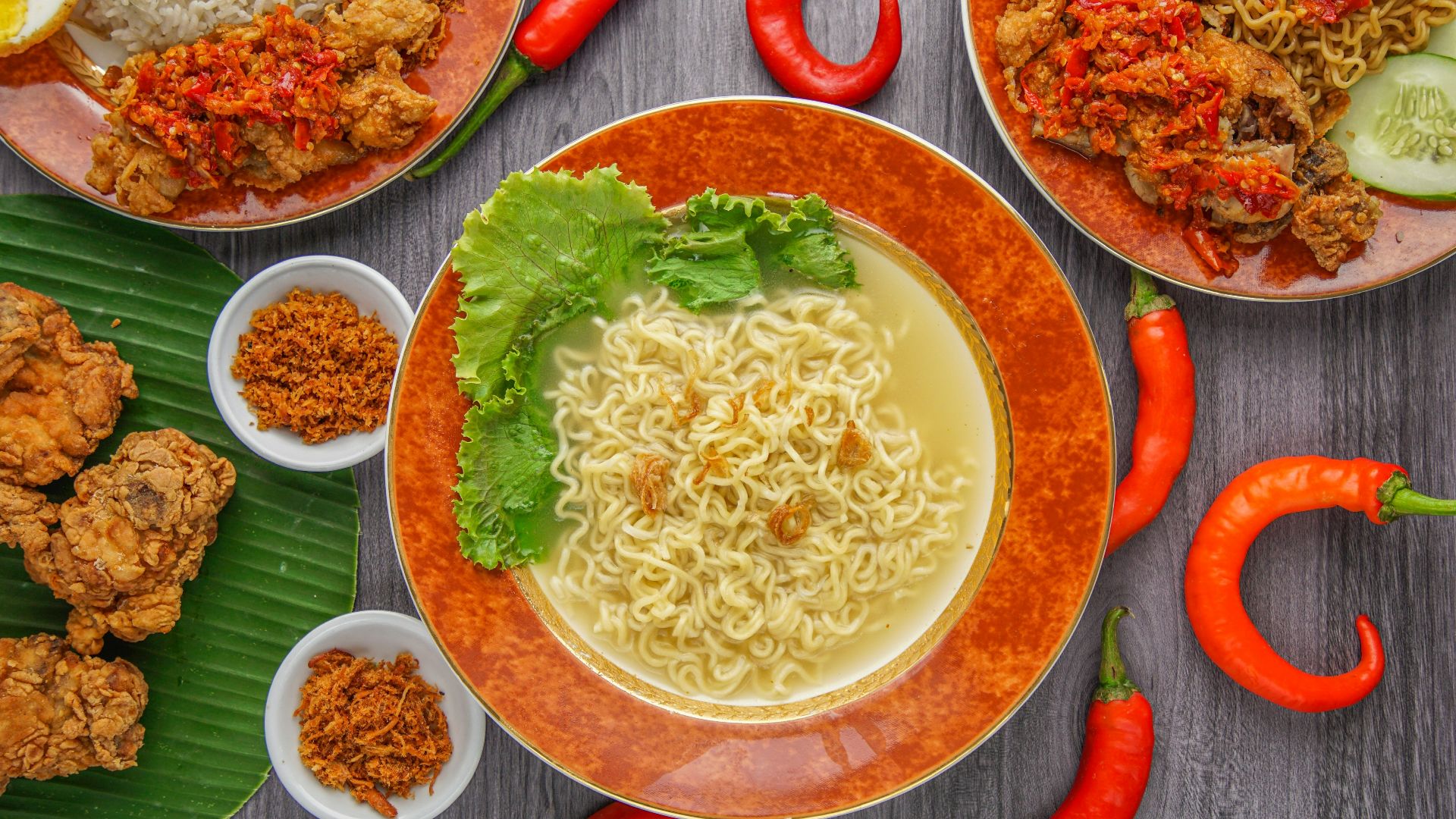
1. Beef Stew
A classic beef stew benefits from extended resting because the collagen in tougher cuts continues to break down. As it cools and reheats, the flavors from vegetables, herbs, and broth blend more fully. The result is a richer, more unified dish with a thicker texture. This is why many cooks intentionally make it a day ahead.
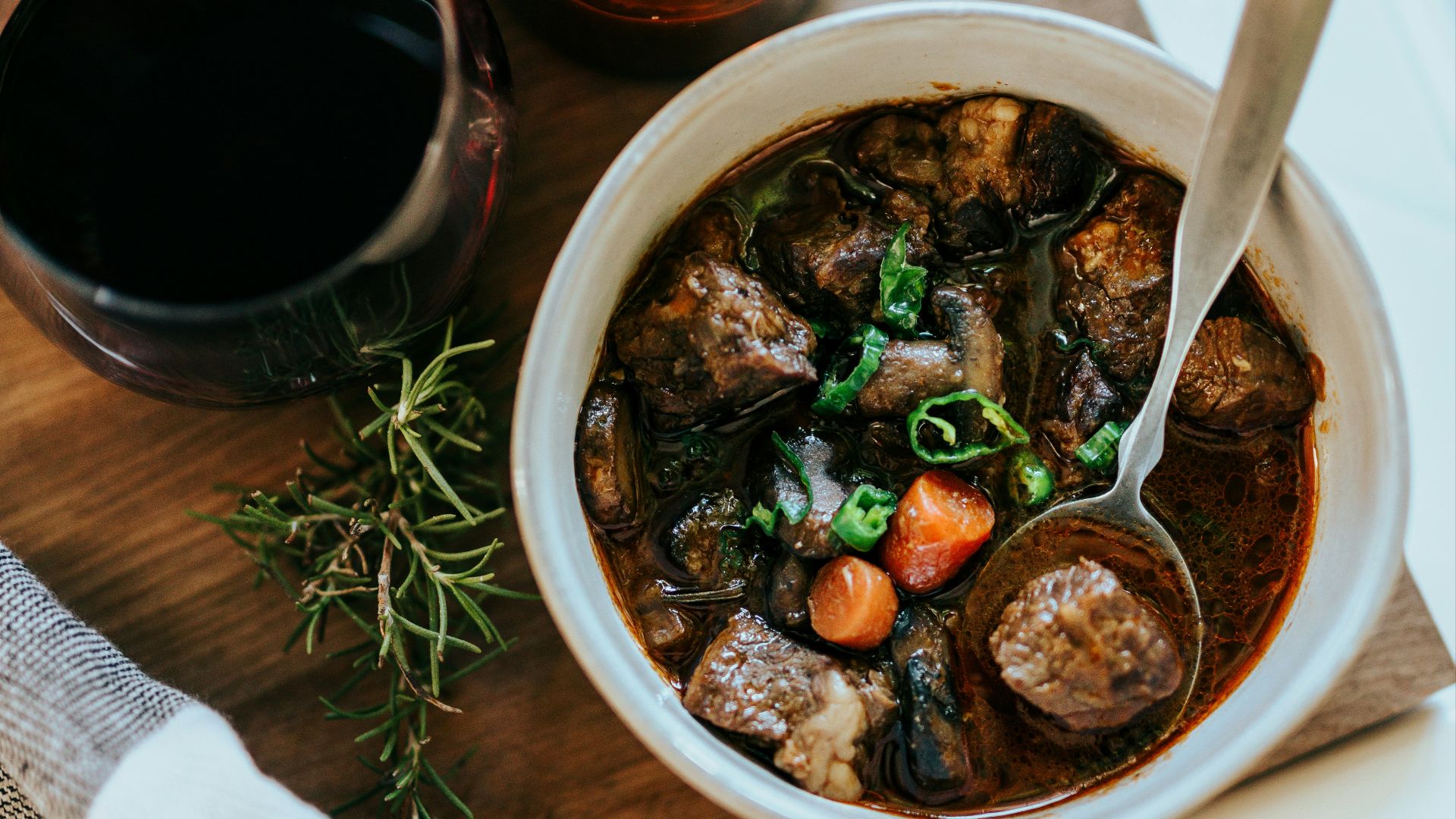
2. Chicken Noodle Soup
While it’s comforting fresh, this soup develops a deeper flavor as the broth absorbs more from the chicken and aromatics. The noodles also take on more of the seasoned liquid over time. Reheating gently helps maintain the balance without overcooking. Some people even prefer the slightly softer texture of the noodles the next day.
3. Lentil Soup
Lentils naturally thicken as they sit, creating a heartier consistency the next day. Spices like cumin, garlic, and onion become more pronounced but also smoother. This makes the soup feel more cohesive and satisfying. It’s also easy to adjust the texture with a splash of broth when reheating.
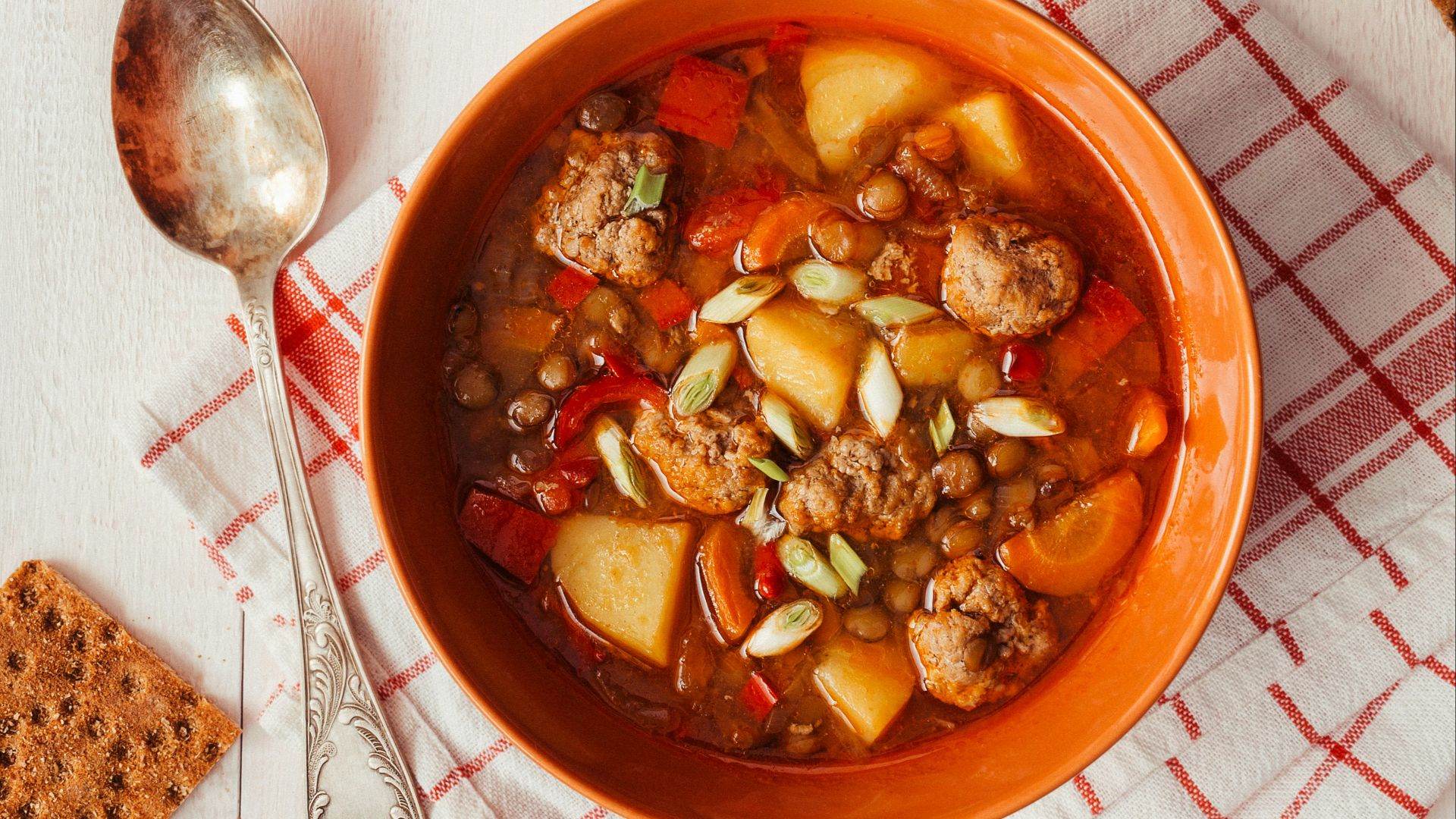
4. Chili
Chili is well known for improving overnight as the spices continue to meld together. Ingredients like beans, tomatoes, and meat absorb seasoning more evenly over time. This results in a deeper, more layered flavor profile. Many competitions even require chili to rest before judging for this reason.

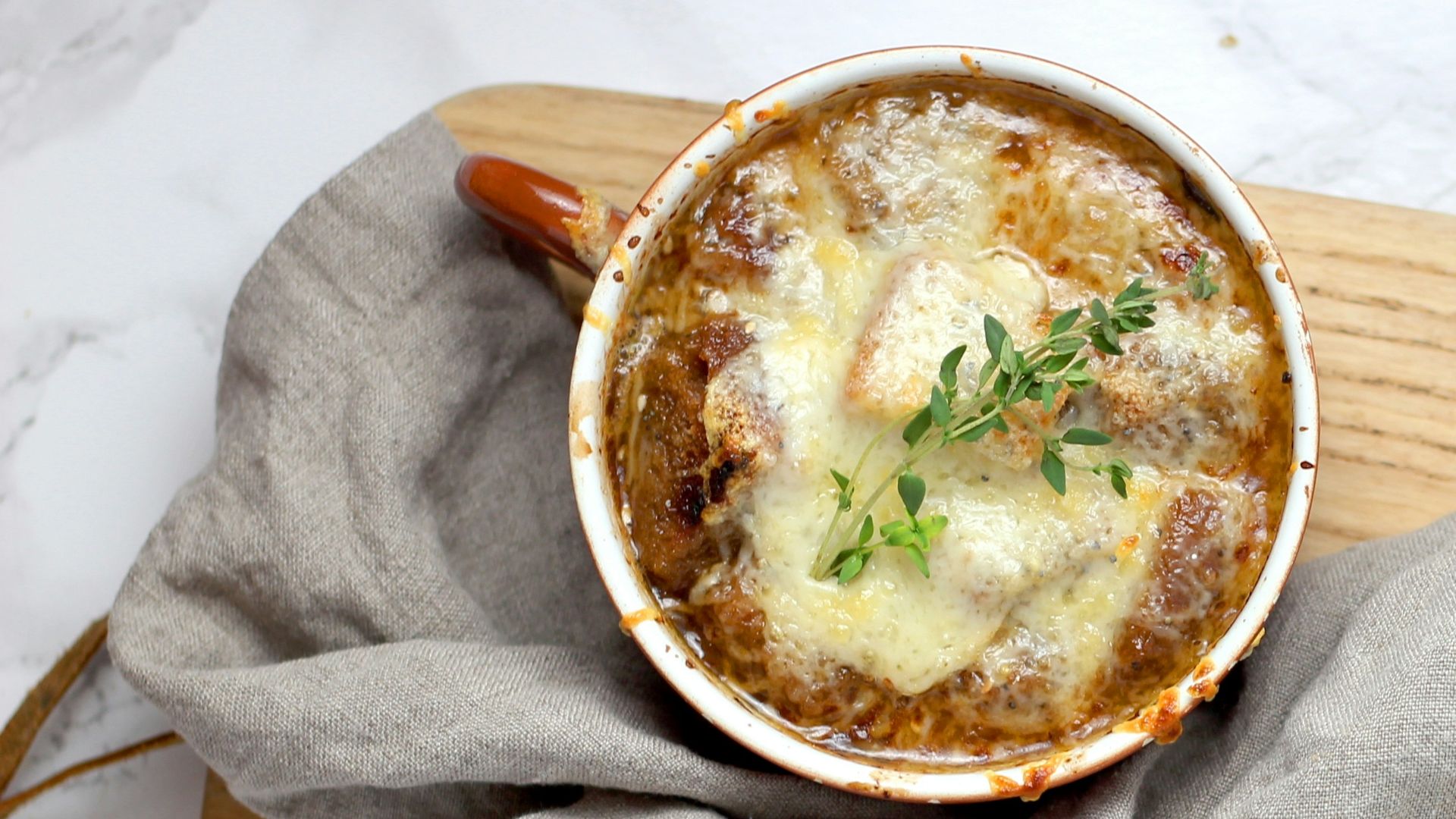
5. French Onion Soup
The slow-cooked onions continue to release sweetness into the broth after resting. The savory and slightly sweet notes become more balanced as they sit. Reheating allows the flavors to come together without losing depth. The base often tastes even richer before the bread and cheese are added again.
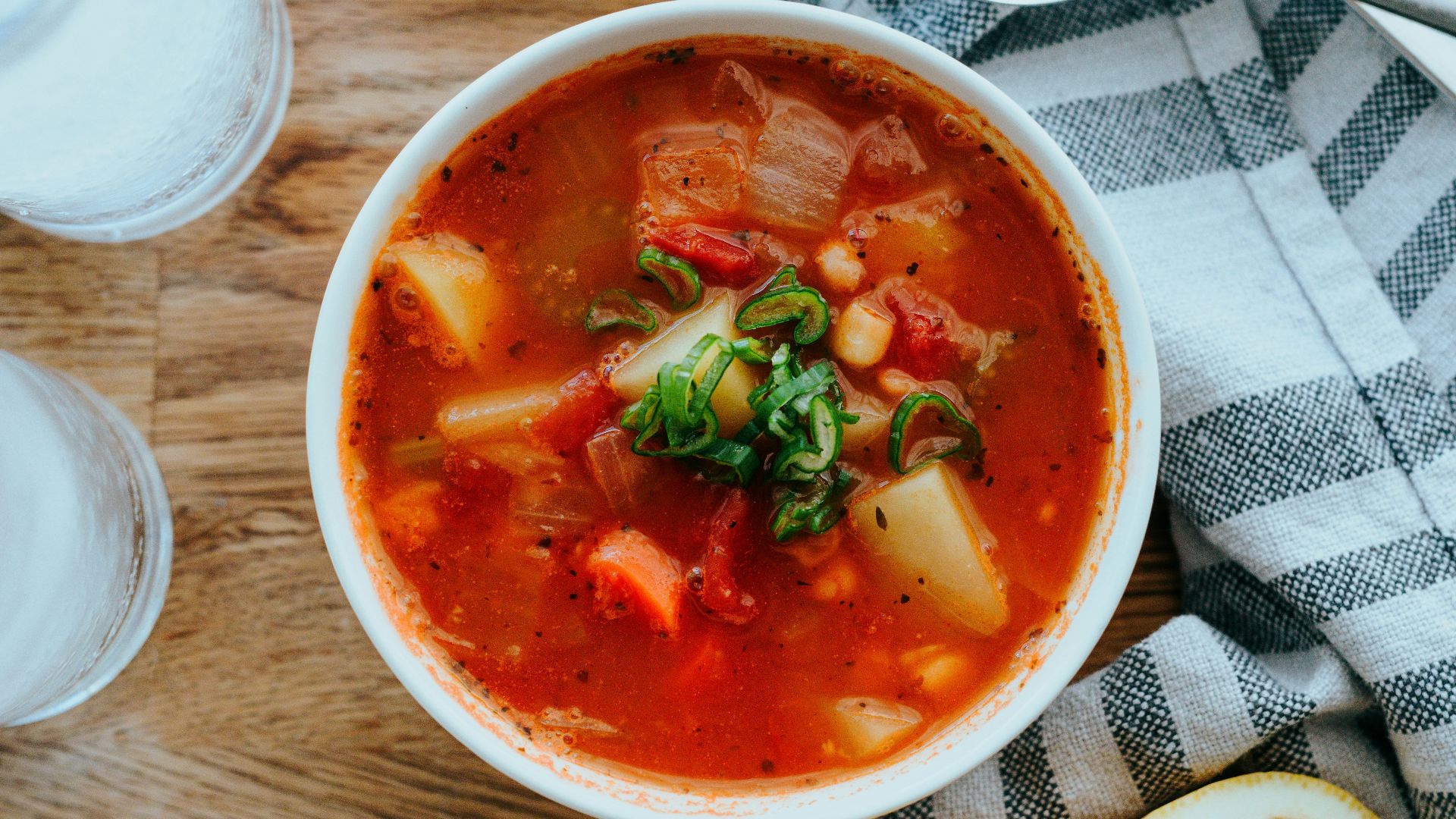
6. Minestrone
Packed with vegetables, beans, and pasta, this soup becomes more unified after resting. The broth thickens slightly as starches and fibers settle. Each ingredient contributes more evenly to the overall flavor. It’s common to add a bit more liquid when reheating to keep it from becoming too dense.
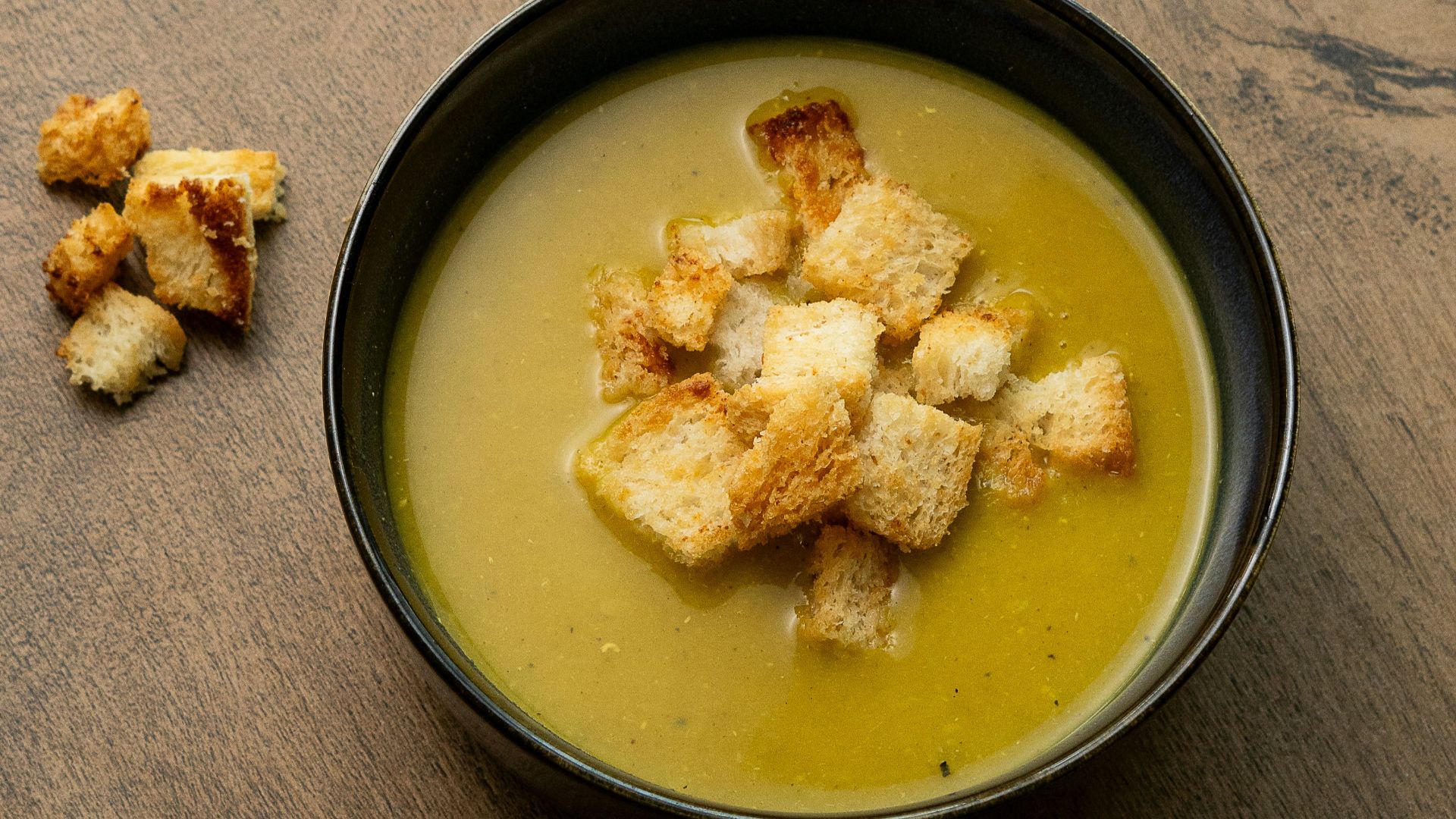
7. Split Pea Soup
Split peas break down further as the soup sits, creating a smoother and thicker texture. Smoky elements from ham or seasoning become more integrated.
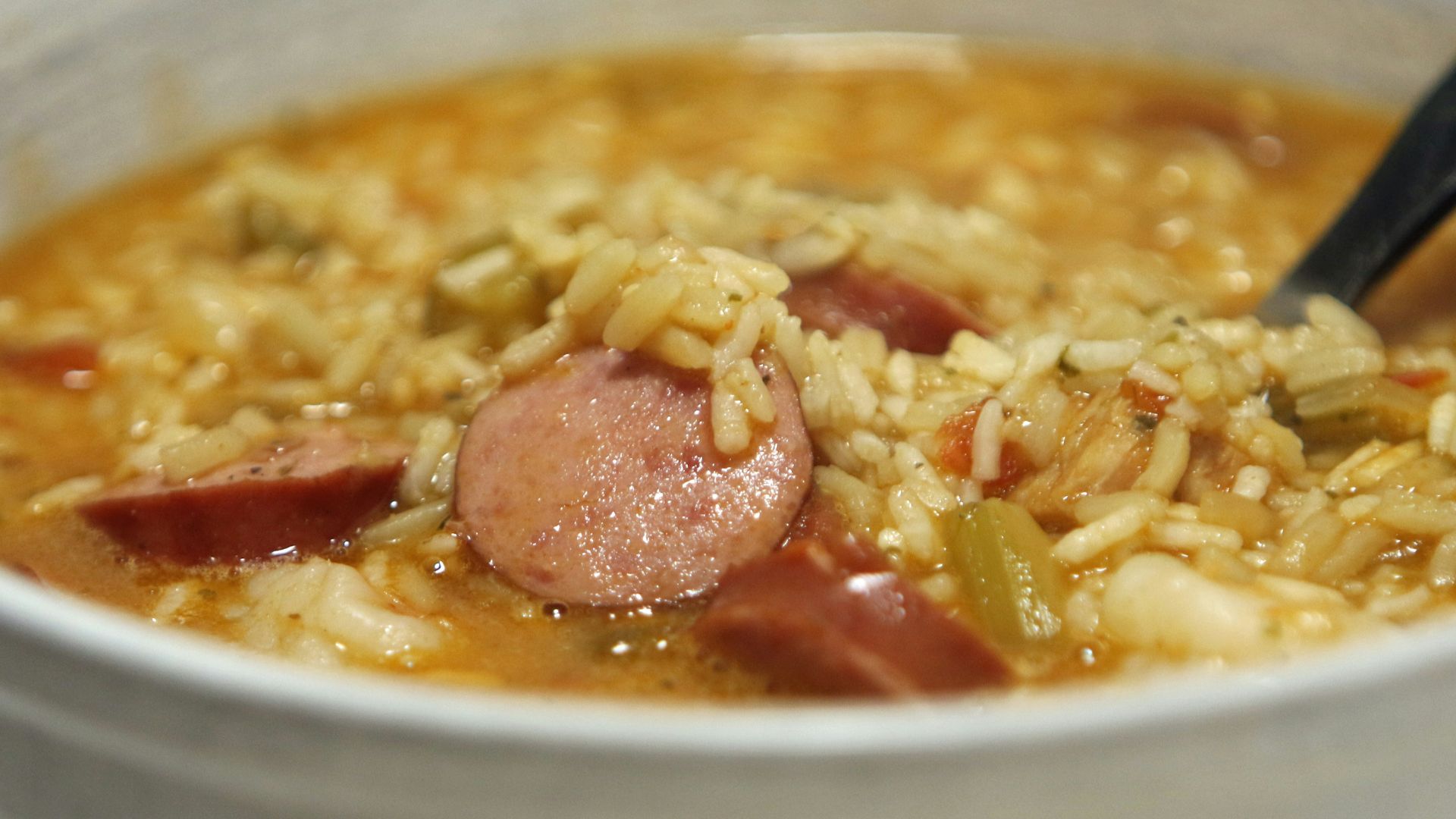
8. Gumbo
This Louisiana staple relies on a slow-building flavor base that continues to develop over time. The roux, spices, and proteins blend more deeply after resting. Many cooks intentionally prepare it a day in advance for this reason. The texture also becomes slightly thicker as it settles.
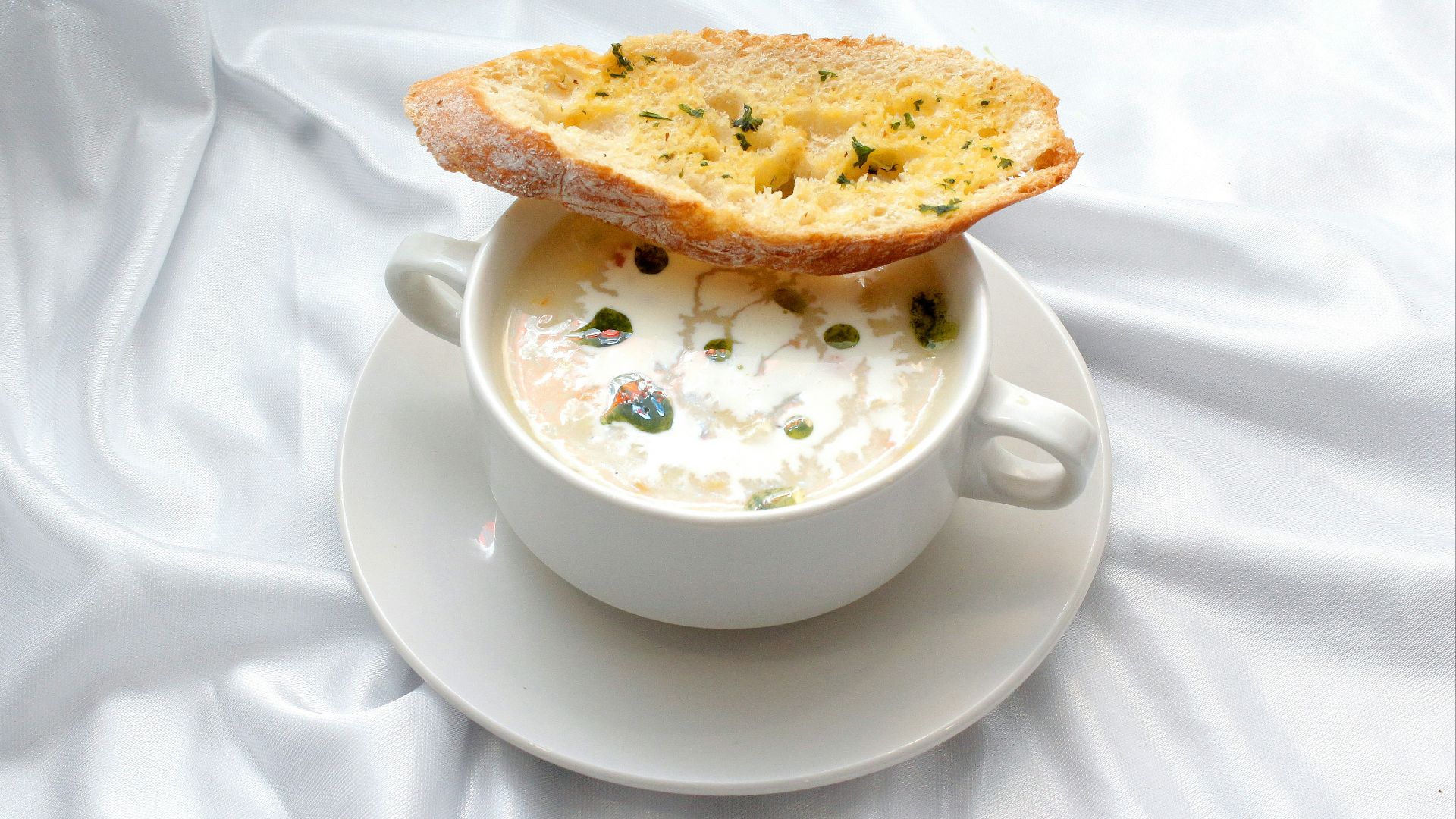
9. Clam Chowder
As it sits, the creamy base absorbs more flavor from the seafood and aromatics. Potatoes soften slightly and contribute to a thicker consistency. The result is a richer, more cohesive chowder. Careful reheating helps prevent the dairy from separating.
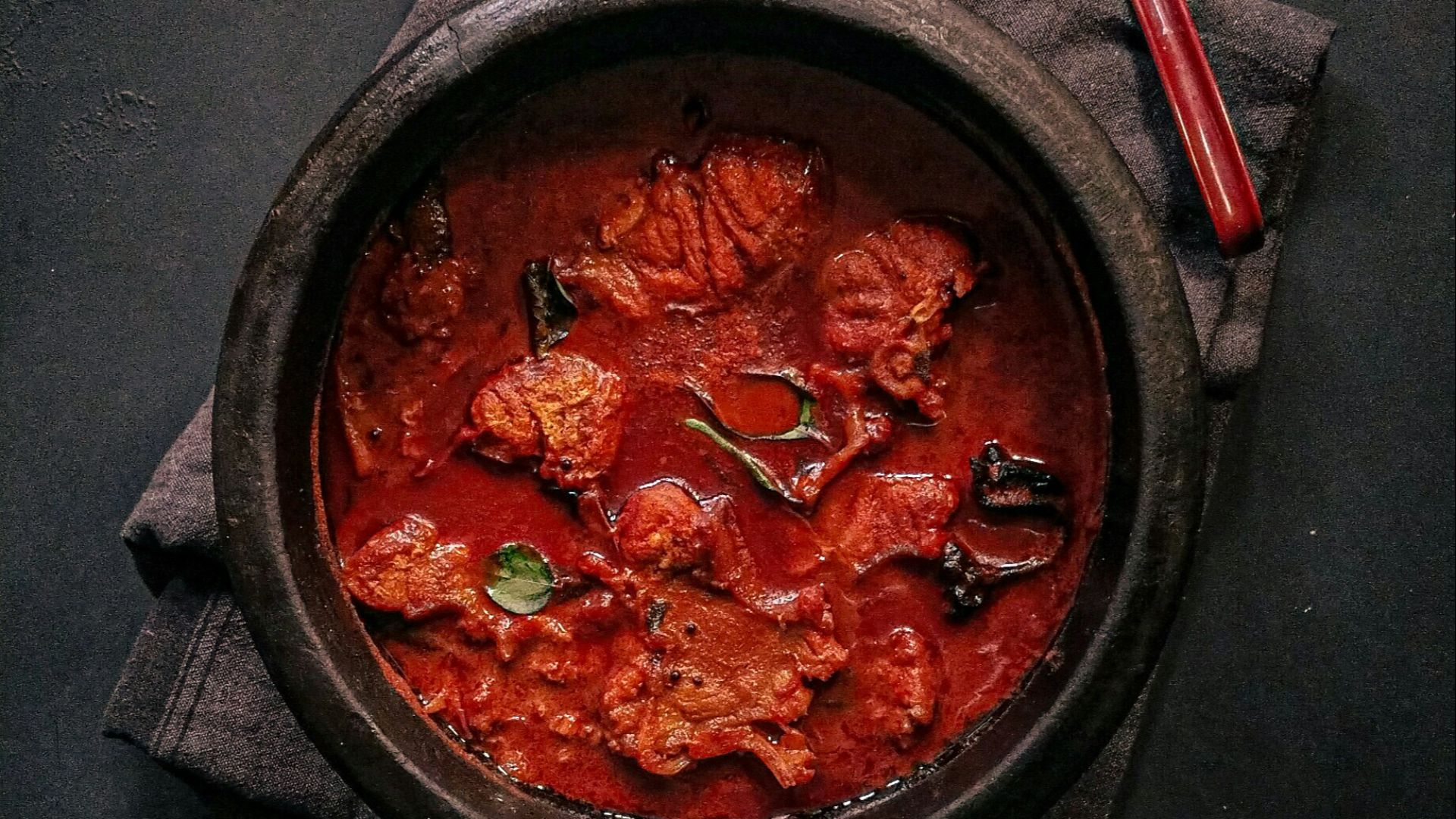
10. Borscht
This beet-based soup benefits from time as its earthy and slightly sweet flavors settle. The acidity from ingredients like vinegar becomes less sharp. The overall taste becomes more balanced and rounded.
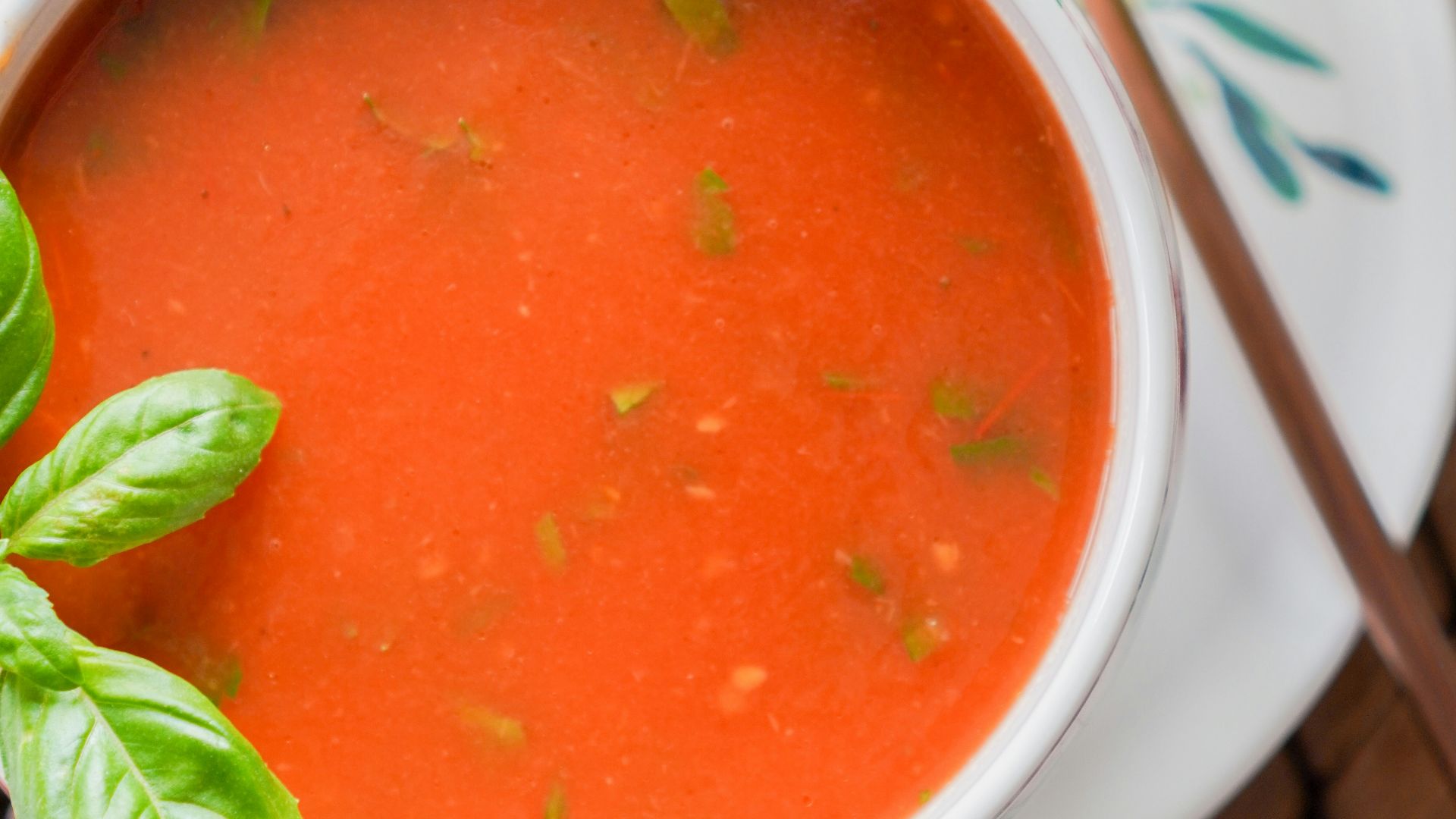
11. Tomato Basil Soup
The acidity of tomatoes mellows after resting, allowing the basil and other herbs to stand out more. The texture also becomes smoother as ingredients continue to blend. This creates a more harmonious flavor. A quick stir while reheating helps restore its consistency.
 Karolina Kołodziejczak on Unsplash
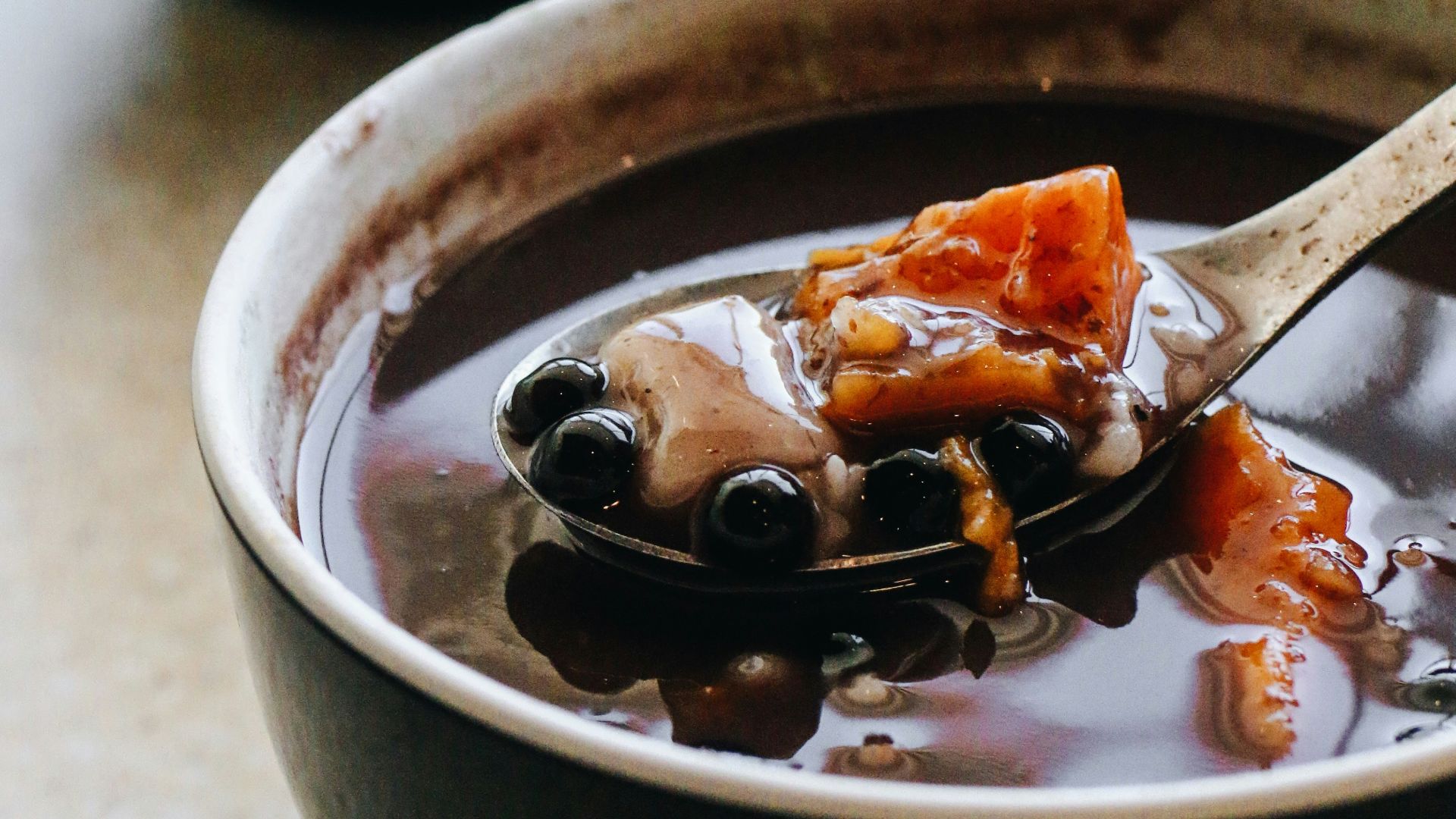
12. Black Bean Soup
Beans absorb seasoning as they sit, enhancing the depth of the dish. The broth thickens naturally, making it more substantial. Spices become more evenly distributed throughout the soup.
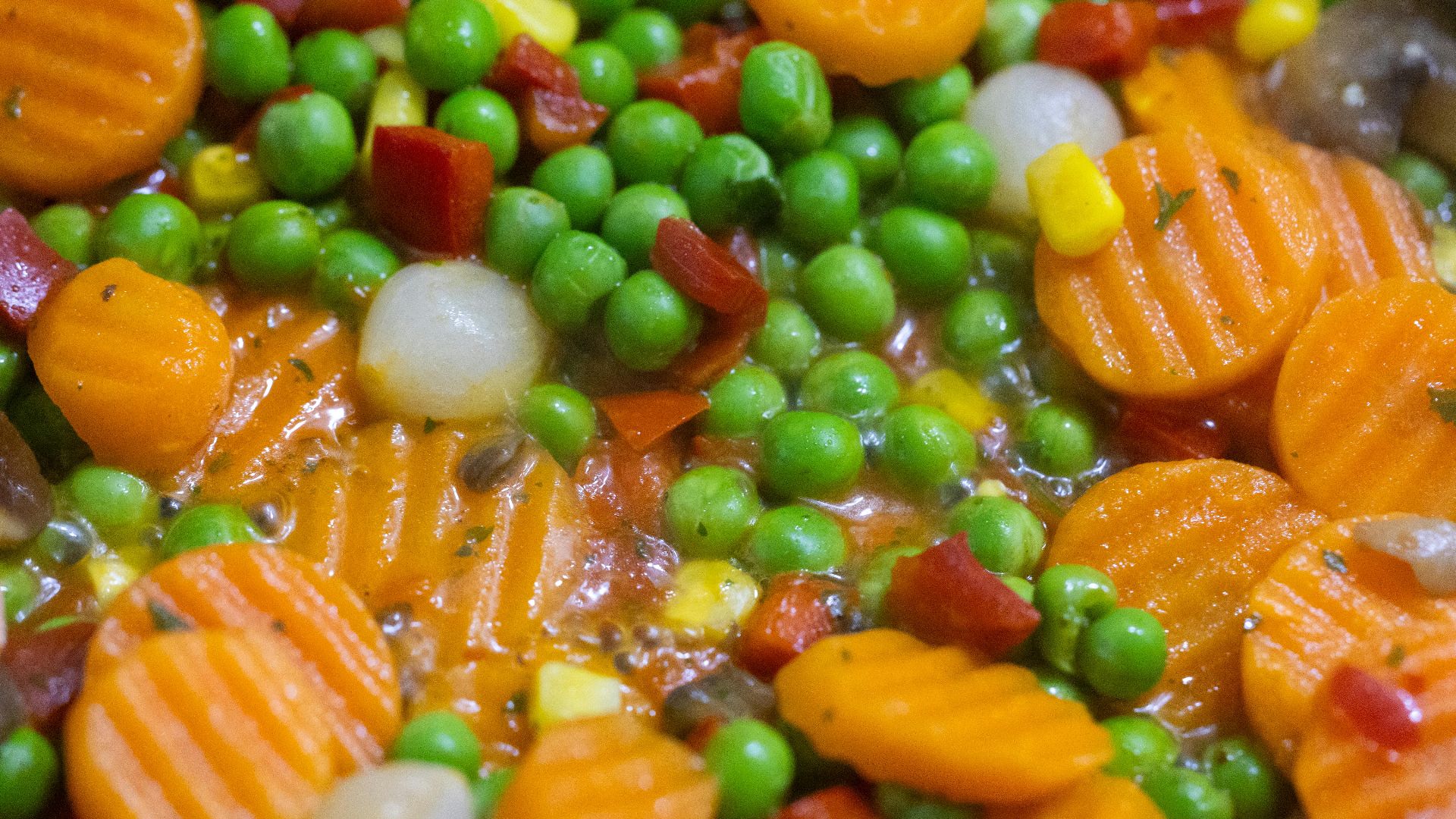
13. Vegetable Stew
A mix of vegetables benefits from resting as each ingredient releases its flavors into the broth. The result is a more unified taste rather than separate notes. The texture also becomes slightly thicker.
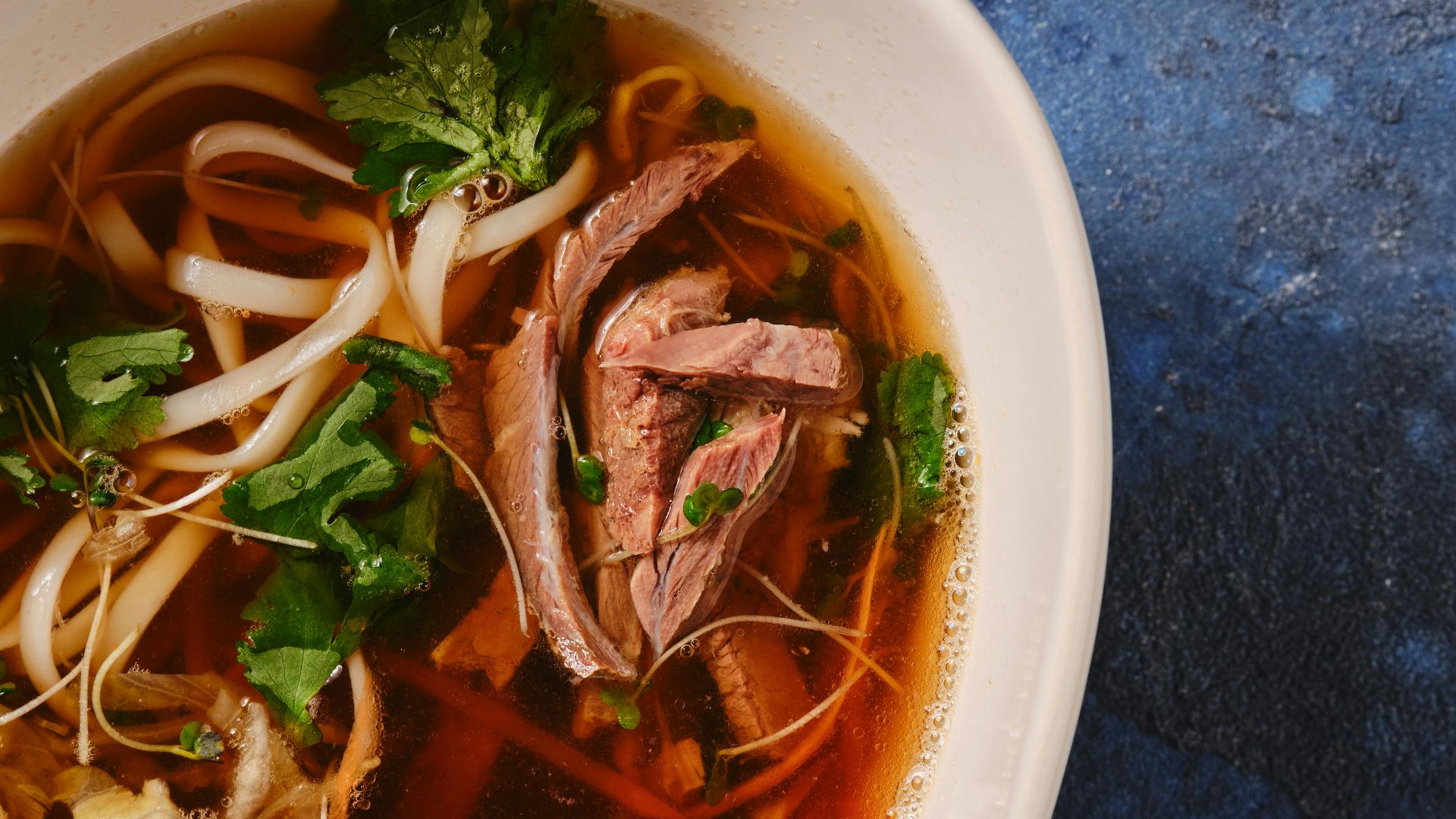
14. Pho (Broth Base)
While traditionally served fresh, the broth itself develops deeper complexity after sitting. Spices like star anise and cinnamon continue to infuse the liquid. Reheating carefully preserves its clarity and flavor. Many cooks prepare the broth in advance for this reason.
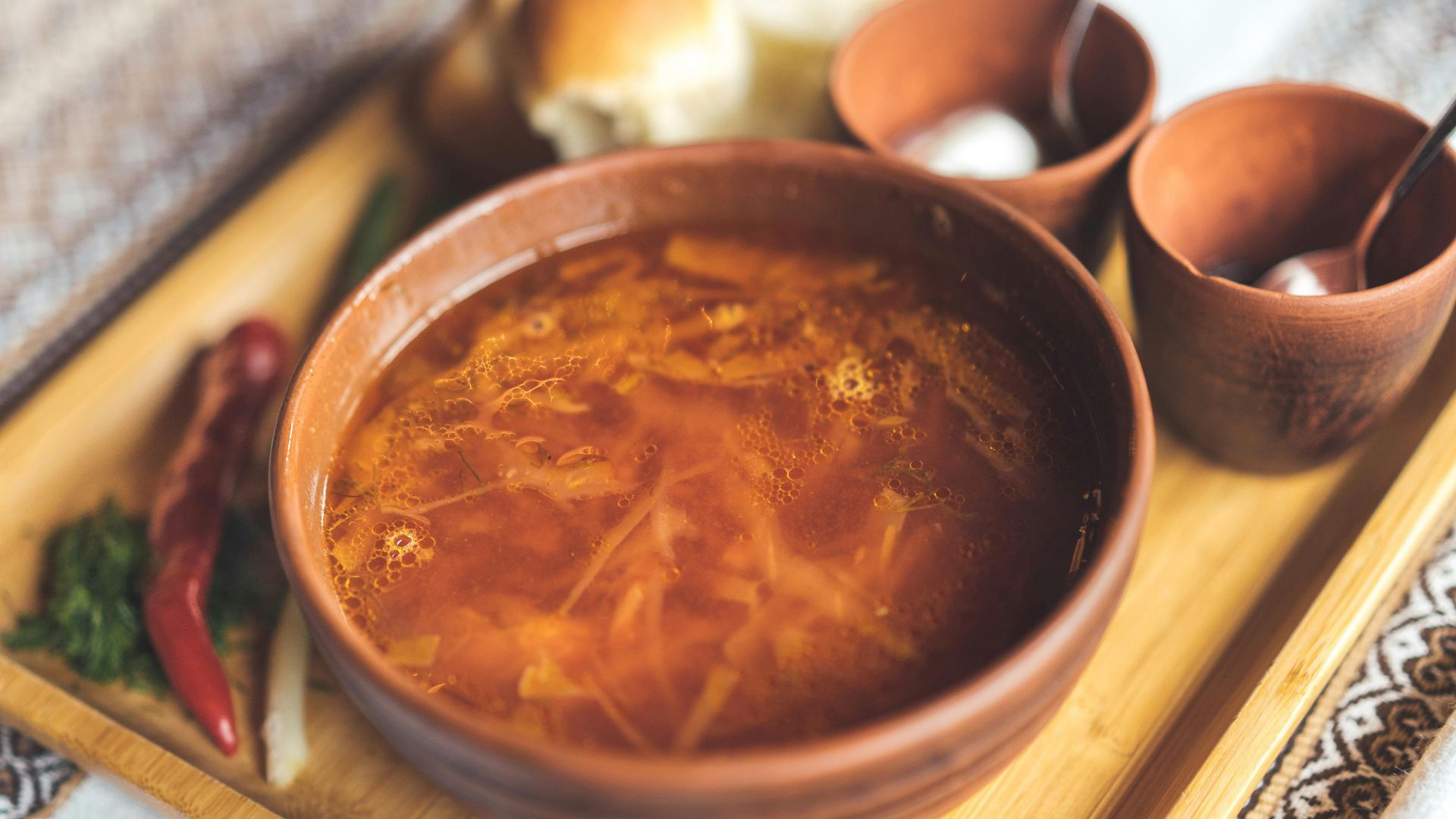
15. Cabbage Soup
Cabbage softens further over time, releasing mild sweetness into the broth. The flavors become less sharp and more integrated. This creates a smoother and more balanced soup.
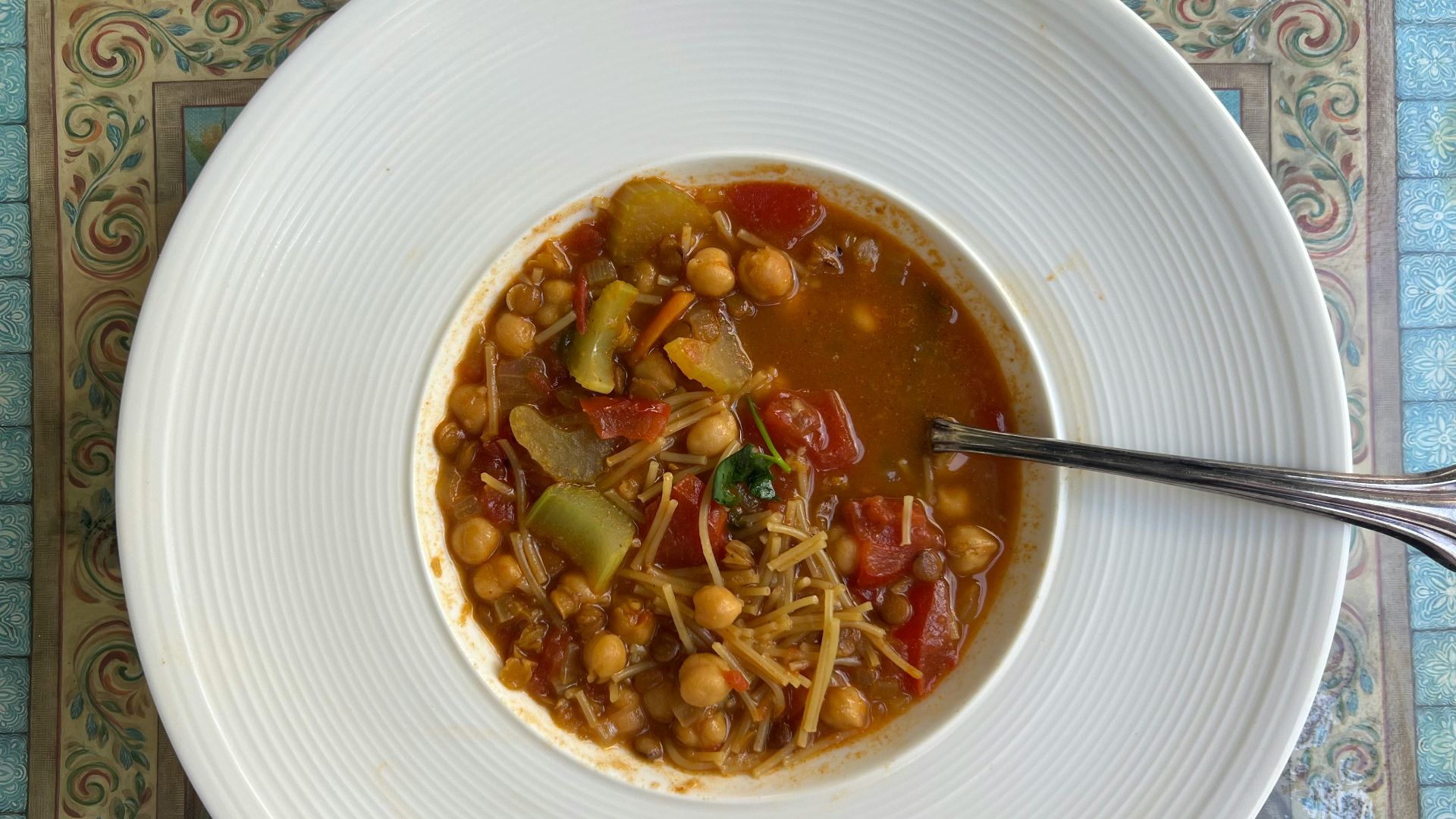
16. Moroccan Harira
This spiced soup benefits from resting as its complex blend of herbs and spices settles. Lentils and chickpeas absorb more flavor from the broth, making the dish richer and more cohesive. It’s traditionally made in large batches, which naturally encourages leftovers.
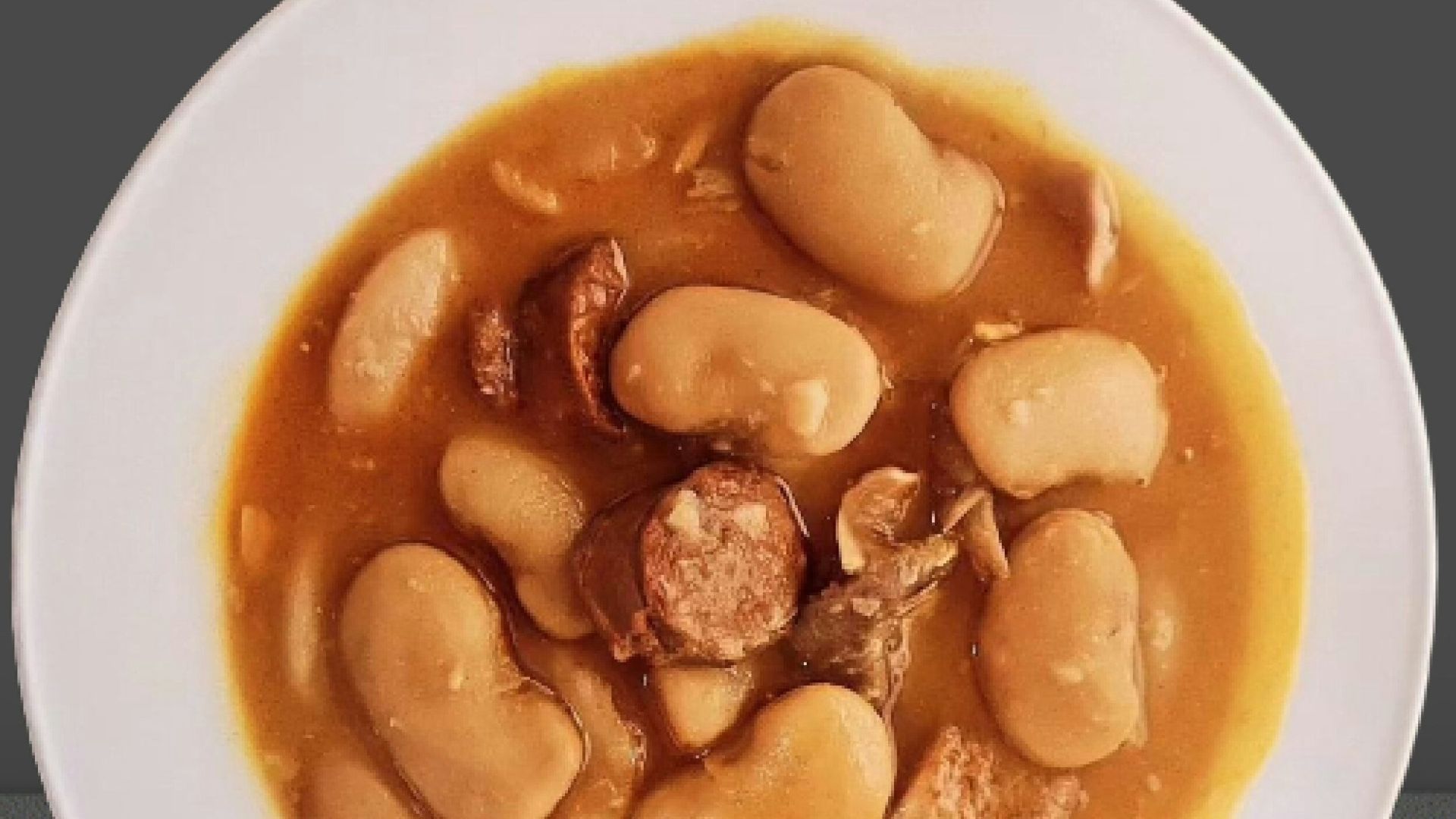
17. Sausage and Bean Stew
The fat from the sausage continues to infuse the broth as it sits, enhancing overall richness. Beans soak up the seasoned liquid, improving their flavor. The stew becomes more unified after reheating.
 David de Andrés Martín on Unsplash
18. Chicken and Rice Soup
Rice absorbs broth over time, making the soup thicker and more comforting. The flavors from the chicken and vegetables blend more evenly. Adjusting the liquid when reheating helps maintain the right consistency.

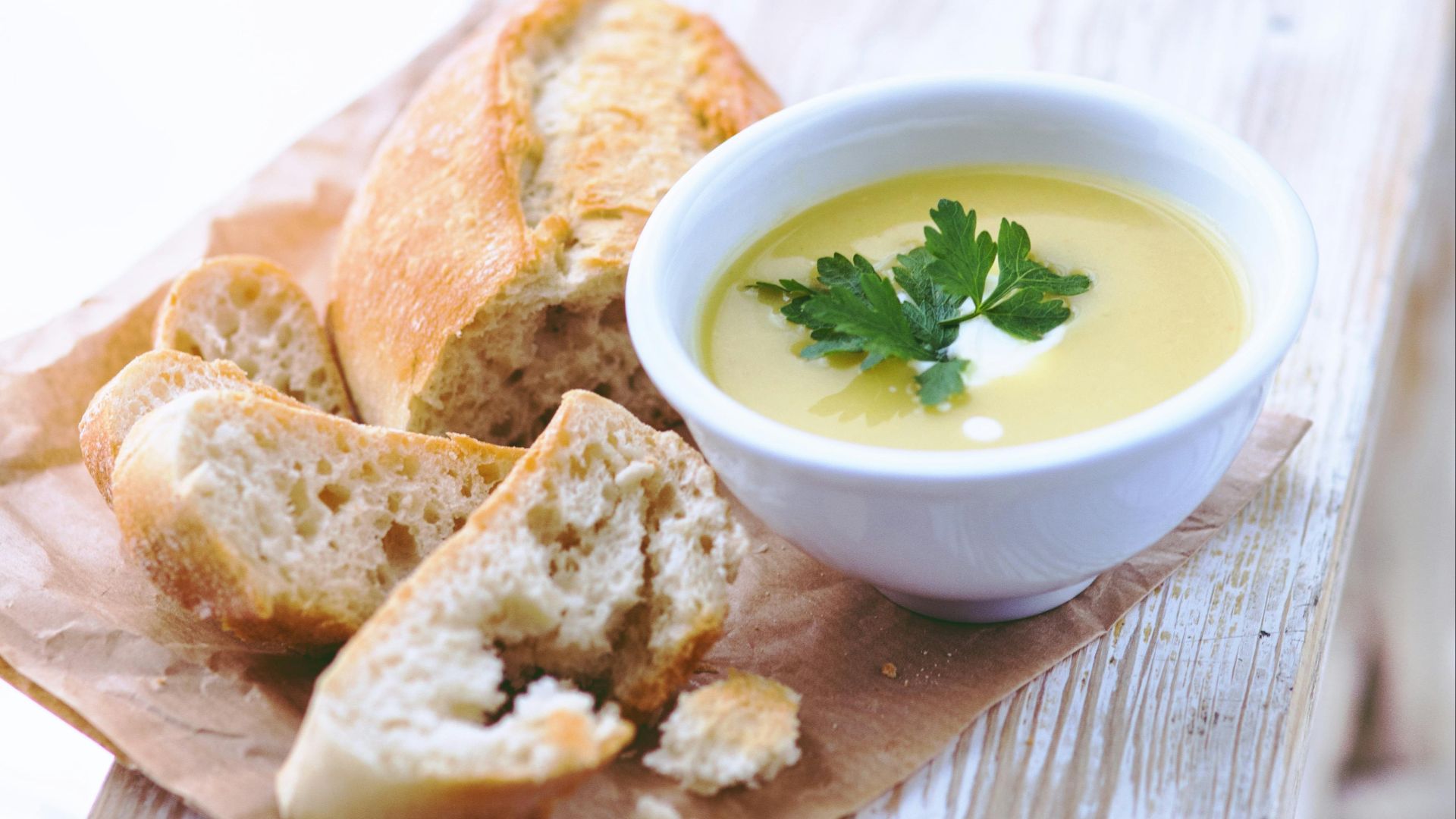
19. Potato Leek Soup
The starch from potatoes continues to thicken the soup as it rests. The mild sweetness of leeks becomes more pronounced, resulting in a smoother and more balanced texture.
 Karolina Grabowska www.kaboompics.com on Pexels
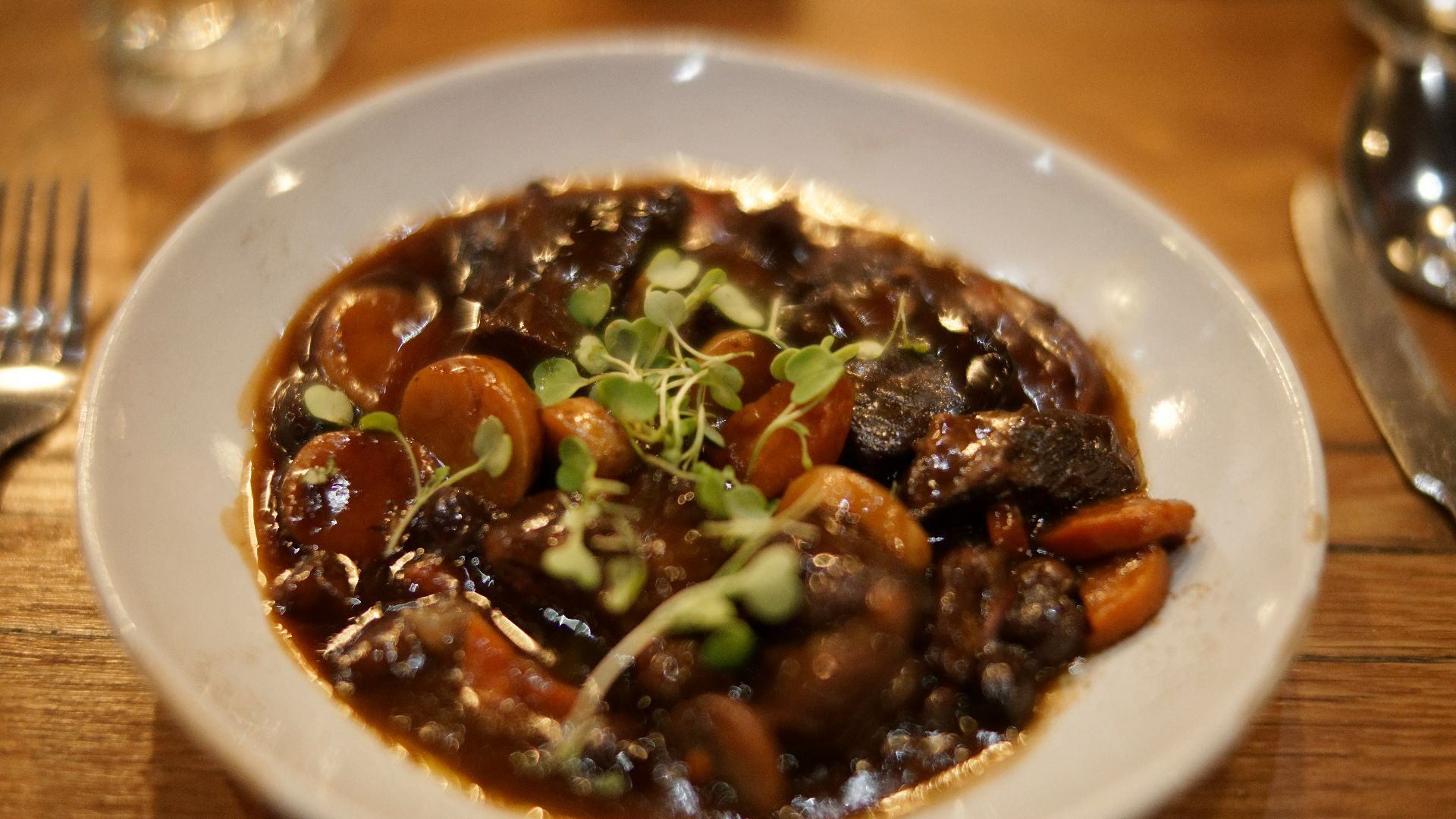
20. Oxtail Stew
Oxtail releases gelatin as it cooks, which continues to enrich the broth as it cools. When reheated, the stew has a silky texture and deep flavor. The extended resting period enhances both richness and consistency.
KEEP ON READING

Happy Hour: The 20 Best Foods For Social Snacking