Take a Bite
Think about what you ate at your last meal. Could you have eaten any of it without a good set of teeth? Probably not, and yet we still take our tough molars and strong jaw muscles for granted. Unlike soup and mashed potatoes, which require basically no chewing at all, steak, crispy bacon, chips, and crusty bread are all off the table if your teeth are out of commission. Don't believe us? Here are 20 foods you should never attempt to eat without good choppers.
1. Steak
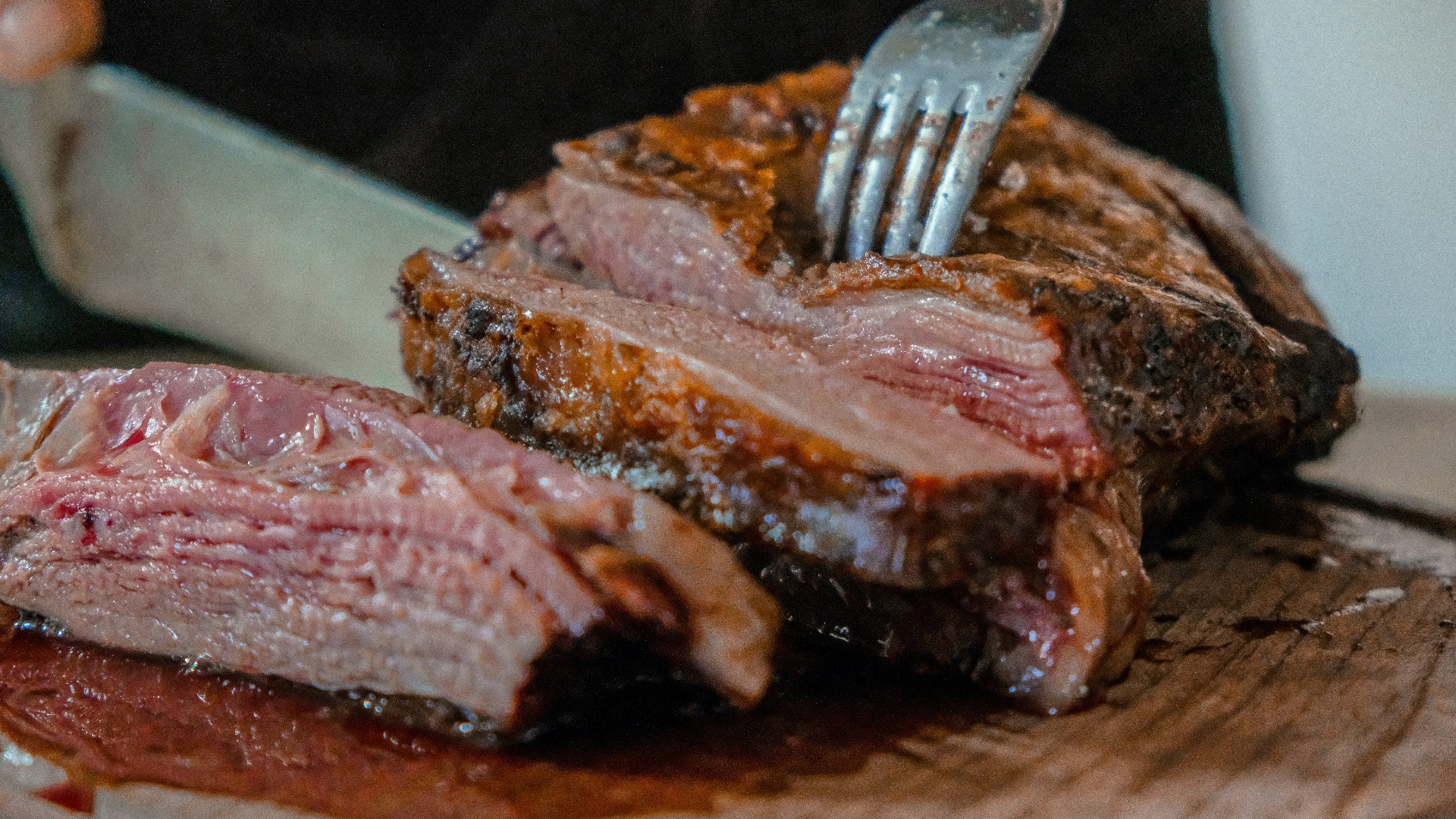
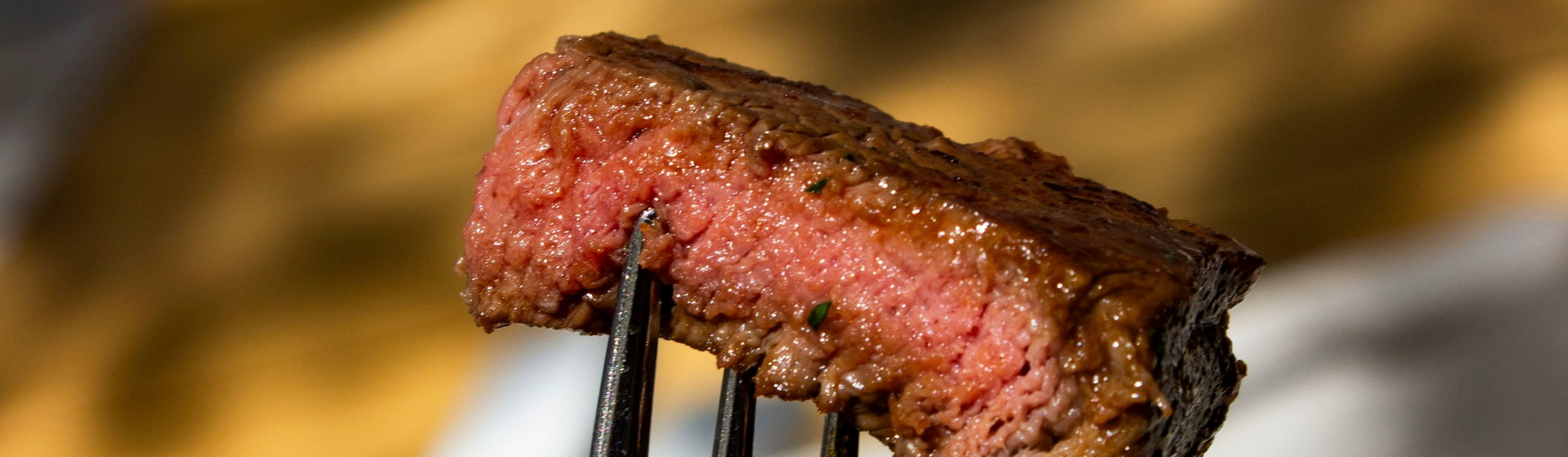
Even a beautifully cooked steak still has a dense, fibrous structure that requires real chewing. Your front teeth help separate each bite while your molars grind through the muscle fibers until they're small enough to swallow comfortably. Tender cuts make the job easier, but without teeth, even filet mignon would be difficult to manage in its usual form.
 José Ignacio Pompé on Unsplash
2. Whole Apples
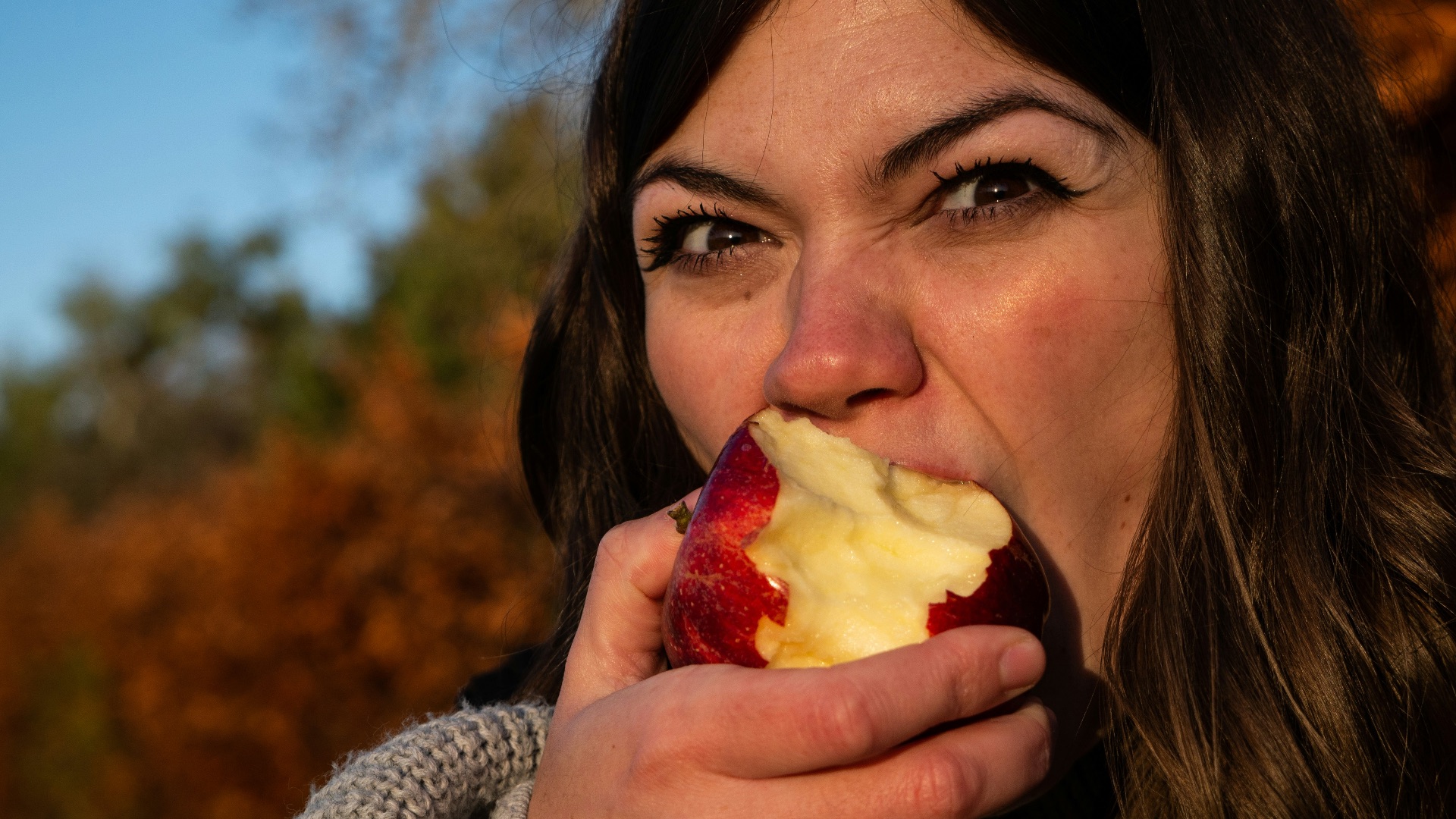
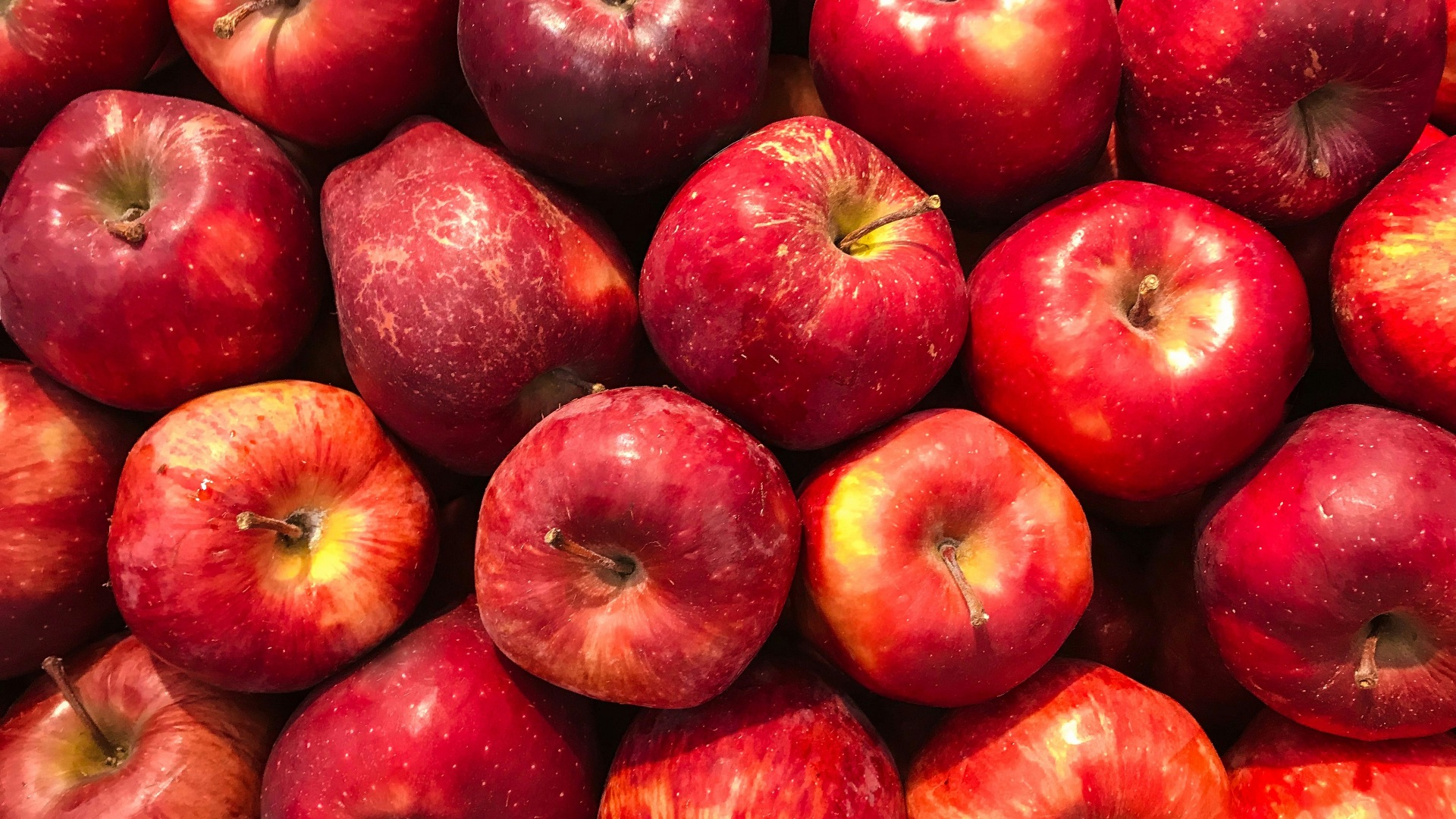
Taking a clean bite out of an apple is something your teeth are specifically built to handle. The front teeth have to break through the taut skin and firm flesh before the molars crush the piece down further. Sliced, cooked, or pureed apples are another story, but eating one whole depends heavily on having a strong bite.
3. Beef Jerky
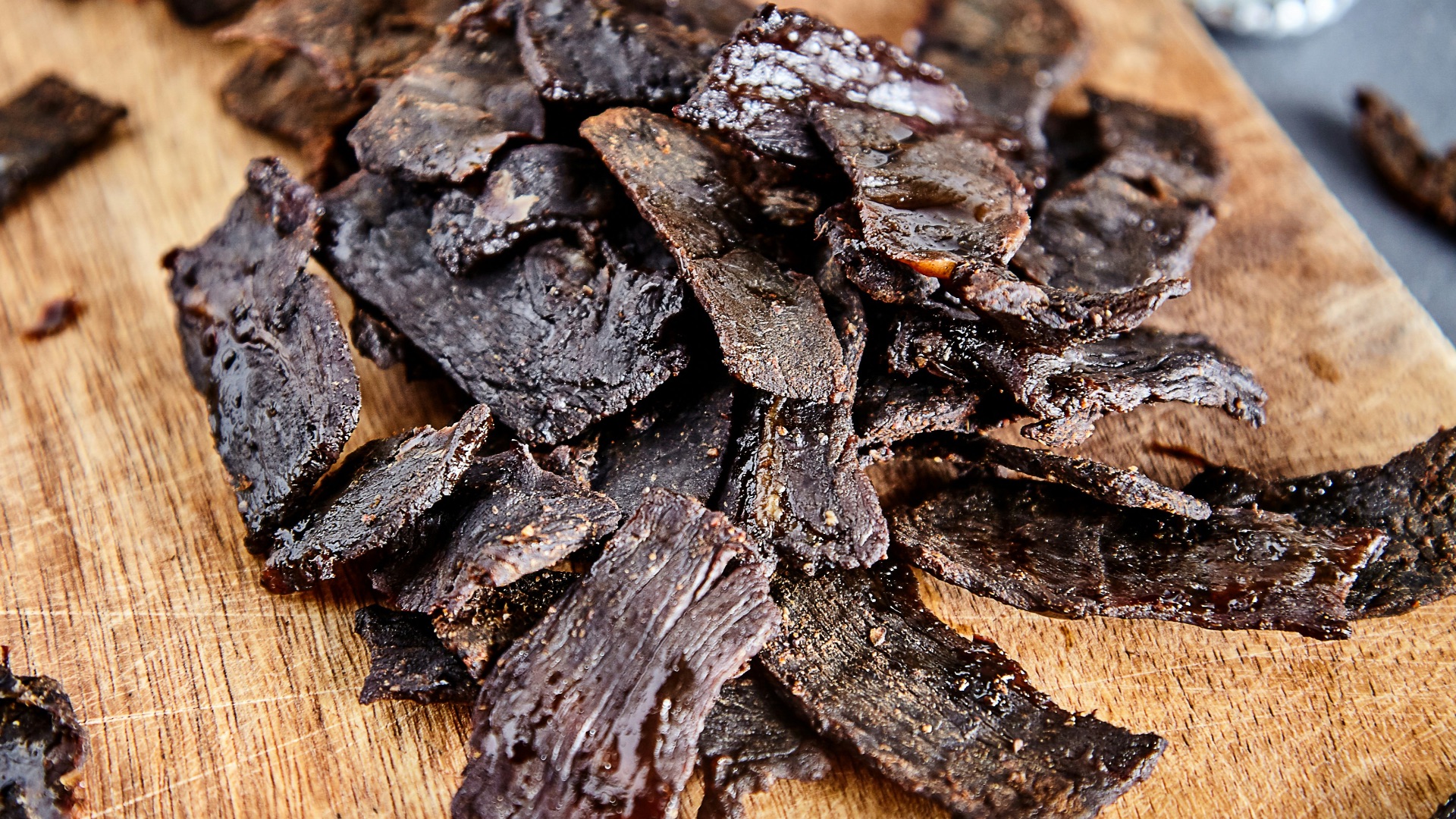
Few snacks demand as much persistence from your teeth as beef jerky. Because so much moisture has been removed, the meat becomes dense and leathery, often requiring you to tug off a piece before chewing it repeatedly. Without teeth to tear and grind those fibers apart, a simple strip can become nearly impossible to eat.
4. Bagels
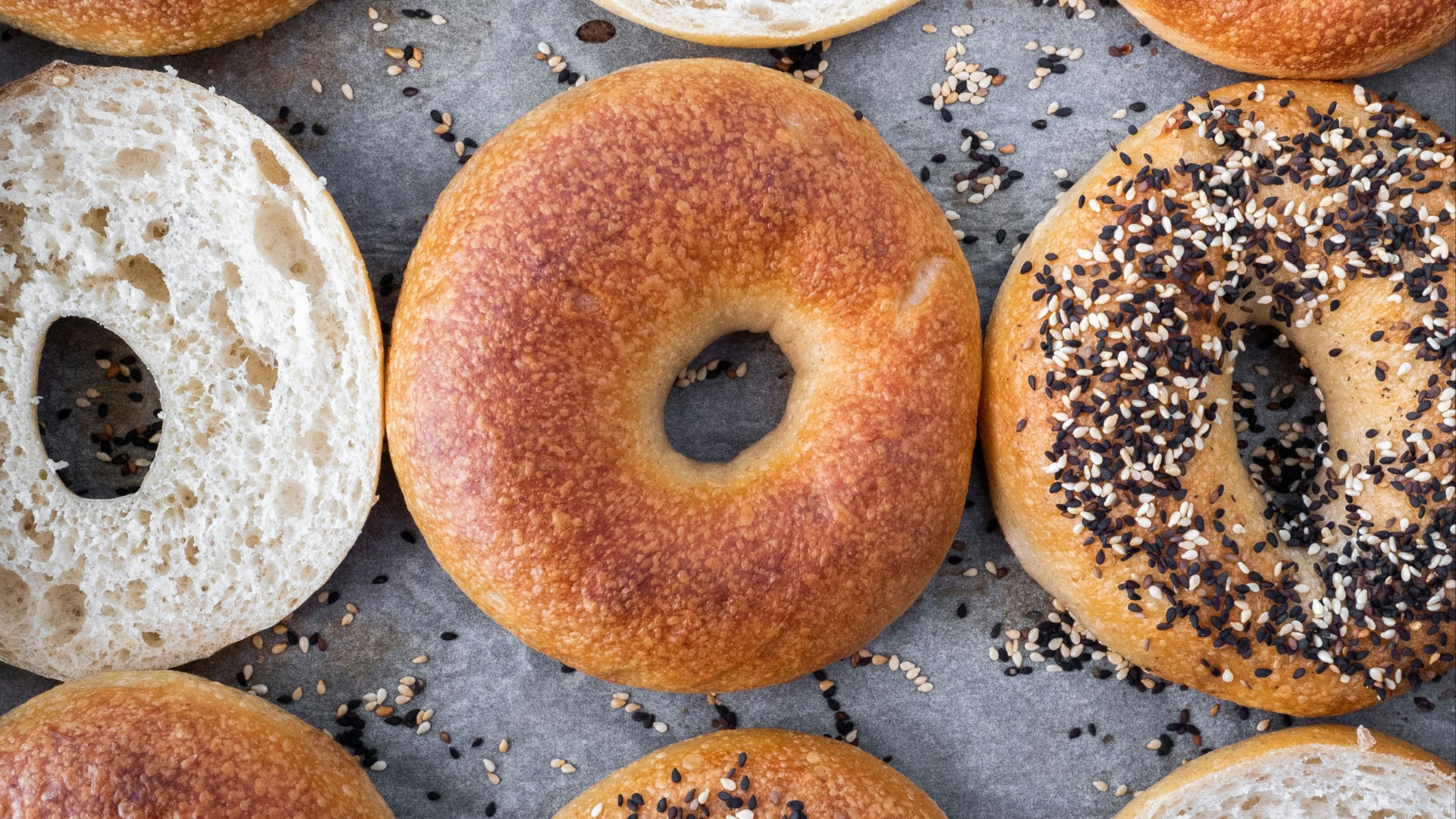
Bagels may look soft, but their dense, chewy interior gives your jaw plenty of work to do. A toasted bagel adds an even firmer exterior, meaning you have to bite through one texture before dealing with another. Compared with ordinary sandwich bread, it's a much more demanding food for anyone with limited chewing ability.
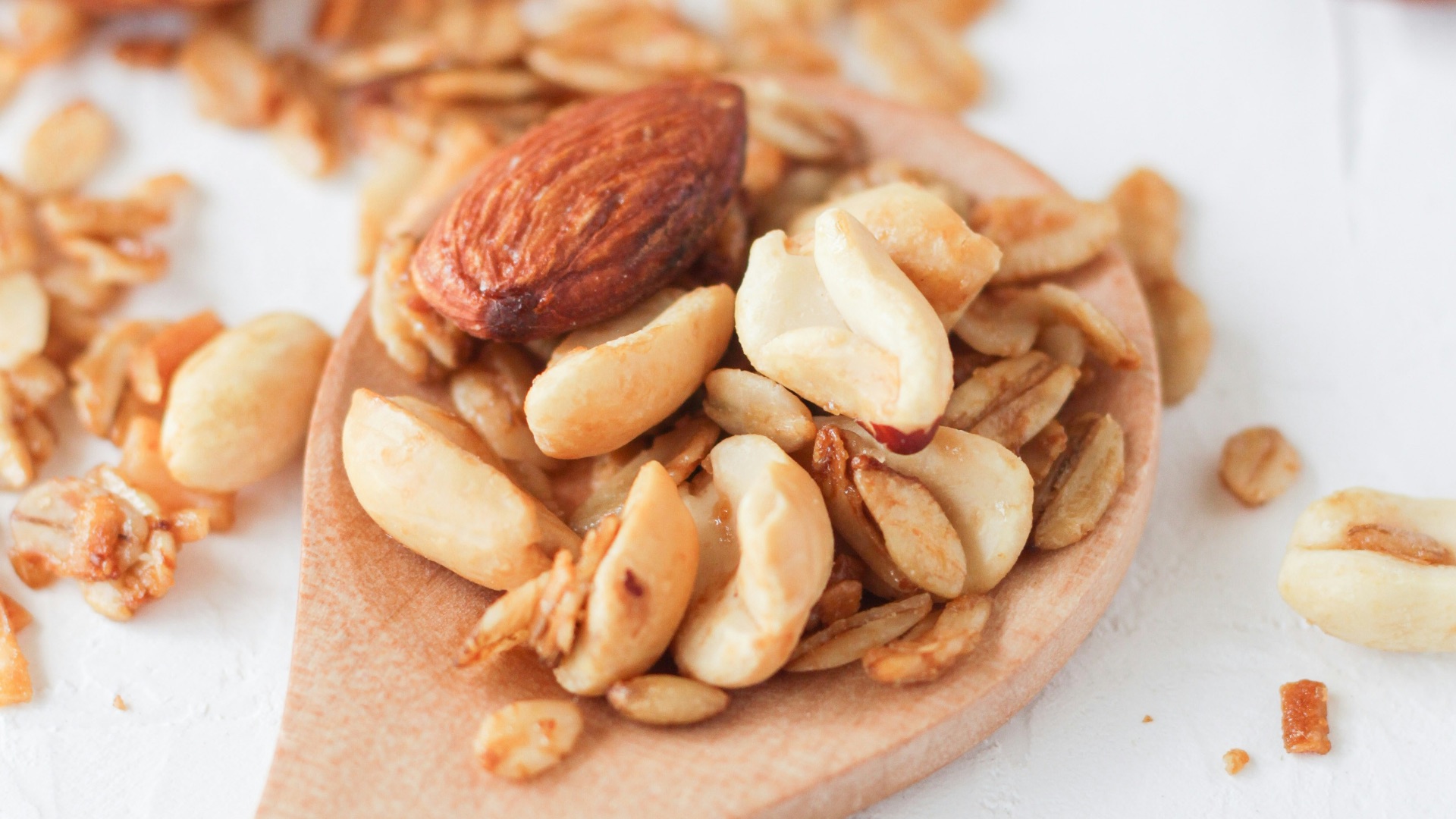
5. Nuts
Whole nuts are compact, hard, and designed to be crushed before they're swallowed. Almonds and hazelnuts can be especially unforgiving, while even softer varieties such as cashews still require a strong grinding motion from the molars. Nut butter removes that obstacle entirely, but eating nuts whole is a job your teeth normally handle with ease.
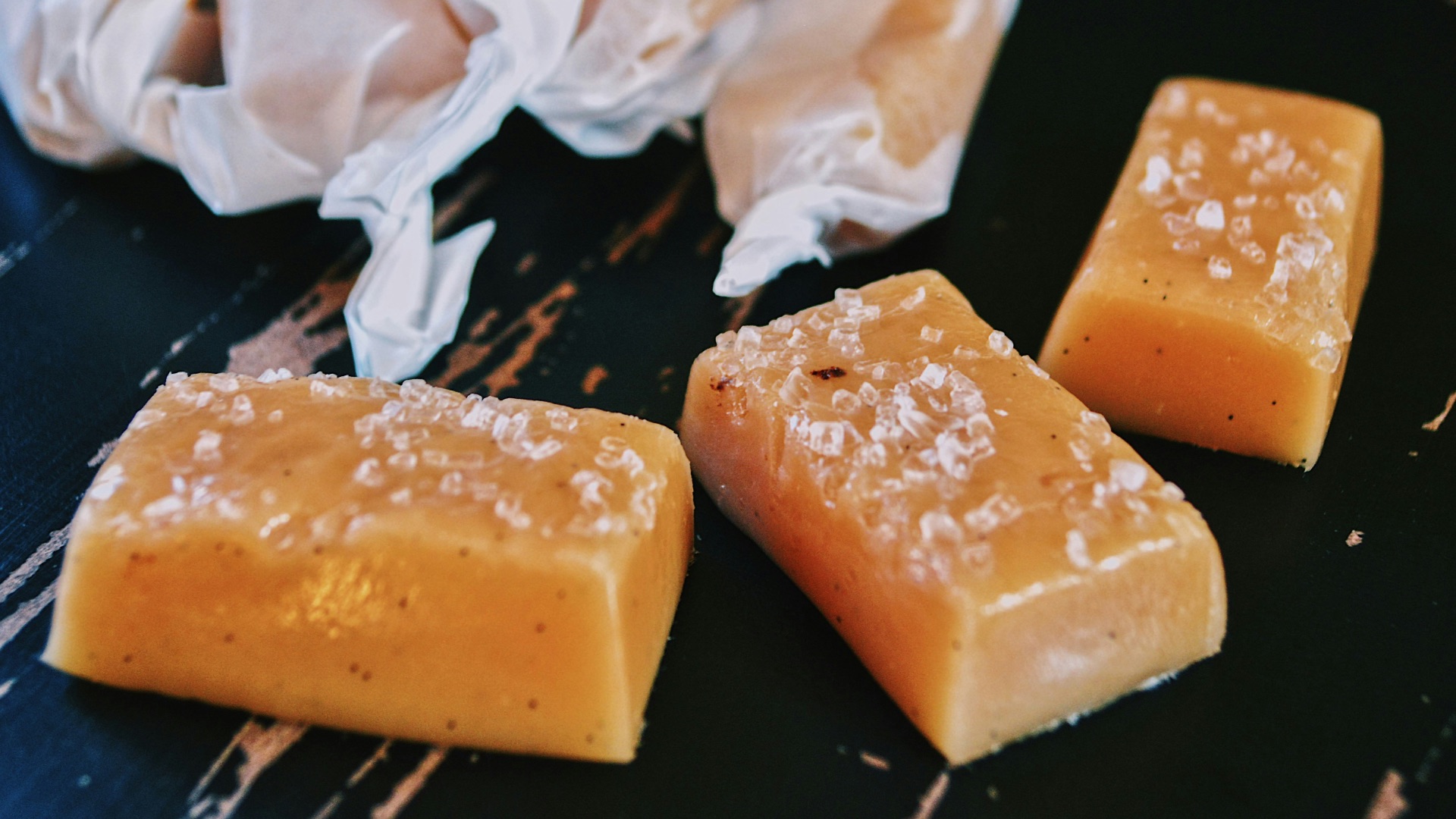
6. Caramel
Chewy caramel is difficult for the opposite reason that nuts are. Instead of cracking apart, it stretches, sticks, and resists being broken into smaller pieces, forcing you to chew the same bite over and over. A caramel sauce is easy enough to enjoy, but a thick square of the candy can be a real challenge without teeth.
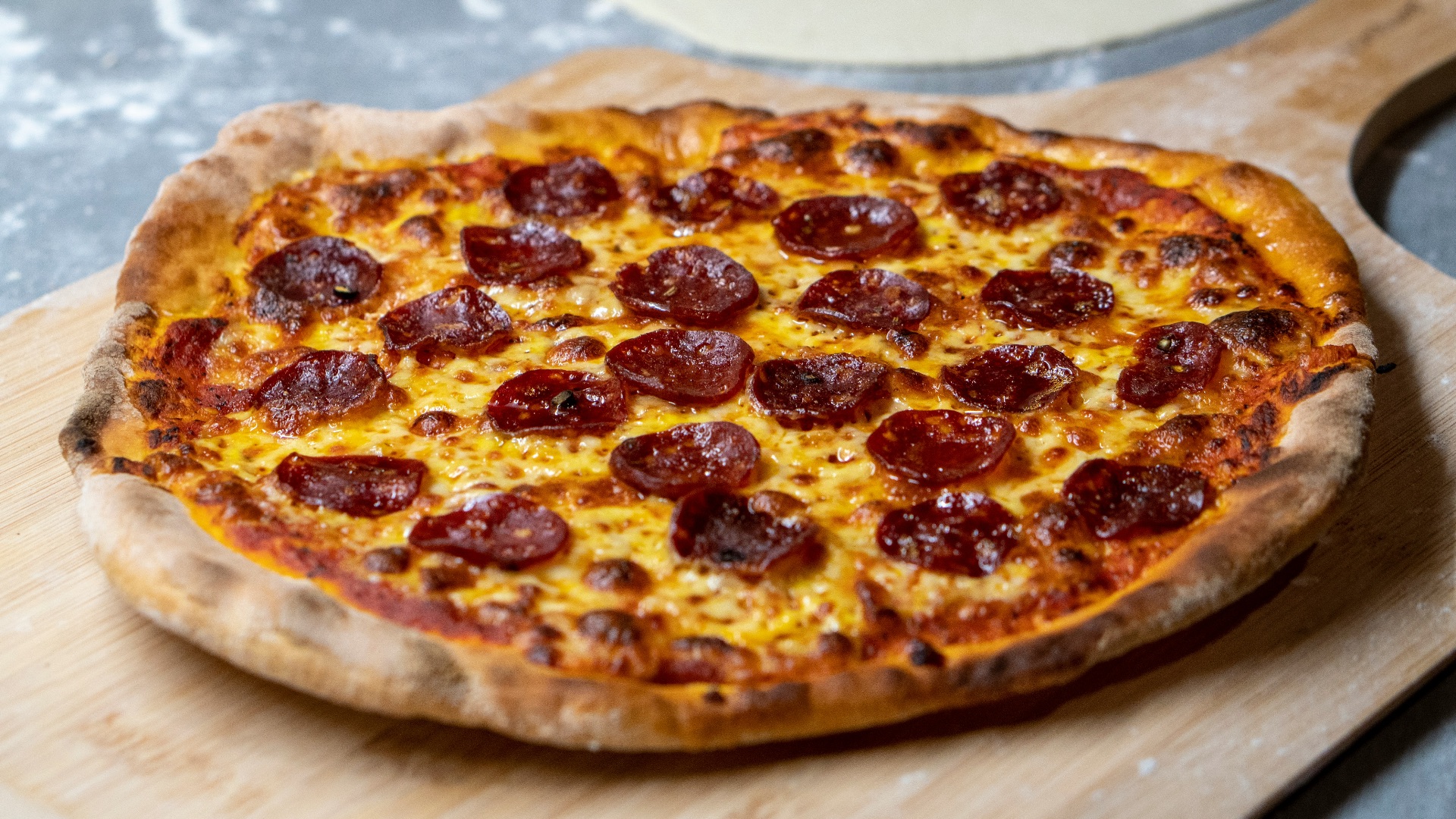
7. Pizza Crust
A slice of pizza can be surprisingly demanding once you get to a thick or well-baked crust. You need enough bite strength to tear off a piece, and the chewy dough still has to be worked down before it's ready to swallow. Crisp edges, melted cheese, and tougher toppings can make the entire slice even harder to handle.
 amirali mirhashemian on Unsplash
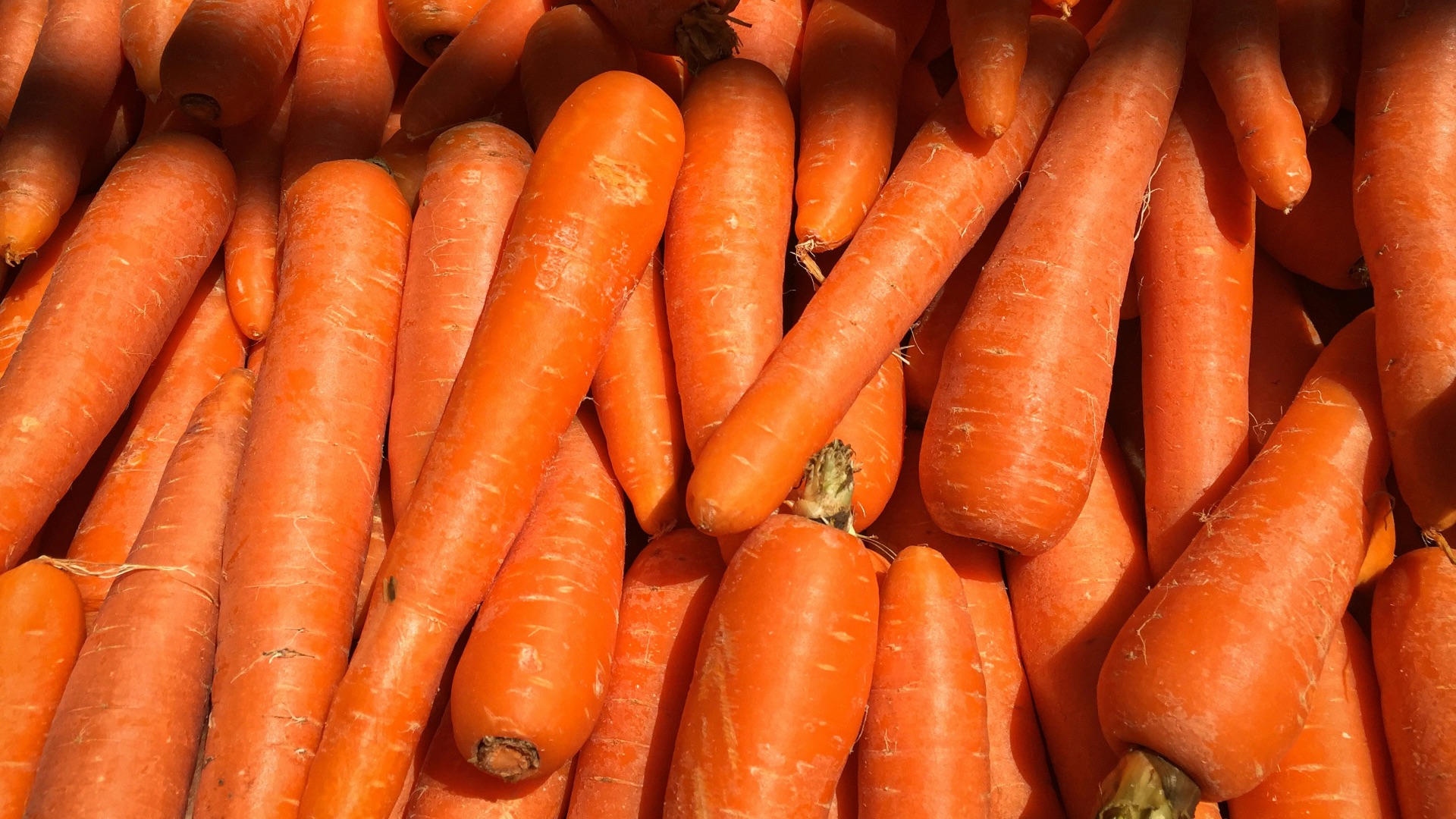
8. Raw Carrots
Raw carrots are one of the clearest examples of a food that depends on strong teeth. Their firm structure doesn't give easily, so the first bite alone takes considerable pressure before the pieces can be crushed further by the molars. Once cooked until tender, they're completely different, but fresh carrots aren't especially forgiving.
 JACQUELINE BRANDWAYN on Unsplash
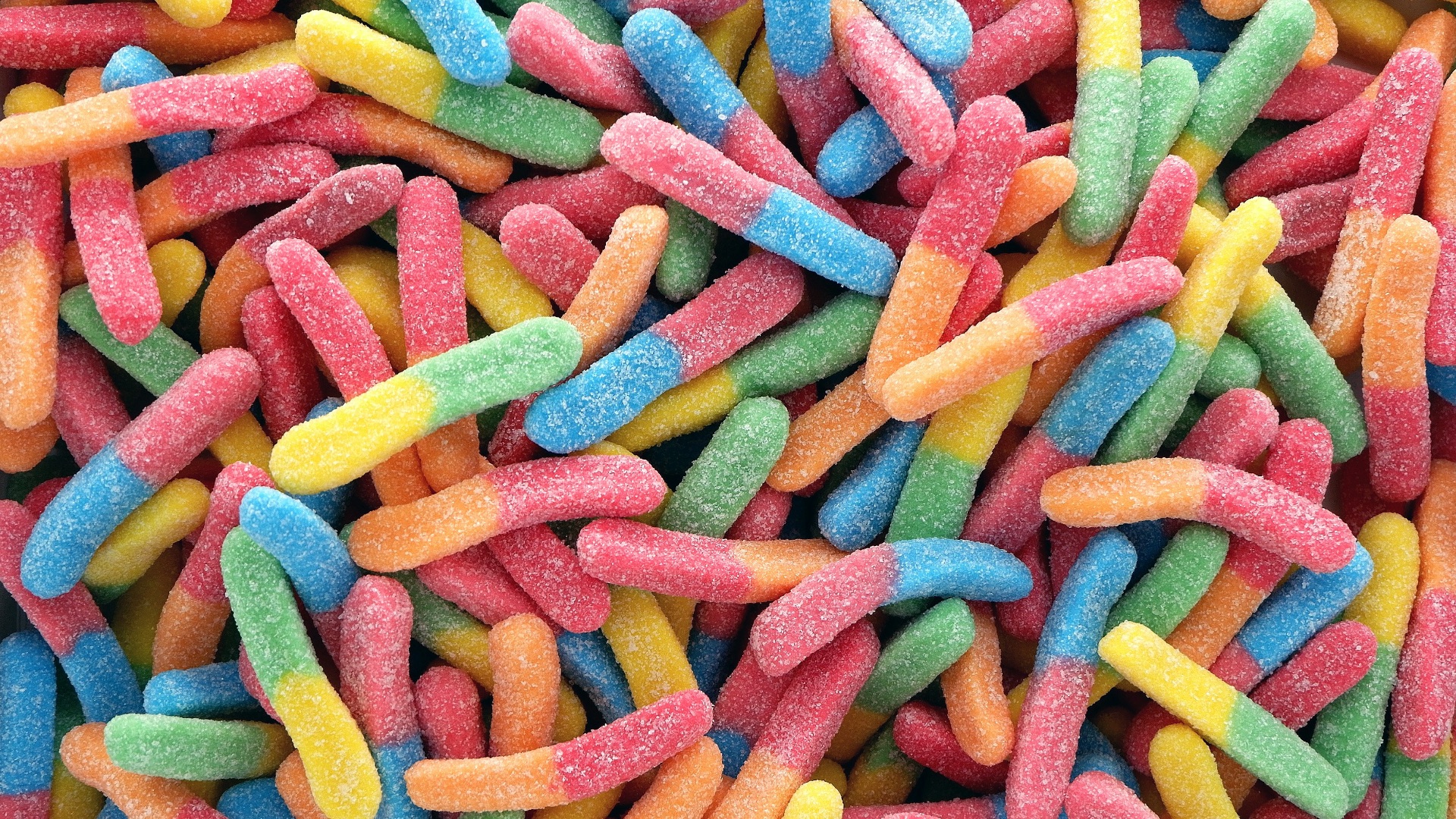
9. Gummy Candy
Gummy candy feels soft in your hand, yet its springy texture makes it surprisingly difficult to break down. Each piece tends to stretch and rebound as you chew, especially with larger gummies or thicker fruit chews. Without teeth to repeatedly compress and tear them apart, they can remain stubbornly intact.
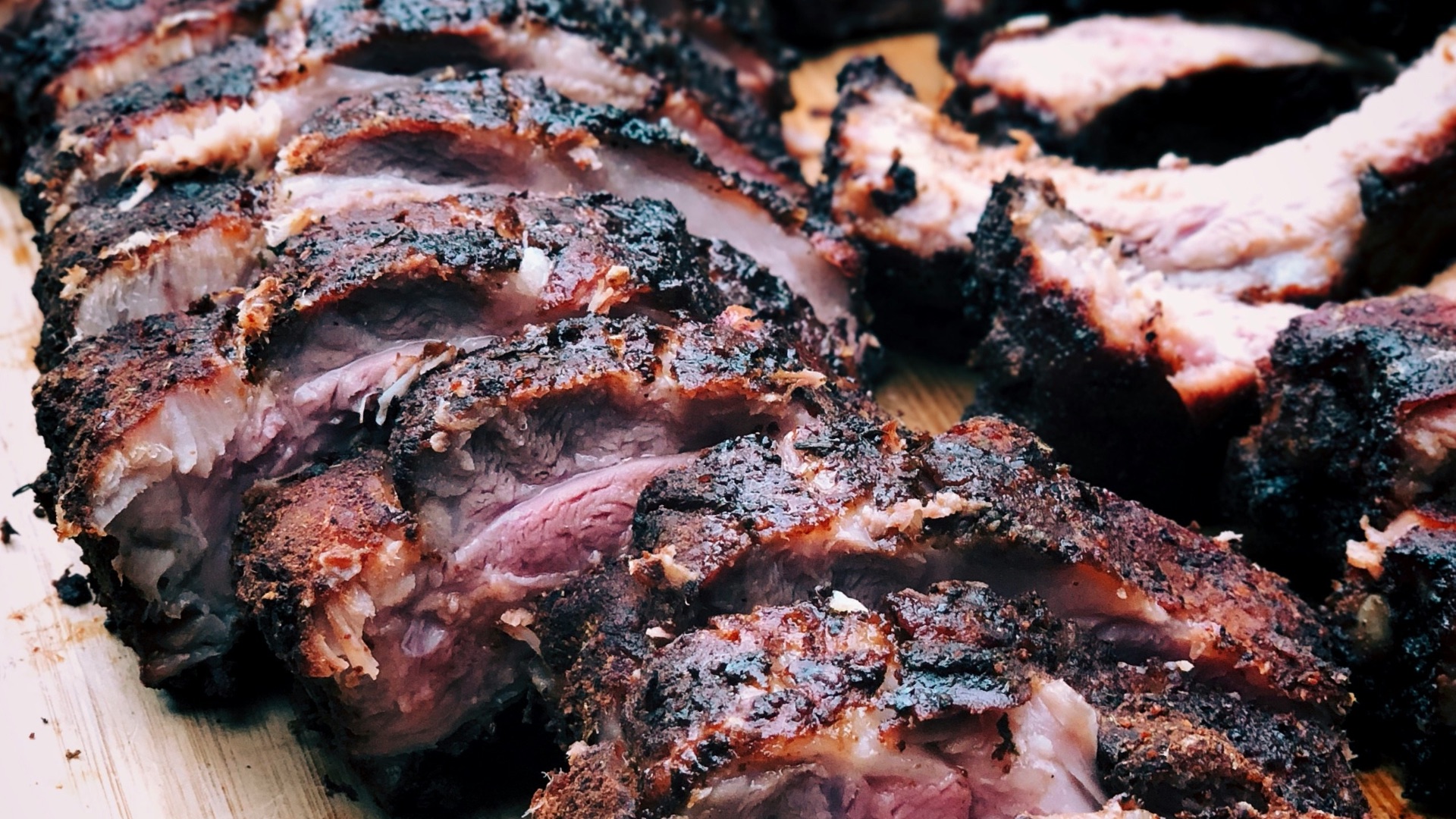
10. Ribs
Ribs ask your teeth to do more than just chew. You often have to grip the meat, pull it away from the bone, and work through tougher browned edges or bits of connective tissue before swallowing. Tender shredded pork is much easier, but ribs served on the bone rely heavily on a strong bite.
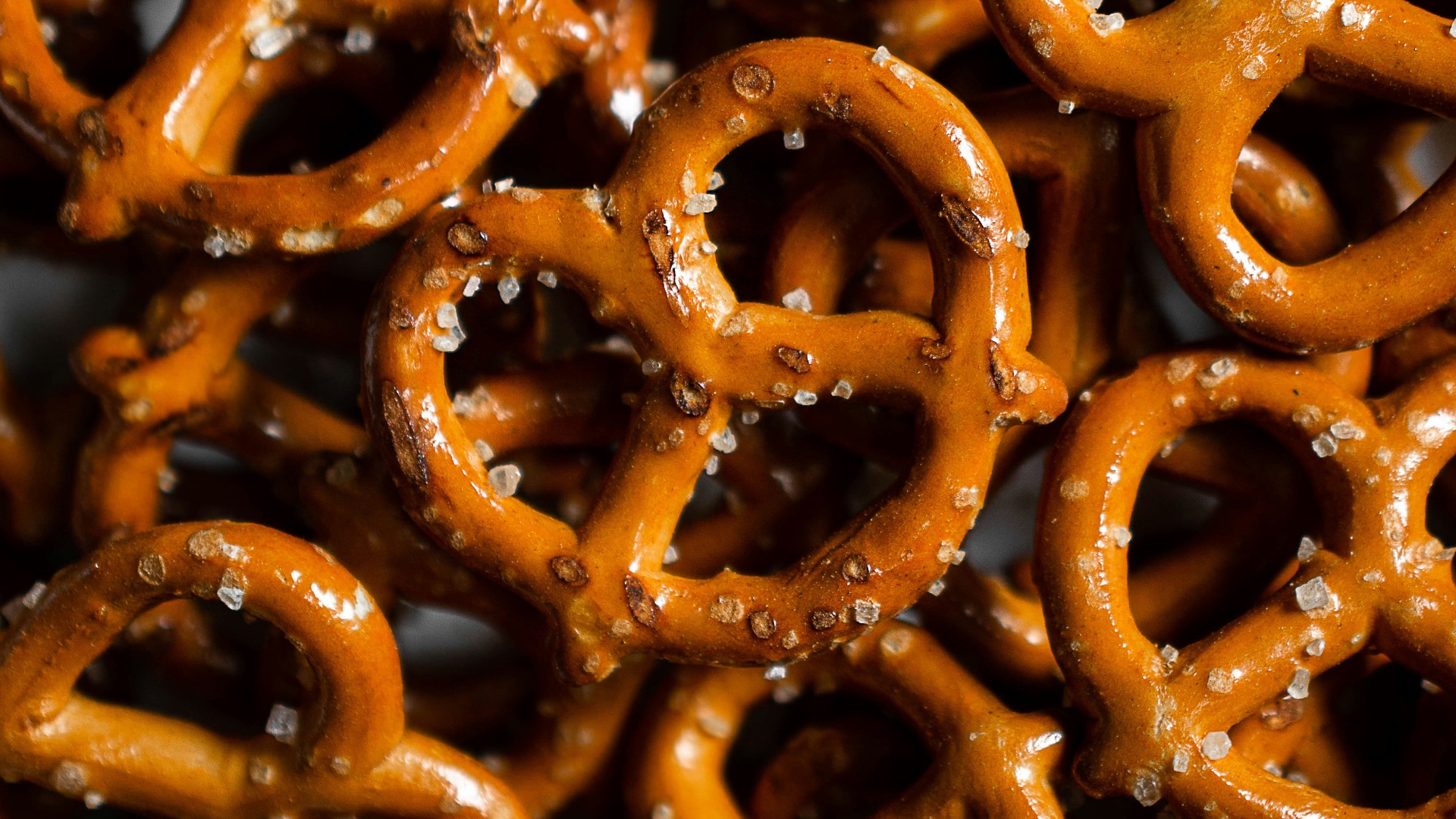
11. Hard Pretzels
Hard pretzels are meant to resist you at first and then break with a sharp crunch. Large twists and pretzel rods require enough force to snap off a bite before the smaller pieces can be crushed by your back teeth. Without that grinding power, the dry, rigid fragments are far harder to manage.
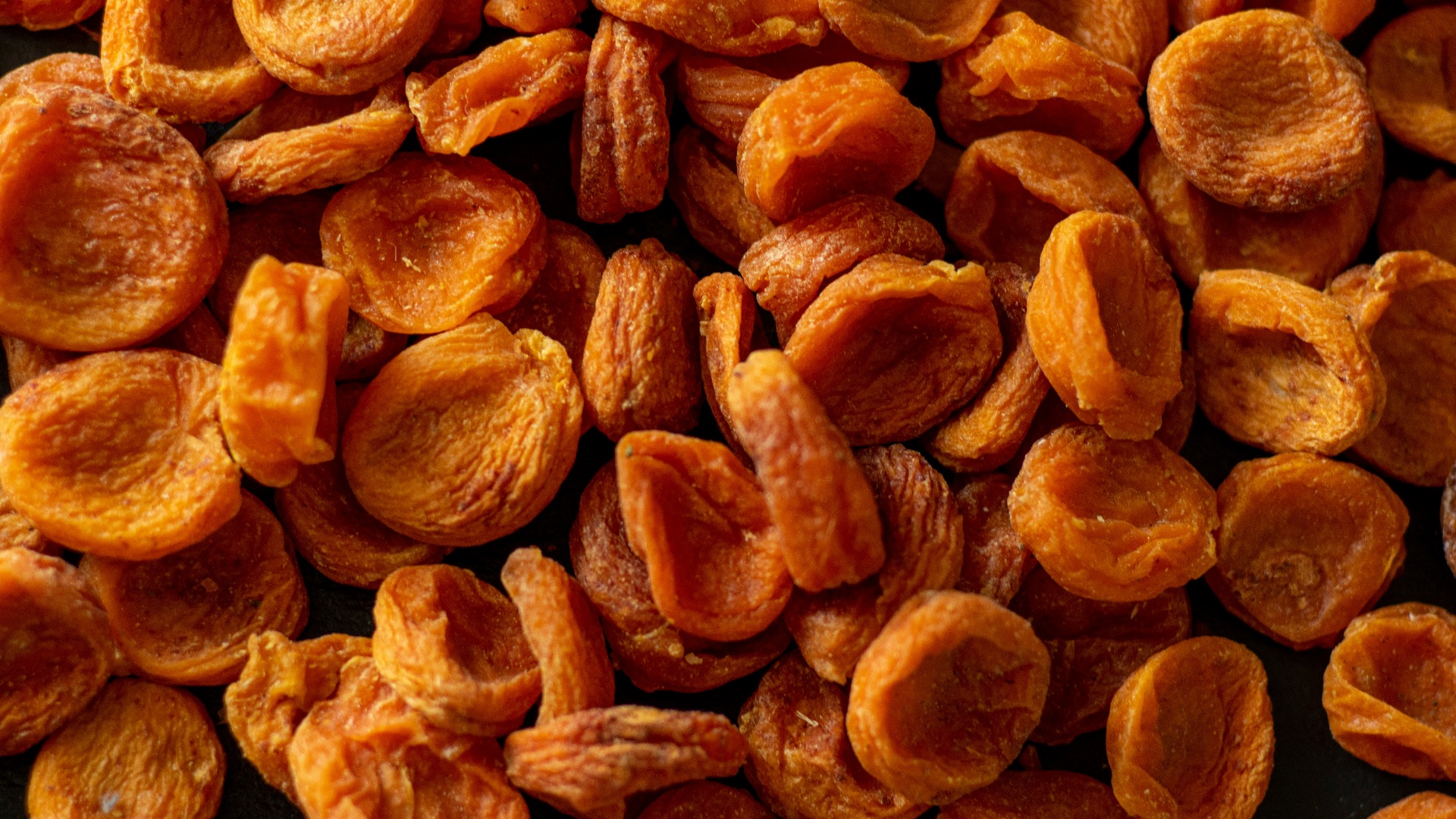
12. Dried Fruit
Removing water from fruit doesn't just make it smaller; it also changes the texture dramatically. Dried apricots, mango, dates, and similar foods can become sticky, dense, and leathery, requiring far more chewing than their fresh counterparts. Thin pieces may be easier, but thicker dried fruit still puts your teeth to work.
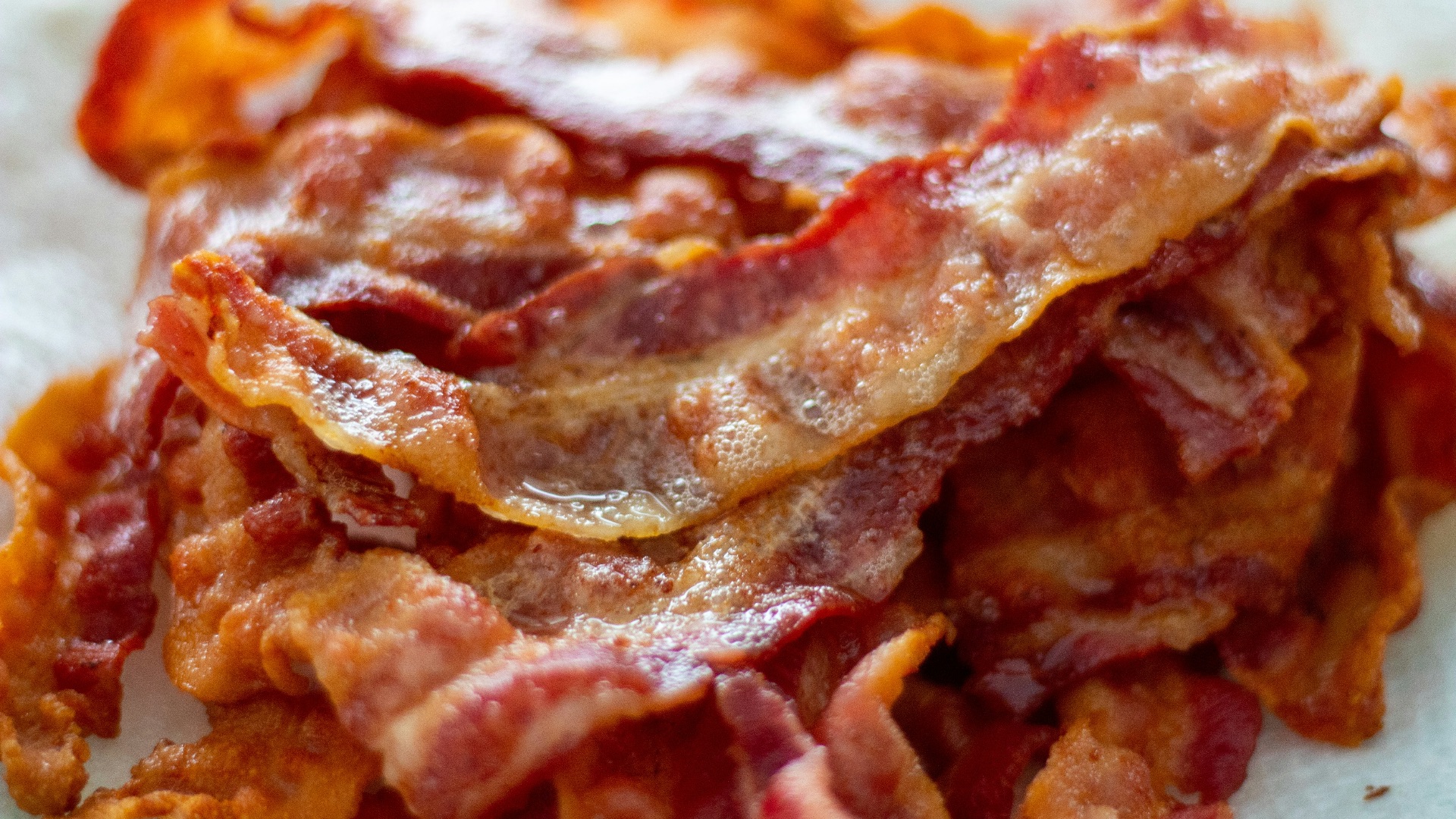
13. Bacon
Sorry, bacon lovers, but these crispy strips can be surprisingly stubborn when you don't have teeth to snap them into smaller pieces. Chewier bacon, on the other hand, presents a different problem because its fatty and meaty sections often need to be pulled apart. Finely crumbled bacon might be easier to manage, but full slices require much more chewing.
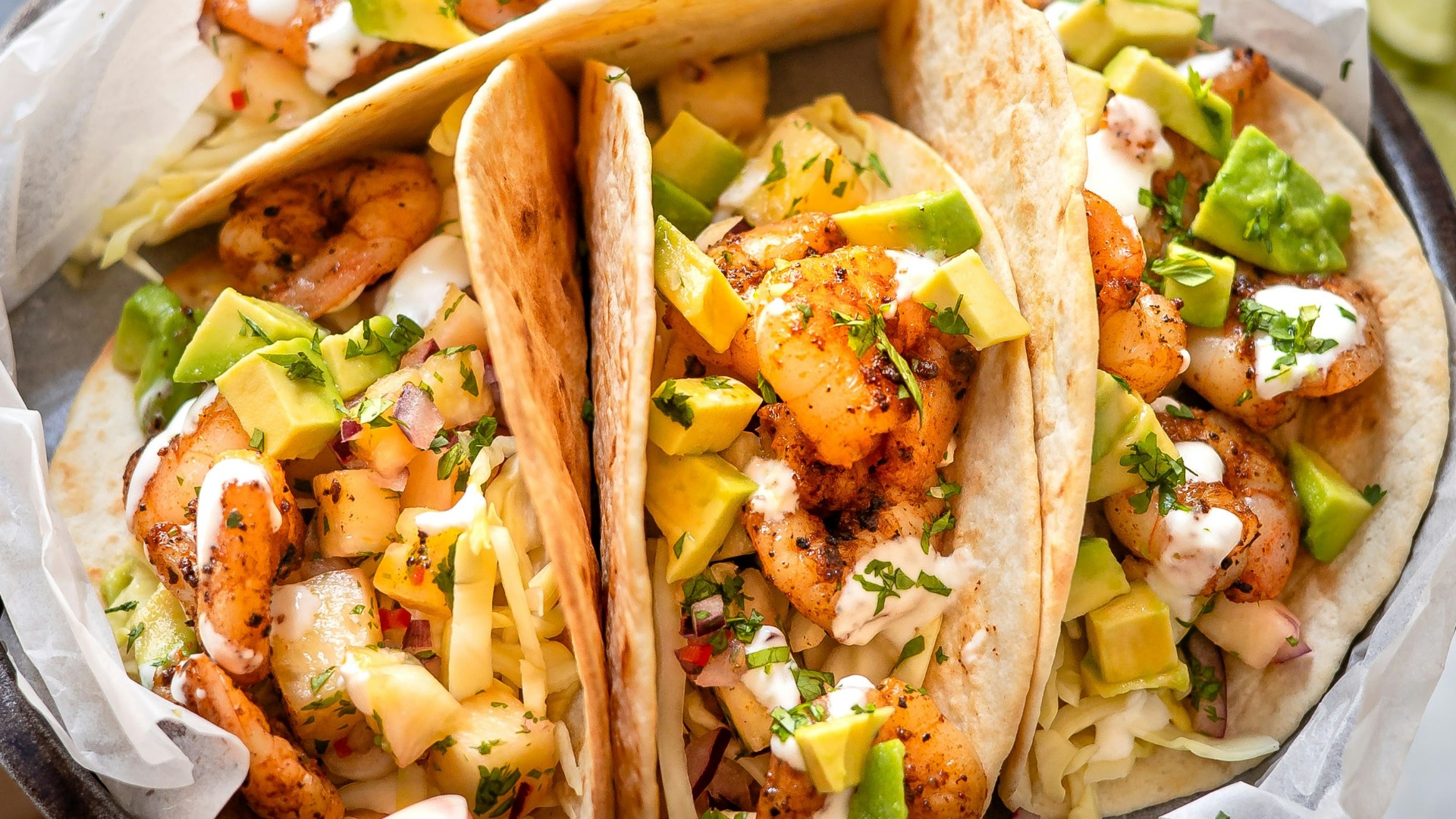
14. Hard Tacos
Hard-shell tacos create several chewing challenges at once. The crisp shell needs to be broken into manageable pieces, while the meat, cheese, lettuce, and other fillings all move around as you eat. Without teeth, dealing with both the brittle shell and the mixed textures inside becomes far more complicated.
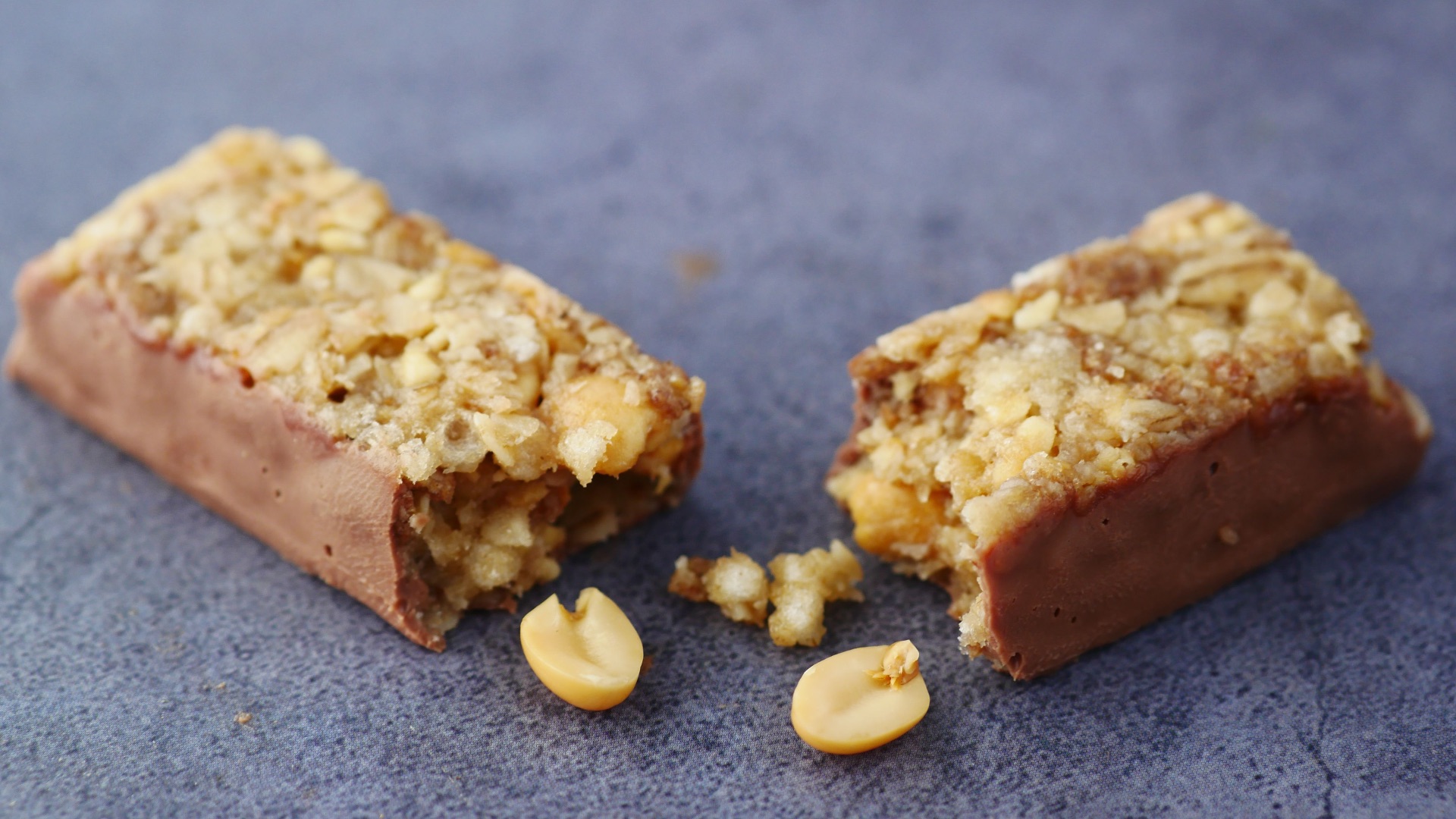
15. Granola Bars
A dense granola bar can pack several tough textures into a single bite. Toasted oats, nuts, seeds, and dried fruit may all be compressed together with a sticky binder, creating something that's both hard and chewy. Softer cereal bars are much easier, but firmly packed varieties demand plenty of grinding.
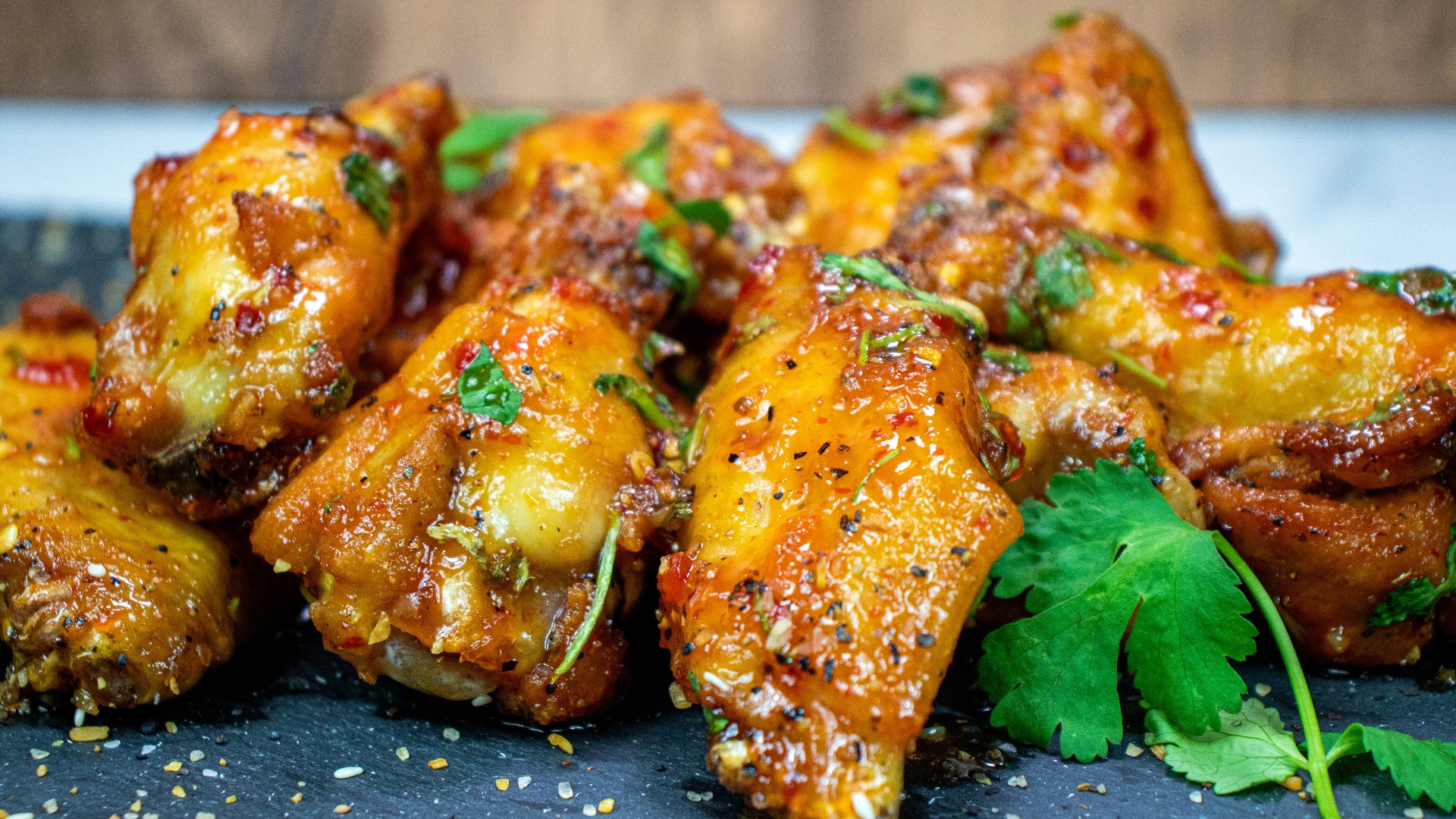
16. Chicken Wings
Eating a chicken wing requires a combination of biting, pulling, and chewing that you might not notice until those actions become difficult. The meat has to be separated from the bone, while the skin and any crisp coating need additional chewing afterward. Shredded chicken may be easy to manage, but a whole wing is a much more involved food.
17. Licorice
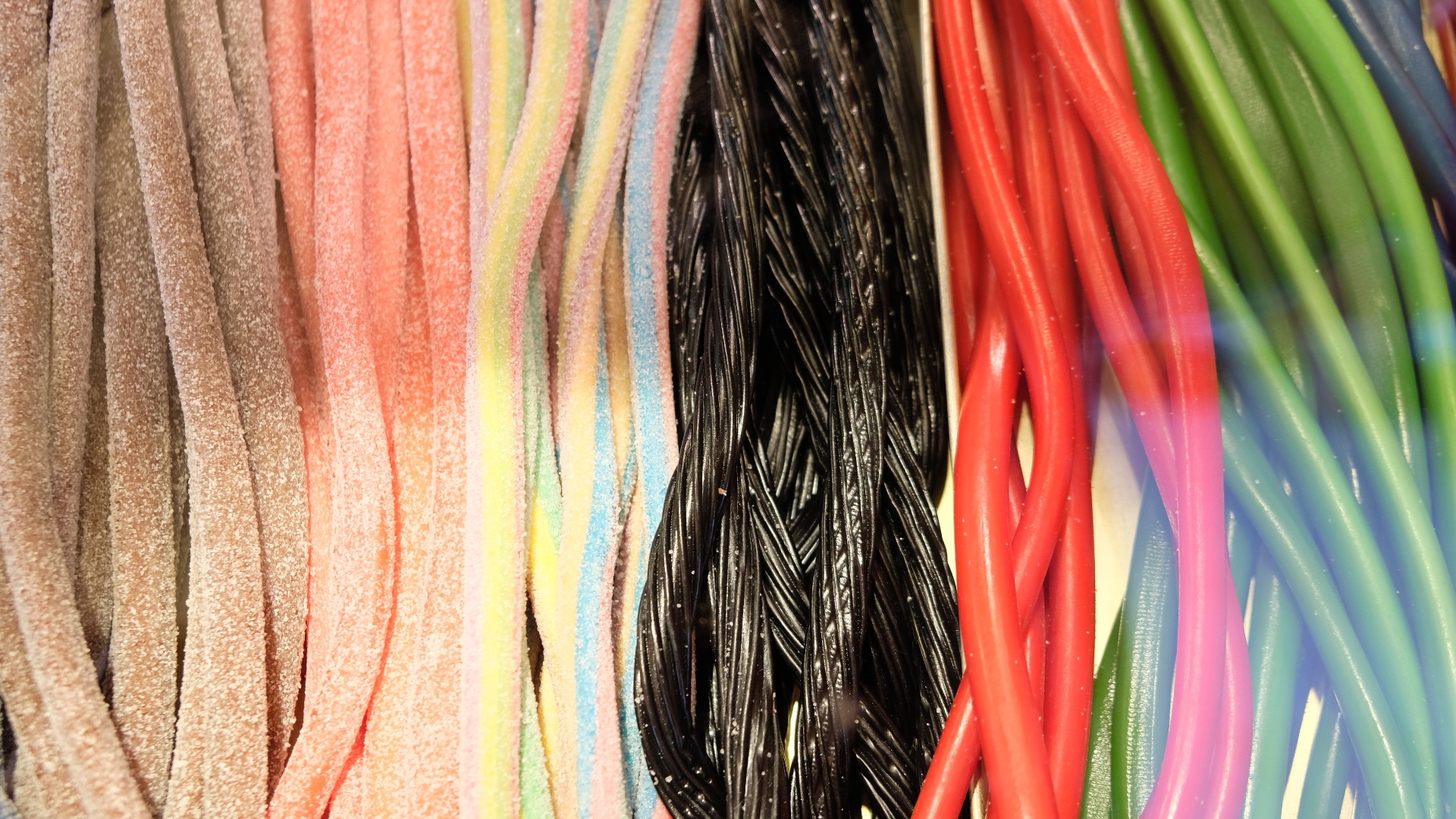
Traditional licorice can have a dense, rubbery consistency that resists breaking apart. Thick twists in particular may take repeated chewing before they're reduced to a comfortable texture. It's not hard in the same way as a nut or pretzel, but it still depends heavily on teeth doing the work.
18. Crusty Bread
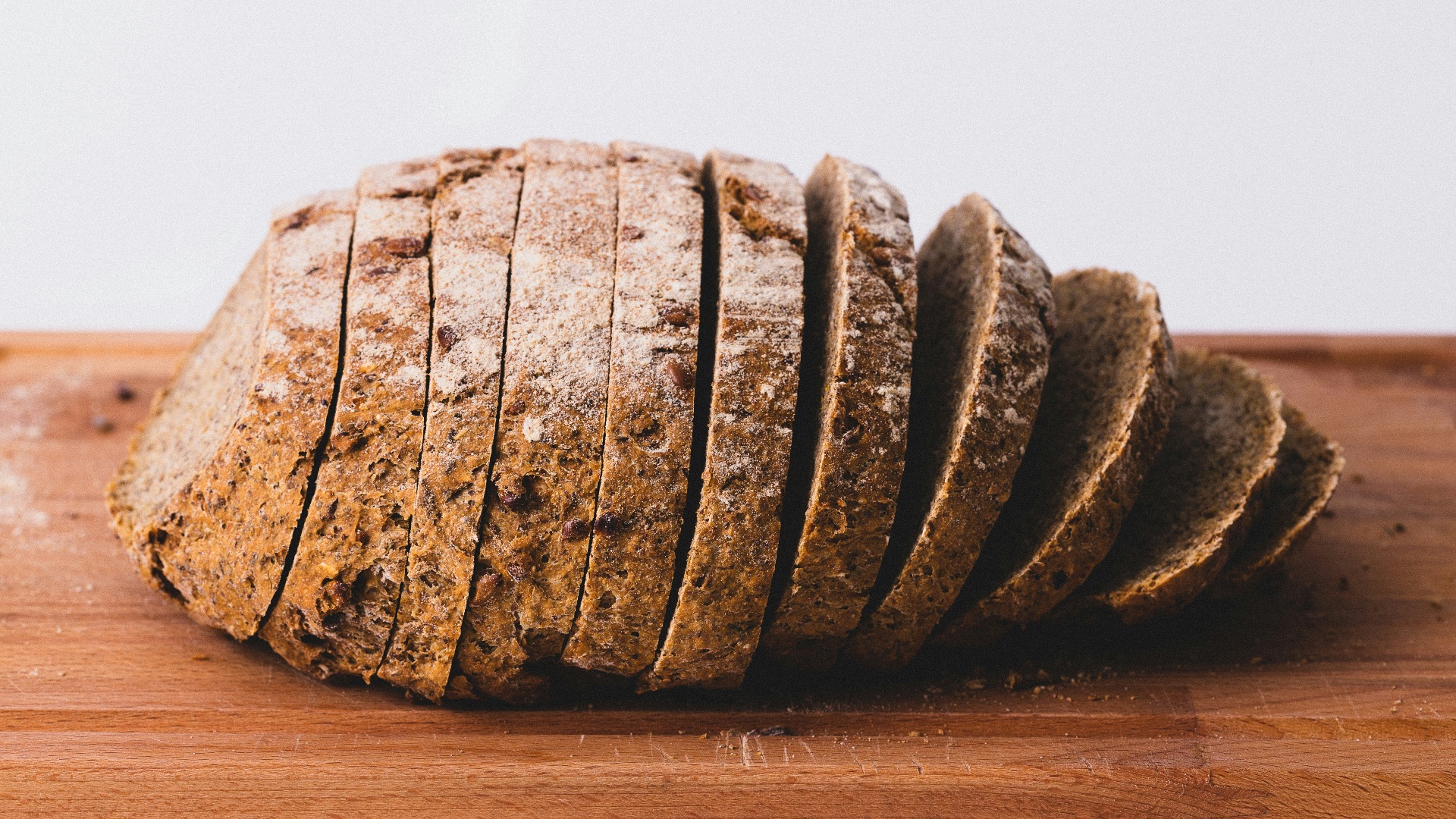
A fresh baguette or rustic loaf can have an exterior that's much tougher than its soft-looking center suggests. Breaking through the crust requires a firm bite, and the chewy interior still needs plenty of grinding afterward. Remove the crust or soak the bread and it becomes easier, but eaten normally, it's surprisingly demanding.
19. Chips
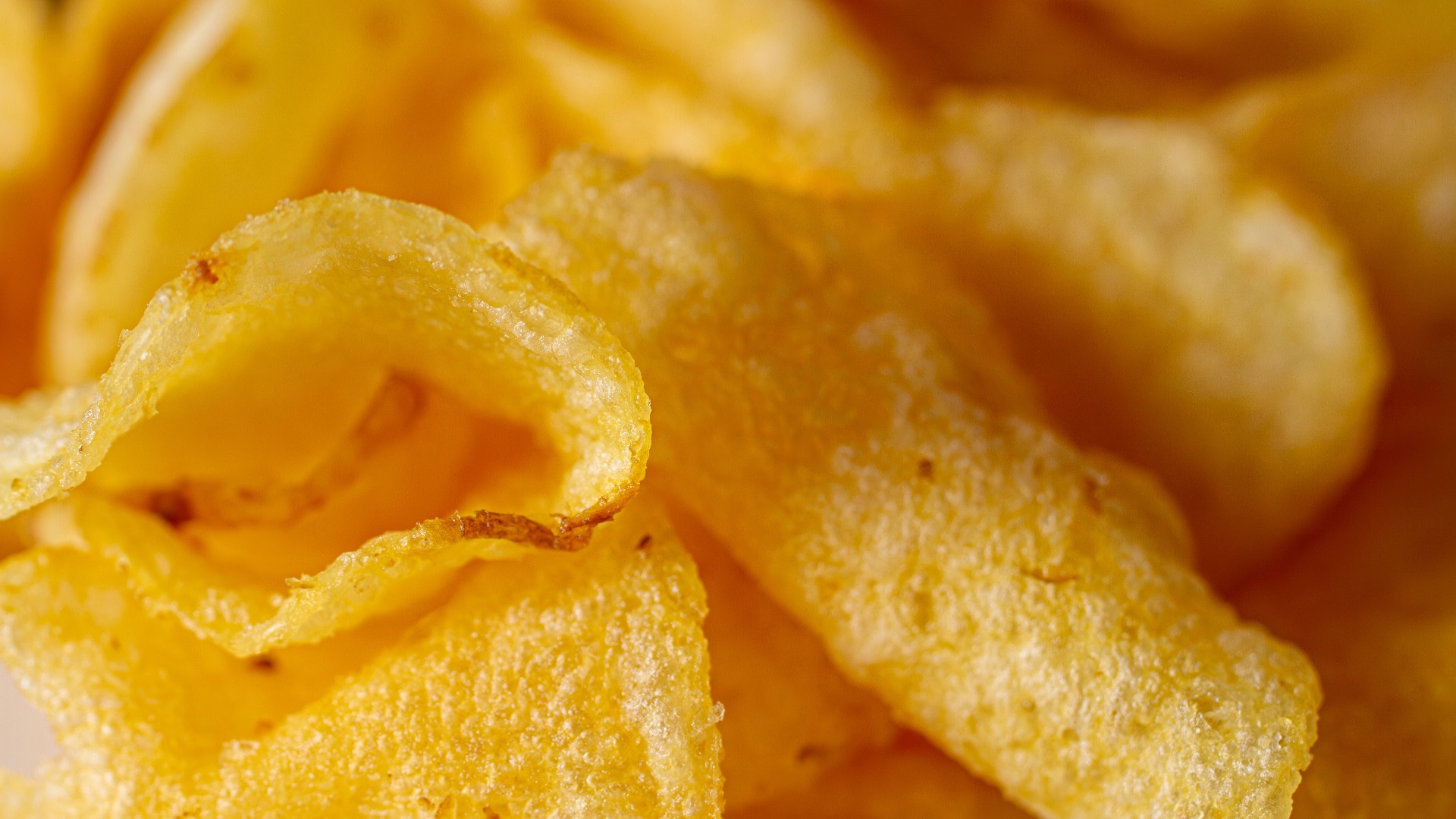
Potato chips may seem light and delicate, but their crisp texture still depends on your teeth to crush them into manageable pieces. Once they shatter, the fragments can also become sharp and dry, which makes simply pressing them against your gums uncomfortable and ineffective. Thicker kettle-cooked varieties would be especially difficult, since they require even more force to break apart before swallowing.
20. Corn on the Cob
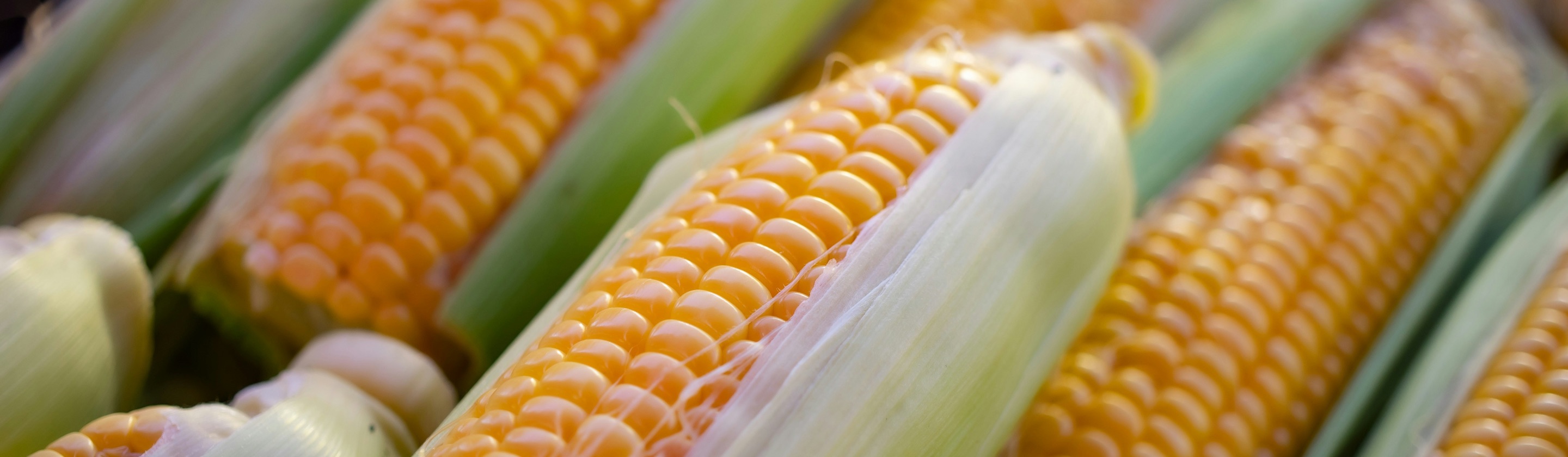
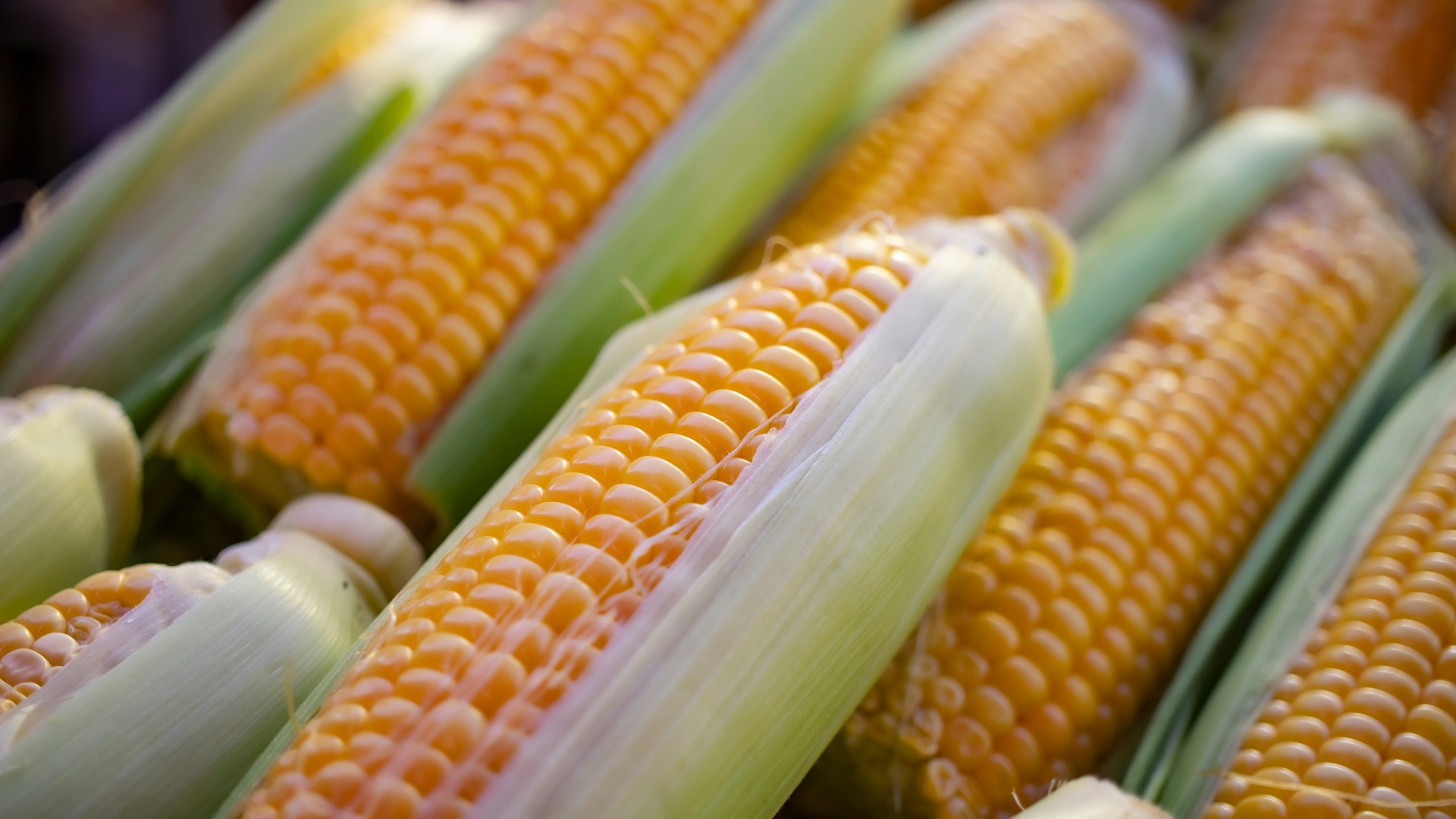
Corn on the cob relies on a very specific kind of bite. Your front teeth scrape the kernels away from the cob, and your molars then crush them before you swallow. Take the kernels off first and the challenge is much smaller, but eating straight from the cob depends heavily on having functional teeth.
KEEP ON READING

20 Dishes That Built Modern American Cuisine