More Than a Menu Price
Everybody has those days when all they want to do is order delivery or dine out to skip cooking at home. And while that's fine once in a while, you probably don't want to choose convenience all the time. From unhealthy portions to cheap ingredients, questionable cleanliness, and overpriced dishes (along with tacked-on service fees), eating out can take a pretty big toll on both your budget and your everyday eating habits. While we're not saying you need to swear off your beloved neighborhood spot forever, it's probably still best to cut back. And while you're at it, why not teach yourself how to make your favorite dish?
1. You're Paying a Huge Markup
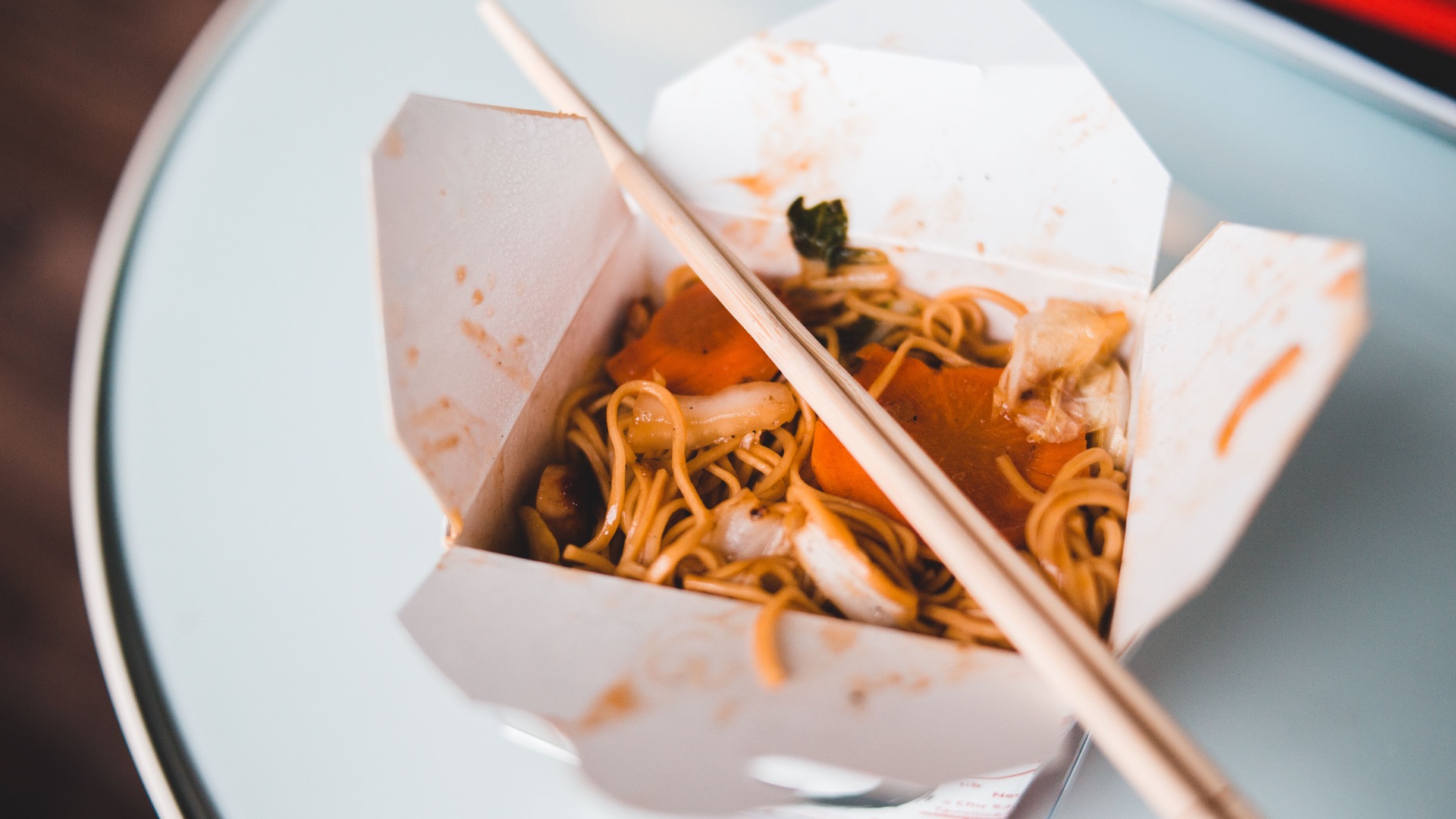
A restaurant isn't only charging you for the ingredients on your plate. You're also covering labor, rent, utilities, equipment, insurance, and plenty of other operating expenses, which is why even fairly simple dishes can cost considerably more than their homemade equivalents. Make the same pasta, sandwich, or breakfast plate at home, and you'll often get several servings for roughly what one restaurant portion costs.
2. Tips Add Up Quickly
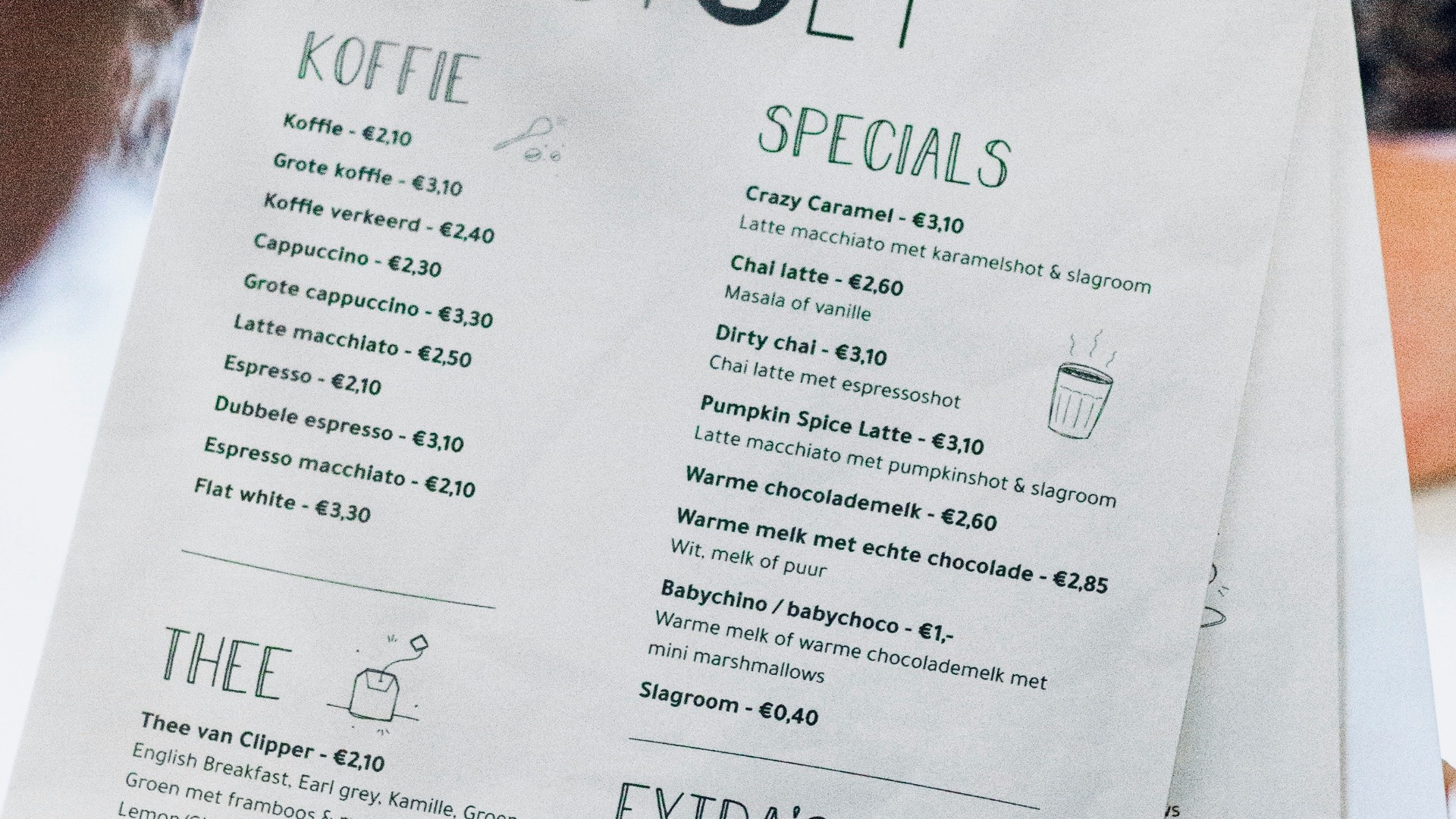
The menu price isn't necessarily what you'll actually pay once the check arrives. After tax and a customary tip, a meal that initially looked reasonable can become noticeably more expensive, especially when drinks or appetizers are involved. Multiply that difference across several restaurant visits each month, and tipping alone can become a meaningful part of your dining budget.

3. Portions Can Be Much Larger Than You Need
Restaurants sometimes serve generous portions of cheap ingredients to get you to spend more, so that customers think they're getting a better value even when it's still overpriced for what it is. But having more food in front of you can make it easy to eat beyond the point where you're comfortably full. At home, you can portion your meal based on your actual appetite instead of whatever serving size a restaurant has decided is standard.
4. Some Portions Are Surprisingly Small
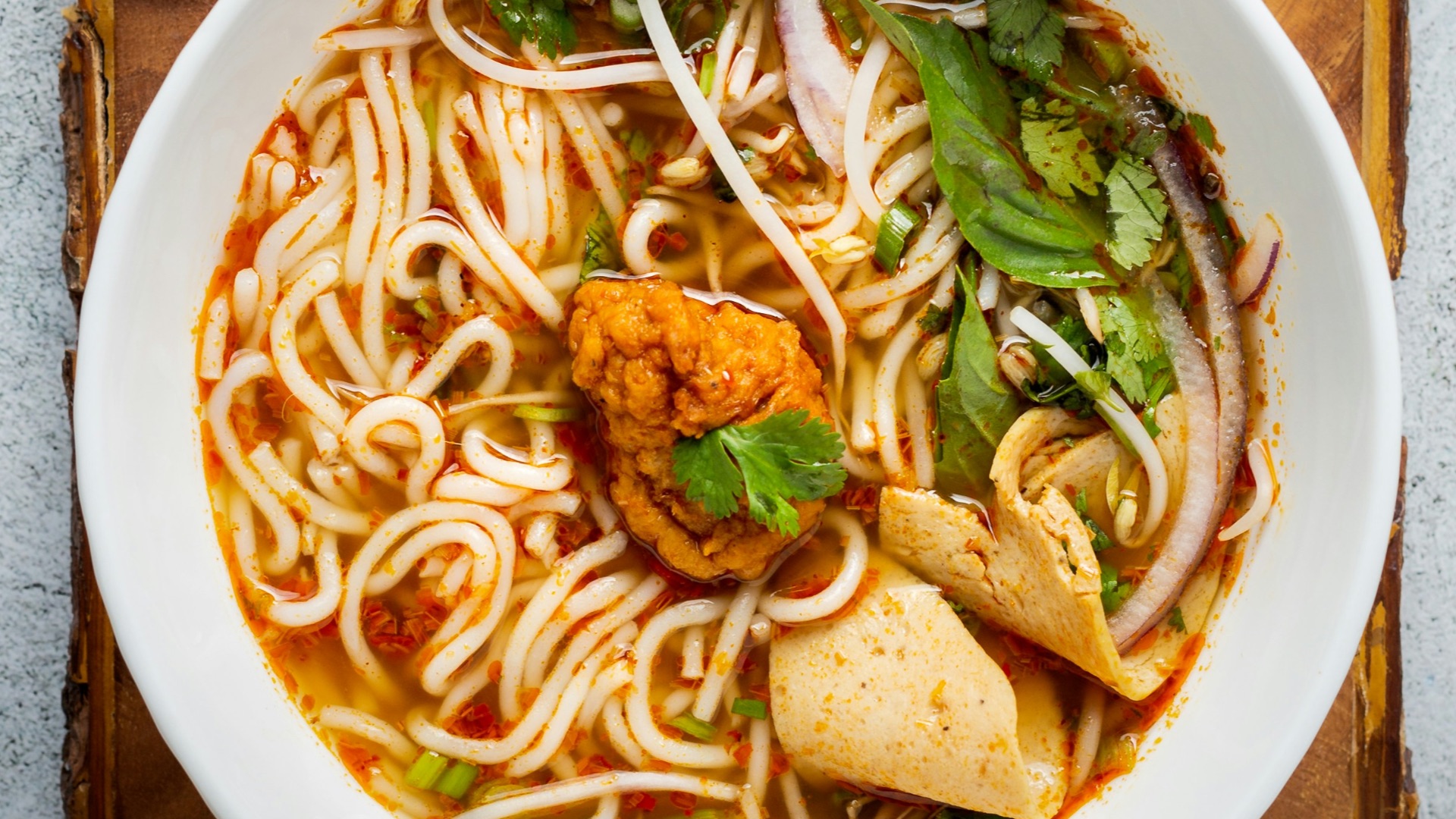
Bigger portions may seem like more bang for your buck, but alas, not every restaurant will try to impress you with an overflowing plate. At some places it's the opposite: they'll charge premium prices for fairly modest portions, leaving you wondering how a measly dish ended up costing so much. You may even leave hungry enough to order something else afterward, which makes an already expensive meal an even worse value. At home, the same amount of money can often buy enough ingredients for several much more substantial servings.
5. You Don't Know Exactly What's in Your Food
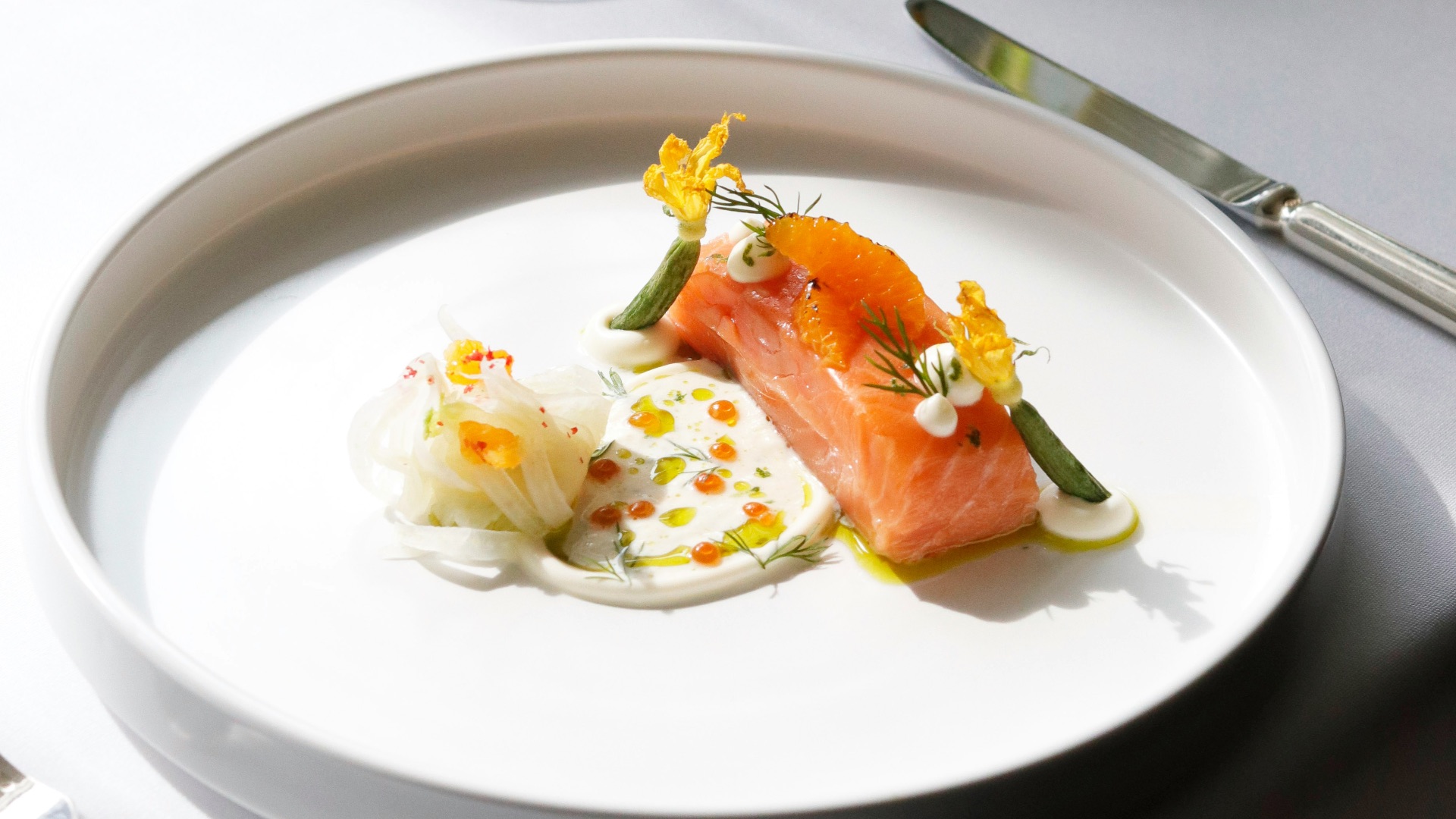
A dish that sounds relatively straightforward on the menu may contain much more butter, oil, sugar, or salt than you'd expect. Restaurants are primarily concerned with making food taste appealing, so ingredients that boost flavor can be used generously. Cooking for yourself gives you a much clearer idea of what's going into every meal.
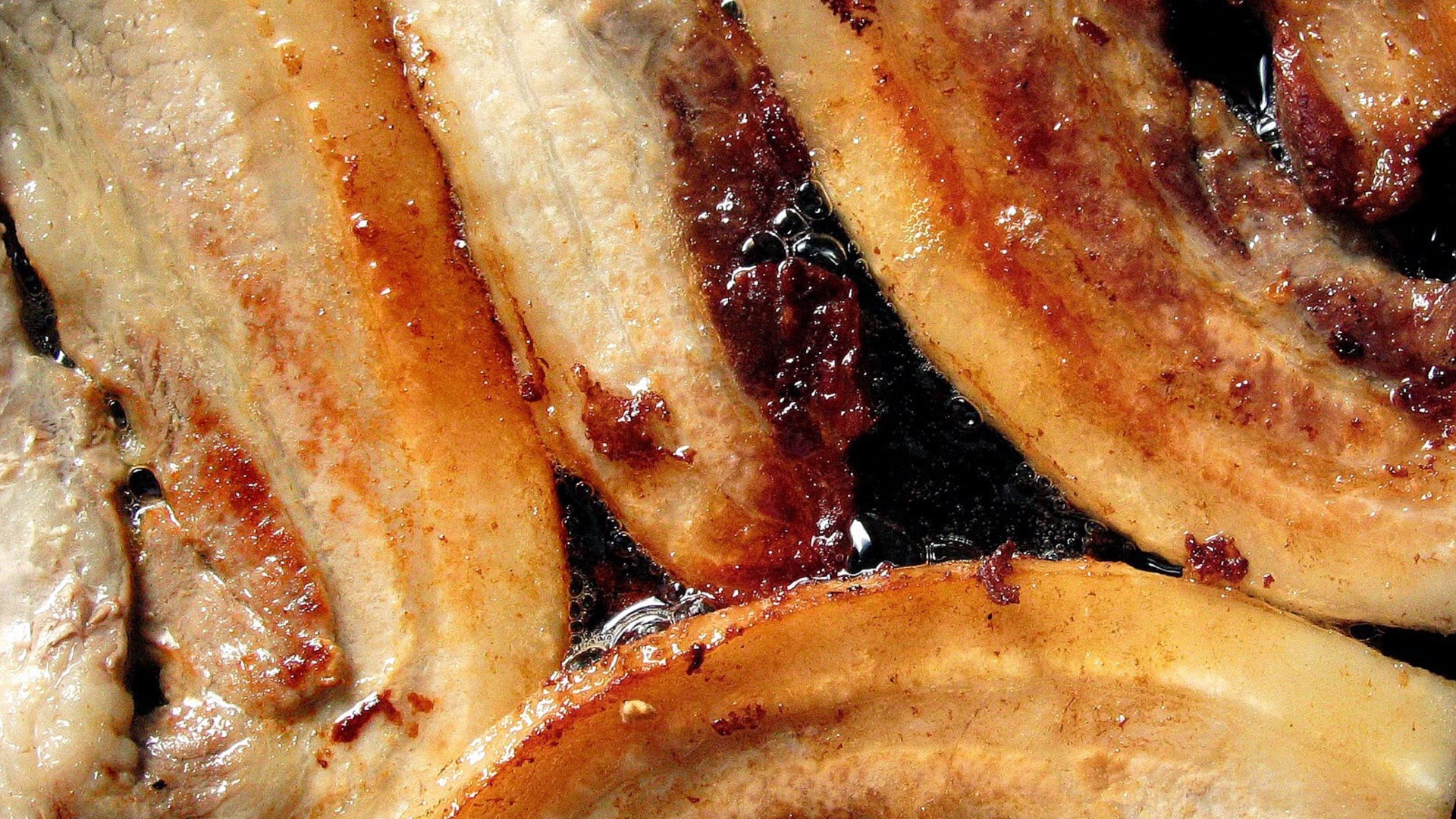
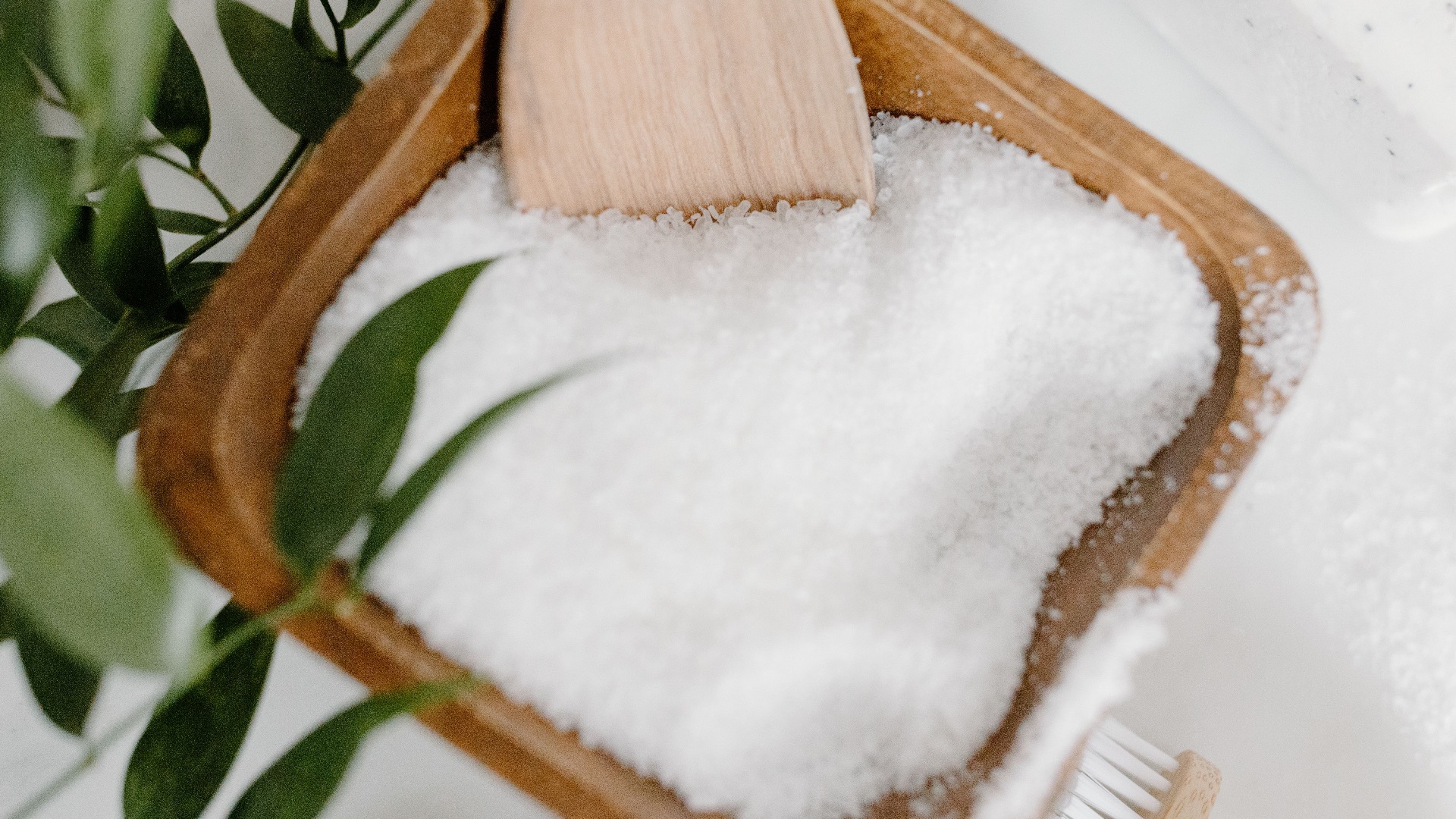
6. Restaurant Meals Can Be Loaded with Salt
Salt is one of the easiest ways for restaurants to intensify flavor, and it can appear in sauces, marinades, dressings, seasoning blends, and prepared ingredients all at once. As a result, a single meal can contain a surprisingly large amount of sodium without necessarily tasting excessively salty. Home cooking lets you season gradually and adjust the amount to suit your preferences.
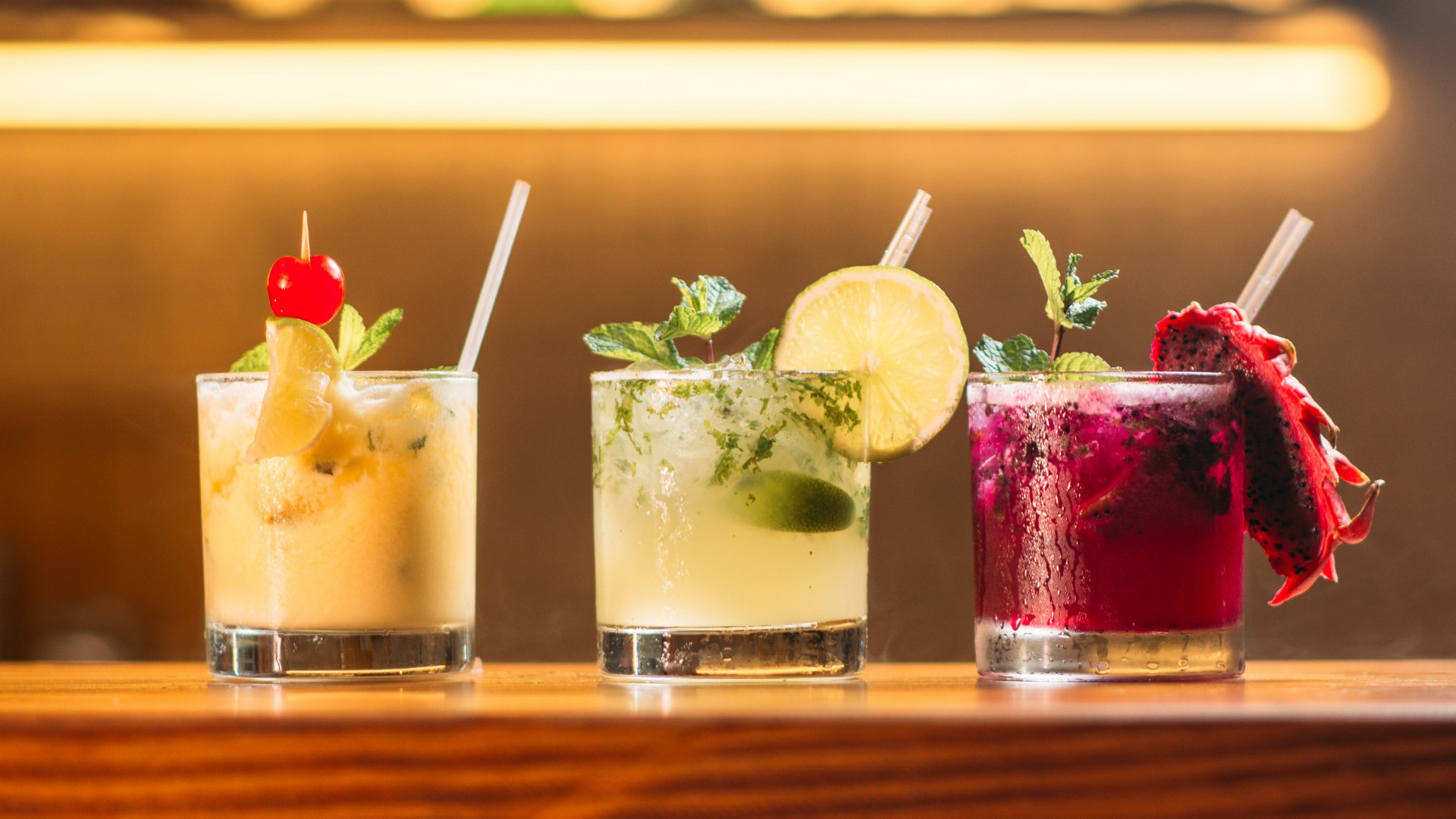
7. Drinks Can Cost Almost as Much as Food
Beverages are one of the easiest ways to turn an inexpensive meal into a pricey outing. Cocktails, specialty coffees, sodas, and even bottled water may carry substantial markups compared with what you'd pay for them elsewhere. If two people order several drinks with dinner, the beverage portion of the bill alone can become difficult to ignore.
8. Delivery Makes an Expensive Habit Even Pricier
Ordering restaurant food to your door adds another layer of expenses beyond the meal itself. Delivery charges, service fees, small-order fees, taxes, and tips can make the final total look very different from the prices you first saw on the menu. What seemed like a convenient $15 dinner can become considerably more expensive by checkout.
9. Leftovers Aren't Always Used
Large restaurant portions sound like a better deal if you're planning to take half home, but those leftovers don't necessarily get eaten. Containers can end up forgotten in the refrigerator until they're no longer appealing or safe to keep. When you cook at home, you can make an appropriate amount or intentionally prepare leftovers that fit into another meal.
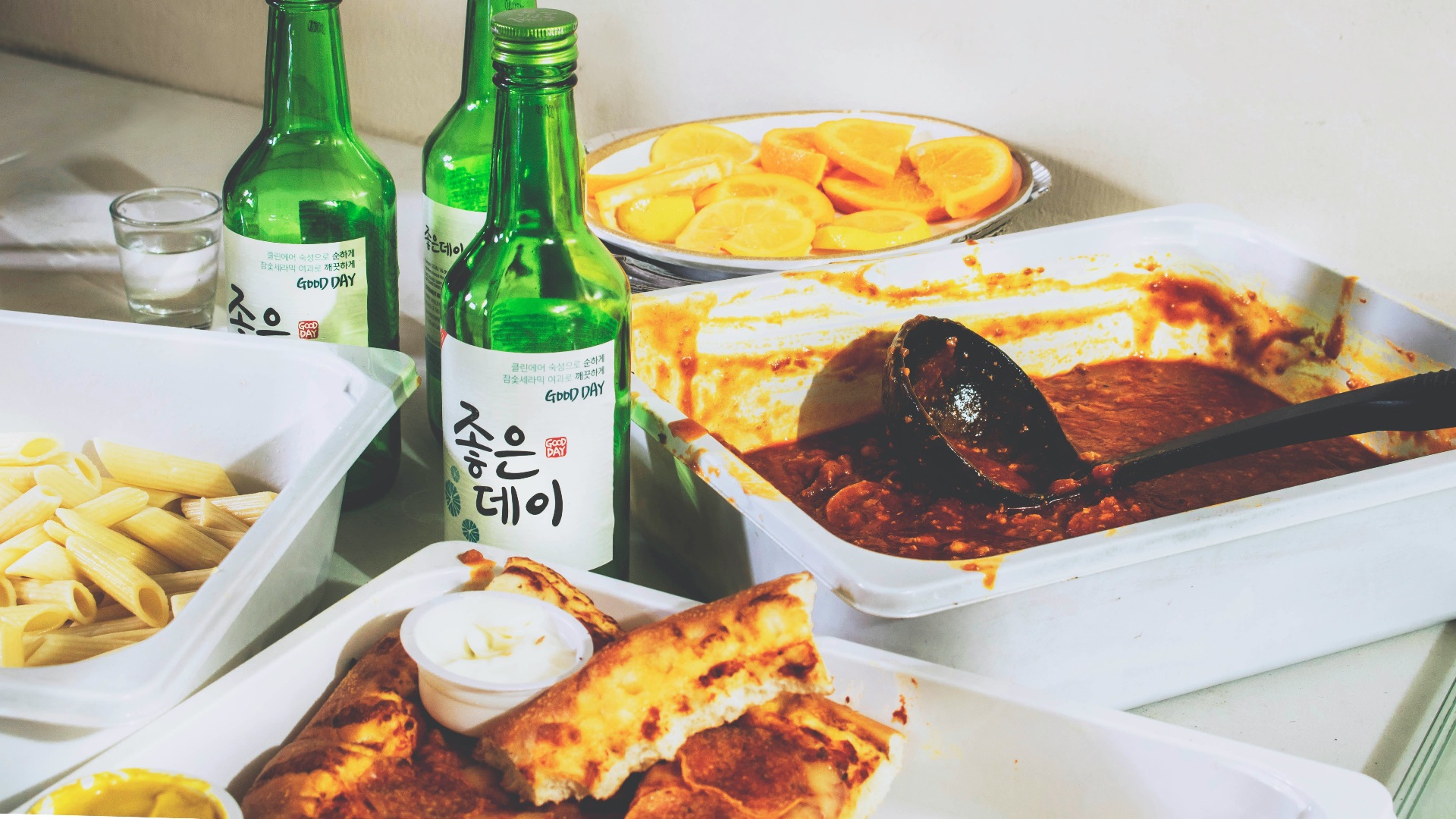
10. Some Restaurant Kitchens Aren’t as Clean as You’d Hope
Even a dining room that looks spotless doesn’t necessarily tell you what’s happening behind the kitchen doors. Poorly maintained equipment, improper food storage, pest problems, or rushed cleaning practices can all create sanitation issues in badly managed restaurants. Health inspections are meant to catch these problems, but violations still happen, and customers may not know about them unless they look up inspection records. Cooking at home gives you far more control over how your food, counters, utensils, and ingredients are handled.
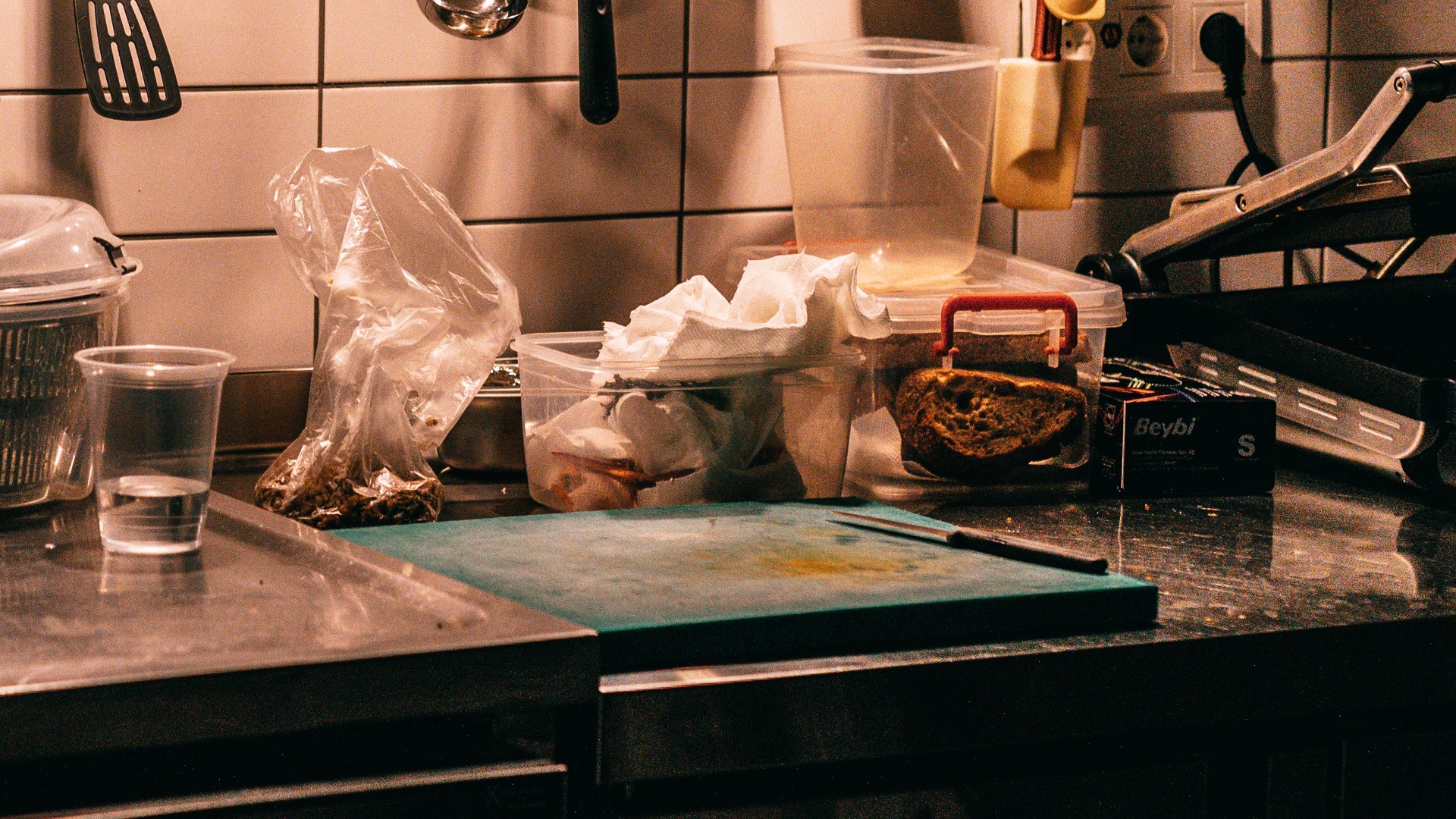
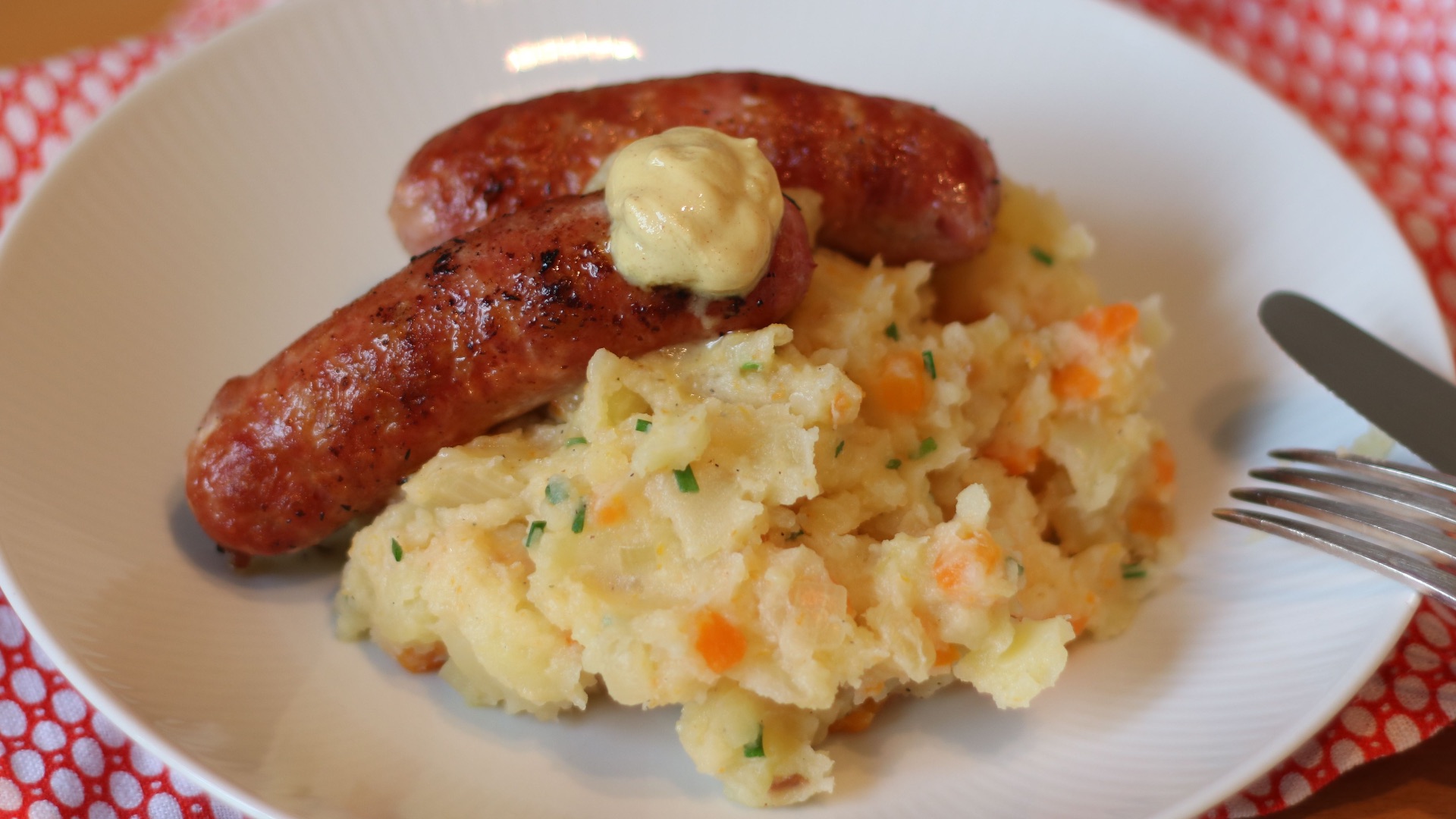
11. Menu Descriptions Can Turn Simple Food "Premium"
Restaurant wording can make everyday ingredients seem much more elaborate than they really are. A plate built around potatoes, eggs, bread, pasta, or rice may cost several times what the raw ingredients would at home simply because it's prepared and presented for you. Once you become comfortable cooking a few basic dishes, some menu prices become much harder to justify.
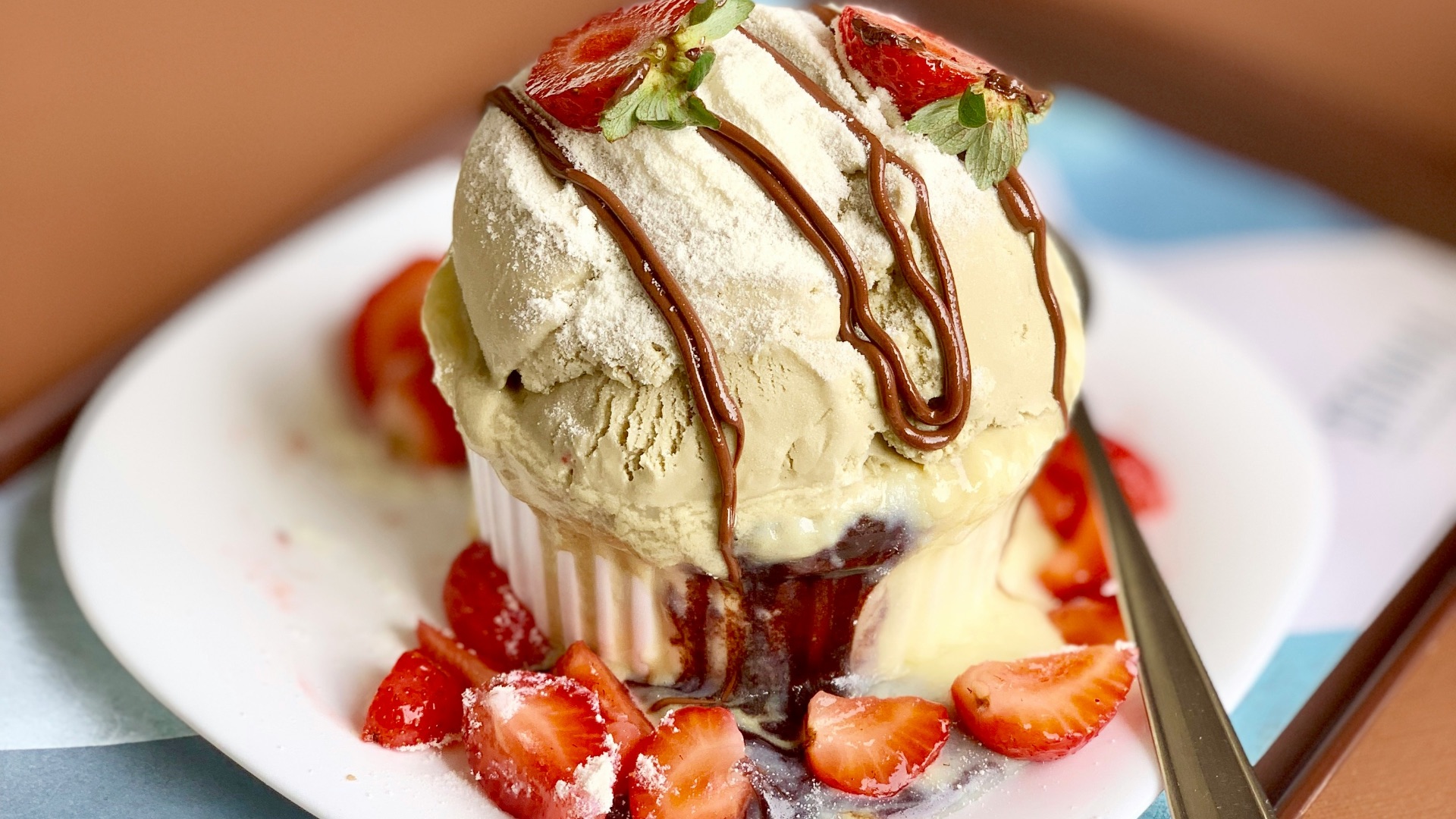
12. Desserts Can Double Down on the Expense
By the time you've ordered an entrée and possibly a drink or appetizer, dessert is another easy addition to an already substantial bill. Restaurant slices of cake, ice cream dishes, and other sweets often carry considerable markups despite being relatively inexpensive per serving to produce. Keeping a favorite dessert at home can satisfy the same craving without adding another $10 or more to dinner.
13. Eating Out Can Make Balanced Choices Harder
Restaurant menus are designed around dishes people are excited to order, which doesn't always line up with how you'd build an everyday meal at home. Vegetables may come in smaller amounts, while richer sauces, fried sides, refined carbohydrates, and heavier portions take up more of the plate. Cooking for yourself gives you complete freedom to adjust those proportions.
14. You May Eat Faster Without Realizing It
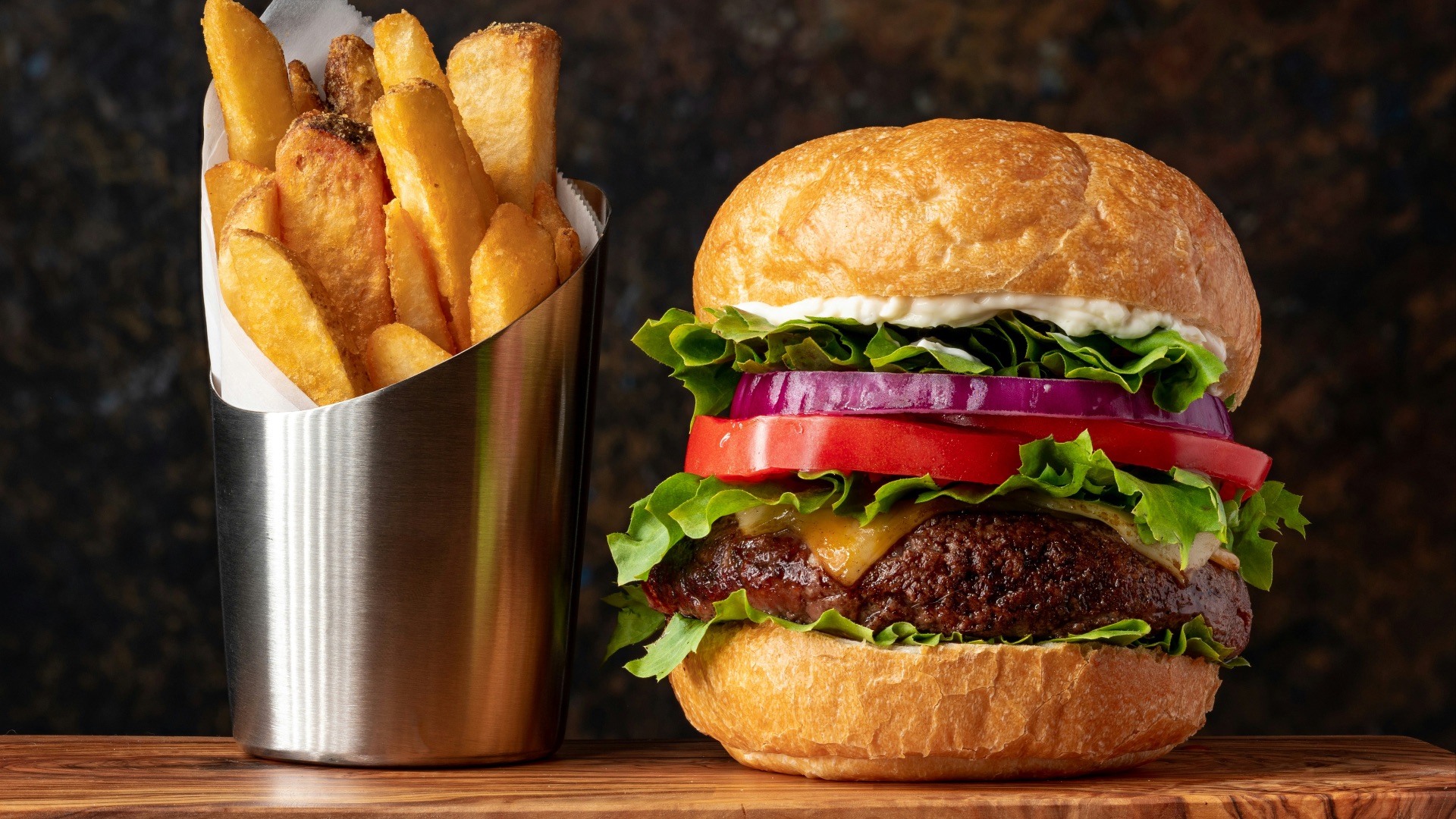
Restaurants create a natural sequence of ordering, receiving food, eating, paying, and leaving, particularly when tables are busy. That environment can encourage you to finish your meal faster than you would during a relaxed dinner at home. Slowing down can make it easier to recognize when you're satisfied before you've eaten more than you intended.
15. Convenience Can Become an Automatic Habit
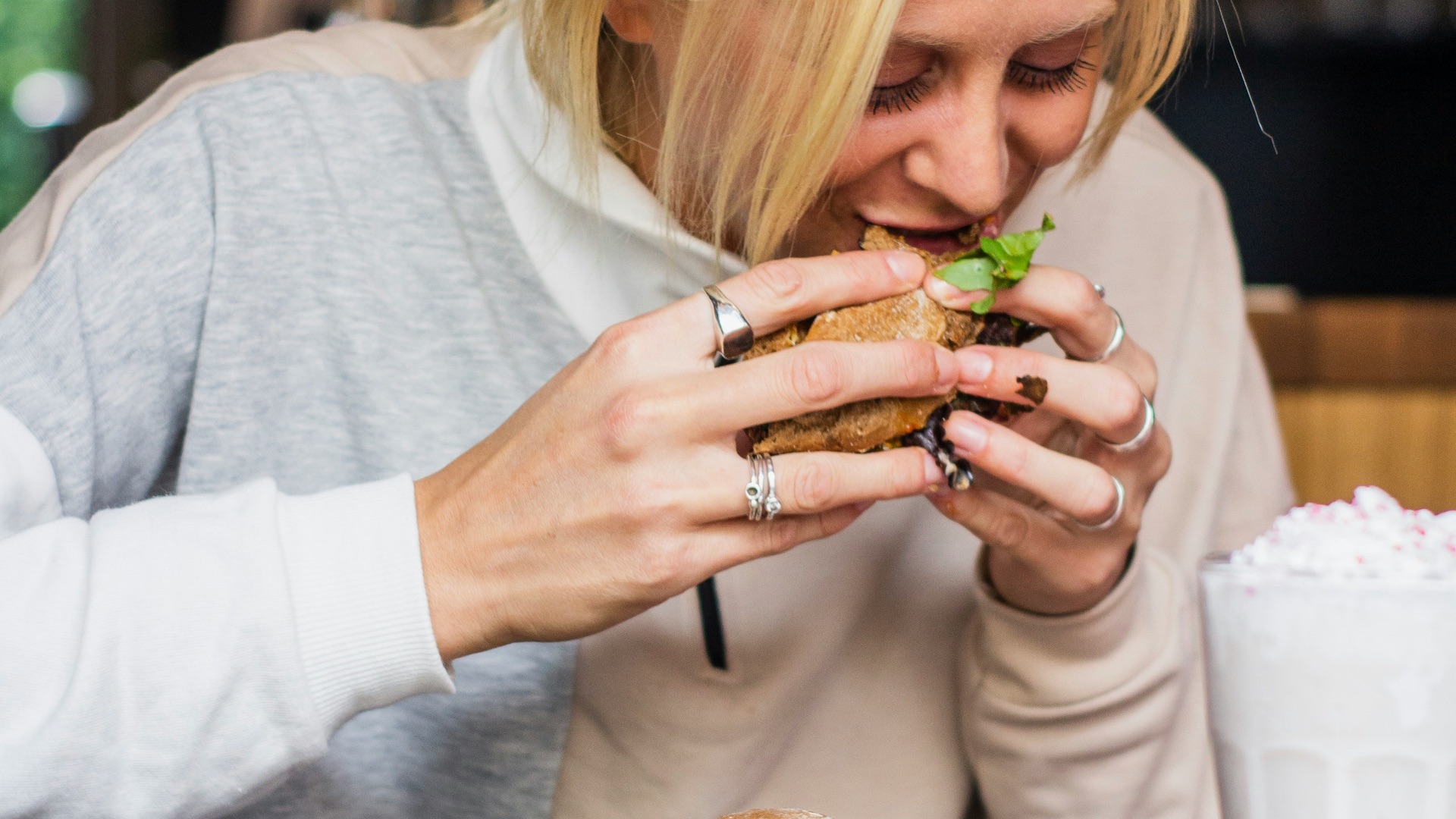
One restaurant meal isn't a financial problem for most people, but frequency can change the equation dramatically. If grabbing lunch, ordering dinner, or picking up coffee happens almost automatically, those purchases can accumulate without feeling particularly significant in the moment. Preparing food at home more often forces you to make dining out an intentional choice instead of a default routine.
16. Cooking Builds a Useful Everyday Skill
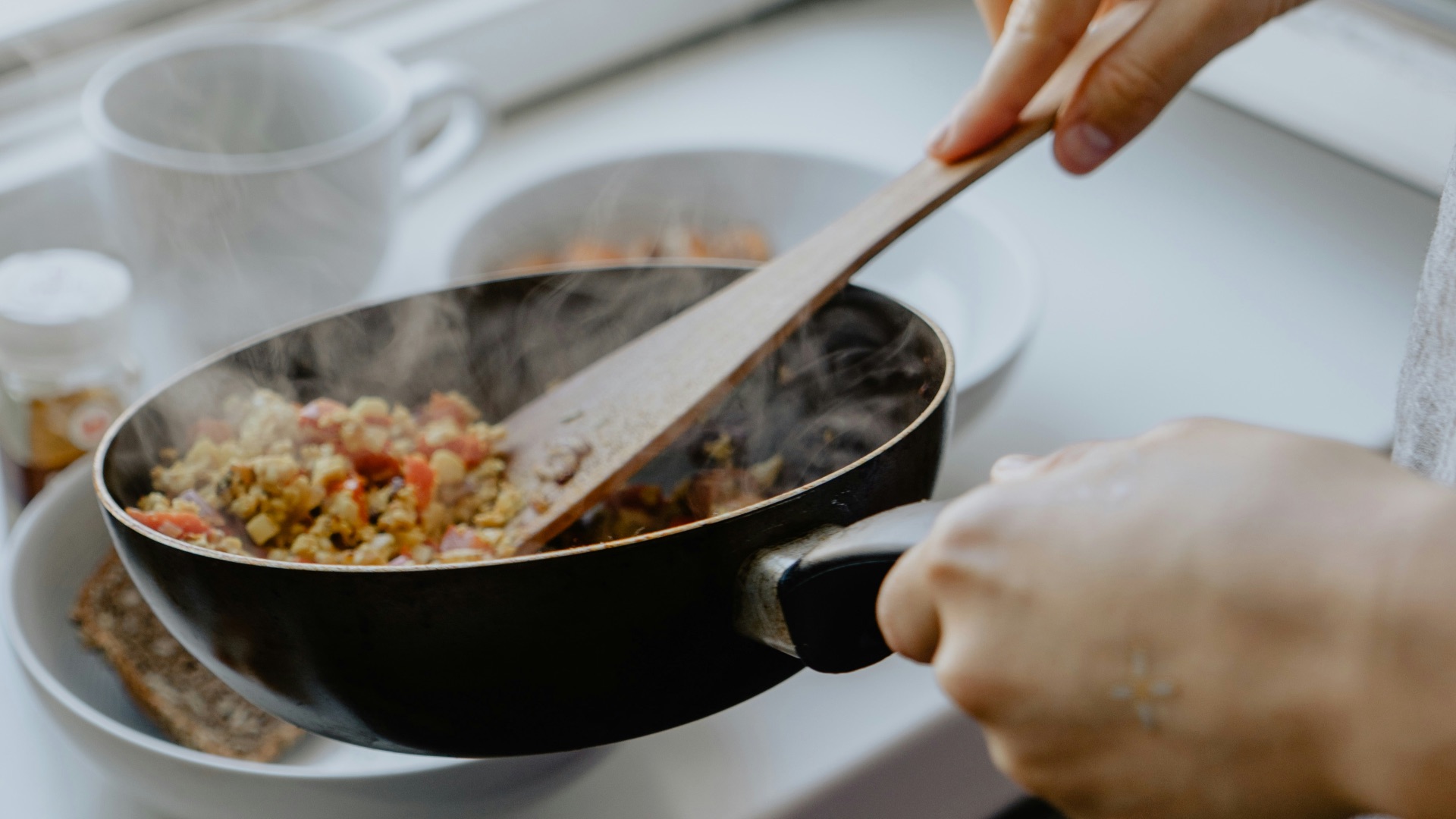
The more often you rely on restaurants, the fewer opportunities you have to become comfortable in your own kitchen. Regular cooking teaches you how to season food, manage ingredients, understand portions, and turn whatever you have available into a decent meal. Those skills can make feeding yourself cheaper and easier for years to come.
17. Groceries Stretch Across Multiple Meals
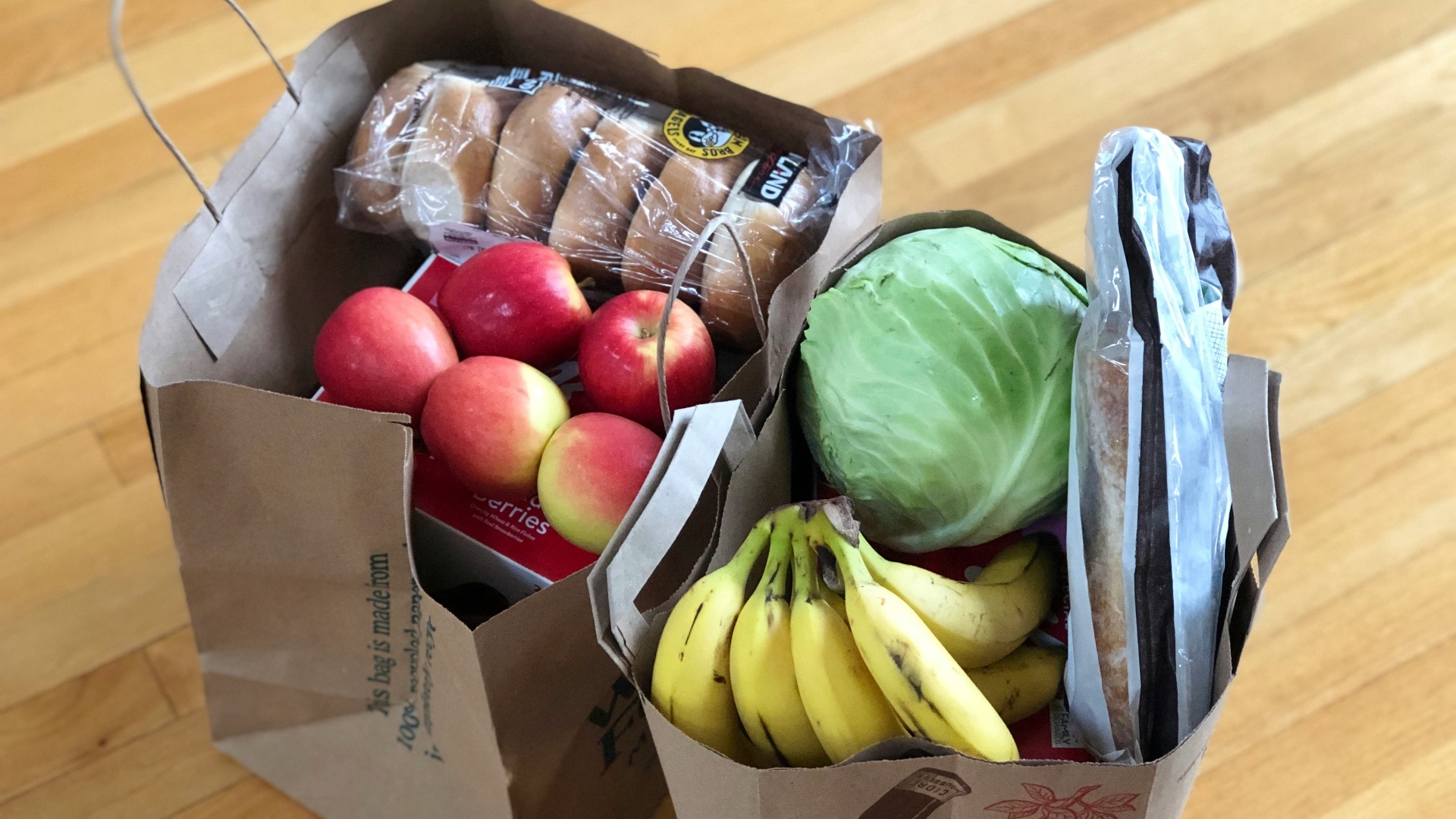
A restaurant entrée usually feeds you once, while many grocery purchases can become part of several different meals. A package of chicken, a bag of rice, vegetables, eggs, and a few pantry staples can be mixed and matched throughout the week instead of disappearing after one dinner. Planning ingredients this way can make your food budget considerably more efficient.
18. Special Requests Aren't Always Foolproof
You can ask for a sauce on the side, request that an ingredient be removed, or specify how you'd like something prepared, but you're still relying on someone else to execute those instructions. Busy kitchens handle many orders at once, so modifications aren't always carried out exactly as requested. This can be especially serious if you have a food allergy, since even a small mistake or cross-contact with an allergen could cause a reaction. At home, you don't have to explain your preferences because you're the one making the meal.
19. Restaurant Spending Can Crowd Out Other Priorities
A few lunches here and dinners there may not feel significant individually, but the monthly total can be substantial. Money spent frequently on restaurant meals is money that can't go toward savings, travel, entertainment, debt payments, or other priorities that may matter more to you. Even replacing a couple of outings each week with home-cooked meals can free up room in your budget.

20. Eating Out Feels More Special When You Do It Less
There's nothing wrong with enjoying a restaurant meal, and completely eliminating dining out isn't necessary for most people. When restaurants become an occasional treat rather than an everyday convenience, however, you're more likely to choose places you actually want to visit instead of spending money simply because you don't feel like cooking. Cutting back can help you save routine meals for home while reserving restaurant spending for experiences that actually feel worth the price.

KEEP ON READING
20 Reasons You Should Stop Eating Out
10 Most Hated Foods in the Entire World