Grandma's Recipes Still Hold Up Today
There’s a reason so many traditional recipes are tied to memory, because they were often made with patience, repetition, and a deep understanding of simple ingredients. While modern shortcuts and conveniences can make cooking easier, they don’t always replicate the depth of flavor or care that defined older methods. That doesn’t mean these dishes are out of reach, though, since many can still be recreated with a bit of attention and the right approach. These are the kinds of meals that might never taste the same, but they’re absolutely worth trying. Here are 20 foods grandma made better (but you can still try).
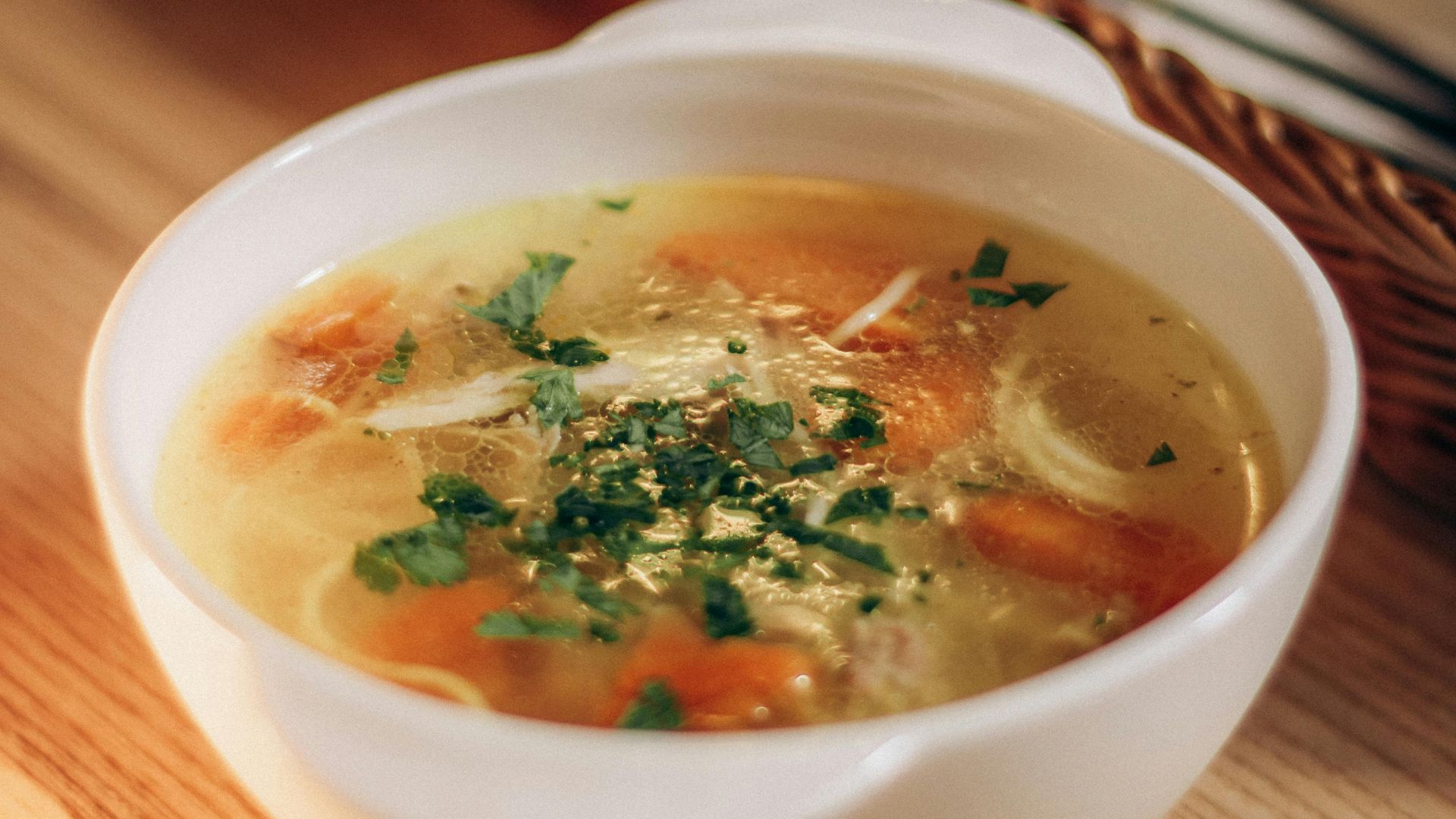
1. Homemade Chicken Soup
Slow-simmered broth made from scratch creates a depth of flavor that store-bought versions rarely match. Cooking it over several hours allows the bones, vegetables, and herbs to fully infuse the liquid. Even if you use modern shortcuts, taking your time can still bring you closer to that classic taste. A whole chicken or bone-in pieces will always improve the result.
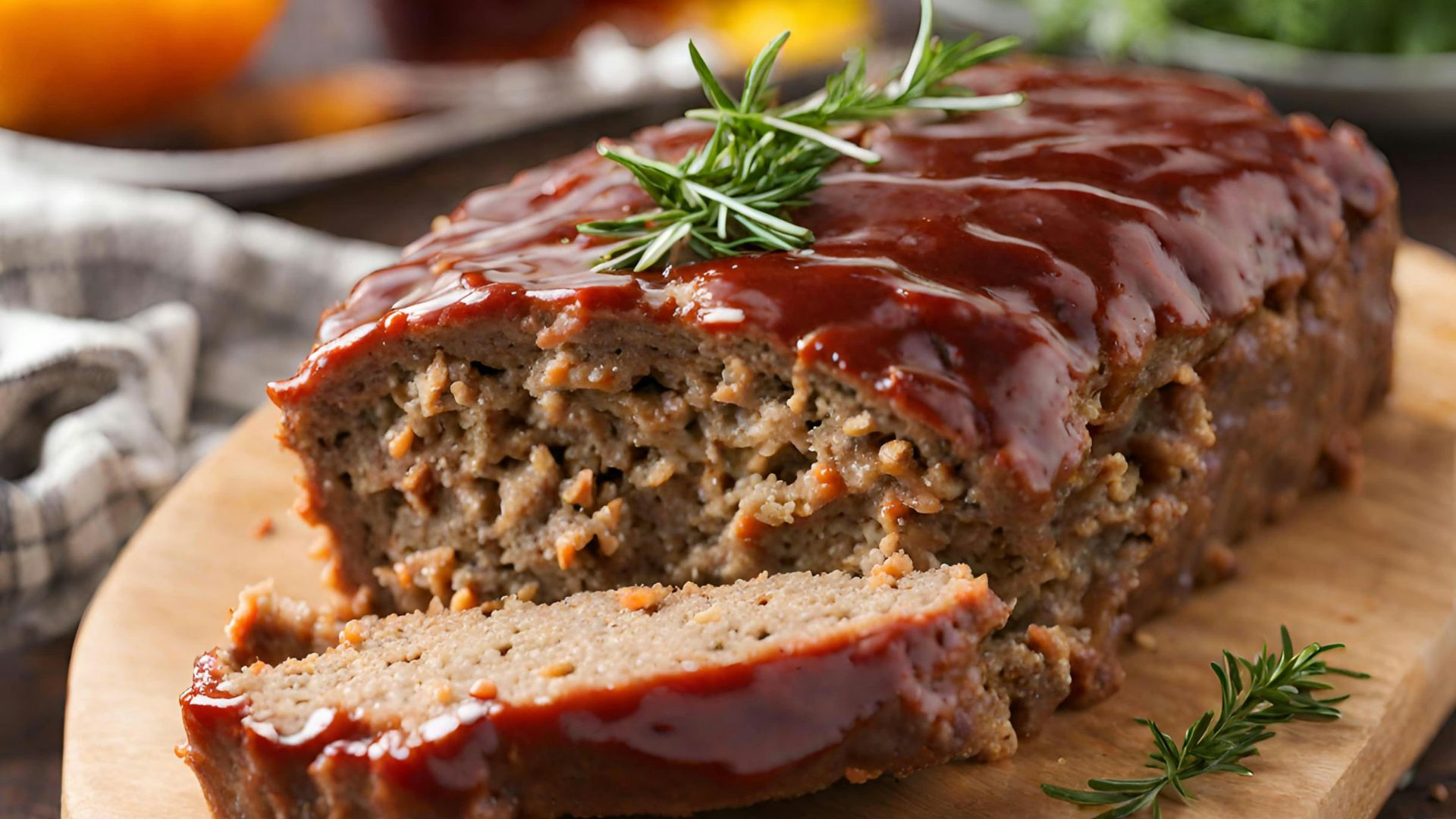
2. Meatloaf
Traditional meatloaf relied on simple ingredients and careful seasoning rather than pre-made mixes. The balance of meat, breadcrumbs, and moisture was key to keeping it tender. Recreating it today just requires attention to texture and avoiding overmixing. Letting it rest after baking also helps preserve its structure.
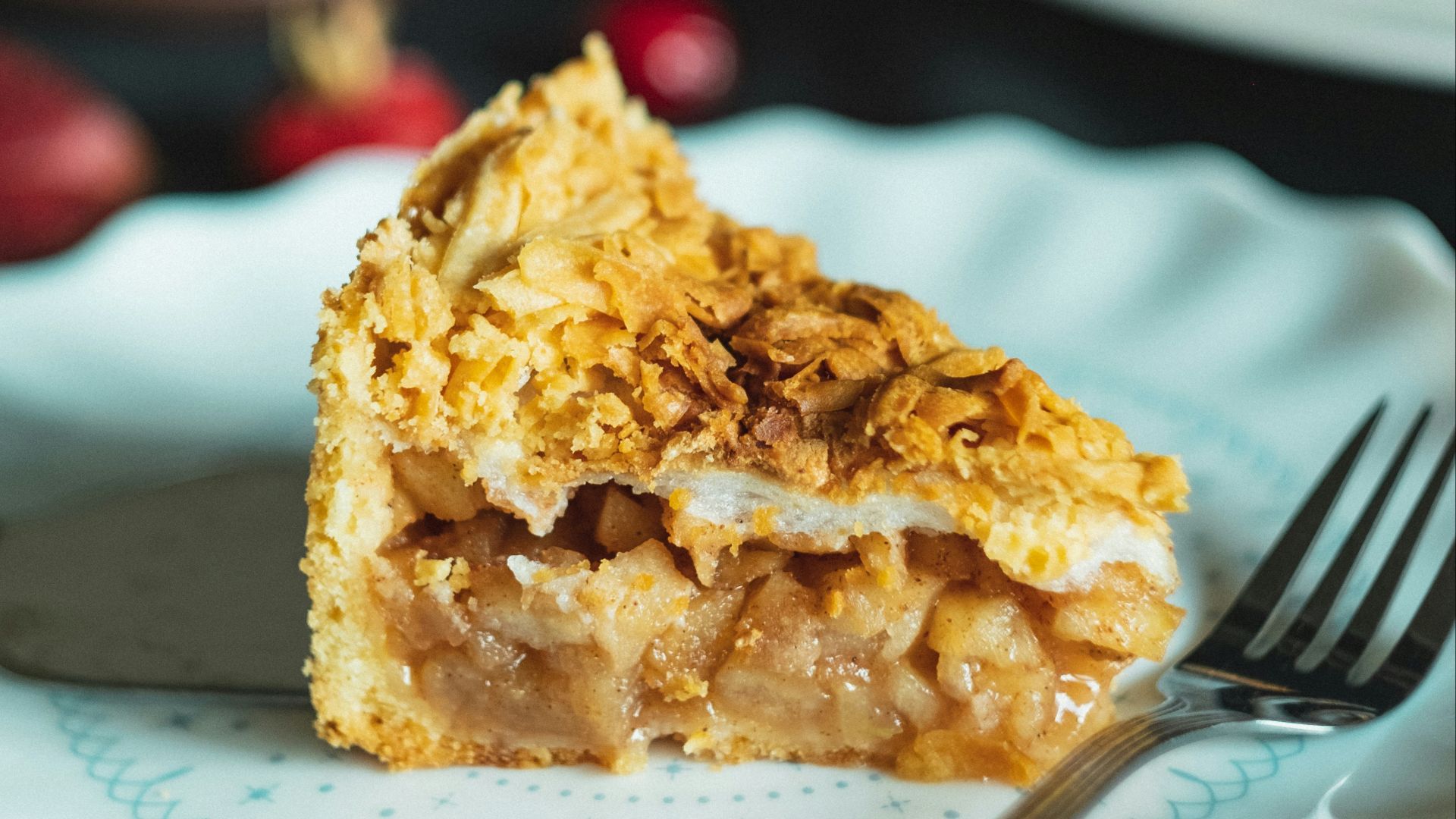
3. Apple Pie
Handmade crust and properly spiced filling made all the difference in older recipes. Rolling dough from scratch and using fresh apples creates a more balanced flavor and texture. While pre-made crusts are convenient, practicing the basics can elevate the final result. Allowing the pie to cool fully also helps the filling set properly.
 Diliara Garifullina on Unsplash
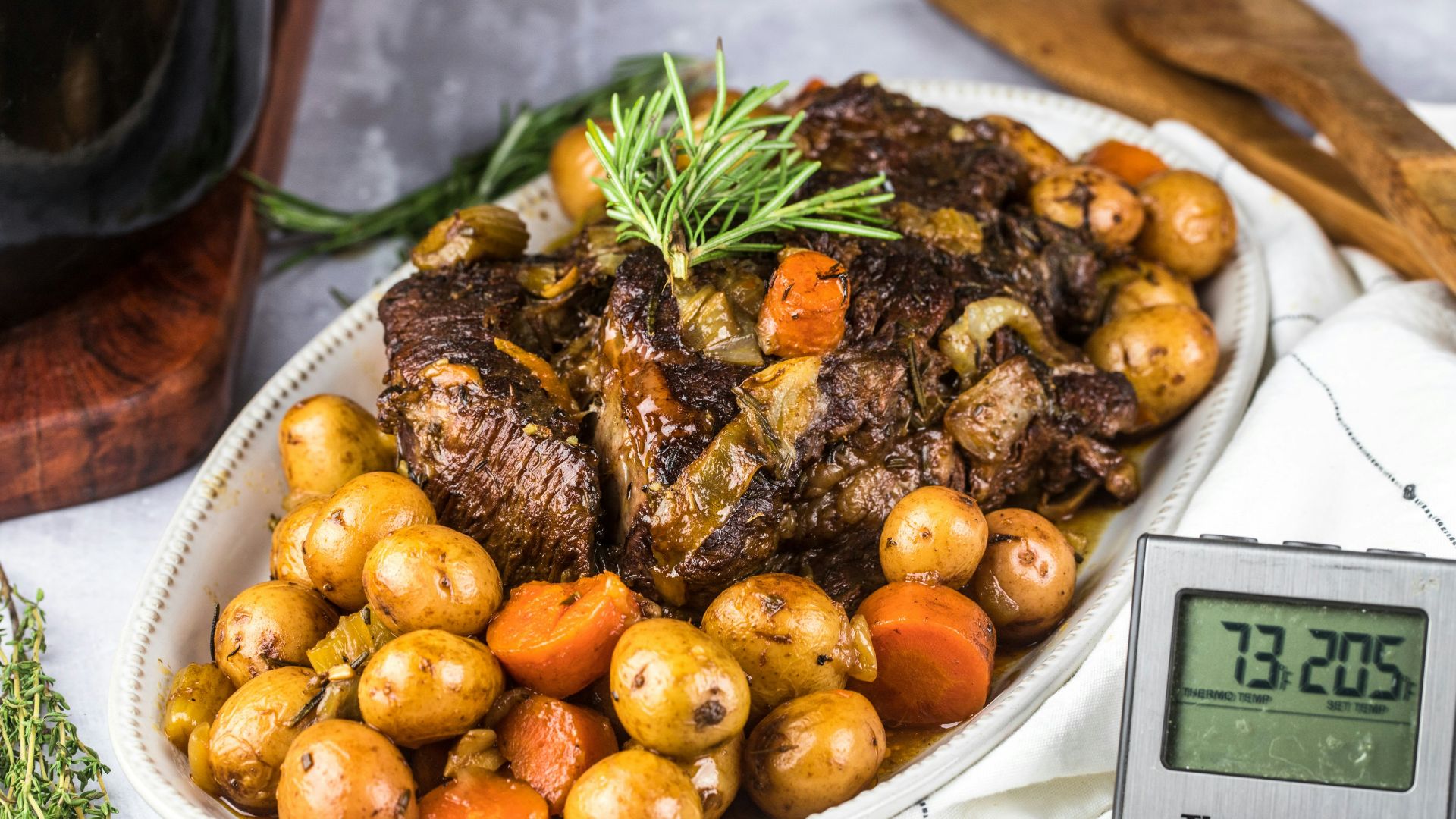
4. Pot Roast
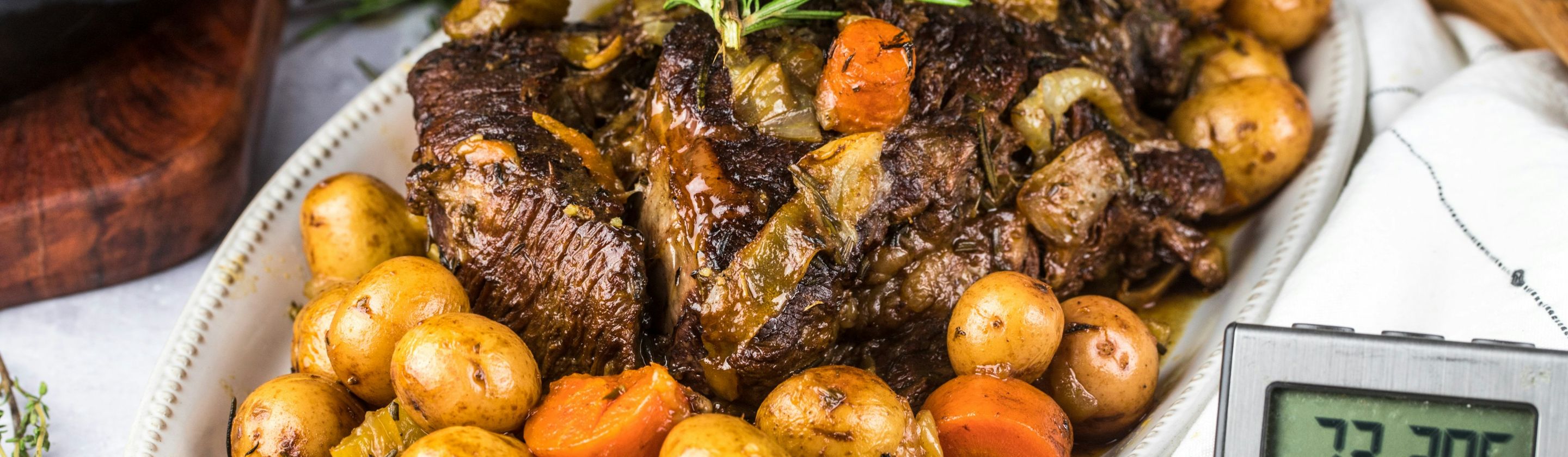
Cooking tougher cuts of beef slowly over low heat was a staple method for creating tender meals. Vegetables cooked alongside the meat absorbed rich flavors from the broth. Reproducing this dish today simply means being patient with the cooking time. Using a heavy pot or slow cooker helps maintain consistent heat.
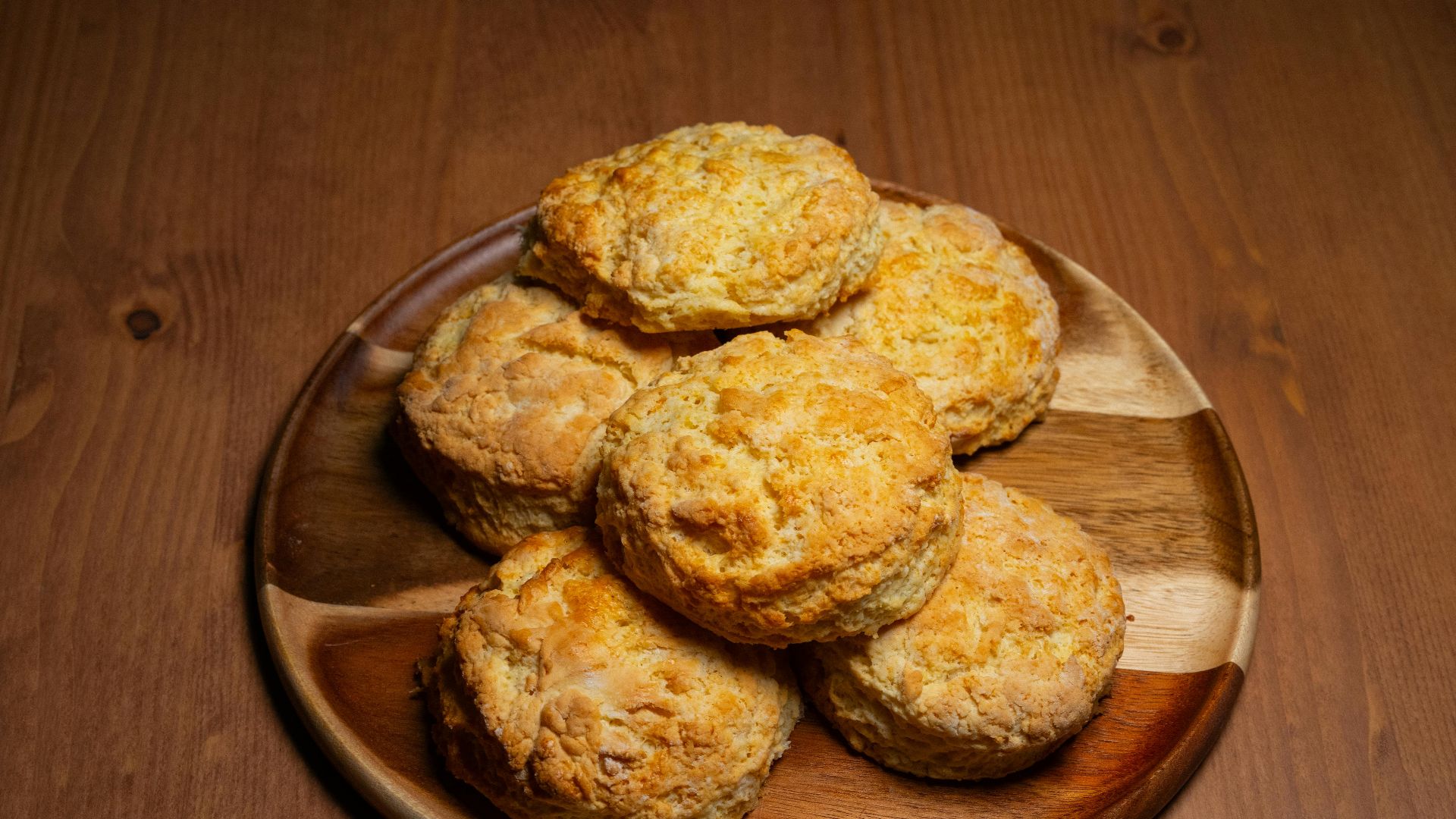
5. Biscuits
Homemade biscuits depended on proper technique rather than complicated ingredients. Keeping the fat cold and handling the dough lightly created a soft, flaky texture. Modern versions can still achieve this with careful preparation.
6. Macaroni and Cheese
Older recipes often used simple cheese sauces made from scratch instead of processed options. This created a smoother, richer consistency with more depth of flavor. Recreating it today involves making a basic roux and choosing quality cheese. Baking it briefly can add a slightly crisp top layer.
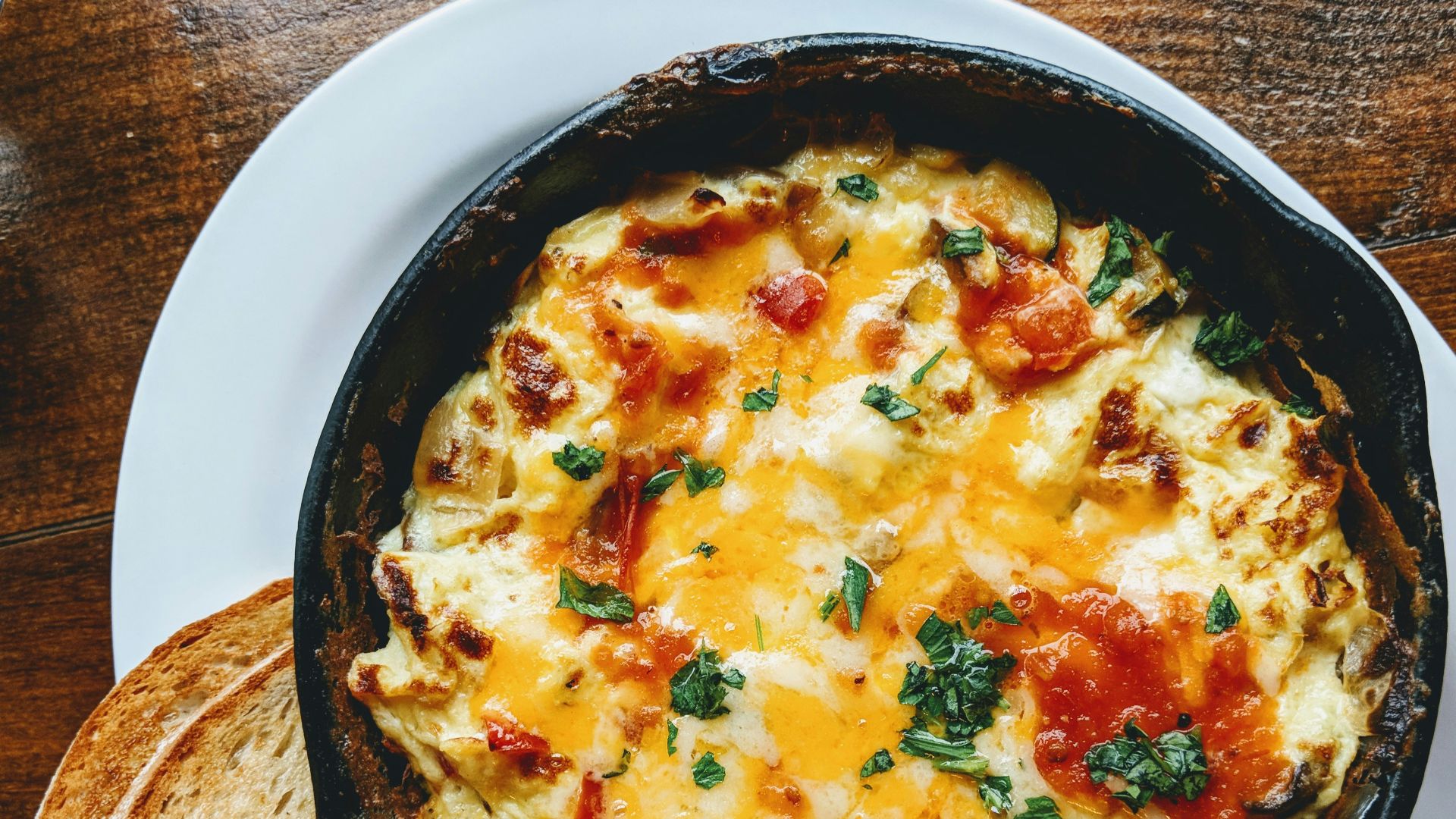
7. Fried Chicken
Proper seasoning and frying technique were essential to achieving a crisp exterior and juicy interior. Allowing the coating to set before frying helped create a better crust. While modern kitchens may use different tools, the fundamentals remain the same.
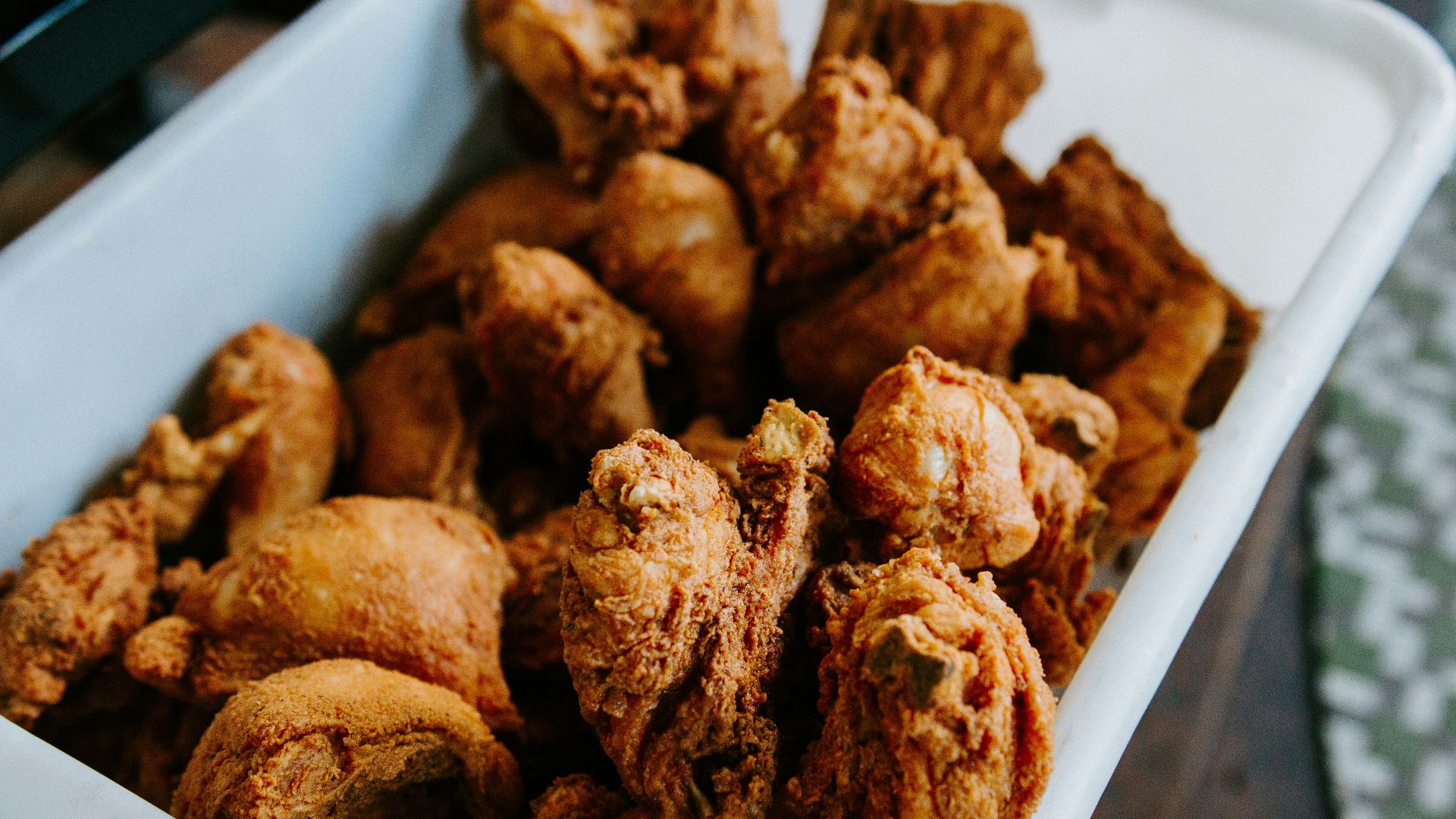
8. Beef Stew
Long cooking times allowed tougher cuts of meat to become tender while flavors developed gradually. Vegetables added at the right stages prevented them from becoming too soft. Recreating it today requires patience and attention to timing. Letting it rest before serving can further enhance the flavor.
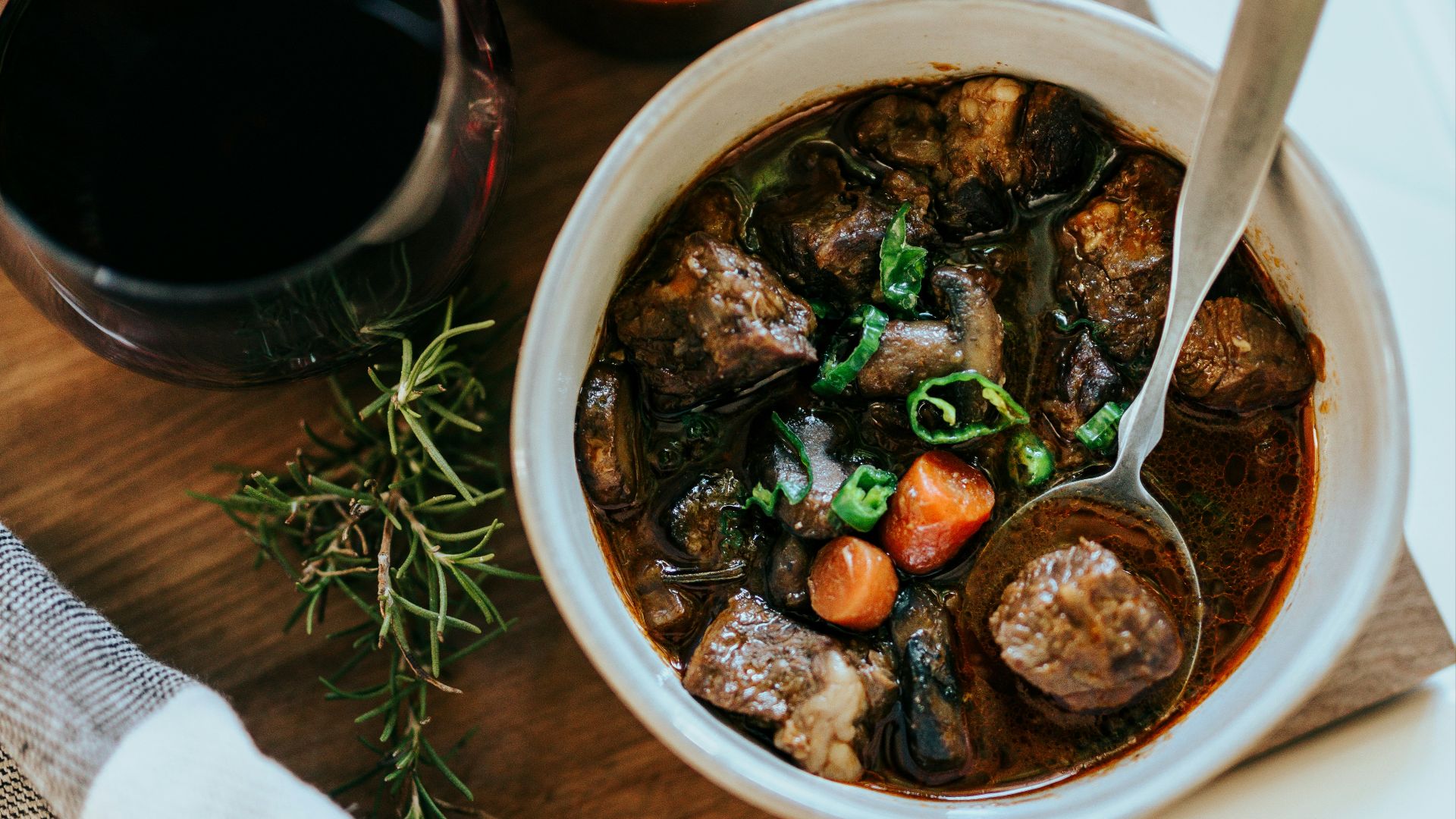
9. Cornbread
Traditional cornbread often relied on simple ingredients and proper baking technique rather than added sweetness. A hot pan and the right balance of moisture created a crisp edge and soft interior. Modern versions can still achieve this with a few careful steps, and using a preheated skillet makes a noticeable difference.
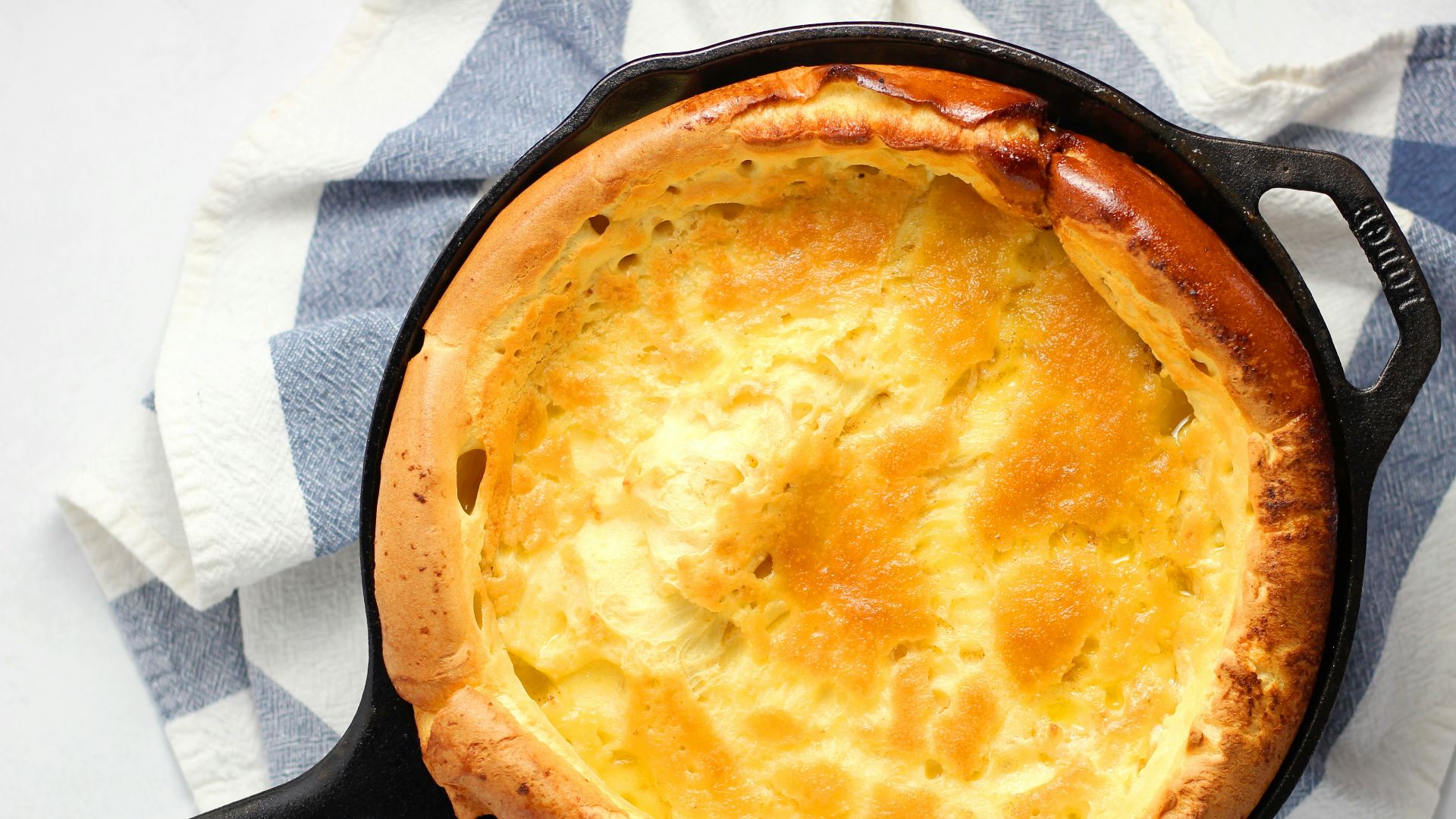
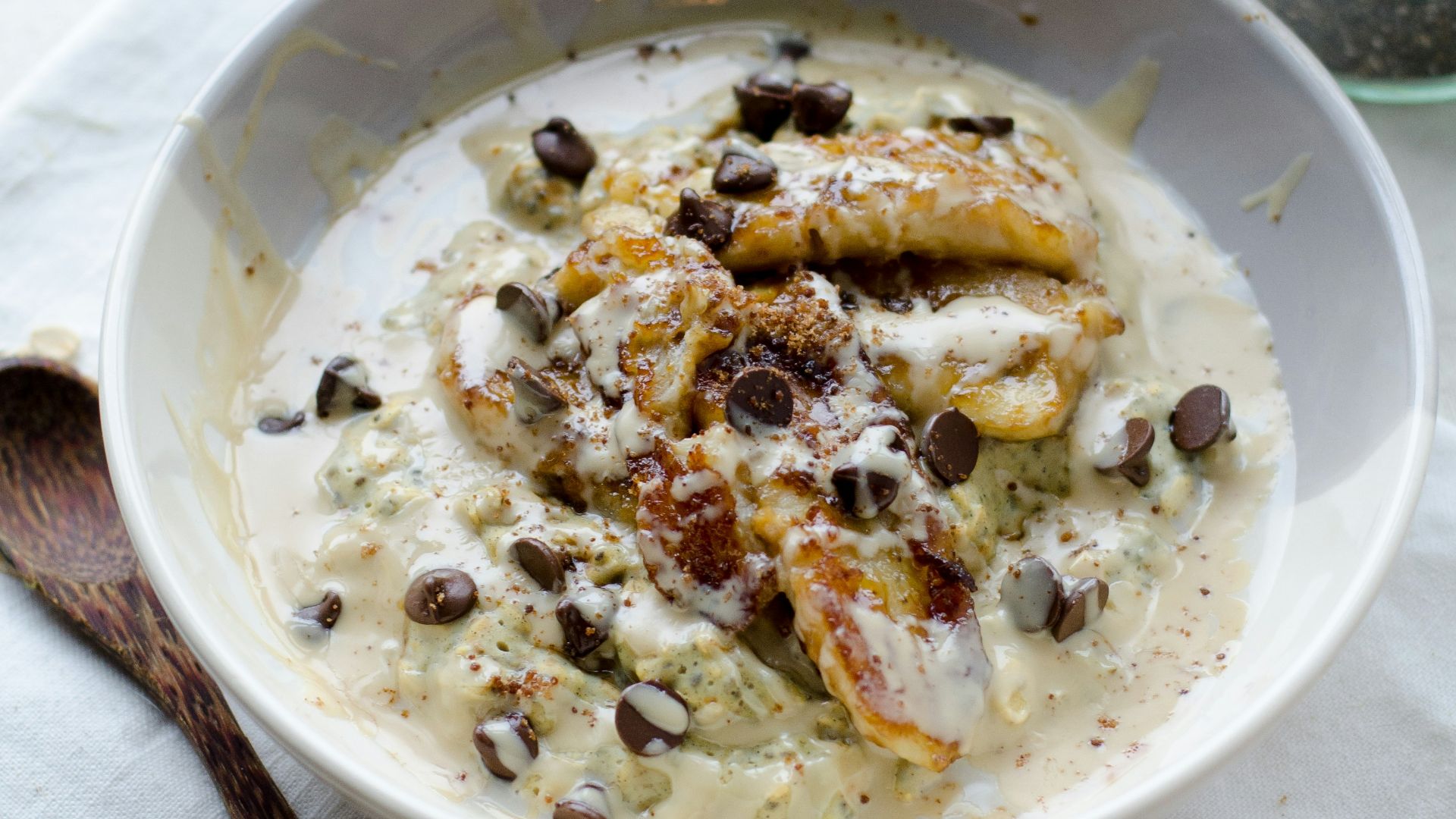
10. Rice Pudding
Slow cooking allowed the rice to release starch, creating a naturally creamy texture. Gentle heat prevented the milk from scorching while flavors developed. Reproducing it today just requires steady stirring and patience.
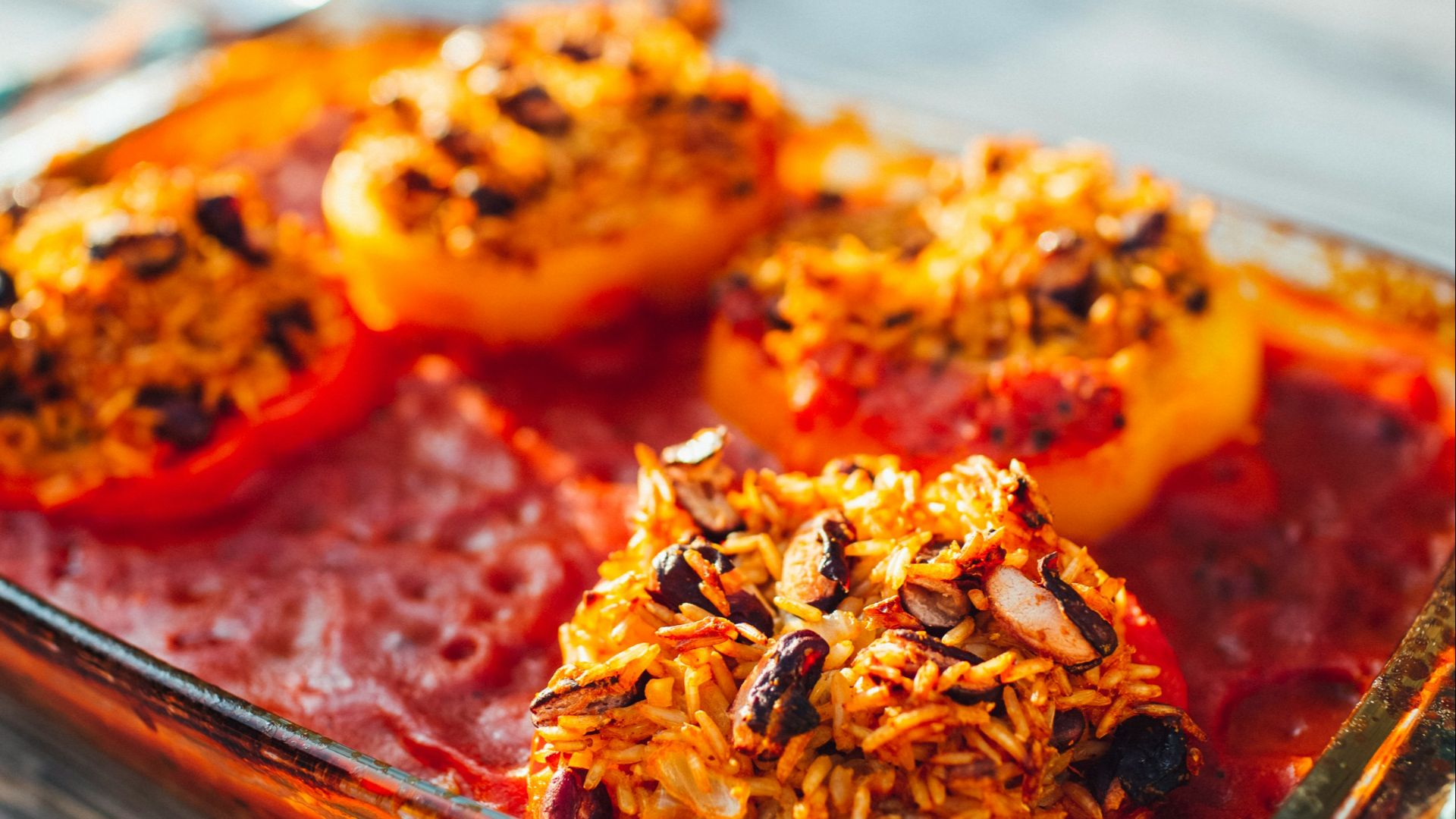
11. Stuffed Peppers
Combining rice, meat, and vegetables created a complete meal that was both practical and flavorful. Baking them slowly allowed the ingredients to blend. Modern versions can still follow the same structure with slight variations. Choosing peppers of similar size helps ensure even cooking.
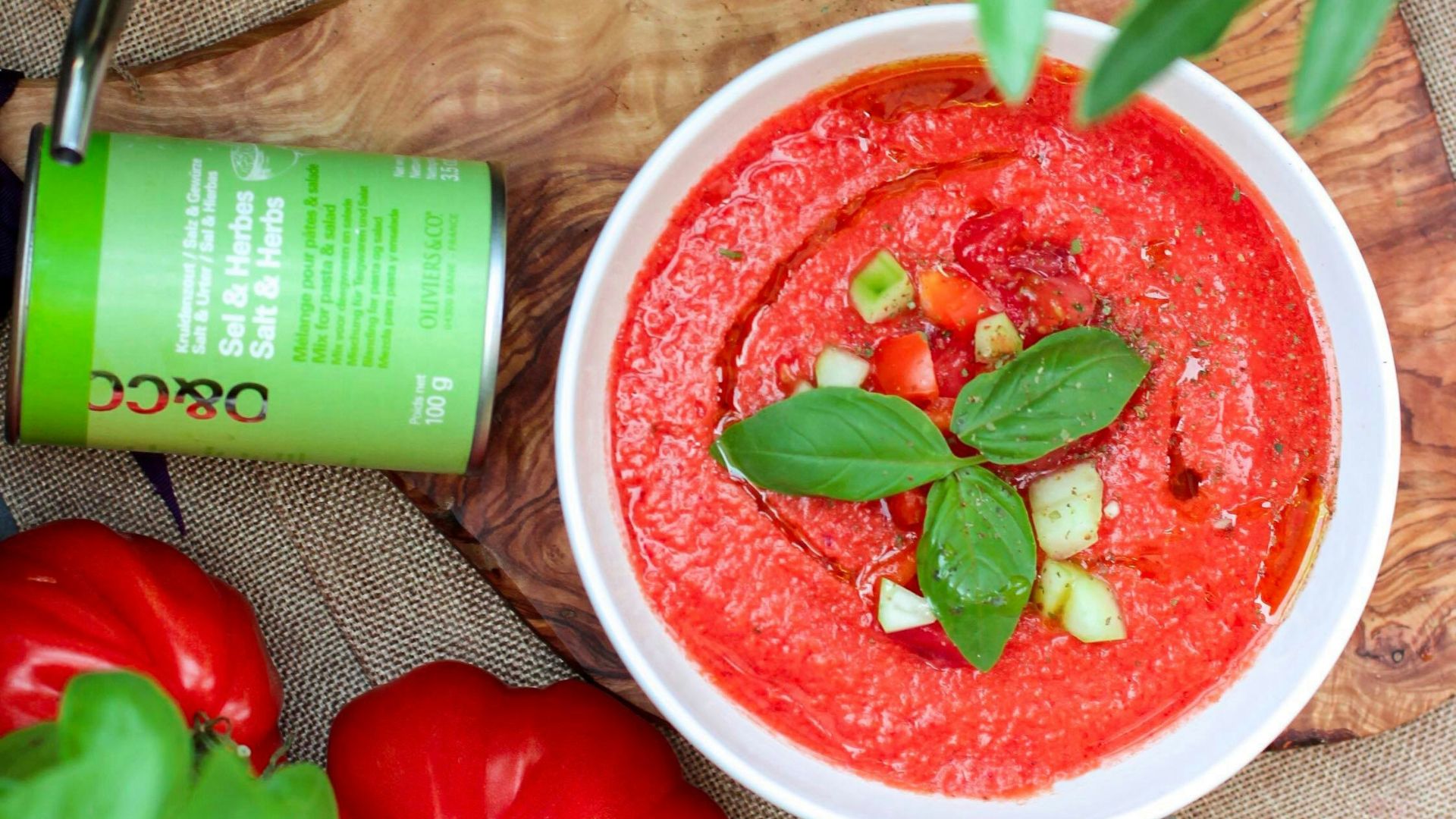
12. Tomato Sauce
Simmering the sauce for hours allowed the acidity of the tomatoes to mellow and the flavors to deepen. Simple ingredients like garlic, onion, and herbs carried the dish. Making it today means resisting the urge to rush the process. A longer simmer almost always improves the result.
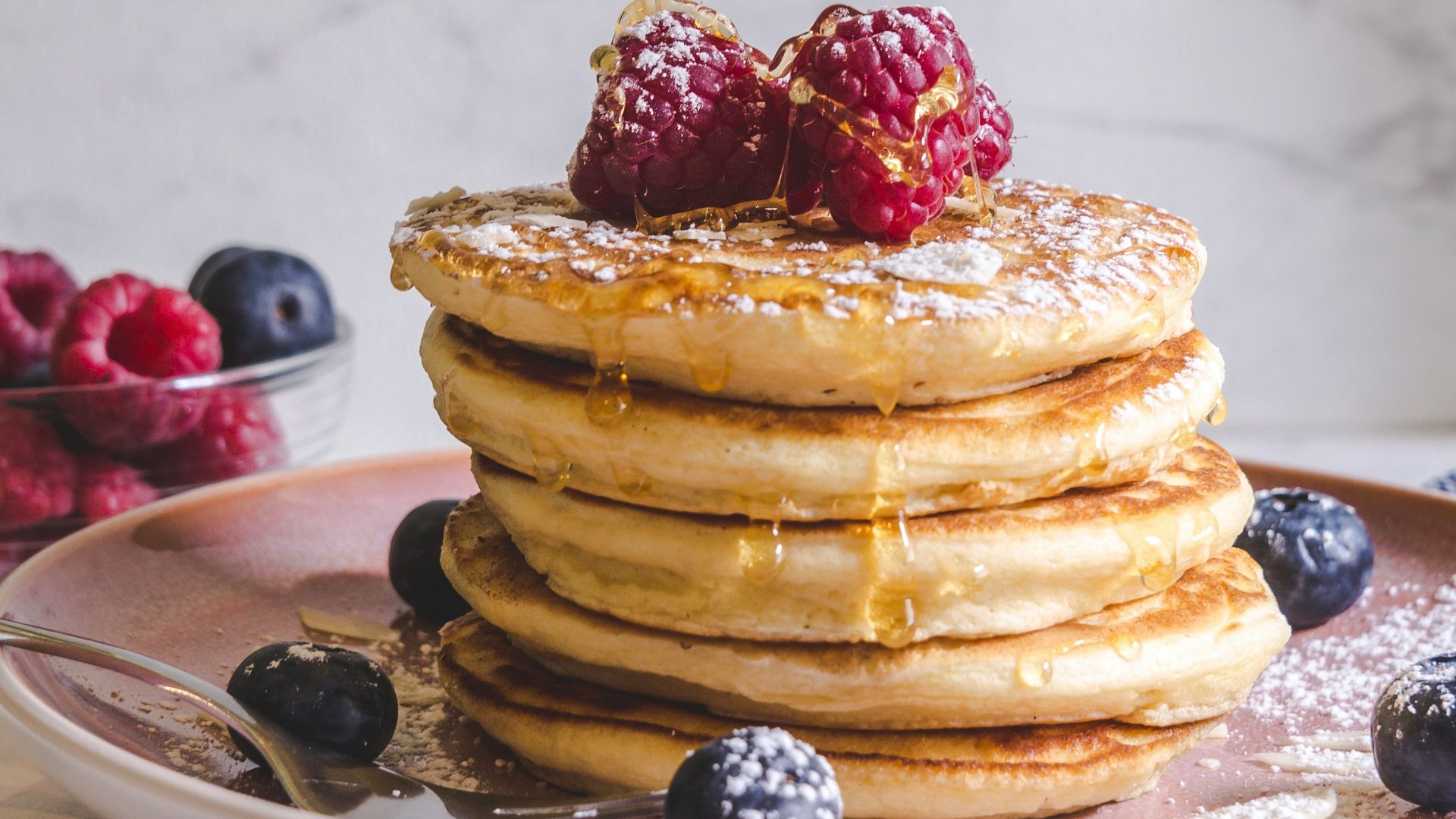
13. Pancakes
Classic pancakes relied on a well-balanced batter and proper cooking temperature. Letting the batter rest allowed the ingredients to combine more effectively. Modern attempts can still achieve the same light texture with a bit of care.
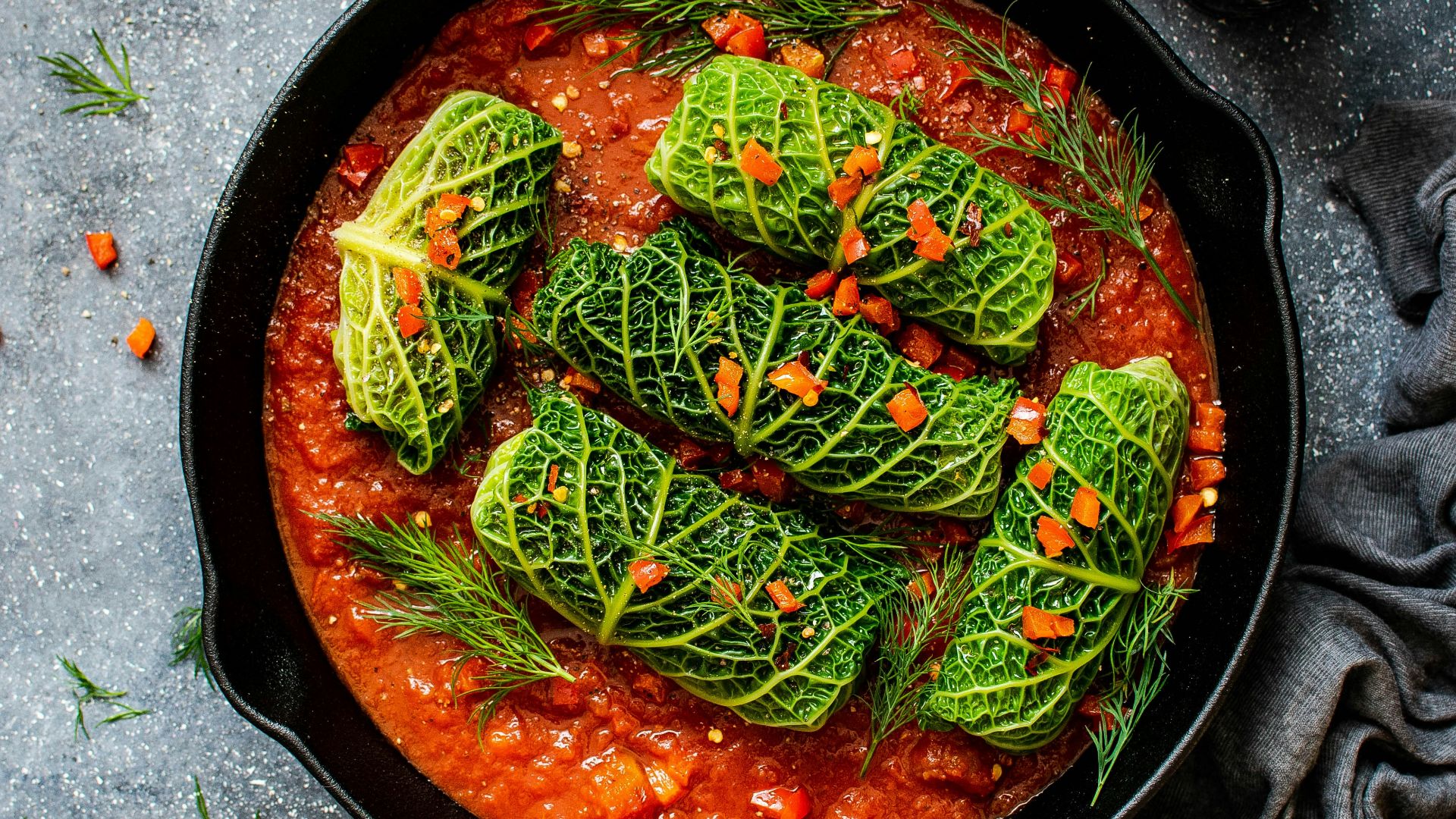
14. Cabbage Rolls
These required time and precision, from preparing the leaves to filling and cooking them evenly. Slow baking allowed the flavors to meld together. While the process may seem involved, it’s still approachable with planning. Using a consistent filling mixture helps maintain flavor balance.
15. Gravy
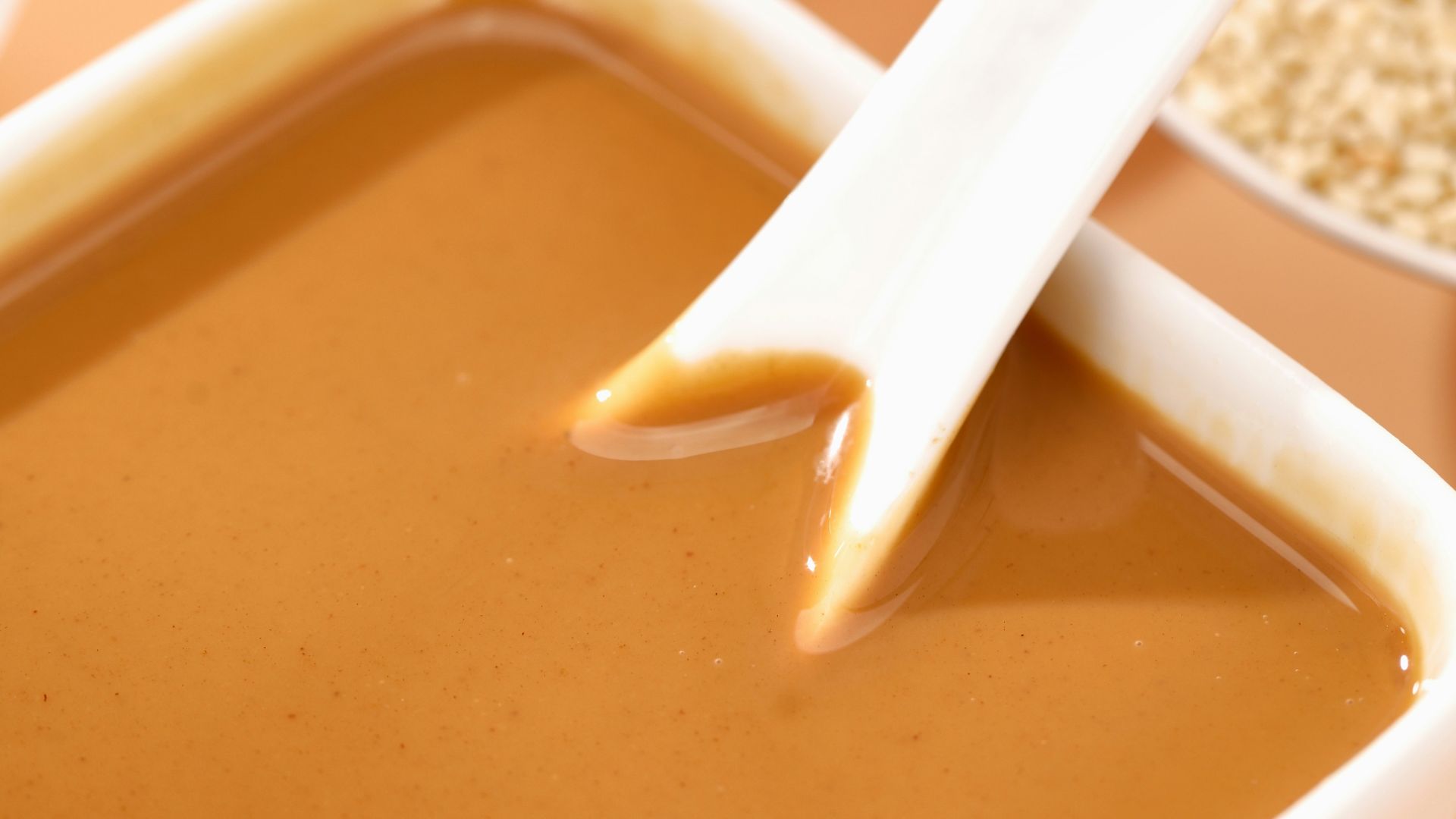
Homemade gravy depended on drippings and careful thickening rather than packaged mixes. Stirring continuously ensured a smooth texture without lumps.
16. Shepherd’s Pie
Layering meat, vegetables, and mashed potatoes created a hearty and balanced dish. Baking allowed the flavors to combine while forming a lightly crisp top. Modern versions can still follow this structure with small adjustments.
17. Peach Cobbler
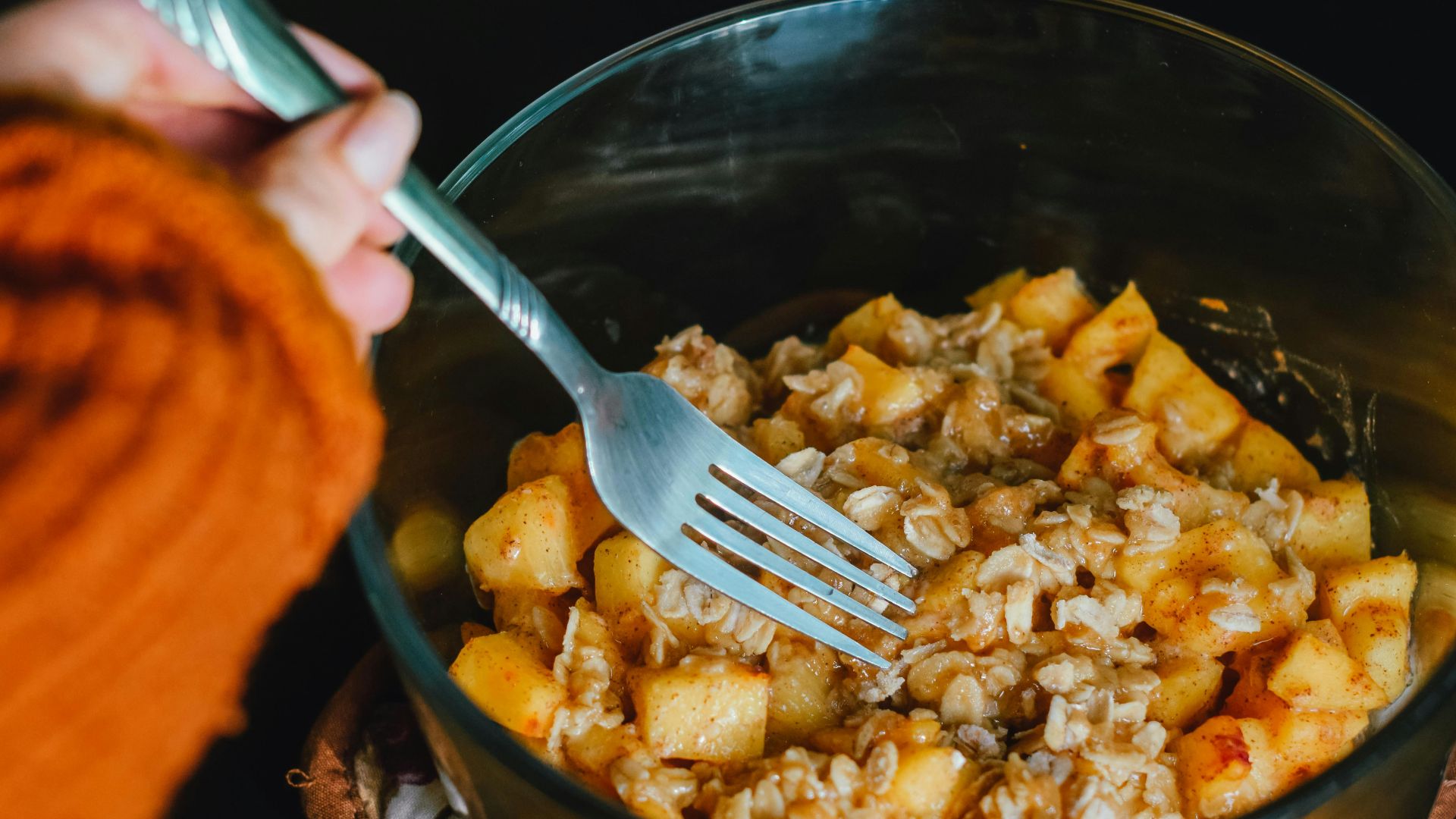
Fresh fruit and simple batter created a dessert that relied on natural sweetness. Baking allowed the juices to thicken and blend with the topping. Recreating it today means focusing on quality ingredients.
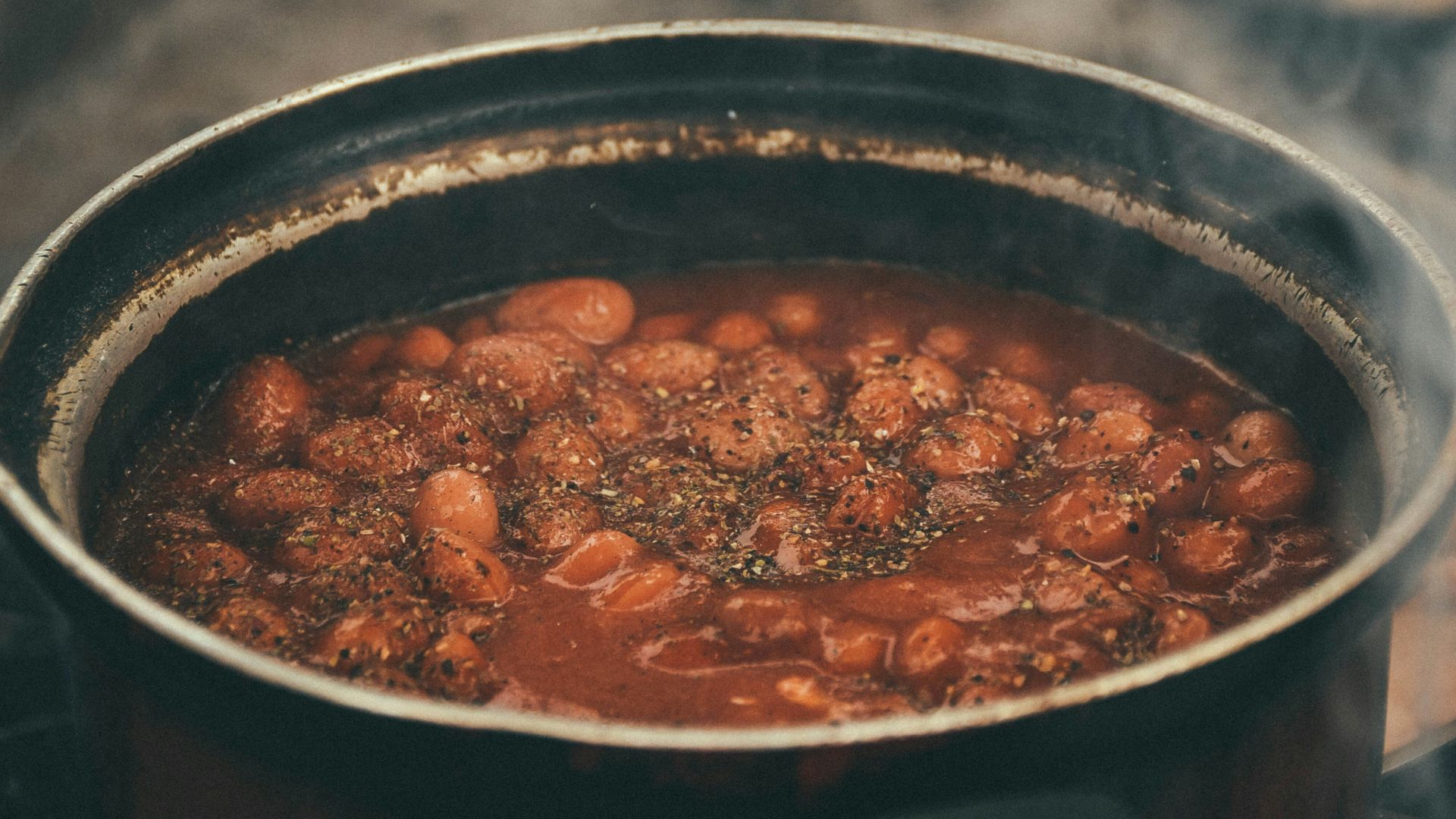
18. Baked Beans
Slow cooking allowed beans to absorb flavor from sauces and seasonings. The result was a thicker, more cohesive dish over time. Modern shortcuts exist, but traditional methods still produce better depth.
 P.O.sitive Negative on Unsplash
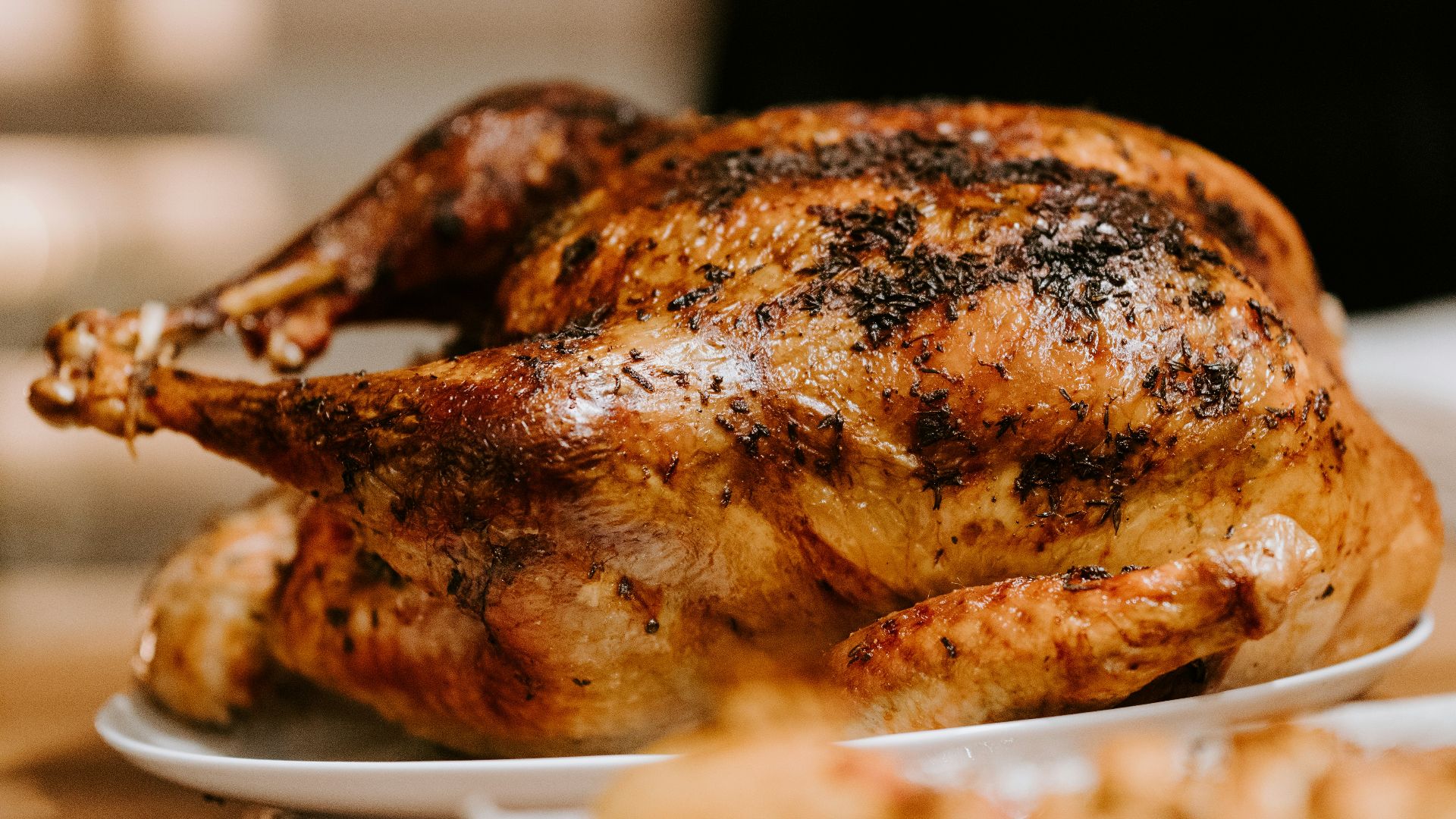
19. Roast Chicken
Simple seasoning and proper roasting technique created a crisp skin and juicy interior. Allowing the chicken to rest after cooking helped retain moisture. Reproducing it today requires attention to timing and temperature.
20. Oatmeal Cookies
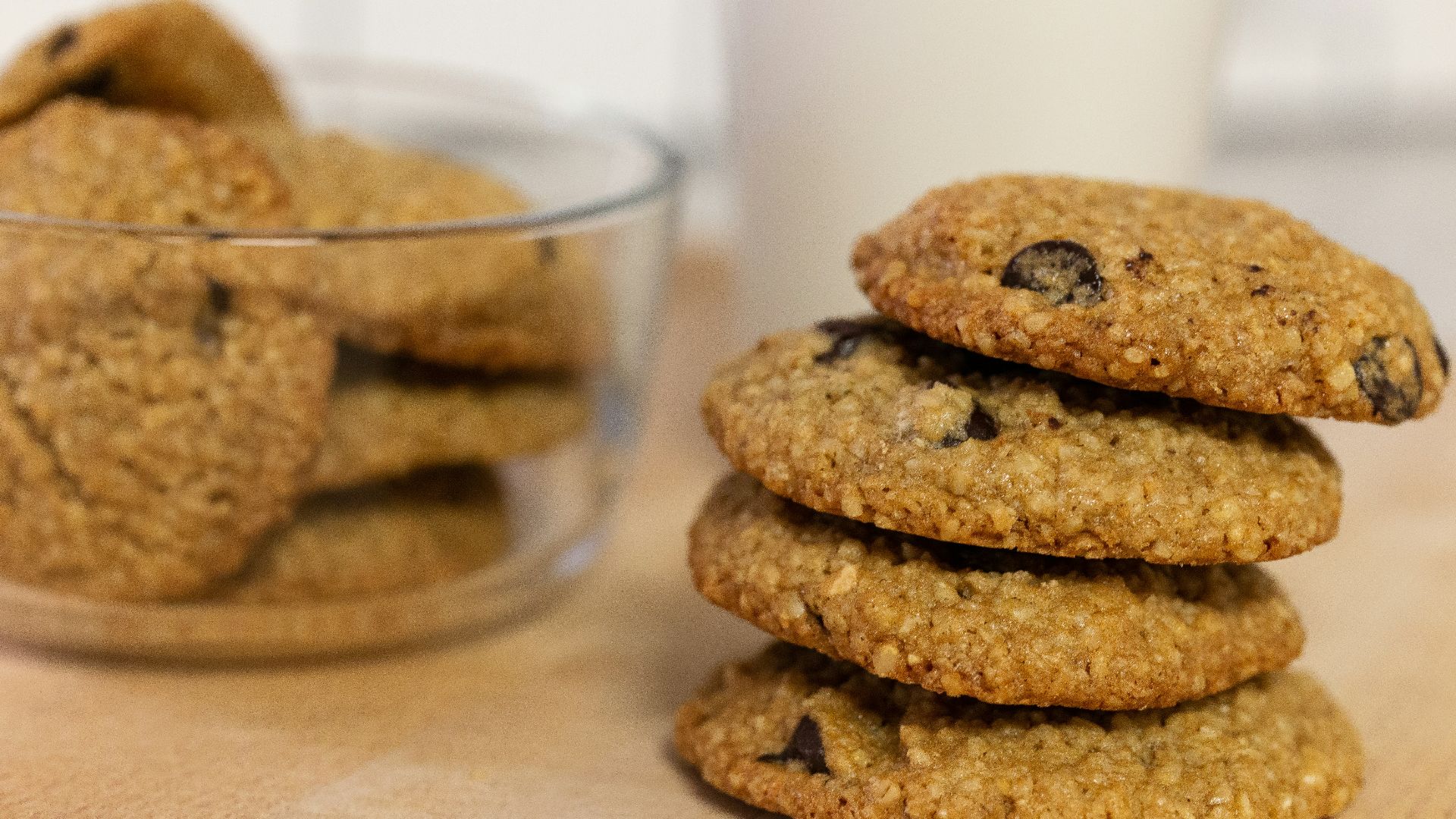
Classic recipes focused on texture, balancing chewiness with slight crispness. Using quality ingredients and proper mixing created consistent results, and this can still be done today.