From Roadside Diners to Viral Desserts
America’s food culture has always borrowed ingredients and traditions from the rest of the world, so very few trends appeared without outside influence. What the U.S. has done particularly well is turn new ways of preparing, selling, and marketing food into movements that travel quickly. From drive-thru windows to frozen dinners, American ideas have reshaped how people eat far beyond the country’s borders. Here are 20 global food trends that started in the U.S.

1. Assembly-Line Fast Food
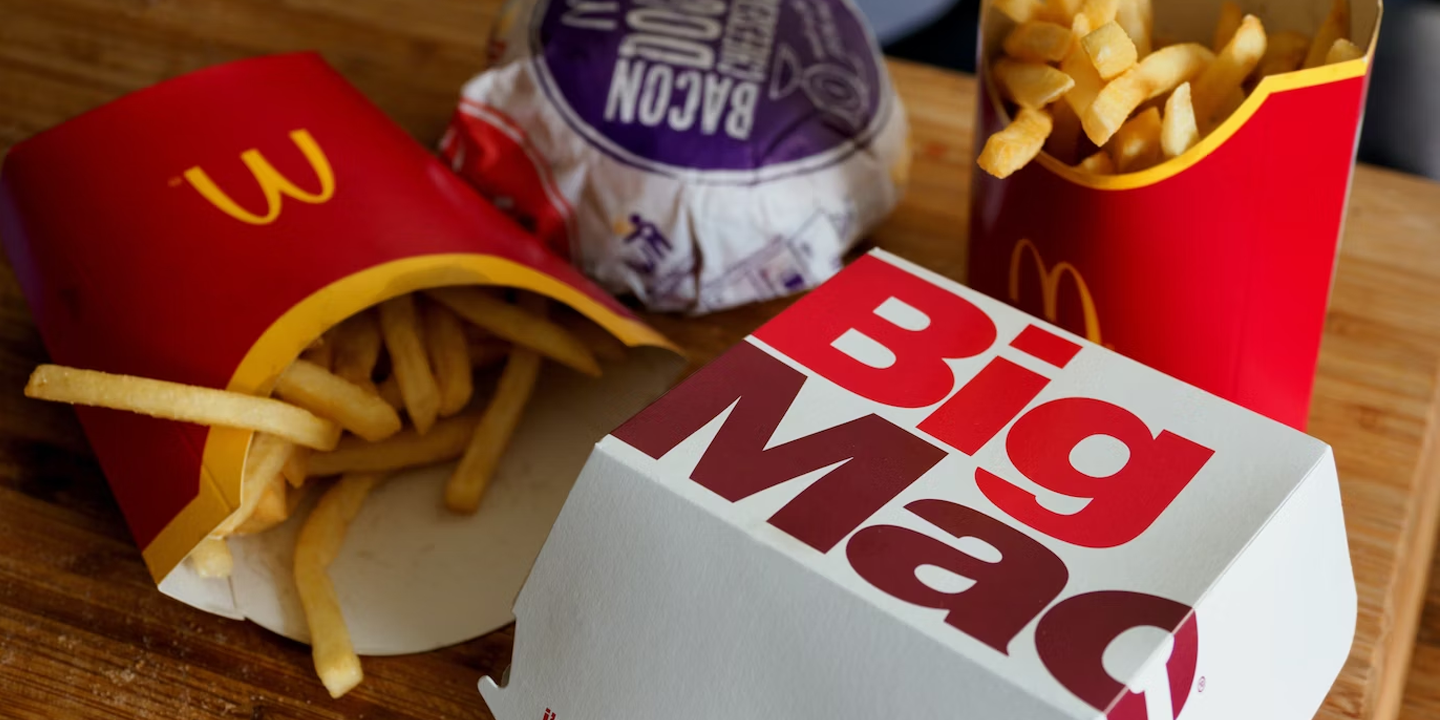
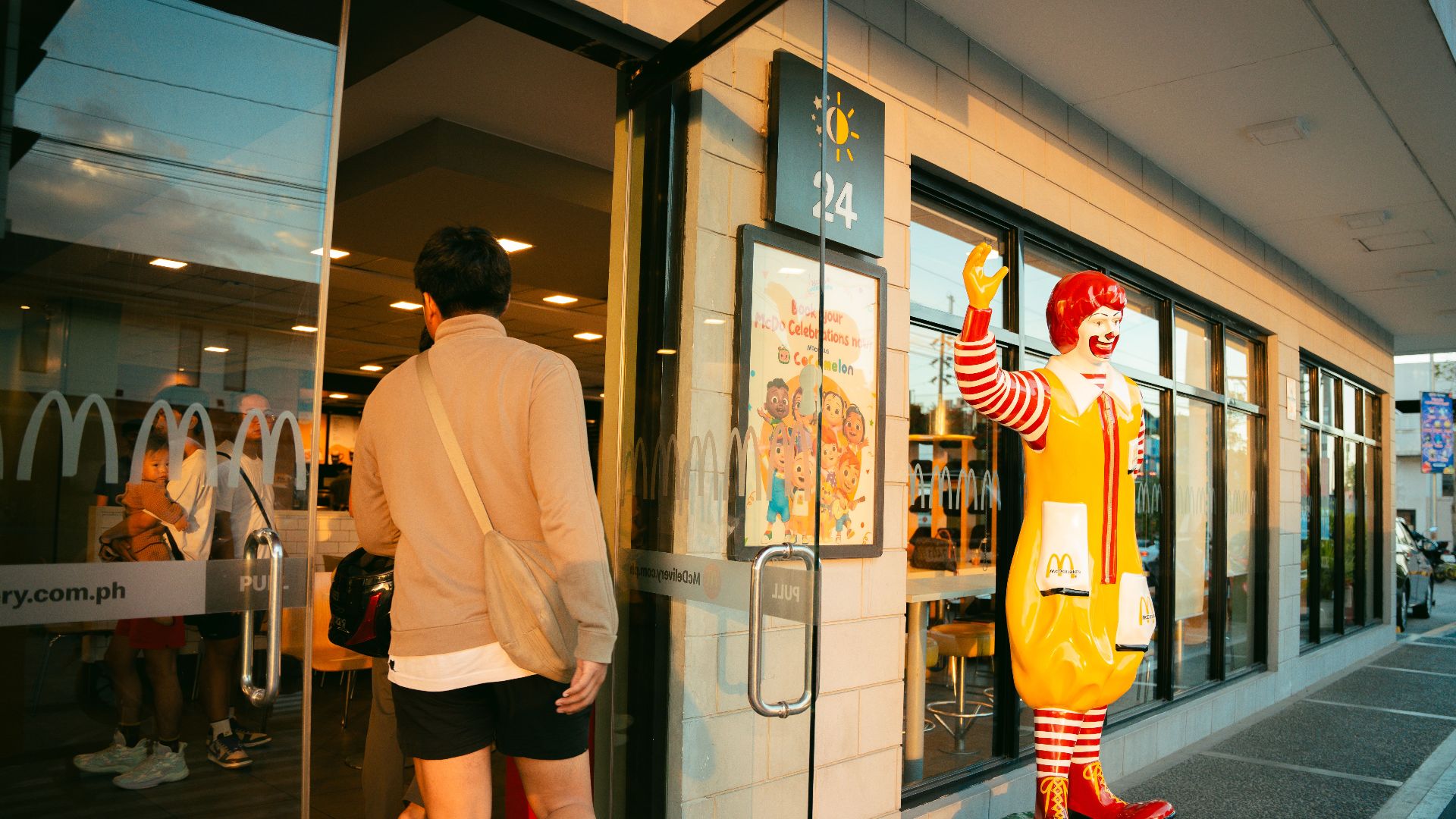
Restaurants served quick meals long before McDonald’s appeared, but the McDonald brothers created a highly organized production system in California during the 1940s. Their “Speedee Service System” divided kitchen work into repeatable tasks so large numbers of customers could be served quickly and consistently. That model inspired fast-food chains around the world.
2. Drive-Thru Dining
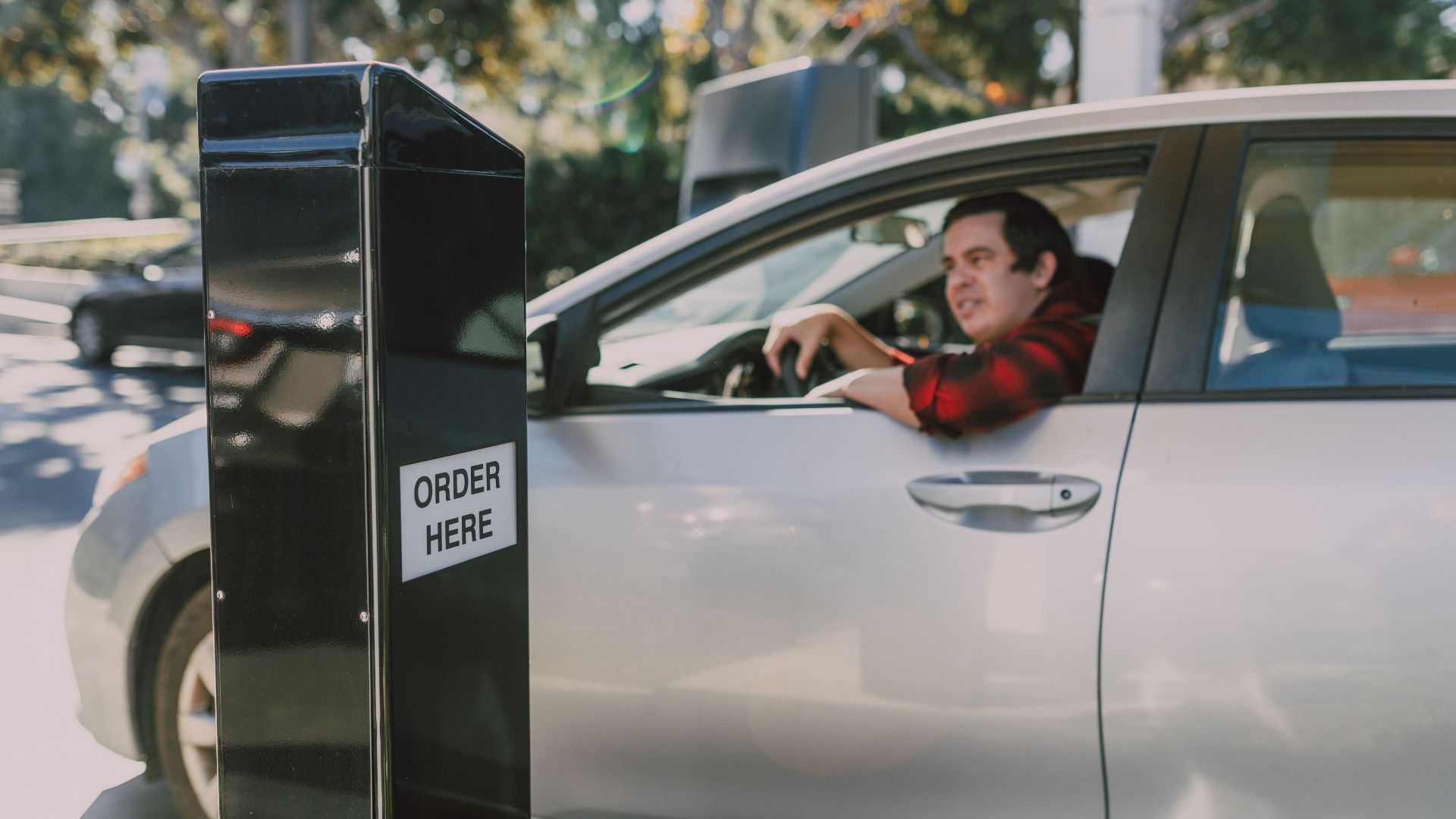
The rise of American car culture created a natural demand for meals that didn’t require drivers to leave their vehicles. Drive-ins came first, followed by drive-thru windows that reduced labor costs and made ordering even faster. The format eventually spread internationally, bringing burgers, coffee, doughnuts, and even banking-style convenience to roadside dining.
3. Franchised Restaurant Chains
Franchising existed before the modern fast-food era, but American restaurant companies turned it into a global food system. Chains licensed their names, recipes, equipment, training, and operating methods to local business owners who could reproduce the same experience elsewhere. That’s why a restaurant founded in one American city can now serve recognizable meals on several continents.
4. Frozen Complete Dinners
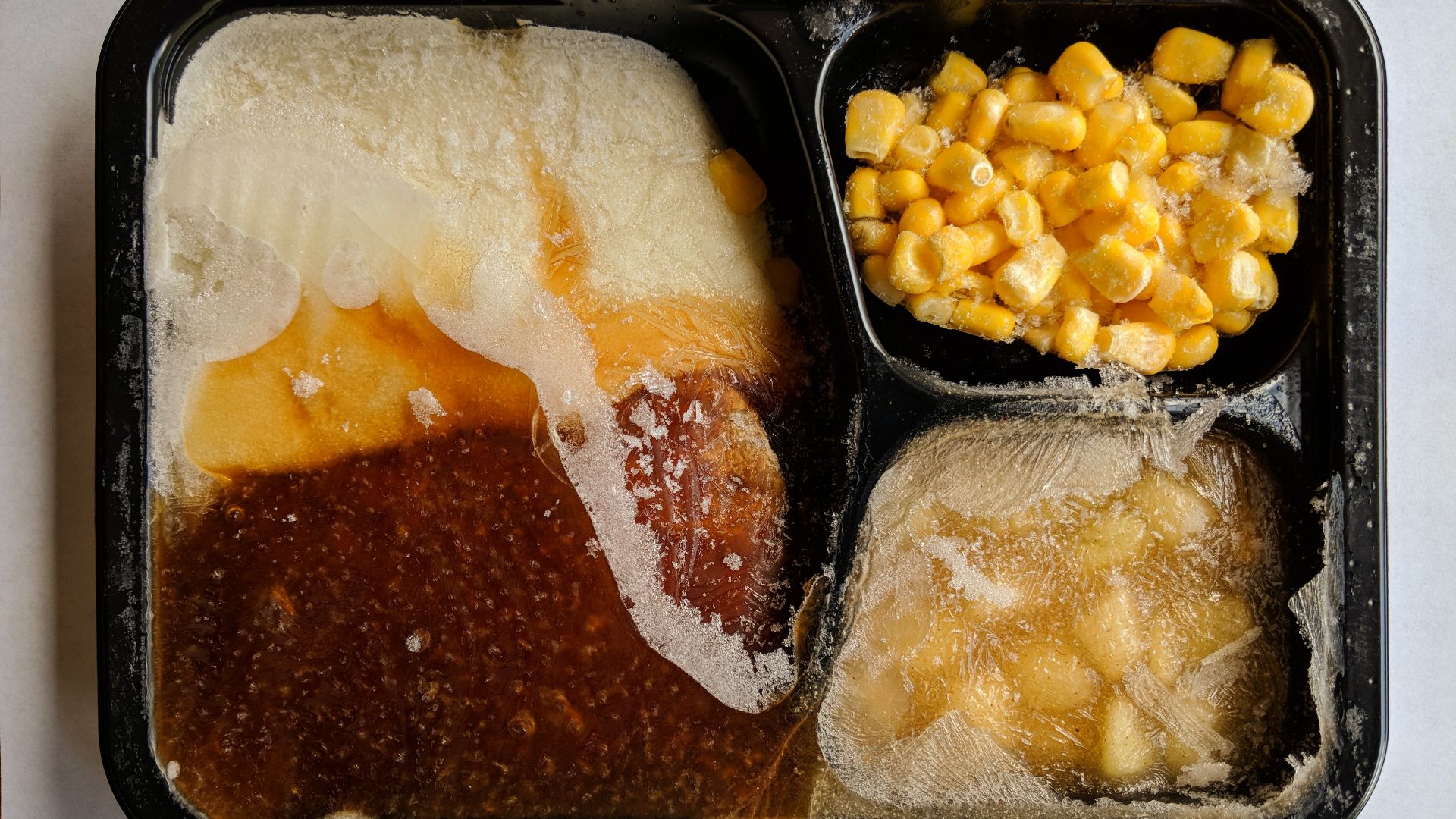
Frozen foods weren’t new in the 1950s, but Swanson’s TV dinner helped turn them into complete meals designed around modern home entertainment. Meat, vegetables, and potatoes arrived in separate sections of an aluminum tray that could be heated without much effort. The basic idea now appears worldwide in supermarket freezers, although plastic trays and microwaves have replaced much of the original excitement.
5. Modern Quick-Frozen Food
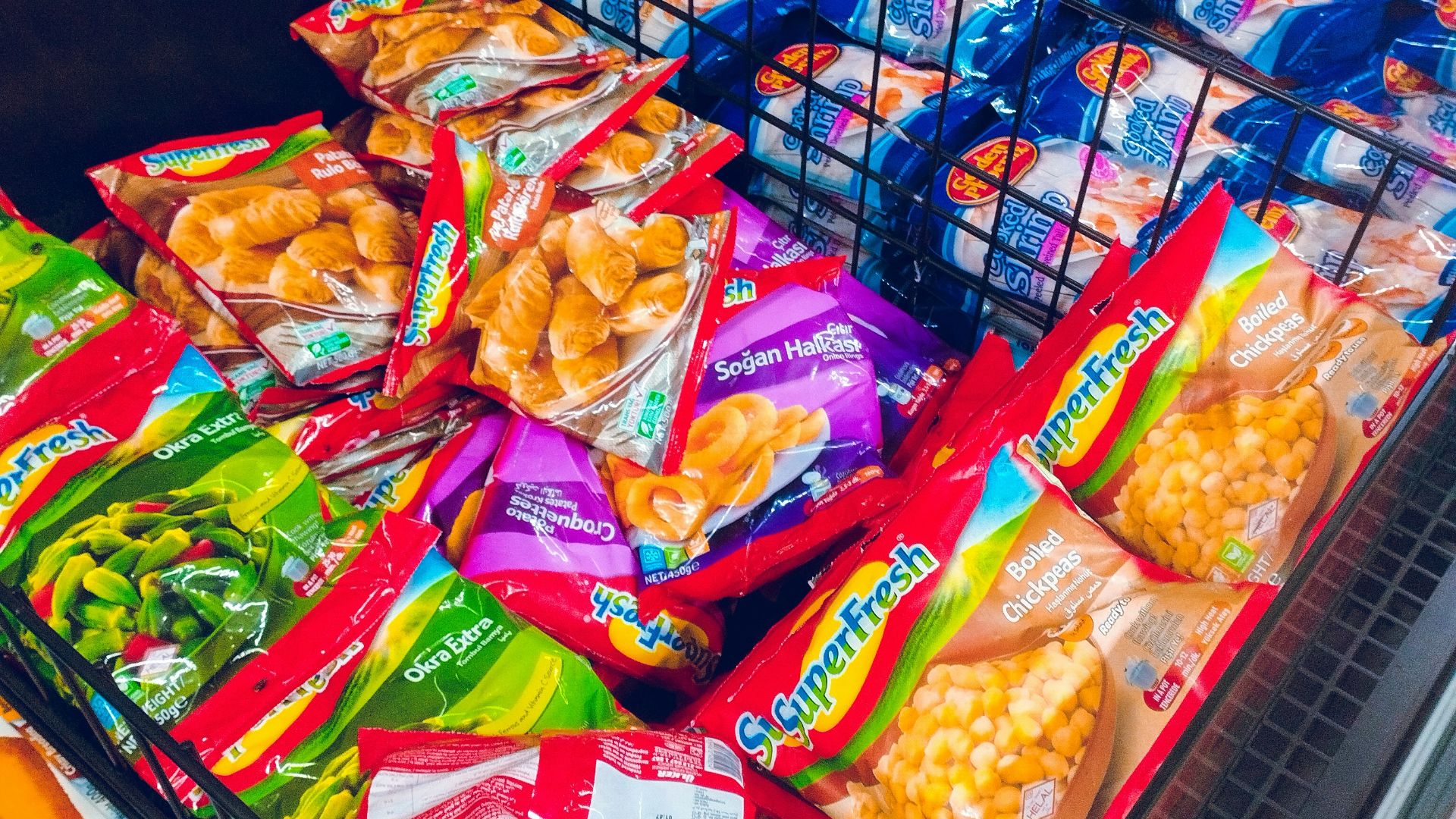
Clarence Birdseye didn’t discover that cold preserved food, but he helped develop the industrial quick-freezing methods that shaped the modern frozen-food industry. Rapid freezing produced smaller ice crystals and generally preserved texture better than slower methods. That technology made it possible to distribute vegetables, seafood, meals, and desserts over enormous distances without making everything unpleasantly mushy.
 Muhammed A. Mustapha on Unsplash
6. Cold Breakfast Cereal
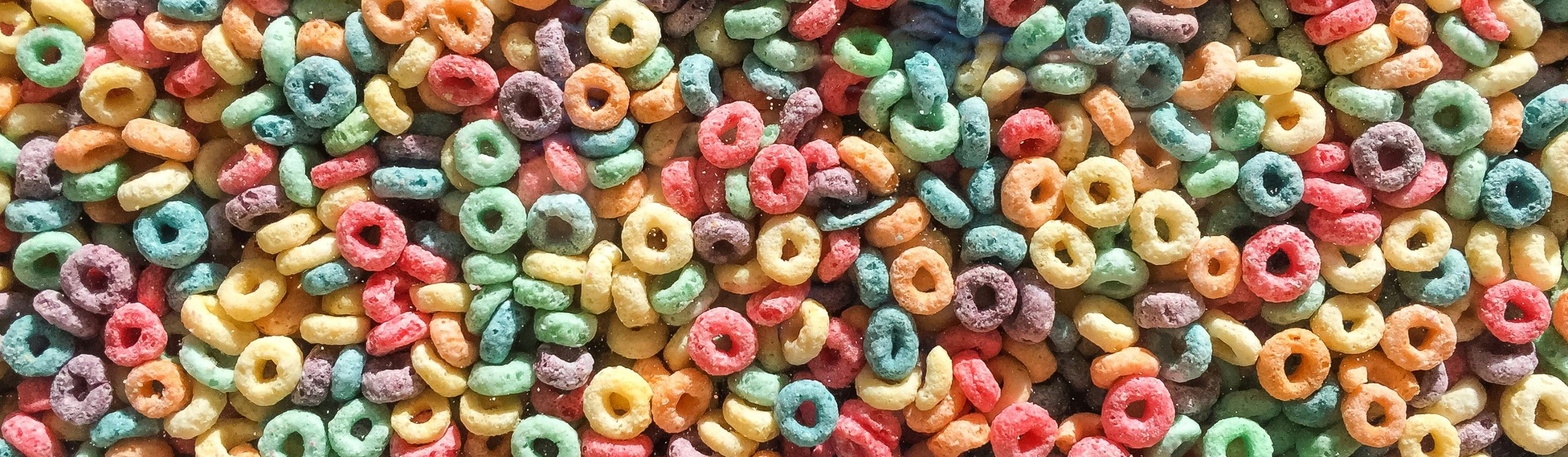
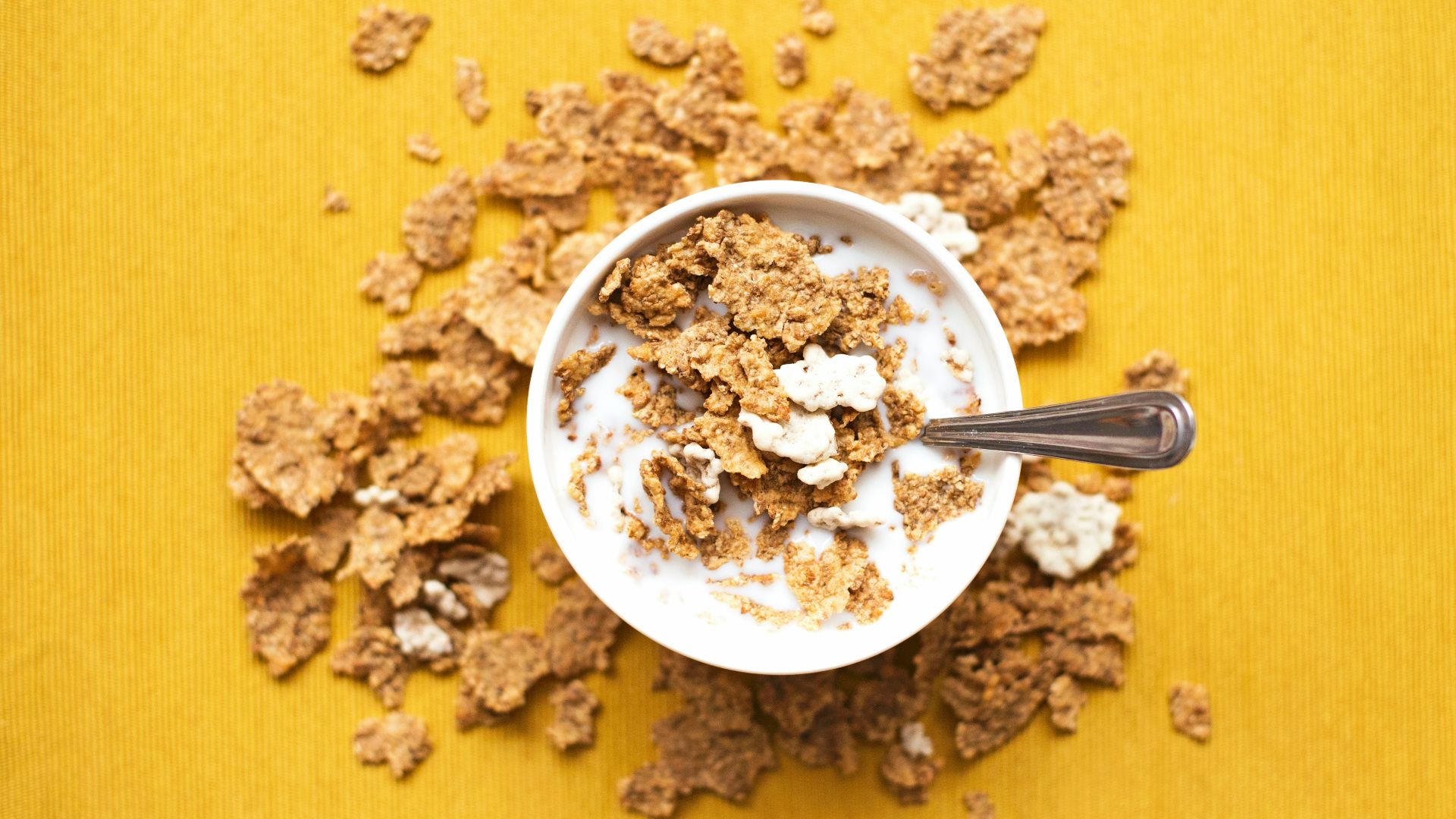
The first manufactured cold breakfast cereals emerged from American health movements during the late 19th century. Products such as Granula and later the cereals associated with the Kellogg brothers offered an alternative to heavy cooked breakfasts. Bright boxes, mascots, prizes, and constant advertising eventually helped turn cereal into a morning habit, worldwide.
7. The Modern Food Truck
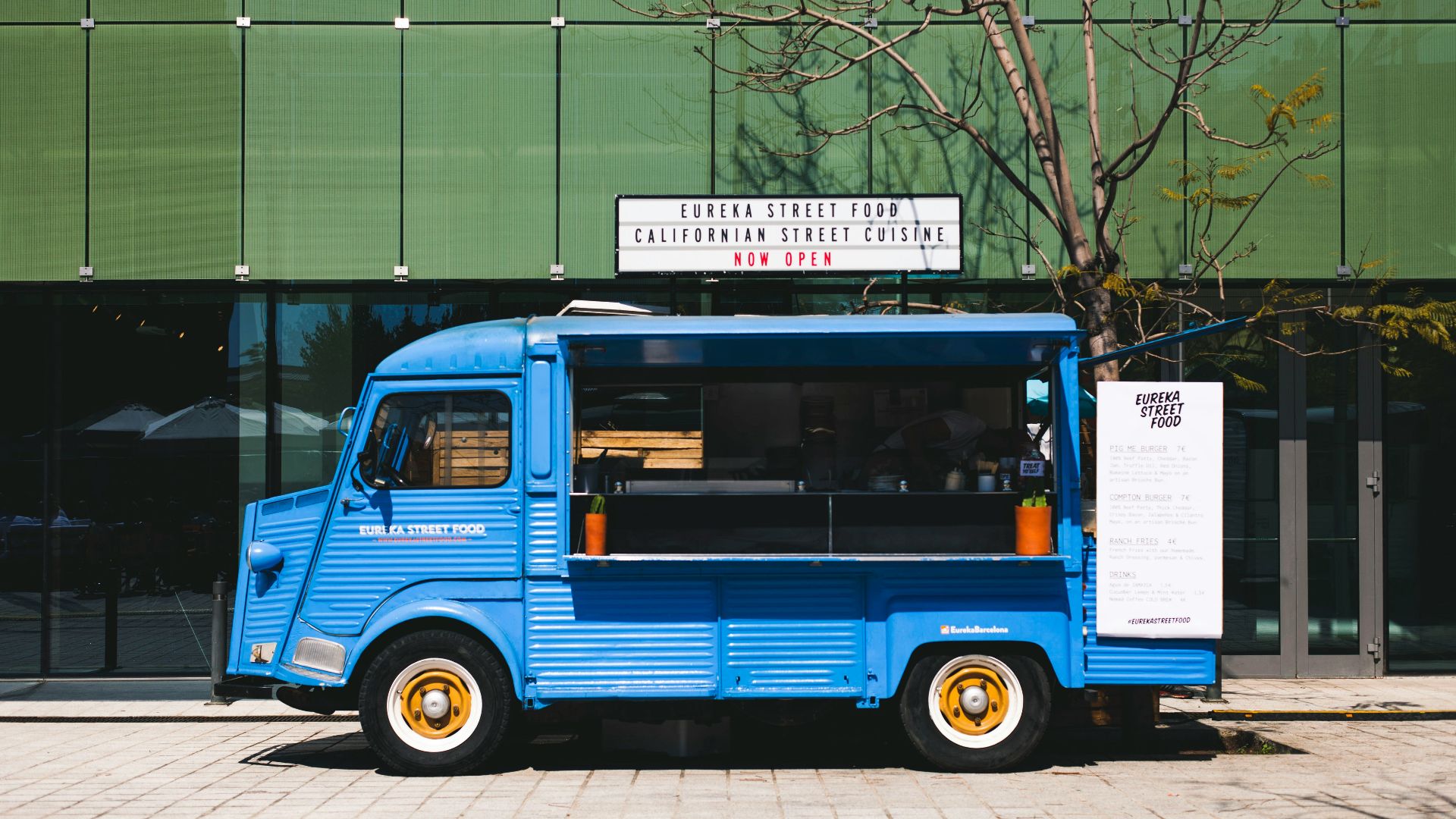
Mobile food vending has existed in many cultures, but the modern food truck has strong American roots in chuck wagons and urban lunch carts. Trucks eventually gained full kitchens and began serving increasingly specialized menus rather than only basic meals for workers. The chef-driven food-truck boom of the 2000s then inspired similar fleets from London to Seoul.
8. The Classic Diner
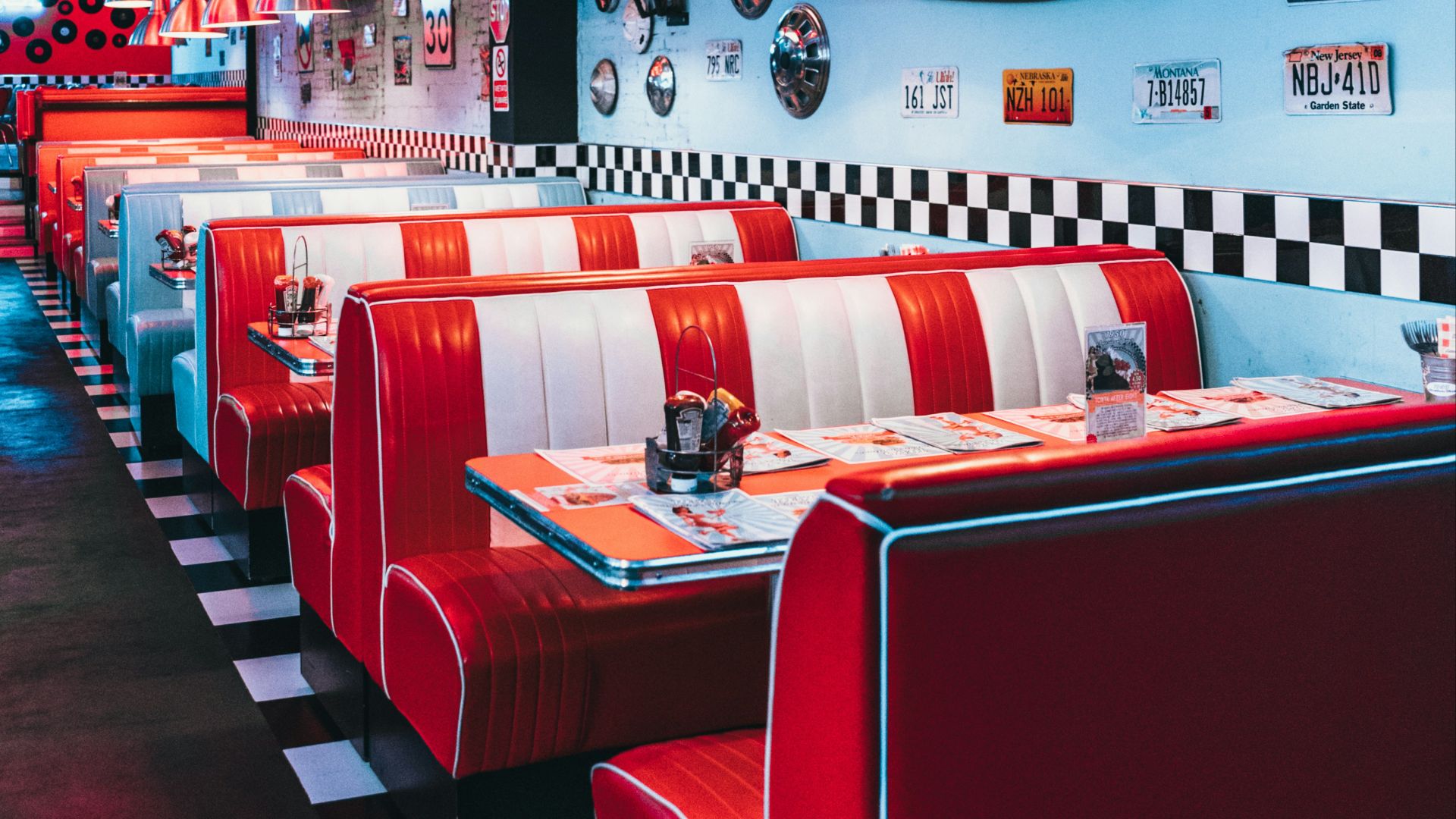
American diners evolved from late-19th-century lunch wagons that served workers after ordinary restaurants had closed. Manufacturers later built permanent restaurants with counters, booths, chrome finishes, and menus available for much of the day. The diner’s combination of breakfast food, coffee, pie, and casual service became so recognizable that themed versions now operate around the world.
9. Soda Fountain Culture
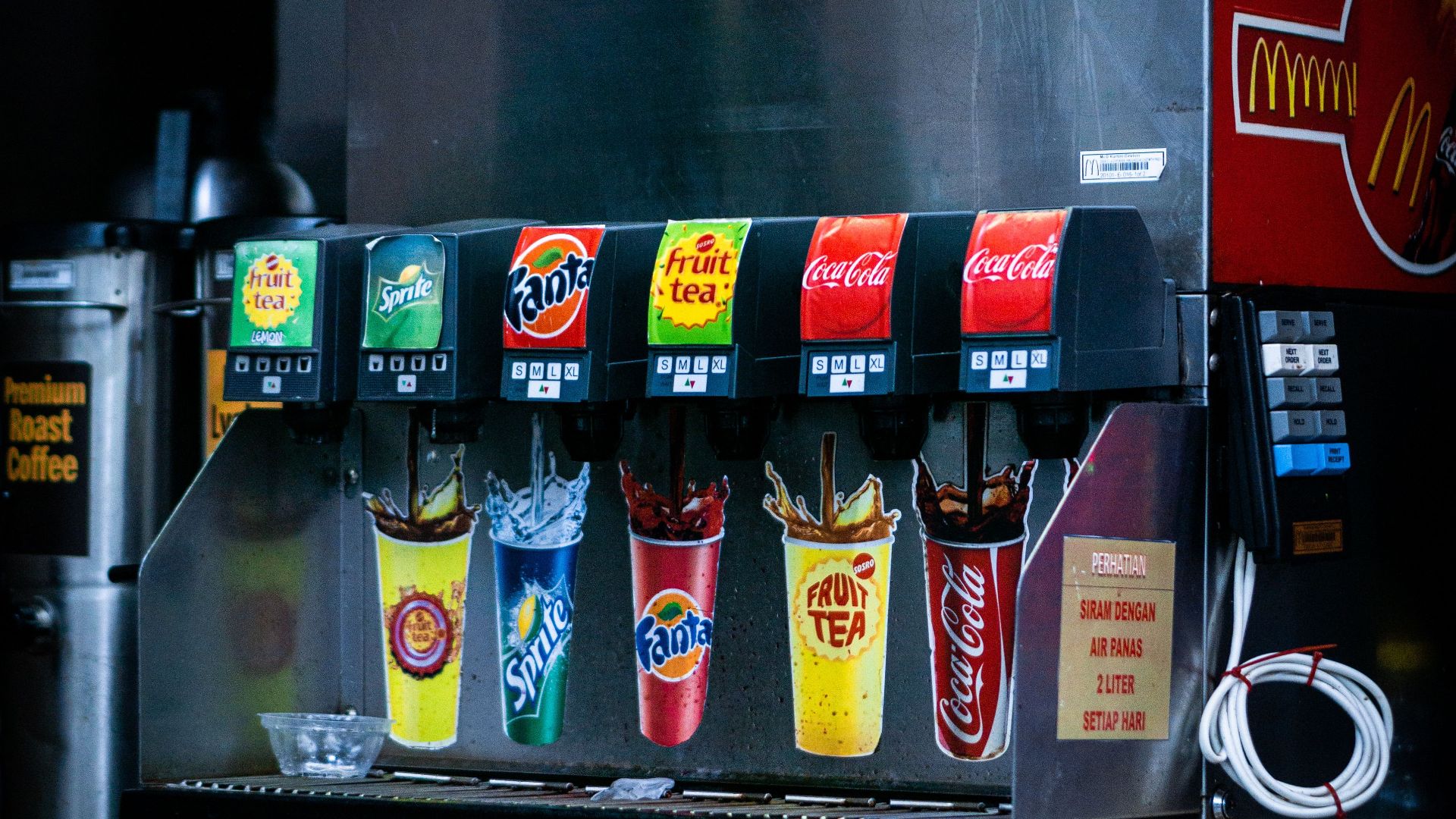
American drugstores once became social destinations because their soda fountains served carbonated drinks, ice cream sodas, sundaes, and milkshakes. Customers could sit at a counter while an employee mixed drinks in front of them, giving inexpensive refreshments a bit of theater. The original drugstore fountains have largely disappeared, but their menu inspired countless ice cream parlors and retro cafés abroad.
10. All-You-Can-Eat Casino Buffets
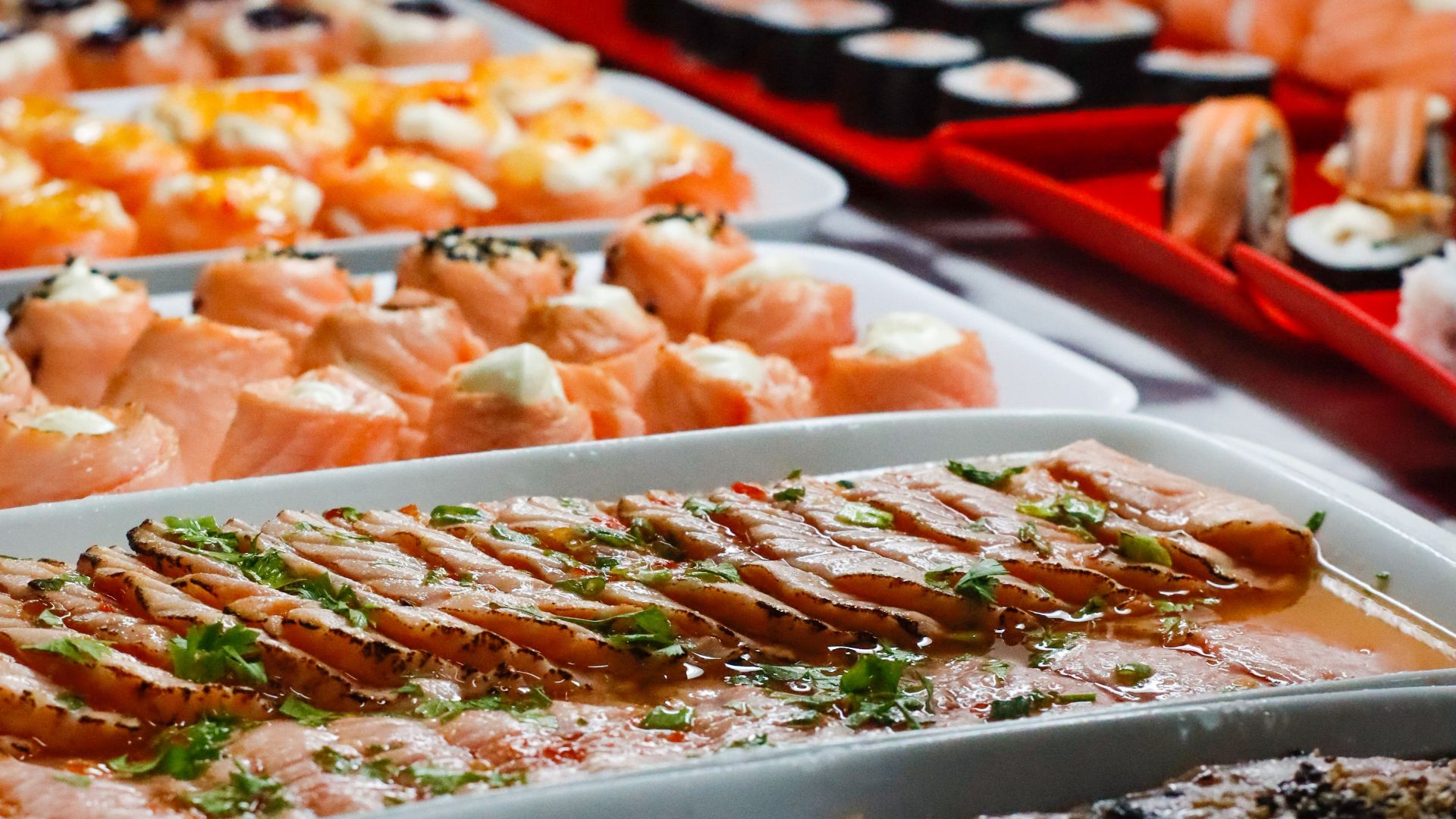
Buffet-style dining has much older European roots, but Las Vegas helped create the low-priced, unlimited casino buffet familiar today. The goal was to keep gamblers inside the building by offering large quantities of food at nearly any hour. Other hotels and restaurants copied the format, eventually exporting the promise of endless choice to resorts, cruise ships, and chains worldwide.
 Natan Machado Fotografia Gastronômica on Pexels
11. Mall Food Courts
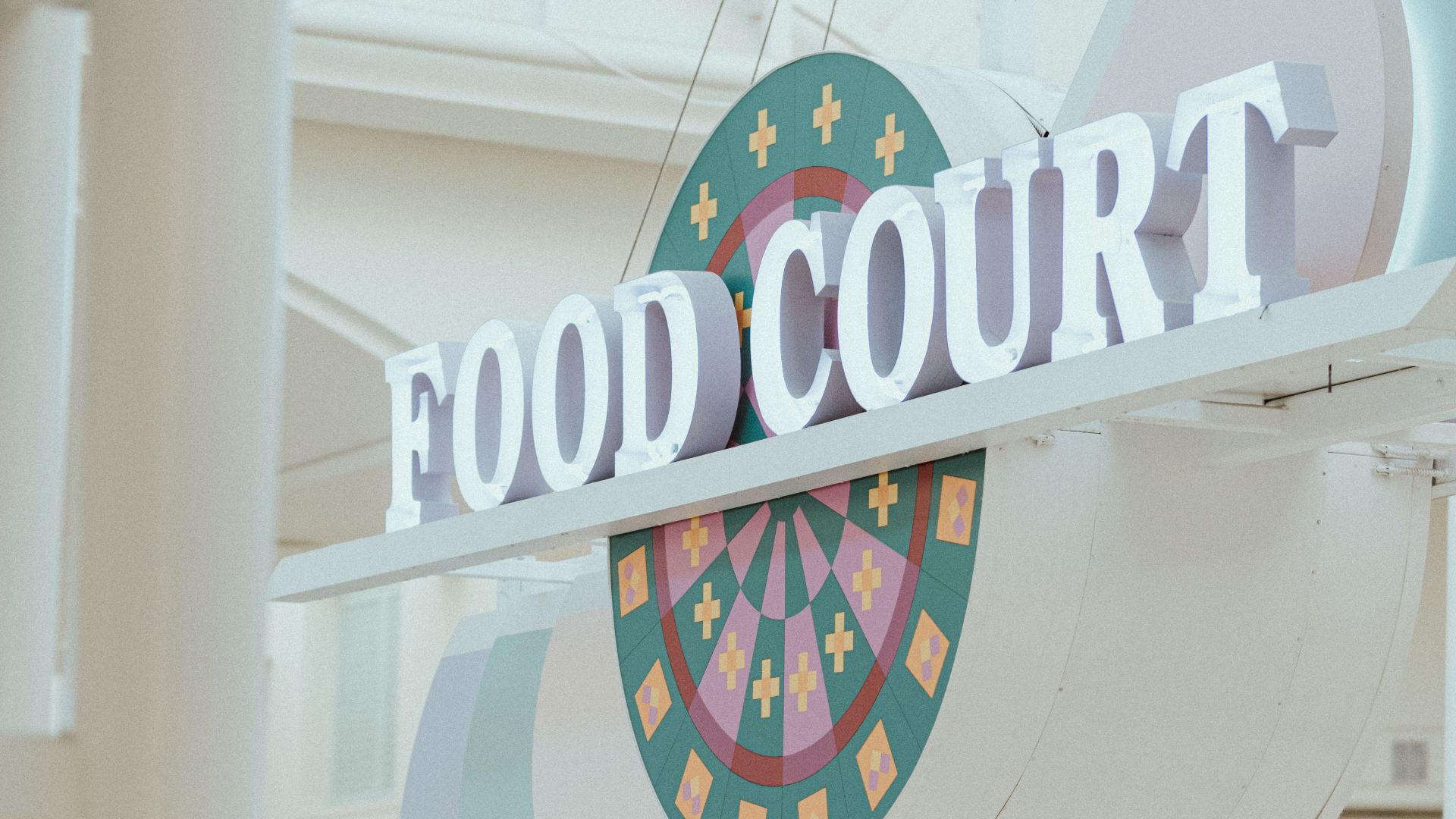
American shopping malls brought multiple quick-service restaurants together around one shared seating area. Shoppers could split up, order completely different meals, and still eat at the same table without agreeing on a restaurant first. Food courts eventually became standard features in malls, airports, universities, and transportation hubs across the globe.
 Connor Scott McManus on Pexels
12. Self-Serve Salad Bars
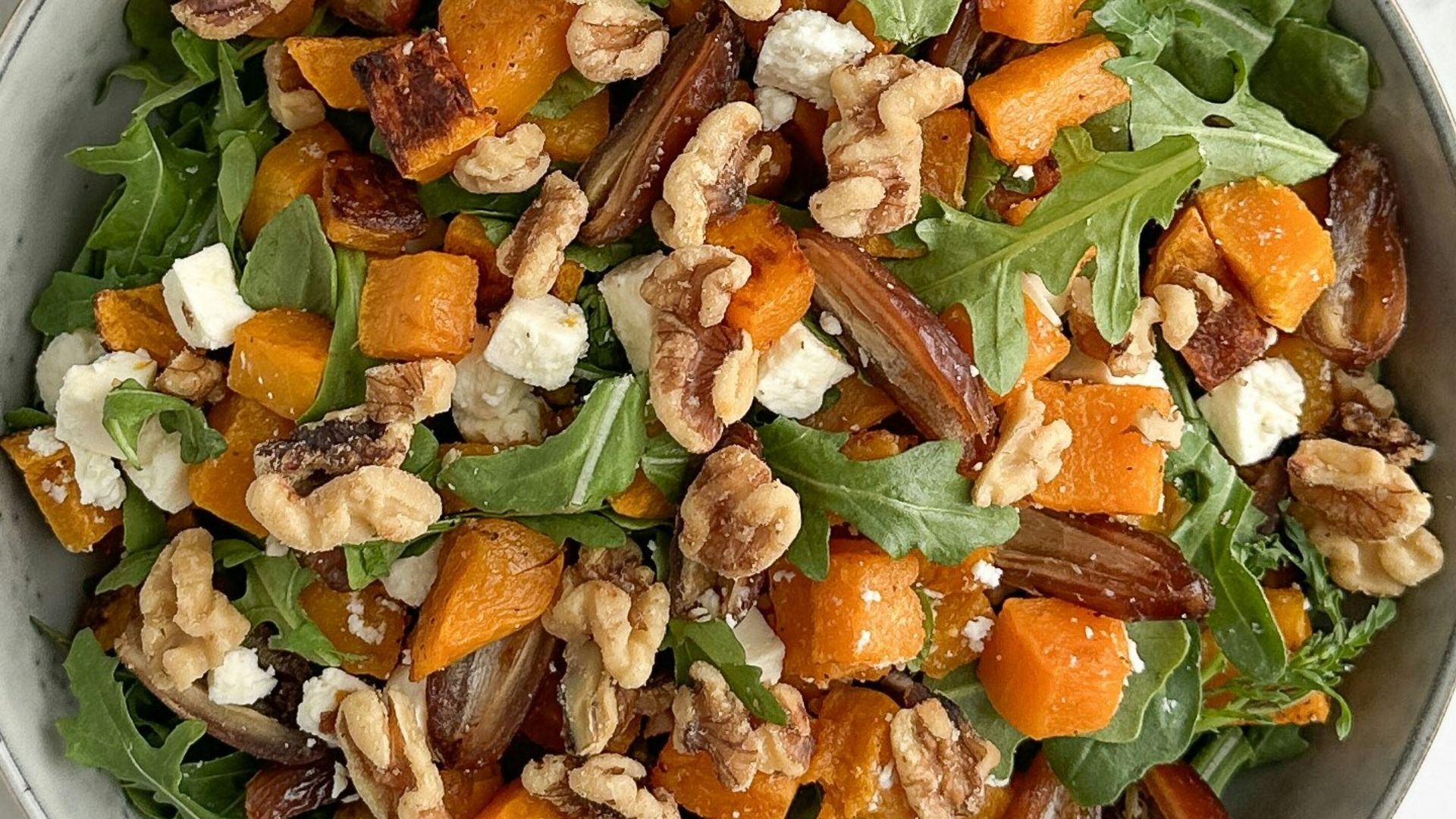
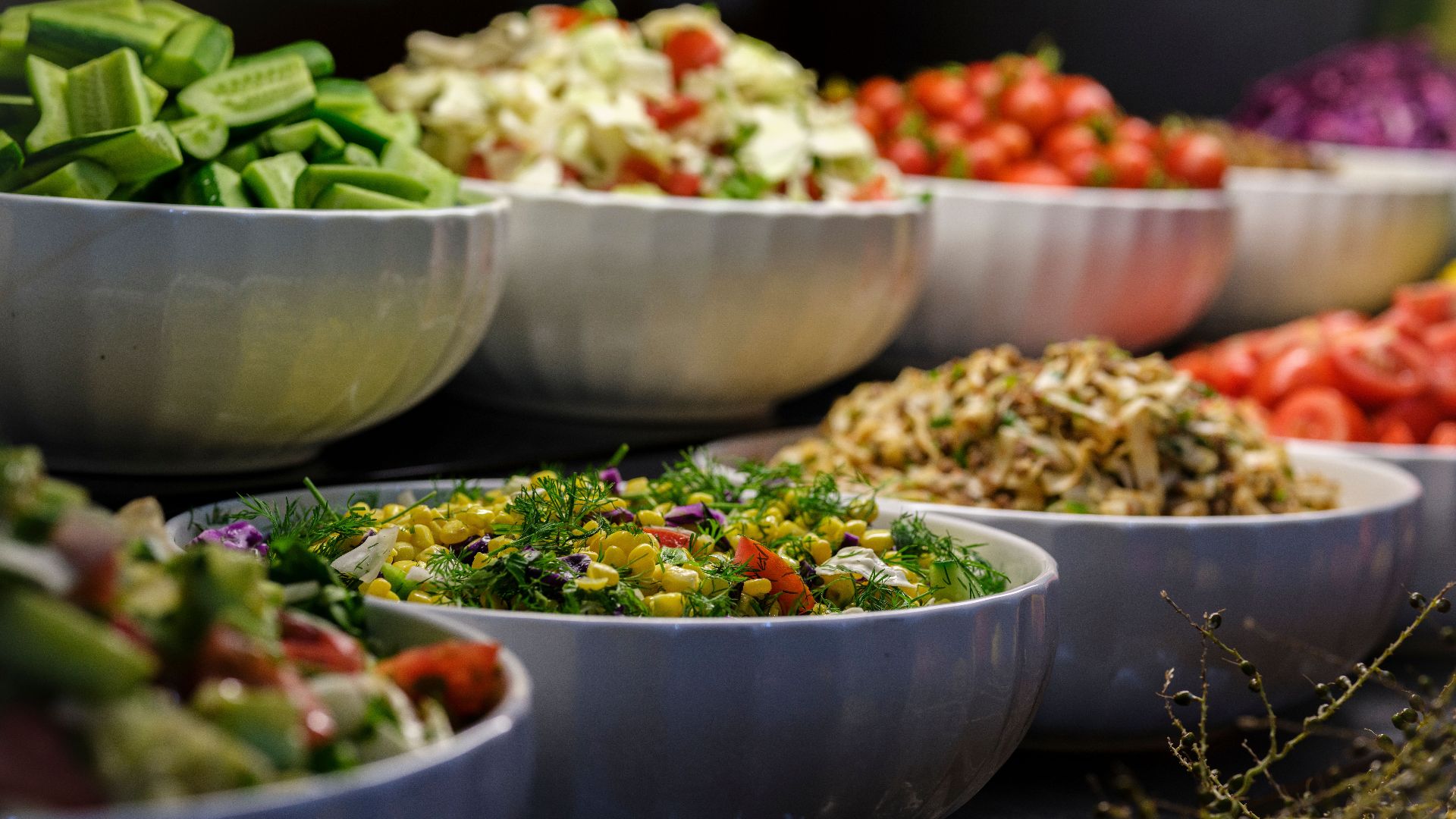
Several restaurants have claimed credit for inventing the salad bar, making its exact origin difficult to settle. American chains nevertheless popularized the format during the 1960s and 1970s by letting diners assemble salads from rows of vegetables, dressings, cheese, and toppings. That emphasis on choice later influenced buffet restaurants and build-your-own lunch chains around the world.
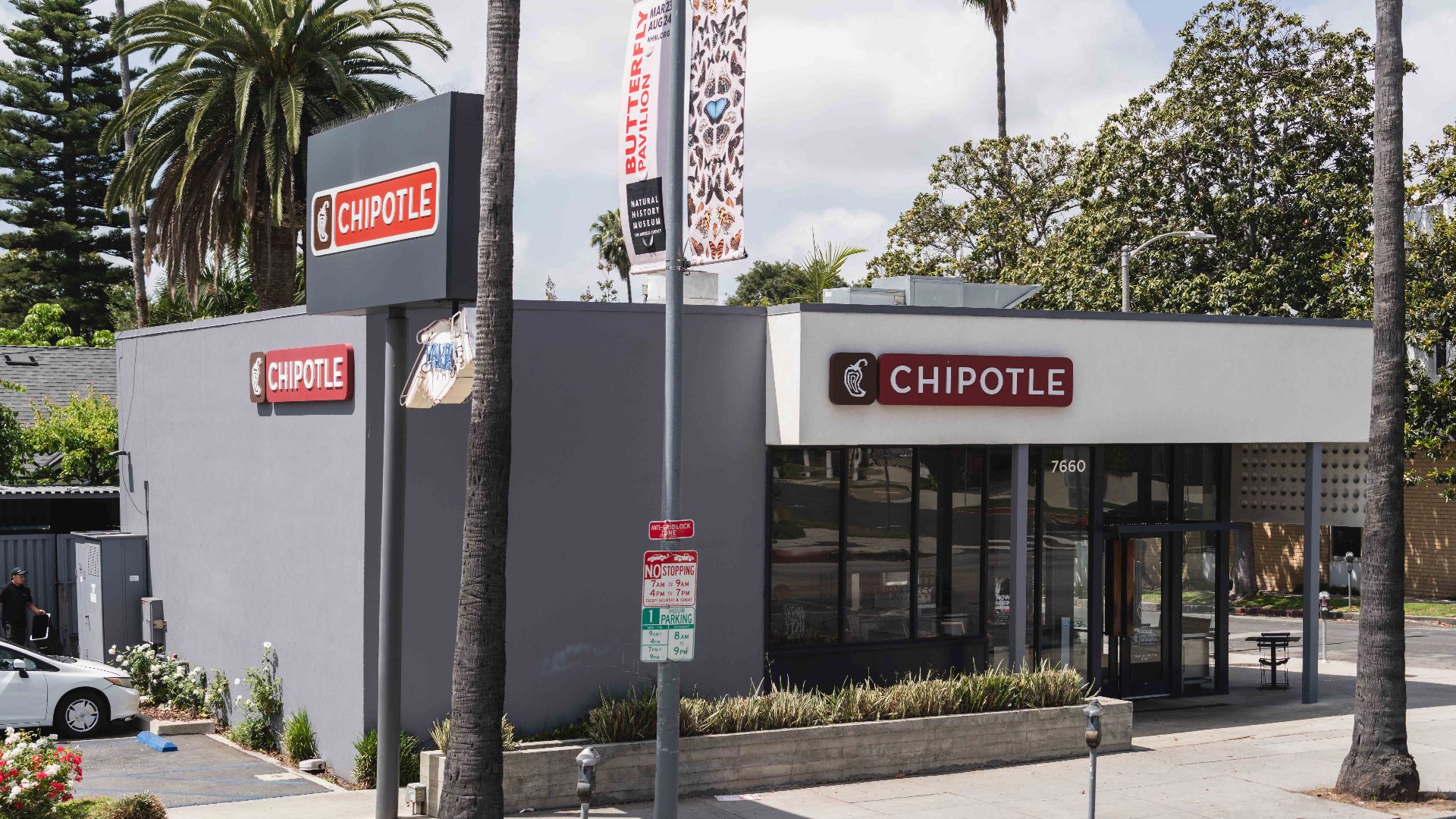
13. Build-Your-Own Fast-Casual Meals
American fast-casual chains made customization central to the ordering process rather than treating it as an inconvenience. Customers moved along a counter choosing a base, protein, toppings, sauces, and extras while watching the meal come together. The approach has since spread to international chains selling salads, noodles, rice bowls, pizzas, and wraps.
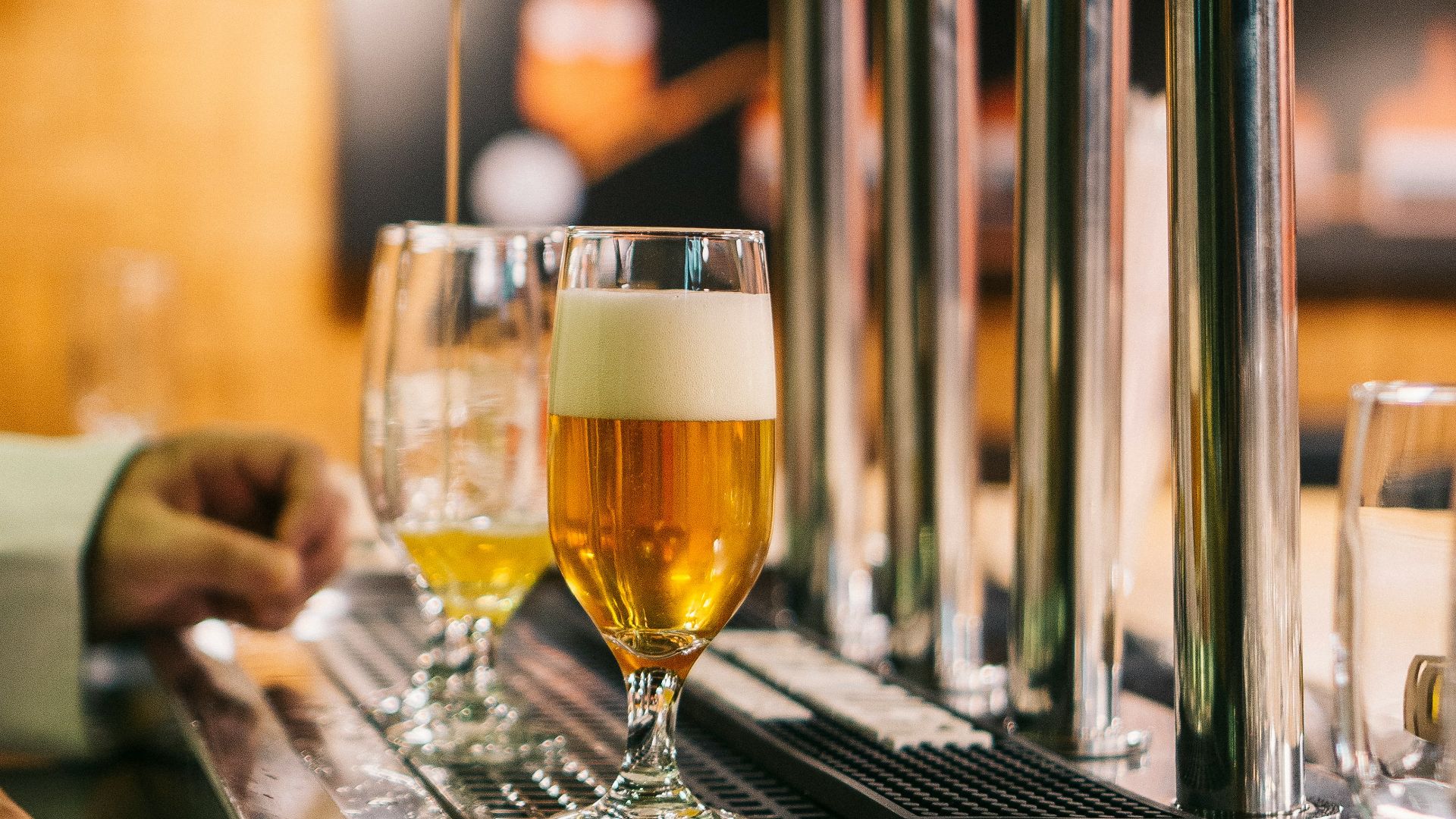
14. The Modern Craft Beer Revolution
Small independent breweries existed in many countries, but the American craft movement helped revive bold hops, experimental styles, and local taproom culture after decades of industrial consolidation. U.S. brewers reworked European traditions and became especially associated with intensely hopped pale ales and IPAs. Their influence encouraged a new wave of small breweries across Europe, Asia, Latin America, and Australia.
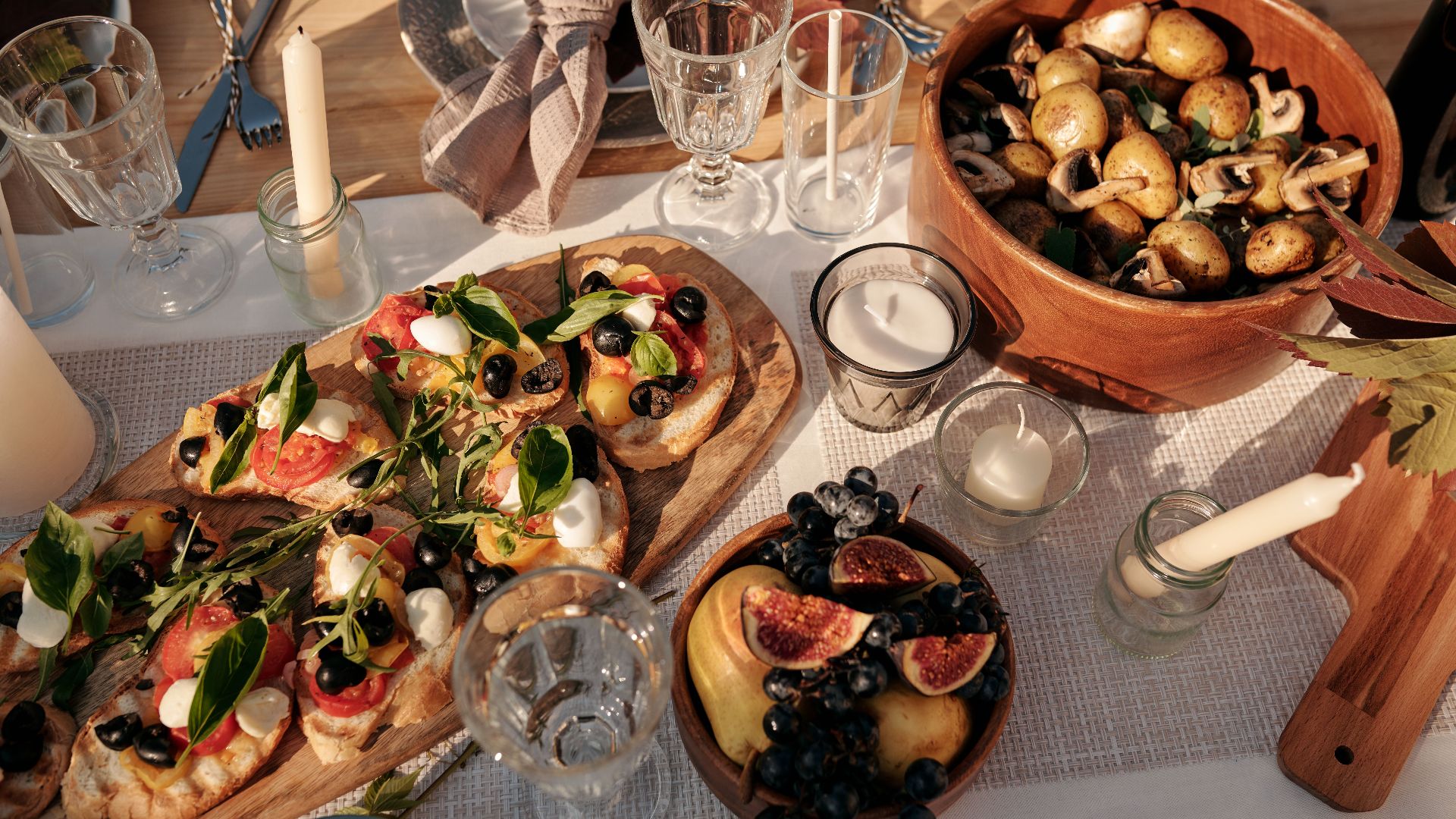
15. California-Style Farm-to-Table Dining
Restaurants have always cooked with nearby ingredients, but California chefs helped turn seasonal sourcing into a modern restaurant philosophy. Menus began emphasizing named farms, fresh produce, simple preparations, and ingredients chosen according to what was available. The movement influenced chefs internationally and made diners far more curious about where their food came from.
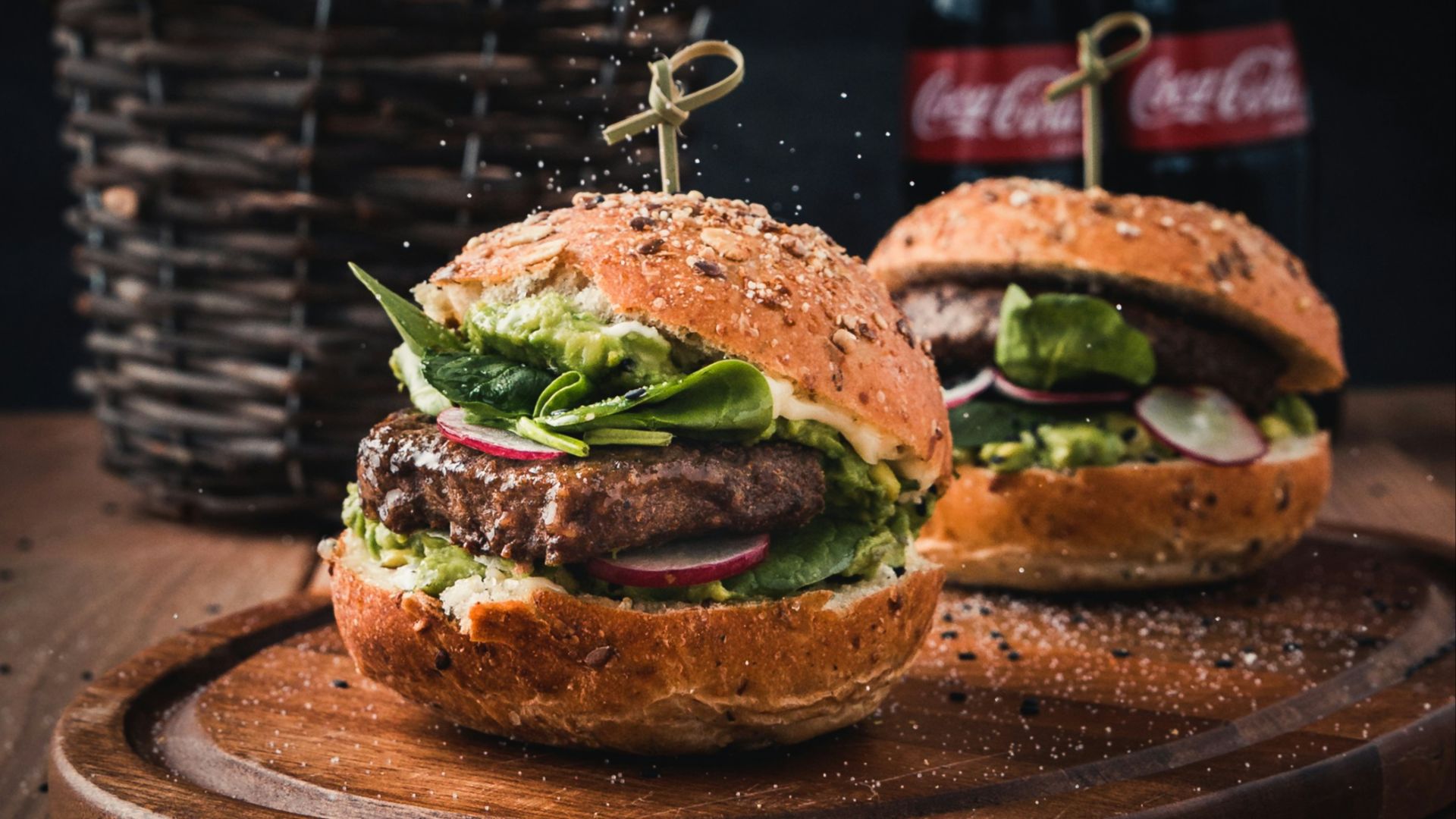
16. Gourmet Burgers
The hamburger was already an American staple when restaurants began treating it as something that could be endlessly upgraded. Chefs added specialty cheeses, unusual sauces, premium beef, brioche buns, and toppings that required considerably more explanation than ketchup. Gourmet burger restaurants soon appeared in major cities worldwide, often charging prices the original roadside stands would’ve been flabbergasted by.
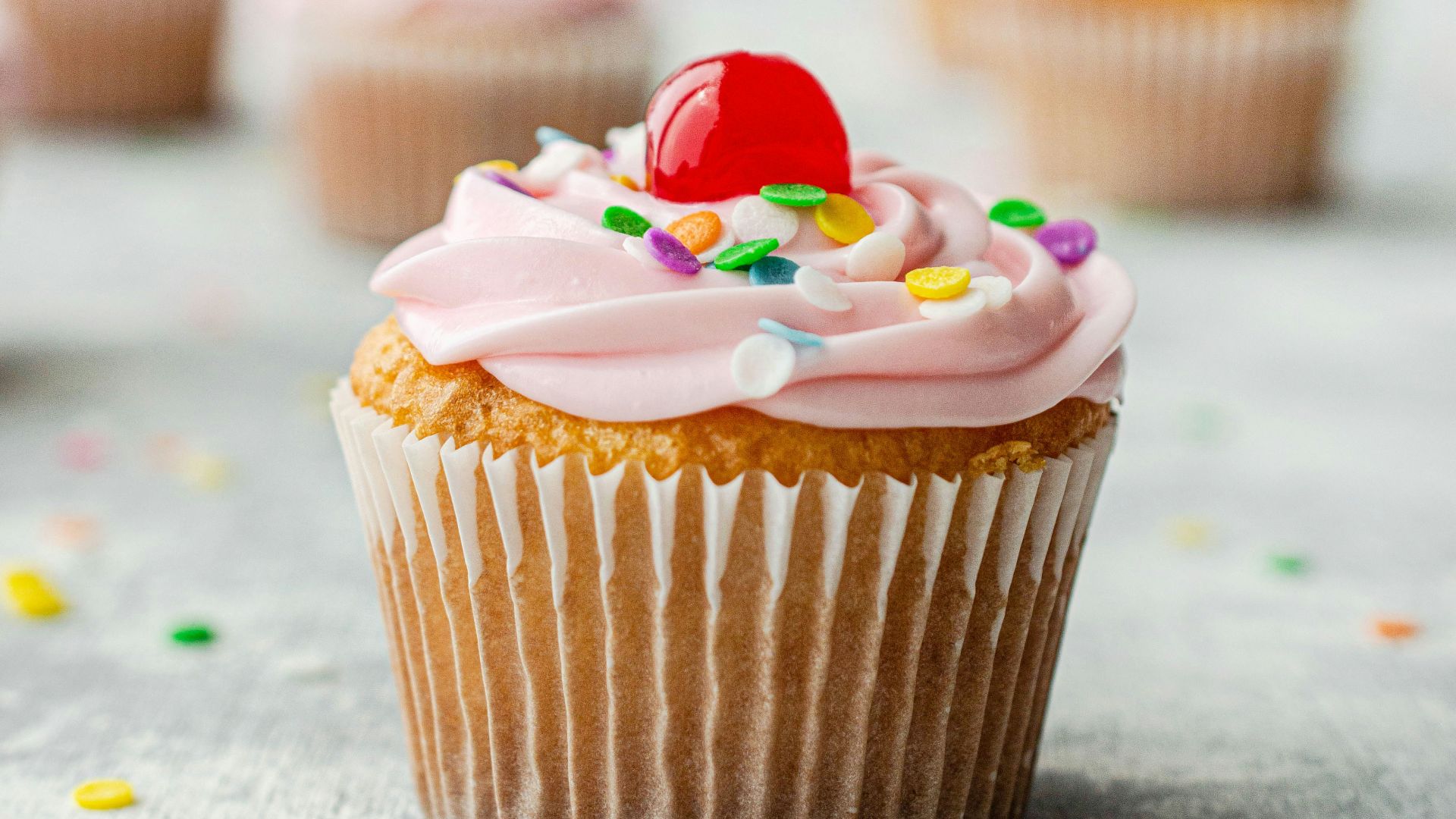
17. The Cupcake Boom
Cupcakes had been around for generations, but American bakeries turned them into a major lifestyle trend during the early 2000s. Shops displayed carefully frosted individual cakes in dozens of flavors and packaged them as gifts, party favors, and fashionable treats. Dedicated cupcake businesses subsequently opened overseas, proving that people were willing to stand in line for a dessert they once saw mainly at children’s birthdays.
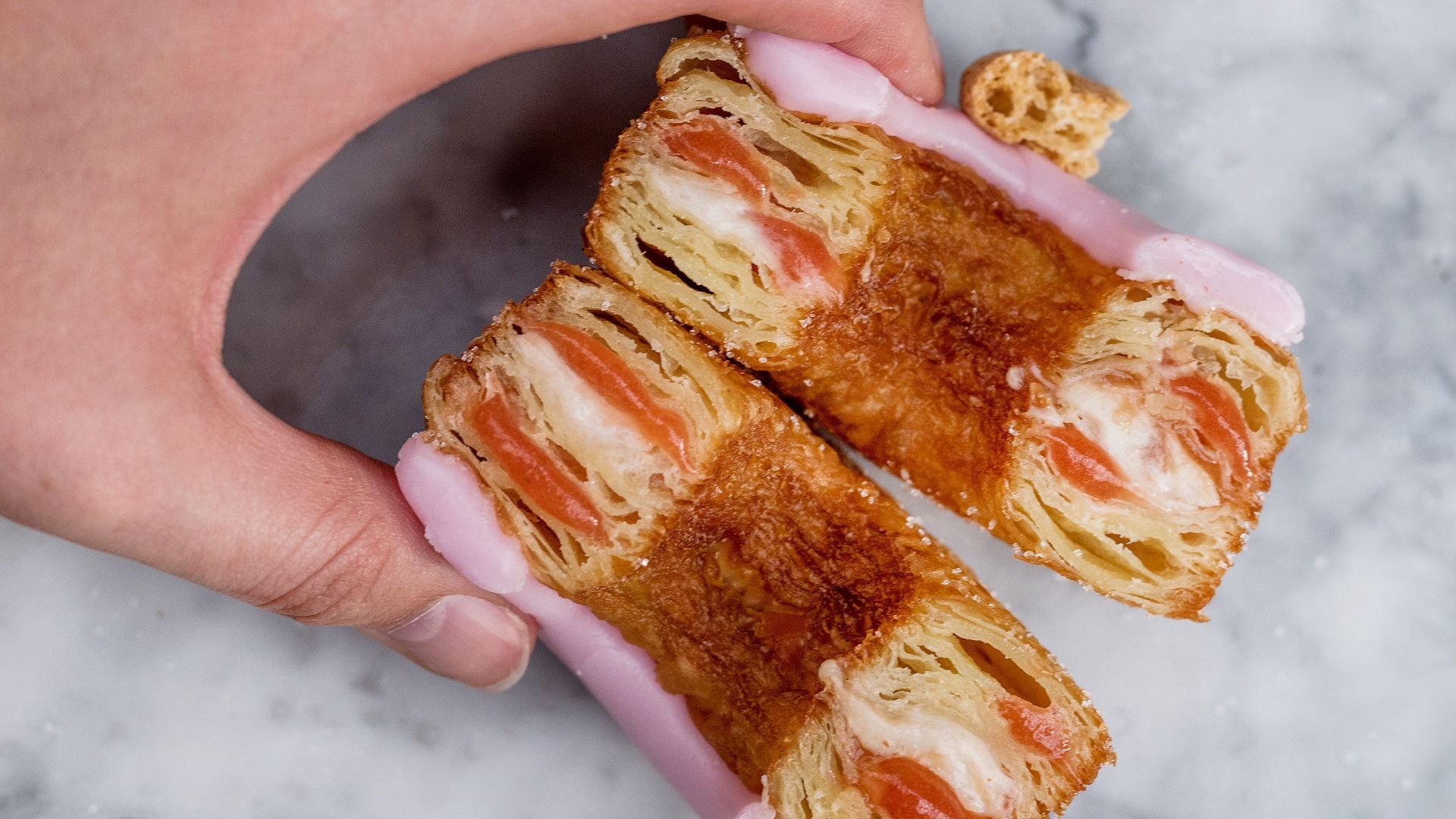
18. Viral Food Mashups
American bakeries and restaurants helped make hybrid foods a dependable route to online attention. The Cronut, created in New York in 2013, combined elements of a croissant and doughnut before inspiring imitators in numerous countries. Since then, menus have filled with pizza burgers, sushi burritos, doughnut sandwiches, and other creations designed to be photographed before anyone asks whether they were necessary.
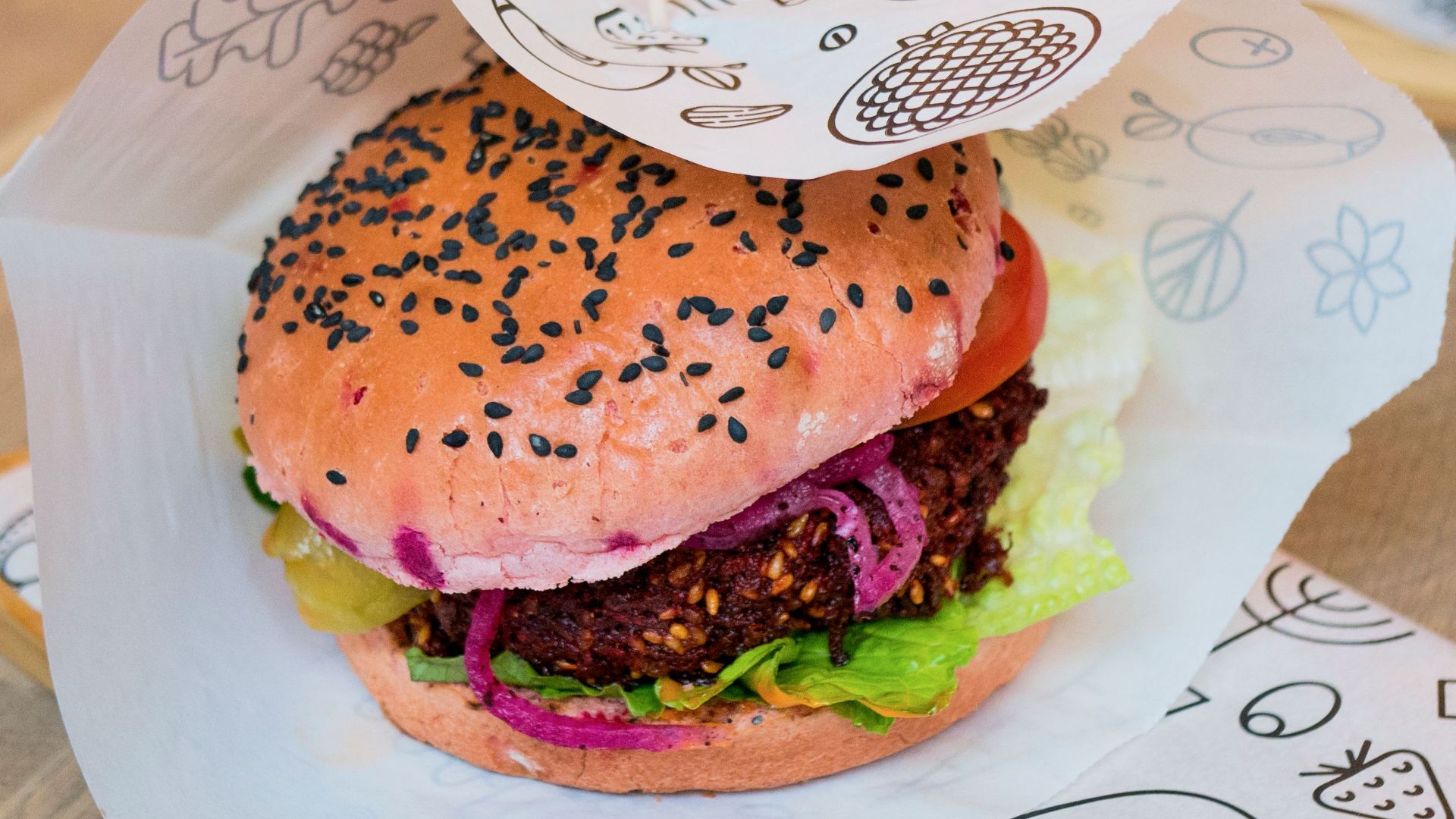
19. Realistic Plant-Based Burgers
Although vegetable patties existed long before Silicon Valley became interested in lunch, American companies such as Impossible Foods and Beyond Meat changed the market by developing products specifically intended to resemble the taste, appearance, and cooking behavior of beef. Their rapid expansion encouraged restaurants and food manufacturers around the world to invest in meat alternatives aimed at ordinary carnivores rather than only committed vegetarians.
20. Pumpkin Spice Everything
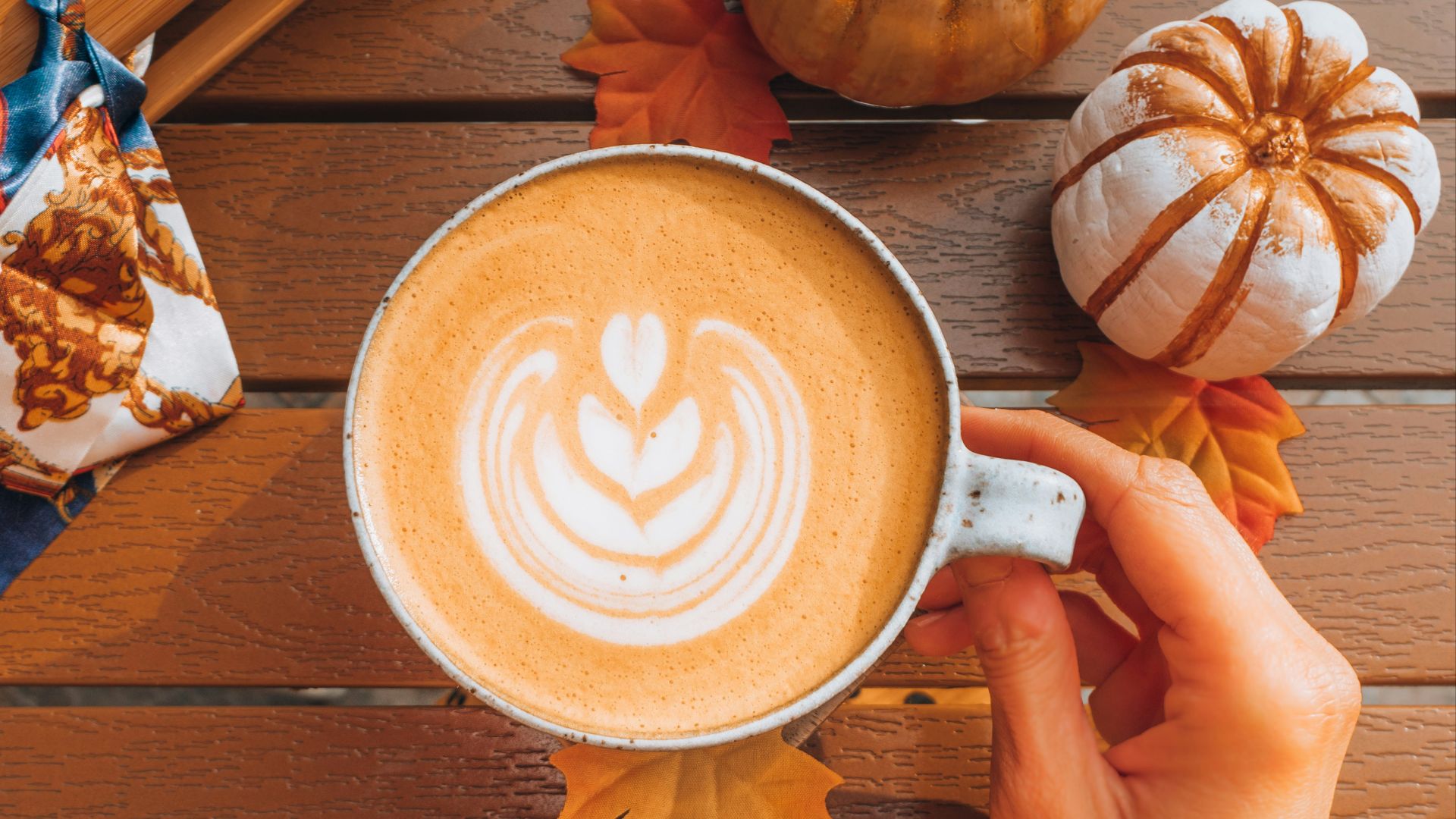
Pumpkin pie spices were familiar in American kitchens long before coffee shops discovered their commercial potential. Starbucks helped turn the flavor combination into a seasonal event with the Pumpkin Spice Latte, after which it appeared in cereals, cookies, creamers, candles, and products that weren’t even edible. The trend has since traveled beyond North America, bringing a highly American version of fall to places where pumpkin pie was never a major tradition.