Some British Food Deserves Another Look
British cooking is often reduced to fish and chips, roast beef, and a few puddings with amusing names, but that narrow view overlooks an impressive collection of regional dishes. Many traditional recipes were designed around affordable local ingredients, practical cooking methods, and the need to feed hardworking families. From seafood soups and savory pies to meatless sausages and fruit-filled breads, these underappreciated dishes show how varied British food can be. Here are the 20 most underappreciated British dishes.
 Sebastian Coman Photography on Unsplash
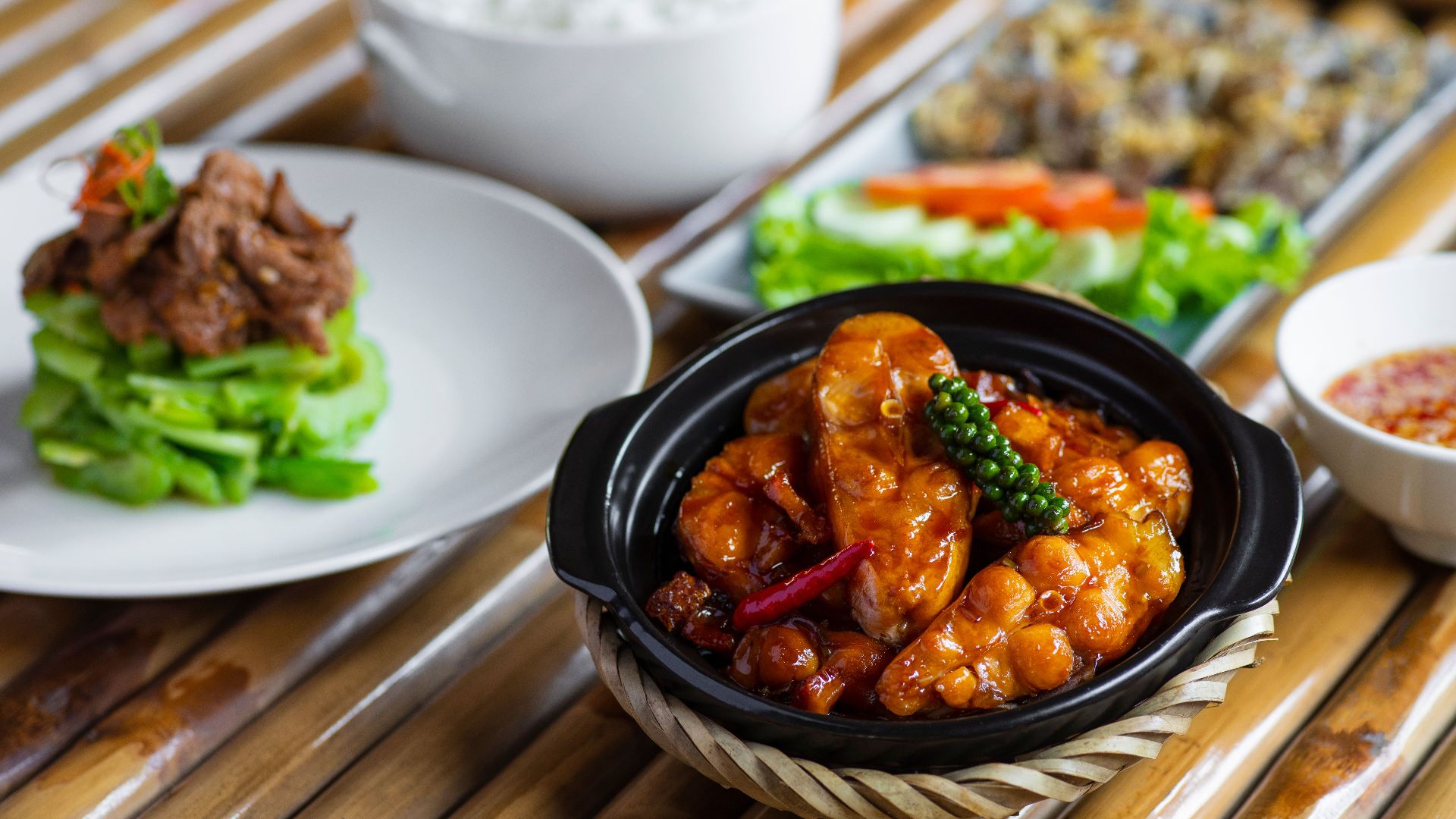
1. Lancashire Hotpot
Lancashire hotpot combines lamb or mutton with onions, stock, and a neat covering of sliced potatoes. Slow baking allows the meat to become tender while the potatoes develop crisp, browned edges. It’s a straightforward meal, but its carefully balanced textures make it far more memorable than an ordinary stew.
2. Cullen Skink
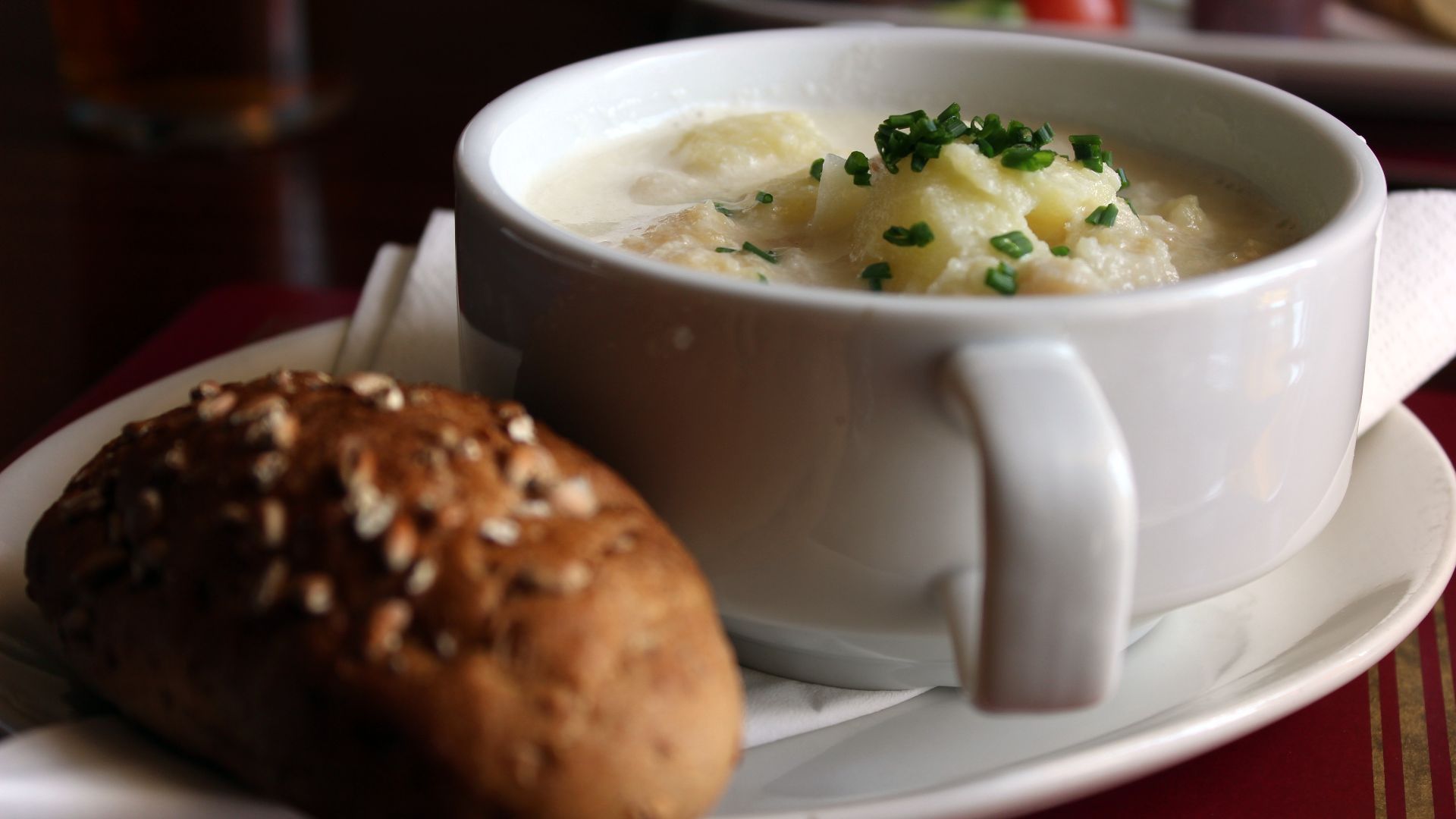
This thick Scottish soup comes from Cullen, a coastal town in Moray, and traditionally uses smoked haddock, potatoes, and onions. The fish gives the creamy broth a distinctive smoky flavor without making it feel overly heavy. Served with bread, it works equally well as a starter or a satisfying cold-weather lunch.
3. Welsh Rarebit
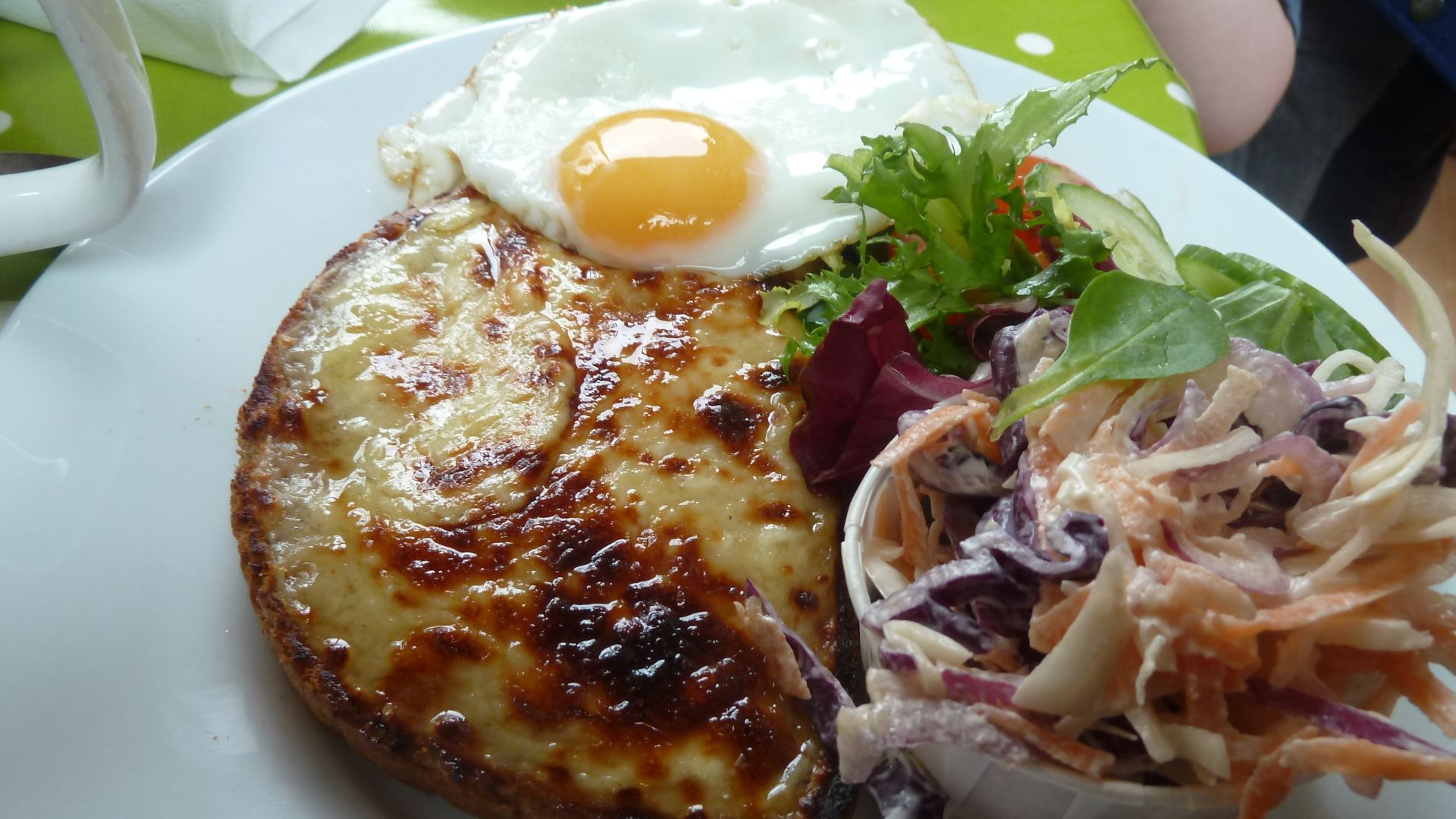
Welsh rarebit is much more interesting than its misleading reputation as basic cheese on toast. A seasoned cheese sauce, often containing mustard, Worcestershire sauce, or ale, is spread over toasted bread and broiled until bubbling.
The result is rich, tangy, and surprisingly sophisticated for such an economical dish.
4. Pan Haggerty
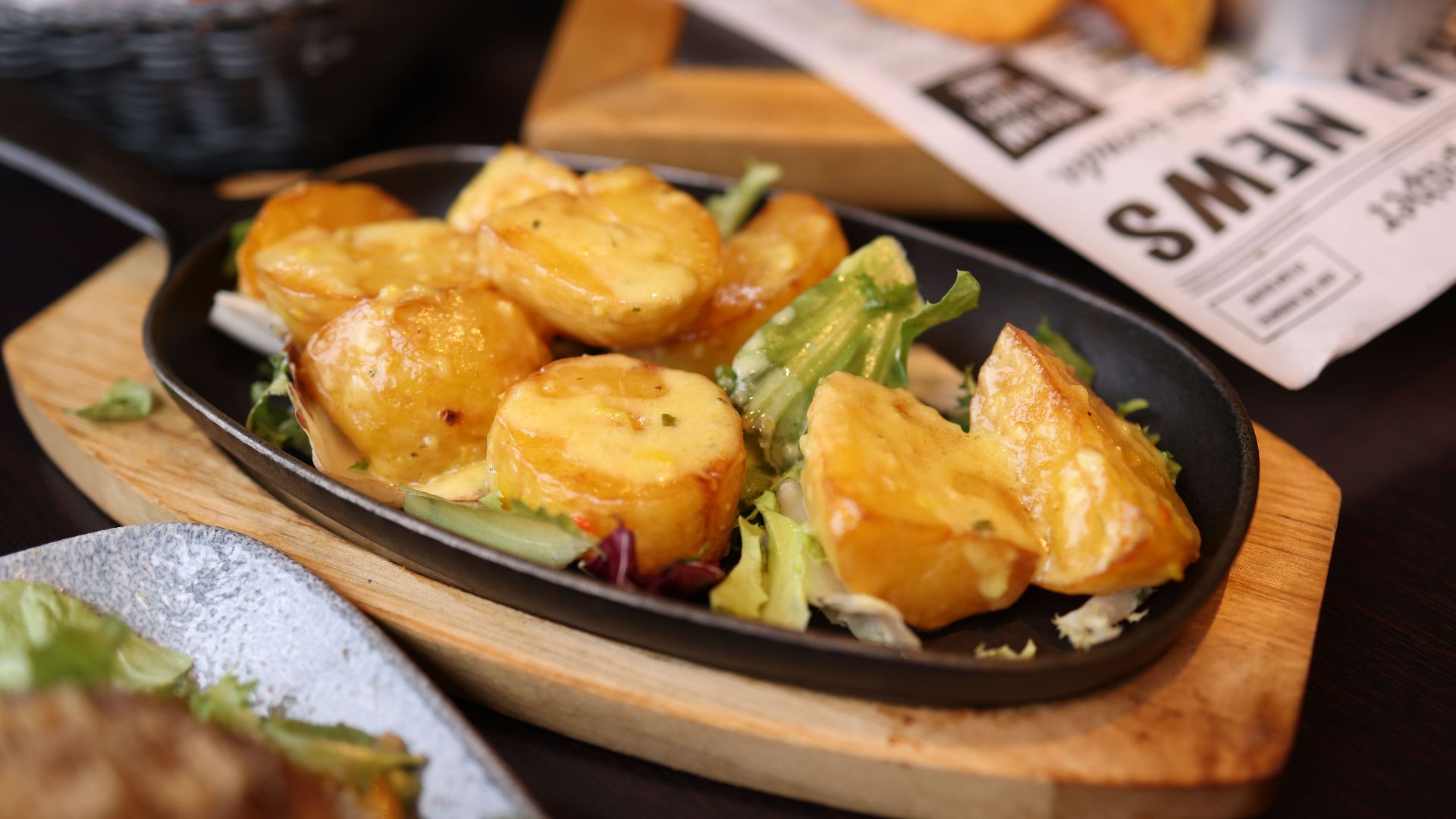
Associated with northeastern England, pan haggerty layers potatoes, onions, and cheese before cooking them together until tender. Some versions begin on the stovetop and finish beneath a broiler to brown the top.
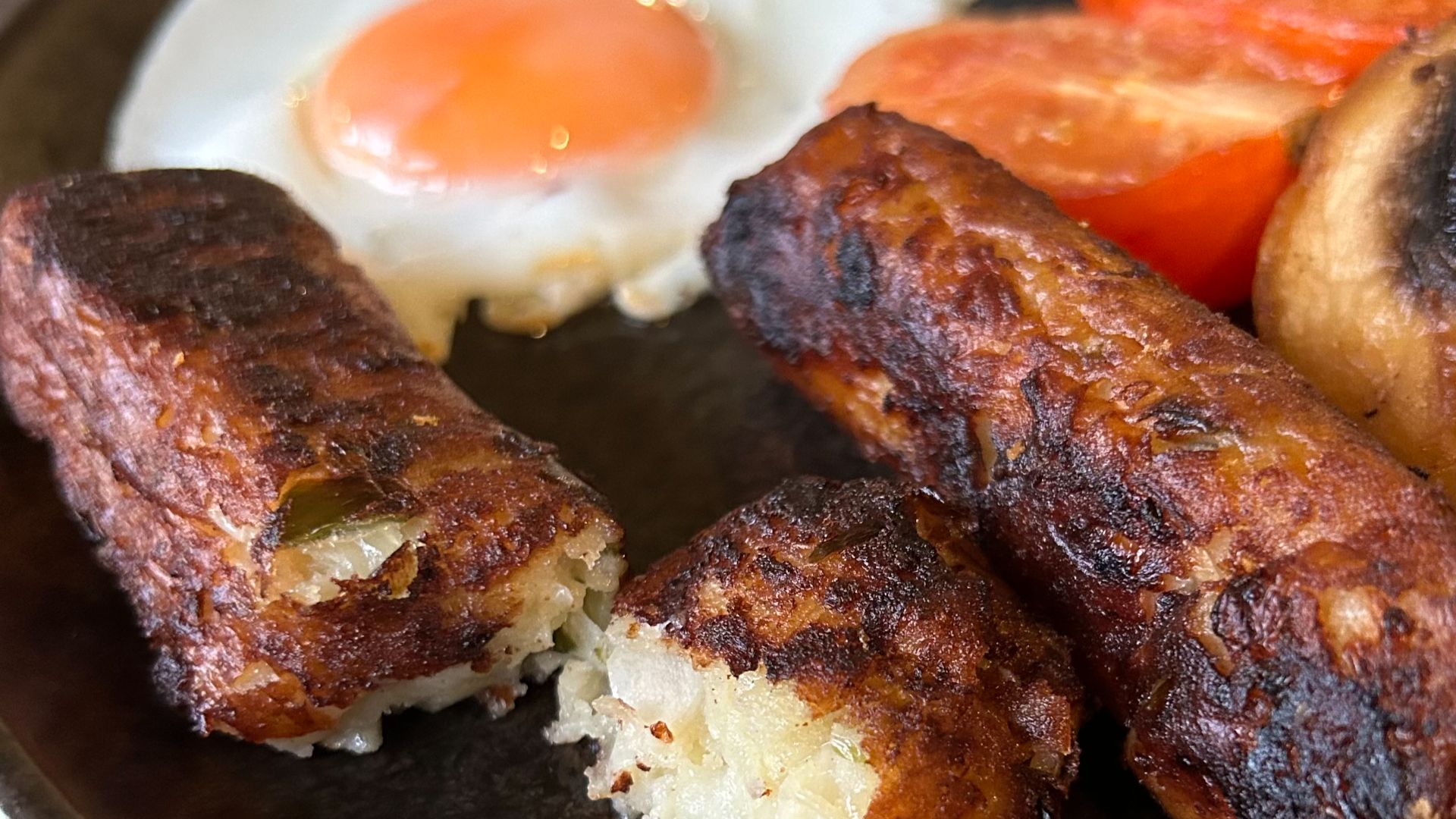
5. Glamorgan Sausages
Despite their name, Glamorgan sausages contain no meat and are traditionally made with cheese, breadcrumbs, leeks, and herbs. Their savory flavor and tender interior prove that vegetarian British cooking existed long before modern meat substitutes became common.
6. Kedgeree
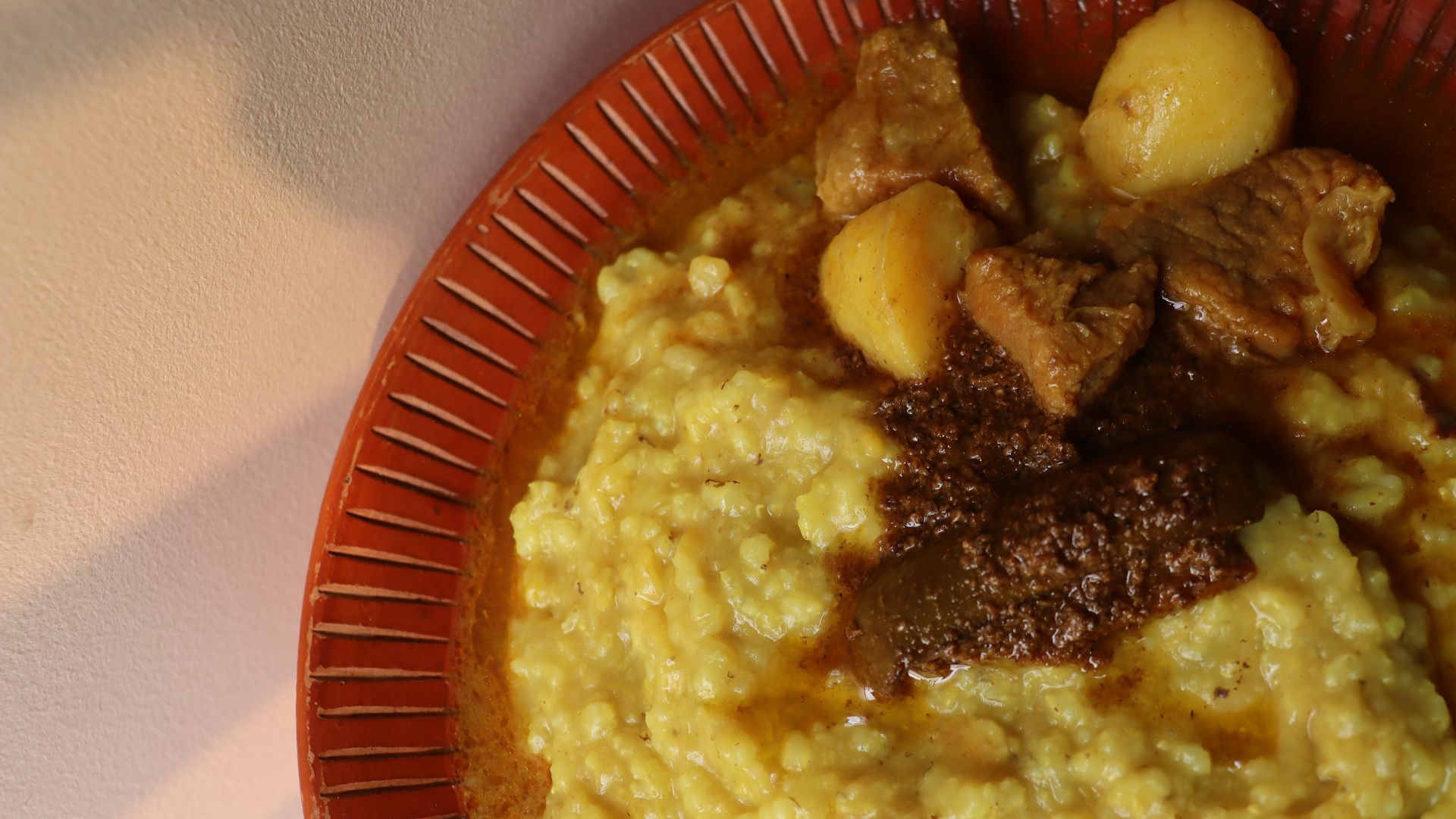
Kedgeree developed in Britain from an Anglo-Indian interpretation of khichdi, although the British version became a distinct dish. It usually combines rice, smoked fish, hard-boiled eggs, parsley, and mild curry seasoning.
7. Bedfordshire Clanger
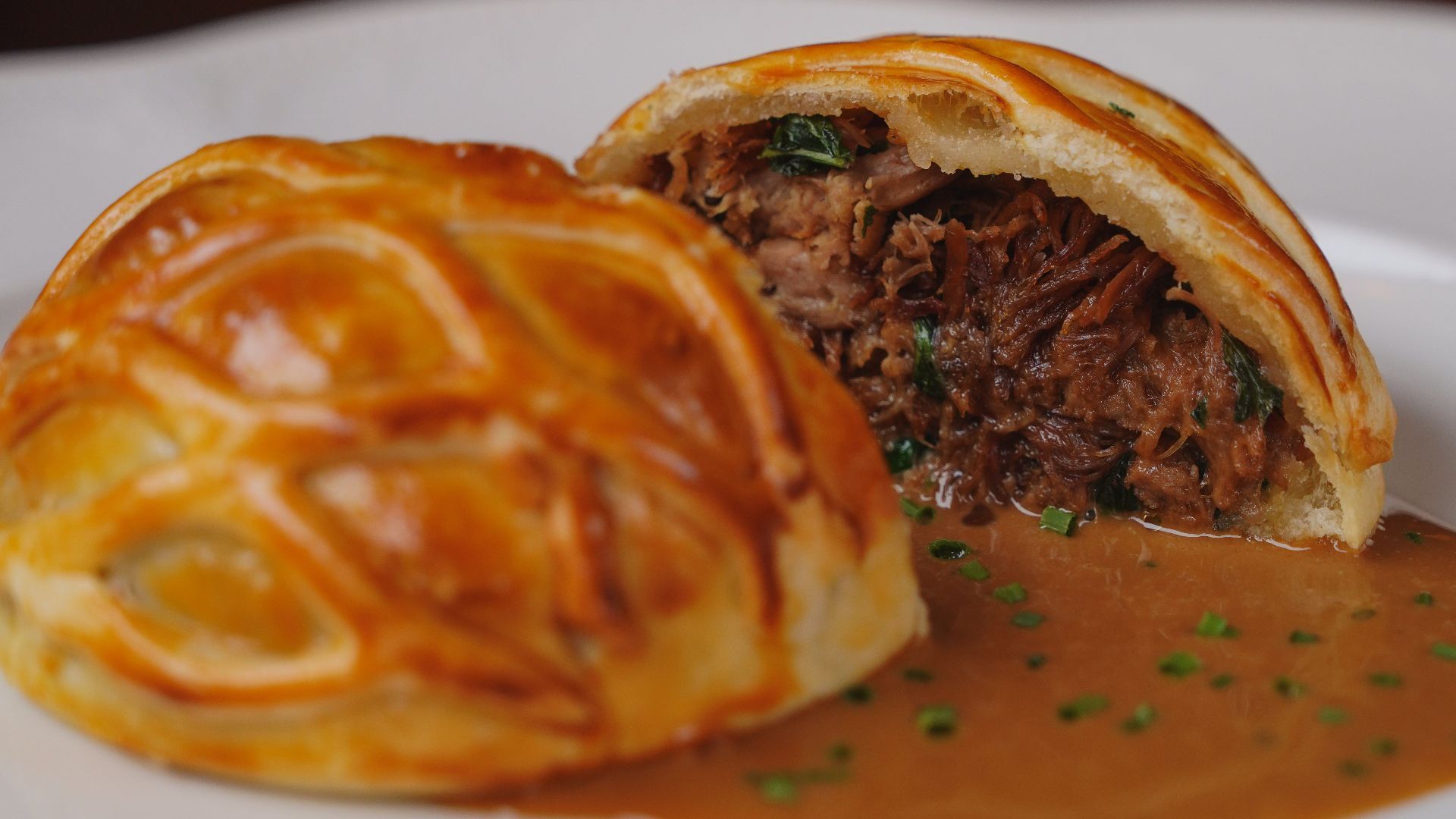
The Bedfordshire clanger is an elongated pastry traditionally associated with agricultural workers in England’s South Midlands. Older versions used suet pastry and savory fillings such as meat, potatoes, and onions, while some included fruit or jam at one end.
8. Laverbread
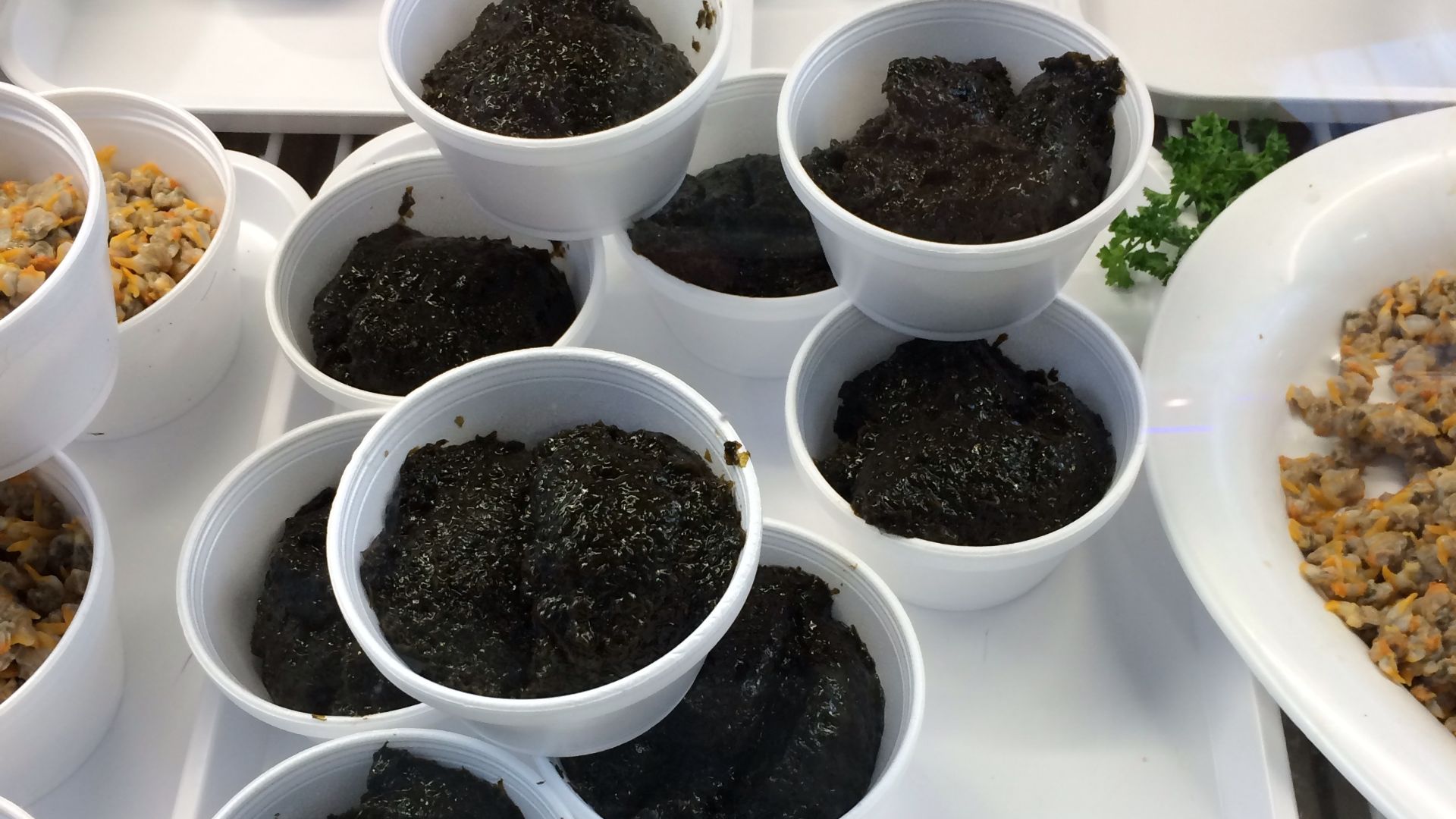
Laverbread isn’t bread at all, but a Welsh preparation made by slowly cooking edible laver seaweed. The seaweed provides a deep savory character and demonstrates how coastal communities made excellent use of ingredients gathered from nearby shores.
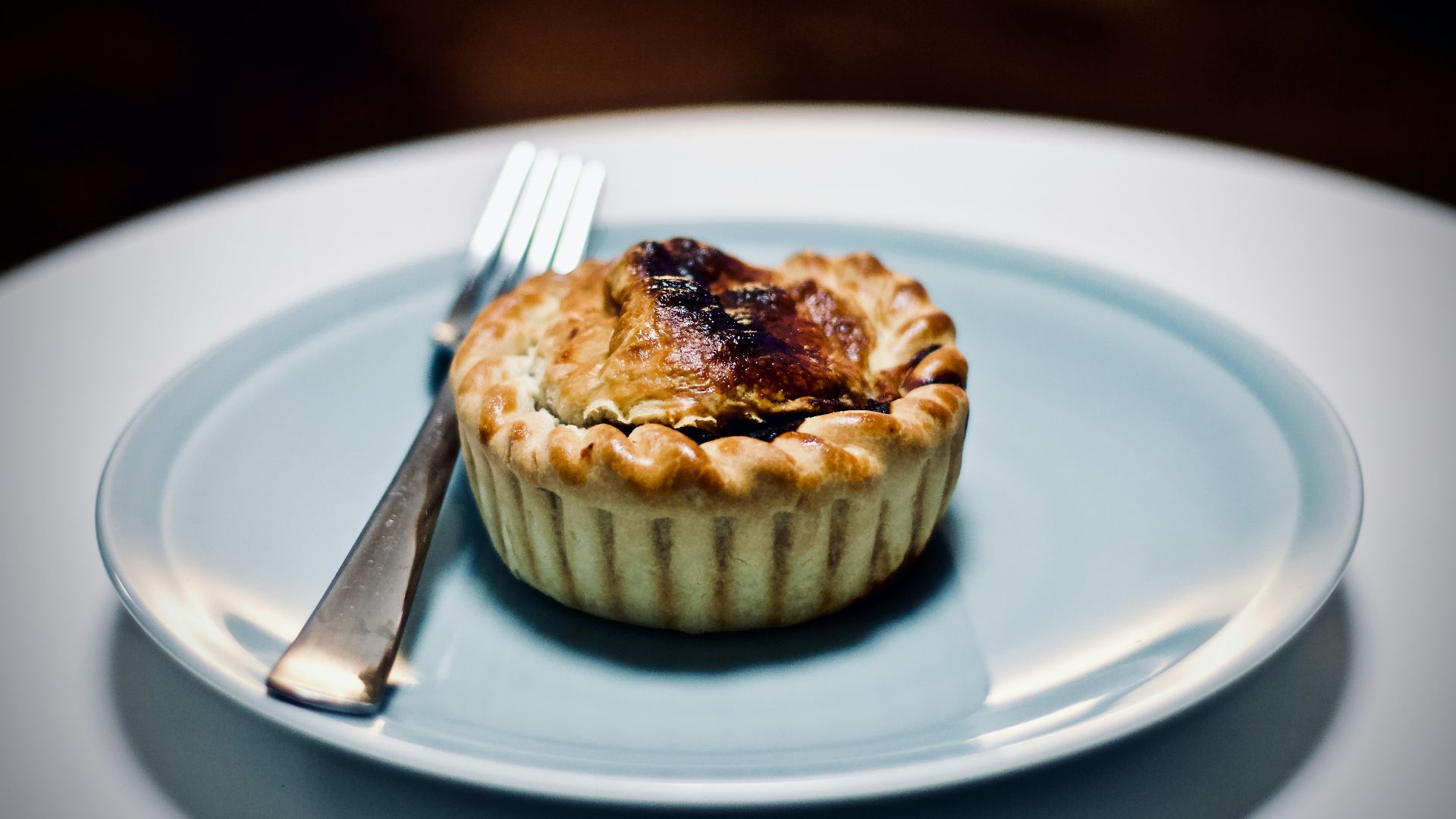
9. Stargazy Pie
This Cornish specialty is immediately recognizable because fish heads traditionally protrude through the pastry crust.
Beneath the unusual presentation, the pie contains pilchards or sardines baked with eggs, potatoes, and seasonings.
 Jelleke Vanooteghem on Unsplash
10. Bubble and Squeak
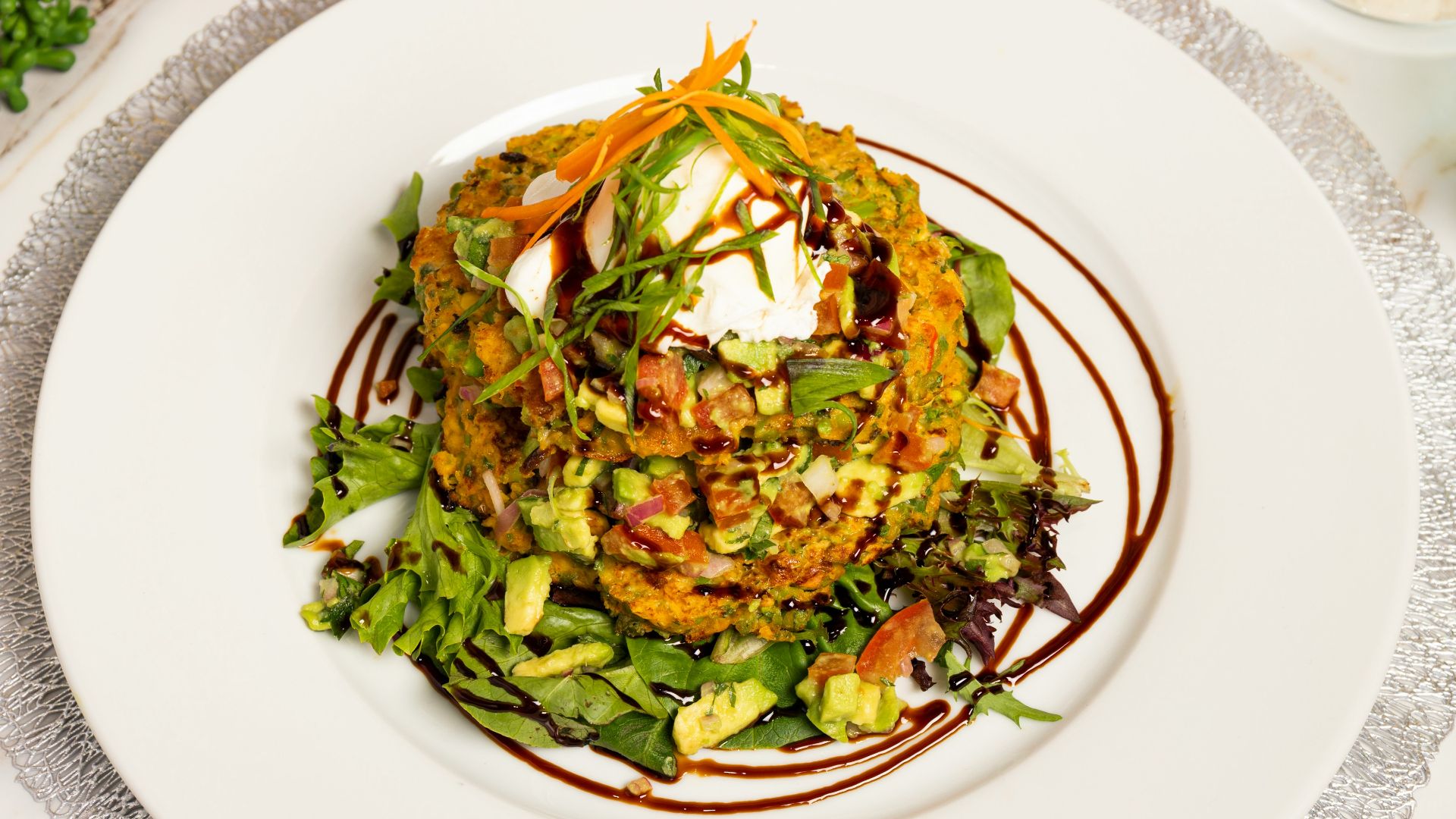
Bubble and squeak turns leftover potatoes and cooked vegetables into a crisp, pan-fried meal. Cabbage is a traditional addition, although carrots, Brussels sprouts, and other roast-dinner leftovers can also be included. It reduces food waste while producing something flavorful enough to deserve attention beyond the day after a holiday meal.
11. Scotch Broth
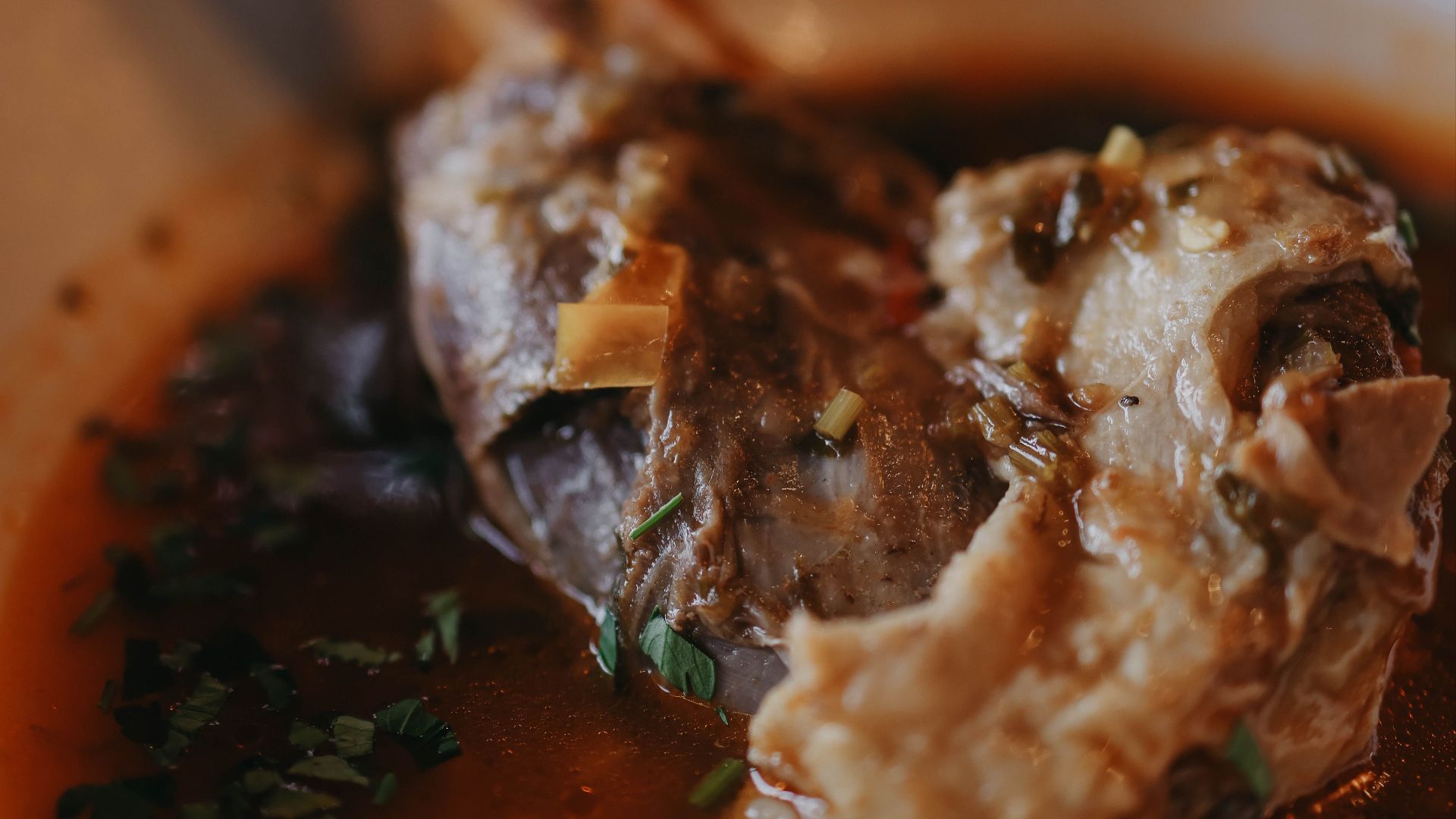
Scotch broth is a substantial soup traditionally prepared with lamb or mutton, barley, root vegetables, and split peas. Barley thickens the broth naturally and gives every serving a satisfying texture.
12. Butter Pie
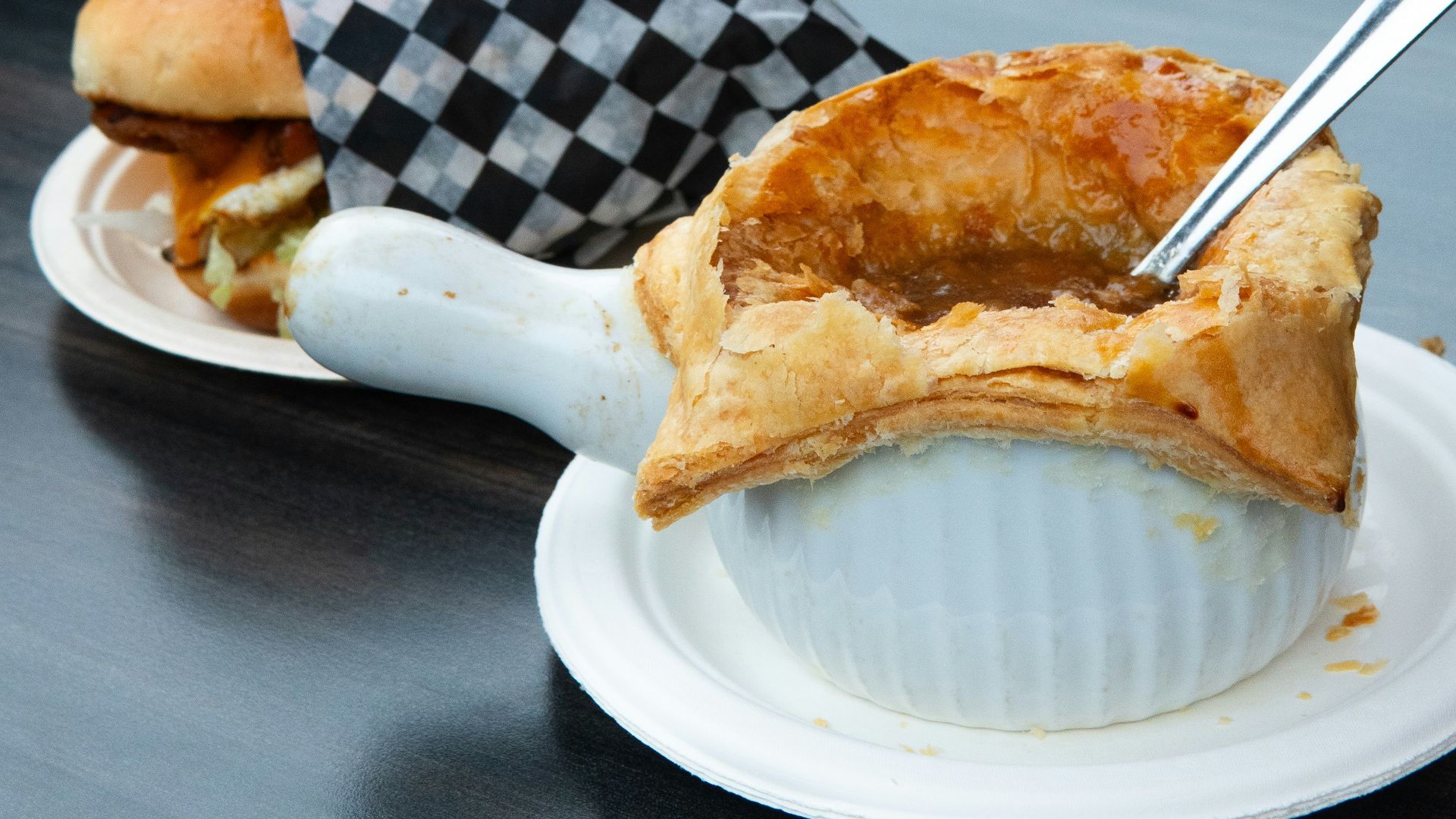
Originating in Lancashire, butter pie is filled with sliced potatoes, onions, and generous amounts of butter. It was historically associated with Catholic communities who avoided meat on certain days. The filling may sound restrained, but seasoning and properly cooked onions create a rich pie that doesn’t require meat to feel indulgent.
13. Pease Pudding
Pease pudding is a northeastern English dish made by simmering split yellow peas until they become soft and spreadable. It’s traditionally served with ham, bacon, or boiled meats, where its mild earthiness balances saltier flavors.
14. Toad in the Hole
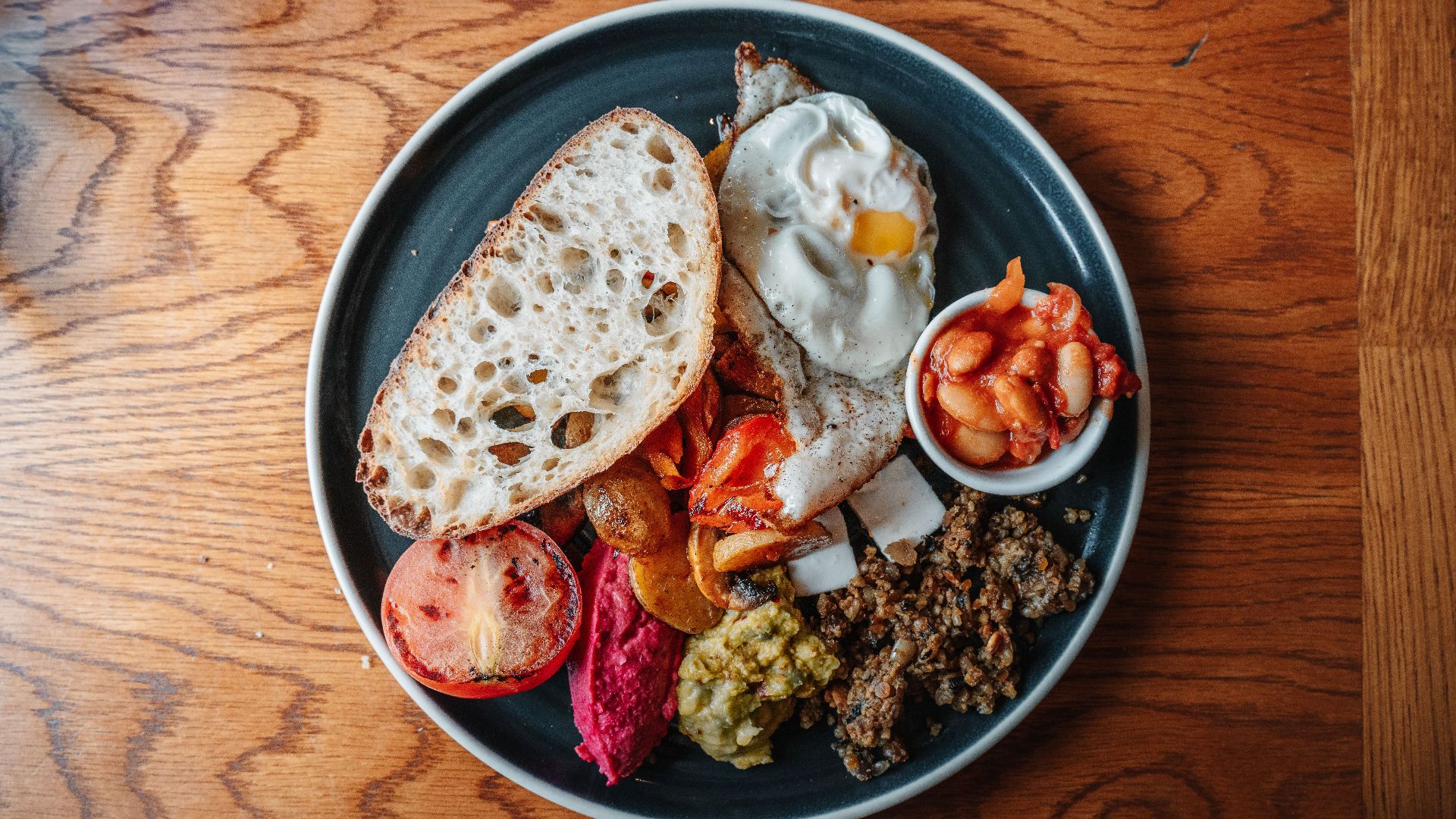
Toad in the hole consists of sausages baked inside a large Yorkshire pudding batter. As it cooks, the batter rises around the sausages and develops a crisp exterior with a soft center.
Onion gravy is the usual companion, turning a handful of inexpensive ingredients into a comforting and visually impressive family meal.

15. Cawl
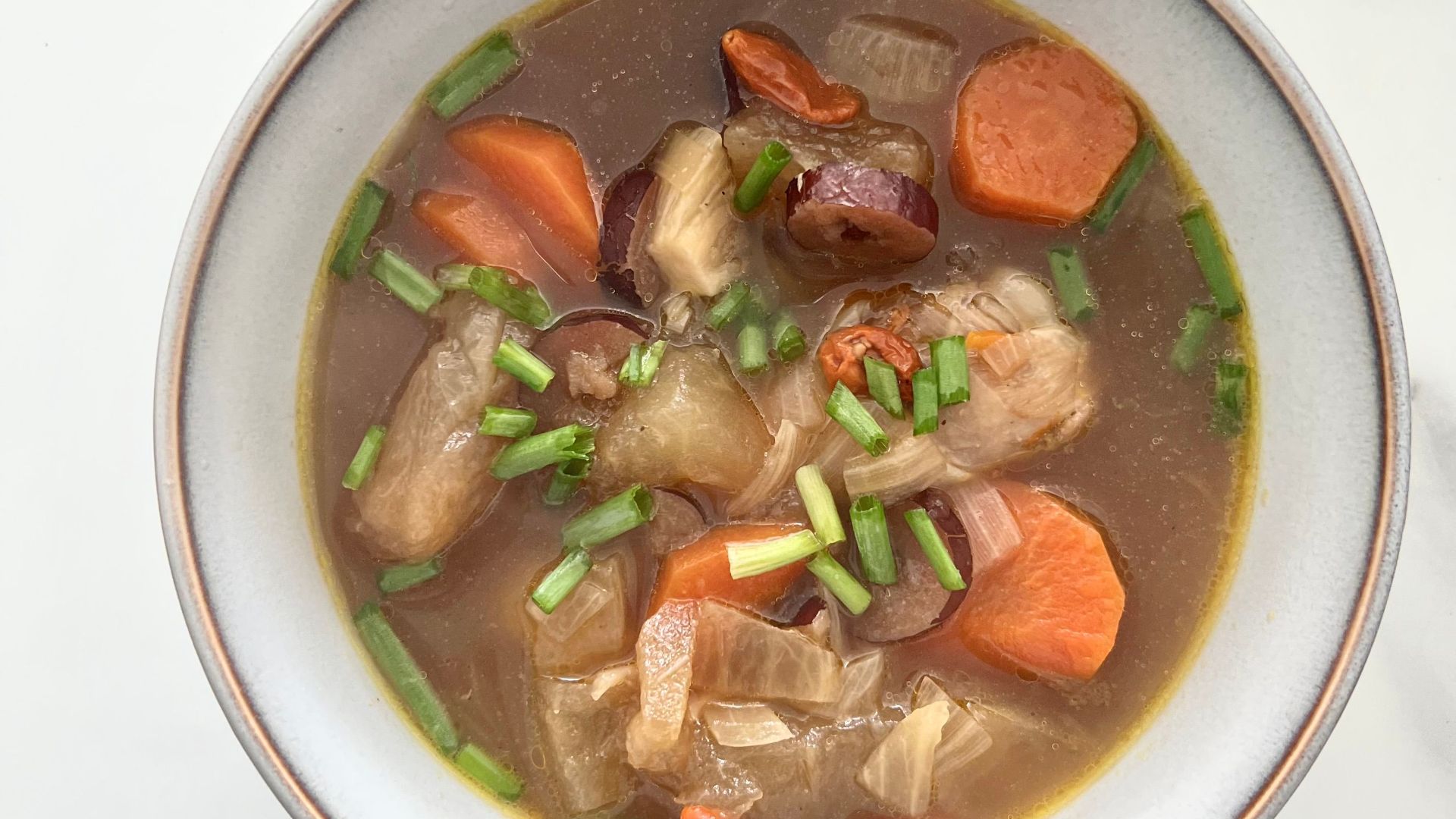
Often regarded as a national dish of Wales, cawl is a broth or stew traditionally made with meat and seasonal vegetables. Lamb is common today, although older versions could contain bacon or other available cuts. Recipes differ between households, which reflects the dish’s history as practical home cooking rather than a rigid restaurant creation.
16. Arbroath Smokies
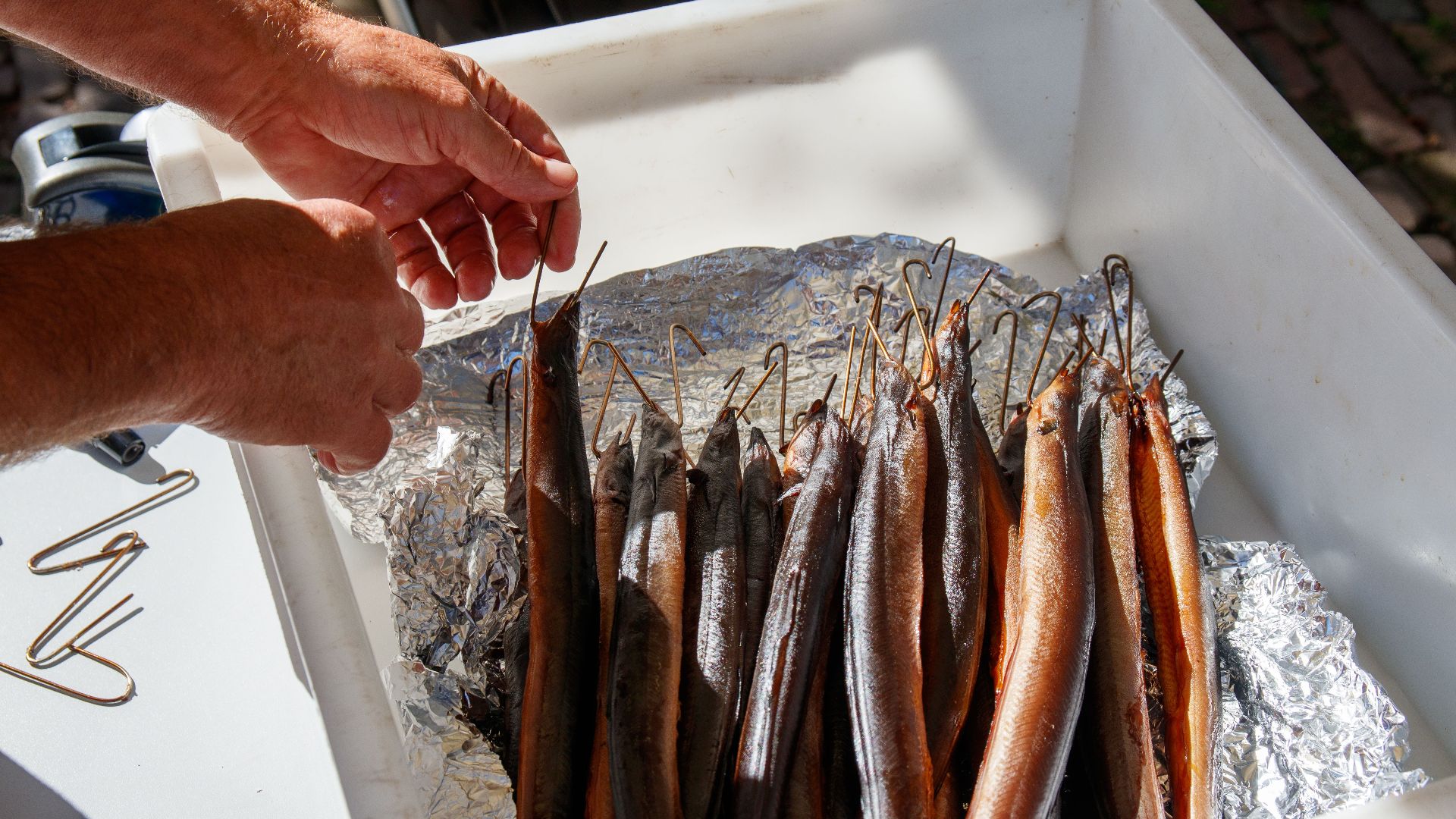
Arbroath smokies are haddock that have been salted and traditionally hot-smoked over hardwood in and around Arbroath, Scotland. The smoking process cooks the fish while giving it a deep flavor and moist texture.
17. Fidget Pie
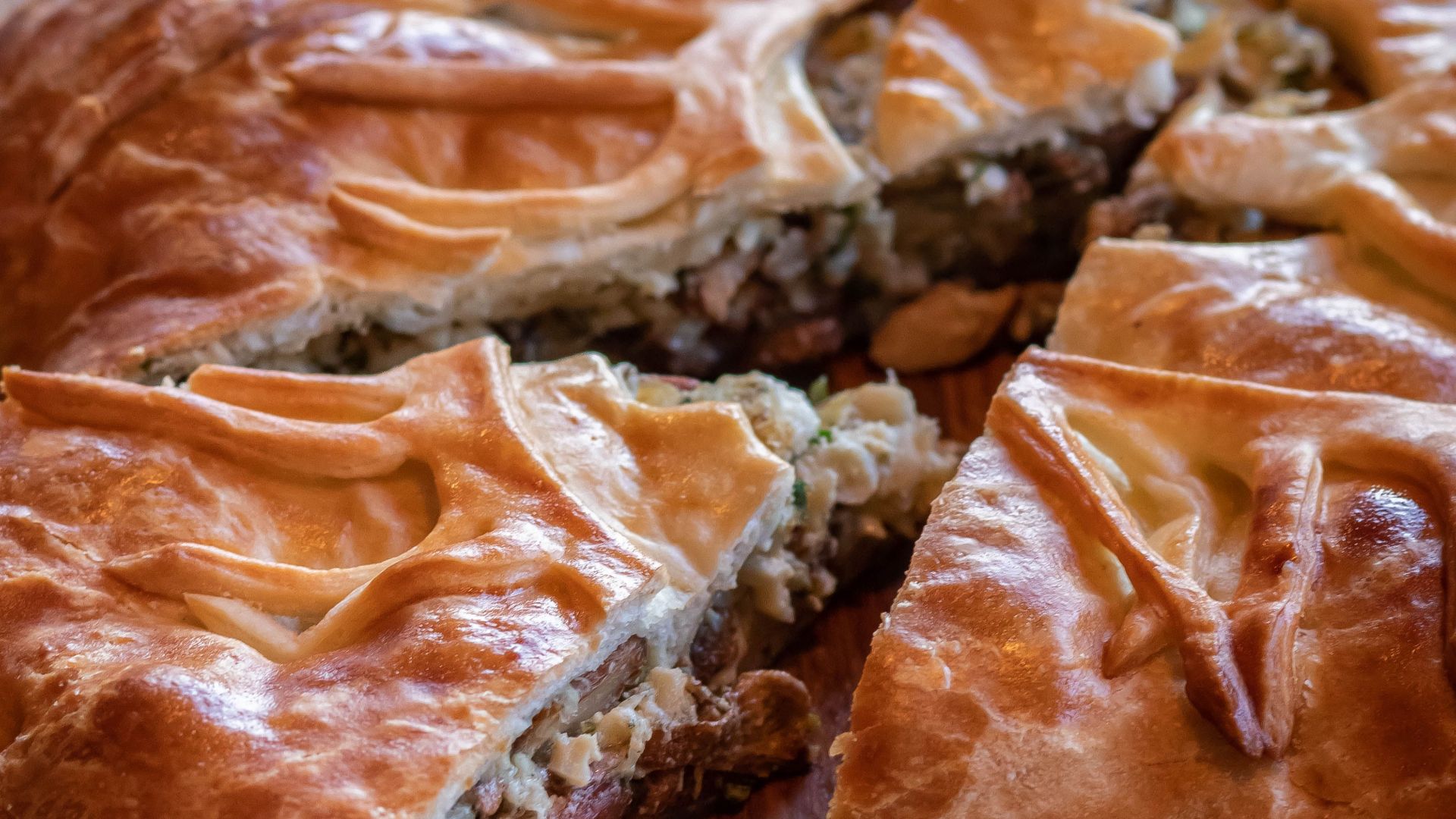
Fidget pie is associated with the English Midlands and usually contains bacon, apples, onions, and potatoes beneath a pastry crust. The apples provide sweetness and acidity that complement the salty pork rather than making the filling taste like dessert.
18. Herring Roes on Toast
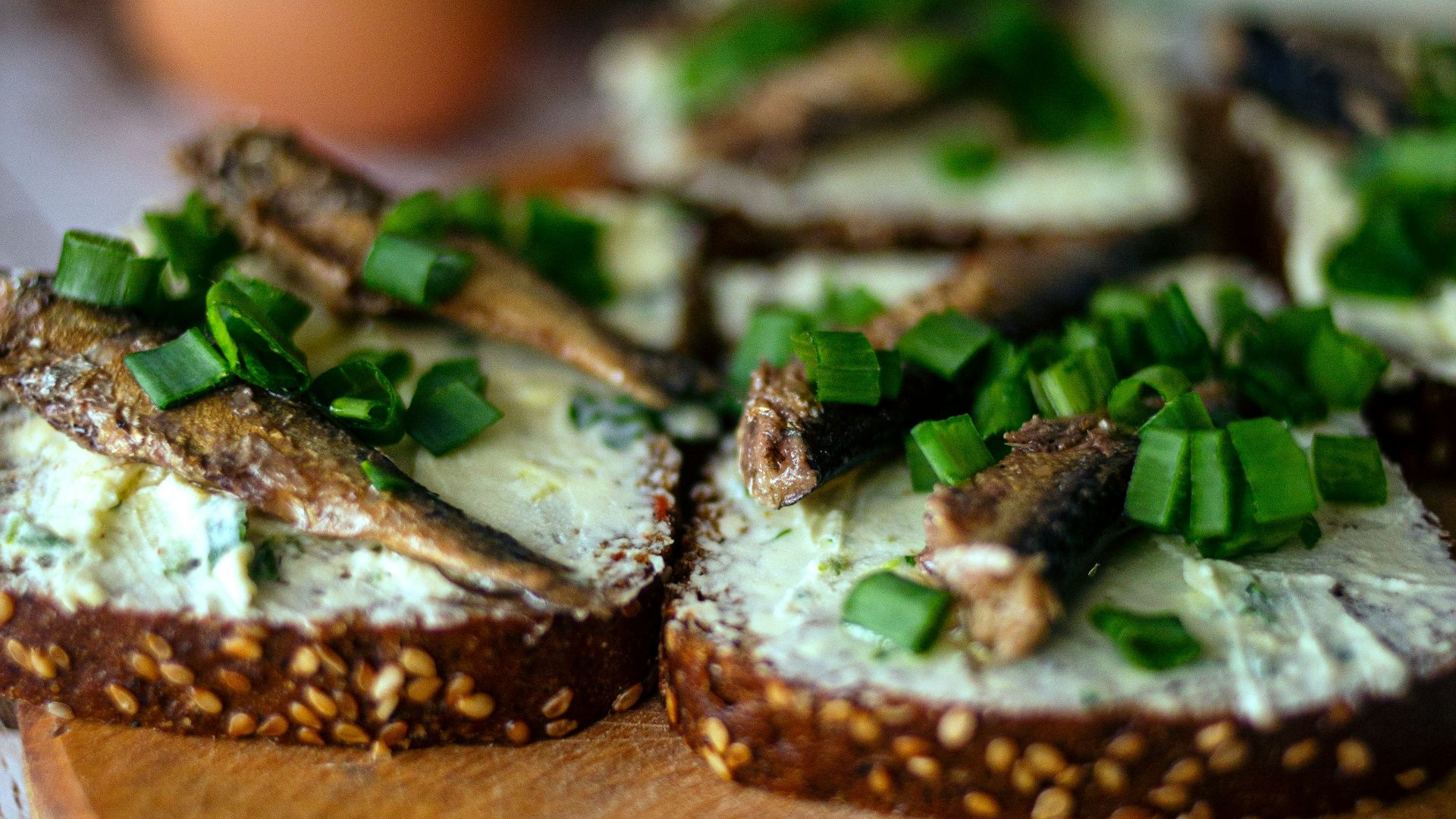
Soft herring roes, also called milts, were once a familiar and inexpensive British breakfast or light supper. They’re commonly seasoned, gently fried, and served on buttered toast with lemon juice.
19. Bara Brith
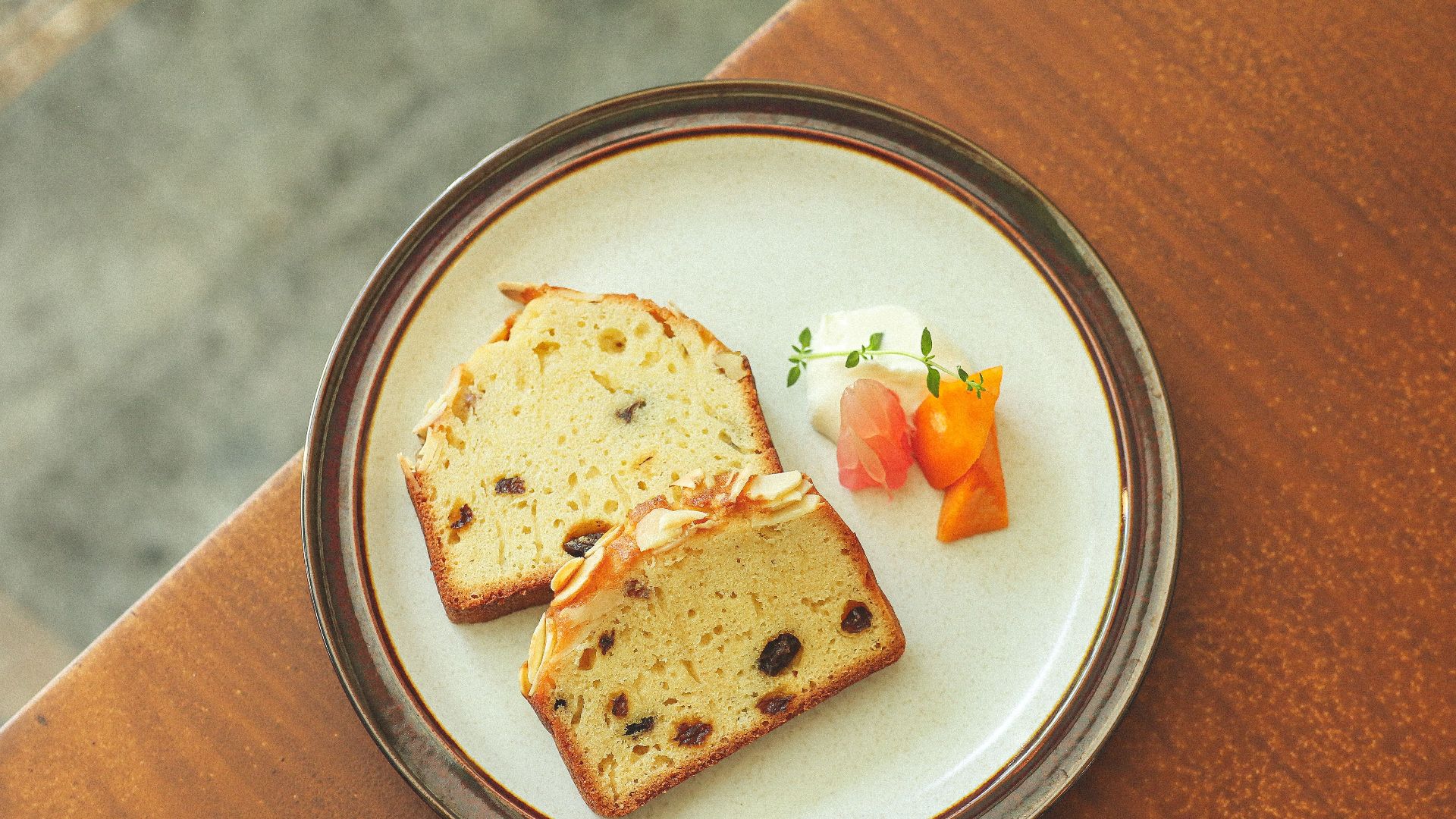
Bara brith is a Welsh fruit loaf whose name translates roughly as “speckled bread”. Sliced and spread with butter, it offers a less sugary alternative to cake while still feeling appropriate for afternoon tea.
20. Eton Mess
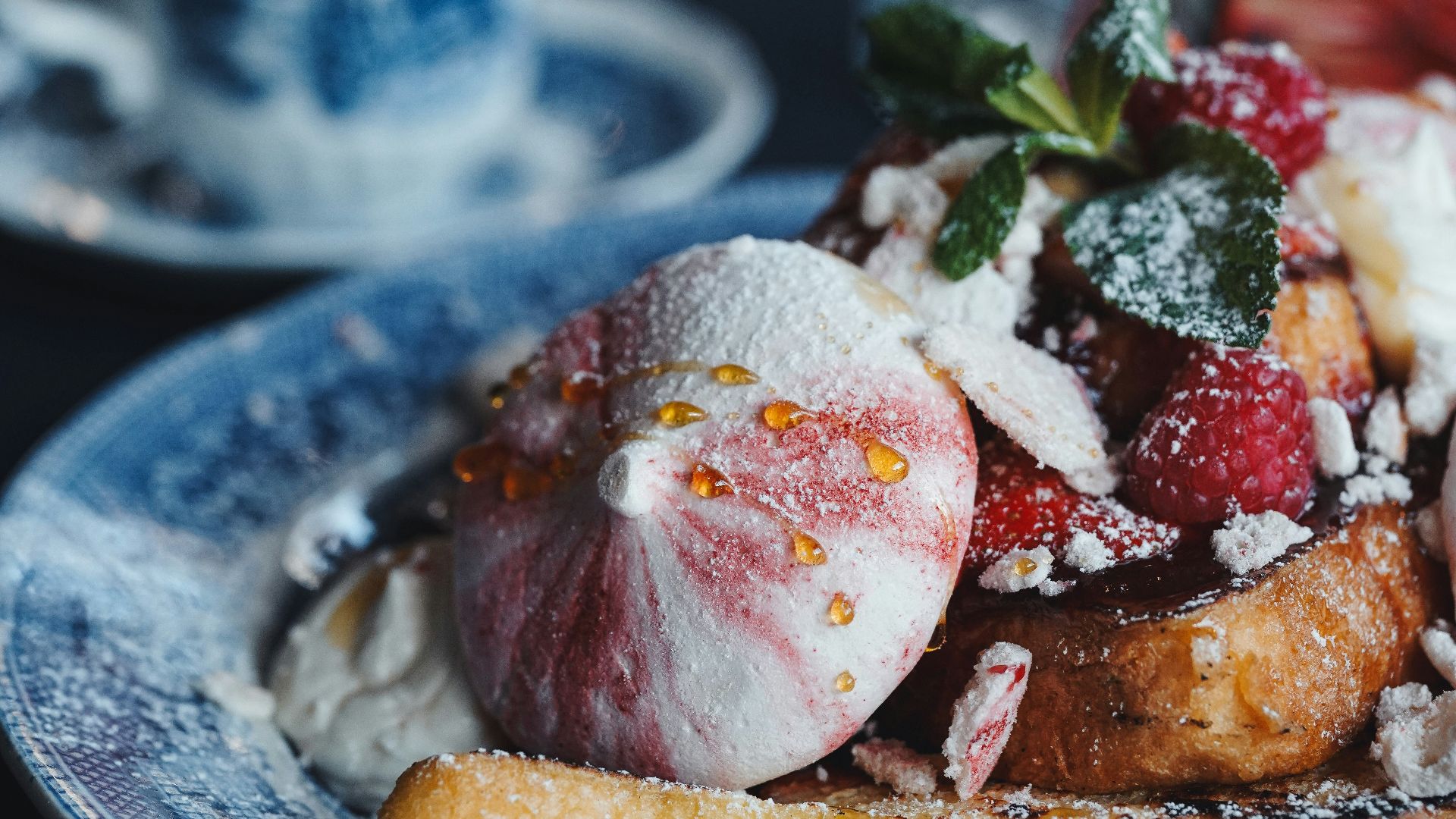
Eton mess combines crushed meringue, whipped cream, and strawberries in a deliberately informal dessert. Its association with Eton College is well established, although stories explaining its exact creation vary.