20 Now-Everyday Foods People Used to Be Afraid to Eat
Dinner Wasn't Always This Relaxed
A lot of foods that are now commonplace were once assumed dangerous. Sometimes people feared them because they resembled poisonous plants, were blamed for diseases nobody understood yet, or simply because they were unfamiliar. A few of these old worries had a grain of logic behind them, but plenty were based on rumor, bad science, or one unfortunate meal that became everybody's problem. Here are 20 common foods that people were at one time afraid of.
1. Tomatoes
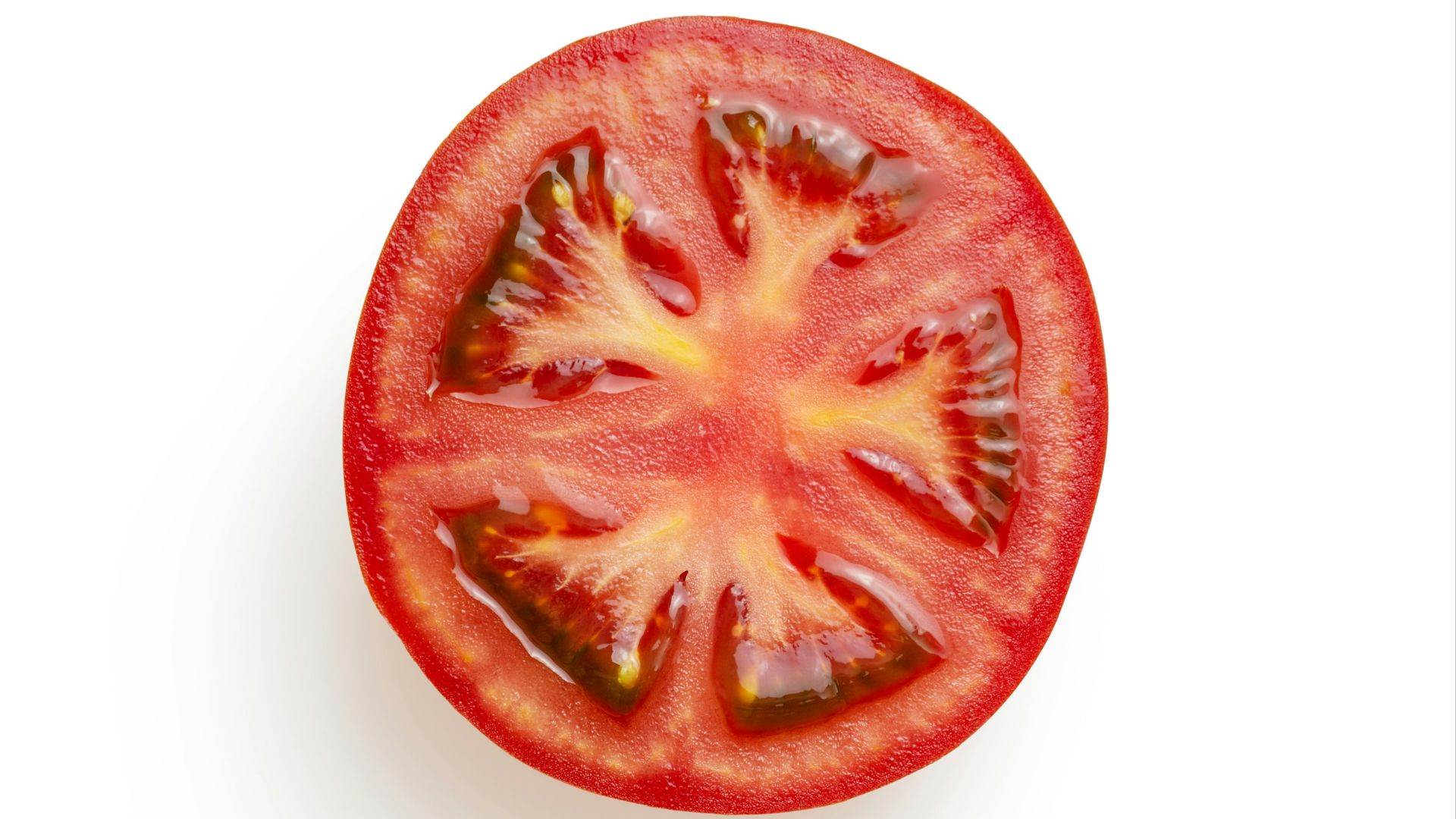
For centuries, many Europeans regarded tomatoes with suspicion, and they eventually picked up the dramatic nickname "poison apples." Wealthy diners sometimes became sick after eating them, but the real culprit was often pewter tableware, which could leach lead when exposed to acidic tomato juice. Tomatoes also belong to the nightshade family, certain types of which are poisonous.
2. Potatoes
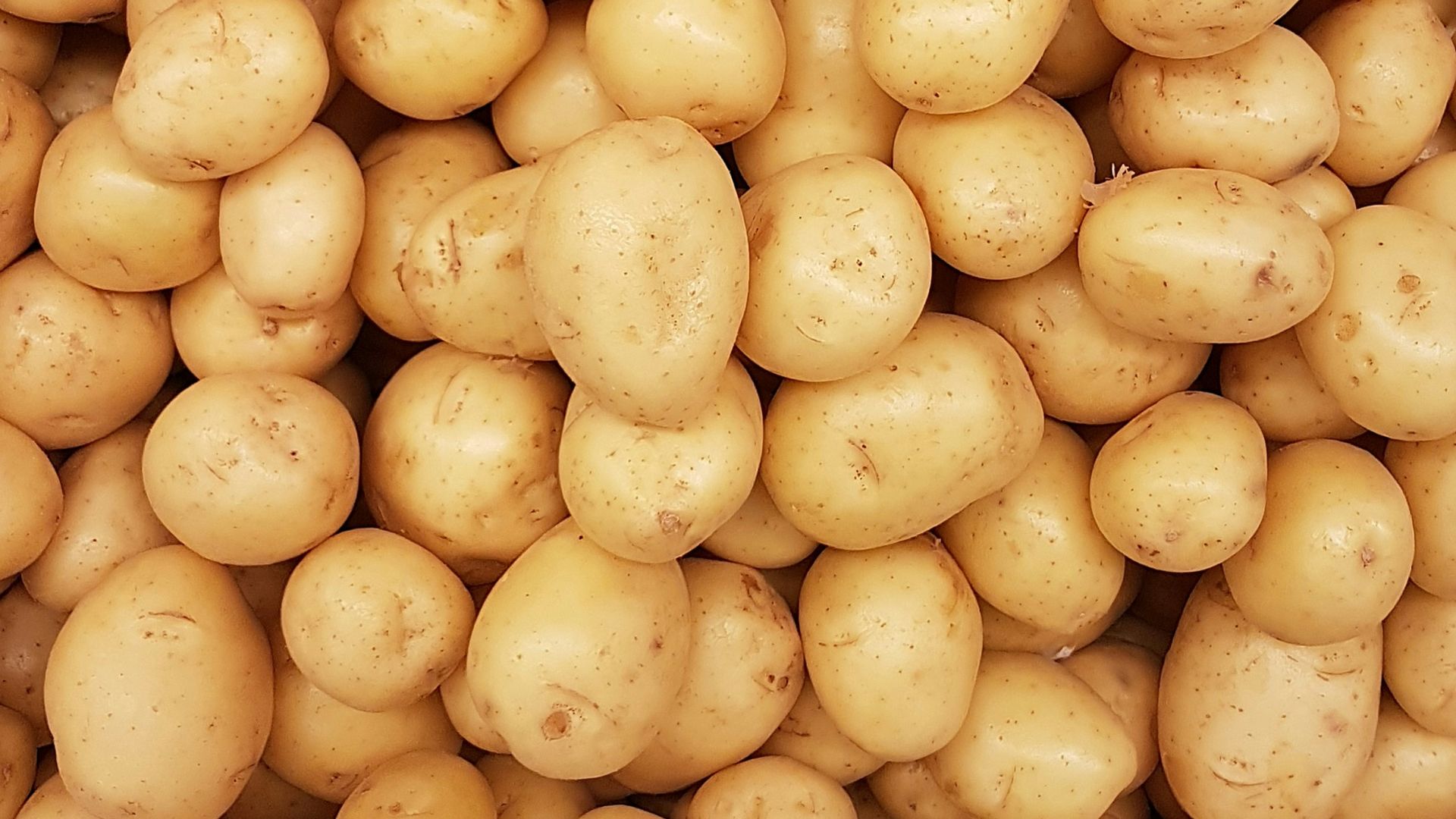
Potatoes had a rough introduction in parts of Europe because they grew underground, weren't mentioned in the Bible, and belonged to the same botanical family as several poisonous plants. Some people even believed eating them could cause diseases such as leprosy.
3. Eggplant
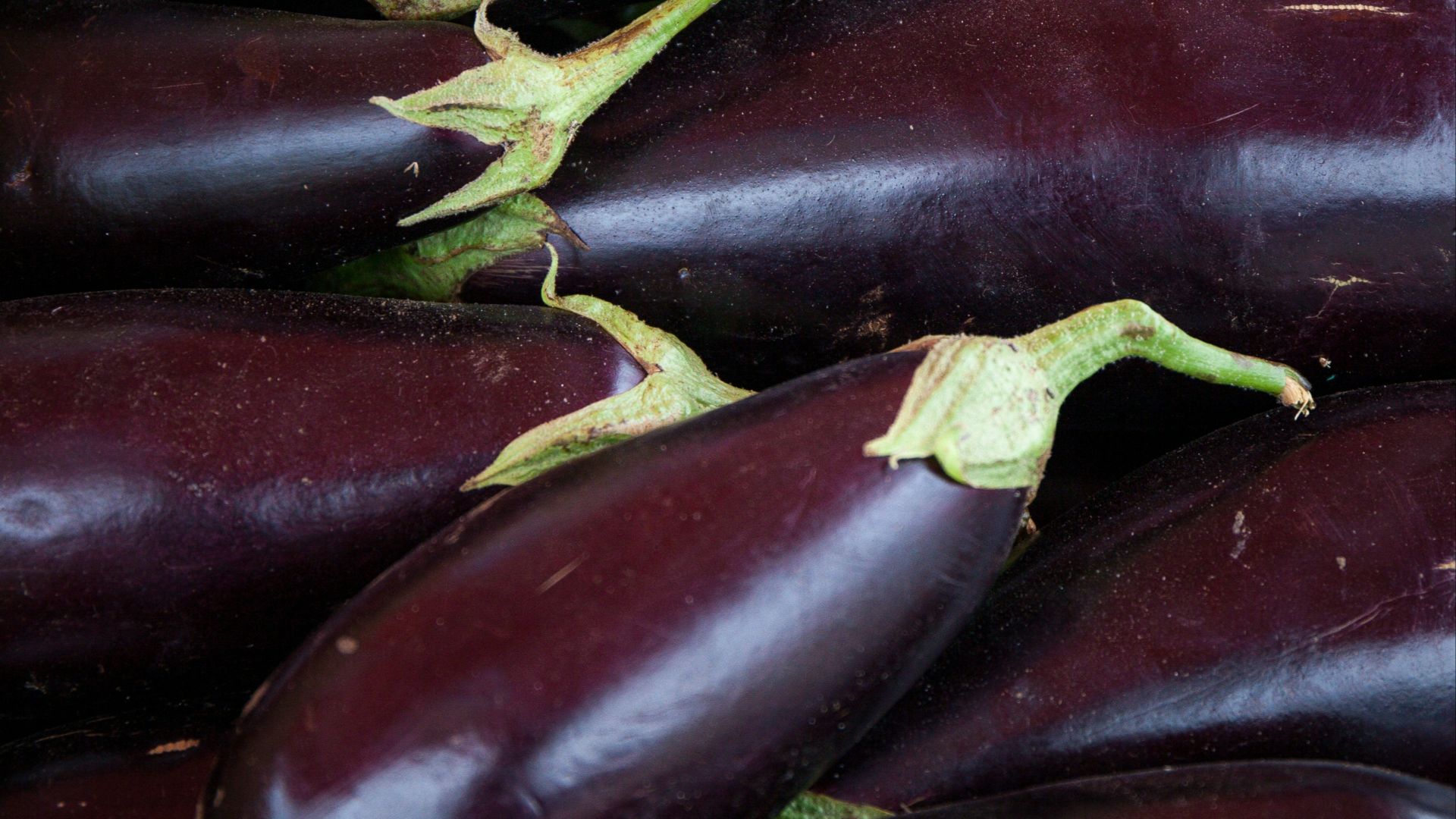
Eggplant once carried the alarming nickname "mad apple." Medieval medical texts claimed that eating them caused madness, epilepsy, and heart disease, while cultural prejudices in Europe branded the crop unhealthy because it was popularized by Muslim and Jewish culinary traditions. It also shares a botanical family with toxic plants and tastes horribly bitter when raw. Eventually, cooks proved that a properly prepared eggplant was considerably less dramatic than advertised.
4. Lobster
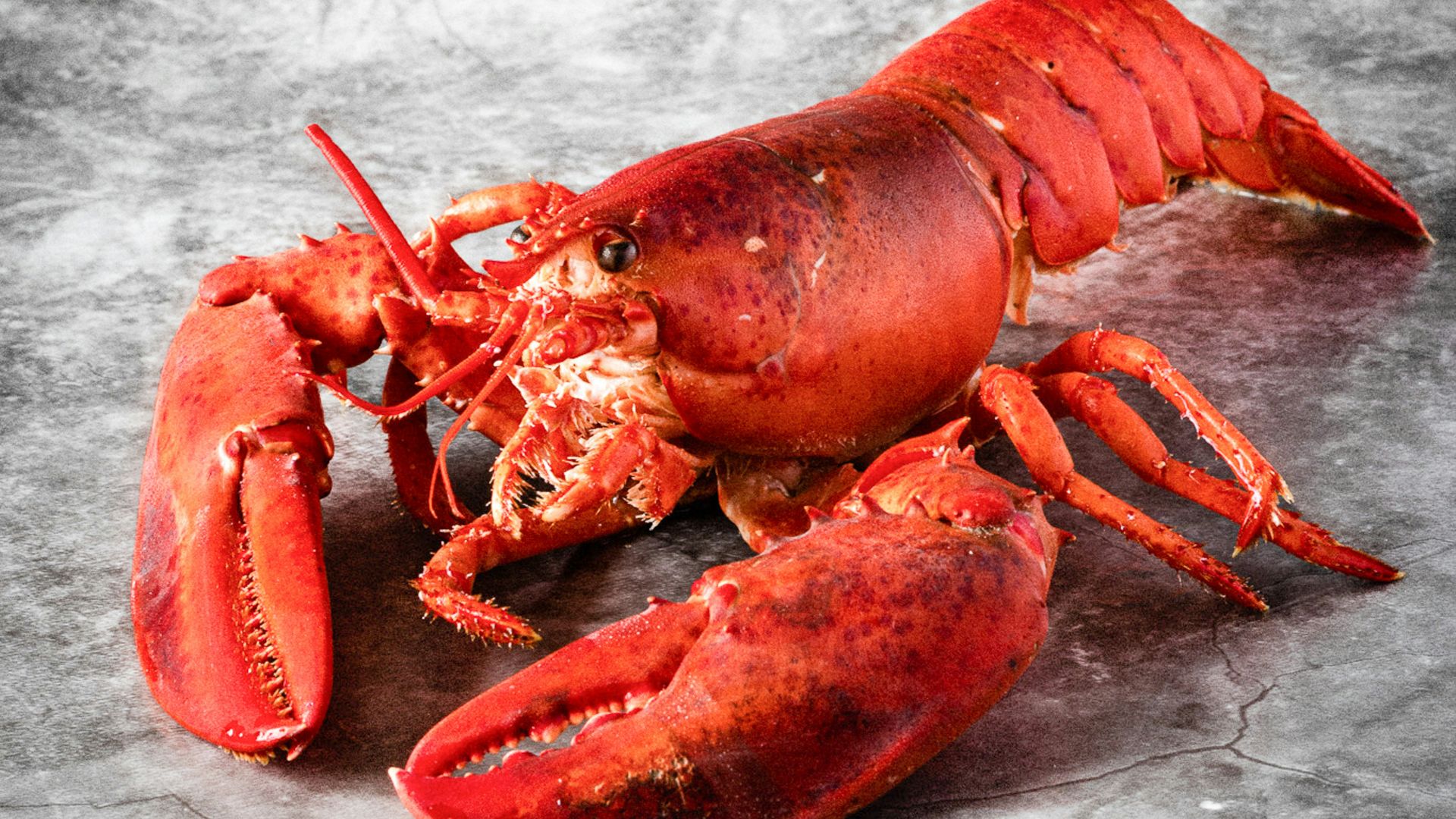
Lobster wasn't initially feared as poisonous, but many people were deeply suspicious of it as food. Believe it or not, Colonial Americans associated it with poverty, prisoners, slaves, and servants. Refrigerated transportation and changing culinary tastes eventually transformed lobster from an unwanted shoreline food into one of the most expensive things on many restaurant menus.
5. Mushrooms
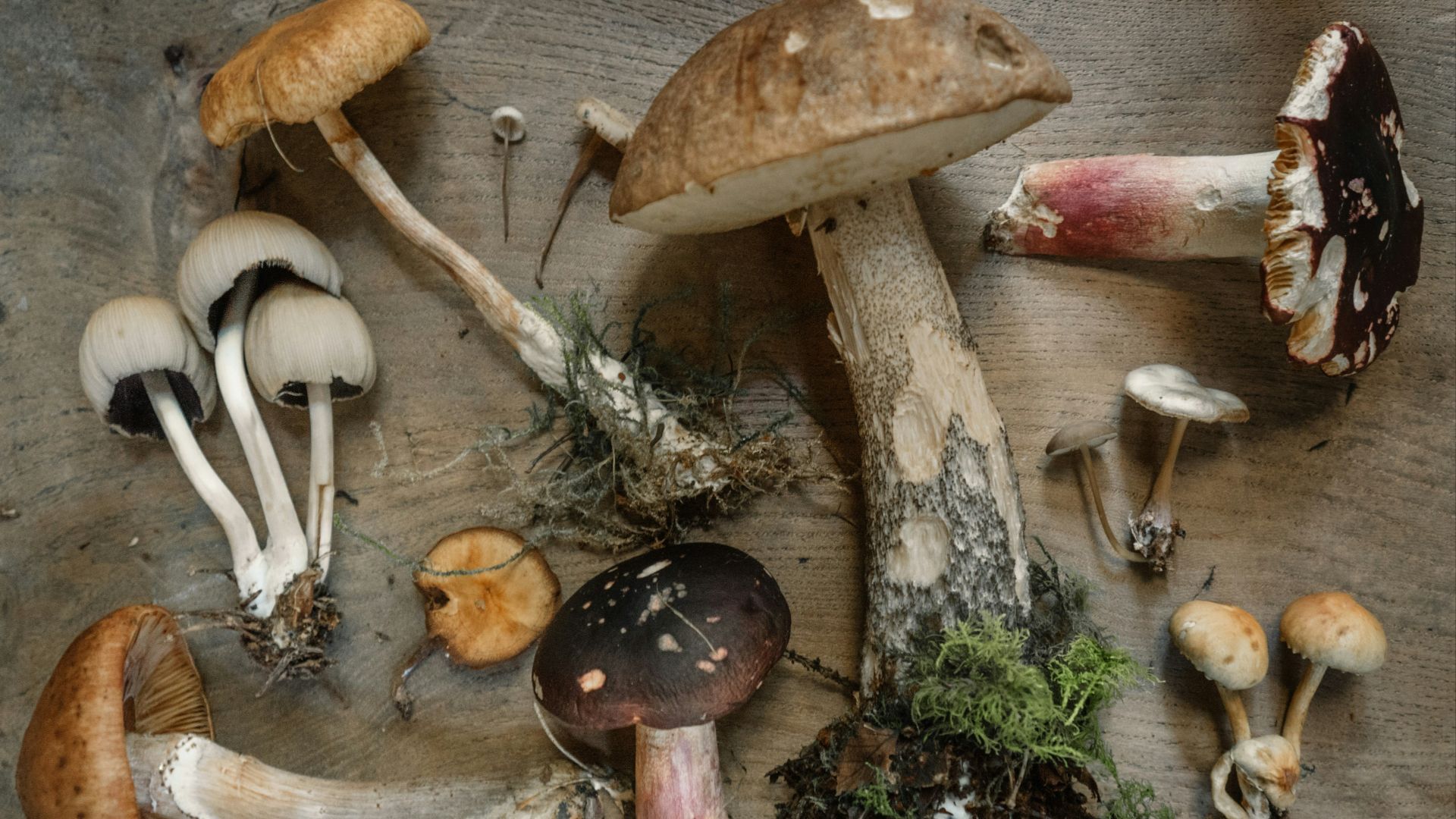
Wild mushrooms have always required a certain amount of caution because some species really can kill you. That danger caused many cultures and individuals to distrust mushrooms in general rather than try to understand the difference between species. Commercial cultivation eventually made familiar mushrooms much less intimidating because shoppers no longer had to gamble on whatever somebody found in the woods.
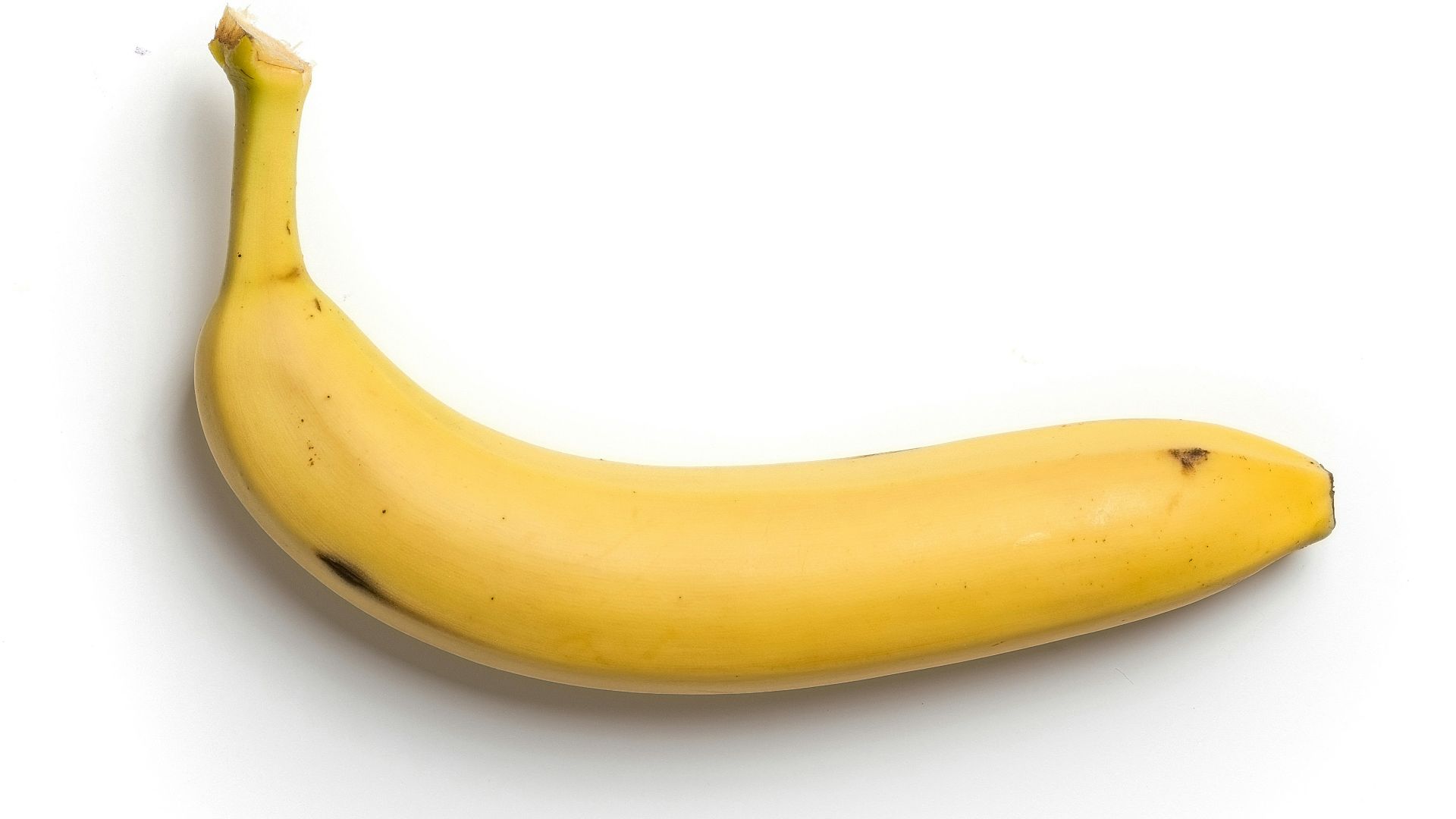
6. Bananas
When bananas became more widely available in the U.S. during the 19th century, they were exotic enough to attract plenty of odd health warnings. Some doctors and advice writers cautioned that raw bananas could be difficult to digest and suggested cooking them before eating. Today, peeling one and eating it on the spot feels about as risky as opening a granola bar.
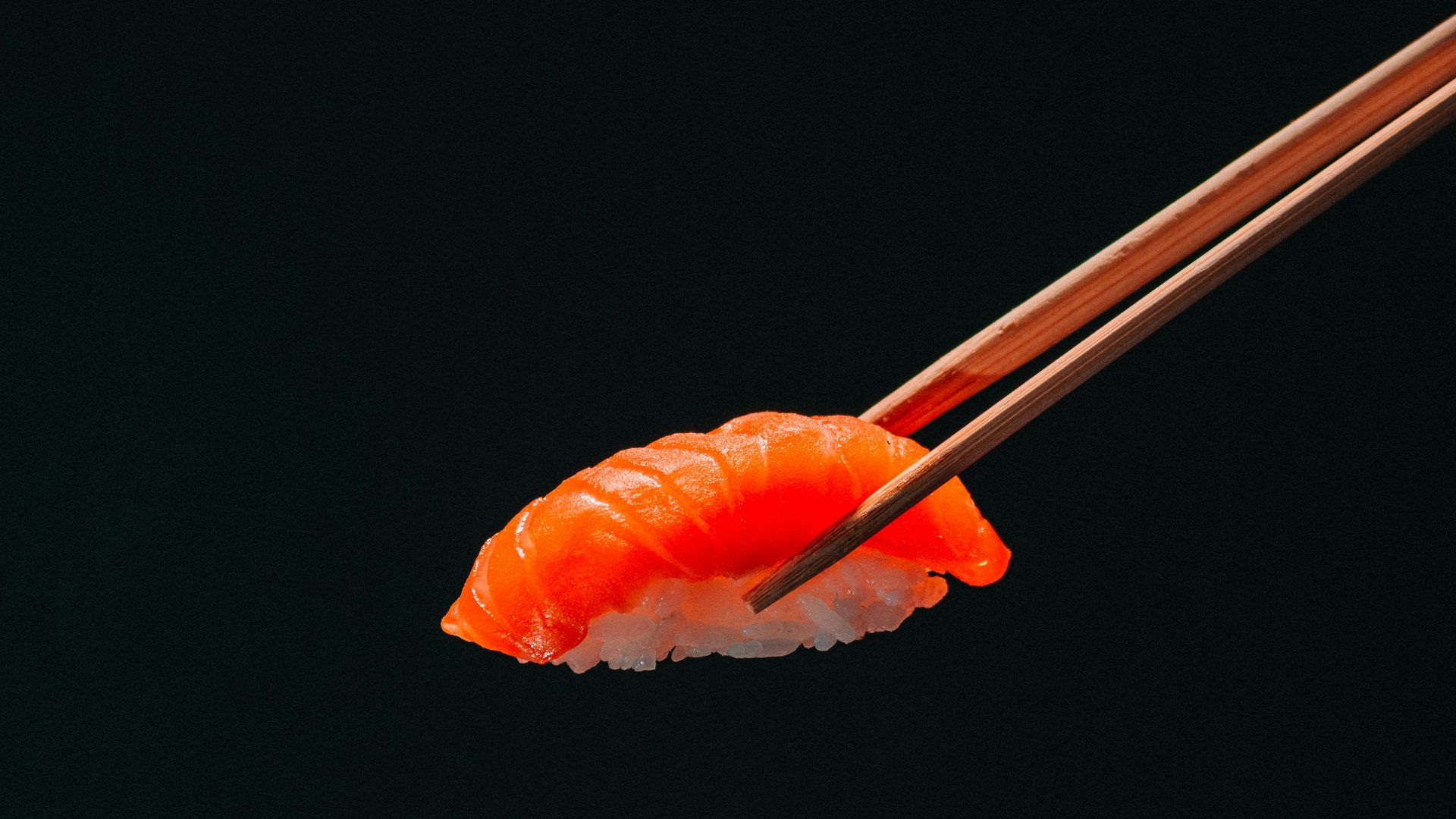
7. Sushi
Raw fish made many Americans uncomfortable when Japanese restaurants began becoming more visible in the U.S. during the 20th century. Concerns about parasites, freshness, and simply eating uncooked seafood made sushi a difficult sell outside communities already familiar with it. Better refrigeration, restaurant standards, and approachable rolls helped turn what once seemed adventurous into an ordinary takeout choice.
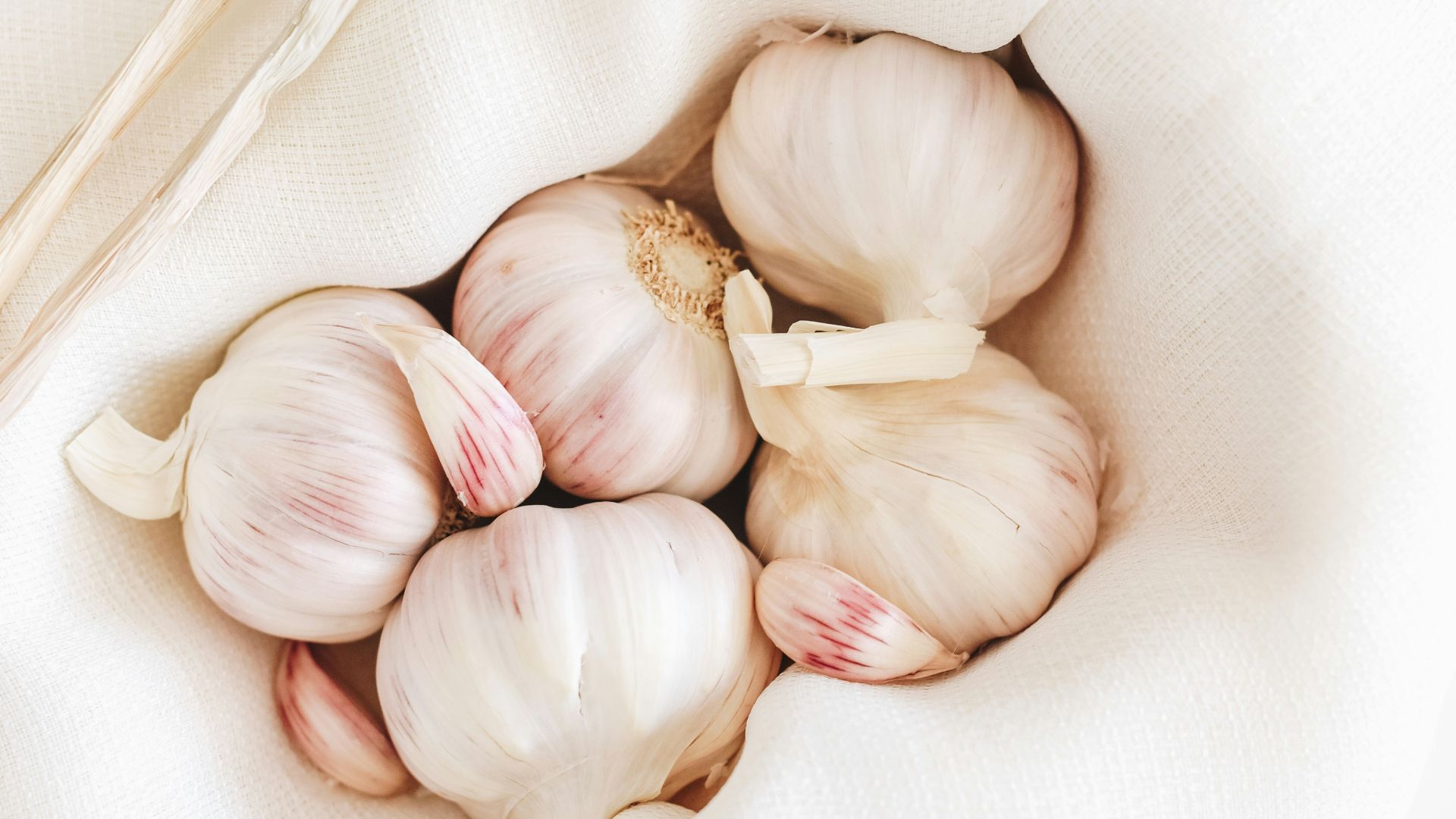
8. Garlic
Garlic spent long stretches of European and American history being viewed as crude, overly strong, or even unhealthy. Its powerful smell became associated with immigrants and lower-class cooking, while some people believed it could upset the body or encourage undesirable passions. Today, it's one of the first ingredients many cooks throw into a pan.
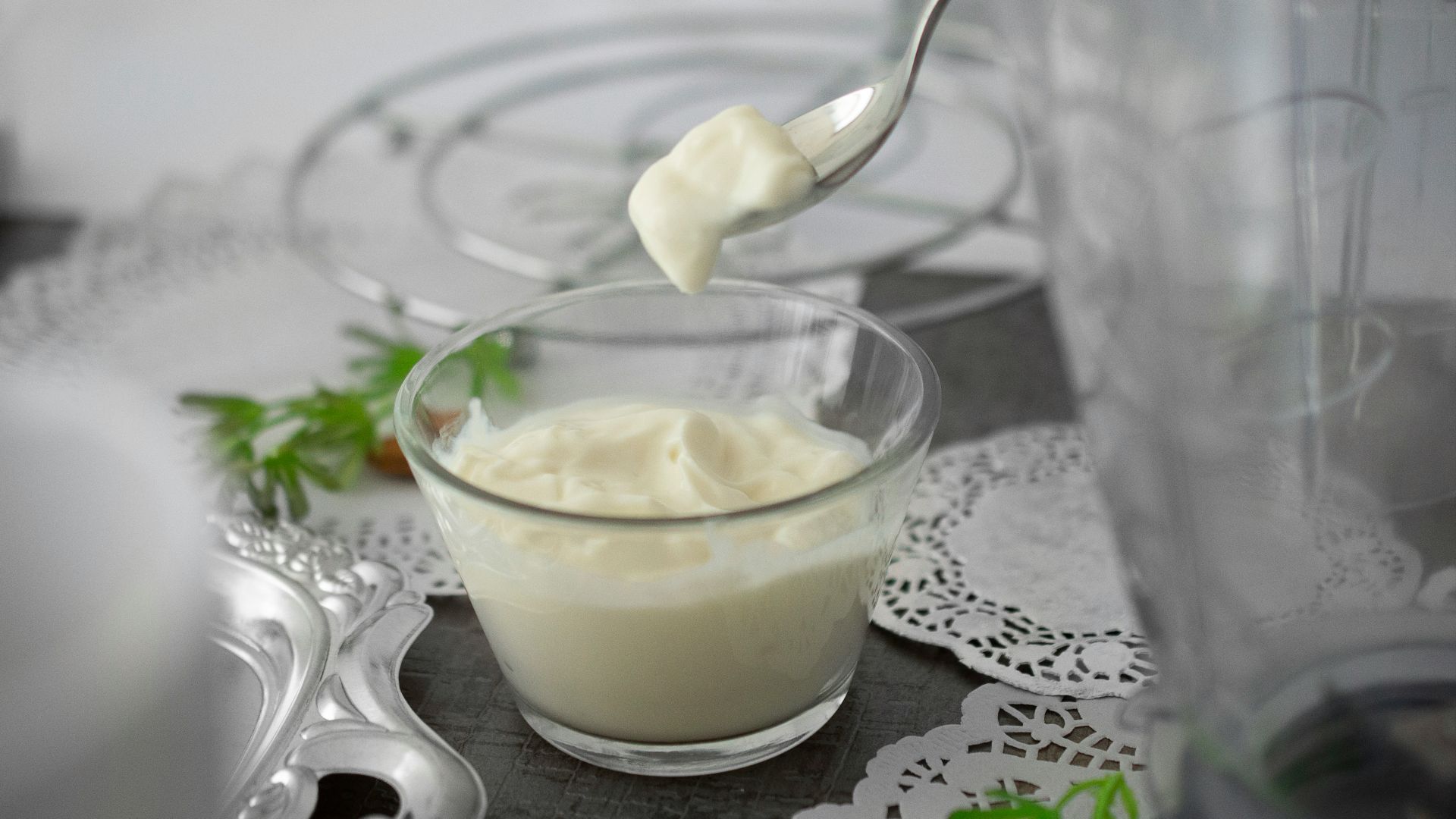
9. Yogurt
Fermented milk wasn't immediately appealing to consumers who weren't used to the idea of deliberately eating something full of bacteria. Early promoters had to convince Western shoppers that yogurt's sourness and live cultures were beneficial, not a sign that the milk had gone bad. Once refrigeration and mass production made it familiar, yogurt quickly lost its suspicious edge.
10. Chocolate
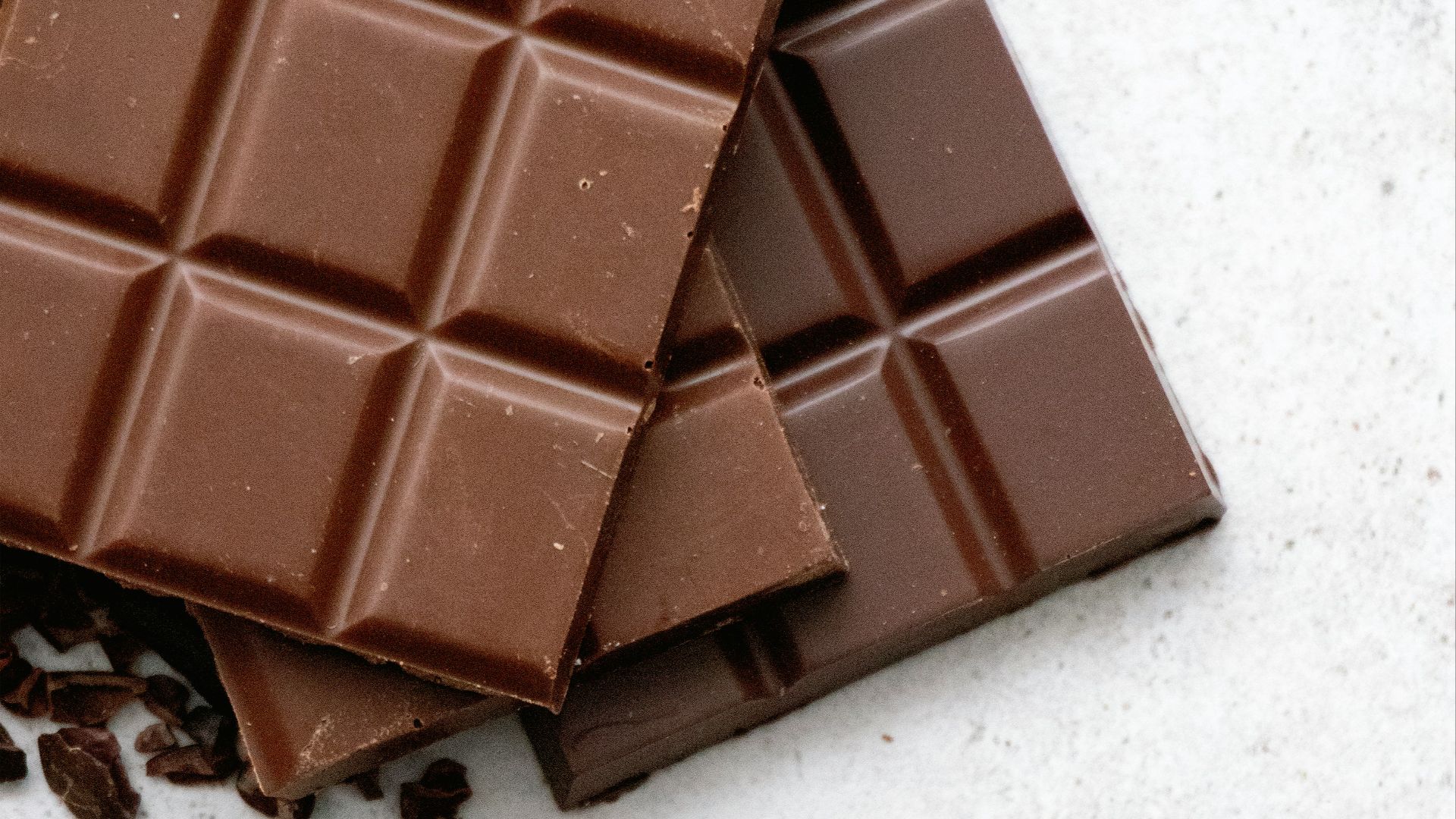
Chocolate has been accused of an impressive number of things over the centuries, including causing illness, encouraging excessive desire, and disrupting digestion. European physicians debated whether it was healthy or harmful after cacao arrived from the Americas, and its stimulating qualities made some people uneasy. Modern chocolate still gets blamed for plenty of dietary sins, but nobody is shocked to see it beside the checkout counter.
11. Coffee
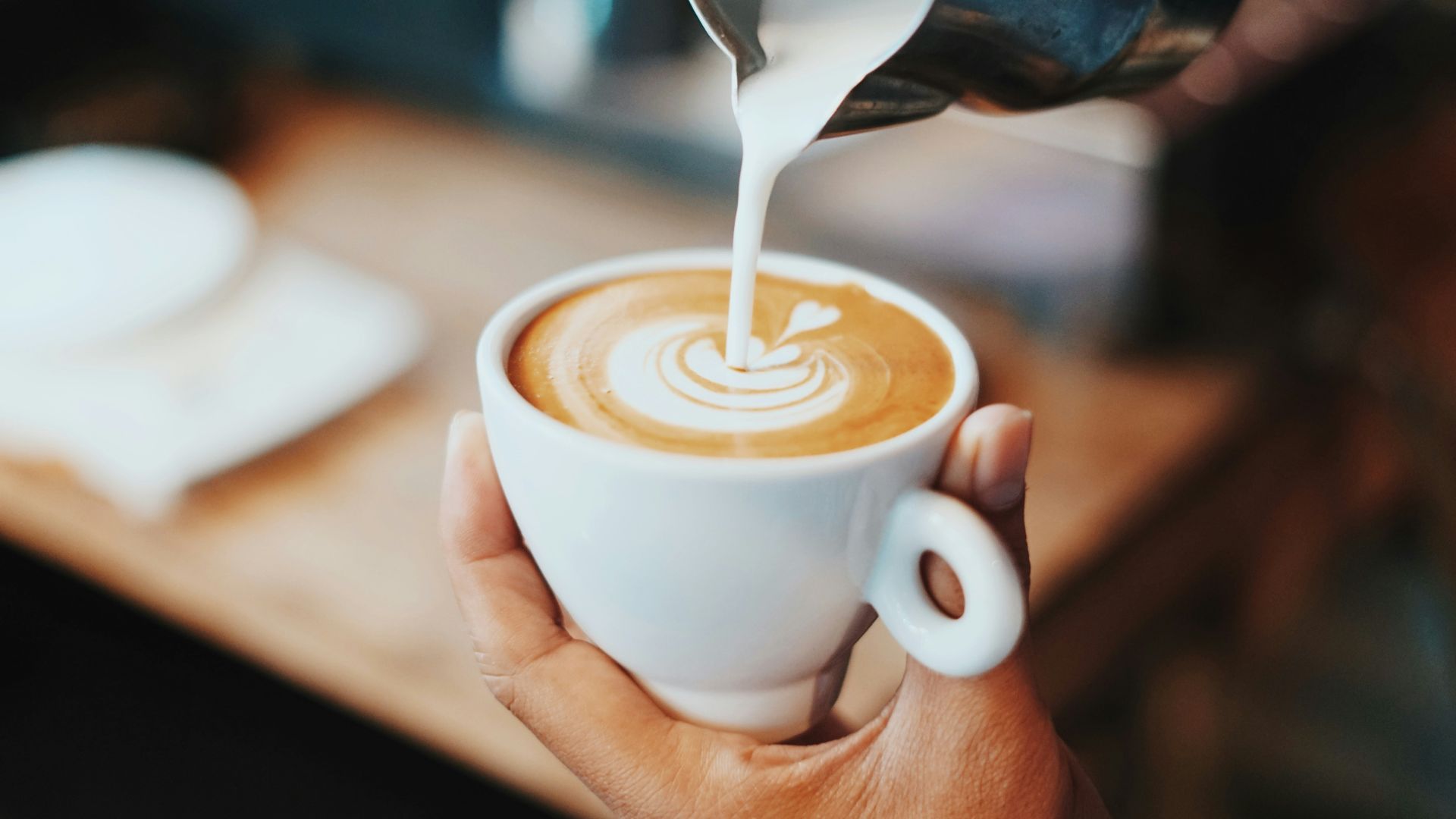
Coffeehouses spread rapidly through Europe in the 1600s, but not everybody was thrilled about the strange bitter drink keeping people awake and encouraging them to gather for long conversations. Critics claimed coffee could cause various illnesses, damage fertility, or overstimulate the body. Authorities occasionally tried to restrict it, which didn't work particularly well considering how many of us now struggle to begin a morning without it.
12. Tea
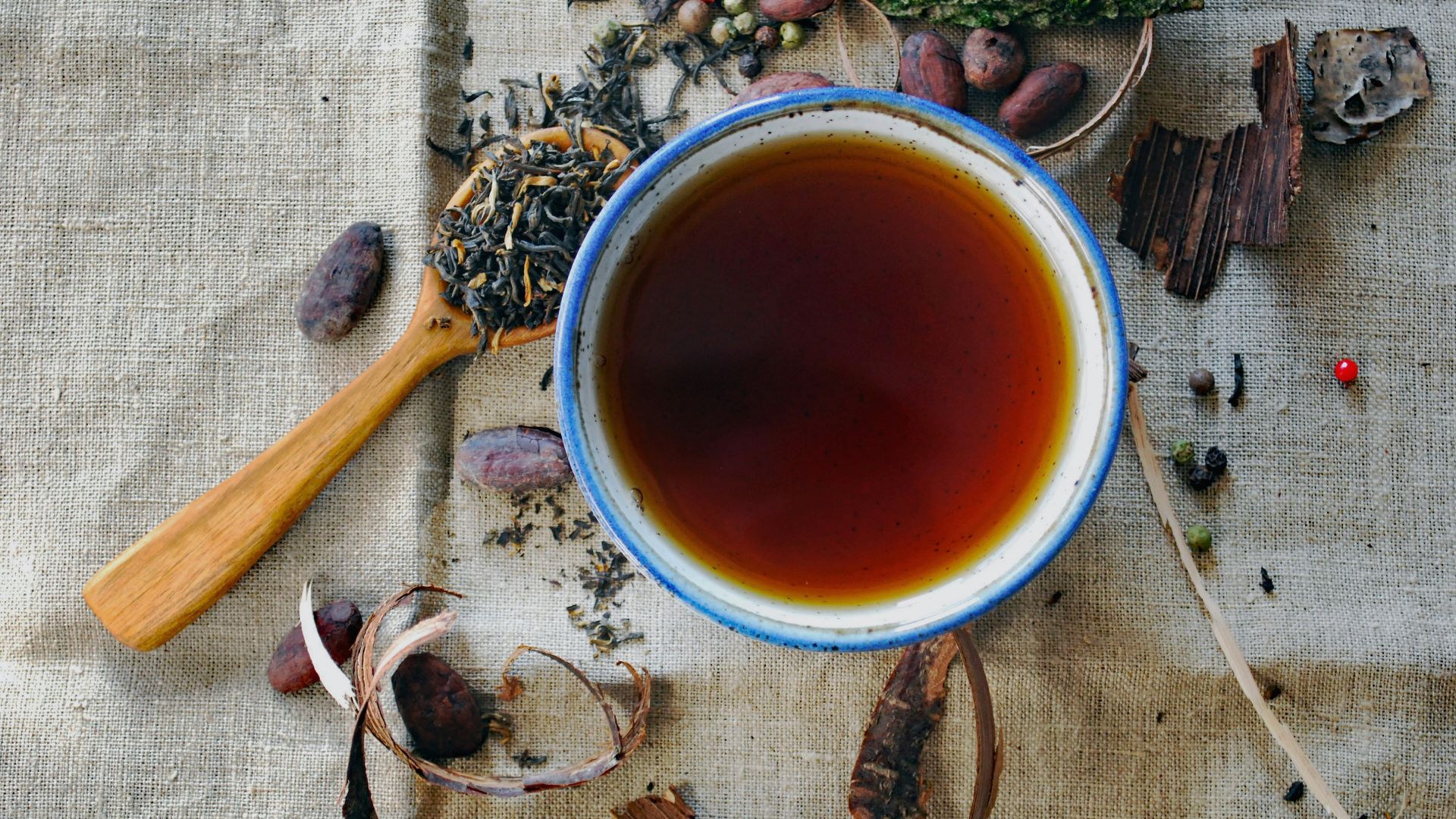
Tea encountered its own set of health scares when it became popular in Britain and elsewhere. Critics argued that excessive tea drinking could weaken the nerves, upset digestion, or encourage unhealthy habits, especially among women and working-class consumers. Eventually, those warnings lost their grip and tea became one of the most ordinary beverages imaginable.
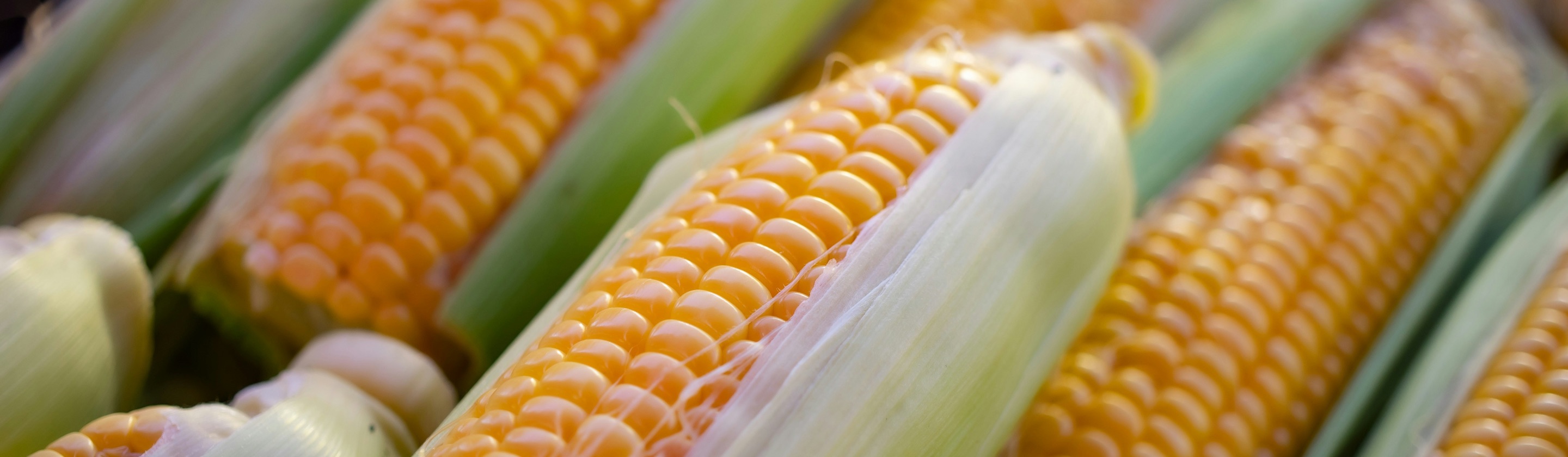
13. Corn
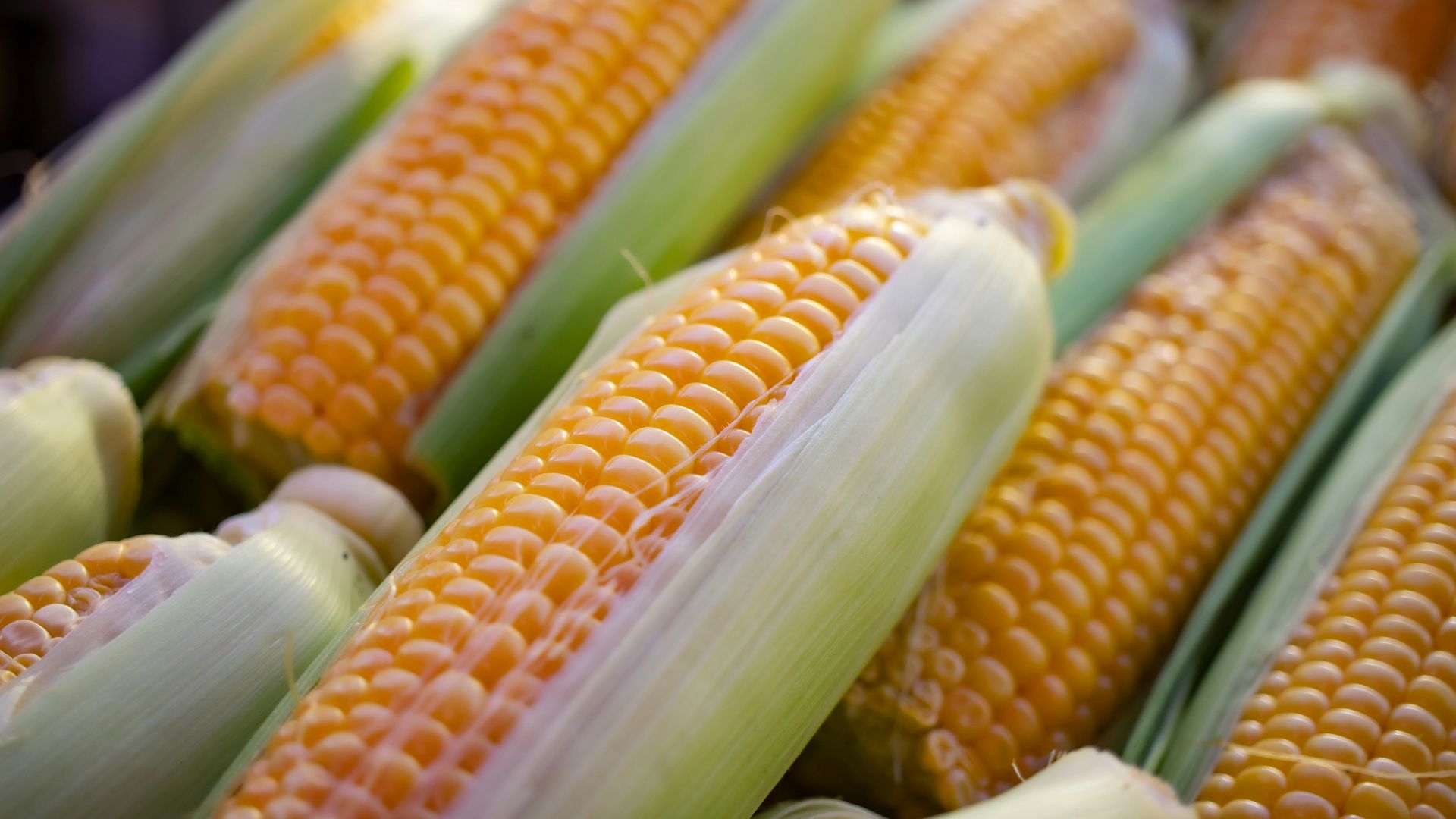
When maize spread from the Americas into Europe, it was an unfamiliar crop that didn't always receive a warm welcome. Outbreaks of pellagra helped reinforce the belief that the grain itself was dangerous, even though it was actually improper processing that was the culprit.
 Wouter Supardi Salari on Unsplash
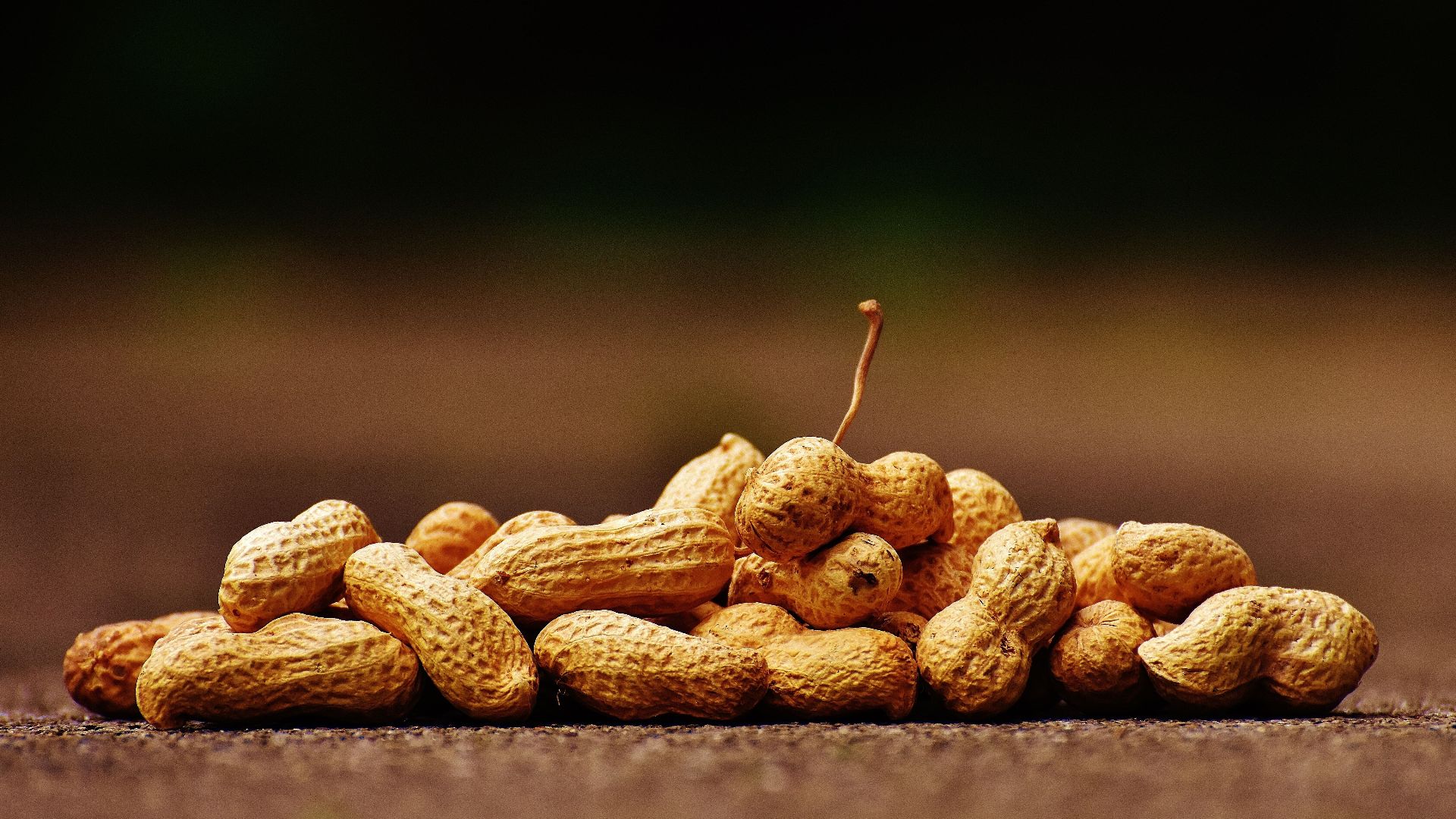
14. Peanuts
Peanuts were long treated more as livestock feed or cheap food than something respectable diners should seek out. Their association with poverty and concerns about digestion kept them from enjoying much prestige in parts of the U.S. Commercial peanut products and agricultural promotion eventually helped turn them into a pantry staple.
15. Oysters
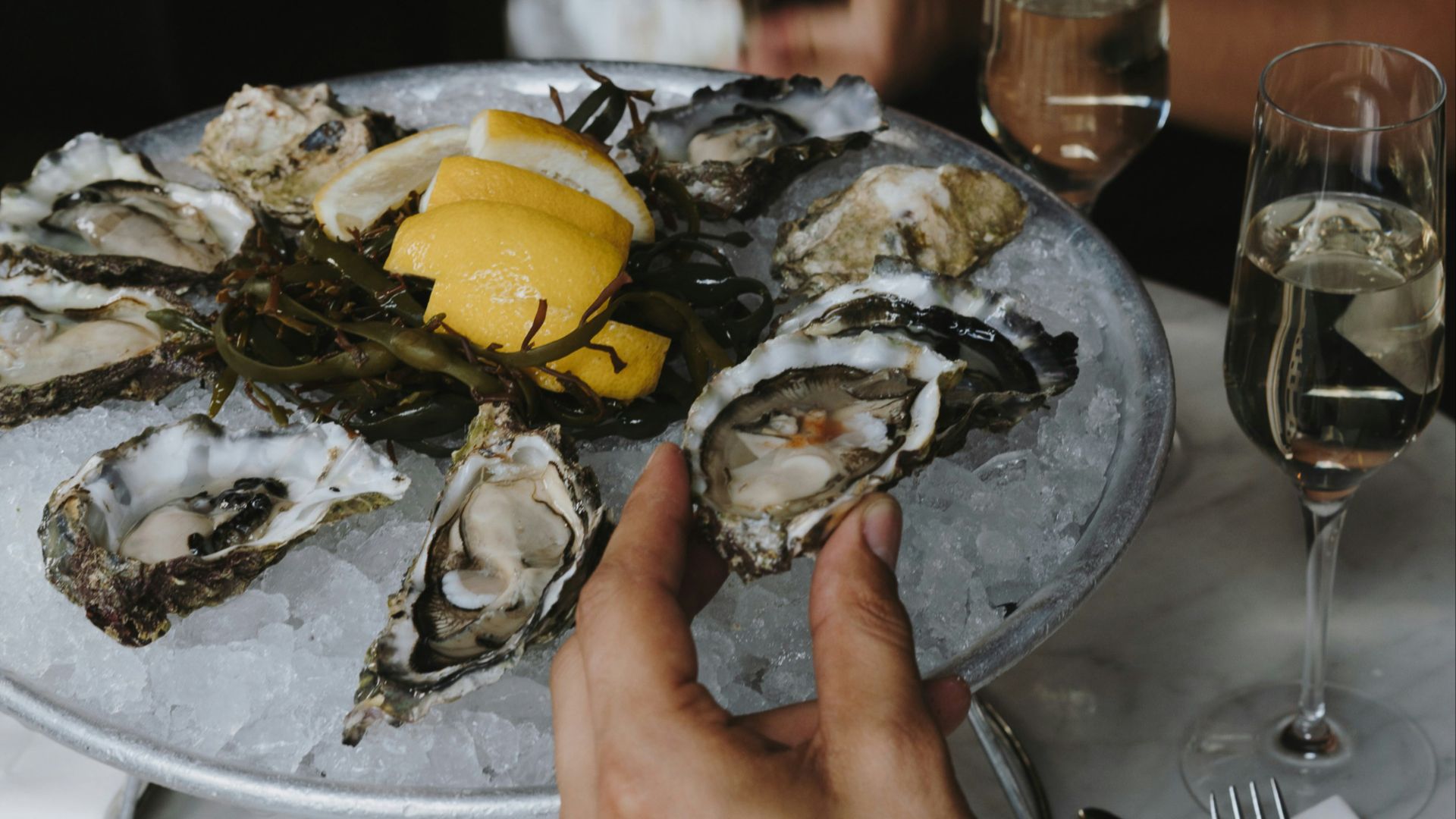
Raw oysters have always presented a genuine food-safety risk when they're contaminated, and that made many diners particularly wary as cities grew during the 19th and early 20th centuries. Polluted waterways and outbreaks of typhoid linked to shellfish gave people good reason to be cautious. Modern harvesting rules and refrigeration have made oysters far safer, although eating them raw still isn't entirely risk-free.
16. Canned Foods
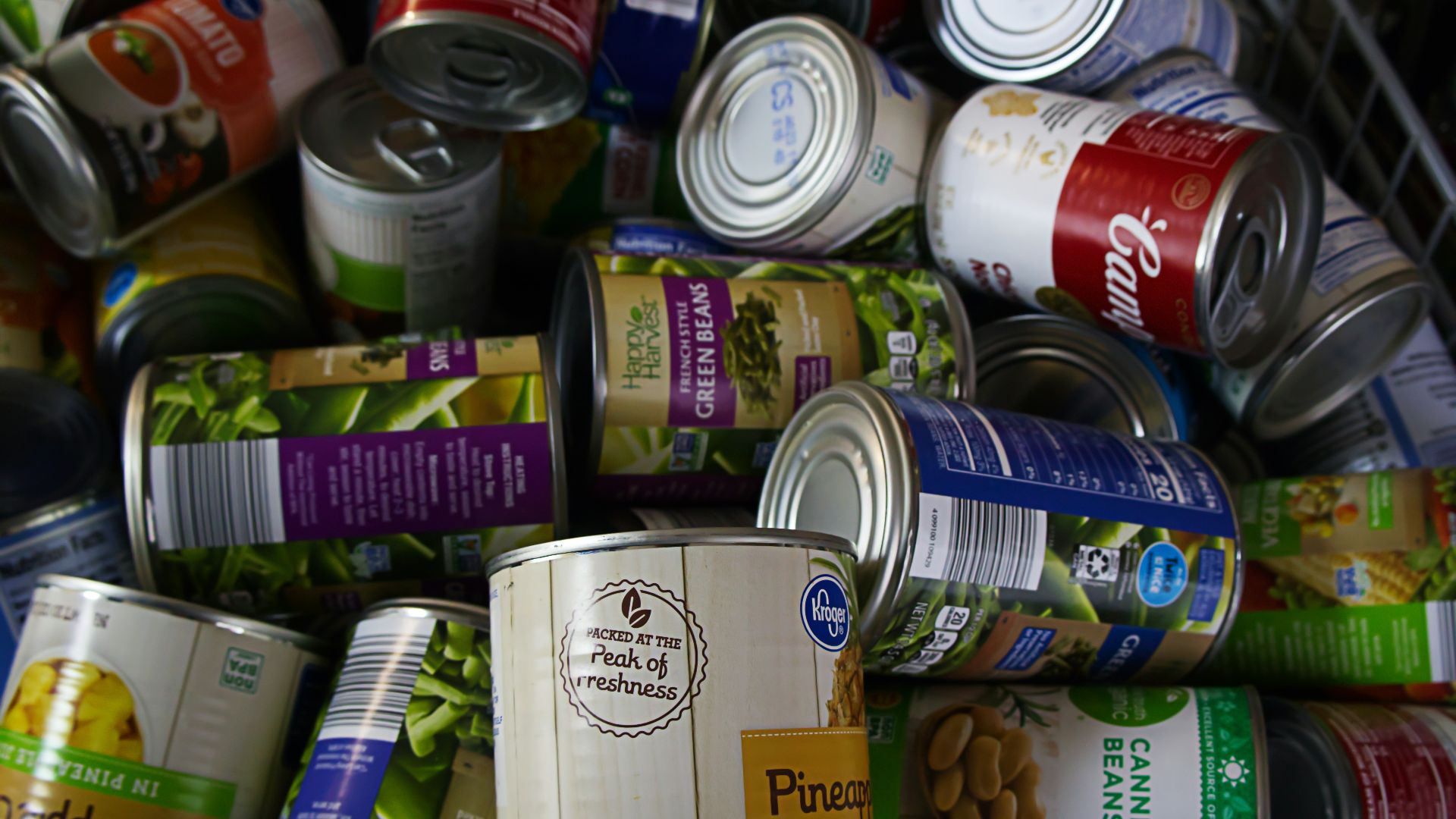
Early canned food looked suspicious for a fairly reasonable reason: people couldn't see what was inside. Primitive canning methods also sometimes caused spoilage, contamination, or lead exposure from solder used to seal containers. Once manufacturing standards improved, canned goods went from being questionable mystery packages to convenient pantry staples.
17. Margarine
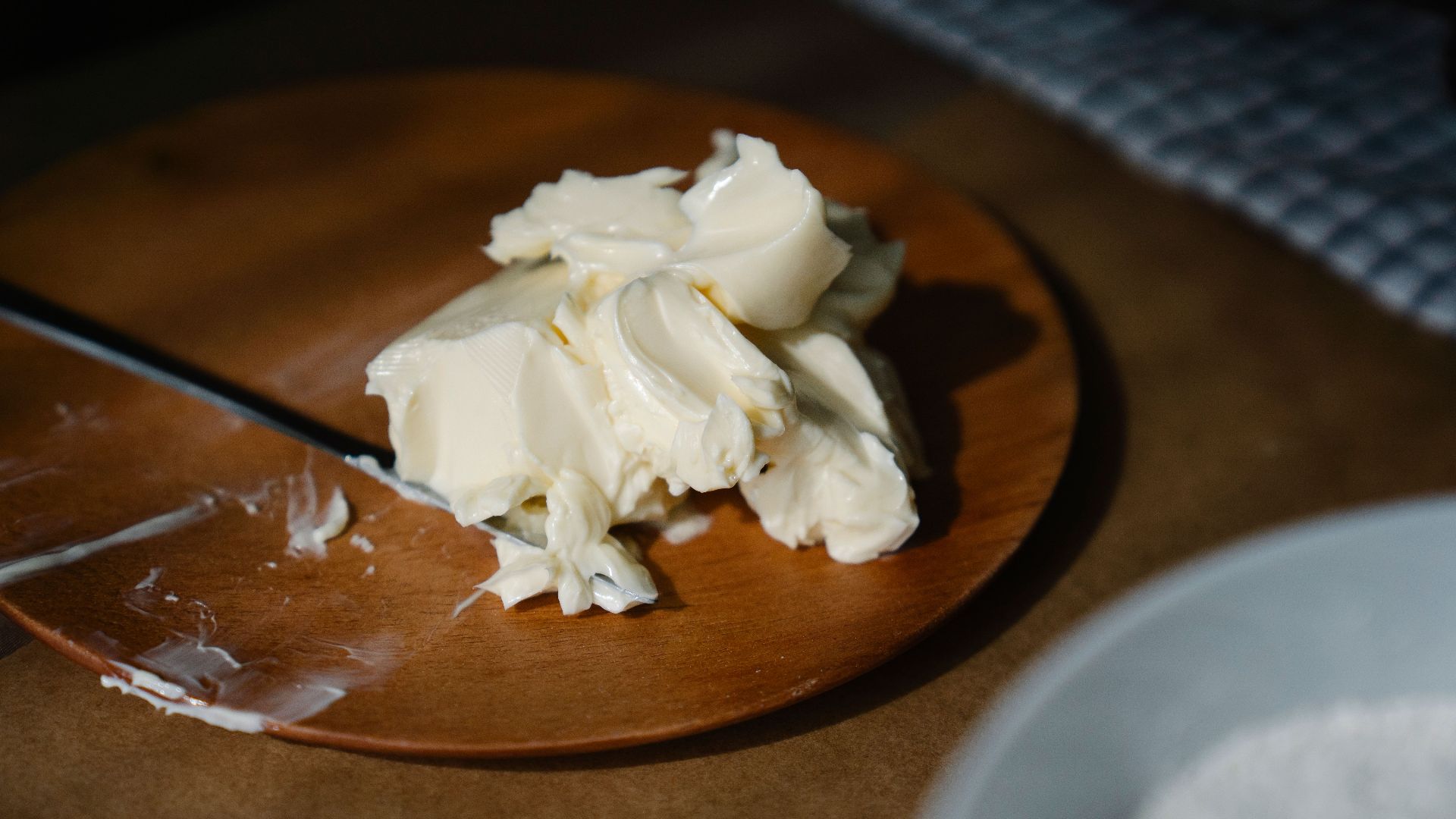
When margarine appeared in the 19th century, dairy producers and consumers often treated it as an alarming artificial substitute for butter. Rumors circulated about what it contained, and some governments even required margarine to be dyed unusual colors so buyers couldn't mistake it for the real thing. Whatever you think of it nutritionally today, the fear that it was some mysterious counterfeit food has mostly disappeared.
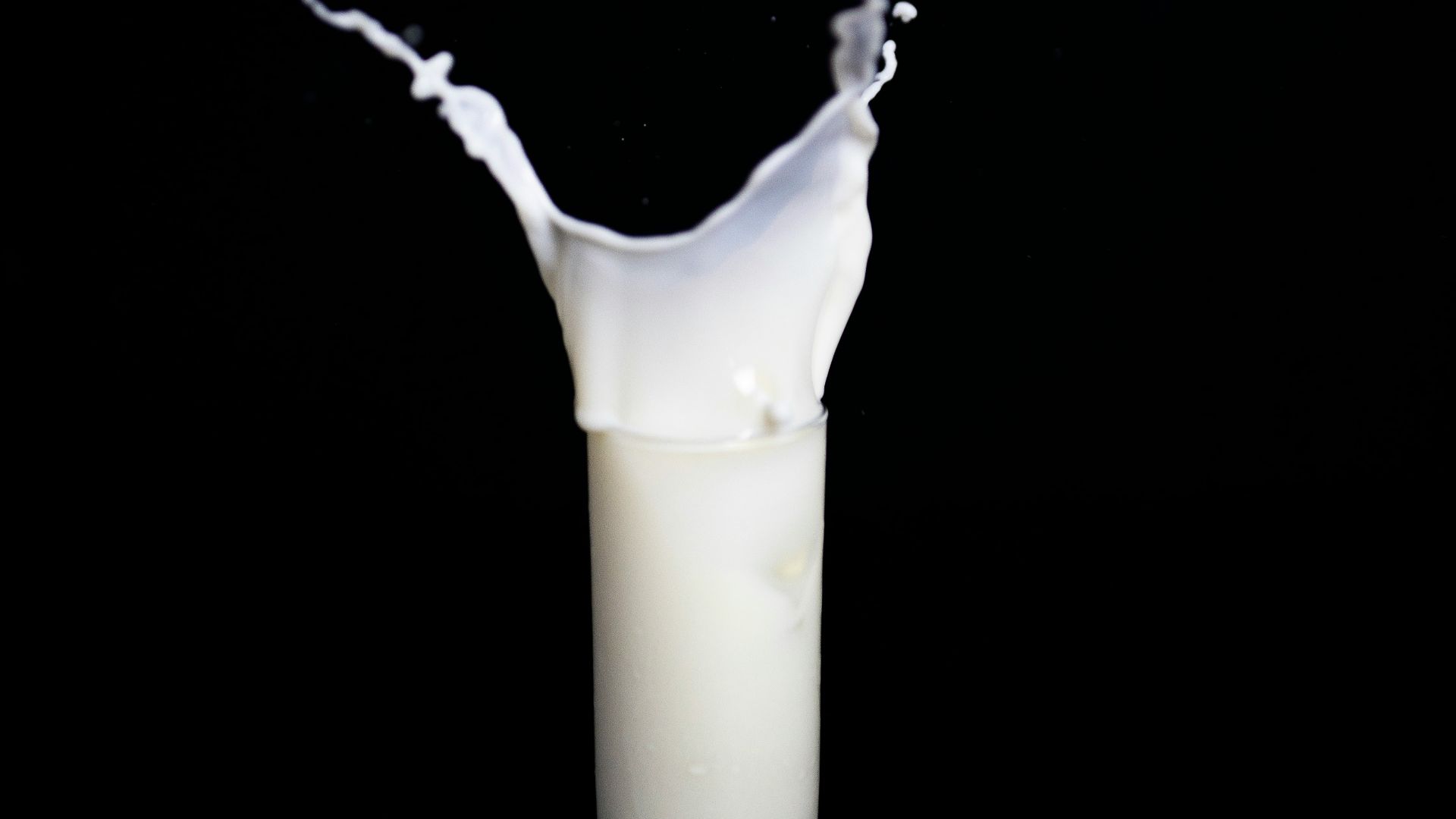
18. Pasteurized Milk
Pasteurization faced surprisingly fierce opposition when it became more common in the late 19th and early 20th centuries. Some consumers believed heating milk ruined its nutritional value or concealed poor-quality dairy practices. Public health officials continued pushing the process because it dramatically reduced the risk of diseases spread through contaminated milk.
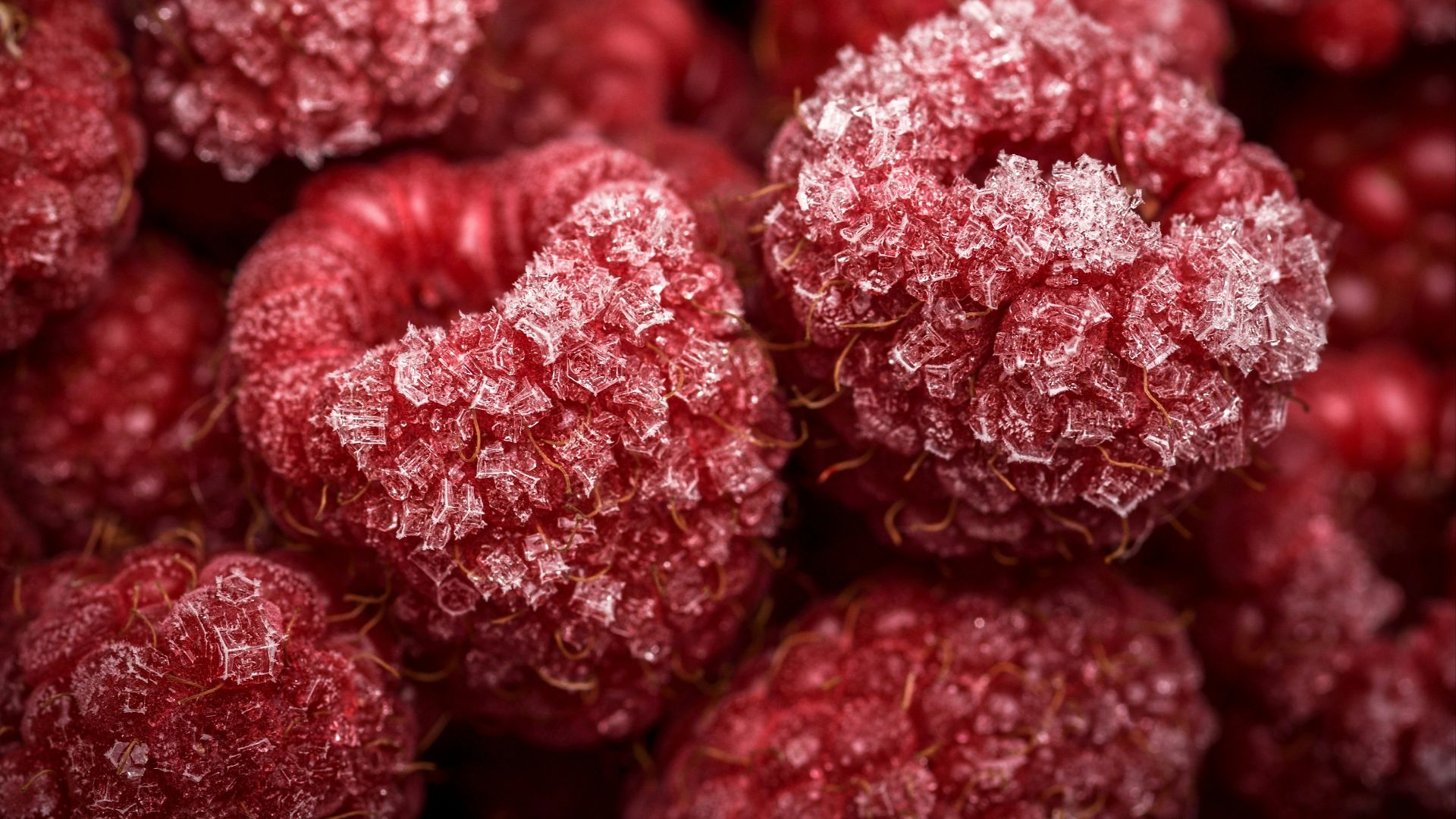
19. Frozen Food
Early frozen foods had to overcome the idea that anything kept frozen for long periods must be stale, dangerous to eat, or nutritionally worthless. Consumers were accustomed to judging freshness by how recently something had been harvested or butchered, so the technology required a major shift in thinking. Better freezers and improved processing eventually made frozen vegetables, dinners, and desserts completely routine.
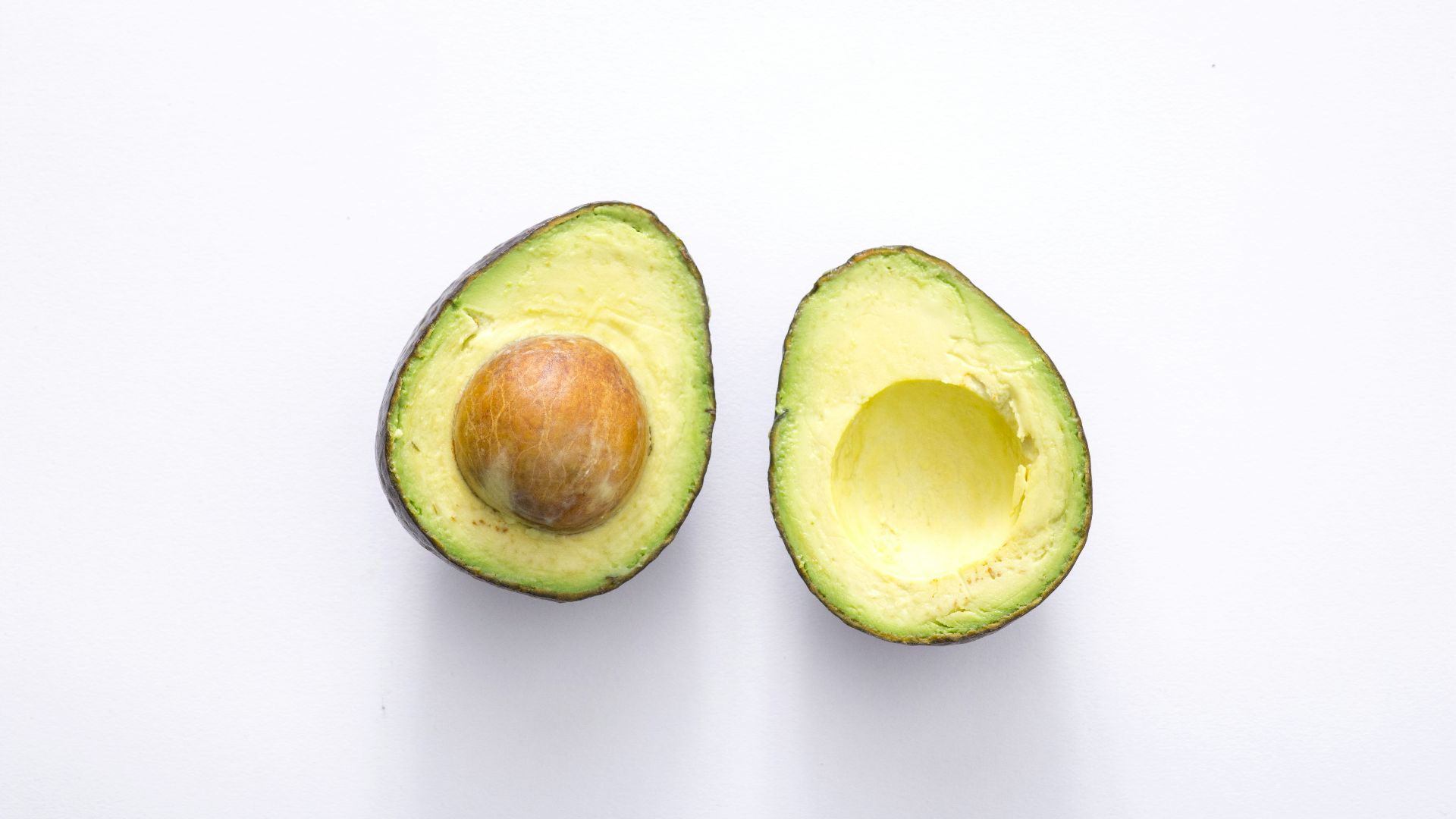
20. Avocados
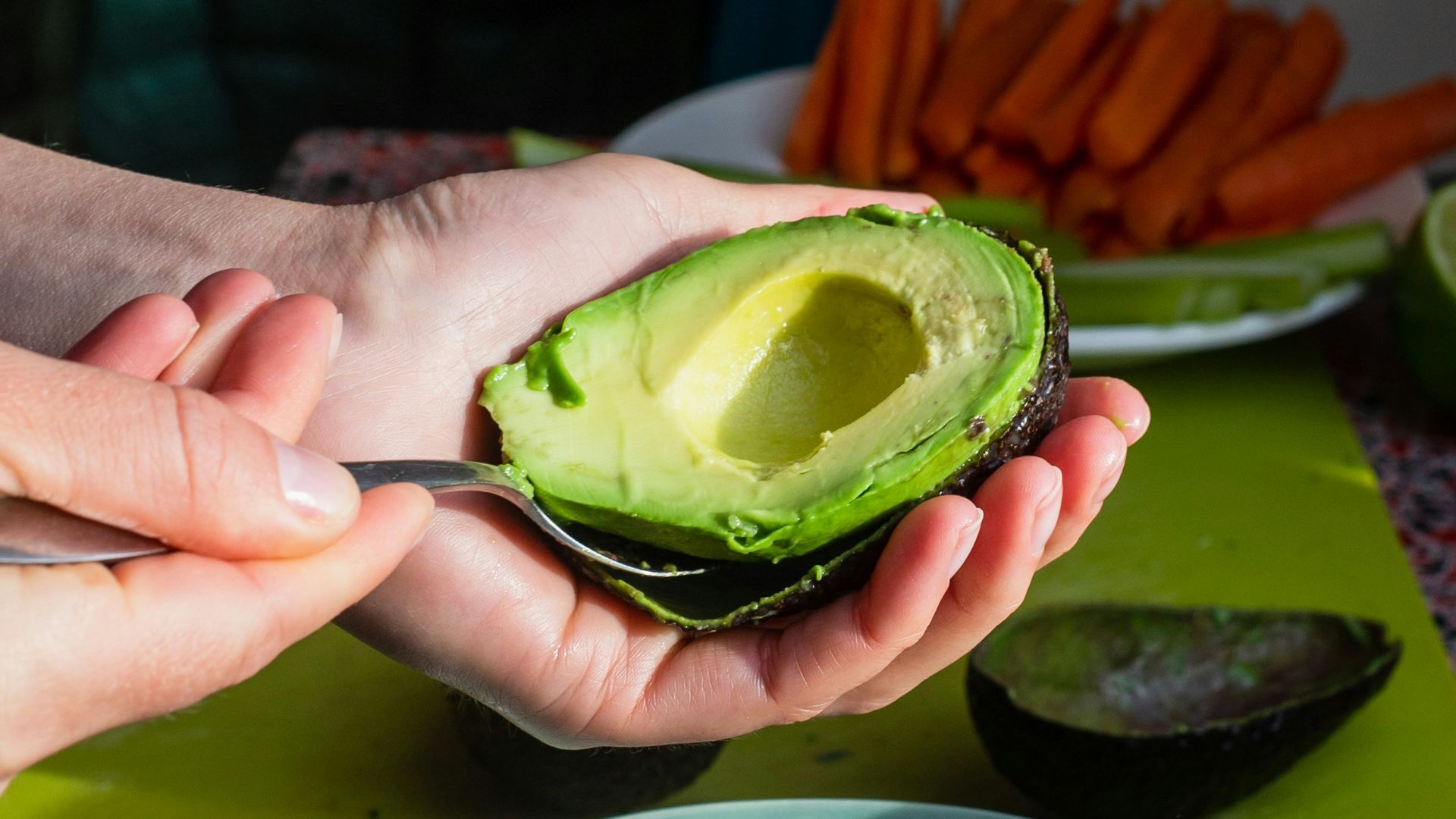
Before avocado toast became a mainstay at stylish cafes, the fruit was unfamiliar to many American consumers. Their high fat content made many people steer clear of them, especially once the low-fat craze took off in the late 20th century. As nutritional thinking shifted toward distinguishing different types of fat, avocado toast suddenly had far fewer enemies.
KEEP ON READING
20 Foods You Can't Eat Without Teeth