A Dash of Truth in the Kitchen
Old wives’ tales have a way of sticking around (pun intended) because they sound practical, feel familiar, and can even work by accident. The problem is that plenty of these “rules” are built on misunderstandings or just plain superstition that doesn’t hold up in a modern kitchen. It’s time to stop feeling guilty for breaking so-called cooking laws—here are 20 silly beliefs to toss away with the potato peels.
1. Searing Meat “Seals In” the Juices
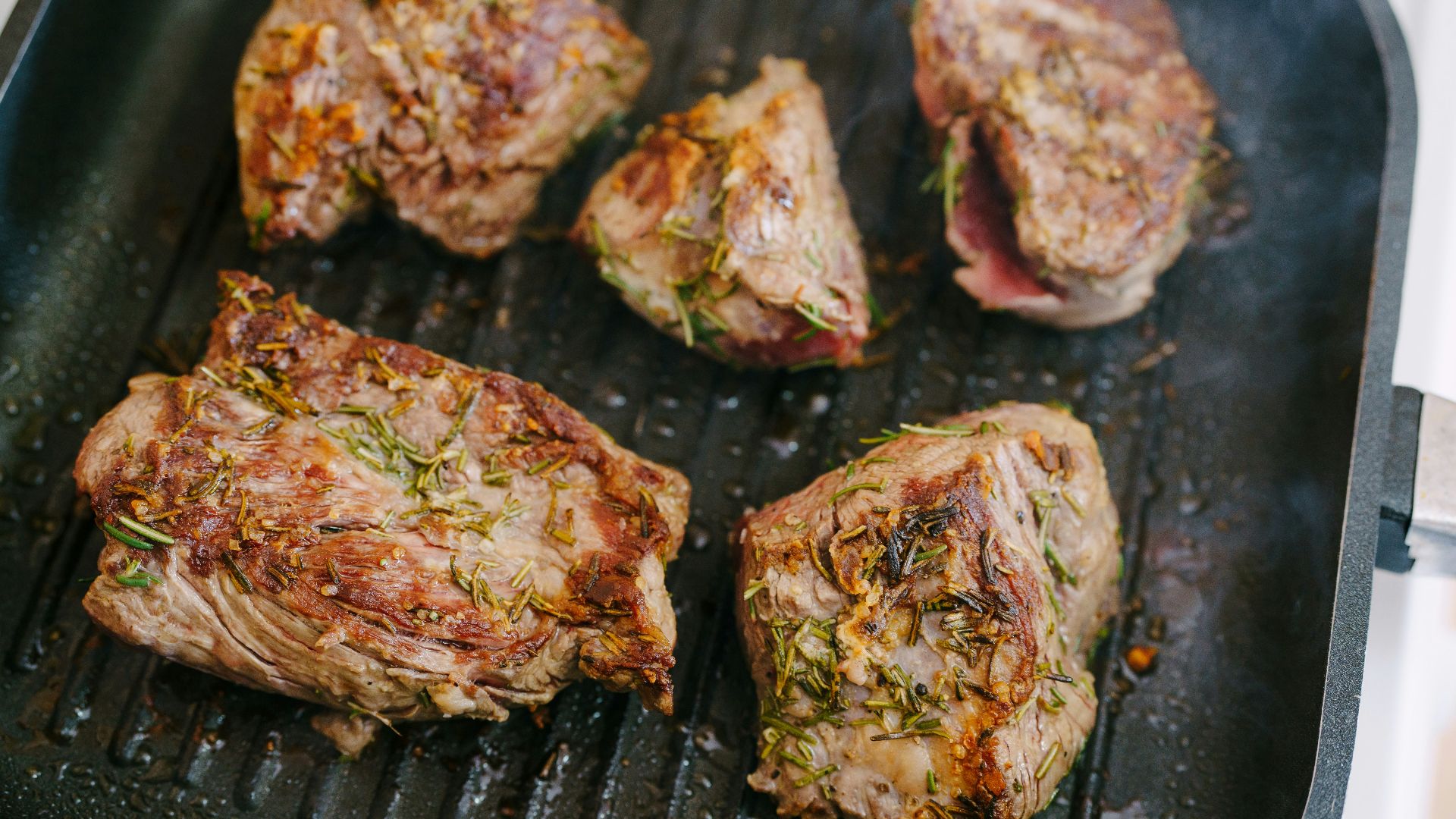
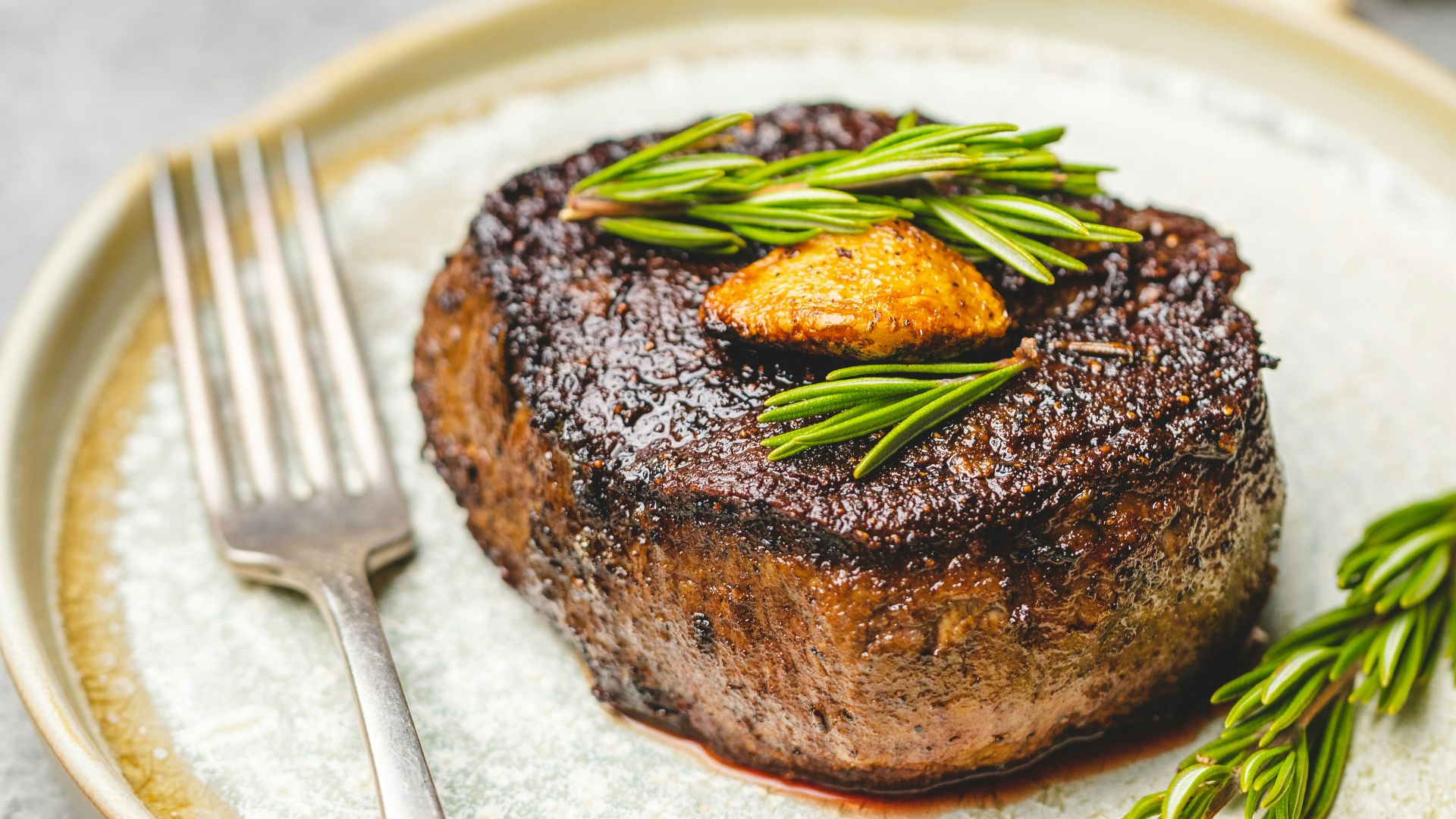
Searing gives you flavor, not a moisture lock. Those browned edges result from the Maillard reaction, which enhances both taste and aroma. Your steak can still lose moisture while it cooks, even if the surface is beautifully browned.
 Oleksandra Nadtocha on Unsplash
2. You Should Rinse Pasta After Boiling
Contrary to popular belief, rinsing usually strips away starch that helps sauce cling to noodles. Unless you’re making pasta salad or trying to stop carryover cooking fast, you’re not really doing yourself any favors. If yoa u want better texture, focus on timing and salting the water instead.
3. Oil in Pasta Water Keeps It From Sticking
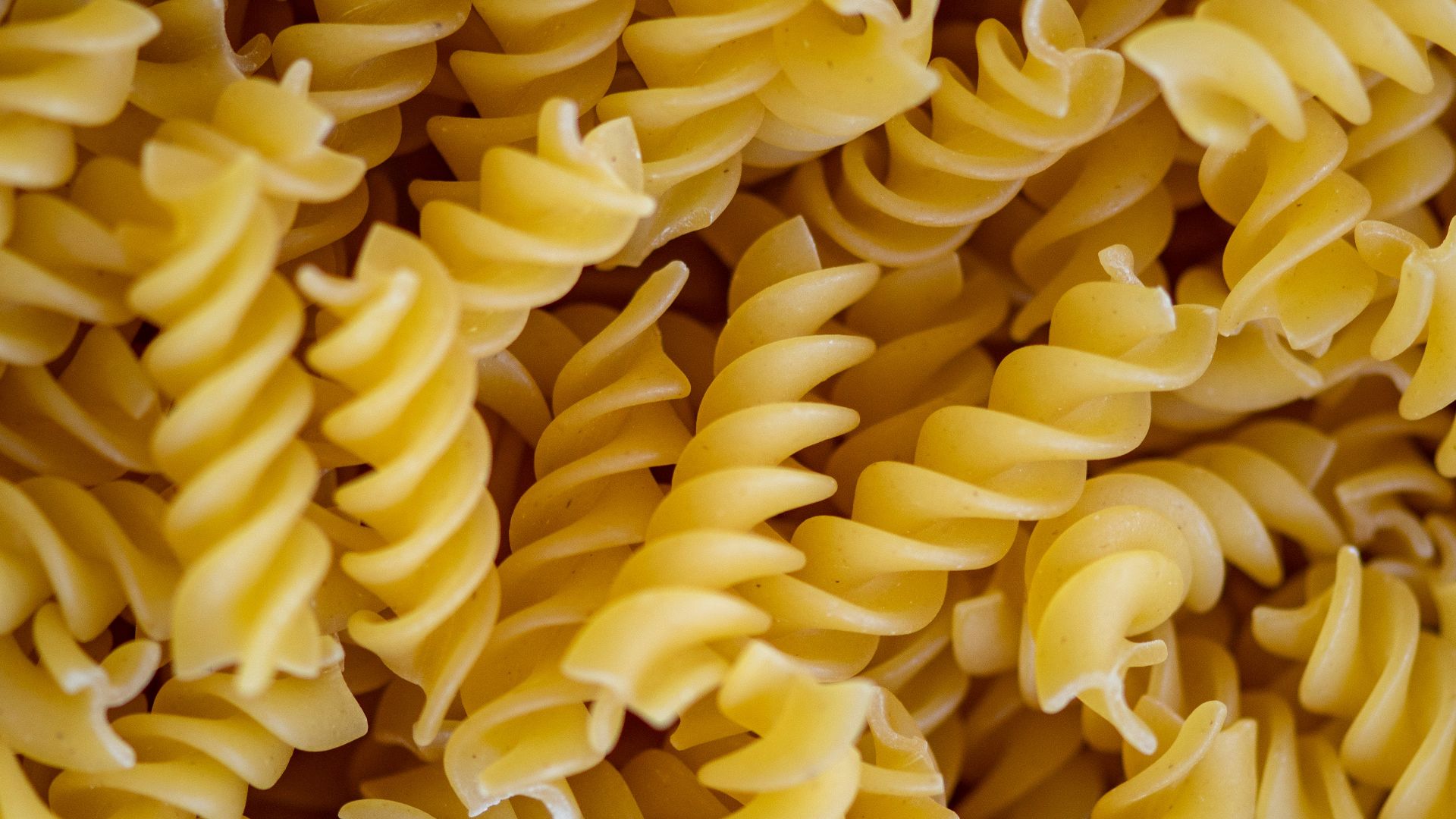
We all know oil and water don’t mix—and your pasta pot is no different. The oil mostly floats on top, so it won’t magically coat every noodle. It can also make your sauce slide right off the pasta later, so stirring early properly does a lot more than a splash of oil ever will.
4. Salt Makes Water Boil Much Faster
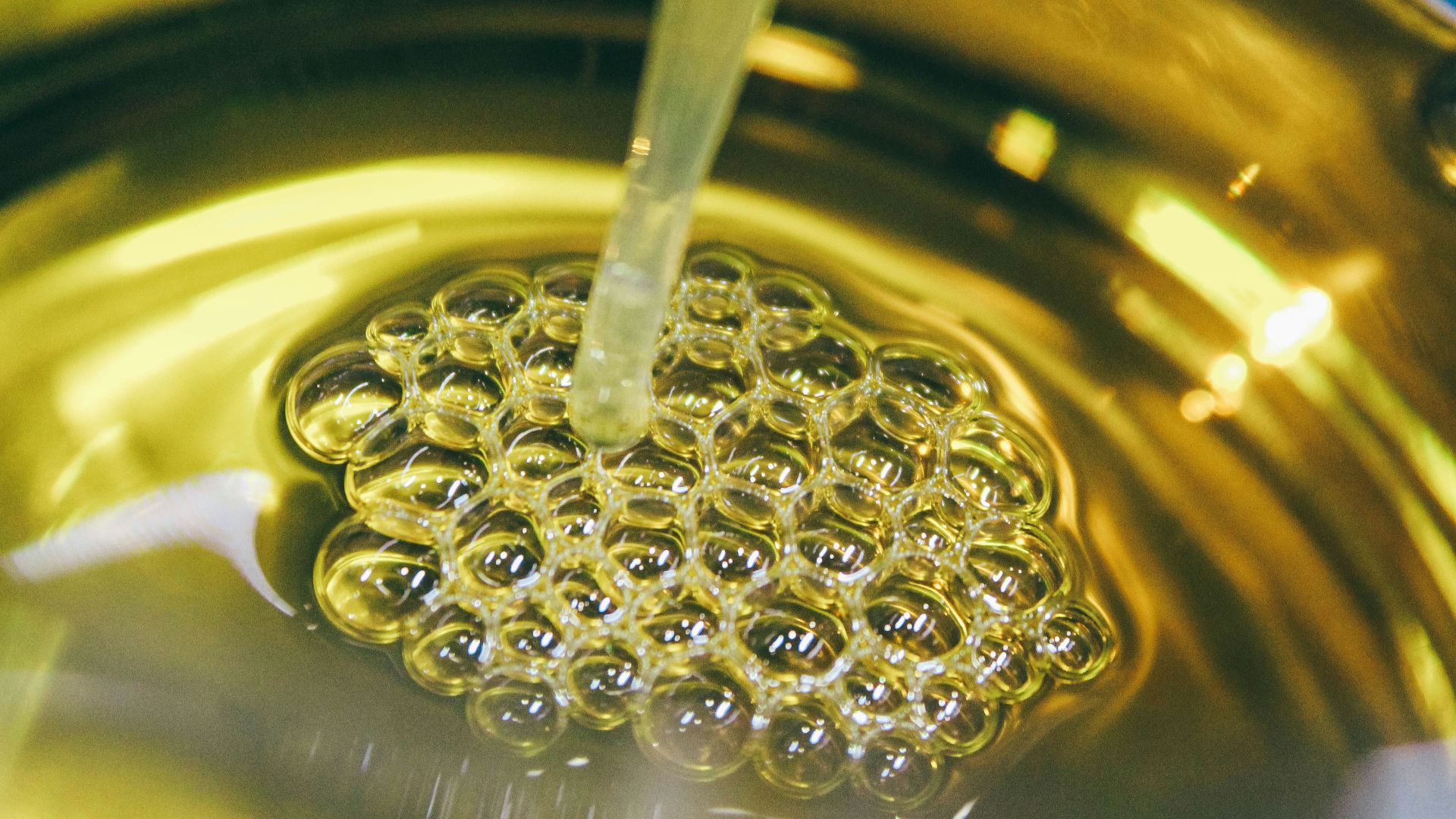
Salt raises the boiling point, but not enough to transform your weeknight routine. You’re still waiting because water takes time to heat, not because it lacks sodium. Salt your water for flavor, not as a shortcut.
5. You Should Never Press a Burger Patty
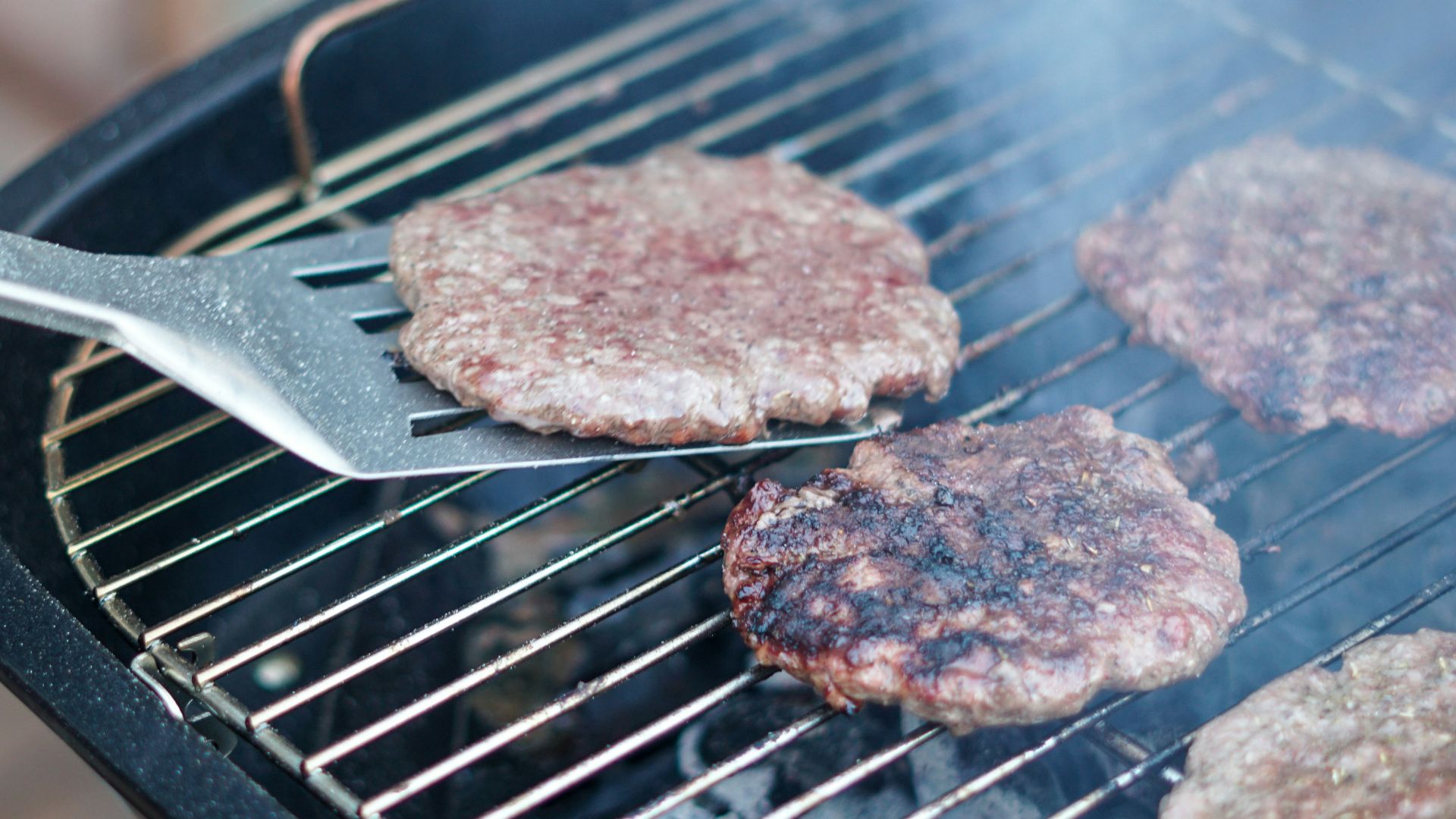
Don’t get us wrong, there’s some truth in this. Pressing can squeeze out juices if you do it while it’s cooking, and that can make a burger drier. However, pressing when you shape the patty is fine and can improve consistency!
6. Room-Temperature Steak is Required for Even Cooking
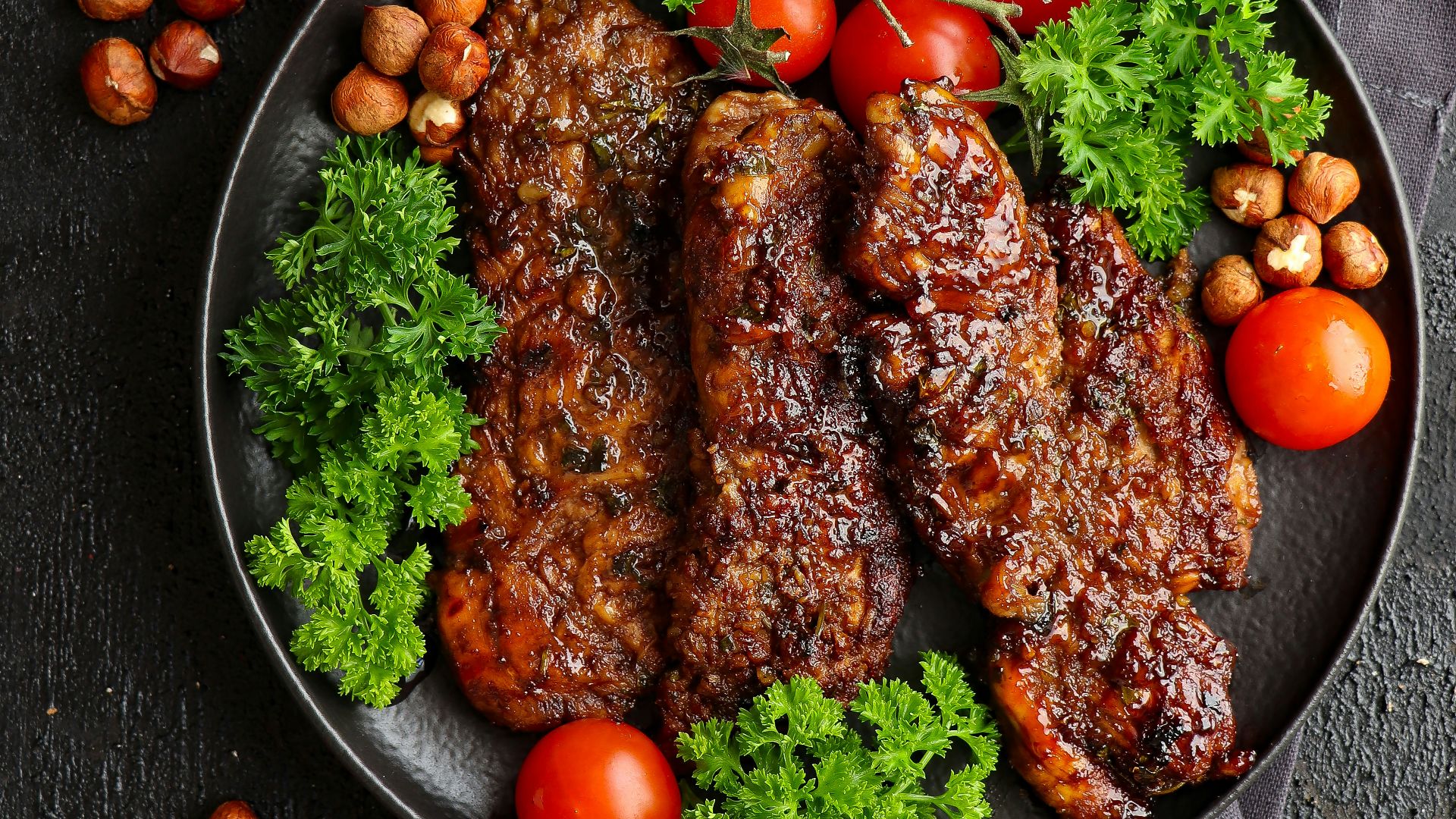
A thick steak doesn’t warm through quickly on the counter, so the center stays cool anyway. Letting it sit can help the surface dry slightly, which supports better browning, but it’s not a requirement. You’ll get more reliable results by controlling heat and using a thermometer.
7. Cold Water Makes Vegetables “Lock In” Nutrients
If only things were that simple. Nutrients don’t lock in because you shock broccoli under the faucet. The real benefit of ice baths is texture and color, especially when you blanch vegetables. If you like your green beans crisp and bright, chilling helps, but it’s not a vitamin vault.
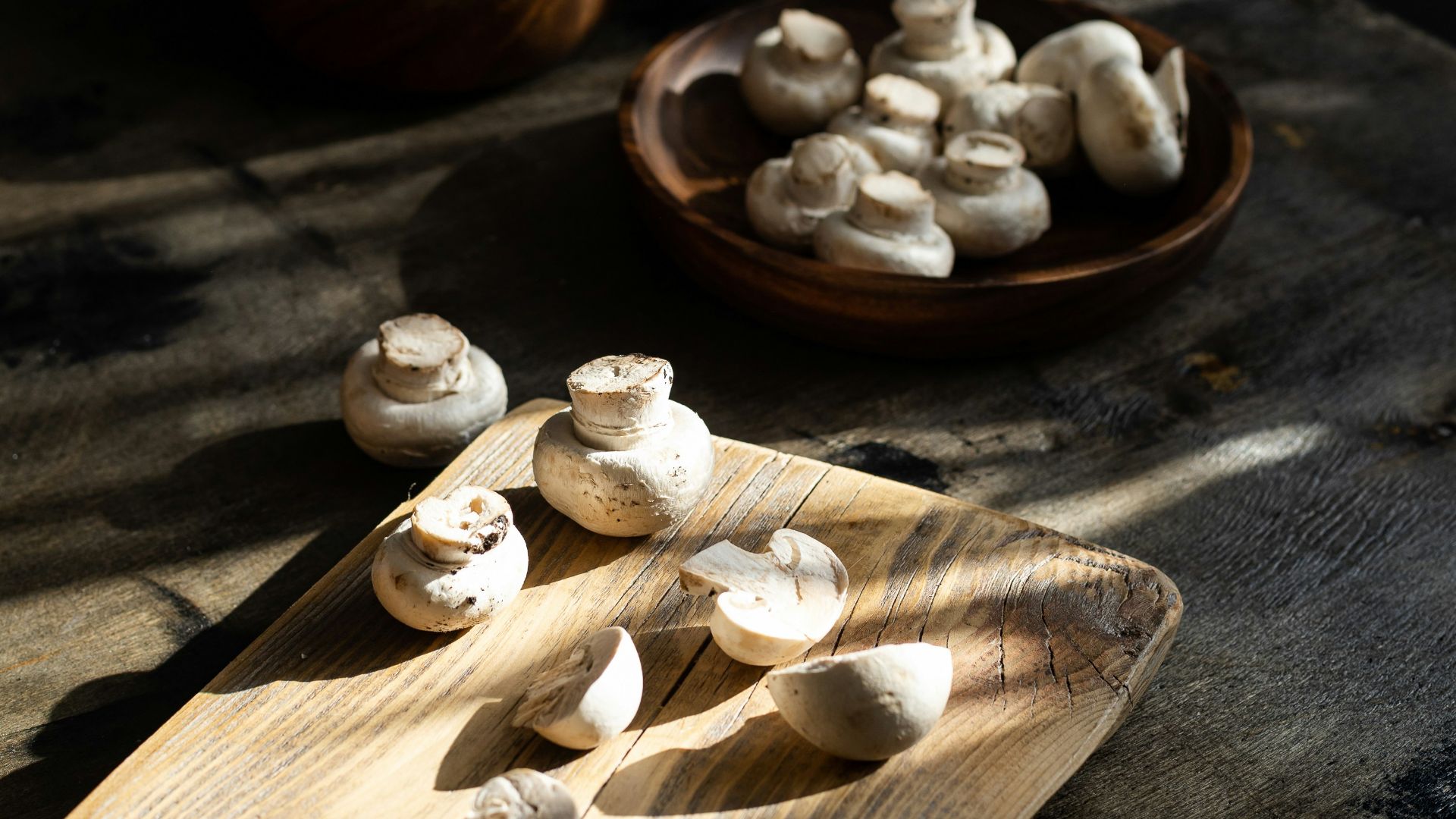
8. Mushrooms Shouldn’t Be Washed
Mushrooms can handle a quick rinse, and they won’t turn into sponges if you don’t soak them. The bigger issue is leaving them wet; excess surface moisture slows browning. Just dry them well and cook with enough heat.
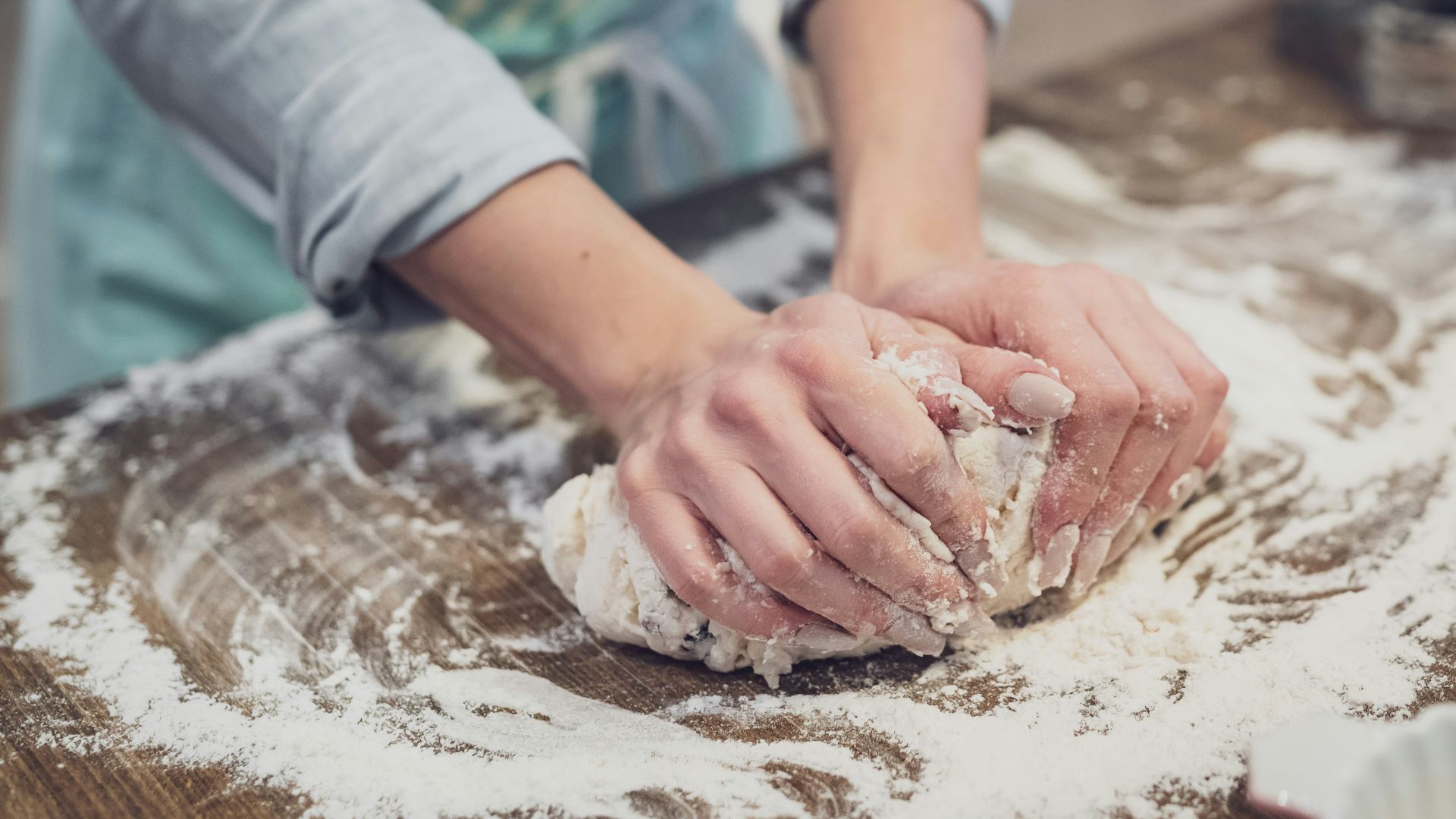
9. You Can’t Bake Successfully on a Humid Day
Humidity can affect certain candies and delicate crisps, but most baked goods don’t collapse just because it’s sticky outside. Flour and sugar still behave predictably with good measurements, so if something goes wrong, it’s usually temperature, timing, or mixing—not the weather.
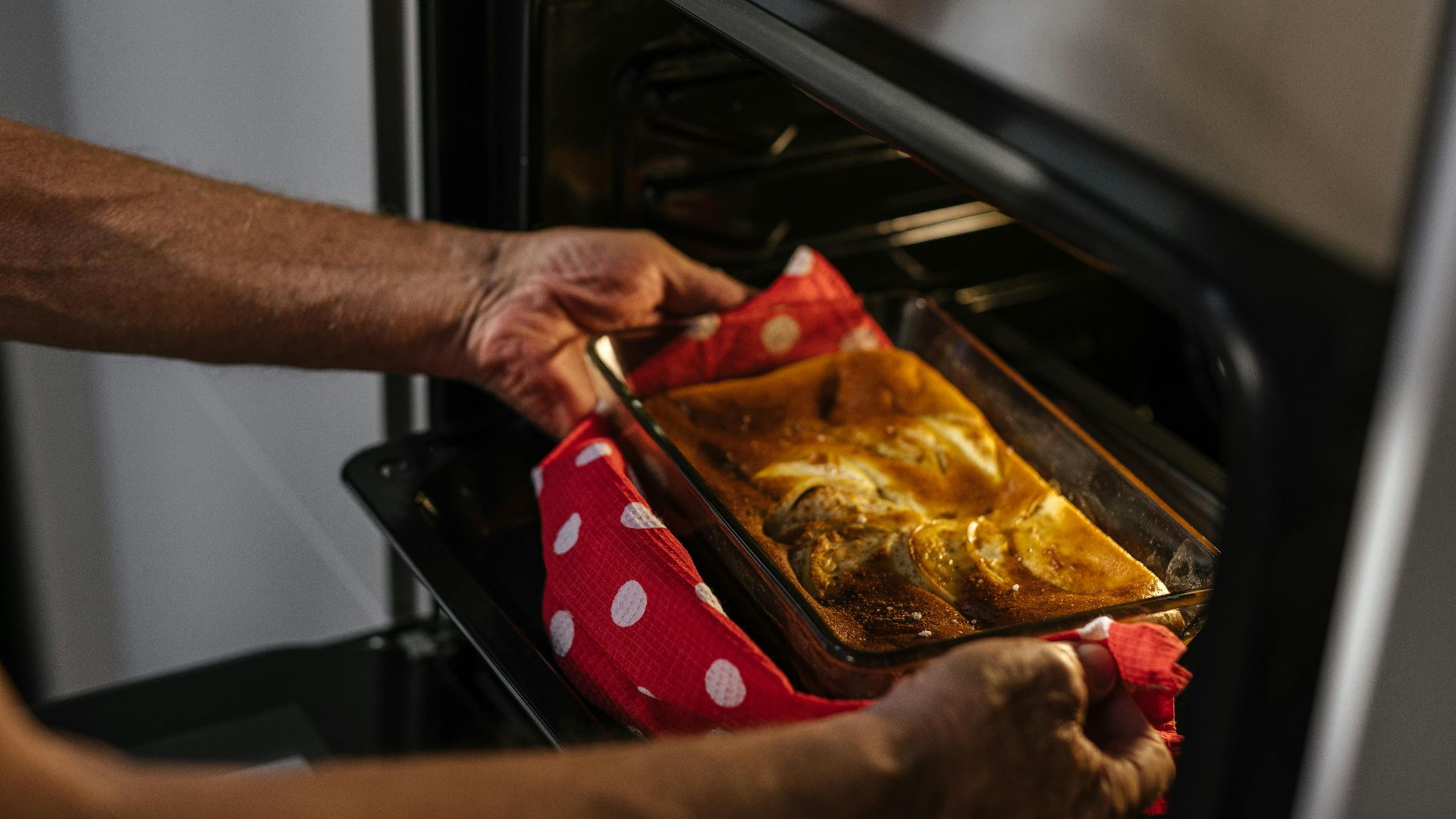
10. Opening the Oven Door Always Ruins Baking
How many ruined cakes did we blame on our impatience? While some baking projects hate heat loss, “always” is a little strong. Quick checks near the end of baking can prevent overbrowning and help you avoid underbaked centers. If you open the door constantly, sure, you’ll cause issues, but one careful peek won’t end the world!
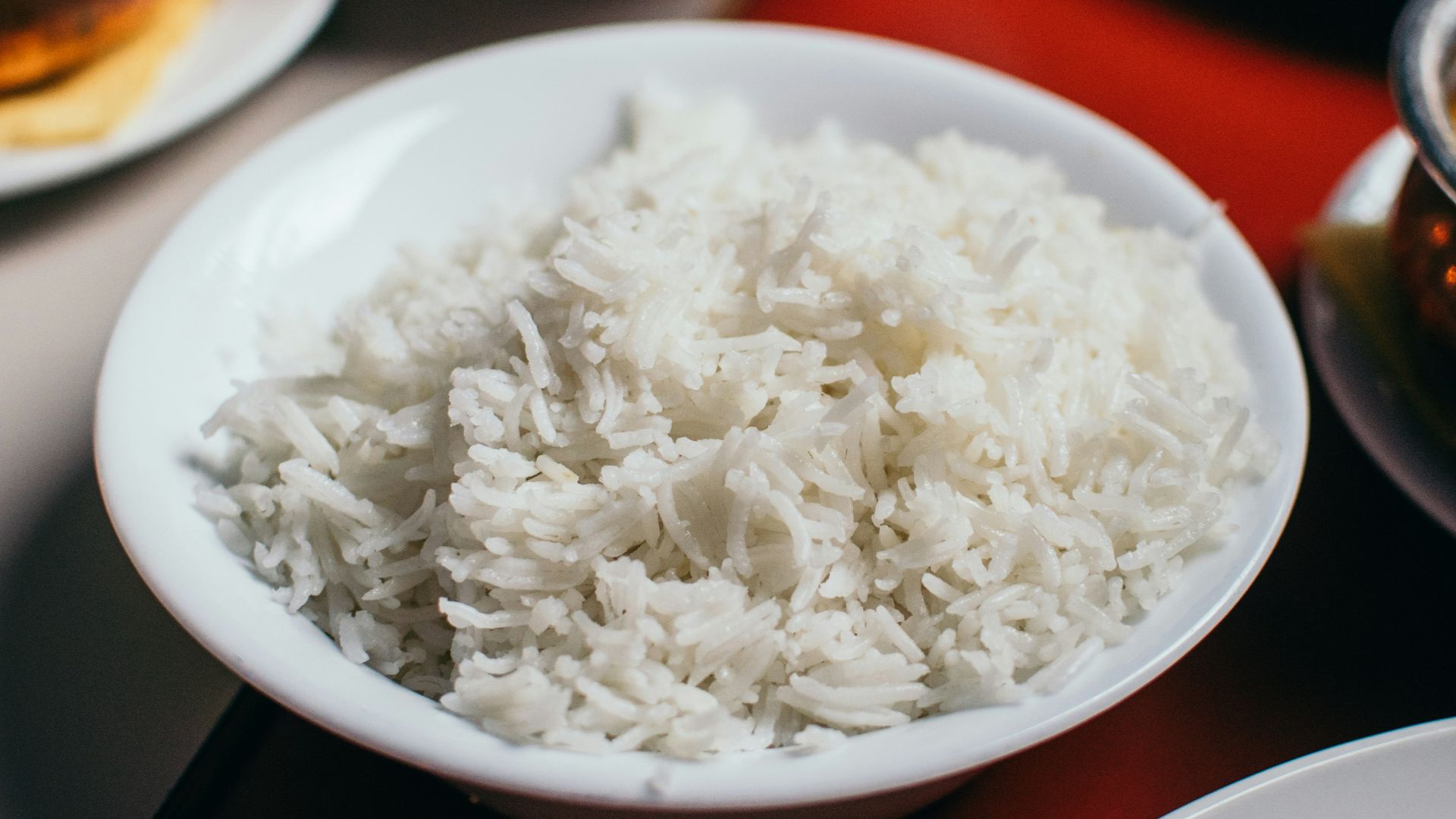
11. Adding Oil to Rice Guarantees Fluffy Grains
Oil isn’t a universal fix, though it can help separate grains in certain styles. That said, water ratio, rinsing, and proper resting after cooking matter more than fat. For proper grains, focus on technique instead of treating oil like a magic wand.
12. Alcohol Completely Cooks Off Every Time
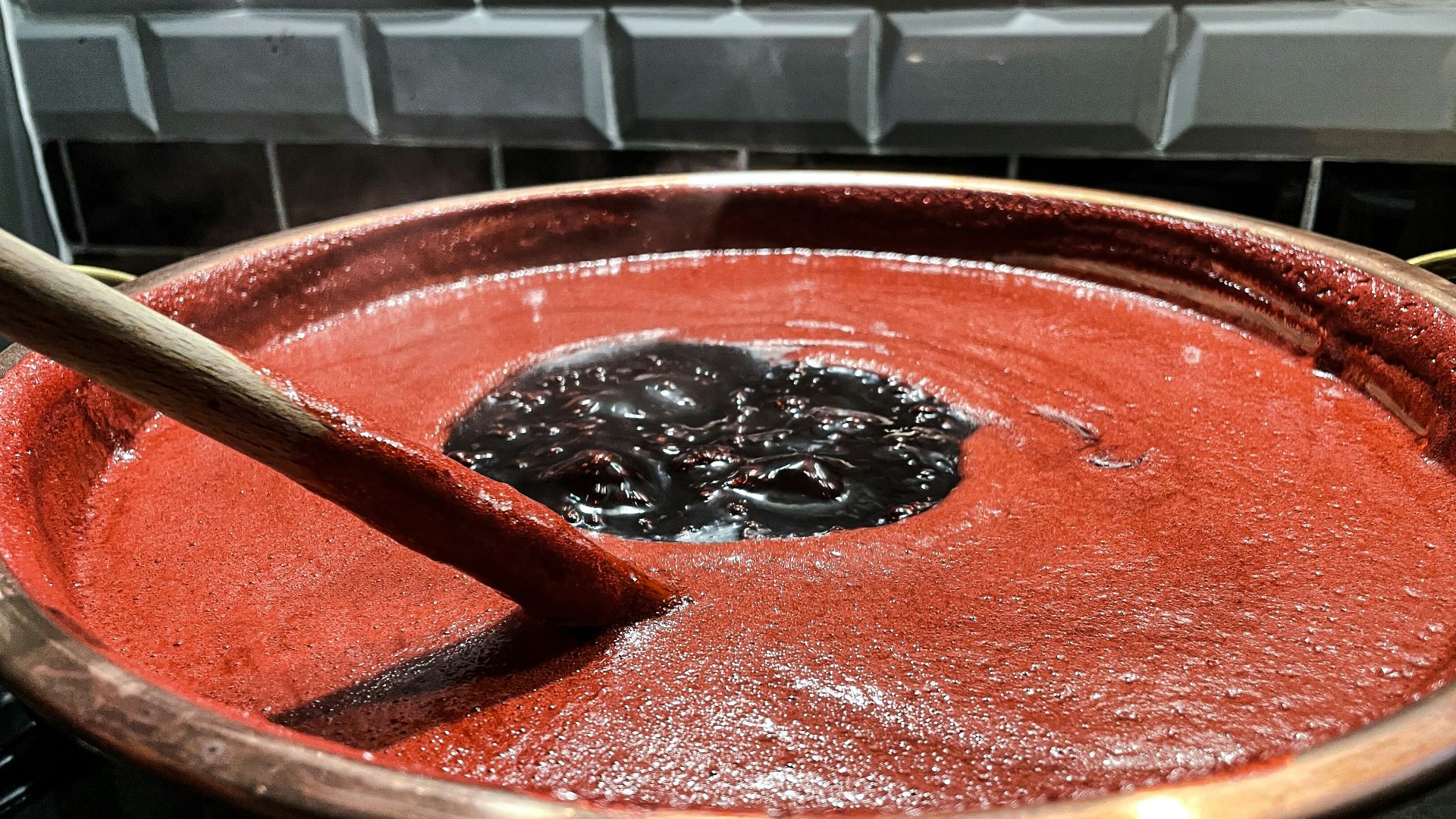
Alcohol does reduce with heat, but it doesn’t always vanish. Depending on cooking time and method, a noticeable amount can remain in the dish. Don’t be afraid to add a little splash of your favorite red.
13. Fresh Herbs Should Always Go In at the Start
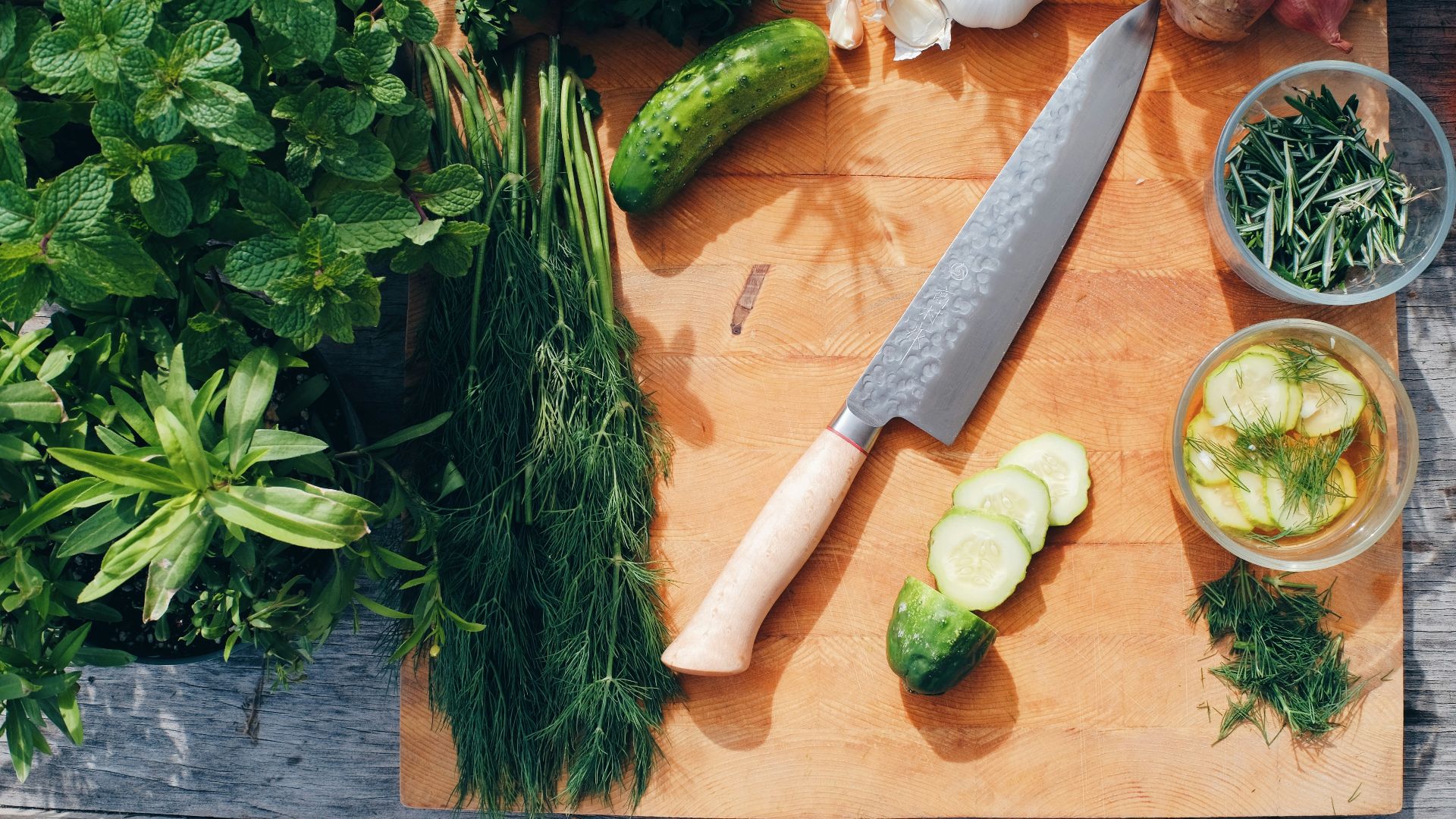
Delicate herbs can lose their punch if they simmer too long, so it’s important to time yourself. Adding basil or parsley near the end keeps their flavor brighter and more recognizable. However, heartier herbs like rosemary can handle longer cooking. The best timing depends on the herb, not a rigid rule.
14. Garlic Should Always Brown for the “Best Flavor”
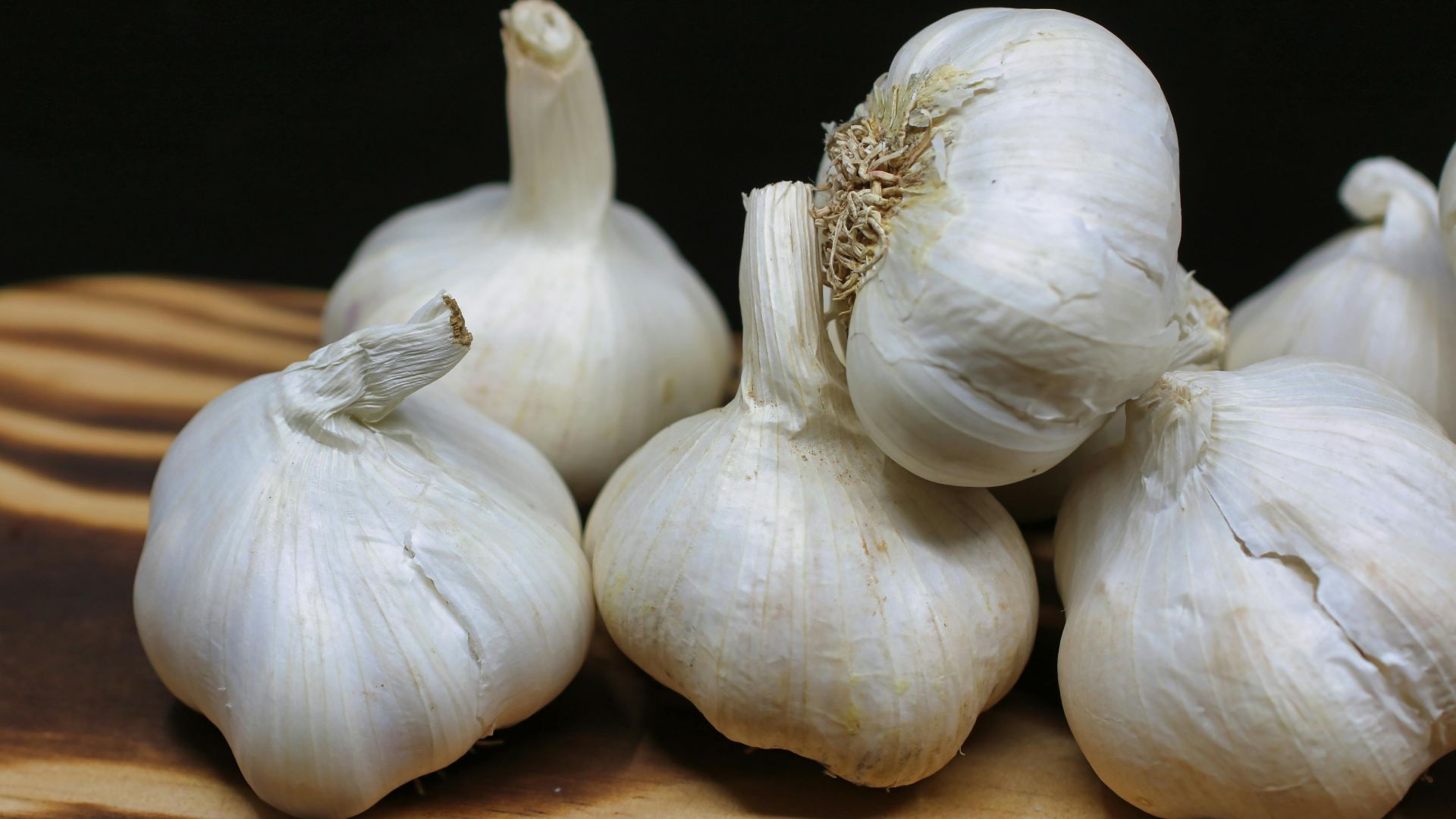
Browned garlic can turn bitter fast, especially when minced. Despite what those recipes say, only gentle cooking brings out sweetness without crossing into harsh territory. If you want deeper garlic flavor, try roasting whole cloves or cooking it slowly rather than chasing a darker color.
15. You Shouldn’t Salt Eggs Until They’re Done
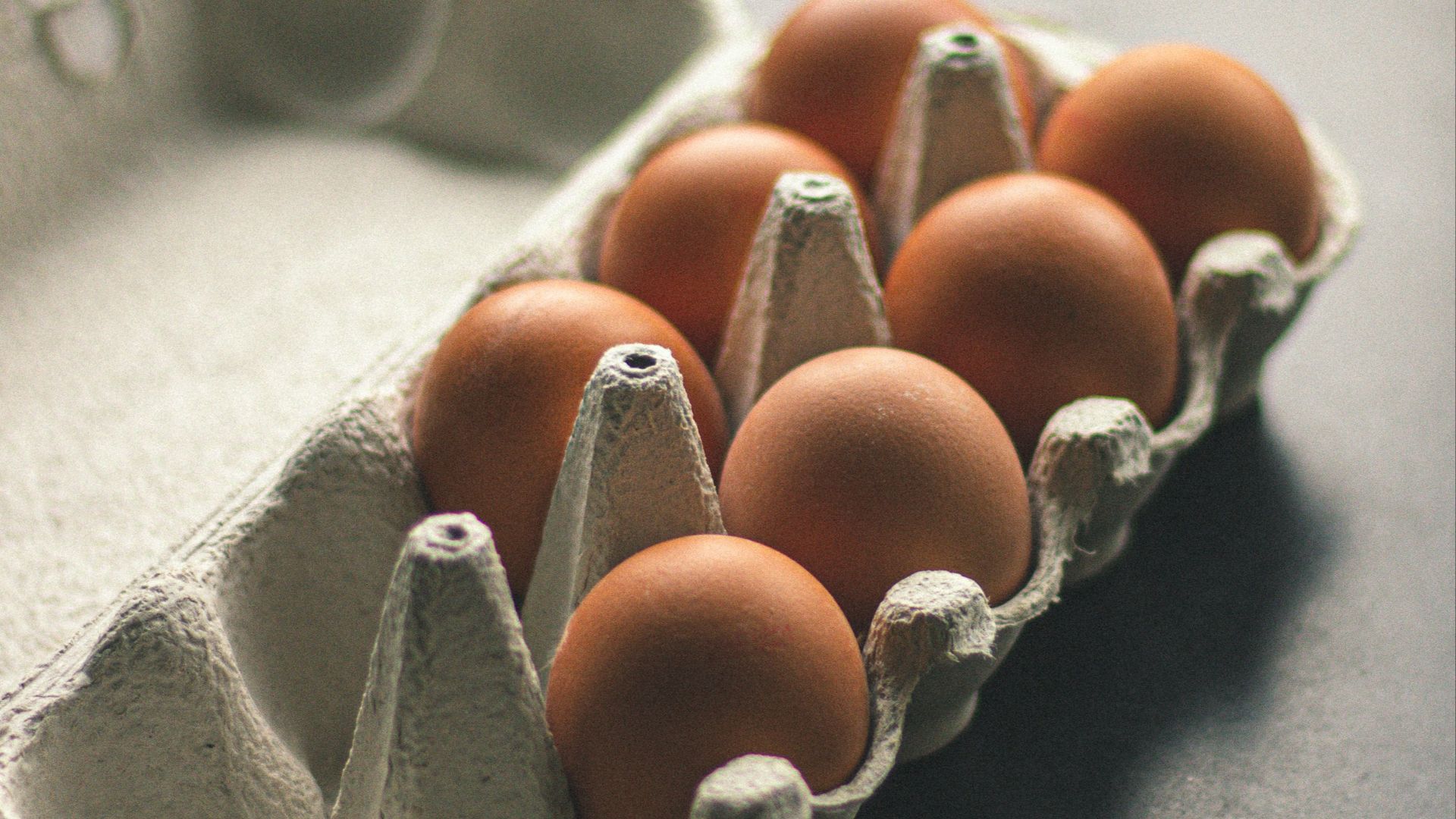
Salting eggs early doesn’t automatically make them watery or tough. With scrambled eggs, a little salt can even help the texture stay more uniform. What really makes eggs rubbery is overcooking, not a pinch of salt at the wrong moment.
16. Metal Spoons “Ruin” Tomato Sauce
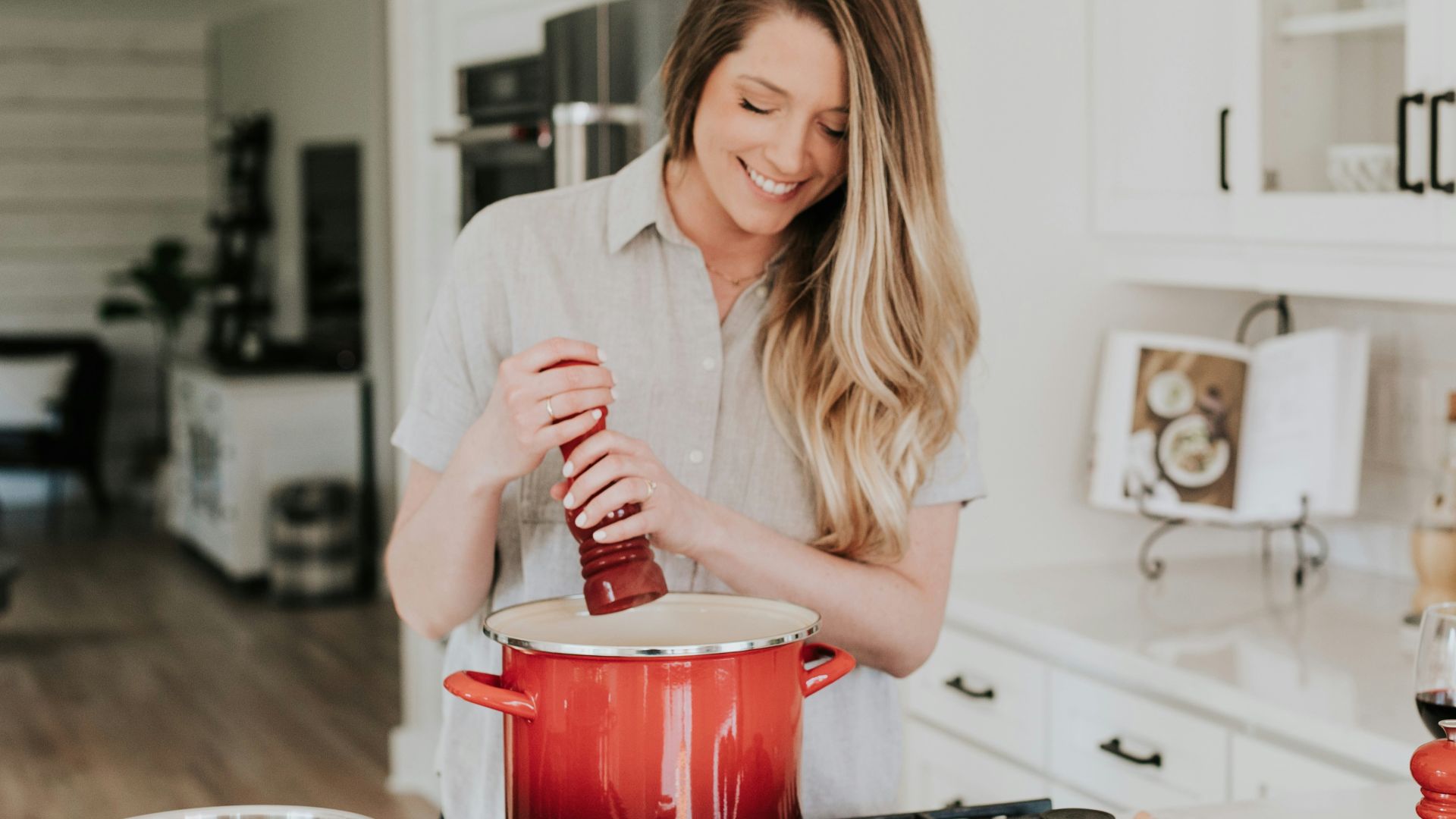
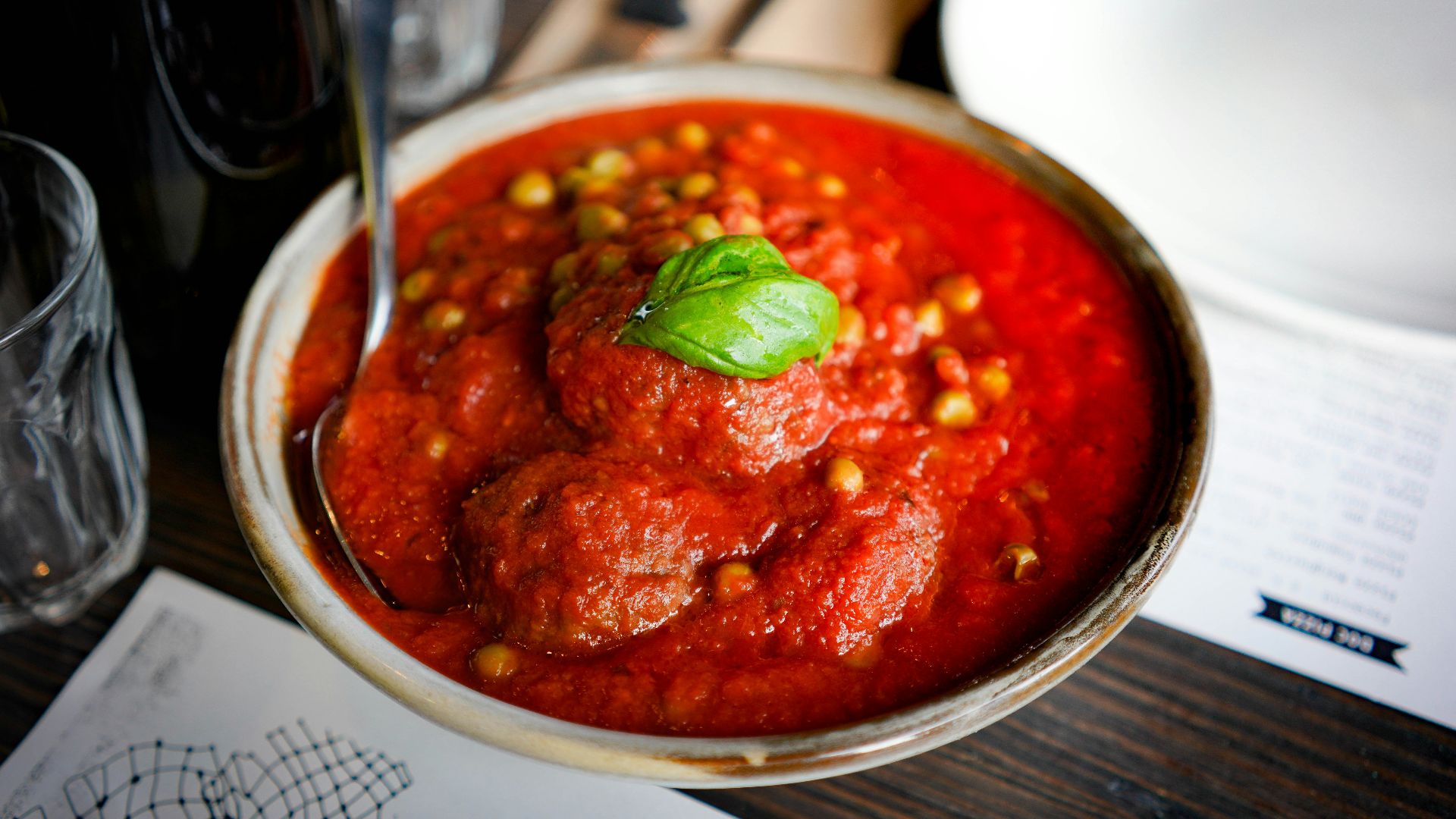
Boy, how weak do we think marinara sauce is? Stainless steel isn’t going to sabotage your pot! The fear comes from reactive metals like unlined aluminum or cast iron in certain situations, but your pot and spoon are standard modern kitchen gear, so stir away.
17. Cooking with MSG Is Unhealthy by Default
MSG is widely considered safe for most people when consumed in typical amounts—and that’s nonsense. It’s a seasoning that boosts savory flavor, and it’s found naturally in foods like tomatoes and aged cheeses. Avoid it if you’re sensitive to it, but don’t act like it’s an automatic villain.
18. You Can Judge Doneness by Poking Meat
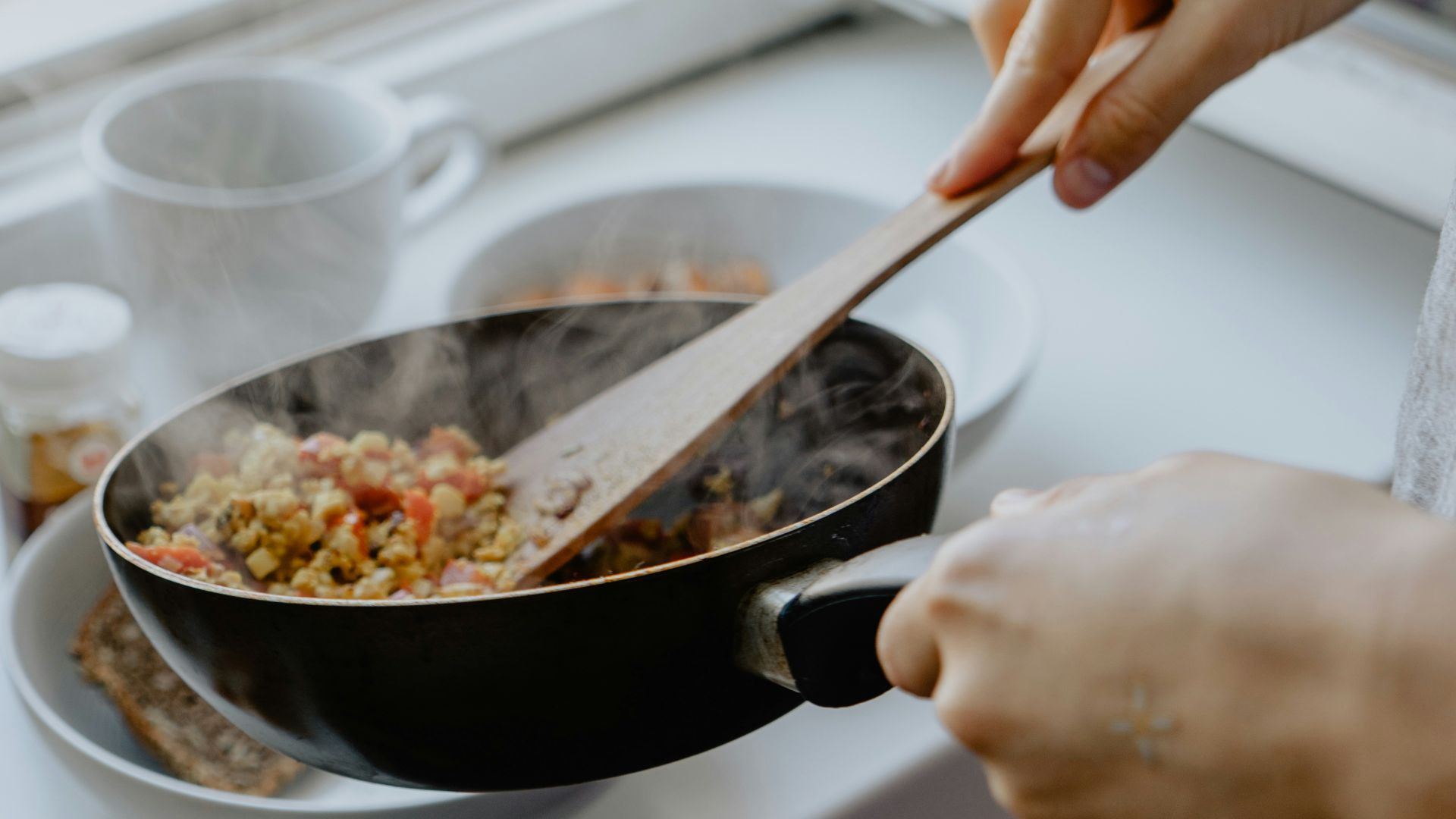
Touch only relays so much information. Though it can give hints, it’s unreliable across different cuts and thicknesses. A thermometer gives you actual data, which means fewer dry pork chops and fewer uncertain chicken breasts.
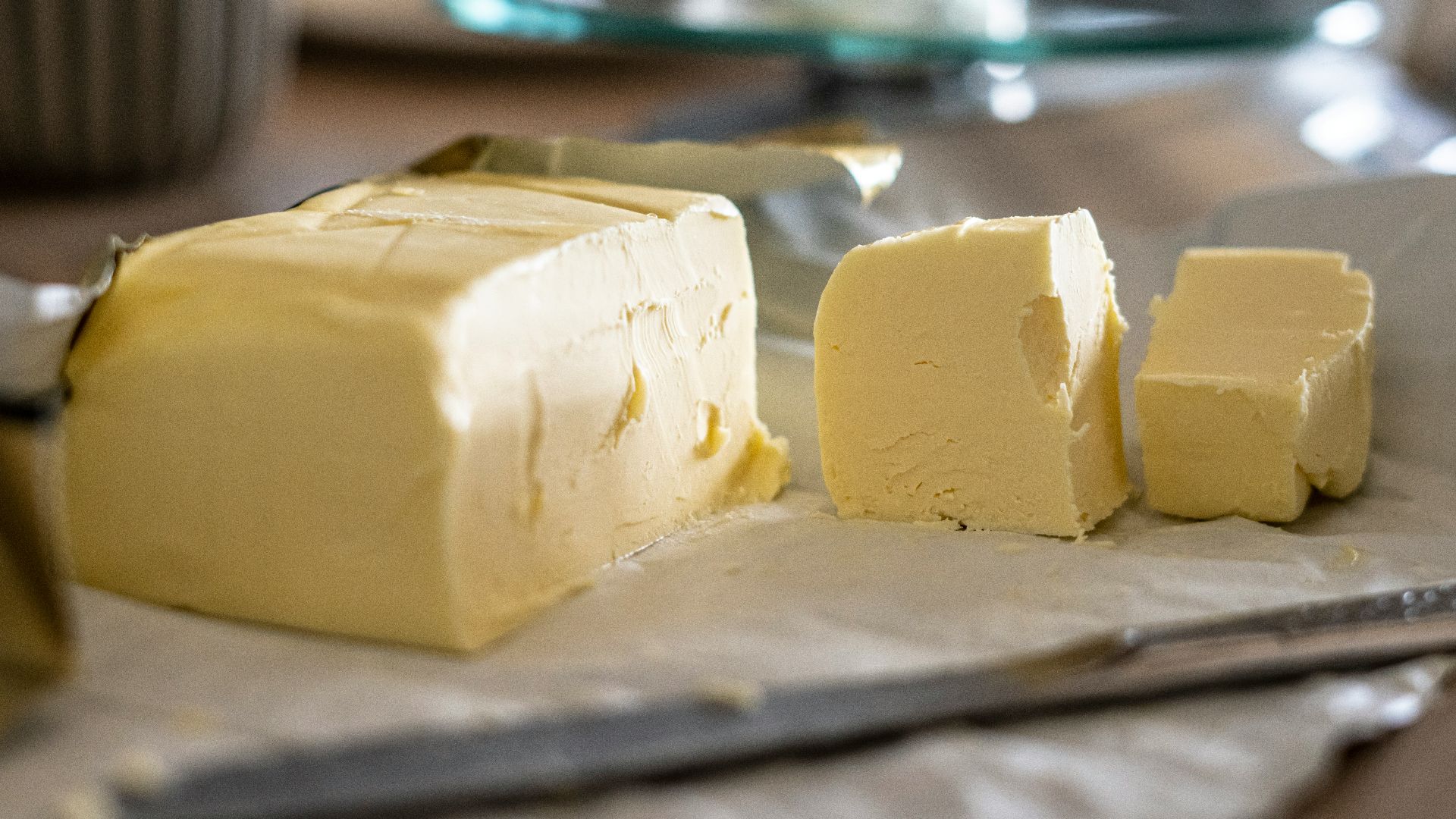
19. Never Mix Butter and Oil
Plenty of cooks combine them in sautés without any culinary disaster. Butter and oil can work together beautifully, especially when you want butter flavor with a slightly higher cooking tolerance. The mix won’t prevent burning forever, but it does buy a little flexibility.
20. Nonstick Pans Are Always Best
Nonstick is handy for eggs and delicate fish—it’s not ideal for everything. High-heat searing and developing a fond for pan sauces often work better in stainless steel or cast iron. If you use one pan for every job, you’re limiting both flavor and technique.
KEEP ON READING

The Most Popular Signature Dishes Around the World