Weirdly Specific Waters People Actually Drink
Water is supposed to be the simplest part of life, the quiet, dependable thing you don’t have to think about. Then you find yourself staring at a shelf full of bottles claiming they were harvested from glaciers, filtered through volcanic stone, or pulled from some mysterious deep aquifer, and suddenly H20 feels like a gross oversimplification. Some of this is definitely branding, yet a surprising amount of it is tied to how humans have historically found safe ways to drink. Water picks up minerals, texture, and even a faint sense of place depending on where it’s been. Here are 20 kinds of drinking water that sound niche until you realize they’re already part of everyday life somewhere.
1. Artesian Water
Artesian water comes from an aquifer trapped under pressure, so when a well taps it, the water can rise naturally without much pumping. The U.S. Geological Survey describes artesian systems as a real groundwater phenomenon, not a trendy invention. It often tastes steady and clean, like water that has been resting underground for a long time.
 Wolfgang Hasselmann on Unsplash
2. Naturally Sparkling Mineral Water
Some springs bubble up already carbonated because underground carbon dioxide dissolves into the water before it reaches the surface. That natural fizz feels softer than the sharp bite of added carbonation, almost creamy in a strange way. In parts of Europe, naturally sparkling mineral water has been a normal table drink for generations.
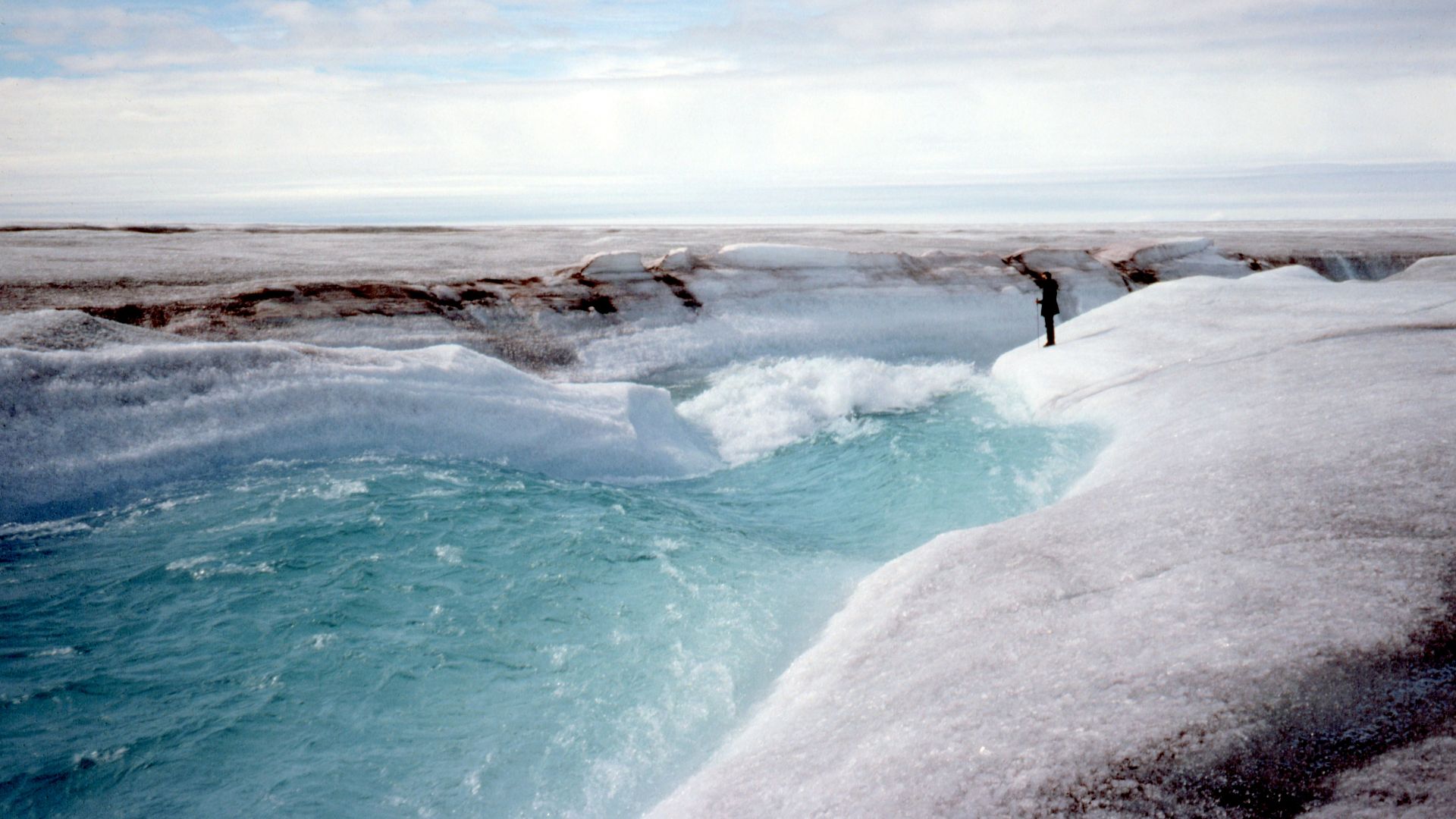
3. Glacier Meltwater
Glacier meltwater is water released from ancient ice that has been compacting for decades or centuries. It’s often sold as ultra-pure, though the real appeal is the clean, airy taste that comes with very low mineral content. In colder regions, glacier water has also been a practical source long before it became a luxury bottle.
4. Iceberg Water
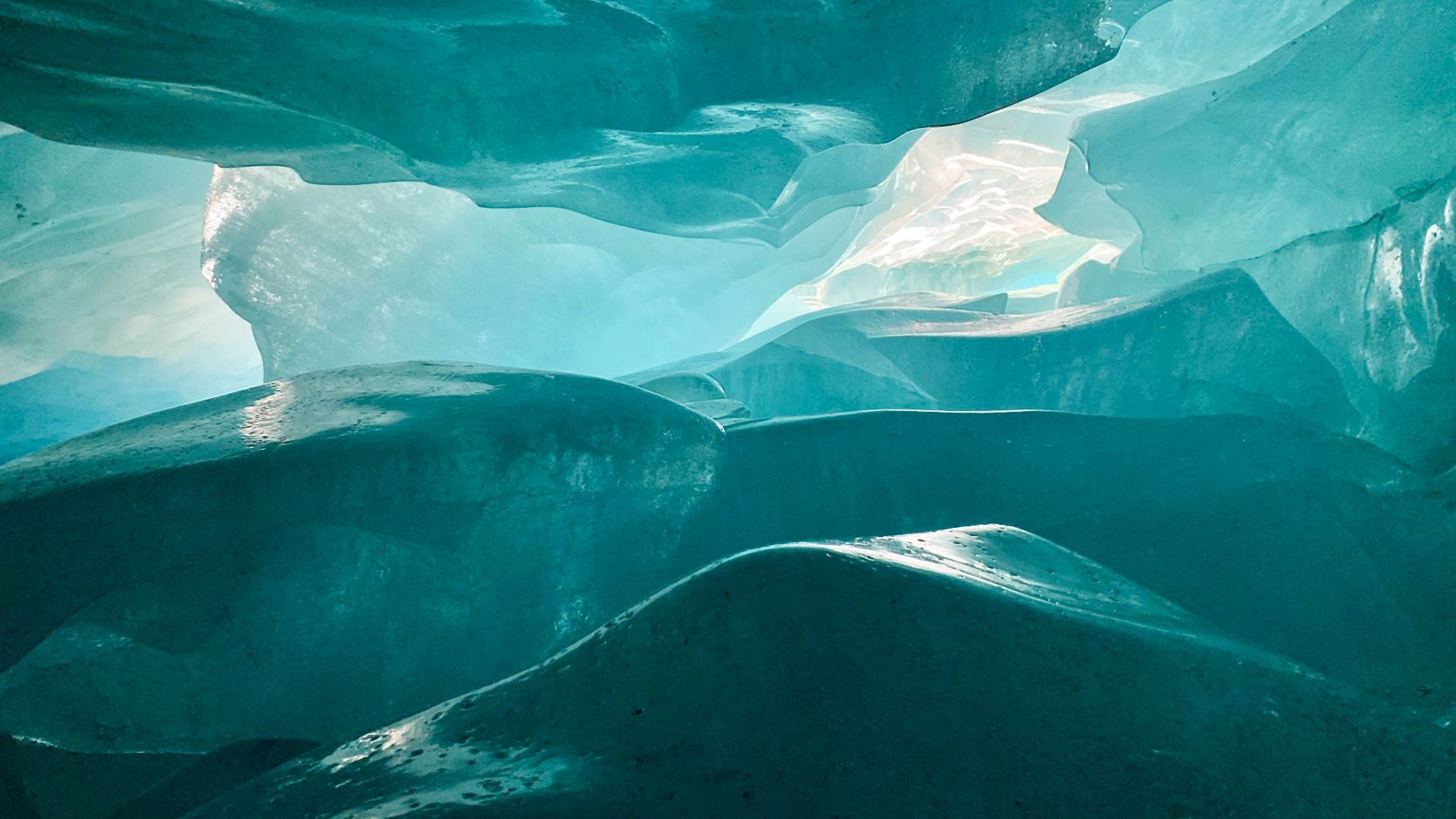
Iceberg water is collected from drifting ice that broke off glaciers and floated out into the ocean. The romance is obvious, drinking something that feels like it belongs in a polar documentary. The taste is usually extremely light, mostly because the water contains so few dissolved minerals.
5. Fossil Aquifer Water
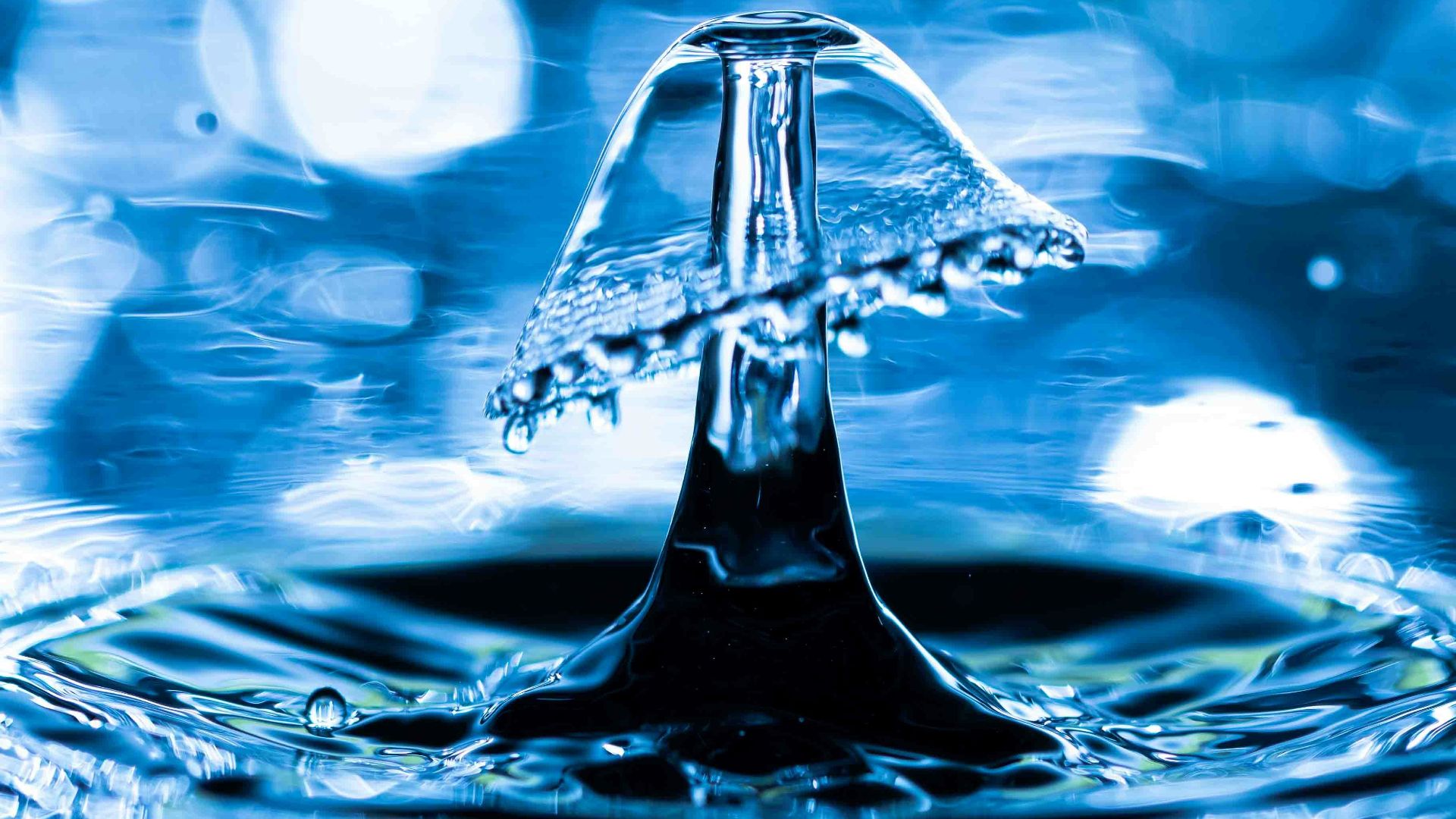
Fossil water sits deep underground in aquifers filled thousands of years ago during wetter climates. Hydrologists use the term when talking about groundwater that barely recharges on human timescales. It can have a heavier mineral taste, almost like the water carries a quiet sense of age.
6. Deep Ocean Water
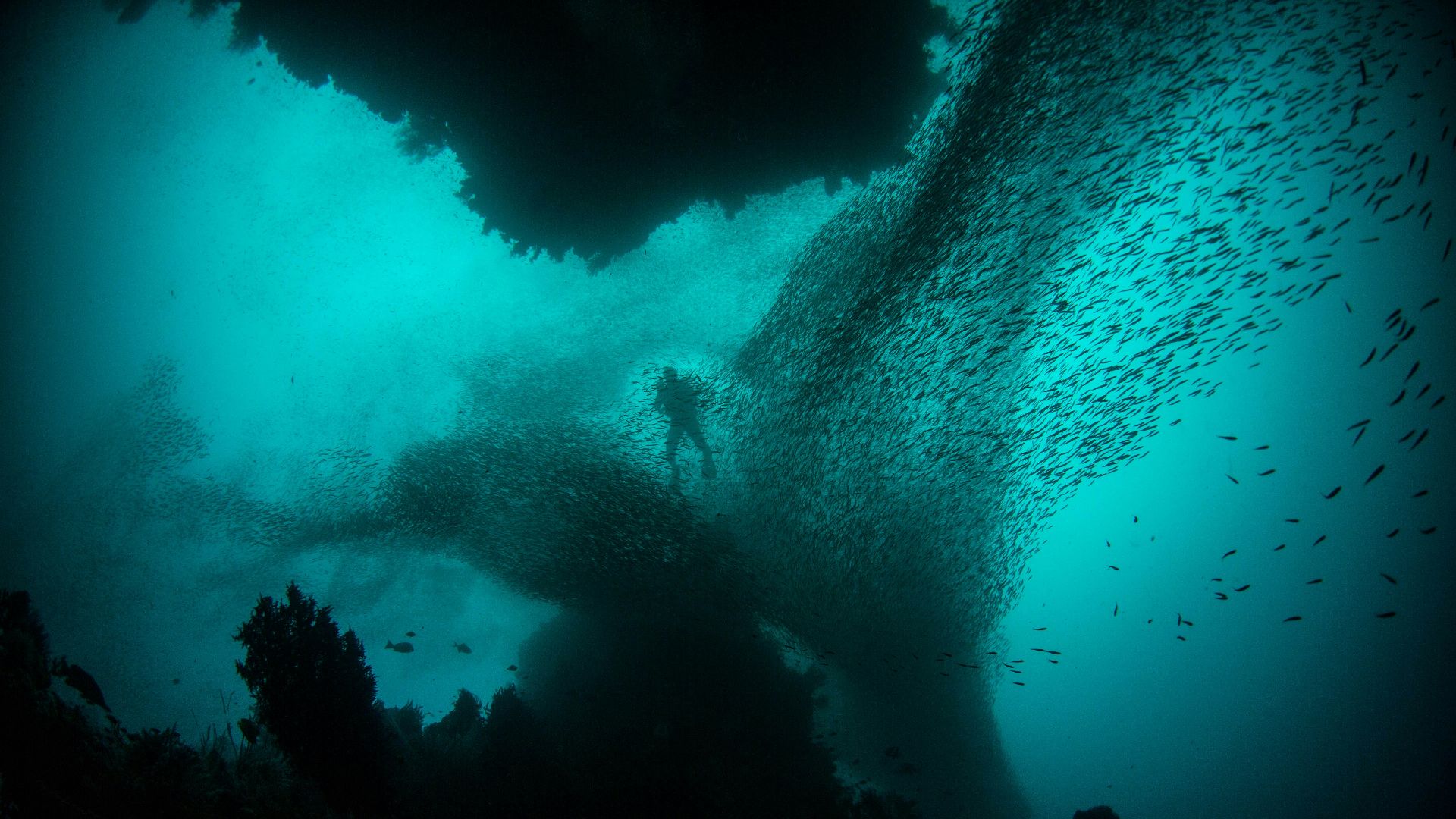
Deep ocean water is drawn from far below the surface, where sunlight doesn’t reach and temperatures stay cold. It’s used in places like Japan and Hawaii for specialty water products, usually after desalination. The concept feels futuristic, like drinking something pulled from a hidden layer of the planet.
7. Desalinated Seawater
Desalinated water starts as seawater and becomes drinkable through technologies like reverse osmosis. Countries such as Israel rely heavily on desalination, making it a daily reality rather than an experiment. The water can taste flat unless minerals are added back, so many systems adjust it for balance.
8. Distilled Water
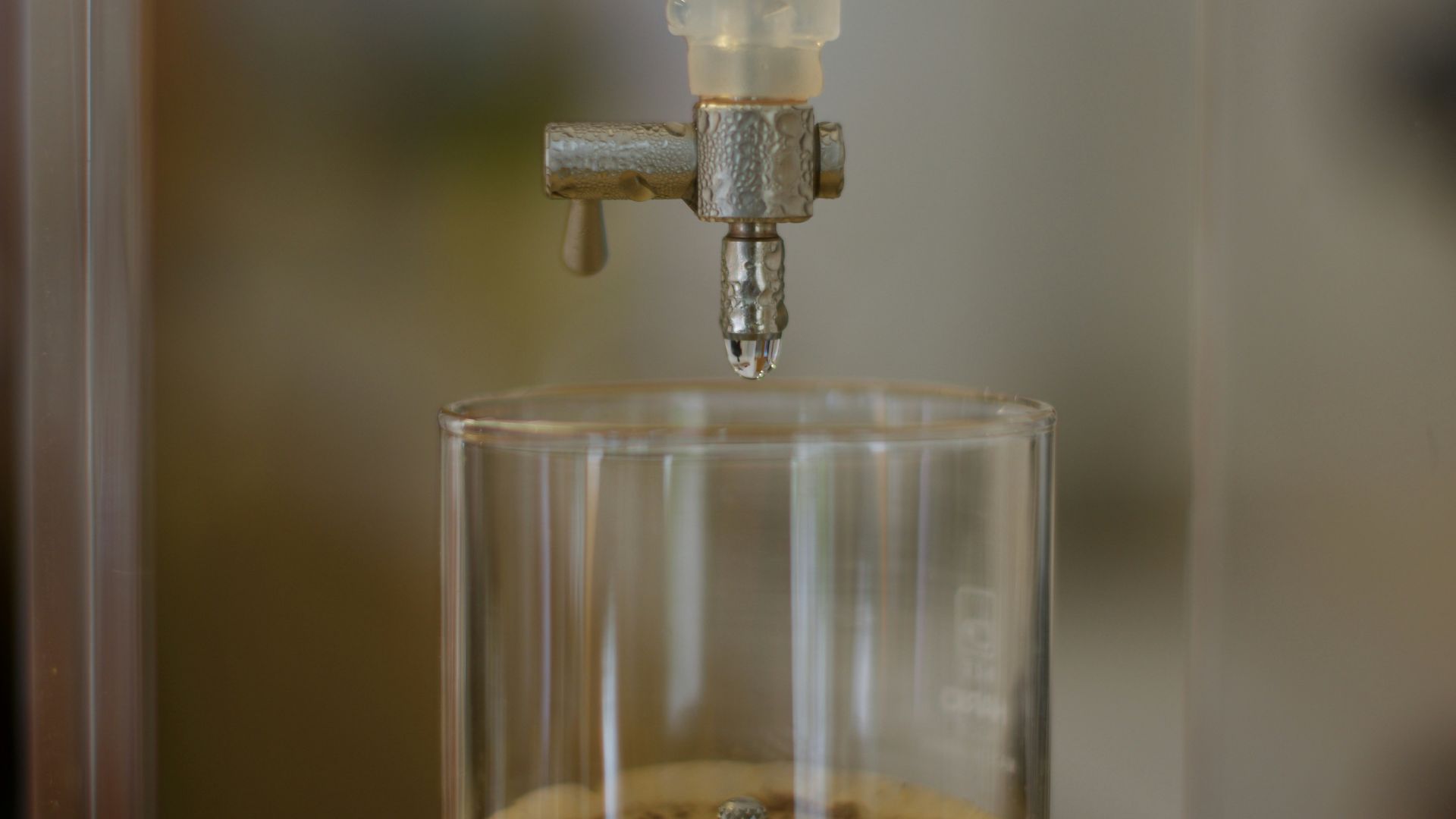
Distilled water is made by boiling water into steam and condensing it back, leaving many dissolved solids behind. It’s common in labs and appliances, though some people drink it for short-term uses. The World Health Organization has discussed that very low-mineral water isn’t ideal as an only long-term source.
9. Deionized Water
Deionized water is processed to remove charged minerals, which is why it’s used in manufacturing and scientific work. It looks ordinary, yet the taste can feel strangely empty, almost too smooth. Like distilled water, it’s more of a technical product than a daily drinking staple.
10. Reverse Osmosis Purified Water
Reverse osmosis water is filtered through a membrane that blocks many contaminants. It’s widely used in home systems and municipal treatment because it creates very consistent results. The downside is that it can remove minerals that give water its familiar flavor.
11. Remineralized Purified Water
Remineralized water begins as purified water and then has minerals added back for taste and stability. Many bottled brands do this so the water tastes the same no matter where it’s sold. The best versions feel balanced, disappearing in your mouth without any metallic or overly flat note.
12. Alkaline Water
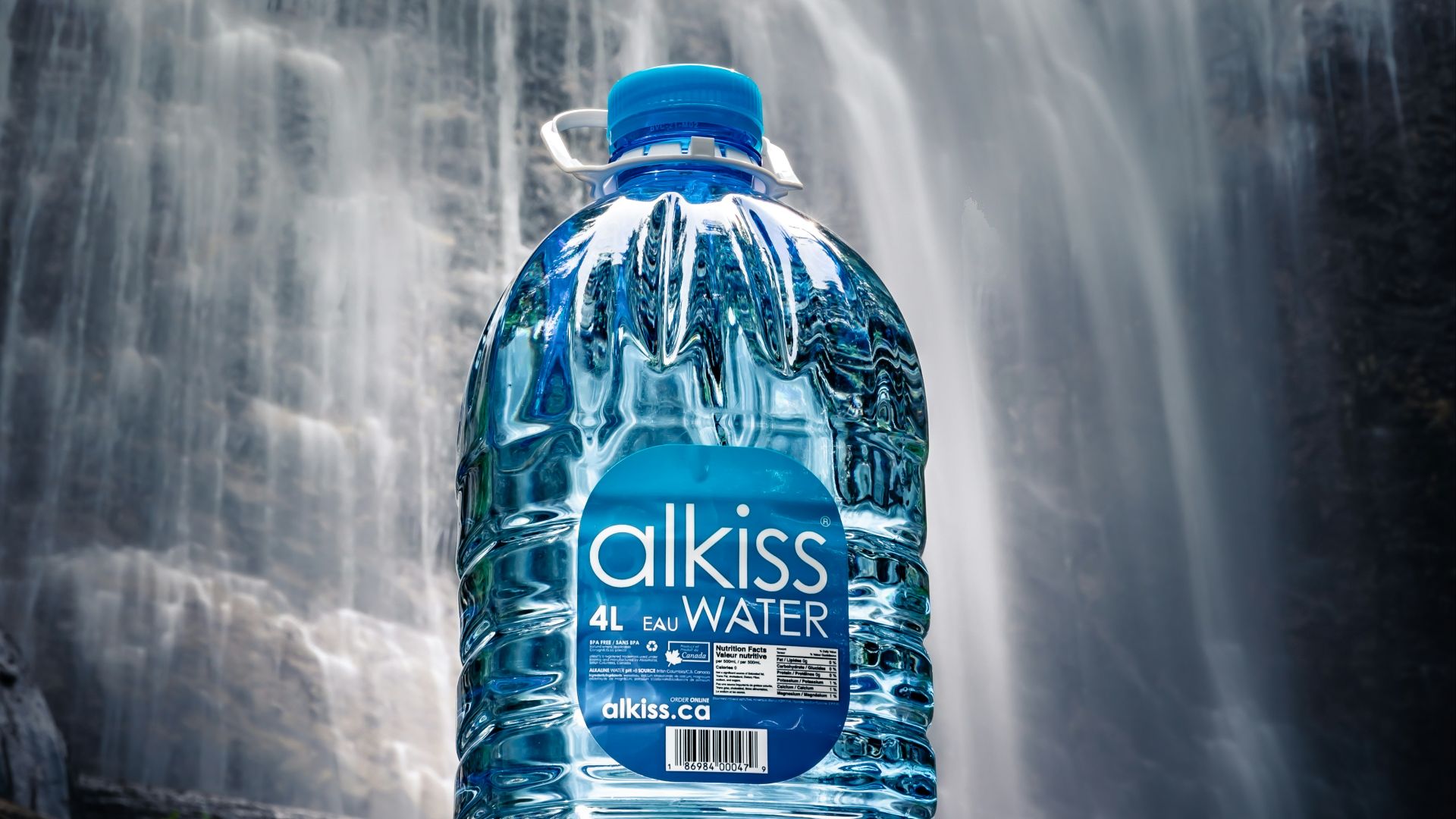
Alkaline water is typically made by raising the pH through mineral addition or ionization. The science behind dramatic health claims is shaky, and reputable medical sources tend to be cautious about the hype. Still, the mineral content can create a smoother taste that some people genuinely enjoy.
13. Hydrogen-Infused Water
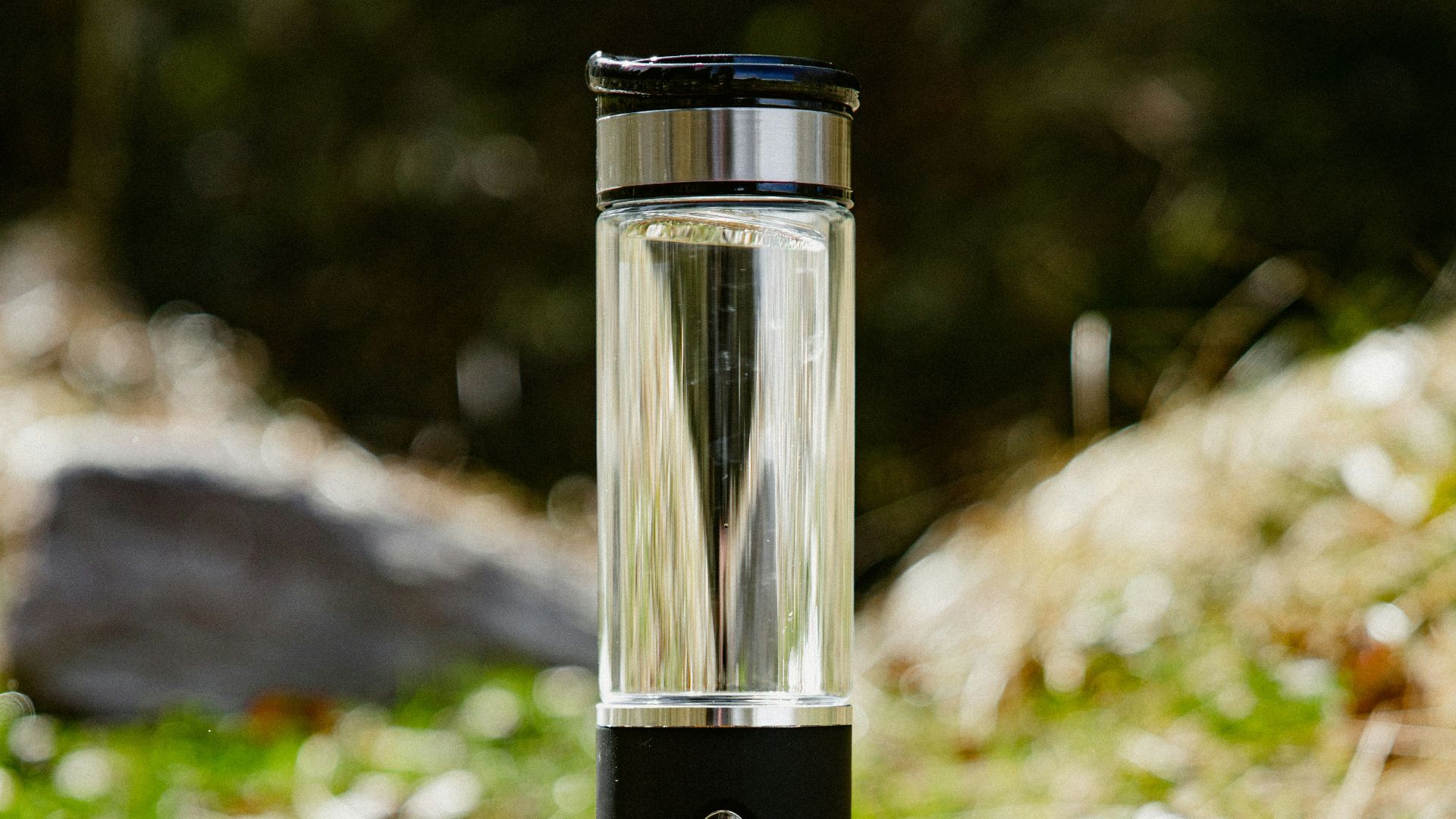
Hydrogen water has dissolved molecular hydrogen added, usually sold in sleek, high-tech packaging. Research exists in experimental contexts, though everyday wellness promises often run ahead of the evidence. The reality is simple: it’s water with a gas that escapes quickly, which is why freshness matters.
14. Electrolyte-Enhanced Water
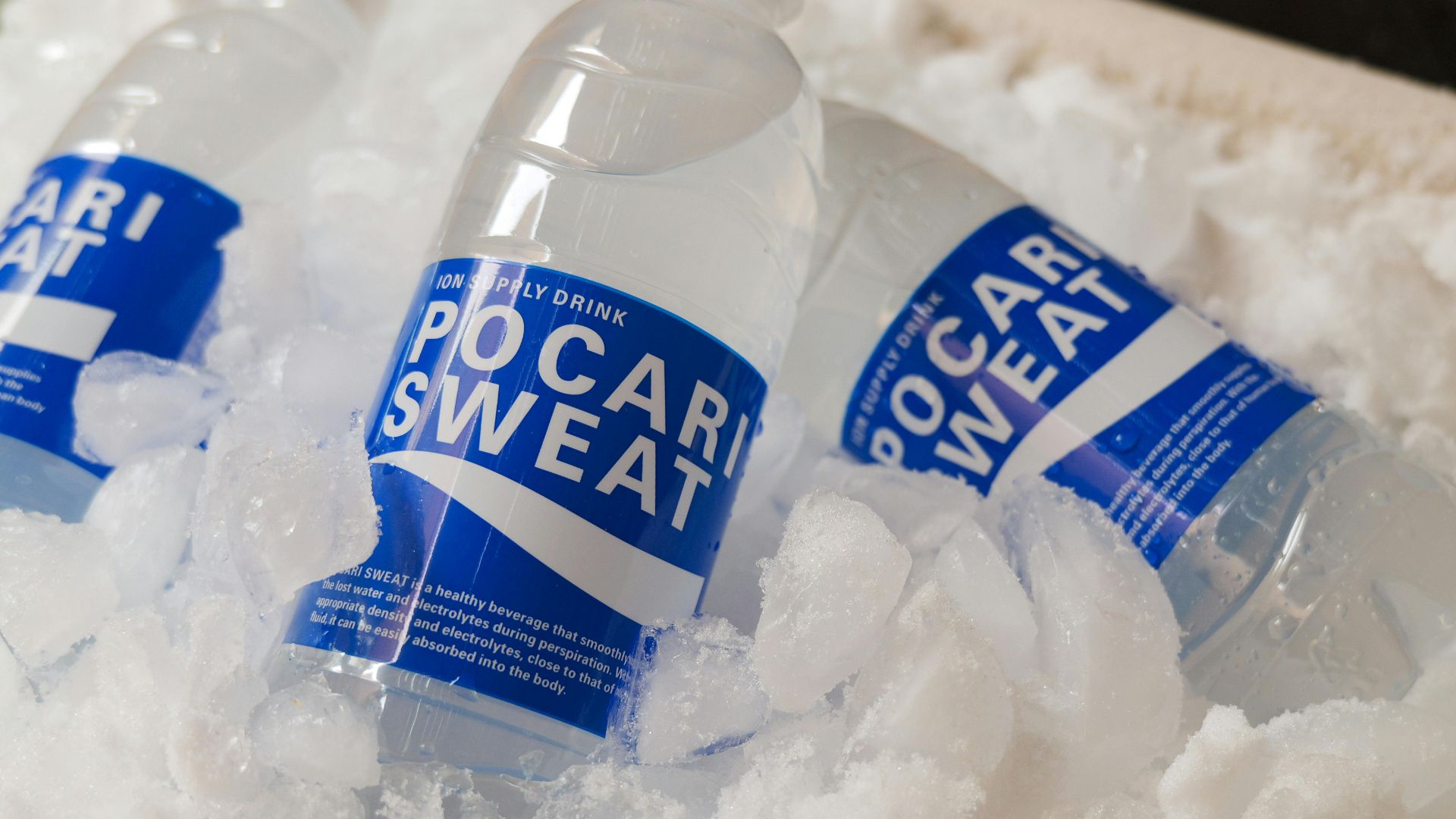
Electrolyte water includes added minerals like sodium or potassium, often marketed for hydration after sweating. It’s basically a subtle step away from sports drinks, without the sugar and bright flavors. The taste can be faintly salty, which makes it feel oddly refreshing in hot weather.
15. Reclaimed Potable Reuse Water
This is purified recycled water treated so thoroughly it can safely return to drinking supplies. Singapore’s NEWater and Orange County’s groundwater replenishment system are famous examples of potable reuse done at a high level. The strange show of it is that the water can end up cleaner than many conventional sources.
16. Rainwater Harvested Water
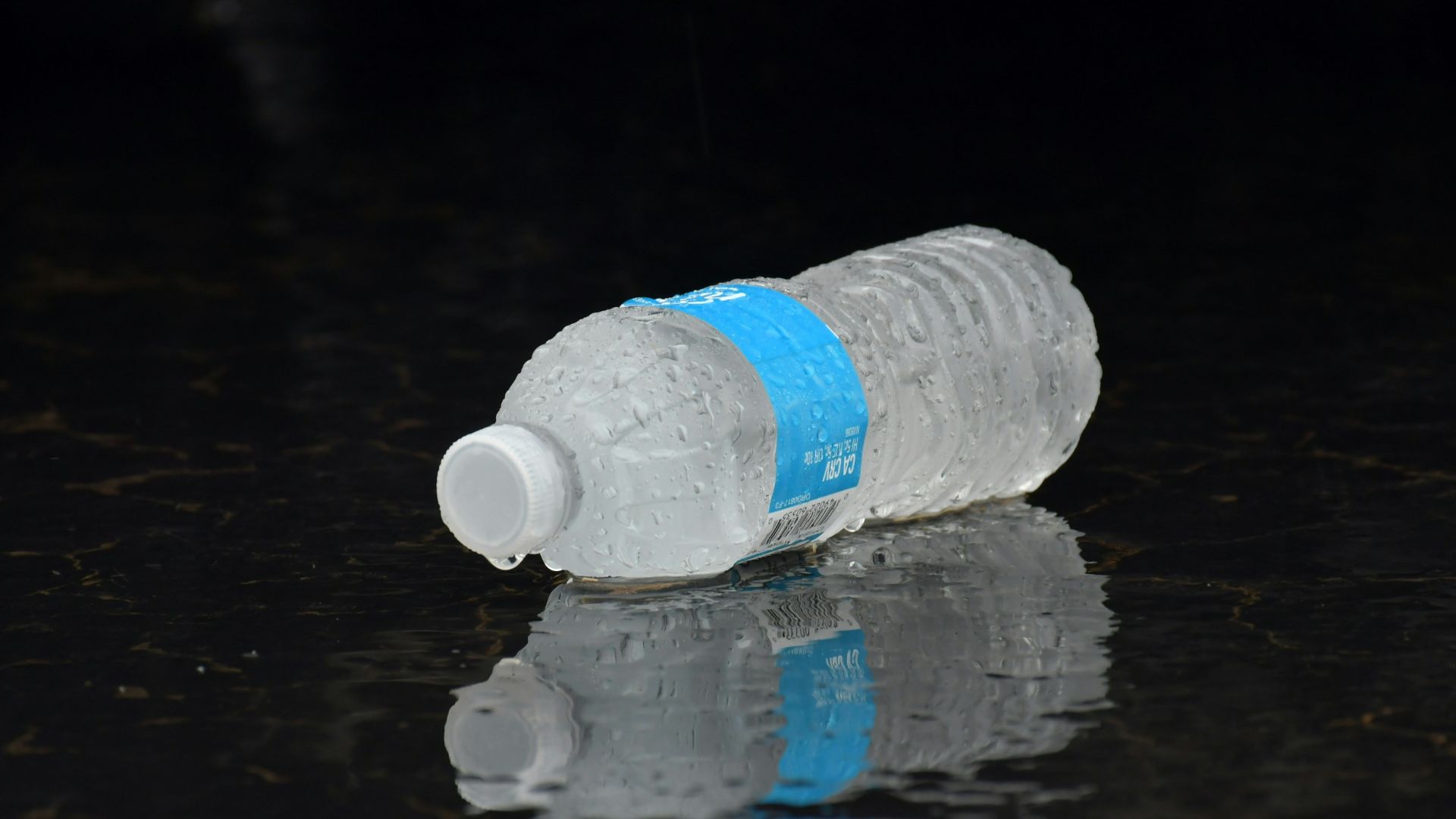
Rainwater harvesting captures rainfall from roofs or catchment systems, then stores and treats it for household use. It’s an old idea that shows up in modern sustainability planning, especially where water is scarce. When properly filtered, rainwater can taste bright and almost delicate.
17. Fog-Harvested Water
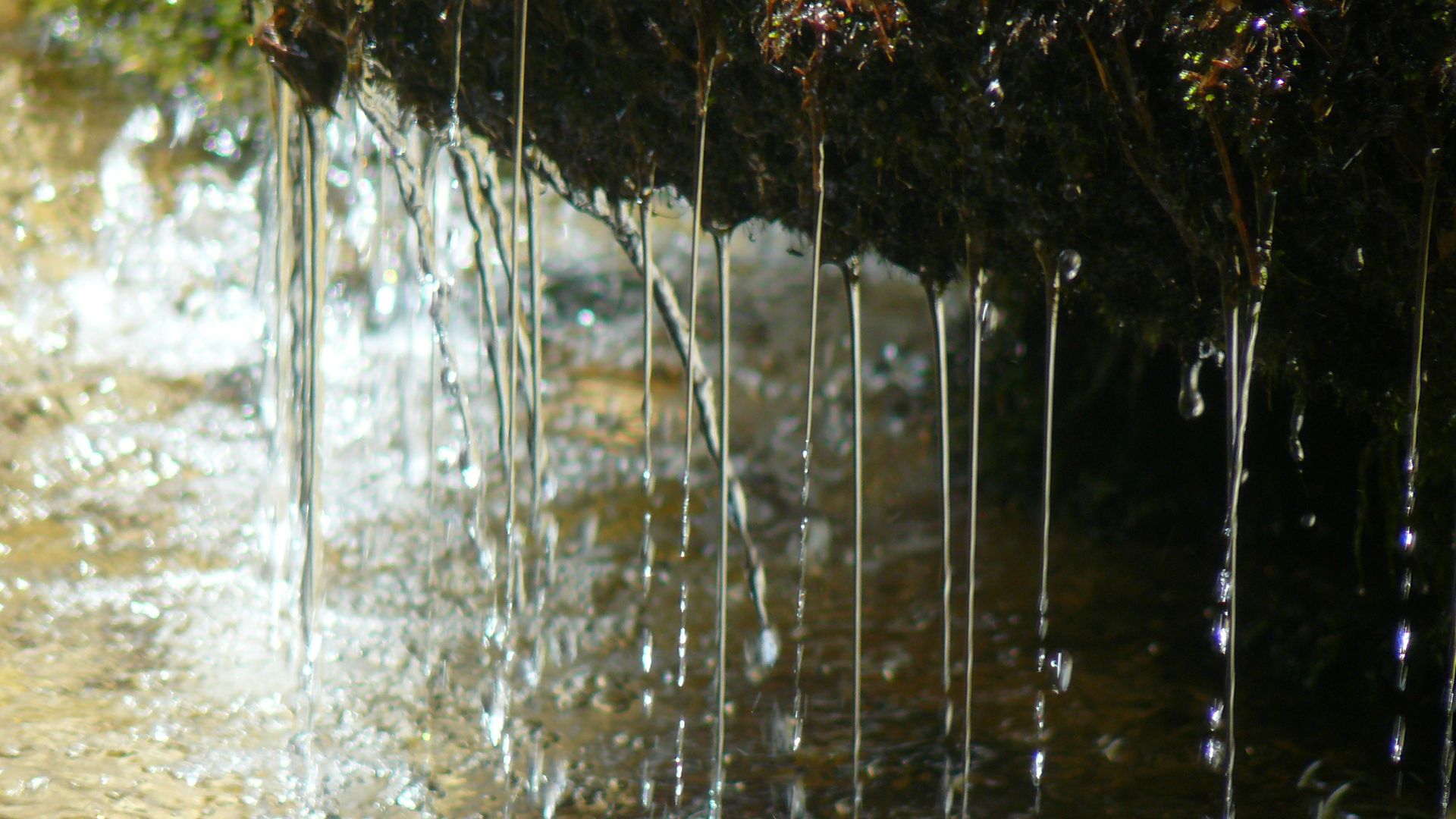
Fog harvesting uses mesh nets to collect tiny droplets from fog, channeling them into storage tanks. Projects in places like Chile have shown how fog can become a real water source in dry climates. There’s something poetic about drinking water gathered straight from the air.

18. Volcanic Spring Water
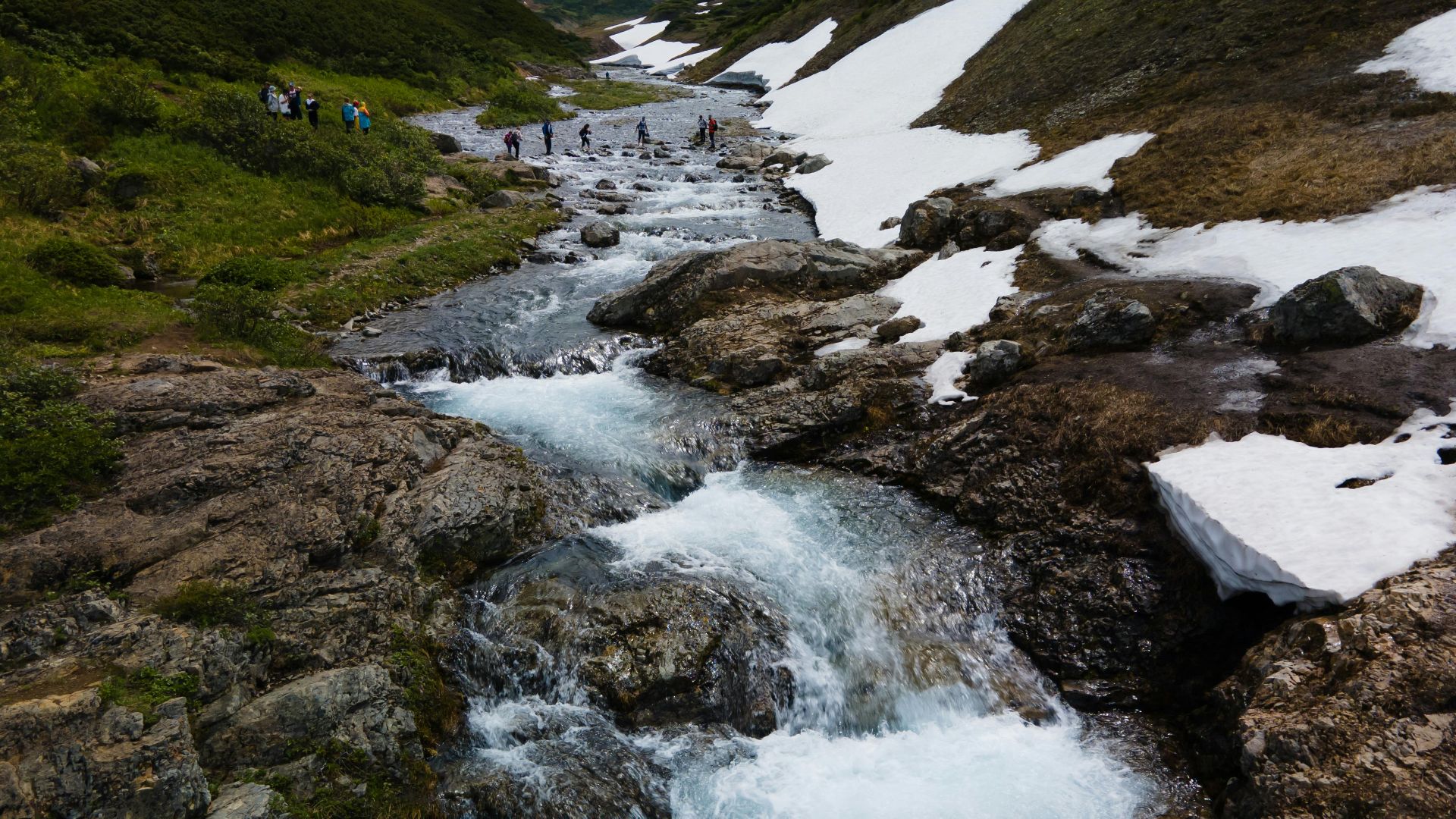
Volcanic spring water flows through volcanic rock, picking up minerals that shape its flavor. Regions with geothermal activity have long histories of spring culture, where water is part of local identity. The taste can feel grounded and mineral-rich, almost like the landscape made it.
19. Birch Sap Water
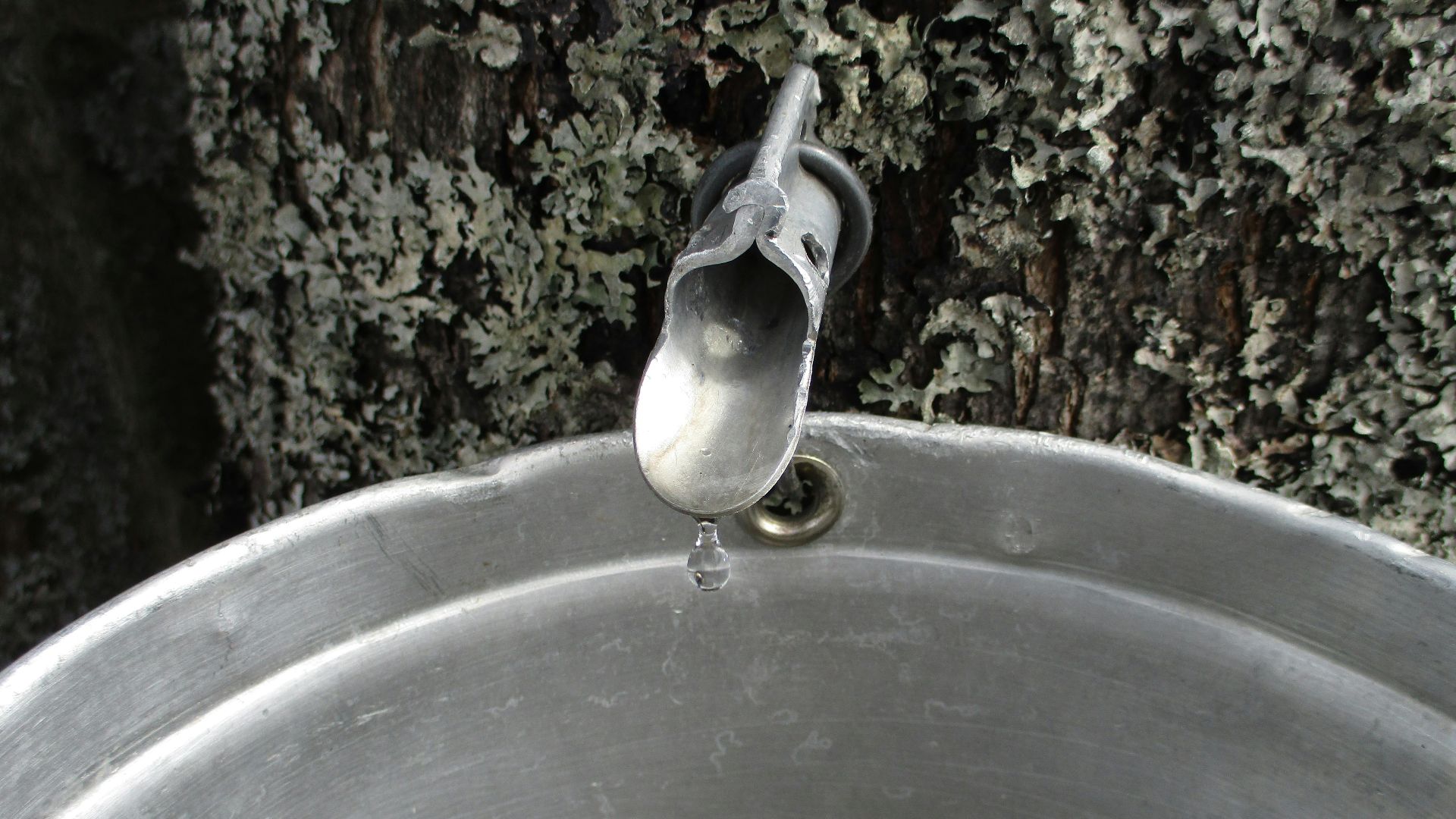
Birch water comes from birch sap, traditionally collected in Northern and Eastern Europe during spring thaw. It’s thin and clear, with a faint woody sweetness that feels surprisingly natural. Bottled versions land somewhere between plain water and a very restrained plant-based drink.

20. Maple Sap Water
Maple sap water is the clear sap that becomes maple syrup after boiling, and it’s far more subtle than people expect. In maple-producing regions, tasting sap straight from the source has been part of sugaring season for centuries. Bottled maple water carries that seasonal, almost wintry freshness in a gentle way.
KEEP ON READING

20 Food Requests Only Spoiled People Ask For

20 Hardest Foods on Earth To Eat
Do Vitamin Supplements Actually Make You Healthier?