What's At Risk, And Why
Food feels permanent until it isn't, and the last few decades have made that lesson clear more than once. A single disease can wipe out a crop that took a century to establish, and a fishery that took decades to overfish can collapse in a season. Some of the foods on this list are decades from real scarcity, and some are already closer than most people realize. None of it is hypothetical, and grocery store shelves haven't caught up to it yet. Here's 20 foods worth paying attention to before they're gone, or at least much harder to find.
 Pablo Merchán Montes on Unsplash
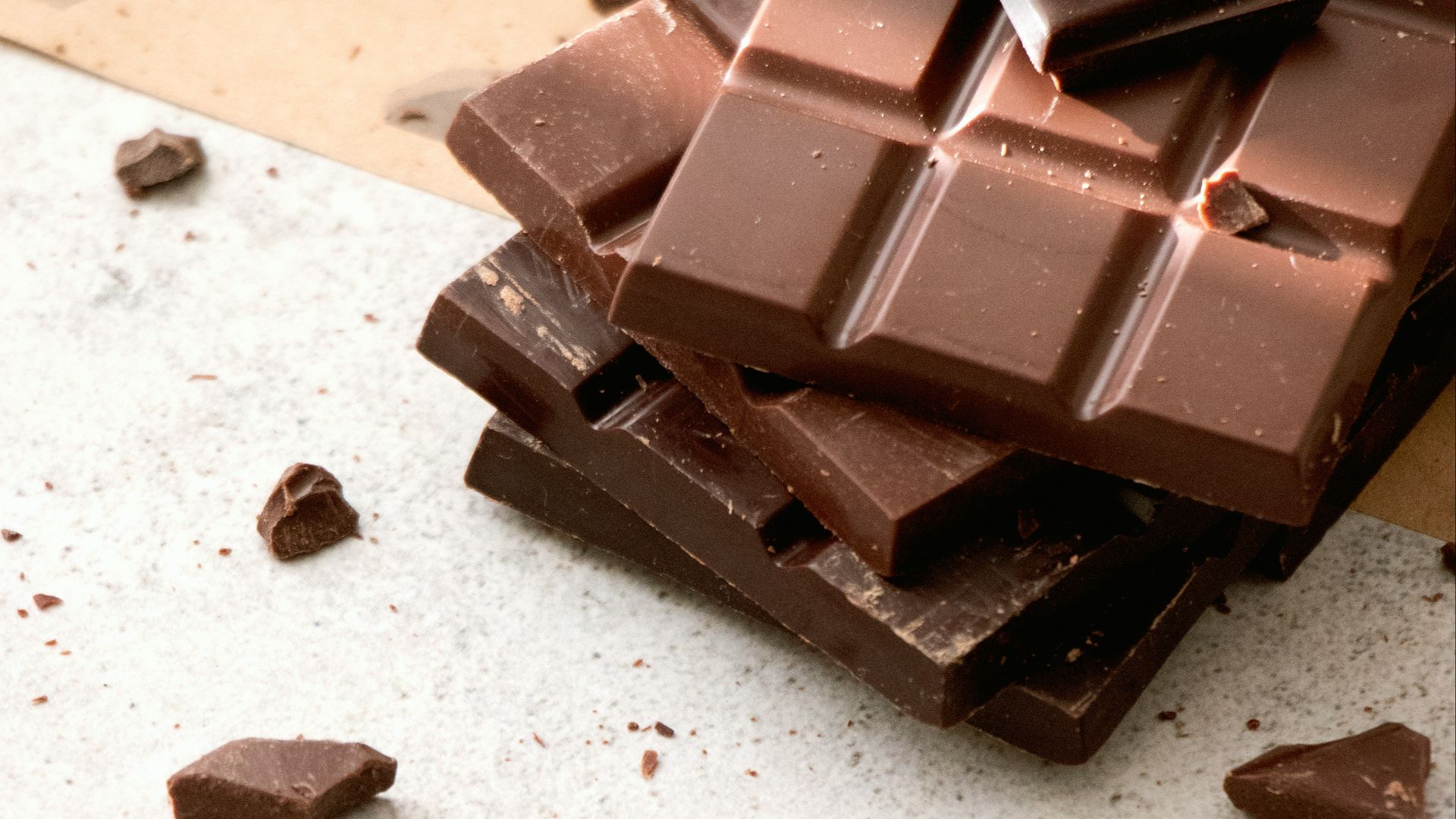
1. Chocolate
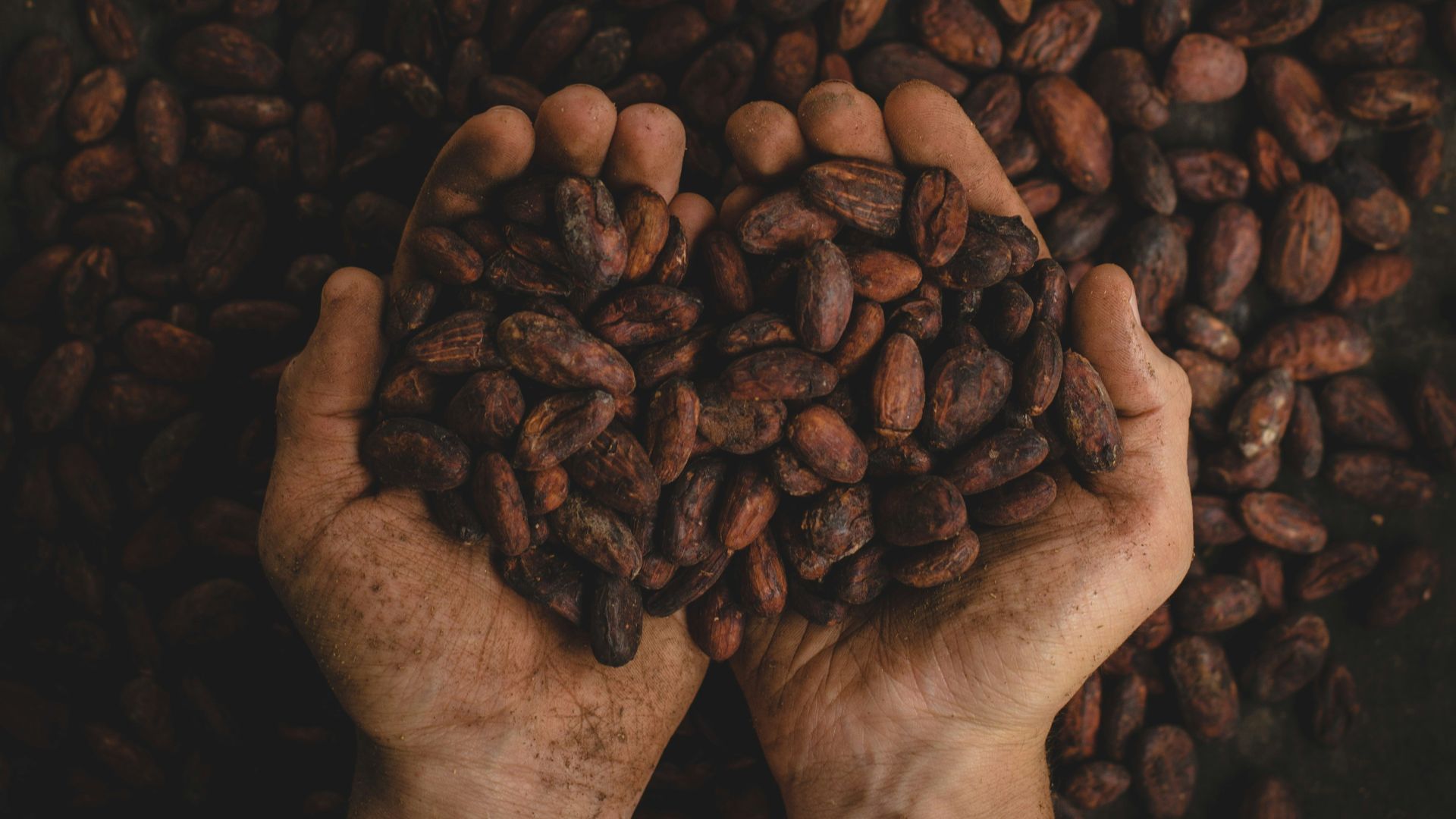
Cacao trees are finicky, and most of the world's supply comes from a narrow band of West Africa where heat and erratic rainfall are cutting into yields. Add in swollen shoot virus and aging trees farmers can't afford to replace, and the crop is under real pressure. Expect it to get scarcer and pricier for a long while.
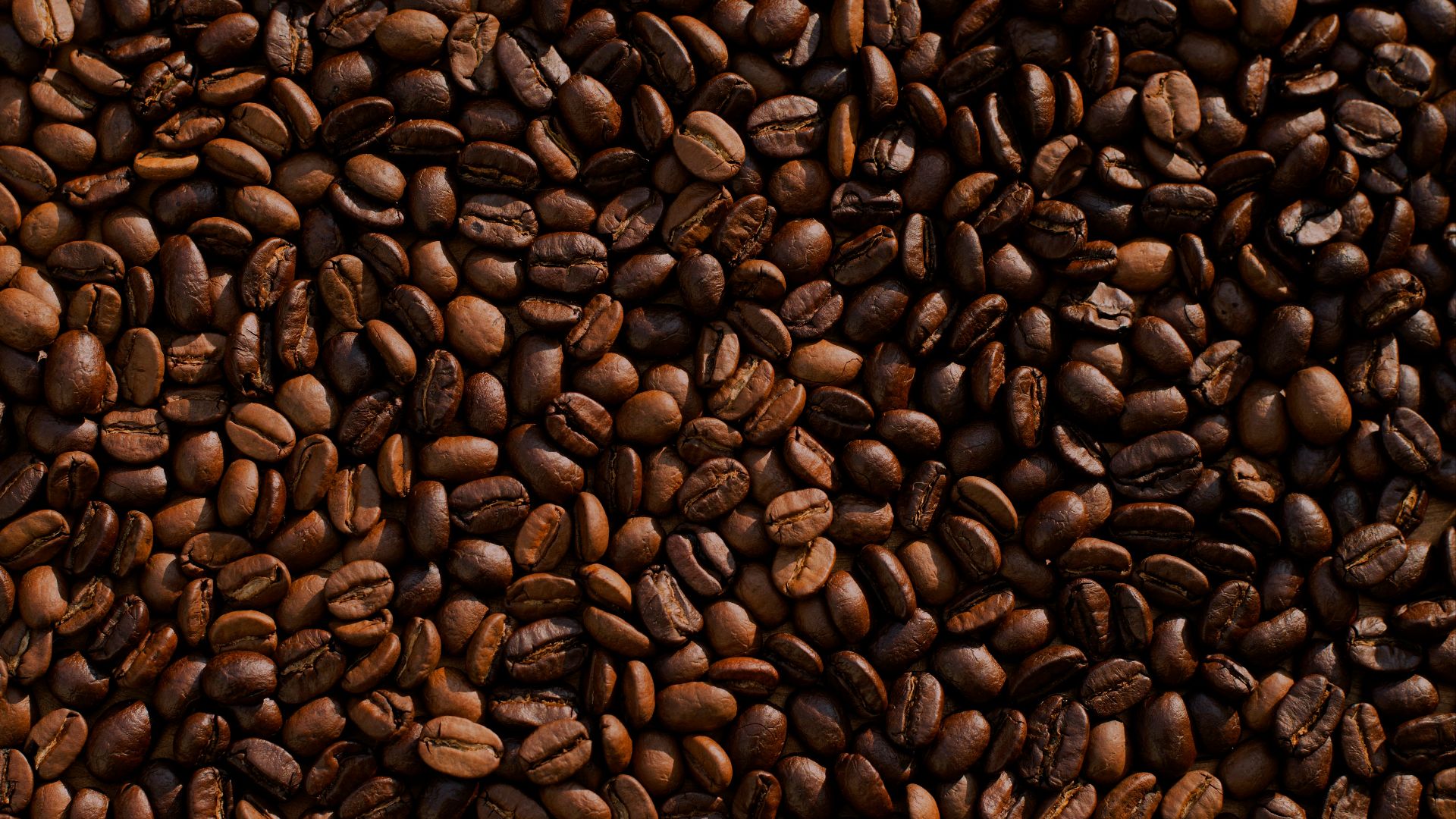
2. Coffee
Arabica beans need a narrow temperature range to thrive, and that range is shrinking across a lot of the regions that grow it. Coffee leaf rust has already devastated Central American farms once, and warmer nights make the fungus harder to keep in check. Robusta can fill some of the gap, but it's not the same cup.
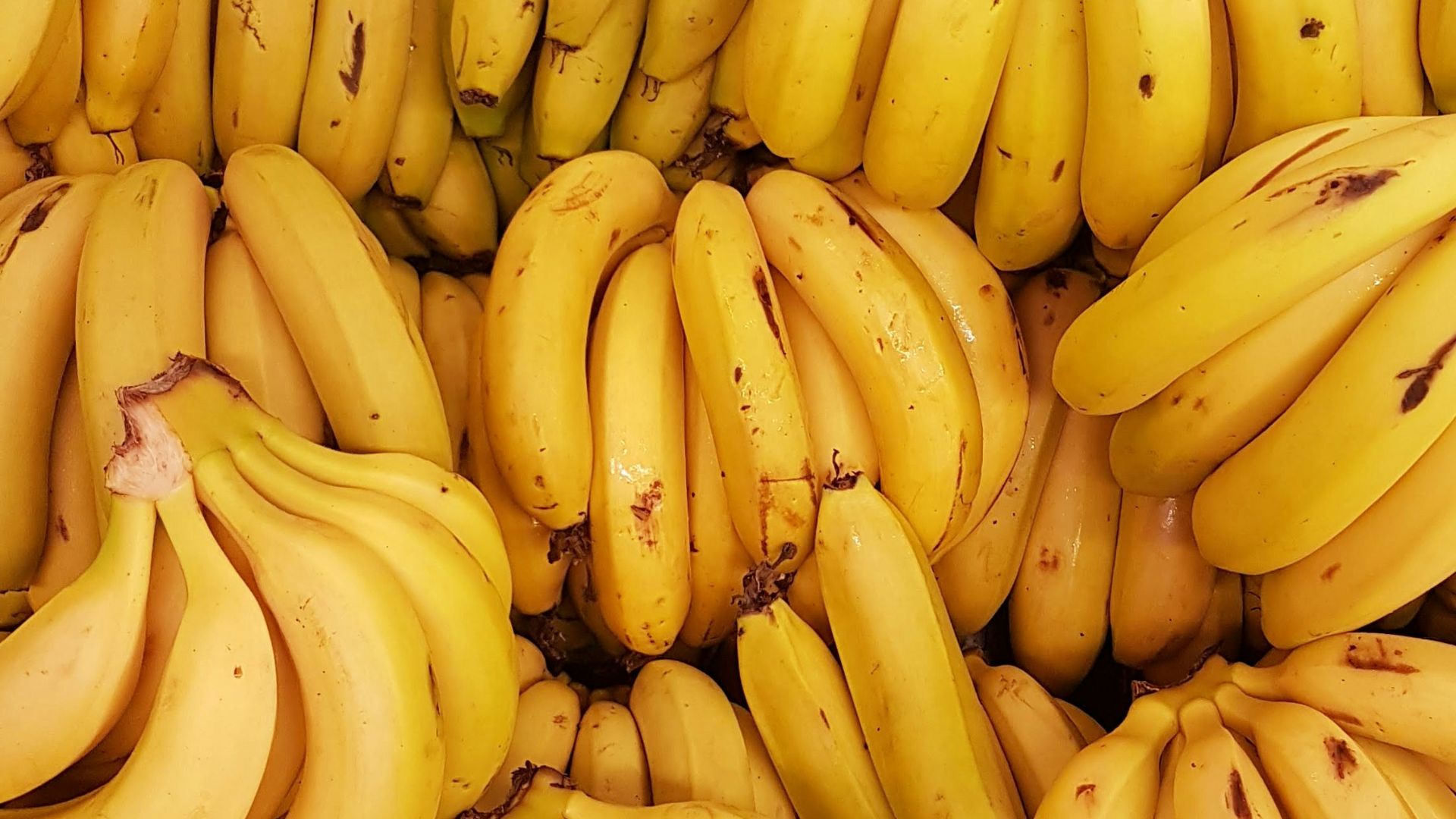
3. Bananas
The banana you're eating is almost certainly a Cavendish, a single variety grown as a genetic monoculture across most commercial farms. Panama disease, specifically the TR4 strain, has wiped out plantations across Asia and is spreading into Latin America. There's no widely available replacement variety ready to take over.
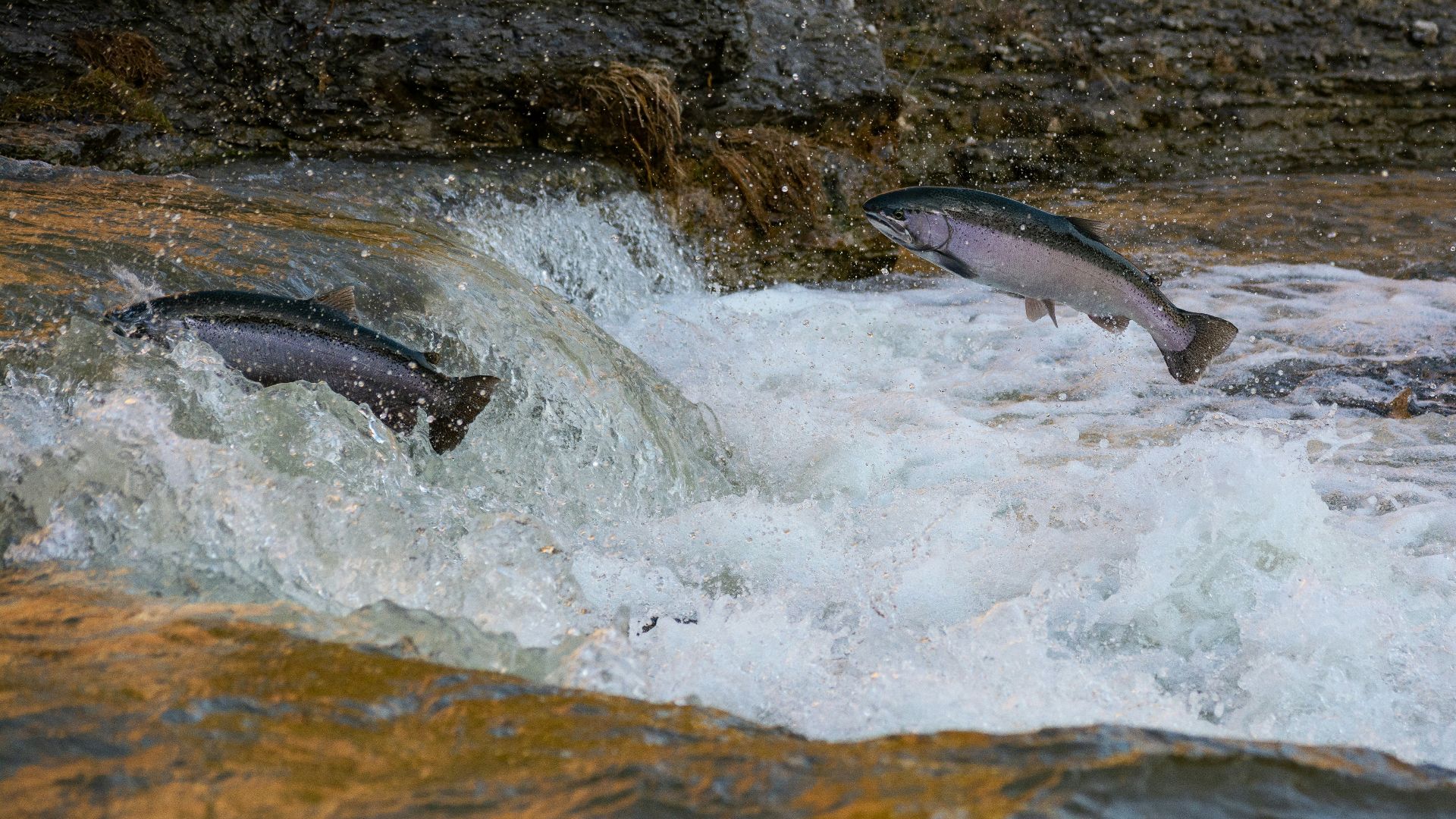
4. Wild Salmon
Dams, warming rivers, and habitat loss have pushed several wild salmon runs in the Pacific Northwest to a fraction of their historic numbers. Farmed salmon isn't going anywhere, but the specific wild runs prized by anglers and chefs are a different story. Some rivers that used to see huge annual returns barely see any now.
5. Honey
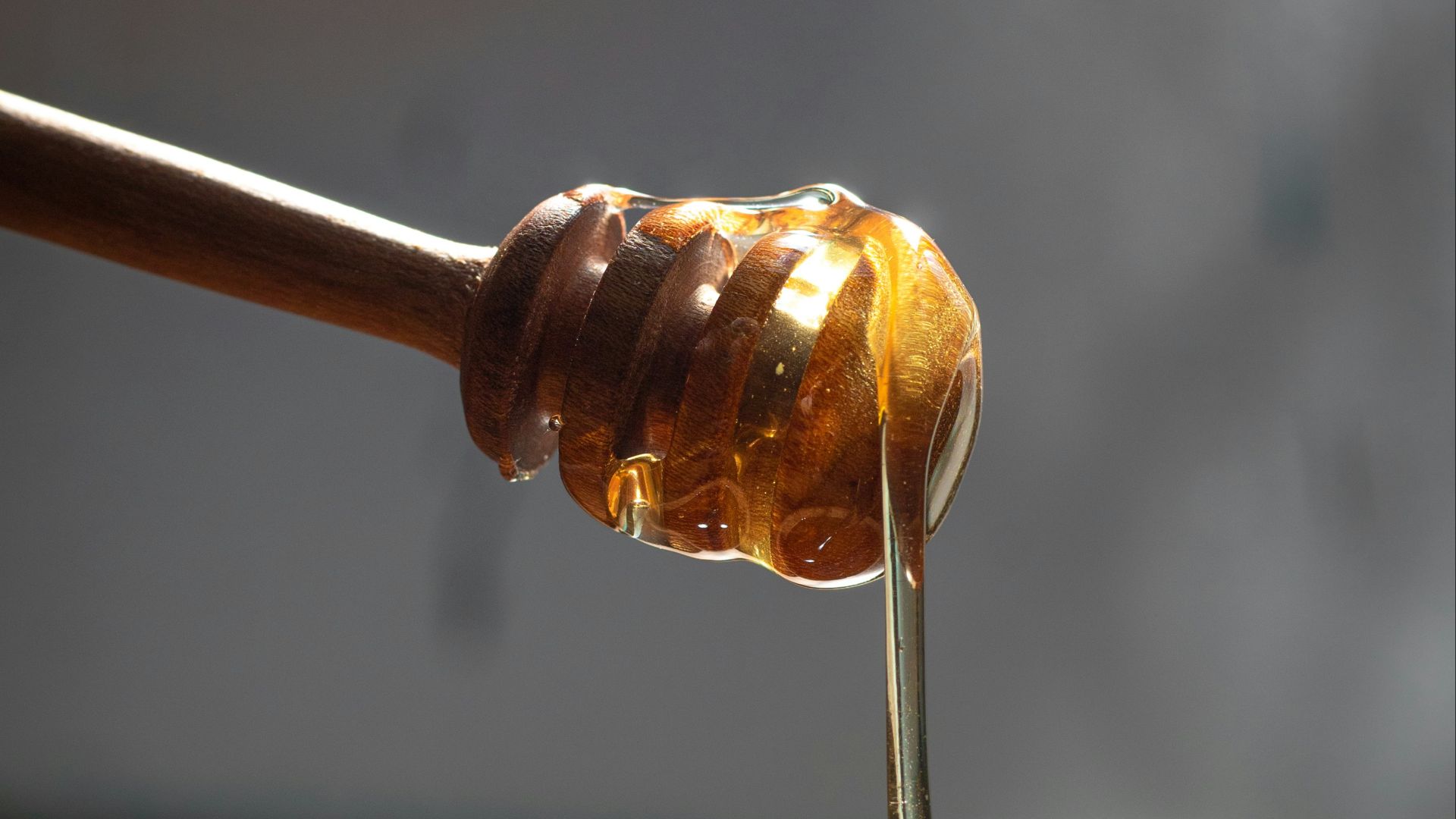
Bee colonies have been dying off at unusual rates for years, hit by pesticides, habitat loss, and parasitic mites that spread disease through a hive. Fewer healthy colonies means less pollination, which touches far more of the food supply than honey alone. Honey still shows up on shelves, just at a rising cost.
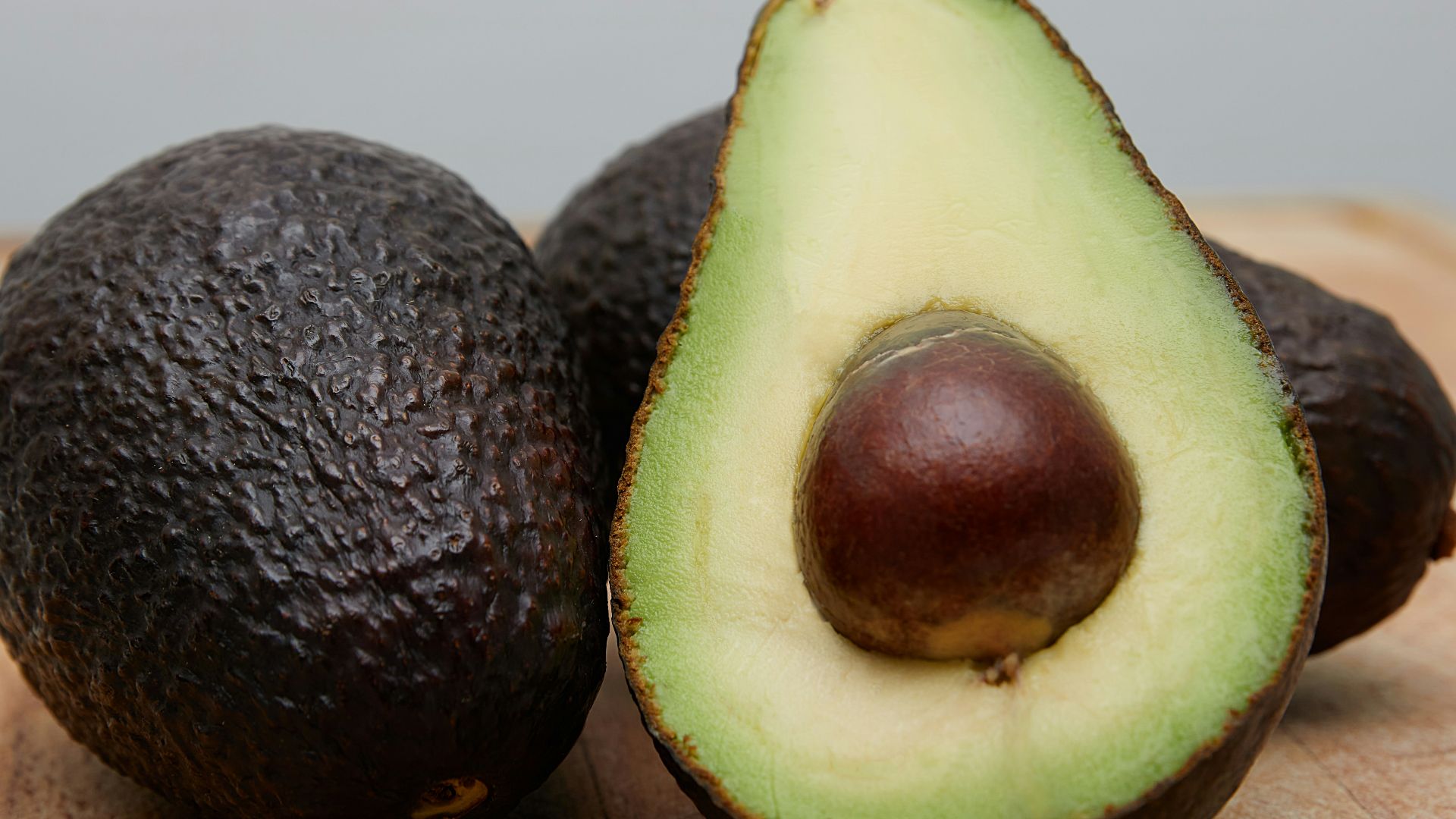
6. Avocados
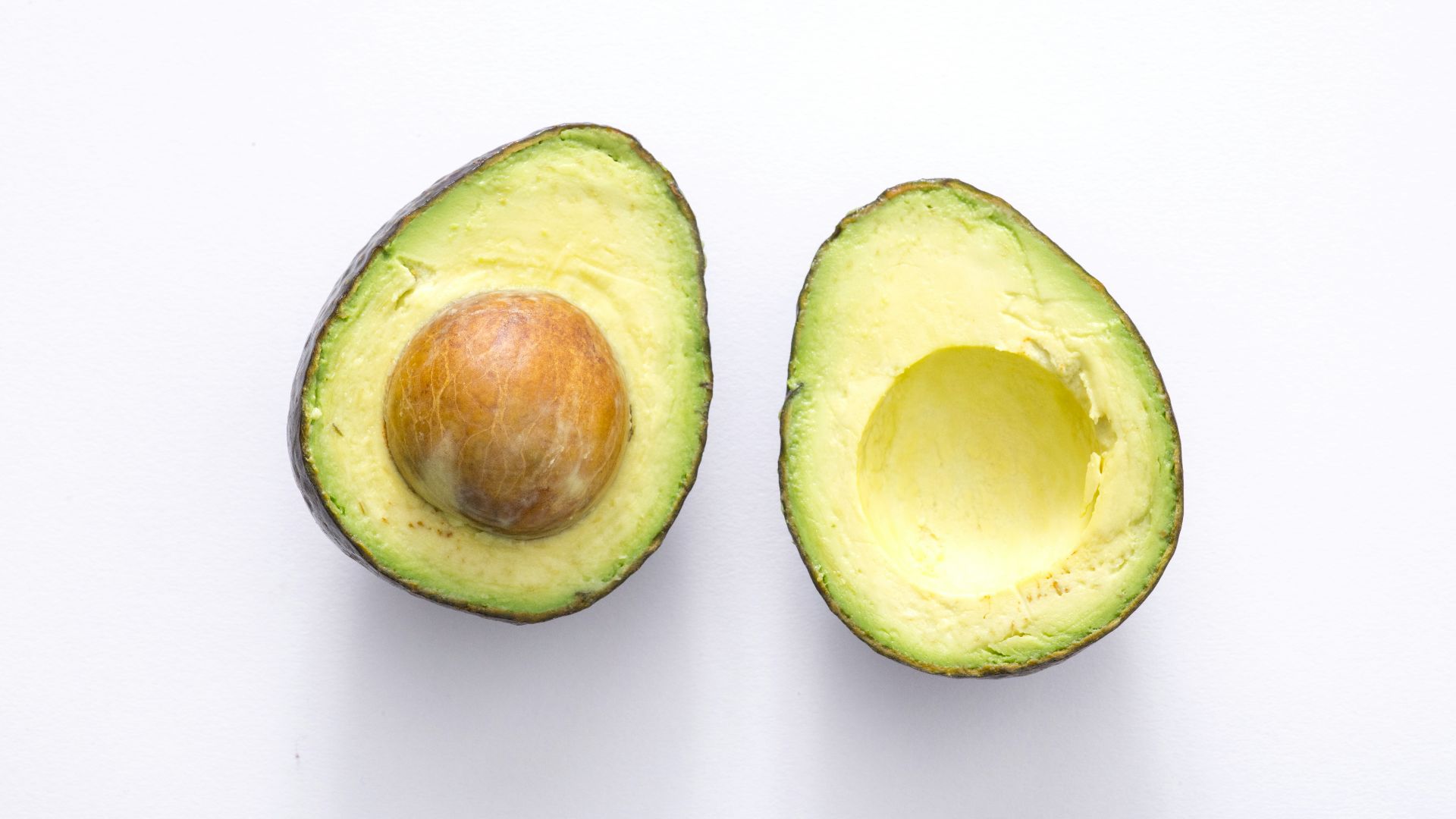
Avocado trees need a huge amount of water, and most of the U.S. supply comes from regions in Mexico already dealing with drought and water disputes. Demand keeps climbing even as the water available to grow the crop keeps shrinking. At some point those two lines cross at the store.
7. Maple Syrup
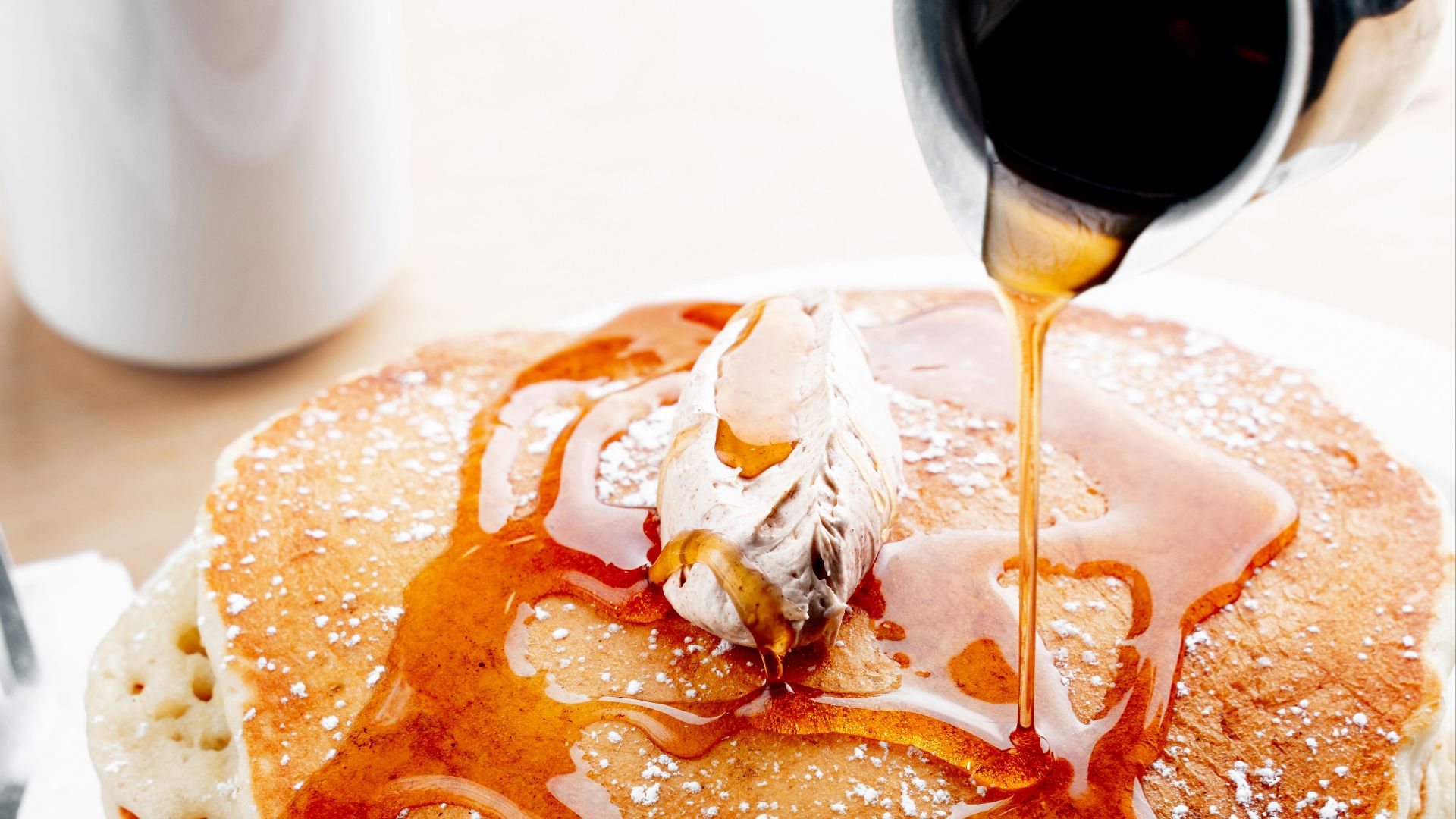
Maple syrup depends on a specific freeze-thaw cycle in late winter, and warmer winters are shortening that window and shifting it earlier every year. Producers in Vermont and Quebec have already noticed the season starting sooner and ending faster. Eventually the sugar maple's range may shift north, taking the industry with it.
8. Champagne
The grapes used for traditional Champagne grow in a narrow climate band in northern France, chosen because it used to be barely warm enough. As that region warms, some producers have started buying land farther north just in case. In a few decades, what you know as Champagne might come from England instead.

9. Florida Oranges
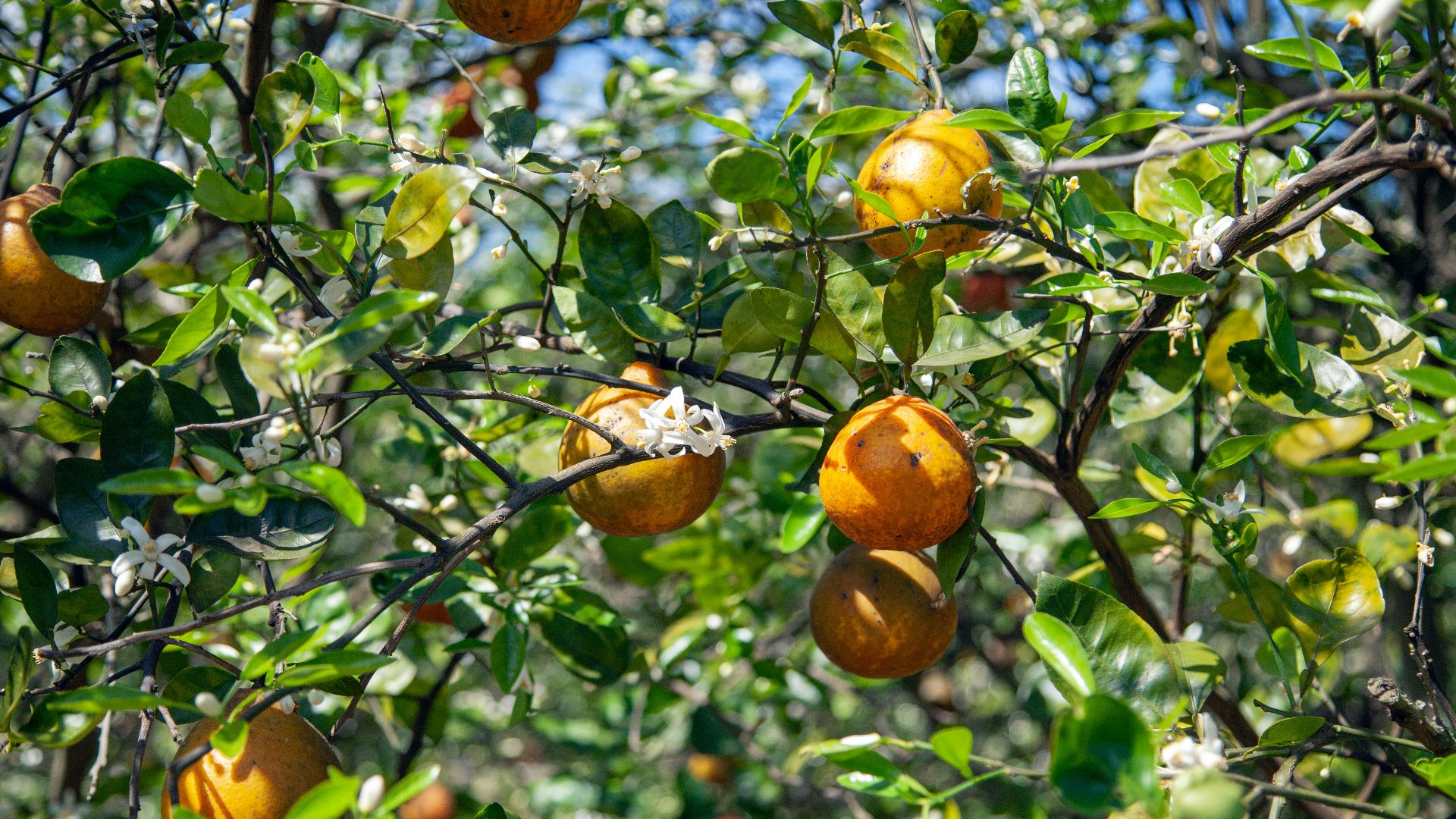
Citrus greening disease has cut Florida's orange production by more than 70 percent since it arrived in the mid-2000s. There's no cure, only management, and infected trees eventually produce smaller, bitter fruit before dying outright. A glass of Florida orange juice is a lot less guaranteed than the carton lets on.
10. Cod
Atlantic cod stocks collapsed so badly in the 1990s that Canada shut the fishery down entirely, and it still hasn't recovered to historic levels. Warming waters keep pushing the fish farther north, away from the areas built to catch and process it. Most cod on your plate today is probably Pacific, not the Atlantic variety that built the industry.
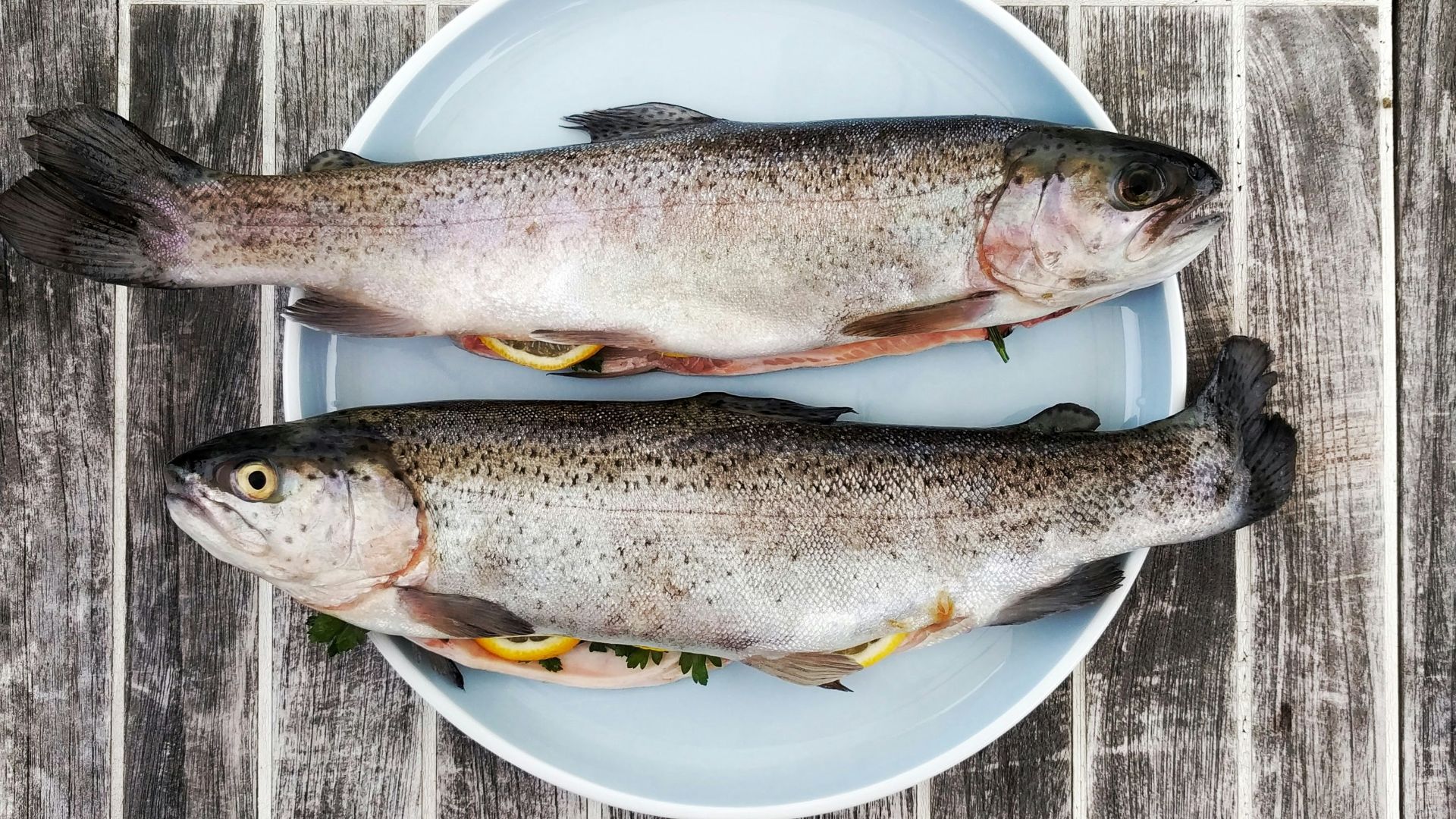
11. Vanilla
Roughly 80 percent of the world's vanilla comes from Madagascar, and the crop is hand-pollinated, slow to mature, and vulnerable to a single bad cyclone season. When a major storm hits, prices spike within months. Concentrating that much of a global crop in one place is a shaky arrangement.
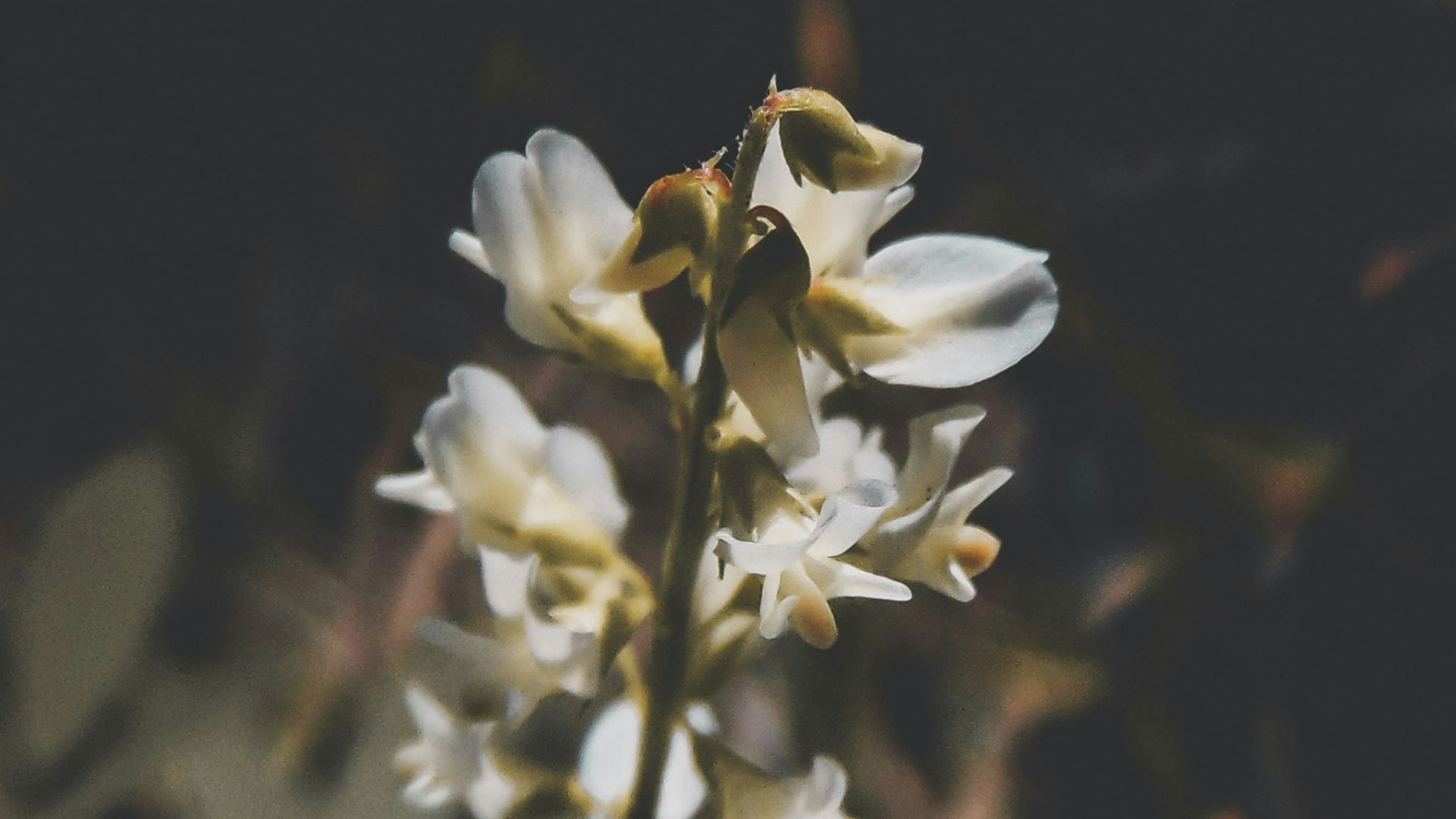
12. Almonds
Almonds are one of the thirstiest crops grown in California, which produces the vast majority of the world's supply. Years of drought and shrinking groundwater have already forced some farmers to pull up orchards rather than keep watering them. The math on almonds and water scarcity doesn't obviously improve from here.
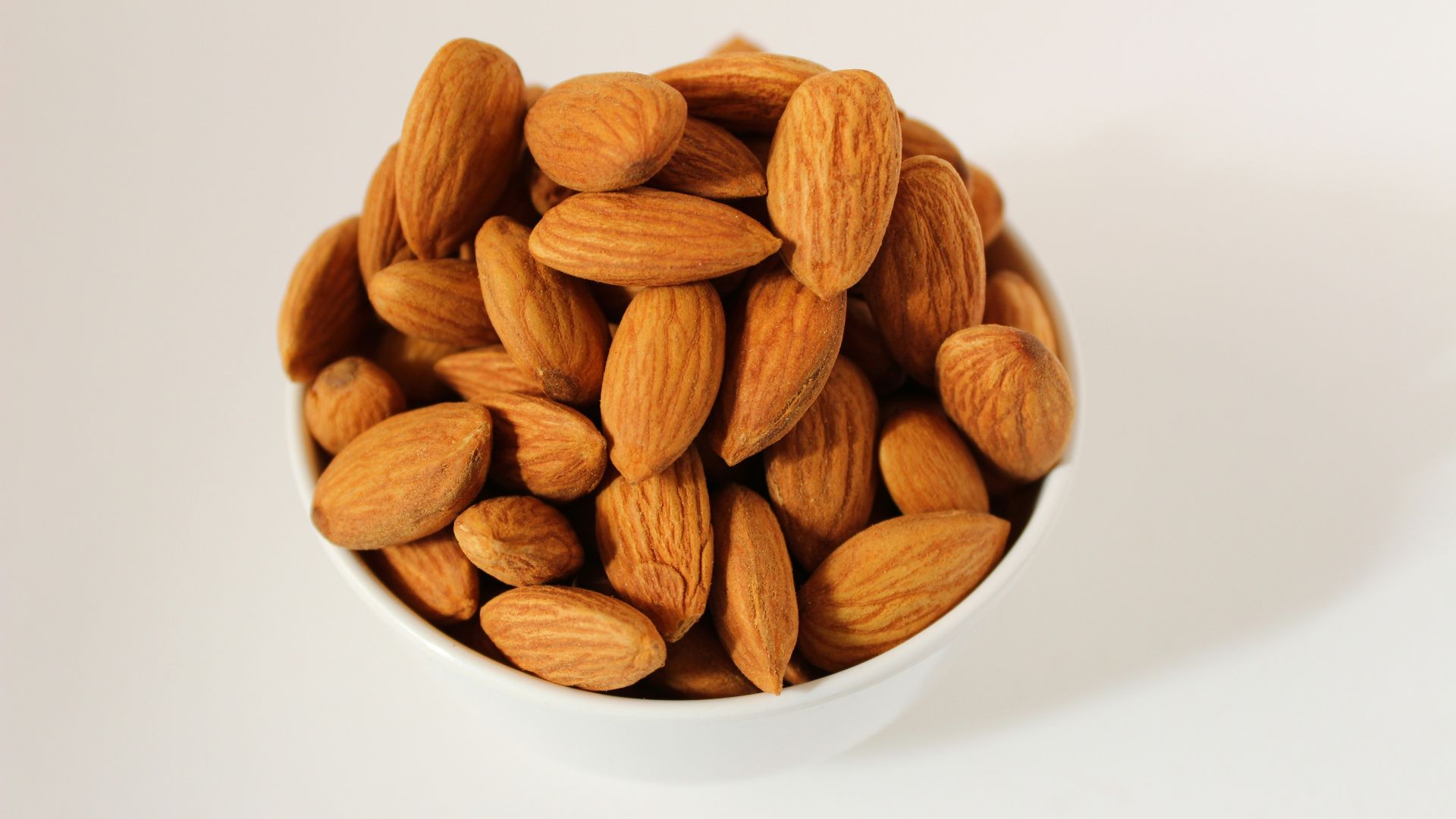
13. Peanuts
Peanuts need a long, hot growing season with rain arriving at just the right time, a balance getting harder to hit as weather patterns shift. Drought stress cuts yield, and the crop is also vulnerable to aflatoxin, a mold that thrives in exactly those conditions. It's not the most talked-about crop at risk, but researchers watch it closely.
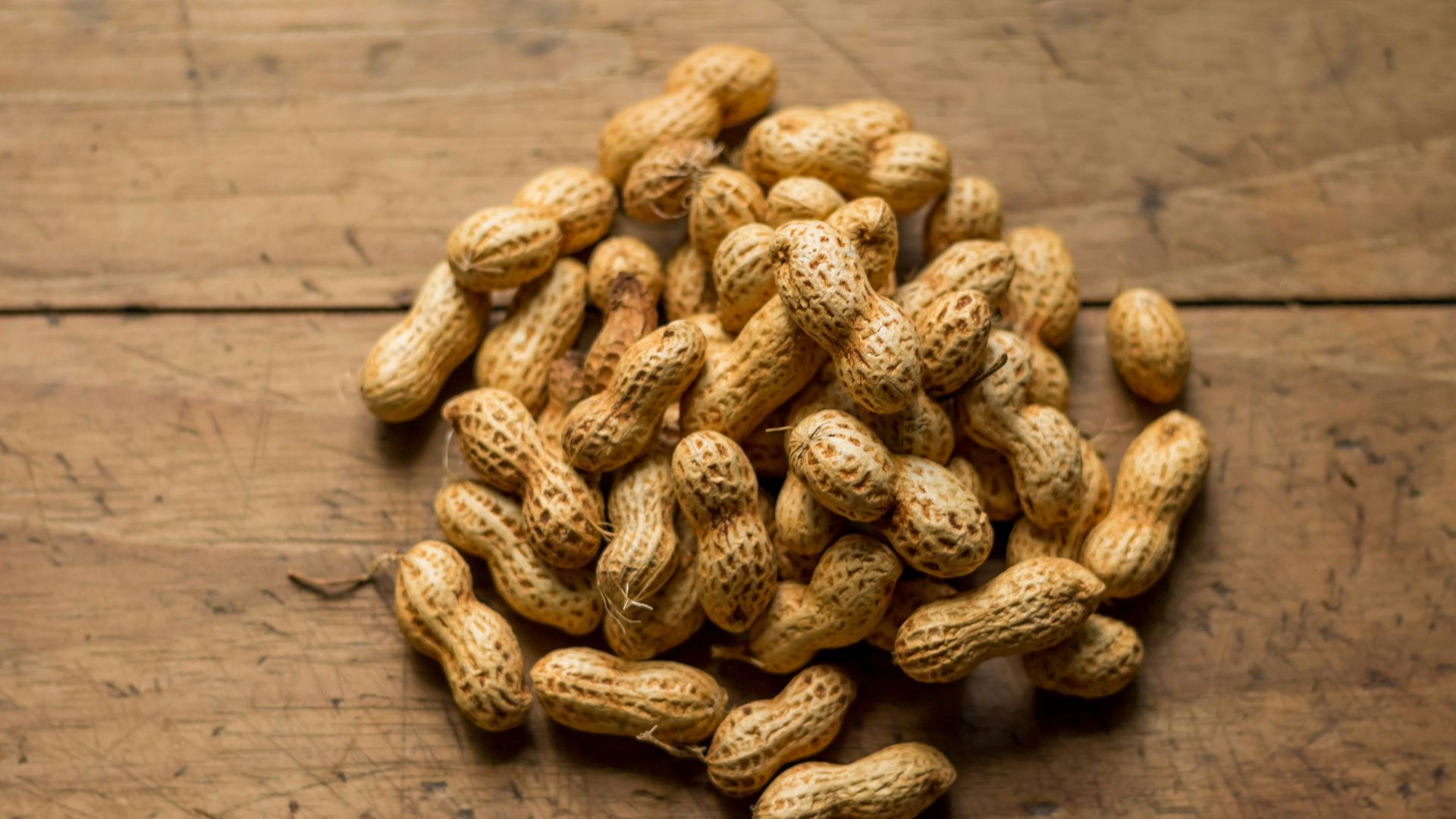
14. Tequila
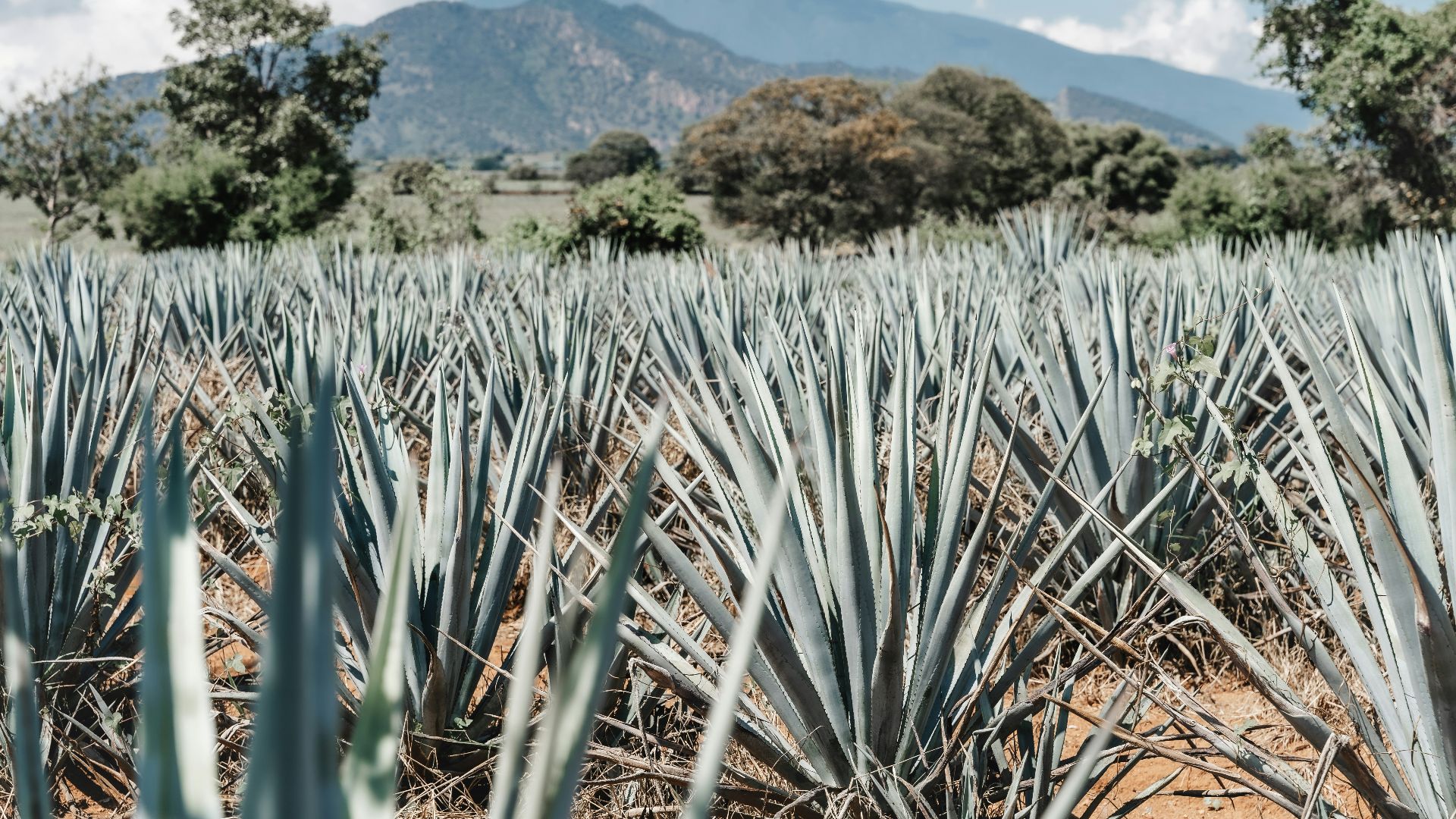
Agave takes six to eight years to mature before harvest, so any disruption now echoes for most of a decade. Disease and inconsistent rainfall have already caused supply crunches that spiked prices industry-wide. A slow-growing crop with that long a lead time leaves little room for error.
15. Olive Oil
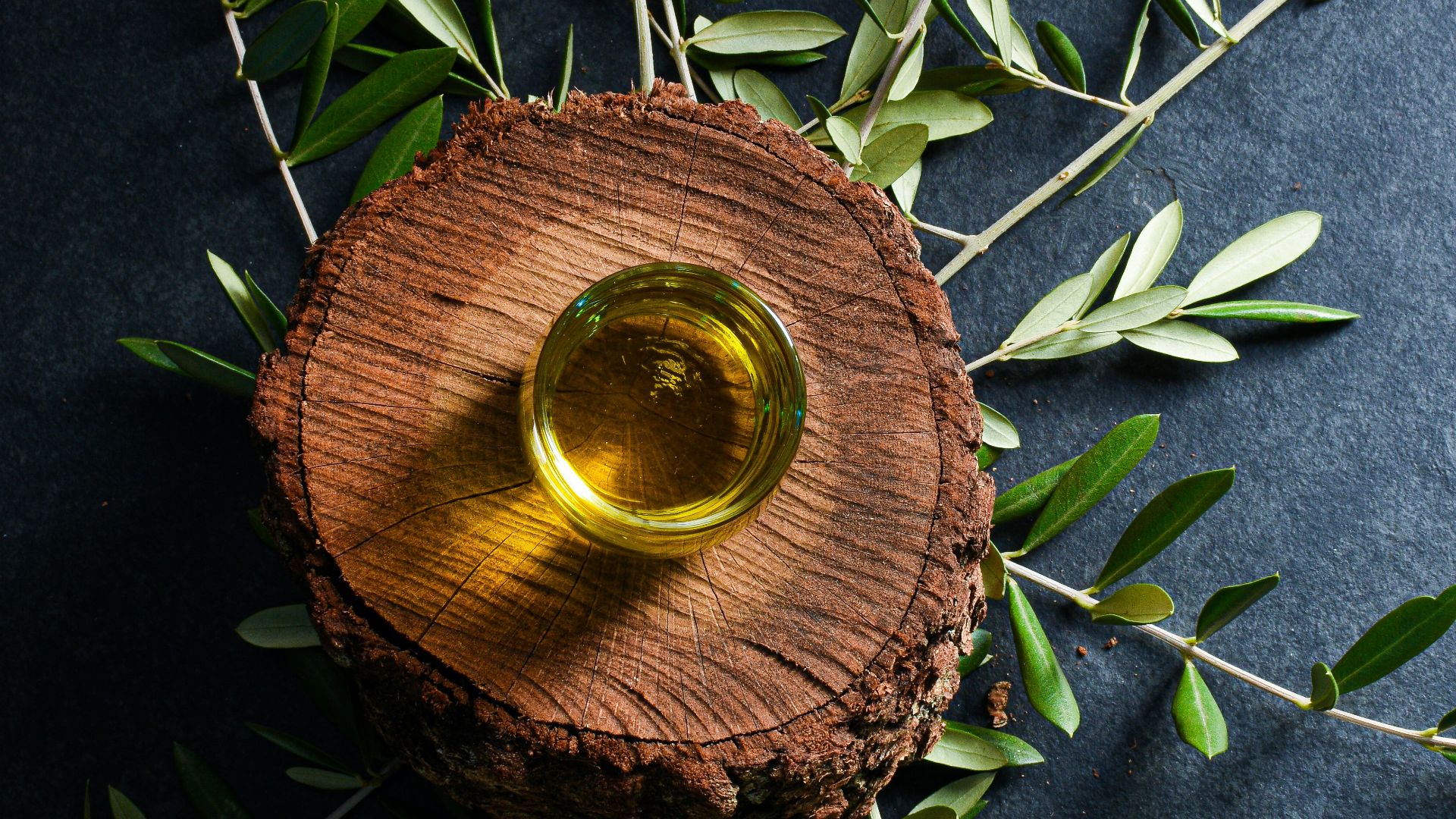
Mediterranean olive groves have been hit hard by drought and heat, with some regions in Spain and Italy reporting yield drops of 50 percent or more in bad seasons. A bacterial disease called Xylella fastidiosa has wiped out huge stretches of olive trees in southern Italy, with no effective treatment once a grove is infected. Prices have already climbed, and groves take years to replace.
16. Rice
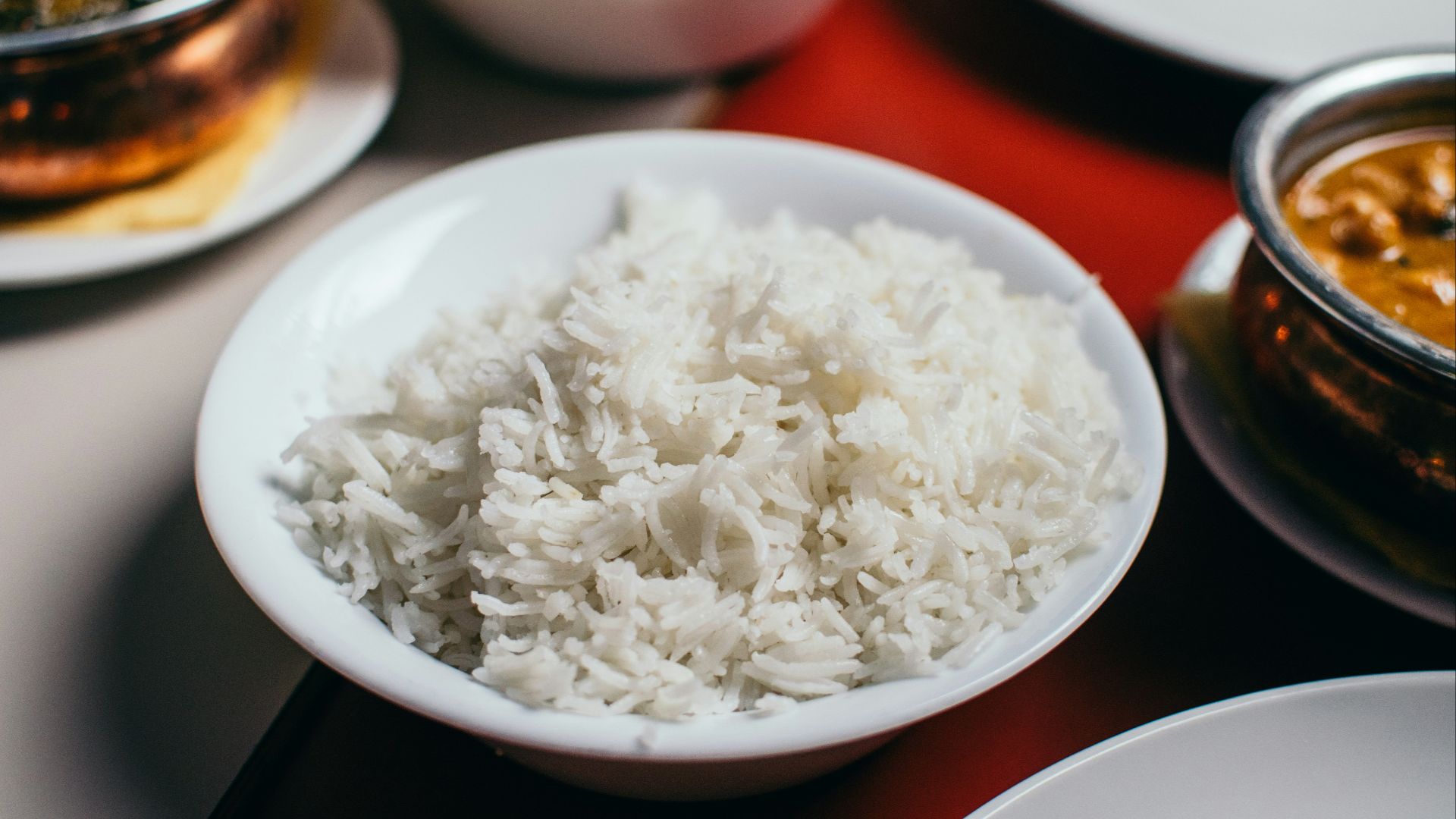
Rice is a staple for more people than almost any other food here, and it's uniquely vulnerable to both flooding and heat during the wrong growth stage. Warmer nighttime temperatures alone have been shown to reduce yields even when daytime conditions look fine. Feeding that many people off a crop this sensitive is a genuinely risky setup.
17. Bluefin Tuna
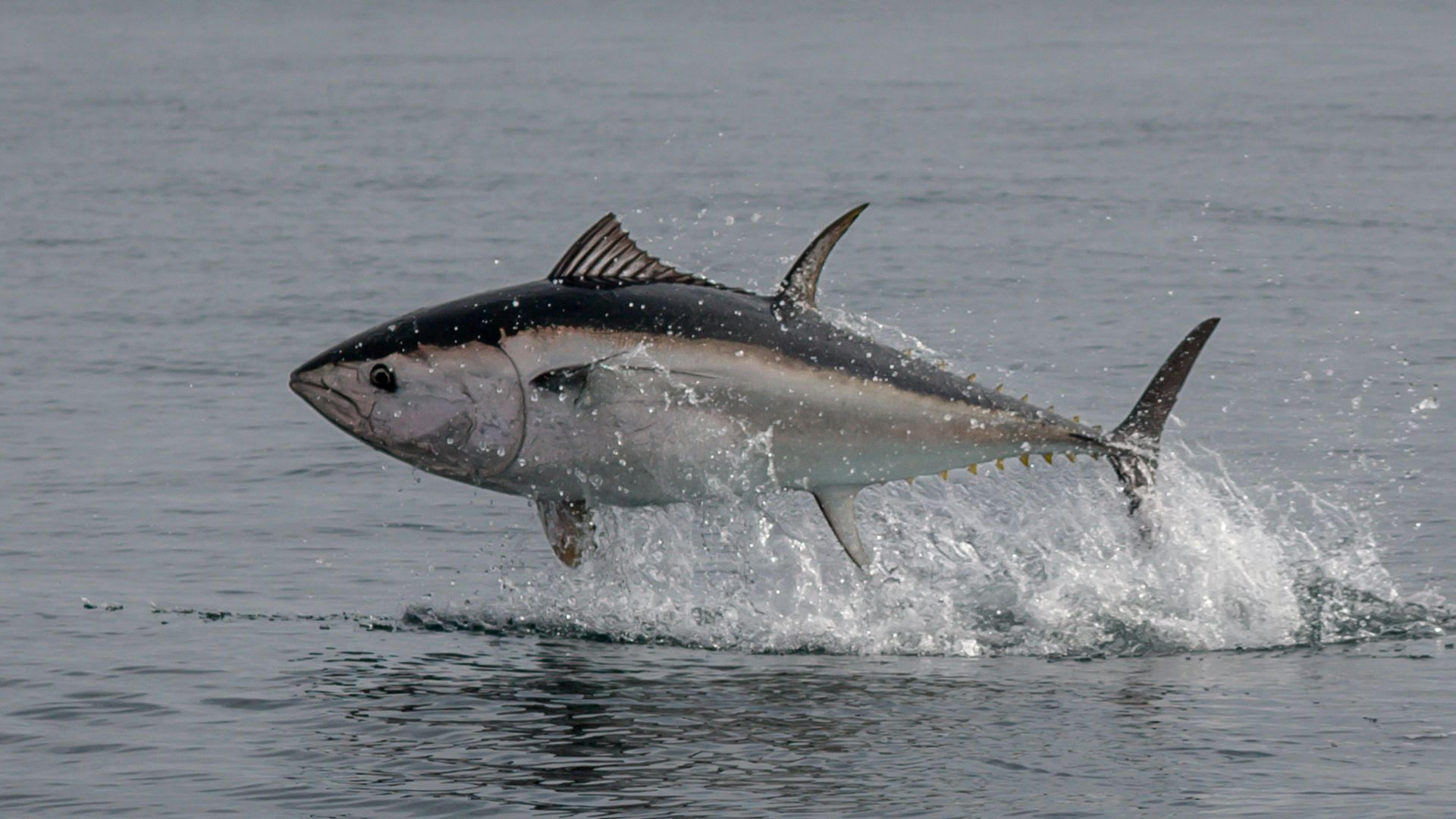
Decades of high demand, especially for sushi-grade fish, pushed several bluefin tuna populations to a fraction of their historic size. Some stocks have recovered under strict quotas, but Pacific bluefin is still considered severely depleted. It's a slow-growing fish, which makes real recovery a decades-long project.
18. Wheat
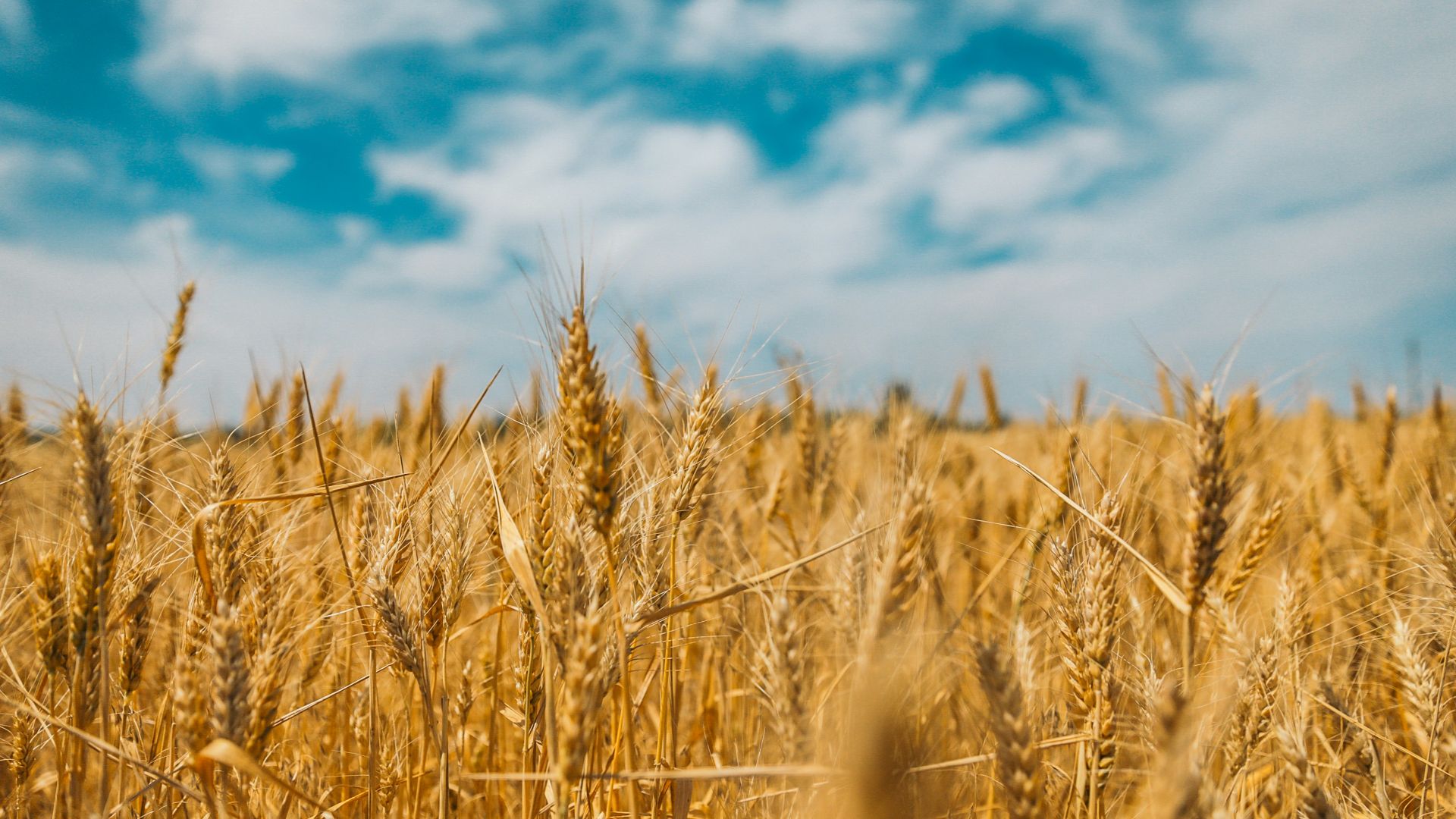
A strain of stem rust called Ug99 emerged in Uganda in the late 1990s and has been spreading since, capable of wiping out fields of wheat that lack resistance. Combine that with heat stress during flowering, and wheat turns out more vulnerable than its sheer scale suggests.
Breeding resistant varieties is possible, but it's a race against how fast the disease moves.
19. Cashews
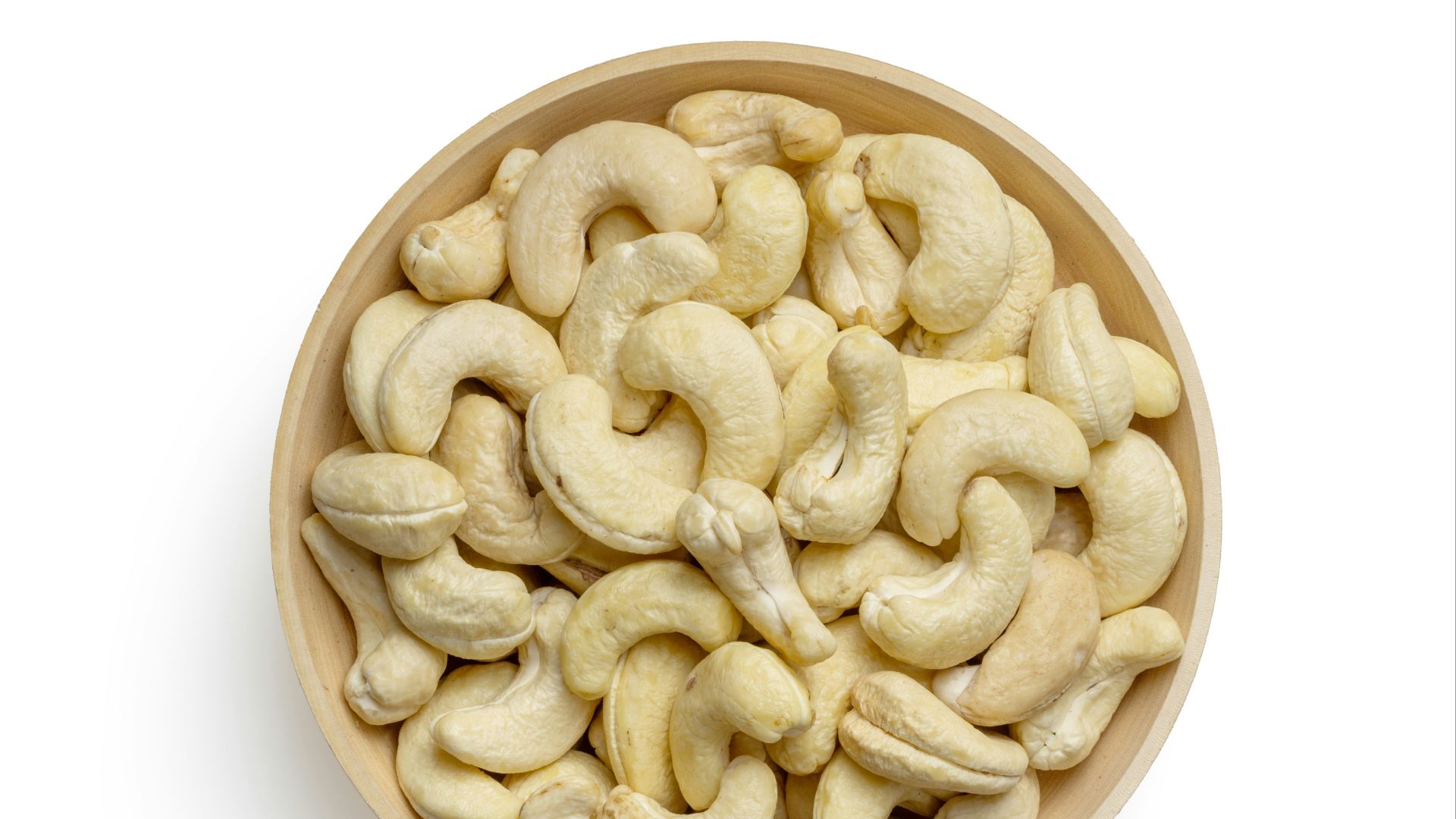
Most commercial cashew trees are grown from a relatively narrow genetic base, which leaves them exposed the same way bananas are. They're also labor-intensive to process safely, since the shells contain a natural irritant, and that labor pipeline is fragile in a lot of supplying regions. A disruption on either side shows up in price fast.
20. Wine From Traditional Regions
Grape growing has always been about matching a variety to a very specific climate, and that climate is moving faster than vineyards can relocate. Regions like Bordeaux and Napa are already experimenting with heat-tolerant varieties and earlier harvest dates just to keep up. The wine in your glass in twenty years might carry a familiar label from a very different place.