
Oh, no—you've bitten yourself. As soon as you feel that telltale sting and throbbing, you already know what's next: a canker sore. Also called mouth ulcers, these common nuisances can make even the biggest foodie out there lose all their appetite. If you've ever winced while sipping orange juice or biting into a salty fry, you already know how much this tiny wound can disrupt your day.
While canker sores usually clear up without treatment, that doesn't make them any less annoying to deal with. Interestingly enough, experts have identified several triggers, including even your genes, that can make you more prone to them. In any case, if you want to lessen your chance of getting these nasty ulcers, it might help to curb your intake of these three foods.
Acidic Foods and Drinks
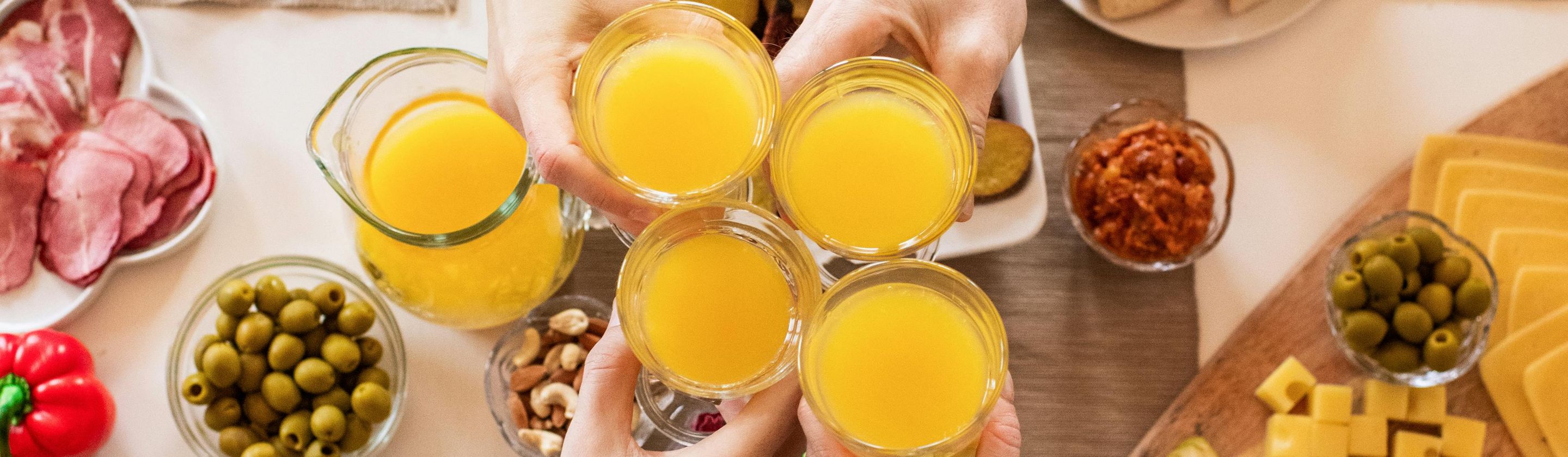
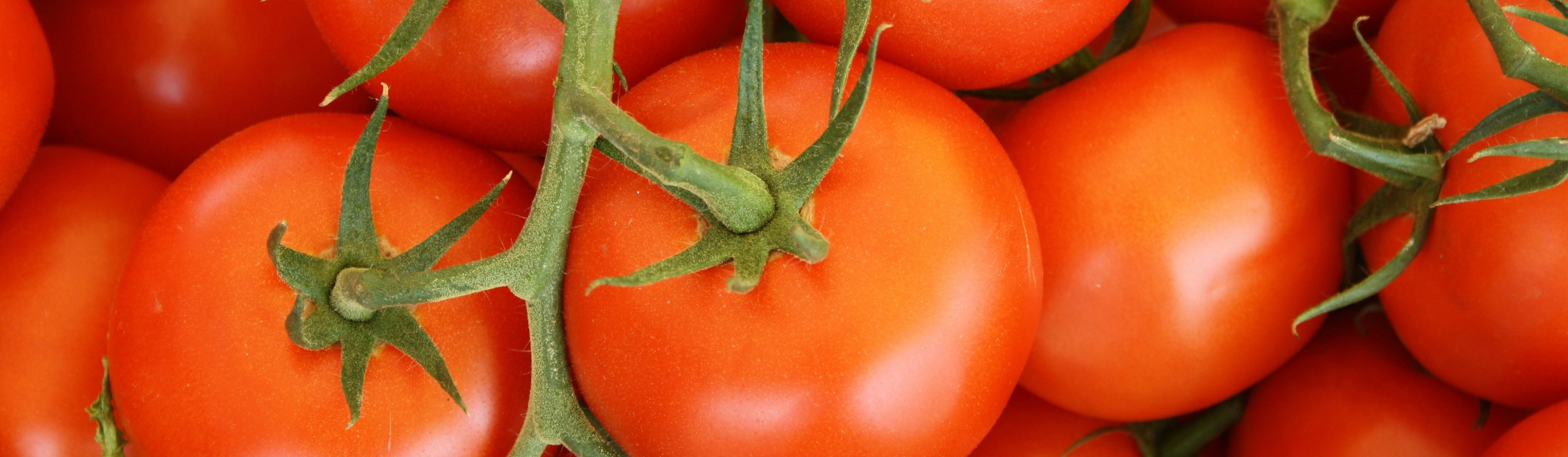
Like having a glass of orange juice to start your day? Well, if you're the type to always get canker sores, you might be better off switching your morning drink to something else. After all, acidic foods top the list of common offenders, even those you'd probably consider healthy. Everything from oranges and lemons to tomatoes, pineapples, and vinegar can be problematic, as they'll only irritate the delicate lining of your mouth.
The reason comes down to how these foods affect and interact with your soft tissues. Since citrus fruits contain high amounts of citric acid, they'll either start new sores (yikes!) or make any existing ones you have even more painful. That means that bowl of pasta with marinara sauce you're having for dinner can cause more problems than you'd expect!
But it's not just orange juice and tomatoey pasta. If you frequently drink soda or sparkling water, you might also want to adjust your habit when dealing with a stubborn sore in your mouth. None of this means you can't still enjoy a balanced diet without putting your mouth through the wringer, of course—if you still want to make sure you're getting enough vitamin C, look for less acidic sources, such as bananas or melons.
Spicy Foods
Anyone who loves a fiery meal may not enjoy hearing this, but we're sorry to say that heat is another well-known trigger. No matter if it's hot peppers, chili, or curry, all of them may irritate your oral tissues and lead to canker sore development. Like putting sriracha on top of everything? Don't say we didn't tell you so if it leaves your mouth burning.
But why do spicy dishes tend to cause so much grief? It's because they act directly on tissue that's already sensitive, meaning they can inflame the soft tissues of your mouth and aggravate existing sores, which increases your discomfort and the chance of new ones forming. If you already have an ulcer, every bite of something hot is a bit like poking the bear repeatedly. At some point, there's only so much you can tolerate.
Like acidic dishes, though, this doesn't mean you necessarily have to give up flavor altogether. Skipping spicy seasoning while you have an active sore can keep the pain from getting worse (which you'll thank yourself for), and you can bring the heat back once your mouth has healed. In the meantime, though, you should probably enjoy your meals without the sting.
Salty and Crunchy Snacks
Anything that's fried or salty will also give your mouth a bad time, especially when you're already dealing with those nasty little ulcers. From chips to pretzels and fries, these snacks won't just exacerbate the inflammation but also scratch sensitive areas of your mouth repeatedly, and their high salt content will only make it all worse. Nuts belong in this group too, particularly the salted varieties, since salted or heavily spiced nuts may add extra irritation.
Don't believe us? Try eating a deep-fried drumstick next time you have a canker sore. You'll probably wish you never did. After all, unlike spicy and acidic foods, which aggravate these sores through their acidity and heat, texture is the main culprit with salty, crunchy foods. All those rough edges (and greasy ingredients) will scrape your inner cheeks, gums, or tongue every time you take a bite. Plus, take too big a bite or chew too aggressively, and you might end up accidentally chewing your cheek as well. And there's another new sore.
The bottom line is: managing canker sores is easier than you think. You just have to be extra careful with what you put in your mouth during the healing stage. If you're prone to getting them, you might want to cut back on the three foods we've mentioned as well, as acidic foods, spicy dishes, and salty or crunchy snacks are the three most common culprits. Keep in mind, however, that triggers vary from person to person, so keeping a simple food journal may help you pinpoint what affects you most, and you should always check with your doctor for any persistent or recurring sores.
KEEP ON READING