Chain Restaurants Helped Redefine Everyday Dining
Restaurant chains have shaped American eating habits far more than people sometimes admit. They changed what families expect from a quick meal, how much food should cost, where people eat while traveling, and what kinds of flavors became familiar across the country. Some made fast food faster, while others turned casual dining, coffee runs, pizza delivery, breakfast, and takeout into regular parts of American life. These 20 chains didn't just serve meals; they helped build the routines around them.
 Eduardo Simões Neto Junior on Pexels
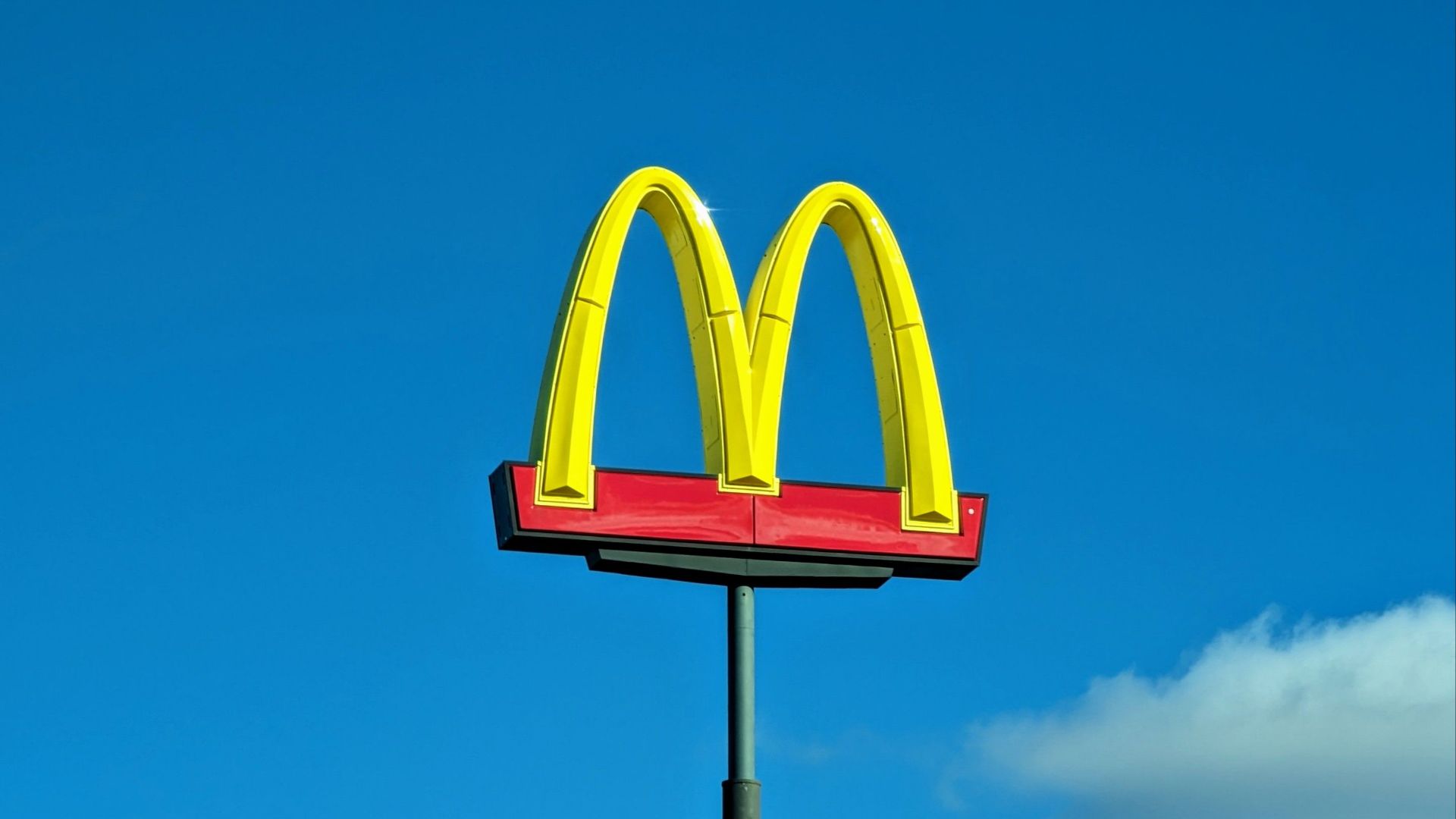
1. McDonald’s
McDonald’s changed American eating by making fast food more predictable, affordable, and ubiquitous. Its streamlined kitchen system, limited menu, and focus on speed helped define the modern quick-service restaurant. The chain also turned the hamburger, fries, and soda combo into one of the most recognizable meals in the country.
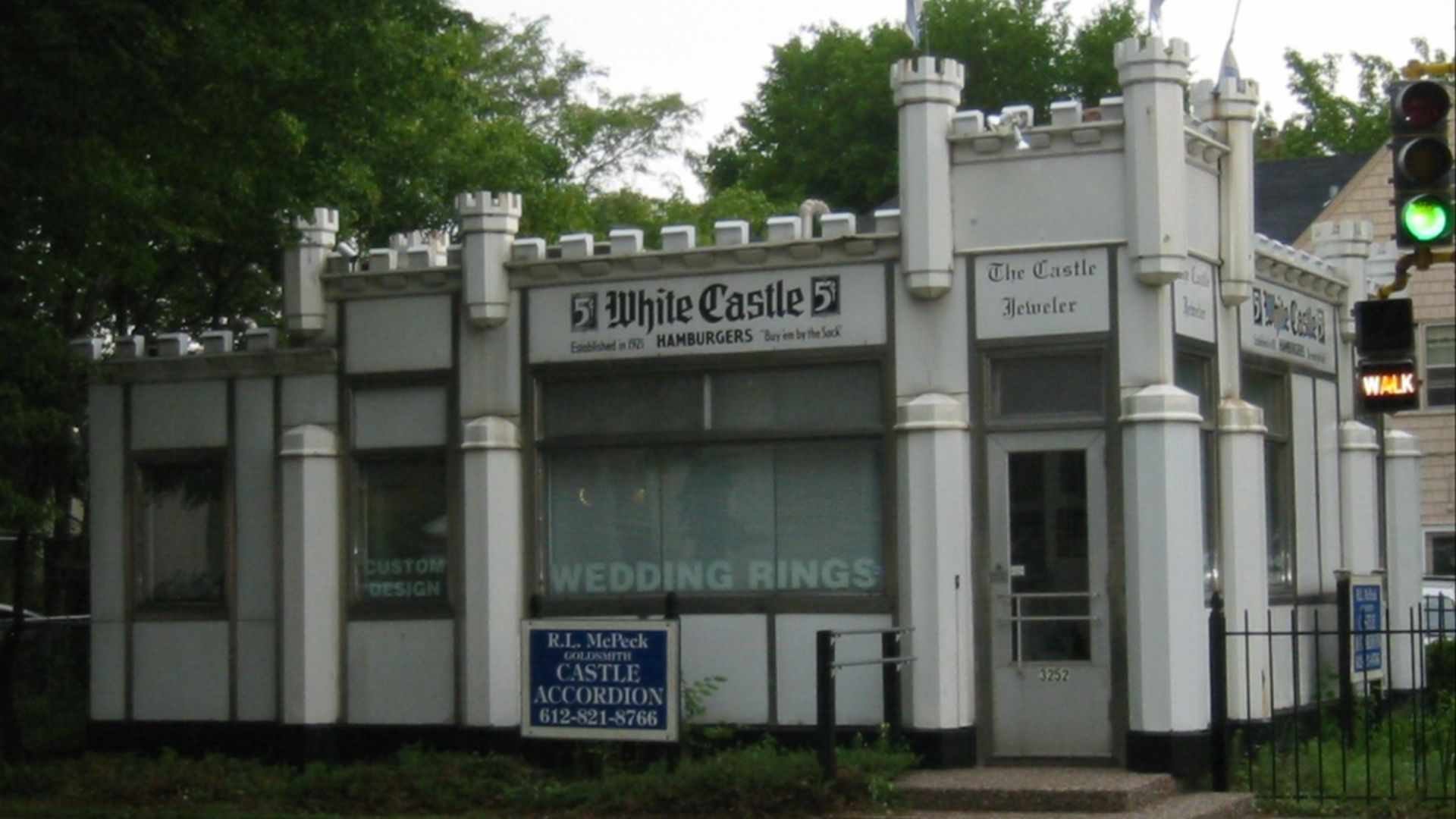
2. White Castle
White Castle helped create the fast-food hamburger chain long before drive-thrus became part of daily life. It sold small, inexpensive burgers in a clean, standardized setting at a time when many Americans were suspicious of ground beef. The chain showed that consistency could be a major selling point.
3. KFC
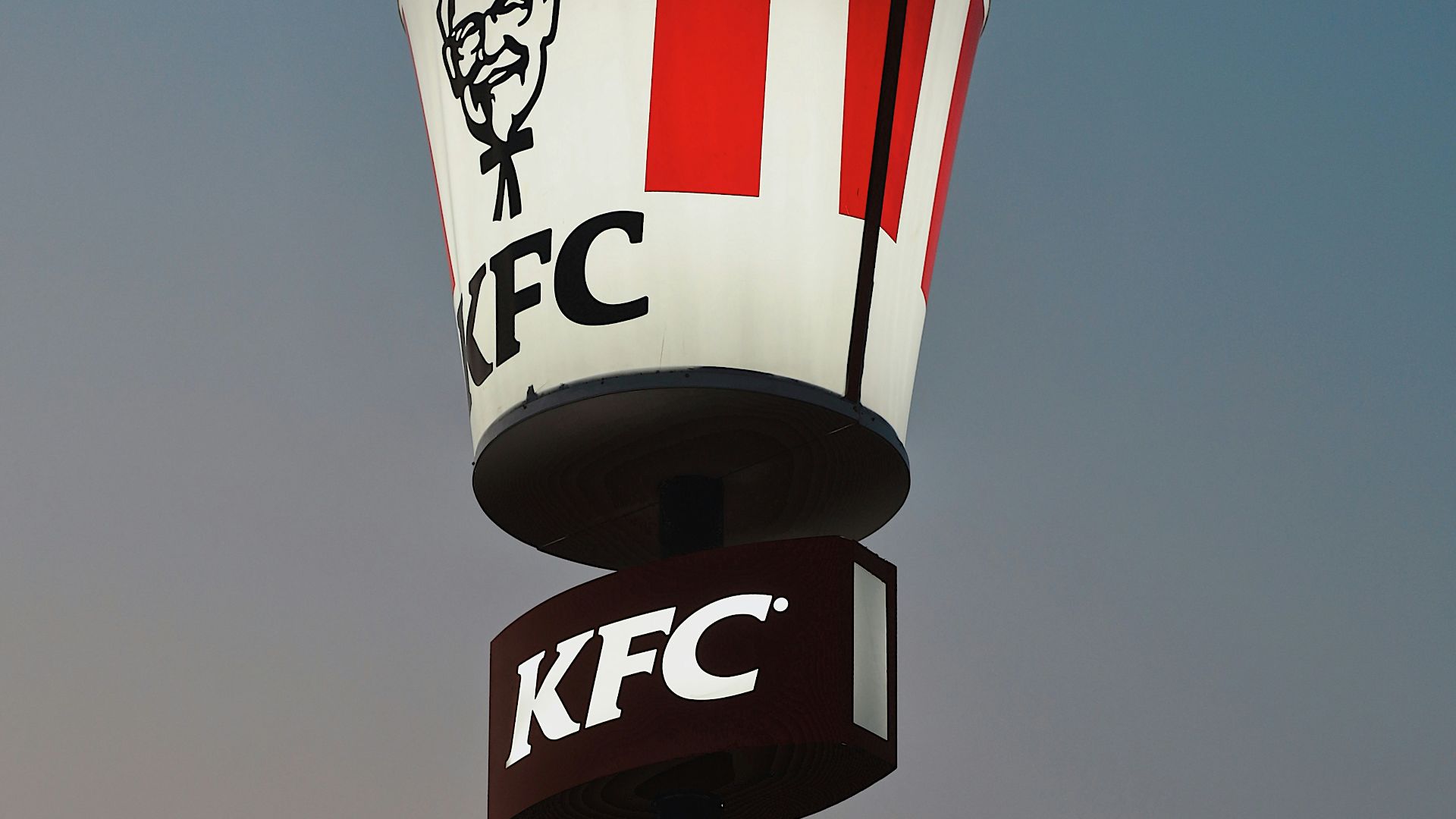
KFC helped turn fried chicken into a national fast-food staple. Before the chain grew, fried chicken was often associated with home cooking, regional restaurants, or special meals. KFC made it portable, branded, and easy to order by the bucket.
4. Pizza Hut
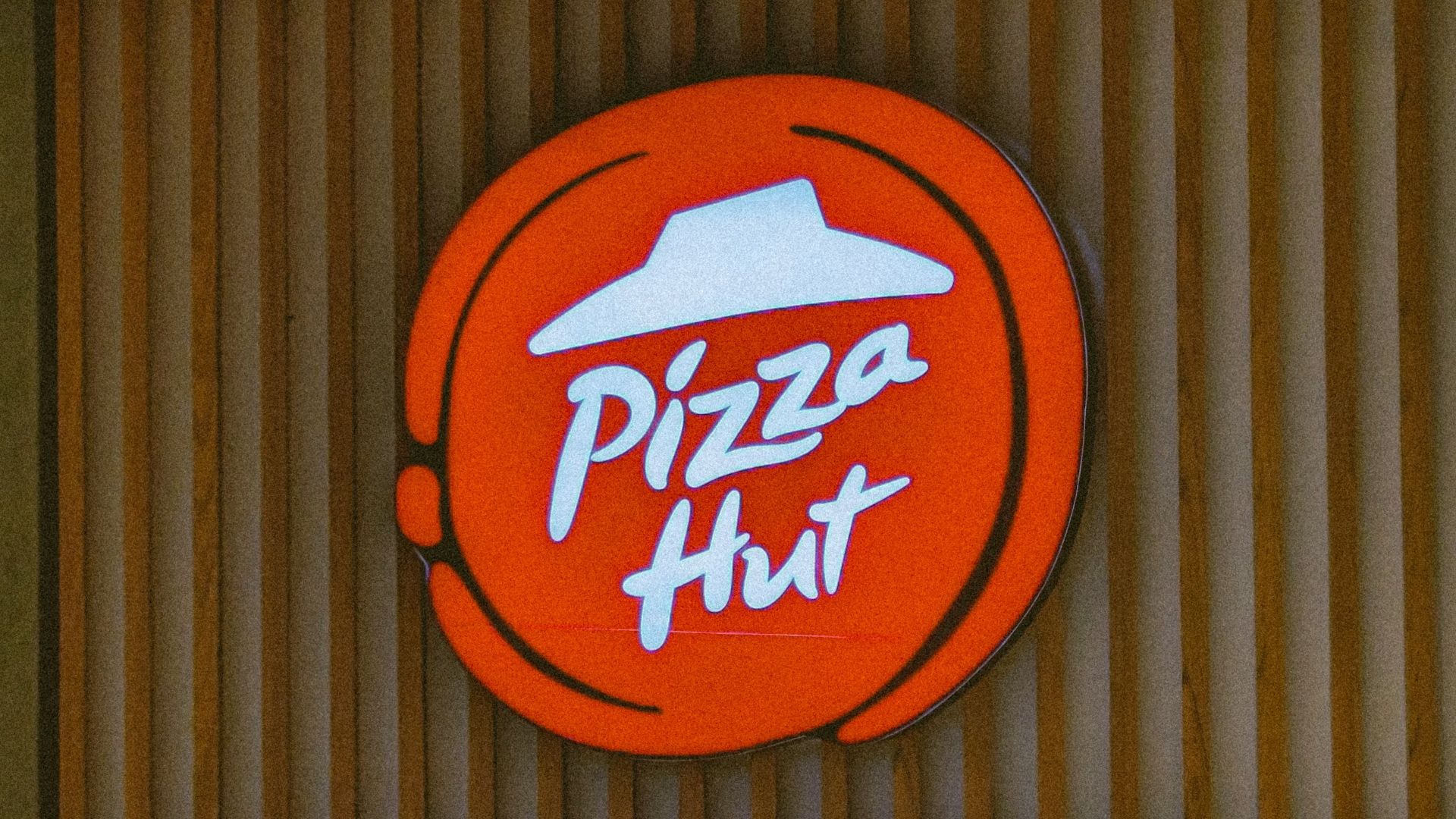
Pizza Hut helped bring pizza into mainstream American family dining. The red-roof restaurants, pan pizzas, salad bars, and arcade-friendly atmosphere made pizza feel like an outing, not just a street-corner slice. Later, the chain became deeply tied to delivery, takeout, and party food.
5. Domino’s
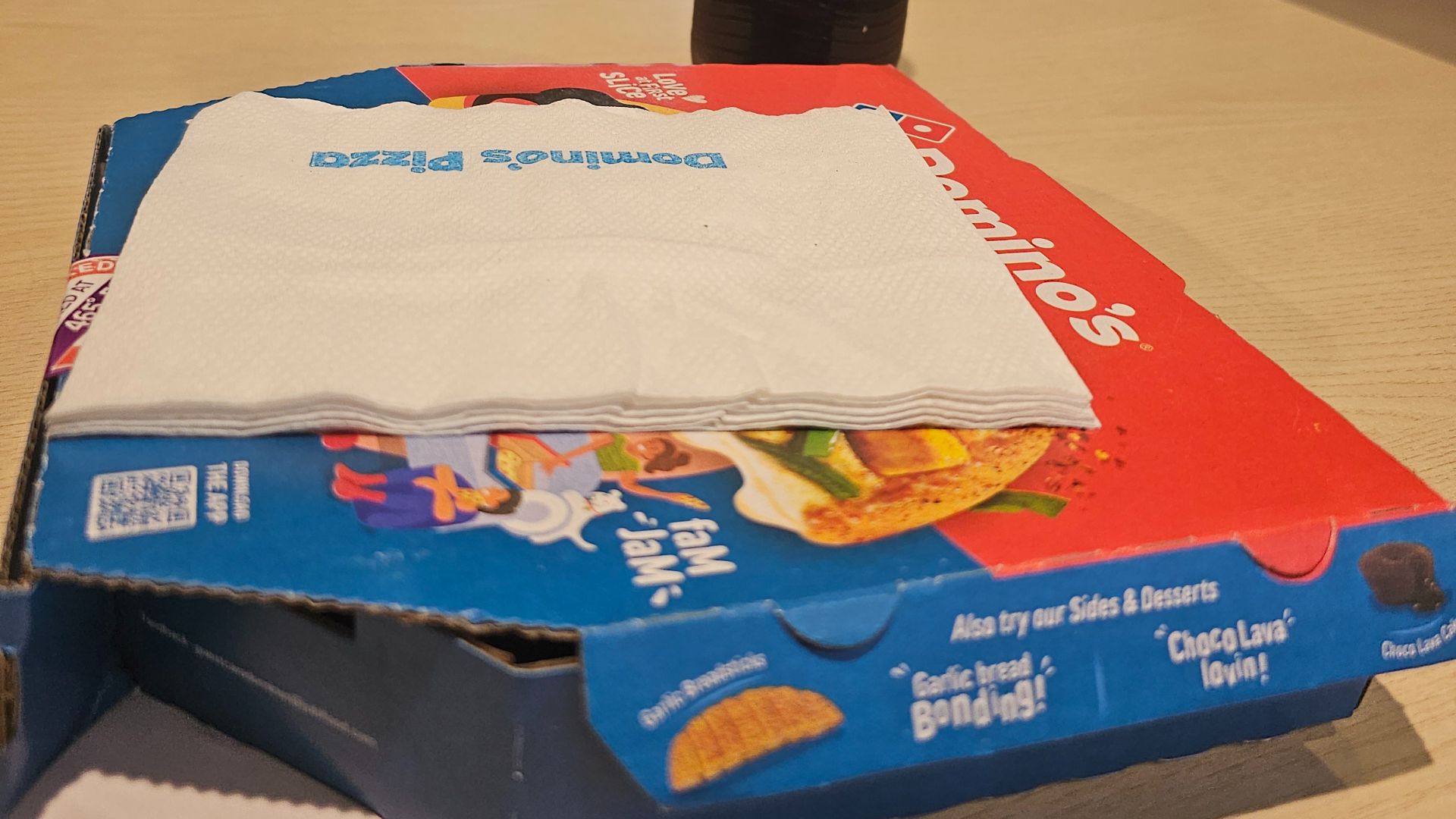
Domino’s changed how Americans thought about pizza delivery. The chain built its identity around speed, convenience, and the promise that dinner could arrive without anyone leaving the couch. Its delivery-first model helped make pizza one of the most practical weeknight meals. Domino’s didn't invent delivery, but it made it feel like a normal part of modern life.
6. Taco Bell
Taco Bell changed American fast food by making Mexican-inspired flavors widely available in a highly Americanized format. Tacos, burritos, nachos, and sauce packets became familiar to people far from traditional Mexican restaurants. The chain’s menu has always leaned playful, which helped fast food feel more customizable and snackable.
7. Subway
Subway changed the fast-food conversation by building its brand around made-to-order sandwiches. Customers could choose bread, fillings, toppings, and sauces while watching the sandwich come together. Subway also helped popularize the idea that fast food could be lighter than burgers and fries, or at least seem like it.
8. Starbucks
Starbucks transformed coffee culture in the U.S., making espresso drinks and coffee-shop culture mainstream. The chain also turned the coffee cup into a portable lifestyle accessory. Whether people love or mock the ordering process, Starbucks changed how Americans consume their cup of joe.
9. Dunkin’
Dunkin’ shaped American mornings by making coffee and doughnuts fast, affordable, and routine. It became especially important for commuters who wanted something quick before work. The chain’s coffee identity grew so strong that many people think of it as a coffee stop first and a doughnut shop second.
10. Chipotle
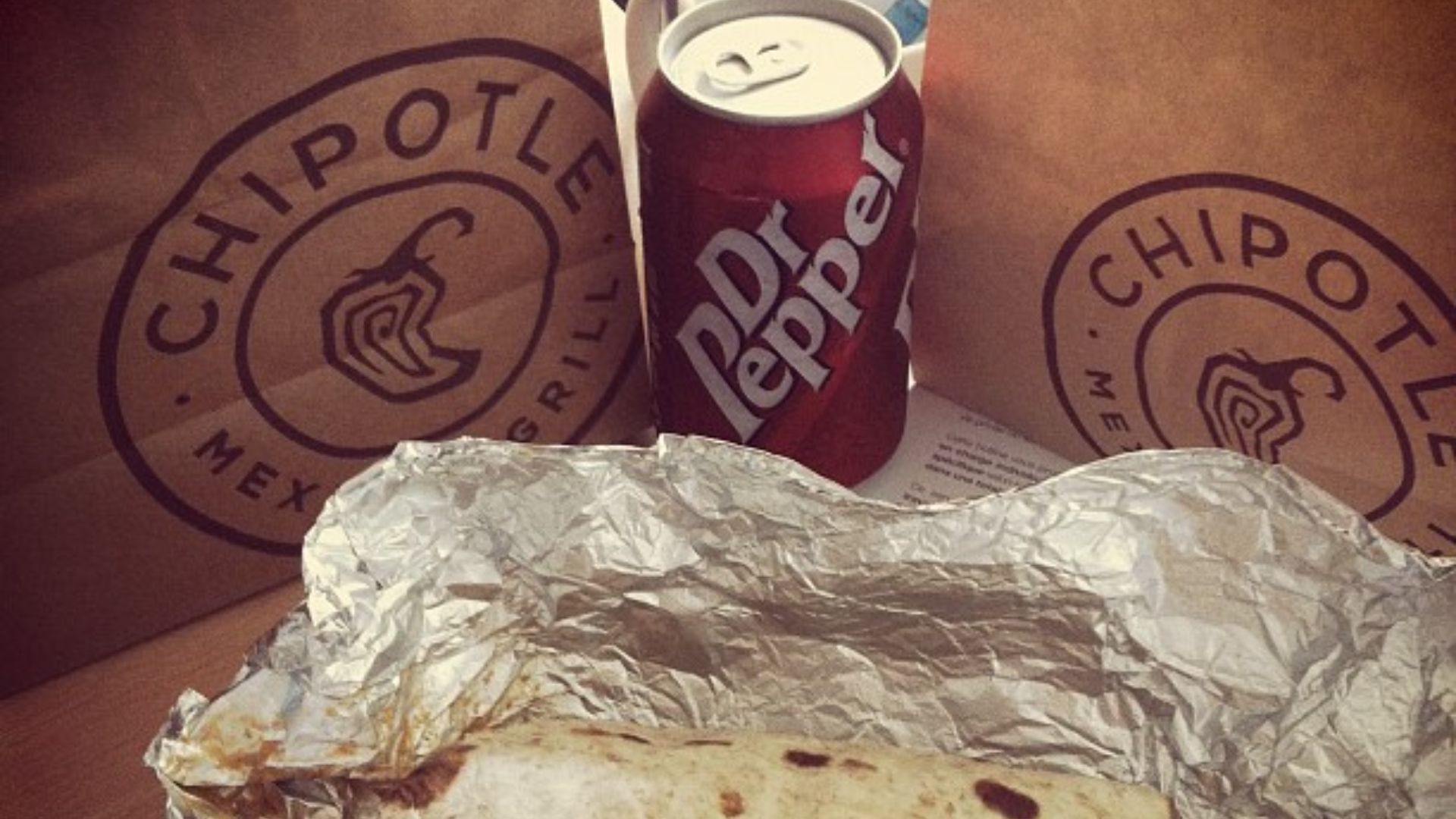
Chipotle changed casual dining by popularizing the fast-casual model. Customers moved down the line choosing rice, beans, protein, salsa, and toppings, creating a meal that felt fresher and more personal than traditional fast food. The chain also made ingredient sourcing and “food with integrity” part of mainstream restaurant marketing.
11. Panera Bread
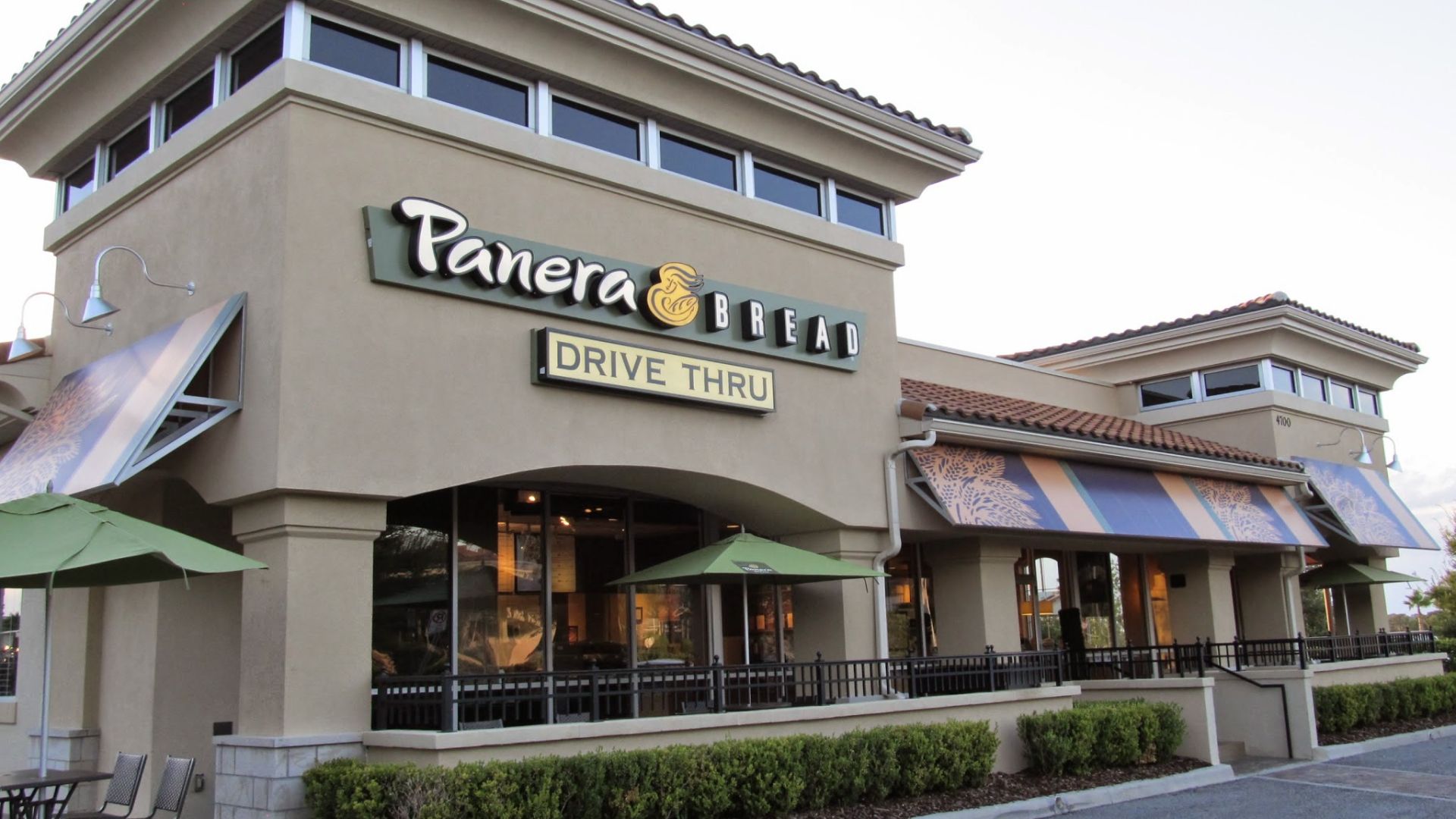
Panera helped make the bakery-cafe format feel like an everyday lunch option. It offered soups, salads, sandwiches, pastries, and coffee in a setting that felt more relaxed than fast food but easier than a full-service restaurant. The chain became a favorite for work lunches, study sessions, and casual meetups.
12. Olive Garden
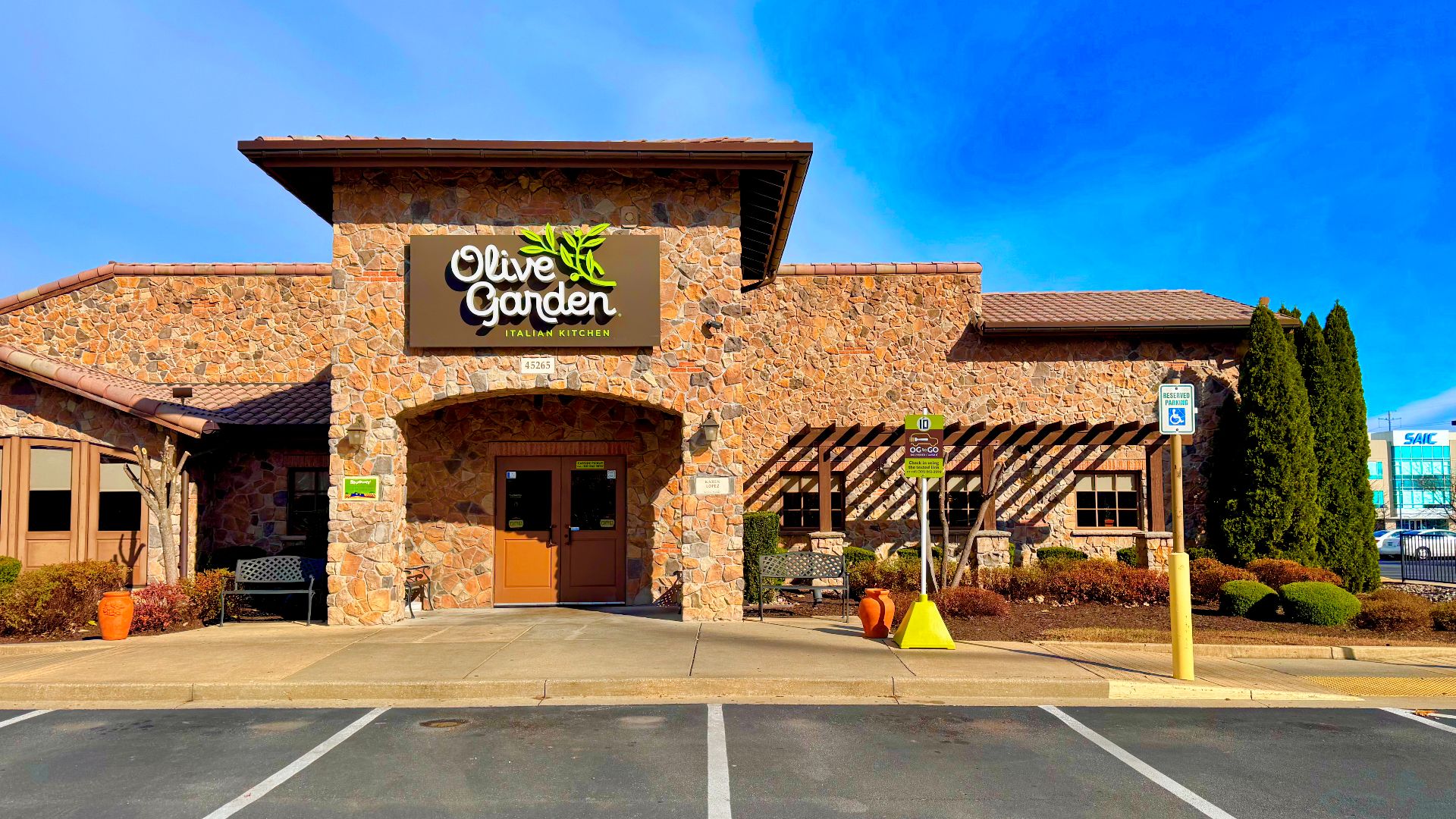
Olive Garden changed how many Americans experienced Italian-style dining. Its unlimited breadsticks, big pasta portions, and family-friendly atmosphere made Italian-American food feel comfortable and accessible. The chain didn't try to be a tiny neighborhood trattoria; it built a large-scale version of abundance and familiarity.
13. Applebee’s
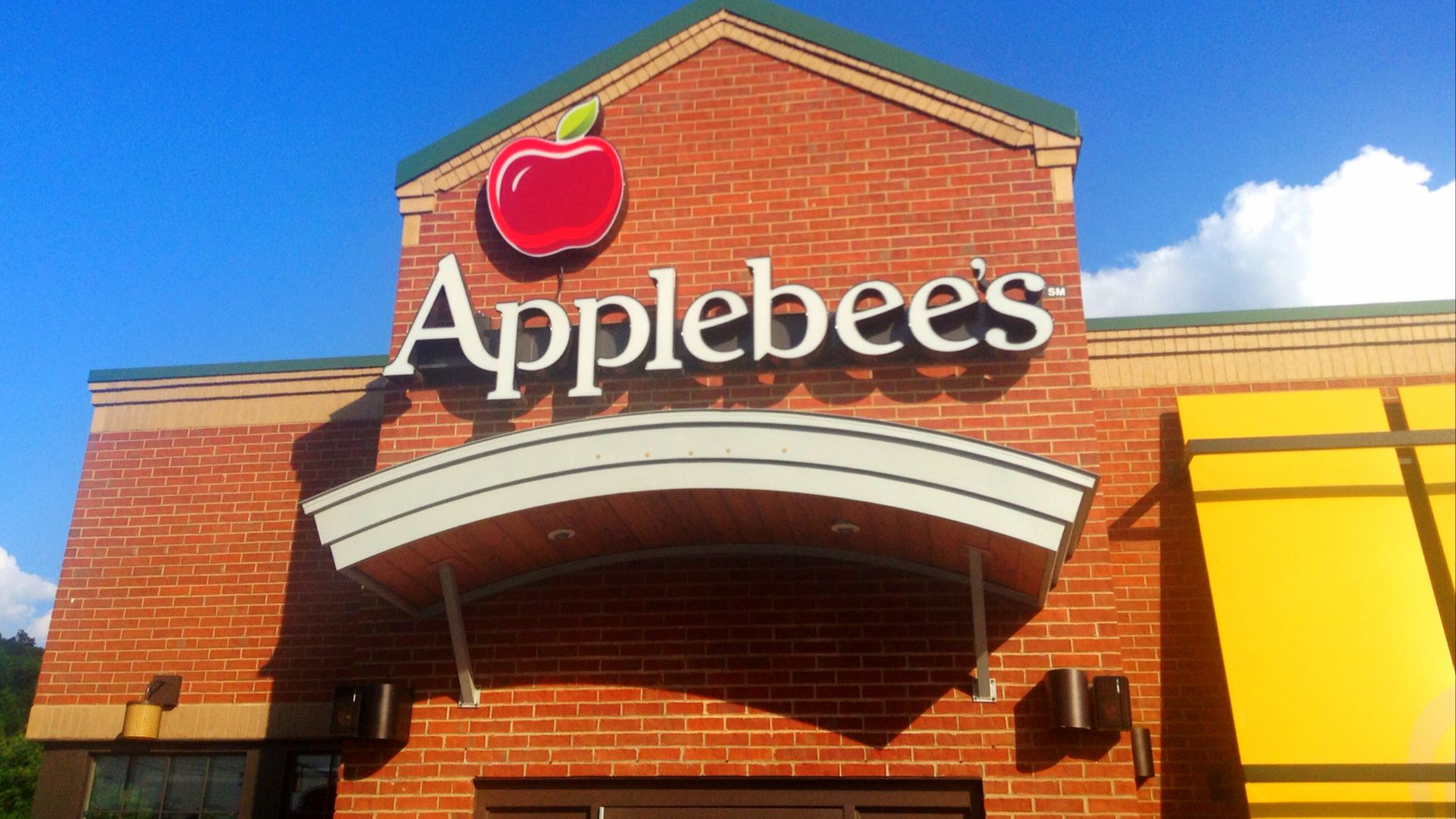
Applebee’s helped define the casual dining boom of the late 20th century. It offered burgers, ribs, salads, appetizers, cocktails, and familiar entrées in a neighborhood-themed setting. The chain made sit-down dining feel approachable for families, coworkers, and groups who wanted variety without formality.
14. TGI Fridays
TGI Fridays helped shape the American idea of a fun, casual restaurant with a bar-like energy. It popularized loaded appetizers, colorful cocktails, and a lively atmosphere that felt less buttoned-up than traditional dining. The chain also influenced the way restaurants treated happy hour and casual social eating.
15. Chili’s
Chili’s helped make Tex-Mex-inspired casual dining a national habit. Fajitas, ribs, burgers, margaritas, and skillet-style dishes gave the menu a lively, familiar range. The chain showed that casual restaurants could lean into big flavors and shareable appetizers while still feeling family-friendly.
16. Denny’s
Denny’s changed American dining by making the all-day diner feel national. Breakfast at midnight, pancakes for dinner, and bottomless coffee became part of the chain’s appeal. It served travelers, night-shift workers, families, students, and anyone else who needed a meal outside normal hours.
 Photo: Andreas Praefcke on Wikimedia
17. IHOP
IHOP made pancakes and breakfast foods the center of a national restaurant identity. It helped turn breakfast into a sit-down meal people could enjoy at almost any time of day. The chain’s menu of pancakes, waffles, omelets, and syrup-heavy plates made morning food feel indulgent and social.
18. In-N-Out Burger
In-N-Out Burger changed fast food by showing the power of simplicity, consistency, and regional loyalty. Its short menu, fresh ingredients, and not-so-secret menu created a devoted fan base without constant reinvention. The chain became a cultural symbol as much as a burger stop, especially in California and the West.
19. Chick-fil-A
Chick-fil-A helped make the chicken sandwich a fast-food main event. Its focused menu, drive-thru efficiency, and strong customer service reputation gave it unusual loyalty in a crowded market. The chain showed that fast food could compete heavily on hospitality as well as product, and pushed other brands to take the chicken sandwich more seriously.
20. The Cheesecake Factory
The Cheesecake Factory changed expectations around menu size, portions, and casual dining spectacle. Its massive menu offers everything from pasta and burgers to salads, steaks, tacos, and dozens of cheesecakes. The experience feels generous, slightly overwhelming, and very American in its refusal to choose one lane. It made abundance itself part of the restaurant's appeal.
 Lalith sai Thomala on Unsplash
KEEP ON READING

10 Most Hated Foods in the Entire World