20 Vintage Convenience Foods That Changed How America Ate
When Dinner Started Getting a Little Easier
Long before meal-delivery apps and microwave bowls, Americans were already looking for ways to get food on the table with less work. The 20th century brought an explosion of canned, frozen, boxed, and powdered foods that promised speed, consistency, and fewer dirty dishes. Some became permanent pantry staples, while others now feel wonderfully dated. Either way, these 20 convenience foods helped reshape grocery stores, family dinners, lunchboxes, and the very idea of what counted as a home-cooked meal.
 Campbell Soup Company on Wikimedia
1. TV Dinners
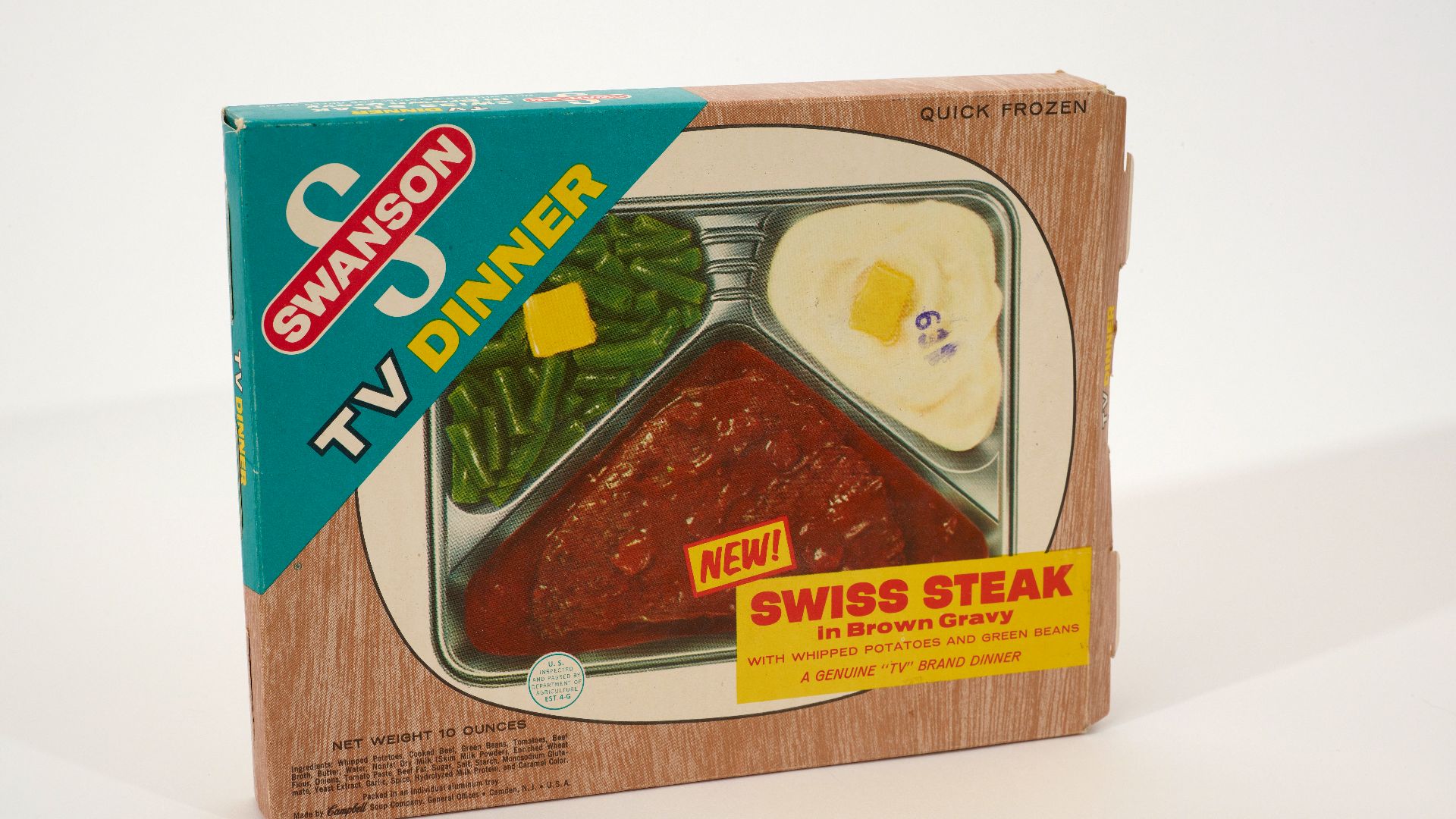
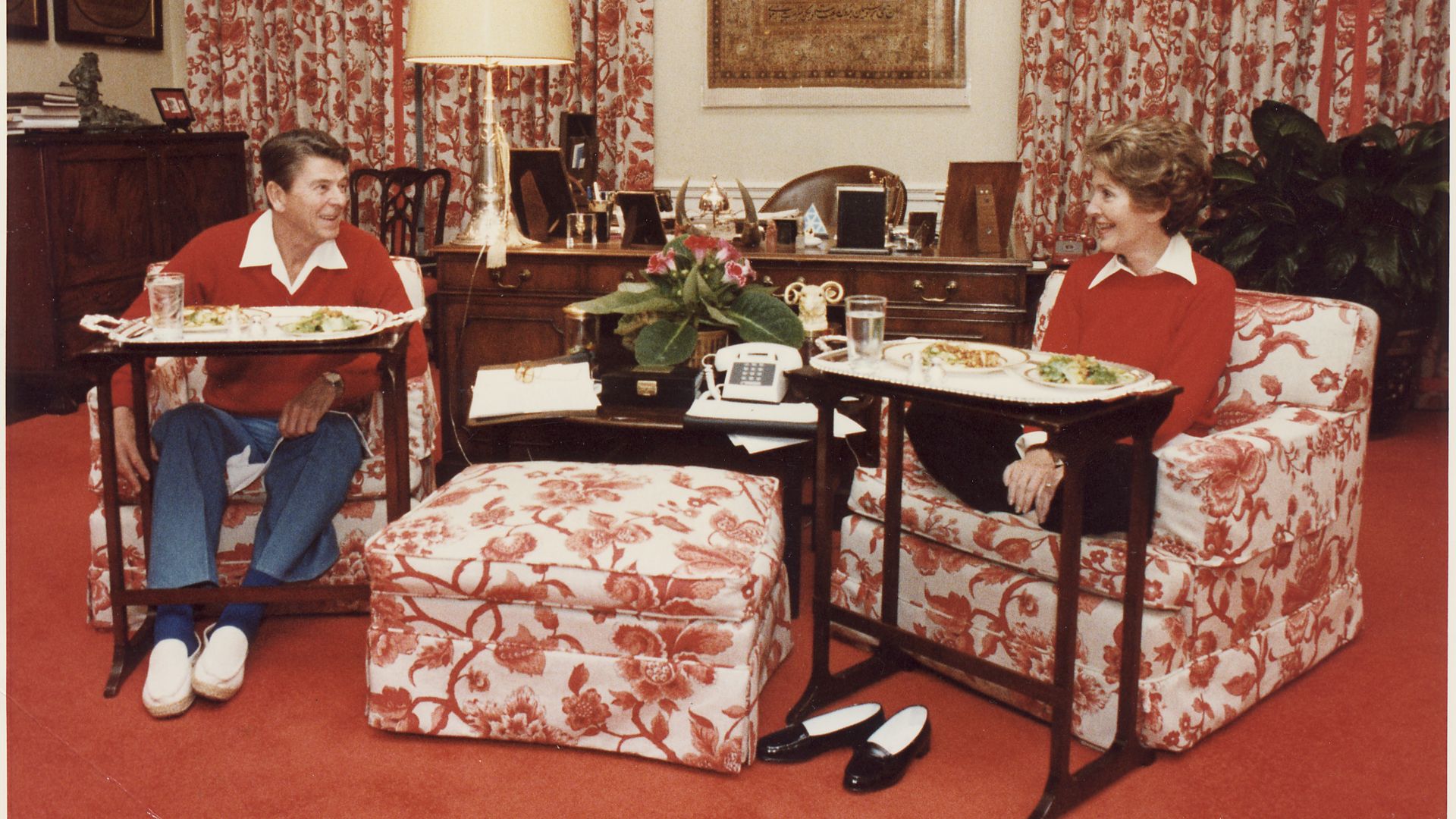
Swanson helped turn frozen meals into a cultural phenomenon when it introduced its famous TV dinner in 1953. Meat, potatoes, vegetables, and dessert arrived together in a divided aluminum tray that could go straight into the oven. The meat was always dry, and the vegetables mushy, but for many people, it still beat having to cook. The meal also fit perfectly with the growing American habit of eating in front of the television.
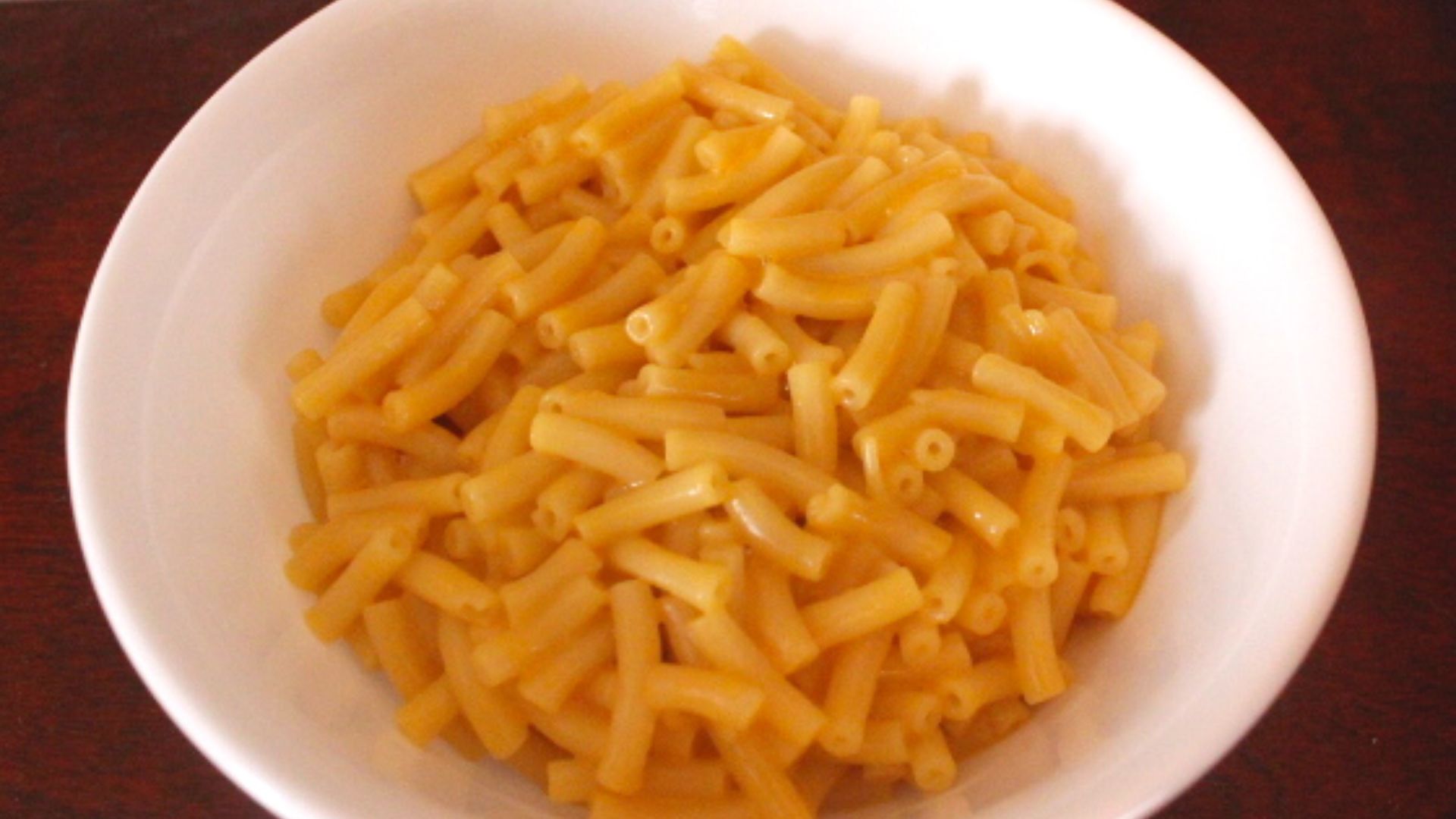
2. Kraft Macaroni & Cheese
Kraft introduced its boxed macaroni and cheese dinner in 1937, giving families a cheap meal made largely from shelf-stable ingredients. You only needed to boil the noodles and stir in the powdered cheese mixture with milk and butter. Its affordability made it especially appealing during the Depression and later during wartime rationing. Decades later, that little blue box is still one of America's most recognizable convenience foods.
3. Campbell's Condensed Soup
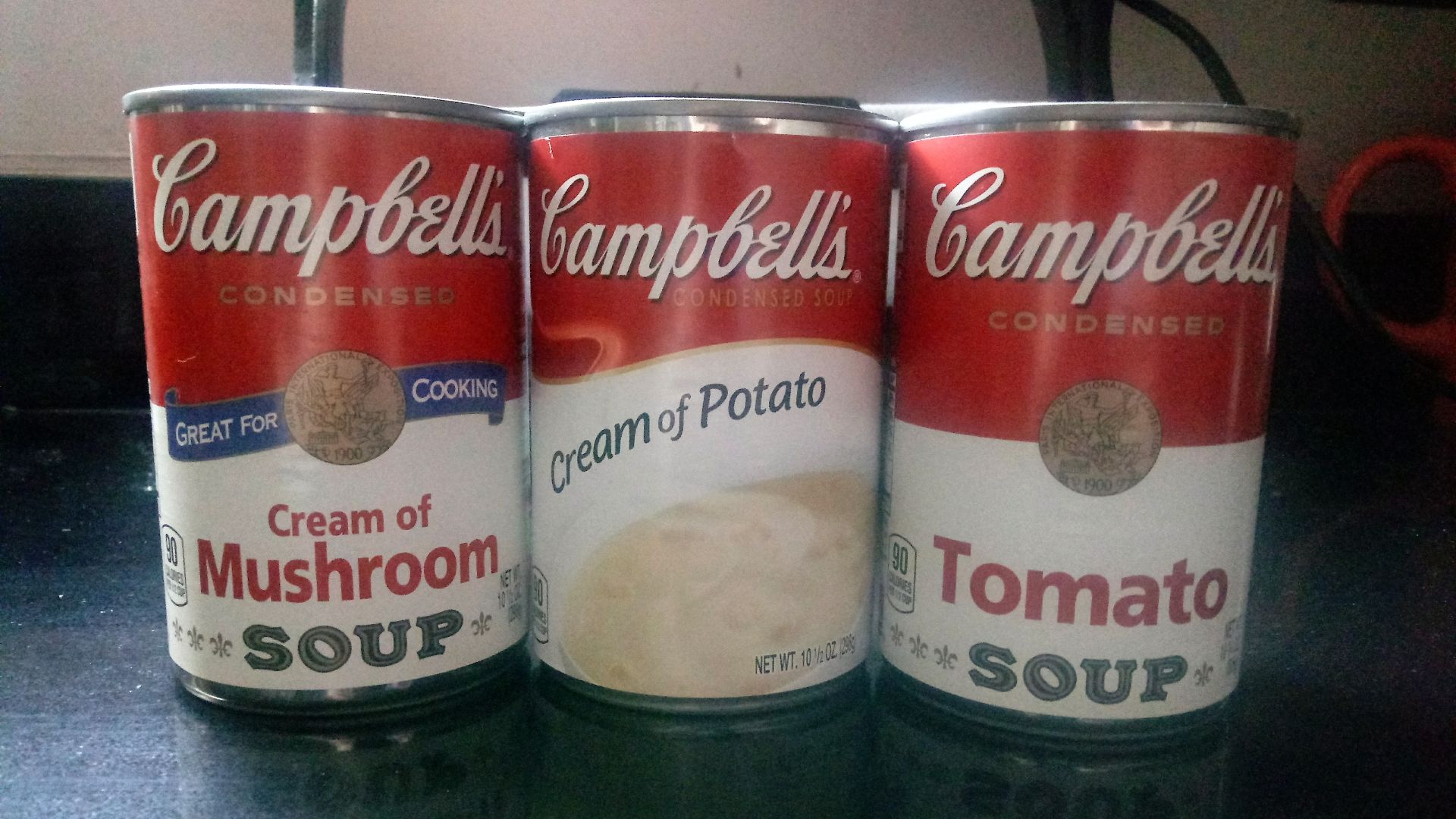
Condensed soup existed before the mid-20th-century convenience boom, but Campbell's helped turn it into much more than something eaten from a bowl. Home cooks began using cream of mushroom, cream of chicken, and other varieties as instant sauces and casserole bases. Recipes that once required homemade stocks or sauces became dramatically easier. A single can could suddenly hold an entire casserole together.
4. Jell-O
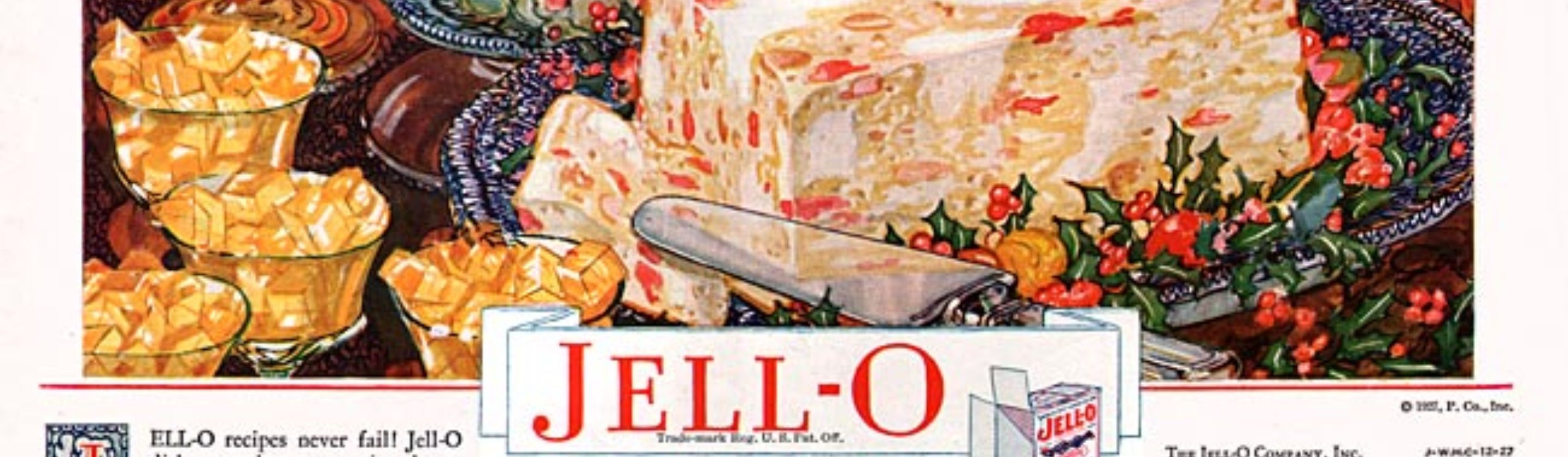
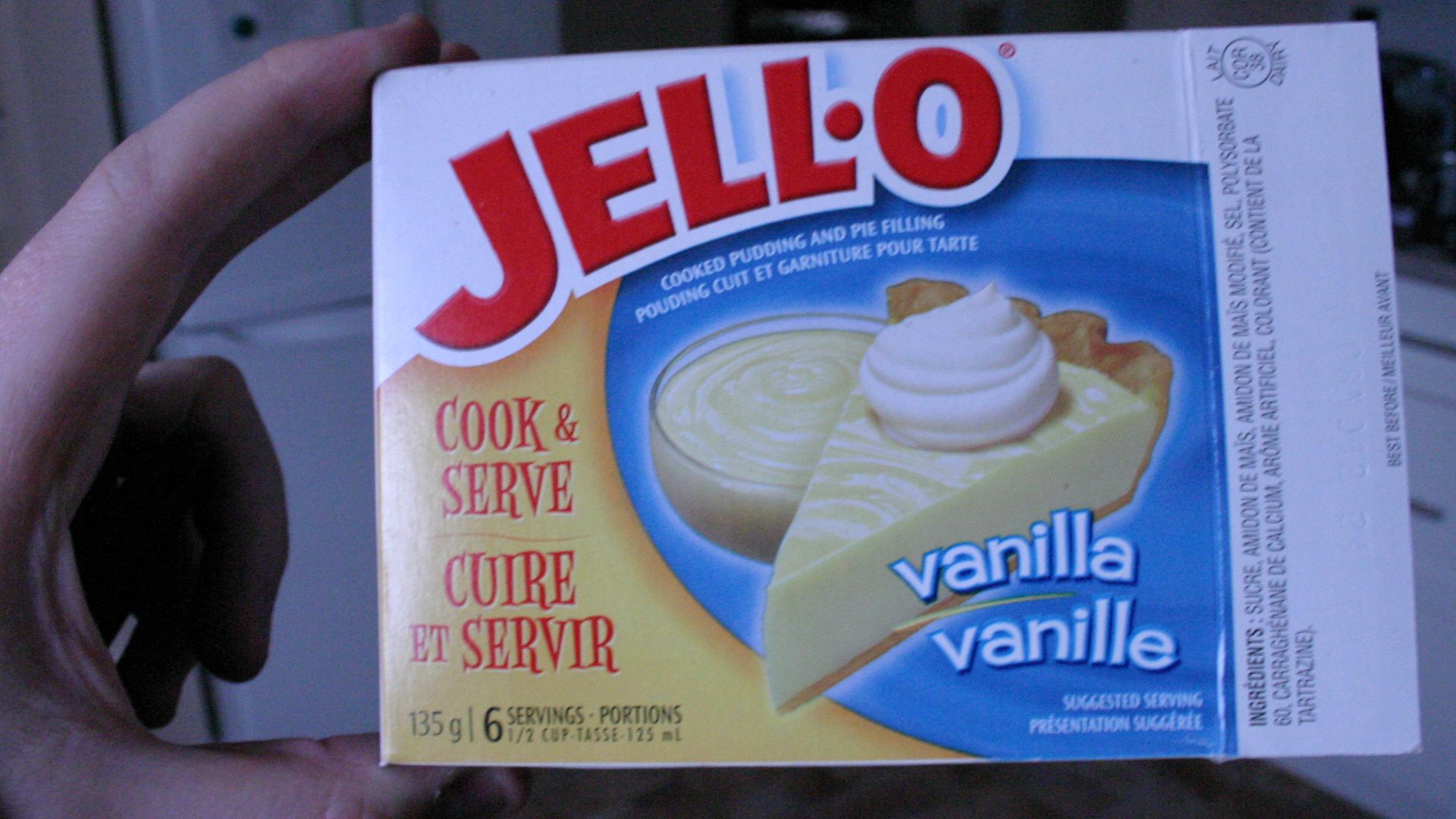
Powdered gelatin made a once-fussy dessert accessible to just about anyone with hot water and a fridge. Jell-O became so popular that Americans started suspending everything from fruit to vegetables inside it. By the mid-20th century, gelatin salads were fixtures at potlucks, holiday tables, and family dinners. Some of those combinations haven't aged particularly well, but the product's impact certainly has.
5. Bisquick
Introduced in 1931, Bisquick promised biscuits without all the measuring and mixing traditionally involved. The premixed flour, shortening, salt, and leavening could also be turned into pancakes, dumplings, cobblers, and countless other dishes. Betty Crocker recipes helped encourage cooks to treat the box as a shortcut ingredient rather than just a biscuit mix. It made baking on a weeknight a lot more accessible.

6. Spam
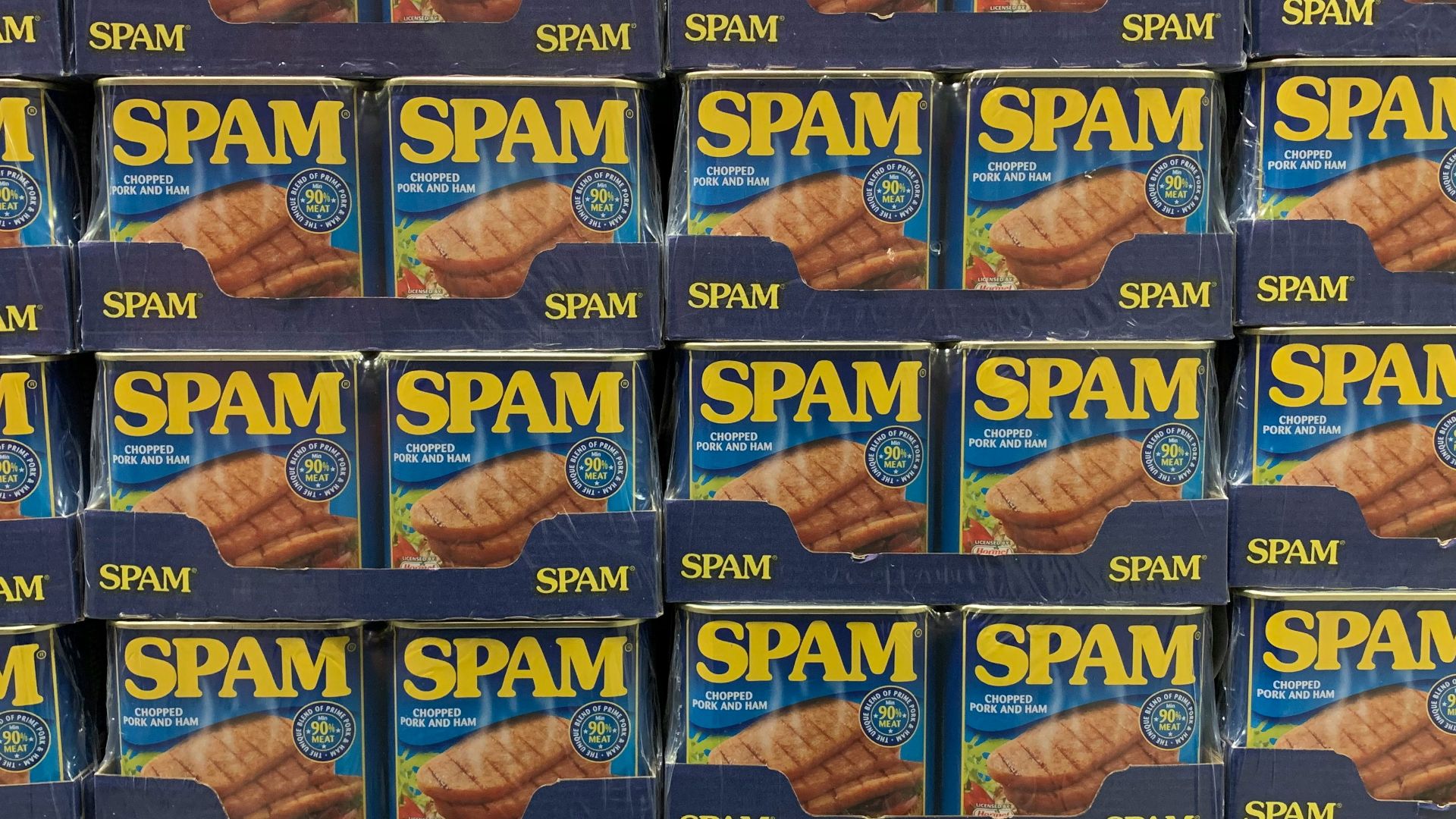
Hormel introduced Spam in 1937, and its long shelf life soon made it invaluable during World War II. American troops encountered huge quantities of the canned pork product, while families back home found plenty of ways to work it into recipes. Love it or hate it, Spam helped normalize canned meat as an everyday food.
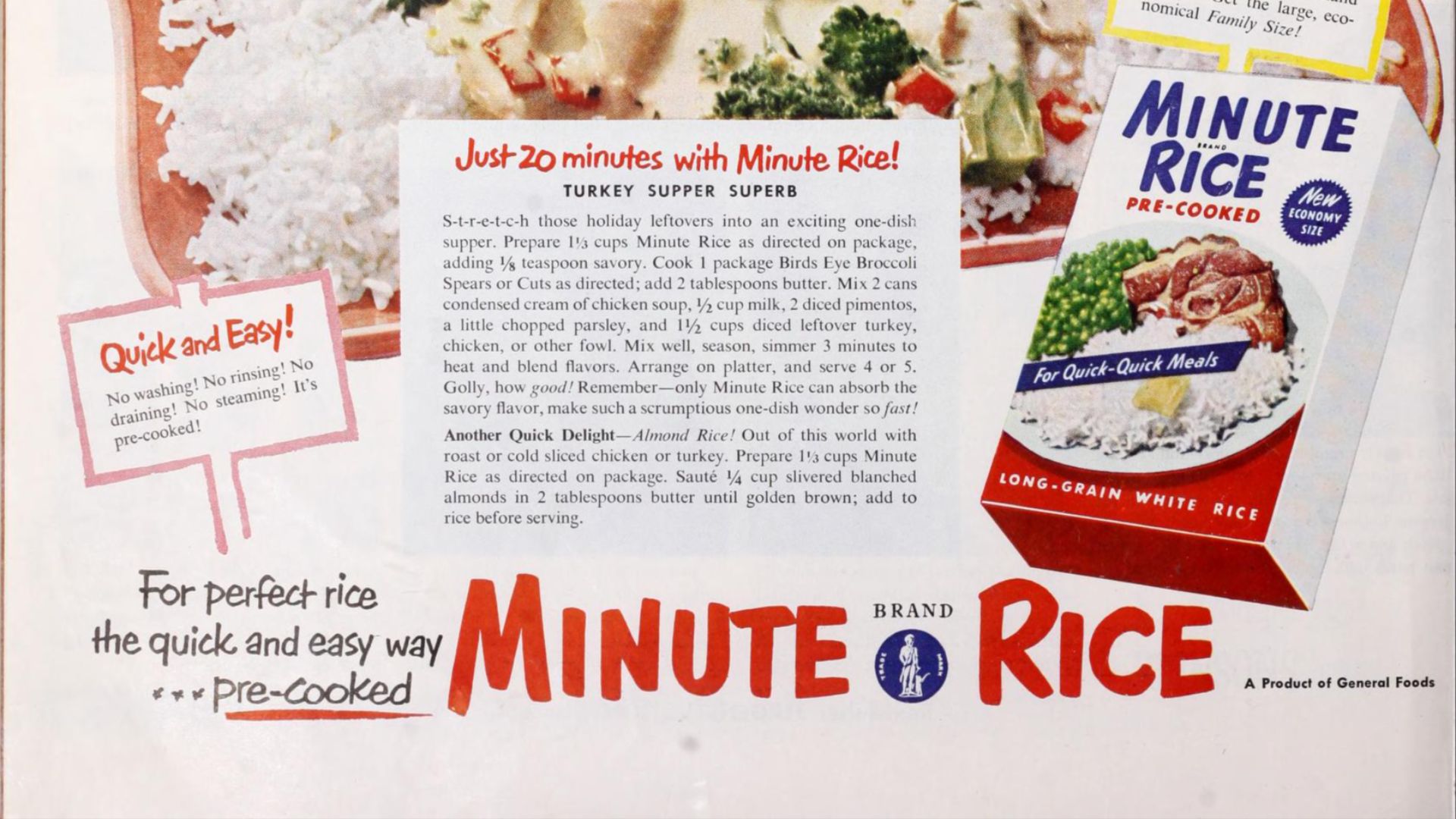
7. Minute Rice
Traditional rice required planning and a decent amount of cooking time, but Minute Rice offered a much faster alternative. The rice had already been precooked and dehydrated, allowing consumers to rehydrate it at home in just a few minutes. That made rice considerably easier to add to quick family meals. It was another small step toward the expectation that side dishes shouldn't keep anyone waiting.
8. Betty Crocker Cake Mix
Boxed cake mixes transformed home baking by putting most of the dry ingredients into one convenient package. Betty Crocker mixes became especially popular in the 1950s, when manufacturers heavily marketed them to busy homemakers. A cake no longer required pulling several containers from the pantry and carefully measuring everything yourself.
9. Tang
Tang debuted in the late 1950s, but its association with NASA's space program in the 1960s sent its popularity soaring. The powdered orange drink could be stored indefinitely and mixed with water whenever someone wanted a sweet citrus-flavored beverage. Parents liked the convenience, while kids liked the novelty and the link to astronauts.

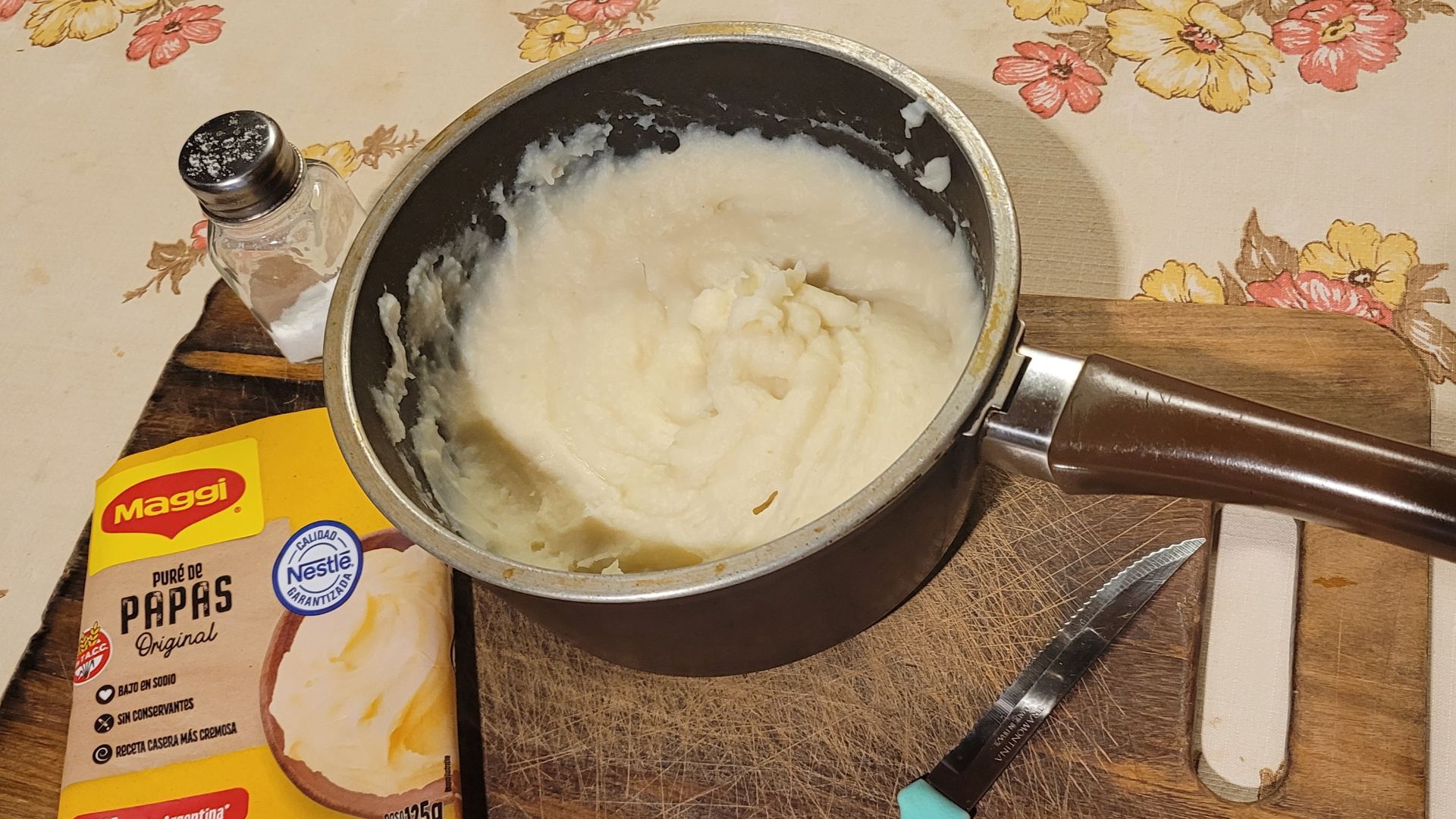
10. Instant Mashed Potatoes
Peeling, boiling, draining, and mashing potatoes takes time, which made dehydrated potato flakes an appealing shortcut. By the 1950s and 1960s, instant mashed potatoes began being a staple in American kitchens. Hot water, milk, butter, and a quick stir could produce a familiar side dish in minutes. They helped establish the idea that even traditional comfort foods could come from a package.
11. Cool Whip
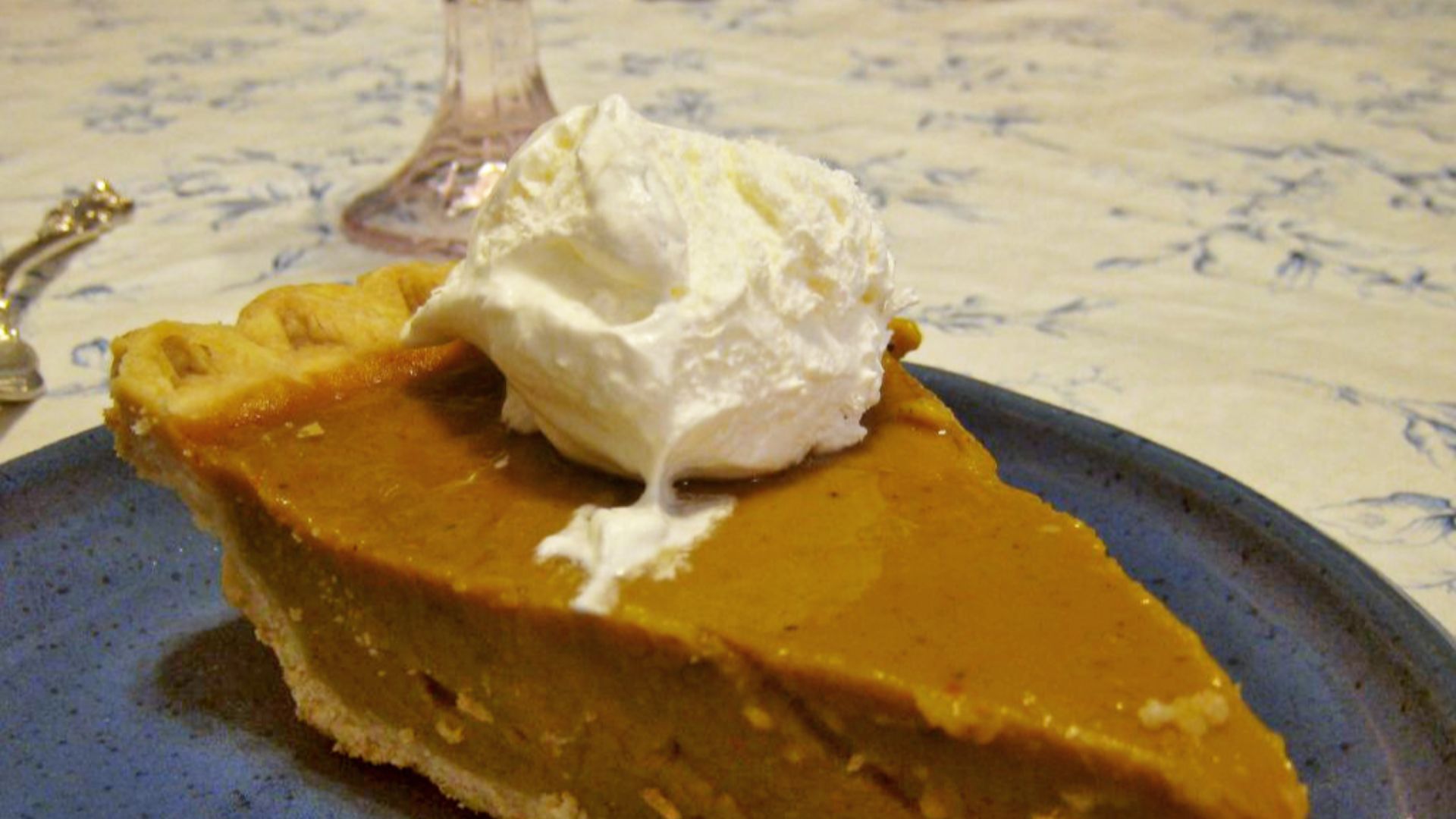
When Cool Whip arrived in 1966, whipping cream suddenly became optional for countless American desserts. The frozen whipped topping could be thawed and spooned directly onto pies, gelatin dishes, cakes, and fruit salads. It also appeared in an enormous number of branded recipes during the following decades. Few products capture the convenience-minded dessert culture of the era quite as neatly.
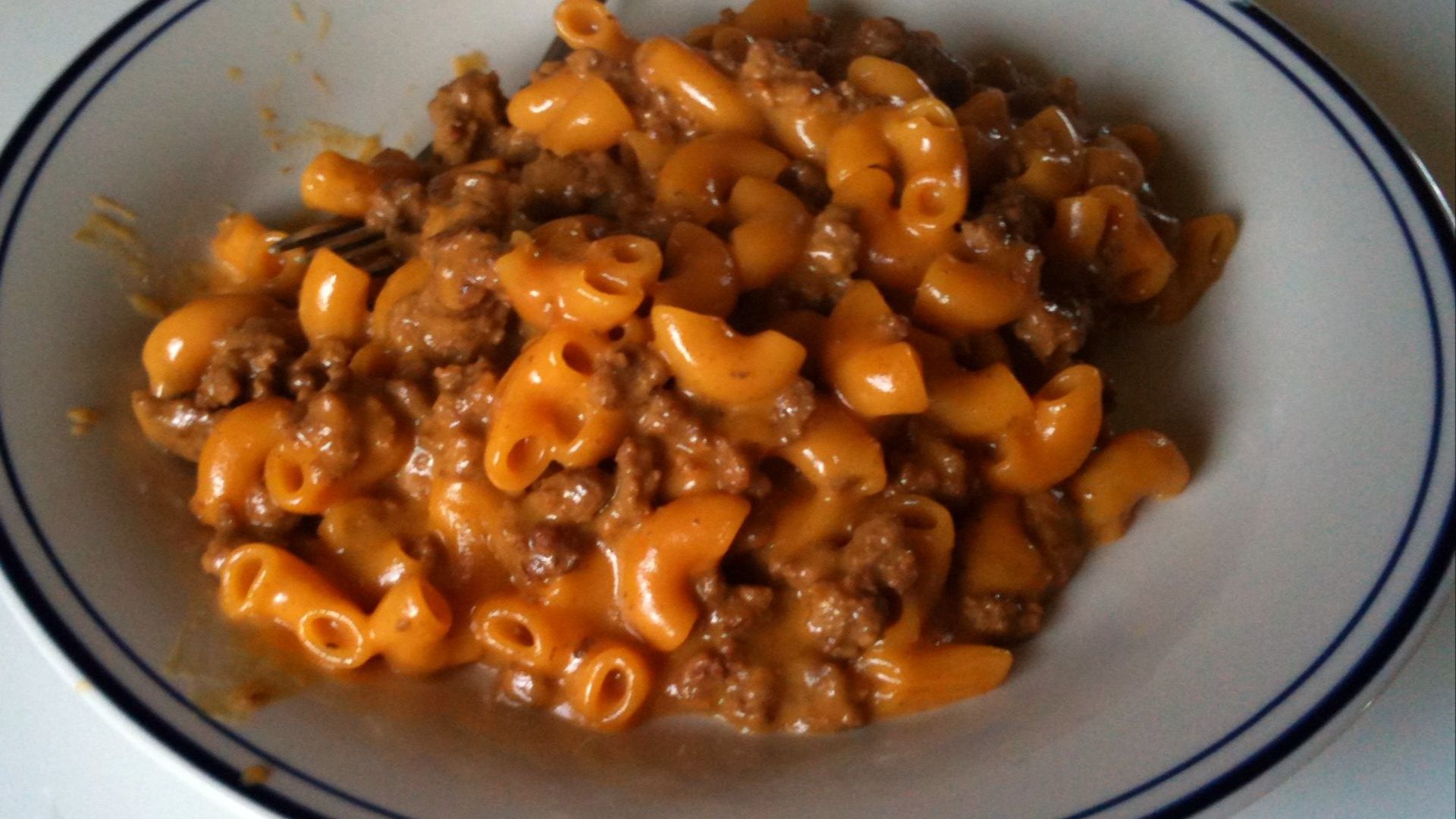
12. Hamburger Helper
General Mills launched Hamburger Helper in 1971 at a time when rising meat prices had families looking for ways to stretch a pound of ground beef. The box supplied pasta or rice along with seasoning and sauce ingredients. Add the hamburger, follow a few steps, and dinner was essentially handled. It cleverly turned one inexpensive package of meat into enough food for an entire family.
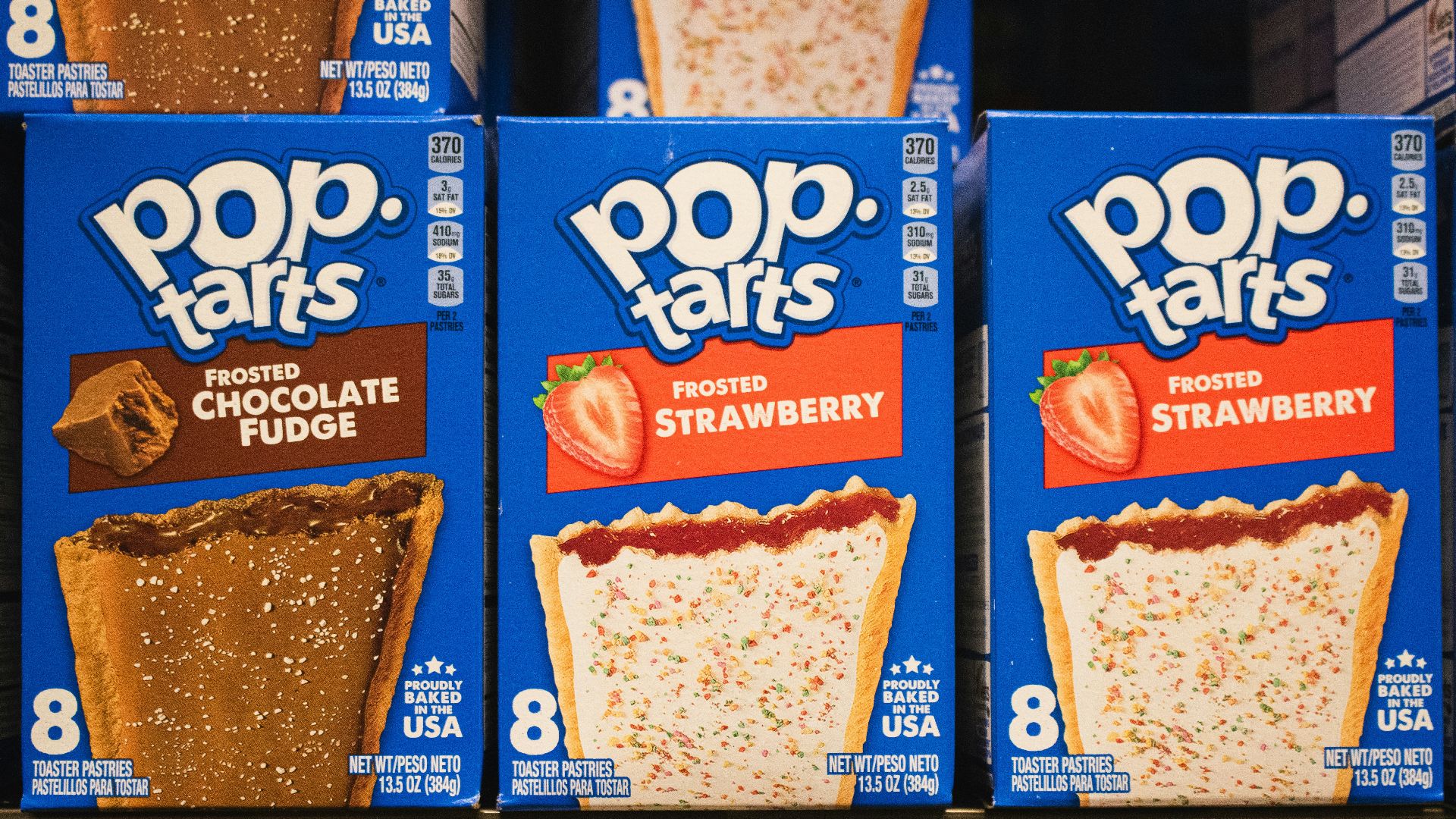
13. Pop-Tarts
Kellogg's introduced Pop-Tarts nationally in 1964, helping turn breakfast into something you could practically eat while walking out the door. The pastries were shelf-stable, individually portioned, and required little more than a toaster, assuming you bothered heating them at all. That was a major departure from eggs, oatmeal, and other breakfasts that demanded actual preparation. Morning convenience had officially become portable, albeit not the most nutritious.
14. Stove Top Stuffing
Stuffing traditionally meant drying bread, chopping ingredients, seasoning everything, and usually waiting for a holiday bird to appear. Stove Top, launched in 1972, condensed much of that work into a box that could be prepared on the stovetop. It also helped stuffing escape Thanksgiving and become a regular weeknight side dish. You no longer needed a turkey as an excuse to make it.

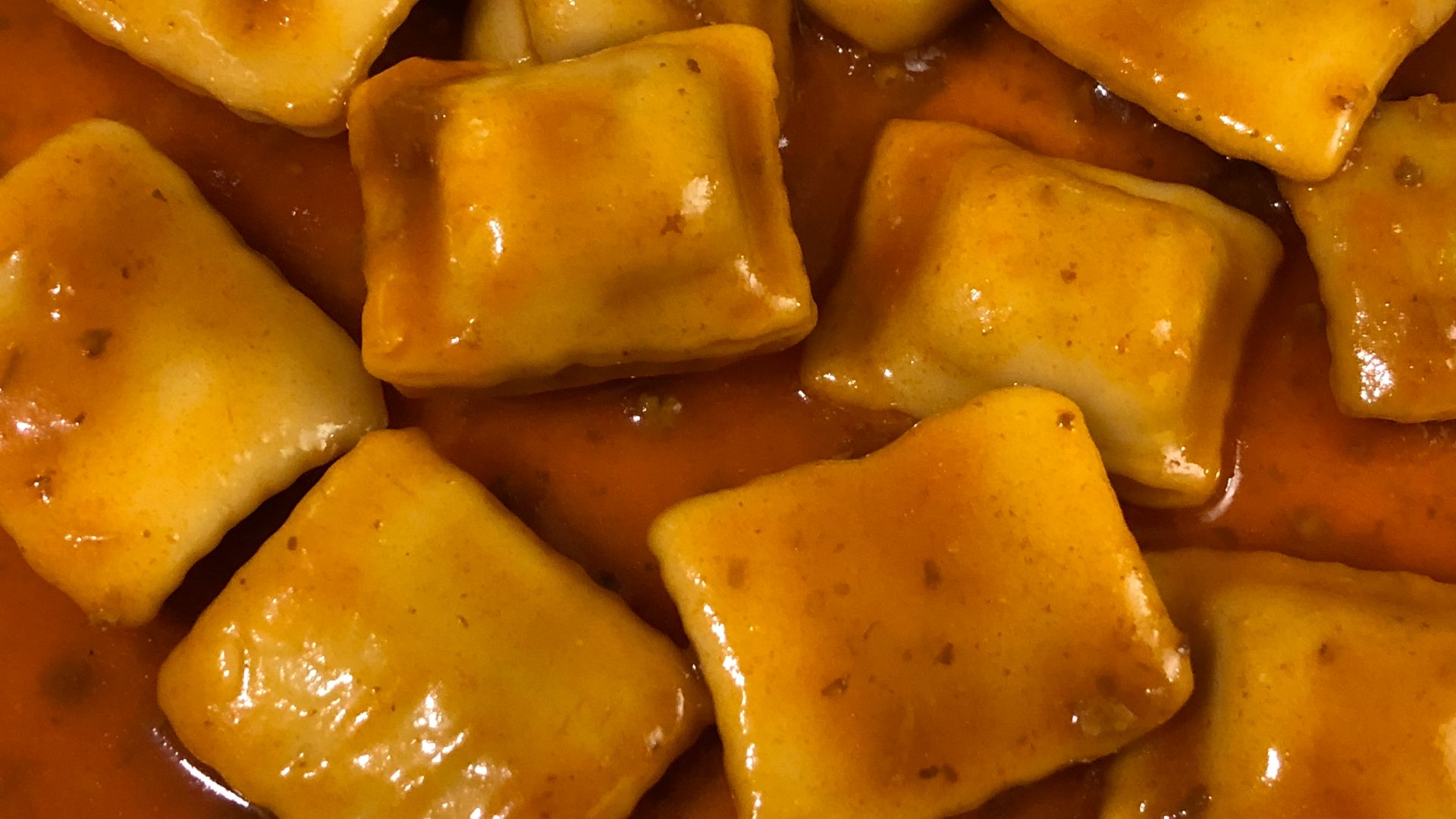
15. Chef Boyardee Canned Pasta
Chef Hector Boiardi turned restaurant-style Italian-American food into a mass-market canned product beginning in the late 1920s. Ravioli, spaghetti, and later other pasta dishes could simply be heated and served. For generations of kids, opening a can became one of the easiest routes to lunch. It also helped make Italian-American flavors increasingly familiar in households across the country.
16. Frozen Orange Juice Concentrate
Frozen concentrated orange juice became a household staple after World War II, when improved processing methods made it practical for mass consumption. Instead of squeezing fresh oranges, shoppers could keep a small can in the freezer and mix the concentrate with water. The product made orange juice cheaper, easier to store, and available year-round.

17. Velveeta
Velveeta's smooth texture and long shelf life made it an extremely useful shortcut for home cooks. After Kraft acquired the brand in the 1920s, the processed cheese product became a familiar ingredient in sandwiches, dips, casseroles, and sauces. Unlike many natural cheeses, it melted with remarkable consistency, making it particularly attractive in recipes where nobody wanted the cheese sauce to misbehave.

18. Shake 'N Bake
Introduced in 1965, Shake 'N Bake gave home cooks an easy way to coat chicken or pork without traditional breading and frying. Meat went into a bag with seasoned crumbs, got shaken around, and then went into the oven. The process was simple enough that advertising made a point of showing children helping prepare dinner.

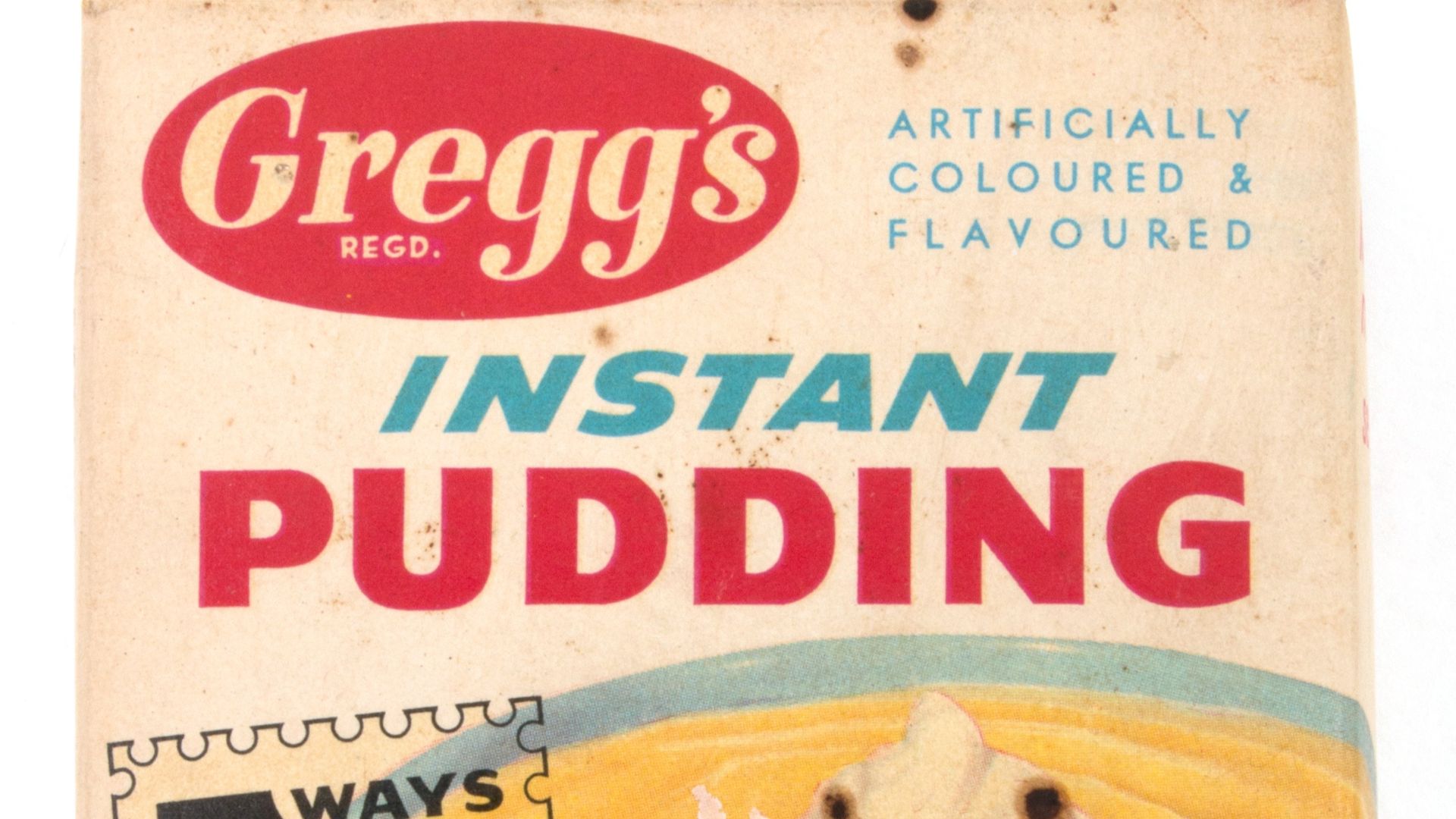
19. Instant Pudding
Instant pudding removed one of the more annoying parts of making pudding: standing over a stove. Once products like Jell-O Instant Pudding became common in the 1950s, cold milk and a few minutes of mixing could produce dessert. It also became a building block for pies, layered desserts, and countless chilled creations. The fridge did most of the remaining work while you moved on with your evening.
 W. Gregg & Company Limited on Wikimedia
20. Frozen Pizza
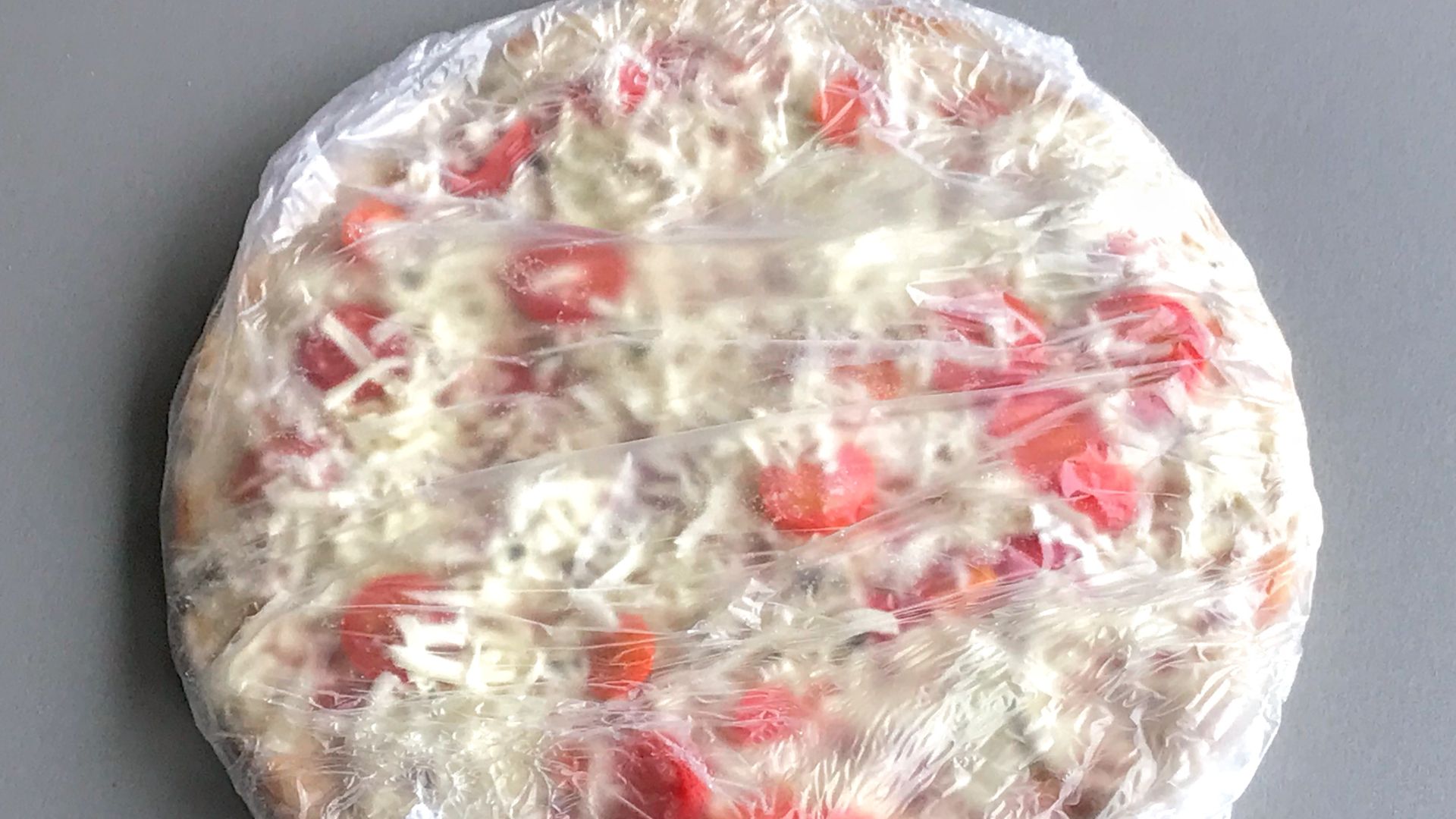
Frozen pizza began appearing commercially in the 1950s and took off as freezers became standard fixtures in American homes. Brands such as Totino's helped make pizza something families could keep on hand instead of ordering from a restaurant or making dough themselves. By the 1970s, the frozen pizza aisle was firmly established. Few convenience foods did more to turn a once-specialty dish into an ordinary weeknight option.
KEEP ON READING