Poutine may look like a simple comfort dish—just fries, cheese curds, and gravy—but anyone who has tasted an authentic Quebec-style bowl knows it carries a charm far bigger than its ingredients. It’s warm, messy, indulgent, and somehow reassuring, the kind of food that feels like a hug on a cold day. And that’s exactly why people keep asking the same question: what makes poutine taste the way it does?
To understand the answer, you have to look beyond the plate. Poutine isn’t just cooked; it’s assembled in a careful sequence, where every element plays a distinct role. One small misstep, and the magic fades. Get it right, though, and you proudly showcase the secret Canadians have been proud of for decades.
And that’s where our story begins: how to make one that feels as comforting as the real thing.
Fries That Hold Their Ground
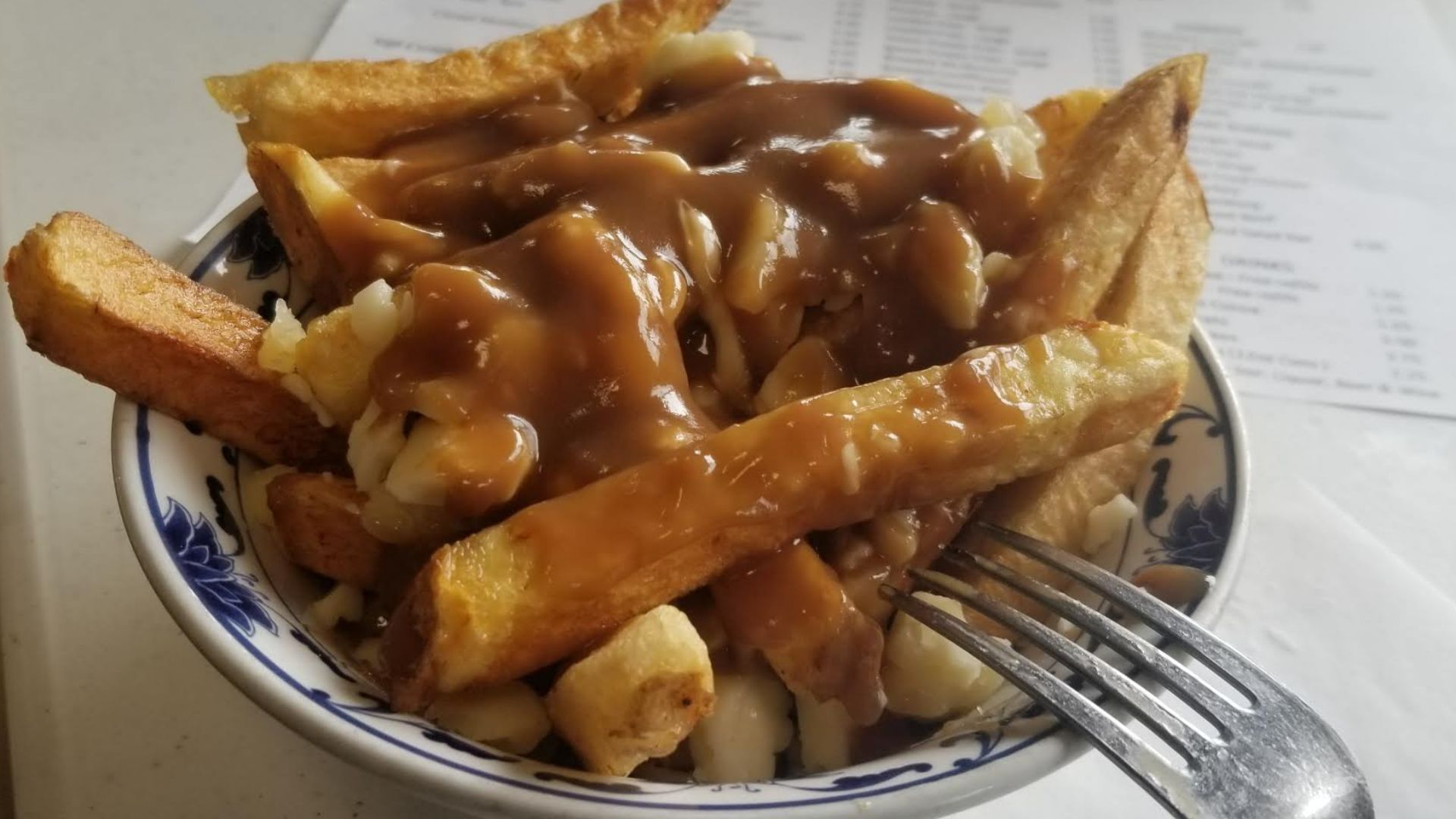
The foundation of any great poutine is the fry, and it must do far more than simply taste good. It has to survive. A regular fry collapses under gravy like wet paper, but true poutine fries have stamina. Russet potatoes are the heroes here, offering the kind of starch that browns beautifully and keeps the interior soft without surrendering their shape.
What makes all the difference is the double-fry technique. The first fry cooks the potato through; the second creates that golden shell that refuses to go soggy too quickly. And once the fries are ready, the next layer of the story steps forward.
Curds With Character
Cheese curds are the defining feature of the dish. The moment they hit the hot fries, they give off that gentle squeak Canadians swear by. And that sound is a sign of freshness. Curds lose their squeak quickly as they age, which is why the authentic experience requires curds less than a day old.
These curds soften just enough to create pockets of warmth and resistance between the fries. That balance of yielding and holding firm is exactly what sets poutine apart from other comfort foods. Once you experience the texture, you understand why substituting mozzarella is considered sacrilege.
But even fresh curds can’t work their magic alone. They’re waiting for the final element to sweep across the plate and tie everything together.
The Gravy Test
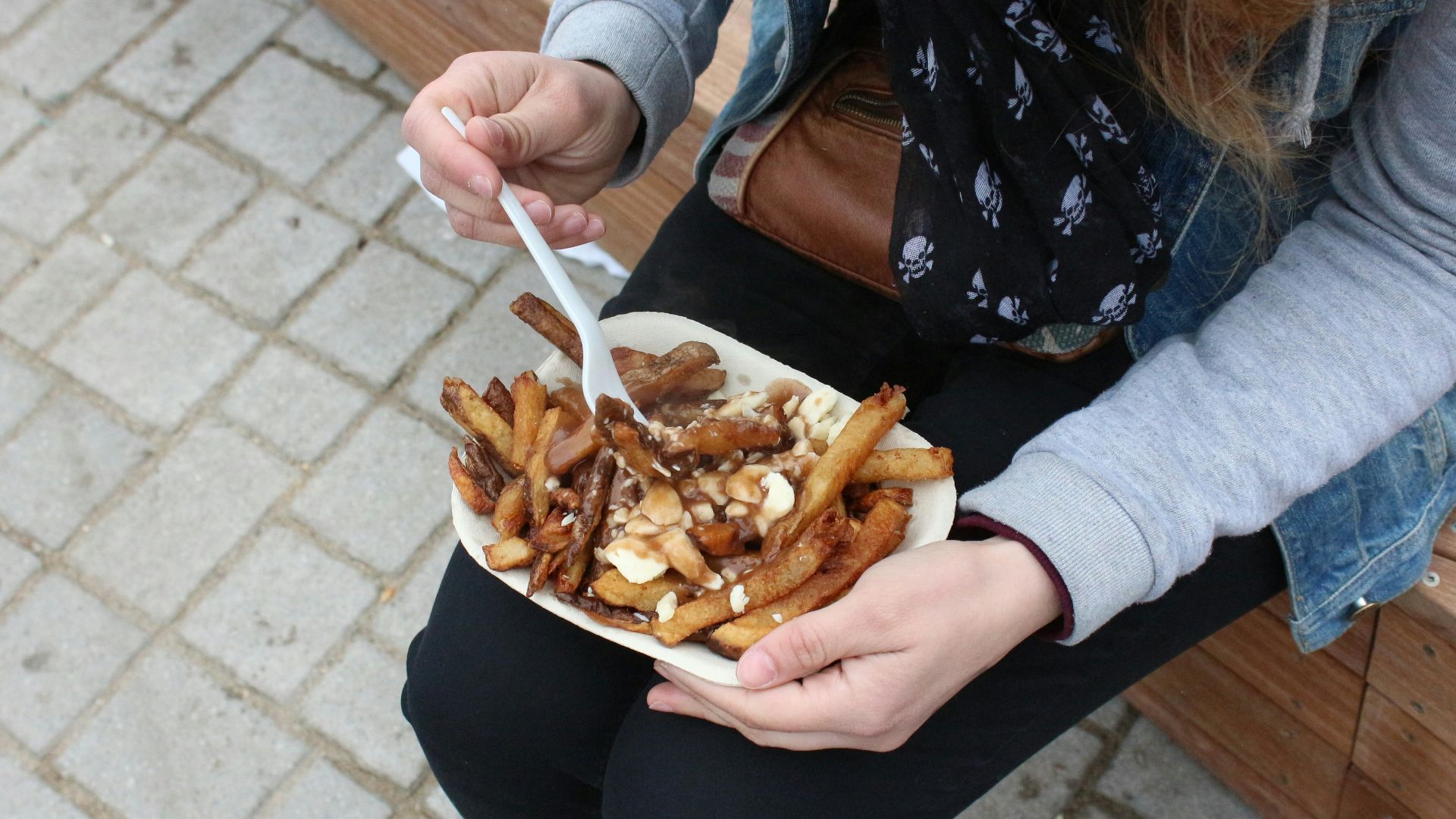 @withlovefromchile on Unsplash
When people talk about the “secret” to poutine, they’re almost always talking about the gravy.
It must be hot enough to soften the curds, silky enough to coat the fries, but light enough to pour easily. The classic Quebec version blends chicken and beef stock to create depth without heaviness. Homemade gravies often go wrong by becoming too thick or too salty, and once that happens, everything beneath them suffers. A good poutine gravy feels like it’s been simmered with patience. Butter adds gloss, flour adds body, and stock brings the flavor that holds the entire dish upright to bring forth flavors.
KEEP ON READING
10 Best Finds at Costco & 10 Worth Skipping

20 American Foods That Are Best When They're Simple
20 Comfort Dishes From The '90s