The Myth Behind Frozen Meals: Why They Deserve A Second Look
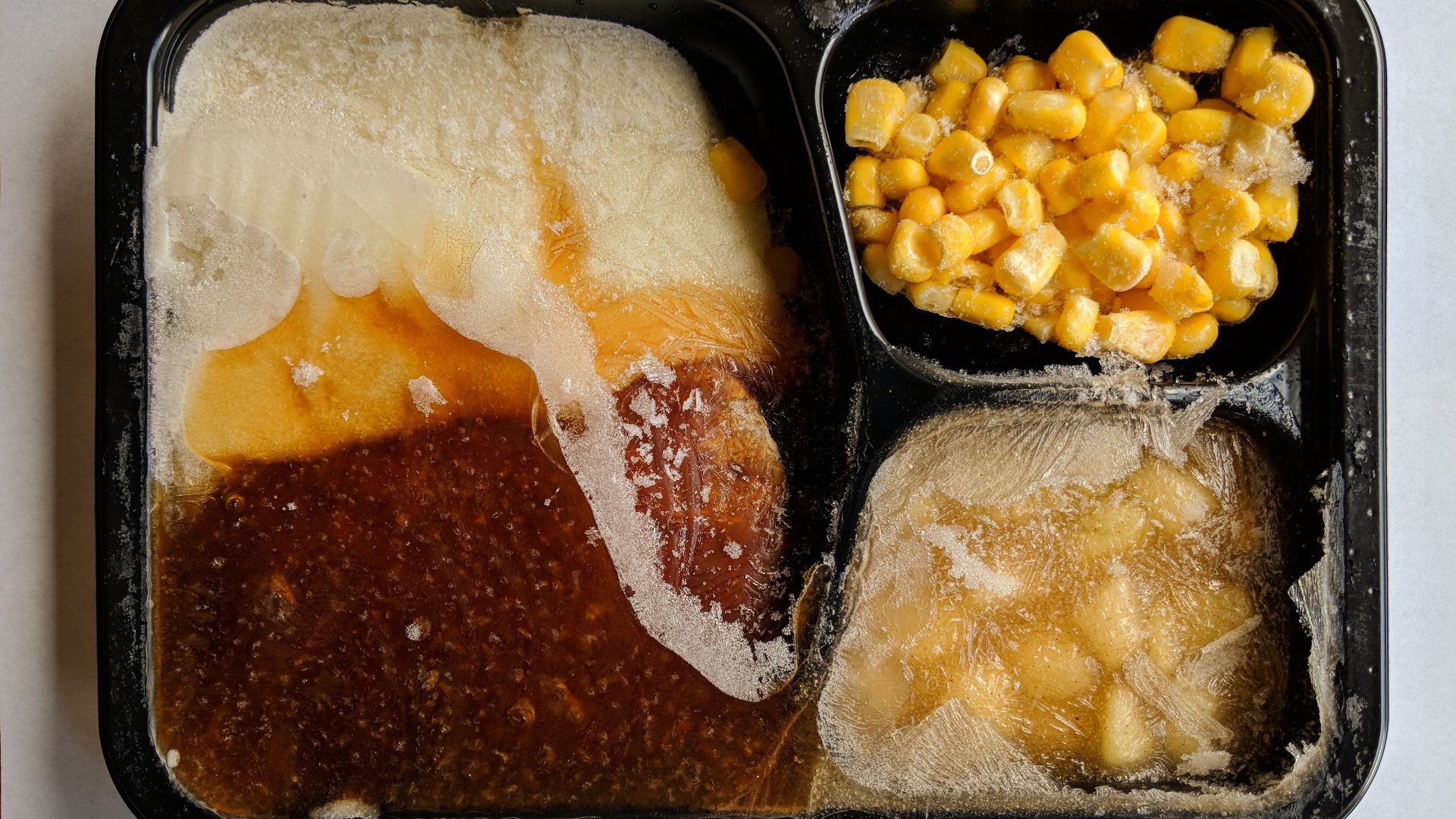
When someone mentions they're having a frozen dinner, there's usually a collective cringe. We've all been programmed to believe that frozen meals are the nutritional equivalent of cardboard, packed with sketchy ingredients and reserved for people who've completely given up on cooking.
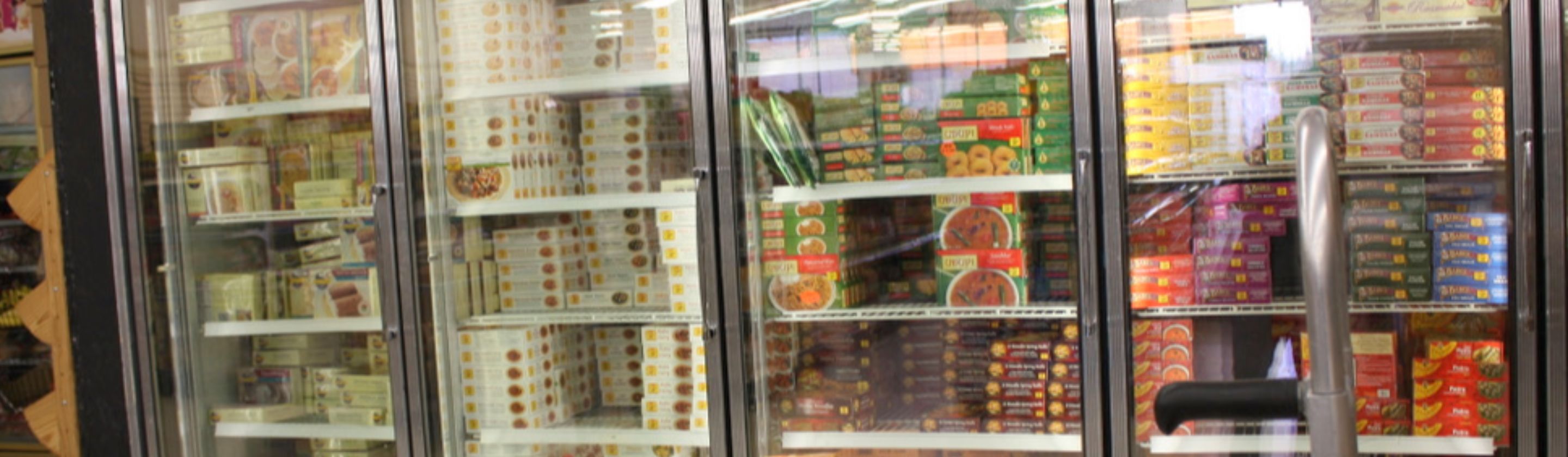
But here's the thing: that reputation is largely outdated, and it's time we talked about why frozen meals aren't the dietary villains we've made them out to be. The frozen food aisle has undergone a serious change over the past decade, and many of us are still judging it based on the TV dinners our parents heated up in the 1990s.
The Quality Revolution You Probably Missed
The frozen meal industry has completely reinvented itself, and the difference is staggering. Major brands have reformulated their products to meet modern nutritional standards, slashing sodium levels by up to 30% and eliminating artificial preservatives that were once standard. Companies like Amy's Kitchen, Evol, and Healthy Choice have built entire lines around whole grains, organic vegetables, and lean proteins that would make any nutritionist nod approvingly.
Well, the flash-freezing technology used locks in nutrients at peak ripeness, which means those frozen vegetables in your meal might actually retain more vitamins than the "fresh" produce that's been sitting in your fridge for a week. Studies from the University of California found that frozen produce can have equal or higher nutrient levels compared to fresh options, since they're frozen within hours of harvest while fresh items gradually lose nutritional value during transport and storage.
Reading The Label Is Your Superpower
Not all frozen meals are made equal, and this is where being a savvy consumer matters. The key is knowing what to look for and what to avoid. Meals with recognizable ingredients are your friends. Go for options with less than 600 milligrams of sodium per serving and a decent amount of fiber.
Many quality frozen meals now feature ingredients you'd find in your own kitchen: olive oil, quinoa, black beans, and herbs you can actually pronounce. The difference between a processed nightmare and a legitimate meal often comes down to thirty seconds of label-reading. Companies that focus on whole foods and minimal processing have proven that convenience doesn't have to mean compromising your health.
The Real Talk On Convenience And Cost

A quality frozen meal typically costs between four and six dollars, which is less than most takeout options and often cheaper than cooking from scratch when you factor in ingredient waste. For people working long hours, caring for family members, or dealing with disabilities that make cooking difficult, frozen meals provide consistent nutrition without the physical or mental energy drain of meal prep.
They're portion-controlled, which helps with weight management, and they eliminate the "what's for dinner?" stress that leads many people straight to fast food. The environmental impact is worth noting too—less food waste and efficient manufacturing processes mean your freezer meal might have a smaller carbon footprint than you'd expect.
KEEP ON READING