The Butter Lie: Why European Butter Bakes Better Than the American Stuff
If you have ever pulled a batch of pale, flat cookies or a dense, heavy cake out of the oven, you have probably blamed your baking technique or your oven temperature. You likely double-checked your measurements, questioned the freshness of your baking powder, and wondered where your culinary skills went wrong. The real culprit, however, might not be your skill level at all, but rather the unassuming yellow sticks resting in your refrigerator door. It turns out that the grocery store staple you have been using for years carries a fundamental composition difference that actively works against your pastry goals.
The sweeping deception of the dairy aisle is that all butter is created equal, a myth that quickly unravels the moment you step into a professional bakery. While American and European manufacturers utilize the exact same raw ingredient, their production standards produce two entirely different products. This chemical variance profoundly impacts how fats interact with flour, moisture, and heat inside your oven. Once you understand the hidden mechanics of dairy production, you will realize why switching your loyalty across the Atlantic can instantly elevate your baking game from amateur to artisanal.
The Critical Chemistry of the Fat Gap
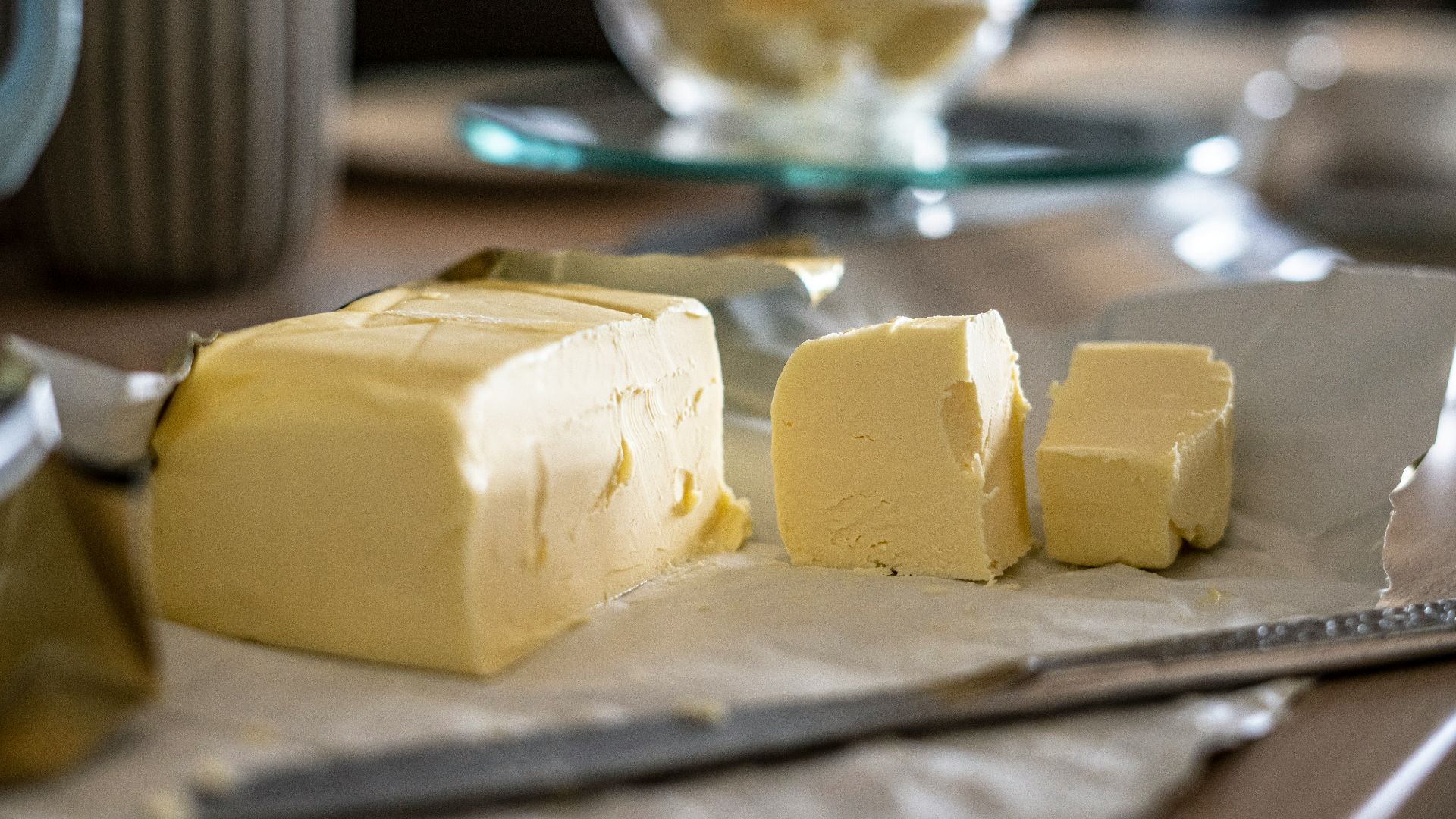
The primary reason European butter holds a legendary status among professional pastry chefs comes down to a strict numbers game involving fat percentages. By law, the United States Department of Agriculture requires American butter to contain a minimum of 80% milkfat, a standard most domestic commercial brands hit exactly. Across the ocean, European Union regulations mandate a higher threshold, forcing their producers to reach at least 82% milkfat. While a meager two percent difference might sound negligible on paper, it completely alters the behavior of your doughs and batters.
To understand why this small percentage matters so much, you have to look at what replaces that missing fat in American wrappers. That extra space is occupied entirely by water, meaning domestic sticks contain significantly more moisture than their continental counterparts. When you work this extra water into your flour, it rapidly triggers the development of gluten, the protein network responsible for giving bread its chewiness. While gluten is fantastic for a sturdy sourdough loaf, it is the absolute enemy of a delicate, melt-in-your-mouth shortbread cookie or pie crust.
When your pastry dough hits the high heat of the oven, that excess moisture instantly turns into steam and evaporates at an accelerated rate. This rapid evaporation causes cookies to spread out too quickly into thin, greasy puddles before the flour structure has a chance to set properly. European blocks, with their lower water content, melt much more slowly and predictably during the crucial first few minutes of baking. This slower melt rate allows your baked goods to hold their intended shape beautifully while maintaining a tender crumb texture.
Churning Methods and the Culturing Secrets
The differences between these two dairy staples go far beyond a basic nutritional spreadsheet, extending deep into the actual mechanical manufacturing process. European creameries traditionally churn their cream at a much slower pace and for a longer duration than high-speed American factories. This patient, deliberate agitation coaxes the fat globules into a tighter, more cohesive structure while expelling the maximum amount of liquid buttermilk. The resulting product boasts a distinctively pliable, velvety texture that feels almost like workable clay in your hands.
Beyond the mechanical churning, European producers almost universally introduce live bacterial cultures to the cream before the spinning process begins. This fermentation stage allows the cream to ripen slowly over several hours or days, breaking down sugars and generating rich flavor compounds like diacetyl. The process yields what is known as cultured butter, which carries a complex, tangy aroma and a deeply savory profile that enhances everything it touches. In contrast, standard American sweet cream butter skips this fermentation step entirely, resulting in a relatively flat, neutral flavor profile.
This structural plasticity becomes incredibly apparent when you attempt to tackle demanding laminated doughs like croissants or puff pastry. For a successful lamination, you need the fat to roll out into microscopic, unbroken sheets between layers of flour without tearing or melting. Because American sticks are more brittle and watery, they often fracture into distinct chunks or melt prematurely into the dough while you roll it out. The supple nature of the European version allows it to stretch smoothly alongside the flour, creating hundreds of distinct, flaky pockets that rise spectacularly.
Making the conscious switch to premium imported dairy will completely transform how you approach your favorite weekend baking projects. You will immediately notice that your pie crusts require less effort to roll out and shatter into beautiful, distinct shards when cut with a fork. Cakes will bake up with a noticeably lighter, loftier crumb structure because the fat can trap air bubbles more efficiently during the initial creaming process. Even a simple batch of chocolate chip cookies will develop a richer, golden-brown hue and a sophisticated, nutty depth of flavor.
KEEP ON READING
You’re Storing Tomatoes Wrong in This Heat
You’re Storing Potatoes Wrong in This Heat
You’re Storing Peppers Wrong in This Heat
You’re Storing Carrots Wrong in This Heat