
Fresh food has a strong reputation because it sounds simple, wholesome, and close to the source. Frozen food, on the other hand, often gets treated like the backup plan you reach for when the crisper drawer has given up, even though that reputation isn’t always fair or accurate.
The truth is that fresh doesn’t automatically mean more nutritious, better tasting, or more practical. Frozen fruits, vegetables, seafood, and prepared ingredients can be picked, processed, and stored in ways that preserve quality surprisingly well, which means the best choice often depends on timing, handling, cooking method, and what you actually plan to eat.
Freshness Depends On The Journey
Fresh produce can be excellent, especially when it’s seasonal, local, and eaten soon after harvest. The problem is that many fruits and vegetables travel long distances before they reach the grocery store, and then they may sit for days in displays or home refrigerators. During that time, texture, flavor, and some nutrients can slowly decline, even if the food still looks perfectly acceptable.
Frozen produce is often processed soon after harvest, which can help lock in quality while the food is still at a strong point. Vegetables are commonly blanched before freezing to slow enzyme activity, while fruits are often frozen quickly to preserve color and texture. This doesn’t make frozen automatically superior, but it does explain why a bag of frozen peas can sometimes taste fresher than peas that spent too long in transit.
It also helps to separate “fresh” from “recently picked,” because those aren’t always the same thing. A tomato from a local farm in peak season may taste better than a frozen or canned option, while out-of-season berries shipped across long distances may be less impressive than frozen berries harvested at ripeness. Freshness is really a timeline, not just a label.
Nutrition Isn’t A Simple Contest
Many people assume frozen foods are less nutritious, but freezing itself doesn’t erase the value of fruits, vegetables, or seafood. Some nutrients are sensitive to heat, light, and time, so long storage can affect fresh items before you ever cook them. Frozen produce can hold onto vitamins and minerals well because freezing slows the changes that happen after harvest.
That said, frozen food quality depends on what’s in the package. Plain frozen spinach, broccoli, mango, shrimp, or blueberries can be excellent choices, while frozen items covered in heavy sauces, excess sodium, or added sugars belong in a different category. The freezer section includes both simple ingredients and highly processed convenience foods, so reading the label matters more than judging everything by temperature.
Cooking can also matter as much as storage. Boiling vegetables for too long can reduce water-soluble nutrients, whether those vegetables started fresh or frozen. Steaming, roasting, sautéing, or microwaving with minimal water can help preserve flavor and texture, while also making it easier to eat vegetables regularly instead of letting fresh ones spoil untouched.
Frozen Can Make Healthy Eating Easier
 Muhammed A. Mustapha on Unsplash
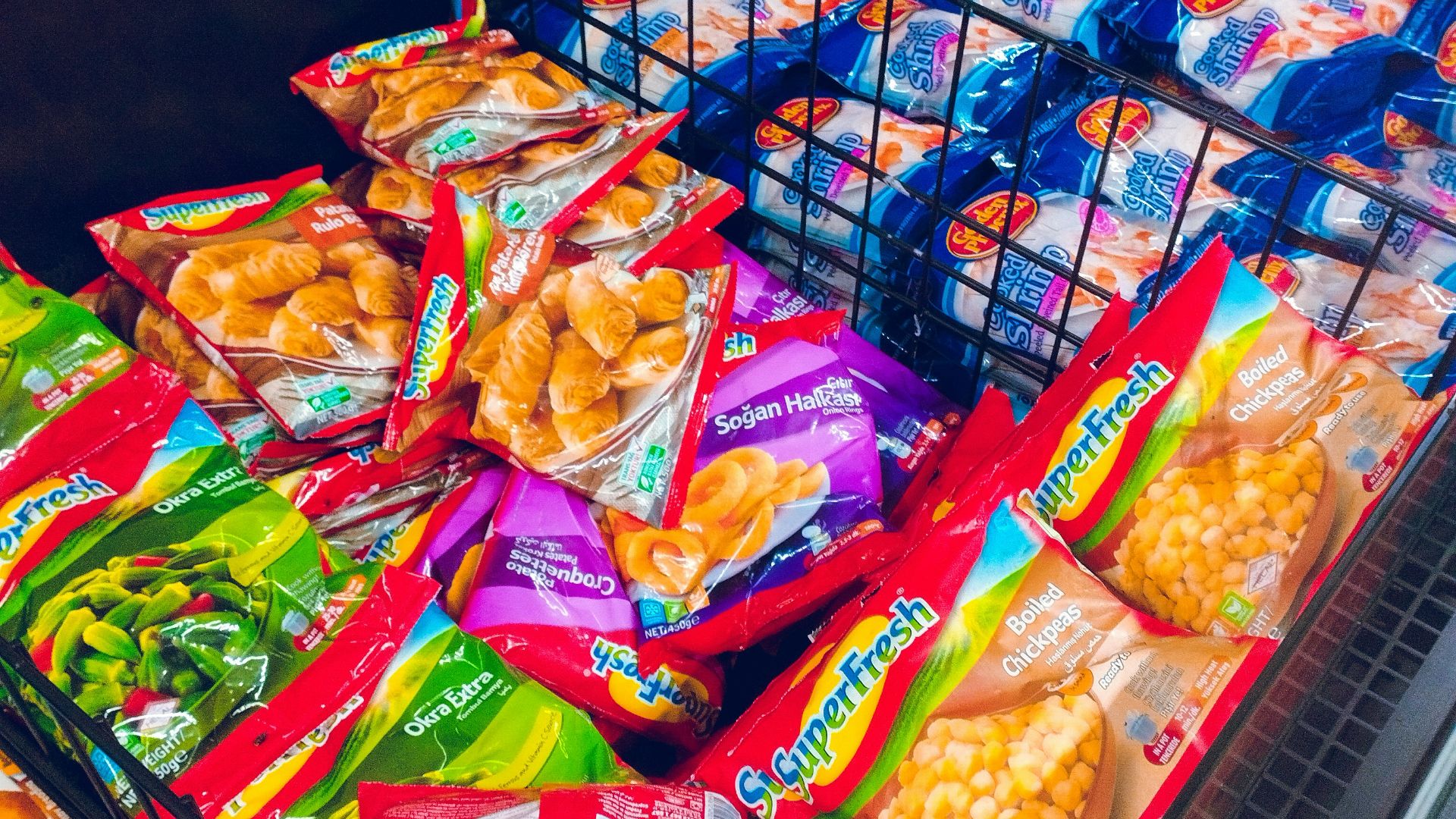
Frozen food has one major advantage that fresh food can’t always match: it waits for you. A bag of frozen vegetables can stay useful for weeks or months, which helps reduce waste and makes it easier to add produce to meals on busy nights. If fresh greens often wilt before you use them, frozen spinach or kale may actually help you eat better, more consistently.
Cost is another reason the “fresh always wins” idea falls apart. Frozen fruits and vegetables are often less expensive than fresh versions, especially when the fresh option is out of season or sold in quantities that don’t match your household. When people are trying to cook more at home, affordability and convenience can make the difference between a balanced meal and another expensive takeout order.
Frozen ingredients can also support better portion control. You can use only what you need and return the rest to the freezer, which is useful for berries, peas, corn, fish fillets, herbs, and diced vegetables. That flexibility makes frozen food practical for smaller households, unpredictable schedules, and anyone who wants healthy options without planning every meal perfectly.
Fresh food still deserves its place, especially when texture is the priority. Crisp lettuce, ripe peaches, fresh herbs, and raw tomatoes often shine in ways frozen versions can’t fully copy. The smarter approach is to stop treating fresh and frozen as rivals and start seeing them as different tools, because the best kitchen is usually the one that helps you eat well with less waste, less stress, and more food you’ll actually use.
KEEP ON READING

The Most Popular Signature Dishes Around the World