Foods Your Gut Can't Handle
Given that your stomach acid can break down almost anything (in fact, it's nearly as acidic as battery acid, which can burn through metal and bone), you might think that everything you put in your mouth gets broken down and absorbed without much trouble. And yet, that's not quite how digestion works. Because your body is missing certain enzymes needed to fully process some foods, things like popcorn kernels and apple skins and even celery will likely pass through your system largely intact or cause a fair amount of trouble along the way. Don't believe us? Here are 20 foods that give your digestive tract a run for its money.
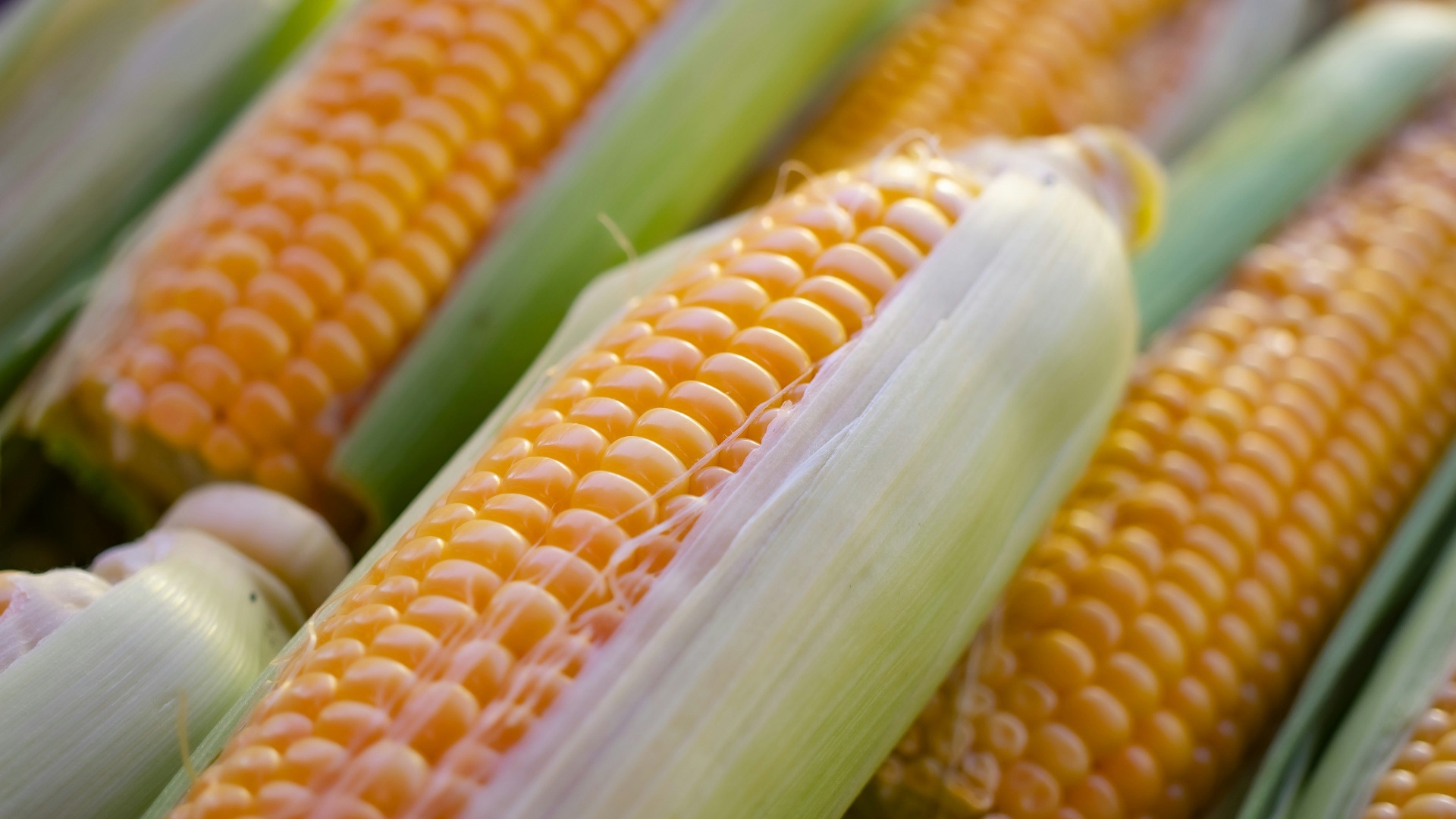
1. Corn
Corn lovers, sorry—these tough kernels are the first on the list. Equipped with a tough outer layer made of cellulose, your body simply doesn't produce the enzyme needed to break it down. That's why you'll often see them looking pretty much unchanged after a trip through your digestive tract.
 Wouter Supardi Salari on Unsplash
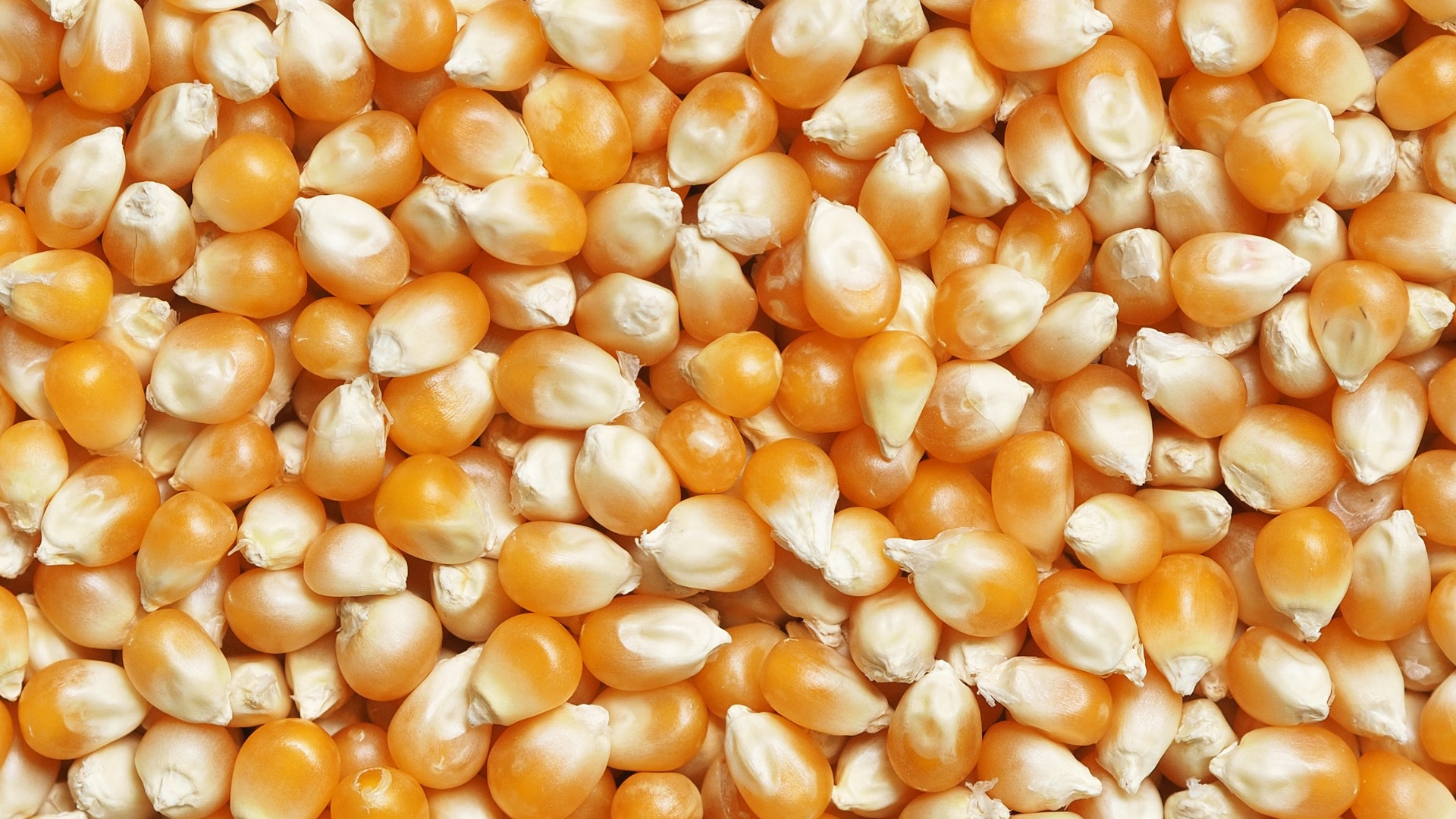
2. Popcorn
Similar to corn kernels, popcorn hulls also contain cellulose, which means they're able to withstand your digestive enzymes. Those little hard bits that get stuck in your teeth? They're basically indestructible! This may also explain why eating too much popcorn can sometimes result in bloating or discomfort.
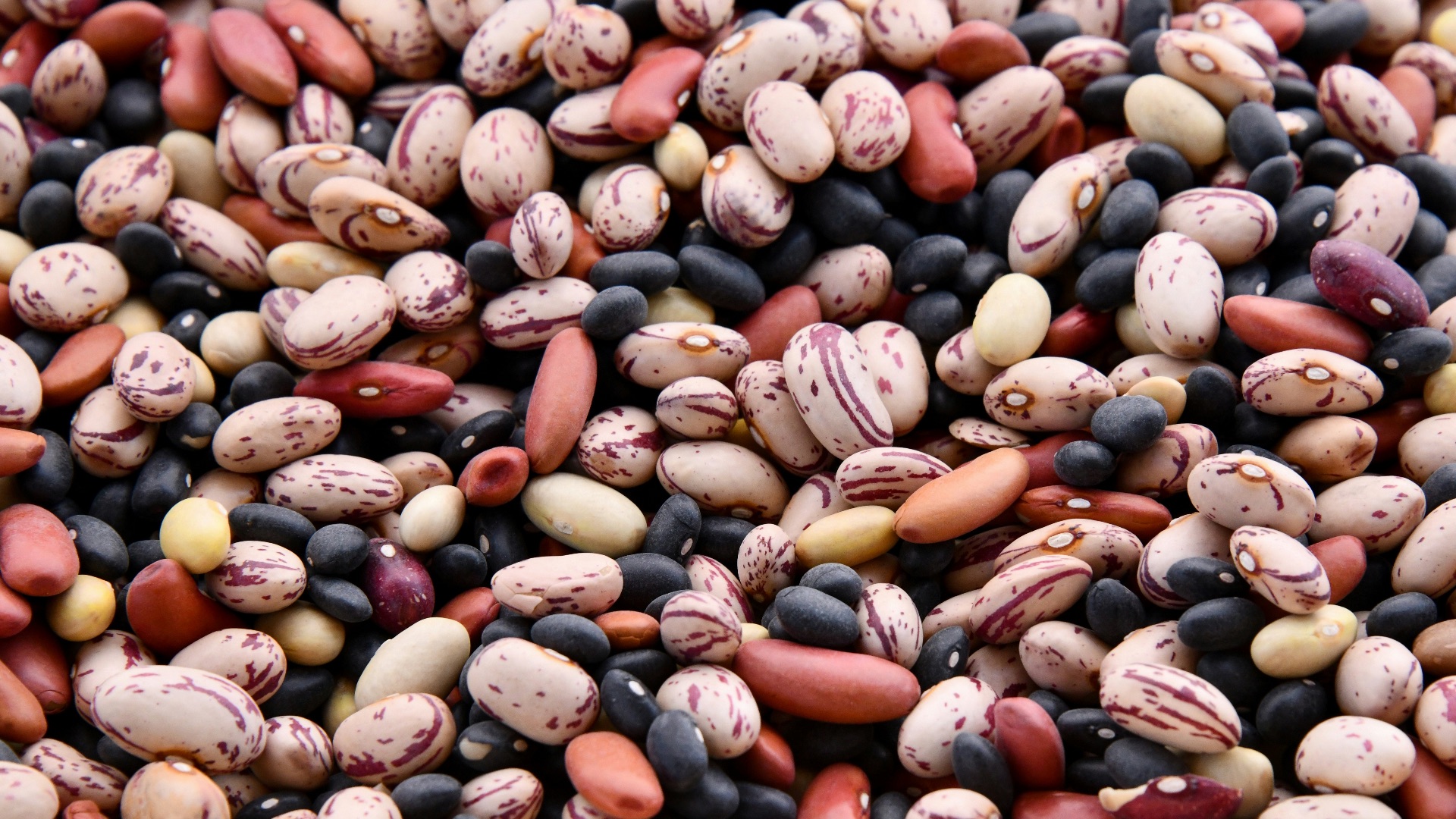
3. Beans
Beans are packed with a type of sugar called oligosaccharides, and this, too, is something your body lacks the enzyme required to break down. Once these sugars reach your large intestine, your gut bacteria step in to ferment them, which is why you're (ahem) particularly gassy after a bowl of beans.
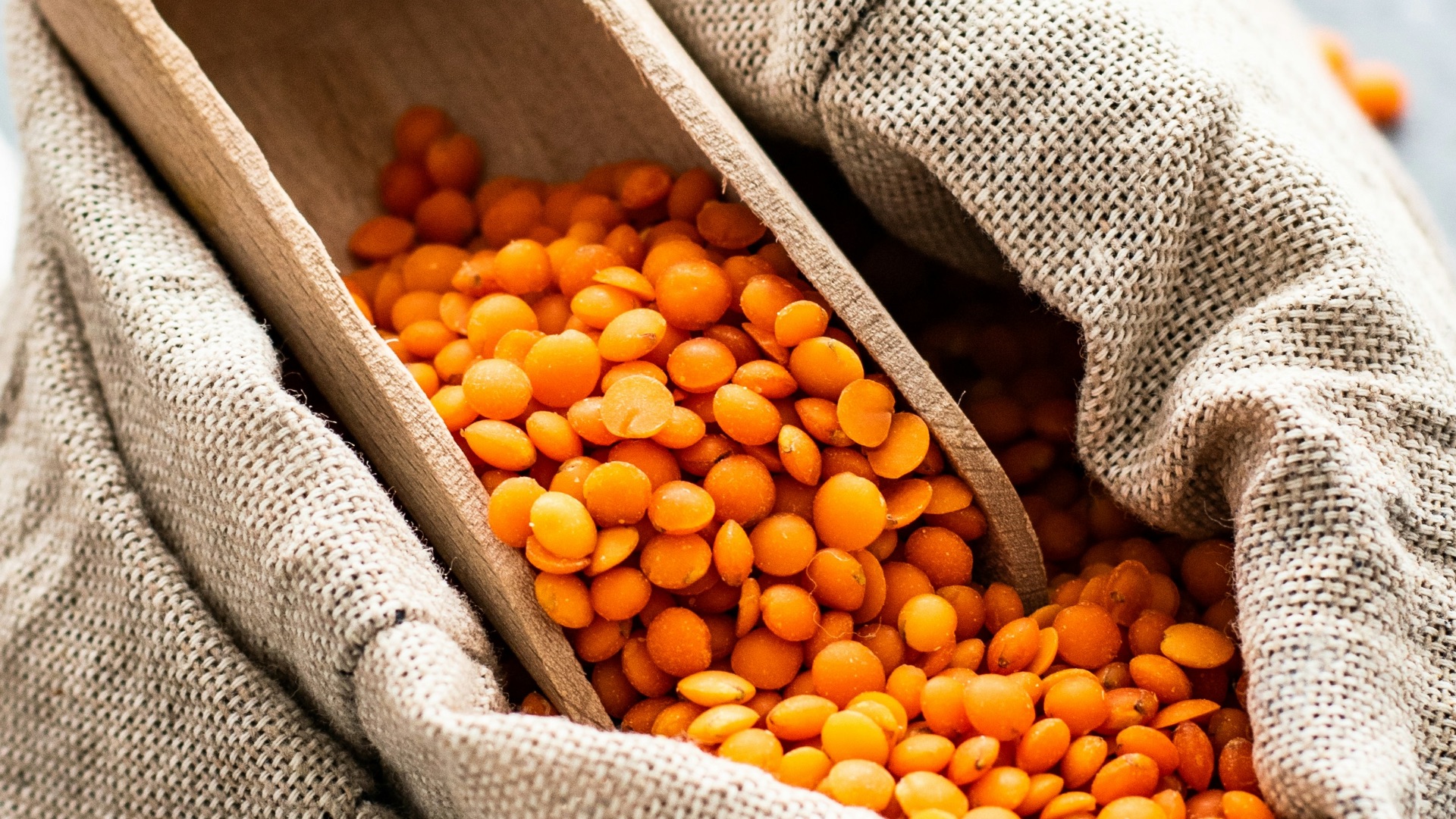
4. Lentils
Just like how corn and popcorn are similar, beans and lentils are, too. And since your small intestine can't process the compounds in them on its own, you'll likely also experience some gut issues after eating them. Soaking lentils before cooking, however, might help ease some of that discomfort.
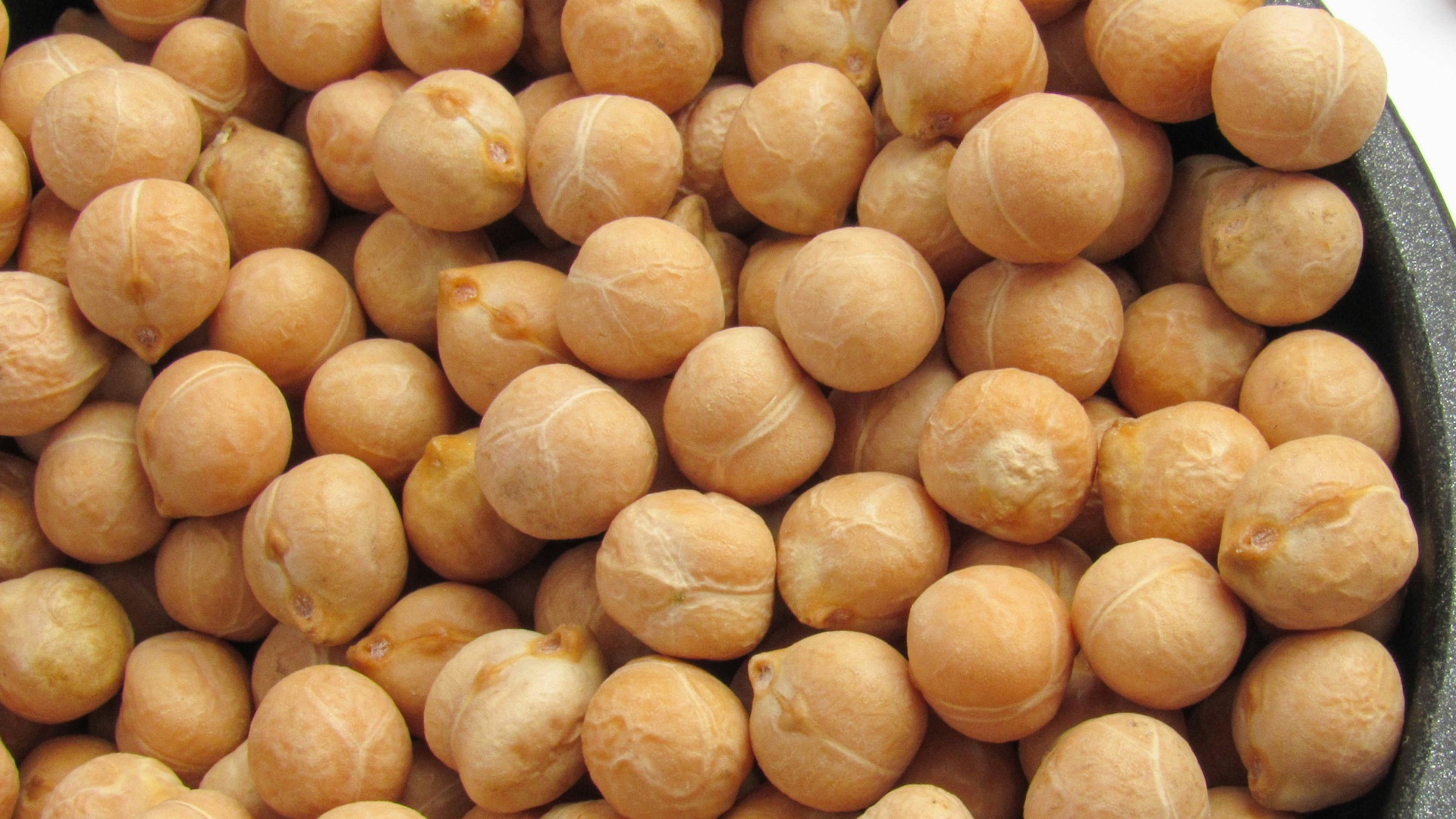
5. Chickpeas
Chickpeas are legumes, meaning they're also made up of the same sugar beans and lentils have. That doesn't mean you should avoid them, though! Given that they're incredibly nutritious, you can try cooking them for longer or pairing them with spices like cumin to ease any bloating that might follow.
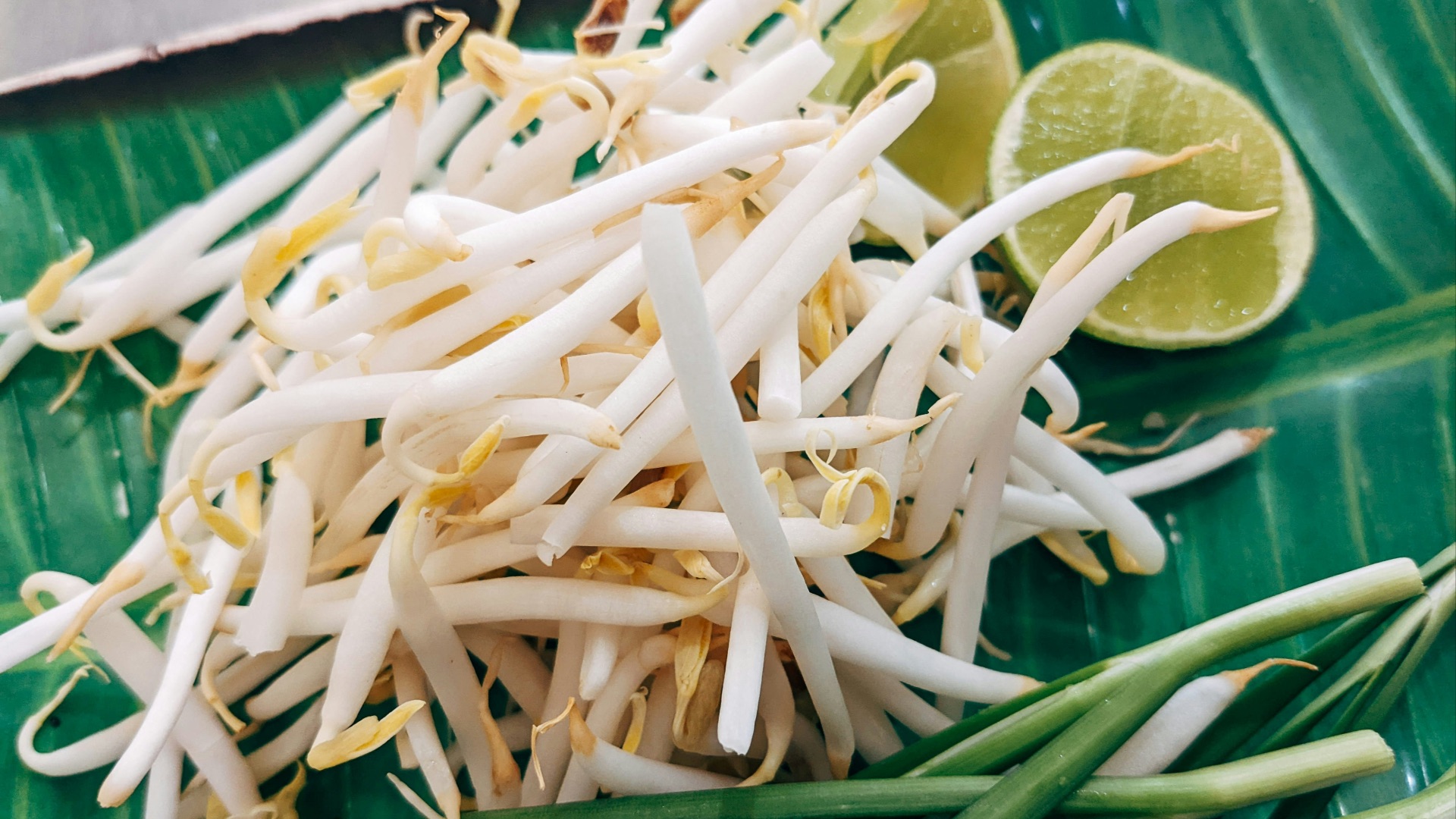
6. Bean Sprouts
Bean sprouts may look delicate, but don't underestimate them! Their crunchy stems contain plant fibers your body can't fully break down, meaning you'll probably see them exactly as they are even after a trip through your gut. If you're particularly sensitive, cook them a little longer and chew thoroughly!
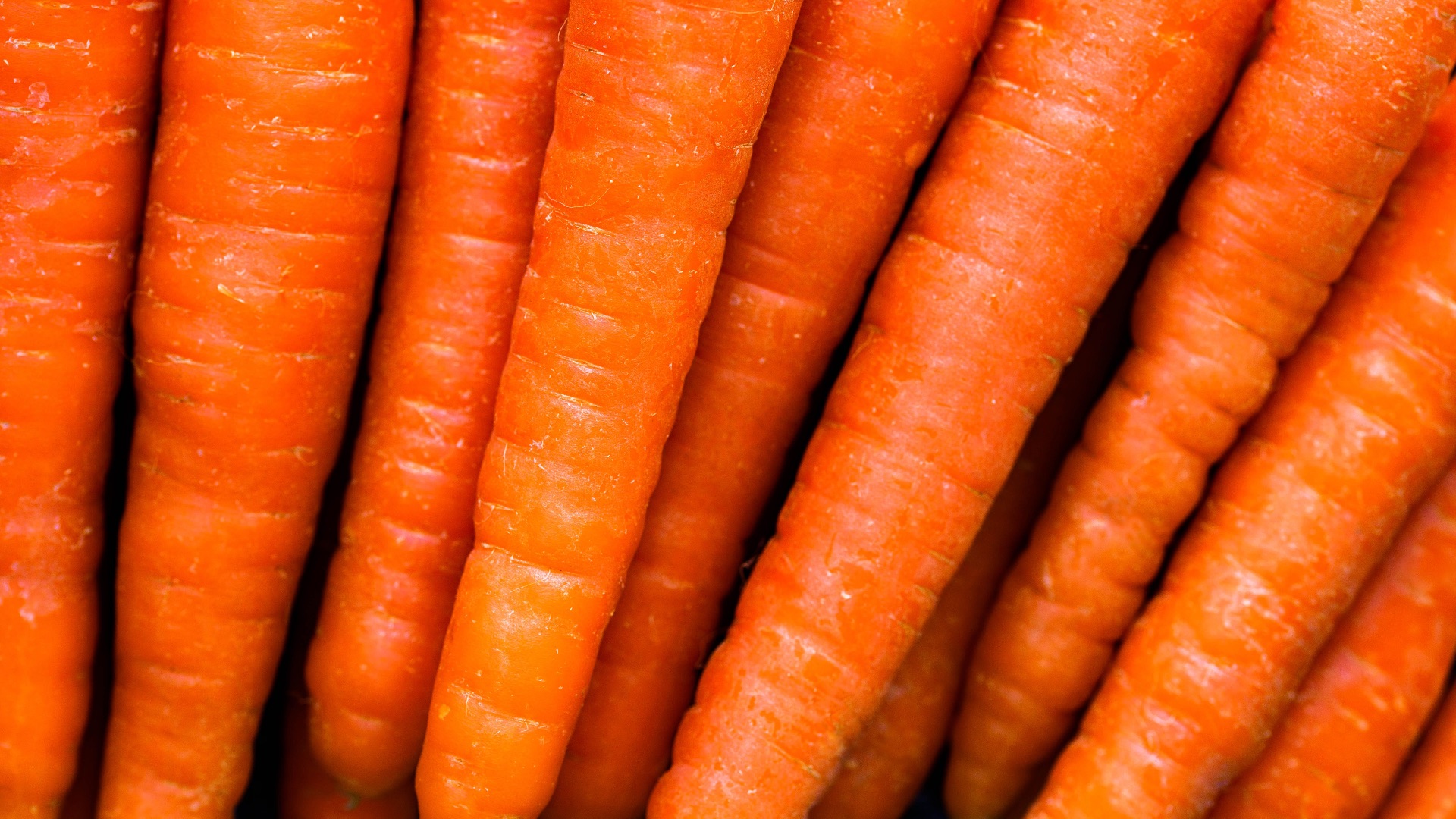
7. Raw Carrots
While your body can absorb some of the nutrients carrots offer, especially if you chew well, firmer pieces may still move through your tract without breaking down completely. If raw carrots give you grief, steaming or roasting them until soft may be the better call.
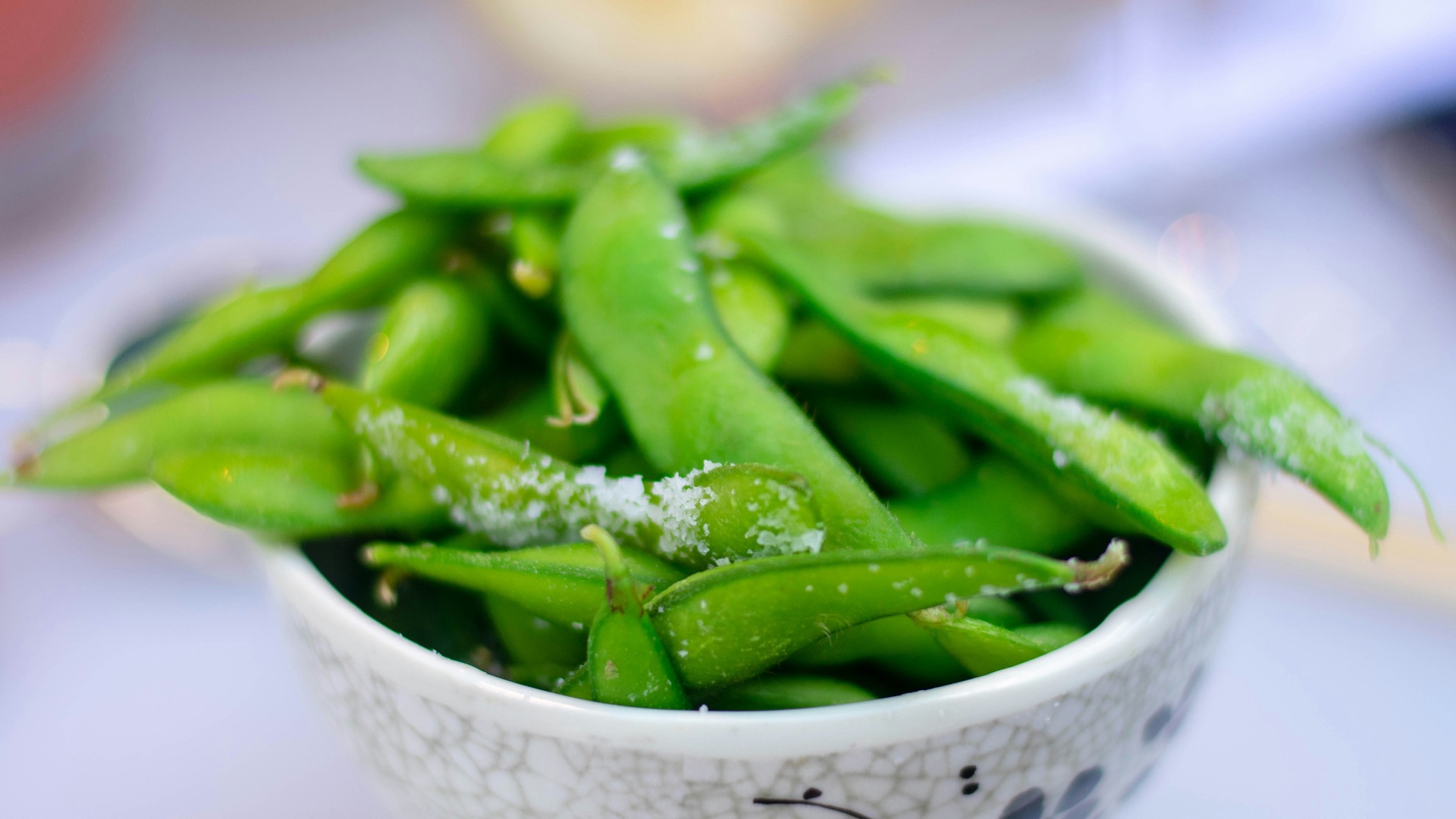
8. Edamame Pods
Edamame beans are edible, but the fuzzy outer pods you usually lick the salt off of are tossed aside for a reason. For one, they’re probably too tough to bite through, anyway, but even if you manage that, they're difficult for your body to break down. Eating a few probably won’t hurt, but you should just stick to the beans.
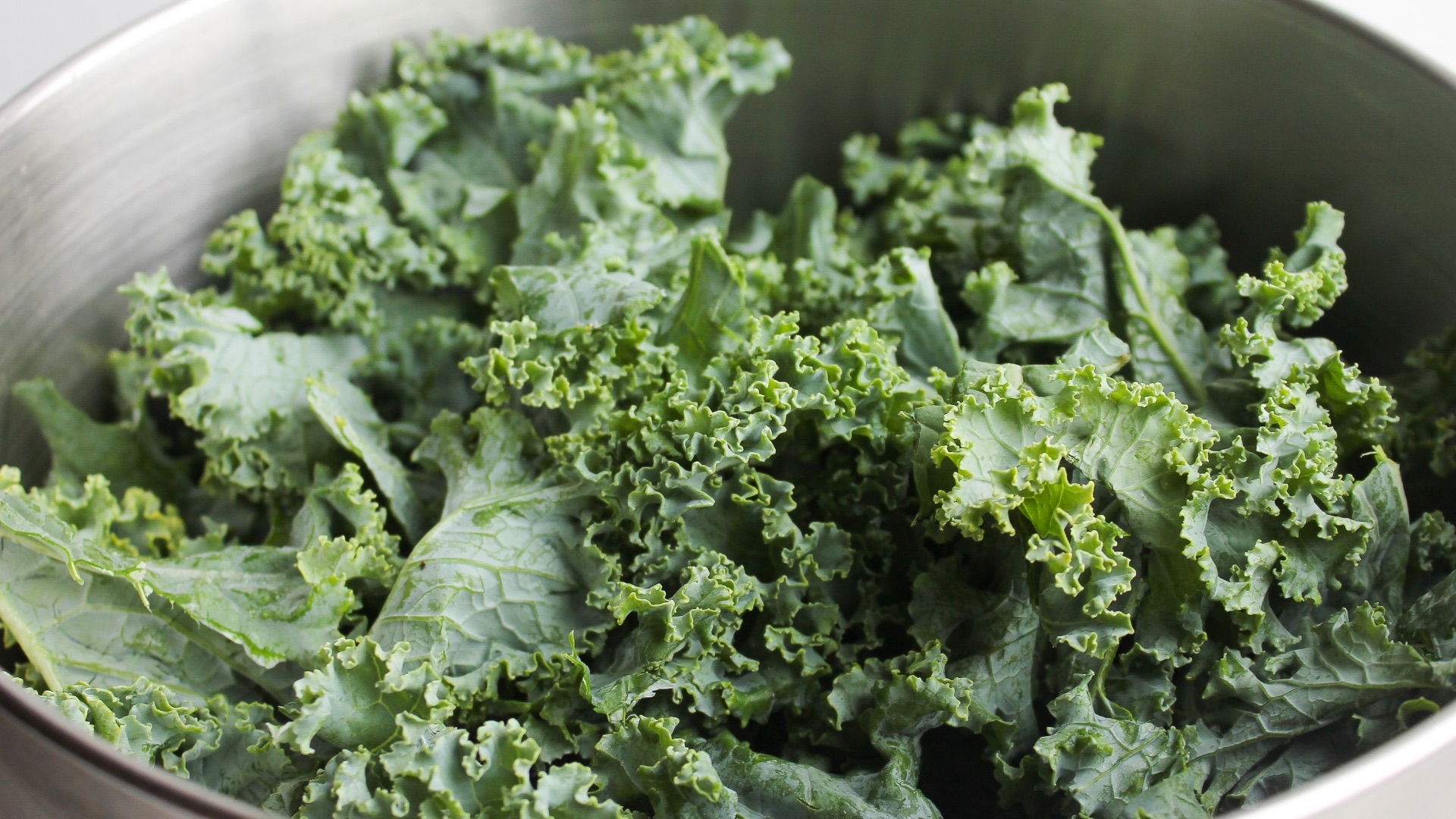
9. Kale
Kale's tough, fibrous texture comes from the same plant compound your body can't break down in corn: cellulose. In fact, even if you blend it into a smoothie, it can still stay intact. These leafy greens are still plenty nutritious, though, but bear in mind your gut isn't capable of completely breaking them down.
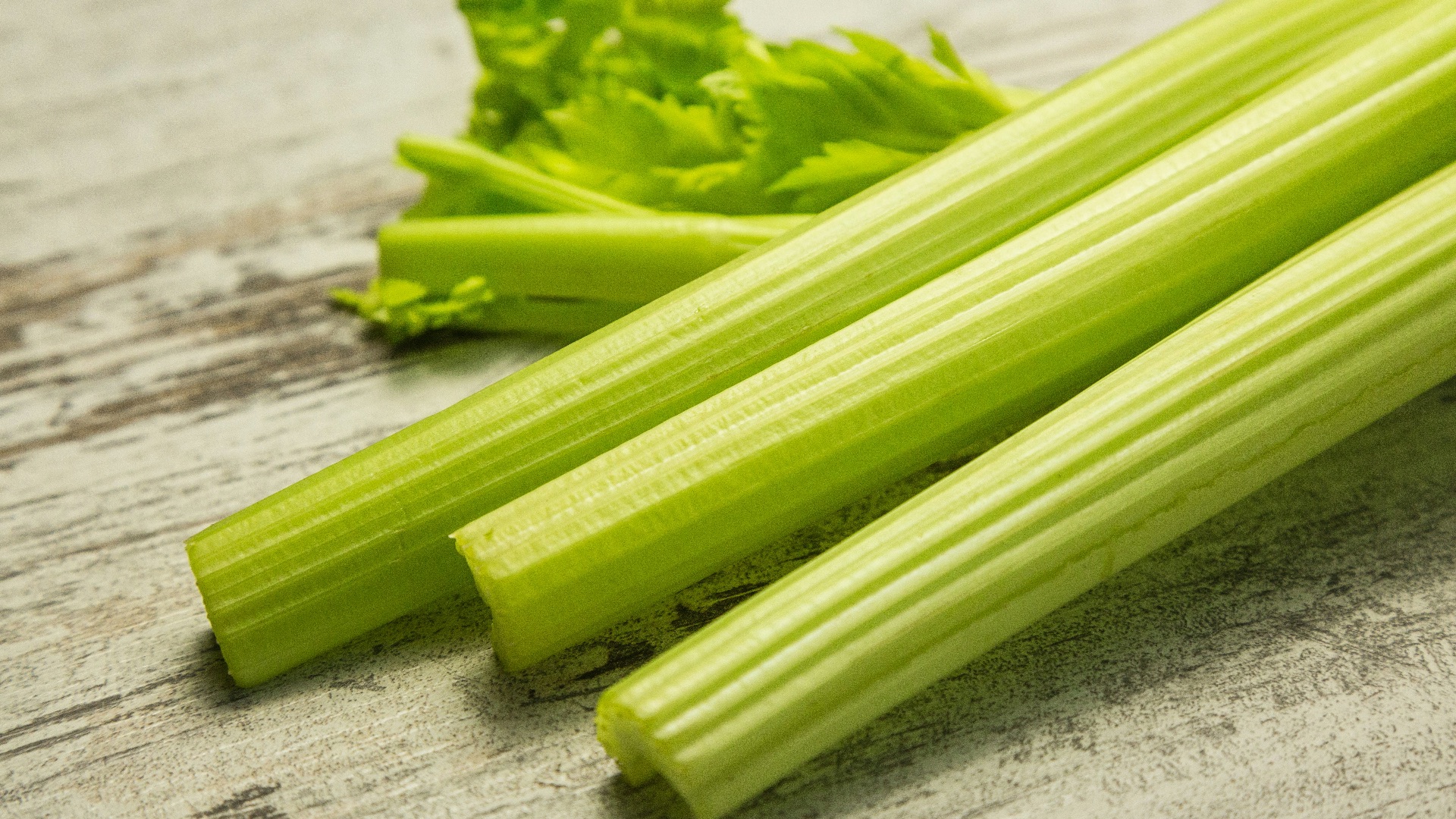
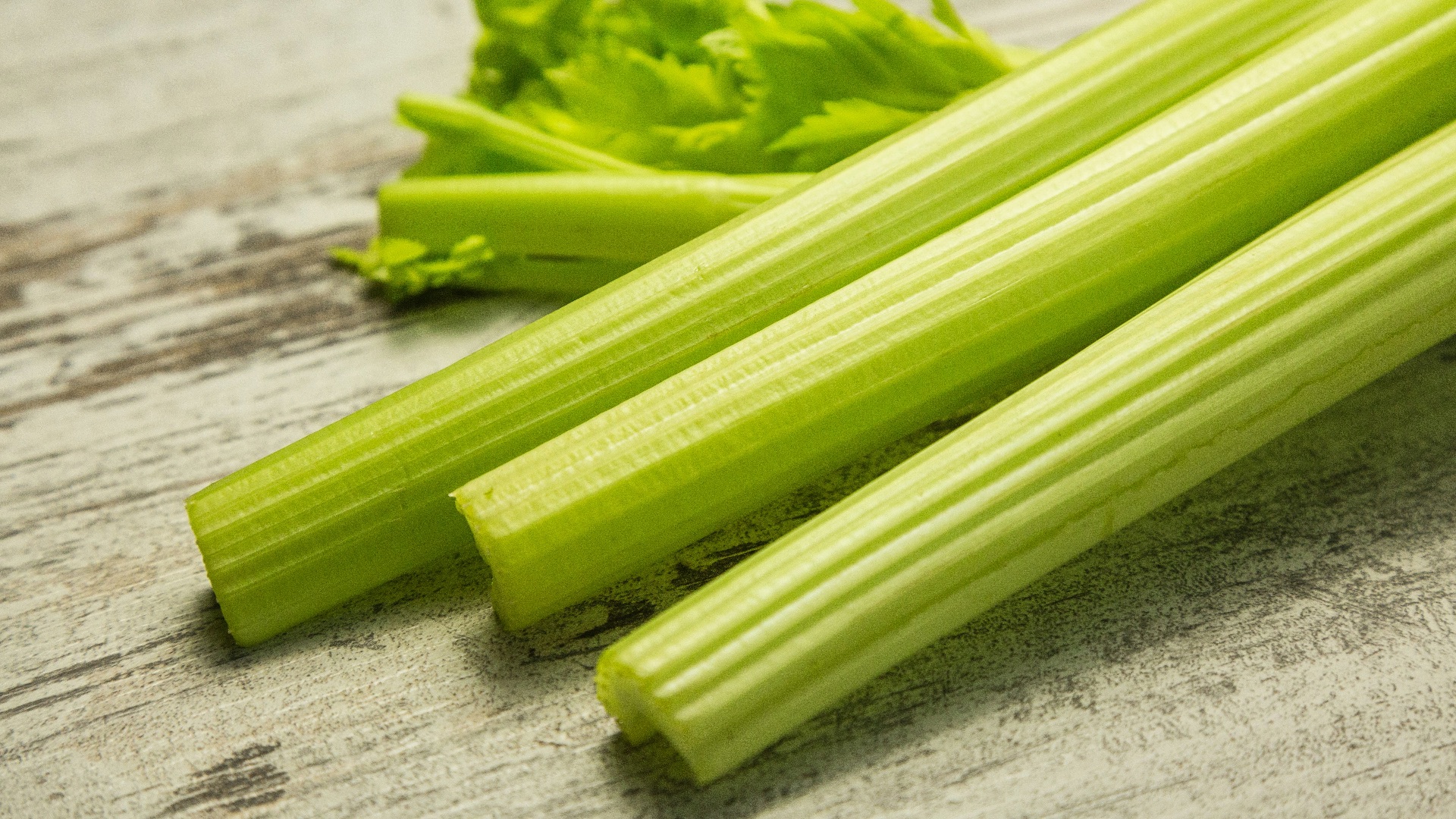
10. Celery
Celery is mostly made of water, but the stringy bits are loaded with tough, insoluble fiber. Not only does that mean they can't be fully digested, but the more you eat, the harder it can be to tolerate. Like carrots, it's best to avoid them raw if you want to make it easier on your stomach.
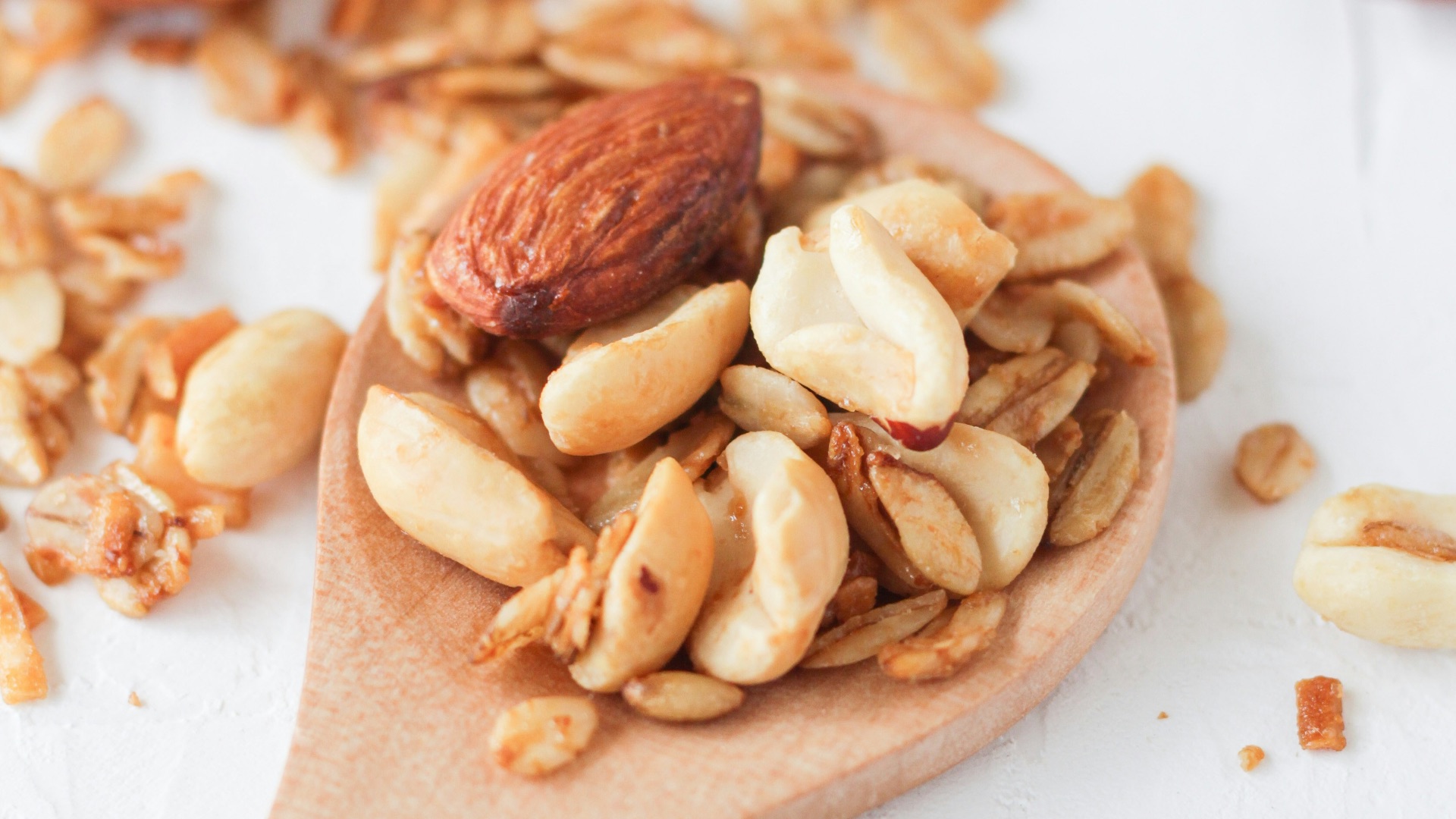
11. Whole Nuts
Whole nuts have hard outer structures you'll need to chew extremely well to break through. Skip this step, and you might not unlock all the nutrients buried inside the nut, and they'll end up passing through your system without ever being absorbed. So much for reaping their perks!
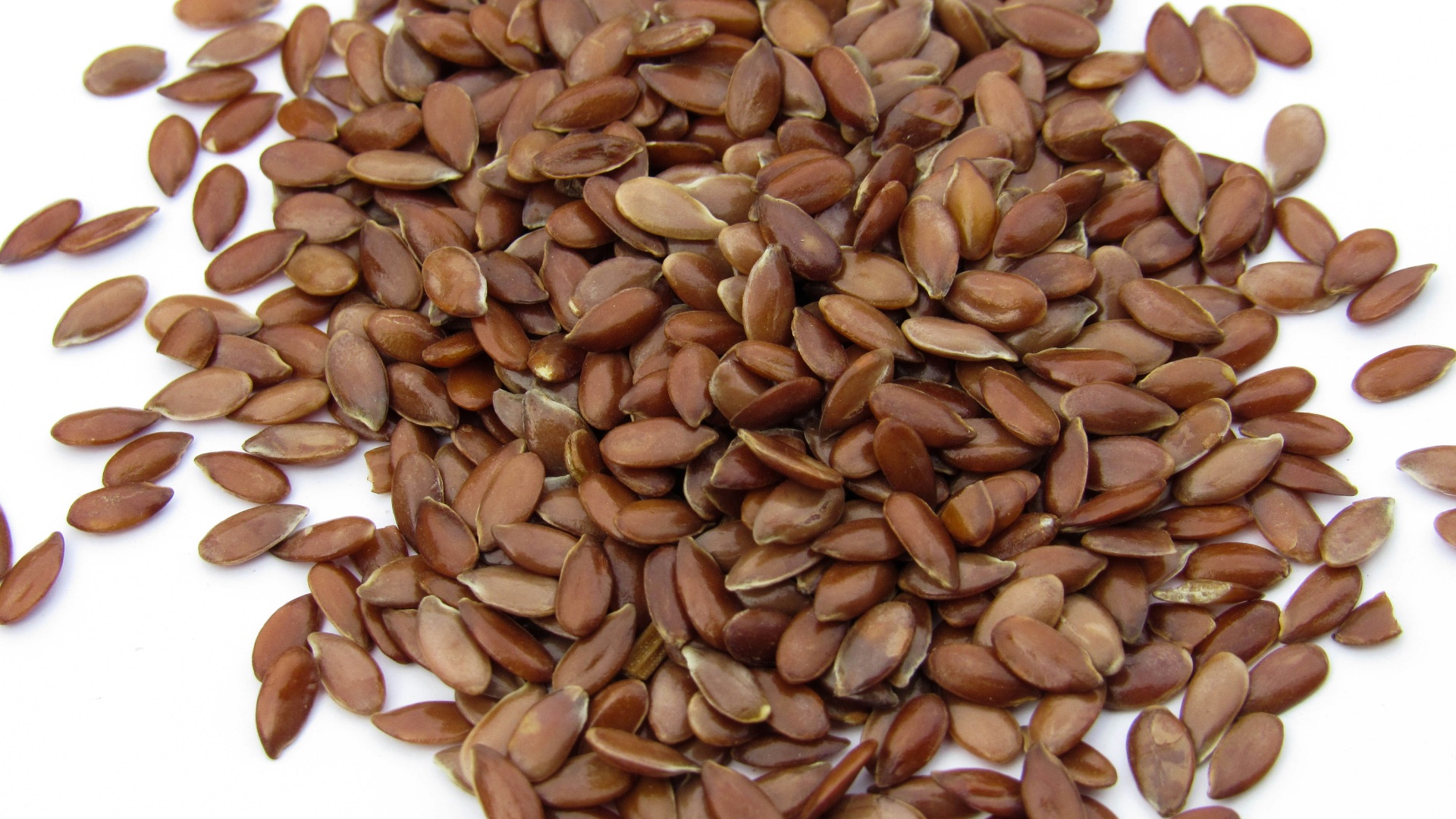
12. Seeds
Small seeds like flax, chia, or sesame will often travel straight through your gut whole unless they're ground beforehand. Chia seeds, for one, should be soaked beforehand until they gel up, but flax seeds must be ground down if you want to actually access their nutrients, so don't just toss them in your mouth!
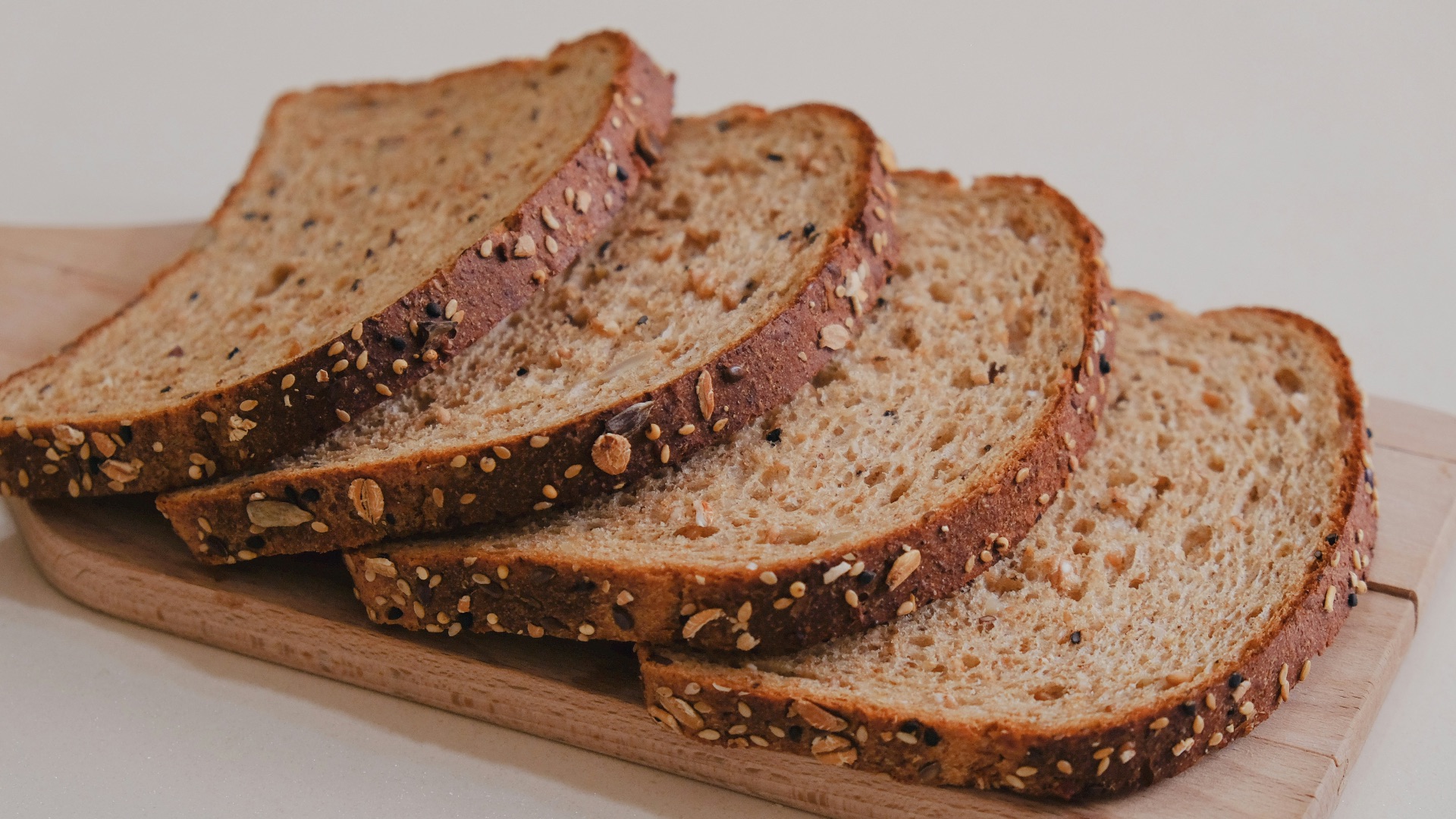
13. Whole Grains
Whole grains contain bran layers that are rich in insoluble fiber, and as great as that sounds, your digestive system doesn't fare all that well with it. All that extra fiber can be tough on a sensitive stomach, too, which is why people with IBS (irritable bowel syndrome) often avoid whole grains, even if they're good for them.
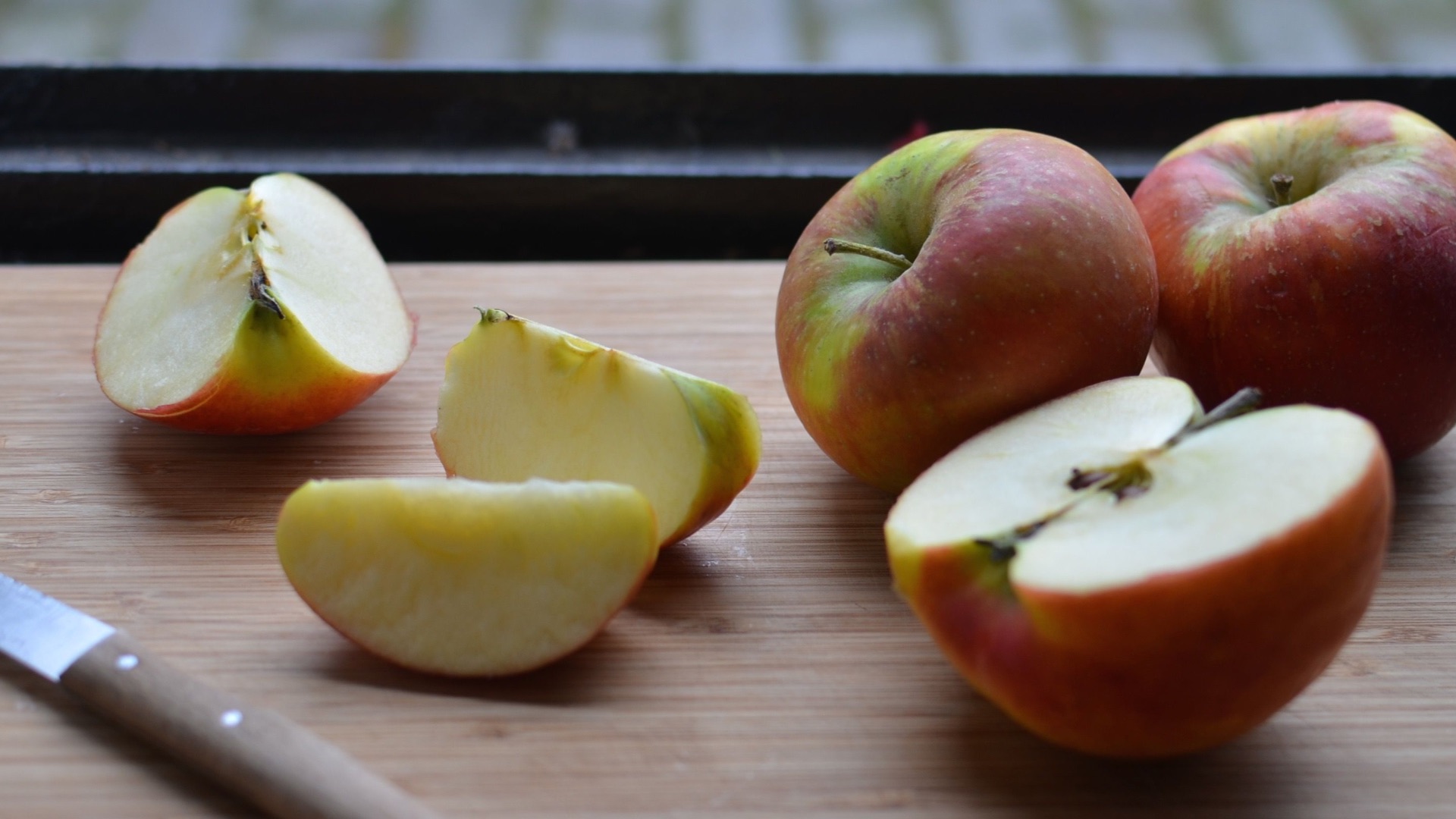
14. Apple Peels
Apple flesh is fairly easy to digest, but the peel? Made up of insoluble fiber, people with sensitive stomachs might opt to skip the outer layer altogether. But while peeling apples can make them gentler, just note that doing so also removes some of their filling fiber.
15. Tomato Skins
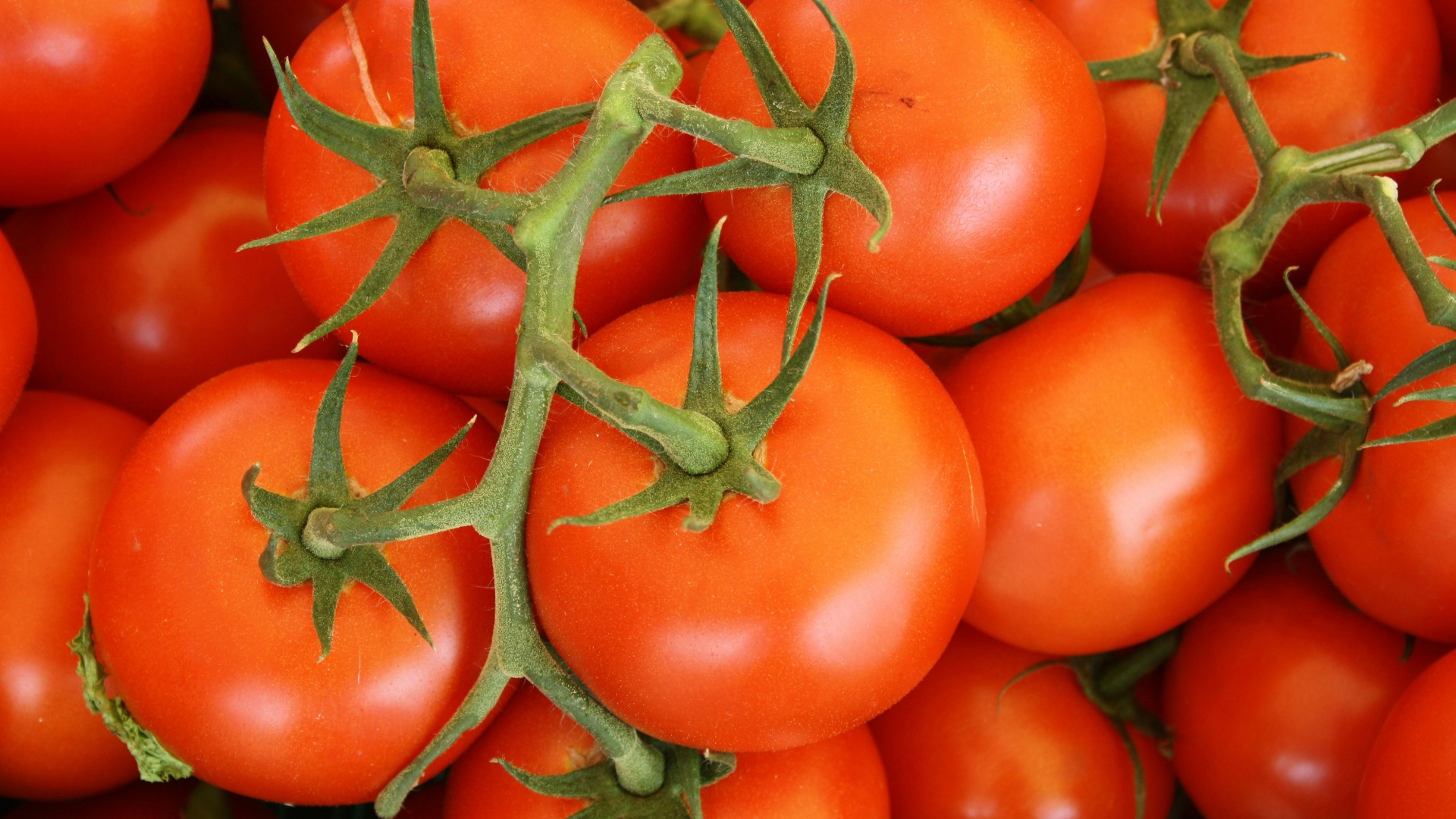
Soft as tomatoes may seem, their skins don’t actually turn into easy mush in your digestive system. This is because they contain cellulose-rich plant material—the same type found in corn and celery. Cooking them thoroughly may help somewhat, but removing the skins completely is the gentler option for those who find them irritating.
16. Green Bananas
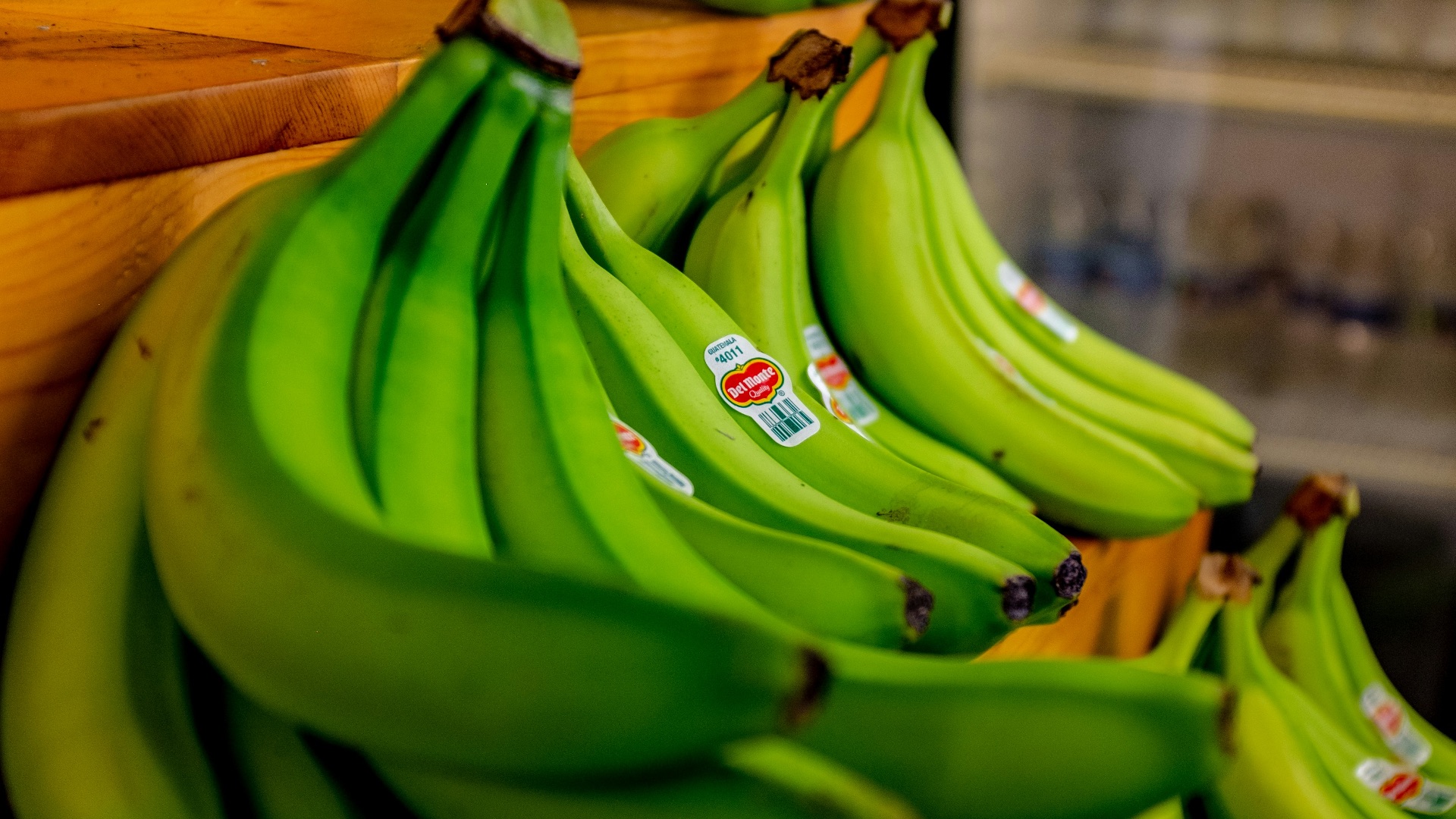
Ripe bananas are generally easy on the stomach, but green bananas are a whole different story. Containing more resistant starch, your body can't digest it the same way it digests regular sugar or soft starches. The result? You'll probably experience more bloating or even constipation.
17. Carrageenan-Containing Foods
Carrageenan is a thickening agent extracted from seaweed and, weird as it might sound, it's sometimes added to some soy milks and ice creams. Your gut can't break this compound down, however, so it moves through your gut largely unchanged. Some research even says that it may irritate your digestive lining.

18. Sugar-Free Candy
Sugar-free candy might sound like it's too good to be true, and you'd actually be pretty on the nose. Because they often contain alternatives like sorbitol, maltitol, or xylitol—sugar alcohols your body doesn’t fully absorb—they can cause gas and diarrhea when you eat too much. It's best to skip candy entirely!

19. Multigrain Crackers
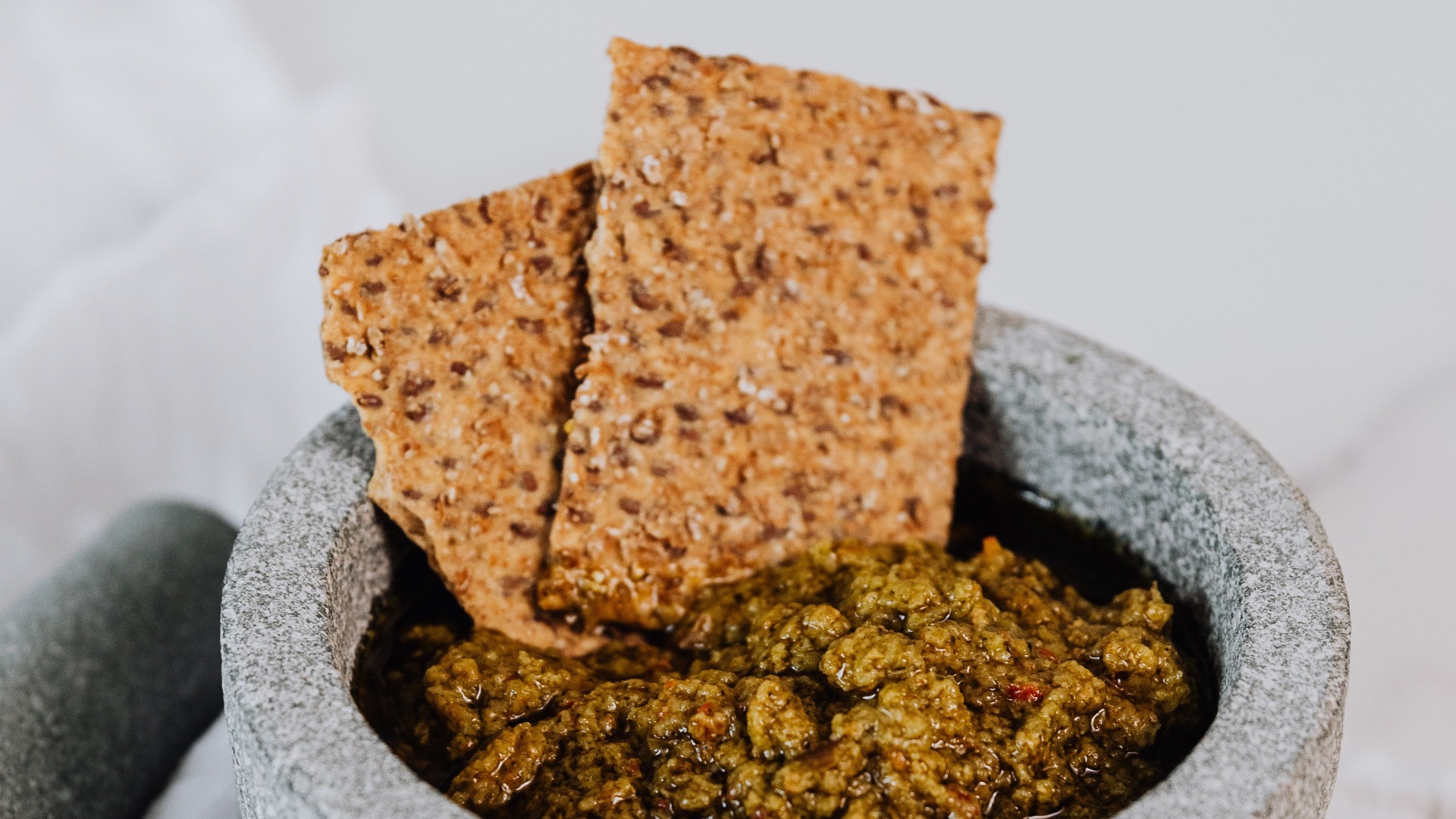
While multigrain crackers are plenty nutritious, they often mix several hard-to-digest ingredients into one snack. Each of those add-ins brings its own fibrous or fatty challenge, which means, as a package, they can be quite tough on your gut. Limit yourself to a small handful unless you know you can handle more.
20. Quinoa
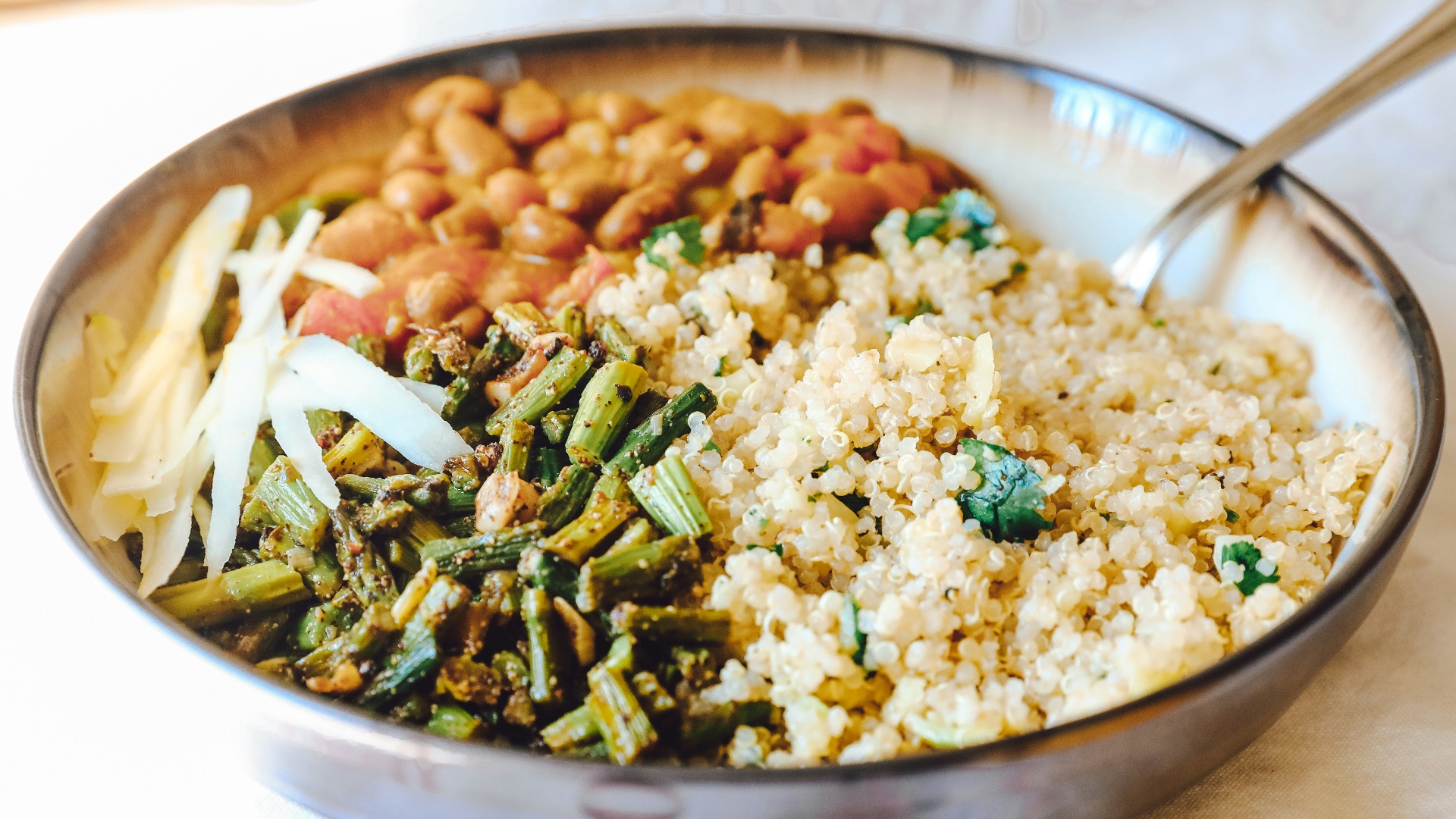
Quinoa is much healthier than white rice, so we're not saying you should avoid it. But keep in mind that your body might have some trouble breaking down its protein and starch, especially if you don’t chew it well. Always make sure you rinse your quinoa properly, too, or you may end up irritating your stomach.
 Shashi Chaturvedula on Unsplash
KEEP ON READING


20 Dishes That Built Modern American Cuisine