Cocoa Prices Are On The Rise. Here's How To Make The Most Out Of Your Tin
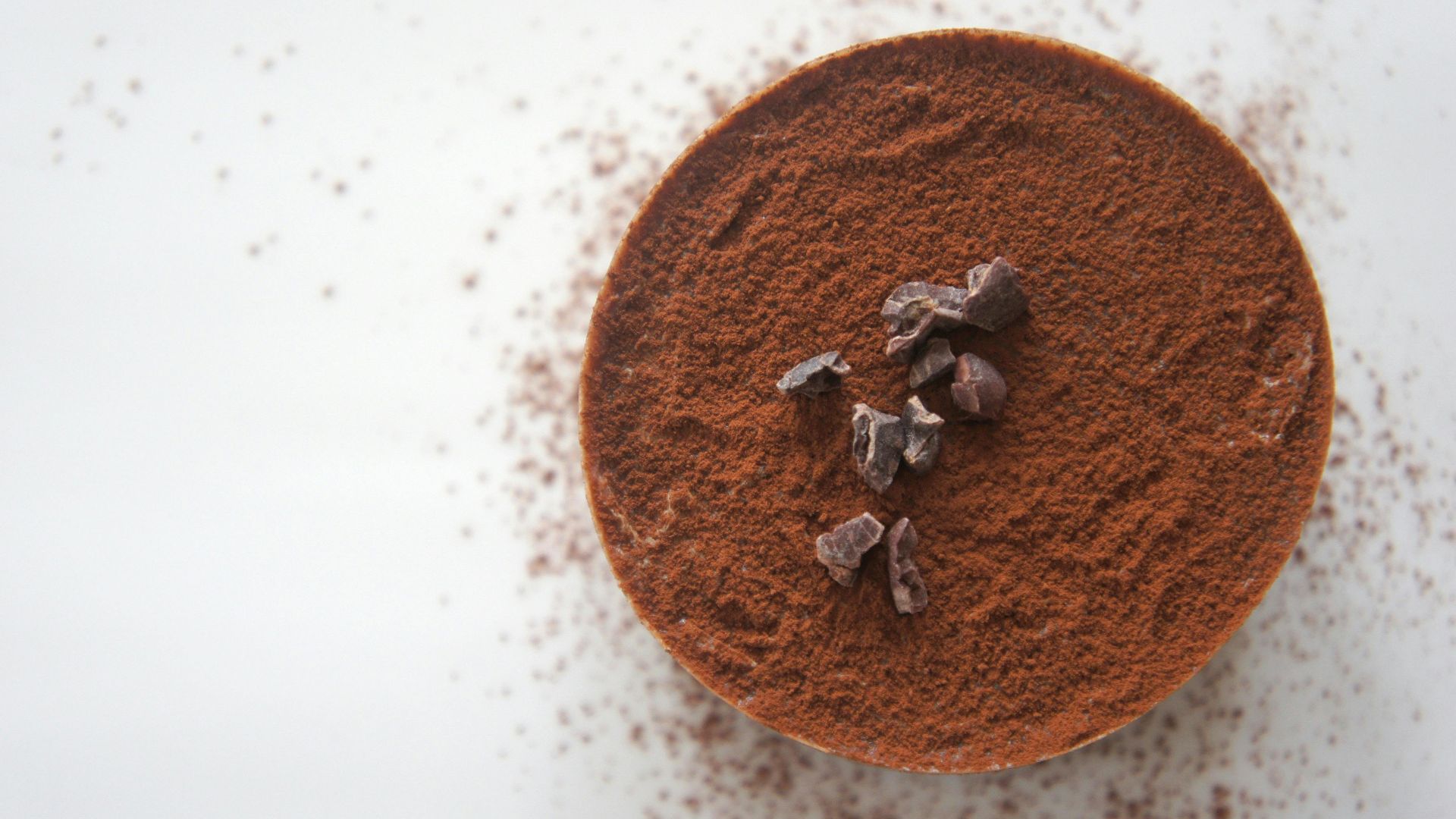
If your cocoa tin has started to feel like a tiny luxury item, yeah, that's not your imagination. Prices have been all over the place since 2024, and the fallout shows up in everything from baking chocolate to boxed hot cocoa. Even when shelf prices don't jump overnight, brands have the tendency to shrink packages or drop those "bonus" ounces, so your stash disappears faster than you'd expect.
The somewhat good news: prices have pulled back from their worst highs, even if they're nowhere near where they were before 2023. That "better, but not normal" reality is exactly why a few smart kitchen habits can save you real money and a little heartache when you reach for the tin and find it nearly empty.
What's Behind the Whiplash

The sticker shock traces back to a truly historic run-up. In April 2024, the International Cocoa Organization reported nearby futures hitting an all-time high of around $12,567 per tonne in London and $11,878 per tonne in New York.
The market has come down since then, just not in a straight line. In October 2025, the Associated Press reported that the Ivory Coast set a seasonal price at a record $5,000 per metric ton, then global prices fell to around $4,630, leaving a large amount of cocoa unsold. By the morning of February 26, 2026, one widely tracked quote had cocoa at around $2,906 per tonne.
ING wrote that cocoa has returned to surplus conditions and forecast London cocoa averaging a little over £3,400 per tonne in 2026, even after London averaged £4,121 per tonne in November 2025. That's still far above the 2018–2022 average of £1,749 per tonne, so "down" does not automatically mean "cheap".
The deeper reason prices stay unpredictable is how concentrated the supply is. West Africa supplies about 70% of the world's cocoa, according to the International Cocoa Organization, which means weather shifts and disease pressure can swing the whole market. J.P. Morgan Global Research has put its medium-term forecast at around $6,000 per tonne while the market finds balance, which hints that higher prices aren't going away anytime soon.
Make a Small Amount Taste Like a Lot
First things first:
stop treating cocoa like a dry powder. Blooming it (stirring cocoa into a small splash of hot water, milk, or coffee before adding it to anything else) helps it dissolve, so you can use less without feeling cheated. A pinch of salt and a little vanilla can make the chocolate note feel rounder, especially in hot cocoa and quick desserts.
Ingredient choices matter, too. Dark chocolate at 70% cacao or higher carries more flavor per bite than milk chocolate, so a smaller amount can do a lot. Cocoa can be part of a health-conscious diet, though it's not a cure-all. Harvard experts note that matching supplement-level flavanols with chocolate alone would require roughly 700 calories a day of dark chocolate.
Everyday foods are the easiest way to stretch cocoa without feeling like you're on a budget. A light dusting over Greek yogurt, sliced bananas, or warm oatmeal feels indulgent while using very little. In smoothies, one or two teaspoons adds depth, especially paired with peanut butter, cherries, or espresso, and the flavor reads richer than the quantity suggests. For baking, cocoa works best layered with cinnamon, citrus zest, toasted nuts, or coffee, rather than relying on sheer volume.
When you want a real treat, go for recipes that don’t use cocoa as a bulk ingredient. No-bake date-and-nut truffles use cocoa as a punchy coating and finish, so you're not burning through the tin filling batter.
Chia pudding with cocoa and a little maple syrup turns pantry basics into a dessert-adjacent snack that lasts several days.
Get Good Storage
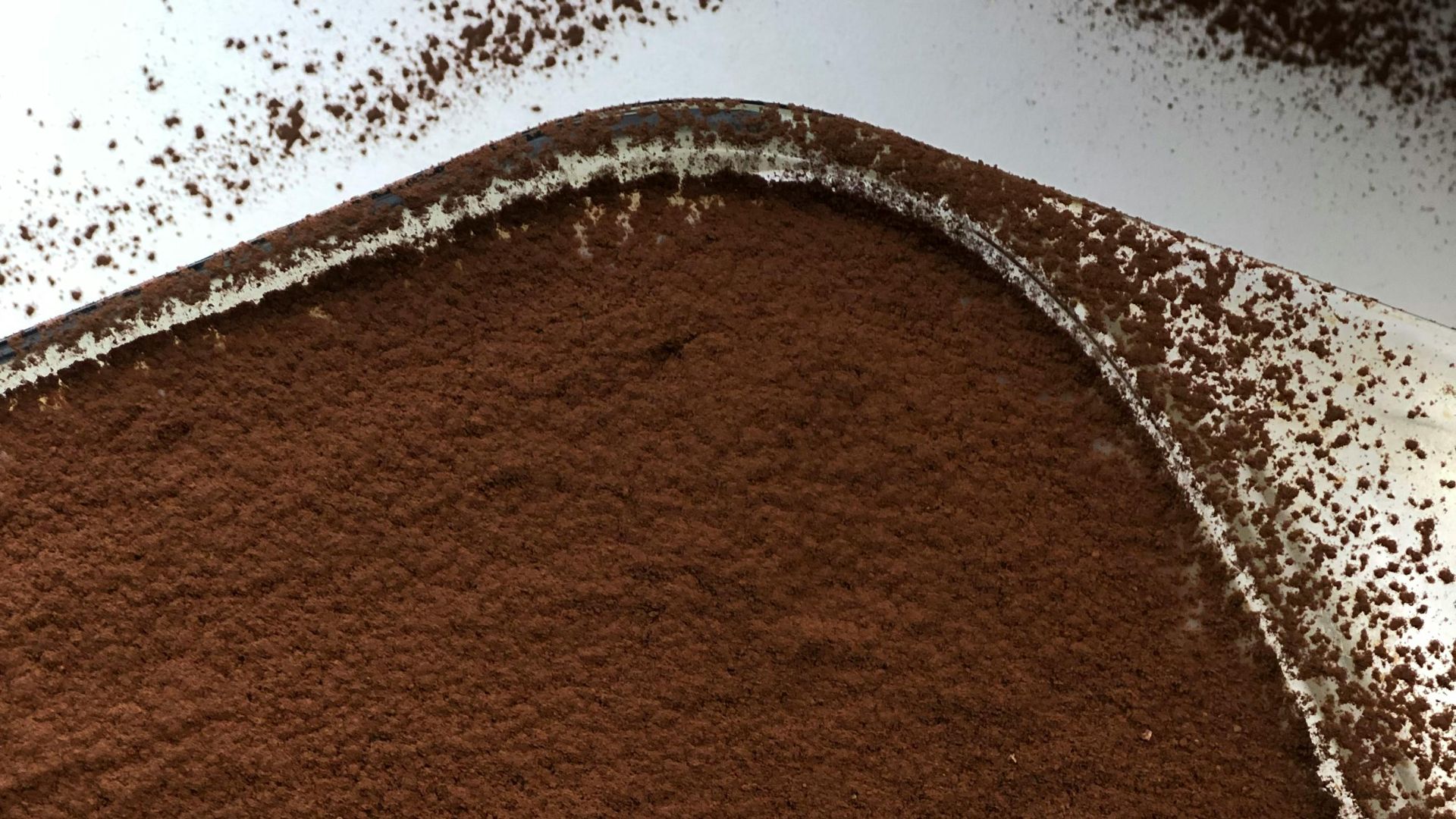 Unaizat Abdulgamidova on Pexels
Cocoa stays happiest when it's dry, cool, and away from strong odors. A Barry Callebaut product sheet for cocoa powder lists recommended storage temperatures of 12–20°C in a clean, dry, odorless environment, with a maximum relative humidity of 70%. That means a steady pantry shelf beats the cabinet above your stove, which runs like a sauna every time you cook.
Airtight packaging is the difference between cocoa that stays fluffy and cocoa that clumps together. Transfer an opened tin into a tight-sealing jar if the lid is loose, or slip the whole tin into a zip-top bag for a second barrier. Epicurious recommends an airtight container in a cool, dry place, and warns against putting it in the fridge or freezer.
Shelf life is mostly about flavor, not safety, and labels can be misleading either way. That same Barry Callebaut sheet lists a shelf life of 24 months from the production date under recommended conditions. Taste of Home, summarizing a Cook's Illustrated tasting test, notes that cocoa a year or two old can still perform well, while very old cocoa can taste noticeably weaker.