You Swore It Tasted Different for a Reason
Most brands do not make a big speech when they change a recipe. They swap an ingredient, adjust a sweetener, or simplify a formula, and they hope you either do not notice or do not care enough to stop buying it. Sometimes the change is driven by costs, sometimes by taxes or regulations, and sometimes by a slow shift in what people will tolerate on an ingredients list. Either way, it creates that specific moment where you take a bite, pause, and start checking the label like you are comparing contracts. Here are 20 times brands changed the recipe quietly, or tried to, and customers noticed anyway.
1. New Coke
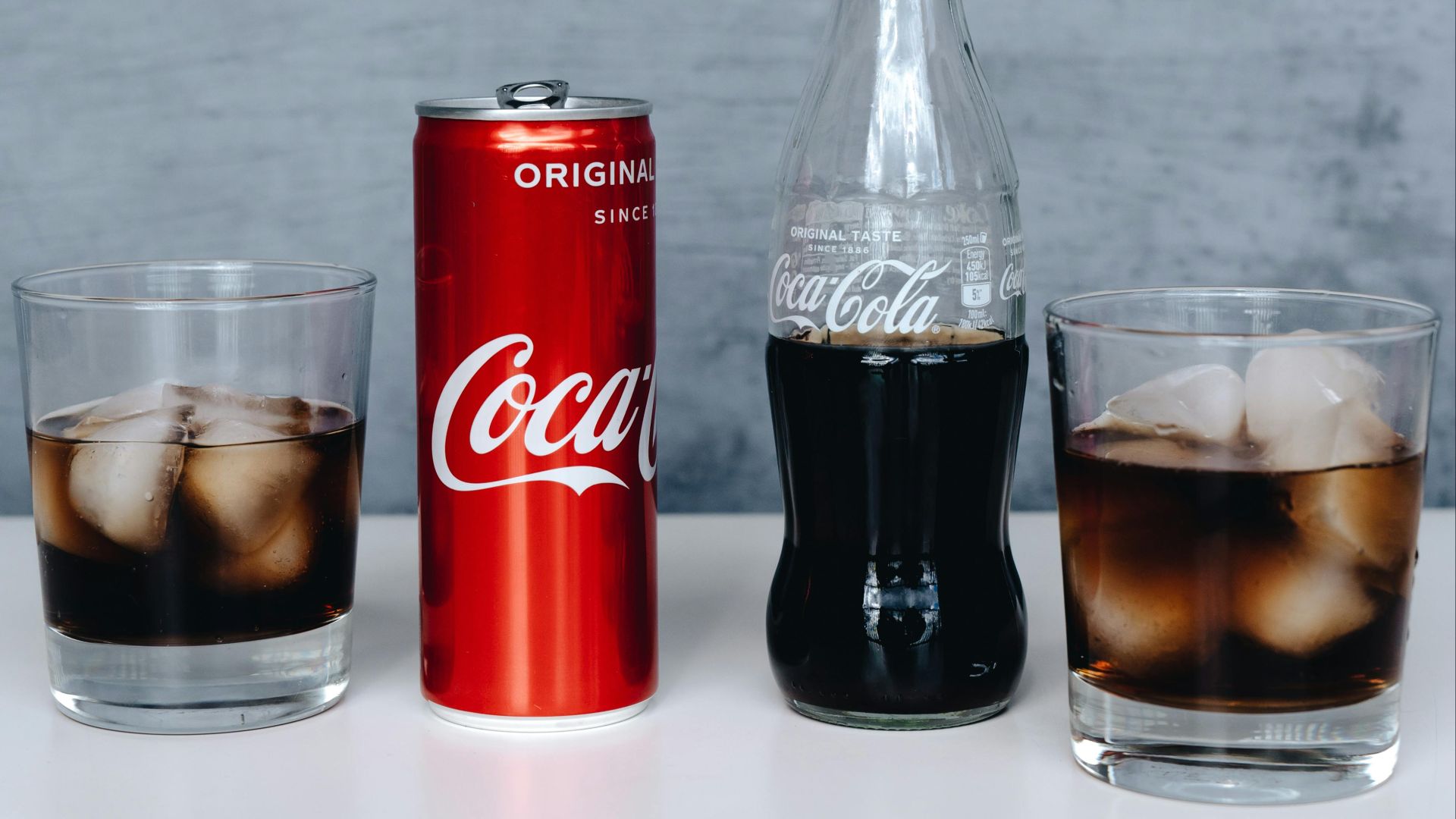
Coca-Cola replaced its formula in 1985, and the backlash was immediate and loud. The company brought the original back within months under a different name, which tells you how emotionally attached people were to a familiar taste. It is the clearest reminder that brand loyalty often lives in tiny flavor details.
2. Coke and the Switch to High Fructose Corn Syrup
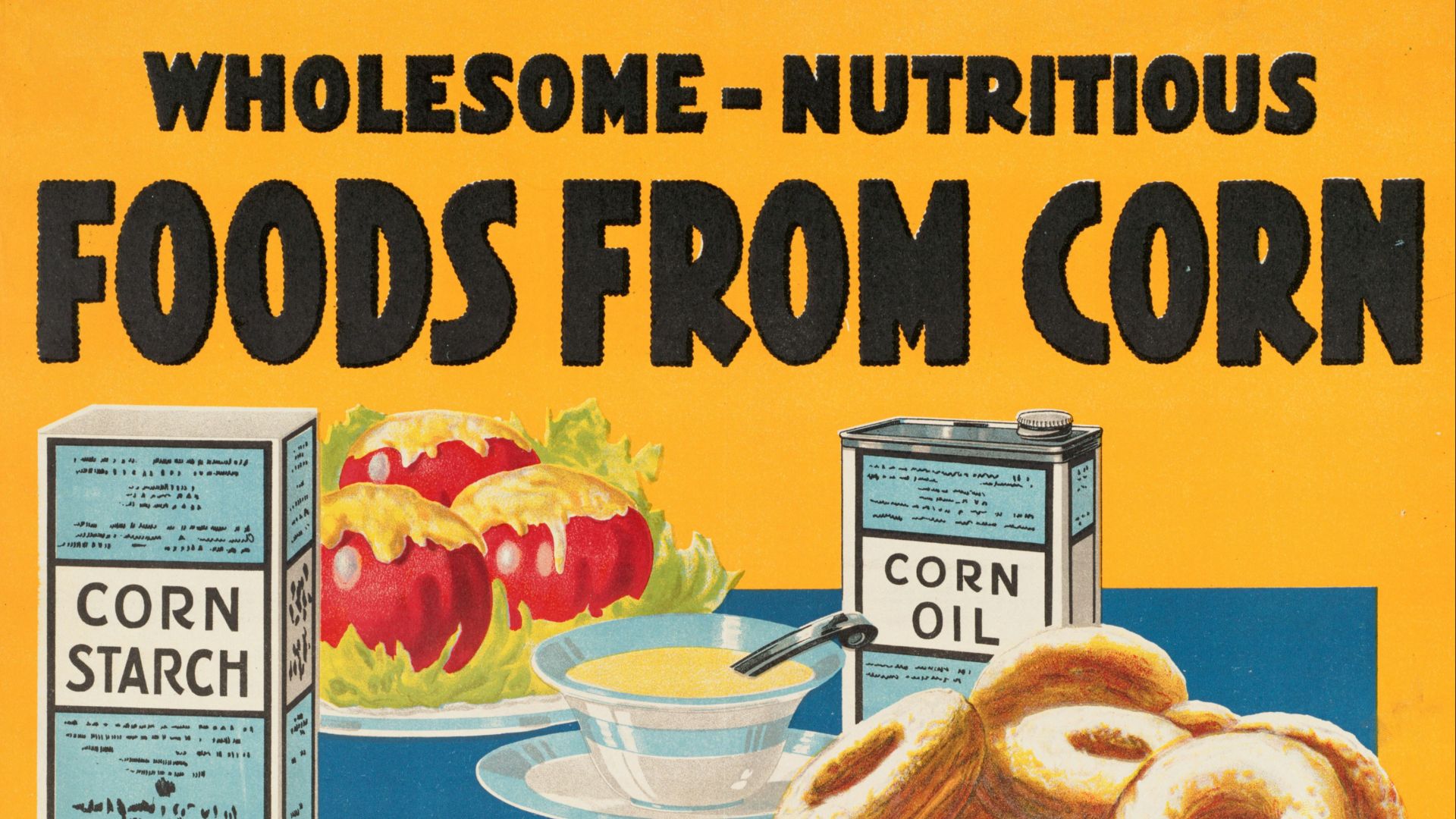
In the U.S., Coca-Cola moved from cane sugar to high fructose corn syrup in the 1980s as costs and supply pressures changed. Many people insist they can taste the difference, and the existence of cane-sugar versions keeps that argument alive. Once a staple switches sweeteners, the memory of the old one never really goes away.
 Boston Public Library on Unsplash
3. McDonald’s Fries
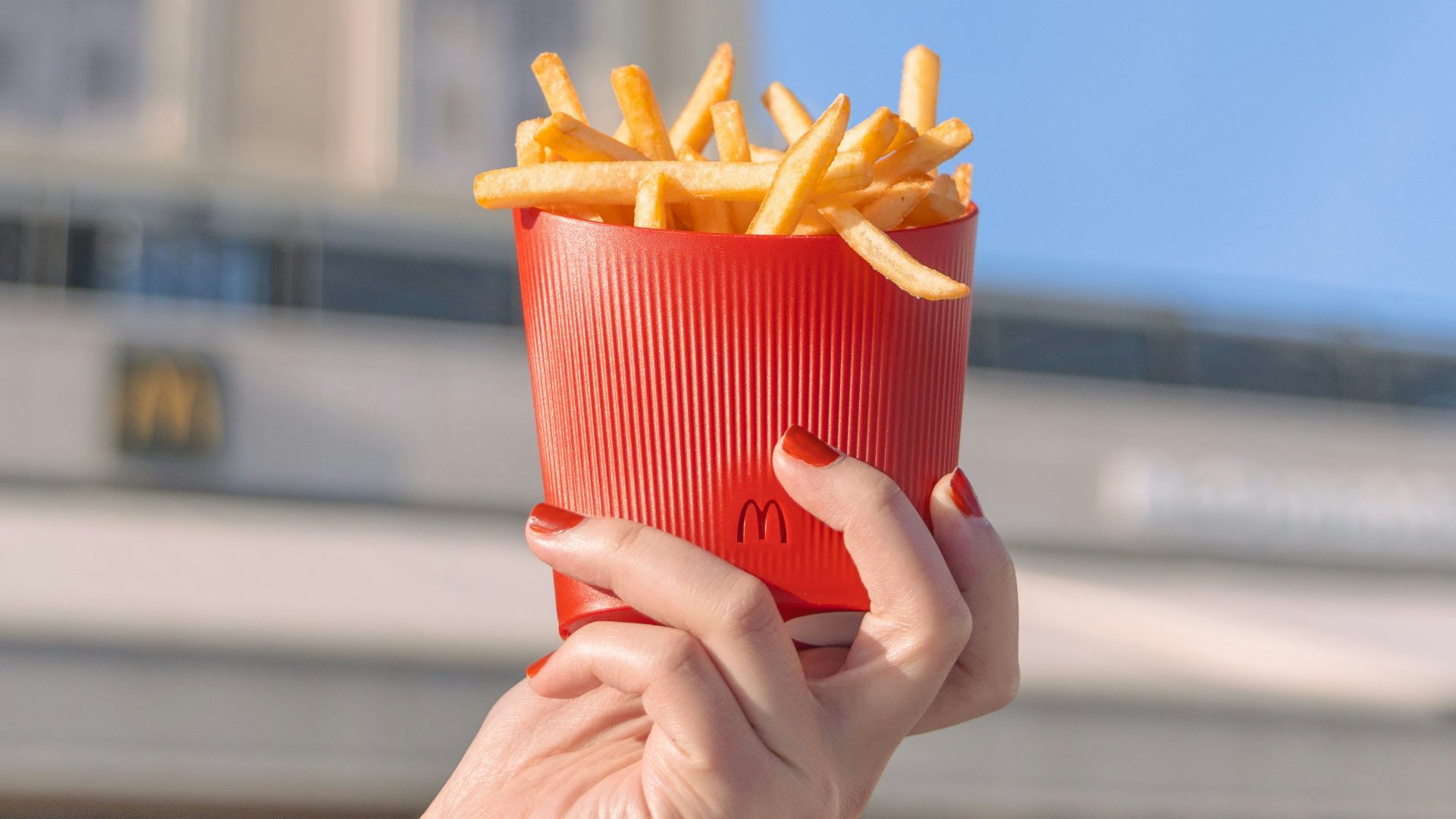
McDonald’s changed how it cooked its fries in 1990, moving away from beef tallow and toward vegetable oil while trying to preserve the old flavor. Plenty of longtime customers still say the fries never tasted the same after that shift. Even when a company keeps the product name identical, a cooking-fat change can redefine the whole thing.
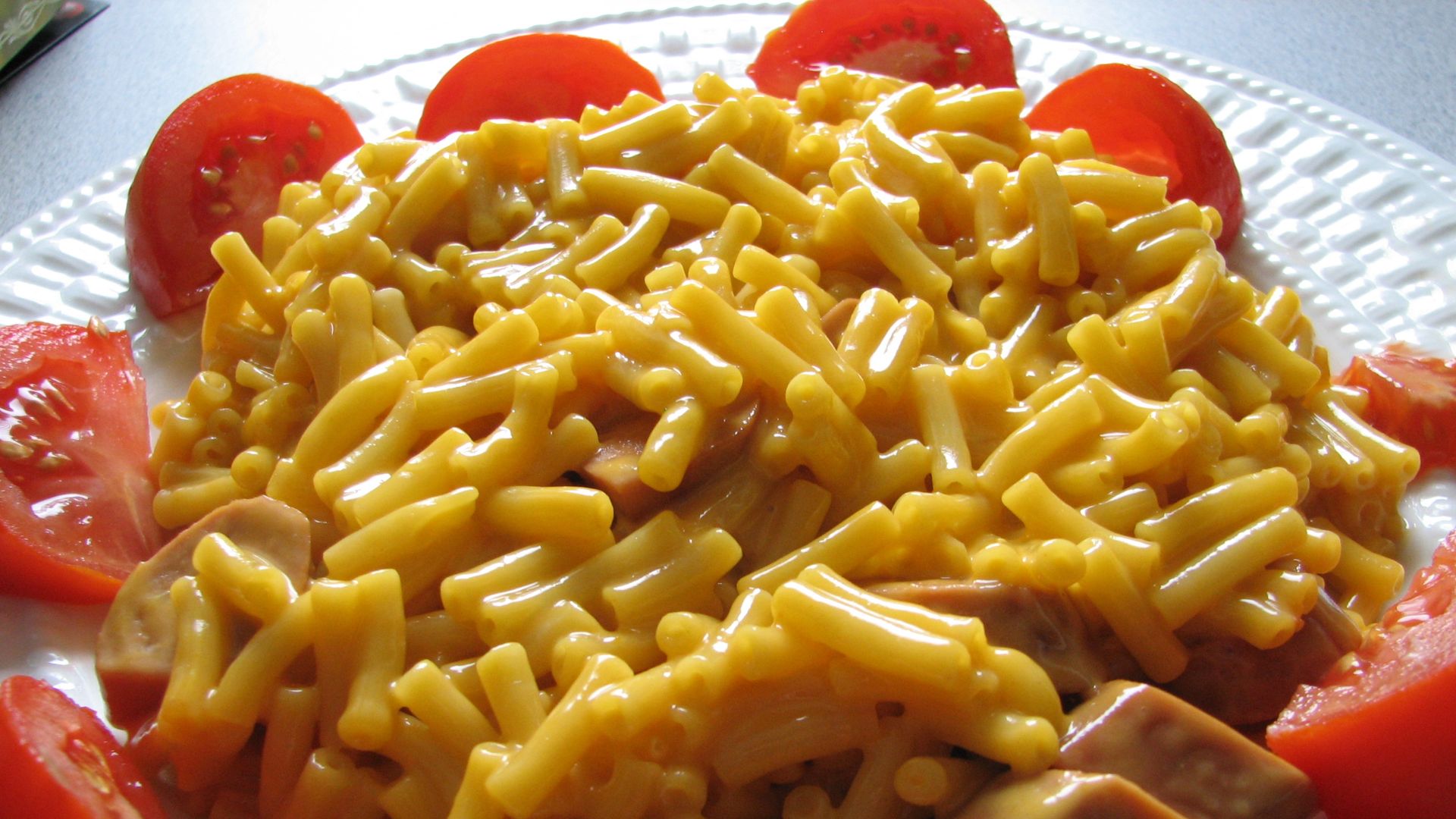
4. Kraft Mac and Cheese
Kraft removed artificial flavors, preservatives, and synthetic dyes from its classic boxed mac and cheese in the U.S. and did not make a huge public moment out of it at first. The company’s bet was that most people would not notice if the taste stayed close enough. It is a good example of a major ingredient clean-up done quietly to avoid panic.
 Matt MacGillivray from Toronto, Ontario, Canada on Wikimedia
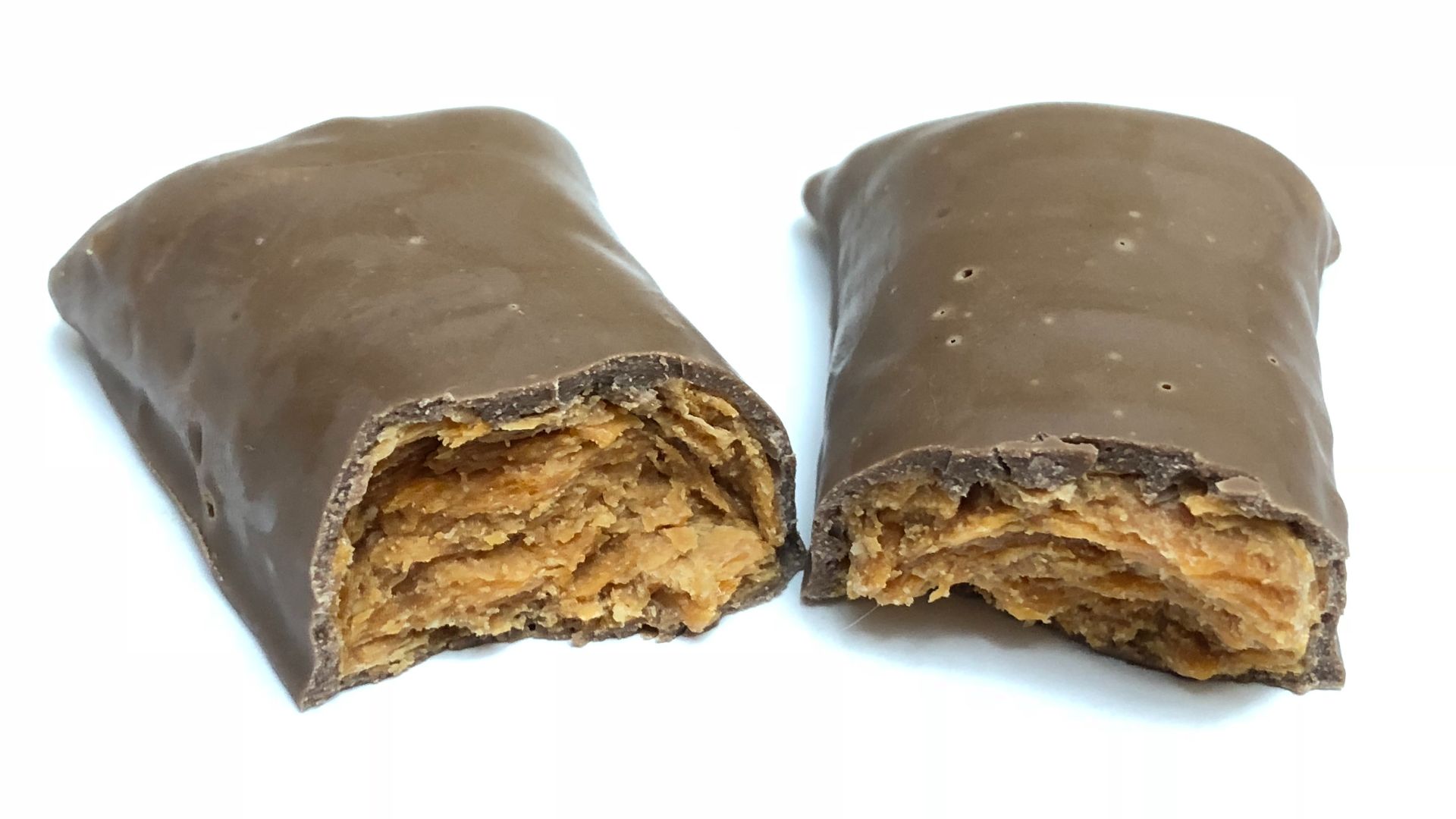
5. Butterfinger
Butterfinger was reformulated after Ferrero took over the brand in the late 2010s, and fans were quick to call out differences in texture and flavor. The reaction was not subtle, because people tend to buy candy out of habit and memory. A small change in crunch or sweetness is enough to make it feel like a different bar.
 commons.wikimedia.org on Google
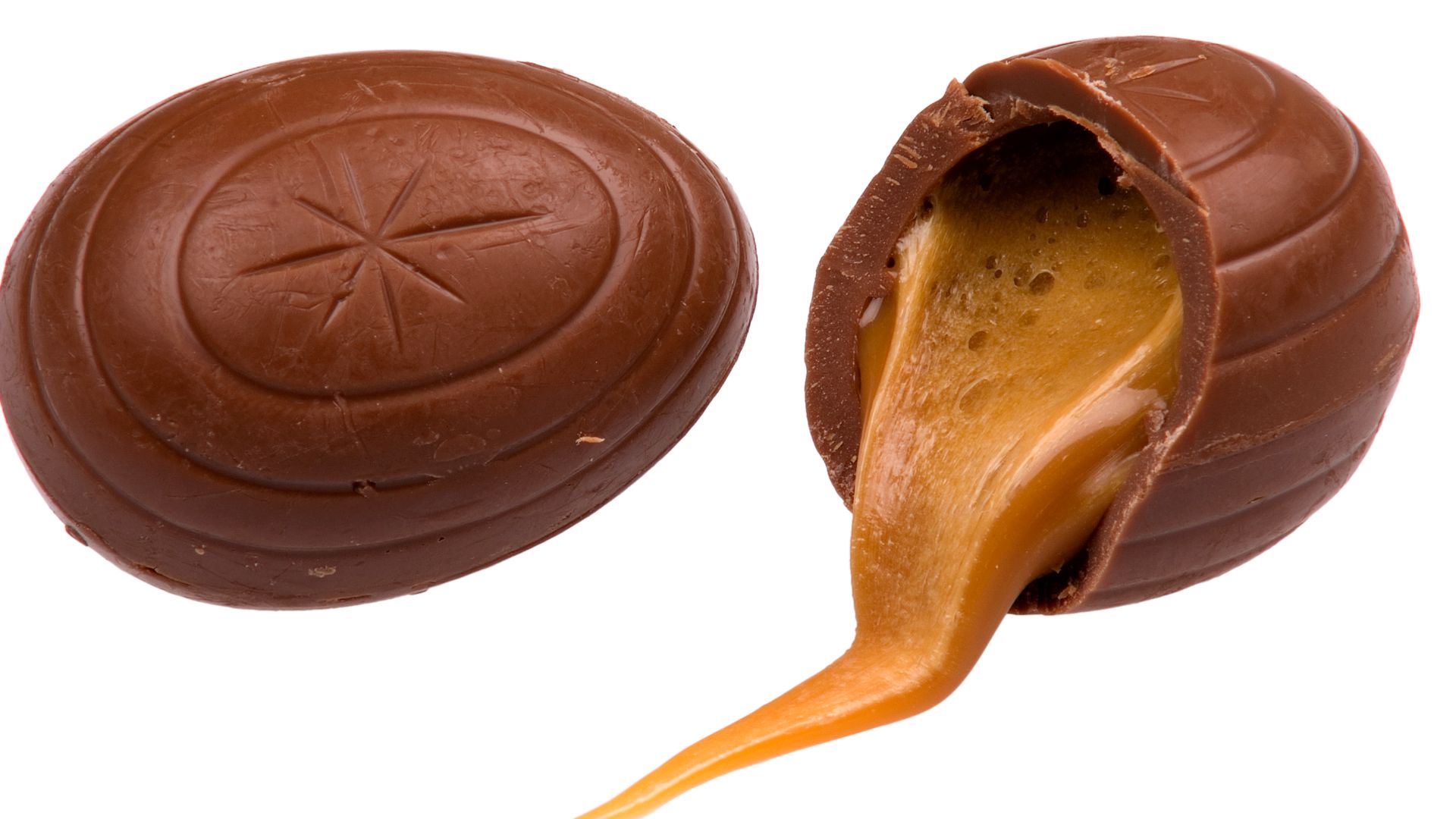
6. Cadbury Creme Egg
In the U.K., Cadbury changed the Creme Egg shell so it was no longer made with Dairy Milk chocolate. That sounds minor until you remember the shell is half the experience and the product is basically nostalgia in candy form. Once people decide a seasonal treat got downgraded, the brand hears about it every year.
7. Cadbury Dairy Milk in New Zealand
Cadbury New Zealand replaced some cocoa butter with vegetable fat, including palm oil, and customers pushed back hard. The company reversed the change after the backlash, which tells you the taste shift was noticeable and the trust hit was real. Chocolate is one of those categories where consumers expect the recipe to stay sacred.
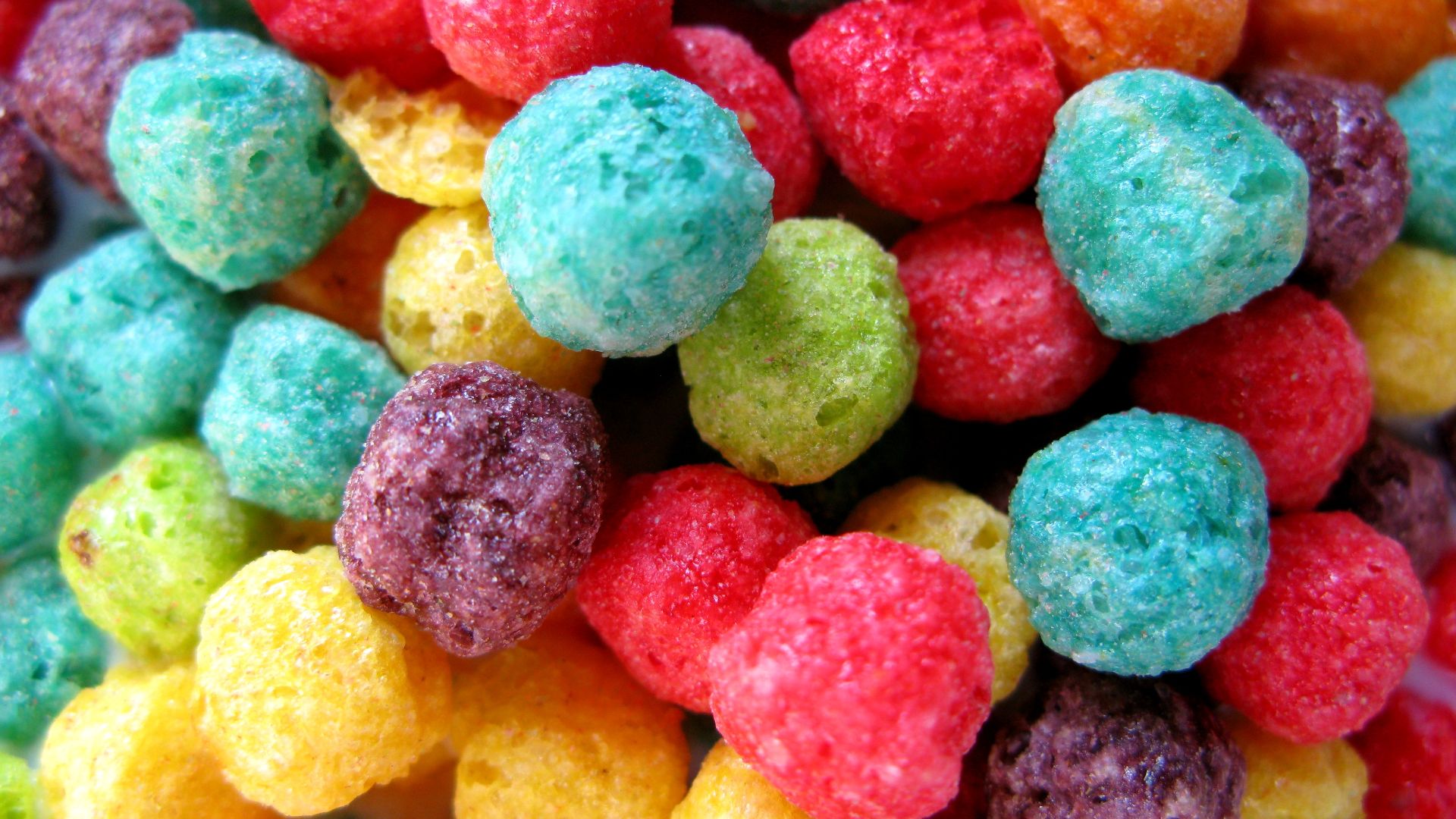
8. Trix and the Color Swap
General Mills removed artificial colors and flavors from Trix, then later brought back a version closer to what people remembered after complaints. The change was not just visual, because color affects how people perceive flavor. When a kid cereal looks muted, adults immediately decide it tastes muted, too.
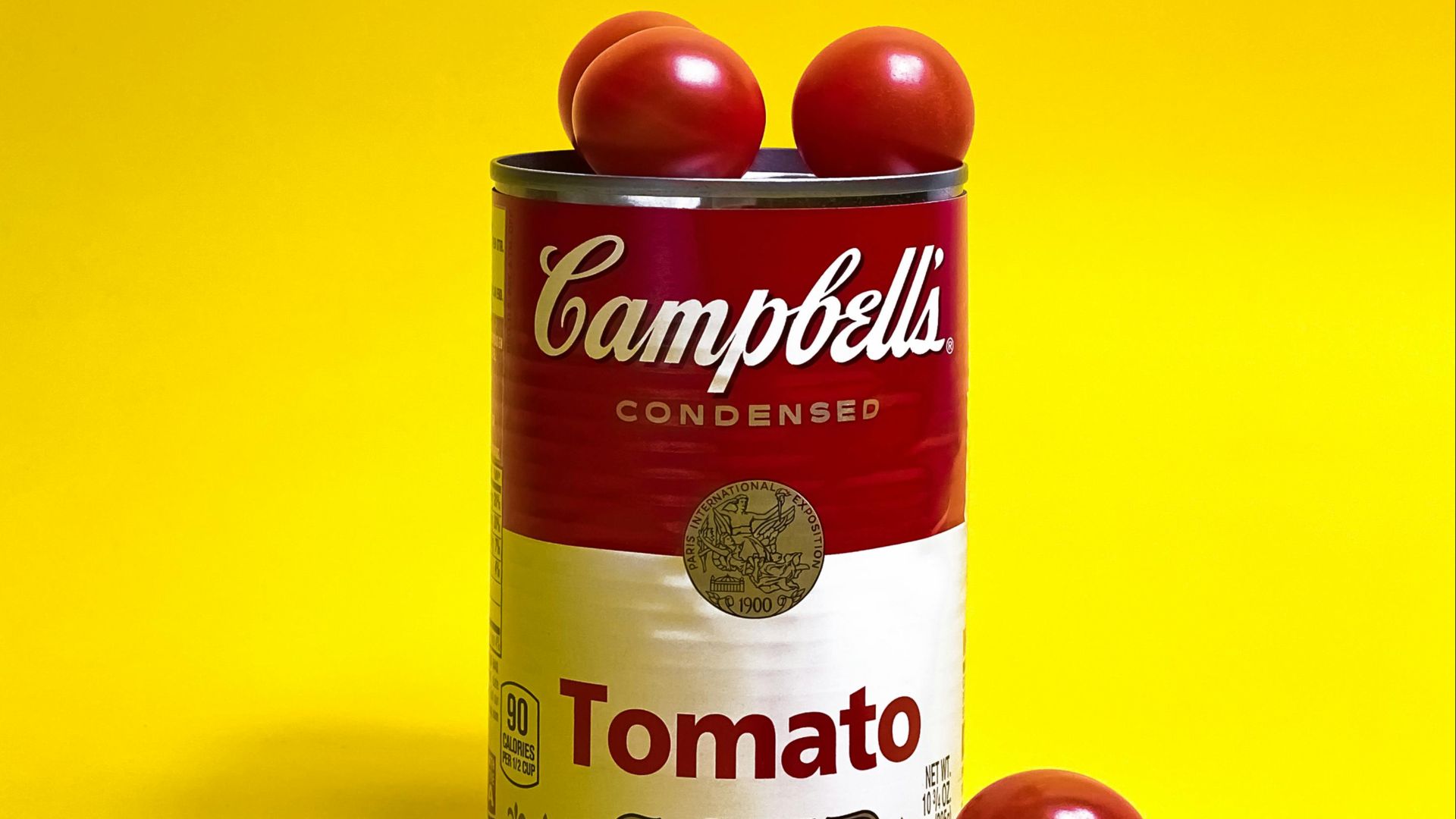
9. Campbell’s Soup and the Sodium Back-and-Forth
Campbell’s reduced sodium in some soups and faced pushback from customers who thought the taste got weaker. Over time, the company adjusted again, trying to balance health messaging with what people would actually buy. Soup is a category where tiny seasoning changes can make a familiar can feel strangely flat.
10. Lucozade Energy
Lucozade cut sugar significantly in the U.K. during the lead-up to the sugar levy era, and customers noticed fast. The change mattered beyond taste because some people had used it as a quick sugar source for low blood sugar and had to rethink that. It is a case where a recipe change created practical consequences, not just preference debates.

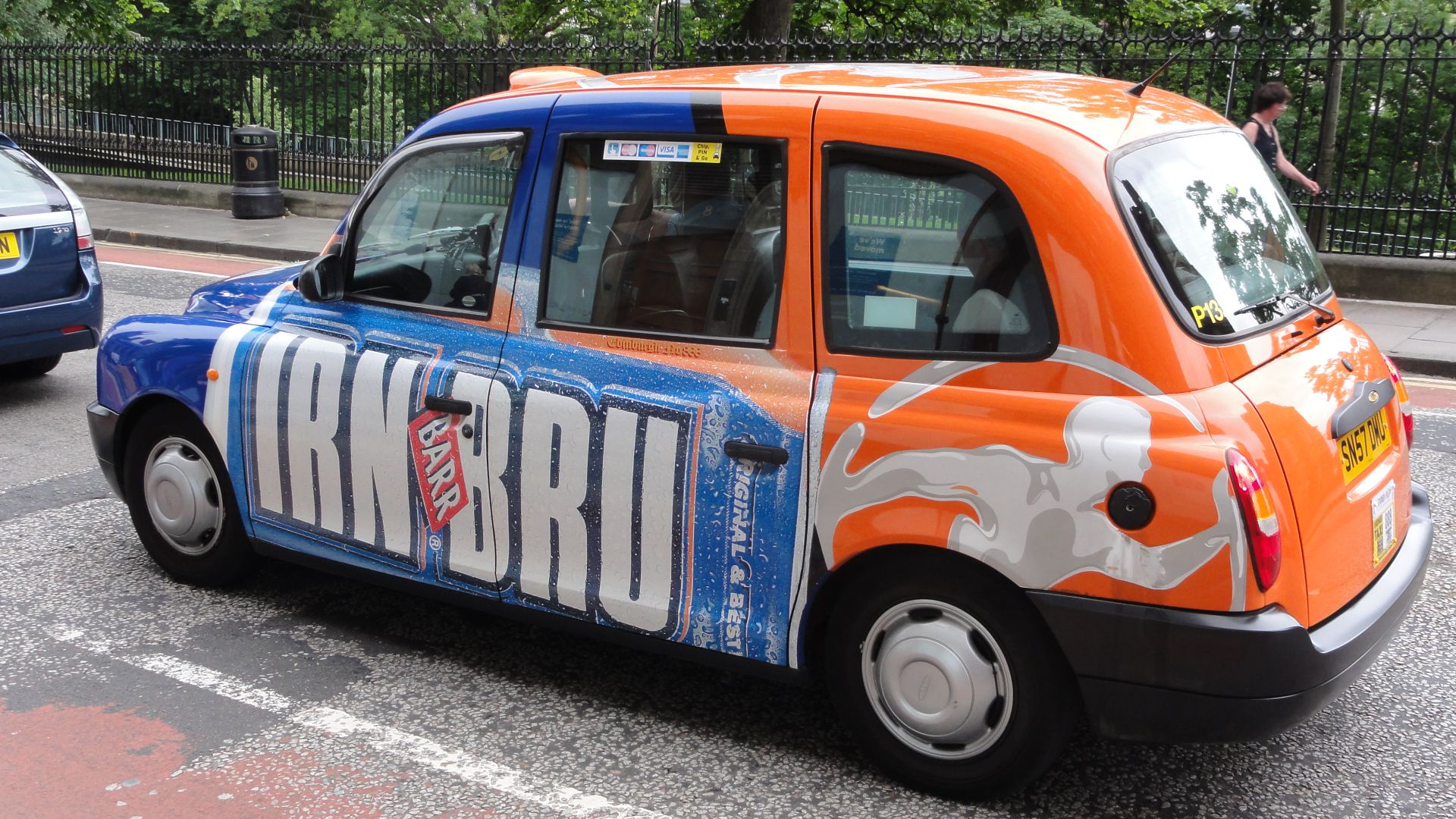
11. Irn-Bru
Irn-Bru reduced sugar and introduced sweeteners around the sugar tax period, and it sparked real anger from loyal drinkers. The brand even leaned into nostalgia later with a separate product that better matched the older style. When a national favorite changes, it stops being just a beverage and turns into a public argument.
 Martin Abegglen from Bern, Switzerland on Wikimedia
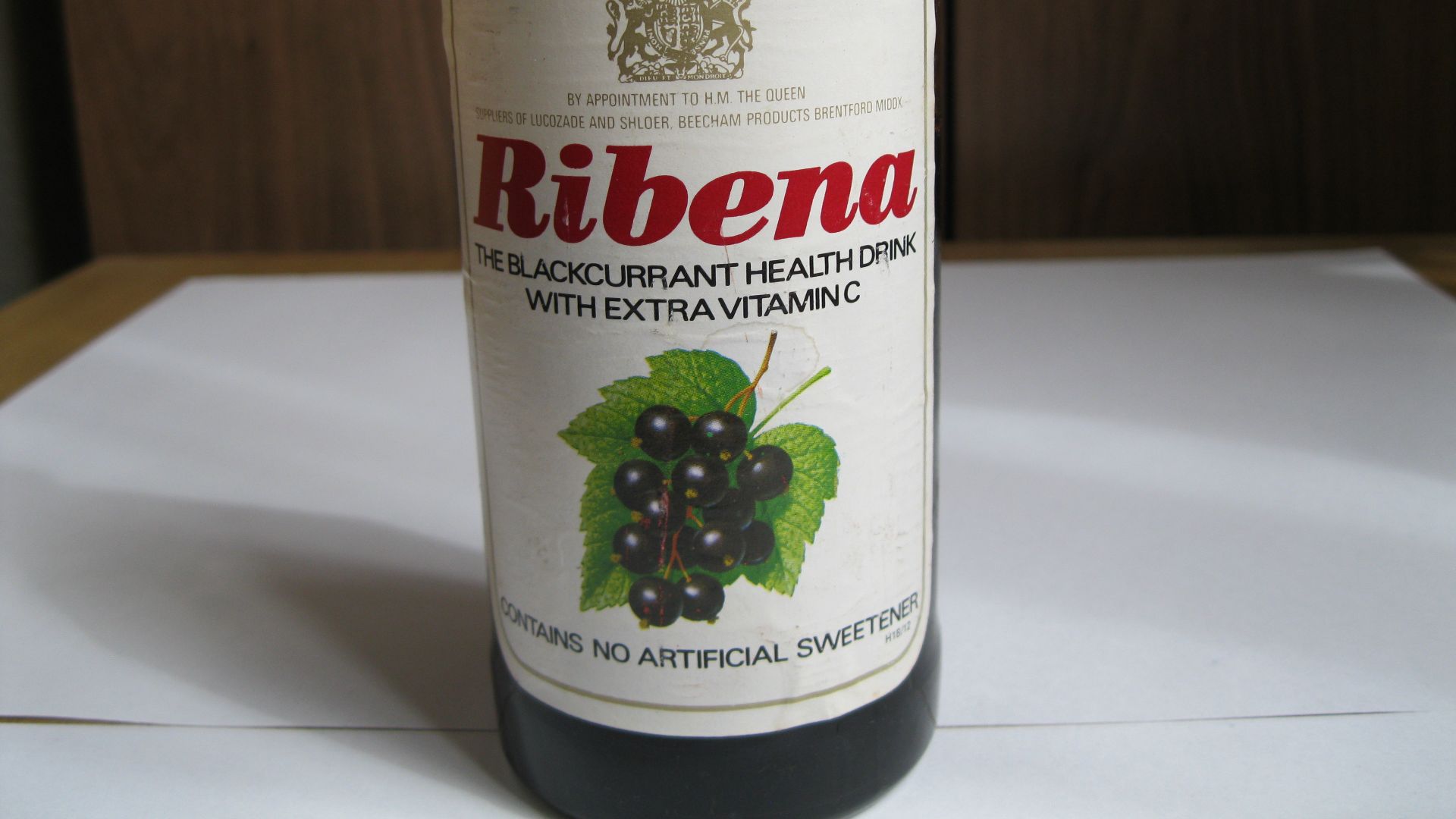
12. Ribena
Ribena reformulated to reduce sugar, and a lot of people complained the taste shifted. Sweetener blends behave differently than sugar, especially in fruit drinks, and the aftertaste is where people tend to notice it. Once a drink is part of childhood memory, adults can spot changes immediately.
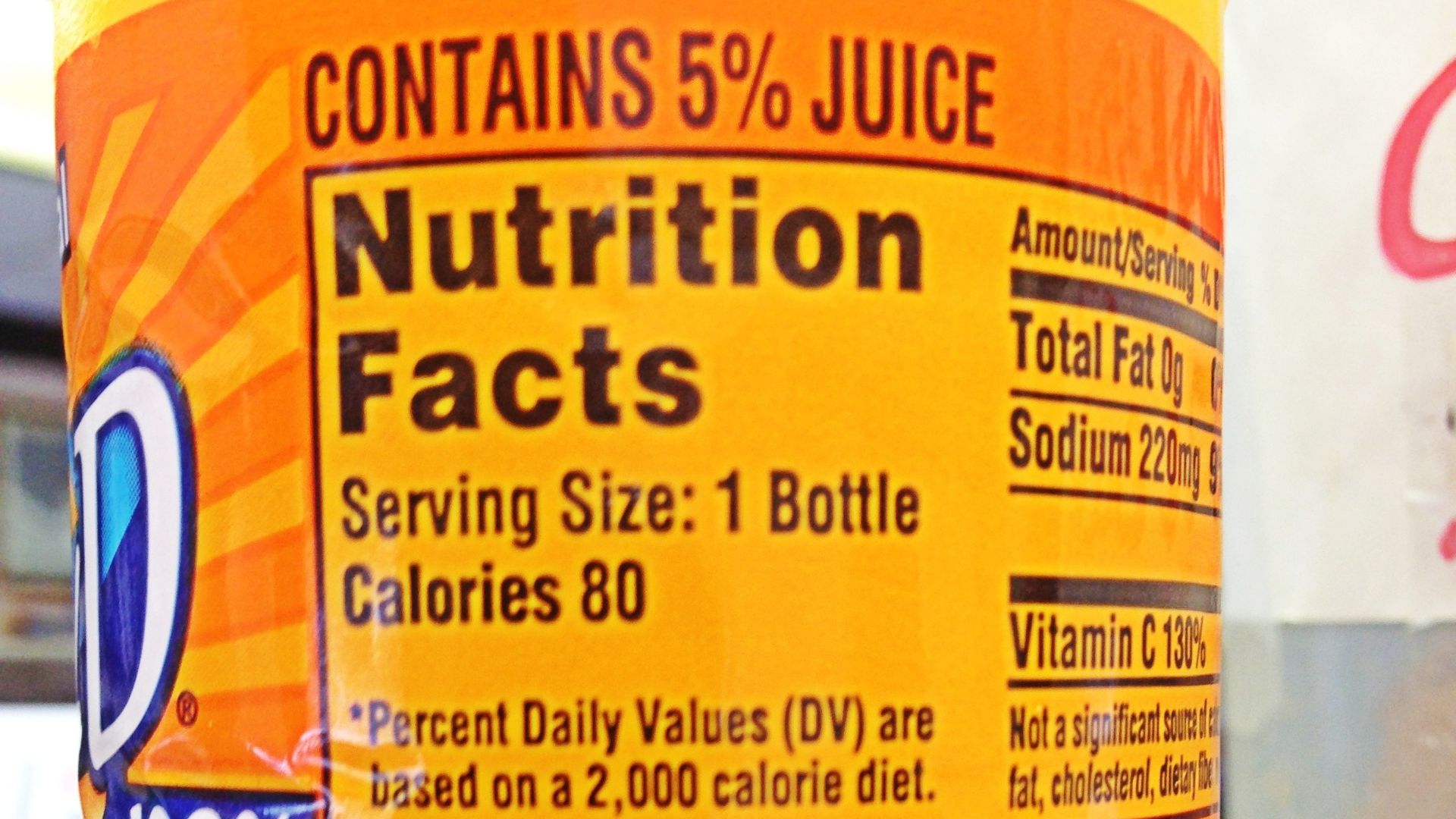
13. SunnyD in the U.K.
SunnyD has been reformulated over time in the U.K., including changes tied to sugar content and ingredients. Even when the brand stays the same, the drink can end up tasting slightly thinner or less sweet after reformulation. For products built around a strong, artificial-fruit profile, small tweaks are not subtle.
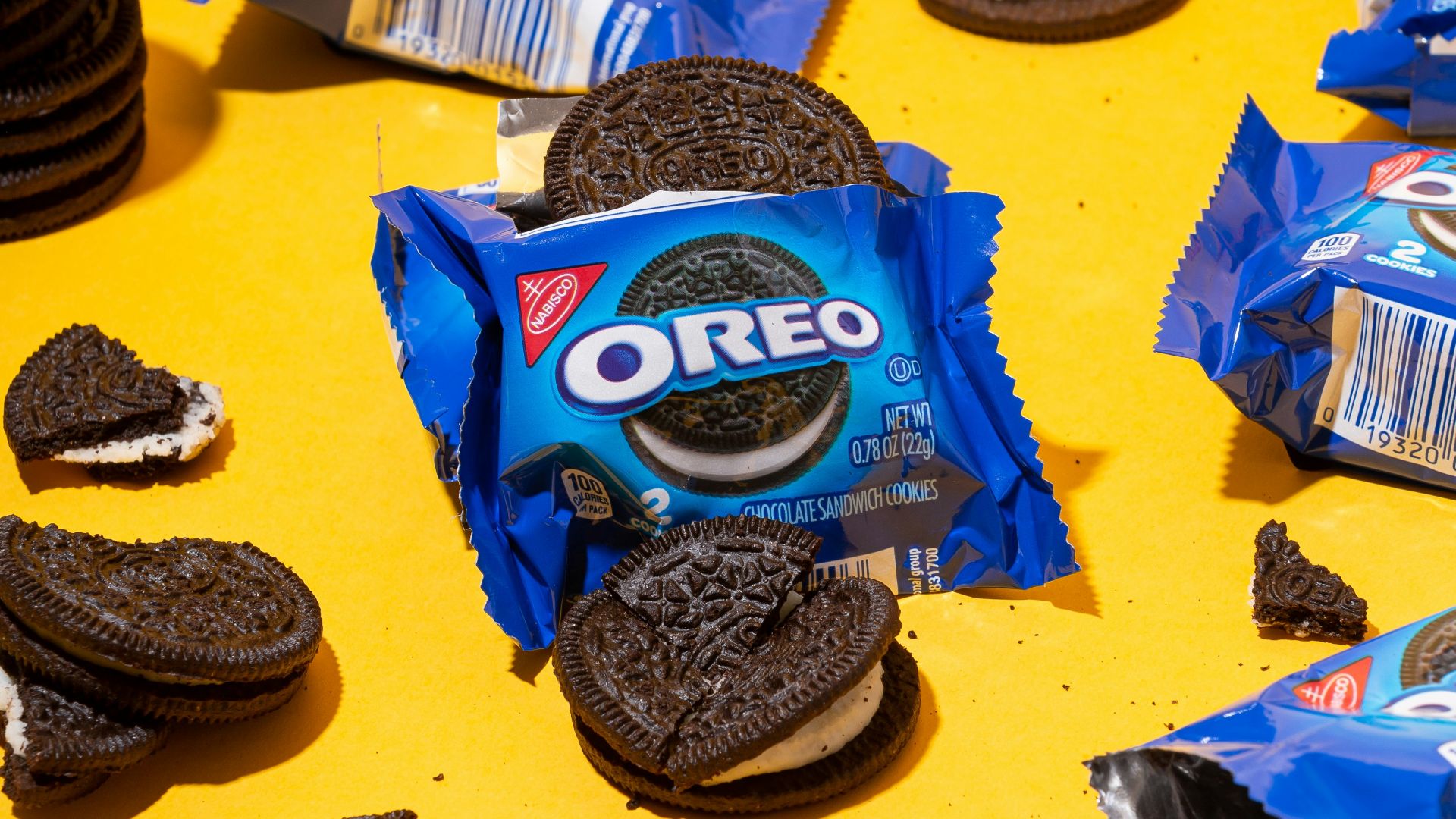
14. Oreo and the Slow Ingredient Modernization
Over the years, Oreo formulas have shifted to keep up with ingredient standards and removals, including changes tied to trans fats and other processing updates. The cookie still looks the same, but longtime fans often claim the creme tastes different than it used to. When a product is eaten the same way for decades, people notice even small texture changes.
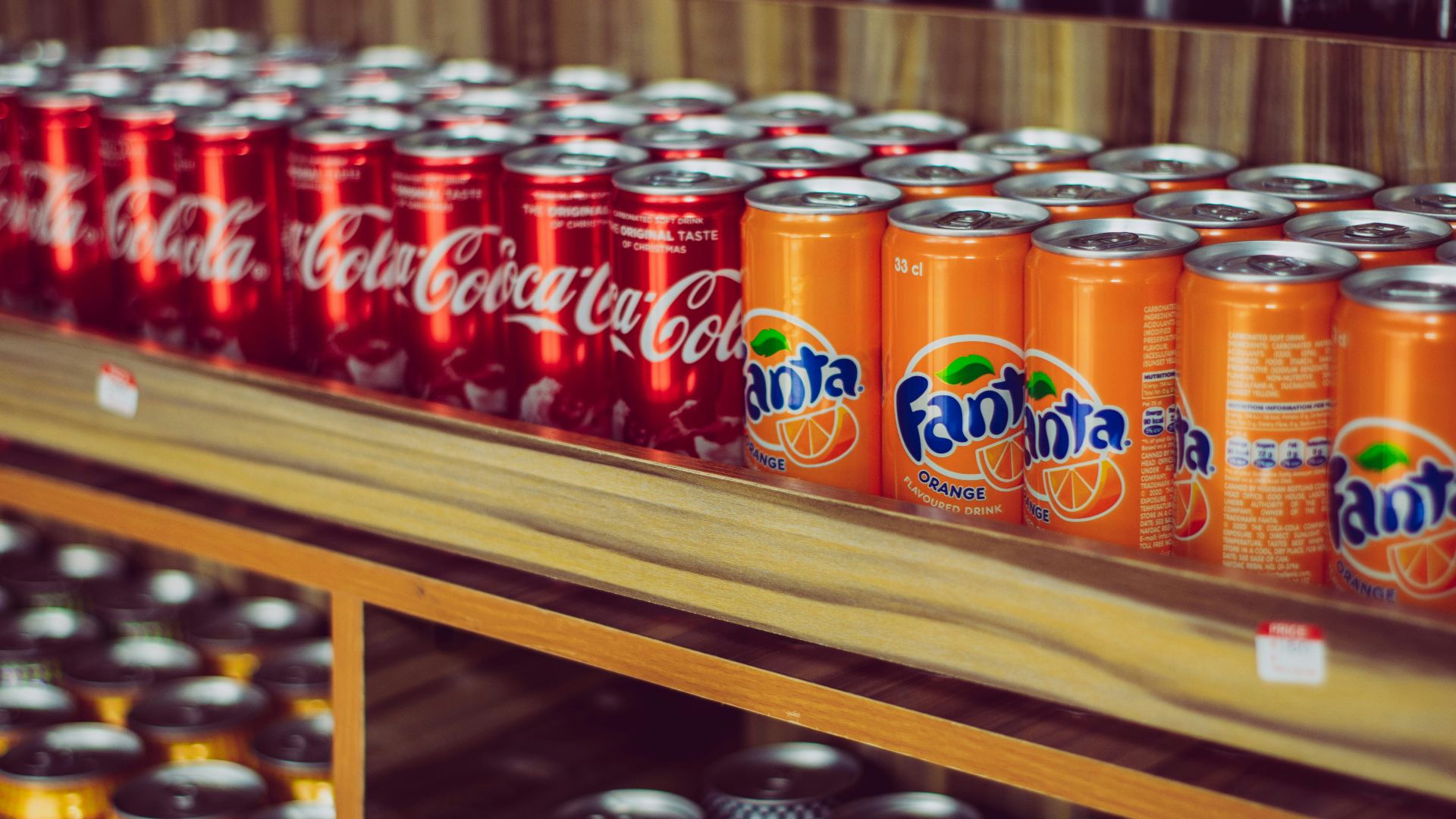
15. Fanta in the U.K.
Fanta Orange in the U.K. has gone through sugar reductions and sweetener changes as brands adjusted to the sugar-levy environment. People noticed because orange soda is basically a sweetness-and-acid balance, and swapping sugar for sweeteners changes the finish. Even when the bottle looks familiar, the aftertaste is where regular drinkers catch it.
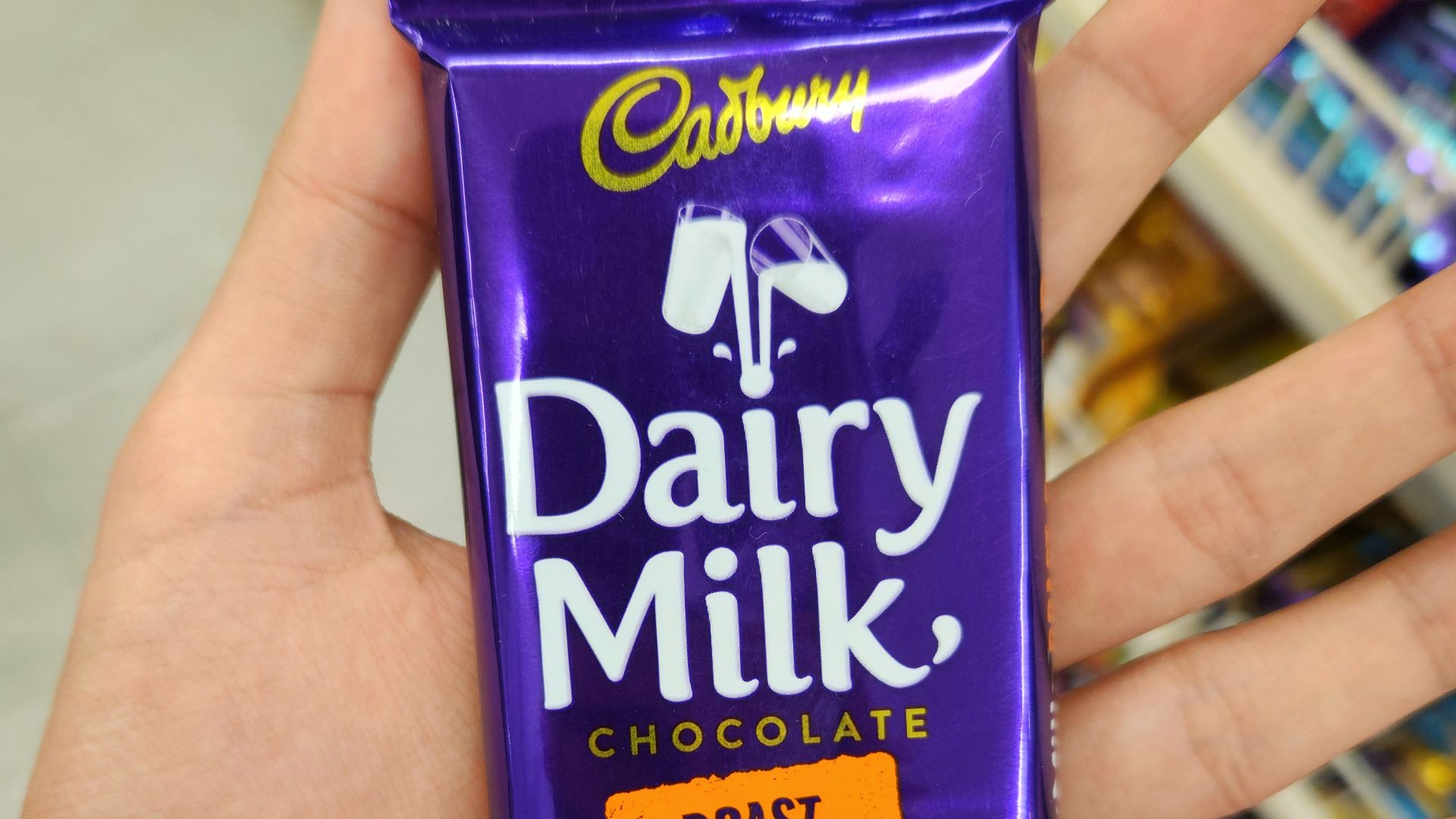
16. Cadbury Dairy Milk and the “Glass and a Half” Shift
Cadbury has faced repeated complaints over the years in the U.K. that Dairy Milk does not taste the same after ownership and supply-chain changes, including formula tweaks tied to ingredients and processing. For a product built on a very specific milk-chocolate profile, small changes show up as texture and melt differences first. Fans notice because it is the kind of bar people eat from memory.
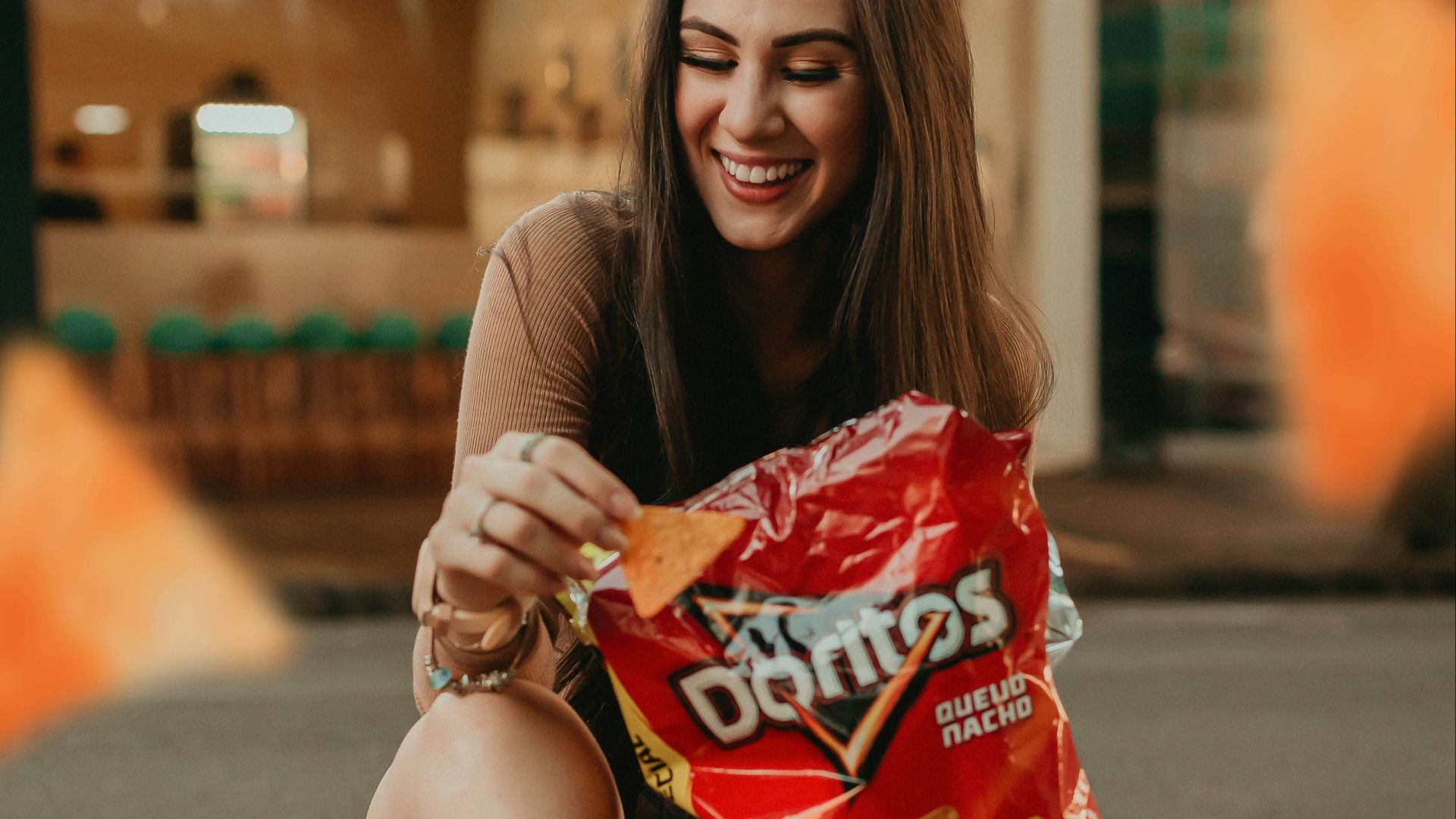
17. Doritos in Europe
In parts of Europe, Doritos recipes have been adjusted over time, including changes to seasonings and additives in response to ingredient standards and labeling expectations. The result is that the same flavor name can taste meaningfully different depending on when and where you buy it. People notice because the seasoning is the whole product, so even a slight shift reads as a new chip.
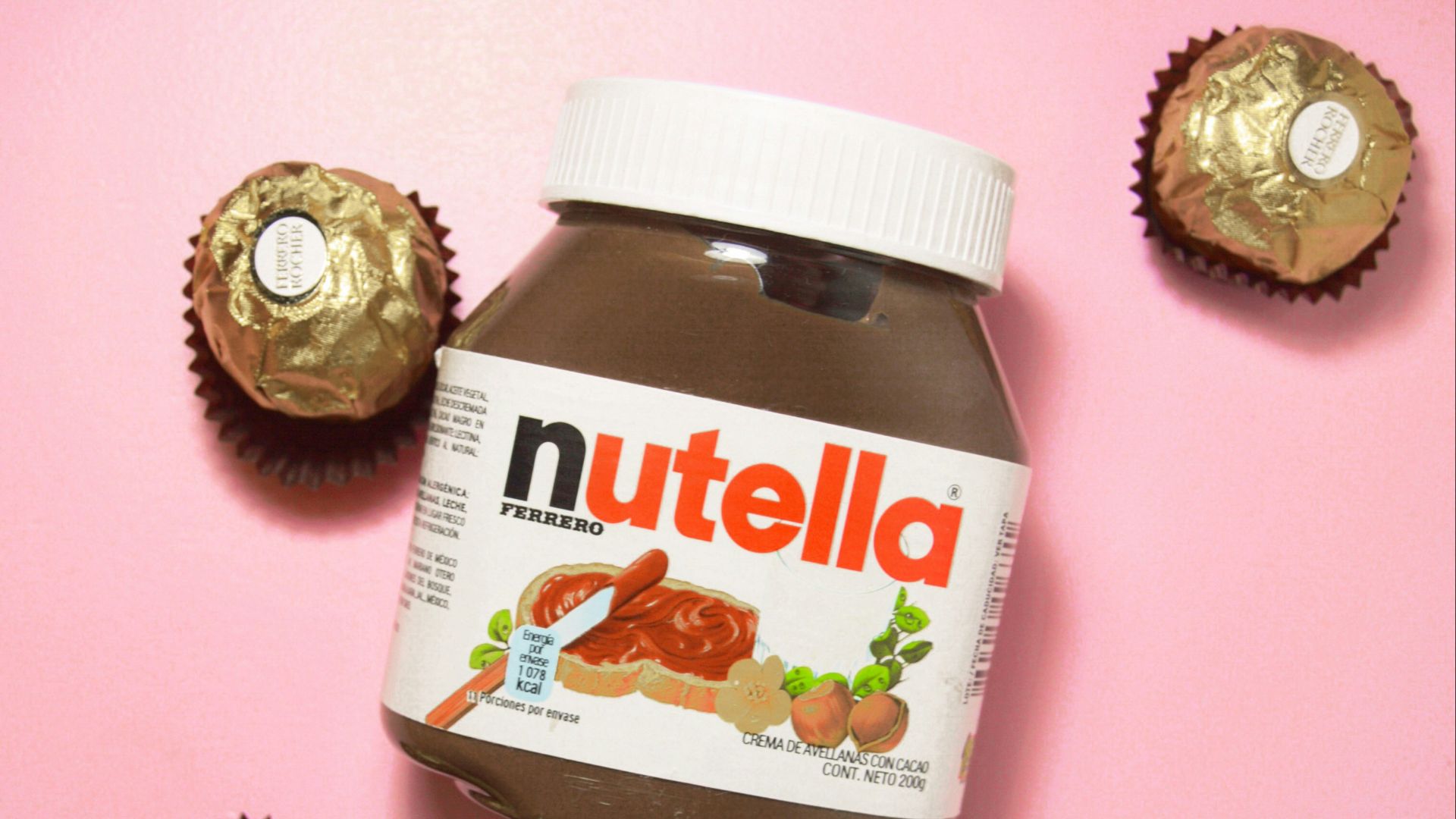
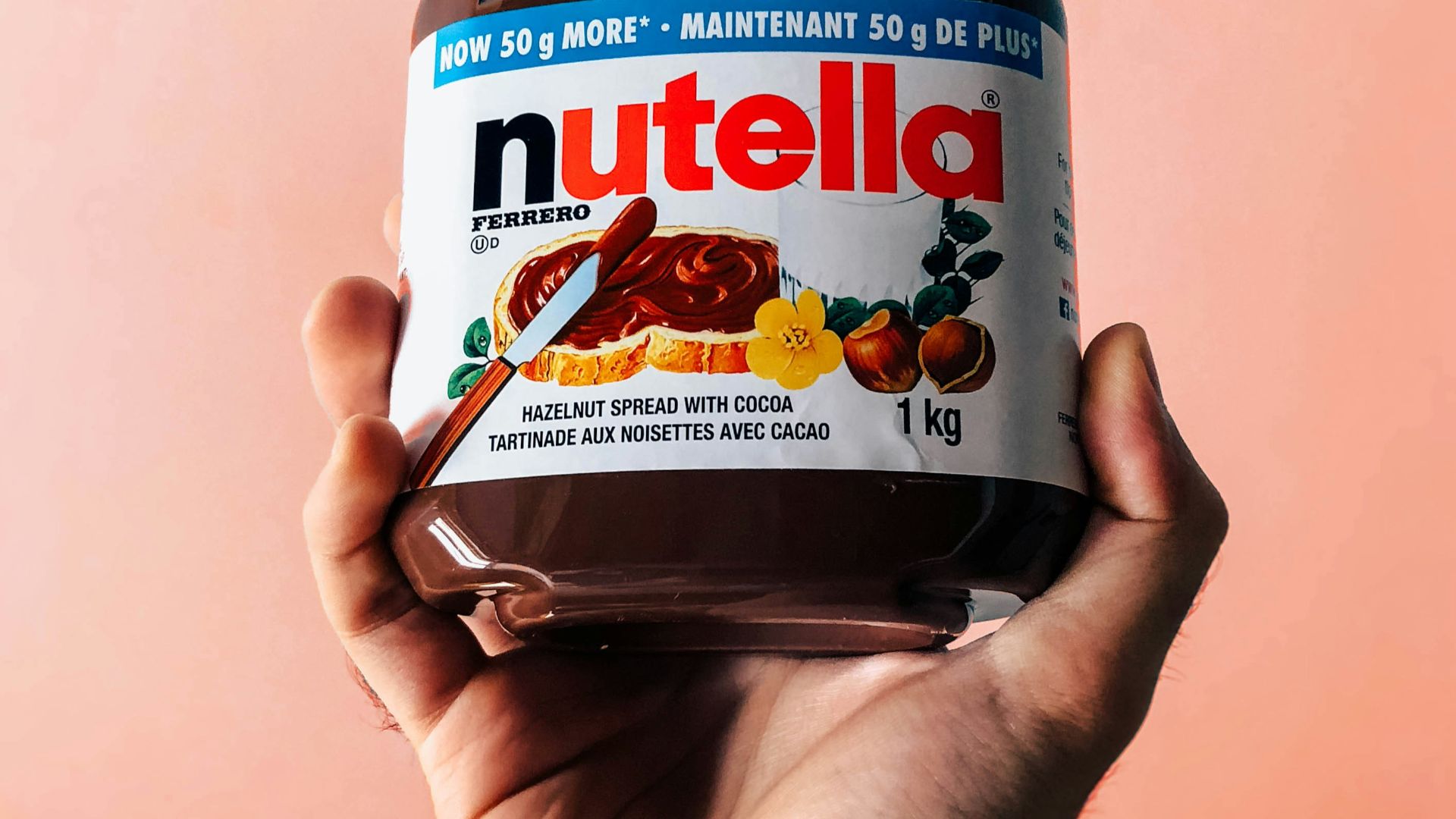
18. Nutella’s Ingredient Change Rumors in France
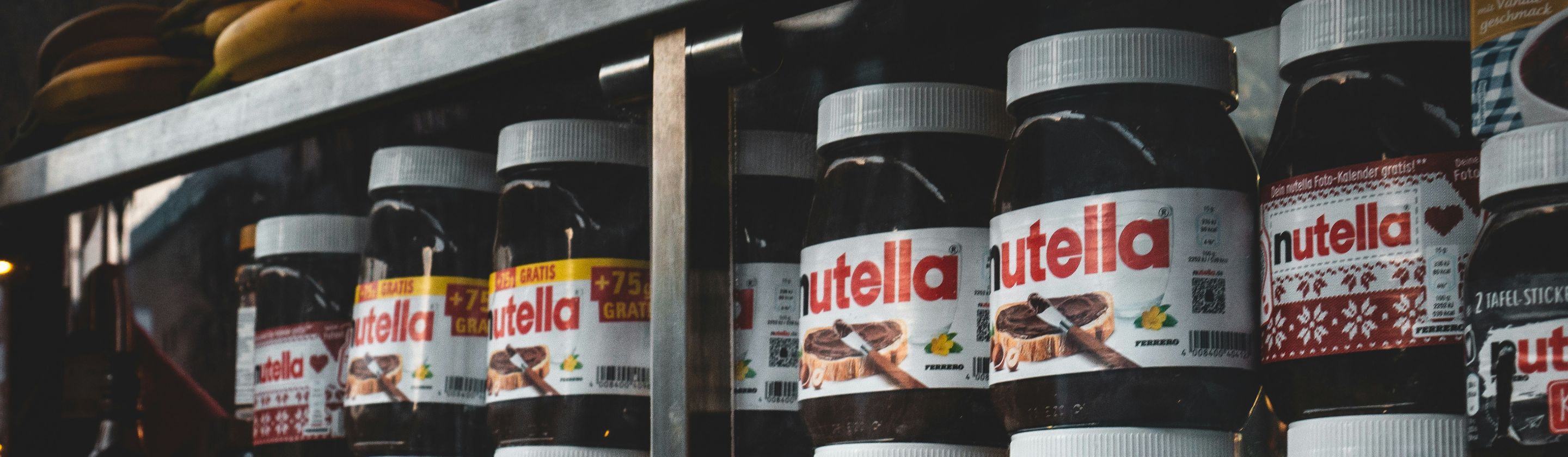
Nutella has been hit with periodic waves of backlash in Europe when consumers believe the formula has shifted, especially when ingredient sourcing or proportions appear to change. Even when the company pushes back, the suspicion sticks because hazelnut-chocolate spread has a very tight flavor identity and people use it often. When it tastes sweeter, oilier, or less nutty, consumers assume something changed.
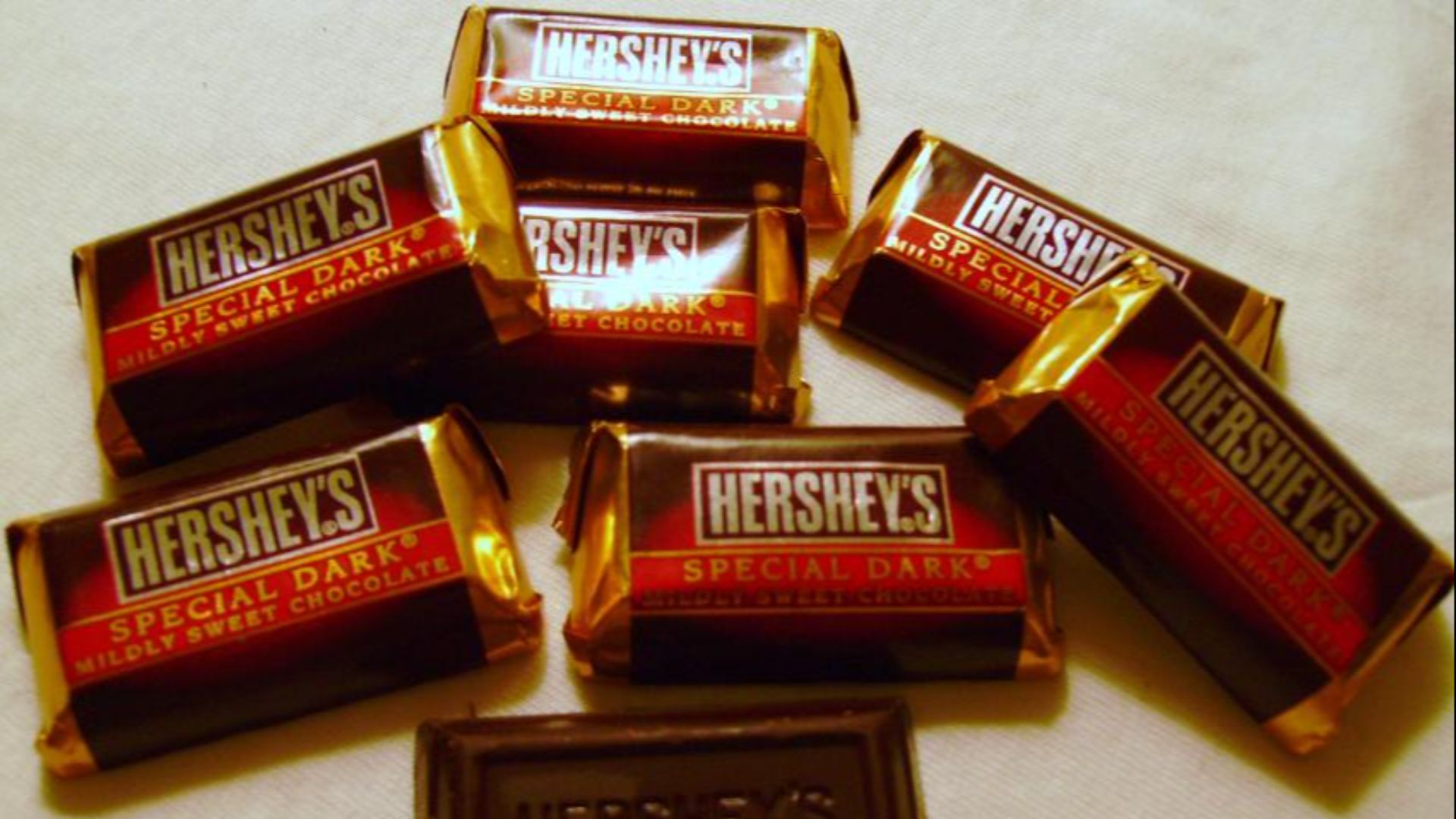
19. Hershey’s Special Dark
Hershey has reformulated products within its lineup over time, and Special Dark is one that consumers frequently single out as tasting different than older versions. Dark chocolate fans tend to be especially sensitive to changes in cocoa intensity and sweetness. When a “dark” bar starts reading as sweeter or flatter, people treat it as a recipe shift, not personal imagination.
 commons.wikimedia.org on Google
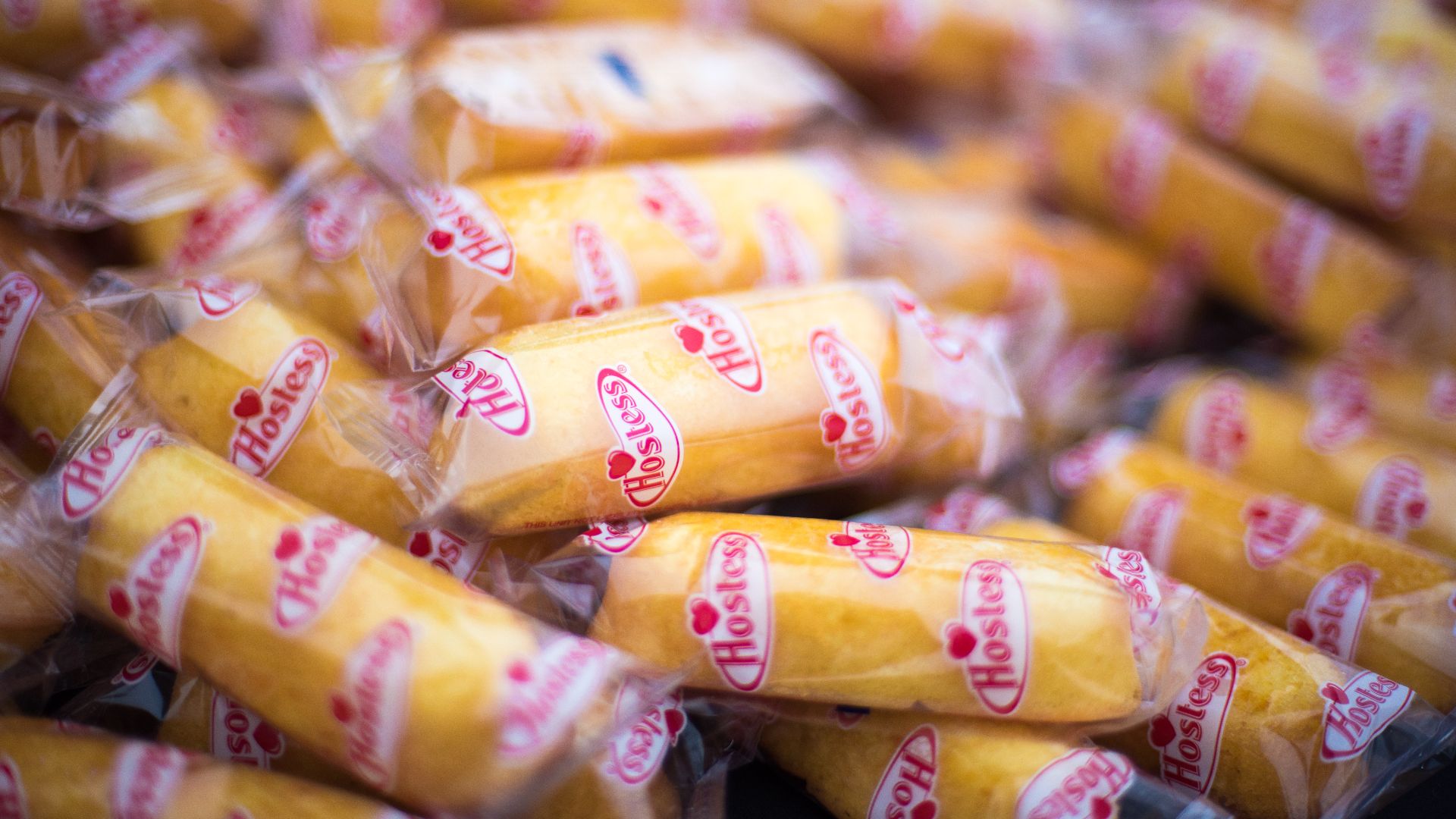
20. Twinkies After the Hostess Return
When Hostess shut down and later returned, Twinkies came back under new ownership with changes tied to production and shelf-life goals. Many people said the texture and sweetness felt different, even though the product looked the same. It is a classic case of a nostalgic snack returning slightly altered, and the audience being the exact kind of audience that notices.
KEEP ON READING