Fibermaxxing Is the New Flex, and Everyone Is Doing It Wrong
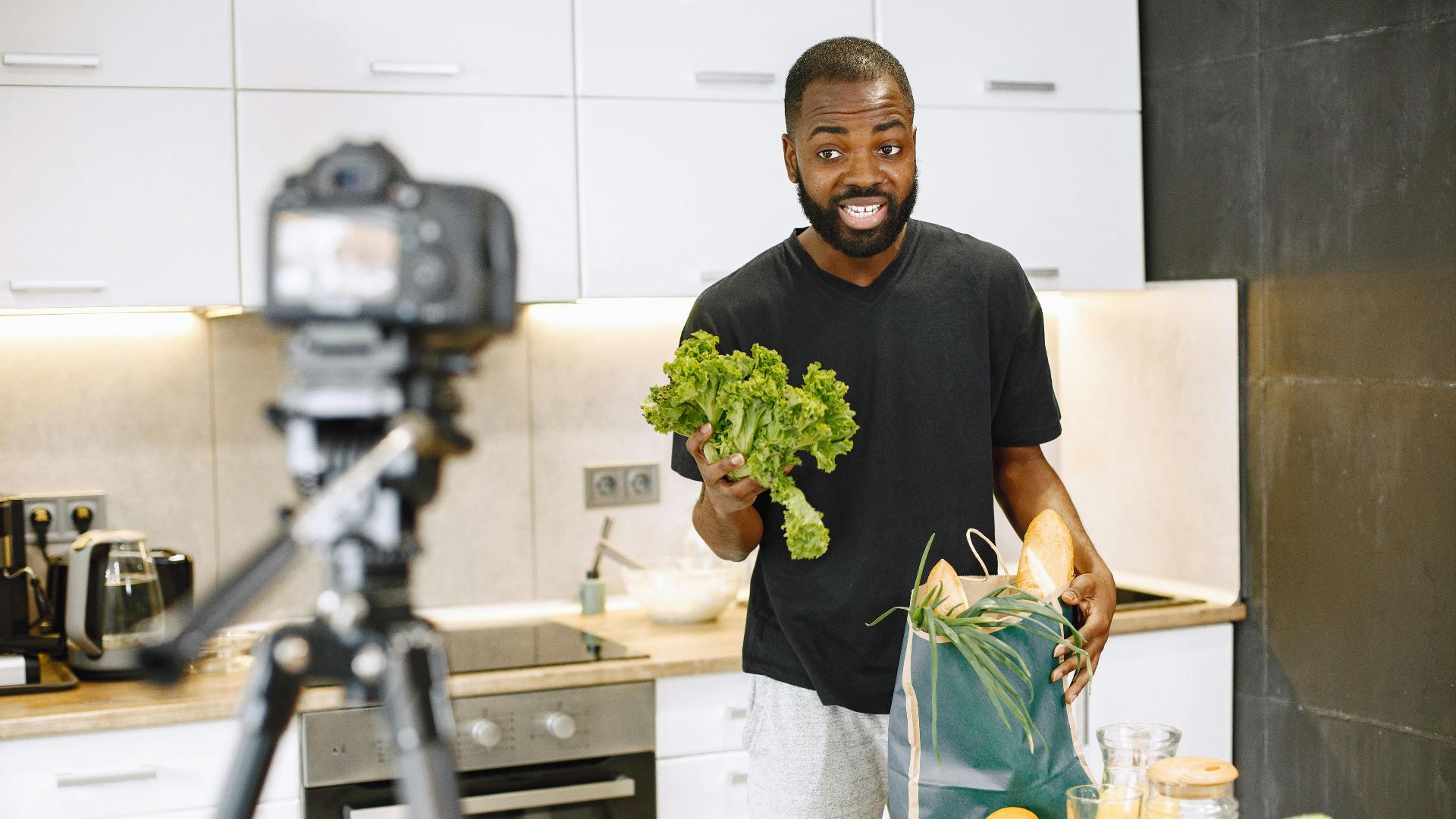
Somewhere between the protein obsession of the early 2020s and whatever comes next, fiber quietly became cool. Social media feeds that were once dominated by chicken breast macros and whey powder scoops are now full of people arranging colorful bean salads, topping their oats with chia seeds, and explaining the difference between soluble and insoluble fiber to anyone who will watch. They are calling it fibermaxxing, and it has moved fast enough that Whole Foods named it one of their top food trends for 2026, food research firm Datassential projects it will be the next major health trend following protein, and major companies like PepsiCo are actively retooling product lines to chase it.
The irony is that fibermaxxing is one of the healthiest trends to take hold in years, backed by decades of solid research, and most people doing it are still getting it wrong. Not in a subtle, marginal way, but in ways that are causing real discomfort and, more importantly, missing the deeper point of what fiber actually does for the body. Getting more fiber matters, and how you go about it matters just as much.
Why Fiber Is Finally Having Its Moment
The timing of fibermaxxing is not arbitrary. Gen Z has been disproportionately driving the trend, and a significant part of why is fear, and rightly so. Since the mid-1990s, colorectal cancer cases have increased by about 2% annually in adults aged 20 to 39. Colorectal cancer is now the leading cause of cancer deaths in men younger than 50, and the second leading cause in women of the same age group. These are not statistics about grandparents. They are statistics about people in their twenties and thirties, and they have landed hard on a generation that grew up with health information at their fingertips.
Diet is a suspected driver of this trend, with high consumption of ultra-processed foods, refined grains, and red meat all implicated. What fiber offers as a counter-force is well established: it feeds beneficial gut bacteria, helps regulate blood sugar, lowers LDL cholesterol, and supports the kind of digestive environment that reduces colorectal cancer risk. ABC News medical correspondent Dr. Darien Sutton has described fiber as the one nutrient that can extend your life, which is a strong claim but one supported by a substantial body of research. The gut health conversation, which had previously circled around probiotics and fermented foods, has now expanded to include the prebiotic role of fiber in feeding the microbiome, and that shift in understanding has done a lot to elevate fiber's reputation.
What pushed the conversation from nutritionist circles onto TikTok is harder to pin down exactly, but Mintel principal strategist Stephanie Mattucci noted that fiber is "finally getting a spotlight," and that 60% of Gen Z consumers surveyed by Datassential said they are interested in foods and beverages high in fiber, a higher rate than any other generation. For a generation navigating rising cancer rates, declining trust in processed food, and an increasing desire to add rather than restrict, fiber fits the moment almost perfectly.
The Mistake Everyone Makes in Week One
The most common way fibermaxxing goes wrong has nothing to do with motivation or information, and everything to do with pace. Jumping into fibermaxxing too quickly can lead to bloating, cramping, or constipation, especially if you are not drinking enough water. This is not a small caveat. It is the reason so many people try to increase their fiber intake, feel awful within a few days, and conclude that fiber just does not agree with them. What actually did not agree with them was the speed of the change, not the fiber itself.
The gut microbiome is a living system, and it needs time to adjust to a significantly different fuel source. Going from the average American intake, which hovers around 10 to 15 grams per day according to most estimates, to 35 or 40 grams almost overnight is a genuine shock to the system. The bacteria responsible for fermenting fiber need time to proliferate, and until they do, the fermentation process creates gas and pressure that the gut is not yet equipped to handle smoothly. Gradual increases over several weeks, paired with adequate hydration, give the microbiome time to adapt and make the whole process far more comfortable.
The second mistake is leaning too heavily on fiber supplements and fortified products rather than whole foods. The market has responded to the fibermaxxing trend with a wave of high-fiber packaged goods, and while some of these have legitimate nutritional value, they are not equivalent to a cup of lentils or a bowl of raspberries. Whole foods like raspberries deliver eight grams of fiber per cup along with antioxidants and other nutrients, offering more overall nutrition than many processed products made with added inulin or chicory root fiber. The fiber number on a label can be real while the food itself remains highly processed, and conflating the two is a mistake the trend is quietly encouraging.
What Fibermaxxing Actually Gets Right
For all its potential for overcorrection, fibermaxxing is pointing people toward something genuinely useful: the idea that good nutrition is additive. As one popular TikTok creator from Zoe Health put it, fibermaxxing is about “shifting the focus from restriction to abundance by adding more fiber-rich plants to every meal”—a framing that’s proven more sustainable for many than deprivation-based diets, since you’re not giving anything up. You are building a plate that leaves less room for the less useful stuff because it is already full of things that do real work.
The daily fiber recommendation for most Americans falls between 25 and 38 grams per day, and currently 90% of women and 97% of men are not meeting it. That gap is not a minor shortfall. It is a systemic nutritional failure that has been underreported for years because fiber was associated with the elderly and the digestively troubled, not with young, health-conscious people trying to optimize their bodies. Fibermaxxing, whatever its TikTok aesthetics, is actually just a rebranded push toward meeting a baseline recommendation that most people have been missing their entire adult lives.
The most useful version of fibermaxxing is the one that treats variety as the goal, not volume. Different types of fiber feed different bacterial strains in the gut, so diversity of plant sources matters as much as total grams. Beans, lentils, whole grains, nuts, seeds, fruits, and vegetables each bring something distinct to the microbiome. Hitting 30 grams a day from five different food sources is meaningfully better than hitting 30 grams from a single fortified granola bar, even if the label reads the same. That nuance is mostly absent from the trend as it circulates online, but it is the difference between doing fibermaxxing and doing it well.