What Counts As The Real Thing
A lot of foods feel so everyday that it’s easy to assume the names are just vibes. But behind the labels, there are surprisingly specific rules about what can be called what, and they’re not just trivia for obsessive shoppers. Some definitions are about ingredients and percentages, others are about geography, and a few are basically the legal system saying, no, you can’t just slap that word on anything. That’s why one “ice cream” is ice cream and another has to slide into a clunkier description, and why certain famous names turn into fights the second someone uses them loosely. Here are twenty common foods with definitions that are way stricter than most people expect.
1. Mayonnaise
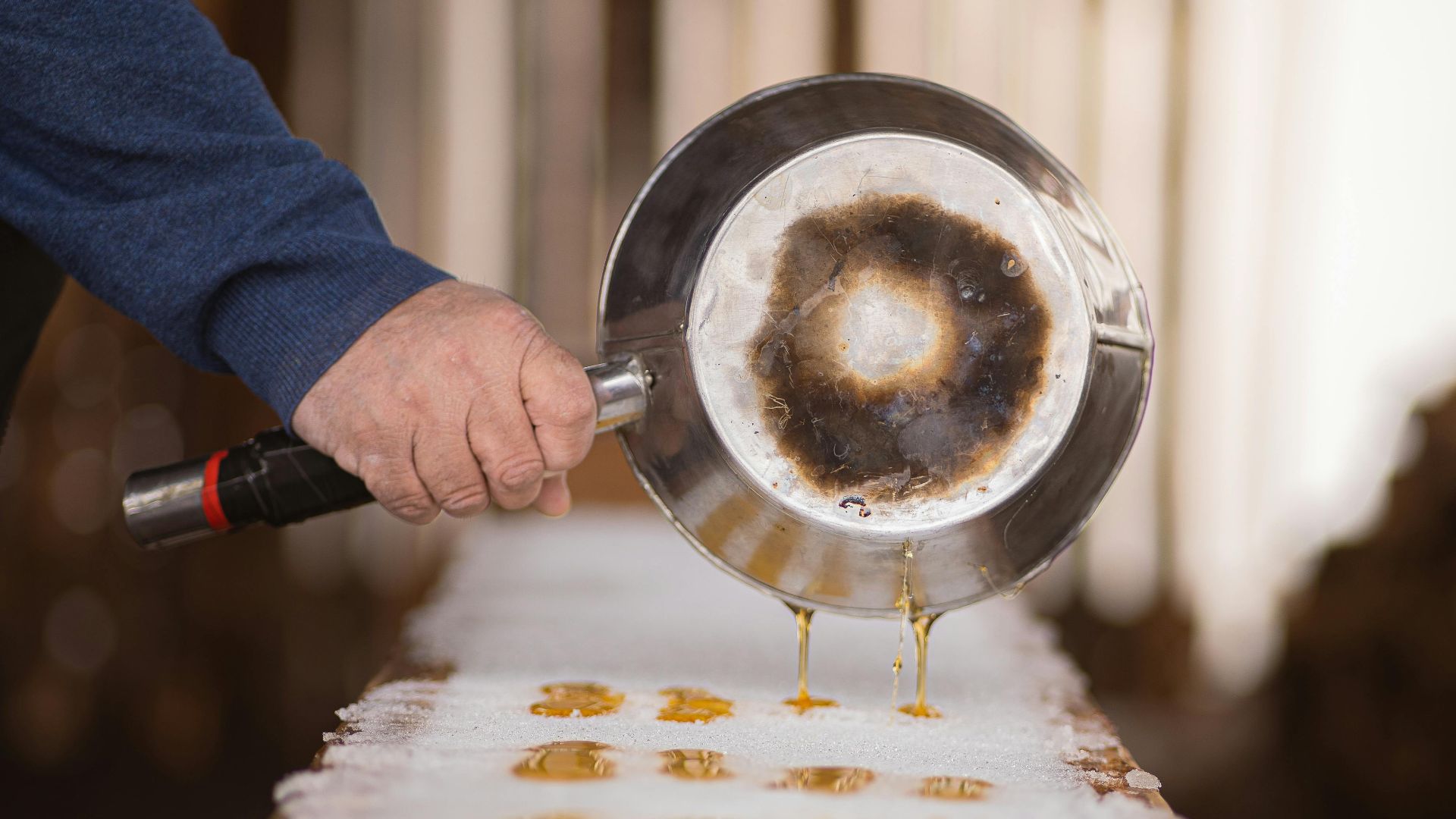
In the U.S., mayonnaise has a federal standard of identity, which means it isn’t just any creamy spread that happens to taste like mayo. It’s defined around an emulsified mix built from vegetable oil, egg yolk, and an acidifying ingredient like vinegar or lemon juice. Change the core structure too much, and the label usually has to change, too.
2. Ice Cream
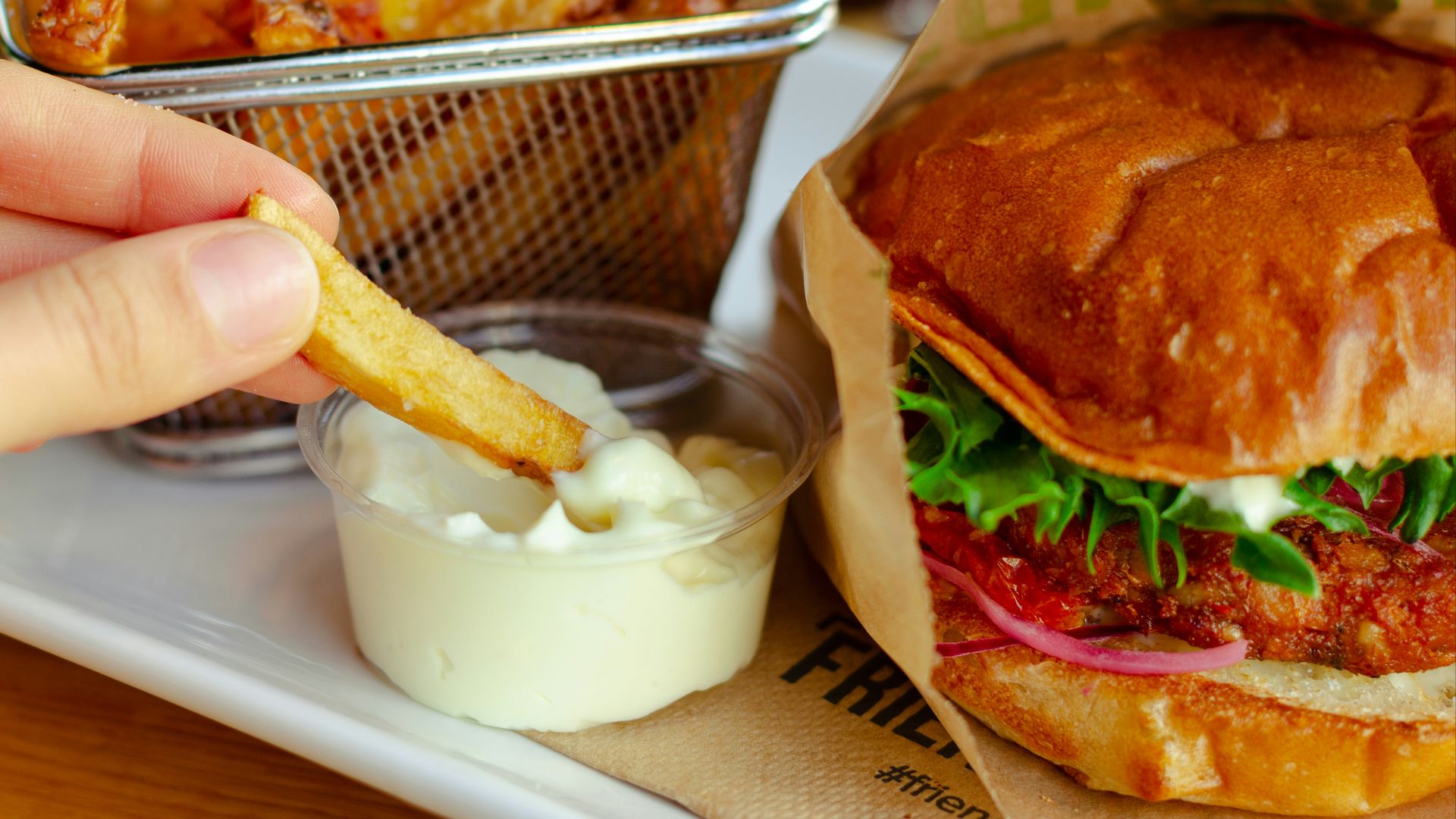
Ice cream is not just frozen sweetness; in U.S. regulation it comes with minimums, including a minimum milkfat requirement. That’s part of why some products you’d swear are ice cream end up with alternate names on the front of the carton. The definition is basically a line in the sand between classic dairy ice cream and everything else that wants to borrow the glow.
3. Peanut Butter
In the U.S., peanut butter has a standard that limits how much “other stuff” can be mixed in. Stabilizers and seasonings are allowed, but only up to a point, which is meant to stop companies from selling sweetened oils with a peanut costume. The rule forces the product to be mostly peanuts, not mostly creativity.
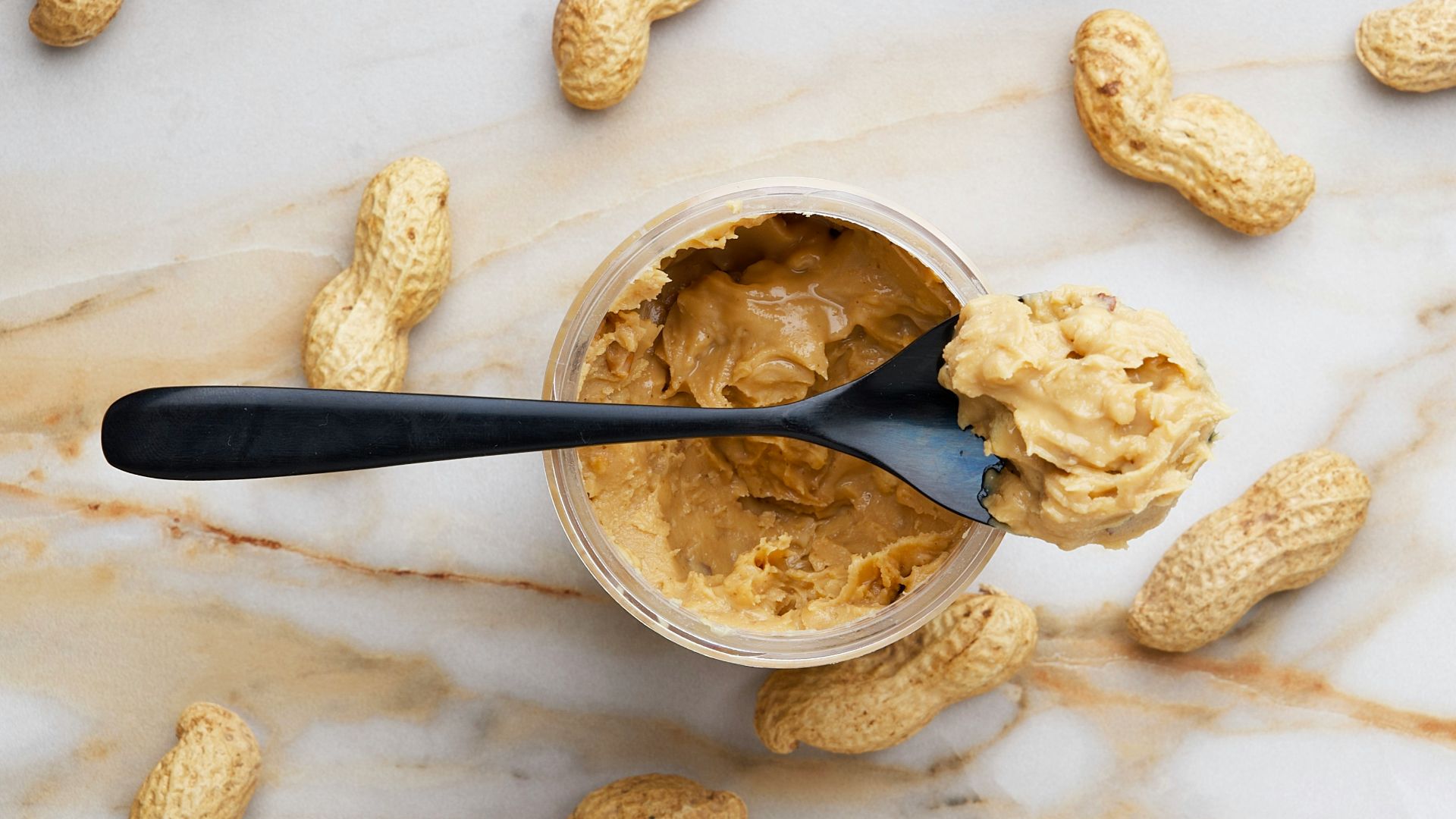 Corleto Peanut butter on Unsplash
4. Yogurt
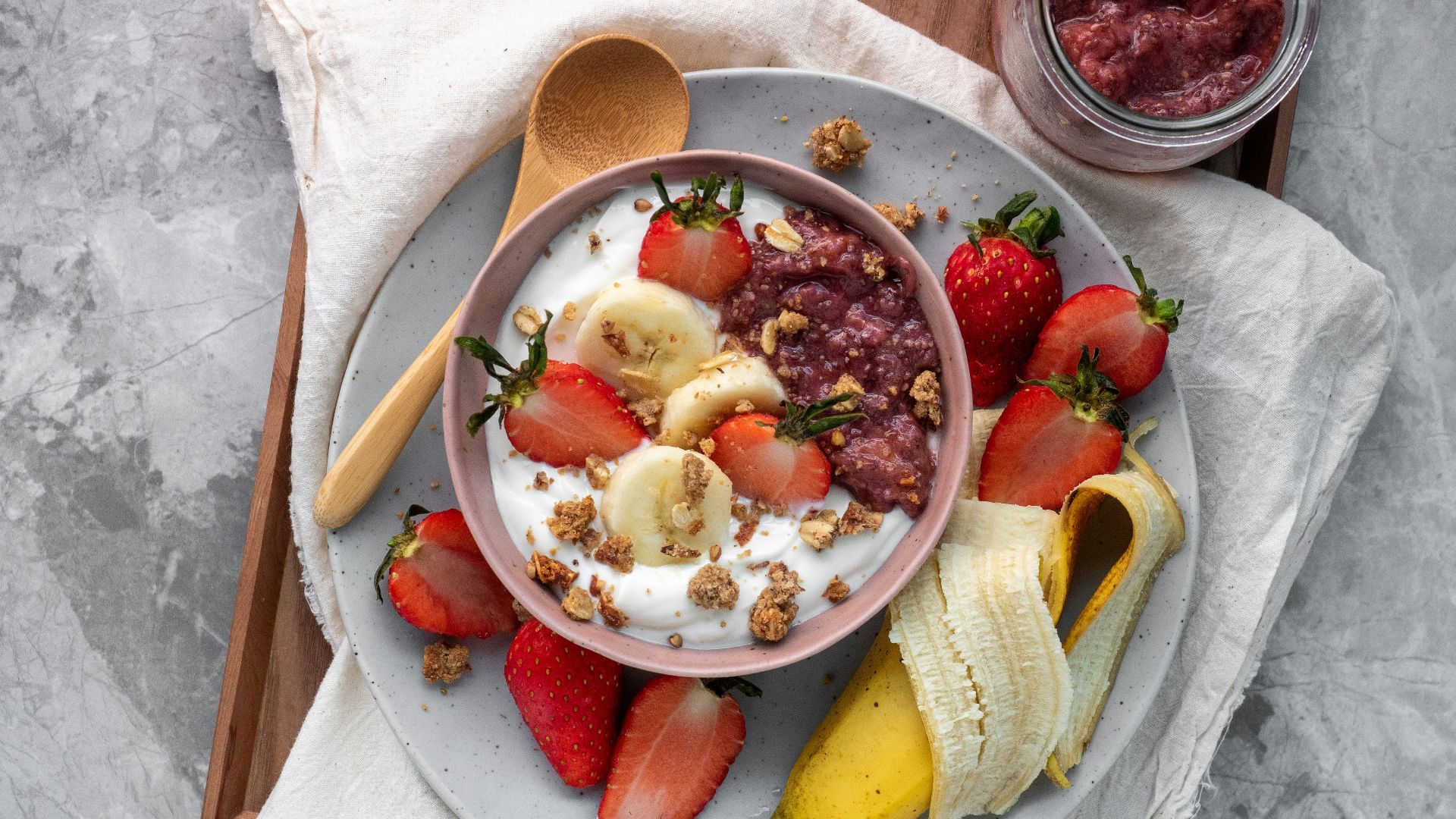
Yogurt is legally tied to culturing dairy with specific bacteria, not just letting milk get tangy and calling it a day. In the U.S., the standard of identity spells out what qualifies as yogurt based on how it’s cultured and what it’s made from. That’s why “yogurt-style” products sometimes appear when companies want the vibe without the exact requirements.
5. Milk
In U.S. food standards, “milk” is defined as the lacteal secretion from healthy cows, obtained by complete milking, and prepared for use as a beverage. That definition is why the word carries so much weight in labeling debates. Even when consumers use “milk” casually, regulators treat it like a specific category with boundaries.

6. Cheddar Cheese
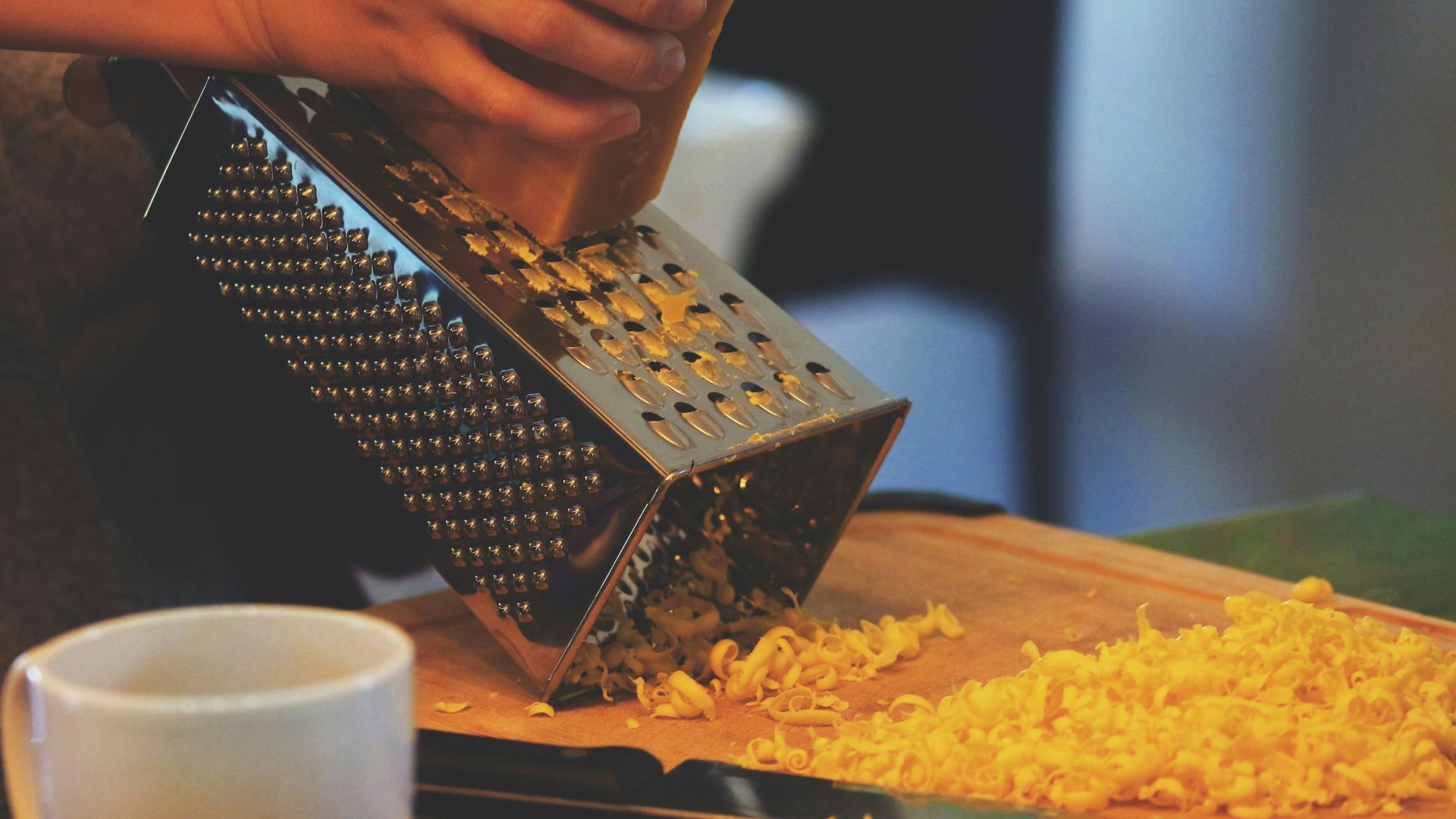
Cheddar is not just a cheese that tastes sharp. Under U.S. standards, it has composition requirements, including limits around moisture and minimums around milkfat. Those numbers influence texture, aging, and how cheddar is allowed to show up on a label when a product is trying to stretch the category.
7. Ketchup
Ketchup is more regulated than most people assume, with U.S. rules describing how it’s made and what tomato ingredients can be used. It’s part of why ketchup has a recognizable baseline consistency and flavor profile across brands, even when they differ. When something gets too far from that baseline, it often has to be labeled differently.
8. Jam And Preserves
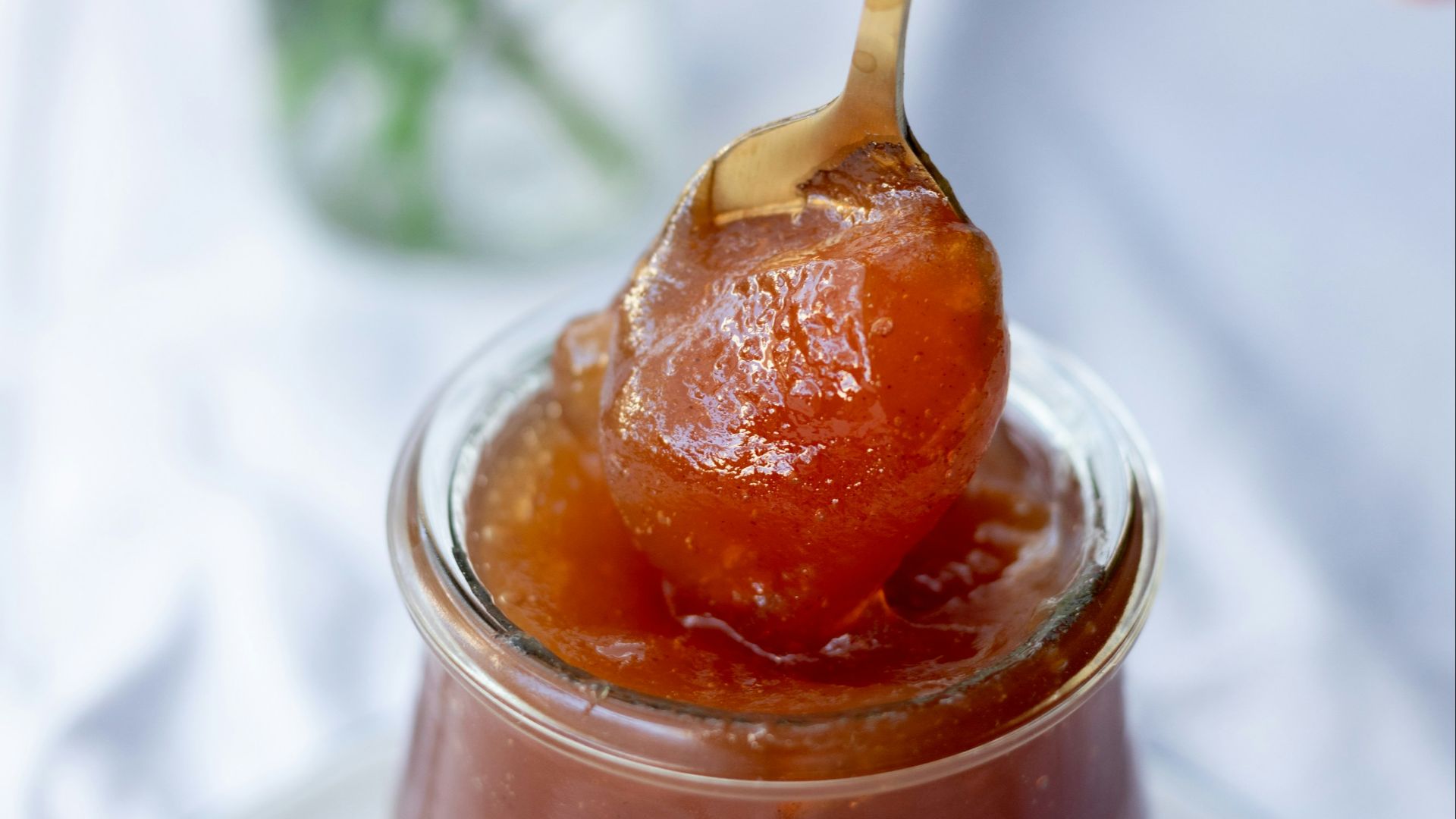
In the U.S., many fruit spreads fall under standards that specify what counts as jam or preserves. These rules address permitted ingredients and the basic nature of the product so it doesn’t become sugar gel with a fruit-themed name. If the formulation drifts, labels drift with it.
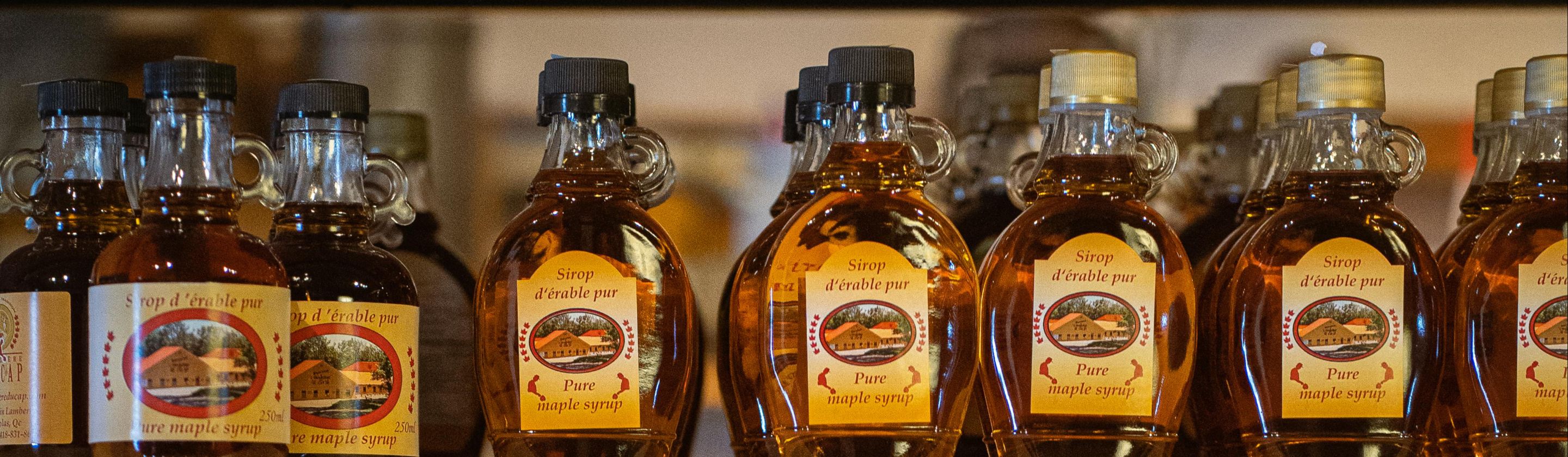
9. Maple Syrup
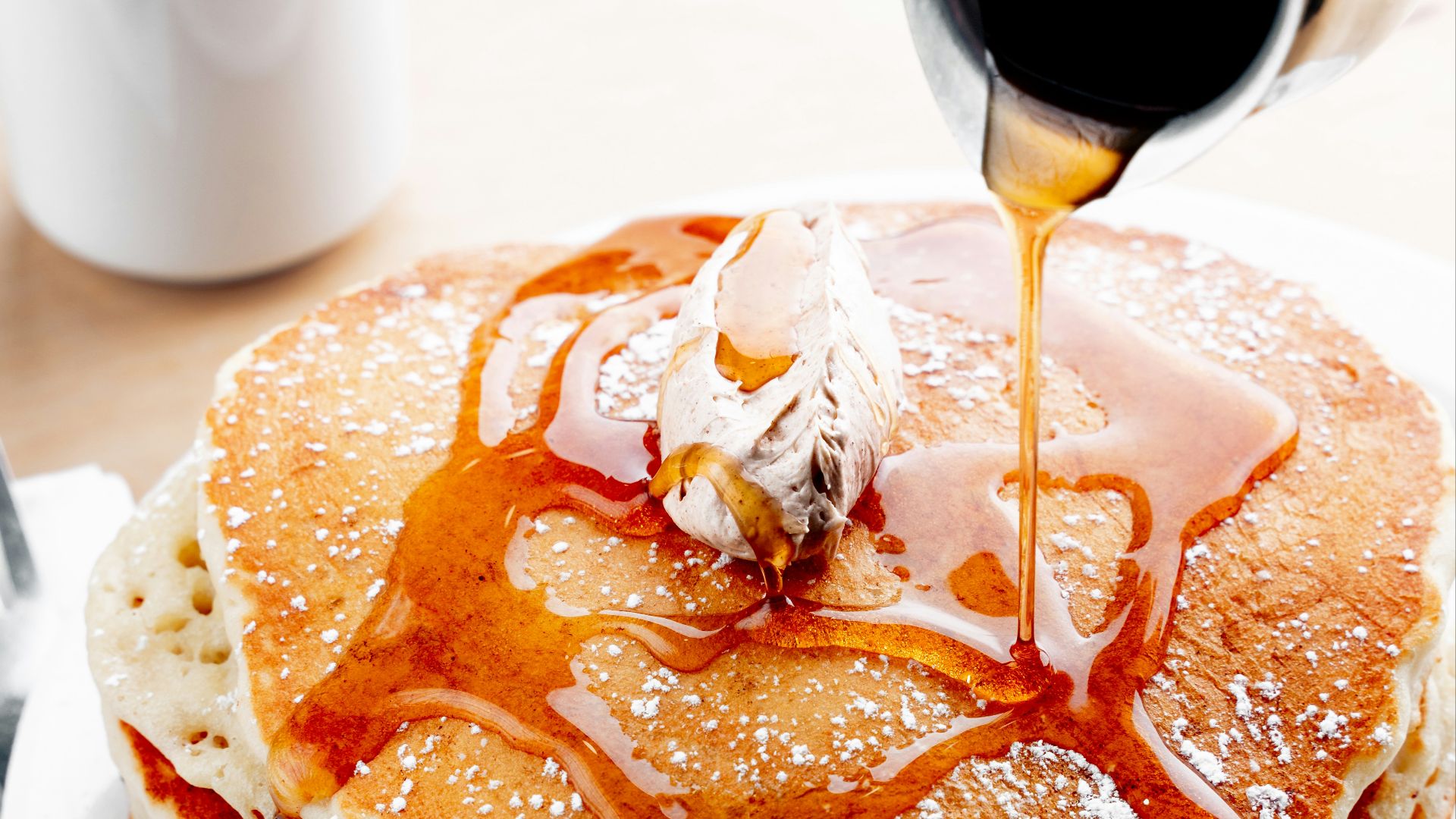
Maple syrup has legal definitions focused on being derived from maple sap and meeting specific concentration standards. That’s why “maple-flavored syrup” is a separate thing and why the real product costs what it costs. The word “maple” can show up on plenty of bottles, but “maple syrup” is a tighter claim.
10. Honey
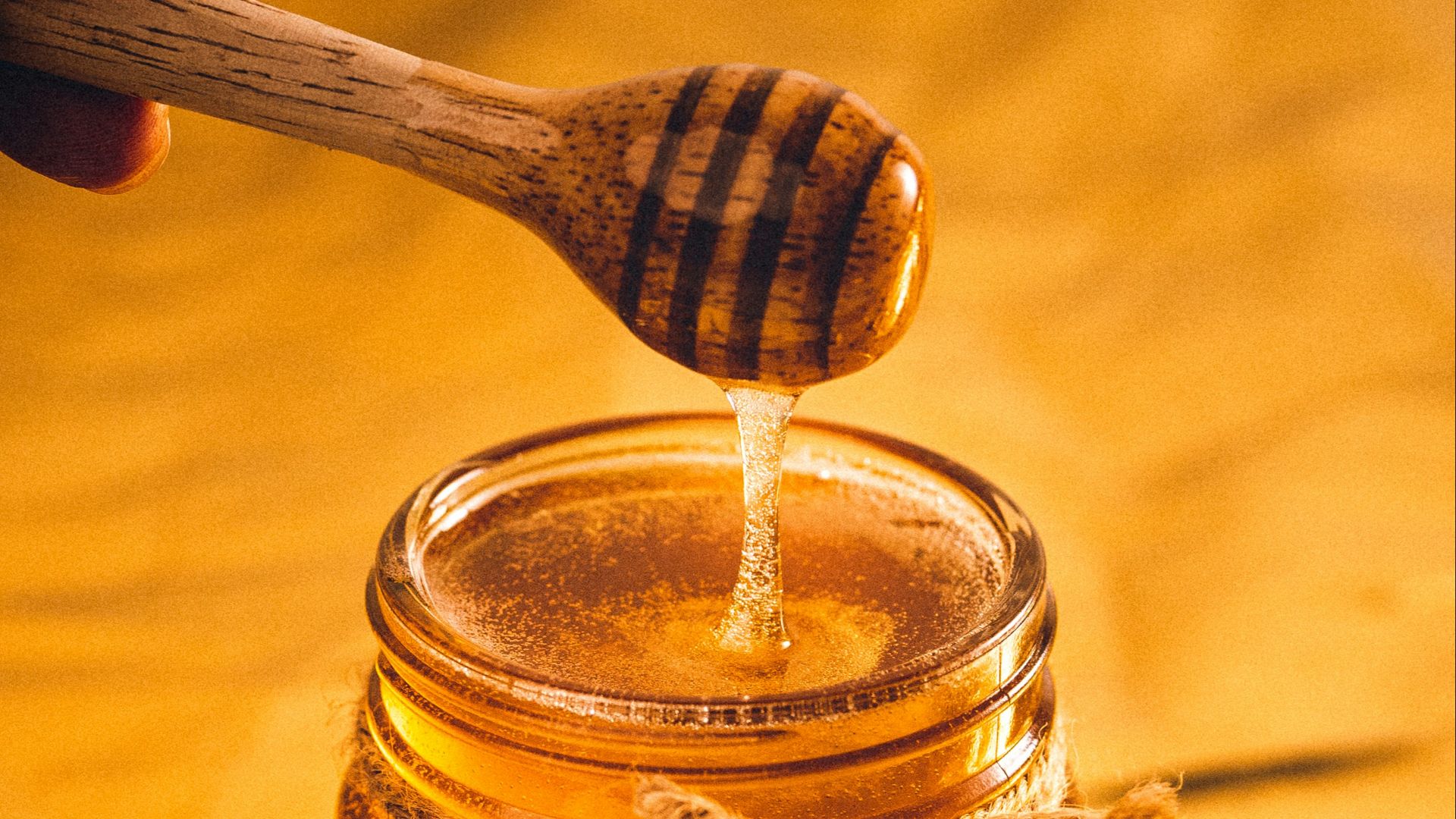
In many jurisdictions, honey is defined as a natural substance produced by bees from nectar or plant secretions and then processed and stored by the bees. That definition is meant to protect the word from becoming shorthand for any sweet syrup with a honey note. It’s one reason honey labeling has become such a serious topic in trade and enforcement.
11. Milk Chocolate
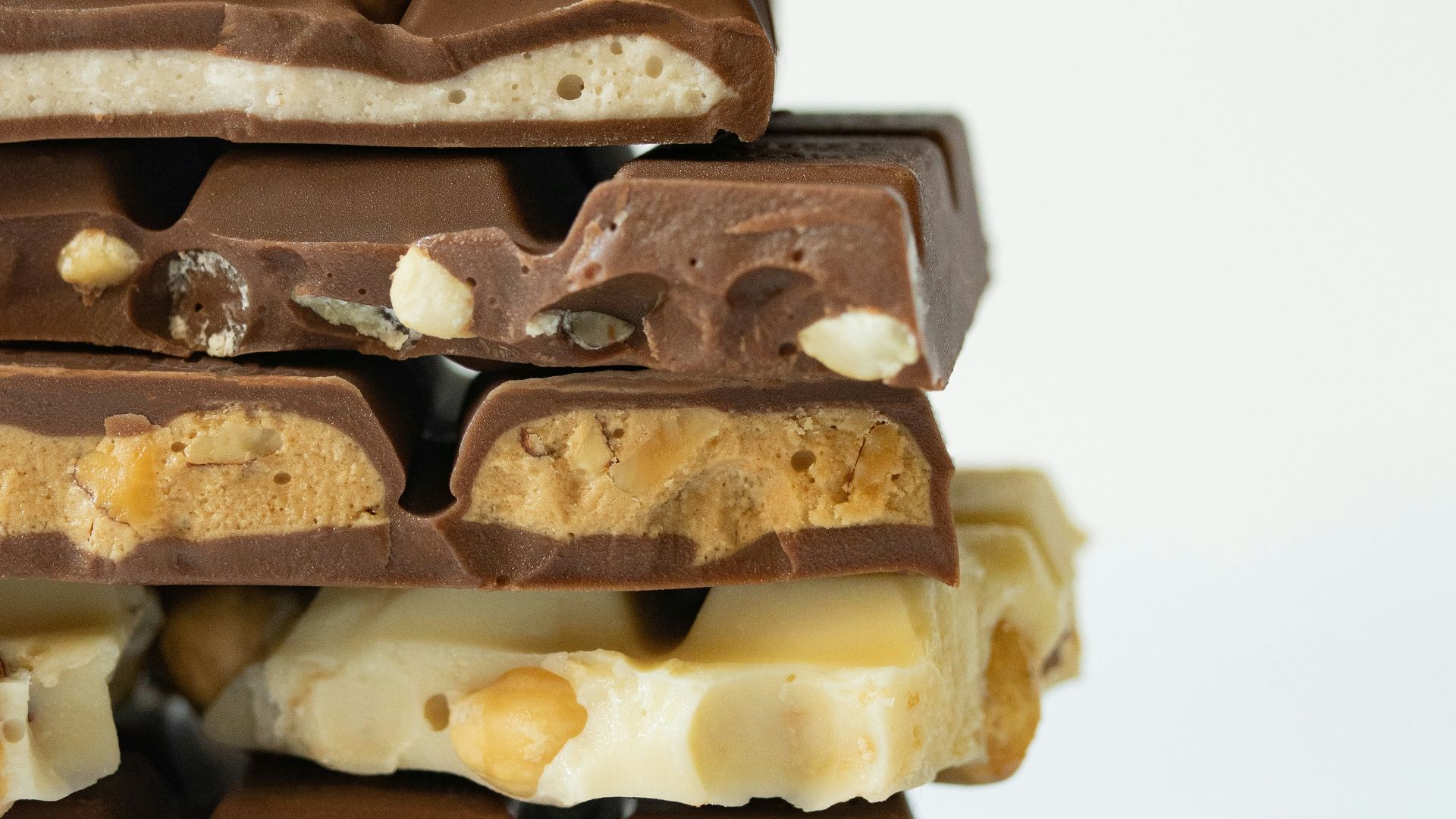
Milk chocolate is not simply chocolate plus dairy; it’s typically defined by minimum amounts of cocoa solids and milk solids, depending on the jurisdiction. Those thresholds shape everything from texture to sweetness and decide what gets to use the clean, confident phrase “milk chocolate” on the wrapper. When a product falls short, you start seeing softer language like “chocolatey.”
12. Bread
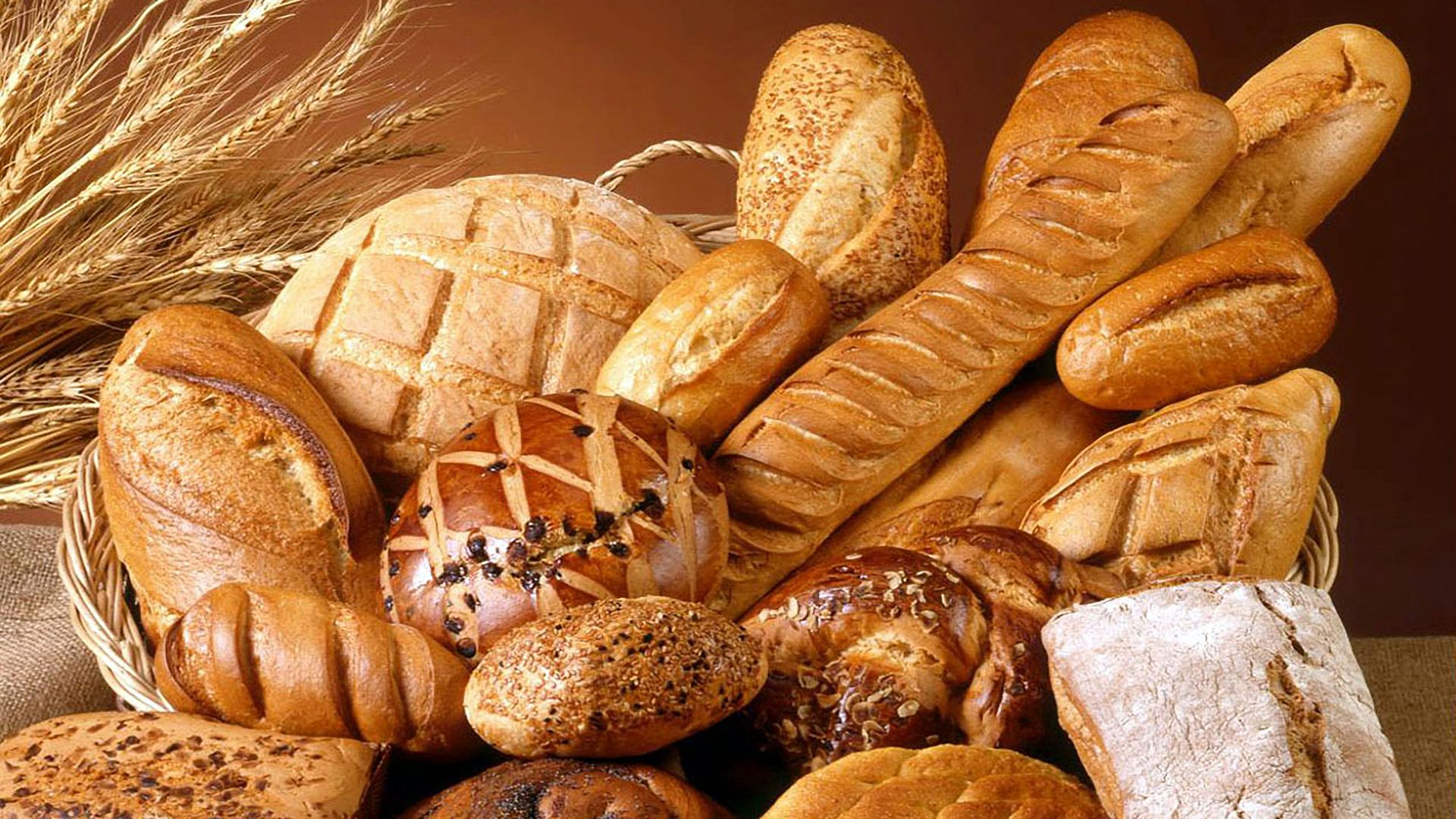
Bread sounds too basic to regulate, but standards of identity exist for certain bread categories in the U.S. The rules describe what qualifies as bread based on ingredients and process, especially for standardized products. It’s less about policing homemade loaves and more about preventing misleading labels on packaged goods.
13. Bourbon
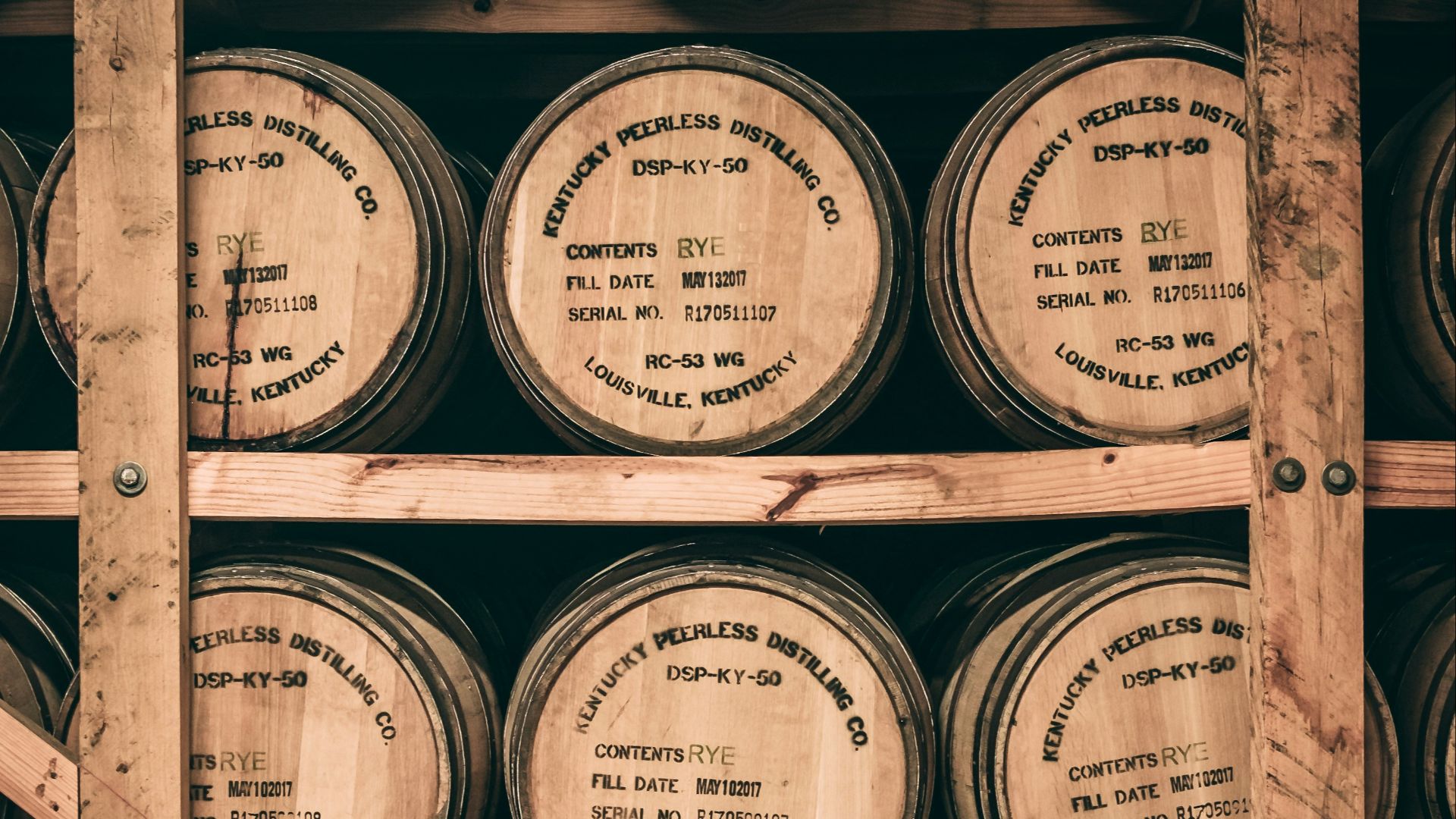
Bourbon is one of the clearest examples of a product name that functions like a checklist. In the U.S., it has to be made from a mash that’s at least 51 percent corn, distilled and stored within certain proof limits, and aged in new charred oak containers. You can make something similar, but if you skip the rules, you skip the name.
14. Scotch Whisky
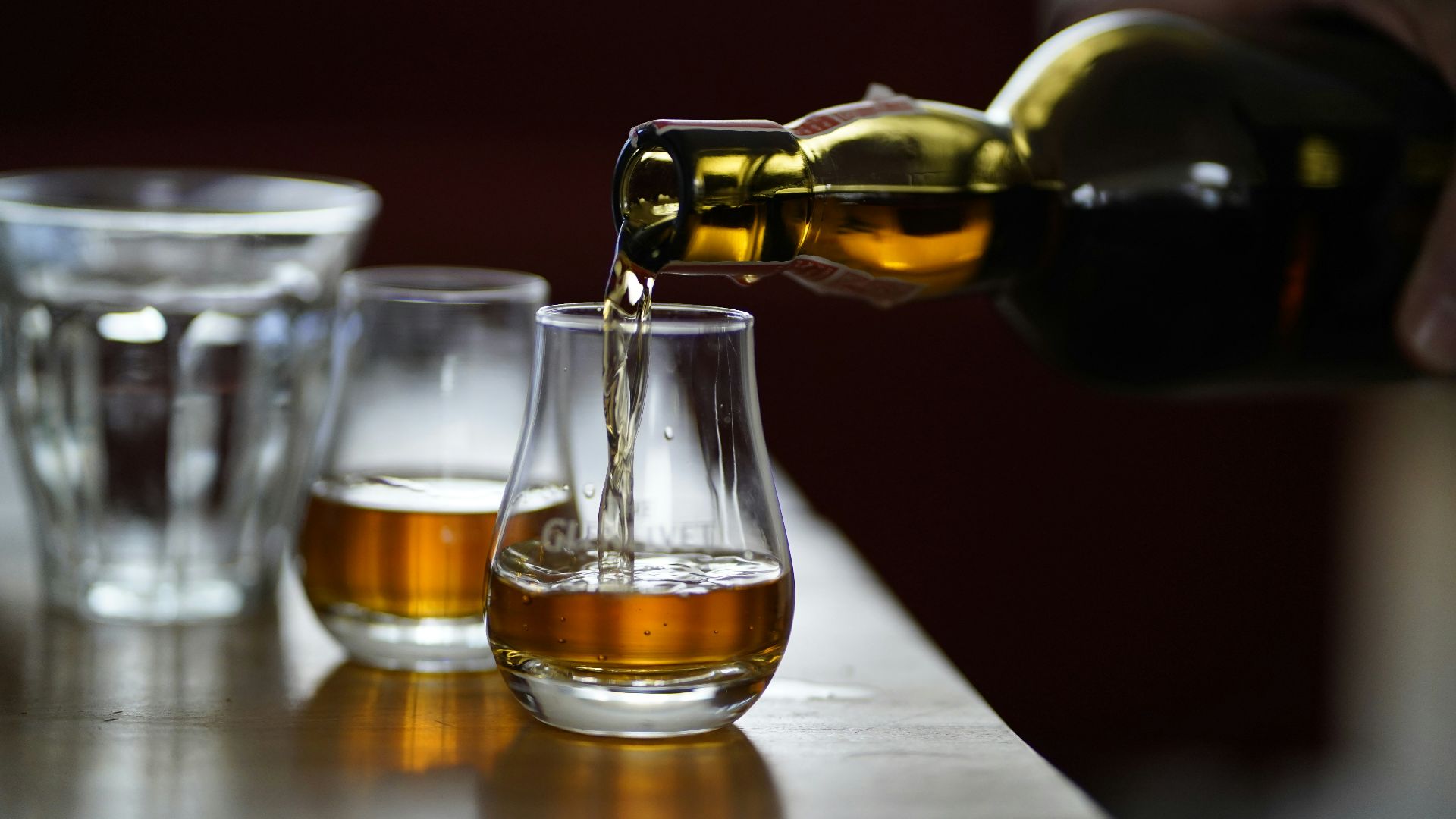
Scotch whisky is legally defined and protected, with rules about production, aging, and what can be called Scotch. The name is tied to Scotland and to specific requirements that go beyond geography. That’s why “Scotch-style” is not the same claim, even if the bottle looks convincing.
15. Tequila
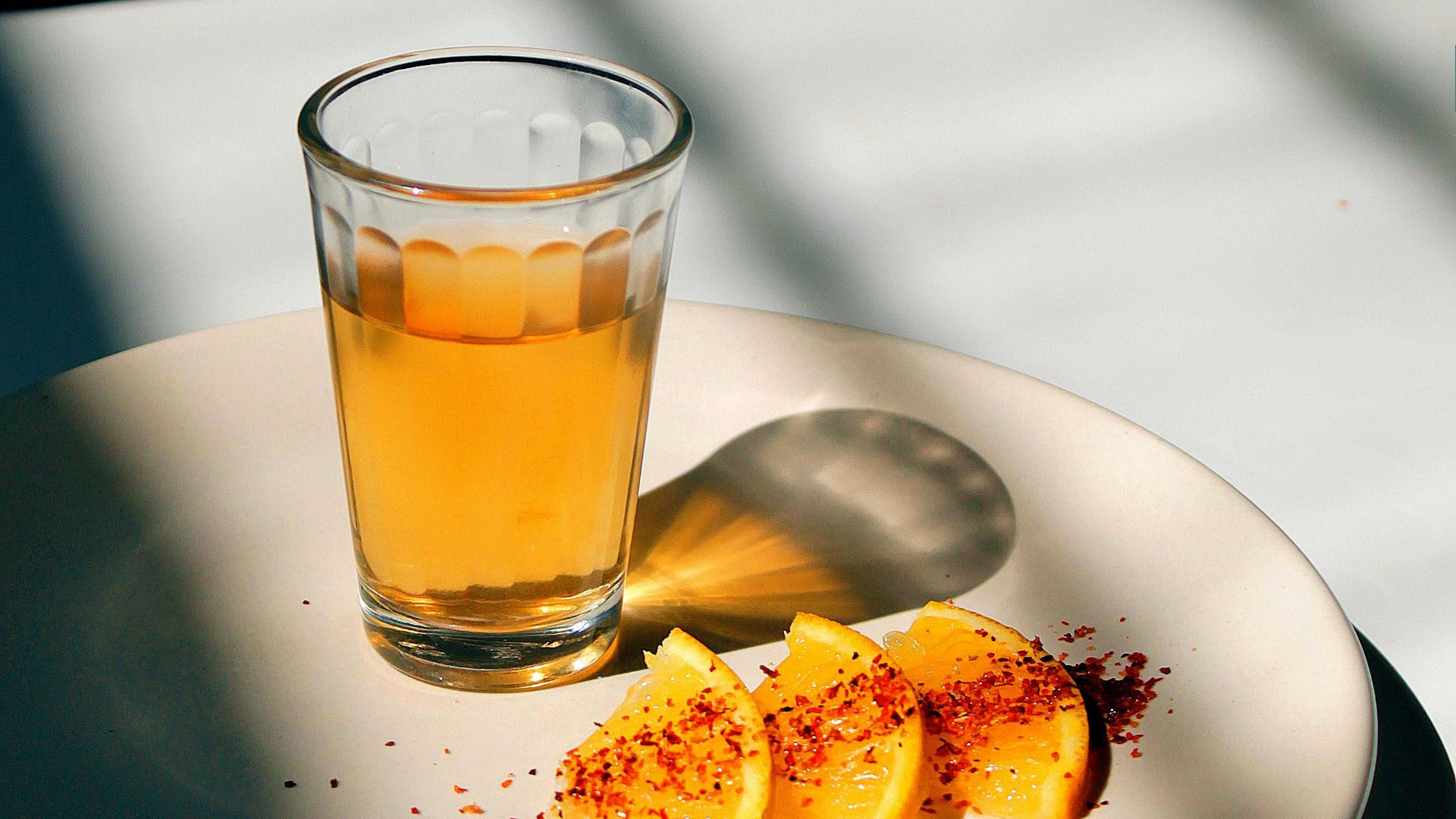
Tequila is regulated as an appellation of origin product, tied to authorized regions in Mexico and specific production standards. It’s also tied to the blue agave variety used for tequila, which makes the name more than a casual description. The label is doing legal work, not just marketing work.
16. Champagne
Champagne is protected as a geographic name in many places, especially across the EU, and it comes with production rules tied to the Champagne region. It’s not a synonym for sparkling wine in that system; it’s a specific product with a specific origin. That’s why the word is treated like property, not just a vibe.
 Alexander Naglestad on Unsplash
17. Cognac
Cognac is another protected name tied to place and method, reserved for brandy produced under defined conditions in the Cognac area. The name implies a whole set of rules about grapes, distillation, aging, and oversight. It’s less a type of brandy and more a controlled category.

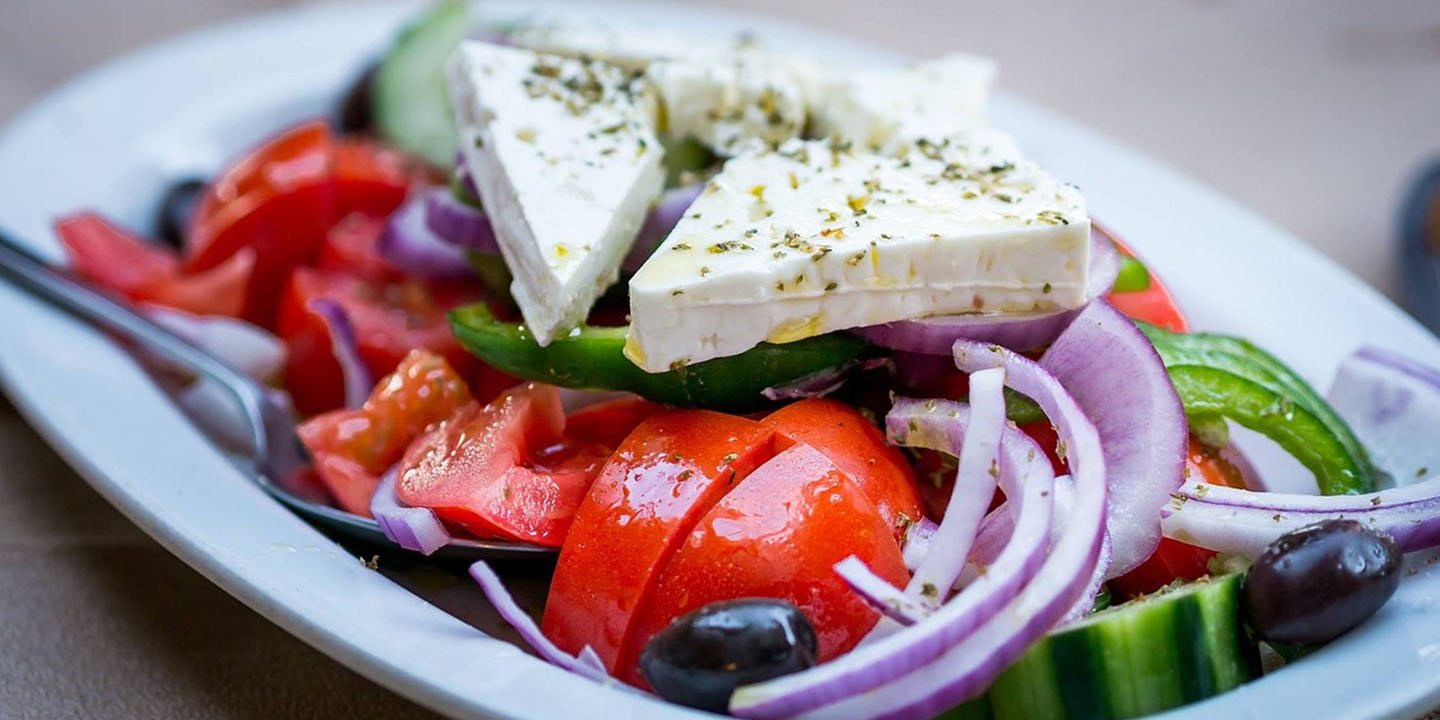
18. Feta
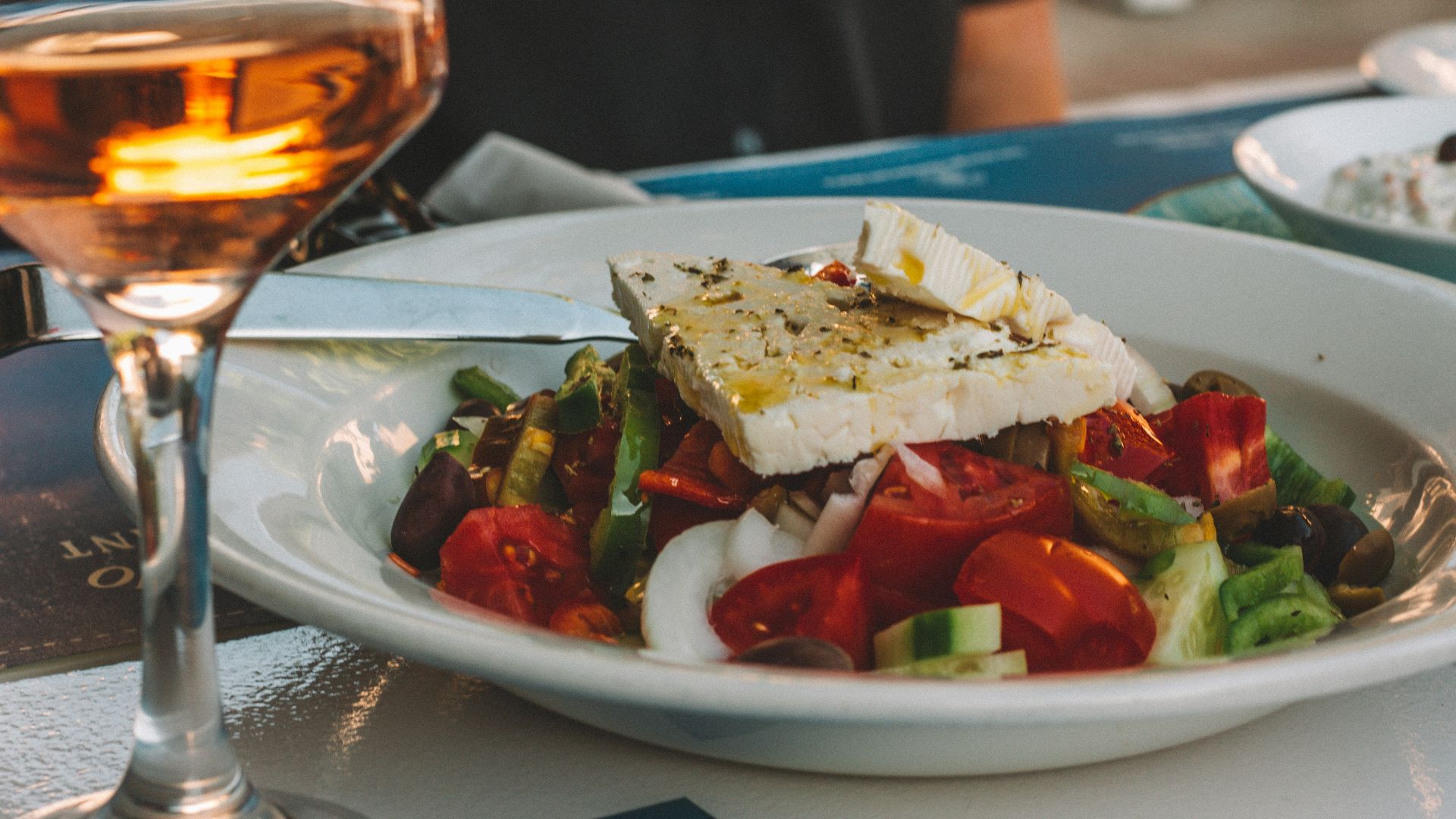
In the EU, Feta is protected as a PDO, meaning the name is reserved for cheese produced in Greece under a defined specification. Similar cheeses exist all over the world, but in that system they cannot legally use the protected name. The definition turns a familiar grocery item into something closer to a certified origin product.
19. Parmigiano Reggiano
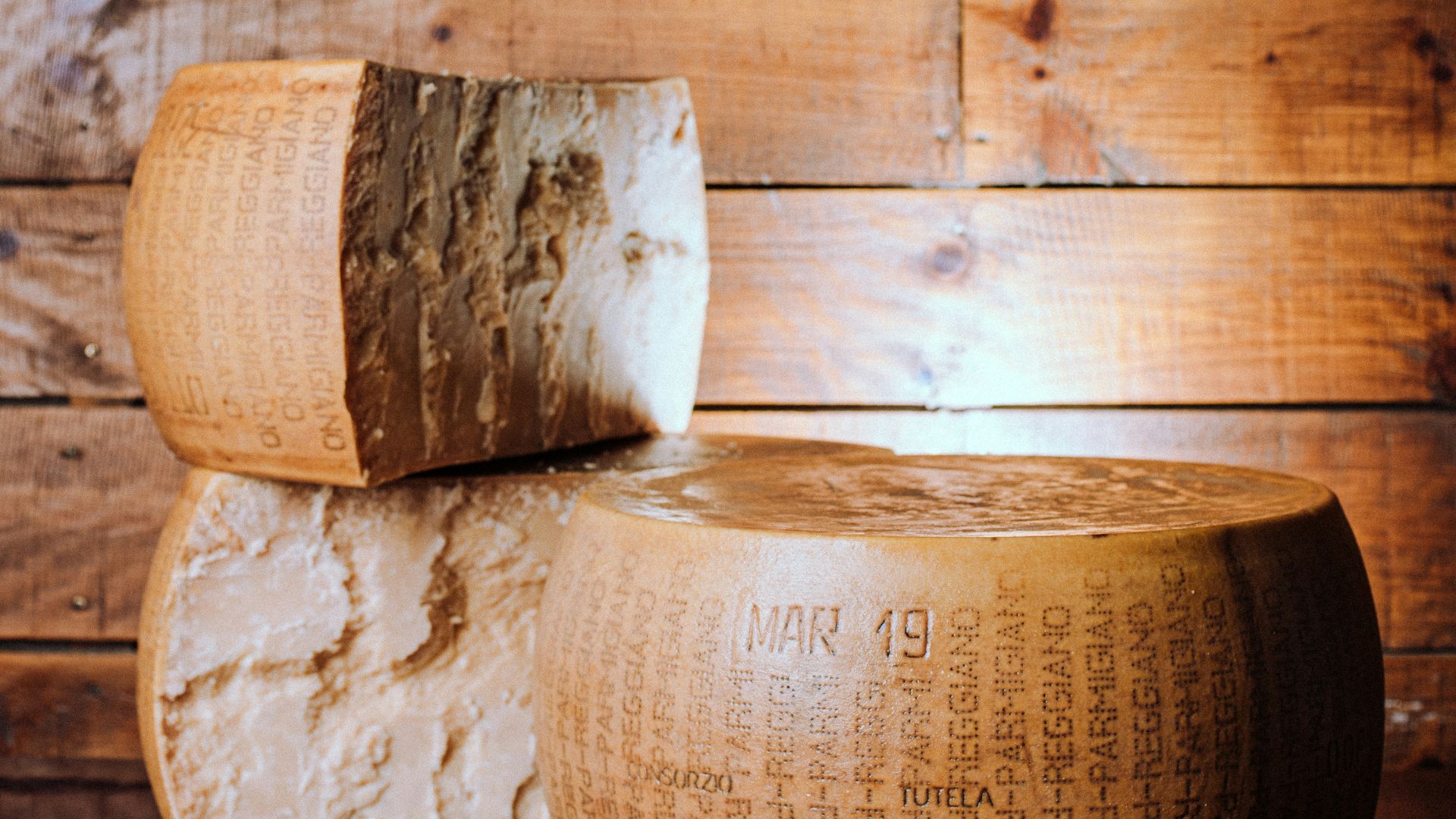
Parmigiano Reggiano is protected with strict rules about where and how it’s made, including production area, ingredients, aging, and verification systems. That’s why authentic wheels have such a recognizable identity and why imitation becomes an entire legal genre. The name is a guarantee, not just a flavor suggestion.
20. Prosciutto di Parma
Prosciutto di Parma is protected as a PDO product with requirements that cover origin and production standards. It’s not simply ham from Italy; it’s a defined category tied to specific conditions and oversight. The name signals that the place, the method, and the controls are part of what you’re buying.

KEEP ON READING

The 5 Most Consumed Foods in the Entire World