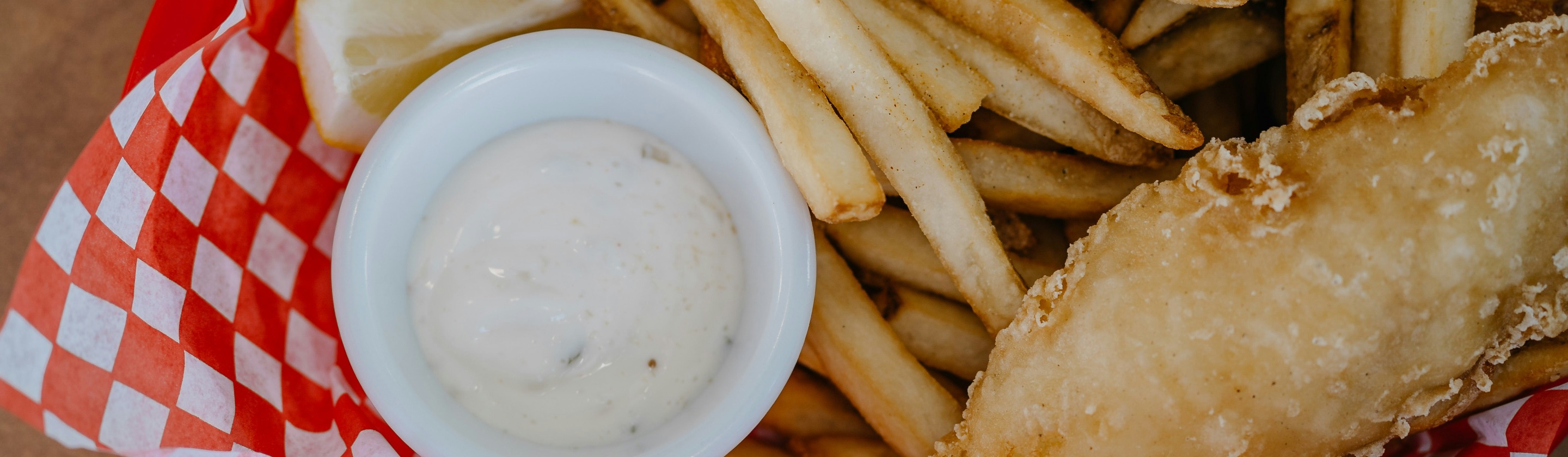

Fast food used to be one of the easiest ways to grab an affordable meal, but lately, that hasn't exactly been the case. Between rising menu prices and increasingly complicated deals, a quick burger and fries can leave you spending considerably more than expected. While inflation and higher operating expenses have contributed to these increases, there's another factor worth considering: artificial intelligence.
Restaurants are increasingly using AI to analyze customer behavior, recommend menu items, and even help set prices. These systems promise to make ordering more convenient while helping businesses maximize their profits, although customers don't necessarily benefit in the same way. So, could all this sophisticated technology actually be making your favorite fast-food meals more expensive?
AI Is Changing How Restaurants Set Their Prices
Traditionally, fast-food restaurants set their prices by considering ingredient costs, employee wages, local competition, and expected profits. Although these factors still matter, AI allows businesses to analyze massive amounts of data and identify pricing opportunities that employees might otherwise miss. Rather than relying entirely on companywide decisions, restaurants can now use algorithms to recommend different prices for individual locations.
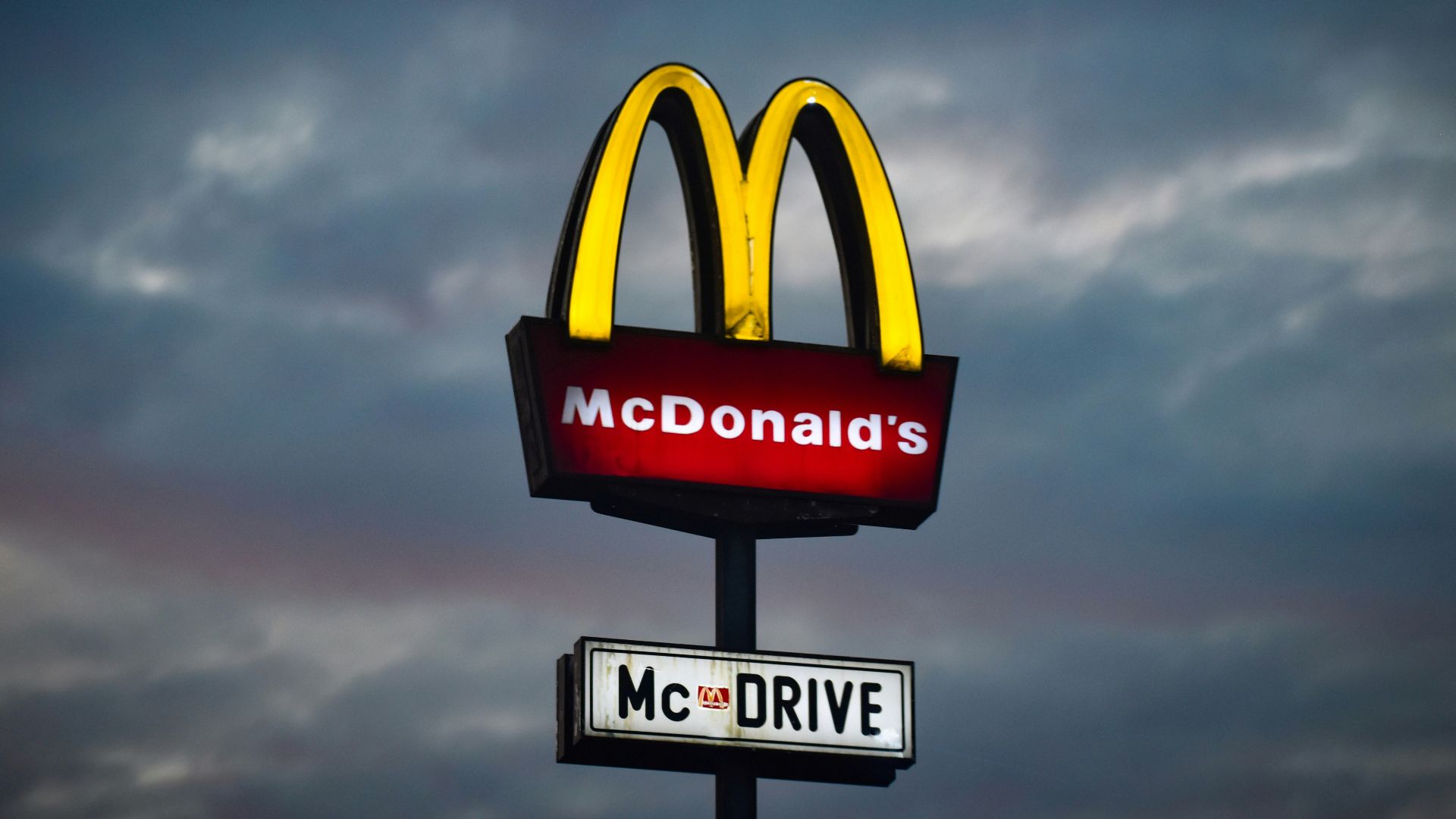
In September 2026, Reuters reported that McDonald's was increasingly using machine learning to recommend prices across its American restaurants and certain international markets. The technology examines millions of transactions to estimate suitable prices for individual menu items, partly by analyzing local purchasing behavior. McDonald's maintains that restaurant operators ultimately control their own prices, although some franchisees told Reuters they felt pressured to follow the recommendations.
Interestingly, the investigation found that two company-operated McDonald's restaurants in Fresno, California, were charging $5.69 and $6.89 for the same Big Mac, despite being only two miles apart. That's a difference of about 21%, although Reuters couldn't determine whether the AI pricing system played a role. Geographic price differences aren't anything new, but algorithms could make them far more precise.
Then there's the controversial possibility of dynamic pricing, which allows businesses to adjust prices based on changing conditions rather than keeping them fixed. In 2024, Wendy's faced considerable backlash after discussing plans involving digital menu boards and flexible pricing, sparking concerns about higher lunchtime prices. The company later clarified that it wouldn't introduce surge pricing during busy periods and instead highlighted opportunities to offer discounts during quieter hours.
Personalized Recommendations Could Encourage You to Spend More
Artificial intelligence doesn't actually need to raise the price of a cheeseburger to make your order more expensive. Restaurants can also use the technology to persuade customers to purchase additional items, upgrade their meals, or select pricier combinations. These techniques are commonly known as suggestive selling, and AI allows businesses to tailor their recommendations to specific situations.
Picture yourself pulling up to a drive-thru on a particularly hot afternoon, only to find that the digital menu is prominently advertising frozen drinks and larger beverages. AI-powered systems can potentially consider factors such as weather conditions, time of day, and purchasing patterns to predict which products customers are most likely to buy. Wendy's has previously discussed using weather-related recommendations, showing how menus could become more responsive to everyday conditions.
Ordering through a restaurant's mobile app creates even more opportunities for personalization, since customers often have accounts containing their previous purchases and preferences. An algorithm might notice that you regularly order a particular meal and suggest a dessert or side dish that other customers frequently purchase alongside it. While these recommendations can certainly be convenient, they're also intended to boost sales, meaning your total could increase without any individual menu price changing.
There are also broader concerns about how businesses might use personal information to determine what customers should pay. In January 2025, the Federal Trade Commission reported that pricing intermediaries could use information such as browsing activity, geographic location, and shopping behavior to support individualized pricing strategies. Although those findings didn't specifically establish that fast-food chains charge individual customers different prices, they showed just how sophisticated personalized pricing has become.
Does AI Actually Have to Make Fast Food More Expensive?
Despite the concerns surrounding algorithmic pricing, artificial intelligence isn't solely designed to increase restaurant profits by raising prices. The technology can also help businesses predict customer demand, manage inventory more efficiently, and reduce food waste. If restaurants pass some of those savings along to customers, consumers could potentially enjoy more affordable meals.
AI-driven pricing recommendations can also encourage restaurants to lower their prices when customers become especially sensitive to increases. Reuters reported that McDonald's pricing system had recently recommended more conservative prices, including some reductions, leading to disagreements with franchisees worried about their operating expenses. This challenges the assumption that artificial intelligence automatically makes every fast-food purchase more expensive.
For customers, the smartest approach is to pay closer attention to what they're actually buying rather than assuming every digital recommendation offers good value. Comparing prices at nearby restaurant locations, checking the full cost of meal upgrades, and skipping unnecessary extras can help you keep your spending under control. AI might be making fast-food pricing considerably more sophisticated, but you still get to decide whether that extra order of fries is worth the money.
KEEP ON READING