
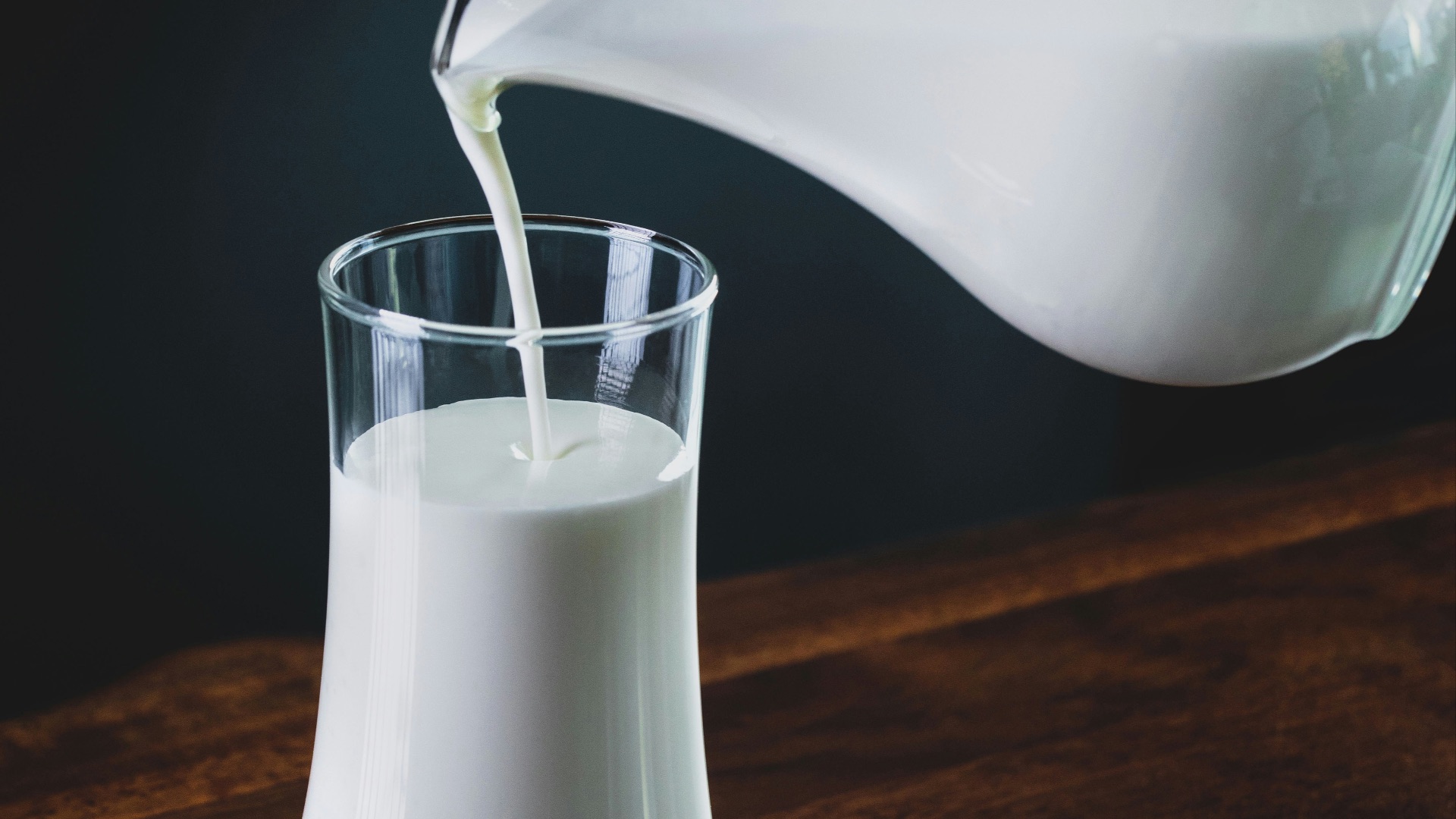
If you grew up with a parent or grandparent handing you a warm mug of milk before bedtime, you're not alone. This bit of household wisdom has stuck around for generations, showing up in movies, storybooks, and late-night kitchen routines across countless households. But when you strip away the nostalgia and look at what's actually happening inside your body, does this old-fashioned remedy hold up, or is it simply a comforting habit we've never bothered to question?
The truth, as you'll see, actually sits somewhere between folklore and fact. Milk does contain compounds that are genuinely linked to sleep regulation, and researchers have spent years digging into how they work. At the same time, the effect isn't as magical as the bedtime stories might suggest, and a lot of what makes warm milk feel so effective might have more to do with your brain's associations than with the liquid itself. Let's take a deeper look at what the science actually says.
The Tryptophan and Melatonin Connection
Milk contains an amino acid called tryptophan, which your body can't produce on its own, so it has to come from the food you eat. Once you consume it, tryptophan gets converted into serotonin, a neurotransmitter that plays a major role in regulating your mood, and serotonin is eventually converted into melatonin, the hormone most responsible for signaling to your body that it's time to sleep. This chemical pathway is well documented, and it's the foundation of nearly every claim about milk's sleep-inducing properties.
That said, the amount of tryptophan in a single glass of milk is fairly small, and it has to compete with other amino acids to cross into your brain. Because of this competition, only a limited portion of what you drink actually makes it through to fuel the serotonin-to-melatonin conversion process. Some research has found that tryptophan-enriched foods can improve sleep and mood, particularly among older adults, suggesting the effect is real even if it's modest.
There's also a more specialized version of this science worth mentioning: night milk, which comes from cows milked after dark. Because melatonin levels in cows rise at night just as they do in humans, this type of milk naturally contains higher concentrations of the hormone. One particular study published in the Nordic Journal of Psychiatry examined tryptophan-enriched night milk and found it improved sleep quality (albeit slightly) and reduced nighttime disturbances among older adults in institutional care, giving this particular formulation more direct evidence than a regular glass from the grocery store.
What About the Warmth Itself?
Interestingly, the temperature of your milk doesn't actually change its chemical makeup. You'd get the same tryptophan and calcium whether you drink it hot or cold, so the sleep-related compounds themselves aren't affected by how you heat it. What warmth does seem to influence, though, is your body's thermoregulation, which plays its own separate role in how quickly you drift off.
Research on thermoregulation has shown that warming your peripheral skin temperature before bed, something a hot drink accomplishes fairly easily, can help reduce the time it takes to fall asleep by supporting the natural drop in core body temperature that happens as you wind down for the night. This is similar to why a warm bath before bed is often recommended; the warmth encourages blood flow to your hands and feet, which helps your internal temperature dip afterward, and that dip is one of the physiological cues your body uses to signal sleep onset.
Beyond the physical mechanics, there's a soothing quality to warm liquids in general that shouldn't be overlooked. Sipping something warm and comforting before bed can help you relax in the same way a cup of herbal tea or a bowl of soup might on a cold evening. This relaxation response, paired with the temperature effect on your skin, means the warmth is doing real work even if it isn't altering the milk's nutritional content.
The Power of Ritual and Association
For many people, the psychological side of this remedy might matter just as much as the biochemistry. If you were given warm milk as a child before being tucked into bed, your brain likely formed a strong association between that specific taste and the feeling of winding down for the night. Decades later, that same glass of milk can trigger a sense of calm simply because your mind has learned to connect it with sleep.
This kind of conditioning is a well-established concept in behavioral science, and it applies to plenty of nighttime rituals beyond milk. Dimming the lights, reading a few pages of a book, or brushing your teeth can all become triggers that tell your brain it's time to relax, provided you repeat them consistently enough. Warm milk fits neatly into this category because it involves a slow, deliberate pause in your evening, away from screens and stimulation.
It's worth noting that consistency plays a bigger role here than the milk itself. If you drink it sporadically, you probably won't notice much of an effect, but if you make it part of a steady bedtime routine over several weeks, your body can start to treat it as a genuine signal to wind down. Consistent sleep schedules and healthy habits tend to matter more for restful sleep than any single food or drink, which suggests warm milk works best as one piece of a larger routine rather than a standalone fix.
So, does warm milk actually help you sleep? It can, though probably in the miraculous way the old wives' tales suggest. Between the tryptophan-to-melatonin pathway, the thermoregulatory benefits of a warm drink, and the deeply ingrained psychological comfort many of us associate with it, there's a reasonable case to be made for keeping this habit around. Just don't expect it to work miracles on its own; pair it with a steady bedtime routine, and you might find that this old tradition still has a place in modern life.
KEEP ON READING




20 Dishes That Define Modern American Cuisine