
Americana food brings to mind familiar scenes: a grill warming in the backyard, a hot dog at a ballpark, or a pie cooling on the kitchen counter. These images have shown up for generations in ads, family gatherings, restaurants, and holiday celebrations. They’re easy to recognize, which can make their history seem simpler than it is. The familiar foods on the table come from many people, places, and traditions.
No national ranking names one definitive Americana food, so this article looks at the dishes that regularly represent it in popular culture. Indigenous food systems, migration, regional cooking, African American culinary knowledge, diners, drive-ins, and convenience food have all helped shape that picture.
The Cookout
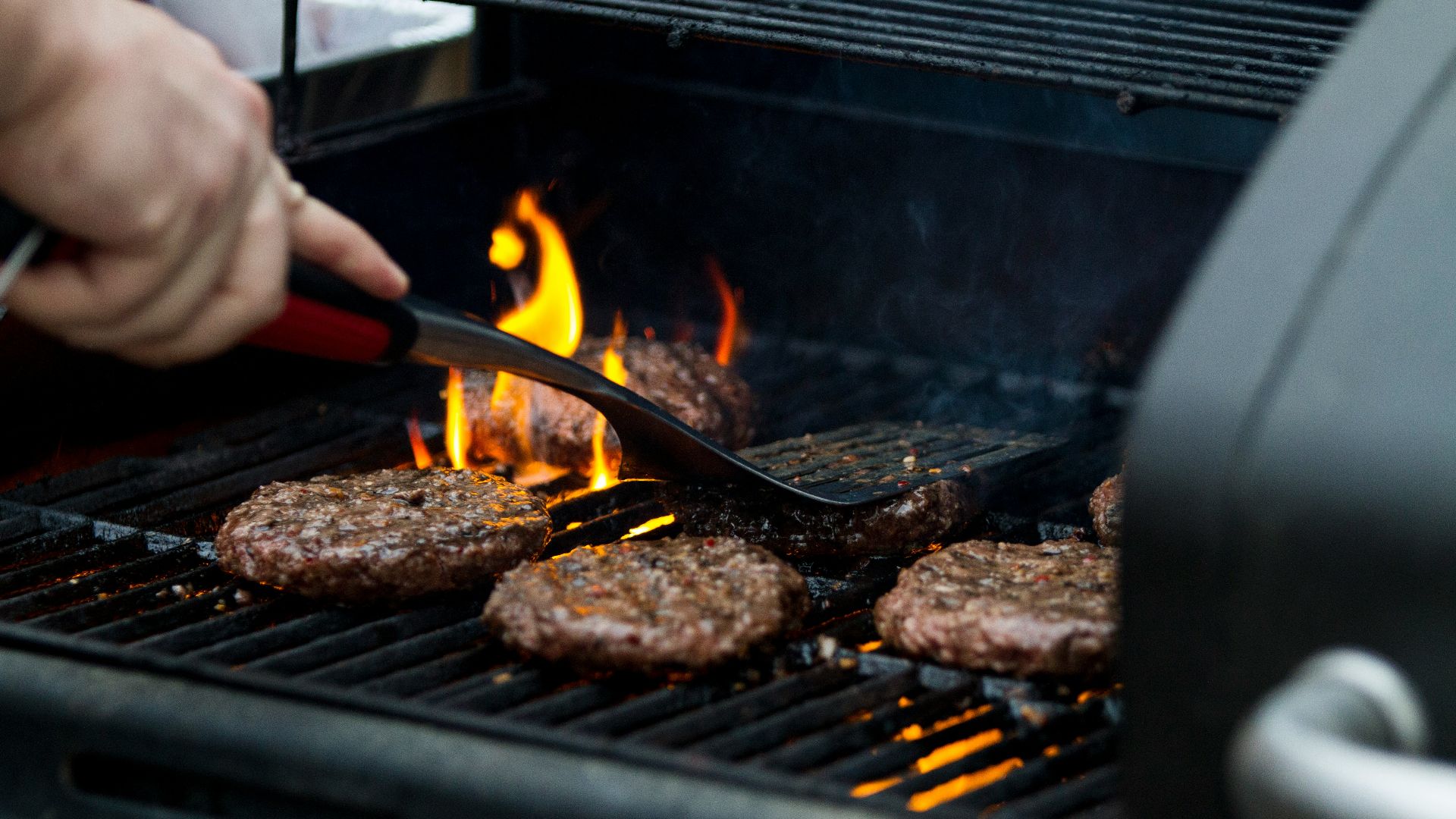
The classic American cookout usually includes hamburgers, hot dogs, and barbecue, with sides that can be passed around the table. Hot dogs are closely connected to baseball, and the Library of Congress dates both the term “hot dog” and its appearance at ballparks to the early 1890s. That’s a big reason a hot dog still feels like part of a ballpark visit. It may be a simple snack, yet it has a long history behind it.
Hamburgers have their own place in the American food story. Smithsonian Libraries traces the hamburger from 19th-century American street vendors to restaurant chains and worldwide popularity. Its history is documented here. A burger can work for a quick lunch, a backyard meal, or dinner after a long day, and that flexibility has helped keep it popular.
Barbecue has a longer and more layered history than its familiar cookout image might suggest. The Library of Congress explains that the word comes from “barbacoa,” the Taíno term for a wooden structure used to cook meat over fire. In the United States, barbecue developed regional styles over time, which is why Texas, the Carolinas, Kansas City, and Memphis have different approaches to the meal.
Cars also helped turn burgers, fries, and other quick meals into part of everyday American life. The Smithsonian’s National Museum of American History says drive-thru dining came of age in California during the 1950s, and major fast-food franchises began adding drive-thru windows nationwide in the 1970s. That’s why people still connect burgers and fries with diners, road trips, and fast dinners after a busy day.
Comfort Food
Fried chicken is one of the foods most closely linked with American comfort food, especially in the South. The Smithsonian’s National Museum of American History says its popularity there is closely connected to enslaved Africans, who raised chickens, brought their own seasonings and frying techniques, and sometimes sold birds at market. That history belongs in any accurate account of how fried chicken became such a lasting American classic.
The National Museum of African American History and Culture defines foodways as more than the food on a plate. Foodways include how food is grown and prepared, along with the role it plays in people’s lives. That definition keeps recipes connected to the people, labor, and communities behind them. It also helps explain why food can hold so much meaning beyond the meal itself.
Cornbread and corn on the cob fit easily on an Americana table, though corn’s history stretches back long before the creation of the United States. The National Museum of the American Indian explains that corn, beans, squash, tomatoes, potatoes, peanuts, and many other foods are indigenous to the Americas, and Indigenous peoples cultivated them long before European contact. Apple pie is another strong cultural symbol, even though it isn’t a uniquely American invention, and the Library of Congress holds a 1977 print titled “As American as apple pie”.
Everyday Favorites
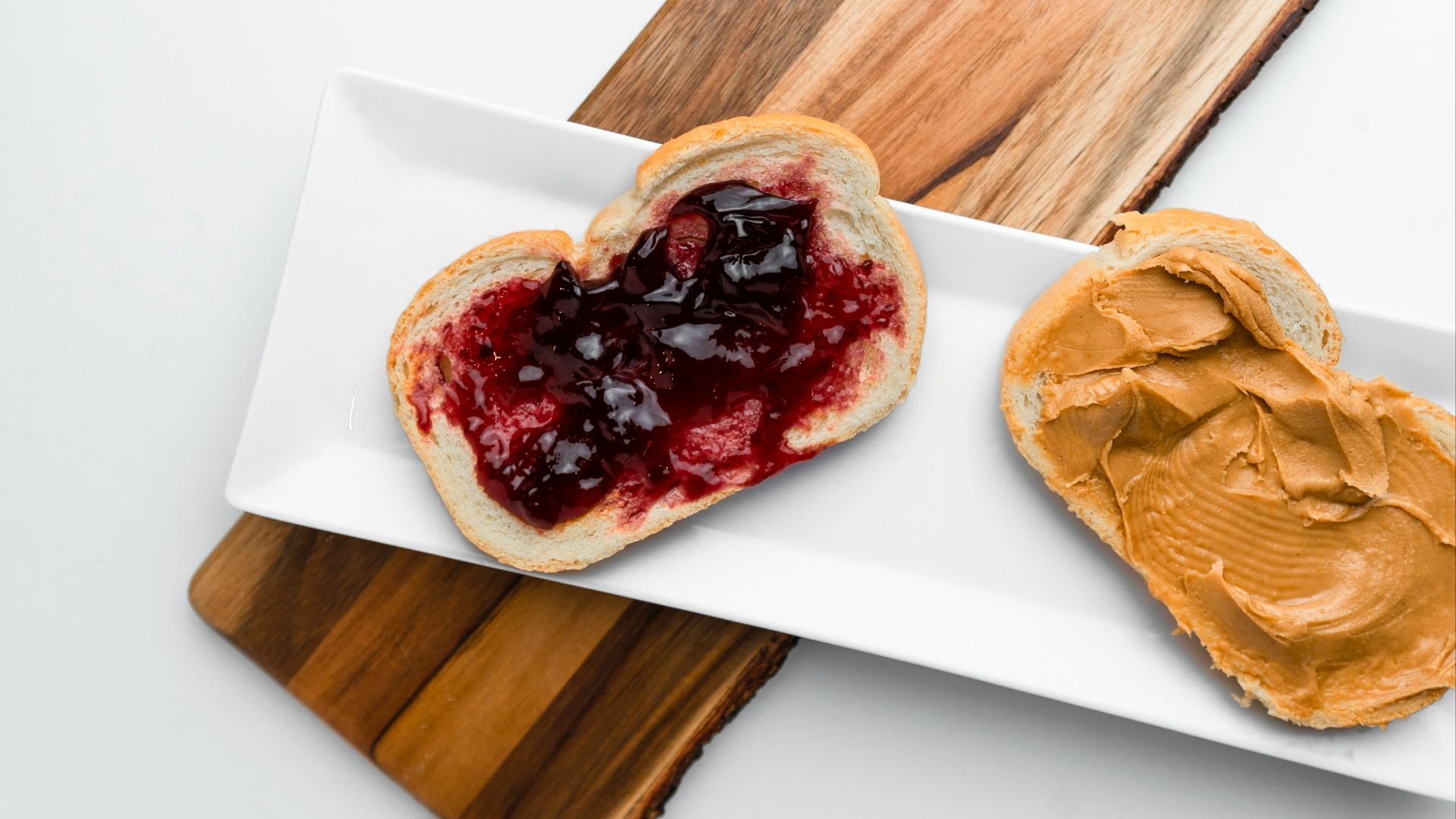
Peanut butter and jelly may be one of the most ordinary foods in the Americana lineup, and that’s part of its appeal. The Library of Congress identifies a 1901 reference to the traditional sandwich and notes that sliced bread helped make it a household staple in the 1920s. It’s lunchbox food, camp food, and the kind of meal many people remember making for themselves once they could reach the counter.
These foods also remain popular because they can be changed without losing their basic identity. A hot dog might come with mustard and onions, chili, or plenty of vegetables, depending on where it is served. Barbecue recipes vary by region, and even a family’s potato salad can inspire strong opinions around the table. The details may shift, yet the foods still feel recognizable.
Americana food includes regional barbecue, Indigenous crops, African American foodways, immigrant influences, and everyday favorites such as PB&J, and it’s more meaningful when all of that history is kept in view.
KEEP ON READING
The Most Popular Chocolate Bars in the USA
The Most Popular Candies in the USA

20 Annoying Foods That Get Stuck In Your Teeth