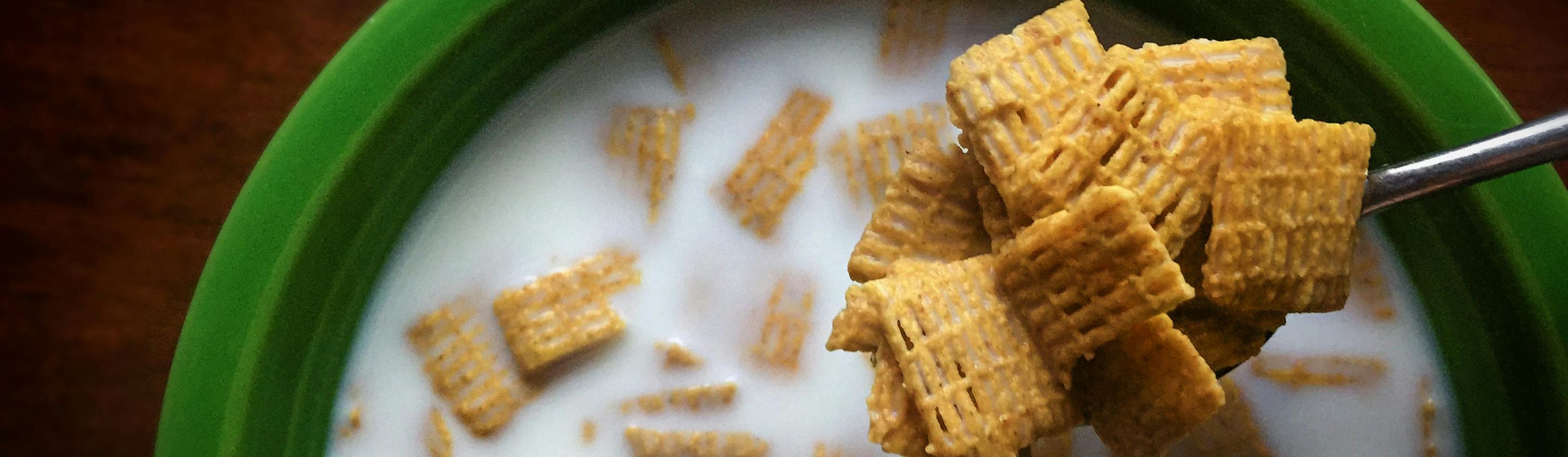
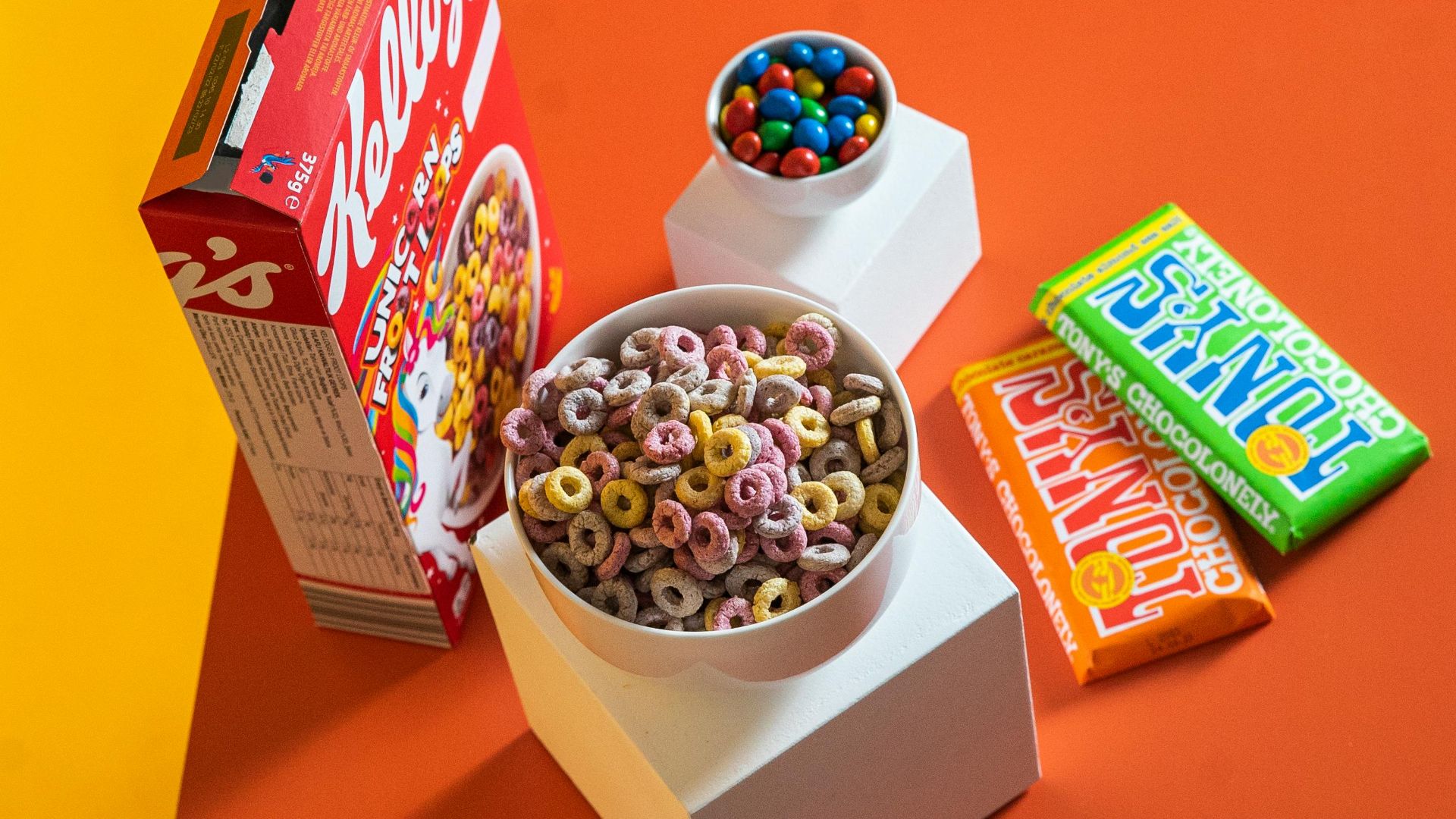
The United States and Europe eat a lot of the same foods, or at least the same brand names. What they don't always share is the ingredient list. Spend five minutes comparing the back of a Kellogg's cereal box sold in the UK versus one sold in the US, and the differences are jarring enough to stop you mid-aisle.
This isn't a conspiracy. It's a regulatory philosophy gap that has quietly widened over decades, and its effects show up in everything from the bread you buy at the grocery store to the candy your kid picks out at a birthday party. The EU tends to operate on a precautionary principle, meaning it restricts or bans substances when credible evidence of harm emerges, even before certainty is established. The FDA's framework leans the other way, generally keeping ingredients on shelves until proof of harm is more definitive. Neither system is perfect, but the divergence has produced a situation where the same multinational company will often reformulate a product for European markets while leaving the American version untouched.
Artificial Food Dyes and the Warning Label That Changed Everything
Red 40, Yellow 5, and Yellow 6 are petroleum-derived synthetic dyes found in an enormous range of American foods, from breakfast cereals and sports drinks to macaroni and cheese and candy. The EU hasn't banned them outright, but it did something that effectively pushed manufacturers to phase them out voluntarily: it required any product containing those dyes to carry a label warning that the food "may have an adverse effect on activity and attention in children." Most companies decided a warning like that was bad for sales and reformulated for the European market instead.
The label requirement came directly from a 2007 study published in The Lancet, one of the most respected medical journals in the world, which found that a mixture of artificial food colorings and sodium benzoate was associated with increased hyperactivity in children. The study wasn't without its critics, but the EU's food safety body took the findings seriously enough to act. The FDA reviewed the same study, acknowledged the data, and concluded it wasn't sufficient to require a warning or mandate reformulation. American cereals still run bright orange and electric red; the British versions of the same products use beet juice and paprika extract for color instead.
What makes this particularly strange is that manufacturers have already demonstrated it's possible. Fanta in the US contains Yellow 6. Fanta in the UK gets its color from carrot and pumpkin extract. The technology to remove synthetic dyes exists and is already in use for export products. The decision to keep them in American formulations is a business and regulatory calculation, not a technical limitation.
Titanium Dioxide and the Question of What "Safe" Actually Means
Titanium dioxide is a white pigment used in paints, sunscreen, and, until recently, a wide range of processed foods in both the US and Europe. It shows up as E171 on European ingredient lists and has been used for decades to whiten products like chewing gum, candies, and certain sauces. In 2022, the European Food Safety Authority concluded that titanium dioxide could no longer be considered safe as a food additive, citing concerns about its potential to accumulate in the body and genotoxicity, meaning a possible ability to damage DNA. The EU banned it from food products that same year.
The FDA has not followed suit. Titanium dioxide remains on the agency's list of color additives approved for use in food, and the FDA has stated publicly that the existing evidence doesn't meet the threshold required for it to take regulatory action. This puts American consumers in a position of eating something that one of the world's major food safety authorities has deemed no longer acceptable, with no labeling to indicate that disagreement exists.
The genotoxicity concern is worth understanding in plain terms. EFSA's 2021 assessment noted that while a direct causal link hadn't been definitively established in humans, the uncertainty itself was sufficient reason to withdraw authorization under European food law. The precautionary principle in action means you don't wait for certainty when the potential harm is serious enough. The American system asks for a higher burden of proof before pulling the ingredient, which can feel reasonable until you consider that accumulation in the body, by definition, happens over years of use.
Potassium Bromate and the Bread That's Different Depending on Where You Live
Potassium bromate is a flour additive that makes dough easier to work with and helps bread rise higher, giving loaves a more consistent, appealing shape. It has been banned as a food additive in the EU, the UK, Canada, Brazil, China, and several other countries. California requires a cancer warning label on products containing it. The FDA classified it as a possible human carcinogen in 1999 based on animal studies and asked bakers to voluntarily stop using it. Many did. Many didn't.
The International Agency for Research on Cancer categorizes potassium bromate as a Group 2B carcinogen, meaning possibly carcinogenic to humans, the same category as aloe vera extract and talc. That classification, combined with outright bans in dozens of countries, has not translated into a US ban. The voluntary phase-out the FDA requested more than 25 years ago was never followed up with enforceable action, and potassium bromate continues to appear in some commercially produced breads, pizza doughs, and baked goods sold across the country.
What makes this one particularly hard to defend is that the bromate is supposed to break down during baking, leaving no residue. Studies have found that it frequently doesn't, meaning the final product consumers eat can contain measurable amounts of a substance that multiple global health bodies have flagged as potentially carcinogenic. The rest of the world looked at that picture and decided the additive wasn't worth the uncertainty. American regulatory infrastructure hasn't moved to the same conclusion, and the bread aisle looks roughly the same as it did decades ago.
KEEP ON READING
The 5 Most Consumed Foods in the Entire World