20 Travel Snacks Invented for Sailors, Soldiers, and Long Roads
From Sea Biscuits To Ration Chocolate, These Snacks Were Built For Rough Miles
When you think of modern travel snacks, you’re probably thinking of things like protein bars, chips, or maybe even some fruit. Things that get tucked away in a resealable bag or into a cooler. This is our normal, but it wasn’t always this way. Older travel food had a lot more to go through. It had to be non-perishable, survive in packed bags, and provide travelers with enough sustenance to make it through their trip. You may know and love some of them, but others we’re happy to leave to history.
 Bureau of Land Management on Wikimedia
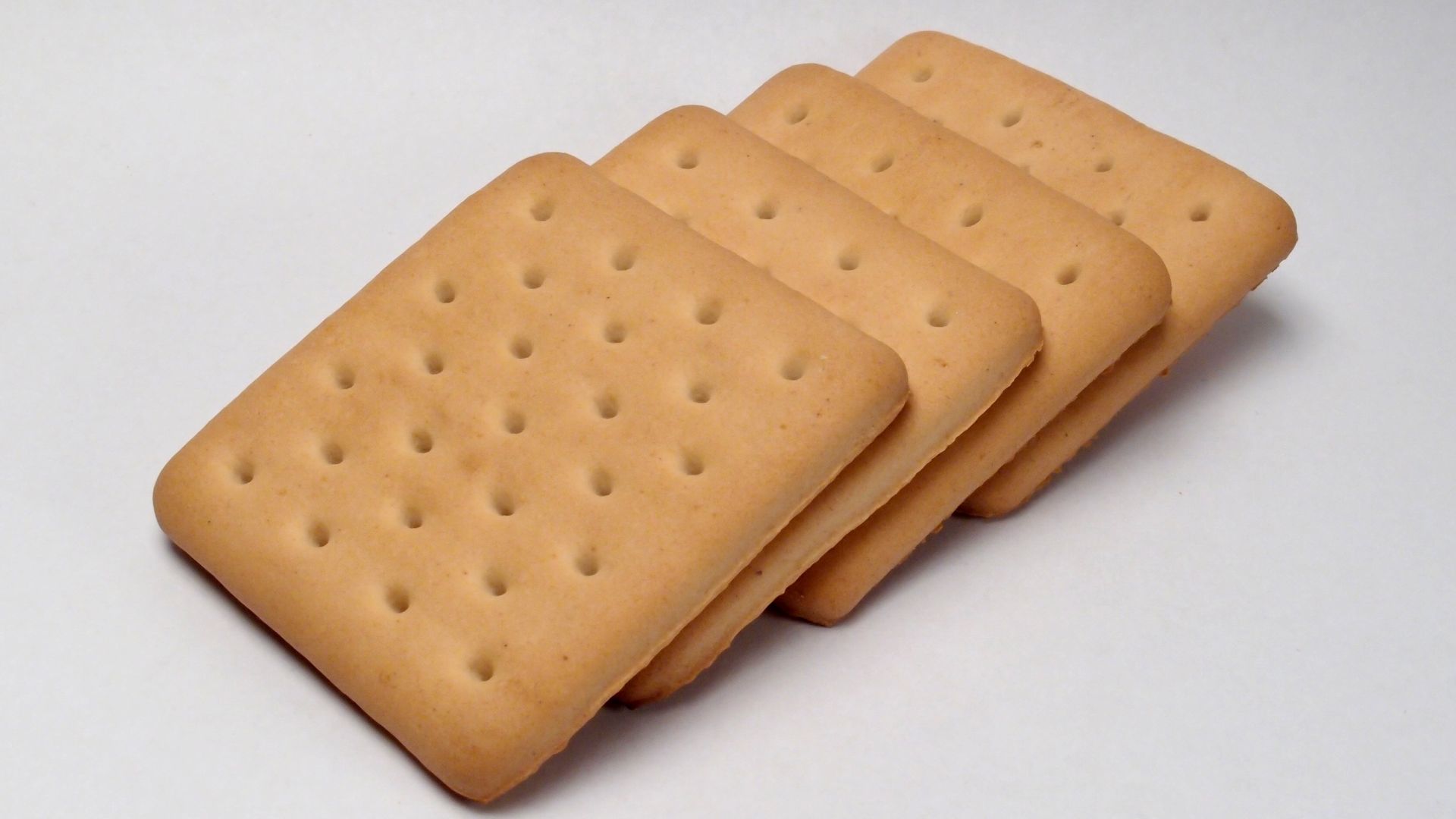
1. Hardtack
Hardtack was about as plain as food gets: flour, water, sometimes salt, all baked together. Sailors and Civil War soldiers were the primary audience for this basic food, although we doubt it was their preferred meal.
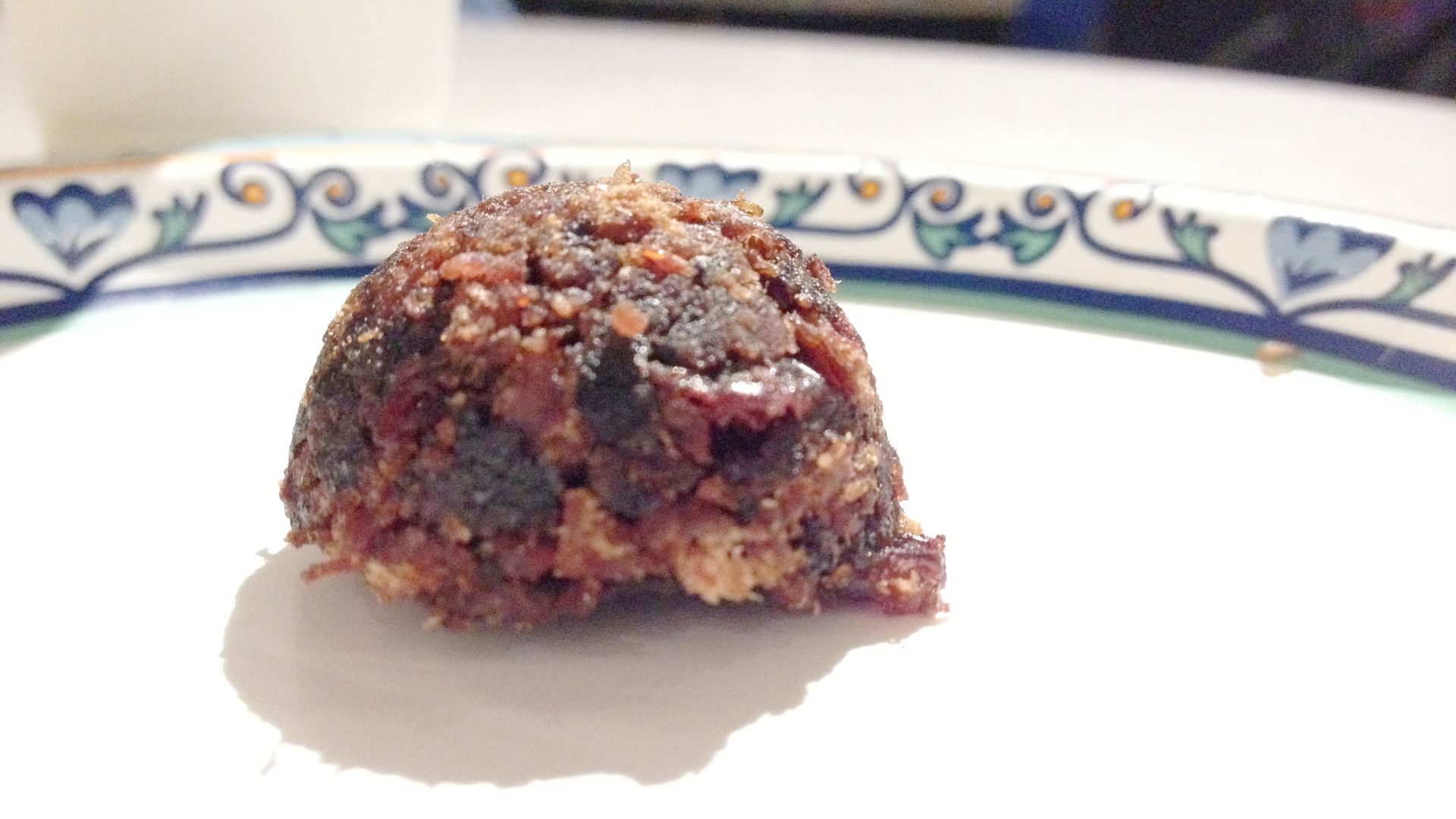
2. Pemmican
Pemmican came from Indigenous food traditions across North America, especially among Plains peoples who knew how to make food last through hard travel. Dried meat, usually bison, was pounded and mixed with rendered fat, and sometimes berries. It was compact, rich, and very practical for life on the road.
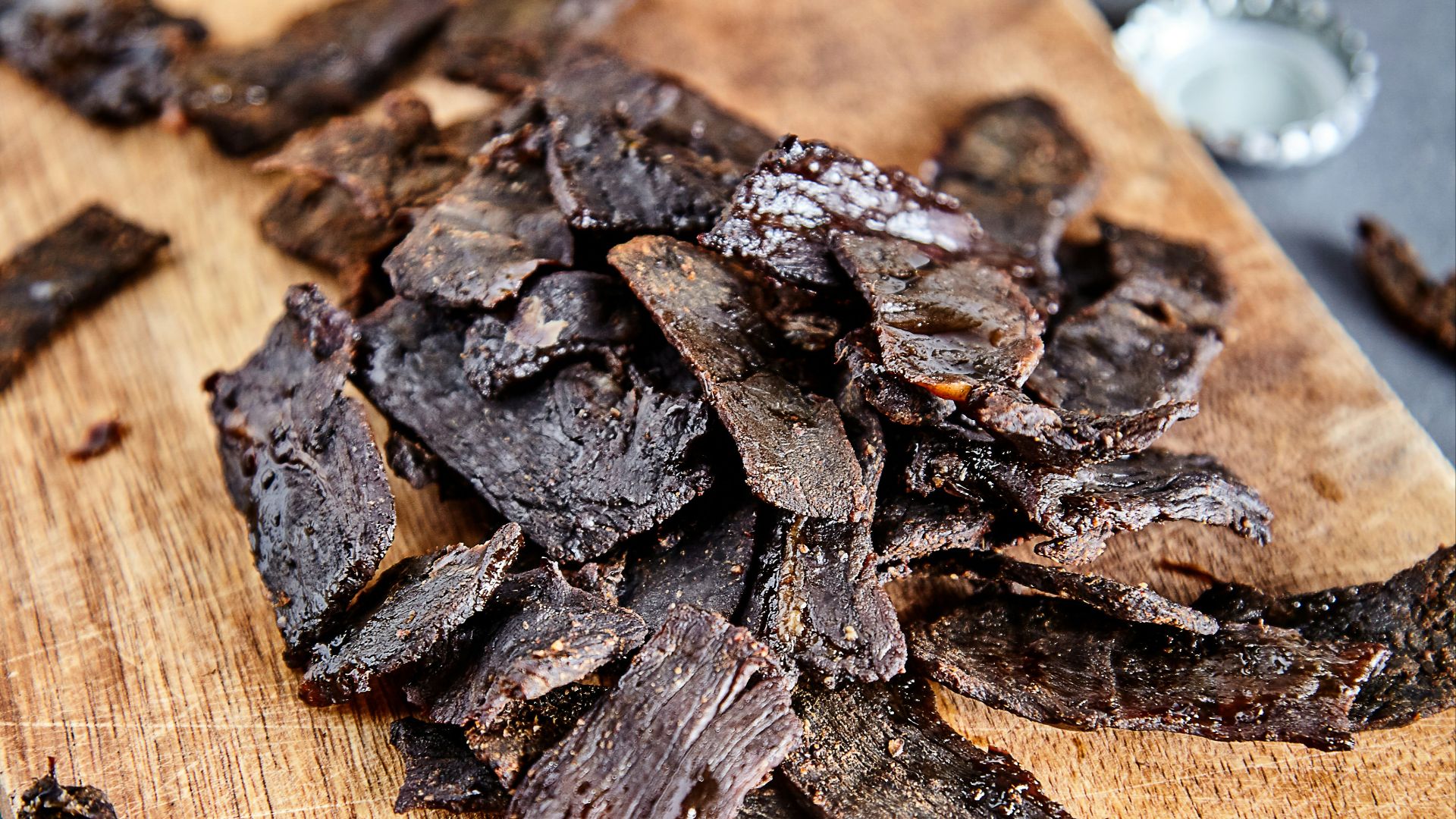
3. Jerky
Jerky traces back to older dried-meat traditions, including ch’arki from the Andes. Thin slices of meat could be dried with the sun, smoke, salt, or air, which made them useful for traders, soldiers, hunters, and anyone moving through places without fresh supplies. It’s still one of the few travel snacks that feels close to its original purpose.
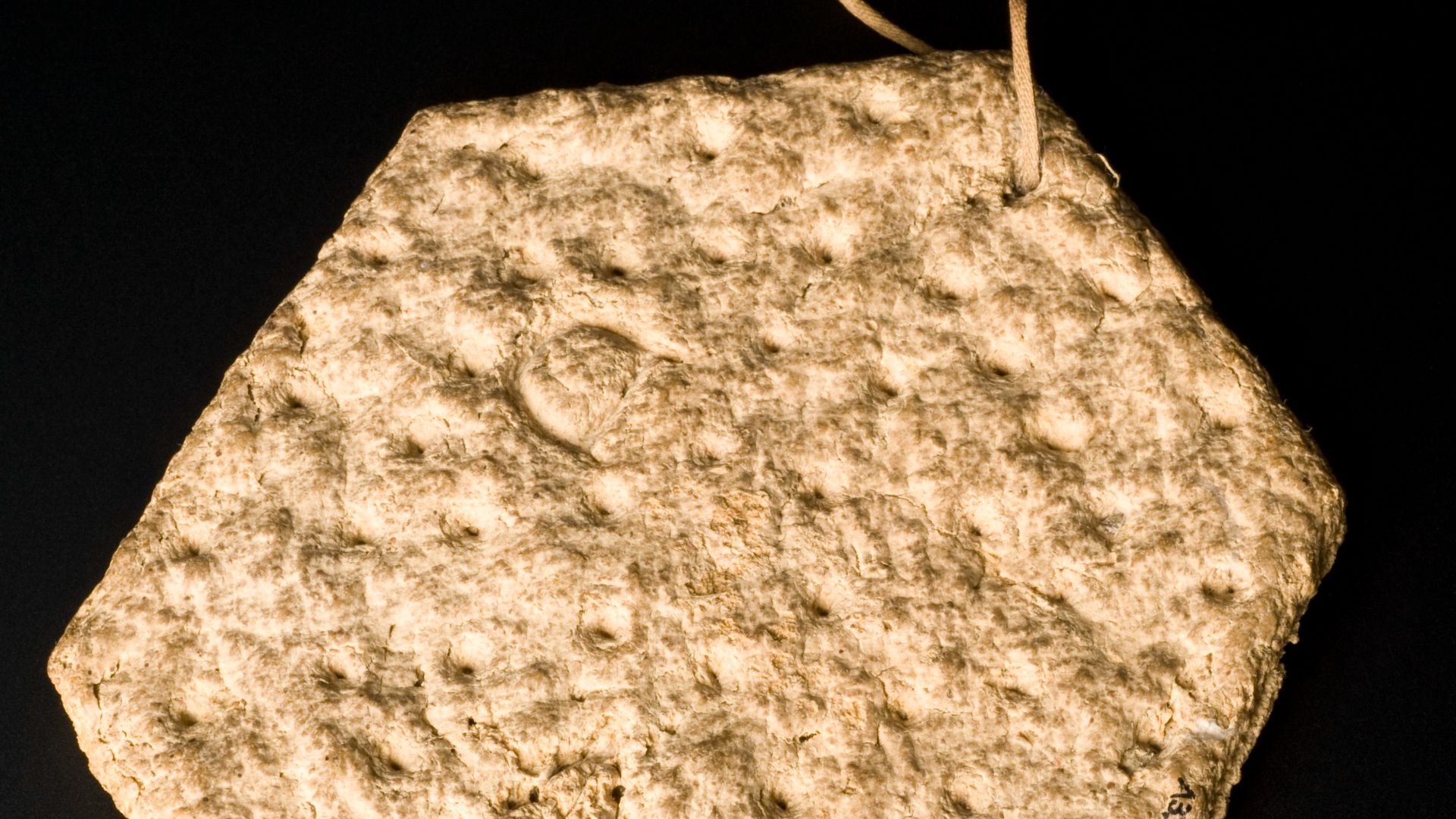
4. Ship’s Biscuit
Ship’s biscuit was a regular part of naval food before canned goods existed. British sailors ate hard biscuits on long voyages because they could sit in storage for ages if kept dry. They were filling, but tough. Usually, sailors would soften them in a liquid before eating.
5. Salt Pork
Salt pork was prominent in naval stores, army rations, and pioneer cooking because it could travel better than fresh meat. The salt helped preserve fatty cuts of pork, giving workers and soldiers a dense source of energy. It’s definitely not the healthiest snack by today’s standards, but it did provide much-needed energy.
6. Trail Mix
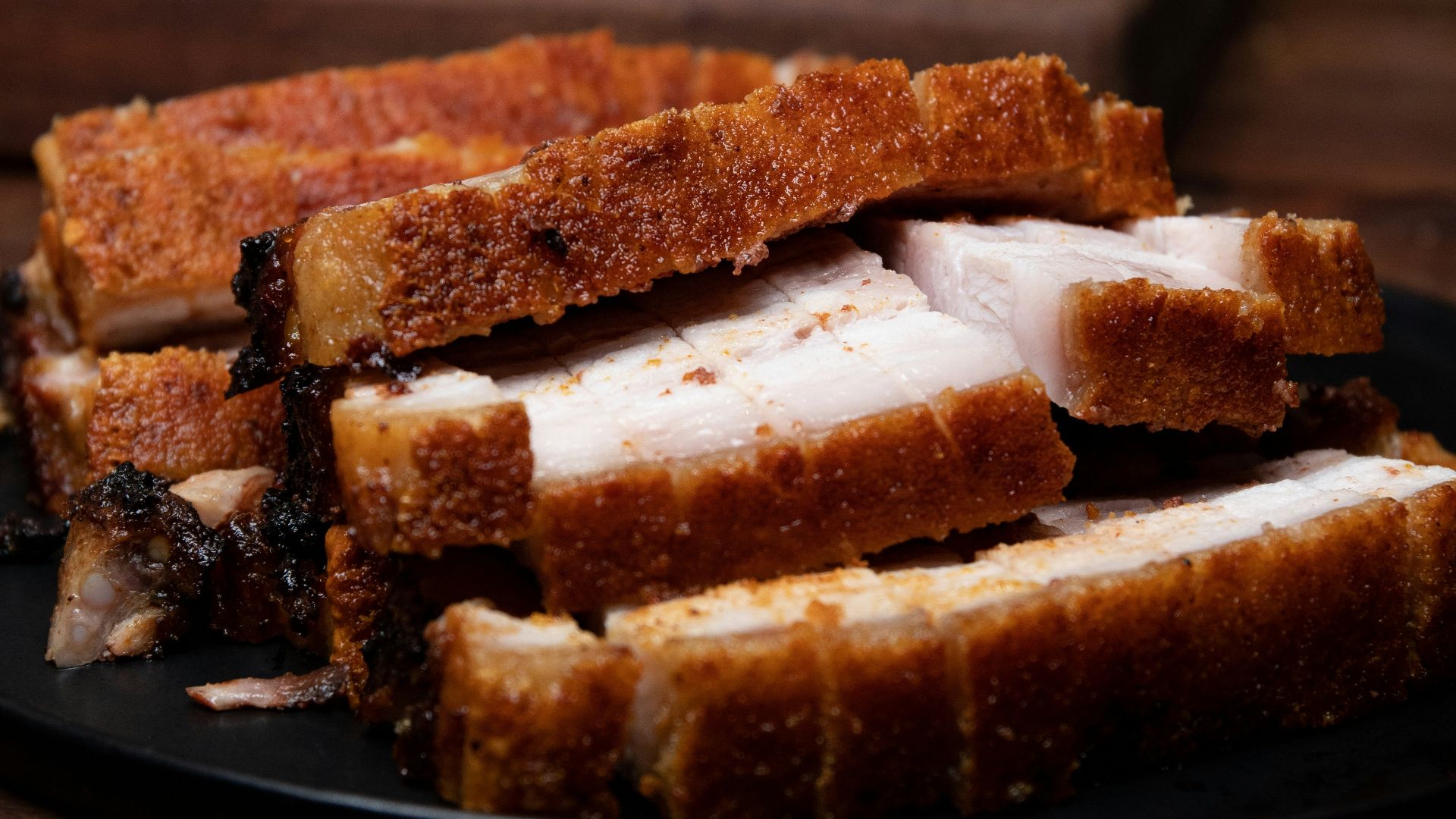
Trail mix took shape around a simple, sensible idea: nuts, dried fruit, and sometimes chocolate or seeds in one portable handful. Hikers in the early 20th century leaned on these mixtures because they were easy to carry and didn’t need cooking. This is one of the few that have lasted into the modern era.
7. Dried Peas
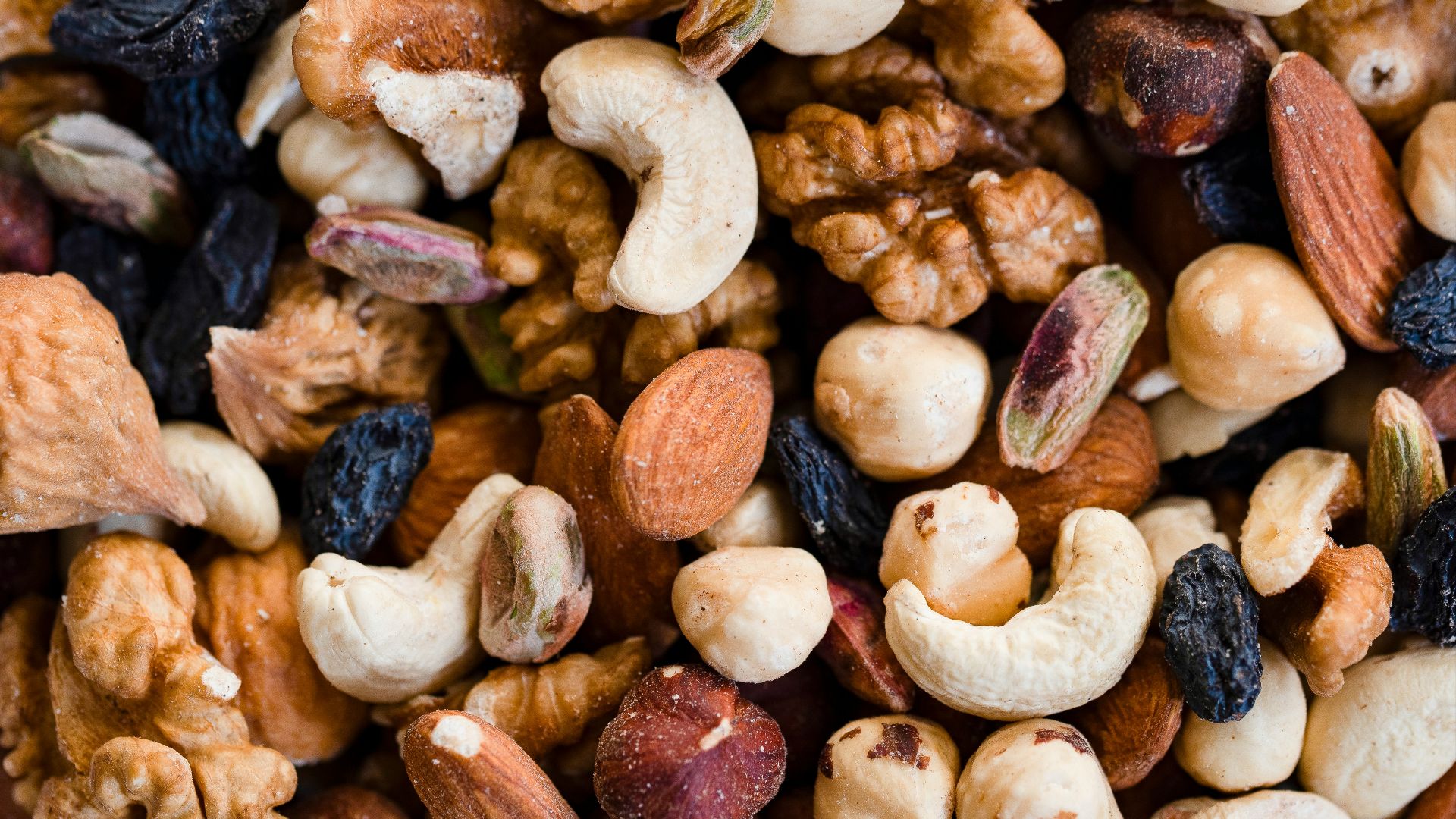
Dried peas earned their place because they were cheap, compact, and easy to store. Sailors and soldiers could cook them into thick soups or puddings, often with salted meat if supplies allowed. Sure, they weren’t as good as fresh veggies, but they added fiber, plant protein, and a little comfort to otherwise grim rations.
8. Instant Coffee
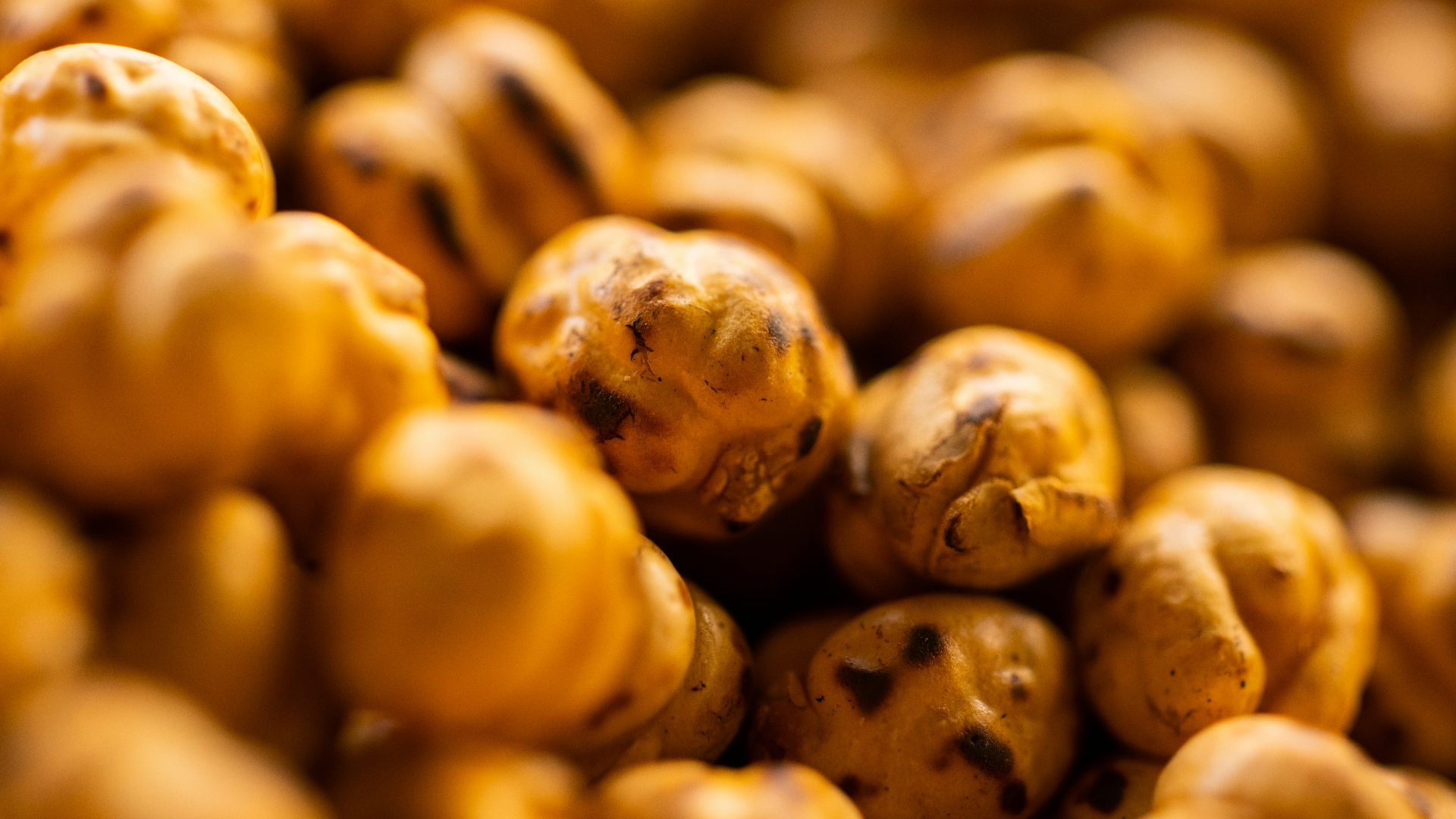
Instant coffee became a small comfort in military life because of its convenience and portability. During World War II, powdered coffee helped soldiers make a hot drink. Most of us can’t imagine what life is like in the trenches, but we can imagine that hot food and drinks boosted morale.
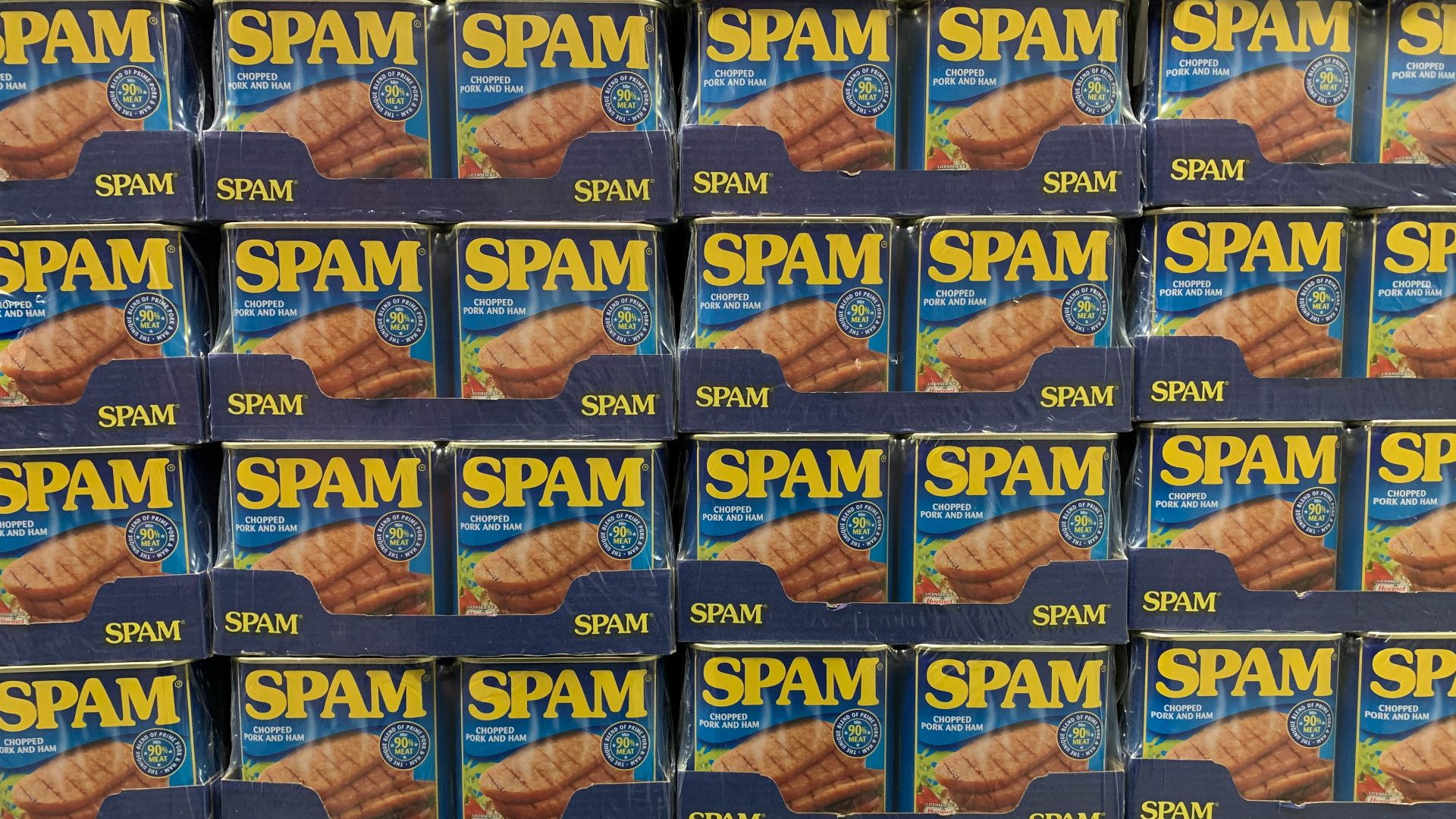
9. Spam
Spam became closely tied to World War II because it was canned, shelf-stable, and easy to ship overseas. In the Pacific, it became part of local cooking, especially in Hawaii.
10. Cheetos
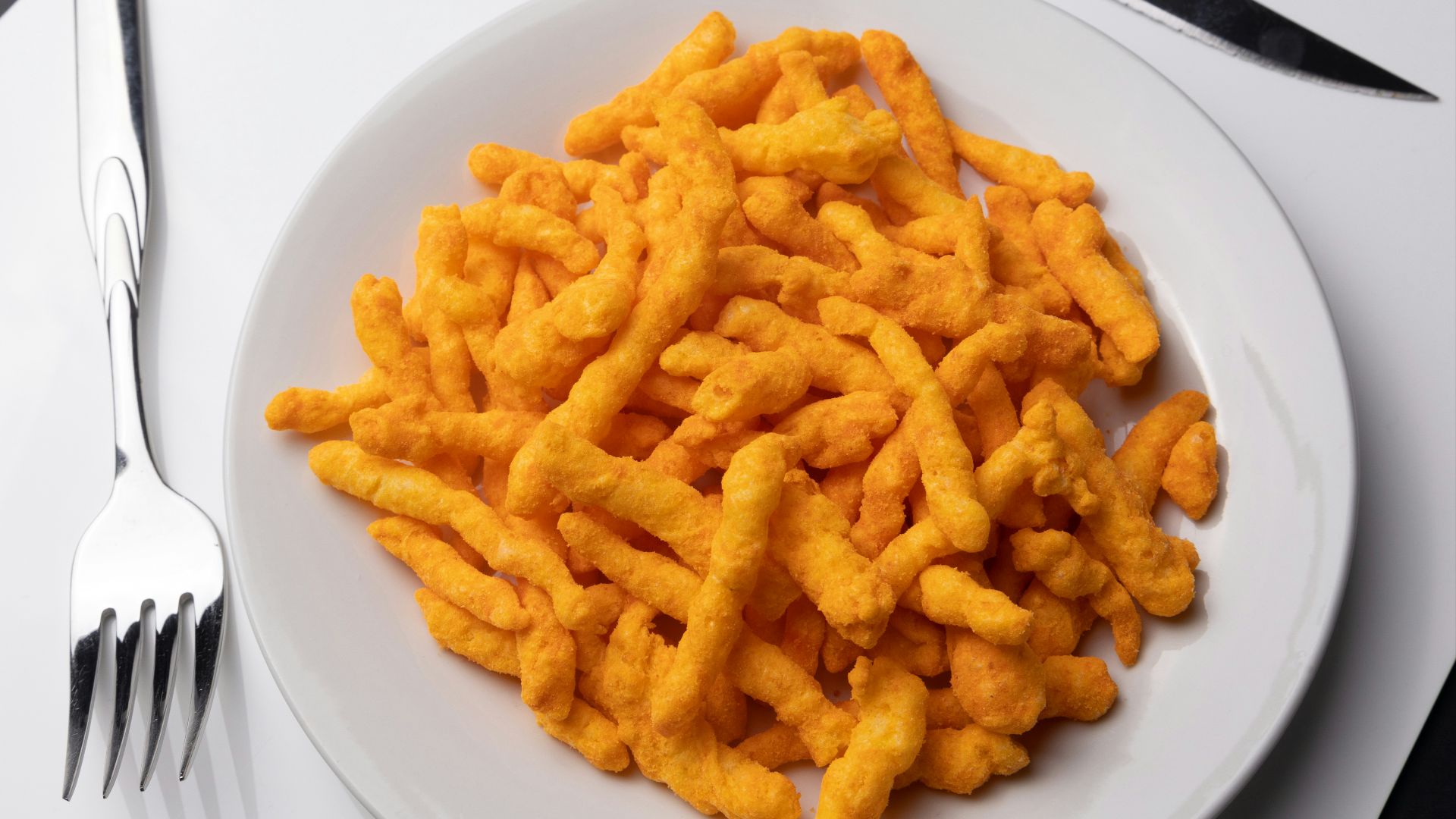
Yes, Cheetos are a more recent invention, but their origin story goes much deeper. Their history relates to U.S military experiments in the early 20th century. When powdered cheese became available in 1943 as a shelf-stable food for soldiers, it quickly made its way into the commercial sector.
11. Energy Bars
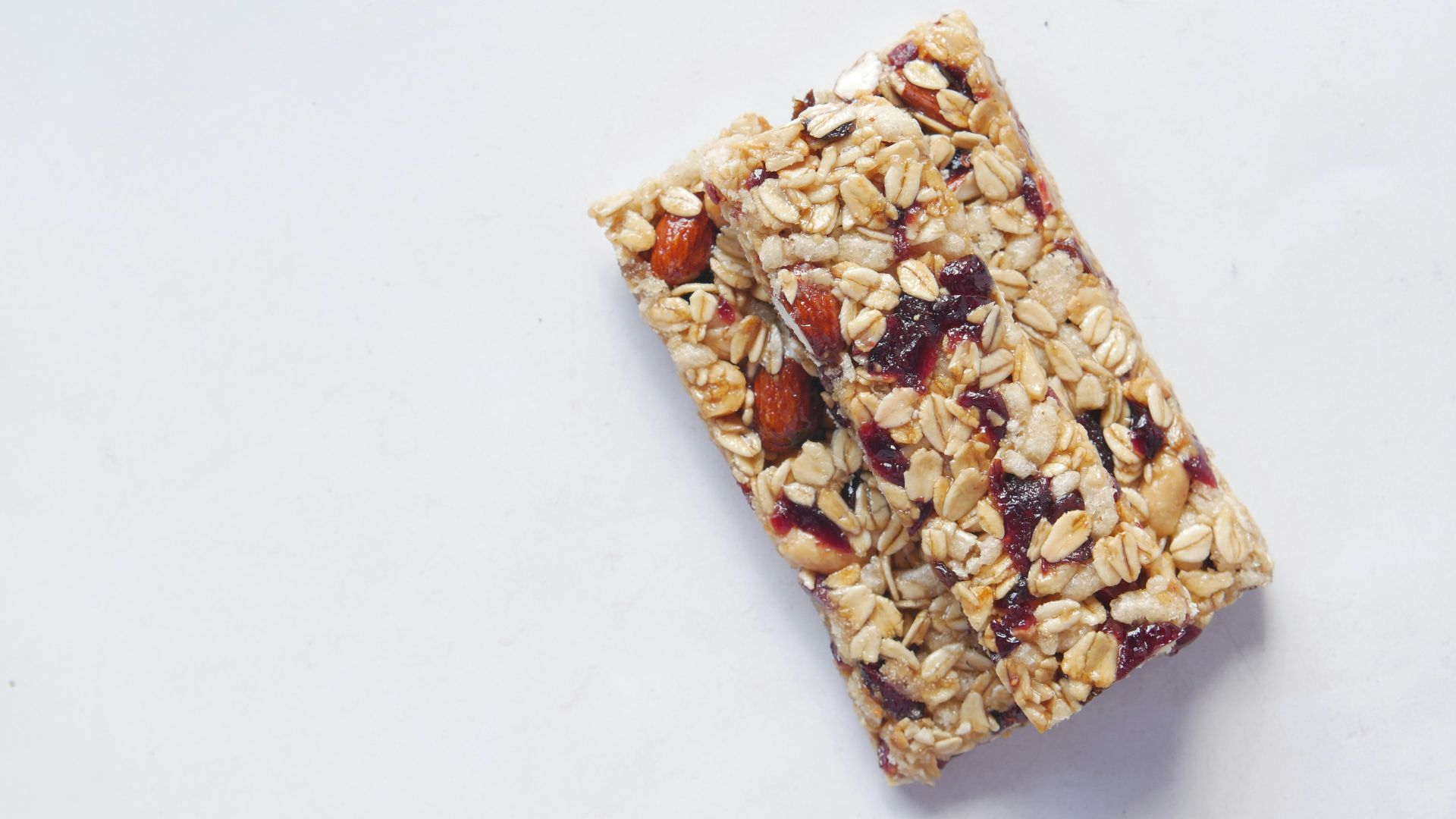
Energy bars belong to the same family tree as older, dense travel foods. Midcentury space-food research helped push compact, high-energy bars into a more modern shape, and hikers later made them trail staples. The packaging got sleeker, but the basic promise stayed simple: eat this and keep moving.
12. Pilot Bread
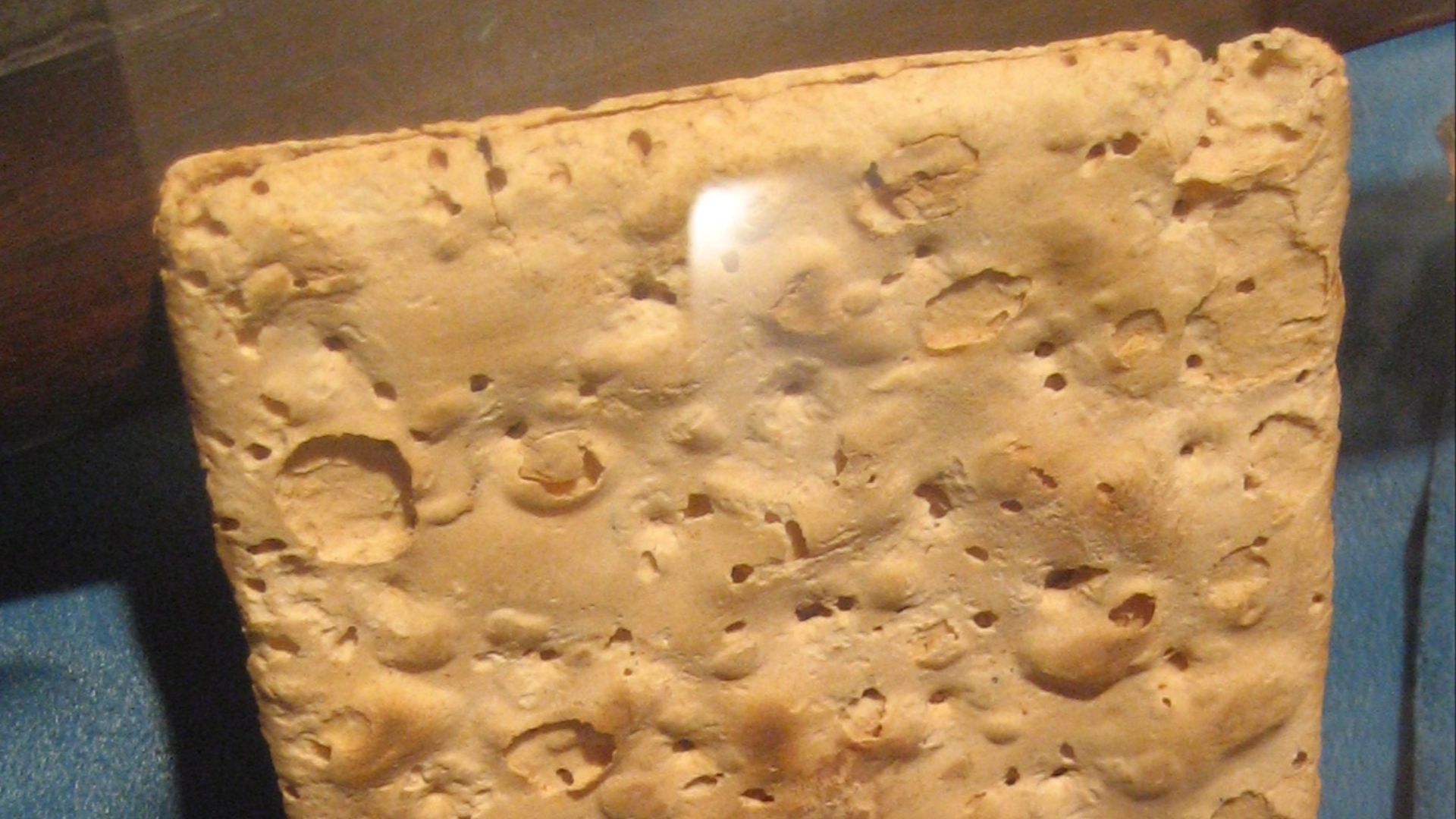
Pilot bread is a hard cracker related to hardtack, and it found a long life in remote places where shelf-stable food matters. In Alaska, it became a pantry regular for fishing trips, cabins, hunting camps, and long stretches between grocery runs.
 Infrogmation of New Orleans on Wikimedia
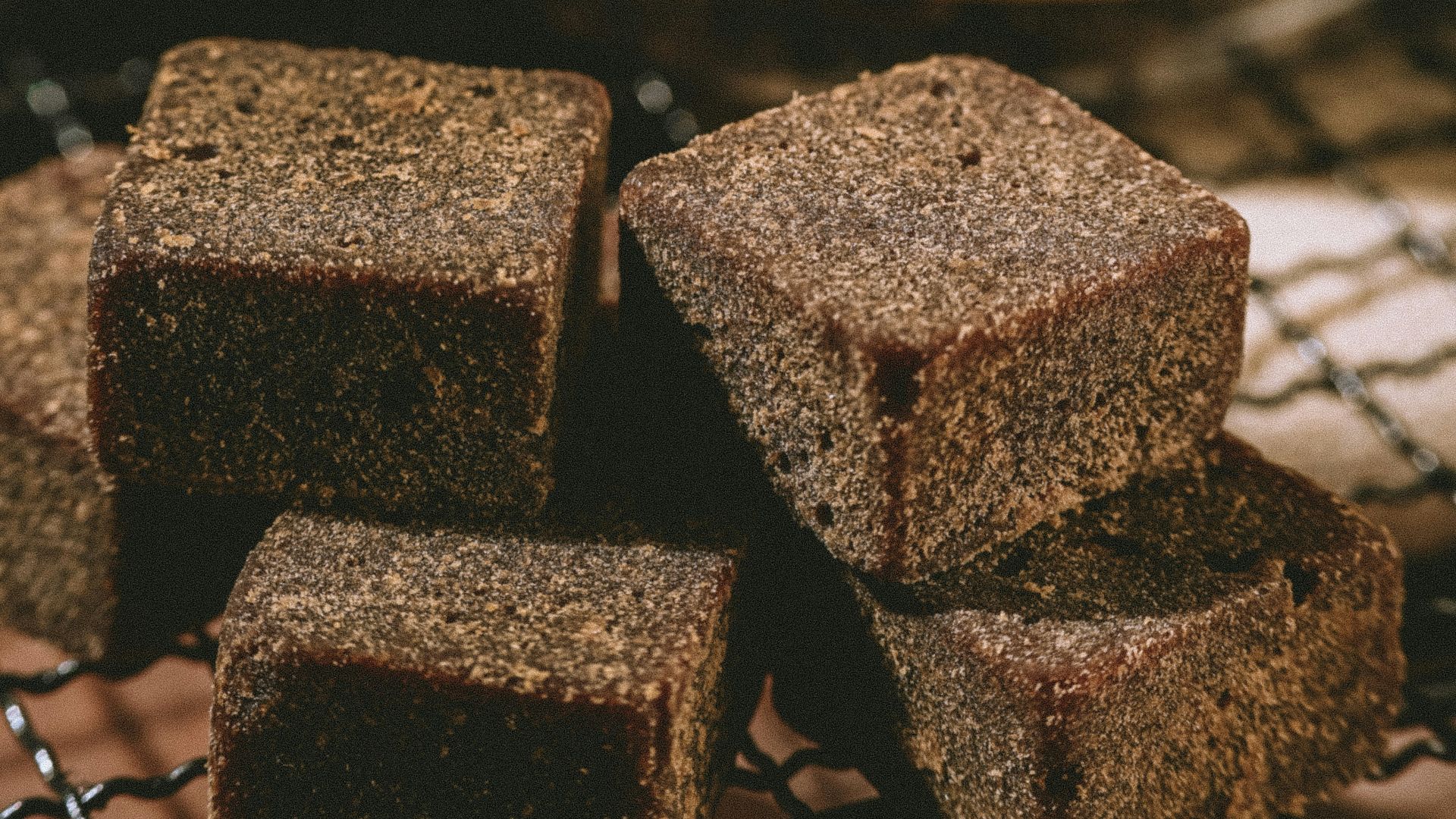
13. Beef Extract Cubes
Concentrated beef extract gave travelers and soldiers a quick way to make something warm and savory. Earlier meat extracts in the 19th century eventually led toward the broth cubes and bouillon blocks people still use. A small cube couldn’t replace a real meal, but it could make hot water feel less bleak.
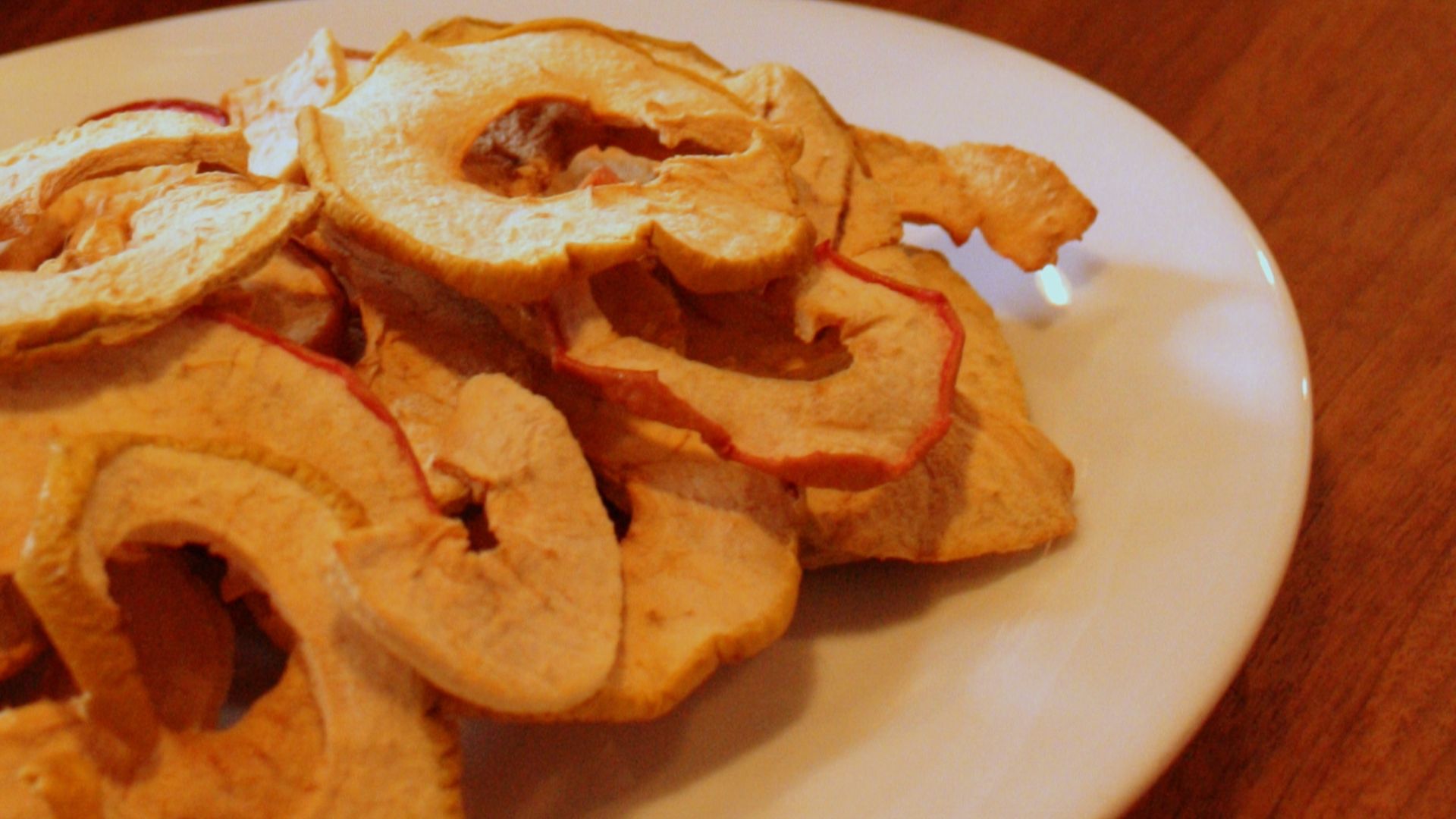
14. Dried Apples
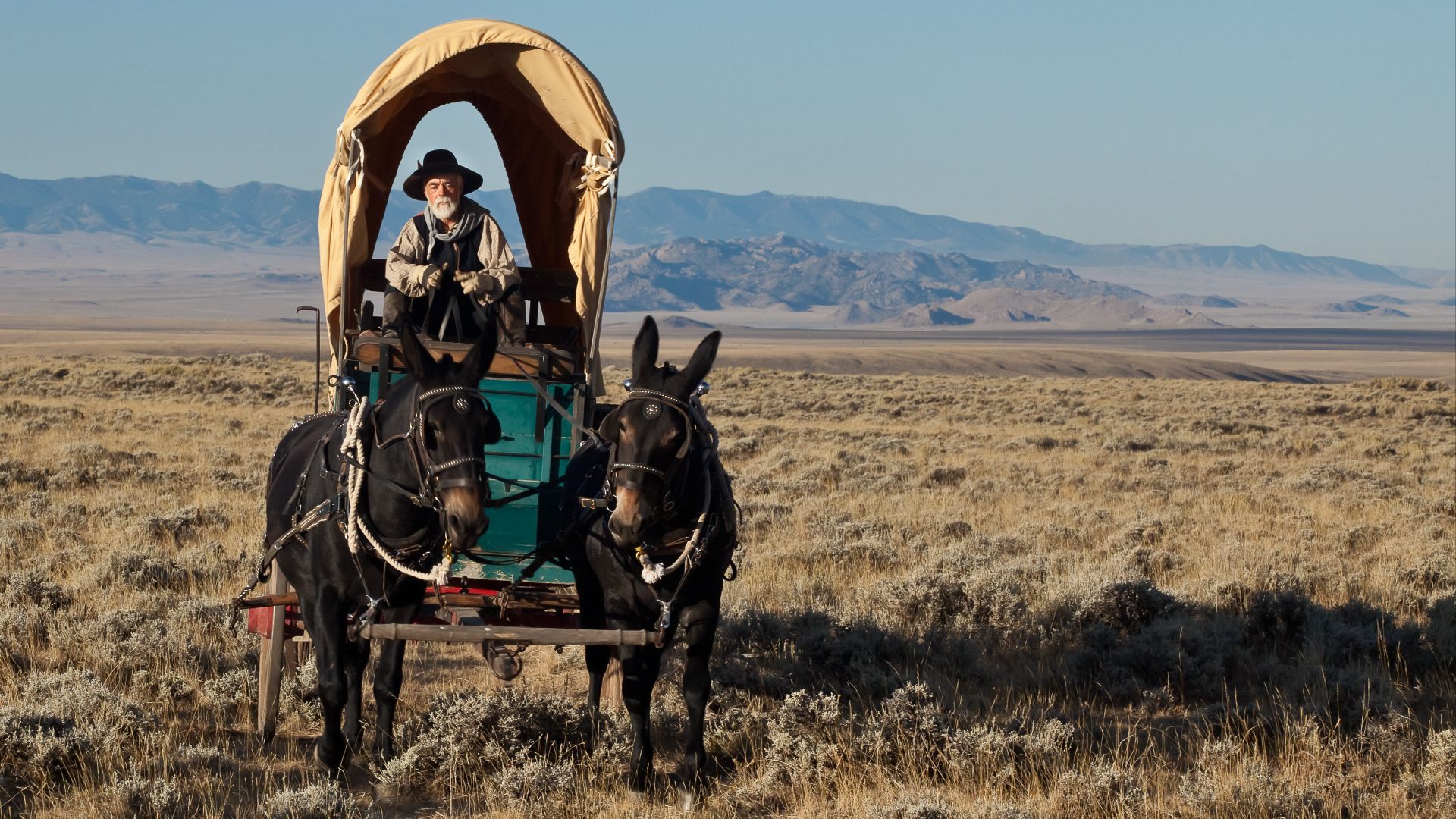
Dried apples were useful on wagon routes like the Oregon Trail because they kept better than fresh fruit. Travelers could chew them plain, soak them, or cook them into simple desserts when supplies allowed. They also brought sweetness and variety to diets that could get very, very repetitive.
 Leslie Seaton from Seattle, WA, USA on Wikimedia
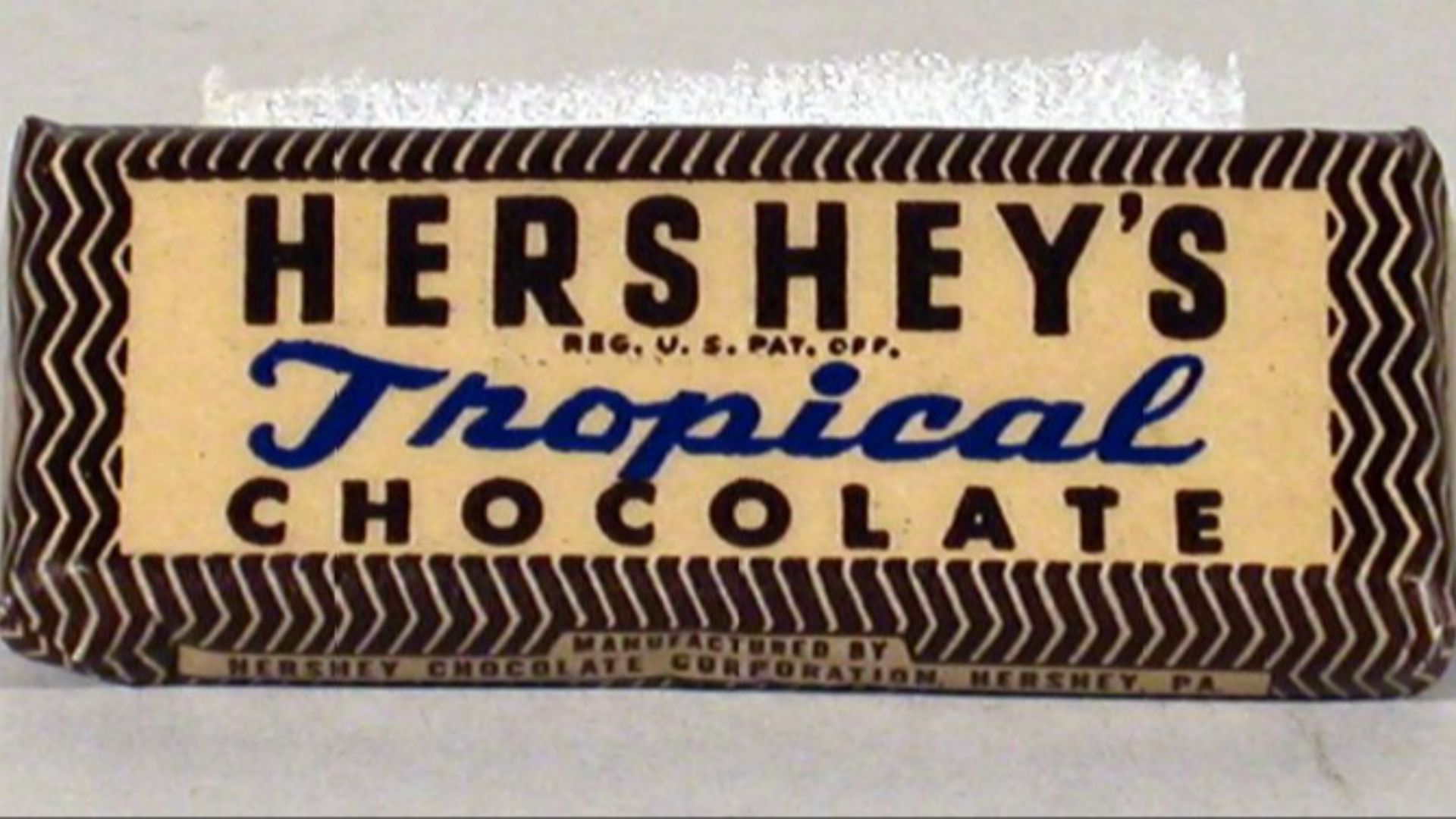
15. Chocolate Soldiers’ Rations
Military chocolate had a strange job: provide energy without becoming too tempting. Hershey’s Ration D was developed with the U.S. Army before World War II and was made to hold up better in field conditions. Soldiers didn’t always love the taste, but considering it was an “emergency food,” chocolatey goodness wasn’t their top priority.
 Unknown authorUnknown author on Wikimedia
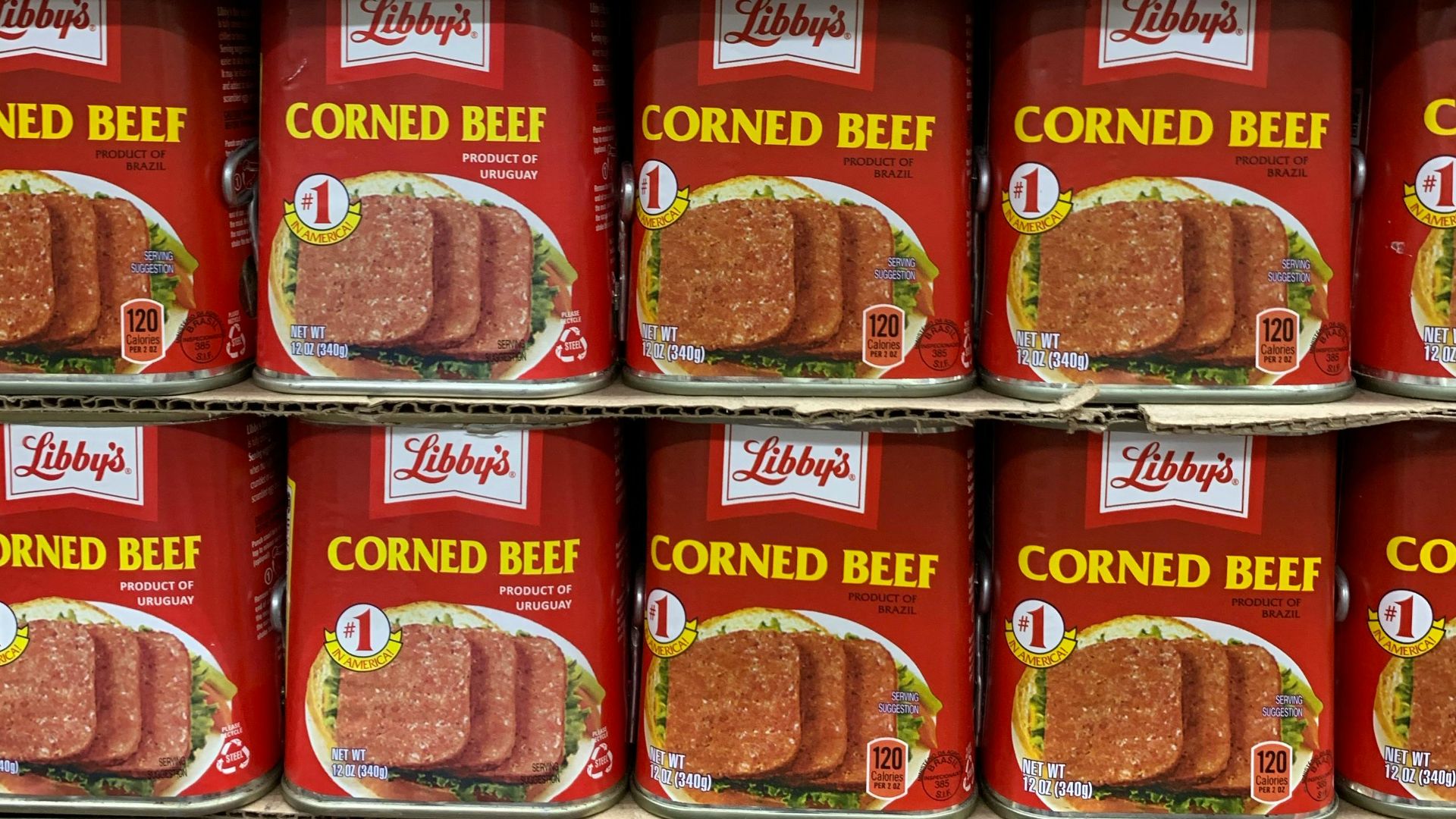
16. Corned Beef
Corned beef and canned beef became useful because preserved meat could travel farther than fresh cuts. Military kitchens, ship crews, and field cooks could slice it, fry it, stew it, or stretch it with potatoes.
17. Oatcakes And Porridge
Oats were practical for Scottish soldiers, rural travelers, and anyone who needed filling food without much fuss. Oatmeal could be carried dry, cooked into porridge, or baked into simple oatcakes. It was cheap, sturdy, and dependable, which is something we can still say for oats today.
18. Rumford Soup
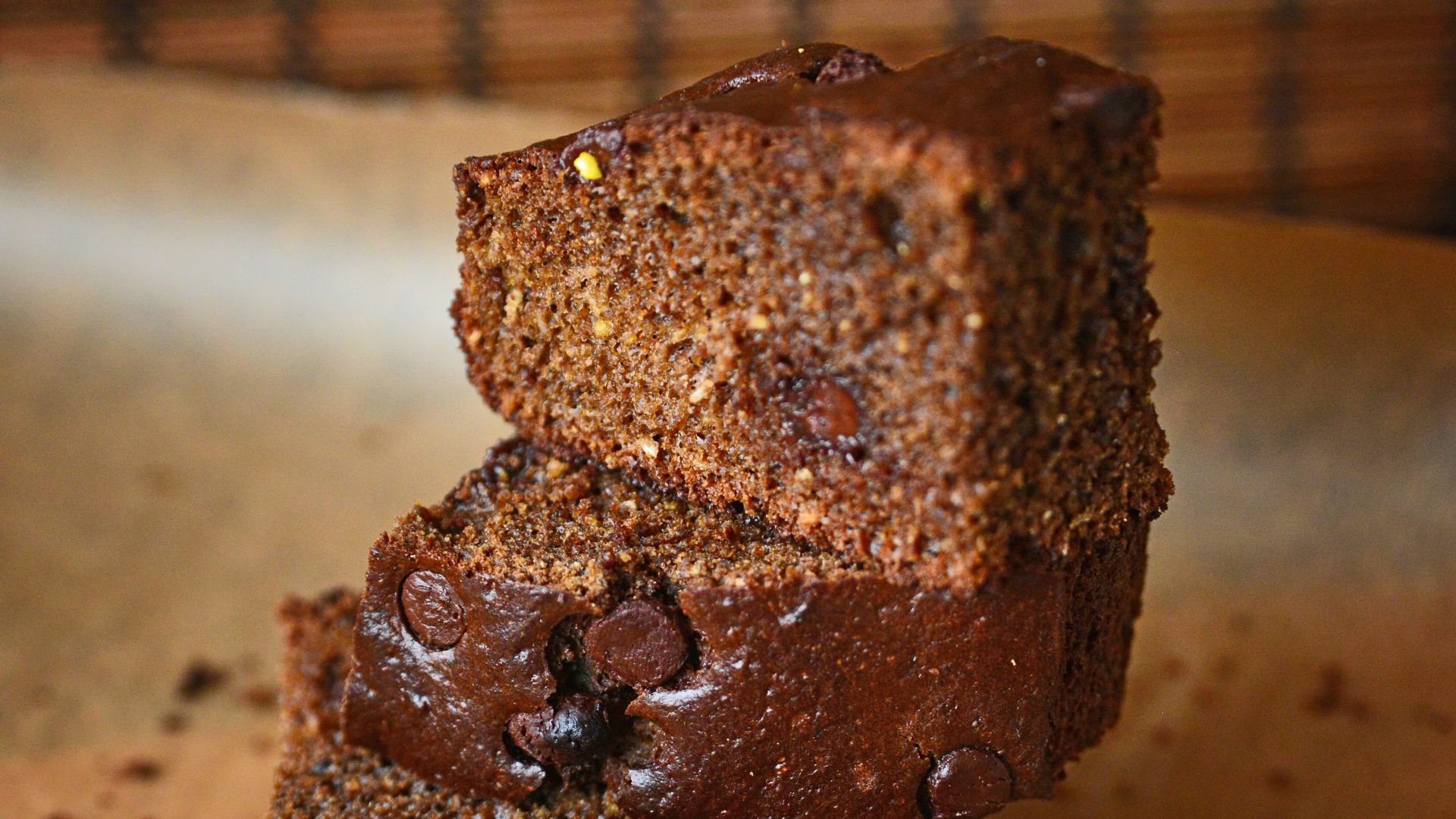
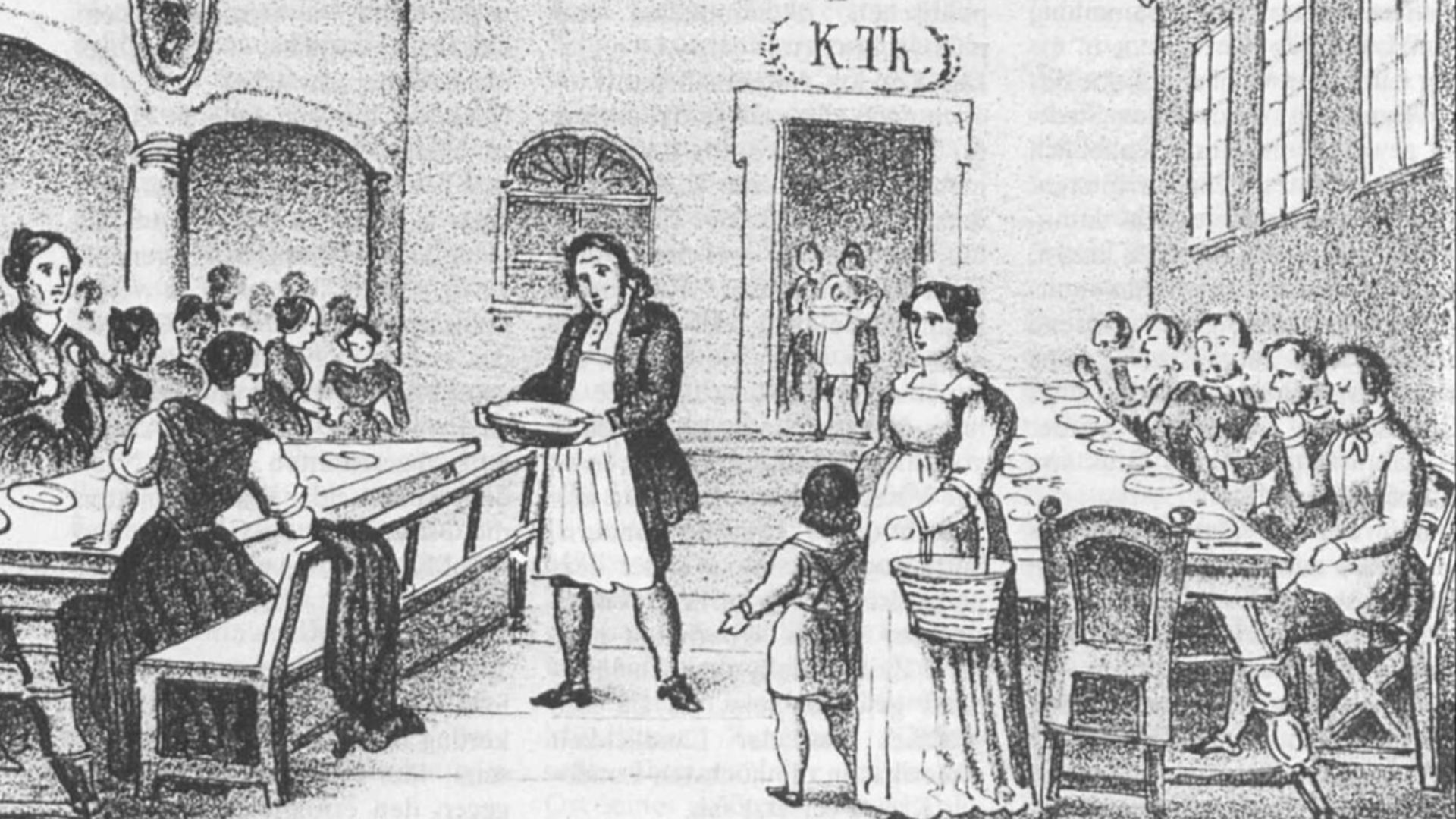
Rumford soup came out of late 18th-century efforts to make cheap, nourishing meals for large groups. Barley, peas, potatoes, and other basic ingredients could become a filling soup for institutions, armies, and people living close to hunger. It wasn’t fancy, but it warmed your stomach.
 Unknown authorUnknown author on Wikimedia
19. Fig Newtons
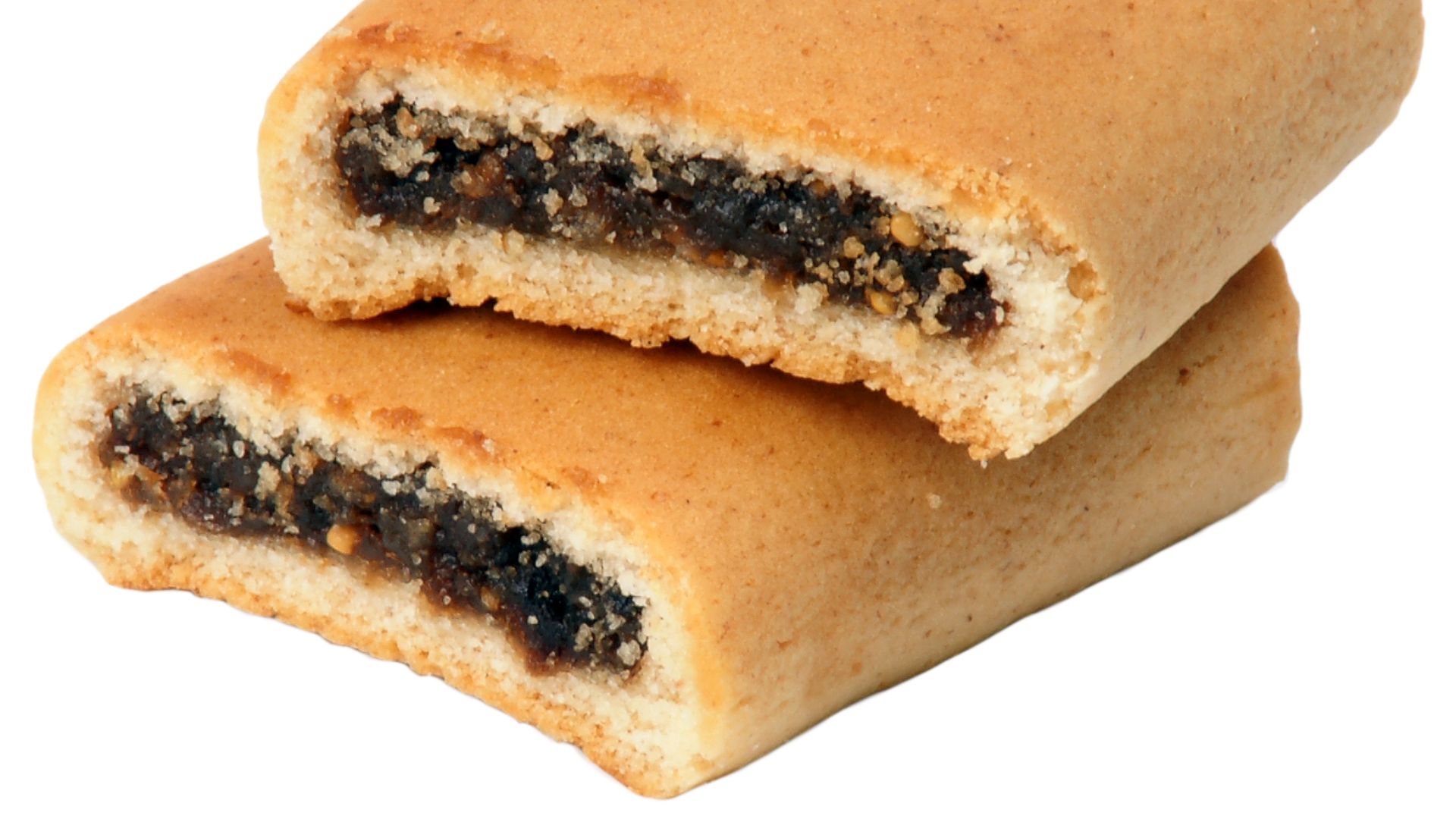
Fig Newtons arrived in the 1890s, when packaged foods were becoming easier to ship and sell. The soft fig filling made them feel a little more generous than a dry cracker, especially for workers and travelers carrying lunch in a pocket or bag. They sit right at the point where old preservation habits meet modern snack culture.
20. Peanuts
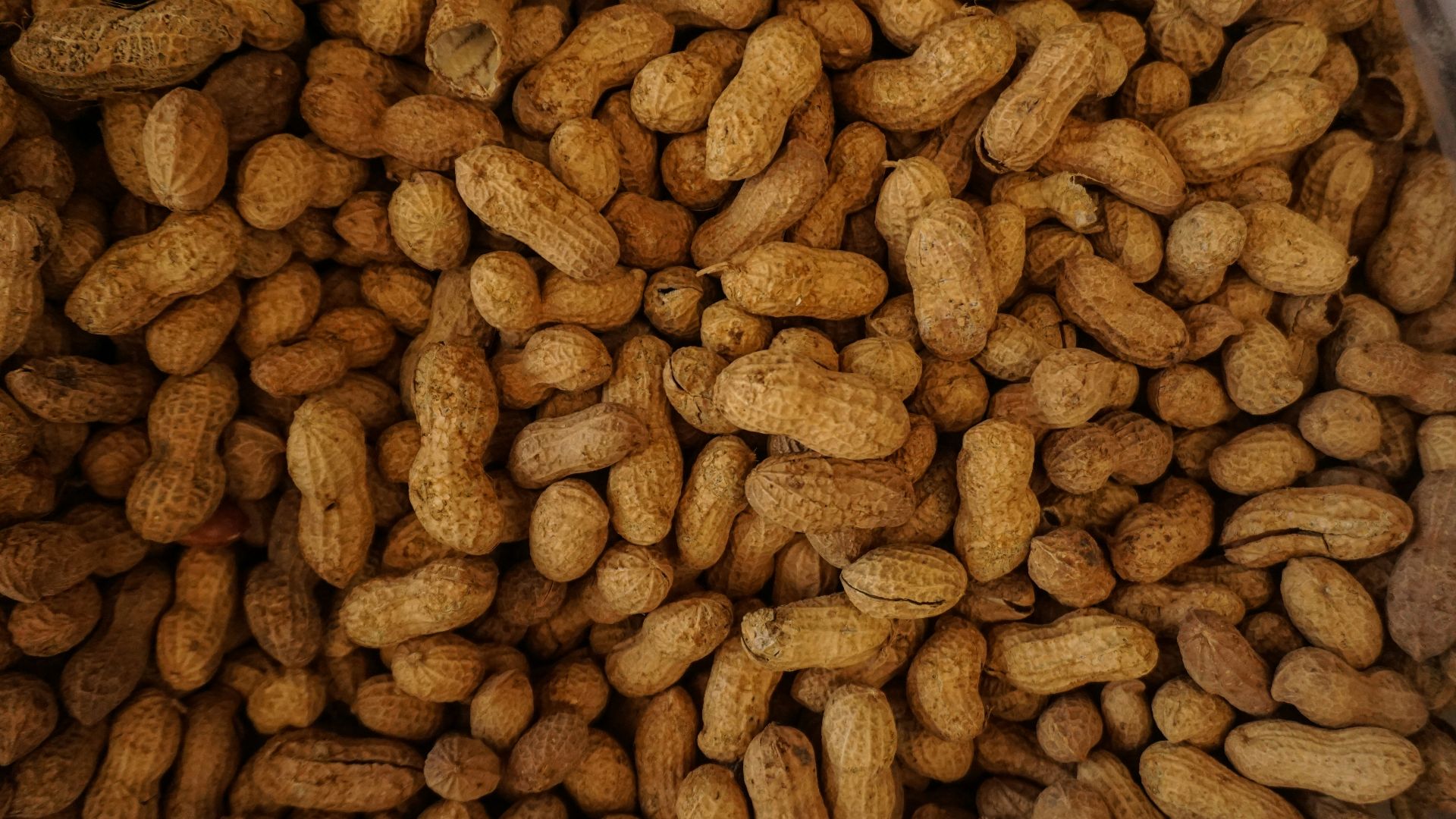
Peanuts were easy to roast, boil, bag, and carry, which made them useful long before they became airfare staples. During the Civil War, “goober peas” became part of Southern soldier food culture. Decades later, airline peanuts turned the same food into a travel ritual, tiny bag and all.
KEEP ON READING